General General 3 min read

Which is your go-to flavor?

Go beyond mozzarella and pepperoni with these 10 delicious pizzas

Image: Nataliya Vaitkevich

Yes, pepperoni is great. So are Margherita, mozzarella, Neapolitan, and Chicago deep-dish. But what about the lesser-known relatives of the pizza family? There are words of praise to be said for Mexican pizza with its chorizo topping or fragrant pesto pizza with pine nuts. Venture beyond the classics and take a look at these 10 mouth-watering slices of heaven. Have you ever tried any of these?

1
BBQ Chicken Pizza

Image: Daniel Hooper 🌊

Not all great flavors match, but pizza and barbecue chicken certainly do. This delightful fusion features tangy BBQ sauce, tender grilled chicken, and often sweet onions , creating a perfect balance of sweet and savory.

Some recipes are known to include smoked bacon or sweet corn, adding an extra layer of flavor. It’s a modern, flavorful twist on traditional pizza.

2
Supreme Pizza

Image: Klara Kulikova

The name itself sets the stage for a memorable flavor, and this pizza does not disappoint. Supreme Pizza is a hearty option designed to satisfy everyone. It combines several toppings, including pepperoni, sausage, onions, peppers, and mushrooms .

While it can be made at home, the sheer number of ingredients might make it easier to enjoy from your local pizzeria.

3
White Sauce Pizza

Image: Ivan Torres

The omnipresent tomato sauce, which gives a noble base flavor to our pizza toppings, is set aside for this iteration and trades seats with a creamy white sauce instead.

Combine olive oil and garlic to coat the dough or make a homemade white sauce. This white pizza version can use a ricotta cheese base. Keep the toppings simple so the sauce remains the star—think mozzarella cheese, roasted cherry tomatoes, and fresh herbs.

4
Pickle Pizza

Image: SuckerPunch Gourmet

Another flavor that shouldn't work—but does—is a pizza topped with pickled cucumbers. Some pizza joints across the country offer this unique version that uses pickles and spices as its topping .

The pizza is completed with the classic tomato sauce and a light cheese, to avoid clashing too much with the vinegar from the pickles.

5
Grilled Pizza

Image: Revolve Pizza Oven

Unlike the previous versions, the distinctive flavor of this pizza comes from its unique cooking method. The stretched dough is placed directly on the grates over hot coals , cooking it on one side, flipping the dough, and topping it in reverse—cheese first, sauce second. After this, the pizza goes back to the grates in order for the other side to cook and for the cheese to melt.

The resulting pizza is a crispy, airy, well-charred delight with a smoky flavor. Grilled pizza can be topped with virtually any ingredient according to personal preferences.

6
Green Peppers Pizza

Image: Anna Evans

A healthy and popular pizza topping in America, green peppers bring a crispy and refreshing dimension to any slice. Combined with onions and maybe even mushrooms they create an extremely flavorful, crispy, and crunchy ingredient that adds a refreshing dimension to a pizza.

7
Mexican Pizza

Image: Nik Owens

Mexican food is often associated with tacos, guacamole, nachos, and other delicious treats but Mexican pizza is a force to be reckoned with, too. The main ingredients are chorizo, jalapeños, pepperoni, red onion, and cannellini beans . It’s spicy and tangy, with a satisfying texture thanks to the ground meat and beans.

If you ever see this on the menu, don’t hesitate—go for it! You won’t regret it.

8
Burrata Pizza

Image: Klara Kulikova

Burrata cheese is like the supreme version of mozzarella: creamy, soft, and utterly delicious. A good burrata pizza includes cherry tomatoes, pistachio mortadella, and, of course, burrata cheese .

It’s not often you’ll find this on your local pizzeria’s menu, so if you spot it and want to try something special, give it a shot!

9
Greek Pizza

Image: Brenna Huff

Mediterranean cuisine goes beyond Italian flavors and Greek pizza adds some interesting ingredients to the recipe. This version is characterized by its thick, slightly wet dough, greasy cheese, and tomato sauce with a strong taste of oregano .

The typical ingredients for Greek pizza include artichokes, feta cheese, and Kalamata olives.

10
Pesto Pizza

Image: Klara Kulikova

If you associate pesto with pasta rather than pizza, you are not alone. But, as a fellow Italian specialty, pizza also benefits greatly from this aromatic sauce and its ingredients. The rich flavors of cheese and pine nuts in pesto complement the basic ingredients of a cheese pizza perfectly. Topped with parmesan cheese, mushrooms, and oregano , this pizza is nothing short of amazing.

Geography Geography 3 min read

Want to go for a ride?

From epic exploration to lonely road trips: the Great American Road

Image: Enric Cruz López

America has provided its majestic landscape for many different types of journeys, from the heroic to the touristic. Its infinite roads offer all kinds of experiences, and different personalities will find different adventures. The following ten journeys showcase these extremes and then some more. Which of these travelers do you identify yourself with the most?

1
Lewis & Clark

Image: James Lee

Also known as the Corps of Discovery Expedition, the Lewis and Clark Expedition crossed the newly acquired western portion of the country after the Louisiana Purchase . This group of U.S. Army and civilian volunteers under the command of Captain Meriwether Lewis and his close friend Second Lieutenant William Clark set out from Illinois, on May 14, 1804.

They crossed the Continental Divide of the Americas near the Lemhi Pass, eventually coming to the Columbia River, and the Pacific Ocean in 1805. The return voyage ended on September 23, 1806.

2
George Wheeler

Image: Alex Moliski

The leader of the Wheeler Survey, George Montague Wheeler, was an American pioneering explorer and cartographer who led one of the major geographical surveys of the western United States in the late 19th century.

In 1872, the US Congress planned to map the portion of the country west of the 100th meridian . This plan became known as the Wheeler Survey, which lasted until 1879 when the Wheeler, King, and Powell Surveys’ combined work was reorganized as the United States Geological Survey.

3
The Donner Party

Image: Naithen

The Donner Party was a group of pioneers who migrated to California in a wagon train from the Midwest. Delayed by a multitude of mishaps, they spent the winter of 1846-1847 snowbound in the Sierra Nevada .

While the journey west usually took between four and six months, the Donner Party chose to follow a new route called the Hastings Cutoff, which delayed them greatly.

4
Mark Twain

Image: Jim Strasma

Mark Twain was never one to shy away from adventure. Roughing It was published in 1872. It follows his travels through the American West from 1861 to 1867, when he joined his brother Orion Clemens, appointed Secretary of the Nevada Territory, on a stagecoach journey west.

5
John Muir

Image: Mathilda Khoo

The "Father of the National Parks" was a Scottish-born American explorer, naturalist, author, botanist, and early advocate for the conservation of the nation’s wilderness.

After spending much of his youth traveling across the country, Muir visited Yosemite and was enthralled by its natural beauty . Later on, he worked as a shepherd for a season in the valley, built a cabin, and began advocating for the creation of a national park to protect the area.

6
Jack Kerouac

Image: Ana Viegas

Probably one of the most famous entries on this list, Jack Kerouac’s 1947 cross-country hitchhiking round-trip became the basis for On the Road , a freeform travelogue that became the bible of the Beat Generation.

His roundtrip started and ended in New York, passing through Chicago on the way out to California, following the West Coast south before returning east.

7
John Steinbeck

Image: Jack Anstey

In 1960, John Steinbeck decided to travel across America setting out from his Long Island home aboard his camper van, dubbed Rocinante, and accompanied by his French poodle, Charley . In 1962, he published Travels with Charley: In Search of America .

Their 10,000-mile-long trip passed through New England, then via Niagara Falls along the Canadian border, hitting Chicago and continuing to Seattle before turning south towards the Salinas Valley, then to Texas, New Orleans, and a huge chunk of the Deep South.

8
Tom Wolfe

Image: Geio Tischler

Long before writing The Bonfire of Vanities , Tom Wolfe embarked on a trip across the country with a group of psychedelic enthusiasts known as the Merry Pranksters. The trip produced his 1968 nonfiction book, The Electric Kool-Aid Acid Test .

9
William Least Heat-Moon

Image: Aaron Huber

William Least Heat-Moon lost his wife and his job as a professor in a short period of time, which prompted him to embark on a soul-searching journey across the country . The result was 1982’s Blue Highways , a novel that describes the experiences he had during his travels, including conversations with colorful characters, the towns he visited, and his adventures on the road.

10
Michael Paterniti

Image: Tim Trad

Imagine driving across the country with the brain of one of the world’s most celebrated geniuses in the backseat . That is exactly what Michael Paterniti experienced and shared in his 2000’s Driving Mr. Albert: A Trip Across America with Einstein’s Brain .

The author started his quest in New Jersey, driving the doctor who performed Einstein’s autopsy and afterward refused to give up the brain which, eventually, was delivered to an Einstein heir in Berkeley.

History History 5 min read

Thankfully, it never rained men

No umbrella can save you from a meat rain: Discover 12 very unusual rains

Image: Lukas Gojda

Most of us have heard the saying "it’s raining cats and dogs," but the U.S. has produced weather stories that are far stranger than any expression. Over the centuries, people across the country have reported meat falling from the clear sky, frogs bouncing onto streets after storms, fish landing in neighborhoods miles from water, and many other unusual things. While some cases remain unsolved, scientists have found surprisingly reasonable explanations for many of them. Did you ever know about these 12 incredible rains?

1
The Kentucky meat shower

Image: PeopleImages

On March 3, 1876, residents near Olympia Springs in Bath County, Kentucky, witnessed one of the strangest events in American history. Chunks of meat suddenly fell from an apparently clear sky, covering an area estimated at 100 by 50 yards. One of the witnesses, Mrs. Allen Crouch, was making soap outdoors when the bizarre shower began.

Scientists examined samples and argued over whether the meat came from horses, sheep, or other mammals. The leading modern explanation is far less supernatural: a flock of vultures likely regurgitated partially digested meat while flying overhead, a defensive behavior the birds still exhibit today . Tasty, right? The incident remains so famous that Kentucky now celebrates it with an annual Meat Shower Festival.

2
A frog rain

Image: Bigman26

Reports of frogs raining from the sky have appeared across the country for well over a century. Although they sound impossible, meteorologists consider them entirely plausible under the right weather conditions.

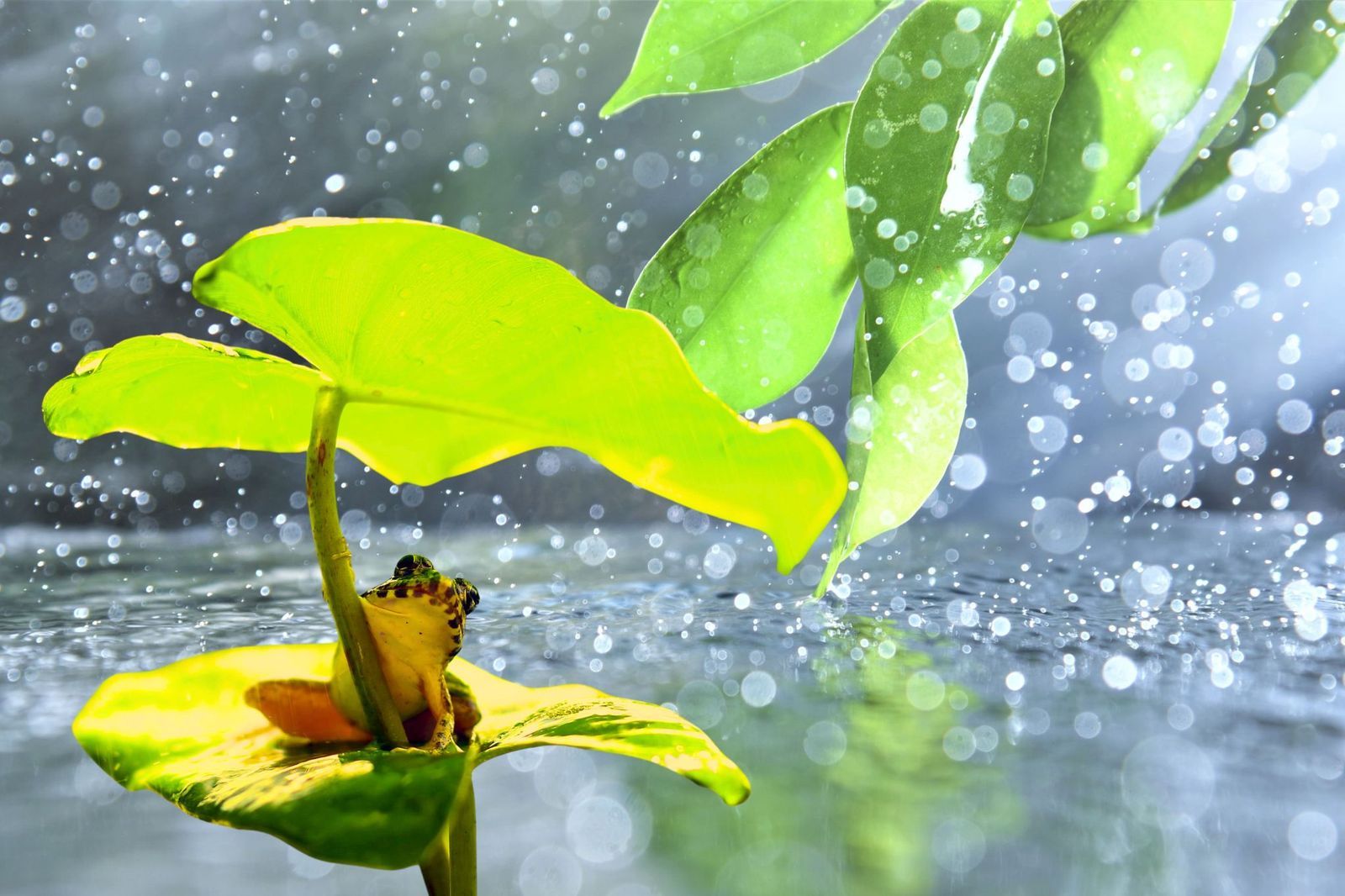
The usual explanation involves waterspouts or tornadoes passing over ponds or marshes . These powerful rotating columns of air can lift small frogs into the atmosphere before carrying them several miles away. When the storm weakens, the animals fall back to Earth, sometimes astonishing entire neighborhoods as tiny frogs suddenly cover roads, sidewalks, and backyards.

3
Louisiana’s fish storm

Image: g_tech

Residents of Marksville, Louisiana, experienced one of this country’s best-known fish rains on October 23, 1947. During a storm, dozens of small fish reportedly began falling from the sky, surprising everyone who witnessed the event.

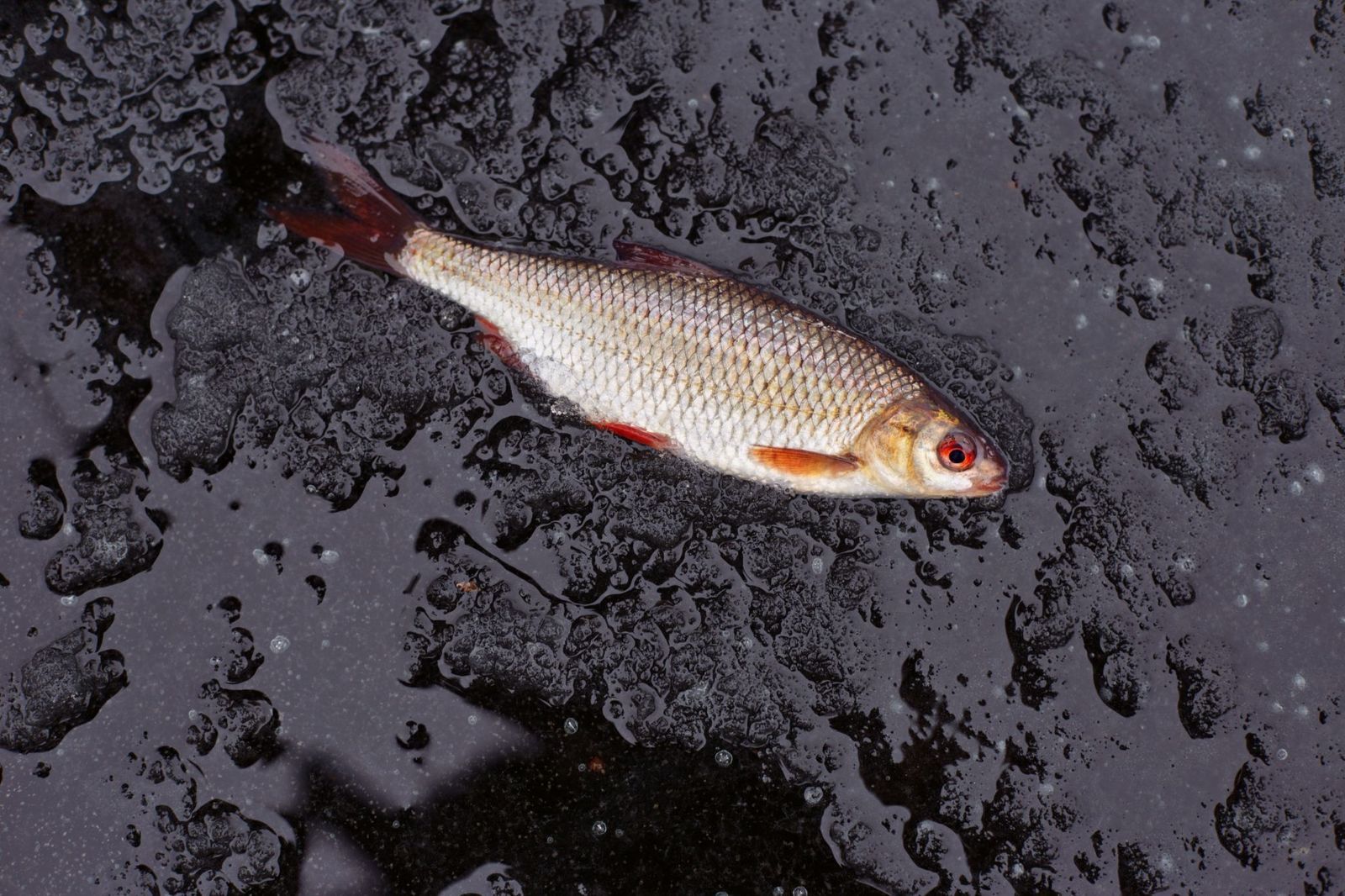
Scientists quickly pointed toward nearby lakes and bayous as the likely source. A waterspout probably sucked up the fish before releasing them inland once the storm lost strength . Cases like Marksville have become classic examples used by meteorologists when explaining how unusual "animal rain" can occur without breaking the laws of physics.

4
The red rain

Image: Sk Hasan Ali

Few things are more unsettling than seeing rainwater that looks like blood, right? Throughout American history, scattered reports of reddish rainfall have sparked fears, newspaper headlines, and plenty of speculation.

Modern science offers much less frightening explanations. Fine dust rich in iron oxide can tint rain a rusty red after traveling hundreds or even thousands of miles through the atmosphere . Certain airborne microorganisms may also contribute to unusual coloration. While dramatic, these events have repeatedly turned out to be natural rather than supernatural.

5
A worm shower in Louisiana

Image: RomanovRV

In 2007, residents of Jennings, Louisiana, reported seeing worms apparently falling after severe weather. The strange event attracted widespread attention because the ground seemed to become covered almost overnight.

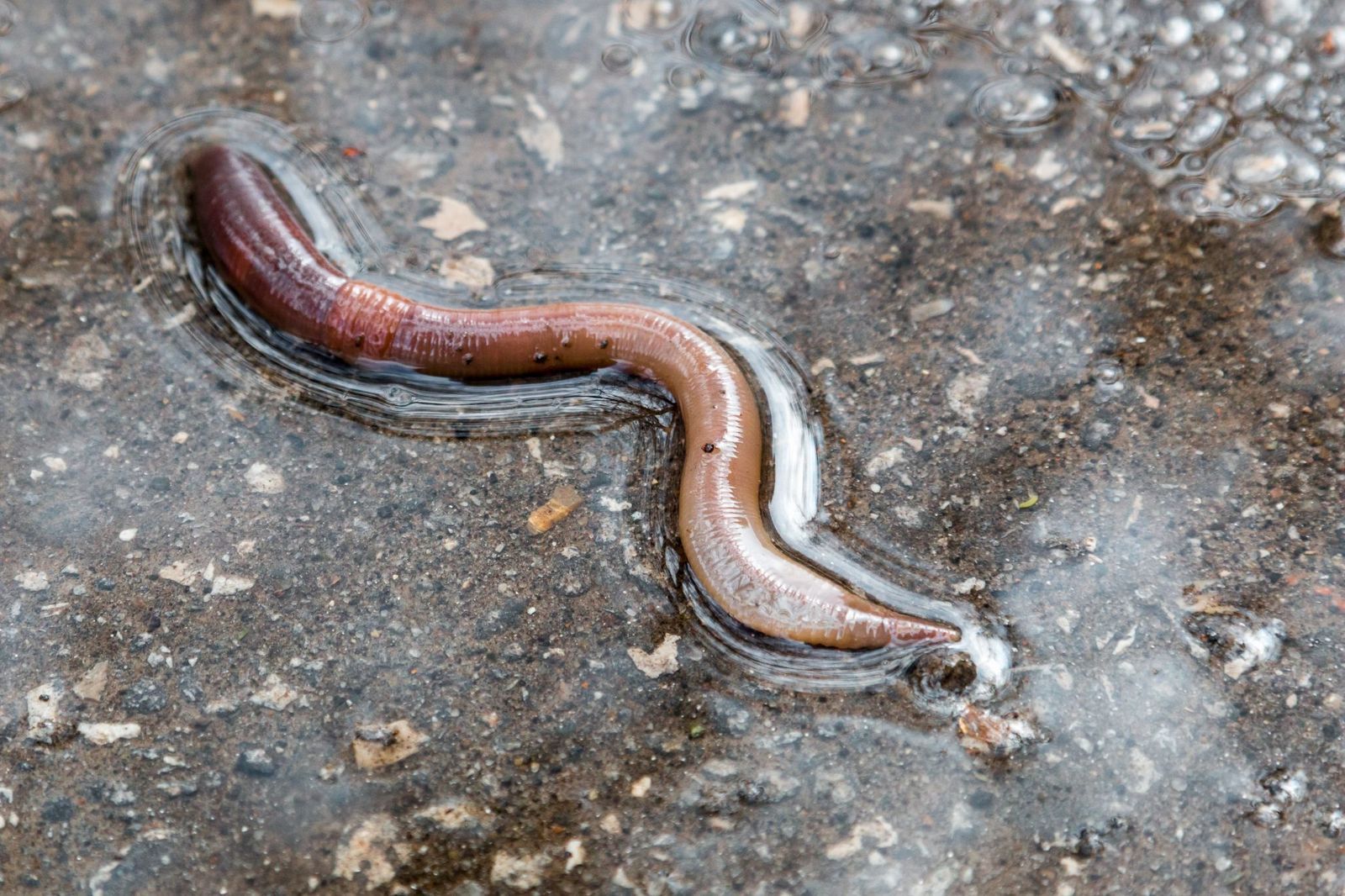
Meteorologists note that intense storms are capable of lifting lightweight organisms from flooded fields or shallow water . At the same time, heavy rain naturally forces many earthworms to the surface, making it difficult to determine exactly how they arrived. Whatever the explanation, the Jennings incident remains one of America's best-known modern worm rains.

6
Sea snails from above

Image: EcoPrint

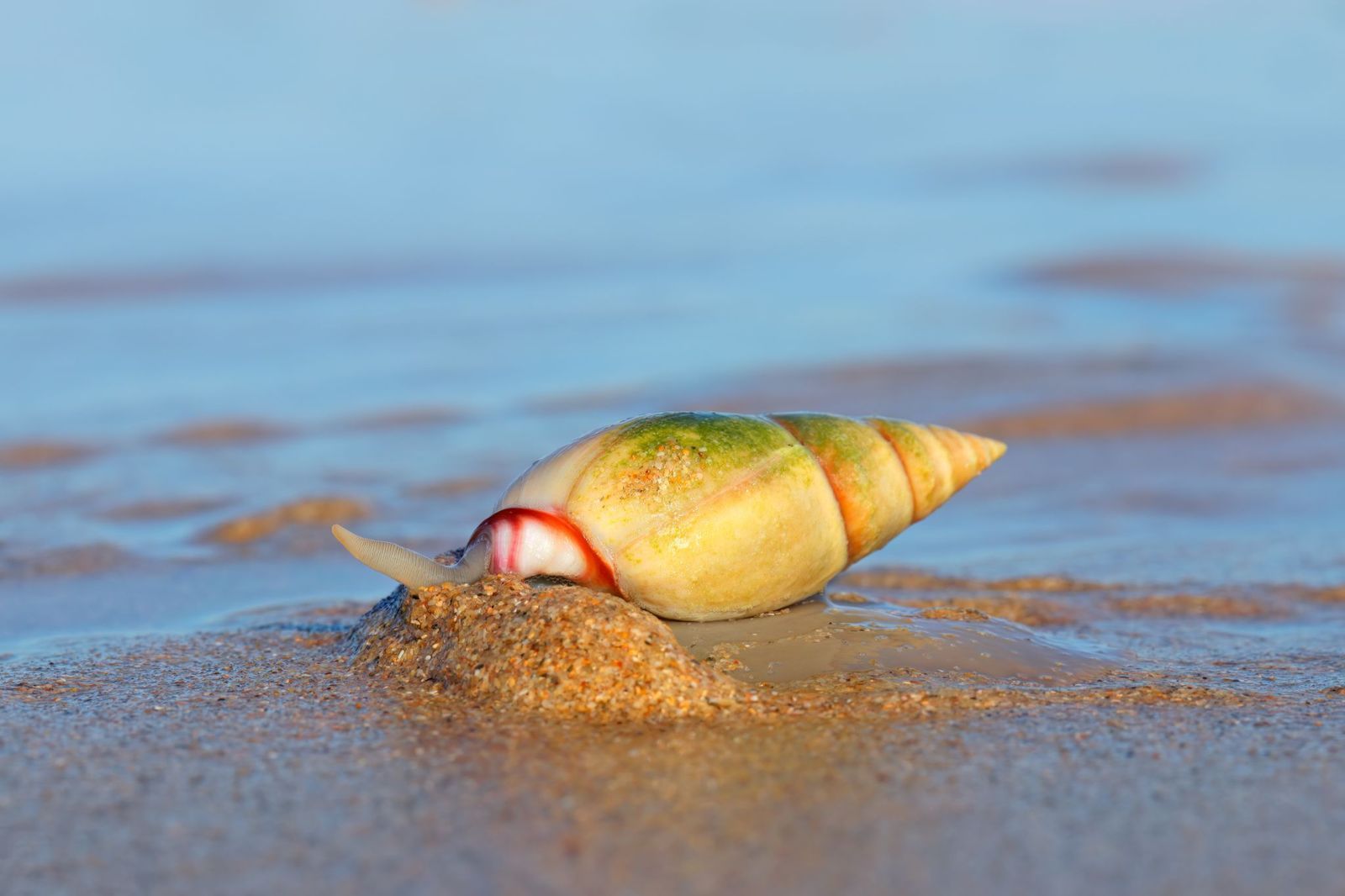
Along parts of the Atlantic Coast, powerful coastal storms have occasionally been followed by reports of periwinkles, a type of small sea snails, appearing well away from the shoreline.

Scientists believe waterspouts or hurricane-force winds can lift lightweight marine creatures from shallow coastal waters before dropping them inland . While such reports are uncommon and often difficult to document completely, they fit the same weather processes believed to produce fish and frog rains.

7
Crab rain in Chesapeake Bay

Image: Shahid Gire

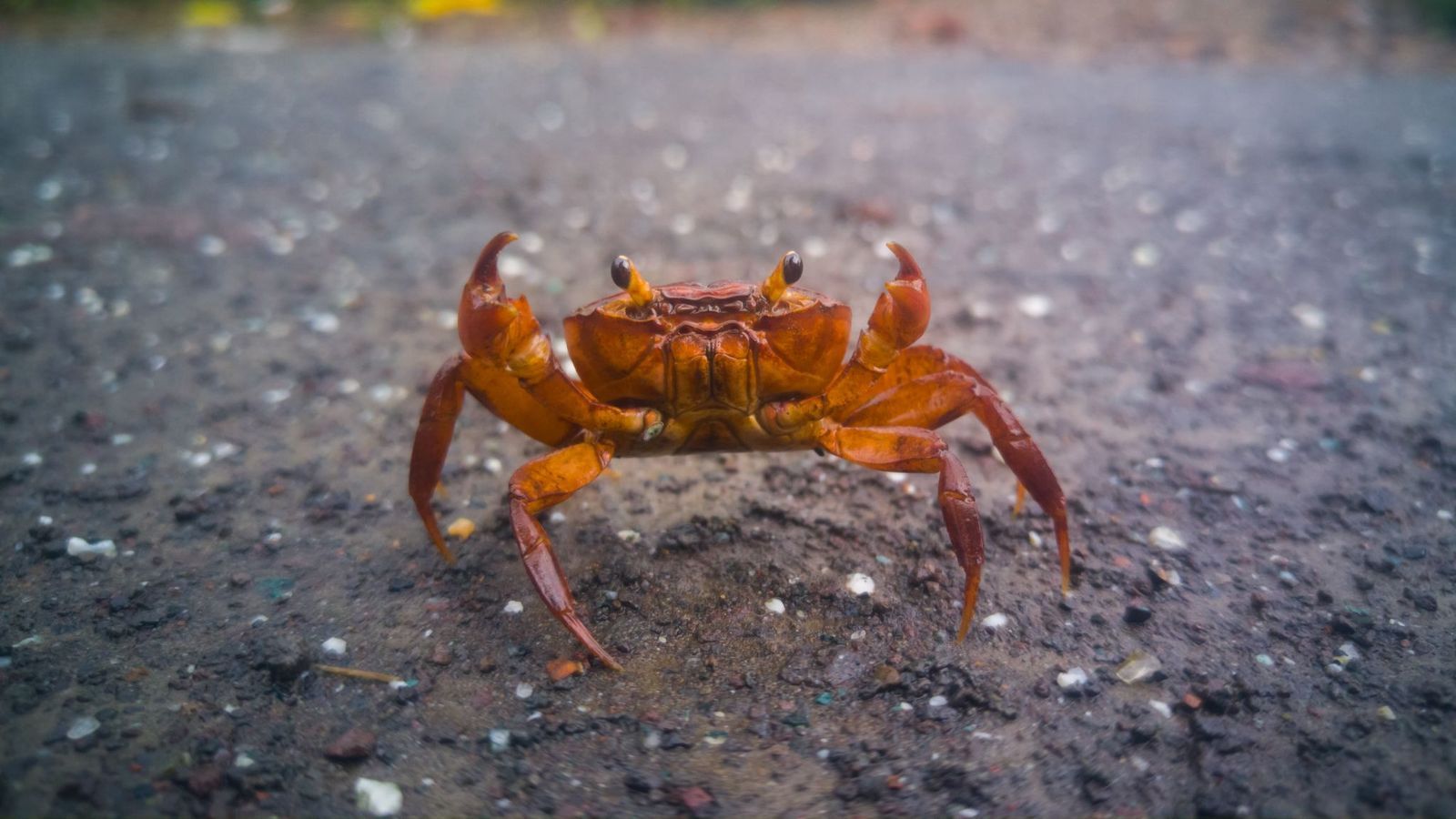
Communities near Chesapeake Bay have periodically reported finding small crabs scattered across roads and fields after severe storms. Discovering shellfish where there was no flooding certainly makes for an unforgettable morning.

Meteorologists consider these reports believable because the bay regularly experiences waterspouts and strong thunderstorms. Small juvenile crabs are light enough to be carried short distances by powerful updrafts before falling back to the ground once the storm weakens .

8
Tadpoles after the storm

Image: Kurit afshen

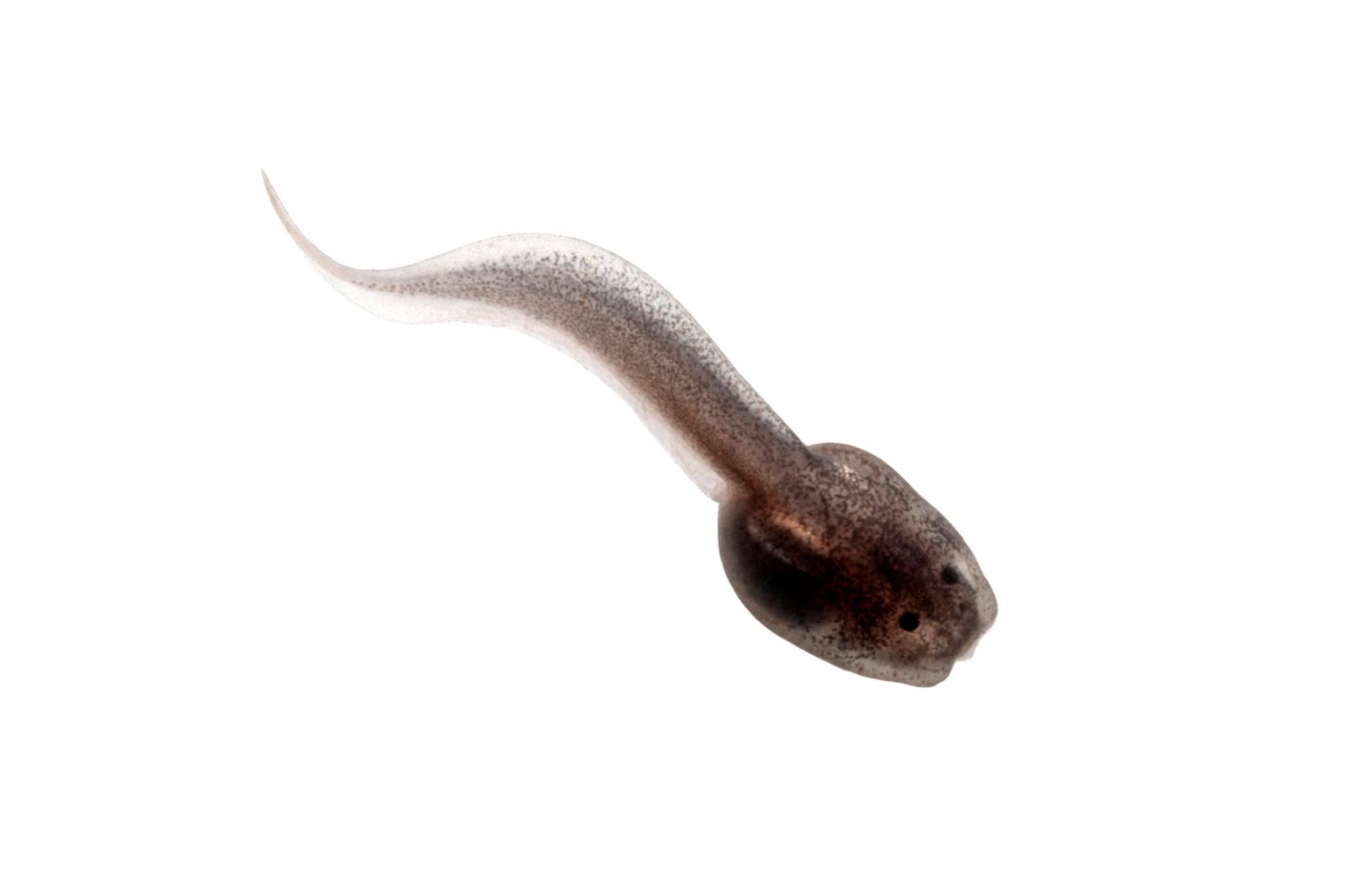
Several Midwestern communities have reported storms that seemed to leave roads covered with tiny tadpoles. Unlike adult frogs, these young amphibians are incredibly light, making them easier for violent weather to transport .

Spring is the most likely time for such events because shallow ponds contain enormous numbers of developing tadpoles. If a storm passes directly over one of these breeding areas, the rotating winds may lift thousands of them into the air before dropping them elsewhere in surprisingly concentrated patches.

9
The star jelly rain

Image: emka74

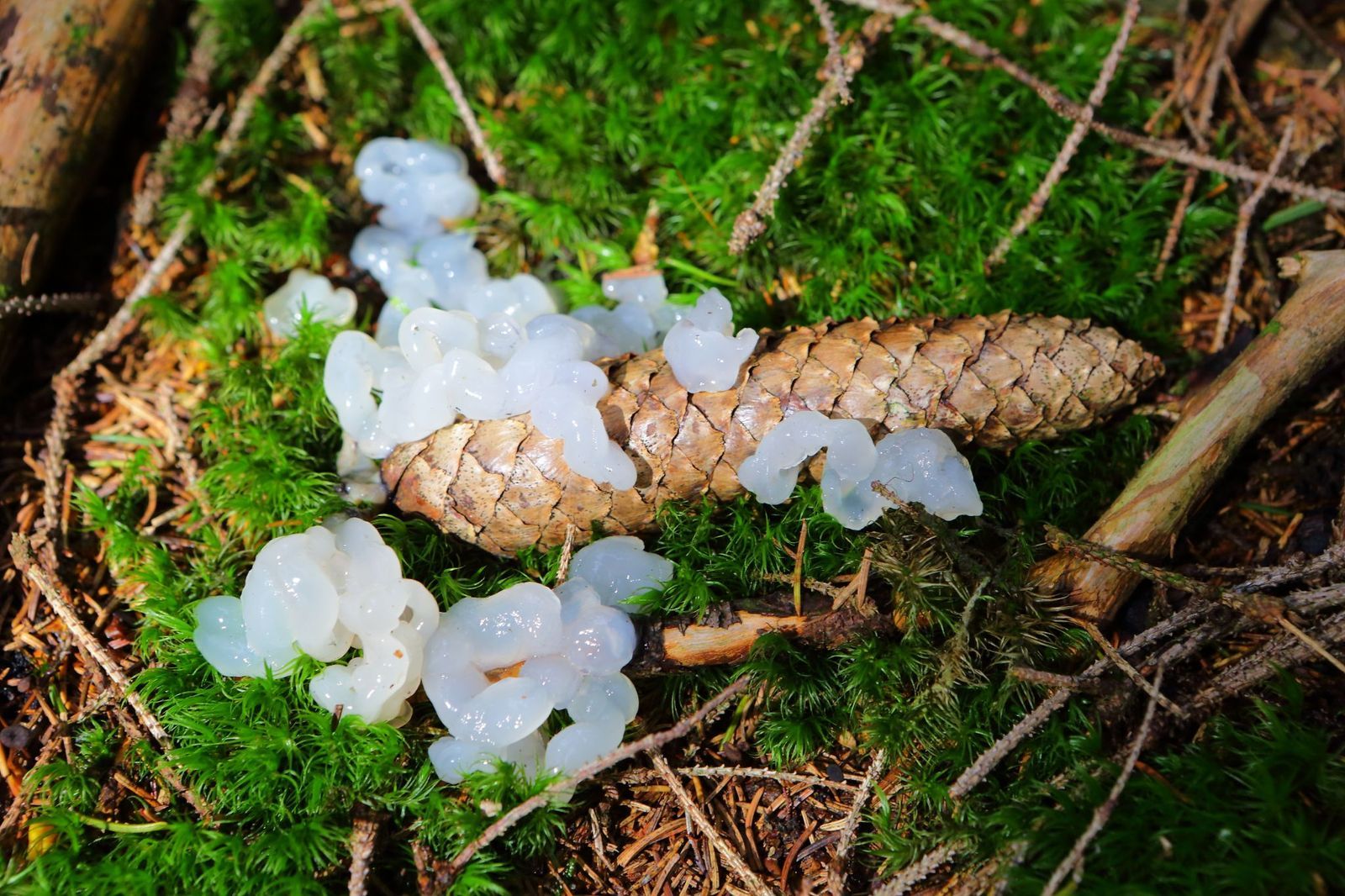
For centuries, people across the country have occasionally discovered mysterious transparent blobs lying on the ground after storms. Known as "star jelly," the gooey substance has inspired countless legends claiming it literally fell from the heavens.

Scientists have proposed several possible explanations, including slime molds, cyanobacteria, amphibian reproductive tissue, or biological material left behind by predators . None explains every reported case, leaving star jelly as one of nature's longest-running mysteries.

10
A haystorm on the Great Plains

Image: DonChenaro

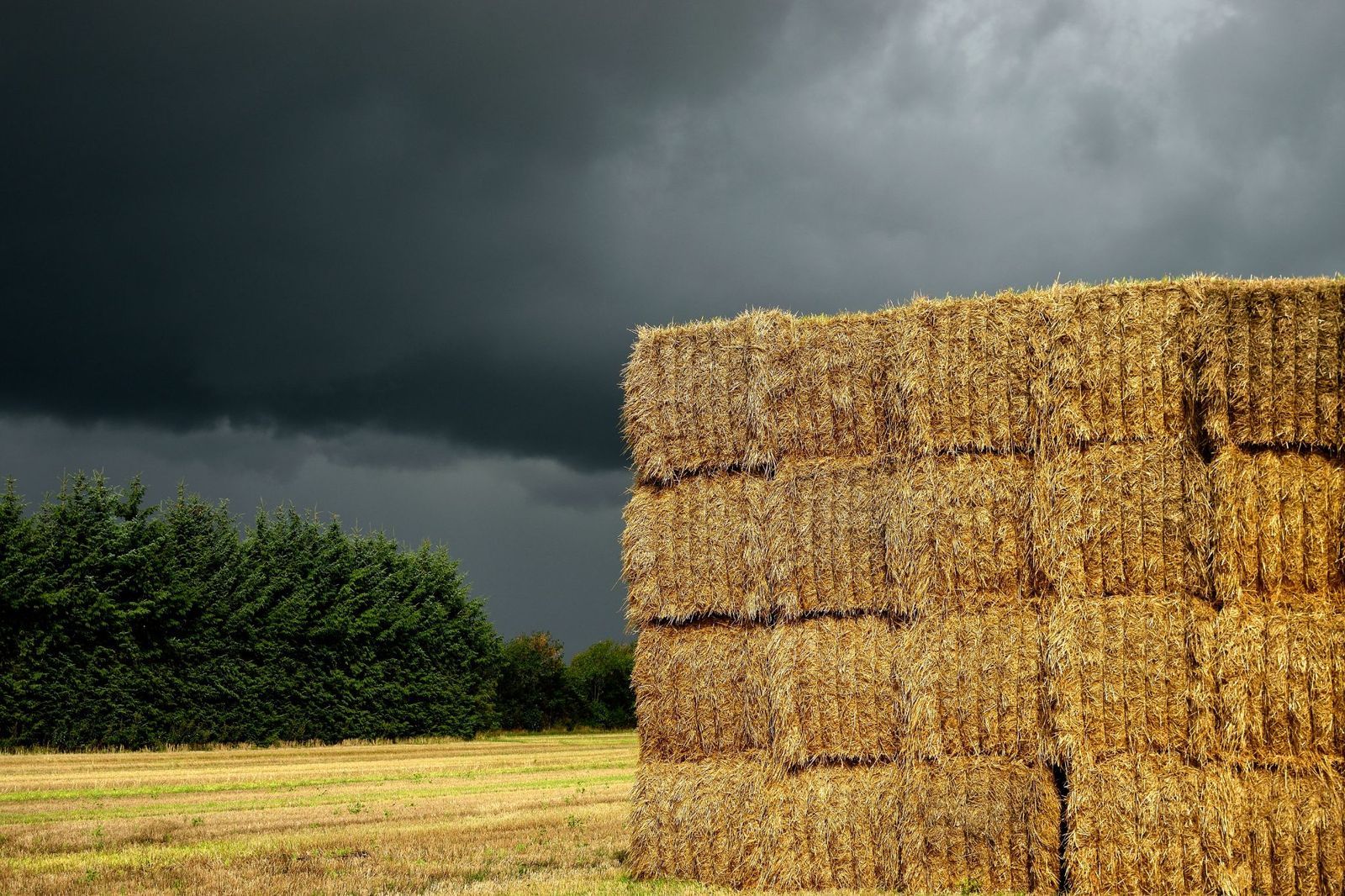
Not every strange rain involves animals. Across the Great Plains, tornadoes have repeatedly lifted hay, straw, and other lightweight farm materials into the atmosphere before dropping them miles away .

Farmers occasionally discover freshly fallen hay that clearly came from another property entirely. These events demonstrate just how powerful severe storms can be, transporting ordinary agricultural materials across remarkable distances before gravity finally takes over.

11
Storms that drop insects

Image: Rawpixel.com

Thunderstorms can also seem to rain insects. Swarms of flying ants, termites, aphids, and other tiny creatures have occasionally appeared immediately after powerful storms , leaving the impression that they fell directly from the clouds.

In reality, strong updrafts can sweep huge numbers of lightweight insects into the air and carry them well beyond their original location. When the winds weaken, the insects settle back to the ground, sometimes creating spectacular and slightly unsettling natural displays.

12
It’s raining golf balls

Image: Jade ThaiCatwalk

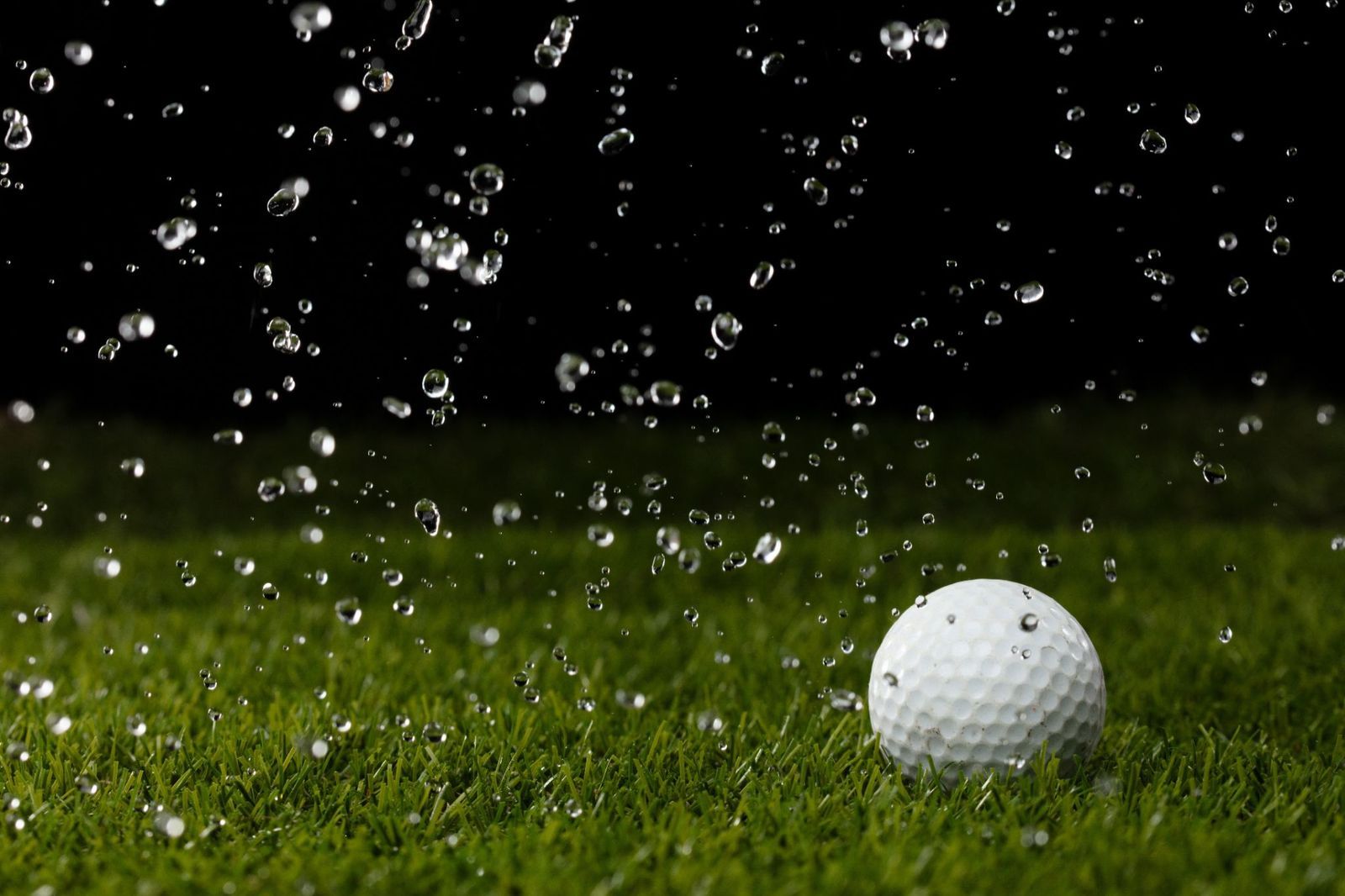
Florida's violent thunderstorms have produced reports of golf balls suddenly pelting neighborhoods near golf courses and driving ranges . Unlike hail, these were actual golf balls launched by nature's incredible force.

Powerful wind gusts, tornadoes, and hurricanes are capable of lifting and scattering thousands of golf balls across nearby communities. While they aren't technically falling from the upper atmosphere, they certainly create the unforgettable impression that the sky itself has started playing a round of golf.

Explore more American facts

Choose your favorite category!

General
General

As American as apple pie—the very best America has to offer!

Culture
Culture

Delve into the astounding richness of American lore.

Geography
Geography

Hop in and explore vast and diverse American landscapes.

History
History

Discover the key moments that shaped the United States.