History History 4 min read

American athletic history

Who did America defeat in "The Miracle on Ice"?

Image: Fredrick Lee

Sports have a remarkable way of keeping us on the edge of our seats during an exciting game, filling our hearts with joy when we see our country claim victory. With that in mind, the sports moments we’ve selected are among the most iconic American wins in history. However, we’re putting a twist on this: While we undoubtedly celebrate the incredible Americans behind these achievements, we’ve decided to highlight those who were defeated by the United States in these legendary contests.

Can you remember the teams and athletes who fell to America in these unforgettable moments? Let’s find out! You’ll find the answers at the end of this quiz, so keep reading!

1
The Miracle on Ice
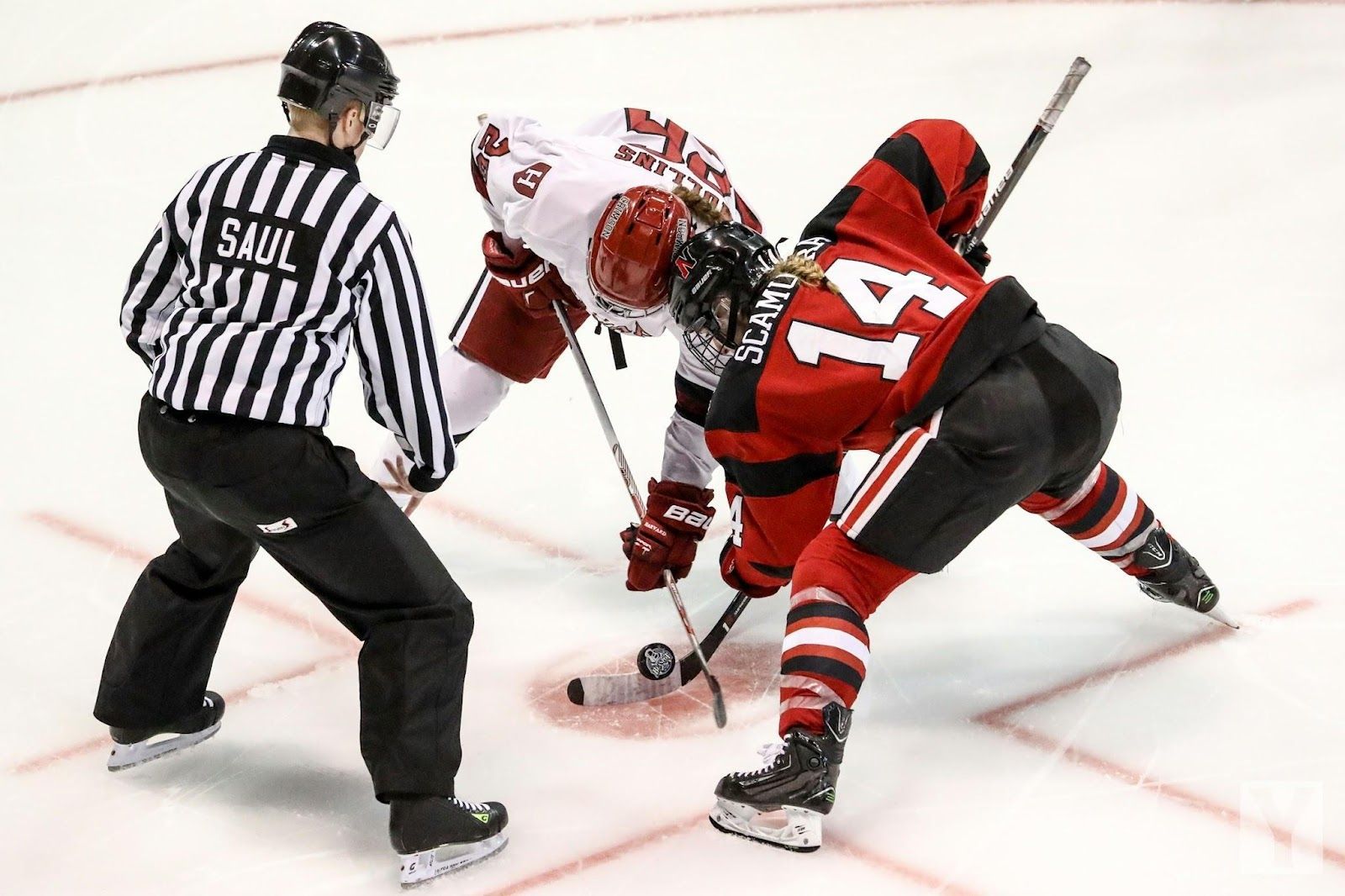
Image: Jerry Yu

We begin with an unforgettable underdog story. At the 1980 Winter Olympics in Lake Placid , New York , the United States faced what many considered a leviathan in ice hockey history. Adding to the challenge, the American team was composed mostly of 21-year-olds, making it the youngest U.S. squad in Olympic history . Yet, against all odds, these determined players triumphed over a heavily favored opponent in what became known as the " Miracle on Ice ."

Do you remember which formidable rival they defeated?

2
Rumble in the Jungle

Image: Attentie Attentie

Many sports historians consider " The Rumble in the Jungle " to be the greatest boxing match in history. Held in 1974 in what is now the Democratic Republic of the Congo, this legendary bout cemented Muhammad Ali’s place in boxing history. Even more impressively, Ali’s victory came against an undisputed and undefeated heavyweight champion, whom he knocked out in the eighth round.

Though he is not as widely remembered as "The Greatest," this American boxer is still regarded as one of the best fighters of his generation. Can you guess his name?

3
Michael Jordan’s Last Shot
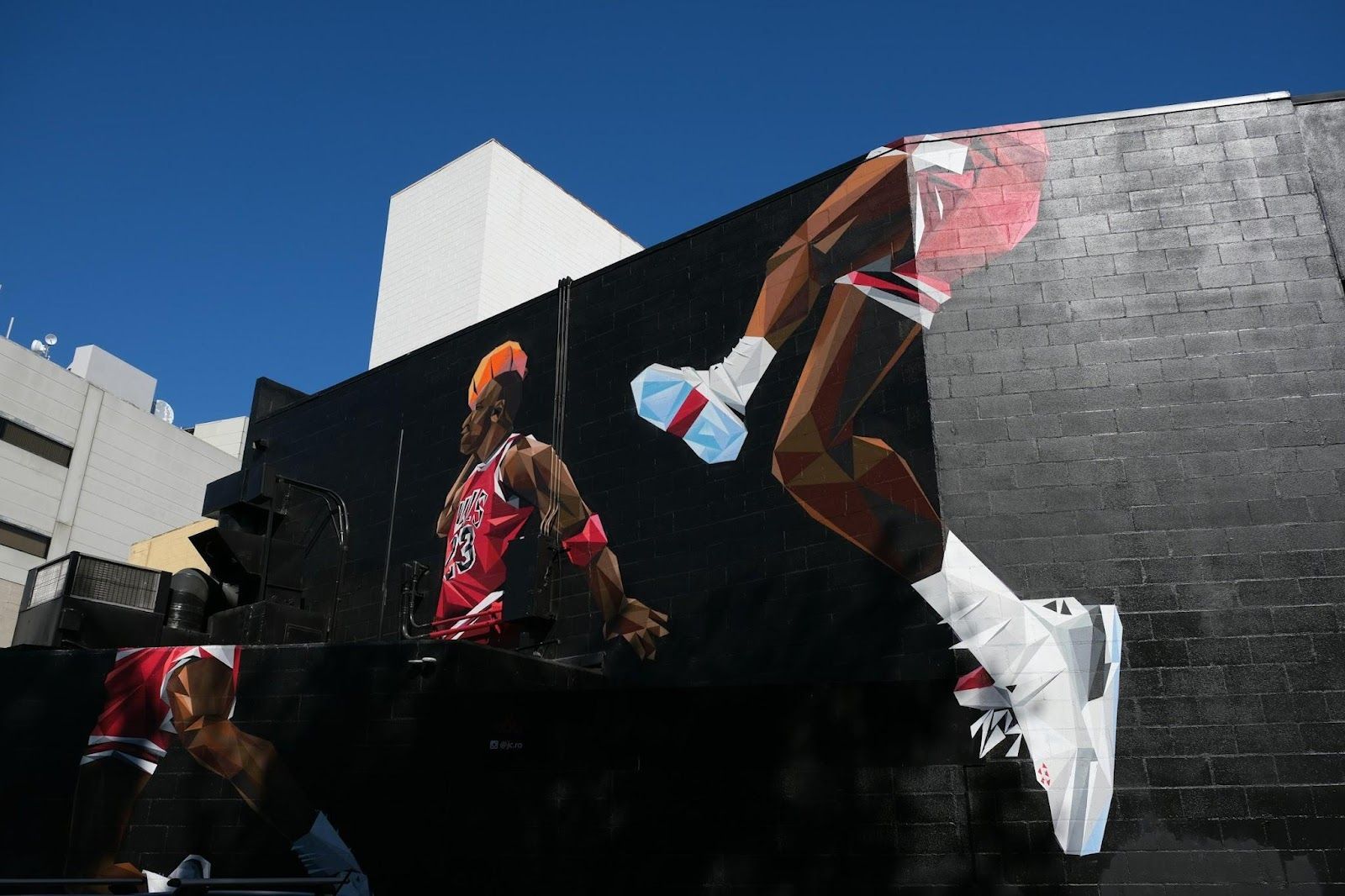
Image: Mike Von

It’s no exaggeration to say that Michael Jordan completely revolutionized basketball worldwide. Over his 15-season career , he delivered countless jaw-dropping moments. As you’d expect, choosing just one was no easy task, but we ultimately selected what is now known as Michael’s "Last Shot."

In the final seconds of the 1998 NBA Finals against the Utah Jazz , Jordan sank a game-winning shot that secured the Bulls’ victory. While you already know which team he scored against, there’s a certain player who is always featured in retellings of this iconic moment. Do you know who we’re talking about?

4
Serena Williams’ Golden Medal in London
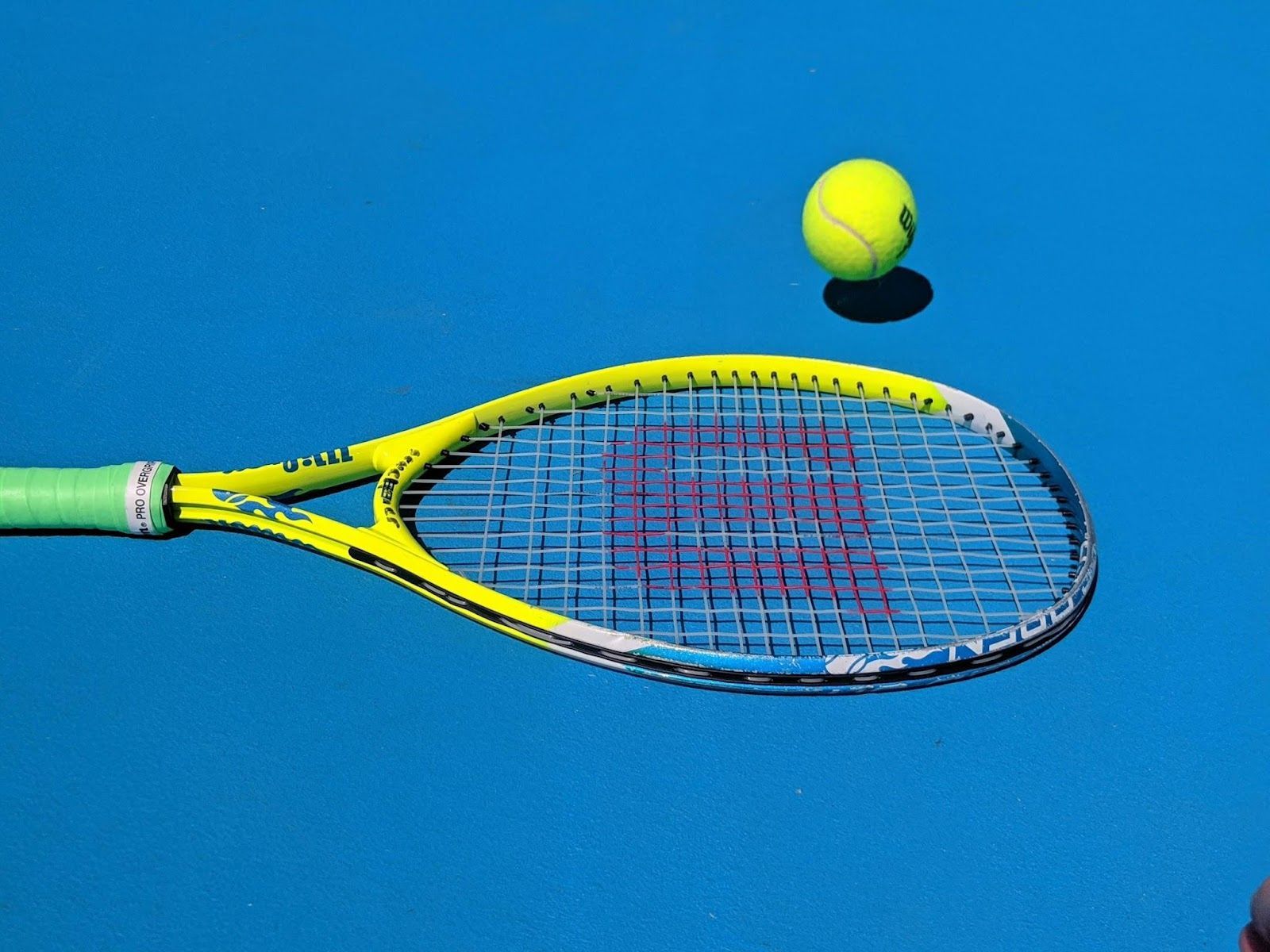
Image: Josephine Gasser

What can be said about Serena Williams that hasn’t already been said? Arguably the greatest American tennis player in history, Williams’s career is a collection of remarkable achievements. However, we’ve chosen to highlight one of her later triumphs—her dominant performance at the 2012 London Olympics , where she became only the second woman to complete a career Golden Slam in singles.

Even more impressive was the way she secured her victory, defeating her opponent 6-0, 6-1 to claim the gold medal. Do you know who she faced in that historic match?

5
Michael Phelps's record-breaking achievements in Beijing 2008

Image: Gentrit Sylejmani

During the 2008 Beijing Olympics, the world was introduced to Michael Phelps , an affable kid from Baltimore who achieved the impossible: breaking seven world records and earning eight gold medals —the first step in his journey to becoming the most decorated Olympian of all time.

Phelps’s incredible feats often overshadow his competitors, so we thought we’d take a moment to recognize the swimmers who came close but couldn’t overcome " The Baltimore Bullet ." Do you remember them?

Answers:

6
Miracle on Ice - Soviet Union

Image: Markus Spiske

If you guessed that the Soviet Union was the Goliath defeated by the American team at the Winter Olympics, you were right! At the time of the match, the Soviet team was a four-time defending gold medalist and the heavy favorite to win. Although the United States pulled off a legendary upset, the victory didn’t come easily . The game was a thrilling showdown , with the American team scoring the decisive goal exactly 10 minutes before the final buzzer.

7
Rumble in the Jungle - George Foreman

Image: Johann Walter Bantz

Known as " Big George ," Texas-born boxer George Foreman was defeated by Muhammad Ali in the legendary "Rumble in the Jungle." As mentioned earlier, Ali’s victory was even more remarkable given Foreman’s dominance in the sport—he was a two-time world heavyweight champion , an Olympic gold medalist , and the favorite to win the match. Today, Foreman is remembered not only for his boxing achievements but also for his entrepreneurial success: Since 1994, his iconic George Foreman Grill has sold over 100 million units.

8
Last shot - Bryon Russell
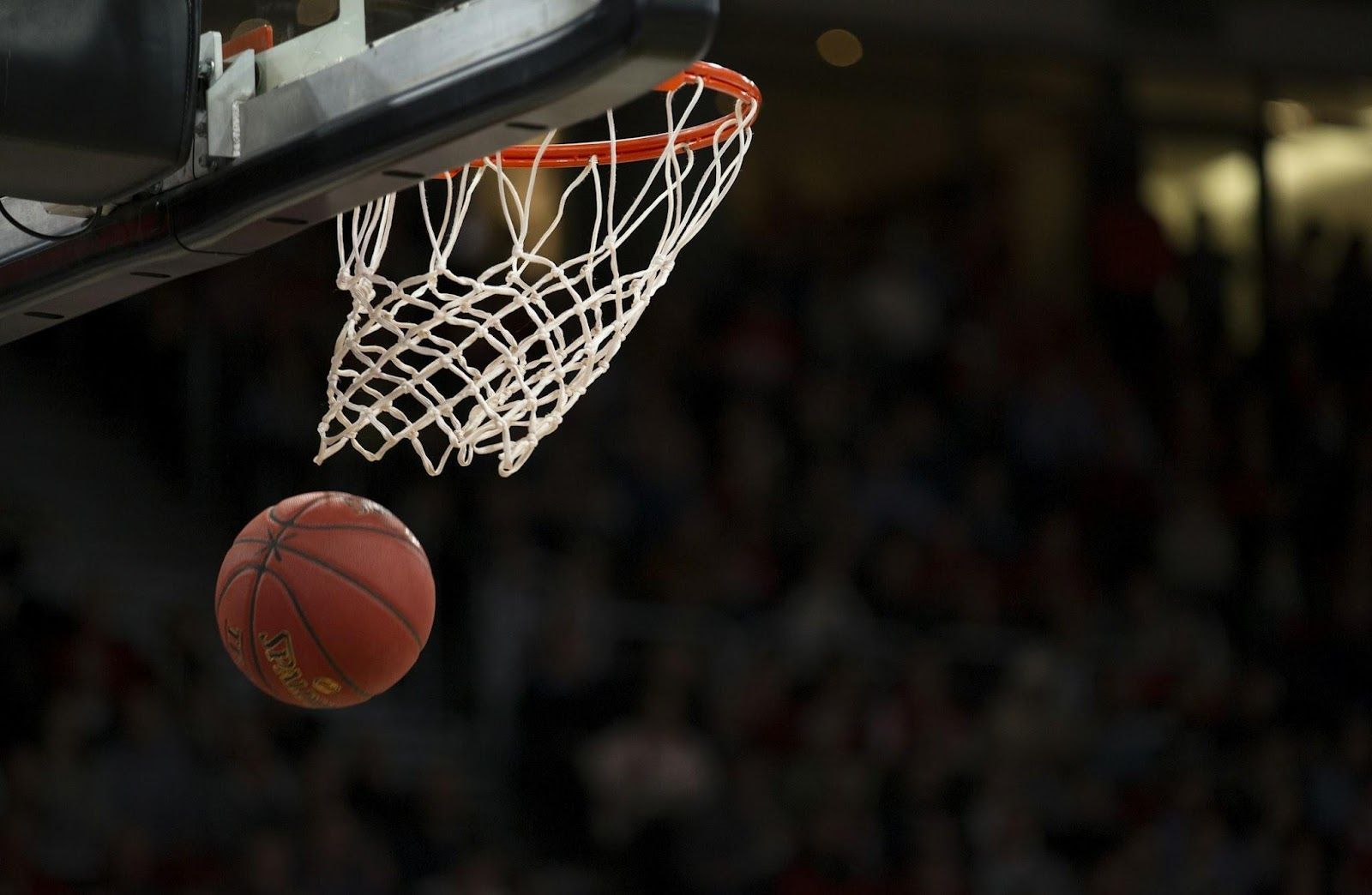
Image: Markus Spiske

The play that would become known as " The Last Shot " began when Michael Jordan stole the ball from Karl Malone and raced down the court. Before taking the shot, he swiftly dodged Utah Jazz defender Bryon Russell , causing him to trip and fall. By the time Russell got back on his feet, the ball was already soaring through the air, swishing through the net and sealing victory for the Bulls.

9
Serena Williams’ Golden Medal - Maria Sharapova
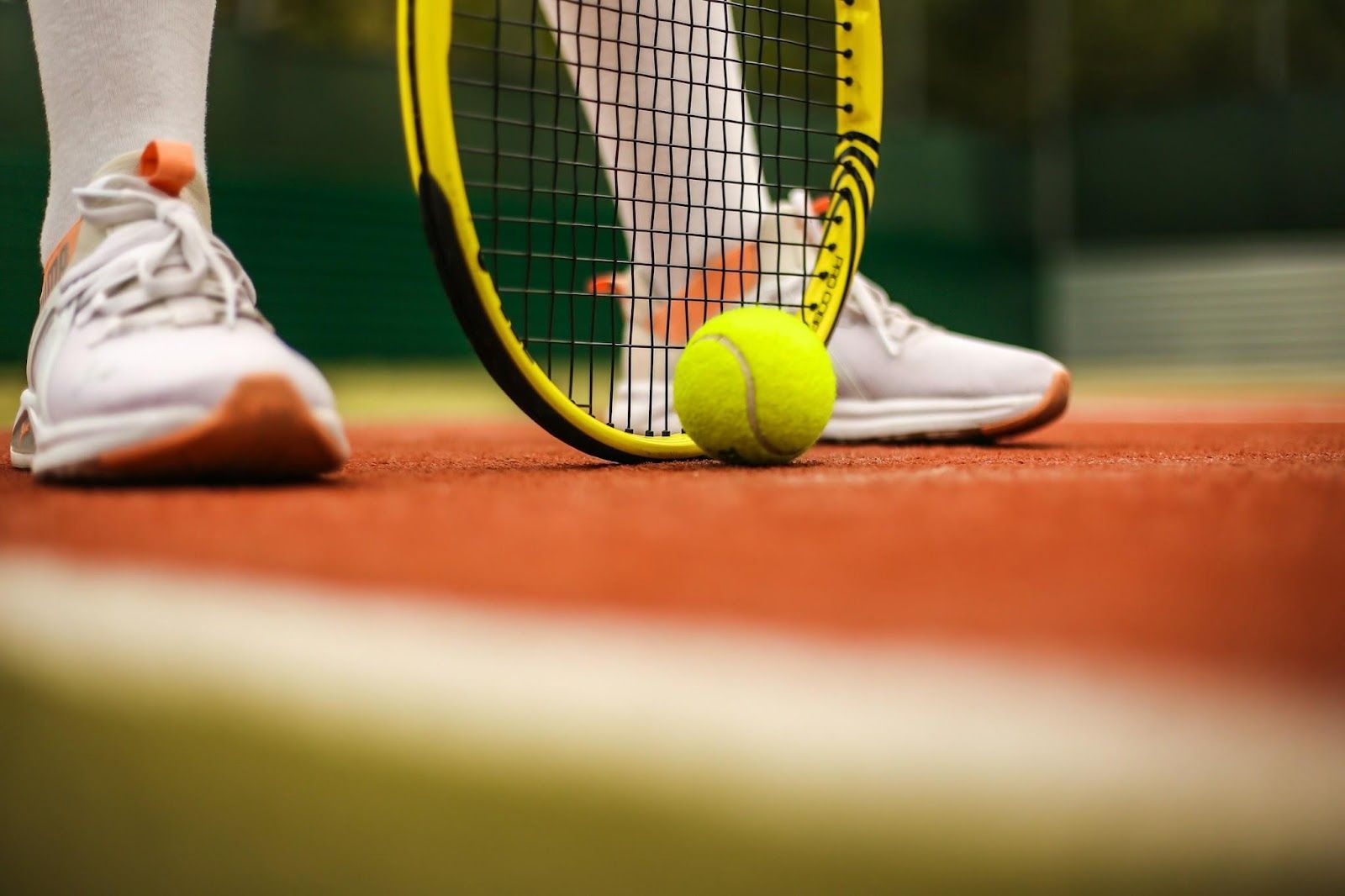
Image: Valentin Balan

Throughout their careers, Serena Williams and Maria Sharapova maintained a high-profile rivalry as two of the biggest names in women’s tennis. Fortunately for tennis lovers everywhere, the 2012 Olympics brought these titans head-to-head, and while Serena dominated the match , it was far from the end of Sharapova’s career—she continued to showcase her talent until retiring in 2020.

10
Michael Phelps - László Cseh and Milorad Čavić
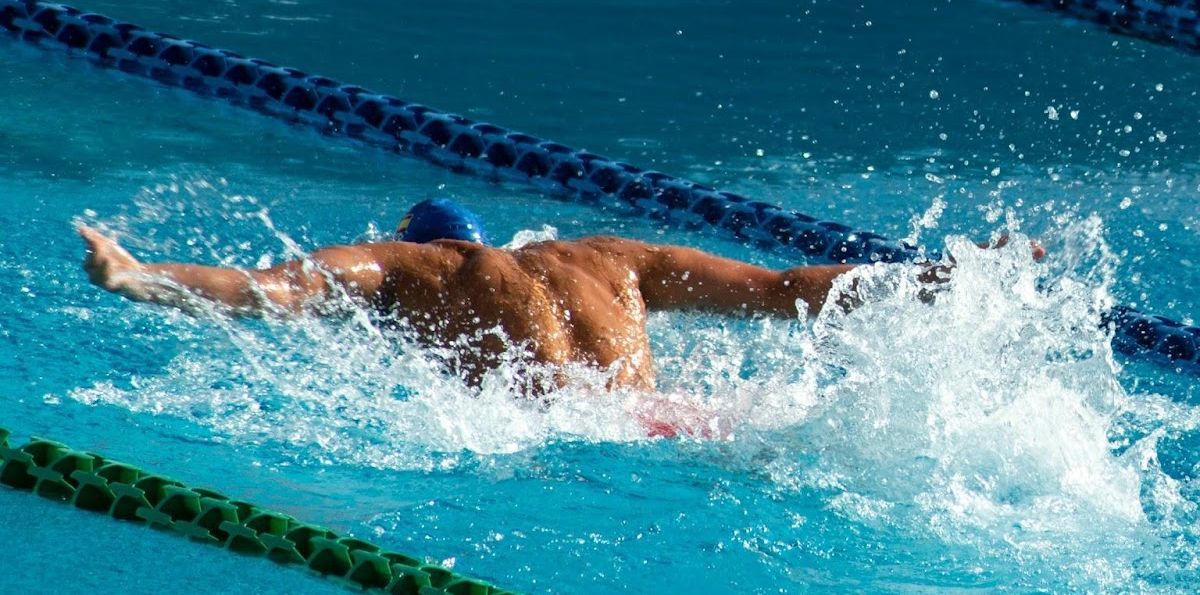
Image: Serena Repice Lentini

As mentioned earlier, Michael Phelps' historic victories at the 2008 Beijing Olympics were unprecedented, and narrowing it down to just one of his competitors wouldn't do justice to the event. Instead, we’d like to highlight a few remarkable runner-ups. Hungarian swimmer László Cseh secured multiple silver medals, often finishing just fractions of a second behind Phelps . Meanwhile, Serbian swimmer Milorad Čavić lost the 100m butterfly by an astonishing one-hundredth of a second —though he still managed to break the European record in the process.
General General 5 min read

Sing it proudly!

Patriotic beats: do you know our anthem’s backstory?

Image: Tim Mossholder / Christina Petsos

The US national anthem, "The Star-Spangled Banner," is more than just a patriotic tune; it symbolizes American history, resilience, and unity. And that’s natural, it has a backstory dating back over two centuries, so you can imagine all the interesting, fun details it carries with it. It is filled with historical moments and a few surprises . In this article, we’ll explore 10 intriguing facts about the anthem that you may not know. Let’s dive into the journey of this iconic song and discover how it became a central part of American identity.

1
A song born from the battle

Image: Benjamin Faust

Our anthem was written in mid-September 1814 by Francis Scott Key. But what was it that brought those words to his mind? Well, the lyrics were inspired by the sight of the American flag flying after the British navy was defeated at the Battle of Baltimore.

Key penned the words while observing the conflict at Fort McHenry during the War of 1812. Originally, the anthem began as a poem, not as a song.

It celebrated the fort’s resilience, symbolizing hope for a young nation. Key’s words quickly gained popularity and were eventually set to the tune of an old British song. Little did he know, it would go on to become the anthem we sing today.

2
What’s in a name?

Image: Joshua Woods

Considering what we said before, it’s logical to think The Star-Spangled Banner wasn’t the original title, do you know what it was?

Key’s poem was originally titled "The Defence of Fort McHenry," a clear reference to the conflict that served as his inspiration.

It wasn’t until October or November of 1814, when the first sheet music was printed, that the title changed to the more poetic "The Star-Spangled Banner."

The new name broadened its appeal, allowing it to reach a larger audience who quickly embraced it. It was a name that spoke not just to the battle, but to the pride of the entire nation. This small change made a big difference in how the song was received.

3
A song for all languages

Image: Etienne Girardet

You probably already knew part of these details, but what about this one? Did you know the anthem was translated into German?

During the Civil War, Key’s anthem found a new life: Union supporters translated it into German to recruit German-speaking volunteers for the militia.

That was just the beginning, but it certainly wasn’t the last time it was translated. Over the years, the song has been translated into more than a dozen languages, making it accessible to Americans from diverse backgrounds. This highlights the anthem’s flexibility, which adapts to the times and reaches new groups. After all, freedom and perseverance aren’t exclusively American traits, don’t you think?

4
Baseball’s favorite tune

Image: Wade Austin Ellis

We are all very much used to starting important ceremonies or sporting events by proudly singing the national anthem, but, as you can imagine, there was a first time for that too. Do you know about it?

"The Star-Spangled Banner" made its debut at a sporting event in 1862 during the opening of a baseball stadium in Brooklyn, New York. This marked the first time it was played at a professional game.

Its connection to sports grew stronger over the years, and now it’s a tradition to hear the anthem at nearly every major sporting event. It’s the perfect way to kick off the game, uniting fans in a shared moment of patriotism before the competition begins.

5
Congress made it official… eventually

Image: Joshua Sukoff

The military had already embraced it as an inspirational song, and it had become a tradition to play it at sporting events, but it wasn’t really official until Congress said so and that didn’t happen until 1931. What about that?

The process wasn’t simple, either. Congress debated the decision, facing opposition from various groups—Prohibitionists, pacifists, and even music teachers—but we’ll explore those details in the next section.

Alternatives like "America, the Beautiful" were suggested, but in the end, Key’s song won out. President Herbert Hoover signed the act, and the rest was history: we finally had a national anthem!

6
It’s not easy to sing!

Image: Laith Abuabdu

Remember we said teachers were against it? Can you imagine why? On their side, one of the main complaints about "The Star-Spangled Banner" was that it’s too difficult to sing . And we have to hand it to them, the anthem is notoriously hard to perform.

In terms of scales, the original melody spans an octave and a fifth, a range that challenges even professional vocalists. This explains why many groups struggle with the anthem during public performances. How many can say they’ve truly mastered it—are you one of them?

In any case, the tune, originally a British drinking song, wasn’t designed for mass sing-alongs. No wonder it’s become a patriotic rite of passage to attempt singing it!

7
Women fought for its adoption

Image: Library of Congress

Although it’s not always mentioned first when narrating our history, women have been instrumental in many key moments, and the story of "The Star-Spangled Banner" is no exception.

Women played a significant role in pushing for the anthem’s adoption as the national anthem, how so? The Daughters of the War of 1812, a patriotic women’s organization, were among the most vocal advocates. While some groups opposed it, this organization was very much in favor of it.

Their activism helped build momentum for the 1931 legislation that ultimately led to the anthem’s adoption. In an era when political opportunities for women were limited, this cause offered them a platform to engage in national issues. They succeeded, of course, because persistence pays off!

8
There is no "official" version

Image: Alessio Fiorentino

This might sound far-fetched, but it doesn’t mean there are alternate lyrics to our anthem. Rather, there’s no single, official version of "The Star-Spangled Banner." While various states have tried to legislate performance styles and etiquette, there isn’t a definitive version set in stone.

This flexibility has allowed for creative interpretations, ranging from traditional orchestral performances to more modern adaptations, depending on the context and the event.

And even if it would be nice to have an official version, this gives everyone the possibility to bring new aspects to our national hymn!

9
Jimi Hendrix’s legendary performance

Image: Aditya Wardhana

Proof of what we just said, that the lack of an official version gives place to create amazing new interpretations is Jimi Hendrix’s legendary performance. The psychedelic rock guitarist brought a fresh, rebellious spin to "The Star-Spangled Banner" when he performed it at the 1969 Woodstock Festival . While many are familiar with his electrifying Woodstock rendition, Hendrix actually performed the anthem in concert many more times, over 60 times to be specific.

His interpretation added a new layer of meaning, capturing the turbulent spirit of the era. And even though not everyone liked it, no one can deny that, given the context, it was a powerful message!

10
Do you know the four verses?

Image: Towfiqu barbhuiya

Most of us are familiar with only the first verse of "The Star-Spangled Banner," but did you know the anthem actually has four verses ?

Now, four verses were enough and we can understand that tradition is to sing only the first due to time constraints. But, as it turns out, in 1861, Oliver Wendell Holmes Sr. added a fifth verse, advocating for the end of slavery.

While the additional verses are rarely sung, they tell a richer story of American values and challenges. So, even if you never sing it, you can read the full version and enjoy learning about American ideals!

General General 7 min read

Made in the US

Inventing America: Discover the roots of these 10 national classics

Image: Tara Winstead

Ever wonder how everyday favorites like the Frisbee, Gatorade, or even the Zamboni came to be? Behind each one is a quirky story of chance, innovation, and a bit of luck, like most of the best inventions! From playground toys to sports essentials, these simple creations have become cultural icons. Let’s take a look at the surprising origins of these classic inventions and the clever minds that brought them to life. You might be amazed by how much history is hidden in the things we love!

1
The frisbee

Image: Robin Jonathan Deutsch

The best things are often created by accident, and you never know when that accident will strike. For example, did you know the Frisbee was born from a humble cake pan?

In 1938, Fred Morrison and his girlfriend were tossing a pan around on a beach in Connecticut when a passerby offered to buy it. That moment sparked an idea that stayed with Morrison through his service in World War II, where he learned about aerodynamics and began to dream of creating the perfect flying disk. After several failed attempts, he finally hit on a design in the 1950s, calling it the "Pluto-Platter."

Enter Wham-O, a company known for quirky toys like the Hula-Hoop. They bought the rights in 1957, gave it the now-iconic name "Frisbee" (inspired by Yale students tossing pie tins from the Frisbie Pie Company), and refined the design. The Frisbee took off—quite literally—spinning its way into parks, beaches, and backyards across America.

2
The slinky

Image: Adam Valstar

The slinky was also the result of accidental creativity in 1943 when Richard James, a naval engineer, knocked a spring off a shelf and noticed it "walked" in a curious way. Intrigued, he refined the design, and with his wife Betty’s help, they turned it into a toy sensation. Although the name was purely her idea!

In 1945, a demo at Gimbels Department Store sold 400 units in 90 minutes, and the Slinky quickly became a household name.

Without going into too much detail, Richard later took a wrong turn, and it was Betty who stepped in as CEO, saving the company from financial ruin. She even commissioned the iconic Slinky jingle! Under her leadership, the Slinky sold 300 million units before she finally sold the company in 1998. Talk about female power, huh?

3
The Ferris wheel

Image: Steve Shreve

Did you know the Ferris wheel was named after a person? That person was George Ferris who, in 1893, introduced the Ferris wheel at the Chicago Columbian Exposition.

Ferris, a young engineer, proposed the idea of a massive steel wheel that would rival the Eiffel Tower both in size and symbolism. He certainly set quite the challenge for himself!

Though initially rejected, Ferris funded his own research to prove the design’s safety, and his persistence paid off. The Ferris wheel became the star attraction—naturally since it stood 250 feet tall and offered visitors a thrilling 20-minute ride for fifty cents.

Sadly, Ferris’s success was short-lived. After the fair, he faced legal battles and financial ruin, and so the original wheel had one last appearance at the St. Louis World's Fair in 1904 before being destroyed.

4
Gatorade

Image: Jacob Rice

Sports legends become such because they strive to get better. And because they had a good coach who had their back. An example of a coach who went above and beyond was that of Florida’s football team.

In 1965, the Florida Gators’ football coach asked a group of professors if there was a way to help players reload fluids lost during games. Led by Dr. Robert Cade, the team created a mix of water, sodium, sugar, and lemon juice, later called "Gatorade," you can imagine why.

Of course, the first few versions tasted awful, but after some adjustments, the drink became more palatable. The Gators credited their improved performance, including their 1967 Orange Bowl win, to this new beverage.

No gatekeeping on the teams’ side, word spread, and by 1970, Gatorade was under the national spotlight when the Kansas City Chiefs used it in their Super Bowl victory.

5
The super ball

Image: Shubham Dhage

Some toys became popular after being discovered to be useless for anything else! That was the case with the Super Ball.

In 1964, chemist Norman Stingley invented a unique synthetic rubber but couldn't find an industrial use for it. However, he quickly found a solution: he turned to Wham-O, the toy company behind the Hula-Hoop and they released the Super Ball in 1966. The ball, made from the secret ingredient "Zectron," could bounce to incredible heights.

Aside from the fun, we have something else to thank the Super Ball for—it inspired the name of one of the biggest events in sports today. Lamar Hunt, owner of the Kansas City Chiefs, saw his daughter play with the toy and jokingly suggested to NFL Commissioner Pete Rozelle that the first championship game between the NFL and AFL should be called the "Super Bowl." The rest is history!

6
Fritos

Image: Roberto Carlos Román Don

Few things are as American as snacks, don’t you think? Let’s take a look at how Fritos came to be!

In 1932, Charles E. Doolin, a San Antonio confectioner, was looking for a new product when he bought a fried corn recipe from a man named Gustavo Olguin for $100.

After tweaking the recipe, Doolin created bite-sized corn chips called Fritos, which quickly became a hit. By 1933, Fritos were being mass-produced, and Doolin pioneered new marketing strategies, like direct stocking and placing clip-racks near cash registers—making his product even more accessible. (We all fall for that one, don’t deny it!)

But that’s not all. Doolin’s business success led him to invest in Disneyland, where his "Casa de Fritos" restaurant accidentally gave birth to Doritos.

7
Crossword puzzle

Image: Ross Sneddon

It feels like the crossword puzzle has been around forever, but it wasn’t actually invented until 1913. Arthur Wynne, working for the New York World newspaper, was asked to create a challenging puzzle for the "Fun" section. The concept of fun is indeed a time-sensitive concept!

The inspiration came from a childhood word game: he designed a puzzle with clues instead of words and the first crossword was published on December 21, 1913. Want to hear a fun fact? One of the clues was "What this puzzle is." The answer? "Hard."

And this invention is full of interesting tidbits. For instance, the name "Cross-word" was the result of a typing mistake—but it stuck! And, over a hundred years later, here we are!

8
Alka-Seltzer

Image: Daniel Gregoire

Alka-Seltzer was born in 1928 when Hub Beardsley, president of the Dr. Miles Medical Company, noticed a local newspaper staff staying healthy during a flu epidemic. The editor told him their secret: aspirin with baking soda dissolved in water. Inspired by this, Beardsley asked his chief chemist, Maurice Treneer, to create a remedy based on the idea, leading to a compound of aspirin, bicarbonate of soda, and Vitamin C. When Beardsley tested it on flu sufferers, the results were promising—and Alka-Seltzer was born.

You can imagine what happened next, a strong advertising campaign in the 1930s, turned Alka-Seltzer into the go-to remedy for everything from colds to hangovers. The company rebranded as Miles Laboratories in 1935 and was later acquired by Bayer in 1979. Even today, Alka-Seltzer remains a staple of American medicine cabinets.

9
Zamboni

Image: Aleksi Partanen

One would think that a machine like the Zamboni, which is used to make ice smooth was created in a place like Alaska, right? Or at least a place where snow is present almost all year round. Surprisingly, it wasn’t—the Zamboni was invented in sunny Paramount, California.

Frank Zamboni, a man who came from the ice and refrigeration business, built the machine to save time at his Skateland Skating Rink. Before the Zamboni, resurfacing the ice was a 90-minute task done manually by five workers. Can you imagine how tedious that must have been?

Using parts from an airplane, oil derrick, Jeep, and wooden bin, Zamboni created a machine that could clean and smooth the ice in only a few minutes. Realizing its potential, Zamboni turned his invention into a business, with the first orders coming from Olympic skater Sonja Henie and the Chicago Black Hawks.

10
Baseball scoreboard

Image: Taiki Ishikawa

It goes without saying that baseball is one of Americans’ favorite pastimes. Everything about it is fun; it’s not just the game.

In the late 1800s, English immigrant Harry M. Stevens saw that and made the most of it. After moving to Ohio, Stevens started a business providing food and drinks at baseball games and eventually secured contracts with major league ballparks. While he’s often credited with popularizing the hot dog, his real innovation was the creation of the modern baseball scorecard. Using Henry Chadwick's shorthand scoring system, Stevens designed a simple grid fans could use to track the game. Does the phrase "You can't tell the players without a scorecard" ring any bells?

Stevens’s scorecard caught on, and fans began scoring games themselves. Today, his scorecard system is still in use, and we all love it!

Explore more American facts

Choose your favorite category!

General
General

As American as apple pie—the very best America has to offer!

Culture
Culture

Delve into the astounding richness of American lore.

Geography
Geography

Hop in and explore vast and diverse American landscapes.

History
History

Discover the key moments that shaped the United States.