Culture Culture 4 min read

Celebrity pets

Discover the exotic pets of these celebrities
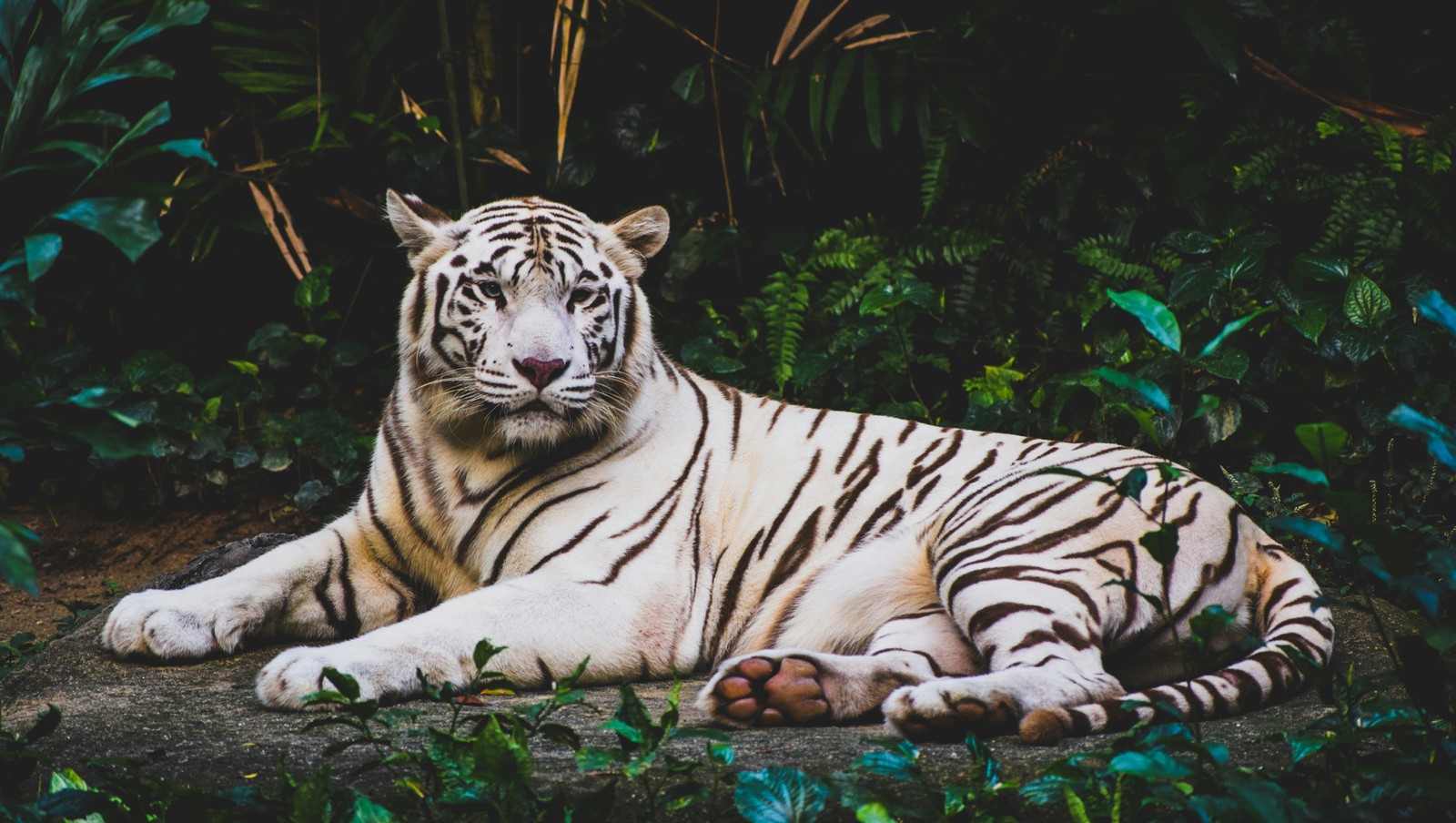
Image: Smit Patel

Most of us have a great love for animals and generally choose dogs or cats as our domestic companions. However, the eccentric rich and famous always go one step further. From chimpanzees and tigers to cobras and deer, discover the exotic pets of 10 Hollywood celebrities. Some of them you won't believe!

1
Michael Jackson’s chimpanzee
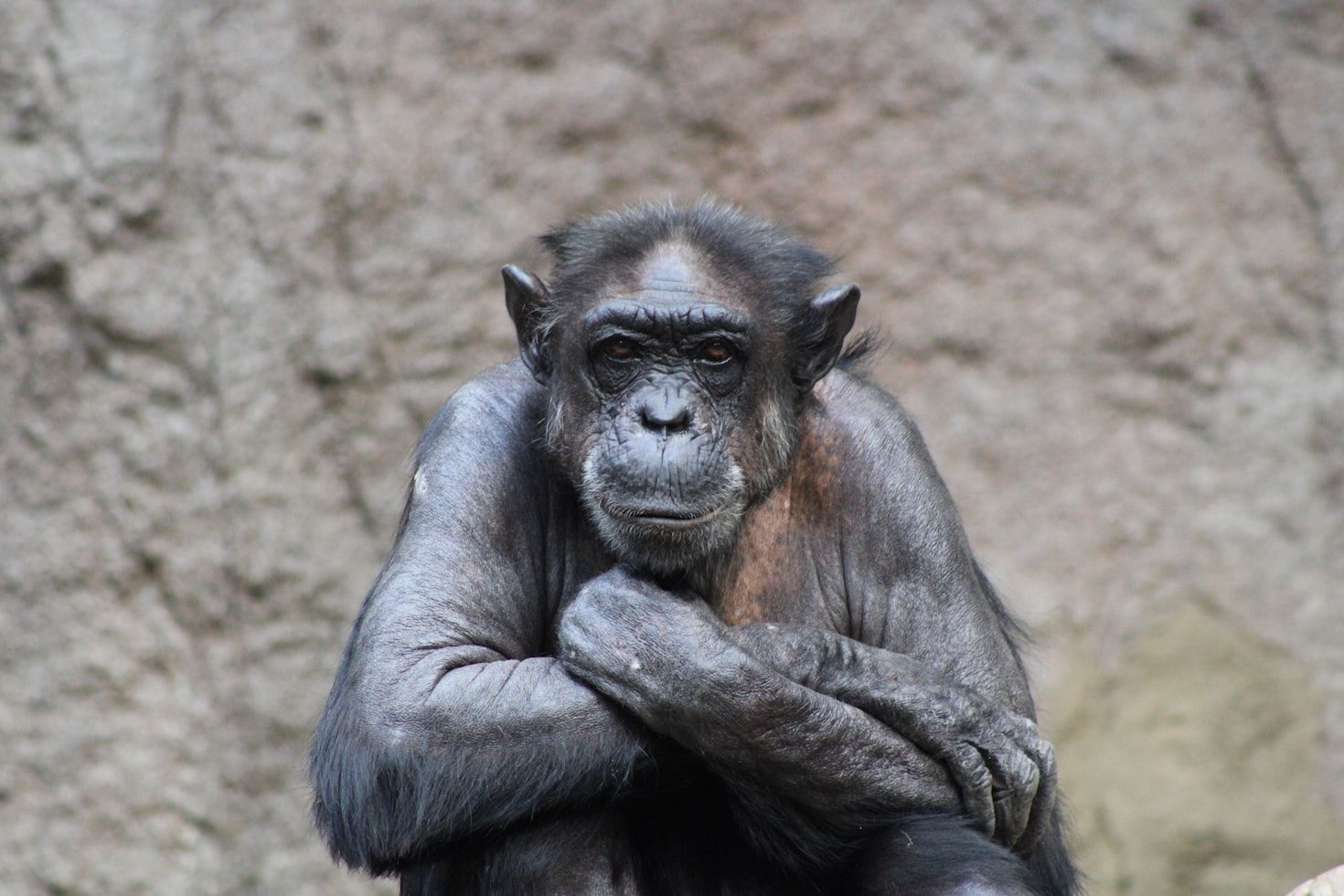
Image: MediaEcke

At his Neverland ranch, the King of Pop had his own zoo with exotic animals such as exotic birds, an albino python, two tigers named Thriller and Sabu, and even an elephant, a gift from Liz Taylor. But by far, Michael Jackson’s favorite pet was Bubbles, a chimpanzee he introduced as his son and followed him everywhere.

You‘re probably wondering what happened to Bubbles, right? Well, you'll be glad to know that the 41-year-old chimpanzee now leads a quiet and normal life. He lives at the Center for Great Apes in Wauchula, Florida, where he pursues unique hobbies such as painting. Surely, Michael would be happy to see his beloved pet living a nice retirement.

2
Audrey Hepburn’s fawn deer
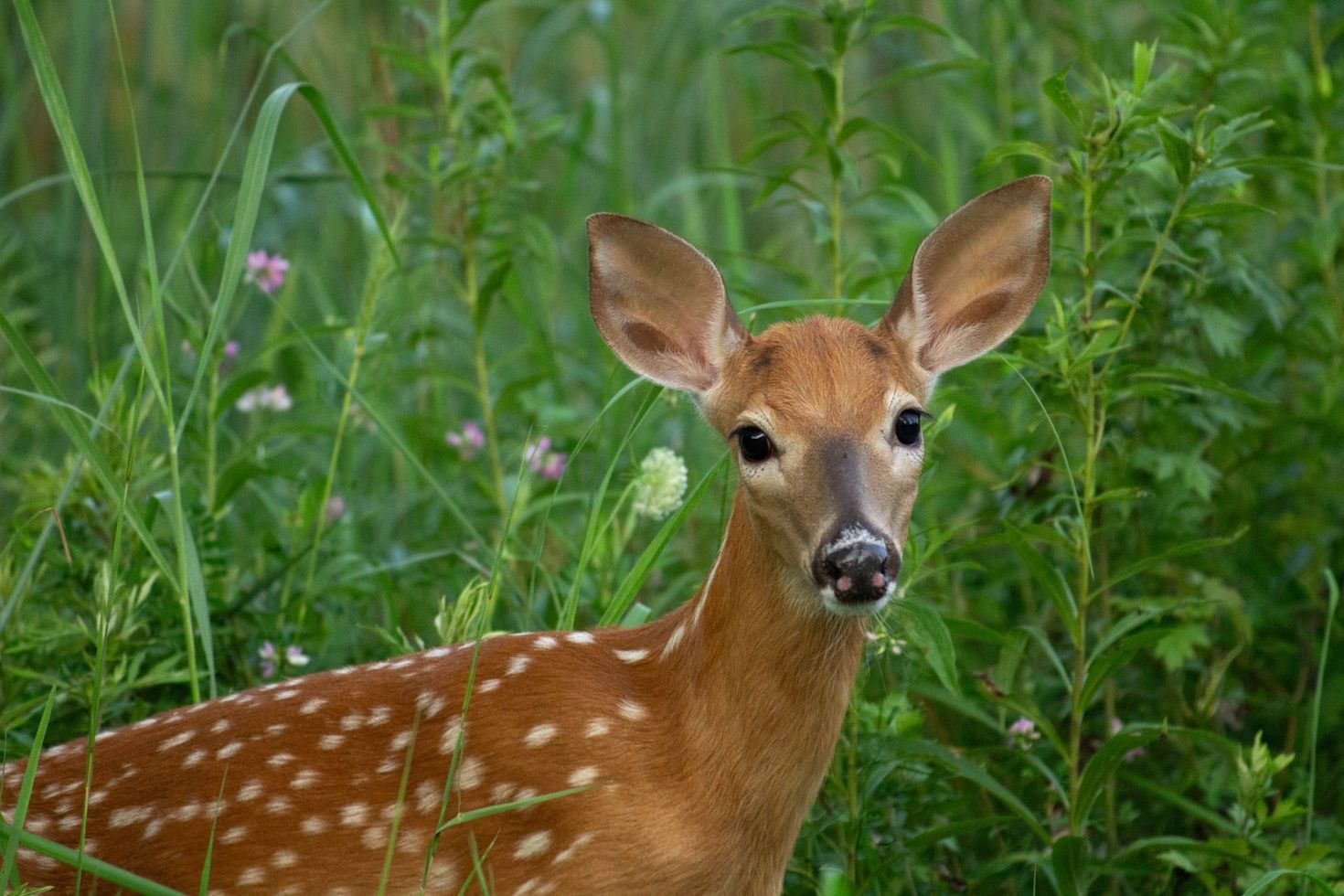
Image: Jen Dries

The mythical actress Audrey Hepburn had one of the most unique pets in Hollywood history: a baby deer named Pippin. This beautiful and gentle animal seems to match perfectly with the grace and elegance of the actress who captivated the hearts of fans around the world, don't you think?

Hepburn met Pippin in 1958 during the filming of Green Mansions and fell in love at first sight. The actress adopted the fawn and brought it to her Beverly Hills home, where it quickly made friends with Mr. Famous, the family dog.

3
Elvis Presley’s kangaroo
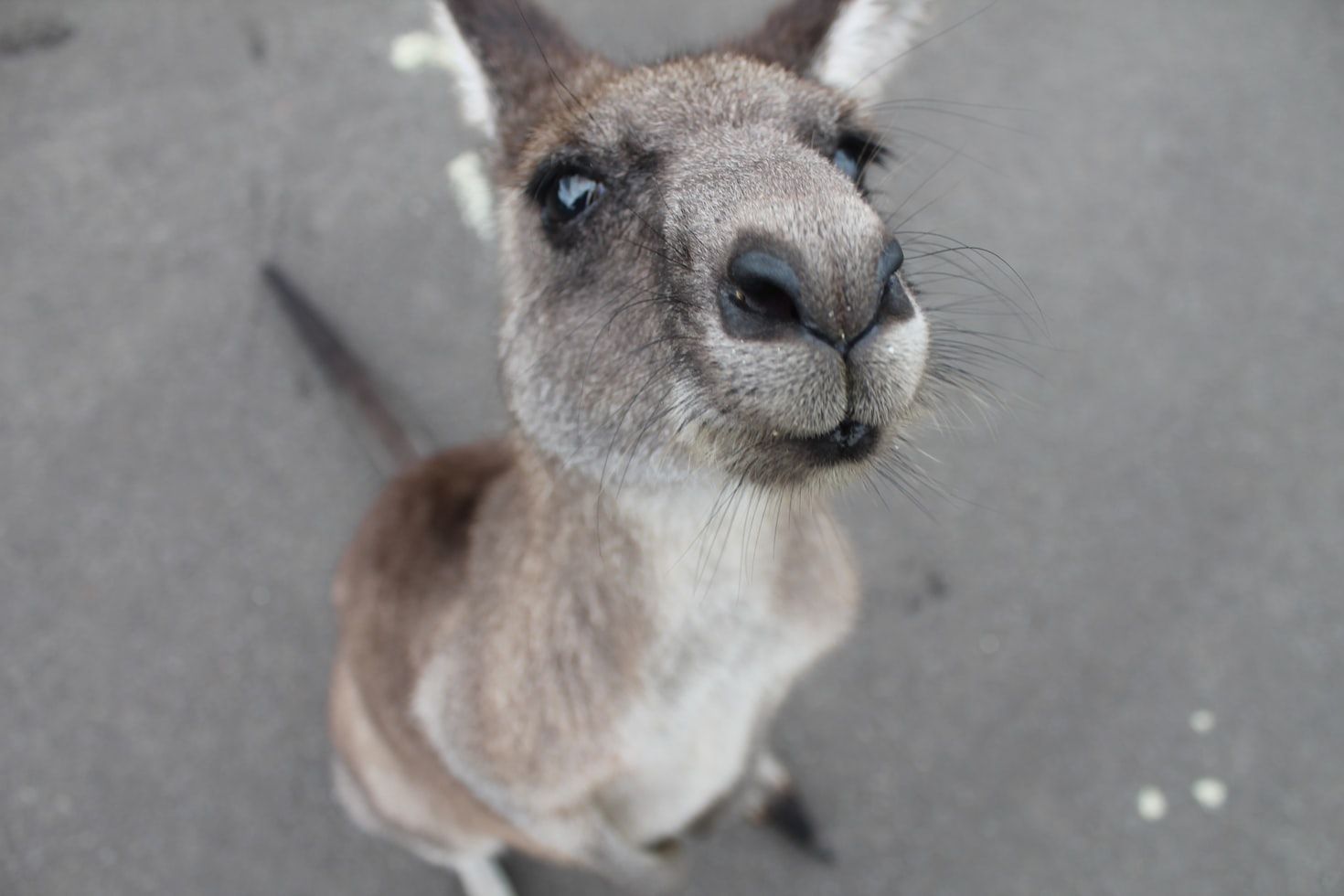
Image: Iván Lojko

Throughout his life, the King of Rock and Roll kept several pets at his beloved Graceland. But did you know one of them was a kangaroo? Yes, exactly! In addition to horses, dogs, a chimpanzee named Scatter, birds, and a squirrel monkey, Elvis had a kangaroo given to him by his agent Lee Gordon in 1957. Elvis tried to train it, but when he eventually failed, he gave it to the Memphis Zoo.

4
Melanie Griffith’s (many) lions, tigers, and cheetahs
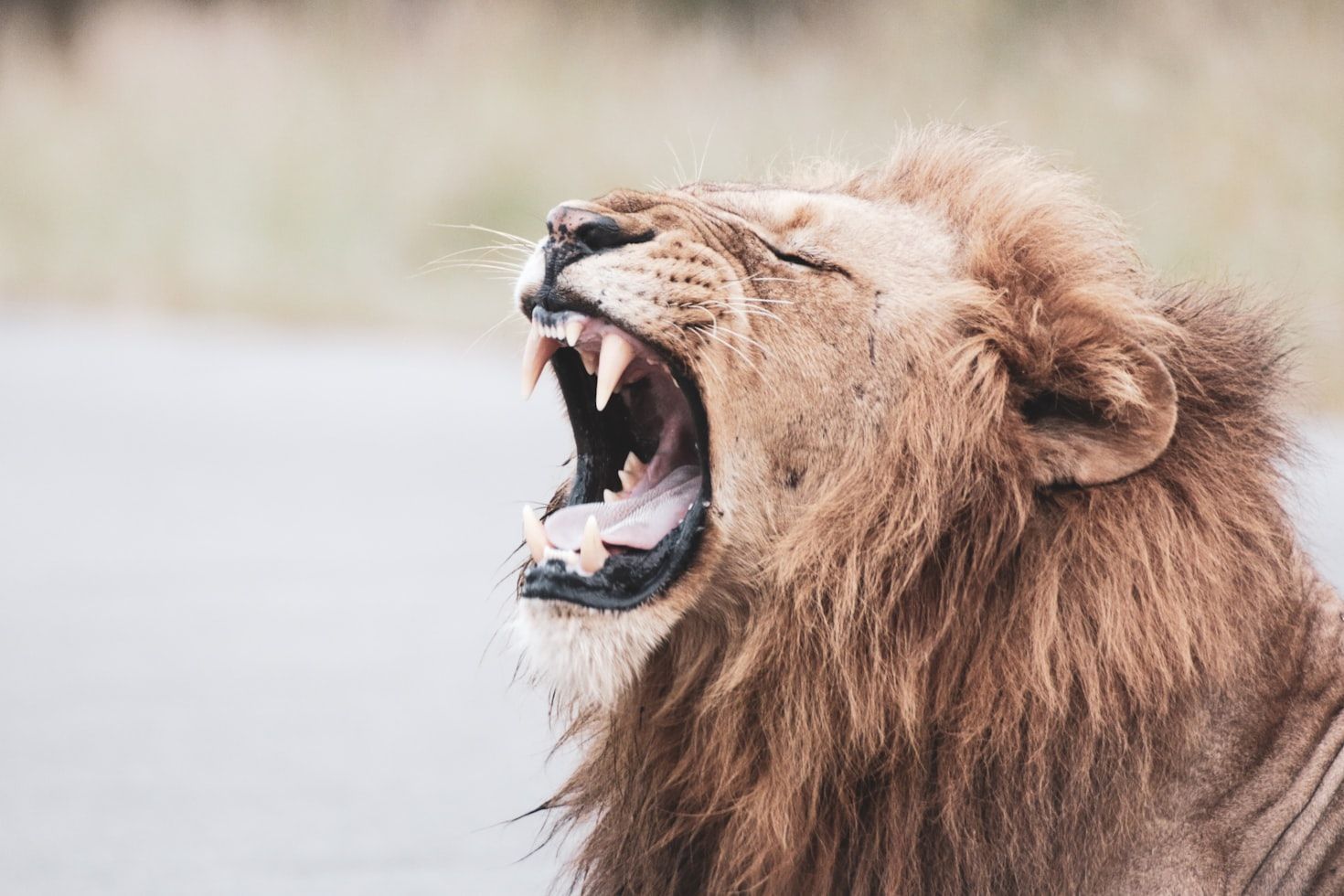
Image: Glen Carrie

When Melanie Griffith was a teenager, her mother, the famous actress Tippi Hedren, decided to make a film about endangered lions. An animal trainer warned her that if she wanted to learn more about these felines, she had to "live with them for a while".

So the whole family moved to a ranch in California and adopted cheetahs, tigers, cougars, and lions. What was supposed to be a five-week shoot turned into five years. On one occasion, Melanie was attacked by a lion, resulting in over 50 stitches and reconstructive surgery on her face. The experience was so negative that the actresses now advocate for a ban on the exotic cat trade.

5
George Clooney's Vietnamese pot-bellied pig
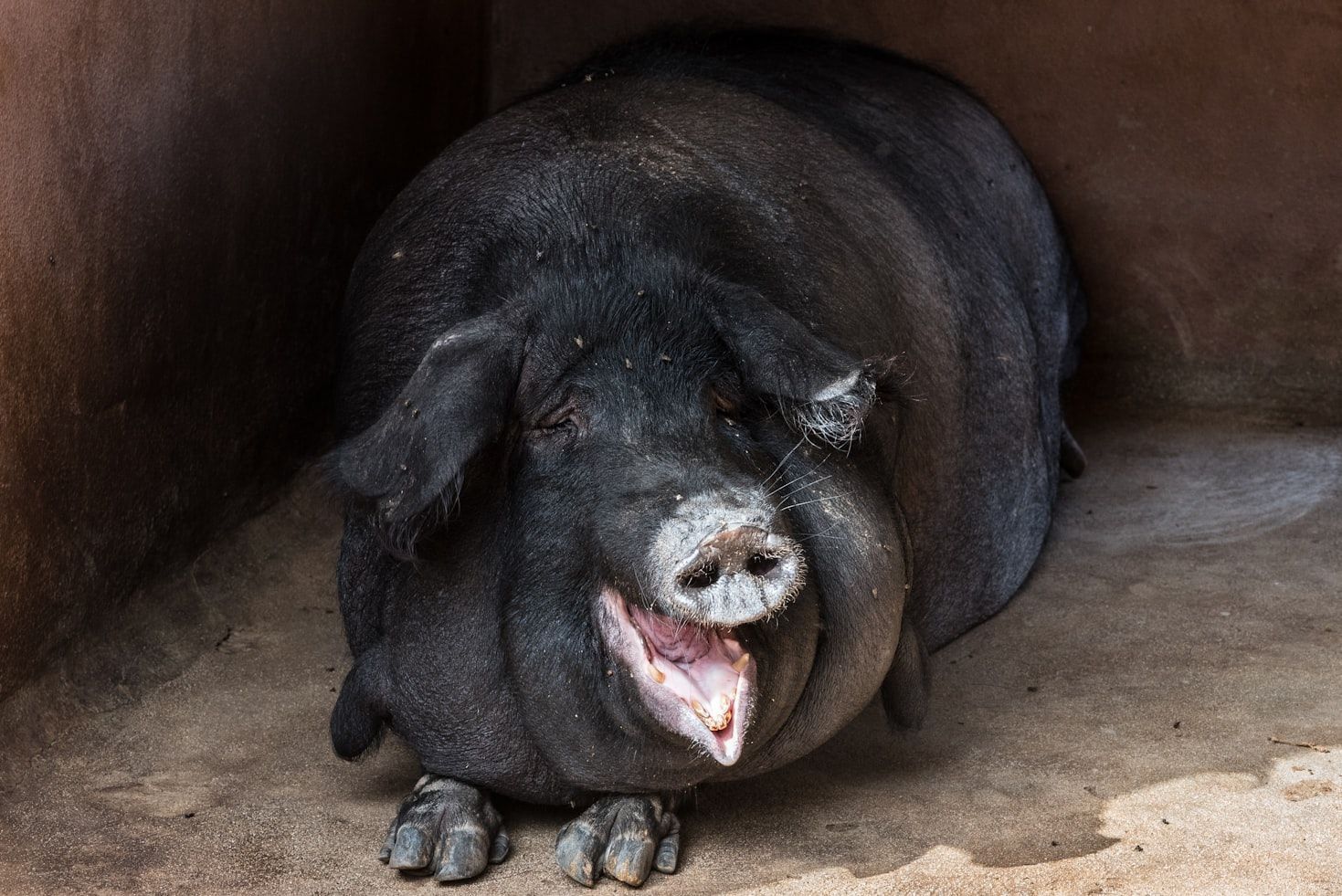
Image: Jez Timms

Did you know that George Clooney once had a pet pig? In 1988, his then-girlfriend, actress Kelly Preston, gave him a Vietnamese pot-bellied pig as a gift. The animal grew to 300 lbs and lived with the Hollywood star for 18 years.

But that's not all! In 1994, when the infamous Northridge Earthquake that caused 72 deaths, 12,000 injuries, and $25 billion in losses hit Los Angeles, Max saved his owner's life. Clooney claims he was born again that day and will be forever grateful to his furry friend.

6
Reese Witherspoon’s donkeys
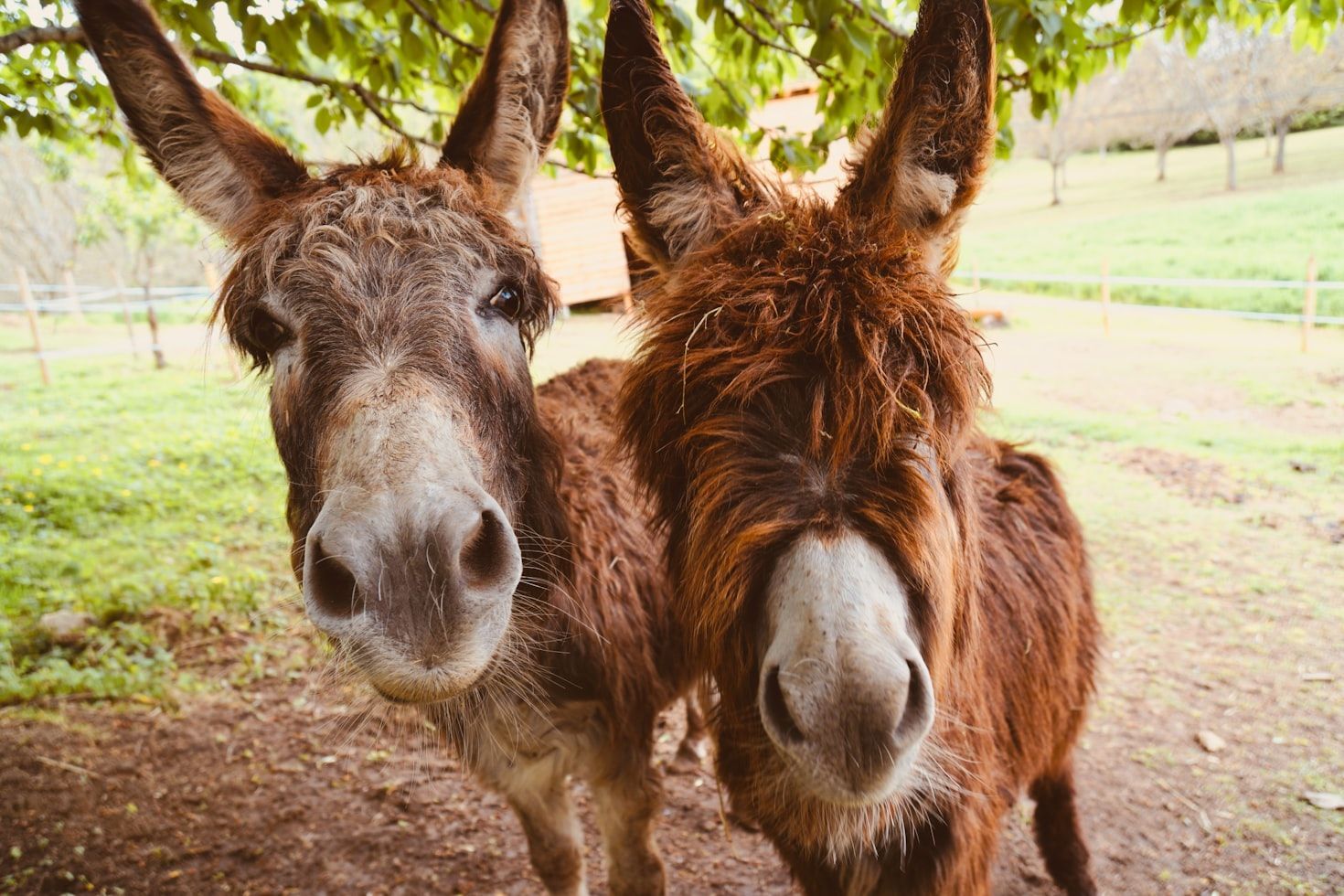
Image: Erwan Hesry

Reese Witherspoon is a big fan of animals. Owner of an entire farm, she tends to at least three dogs, two piglets, twenty chickens, three goats, and a pony.

But her most famous pets are Honky and Tonky, two incredible miniature donkeys that she and her children play with frequently.

7
Nicolas Cage’s albino cobras
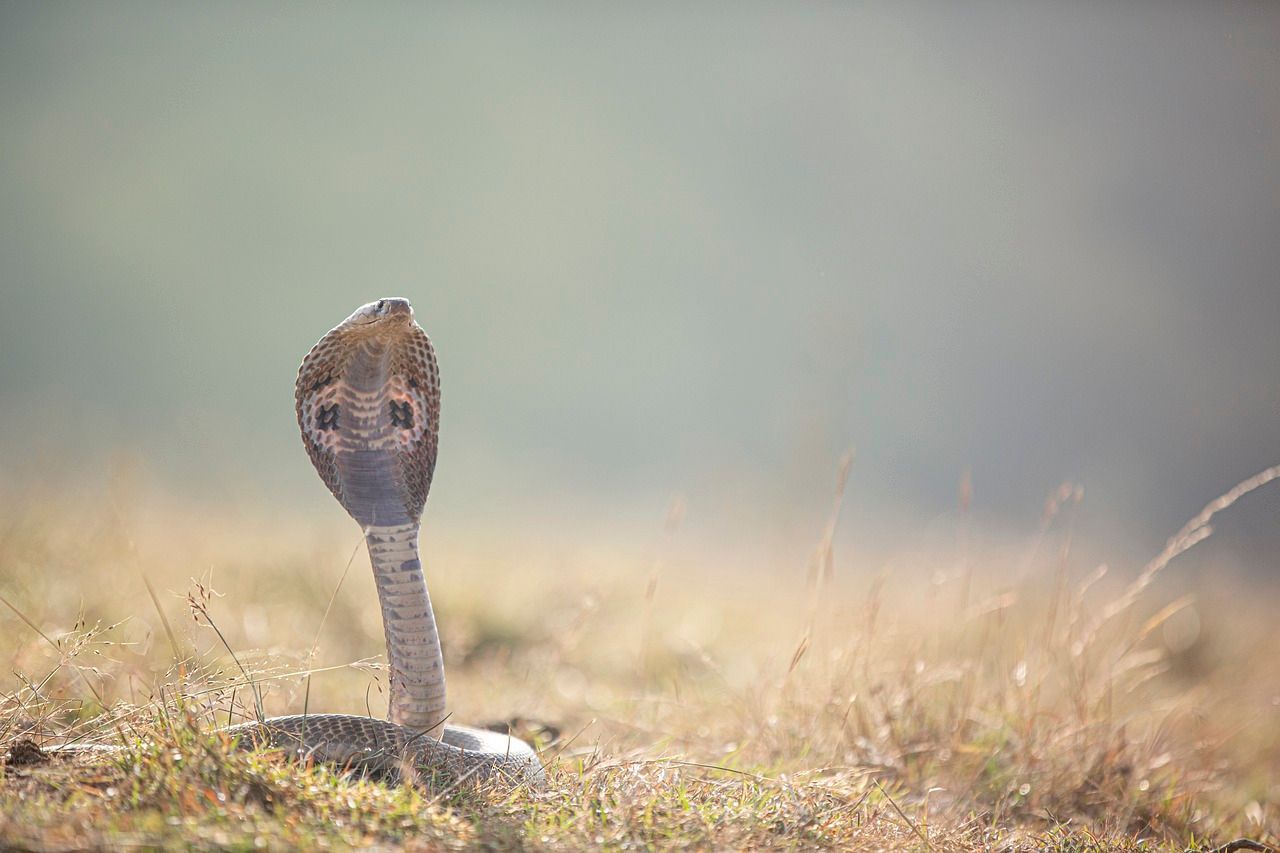
Image: Anilsharma26

Nicolas Cage is well known for his bold and eccentric personality, both on and off the screen. He has a passion for exotic animals, so it's no wonder he once adopted two albino cobras —one of the rarest and most venomous snakes in the world— as pets.

Despite spending tens of thousands of dollars on them, his love for these rare reptiles caused him major legal and safety challenges, forcing him to reconsider his decision. Ultimately, he decided to send them to a professional wildlife center, ensuring they received the best care.

8
Paris Hilton’s kinkajou
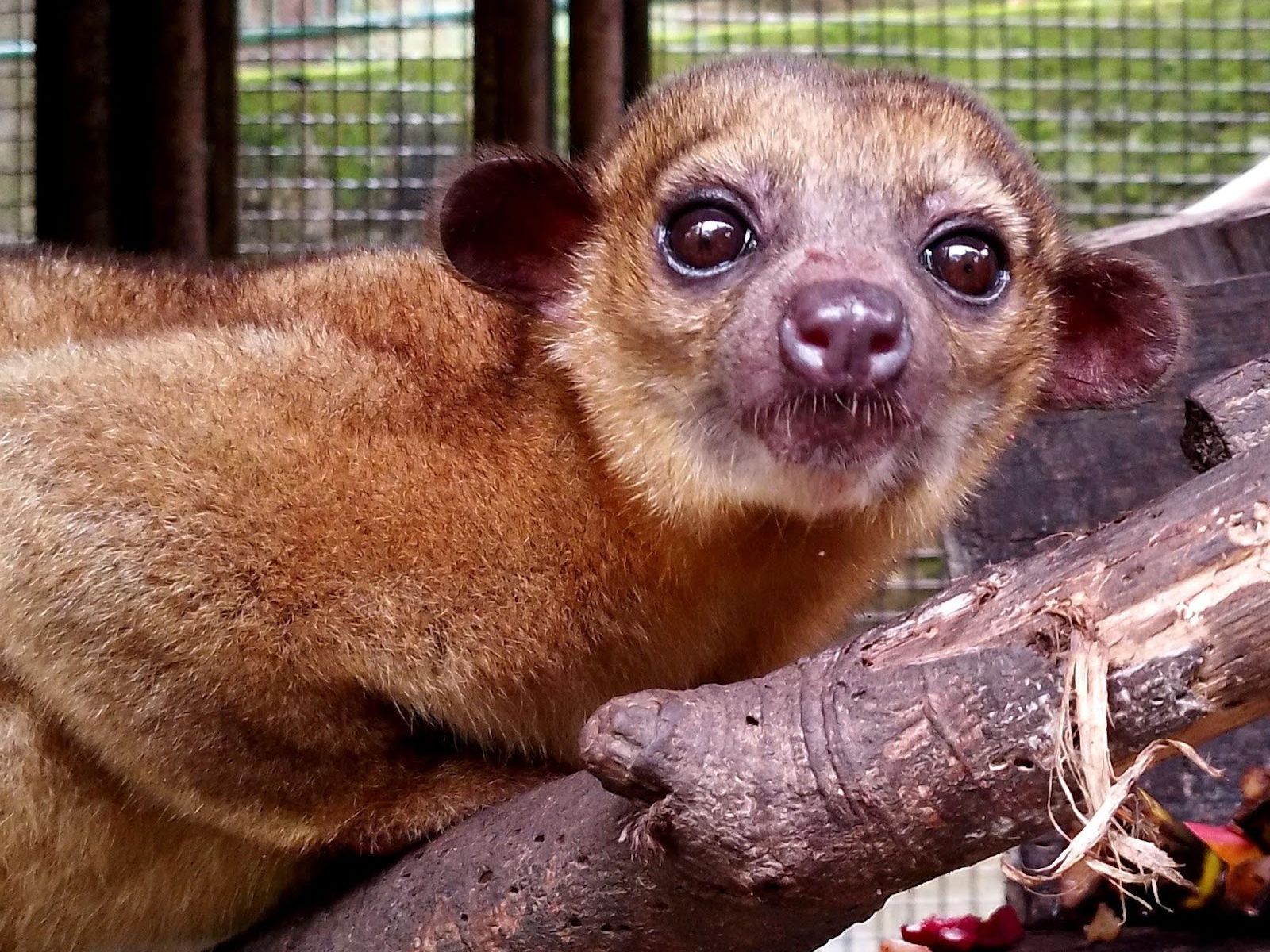
Image: Aramburu Carlos, CC0, via Wikimedia Commons

Paris Hilton is known for her extravagant lifestyle. In addition to lavish mansions, closets full of designer clothes and shoes, and expensive jewelry, the hotel heiress invests much of her fortune in pets. That's how, in 2005, she adopted a kinkajou she named Baby Luv.

You're probably wondering what a kinkajou even is. Kinkajous are wild mammals native to the rainforest, relatives of raccoons and coatis. Their large, round eyes and playful nature make them seem like ideal pets, but in reality, they shouldn't be taken out of the wild. Paris learned this the hard way: the animal bit her arm, and she had to be hospitalized. After the incident, the socialite had to relocate Baby Luv to a wildlife sanctuary.

9
Miley Cyrus’ pig
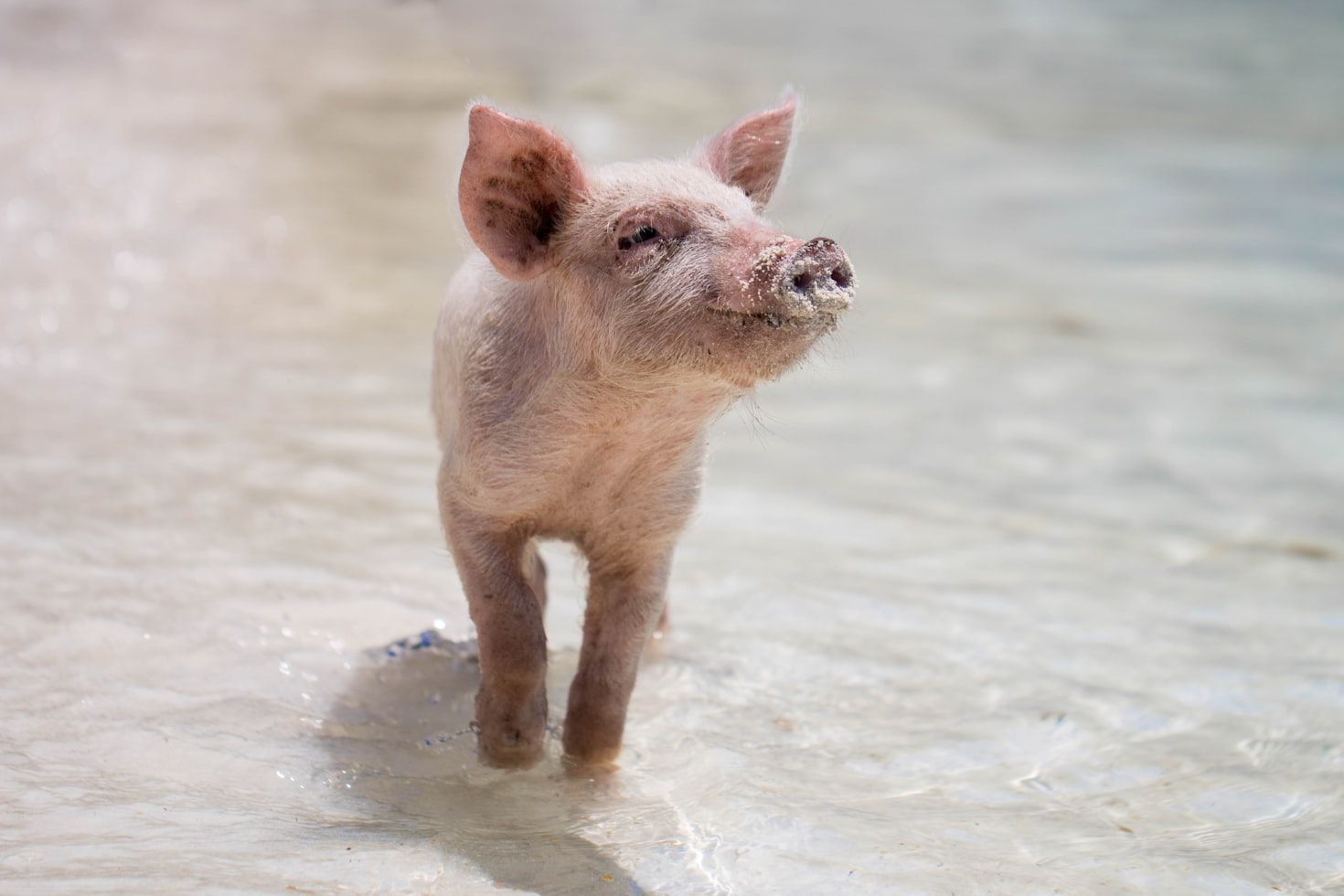
Image: Forest Simon

Miley Cyrus is a well-known animal advocate who collaborates directly with PETA. She has a home farm where she lives with seven dogs, two horses, two ponies, several cats, and until 2019, a pig.

Of all her companions, Pig Pig was the recurring star on the singer's Instagram account. Miley adopted her in August 2014 after her dog, Floyd, died. Sadly, five years later, Miley had to share some bad news with her thousands of followers: "Very sad to say... my dear friend Pig Pig has passed away," she wrote.

10
Mike Tyson’s tiger
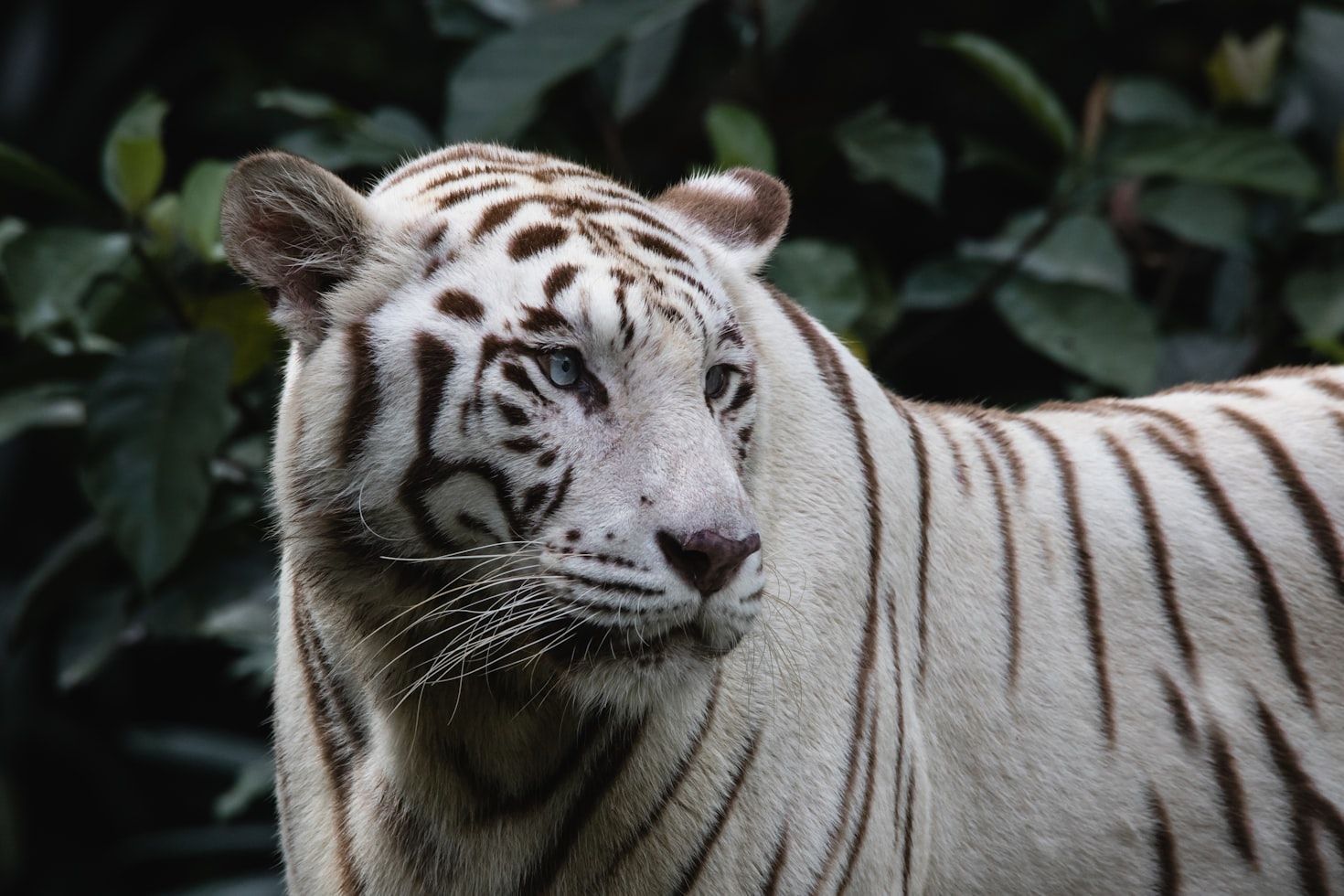
Image: Alicia Chong

The famous boxer Mike Tyson kept a considerable number of big cats as pets. But his favorite was a female Bengal tiger he named Kenya. They lived together for almost two decades, and it was amazing to see him next to the 550-pound animal. The former champion was in charge of feeding her, they walked together, and she even slept in his bed.

Tyson was never afraid of animals considered dangerous. But when the tiger began to age, it became too risky to keep her in the house. Eventually, he was forced to get rid of Kenya.
History History 6 min read

Saddle up, partner

Do you know what cowboy life was like? These 11 facts might surprise you

Image: Jordan Crawford

"Oh, give me a home where the buffalo roam,

Where the deer and antelope play,

Where never is heard a discouraging word

And the sky is not clouded all day."

Home on the range - Traditional

If you grew up **dreaming of "being a cowboy and loving the cowboy ways"**—just like the great Willie Nelson sang—maybe that’s the life for you! But not everything is rosy in a cowboy’s life. Behind the romanticized image of wide-open ranges and carefree cattle drives lies one of the toughest jobs ever known. From brutal weather to dangerous animals—and lawless characters of all kinds —those who took this path had their strength, endurance, and grit tested daily. Here are 11 facts that reveal just how grueling life was for these iconic figures of America’s West.

1
Relentless weather

Image: Donnie Rosie

"There's a blizzard coming on, how I'm wishing I was home

For my pony's lame, and he can't hardly stand.

Listen to that norther sigh, if we don't get home we'll die.

But it's only seven miles to Mary Ann's"

The Blizzard - Jim Reeves

Across the plains from Texas to Montana, cowboys faced everything nature could throw at them —from scorching sun to freezing snowstorms and deadly tornadoes. The elements were a constant, unforgiving adversary in this rugged way of life.

Cowboys had to fear not only for their own lives but also for the lives of their cattle —and reining in a panicked herd during a lightning storm was certainly no walk in the park. Even today, with modern gear and technology, those who still drive cattle must rely on their instincts and skill to survive in the wilderness.

2
Dangerous animals

Image: Duncan Sanchez

"Lightning a flashin' everywhere

Thunder a rollin' through the air

Wind and rain, cattle look insane

This herd might stampede tonight"

Stampede - Sons of the Pioneers

Just as the weather tested their endurance, managing both wild and domesticated animals was no easy task. From wild predators to angry bulls, nervous bucks, and rattlesnakes hiding in the tall grass, the cowboy’s world was full of lethal threats.

Stampedes could scatter thousands of cattle in seconds, leaving riders vulnerable to trampling or injury. Even on the relative safety of the ranch, one wrong move could quickly end in tragedy.

3
Limited medical care

Image: Mathieu Stern

"Far away from his New England,

'Neath the southern sultry skies,

On the banks of a little river

They lay him down to die"

The Dying Cowboy - Traditional

An inherently dangerous job, cowboy life inevitably meant that injury was part of the work. Falling from a horse or taking a kick could incapacitate a cowboy for days or weeks, and with no formal workers’ compensation, many had to keep working despite the pain.

Cuts, broken bones, and infections could quickly turn deadly without proper treatment. Many cowboys learned rudimentary medical skills themselves or relied on frontier doctors with minimal supplies. Even today, those working in remote areas are hours away from medical help.

4
Grueling work hours

Image: Bailey Alexander

"Oh say, little dogies, why don't you lay down? [...]

My horse is leg-weary and I'm awful tired

But if I let you get away, I'm sure to get fired

Bunch up, little dogies, bunch up"

Night Herding Song - Harry Stephens

Cattle drives demanded 14 to 18-hour days with barely any rest. Cowboys often worked dawn till dusk, and sometimes even through the night.

The long days involved walking alongside thousands of cattle, breaking trail, and maintaining herd order. Sleep was often just a few hours, squeezed in wherever possible on the open range or near a campfire.

5
Horseback riding

Image: Jon Sailer

"He started his long ride in Prescott

The sun was a hundred or more

On down he rode at full gallop

Into the flat desert floor"

Ride, Cowboy, Ride - Marty Robbins

That brings us to the next point… all of that had to be done on horseback, and let me tell you, riding a horse for hours on end is much harder than it looks! Expert riders may make it seem effortless, but it’s far from easy.

Cowboys needed strong legs, resilient backs, and excellent balance. Horses could become tired or lame, but the cowboy had to press on regardless, often swapping mounts to keep the drive moving.

6
Limited food options

Image: Blake Carpenter

"Bacon and beans most every day

Soon to be eating that prairie hay"

Chisholm Trail - Traditional

Meals were often sparse and repetitive, mostly beans, salted meat, and hardtack. Cooking was done over open fires, with limited tools, and fresh food was a luxury rarely available.

Preserving meat through salting or smoking was essential for long drives. Still, fresh produce was so scarce that vitamin deficiencies—and even scurvy—could develop in some cases.

7
Water scarcity

Image: Jonathan Greenaway

"All day I've faced a barren waste

Without the taste of water

Cool water

Old Dan and I with throats burned dry"

Cool Water - Bob Nolan

Particularly in the arid southern regions of the West, finding clean water was a daily struggle for both cowboys and cattle—a dry creek could mean the difference between reaching the next stop or falling behind entirely.

While most cowboys were savvy navigators of their regions and often knew where to find drinking water, water holes could still be miles apart, forcing long detours or risky stops. Drinking from stagnant sources carried serious risks, including dysentery, cholera, and other waterborne diseases that could quickly incapacitate both men and animals.

8
Long, dusty trails

Image: Bailey Alexander

"The blue skies have failed so we're on our last trail

Underneath these dusty skies

These ain't tears in my eyes

Just sand from these dusty skies"

Dusty Skies - Bob Wills

Cattle drives could stretch over 1,000 miles, with cowboys and their herds enduring endless dust and scorching heat along the trail.

Prolonged exposure to dust caused respiratory problems and irritated eyes, which is why many cowboys tried to limit their exposure using bandanas or makeshift rags to cover their faces. The same cloth also provided protection from the unforgiving sun and drying wind.

9
Lawlessness and violence

Image: Jon Sailer

"Texas Red had not cleared leather

When a bullet fairly ripped

And the ranger's aim was deadly,

with the big iron on his hip"

Big Iron - Marty Robbins

As beautiful and serene as the open range was, the West was also full of danger—outlaws, land disputes, and conflicts over cattle and water were common. Far from the comforts of civilization, the strong arm of the law was often hours or days away, making gunfights, rustling, and revenge killings part of everyday reality.

Cowboys frequently carried firearms for protection, relying on their own skills and the support of their fellow riders to maintain some measure of security on the frontier.

10
Working for dust and pennies

Image: Ashim D’Silva

"And I nearly starved to death, boys

He did mistreat me so

And I never saved a dollar

In the pay of Diamond Joe"

Diamond Joe - Traditional

Despite the danger and hard work, cowboys earned little—sometimes as low as $25 a month, and that was when the boss was being somewhat fair!

The job was seasonal and unstable, with no benefits or retirement plans, so many worked well into old age. Some took on multiple jobs or moved frequently just to get by. Far from lucrative, the cowboy lifestyle was often endured only by those who loved the work or had nowhere else to turn.

11
Isolation and loneliness

Image: Luke Schlanderer

"Cowboys are special with their own brand of misery

From bein' alone too long

You can die from the cold in the arms of a night, man

Knowin' well that your best days are gone"

My Heroes Have Always Been Cowboys - Willie Nelson

While the near-mythological image of the cowboy paints him as a lone, self-reliant hero, the reality is that cowboys depended heavily on one another. Even so, the work could be deeply isolating. Weeks could pass without seeing a town, friends, or family, as they roamed vast, empty landscapes.

This constant solitude often weighed on their mental health, but many fought the loneliness of the trail with campfire songs shared among fellow cowhands or by writing letters to their loved ones.

General General 4 min read

What if it rains?

Retro but modern: 10 great drive-in theaters in America

Image: Jeff Watson

Few things are as quintessentially American as the drive-in theater. While it was born in the early 1930s, these venues exploded in the 1950s and are deeply associated with that era. Though these establishments have dwindled since their heyday, many are still going strong all over the country—and even the world. From the second-oldest drive-in theater in the country to a venue that invites viewers to watch Jaws from a huge pool, outdoor cinema continues to attract new and old audiences every night. Take a look at the following 10 and decide if you want to visit one!

1
Stars & Stripes Drive-In, Texas

Image: Josh Sanabria

The first entry on our list is a drive-in located in New Braunfels, Texas , that brings a breath of fresh air to the industry, having opened its doors as recently as 2003. It features three screens, all of which play double features on weekends, as well as a ’ 50s-themed café snack bar with an extensive menu, serving everything from Frito Pie and Funnel Cakes to Mexican sandwiches and box dinners, such as steak fingers served with fries, corn fritters, and gravy.

2
Shankweiler’s Drive-In Theatre, Pennsylvania

Image: David Clode

The oldest operating drive-in theater in the country, Shankweiler’s opened in 1934 in Orefield and operates year-round—even in those tough Pennsylvania winters. The theater shows double features on weekends, has a decent snack bar, and even offers visitors two drive-up party rental spaces , each of which holds about 15 people, in case you were wondering if such a thing was possible.

3
Harvest Moon Twin Drive-In Theatre, Illinois

Image: Tim Mossholder

Don’t let its 70 years of existence fool you, the Harvest Moon Twin Drive-In has one of the most modern and environmentally friendly features you could possibly find in an establishment of this kind: it is the country’s only wind-powered drive-in theater. The wind turbines power the theater’s screens, speakers, projectors, and snack bars. Additionally, the venue uses LED lighting and encourages recycling among its visitors.

It’s not often that one sees such a commitment to future generations from an establishment as old as this one!

4
Fairlee Motel, Vermont

Image: Manuell Tony

Imagine going to the movies and being able to sleep right there if you are too tired. That’s exactly what the Fairlee offers. A combination drive-in and motel, this venue lets you watch a show and then stay overnight. The theater and the roadside motel have both been open since 1950.

The snack bar comes especially recommended by locals for its burgers made with beef raised on the property owners’ farm.

5
Park Place Drive-In Theater, Virginia

Image: Pixabay

If you’re in Marion, Virginia , and have a craving for a round of mini-golf, the Park Place Drive-In is a sure bet. This one-stop shop for family entertainment offers not only a night out at the movies but also access to an ice cream shop and a mini-golf course . Play 18 holes of putt-putt, grab a scoop or two of Hershey’s Ice Cream, and then head over to the theater for a movie.

6
Rubidoux Drive-In, California

Image: RDNE Stock project

If a 1948 Art Deco-themed screen wasn’t appealing enough, the Rubidoux Drive-In also featured a petting zoo and a miniature railroad , among other family-oriented attractions. Alas, those two features have closed for the time being. Still, the drive-in theater offers plenty of amenities for families to enjoy on their visits.

The theater features two additional screens, aside from the Art Deco one, each of which plays double features on weekends.

7
Bengies Drive-In Theatre, Maryland

Image: Jeremy Yap

If you’ve ever wondered how big the biggest drive-in cinema screen in the country is, this one takes the prize. Bengies Drive-In has a screen that measures 52 by 120 feet, making it the largest in the United States.

This is an important feature, not just because of the cool factor, but also because it means movies can be shown at their full theatrical size, allowing viewers to see all the details in the corners of the screen, just as the filmmakers intended.

8
Wellfleet Drive-In, Massachusetts

Image: Maxim Benkendorf

A flea market, an 18-hole mini golf course, a cocktail bar, and the biggest screen in the New England area await you at Cape Cod’s Wellfleet, a local institution that has been entertaining moviegoers since 1957.

In recent years, the projection system was upgraded to digital with Dolby Digital sound, making the experience even more enjoyable for moviegoers.

9
Alamo Drafthouse Cinema, Texas

Image: Noom Peerapong

This one is special, even among drive-in theaters. Alamo Drafthouse offers a unique screening of the classic thriller Jaws , where moviegoers watch the film from inner tubes on Lake Travis . This annual tradition provides a creative and immersive way to rewatch this iconic movie from a truly unique perspective. Would you dare to try it?

10
The Mahoning Drive-In Theater, Pennsylvania

Image: Christian Wiediger

Embracing the idea that drive-in theaters are a nostalgic experience, the Mahoning dedicates its three screens to weekend-long themed festivals . For example, Zombie Fest takes place over three nights and screens cult horror films, with overnight camping allowed.

Second Chance Weekend features critically panned films that deserve a closer look, such as a pairing of Howard the Duck with Masters of the Universe . Last but not least, Bite Night showcases 35mm prints of Jaws and Jurassic Park , and in July, the theater celebrates Christmas in July with holiday films.

Explore more American facts

Choose your favorite category!

General
General

As American as apple pie—the very best America has to offer!

Culture
Culture

Delve into the astounding richness of American lore.

Geography
Geography

Hop in and explore vast and diverse American landscapes.

History
History

Discover the key moments that shaped the United States.