Geography Geography 3 min read

Don’t believe the movies

Debunking myths about the state of California
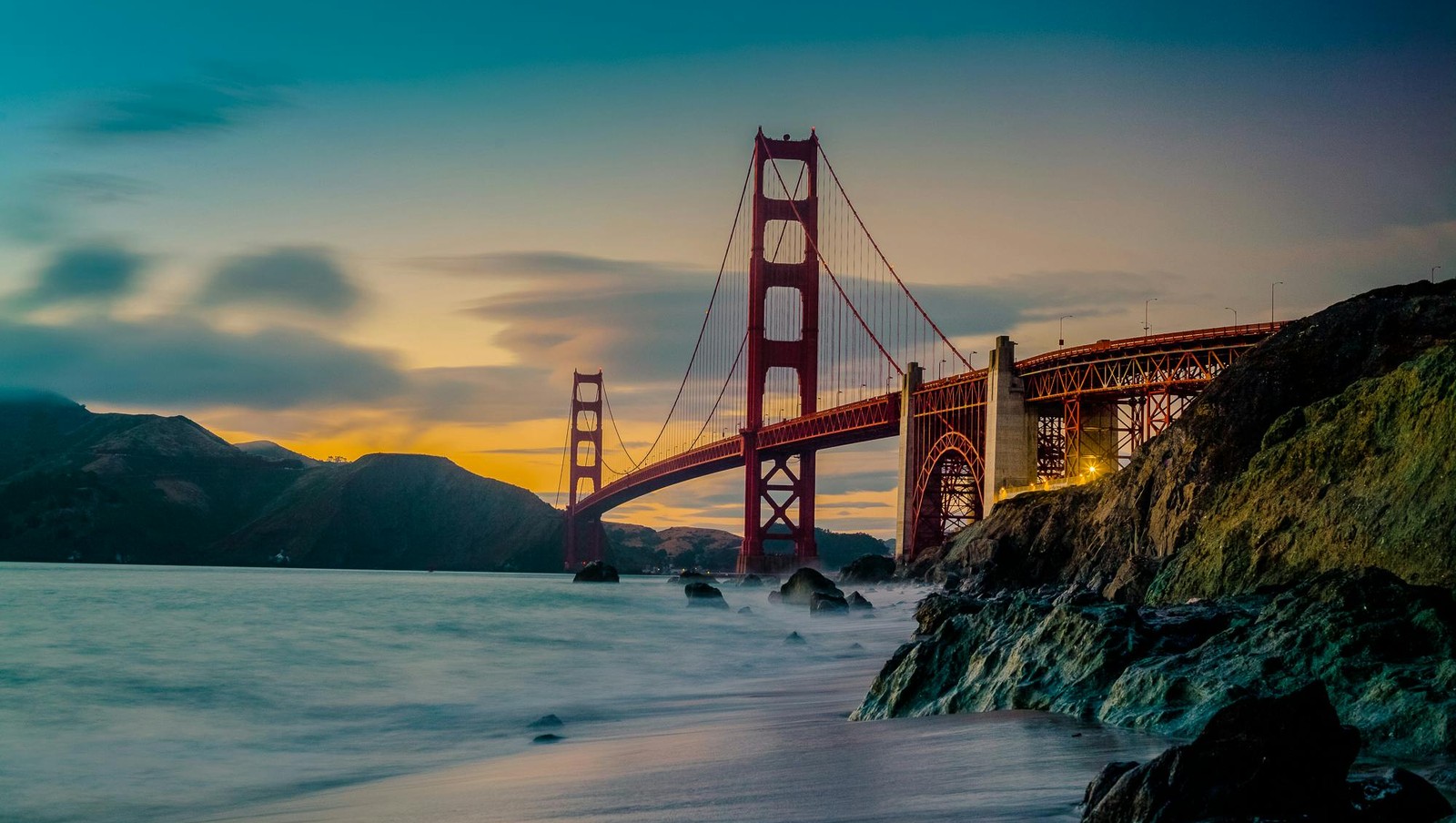
Image: zoe pappas

California inspires big dreams and even bigger expectations. Beaches that stretch forever, celebrities roaming freely, and the long-standing promise that anyone can "make it" there. But as much as the Golden State shines, it also carries a bushel of myths that don’t survive contact with reality. Ready for a myth-busting tour?

1
The entire coastline is made of glorious sandy beaches
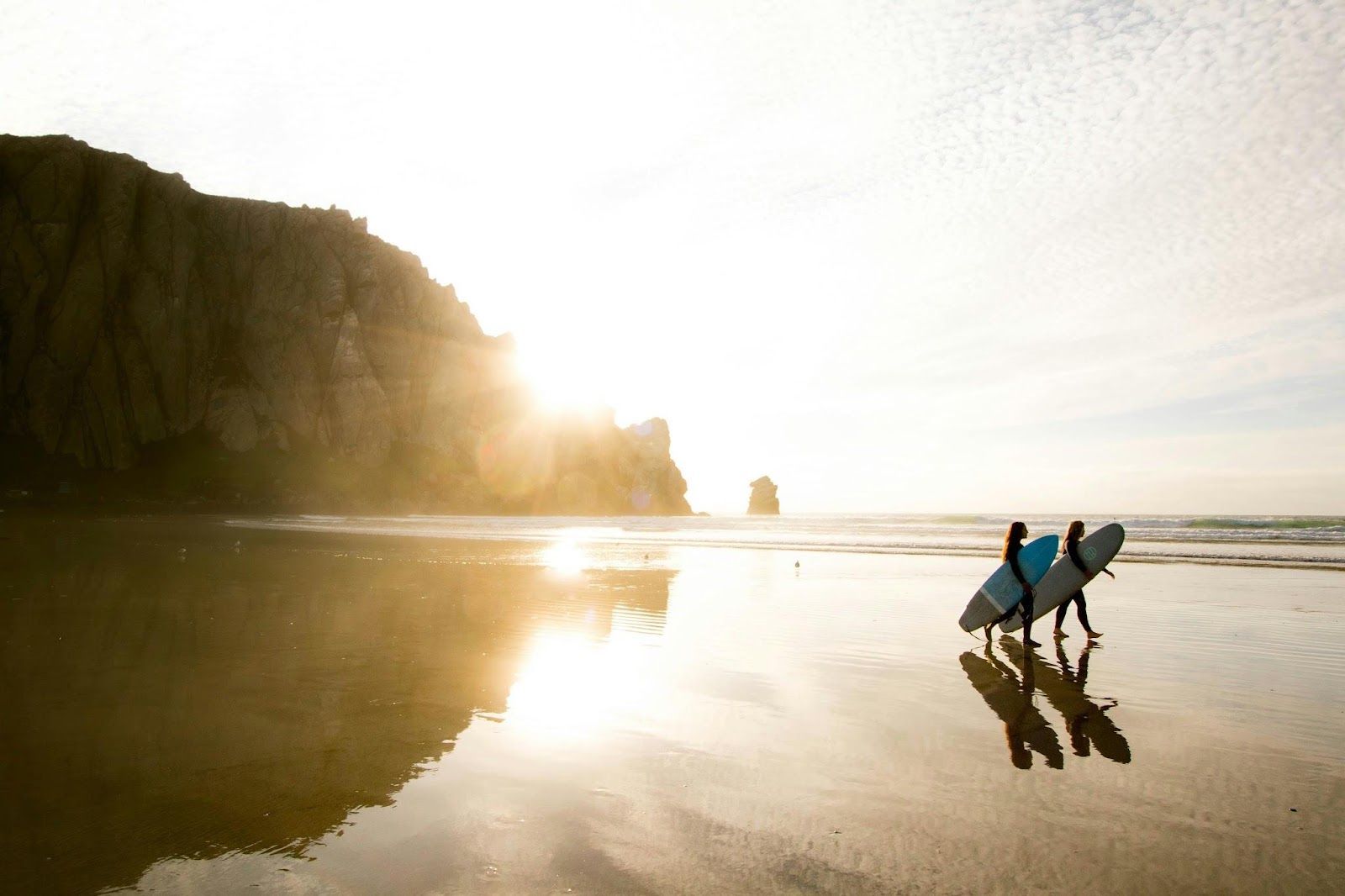
Image: Jeremy Bishop

California’s coastline is long, gorgeous, and wildly varied. Much of it is dominated by cliffs, rocky shores, and chilly waters. Even many popular beaches require a wetsuit if you actually want to get in the water.

Yes, some stretches are ideal for volleyball and sunbathing, but others are better suited to photography.

2
Celebrities are everywhere and happy to mingle
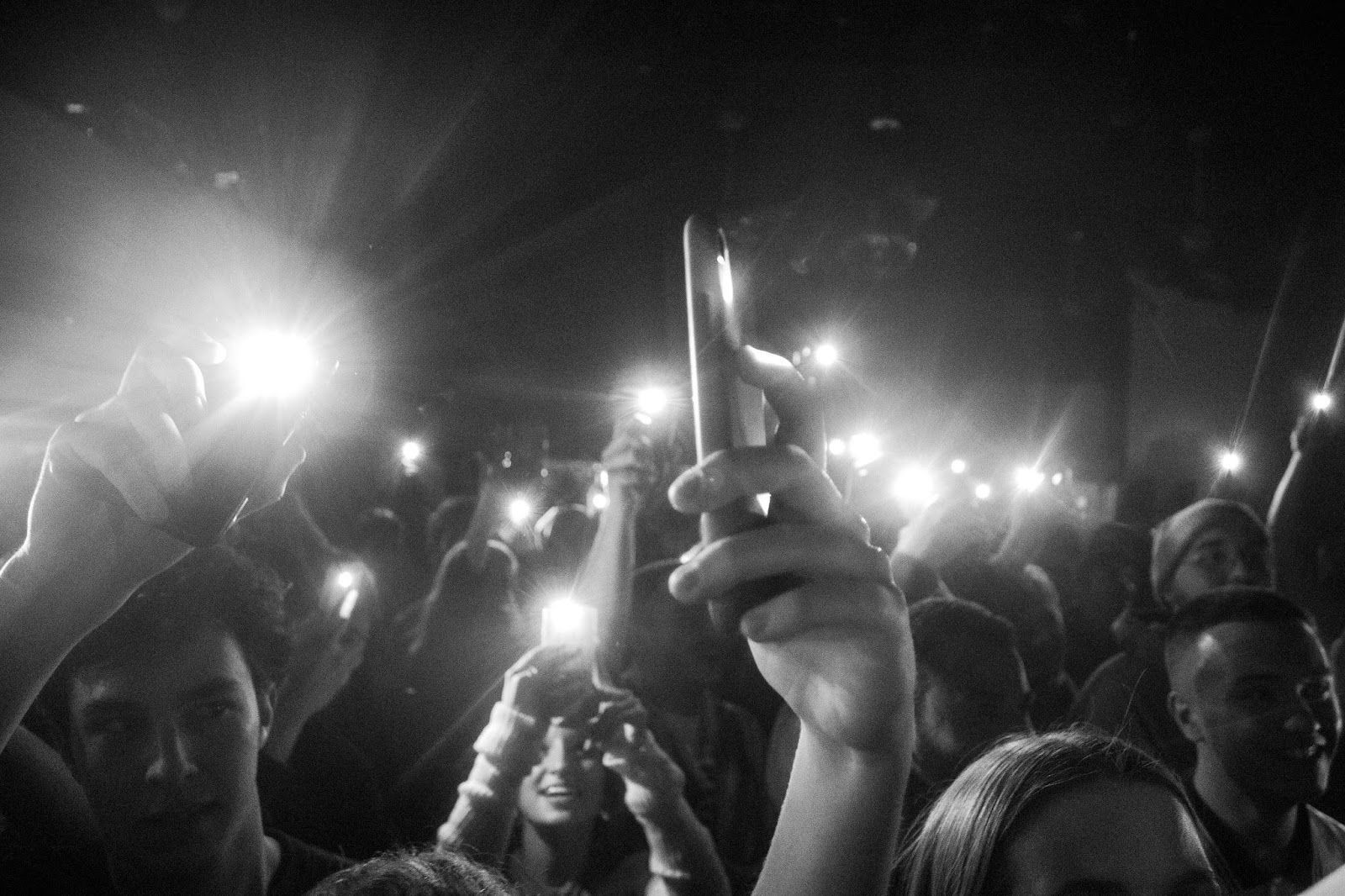
Image: Bibi

It’s tempting to imagine Los Angeles as one giant red-carpet event, but daily life looks a lot more ordinary. Celebrities tend to live in gated communities, travel in private cars, and pick very discreet places to relax.

You might spot one, but you’re far more likely to meet tourists looking for celebrities than actual celebrities themselves.

3
Move to Hollywood and become a star overnight

Image: Edgar Colomba

Hollywood is full of dreamers, but most of them are hustling on the side, waiting tables, doing gig work, and going to audition after audition.

Fame is rarely instant. It’s more like a very long, very competitive marathon that most people don’t see unless they live there.

4
Move to Silicon Valley and become an overnight startup whiz
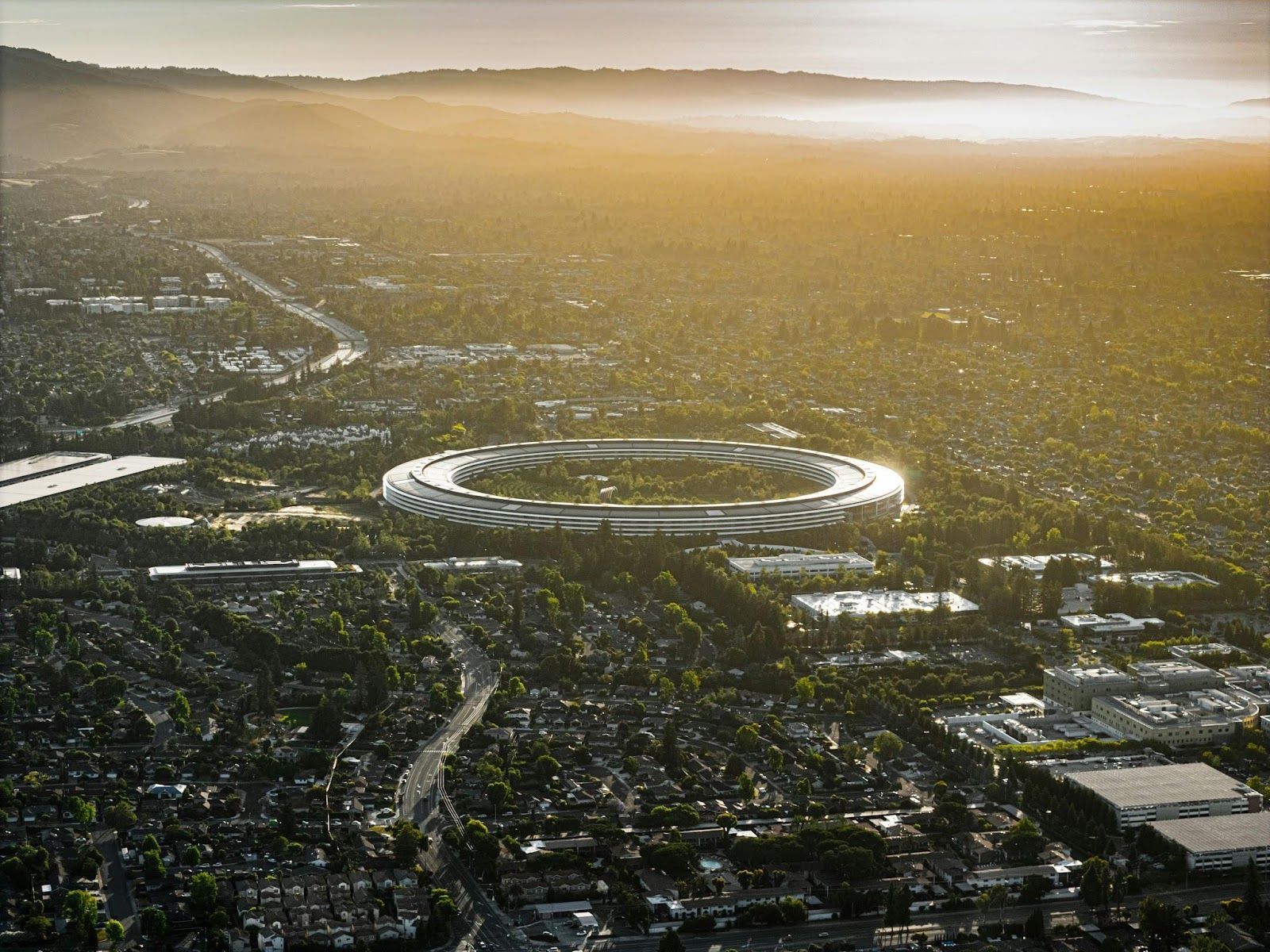
Image: Nils Huenerfuerst

It’s true that Silicon Valley is packed with entrepreneurs and investors. But it’s also full of failed startups, intense work schedules, and fierce competition.

Raising money is tough, building a product is tougher, and surviving long enough to succeed is almost heroic. The myth of "instant unicorn status" is just like the myth of instant movie stardom.

5
The weather is sunny and perfect year-round

Image: Roberto Nickson

California’s climate varies dramatically. Coastal fog in the Bay Area can last all day, winter rainstorms sweep through the north, inland valleys hit triple-digit heat, and wildfire season is a yearly threat.

6
Traffic is terrible, everywhere
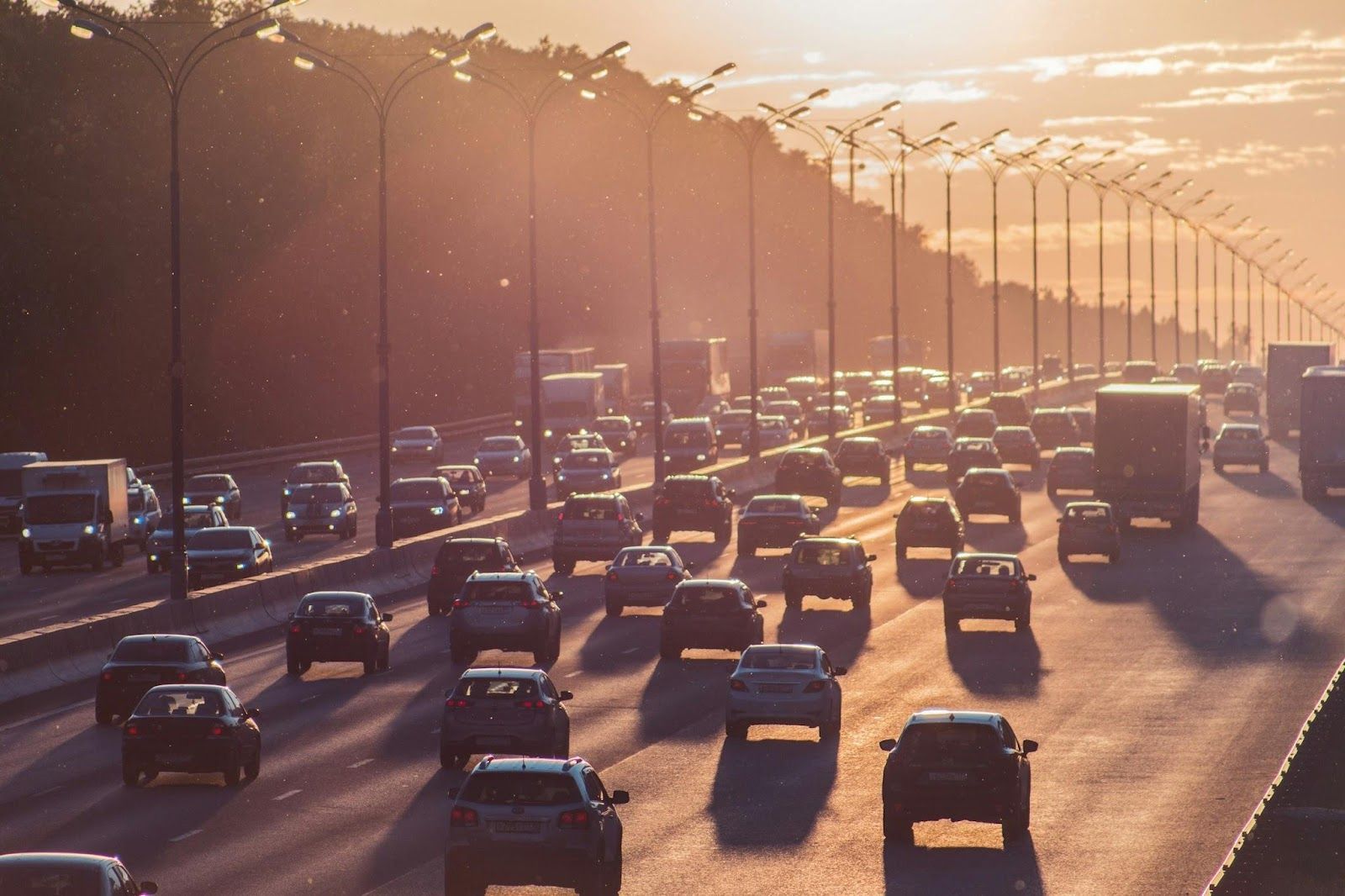
Image: Aleksandr Popov

The traffic horror stories from Los Angeles are quite real, but they’re not universal. California is huge, and plenty of mid-sized cities and rural areas have perfectly manageable commutes. Even in LA, traffic ebbs and flows.

7
Californians go to Disneyland every other weekend
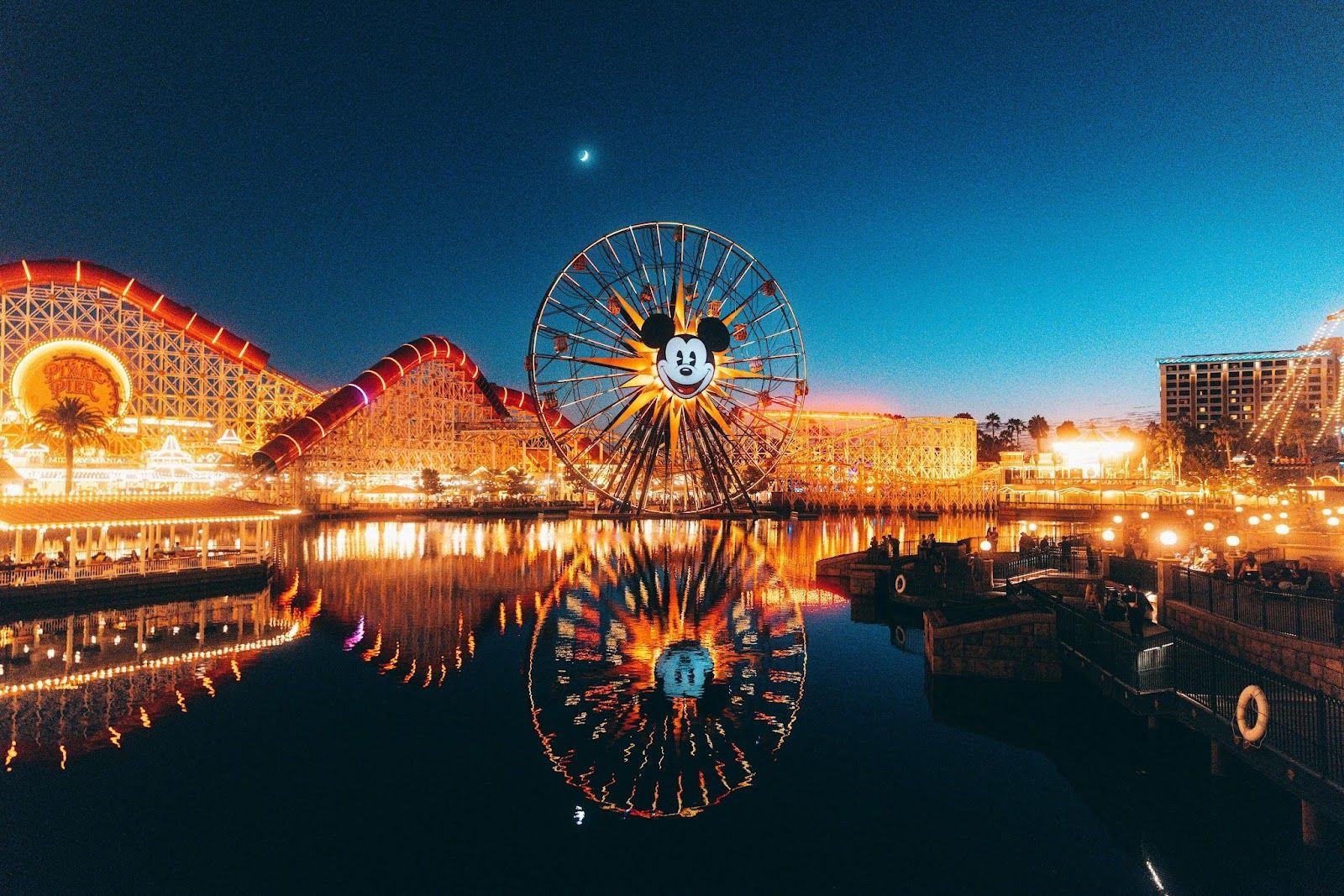
Image: Isaac Garcia

Disneyland may be magical, but it’s also expensive, crowded, and logistically complex. Most residents go once in a while, not as a biweekly ritual. Sure, annual passholders exist, but they’re the exception.

8
You’ll find palm trees everywhere
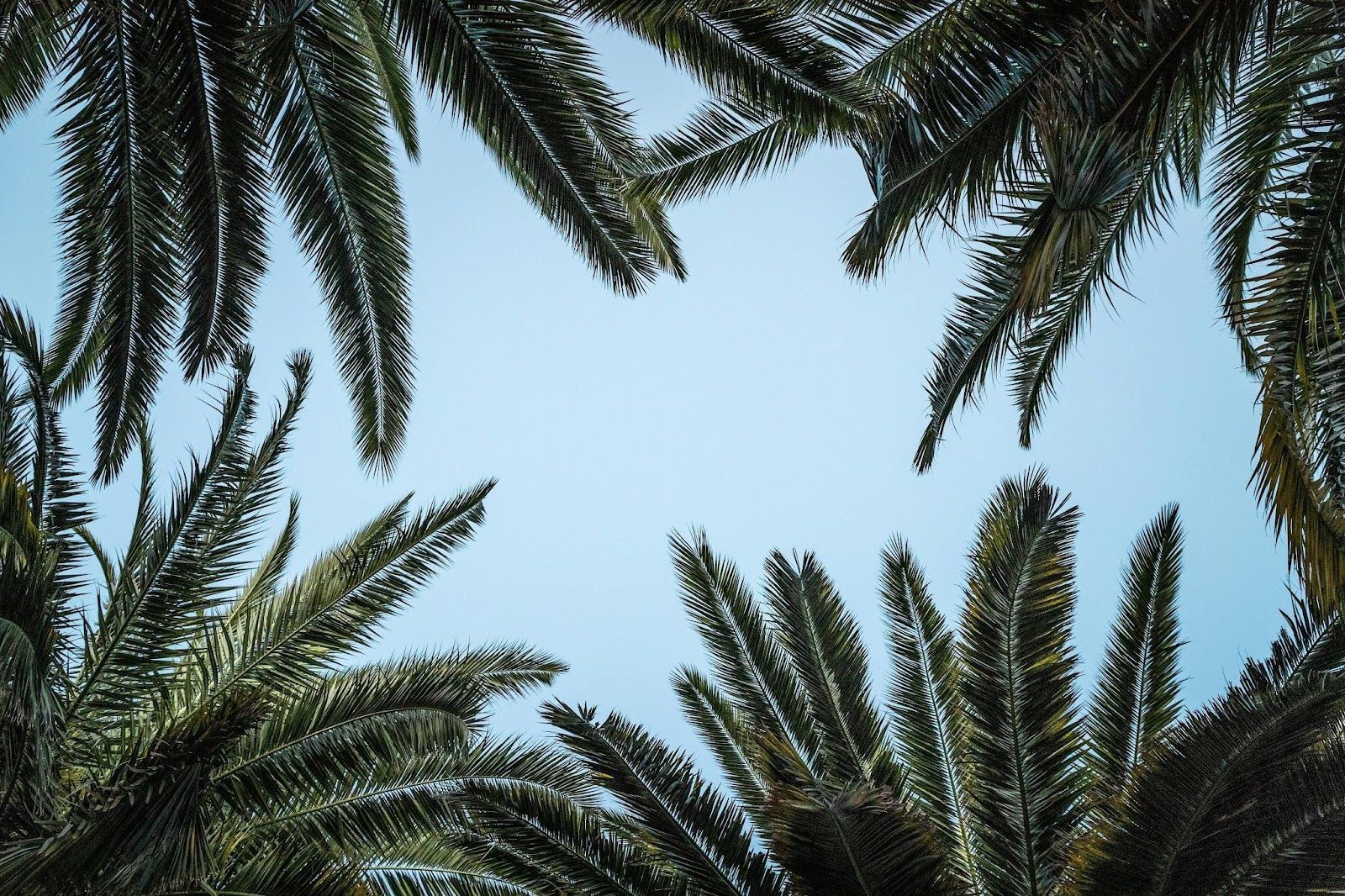
Image: Mitchell Luo

Palm trees are iconic, but they’re not the dominant tree across the state. Many were imported, and Los Angeles’ famous palms are aging out and not being widely replaced. Walk outside the major tourist zones, and you’ll see oaks, pines, sycamores, and far fewer "tropical vacation" vibes than the postcards suggest.

9
Movies are being filmed on every corner
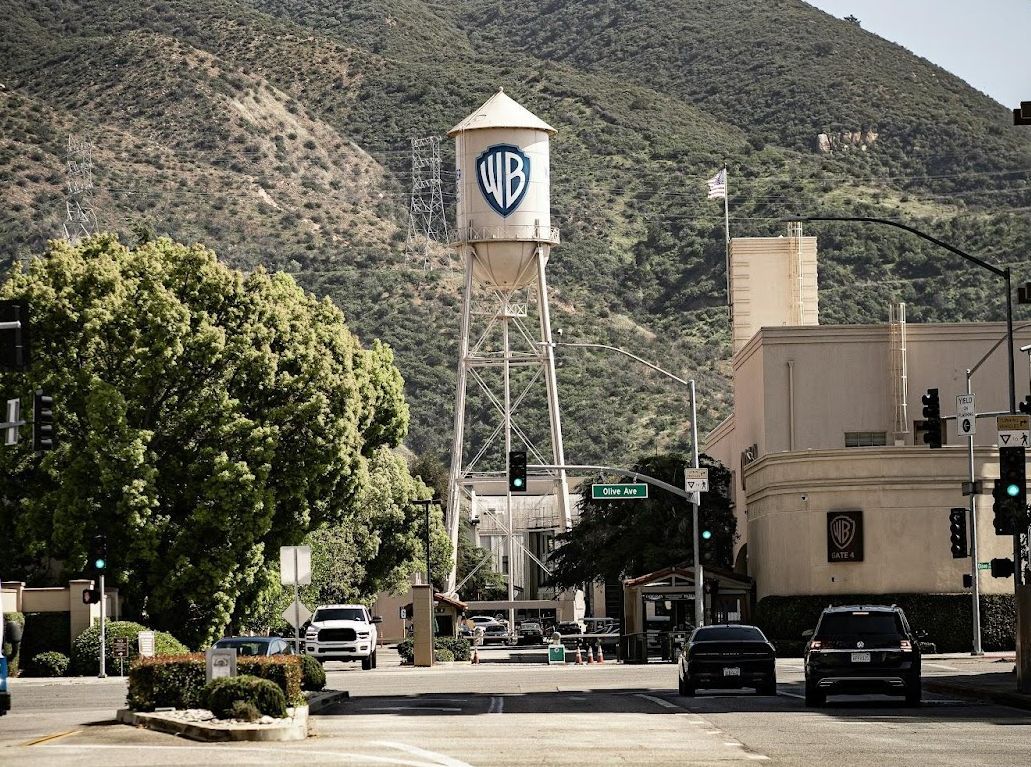
Image: clement proust

You may stumble across a film crew once in a blue moon, but the vast majority of production happens on studio lots or in specifically chosen neighborhoods. Filming permits are expensive, traffic control is complicated, and spontaneous street-corner movie shoots aren’t as common as people think.

10
Everyone is a surfer
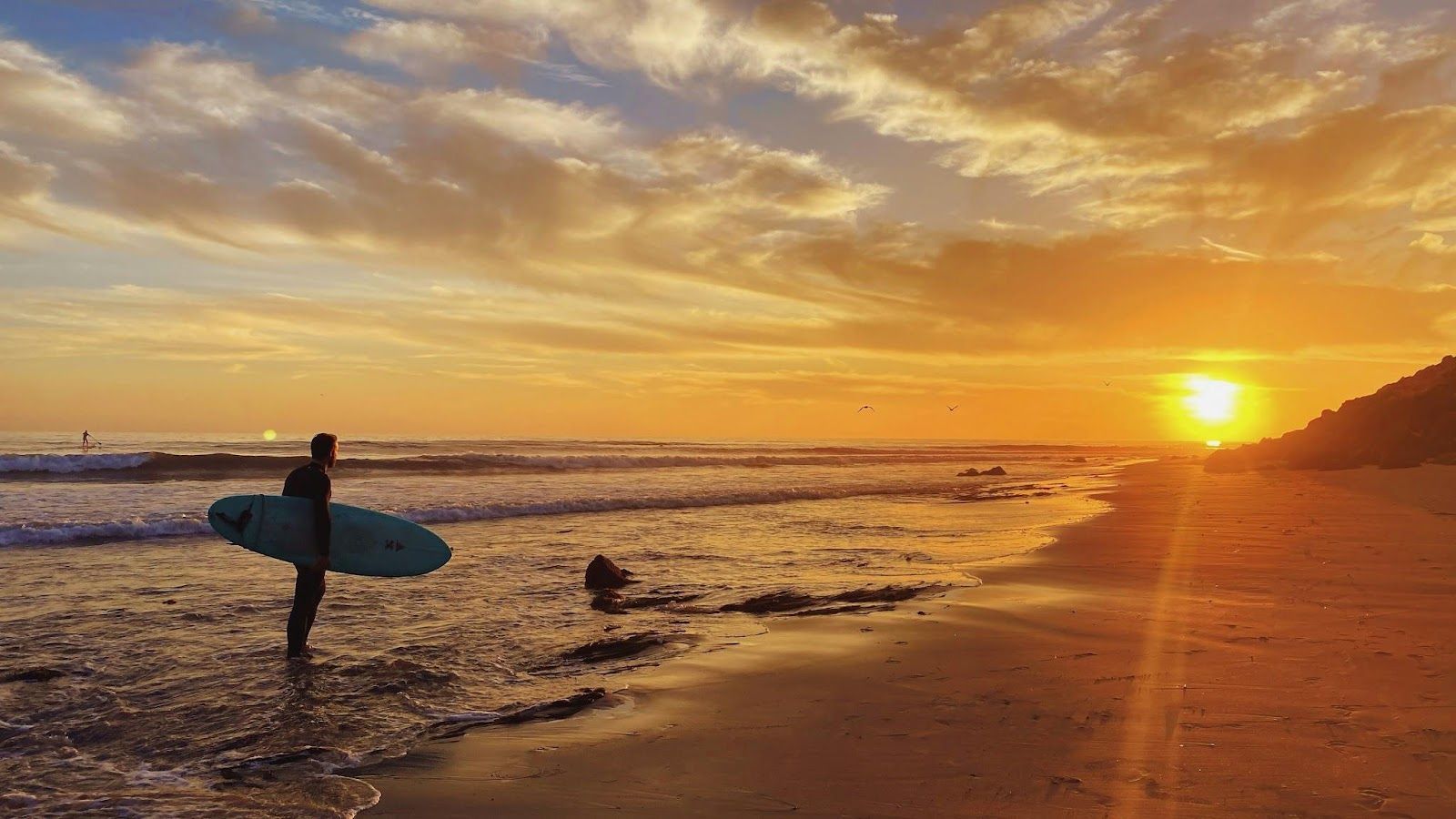
Image: Jacob Steckmann

Surfing is a proud part of California culture, but not a universal one. Many residents have never touched a surfboard, and the cold Pacific waters can be intimidating even for the brave. The idea that everyone wakes up, grabs a board, and runs to the beach is more Hollywood montage than real life.

11
Everyone lives close to the ocean
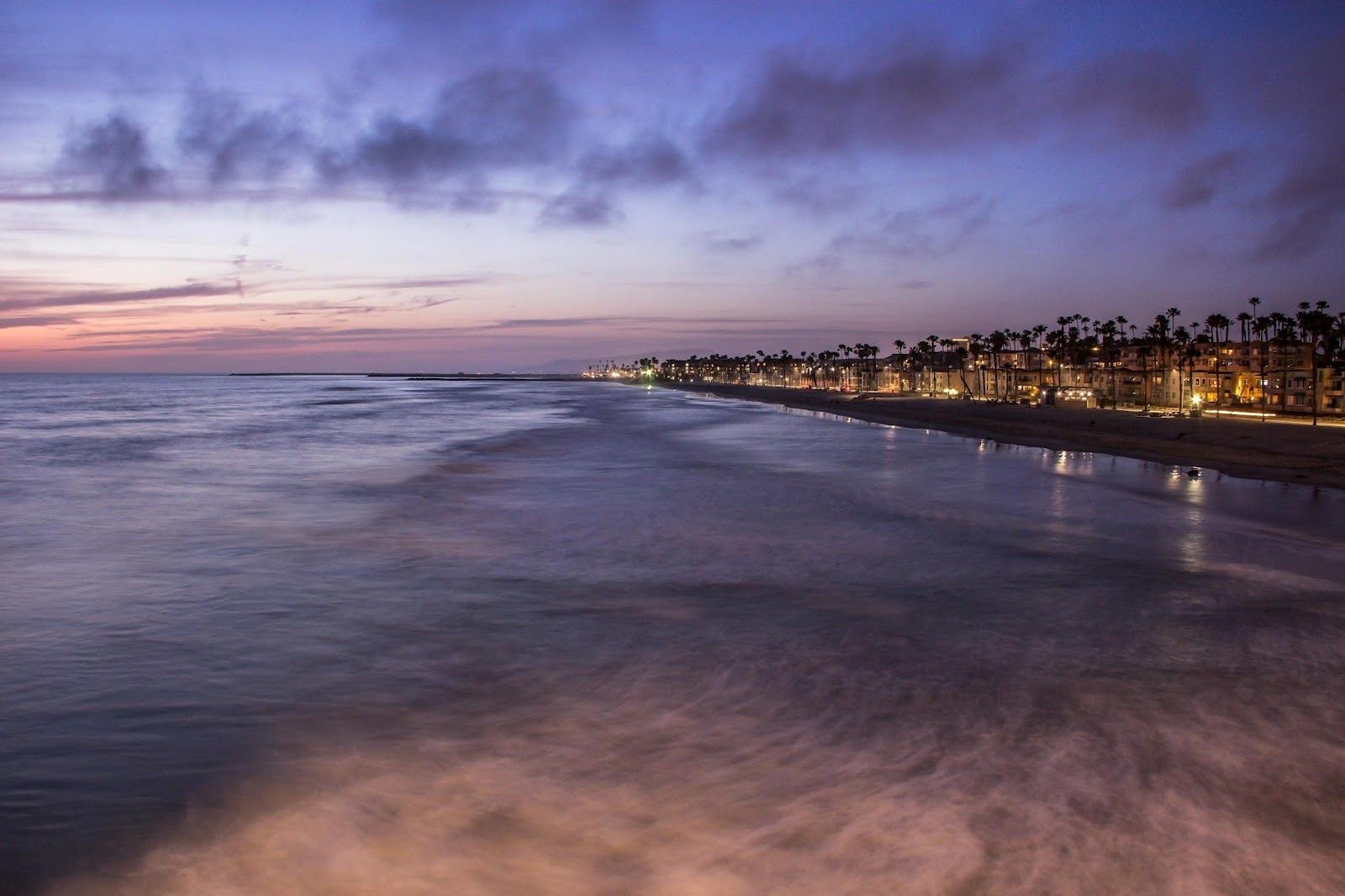
Image: Jonathan Schmer

California’s population is spread across vast inland regions, including the Central Valley, Sacramento, and the Inland Empire, which are all hours away from the coast. Plenty of Californians only see the ocean during vacation.

12
The food is all organic, clean, and hyper-healthy

Image: Jannis Brandt

Yes, you’ll find green juices, vegan cafés, and farm-to-table everything. But California is also home to drive-thrus, giant burritos, and some of the most indulgent comfort food around. The "everyone eats quinoa and sunshine" trope doesn’t hold up once you explore beyond the trendy spots.

13
Everyone commutes by bike, skateboard, or electric scooter
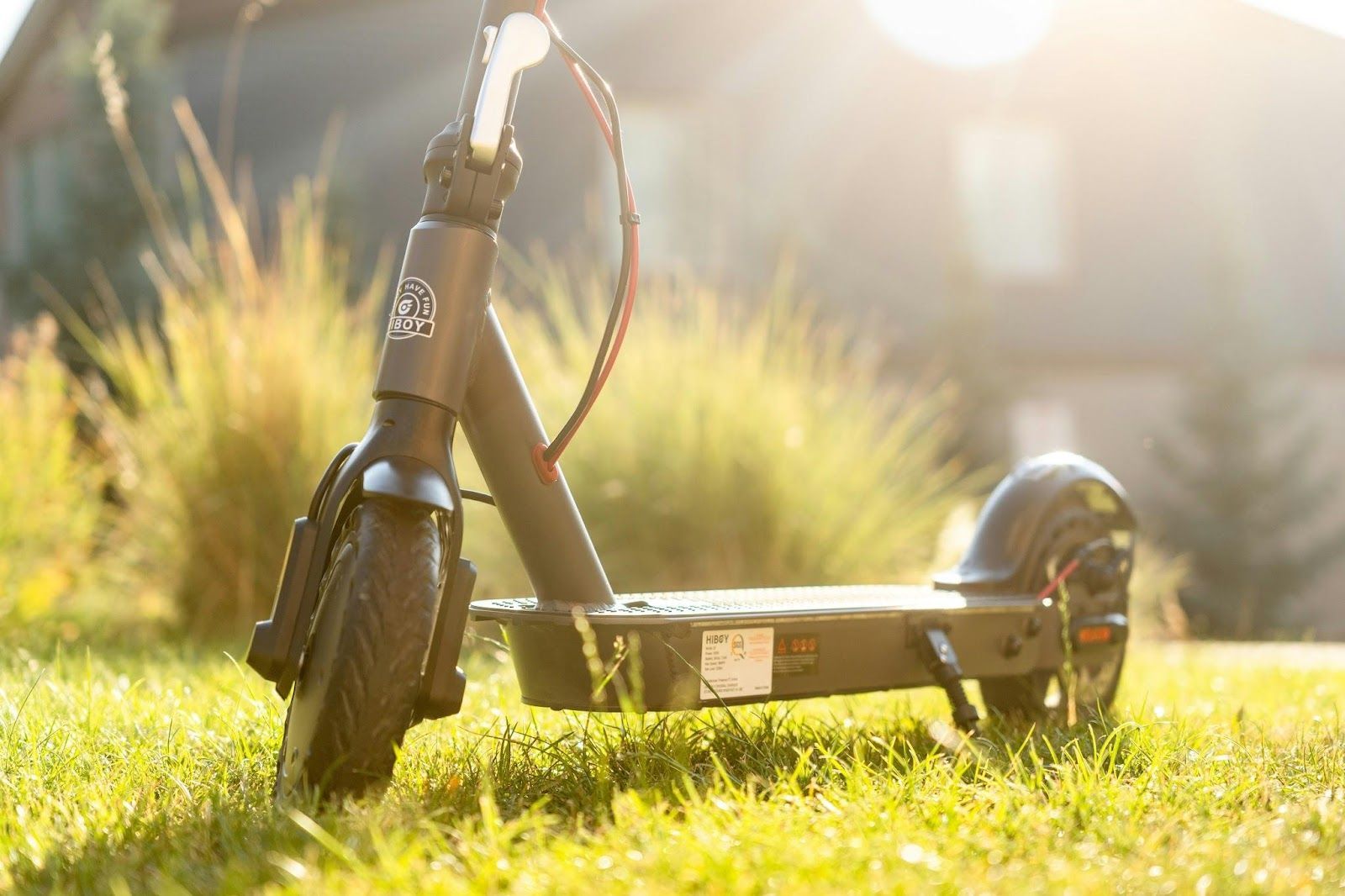
Image: Hiboy

It looks cool in TV shows, but in reality, most Californians commute by car. Public transportation is limited outside a few areas, and long distances make biking impractical for many.

14
Everything in California is incredibly expensive
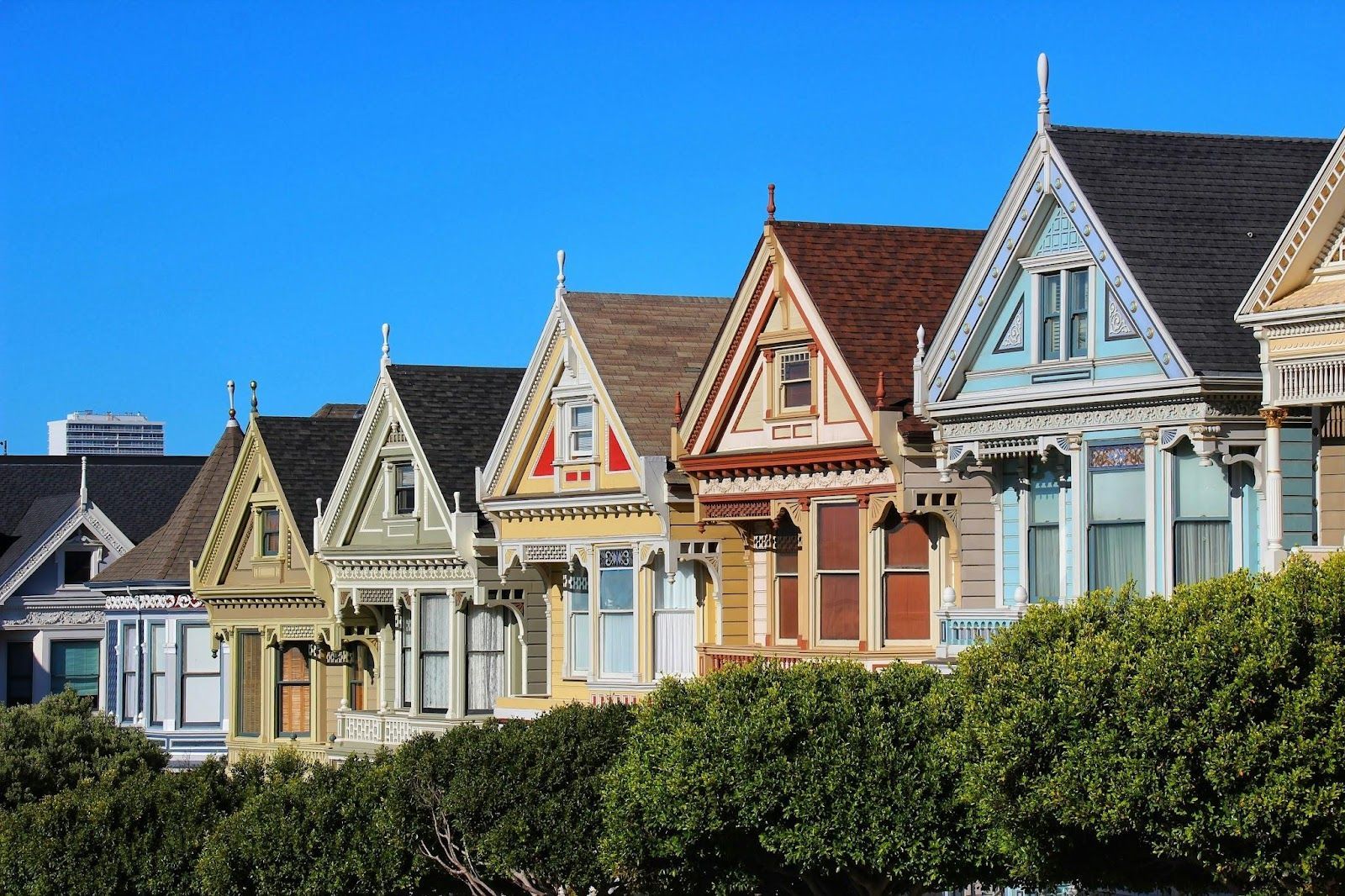
Image: Martin Zenker

Housing in places like San Francisco is famously pricey, but California also includes smaller cities and rural communities where the cost of living is much closer to the national average.
History History 4 min read

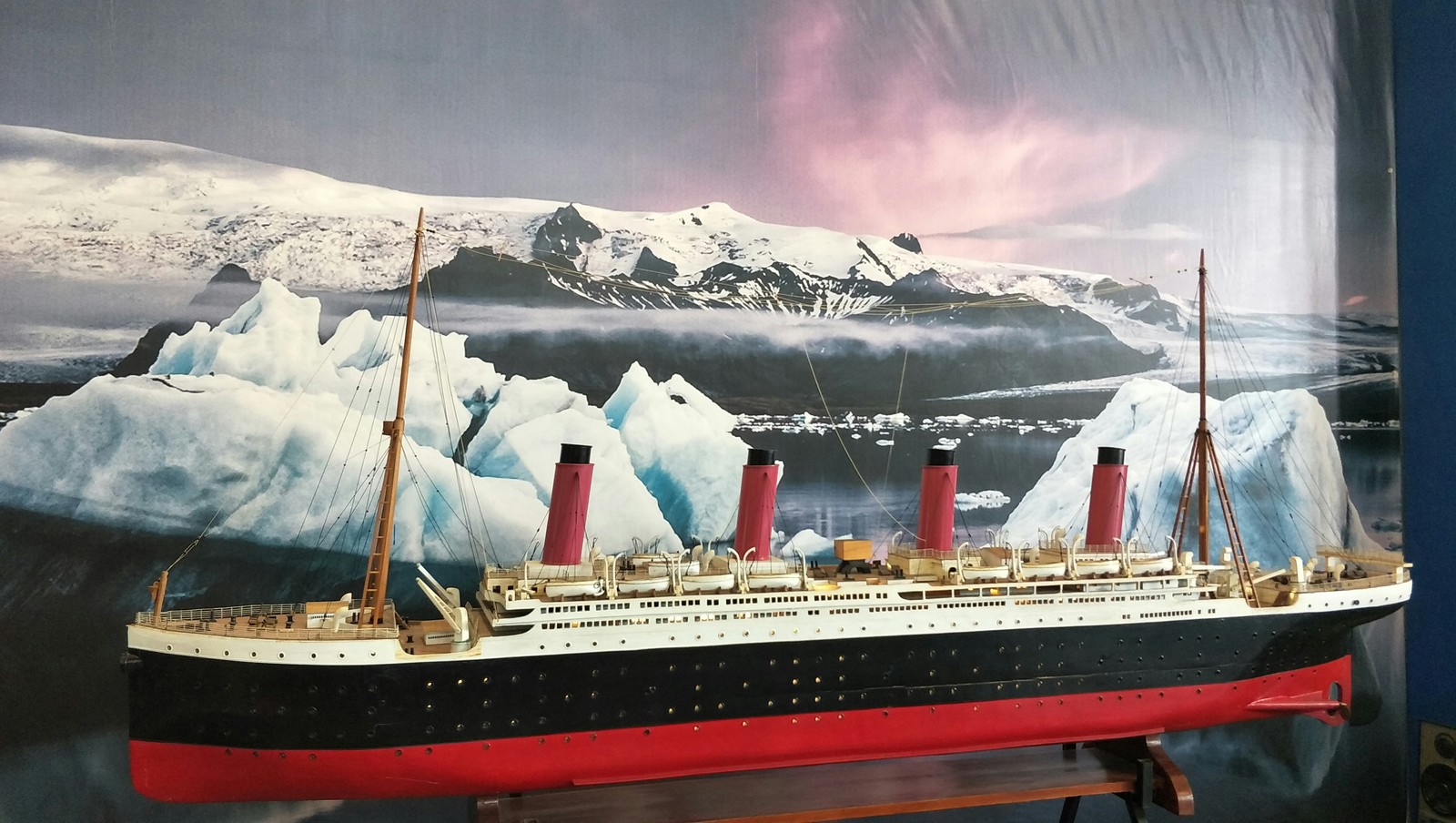
Forgotten Titanic facts

It wasn’t just humans on the Titanic! 10 incredible facts you didn’t know

Image: Edwin Petrus

We all know the tragic story behind the Titanic, that "unsinkable" ship that didn’t make it past its first voyage. But besides the tragedy and the Hollywood movie, there are some surprising facts that never made the front page. From pups that survived and pocket watches, to hidden submarines and a tipsy worker who beat the odds, here are 12 curious facts that might just shock you.

1
Construction costs that’d make your wallet faint

Image: Jaime Labra

Back in 1912, the Titanic cost $7.5 million to build, and if you're wondering what that’d be today, it’d be over $400 million. That’s more than some sports stadiums! It took nearly three years to complete and was one of the most extravagant ships ever made.

2
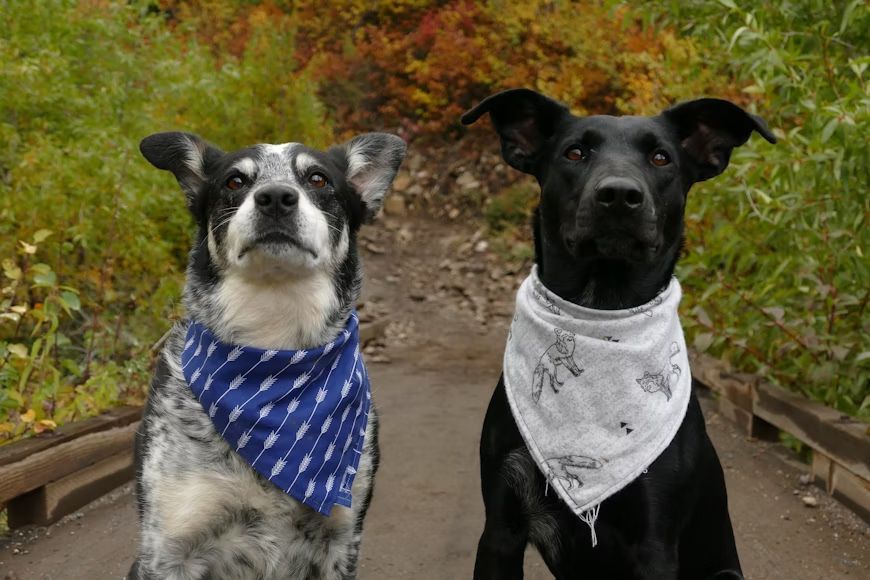
Yes, there were dogs

Image: Yuki Dog

As it turns out, the Titanic wasn’t just for people. At least 12 dogs came along for the ride , lounging in a special first-class kennel. There was even a dog show scheduled for the morning of April 15. Sadly, only three tiny dogs survived, all small enough to sneak onto lifeboats tucked in coats or handbags.

3
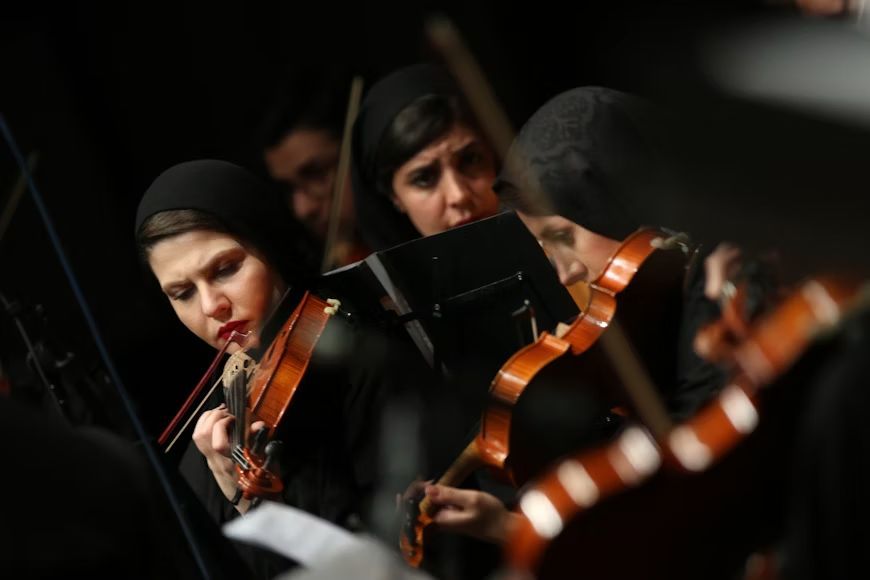
The band really did play on

Image: Parizan Studio

Wallace Hartley, the bandleader, went down in history, and with his violin! His group kept playing as chaos unfolded around them, trying to calm passengers with music, just like the movie portrays. He didn’t make it, but his violin was found intact and later sold at an auction for $1.7 million!

4
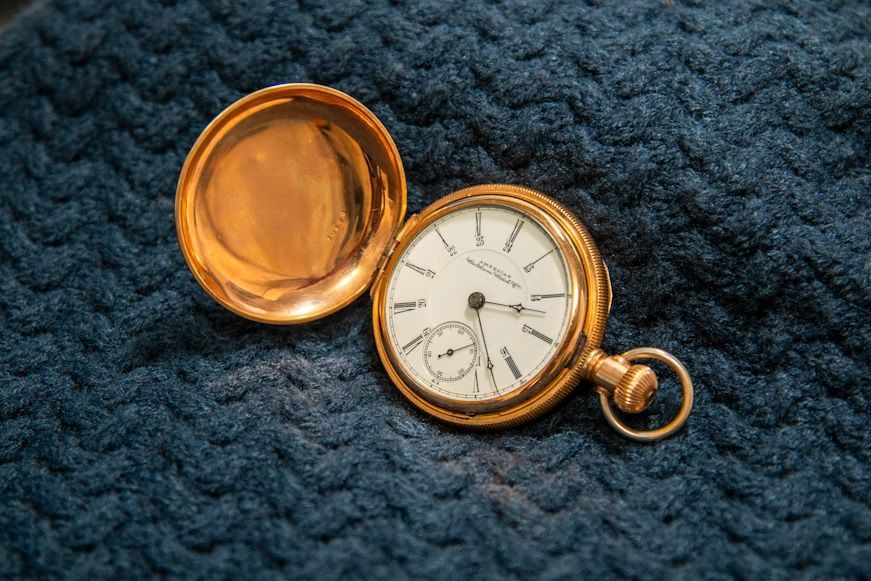
A pocket watch frozen in time

Image: Otto Hyytiälä

The violin was not the only treasure found. Sidney Sedunary was a young steward whose pocket watch stopped ticking at exactly 1:50 a.m. , just before the ship went under. He was last seen handing out lifejackets to third-class passengers. That same watch, rusted but intact, still tells his story.

5
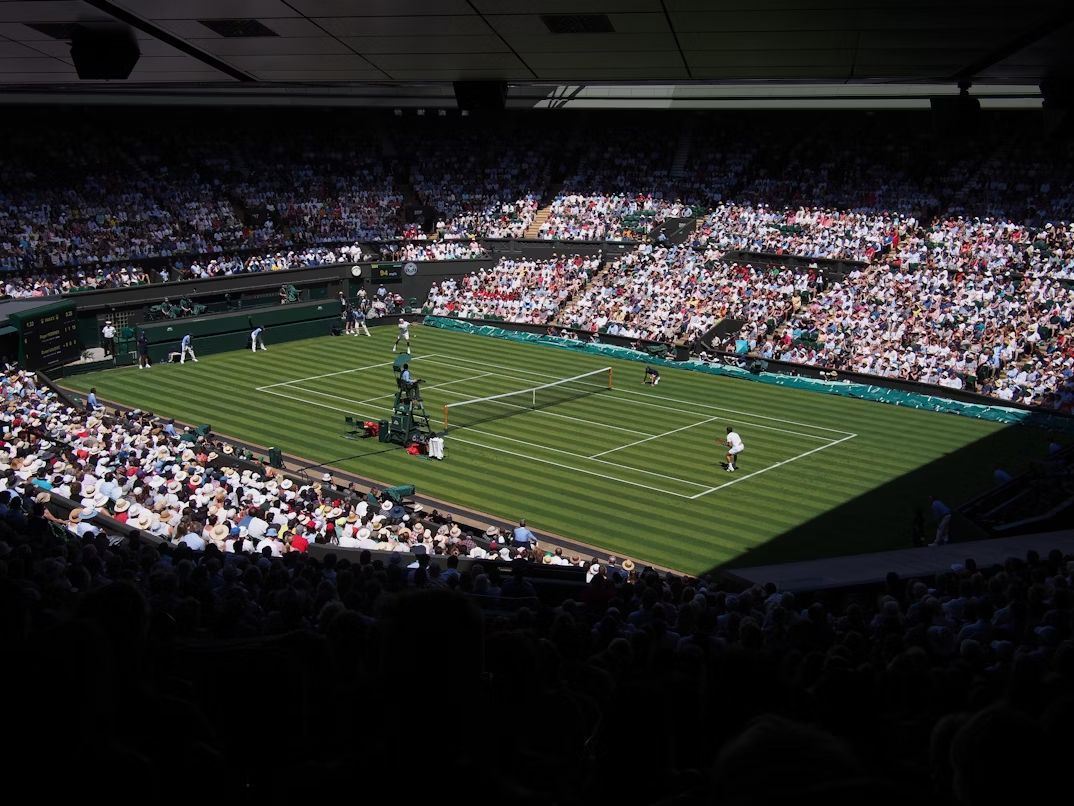
A survivor with frostbitten legs and Olympic dreams

Image: Shep McAllister

Richard Norris Williams spent six hours in icy water, and doctors on the rescue ship wanted to amputate his legs. He refused . And you may think he was crazy to do so, but thank God he did! He went on to win a Wimbledon title and an Olympic gold medal. How crazy is that?

6
Finding the Titanic by accident

Image: Karl Callwood

In 1985, oceanographer Robert Ballard found the Titanic wreck. But that was just an accident ; he was actually sent by the Navy to look for two lost nuclear submarines and used the Titanic as a cover story.

7
Dishes still stacked neatly on the ocean floor

Image: Jannet Serhan

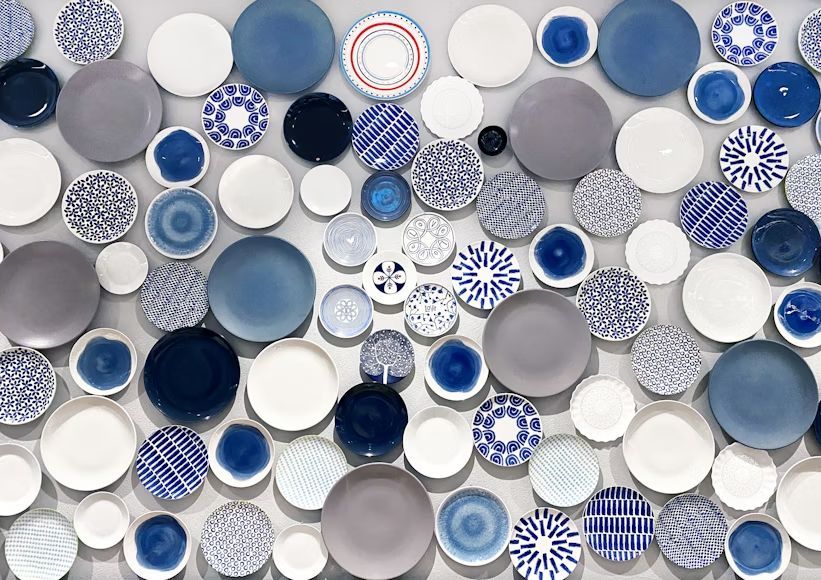
When explorers visited the Titanic wreck in 1986, they found plates still stacked like someone had just finished doing the dishes. Turns out, the wooden cabinet they were in rotted away , leaving the china perfectly arranged on the sea floor. It’s as eerie as fascinating, considering the many years that passed.

8
The ship is rusting away

Image: NOAA

And speaking of the amount of time the Titanic has been underwater, we have to say that nature is reclaiming the Titanic bit by bit. A newly discovered bacterium is literally eating the ship. Scientists estimate it could disappear completely in 20 to 30 years. The latest expeditions have already shown evidence that pieces that were previously there are gone. So… the clock's ticking.

9
No photos of the grand staircase?

Image: Maria Orlova

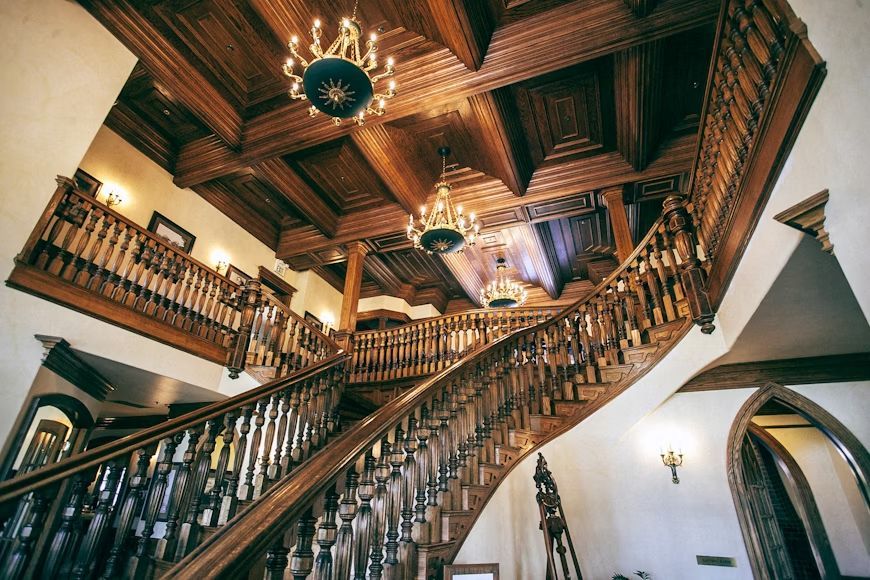
You’ve probably seen images of the Titanic’s beautiful grand staircase. We’re sorry to disappoint, but they’re not of the Titanic . They’re from her sister ship, the Olympic. No one thought to take a picture of the real deal before the maiden voyage. And they definitely didn’t think of doing it while it happened!

10
Milton Hershey almost boarded

Image: Janne Simoes

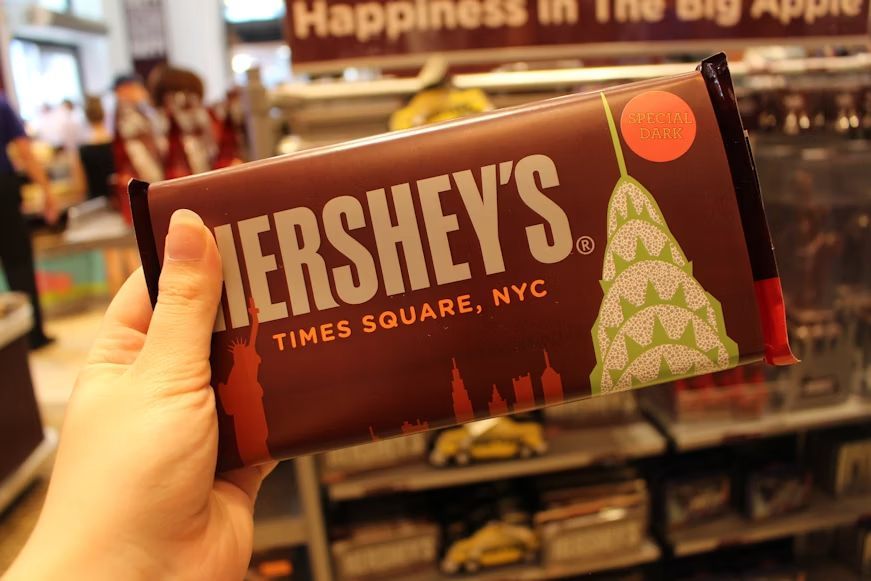
If the name rings a bell, that’s because it’s the same Hershey from the chocolate you love. The man behind Hershey’s chocolate bars almost booked a room on the Titanic . He even wrote a $300 deposit check (big money back then!). But business delayed him, and he skipped the trip. Who do we thank for that?

11
The baker who survived two hours in icy water

Image: Maxim Hopman

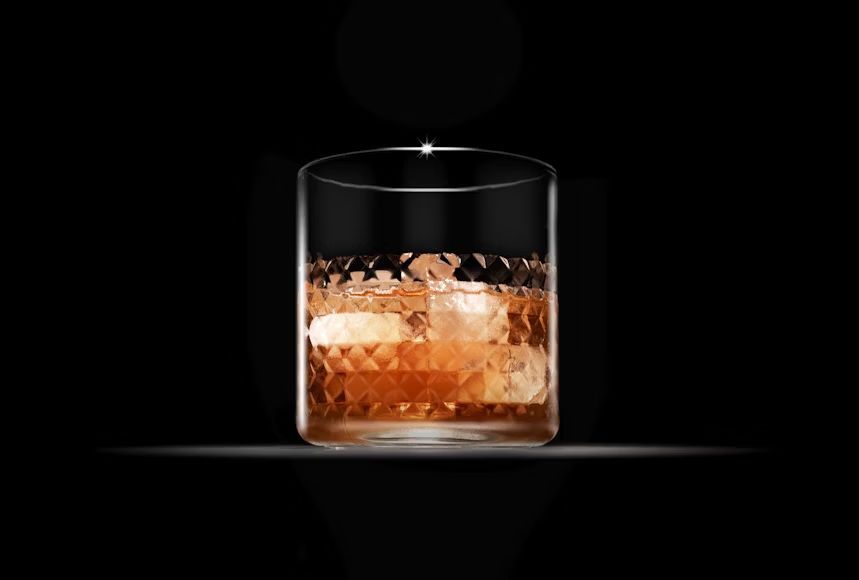
Here’s a fascinating fact: Charles Joughin, the Titanic’s chief baker, survived one of the worst parts of the sinking: the freezing Atlantic water. He was reportedly treading water for two hours before rescue. Wanna know how he made it? He had been sipping whiskey to face his fate, and the alcohol in his blood kept him warm enough to survive.

12
The last lunch menu went for a tasty sum

Image: Zoshua Colah

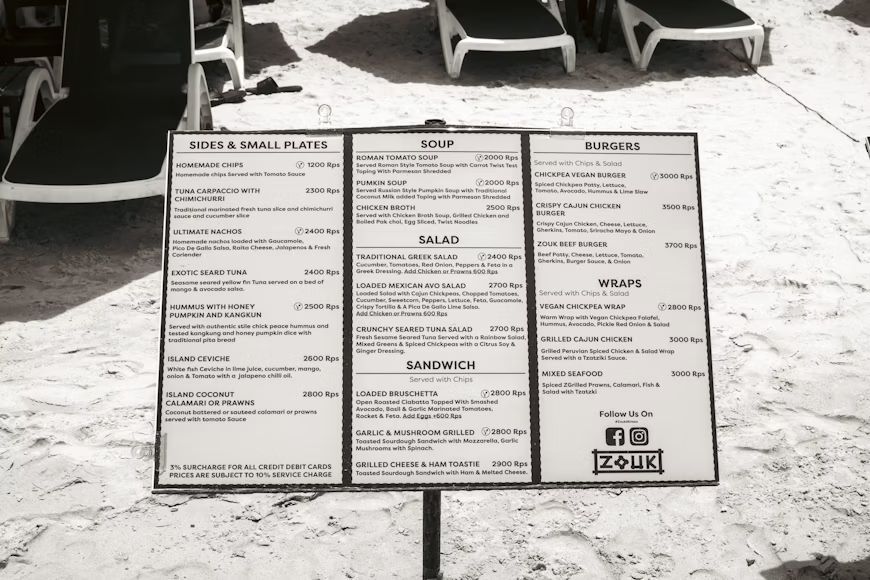
In 2015, a copy of Titanic’s last first-class lunch menu sold for $88,000 . That’s one pricey memento. The menu included grilled mutton chops, chicken à la Maryland, and corned ox tongue. Safe to say lunch on the Titanic wasn’t your average sandwich and chips.

History History 7 min read

Hidden stories

The secret WWII project hidden beneath the White House

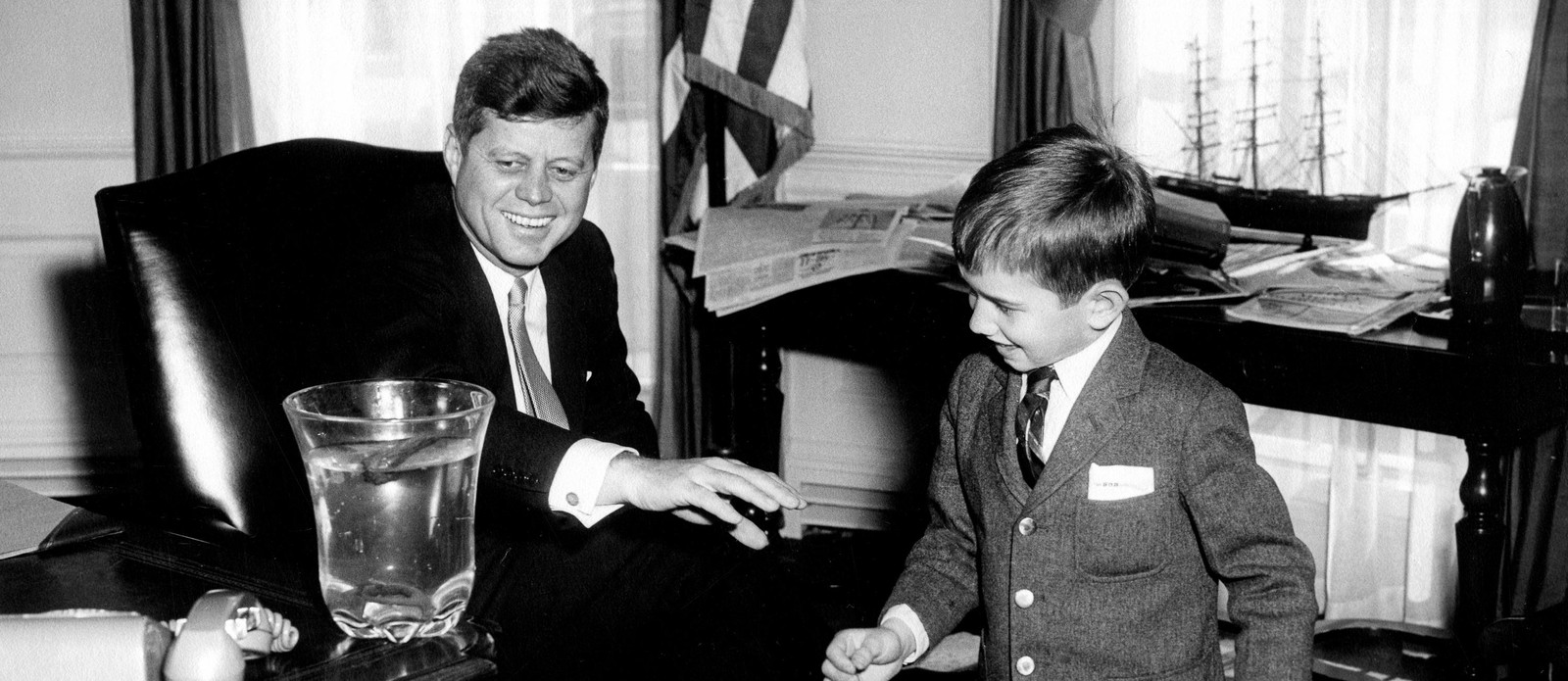
Image: Abbie Rowe. White House Photographs. John F. Kennedy Presidential Library and Museum, Boston, Public domain, via Wikimedia Commons

Did you know the White House wasn’t originally meant to be white? Or that hidden underground spaces were built beneath it? For more than 200 years, we have seen the White House in movies, on the news, in family photo albums from Washington trips, and during some of the biggest moments in our country’s history. But behind those famous walls are stories most have never heard. From fires and secret construction projects to strange traditions and forgotten moments, these are 10 surprising White House stories that most of us were never taught in school.

1
It was almost completely torn down

Image: Abbie Rowe, Public domain, via Wikimedia Commons

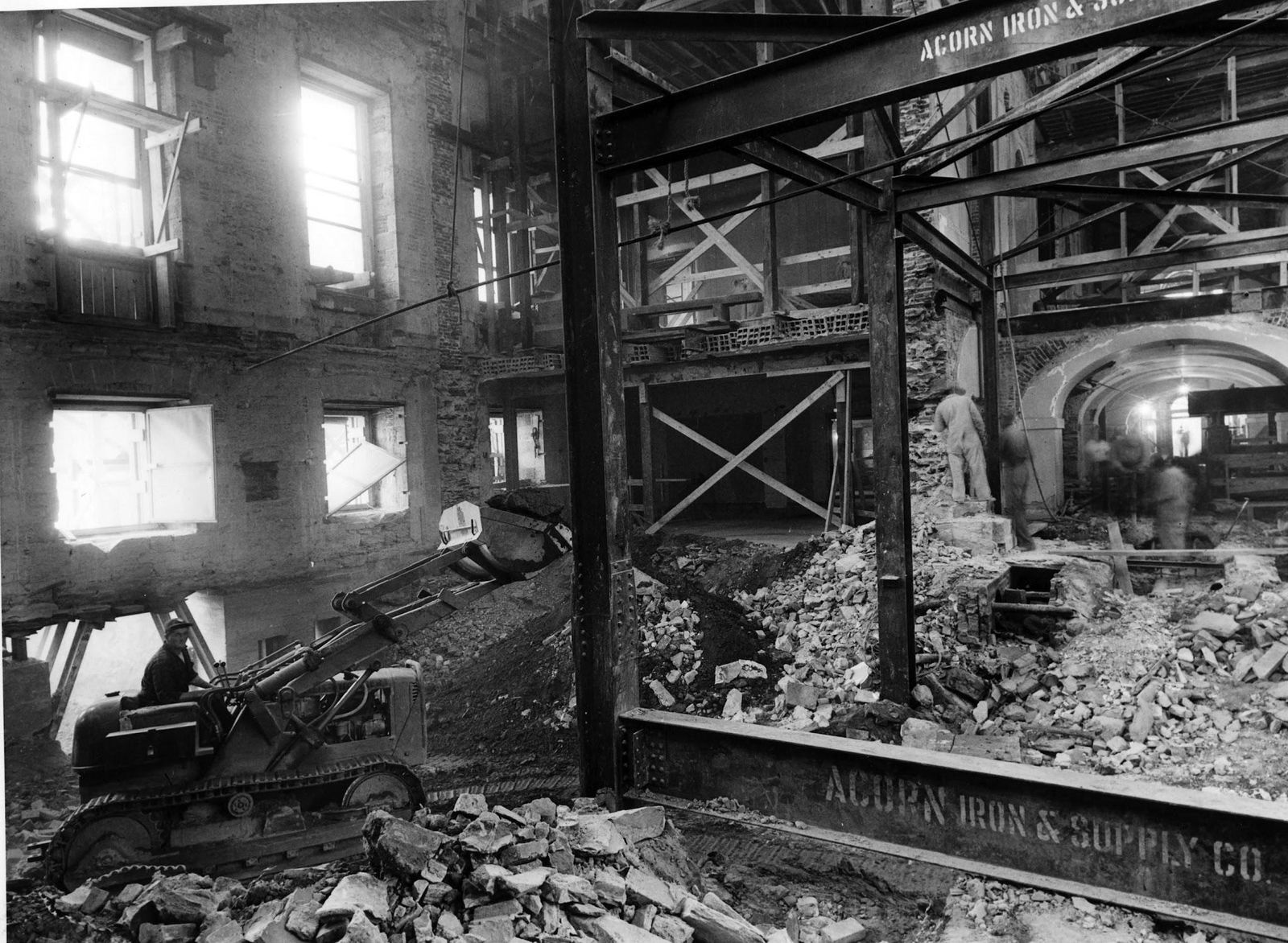
Did you know that very little of today’s White House interior is actually original? Looking at the building now, it’s hard to imagine that it was once so unstable that it was in danger of collapsing.

By 1948, after decades of heavy use, outdated wiring, poor structural supports, and years of renovations layered over one another, the White House had become unsafe. Floors and walls cracked, and parts of the residence were literally sinking. President Harry S. Truman even joked that the place felt haunted because it made so many strange noises. Rather than abandon it, Truman launched a massive reconstruction project with Congress. Between 1948 and 1952, nearly the entire interior was gutted and rebuilt while the original exterior walls were preserved, giving America a strong and reliable White House.

2
During WWII, they built an underground bunker

Image: rc.xyz NFT gallery

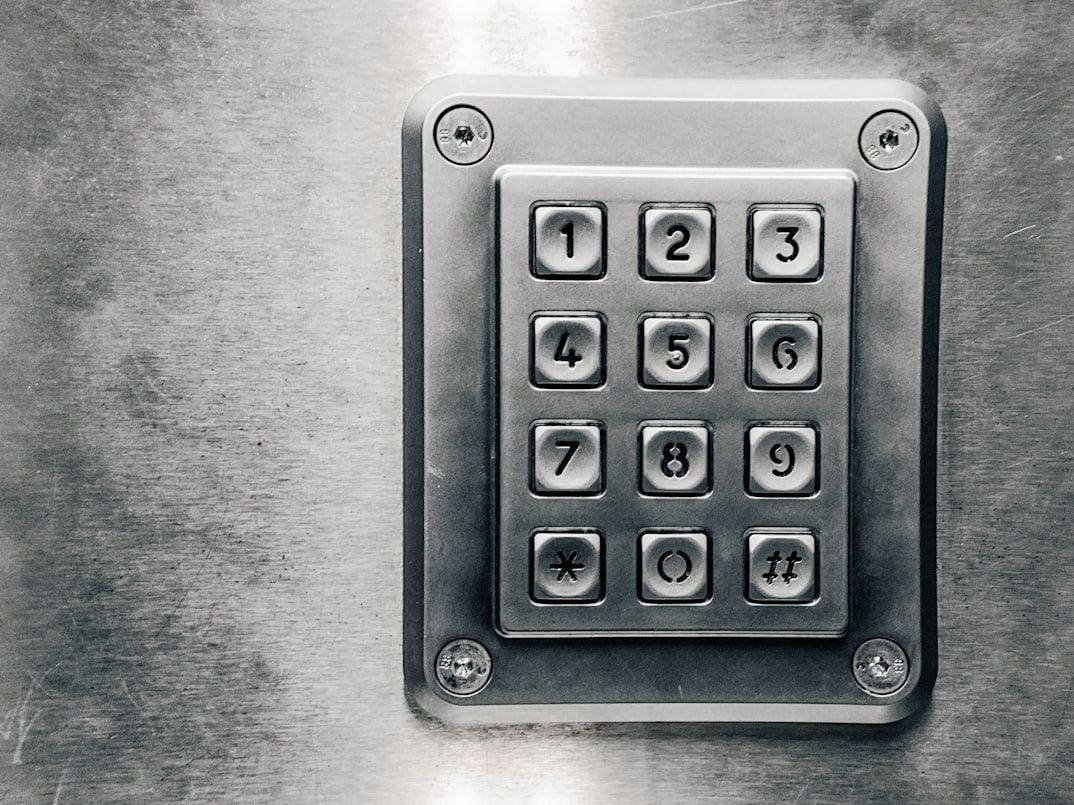
Did you know there’s a fortified bunker hidden beneath the White House? A couple of years before Truman’s famous renovation, another major project was quietly built beneath the presidential residence.

In 1942, during World War II, President Franklin D. Roosevelt ordered the construction of a secure underground shelter to protect government leaders in case Washington, D.C., came under attack. Built quickly and in great secrecy, the bunker was completed within months, though it was luckily never needed during the war. Today, the facility is known as the Presidential Emergency Operations Center, or PEOC, and it was famously used in 2001 by President George W. Bush and again in 2020 by Donald Trump.

3
It was not originally meant to be white

Image: Andriy Miyusov

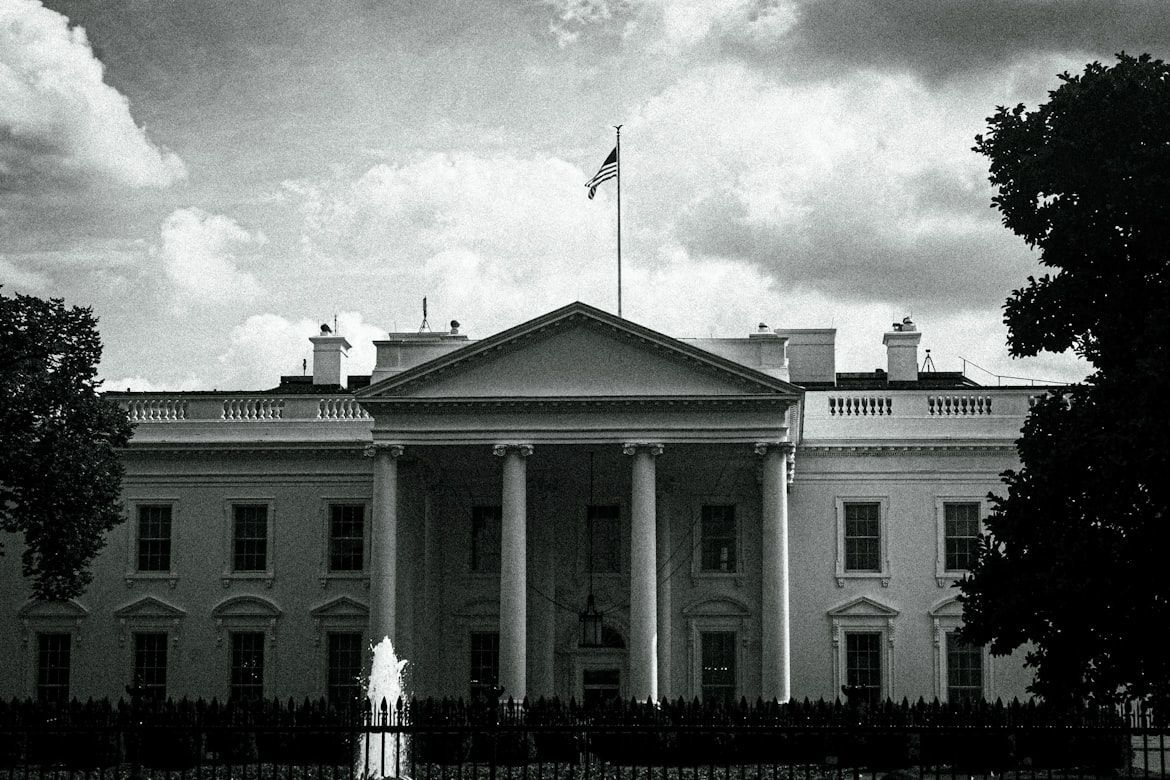
Can you imagine if it were called "the Gray House"? Today, it’s impossible to picture America’s most famous home as anything other than bright white, but that wasn’t the original idea.

During construction in the 1790s, workers covered the exterior sandstone with a lime-based whitewash to protect it from moisture, cracking, and harsh winter weather. The coating gave the building a pale grayish appearance, not the brilliant white we recognize today. A long-standing myth claims the White House was painted white to hide the burn marks left after British troops set it on fire in 1814, but in reality, the building had already been whitewashed years earlier. Still, after the fire and reconstruction, the white exterior became permanent and eventually inspired the famous name "White House," though for many years people still called it the "President’s House."

4
10 people have died in the White House

Image: Woodrow Wilson Presidential Library Archives from Staunton, VA, No restrictions, via Wikimedia Commons

Many people have lived and worked in the White House over the centuries, but, according to the White House Historical Association, only 10 people are officially recorded as having died inside the presidential residence.

Among them were two U.S. presidents. William Henry Harrison died there at age 68 in 1841 after falling seriously ill, likely from contaminated water. Zachary Taylor died at age 65 in 1850 from a severe stomach illness after attending Fourth of July celebrations in extreme heat. Three First Ladies also passed away in the White House: Letitia Tyler in 1842, Caroline Harrison in 1892, and Ellen Axson Wilson in 1914. Other deaths included presidential relatives, aides, and staff members, among them Abraham Lincoln’s son, Willie Lincoln, whose death at the age of 11 in 1862 deeply affected the family and became one of the White House’s most heartbreaking stories.

5
Presidential whims

Not every White House renovation happened due to war, damage, or urgent repairs. Some changes came simply from the personal tastes and hobbies of the presidents who lived there, and over the years, there have been quite a few memorable ones.

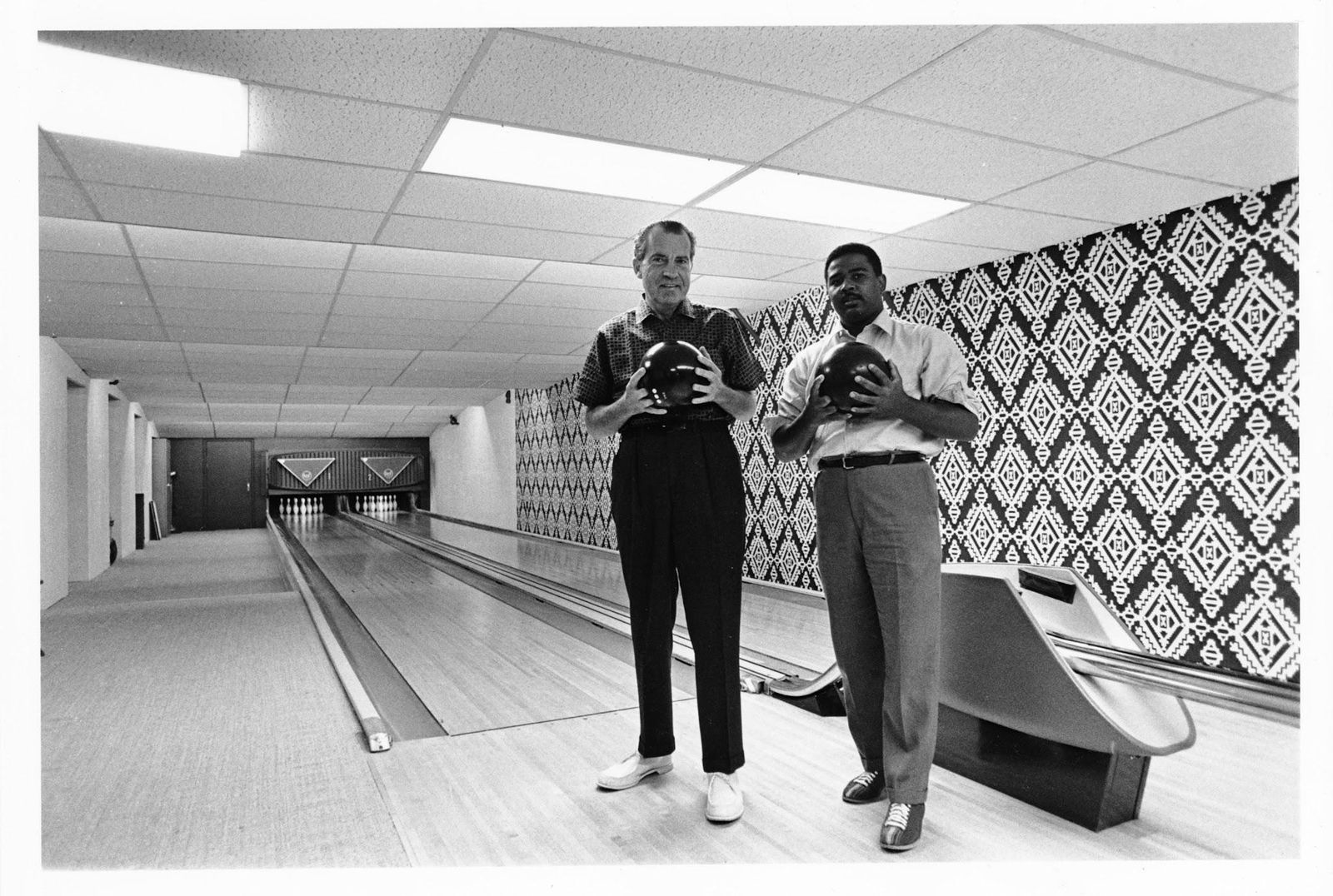
In 1973, Richard Nixon installed a one-lane bowling alley beneath the North Portico. Years later, in 1989, George H. W. Bush added a regulation horseshoe pit near the White House grounds, where he often relaxed and challenged visitors, including Queen Elizabeth II, to games. Then, in 2009, Barack Obama had the South Lawn tennis court modified so it could also be used for basketball, one of his favorite sports.

6
Jackie Kennedy's furniture

Image: Robert LeRoy Knudsen, Public domain, via Wikimedia Commons

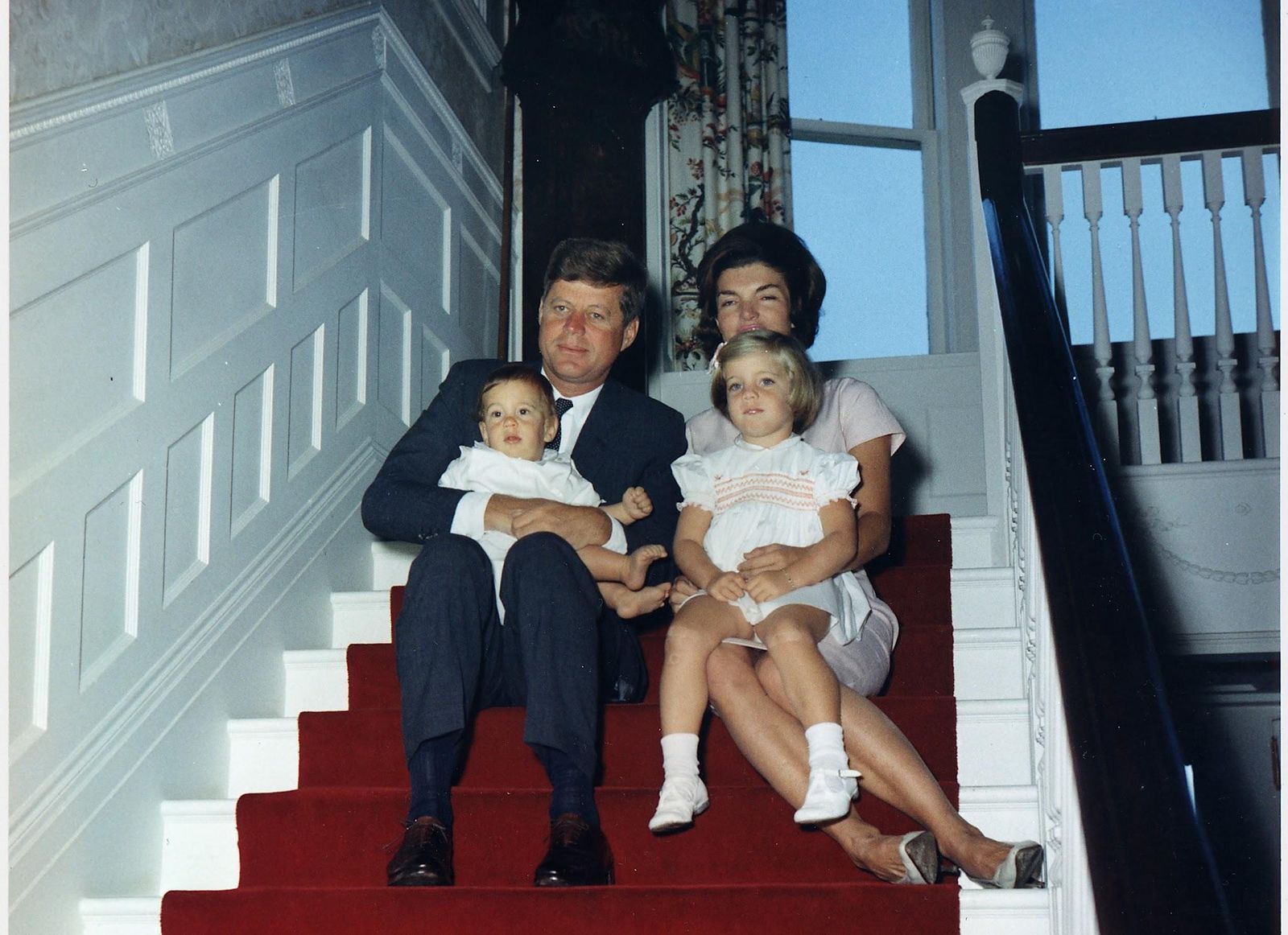
When the Kennedy family entered the White House in 1961, the first lady was disappointed to find that many of the historic rooms had lost much of their original character.

Determined to restore the White House’s history and elegance, Jackie Kennedy famously launched a massive restoration effort. She helped create the White House Fine Arts Committee, brought in historians and curators, and filled the residence with genuine antiques and historical pieces tied to past presidencies. On February 14, 1962, an estimated 46 to 56 million people tuned in to watch the First Lady’s televised tour of the White House, making it one of the most-watched programs of its era. She also supported a congressional act that made many of the White House’s historic furnishings official property of the nation, so future presidents could no longer sell, replace, or discard them.

7
Official name changes

Image: Benjamin Harrison Presidential Site, Public domain, via Wikimedia Commons

As we mentioned, the building was not always white, and therefore was not always officially called the White House. For much of the 19th century, Americans usually referred to it as the "Executive Mansion" or the "President’s House." Even after its famous white exterior made the nickname popular, it still was not the building’s official name.

That finally changed in 1901, when Theodore Roosevelt began printing "The White House" on presidential stationery. According to official sources, Teddy Roosevelt preferred this name because it clearly separated the president’s residence from the many state "executive mansions" used by governors across the country.

8
It was once America's largest house

Image: Miscellaneous Items in High Demand, PPOC, Library of Congress, Public domain, via Wikimedia Commons

There is one thing about the White House that no one can deny: it has always been huge, even in its early days.

When the White House was first occupied in 1800, it already contained more than 100 rooms spread across three floors, making it one of the grandest homes in the United States at the time. In a time when most Americans lived in modest houses or farms, the presidential residence was seen as a palace. Many historians even consider it the largest private residence in the country during its early years. Today, the White House covers about 55,000 square feet, though modern private buildings, like the Biltmore Estate in North Carolina, are now far larger.

9
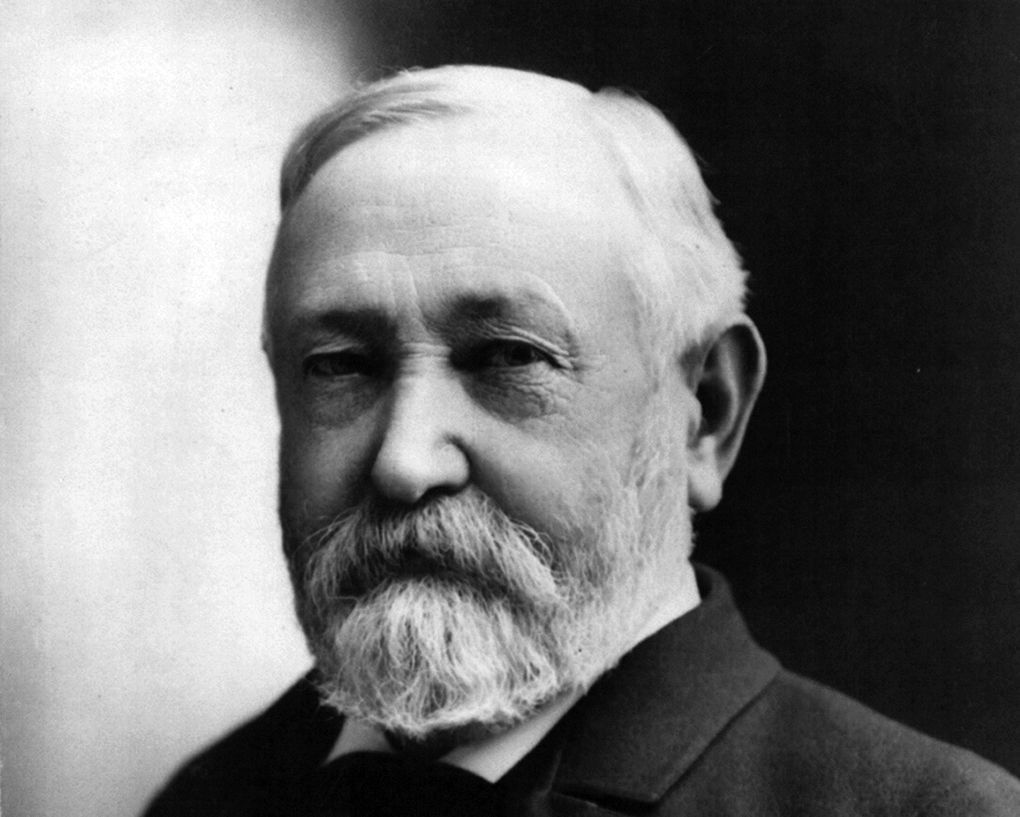
President Benjamin Harrison’s fear

Image: Joseph Gray Kitchell (1862–1945)[1], Public domain, via Wikimedia Commons

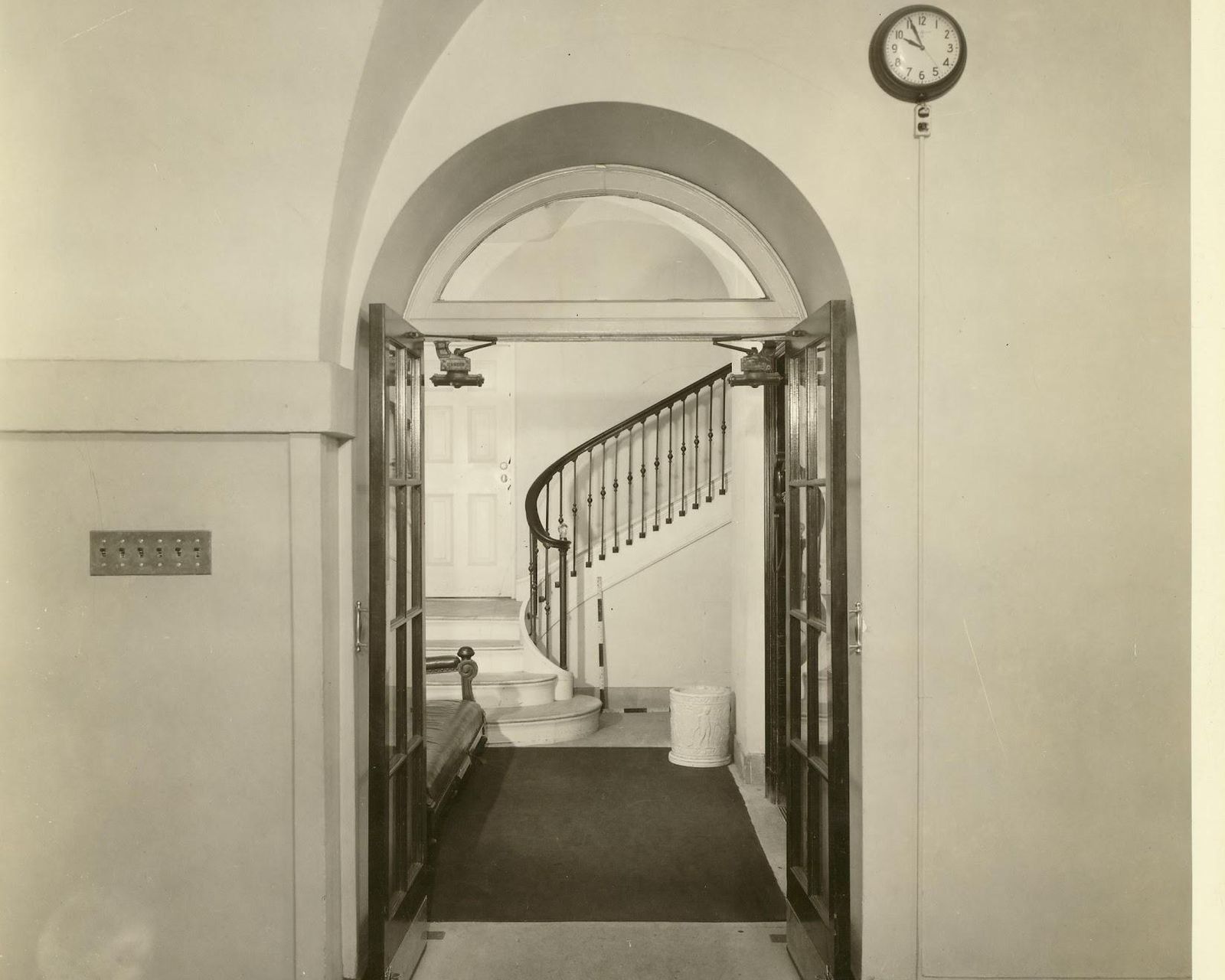
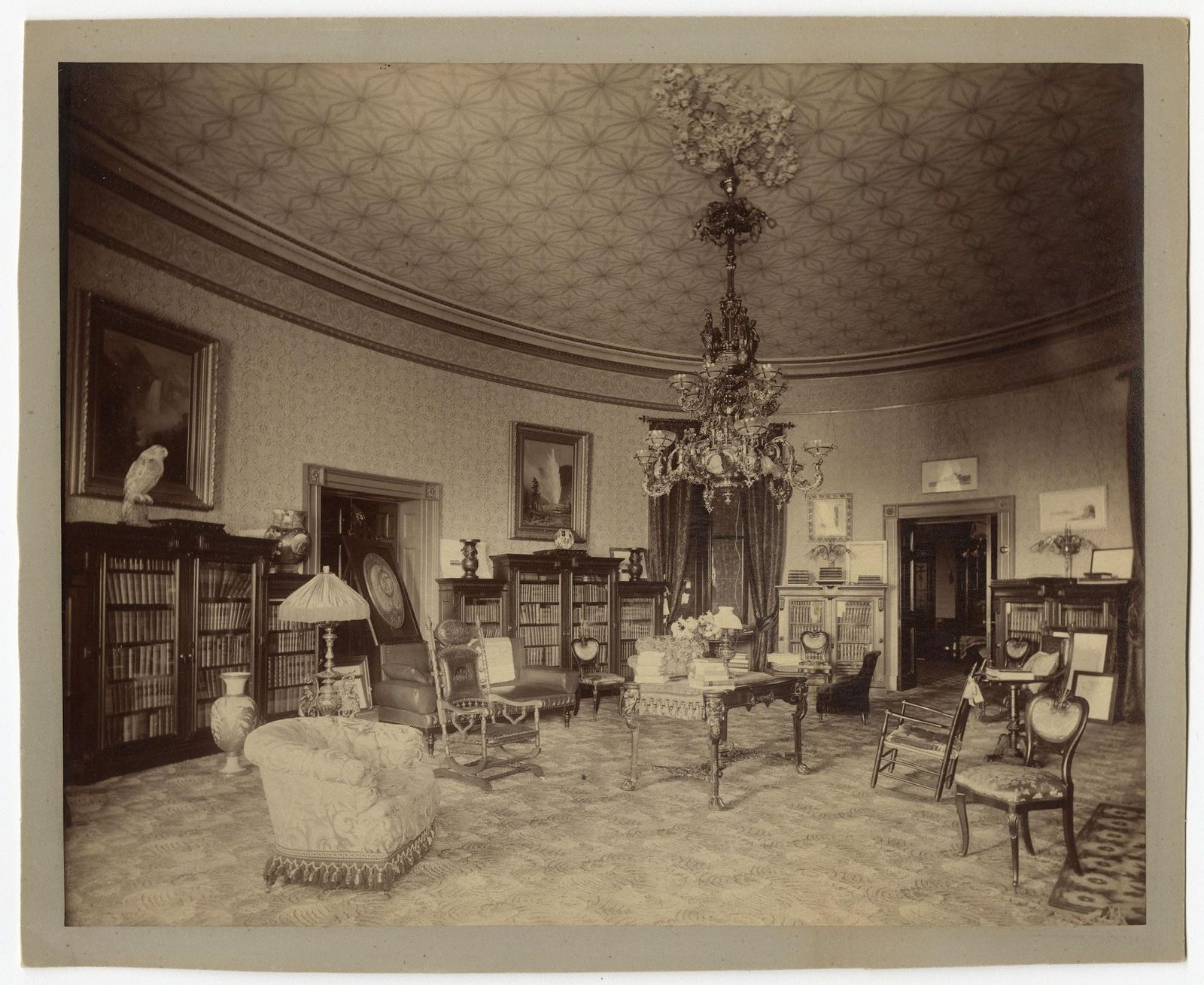
Among the many changes the White House has undergone over the years, few were as revolutionary as the arrival of electricity.

For nearly a century after it was built, the presidential residence relied on candles, oil lamps, and gas lighting. That finally changed in 1891, when electricity was installed during the presidency of Benjamin Harrison. But, like many families in that era, the Harrisons were not exactly thrilled by this modern invention. According to White House stories passed down over the years, President Harrison and First Lady Caroline Harrison were so nervous about the possibility of electric shock that they rarely touched the light switches themselves. Instead, they often asked the house staff to turn the lights on and off for them.

10
Hillary Clinton’s special gift

Image: Ralph Alswang, Public domain, via Wikimedia Commons

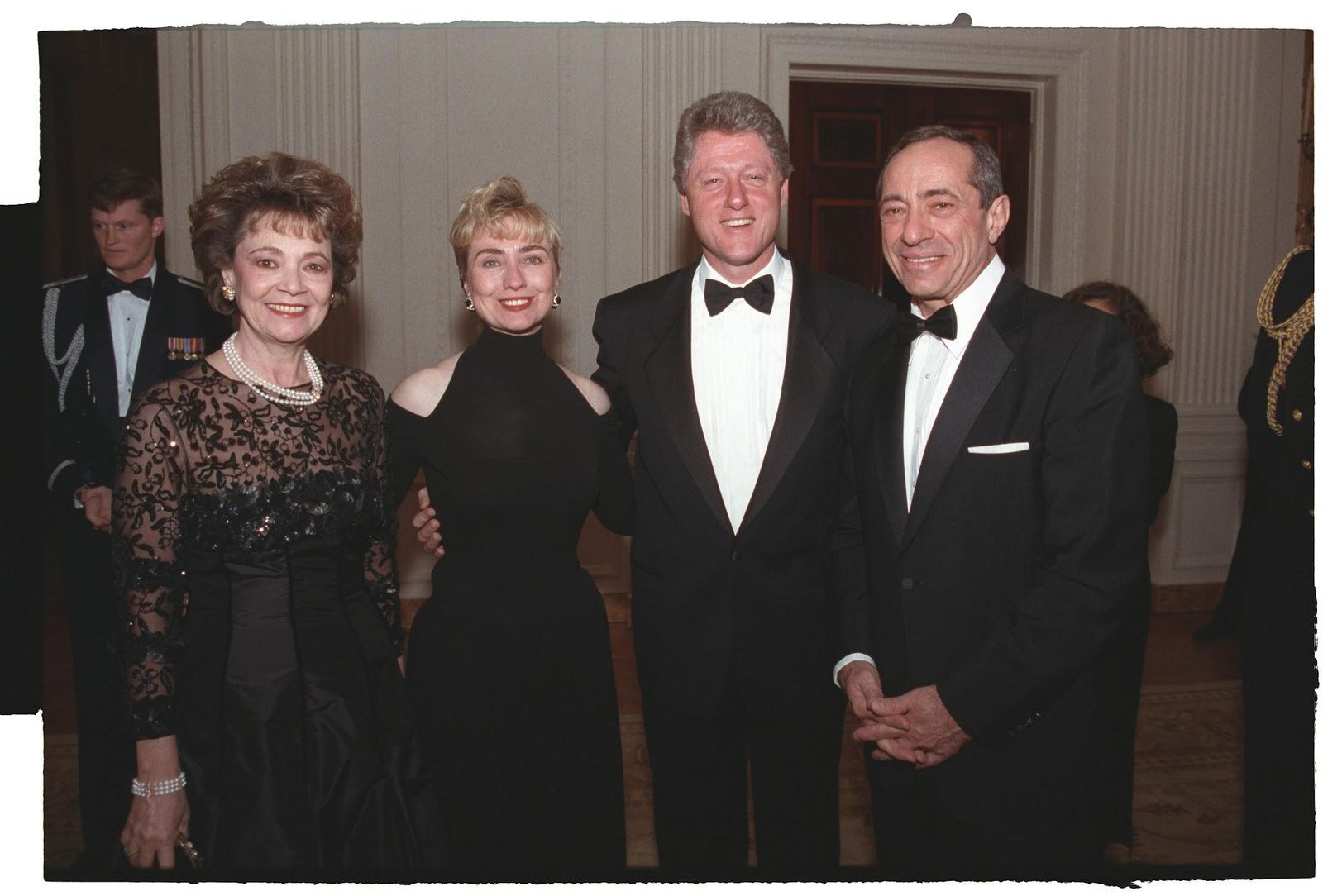
Of course, Jackie Kennedy wasn’t the only First Lady to leave her mark on the White House. Hillary Clinton added her own personal touch as well, this time as a gift for her husband.

In 1996, Hillary Clinton transformed a little-used room on the White House’s third floor into a private music room for President Bill Clinton. The gift came during the year of Bill Clinton’s 50th birthday and reflected one of his best-known passions: music. Complete with space for listening to records and playing his famous saxophone, the room gave the president a quiet retreat inside the White House.

Explore more American facts

Choose your favorite category!

General
General

As American as apple pie—the very best America has to offer!

Culture
Culture

Delve into the astounding richness of American lore.

Geography
Geography

Hop in and explore vast and diverse American landscapes.

History
History

Discover the key moments that shaped the United States.