Monopoly helped soldiers escape, and 9 other toys with double lives
Image: LungLee
When we think of iconic toys like the Slinky or LEGOs, we usually picture kids killing time on a rainy afternoon. But look a little closer, and you’ll find that some of the most famous playthings have double lives. From saving soldiers on the front lines to helping astronauts in lunar orbit, these gadgets have stepped out of the toy chest and straight into national service. Here is a look at 10 classic toys that did much more than entertain and amuse.
1
Monopoly
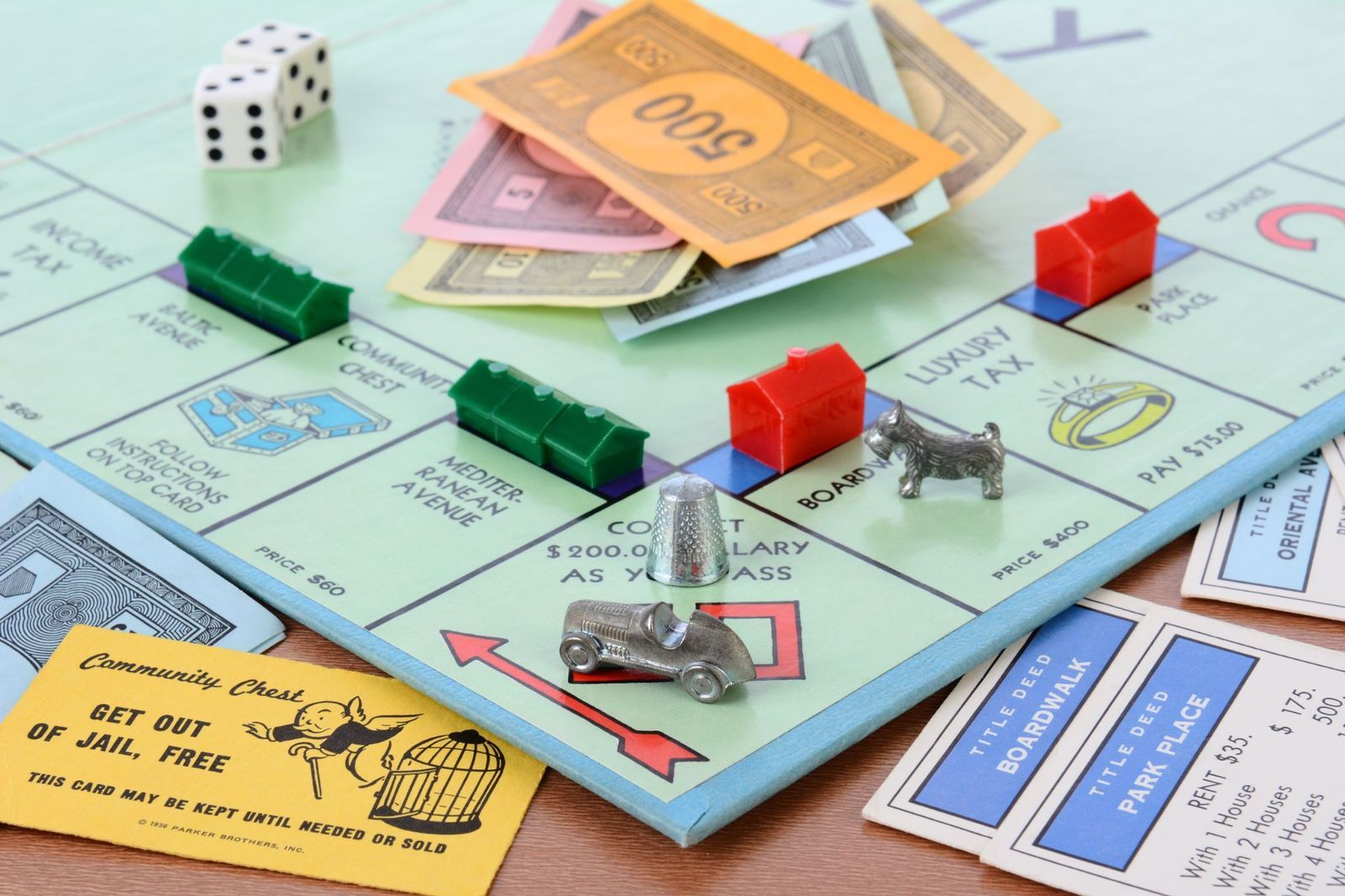
Did you know that Monopoly played a key role in the European theater of World War II? Originally conceived in 1903 by Elizabeth Magie Phillips as The Landlord's Game to highlight the inequities of capitalism, the board game was later rebranded by Parker Brothers in 1934.
When thousands of Allied soldiers, including Americans, were captured by German forces during WWII, the British Secret Service began manufacturing specialized editions to be smuggled into prisoner camps inside Red Cross packages. The German guards welcomed the games as harmless ways for prisoners to pass the time. Little did they know, these boxes contained customized silk maps, real local currency, and precise escape routes hidden within the board and game pieces. Intelligence experts estimate that up to 10,000 Allied soldiers successfully escaped enemy capture because of these rigged board games.
2
Silly String

In the early 1970s, inventors Leonard A. Fish and Robert P. Cox were working on an aerosol spray-on cast for broken limbs. Although they failed spectacularly, they patented the sticky mess as "foamable resinous composition." Eventually, American toy company Wham-O picked it up and re-labeled it as Silly String.
Decades later, this joke device went to war. In 2006, while stationed in Iraq, Specialist Todd Shriver and his unit found themselves lacking official gear to safely detect the invisible tripwires used to detonate explosives. Because the spray of Silly String could shoot more than 10 feet away and was very light, it became an unlikely but useful tactical tool.
3
Slinky

In 1943, naval engineer Richard James was attempting to design a spring system for naval battleships. When he accidentally knocked one of his prototypes off a shelf, he watched in fascination as it walked down a stack of books, onto his desk, and onto the floor. The Navy never bought his invention, but the world got the Slinky, selling over 100 million units in its first two years alone.
Years later, the toy’s military purpose came into fruition during the Vietnam War. U.S. communications troops operating in dense jungles frequently struggled with terrible radio reception. They quickly discovered that a standard steel Slinky could be stretched out and tossed over high tree branches to serve as an effective improvised antenna.
4
View-master
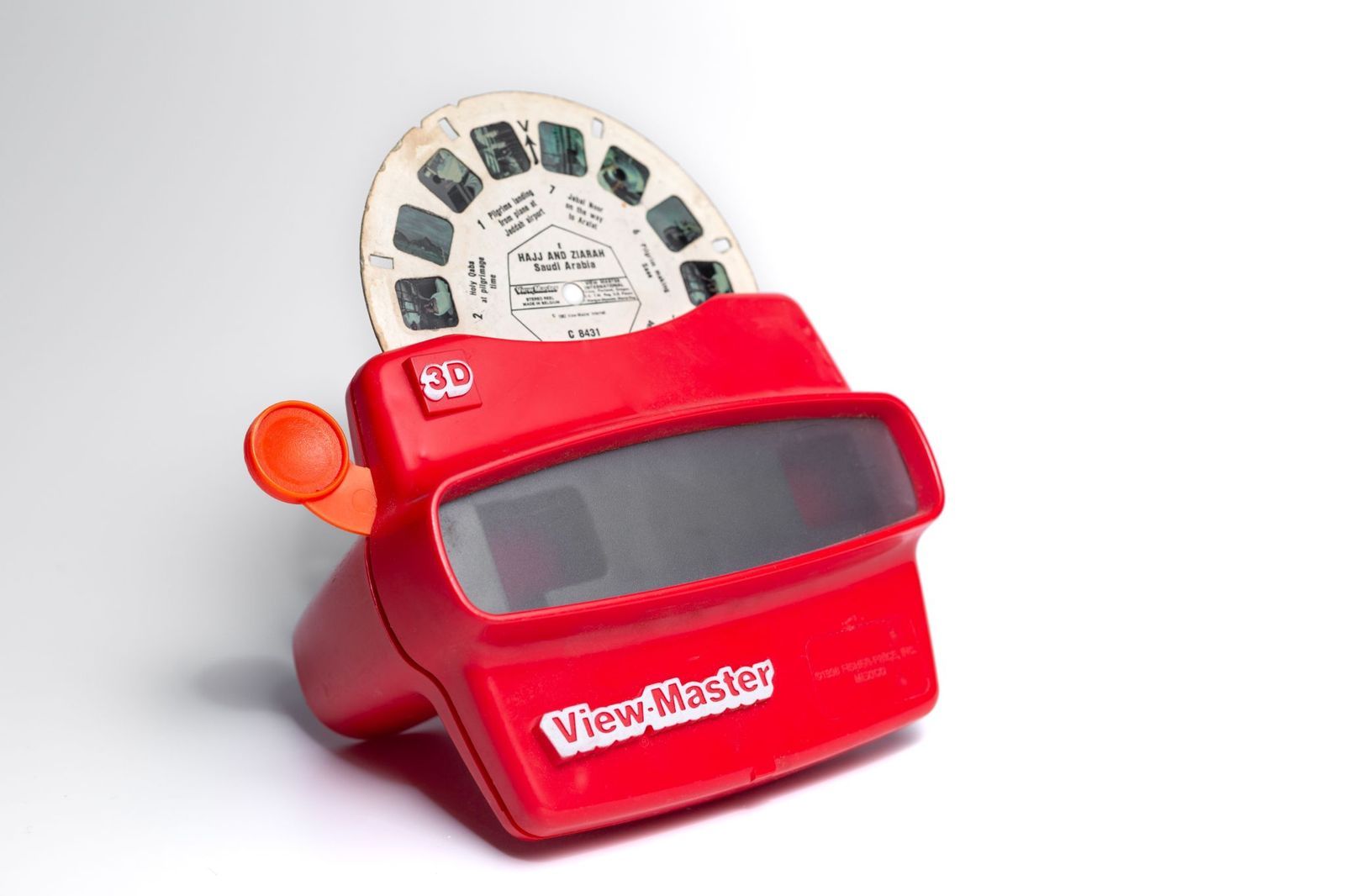
When the View-Master made its grand debut at the 1939 New York World’s Fair, it was marketed as an alternative to scenic postcards. Co-inventors Wilhelm Gruber and Harold Graves paired standard stereoscopes with circular cardboard reels containing seven 3D color film images, which allowed people to marvel at the Grand Canyon from the comfort of their homes.
By 1942, the United States military realized that this photographic novelty could become a useful tool. In the midst of WWII, the U.S. Armed Forces purchased more than 100,000 View-Master viewers and commissioned thousands of custom-made reels. Instead of tourist images, these reels featured detailed, three-dimensional models of enemy aircraft, naval vessels, and artillery. It allowed troops to practice identification, making it a critical asset for gunners and pilots.
5
Silly Putty
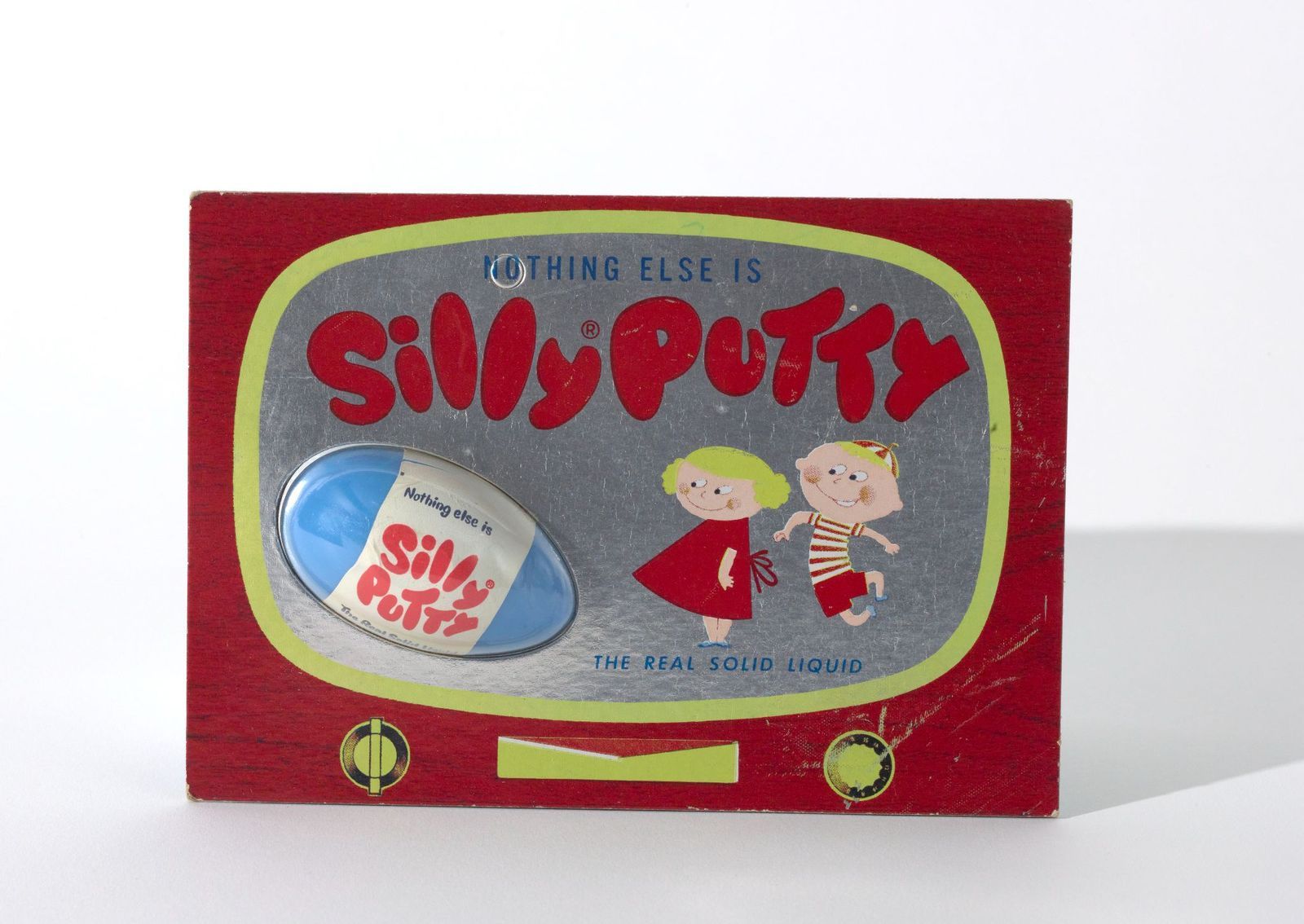
Silly Putty is another marvel of accidental wartime engineering. During WWII, the United States faced shortages of natural rubber due to several blockades. In an attempt to create a cheaper alternative, General Electric engineer James Wright mixed silicone oil with boric acid. The result didn’t work for tires, but it became a hit when packaged inside plastic eggs.
Eventually, this gooey and bouncy material caught the attention of NASA. In 1968, the crew of Apollo 8 packed Silly Putty into their spacecraft. In the zero-gravity environment, the astronauts used the sticky compound to secure their gear to the walls to prevent it from floating away around the cabin.
6
Buzz Lightyear
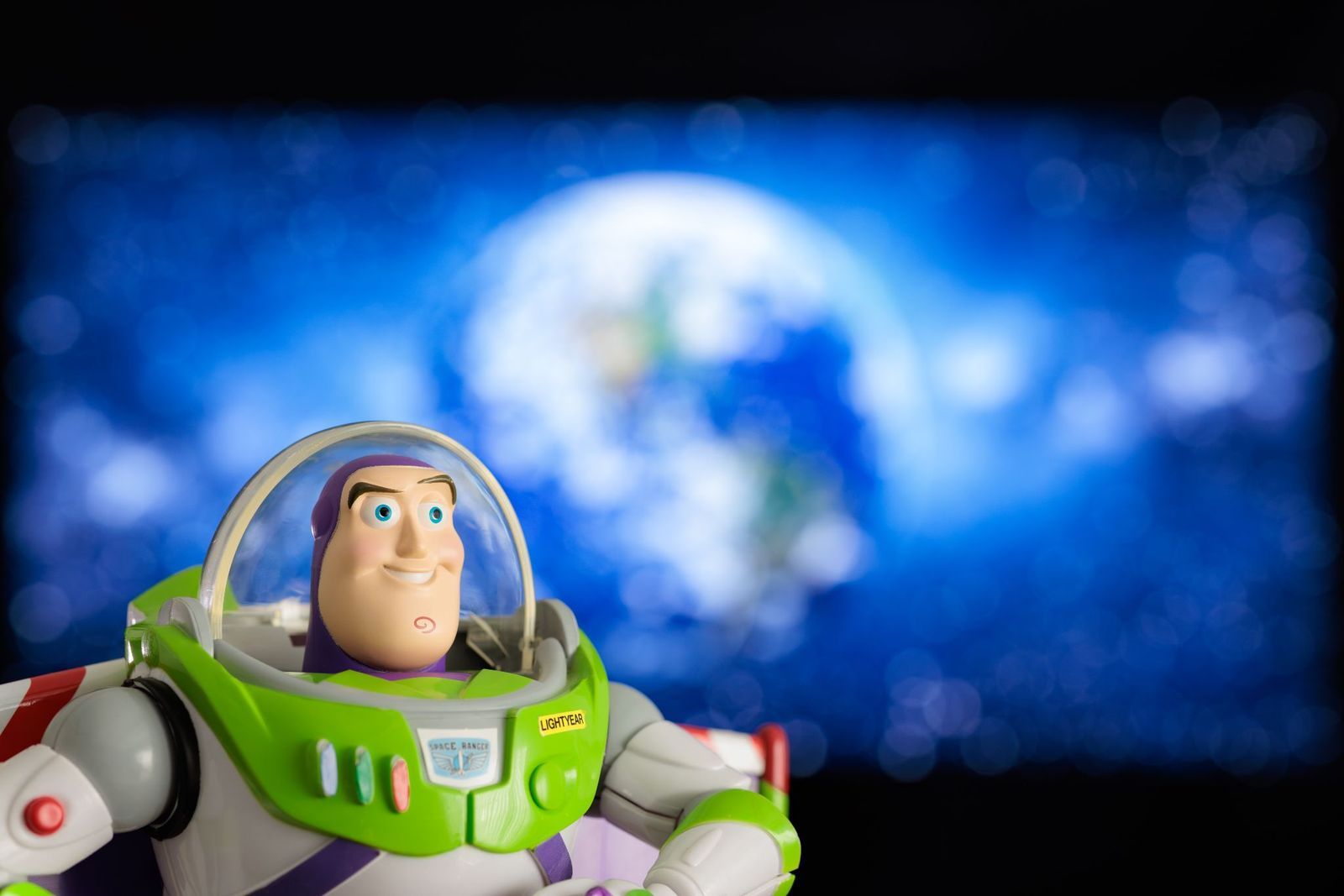
While Buzz Lightyear began his life as a fictional space ranger in Pixar’s 1995 hit Toy Story, the physical action figure manufactured by Thinkway Toys achieved a few real-world milestones that would make Andy proud.
In 2008, NASA launched an authentic Buzz Lightyear action figure into space aboard the Space Shuttle Discovery. Buzz spent a staggering 15 months living aboard the International Space Station. There, he worked alongside astronauts to film educational videos designed to teach school children across America about weightlessness, orbital mechanics, and microgravity physics.
7
LEGO
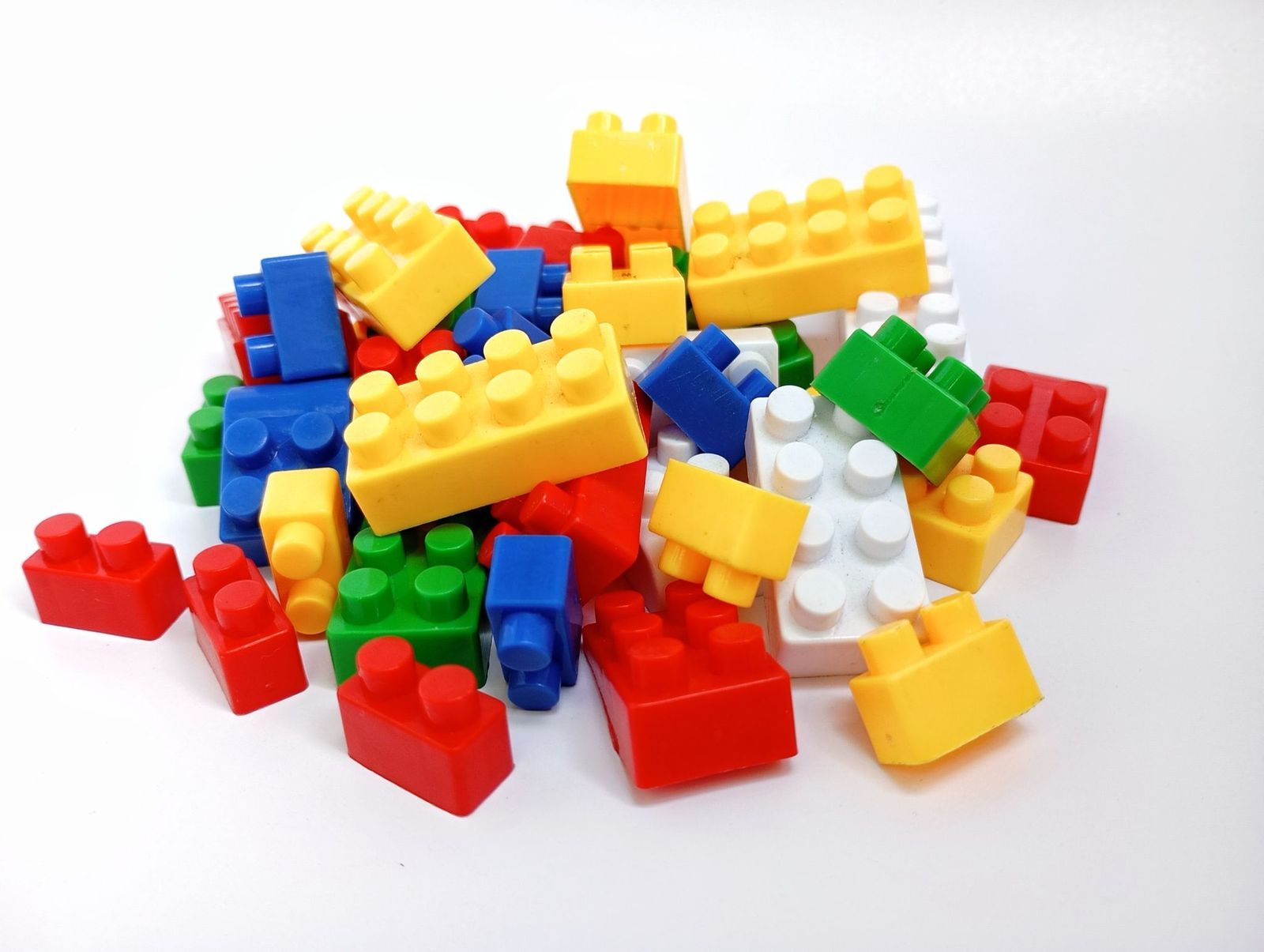
The famous toy company was founded by Danish carpenter Ole Kirk Christiansen in 1949. While LEGO first reached the US in the early 1960s, the plastic interlocking bricks didn’t become massively popular until the 1970s. Once American children adopted the new toy, it completely reshaped modern STEM education.
Although schools had experimented with bricks for decades, LEGO allowed teachers to develop structured curricula designed to teach kindergarteners fine motor skills and spatial mathematics. By the time those students reached high school, LEGO’s advanced kits were serving as the backbone for introductory robotics, engineering, and programming courses nationwide.
8
Mr. Potato Head
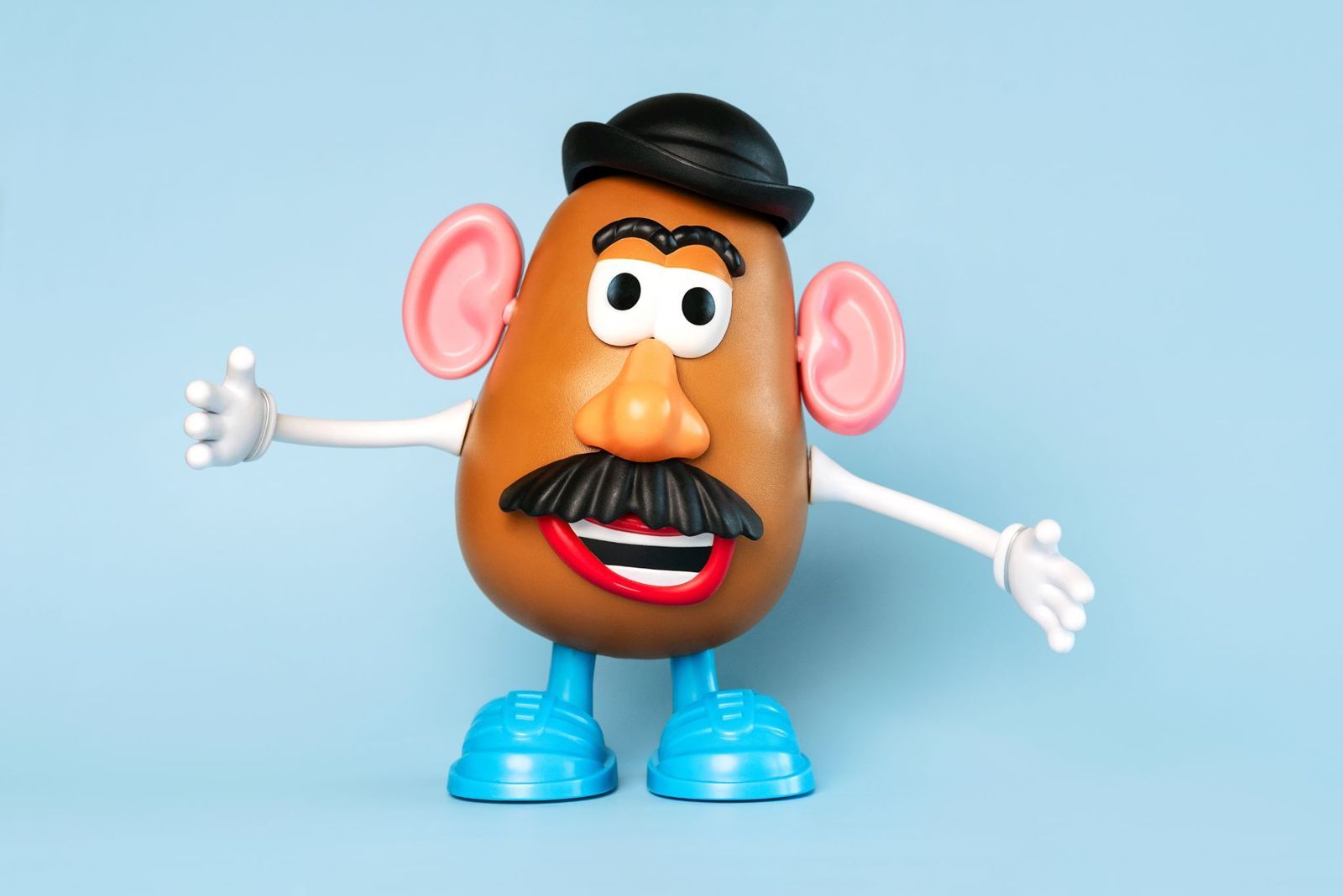
Created by American inventor George Lerner in 1951 and distributed by Hasbro, the original Mr. Potato Head didn’t include a plastic body, just sharp metal pins attached to plastic facial features. Despite the risk of children stabbing themselves, the toy made history as the very first toy ever advertised on television.
From there, Mr. Potato Head had a surprising career as a public servant. In 1985, he received four legitimate votes during the mayoral election in Boise, Idaho. In 1987, he officially dropped his plastic pipe to become the face of the American Cancer Society's "Great American Smokeout" anti-smoking campaign. He later joined forces with the League of Women Voters to boost voter turnout and today acts as an official travel ambassador for the state of Rhode Island.
9
Cabbage Patch Kids
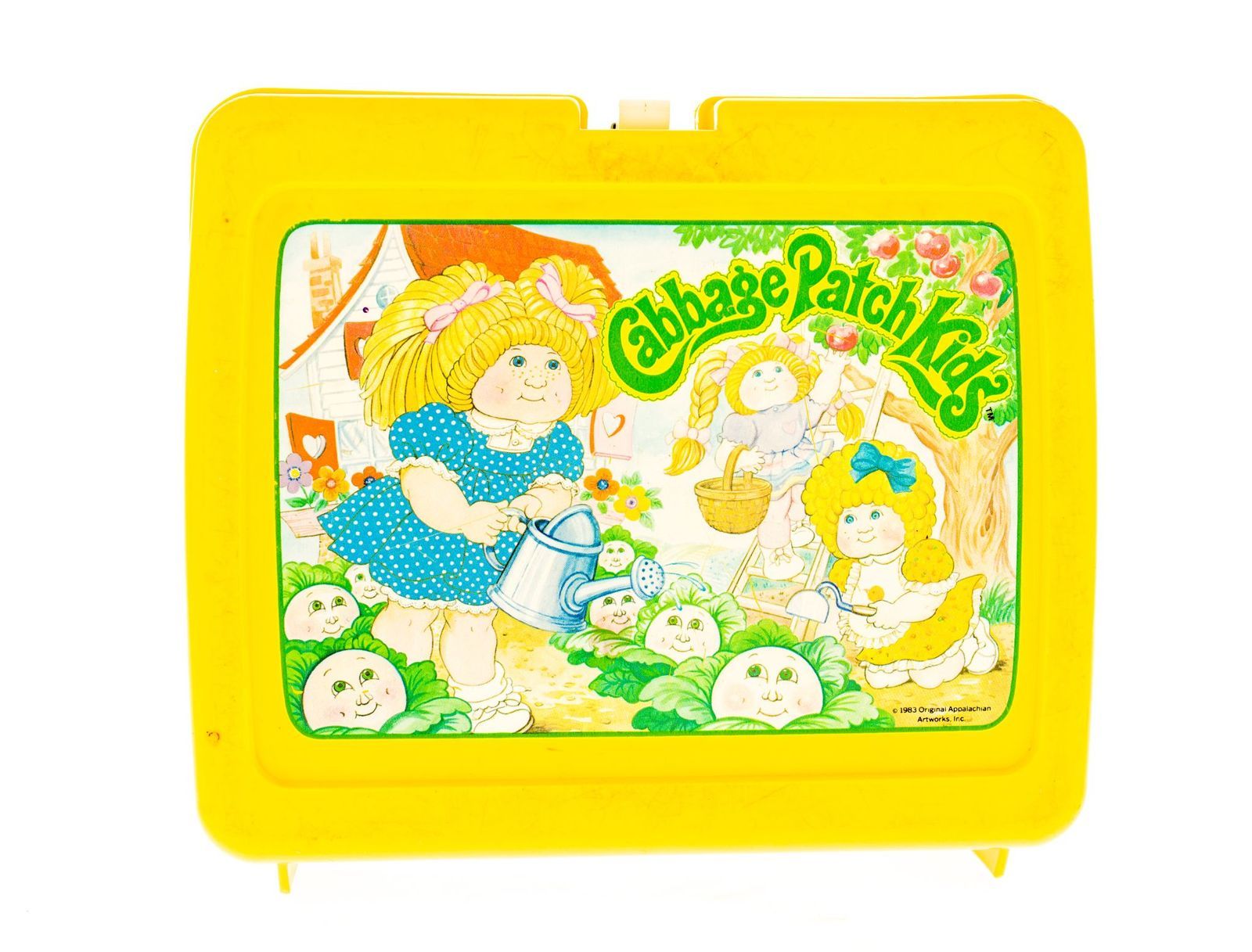
When American businessman Xavier Roberts first created his "Little People" in 1978, nobody could have predicted that they would spark Black Friday riots by 1983. But beyond the hysteria, Cabbage Patch Kids went on to become national ambassadors.
In 1992 and 1996, the United States Olympic Committee selected the dolls as the first-ever official mascot of the US Olympic Team, traveling with the athletes to Barcelona and Atlanta. In 1999, the U.S. Postal Service immortalized them on a stamp celebrating the icons of 1980s American culture. Over the years, the franchise has collaborated with NASA on science education and raised thousands of dollars for disaster relief efforts.
10
Teddy Bear
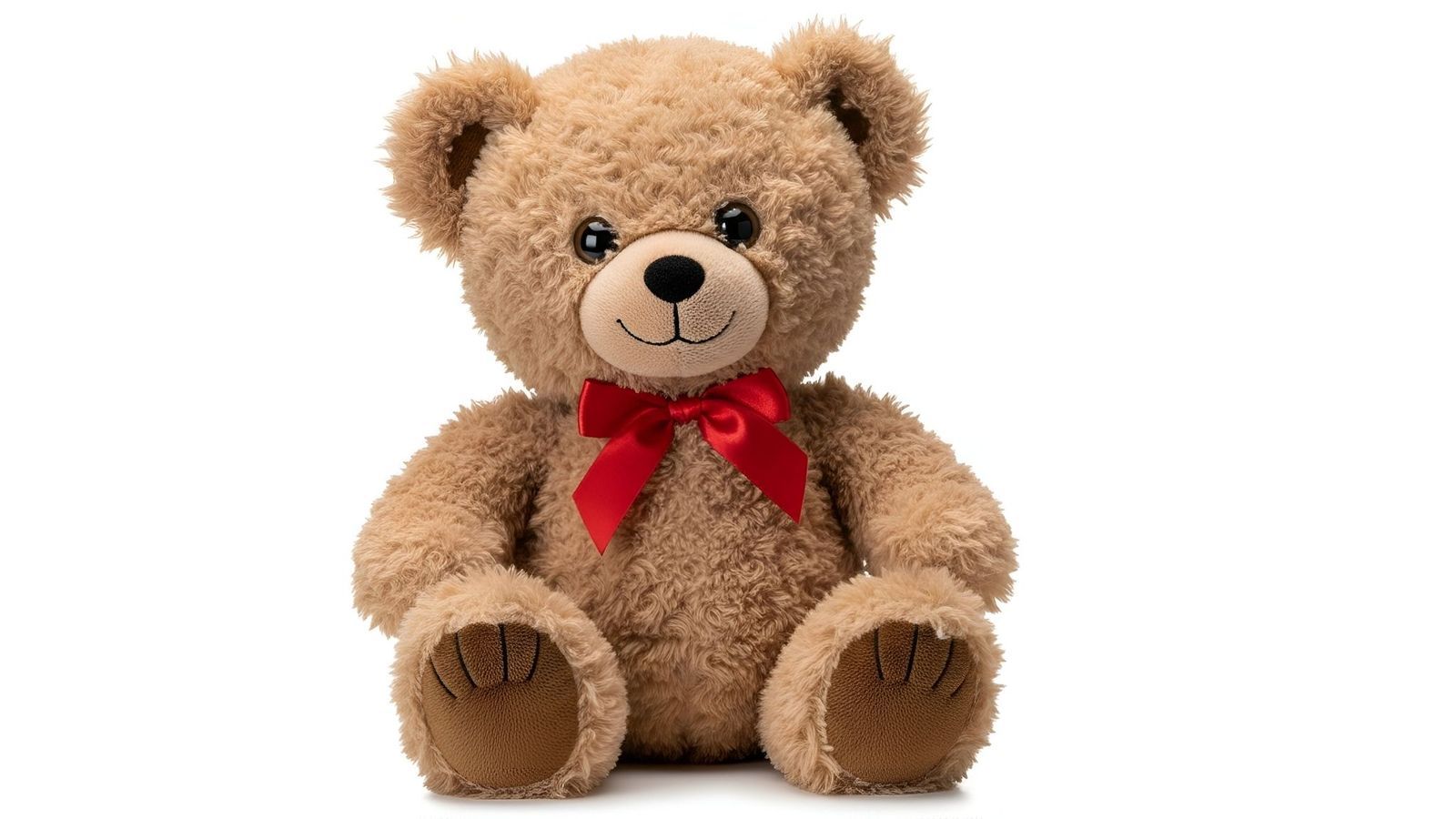
Did you know Teddy Bears were born in the United States? In 1902, a Russian-born businessman and inventor named Morris Michtom was inspired by a cartoon published in The Washington Post to create what would become the most beloved toy in America. The cartoon depicted President Theodore Roosevelt showing compassion for a bear on a hunting trip in Mississippi.
Morris Michtom made a small plush bear cub, sent it to Roosevelt, and asked for permission to use his nickname, Teddy. After the president’s blessing, Mitchom placed the doll in the window of his Brooklyn store with the caption "Teddy’s bear." The success was so great that he began mass- producing them, and within a few years, he founded the Ideal Novelty and Toy Company, which would become the largest doll-making firm in the United States.