History History 7 min read

Hidden stories

The secret WWII project hidden beneath the White House
Image: Abbie Rowe. White House Photographs. John F. Kennedy Presidential Library and Museum, Boston, Public domain, via Wikimedia Commons

Did you know the White House wasn’t originally meant to be white? Or that hidden underground spaces were built beneath it? For more than 200 years, we have seen the White House in movies, on the news, in family photo albums from Washington trips, and during some of the biggest moments in our country’s history. But behind those famous walls are stories most have never heard. From fires and secret construction projects to strange traditions and forgotten moments, these are 10 surprising White House stories that most of us were never taught in school.

1
It was almost completely torn down
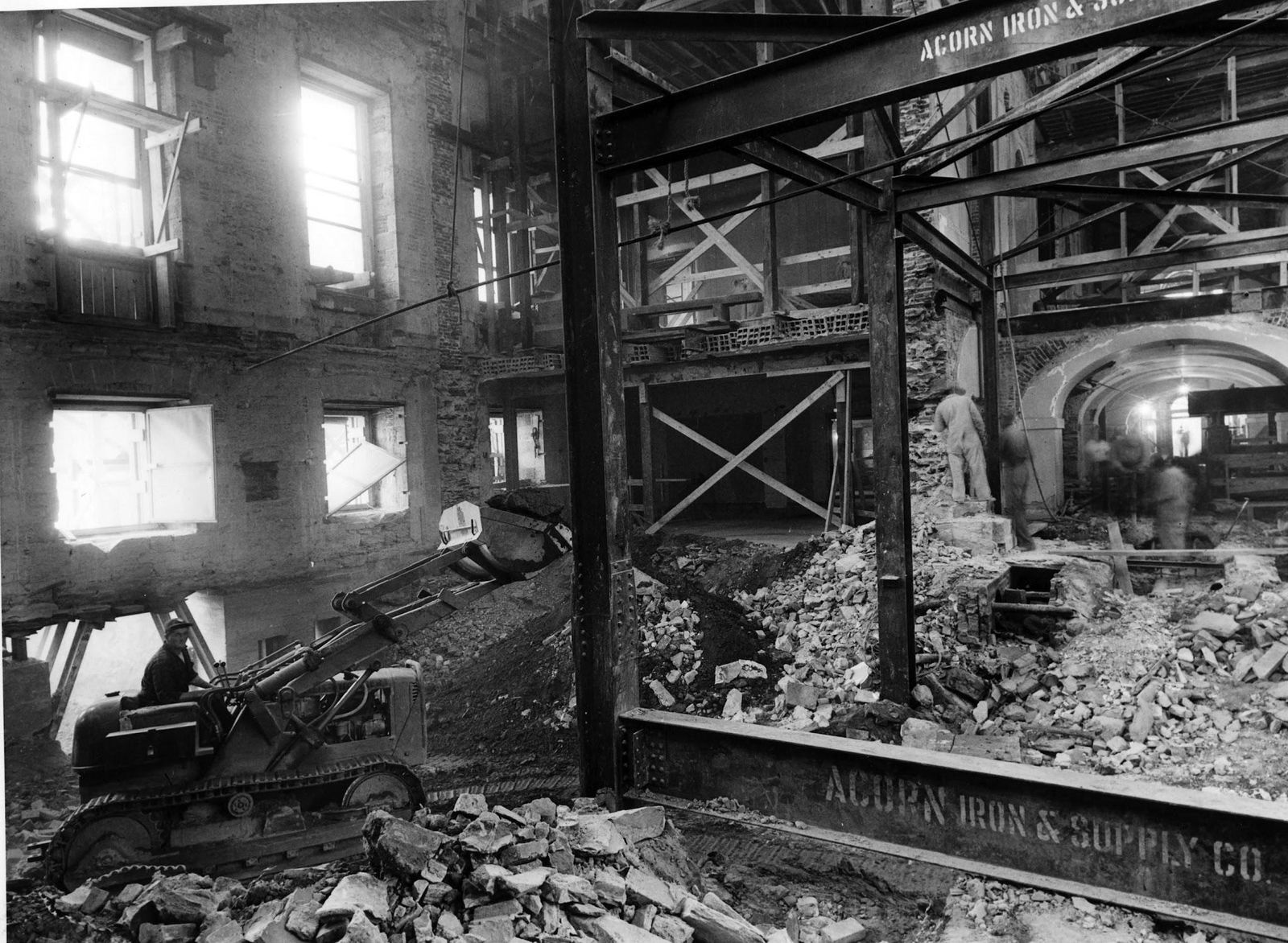
Image: Abbie Rowe, Public domain, via Wikimedia Commons

Did you know that very little of today’s White House interior is actually original? Looking at the building now, it’s hard to imagine that it was once so unstable that it was in danger of collapsing.

By 1948, after decades of heavy use, outdated wiring, poor structural supports, and years of renovations layered over one another, the White House had become unsafe. Floors and walls cracked, and parts of the residence were literally sinking. President Harry S. Truman even joked that the place felt haunted because it made so many strange noises. Rather than abandon it, Truman launched a massive reconstruction project with Congress. Between 1948 and 1952, nearly the entire interior was gutted and rebuilt while the original exterior walls were preserved, giving America a strong and reliable White House.

2
During WWII, they built an underground bunker
Image: rc.xyz NFT gallery

Did you know there’s a fortified bunker hidden beneath the White House? A couple of years before Truman’s famous renovation, another major project was quietly built beneath the presidential residence.

In 1942, during World War II, President Franklin D. Roosevelt ordered the construction of a secure underground shelter to protect government leaders in case Washington, D.C., came under attack. Built quickly and in great secrecy, the bunker was completed within months, though it was luckily never needed during the war. Today, the facility is known as the Presidential Emergency Operations Center, or PEOC, and it was famously used in 2001 by President George W. Bush and again in 2020 by Donald Trump.

3
It was not originally meant to be white
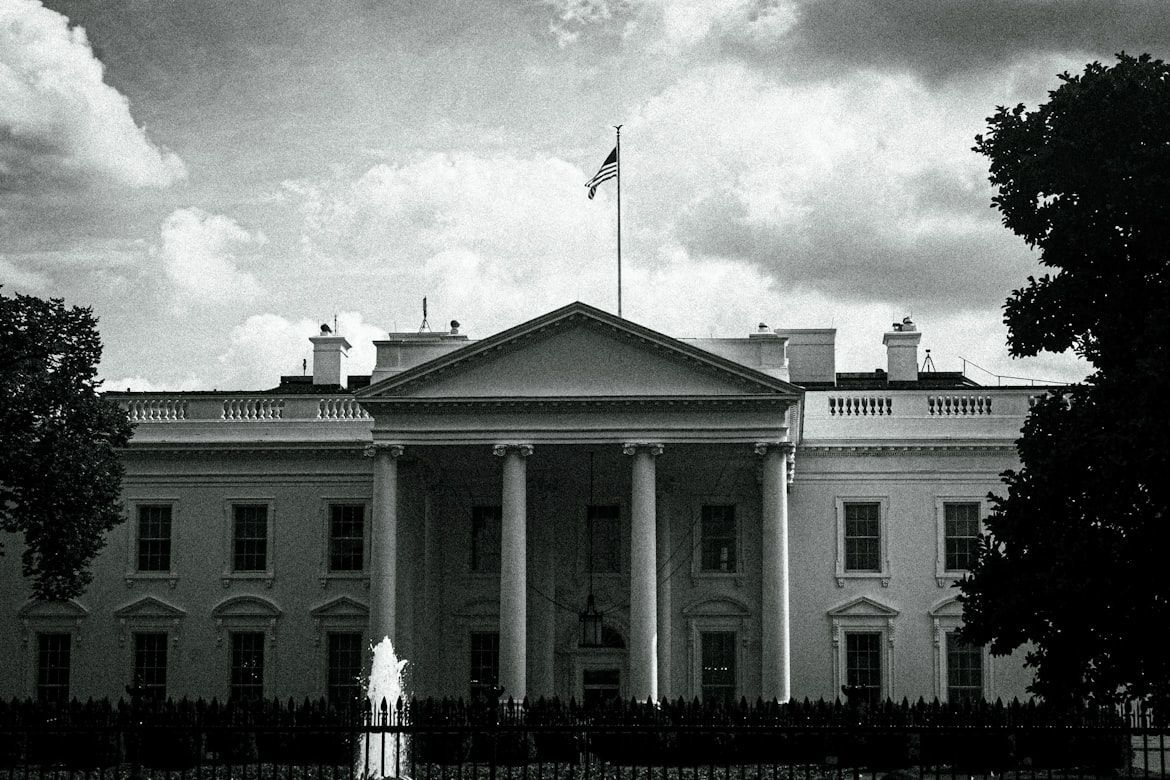
Image: Andriy Miyusov

Can you imagine if it were called "the Gray House"? Today, it’s impossible to picture America’s most famous home as anything other than bright white, but that wasn’t the original idea.

During construction in the 1790s, workers covered the exterior sandstone with a lime-based whitewash to protect it from moisture, cracking, and harsh winter weather. The coating gave the building a pale grayish appearance, not the brilliant white we recognize today. A long-standing myth claims the White House was painted white to hide the burn marks left after British troops set it on fire in 1814, but in reality, the building had already been whitewashed years earlier. Still, after the fire and reconstruction, the white exterior became permanent and eventually inspired the famous name "White House," though for many years people still called it the "President’s House."

4
10 people have died in the White House
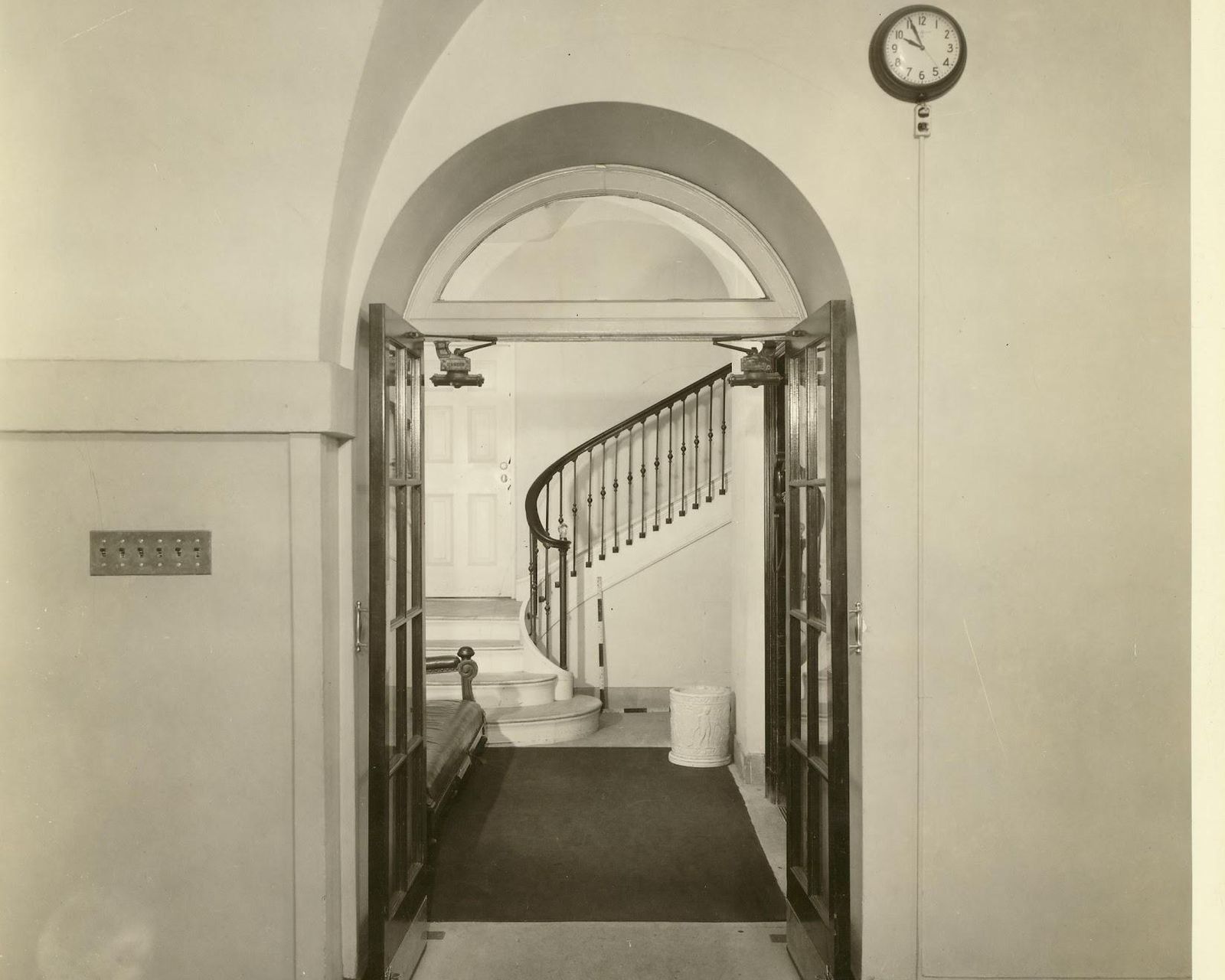
Image: Woodrow Wilson Presidential Library Archives from Staunton, VA, No restrictions, via Wikimedia Commons

Many people have lived and worked in the White House over the centuries, but, according to the White House Historical Association, only 10 people are officially recorded as having died inside the presidential residence.

Among them were two U.S. presidents. William Henry Harrison died there at age 68 in 1841 after falling seriously ill, likely from contaminated water. Zachary Taylor died at age 65 in 1850 from a severe stomach illness after attending Fourth of July celebrations in extreme heat. Three First Ladies also passed away in the White House: Letitia Tyler in 1842, Caroline Harrison in 1892, and Ellen Axson Wilson in 1914. Other deaths included presidential relatives, aides, and staff members, among them Abraham Lincoln’s son, Willie Lincoln, whose death at the age of 11 in 1862 deeply affected the family and became one of the White House’s most heartbreaking stories.

5
Presidential whims
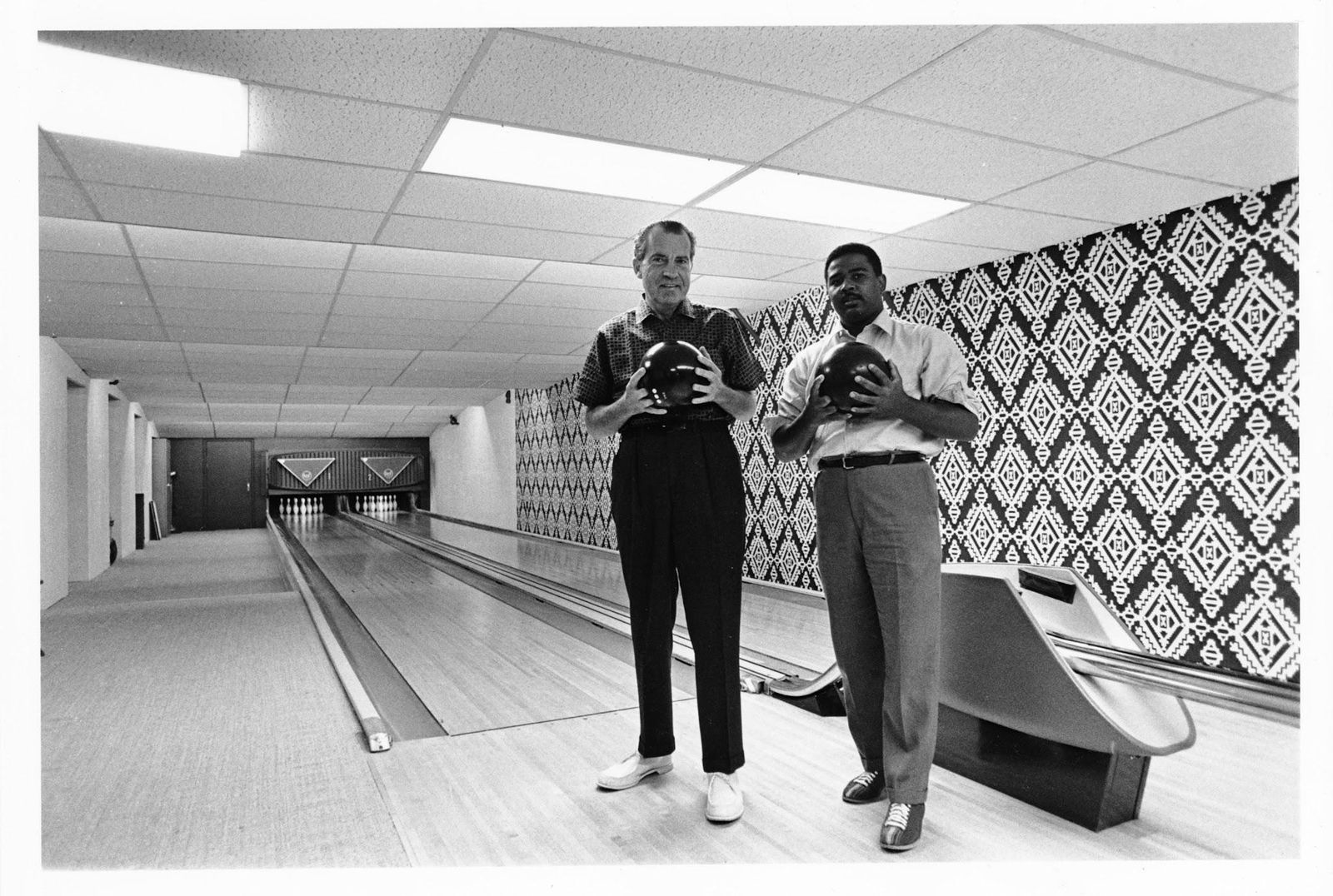
Not every White House renovation happened due to war, damage, or urgent repairs. Some changes came simply from the personal tastes and hobbies of the presidents who lived there, and over the years, there have been quite a few memorable ones.

In 1973, Richard Nixon installed a one-lane bowling alley beneath the North Portico. Years later, in 1989, George H. W. Bush added a regulation horseshoe pit near the White House grounds, where he often relaxed and challenged visitors, including Queen Elizabeth II, to games. Then, in 2009, Barack Obama had the South Lawn tennis court modified so it could also be used for basketball, one of his favorite sports.

6
Jackie Kennedy's furniture
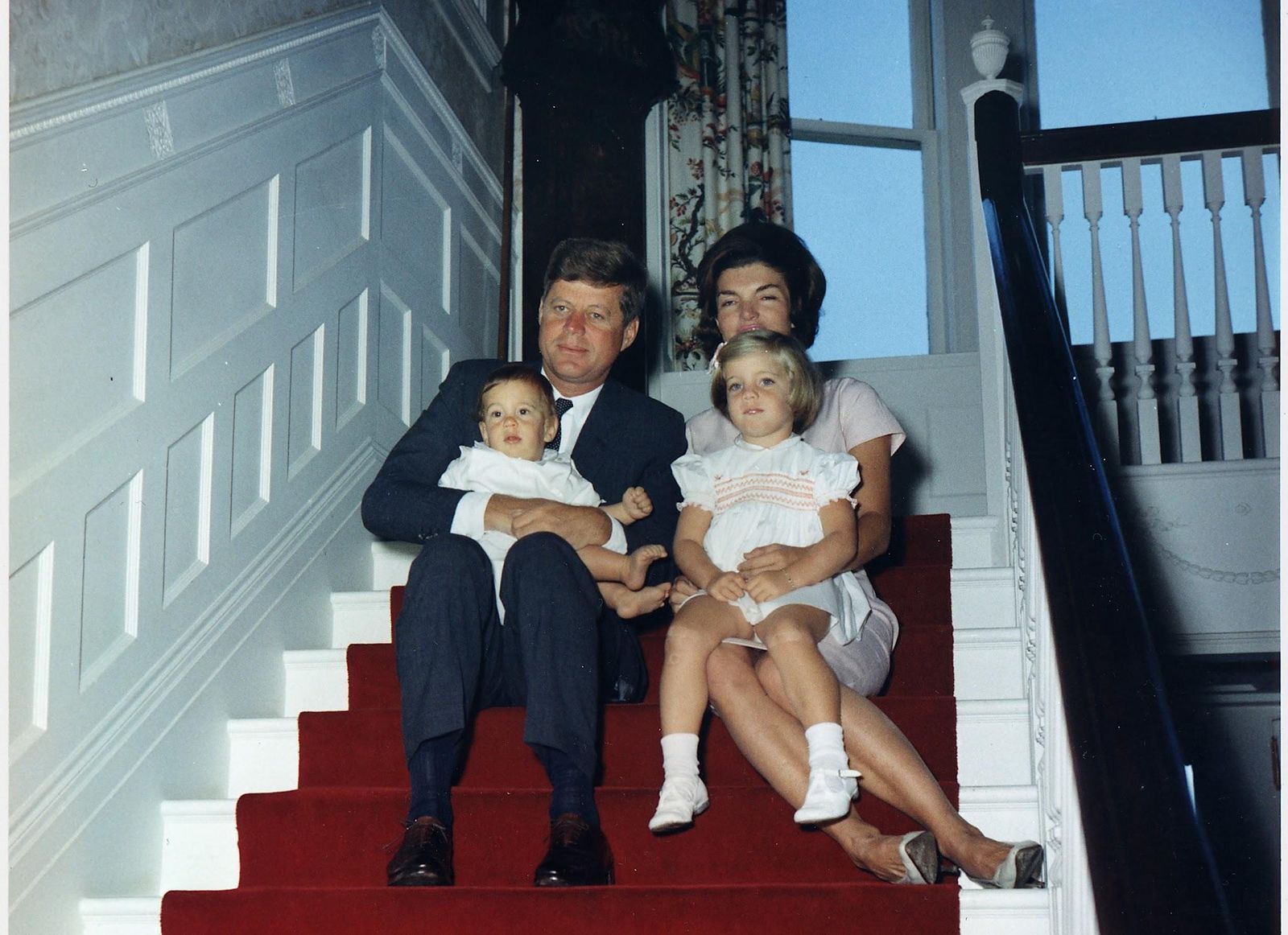
Image: Robert LeRoy Knudsen, Public domain, via Wikimedia Commons

When the Kennedy family entered the White House in 1961, the first lady was disappointed to find that many of the historic rooms had lost much of their original character.

Determined to restore the White House’s history and elegance, Jackie Kennedy famously launched a massive restoration effort. She helped create the White House Fine Arts Committee, brought in historians and curators, and filled the residence with genuine antiques and historical pieces tied to past presidencies. On February 14, 1962, an estimated 46 to 56 million people tuned in to watch the First Lady’s televised tour of the White House, making it one of the most-watched programs of its era. She also supported a congressional act that made many of the White House’s historic furnishings official property of the nation, so future presidents could no longer sell, replace, or discard them.

7
Official name changes
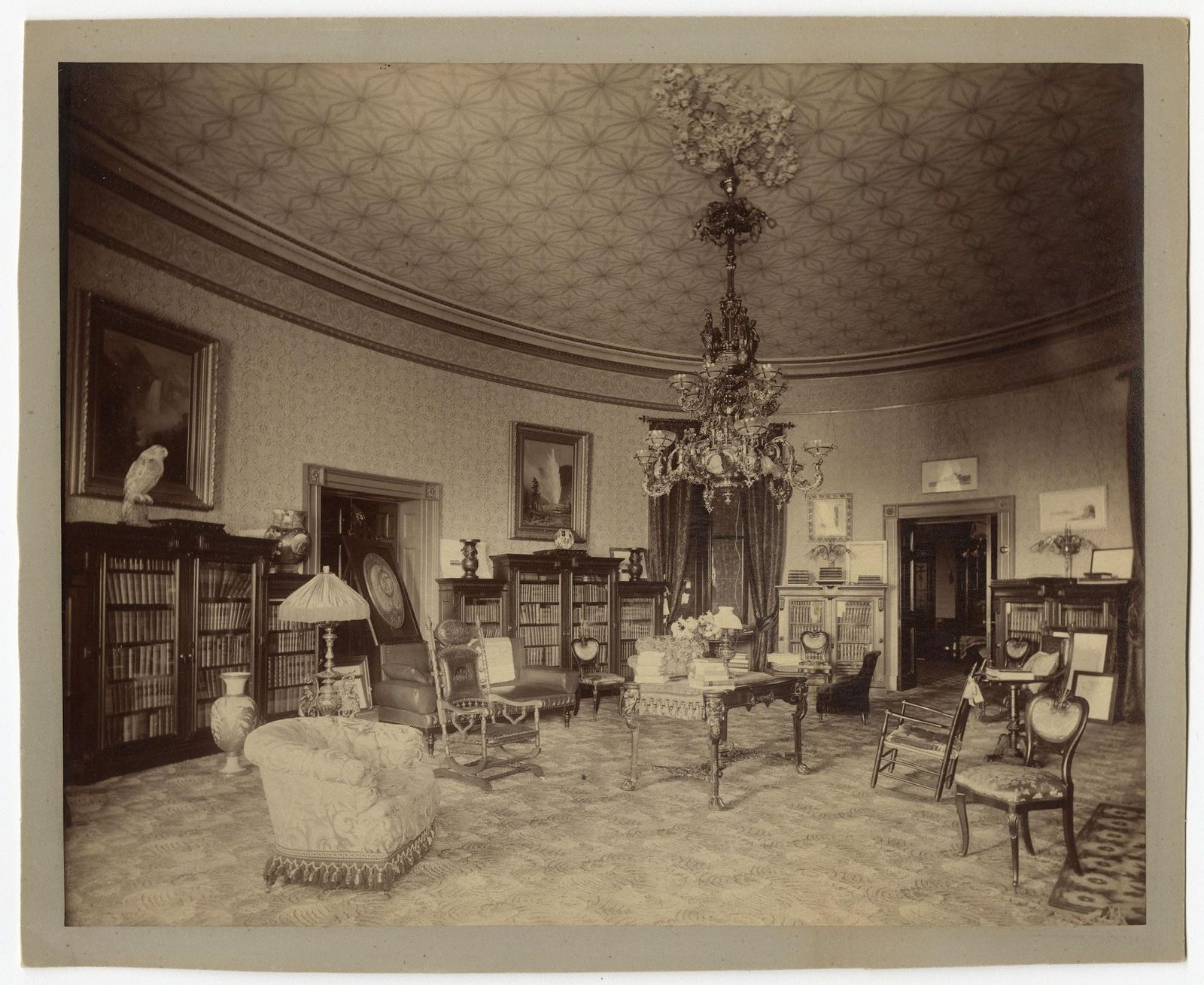
Image: Benjamin Harrison Presidential Site, Public domain, via Wikimedia Commons

As we mentioned, the building was not always white, and therefore was not always officially called the White House. For much of the 19th century, Americans usually referred to it as the "Executive Mansion" or the "President’s House." Even after its famous white exterior made the nickname popular, it still was not the building’s official name.

That finally changed in 1901, when Theodore Roosevelt began printing "The White House" on presidential stationery. According to official sources, Teddy Roosevelt preferred this name because it clearly separated the president’s residence from the many state "executive mansions" used by governors across the country.

8
It was once America's largest house
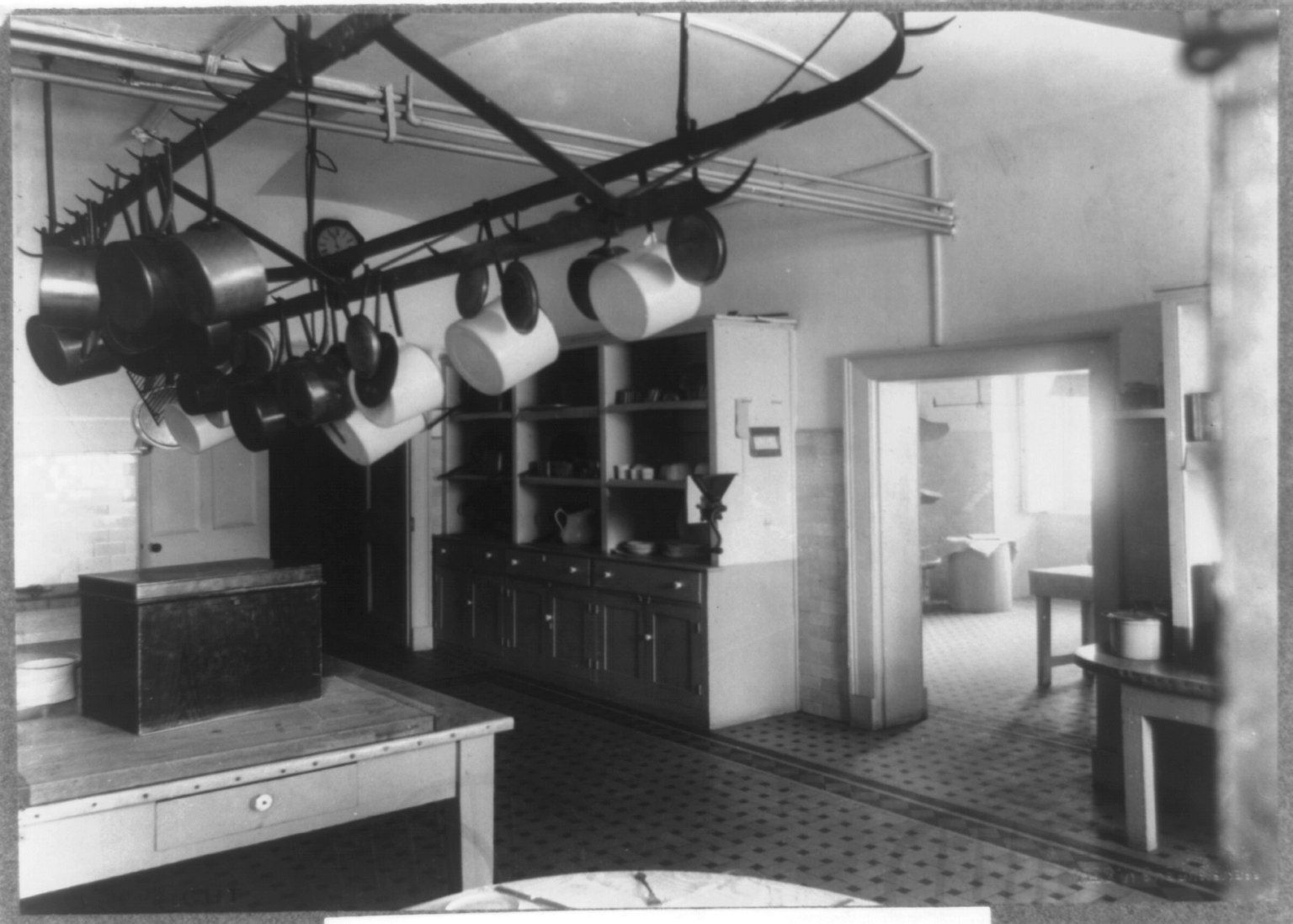
Image: Miscellaneous Items in High Demand, PPOC, Library of Congress, Public domain, via Wikimedia Commons

There is one thing about the White House that no one can deny: it has always been huge, even in its early days.

When the White House was first occupied in 1800, it already contained more than 100 rooms spread across three floors, making it one of the grandest homes in the United States at the time. In a time when most Americans lived in modest houses or farms, the presidential residence was seen as a palace. Many historians even consider it the largest private residence in the country during its early years. Today, the White House covers about 55,000 square feet, though modern private buildings, like the Biltmore Estate in North Carolina, are now far larger.

9
President Benjamin Harrison’s fear
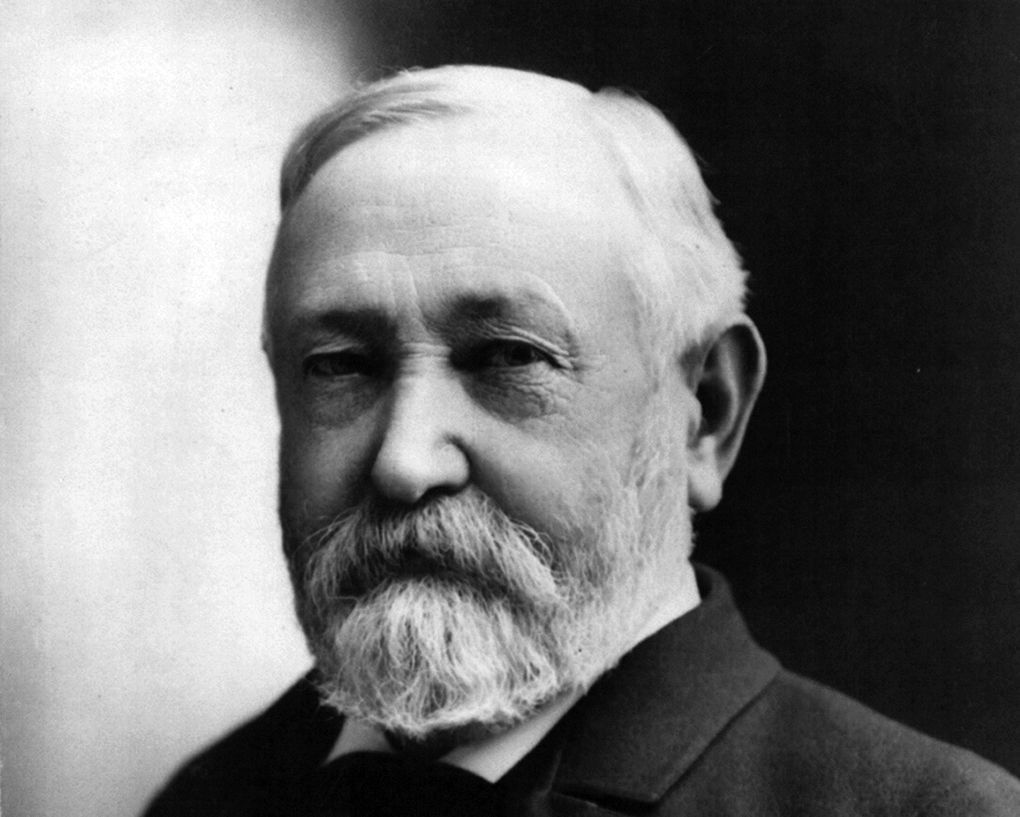
Image: Joseph Gray Kitchell (1862–1945)[1], Public domain, via Wikimedia Commons

Among the many changes the White House has undergone over the years, few were as revolutionary as the arrival of electricity.

For nearly a century after it was built, the presidential residence relied on candles, oil lamps, and gas lighting. That finally changed in 1891, when electricity was installed during the presidency of Benjamin Harrison. But, like many families in that era, the Harrisons were not exactly thrilled by this modern invention. According to White House stories passed down over the years, President Harrison and First Lady Caroline Harrison were so nervous about the possibility of electric shock that they rarely touched the light switches themselves. Instead, they often asked the house staff to turn the lights on and off for them.

10
Hillary Clinton’s special gift
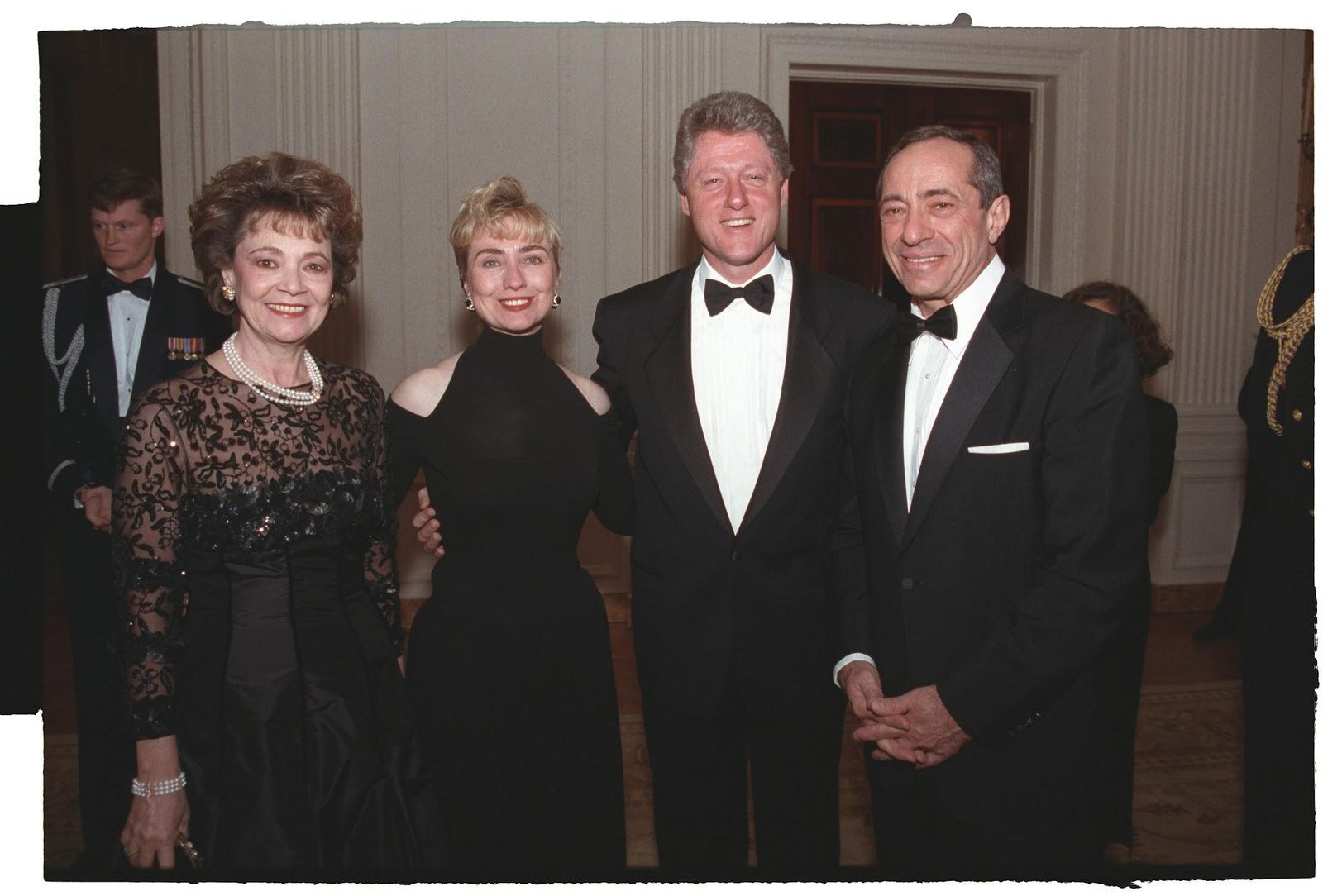
Image: Ralph Alswang, Public domain, via Wikimedia Commons

Of course, Jackie Kennedy wasn’t the only First Lady to leave her mark on the White House. Hillary Clinton added her own personal touch as well, this time as a gift for her husband.

In 1996, Hillary Clinton transformed a little-used room on the White House’s third floor into a private music room for President Bill Clinton. The gift came during the year of Bill Clinton’s 50th birthday and reflected one of his best-known passions: music. Complete with space for listening to records and playing his famous saxophone, the room gave the president a quiet retreat inside the White House.

Geography Geography 4 min read

Happy campers!

The Great American Outdoors: 10 camping sites worth visiting

Image: Patrick Hendry

Camping is one of the best ways to experience the outdoors. Sleeping in a tent while listening to the sounds of nature—the rustling of leaves and the occasional chirping of a sleepy bird—is the closest most of us can get to the way humans lived and slept for most of their existence. Spending time close to nature is good for our health, and it can be lots of fun, too. America is crawling with beautiful places to visit, and the number of mind-blowing camping spots is almost infinite. The following 10 are just a small fraction of what our country has to offer, but they serve as a sampler to travel with your mind. Do you know any of these places?

1
Sequoia and Kings Canyon National Parks, California

Image: Nik Shuliahin 💛💙

Imagine camping beneath the biggest trees in North America and in the whole world . That incredible experience is possible in Sequoia and Kings Canyon National Parks, where some of these trees are thousands of years old.

You can choose from 14 scenic campgrounds—including Grant Grove Village, the foothills of Sequoia National Park, the Lodgepole and Giant Forest areas, Cedar Grove, and Mineral King—and make a reservation.

2
Crater Lake National Park, Oregon

Image: velichor

Open only during the summer months, Crater Lake National Park is home to the country's deepest lake and a dormant volcano , making it an incredibly photogenic location. Campers can pitch their tents or park their RVs in the forest at Mazama Campground.

As locals say, the best views are from the areas looking out over Annie Creek, but the whole place is a no-miss.

3
Olympic National Park, Washington

Image: Scott Goodwill

Camping along the coastline with the sound of the waves in the background is a beautiful experience that can be accomplished in the Olympic National Park, where you can camp right along the beautiful coastline , which is marked by several sea stacks.

There are many different campgrounds, some next to the ocean and others in the rainforest. While most are first-come, first-served, some allow reservations for stays in the summer.

4
Grand Canyon National Park, Arizona

Image: Levi Jones

Few camping experiences beat waking up on the rim of the Grand Canyon . While the South Rim is easier to get to, the North Rim is usually less crowded. There's one North Rim campground inside the park and another just north of the park boundary, both open from mid-May to mid-October.

Several sites along the South Rim are open year-round, including the Mather Campground and Trailer Village in Grand Canyon Village. Only two other South Rim spots, Desert View and Tusayan Montane, are open seasonally.

5
Grand Mesa, Uncompahgre, and Gunnison National Forests, Colorado

Image: Mike Erskine

The Rocky Mountains offer magnificent scenery for a beautiful day and a night out. The Grand Mesa, Uncompahgre, and Gunnison National Forests have 56 campsites set in a variety of landscapes, including open meadows and evergreen forests, amid mountains, and on lakeshores .

While most are open seasonally, a select few stay open all year long, so make sure to check the website for road conditions beforehand if you plan to camp during the winter months.

6
Sawtooth National Recreation Area, Idaho

Image: Andreas Rønningen

The Smoky Mountains are a picturesque part of Idaho, with dozens of places to camp. The Sawtooth National Recreation Area is a fantastic place to go hiking, canoeing, or cycling, and you'll be treated to awe-inspiring mountain views in every direction.

About half the campgrounds welcome campers on a first-come, first-served basis, but you can also make reservations ahead of time to secure a site. The camping season is open in the summer months.

7
Badlands National Park, South Dakota

Image: Rahul Bhosale

Don’t mind the name, there is nothing bad about the Badlands. Between the many rock formations you'll see throughout Badlands National Park, you'll also find prairies and places to peek at ancient fossils . The Cedar Pass campground is larger and offers more amenities, but the smaller Sage Creek campground puts you in a better position to see bison wandering around .

8
Ozark–St. Francis National Forests, Arkansas

Image: Alex Holt

The Natural State has 1.2 million acres of recreational space including beaches, lakes, and streams, and more than 400 miles of hiking trails , in the Ozark–St. Francis National Forests. Campers can choose between several developed campgrounds for both RV and tent camping, some of which are open year-round.

Other campgrounds are open from May through October. Primitive camping is also permitted within designated areas—just remember to bring your water (or a water filtration device), and leave the place untouched.

9
Dry Tortugas National Park, Florida

Image: Blake Wisz

At Dry Tortugas National Park, in Key West, Florida, you can camp right outside of one of the world’s largest barrier reefs . Visitors can rent snorkel gear, spend their days relaxing on the beach, or check out Fort Jefferson, a 19th-century fortress used by the Union army to blockade Confederate shipping channels during the Civil War.

This pristine area, perfect for stargazing and bird-watching, requires campers to bring everything they will need, including water, fuel, ice, and food. Ferry transportation from Key West must also be secured as early as possible.

10
Minnewaska State Park Preserve, New York

Image: Esther Tuttle

More than 2,000 feet above sea level and surrounded by rocky terrain, Minnewaska State Park Preserve offers a lot of space to hike, bike, and enjoy the view . Reservations for the Sam F. Pryor III Shawangunk Campground can be made online starting each March, as it is closed during the winter.

The campground features 50 parcels, as well as five car-camping sites, and amenities such as Wi-Fi, coin-operated showers, communal fire pits, and picnic pavilions.

Geography Geography 5 min read

Special details

Have you heard these fun facts about 10 famous American landmarks?

Image: Joe Richmond

Yes, we all know which cities are home to America's most iconic monuments and attractions, such as the Statue of Liberty, the impressive Gateway Arch, or the unique Hollywood Sign. However, as famous as these landmarks are, there are some hidden details and stories about them that you might have never heard before! If you'd like to surprise your friends in your next conversation, keep reading to discover 10 incredible facts about America's most famous landmarks!

1
A change in plans

Image: Alexey Komissarov

Can a color be a worldwide celebrity? It seems so! This is the case of the famous "international orange" of the Golden Gate Bridge in San Francisco, California.

It's hard to imagine this iconic bridge in any other color. But believe it or not, it was once about to be painted in another hue.

The original idea was to paint the Golden Gate Bridge black with yellow stripes to make it visible to ships and planes. However, the sharp vision of consulting architect Irving Morrow changed the plans. When he saw the reddish color of the primer used on the iron, he realized that this color would work much better and would also give the imposing structure an original touch.

2
Too good to be true?

Image: Hana Oliver

We all know that incredible creatures and breathtaking landscapes await us in Yellowstone. You probably also know that this amazing area that covers more than 3,400 square miles in parts of Wyoming, Montana, and Idaho was the first national park in the United States. Not only that, it was actually the first national park in the entire world!

But, while it's totally famous and celebrated today, there was a time when only a few knew about this place. Early explorers who walked Yellowstone in the 19th century wrote detailed journals about what they saw and experienced there, but when they returned, they found that people didn't believe their stories. We have to admit that those skeptics had a point; such a beautiful place seems out of this world!

3
Capitol's subway

Image: Louis Velazquez

Nobody can deny the metro system is great. Its speed and efficiency allow thousands of people around the world to get to their homes and jobs every day. Did you know that the members of the U.S. Congress have their own subway system right underneath the Capitol building?

That's right! Under the impressive structure that houses U.S. Representatives and Senators lies an entire subway system. This allows workers there to access different parts of the complex in a matter of seconds. It must make things easier on busy days, don't you think?

4
The final detail

Image: MIKE STOLL

But not all of the Capitol's surprises are underground; some are in plain sight. We're talking about the spectacular dome that crowns the famous neoclassical building in Washington, D.C. While the dome is a symbol of our country today, there was a time when the Capitol Building didn't have this gracious final detail.

The construction was considered completed in 1800. However, one last touch was still needed. In 1824, the first and smaller dome arrived, made of wood. Finally, it was replaced in 1866 by the impressive dome we see today, which stands an incredible 288 feet high and is made of cast iron, brick, stone, and copper.

5
A misspelling?

Image: Dan Mall

The Liberty Bell must be one of the most recognized icons of the United States. Preserved as a symbol of our Independence, everyone can visit the famous bell at the Independence Hall in Philadelphia, Pennsylvania.

In addition to its well-known history and its famous "crack," this bell has even more hidden details to discover. When you read the inscription on the Liberty Bell, you'll be able to read "Pensylvania" instead of "Pennsylvania." While you could think that those in charge of inscribing the bell weren't paying attention, it wasn't actually a misspelling; it was one of the accepted spellings for Pennsylvania in those days.

6
Hollywood(land)

Image: Justin Aikin

Whether in person or through the screen, we all had the chance to see the legendary Hollywood sign over Mount Lee in Los Angeles, California.

But, while this landmark is recognized around the world today, it didn't always look as we see it now. The Hollywood sign had several changes throughout its history. It was first erected in 1923 as an advertisement for a real estate development. At the time, it read "Hollywoodland" and even had lights, illuminating the entire area at night.

Many things happened in our country before 1949, when the last four letters were removed, leaving just the current "Hollywood."

7
Good things take time

Image: Jeromey Balderrama

As we grow older, we understand one truth: good things often take time. While patience seems to be in short supply these days, it was certainly in abundance for those who built the impressive Mount Rushmore National Memorial, one of our most famous attractions.

The construction of this imposing monument that features the faces of George Washington, Thomas Jefferson, Theodore Roosevelt, and Abraham Lincoln began in 1927 and took 14 years to complete. Carving four 60-foot-tall heads on a granite hill is no easy task. But, on top of that, some budget difficulties slowed down the process even more.

8
Mount Rushmore's secret door

Image: John Bakator

Mount Rushmore National Memorial has more secrets to disclose! Although not visible to the naked eye, there is a particular detail among the heads of Washington, Jefferson, Roosevelt, and Lincoln. Want to know what it is?

If you haven't heard about it, this might surprise you: there is a small door right there on Mount Rushmore. Mysteries everywhere! The door leads to a chamber known as the "Hall of Records." According to the plans of sculptor Gutzon Borglum, this spot would hold important documents and objects of our history.

9
Time capsule

Image: Mark Serafino

Besides being the tallest human-made monument in the United States and also the tallest arch in the world, the famous Gateway Arch in St Louis has much more to offer.

During its construction in the 1960s, a curious detail was placed inside its iconic metal structure. At the base of the monument, you can find nothing less than a time capsule!

The capsule, which contains various artifacts and relics from our country's history and culture, was thought to give future generations an idea of what the world and the United States were like in those days.

10
19th-century graffiti

Image: Dineda Nyepan

At 555 feet tall, the Washington Monument is one of the most imposing in our country. But besides its height, this landmark also possesses a couple of surprising facts.

It might seem that graffiti is a modern artistic expression that has only been around recently, but this isn't the case, and the Washington Monument is proof of that. At the structure's base, there is a series of graffiti made in the 19th century, during the Civil War.

That's right! Many people and soldiers passing by at the time left signatures, dates, and patriotic messages inscribed on the famous obelisk, and some of them are still visible!

Explore more American facts

Choose your favorite category!

General
General

As American as apple pie—the very best America has to offer!

Culture
Culture

Delve into the astounding richness of American lore.

Geography
Geography

Hop in and explore vast and diverse American landscapes.

History
History

Discover the key moments that shaped the United States.