History History 6 min read

Traditions with a past

The president who pushed for celebrating the 2nd of July
Image: Joseph Gonzalez

Mardi Gras, the Fourth of July, pumpkin pie on Thanksgiving– these traditions are quintessentially American, but how did they become what they are today? Did you know that one of our founding fathers refused to celebrate on July 4th? Or that pumpkin pie was resisted by many before becoming a holiday staple? Each tradition we take for granted has a story, often unknown to us. Which major holiday was once banned? Which sports event started as a marketing campaign? Keep on reading to find out!

1
The Second of July?
Image: Roven Images

The first 4th of July celebration took place spontaneously in Philadelphia in 1777 and included elements that still persist today, such as bonfires, parades, and fireworks. But not everyone was on board. Founding Father John Adams famously refused all invitations to celebrate on account of disagreeing with the date.

For him, celebrations needed to be held on July 2nd, the day independence was voted on, rather than the 4th, when independence was declared , but July 4th became widely accepted because it was the date that appeared on the distributed copies of the document. In a both poetic and ironic turn of events, Adams — along with Jefferson, who penned the document — died on July 4th, 1826, on the 50th anniversary of the Declaration of Independence.

2
Who came up with the turkey pardon?
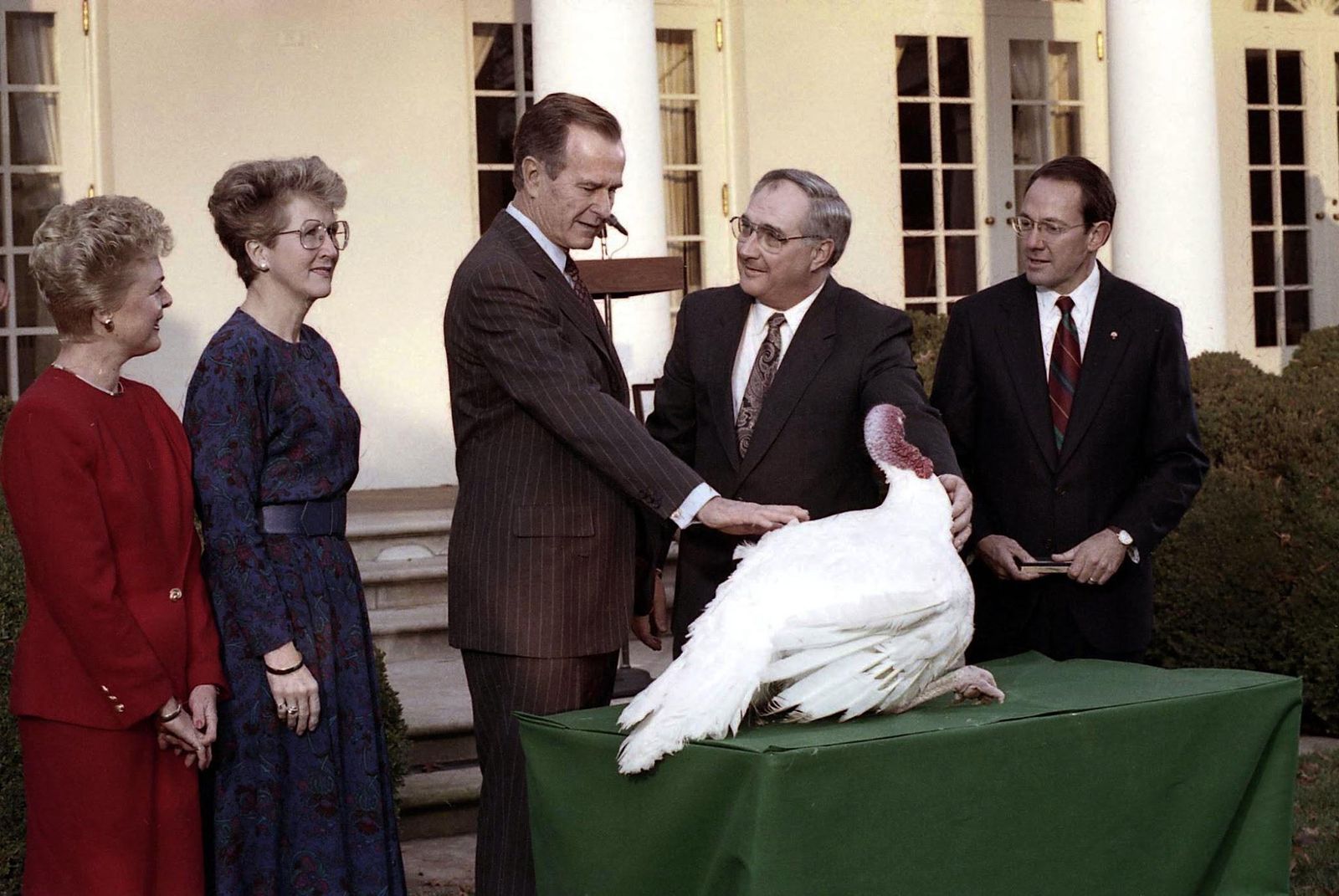
Image: Credit: George H.W. Bush Presidential Library and Museum, Public domain, via Wikimedia Commons

While many correctly assume that the official Presidential turkey pardon on Thanksgiving is an old event, it was not an official tradition until 1989, under the George H.W. Bush administration . But the roots of the tradition are nearly as old as the holiday itself.

In 1863, President Abraham Lincoln’s young son, Tad, asked to adopt the turkey intended for the Christmas dinner and named it Jack. This didn't become a regular tradition, but it set the precedent for President Kennedy to pardon the turkey gifted to the First Family in 1963 , a custom adopted by many of the following presidents, with Reagan being the first to call it the "presidential pardoning".

3
The anti-pumpkin movement
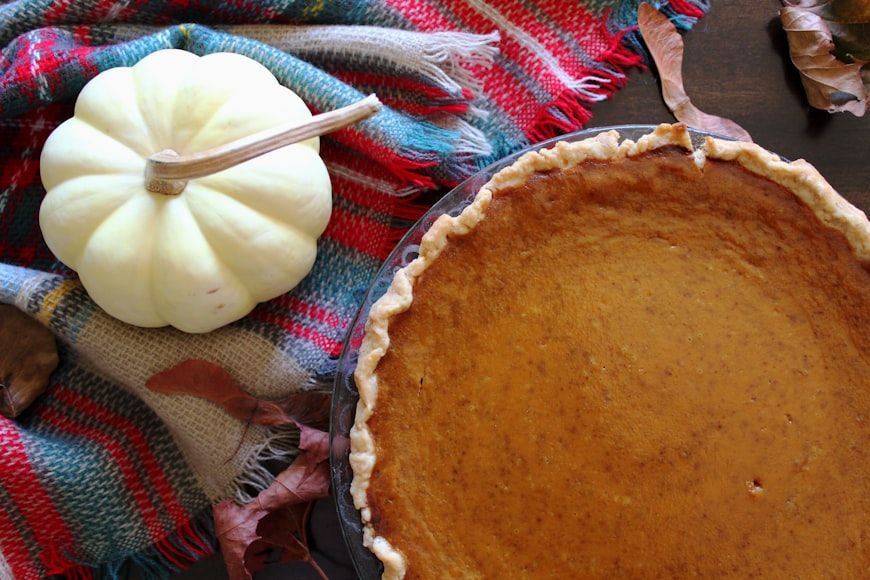
Image: Kelsey Weinkauf

As a crop native to America, pumpkin is mentioned across American history, including the first Thanksgiving. But before pumpkin pie was a symbol of the holiday, it was a New England dessert that divided the nation.

Thanksgiving was instituted as an official holiday by Abraham Lincoln in 1863, with turkey and pumpkin pie quickly becoming the main dishes on the menu. After the Civil War, the Southern states were reluctant to adopt the holiday and its associated pie, claiming it was a "Yankee tradition" and a celebration of Northern culture. As a way of rejecting what they saw as a cultural imposition, many Southern cooks replaced the pumpkin pie with sweet potato pie, which remains much more common in the South.

4
The 22 years without Christmas

Image: Chad Madden

The minute Thanksgiving ends and "All I Want for Christmas Is You" returns to the top of the charts, much of the country gets into the holiday spirit. Surprisingly, just a few centuries ago, and 100 years before the United States was officially formed, Christmas was banned altogether .

During Cromwell’s interregnum (1649-1660), the Puritan-led English Parliament canceled the Christmas festivities of 1644, claiming it was a Catholic festivity of pagan origin. The sentiment echoed across the Atlantic, where the Massachusetts Bay Colony, of Puritan origins, banned Christmas in 1659 and fined those who celebrated or took the day off. The ban remained in place even after the restoration of the Monarchy, and was only lifted in 1681. Ulysses S. Grant declared it a federal holiday in 1870.

5
Mandatory anonymity
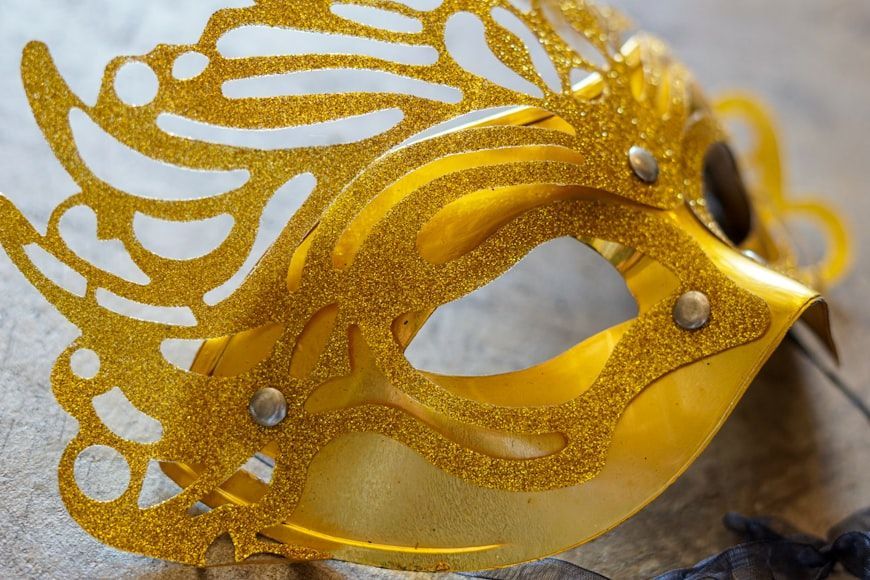
Image: Izzy Park

Anyone who ever celebrated Mardi Gras in New Orleans knows that masks are an integral part of the event, with those in the parade and many spectators concealing their identity. What many don’t know is that, per Louisiana law, wearing a mask in public is illegal , a statute passed in the 1920s to counteract the Ku Klux Klan’s influence and its intimidation tactics.

So, what happens during Mardi Gras? In the traditional Carnivals, masks were a way for people of all classes to mingle without endangering their reputation. While it is not a requirement for spectators today, anti-mask laws are suspended during Mardi Gras . However, if you are taking part in the parade, masks are not only allowed but mandatory.

6
A very successful campaign
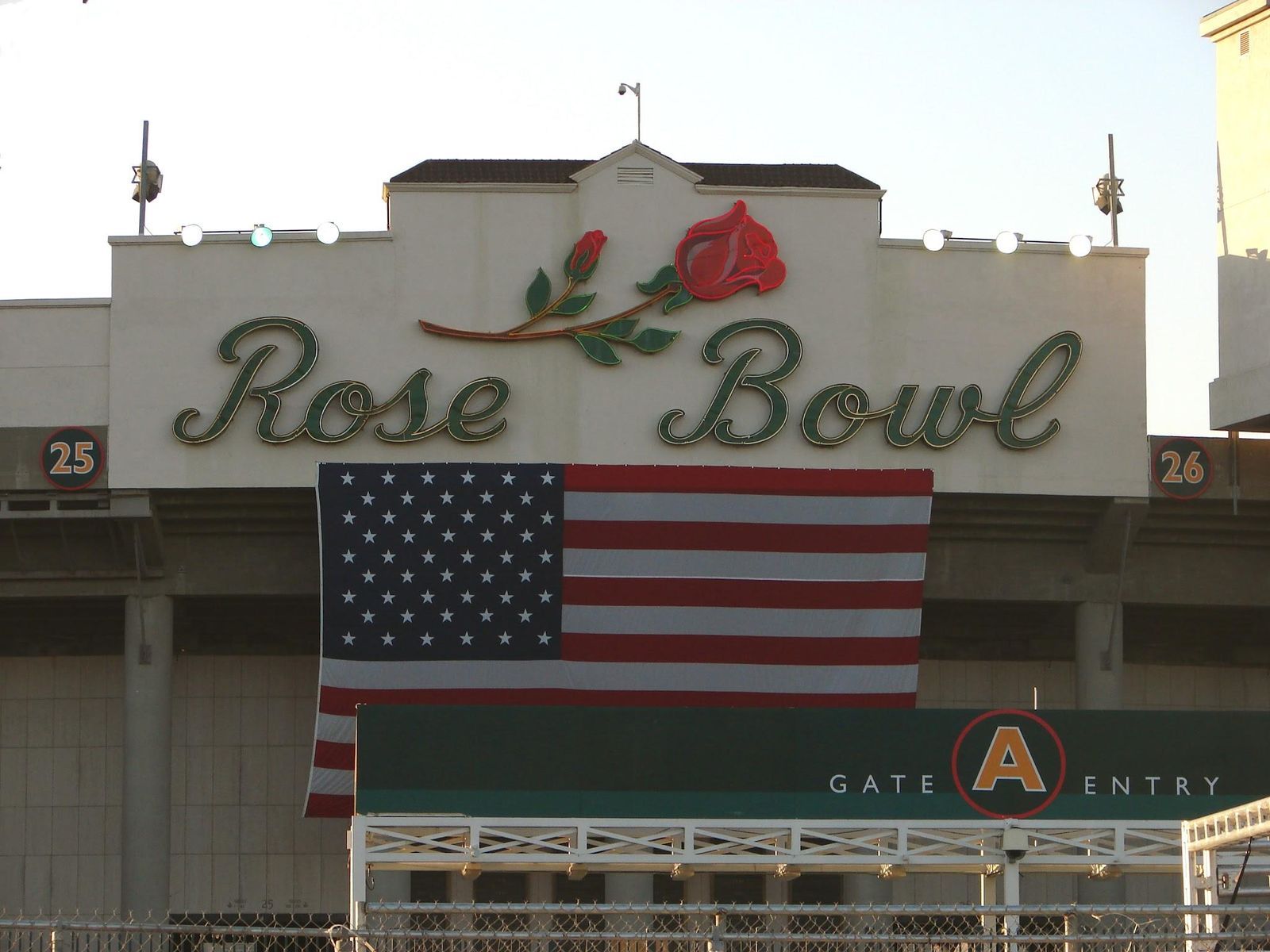
Image: Flickr user Xurble, CC BY 2.0, via Wikimedia Commons

Does your family watch the Rose Bowl Game on January 1st? It’s one of the oldest postseason football games in American history . But, did you know that its origin stems from a tourism campaign?

In the 1890s, the city of Pasadena, California, started celebrating the Tournament of Roses Parade on New Year’s Day as a way to promote the city’s mild weather to tourists on the East Coast . To increase promotion, a postseason college football game was played in 1902, but the result was so lopsided —49-0— that it was not repeated the following years. In 1916, a new game was organized with resounding success, and it has been held annually since then.

7
The original Black Friday

Image: Artem Beliaikin

B efore being synonymous with big sales and discounts, Black Friday was synonymous with crisis . The first recorded use of ‘Black Friday’ dates back to 1869, when the stock market suffered a devastating crash due to financial speculation. The economic effects of the crash were so severe that the name connoted calamity and misery.

How did it become associated with the day after Thanksgiving? In the 1950s, Philadelphia received hordes of tourists who came to shop and attend the annual Army-Navy football game the day after Thanksgiving, creating such chaos that the police forces dubbed it the "Black Friday". To counteract the negativity, retailers adopted the name in association with massive discounts.

8
From Decoration to Memorial Day
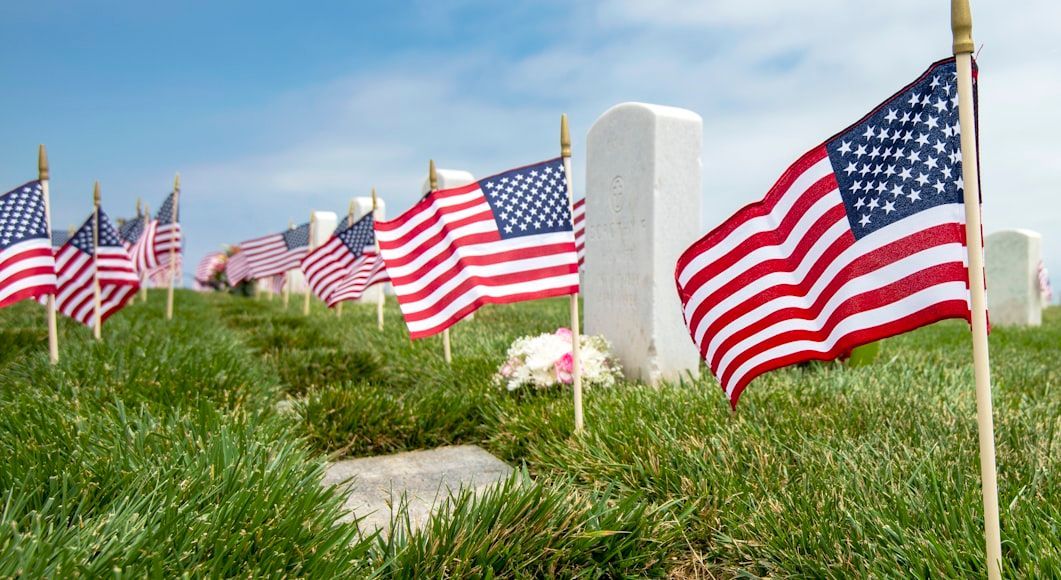
Image: Greg Bulla

The last Monday of May, America remembers and honors those who laid down their lives in defense of the country. Friends and relatives of fallen service members gather to lay wreaths and flags in cemeteries ; the Memorial Day holiday also serves as the unofficial starting point for the summer season. But where does this tradition come from?

It wasn’t always Memorial Day. Originally called ‘Decoration Day’, the tradition of adorning graves started after the Civil War , and it was first celebrated on a national scale in 1868. After World War I, the tradition was expanded to include all American soldiers fallen during a military conflict.

9
Hedgehog Day
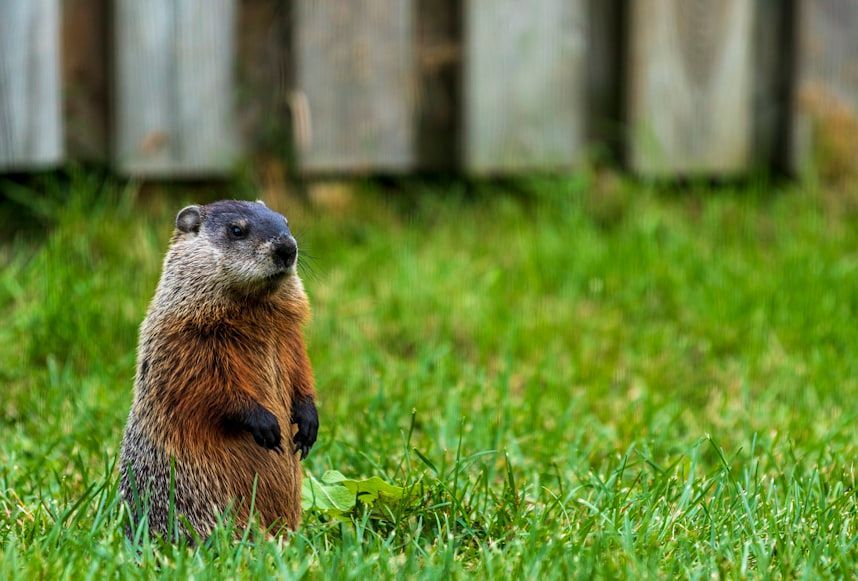
Image: Camerauthor Photos

You might just know about it because of the popular 1993 Bill Murray movie, but Groundhog Day is real, and it’s celebrated every February 2nd. According to tradition, if a groundhog emerging from its burrow sees its shadow, it will go back to hibernate , and there will be six more weeks of winter. If not, spring will come early. But did you know that the tradition usually observed the behavior of a different animal?

Though Groundhog Day is celebrated across America —and even Canada— it was initially a Pennsylvania tradition, brought by German and Dutch immigrants. Back in Europe, they observed the behavior of hedgehogs and badgers to predict the length of winter, but these were not native to America. Looking for a similar local animal, they turned to the groundhog.

10
The 6-month difference
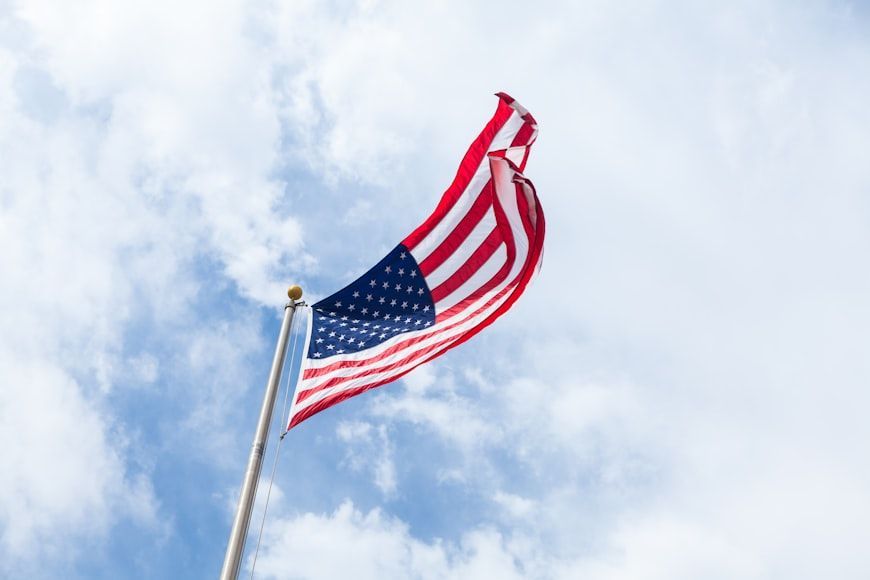
Image: Brandon Day

We can name a select few holidays that are celebrated internationally, such as New Year’s Day or Christmas. But what about Labor Day? While nearly 160 countries across the globe celebrate it on May 1st, the U.S. celebrates it six months later , on the first Monday in September.

Labor Day (also known as International Workers’ Day) started as a commemoration of the 1886 Haymarket Affair in Chicago, where a protest for workers’ rights ended with several casualties. As the protest was linked to socialist labor movements, the U.S. government was wary of celebrating workers on that date . As a compromise with labor activists, President Grover Cleveland instituted Labor Day as a federal holiday in 1894, but deliberately chose a date as far away as possible.
Culture Culture 3 min read

Powerful styles

How can a beard change history? 10 US presidents with iconic facial hair!

Image: Library of Congress

Can you guess how many US presidents have had beards? And how many grew a mustache? Which one comes to mind first? For some, it's Lincoln's unmistakable beard; for others, Roosevelt's distinguished mustache; and some will remember John Quincy Adams' sideburns. From the most classic mustaches to eccentric beards, today, we're taking a look at 10 unforgettable presidential styles!

1
Abraham Lincoln

Image: Library of Congress

Probably one of the most remembered presidential beards is that of the 16th US President and author of the unforgettable Gettysburg Address, Abraham Lincoln. But, while his image is forever linked to his top hat and distinctive, mustache-free beard, he actually didn't always have it.

Before he was elected president, an 11-year-old girl wrote him a letter suggesting he grow a beard. Fortunately, Lincoln took her advice! Thus, he became the first president to grow a beard while in office.

2
Theodore Roosevelt

Image: Library of Congress

Another iconic style was that of Teddy Roosevelt. His handlebar mustache is not only seen in photos and portraits from his time in office but is also forever etched on the imposing Mount Rushmore. Many men of his era imitated his dramatic, thick, and bushy mustache, which perfectly matched the vigor and toughness that defined the 26th US president.

3
Ulysses S. Grant

Image: Sergei Starostin

Beard? Yes! Sideburns? Of course. Mustache? That too! That is the case with Ulysses S. Grant, a president with a full look, fitting for a Civil War hero.

Grant's beard and mustache were thick -though not long- covering his jawline and also much of his cheeks. Thus, the 18th US president set a fashion trend that would be followed by several other presidents of the 19th century.

4
Grover Cleveland

Image: Dave Sherrill

Another president with a well-remembered mustache was Grover Cleveland, the first US president to serve two non-consecutive terms.

Cleveland's mustache was fluffy and extended just past the edges of his mouth. Although this might have been a problem when dining with guests, his mustache always looked neatly trimmed.

5
William Howard Taft

Image: Ronaldo Guiraldelli

Now, it's time to talk about the only person in the history of the US to have served as both President and Chief Justice of the Supreme Court: William Howard Taft.

Taft sported a bushy mustache, like Teddy Roosevelt, who served right before him. But, unlike his predecessor, the tips of Taft's mustache didn't point downward; instead, they bent upward, making it much more theatrical.

6
John Quincy Adams

Image: Library of Congress

John Quincy Adams didn't need a mustache to stand out with his style. His hallmark was something quite original: sideburns.

Remembered for being bushy and always well and neatly groomed, the 6th president's memorable sideburns extended down the sides of his face, even connecting beneath his chin!

7
Rutherford B. Hayes

Image: Nikolaos Dimou

Rutherford B. Hayes was another 19th-century president known for sporting a full beard. In addition to being thick, his beard and mustache were quite long and even joined together, fully covering his lips, as seen in portraits from the time. While the 19th President looked really distinguished, we can't help but wonder how he handled summer with that style!

8
James A. Garfield

Image: Sean Foster

James A. Garfield had a look strikingly similar to that of his predecessor, Rutherford B. Hayes.

Also sporting a thick, long, full beard, Garfield's mustache was slightly shorter than Hayes', and his beard extended further onto his cheeks. It seems that you had to put some serious effort into perfecting your facial hair to be trendy in the late 19th century!

9
Martin Van Buren

Image: Jack Bulmer

"Mutton chops" is the term for the thick, bushy sideburns worn by Martin Van Buren, the 8th president of the United States, a style known more for its volume than its tidiness.

As seen in portraits from different moments of his life, Van Buren had sideburns from a young age, but they definitely stood out during his presidency. In fact, political cartoons of his time often emphasized that very feature, making his sideburns exaggeratedly large.

10
Zachary Taylor

Image: Josh Sorenson

Before Lincoln, the dominant fashion was a clean-shaven look. But Zachary Taylor -just like John Quincy Adams and Martin Van Buren- came to revolutionize things with his sideburns.

We have to admit Taylor's sideburns were far more modest than those of his predecessors, but he remains one of the few presidents to have worn any facial hair before Honest Abe made it a trend!

General General 4 min read

WHICH ONE WOULD YOU LIVE IN?

Which Are The 10 Most Popular Architectural Styles In America?

Image: Todd Kent

Land of the free, home of the brave, right? As far as architecture is concerned, that is very much true. As long as you can imagine it (and afford it, and get your blueprints approved), you can make it. America has many different styles of architecture , some more eccentric, some more unassuming. In this list, we have favored the latter and compiled ten of the most popular ones in the country because, as Tom Waits says, "What makes a house grand, ain't the roof or the doors. If there's love in a house, it's a palace for sure".

1
Townhouse

Image: Aman Kumar

Most commonly found in cities, townhouses have spacious layouts, more amenities than the condo styles, and lower maintenance than most residential homes. They’re typically two or three-story homes, usually sharing one or two walls with adjacent properties, and a rooftop deck to enjoy sprawling views.

While the most famous examples are the ones from New York or San Francisco, thanks to TV series and movies, these types of homes can be found all over the country.

2
Cape Cod

Image: Phil Hearing

Cape Cod houses bring to mind the classic American cottage style but with a weekend feel to them. This type of home design migrated from the UK to the United States, maintaining its symmetrical design and central chimney.

These houses feature a steep roof to keep snow from accumulating, dormer windows for added light, wood siding and shutters to keep the heat in, and hardwood floors for comfort and practicality.

3
Modern

Image: Avi Werde

Funny how the word "modern" is used to define things that happened 100 years ago, right? Emerging in the 1920s to embrace minimalism and reject the more ornate house styles, modern house styles include progressive elements such as asymmetrical exteriors, flat roofs, and integrated outdoor spaces.

Many modern interiors also feature minimal to zero molding and trim, neutral color palettes, and metal accents to accentuate the simplicity of its design.

4
Farmhouse

Image: Raychel Sanner

A house design that has been around for a long time, the farmhouse style was created back in the early 1700s, as housing for farmers and is all about practicality.

Modern farmhouses still showcase many of the same features from the original design such as large, wraparound front porches, clapboard siding, large fireplaces, wood floors, eat-in kitchens, and oversized kitchen sinks.

5
Craftsman

Image: Lernestorod

This style became increasingly popular in the 1900s and has remained a staple throughout the 21st century. Craftsman style adds charm to any neighborhood with its exterior features, including shingles, low-pitched roofs, and covered front porches.

These types of houses feature interior details such as thick trim, prominent ceiling beams, and built-in shelving and seating.

6
Contemporary

Image: James Kovin

A style often compared to modern style architecture, contemporary is very much a trend these days among house builders. These homes have simple forms without elaborate ornamentation or detail.

Showcasing geometric lines, large windows and doors to bring in light, and open floor plans, contemporary homes often incorporate sustainable and eco-friendly building materials, textures, and components, exposed roof beams, and flat or low-pitched roofs.

7
Cottage

Image: Czapp Botond

As the name implies, cottage houses of the 1920s and 30s were inspired by the cozy cottage-style houses of the English countryside, but with a more modern twist.

This style of house typically has a steep, thatched roof, arched doorways, and shuttered windows. They can be found in semi-rural areas, closed communities, and holiday spots, among other places.

8
Mid-Century Modern

Image: Lenalensen

A style that has been well represented in modern media, the mid-century modern style is part of the modernism movement and dates back to post-World War II, and remained popular throughout the 1970s.

This design is characterized by minimalism. Think of clean lines and floor-to-ceiling windows, open layouts, and a mix of natural and manufactured materials for the interior elements like wood, stone, steel, and plastic.

9
Colonial

Image: Mateus Campos Felipe

Another early style, colonial architecture has maintained its allure in many parts of the United States. These classic homes are known for their vintage charm, decorative doorways, and symmetrical window placement.

Many of these houses will be similar to the Cape Cod-style home because of their symmetry and side-gabled roofs but with two or three stories, fireplaces, and brick or wood exteriors.

10
Ranch

Image: Michal Průcha

A style that dates back to the 1930s, ranch homes grew in popularity during the 1950s and 1960s, and are still popular today. This architecture is known for its simple, single-story floor plan, low-to-the-ground look, often with an open layout and occasional basement.

With a smaller yard, attached garage, and a low-pitched roof, the ranch-style home often features large windows and sliding glass doors, encouraging an indoor-outdoor living style. A ranch can also be called a ‘rambler,’ depending on which region in the country it is located.

Explore more American facts

Choose your favorite category!

General
General

As American as apple pie—the very best America has to offer!

Culture
Culture

Delve into the astounding richness of American lore.

Geography
Geography

Hop in and explore vast and diverse American landscapes.

History
History

Discover the key moments that shaped the United States.