General General 4 min read

Hidden stories and unexpected details from across the U.S.

How well do you know the U.S. states? These 10 facts might surprise you
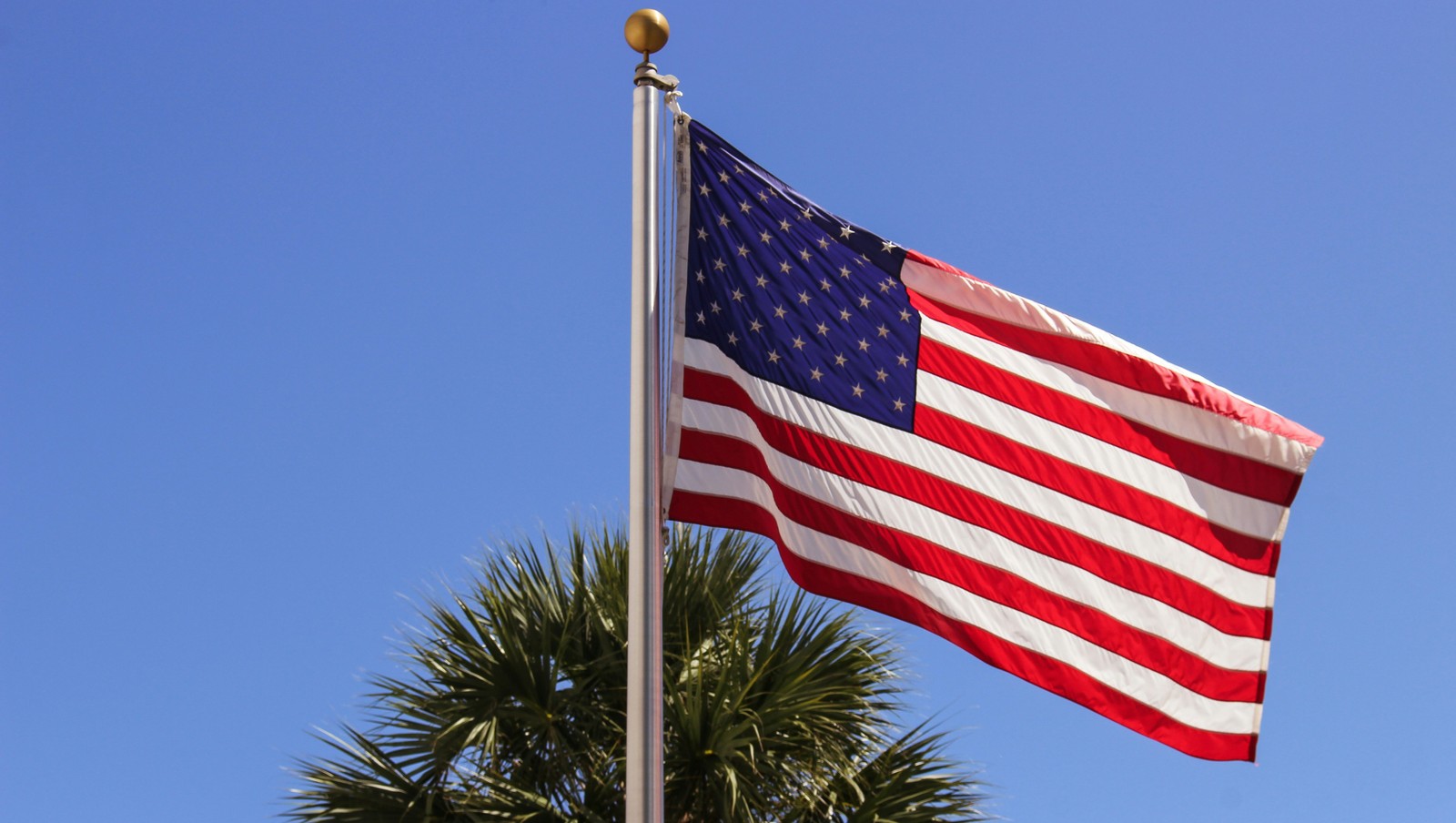
Image: Jametlene Reskp

America is made up of 50 states, each with its own history, culture, and unique quirks. While many people know about their capitals, nicknames, and most famous landmarks, there are plenty of lesser-known facts that make each state stand out. Unusual laws, surprising geographic features, and record-breaking claims reveal a side of the country that many are unfamiliar with. Here are 10 surprising facts about different states that might shine a new light on what you know about America.

1
Alaska has more coastline than the rest of the U.S. combined
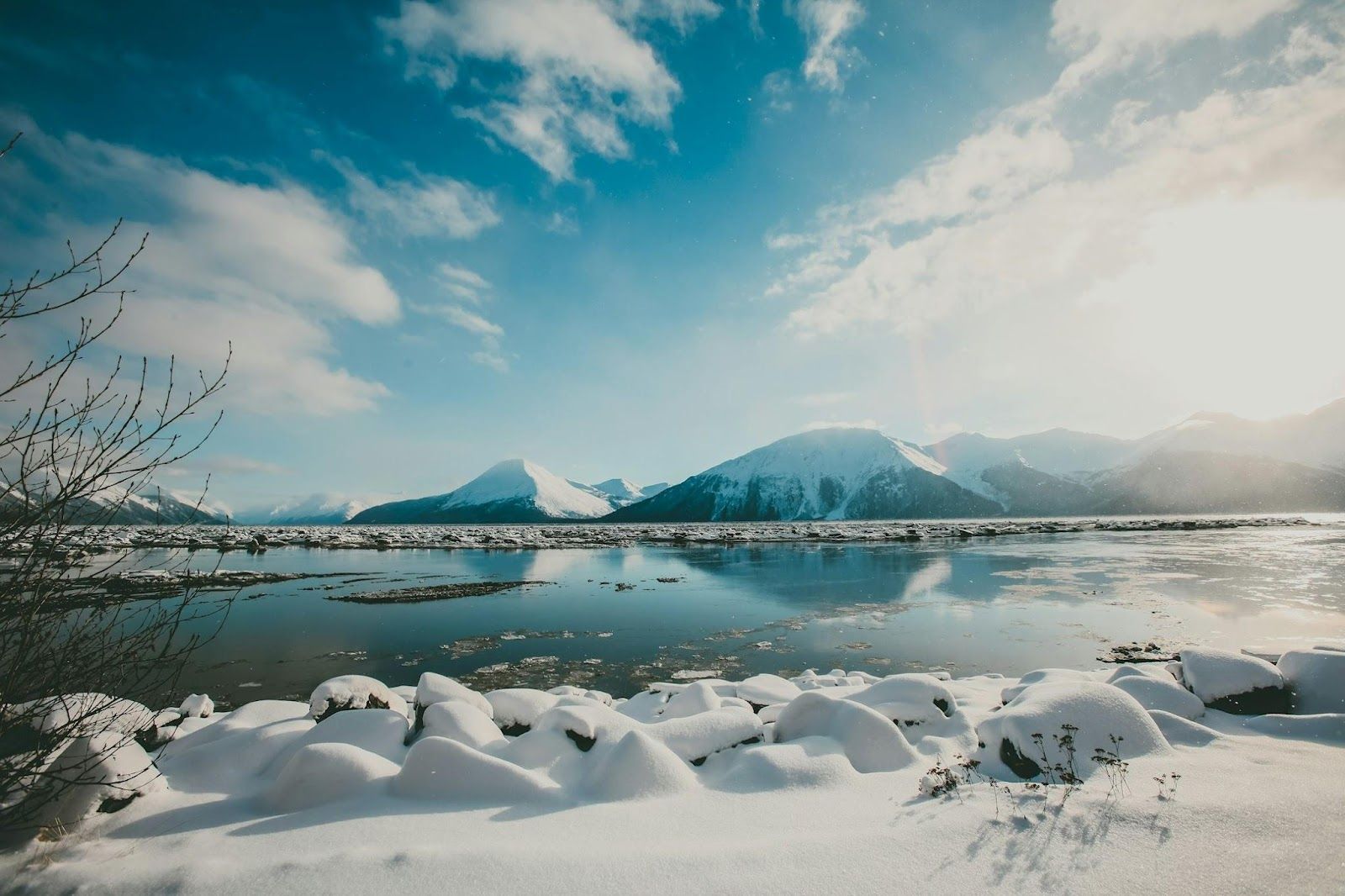
Image: Rod Long

Alaska’s size is already impressive: it’s the largest state in the country by far, over twice the size of Texas (the second largest state by area). But what surprises many people is just how much coastline it has.

With over 33,900 miles of shoreline, including islands, Alaska has more coastline than all the other U.S. states combined. Its rugged shores stretch along the Arctic Ocean, the Pacific Ocean, and the Bering Sea.

2
Arizona is home to one of the best-preserved meteor craters
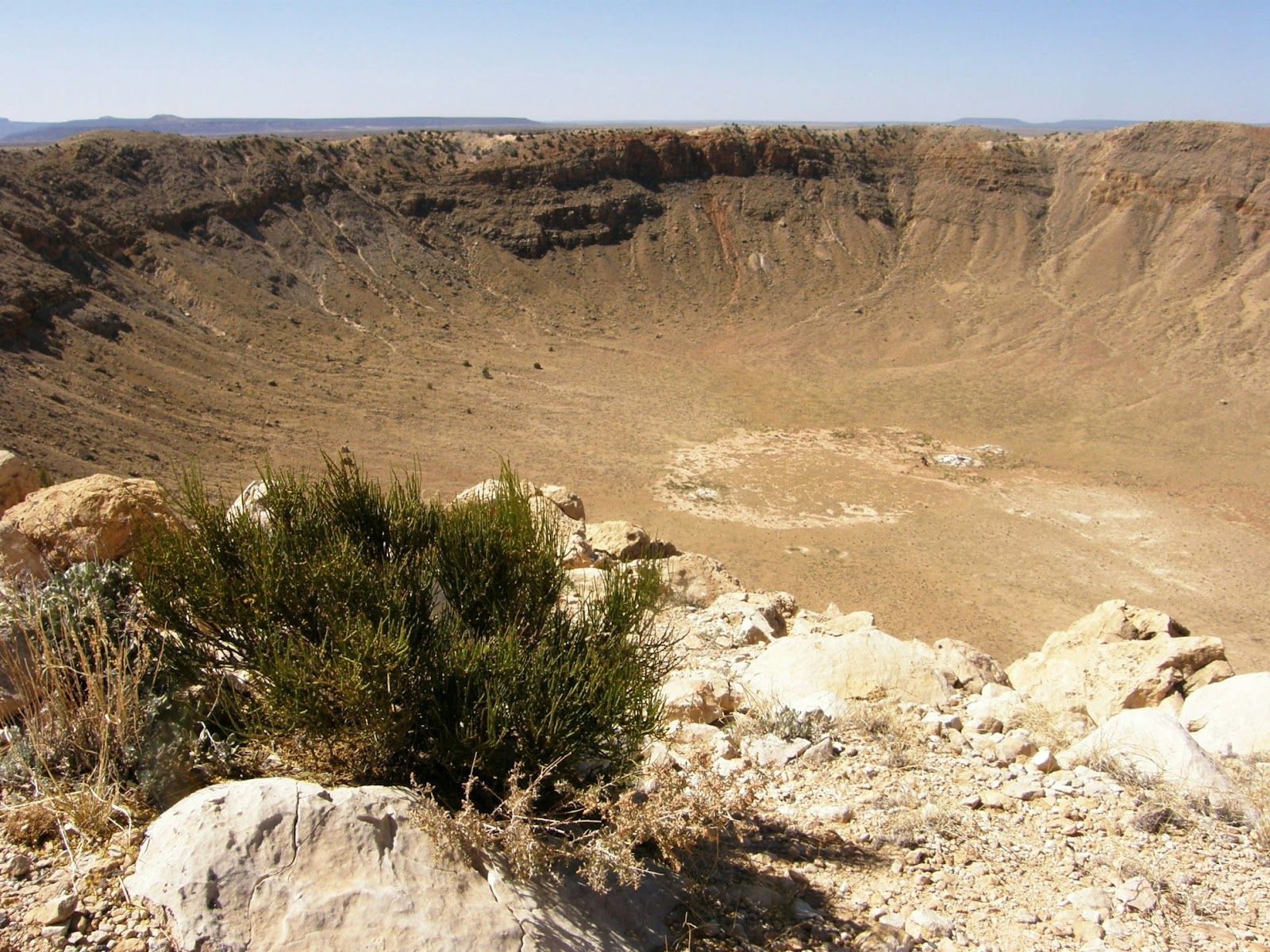
Image: John Ballem - a collection of personal photos

Arizona’s desert landscape holds one of the most famous impact sites on Earth: Meteor Crater. This massive depression, measuring about 3,900 feet across and more than 500 feet deep, was formed around 50,000 years ago when a large iron meteorite struck the ground with unimaginable force. It’s so well preserved that scientists have used it to study planetary impacts for decades.

3
California has the tallest, largest, and oldest trees
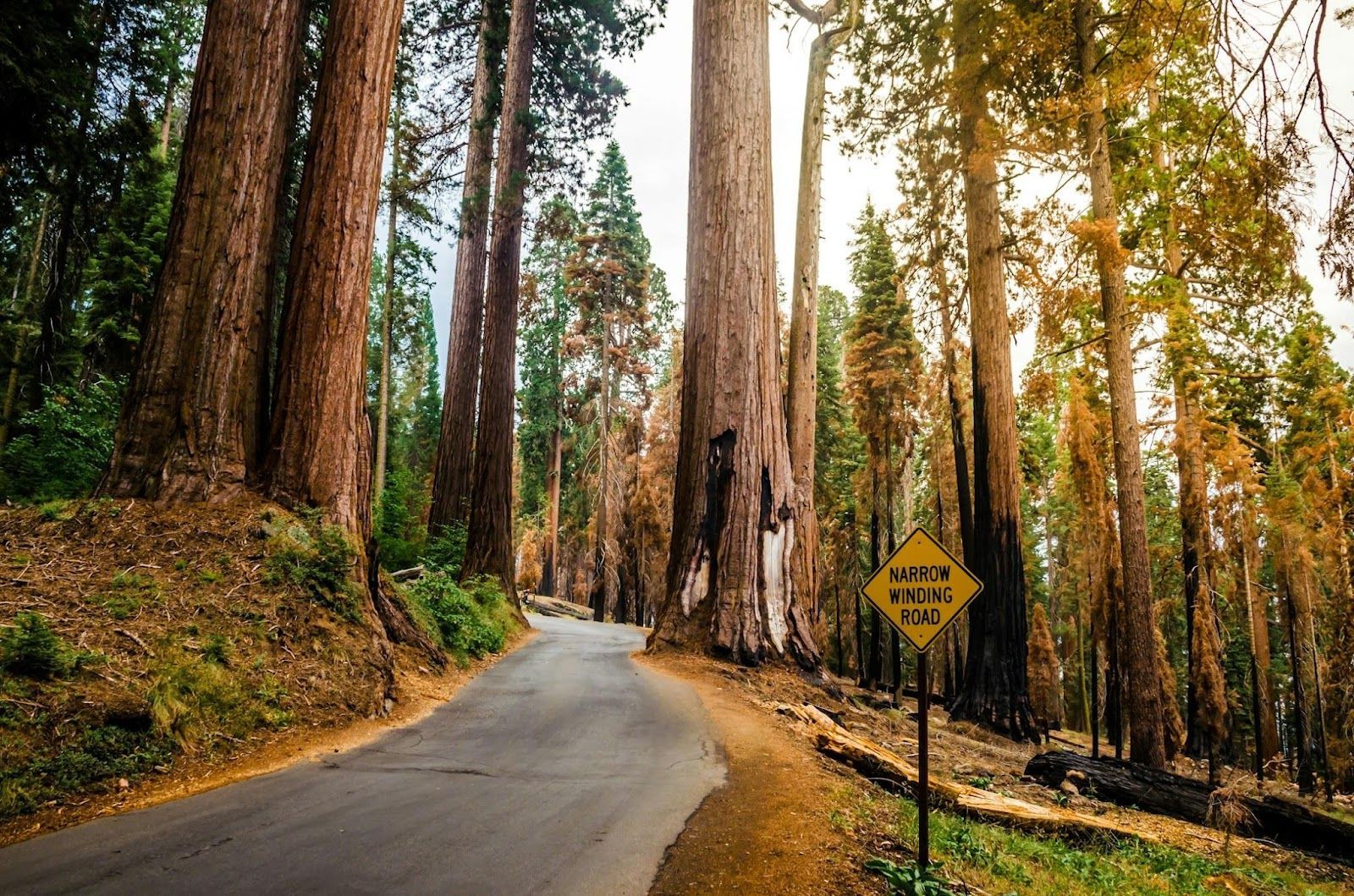
Image: Venki Allu

California is home to some incredible tree-based records. On the northern coast, redwoods grow routinely over 300 feet, and represent the tallest tree species on Earth. In addition, giant sequoias hold the record for the largest trees by volume, and bristlecone pines in eastern California are among the oldest living trees on the planet, some reaching more than 4,800 years of age.

4
Colorado contains the highest paved road in North America
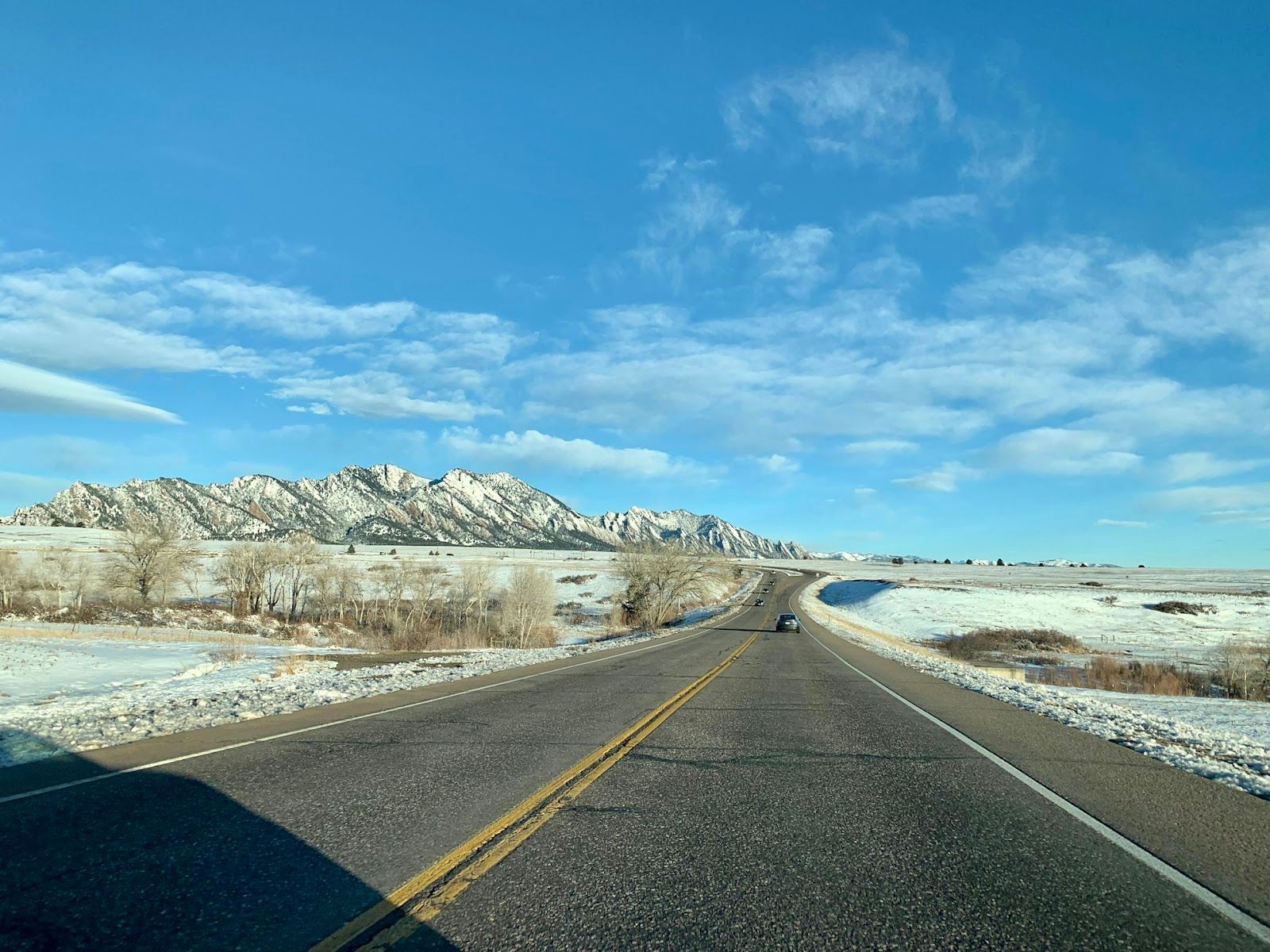
Image: Jonathan Speek

Colorado’s mountainous terrain makes it a paradise for scenic drives, but one road stands above all the rest. Literally.

The Mount Blue Sky Scenic Byway climbs to over 14,000 feet above sea level, making it the highest paved road in North America. It visits Echo Lake Park, the Mount Goliath Natural Area, the Dos Chappell Nature Center, and Summit Lake Park, and culminates in the highest peak of the region, Mount Blue Sky (formerly known as Mount Evans). A fee is charged to travel State Highway 5 to the summit, and vehicles over 30 feet long are not allowed for safety reasons.

5
Florida is the only state that borders both the Atlantic and the Gulf
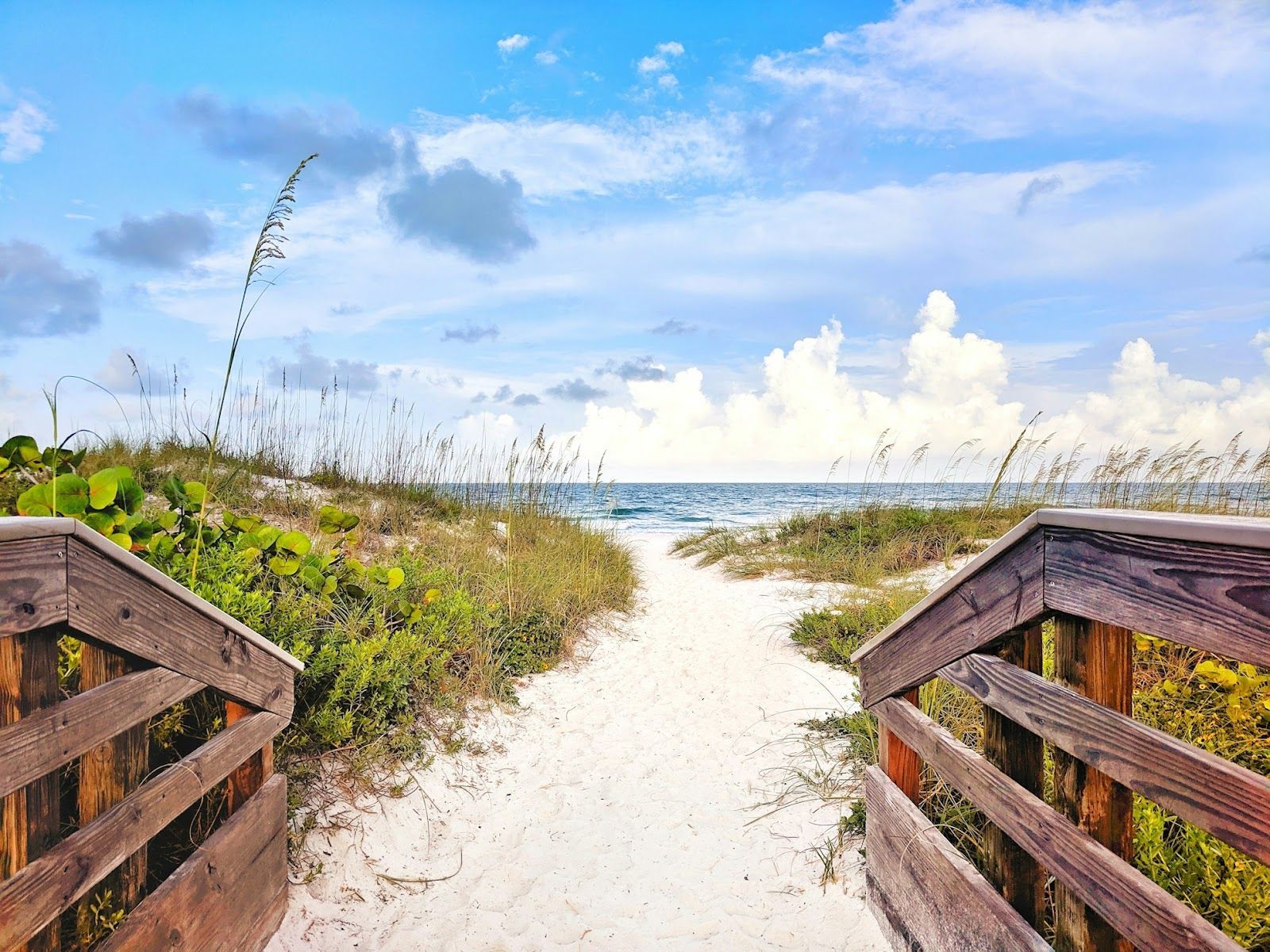
Image: Igor Oliyarnik

Florida’s location gives it a special geographic distinction. It is the only U.S. state that borders both the Atlantic Ocean and the Gulf of America, known globally as the Gulf of Mexico.

This unique positioning helps explain why Florida has so many beaches, marine ecosystems, and one of the longest coastlines in the country, second only to the aforementioned Alaska.

6
Hawaii grows coffee commercially
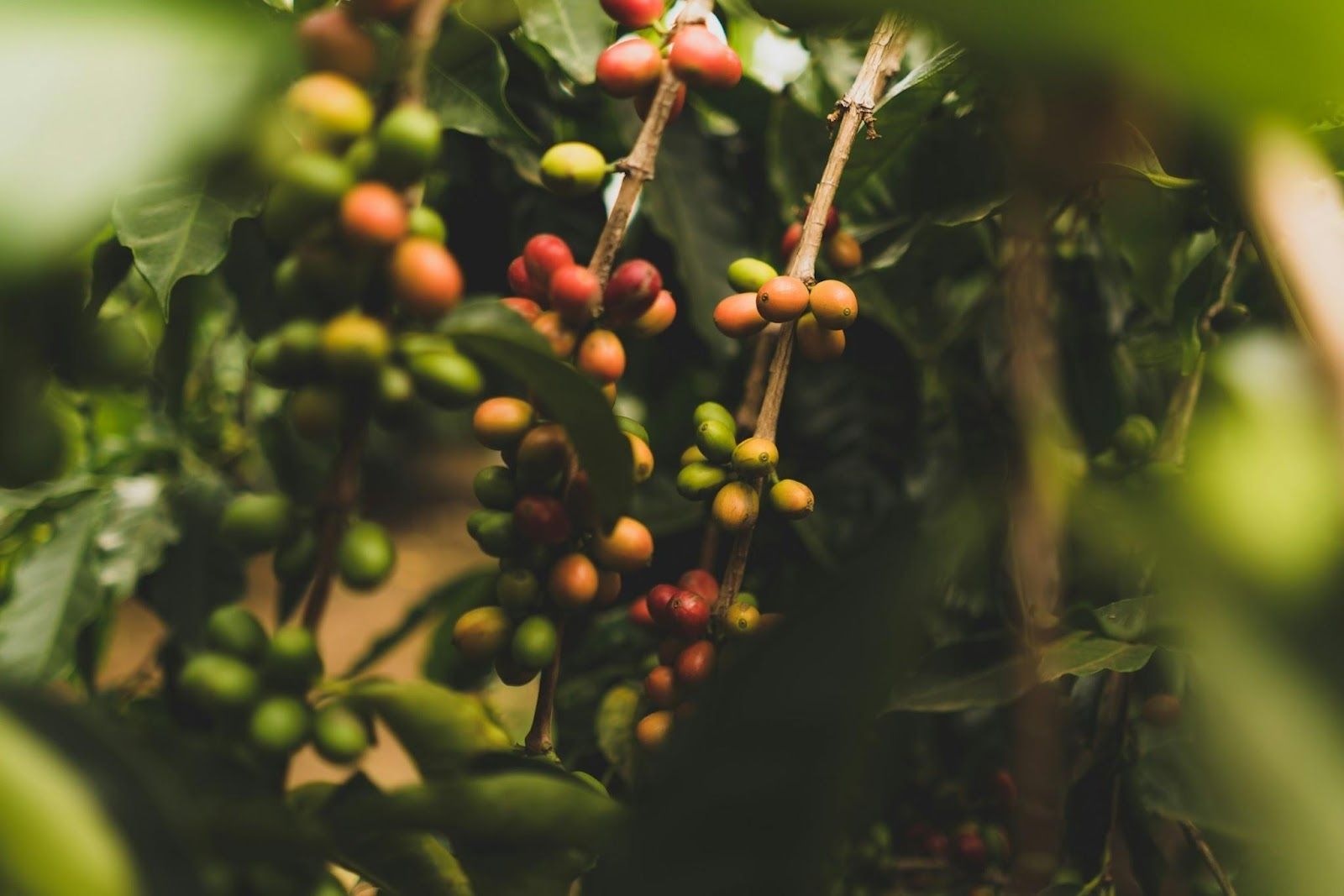
Image: Clint McKoy

Coffee production in the United States is rare, but Hawaii, sitting in the Pacific Ocean about 2,000 miles southwest of the U.S. mainland, is one of the few places where it happens on a large scale. The state’s volcanic soil and tropical climate make perfect conditions for growing coffee, especially the famous Kona coffee grown on the slopes of volcanoes on the Big Island.

7
Kansas is flatter than a pancake, sort of
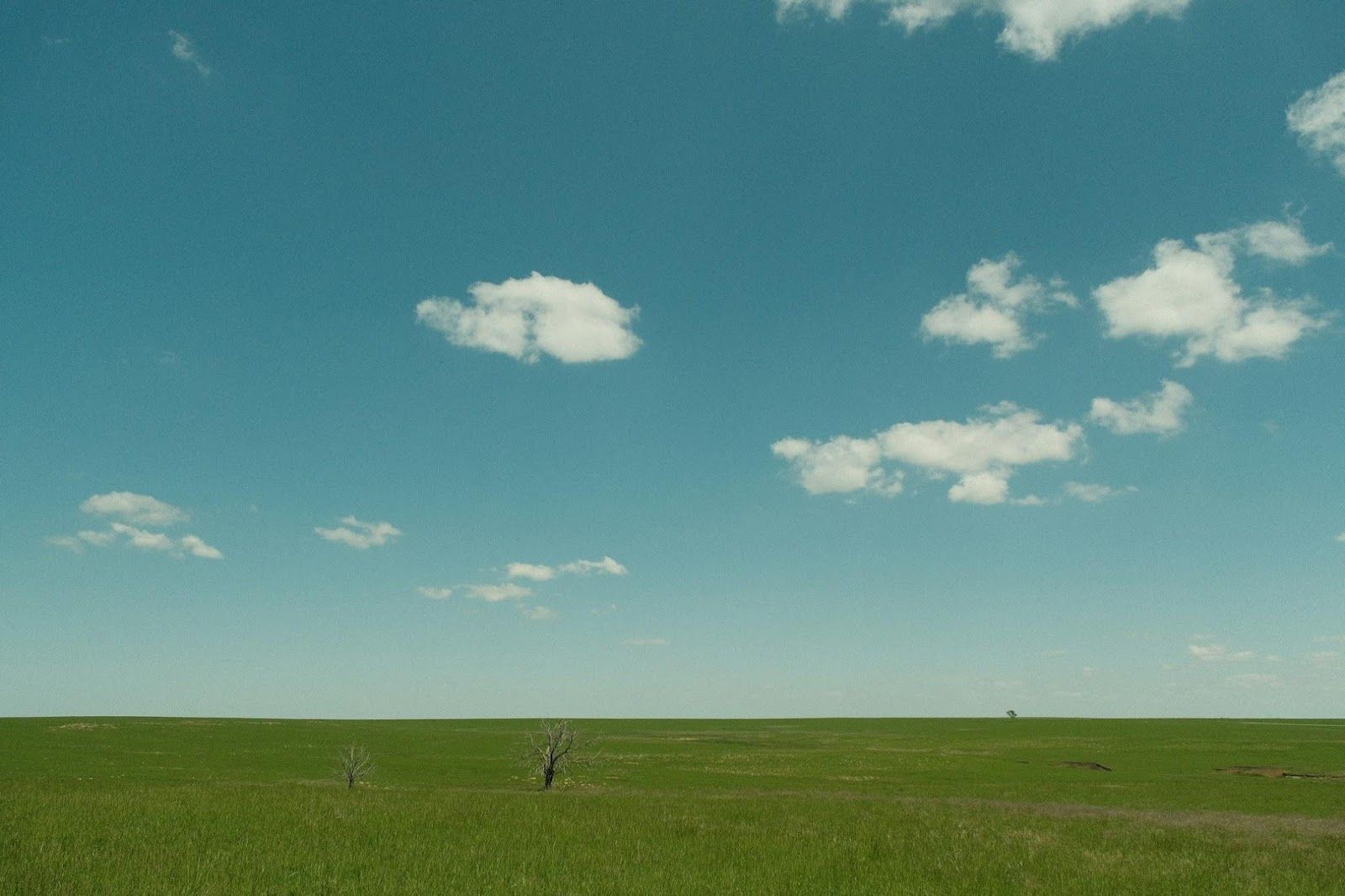
Image: Joel Heaps

Kansas has long been joked about as being extremely flat. But, in 2003, researchers from the geography departments of Texas State University and Arizona State University took the matter to the lab, and worked to mathematically determine if Kansas is actually flatter than a standard pancake purchased from IHOP.

The researchers concluded that, mathematically speaking, Kansas is actually flatter than a pancake when measured over large distances. The study became famous for both its humor and its unusual approach.

8
Louisiana has parishes instead of counties
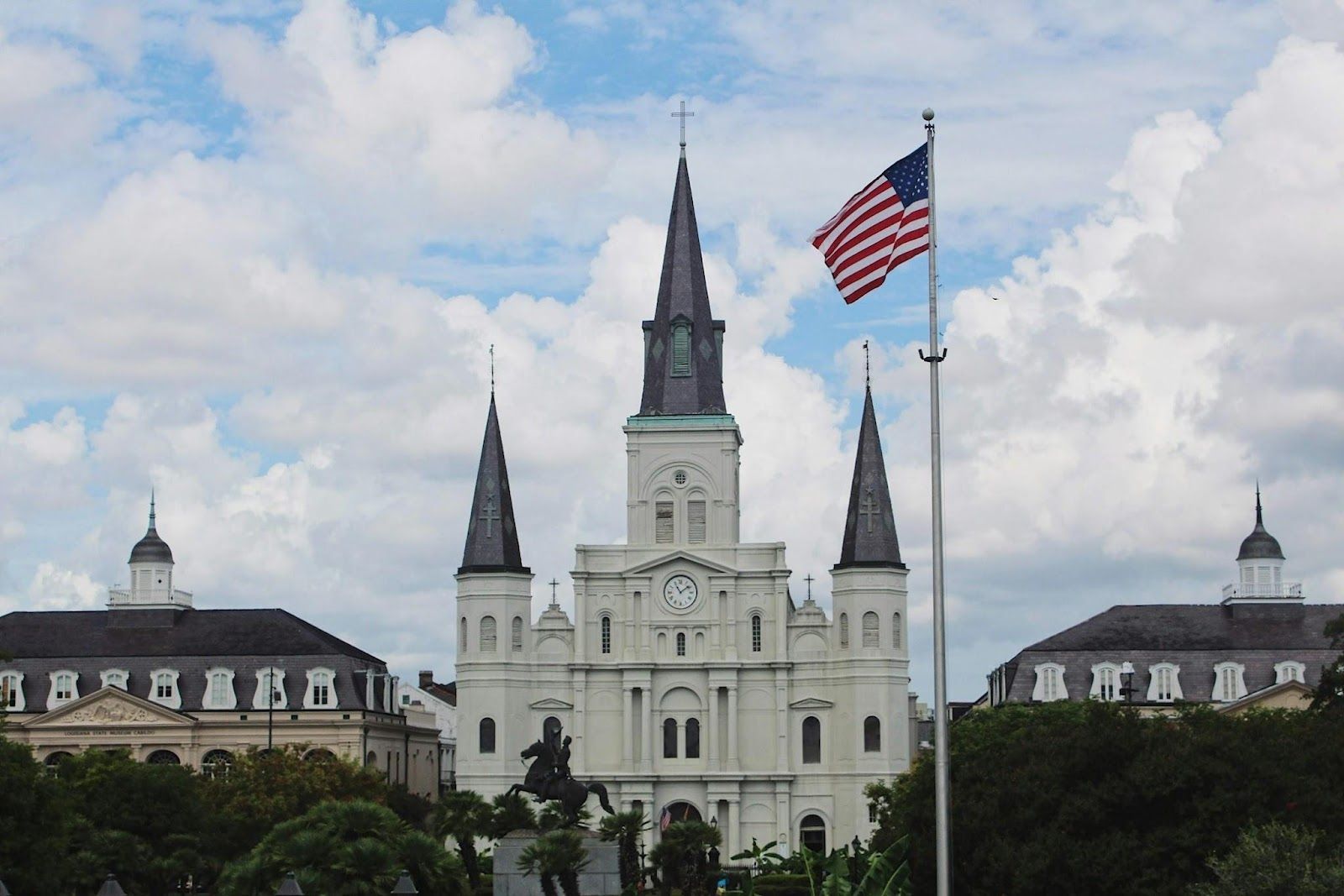
Image: Heather Doty

48 of the states divide their local governments into counties. Alaska uses the term boroughs. Louisiana, however, is divided into parishes . The reason lies with the state's early history with the Roman Catholic Church.

A parish , in many Christian denominations, is a territory under the care and jurisdiction of a priest. Before the Louisiana Purchase in 1803, the region had been under both French and Spanish influence, both catholic countries. When the state of Louisiana joined the Union in 1812, it had already inherited an organized system of administrative units derived from those used by the catholic church. Eventually, when a new state constitution was ratified in 1845, local tradition won, and the name parish stuck.

9
Nevada is the most mountainous state
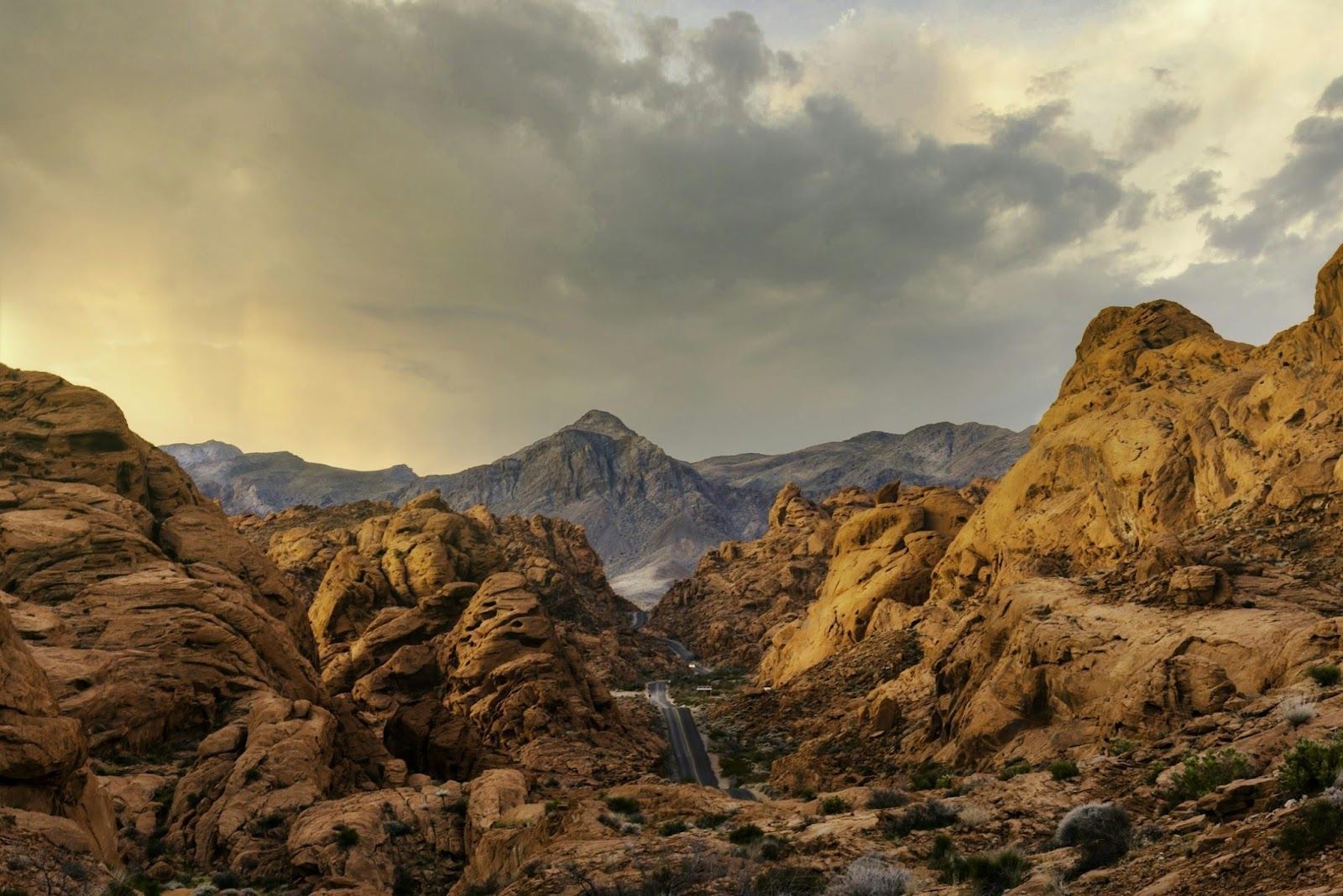
Image: joel protasio

When people think of Nevada, they often picture either endless deserts or the chaotic energy of Las Vegas, with its world-famous hotels and casinos. But Nevada is a very large state (the 7th largest overall), and its 110,572 square miles are filled with mountains.

Nevada contains more mountain ranges than any other state in the country, over 300 of them, thanks to the geological stretching of the Basin and Range region. These mountain ranges create isolated valleys that serve as refuges for endemic species.

10
Oregon has a lake inside a volcano
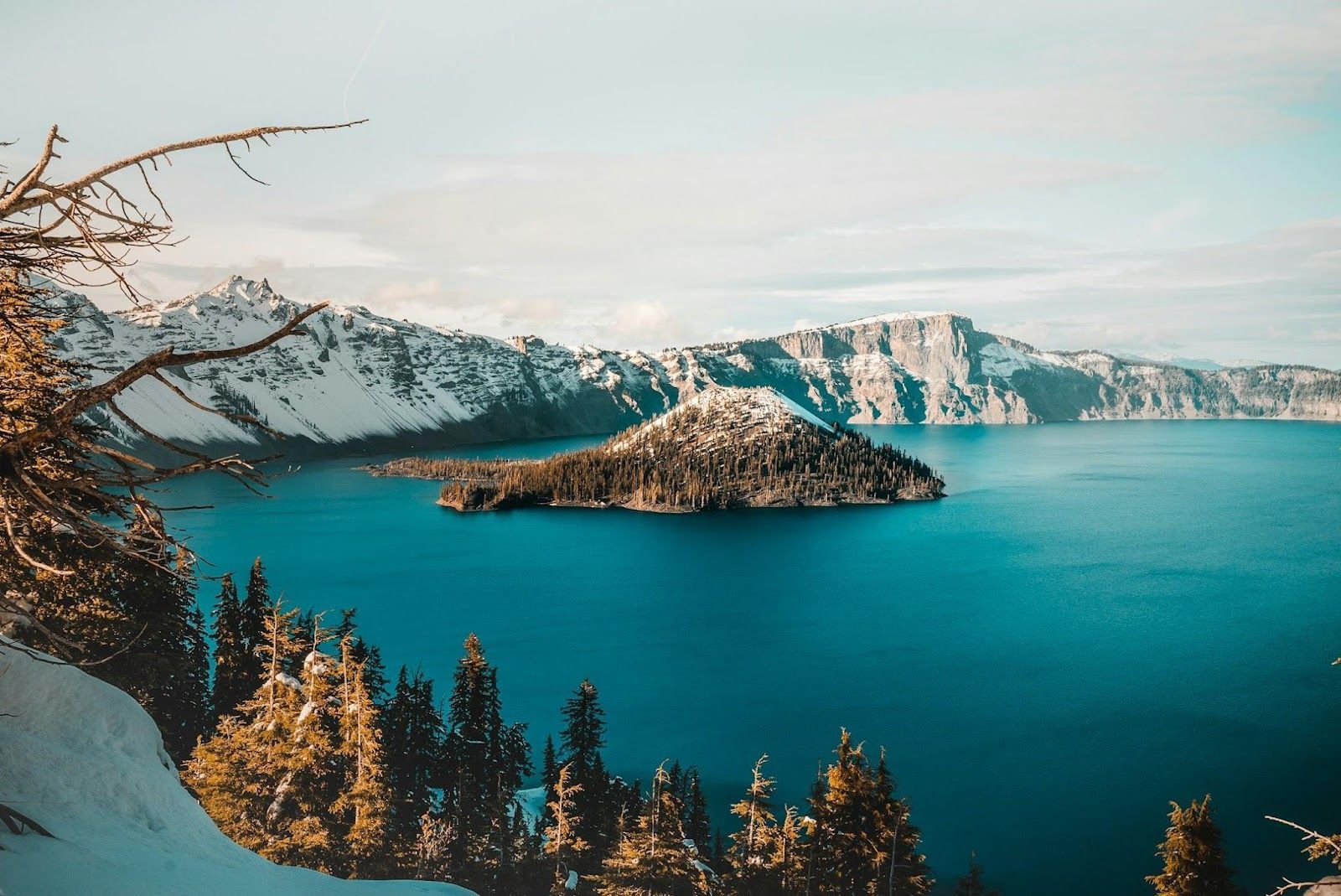
Image: Jeff Hopper

Oregon is home to Crater Lake, one of the many stunning natural sights in the US. It formed inside the collapsed caldera of an ancient volcano called Mount Mazama. No river flows in or out of the lake; the system stays stable because evaporation is compensated by rain and snowfall.

Crater Lake is the deepest lake in America, reaching depths of nearly 2,000 feet, and its intense blue and water clarity solidify it as one of the country's most sought-after tourist destinations.
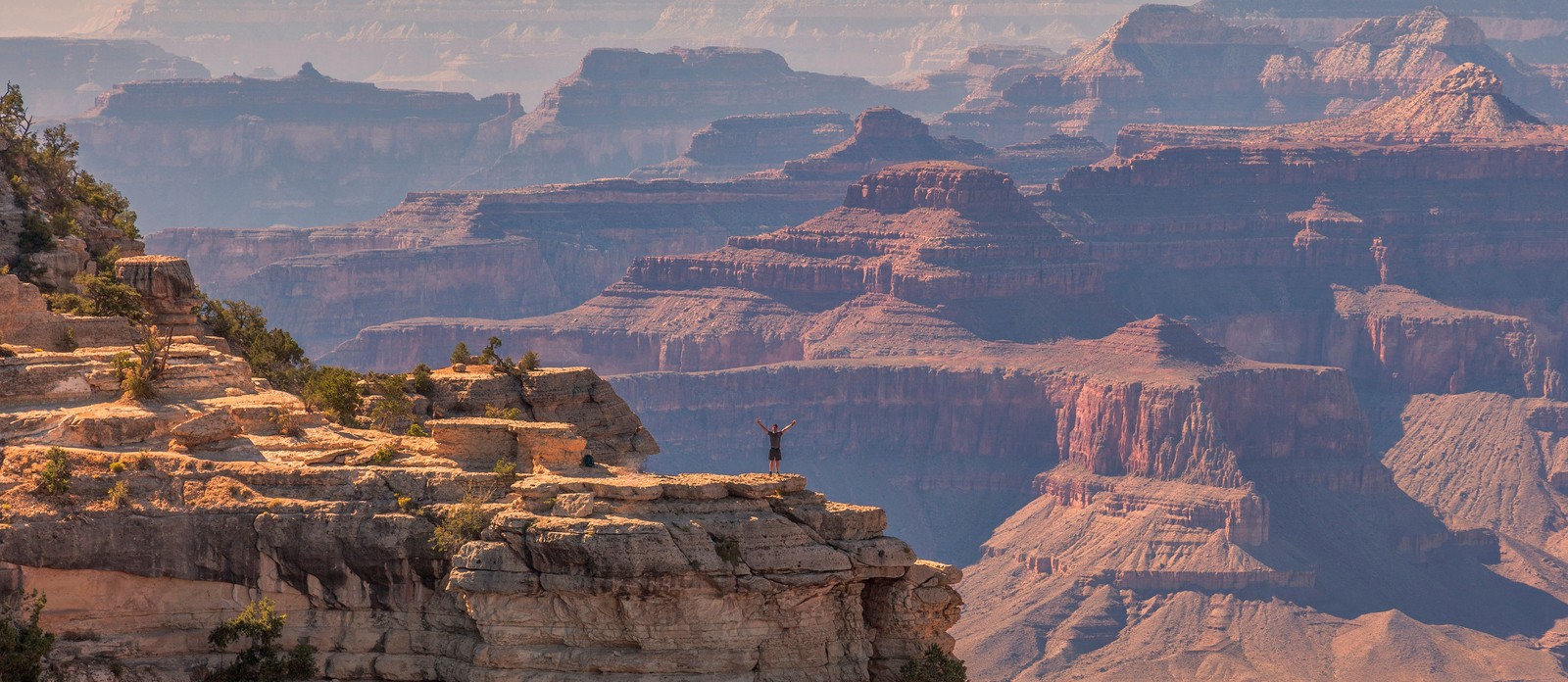
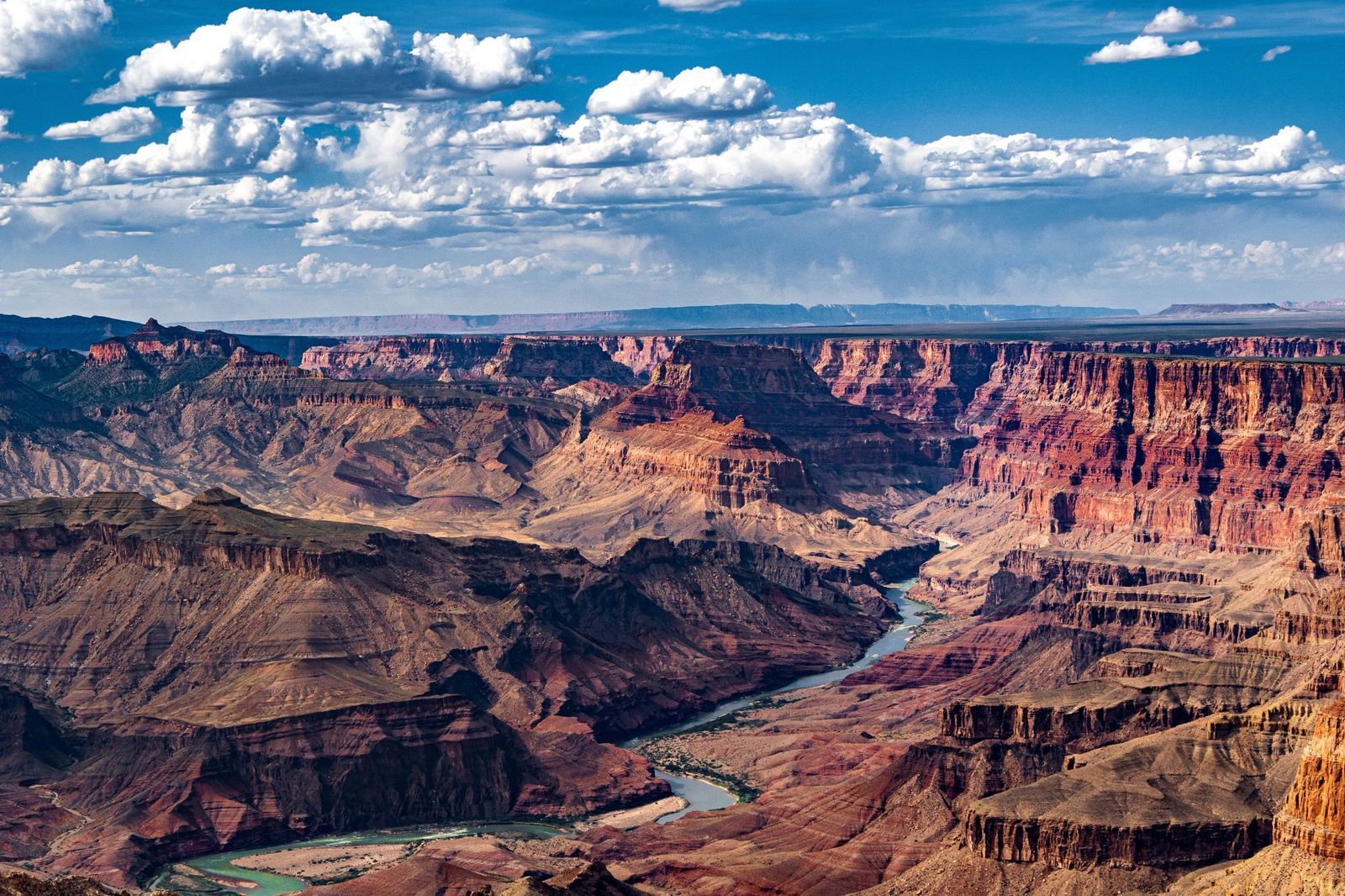
Geography Geography 4 min read

Behind tall faces

Mount Rushmore hides many secrets. Did you know all of these?

Image: Jake Leonard

What famous woman’s face almost became the fifth face on Mount Rushmore? Did the sculptor Gutzon Borglum really intend to just carve out the heads? Why is the mount named that, and not Borglum? The answers to these questions are some lesser-known facts about one of the most famous landmarks and sights in our country. Let’s dive into these stories!

1
The original plan included full-body figures

Image: Thomas Shockey

Mount Rushmore was supposed to be even more colossal than it already is. Sculptor Gutzon Borglum envisioned the four presidents carved from the waist up .

He even made plaster models showing Abraham Lincoln's coat folds and Teddy Roosevelt’s hand clutching his lapel. But as costs went up, Congress said: "heads only, please."

2
Charles Rushmore was just a curious New Yorker

Image: Maarten van den Heuvel

Back in 1925, when the mount was about to be carved into a monument, Charles Rushmore wrote a letter explaining why the peak bore his name. He recalled that in the 1880s he was a young New Yorker working in the area, and fell fond of that particular granite peak .

When he asked the locals about it, they informed him that it had no name, but that if he wished so, they would just start calling it Rushmore Peak, or Mount Rushmore, or the likes. Years later, that very name had been inscribed in the public domain to designate the peak.

3
Yes, there’s a hidden room behind Lincoln’s head

Image: Laura Nyhuis

Behind Abraham Lincoln’s hairline lies a hidden chamber, part of Borglum’s lofty idea for a "Hall of Records." This room was meant to house foundational American documents like the Constitution or the Declaration of Independence.

Instead of that, in 1998, a titanium box was placed inside, filled with copies of important documents and biographies, as a time capsule to preserve the treasure of knowledge for future generations.

4
Thomas Jefferson was moved

Image: Dave Baraloto

Jefferson was originally supposed to go to Washington’s right, but after 18 months of chiseling , the granite betrayed them. Cracks and flaws made the site unworkable.

Borglum made the painful decision to blast Jefferson’s half-formed face clean off and start anew on Washington’s left.

5
The mountain was almost a monument to western heroes

Image: Timberly Hawkins

Before presidents took over, the mountain was pitched as a giant tribute to the Wild West . South Dakota historian Doane Robinson wanted to see frontier legends like Lewis & Clark carved into the Black Hills.

But when Borglum came aboard, he had a grander (and more politically bankable) idea: four presidents to symbolize national unity and expansion.

6
A woman’s face was almost added

Image: Tom Fournier

In the 1930s, there was serious talk of honoring Susan B. Anthony alongside the Founding Fathers, as a nod to the women’s suffrage movement.

Borglum wasn’t opposed to the idea, but Congress quickly nixed it, stating that only U.S. presidents could be included.

7
The workers were mostly local miners and loggers

Image: Pixabay

They were neither sculptors nor artists. Most of the workforce came from nearby Keystone, South Dakota: miners, loggers, and hard-up laborers looking for work during the Great Depression.

Borglum trained them himself. There were no safety harnesses, and yet, remarkably, no one died on the job.

8
Dynamite did 90% of the work

Image: Alexander Paramonov

To carve the faces of Washington, Jefferson, Roosevelt, and Lincoln, workers used carefully timed dynamite blasts to remove over 450,000 tons of rock. They got so precise, they could blast within inches of where the final surface would be.

The last details, like wrinkles, pupils, or Roosevelt’s glasses, were done with jackhammers and chisels.

9
The noses are disproportionate

Image: Dudubangbang Travel

Standing in front of the mountain, the faces seem alright. But that’s a trick of perspective. Each presidential nose is a whopping 20 feet long .

If the sculptures had included full bodies as planned, each figure would have stood 465 feet tall. That’s taller than the Statue of Liberty and most downtown skyscrapers.

10
Teddy Roosevelt was the most controversial pick

Image: Dudubangbang Travel

Washington, of course. Jefferson, made sense. Lincoln, sure. And Teddy? Some critics raised their eyebrows at Borglum’s fourth choice. Roosevelt had only recently passed away in 1919, and many questioned whether he'd stood the test of time.

But Borglum defended the decision Roosevelt’s role in breaking up monopolies, conserving national parks, and engineering the Panama Canal. Plus, Borglum had met him personally and was a fan.

11
It was supposed to have inscriptions

Image: Dan Pick

Borglum had grander plans than just four giant heads. He wanted to carve a massive inscription next to them, a timeline of America’s most important milestones , chiseled straight into the mountain. In time, the idea was scrapped for practical and aesthetic reasons.

12
The visionary died before completion

Image: Lisa Reichenstein

Gutzon Borglum, the visionary behind it all, didn’t live to see his masterpiece finished. He died in March 1941, just as the construction was reaching its end. His son, Lincoln Borglum (yes, named after that Lincoln), took over the project.

Still, with WWII drawing resources elsewhere, funding was slashed, and Lincoln had to wrap things up quickly . Some features, like Lincoln’s ear, were never fully detailed.

General General 4 min read

Not as common as you think

Aren’t doggy bags and tipping not the norm when dining abroad?

Image: Diane Picchiottino

Dining in the U.S. comes with its own set of unwritten rules. Many of these customs feel perfectly normal to Americans, but can surprise visitors from other parts of the world. From how meals are served to how bills are paid, there are many differences that we only notice when we visit other countries. Take a look at 12 of these habits you probably take for granted, but that are uncommon outside of the U.S.

1
Tipping is expected, not optional

Image: Sam Dan Truong

In the U.S., leaving a tip is considered part of the cost of the meal, not a bonus . Diners typically add 15 to 20 percent to the bill, especially in full-service restaurants.

This practice exists because many servers earn lower base wages and depend on tips. In many other countries, service charges are already included in the bill, making the American system feel unusual or even confusing.

2
Free refills are the norm

Image: Roman Kraft

Many American restaurants offer unlimited refills on soft drinks, iced tea, and coffee . Once you order a beverage, it often keeps coming at no extra cost.

Elsewhere, each drink is typically billed separately, and refills are rarely free. For visitors to the U.S., this can feel surprisingly generous compared to their dining experiences at home.

3
Ice comes with everything

Image: Giorgio Trovato

In the U.S., drinks are often served filled with ice, whether it’s soda, water, or even juice . It’s considered a refreshing standard, especially in warmer climates.

In many other countries, ice is used sparingly or avoided altogether. Some people prefer drinks at room temperature, making the American preference for ice stand out immediately.

4
Portions are huge

Image: Sanjip Kadel

American restaurant portions are known for their size. Many meals are large enough to serve more than one person or to provide leftovers for later .

In contrast, other countries tend to serve smaller, more balanced portions. The American approach reflects a culture of abundance, but it can be unexpected for first-time visitors.

5
Taking leftovers home is typical

Image: Roberto Catarinicchia

Asking for a take-home container, also known as a "doggy bag," is a normal part of dining in the U.S. Restaurants are prepared for it, and many people expect to leave with leftovers.

In some countries, this practice is less common or even discouraged. The American "doggy bag" reflects both larger portion sizes and a practical approach to reducing food waste.

6
Waiters check in frequently

Image: Negley Stockman

In the U.S., servers often return to the table several times during a meal . They may ask how everything tastes, refill drinks, or check whether anything else is needed.

While meant to be attentive, this can feel intrusive to foreign visitors. In many other cultures, less interruption is preferred, and diners typically signal the server only when necessary.

7
Customizing your order is normal

Image: Artur Tumasjan

In the U.S., it's common to request changes to a dish, such as removing ingredients or adding extras . Restaurants are usually flexible and expect these requests.

In other parts of the world, altering a menu item may be frowned upon. The American habit reflects a strong emphasis on personal choice and individual preferences.

8
Tap water is served automatically

Image: Sugarman Joe

In American restaurants, a glass of tap water is often brought to the table without being requested . It is typically free and refilled throughout the meal.

In many other countries, bottled water is the default and must be ordered separately.

9
Meals tend to move quickly

Image: Louis Hansel

Dining in the U.S. often follows a faster pace. Food arrives quickly, and the bill may be brought shortly after the meal is finished .

In contrast, in many other cultures, meals are meant to be long, relaxed experiences. The American approach reflects efficiency and a faster daily rhythm.

10
Splitting the bill is common

Image: Vitaly Gariev

In the U.S., restaurants commonly allow separate checks , making it easy for each person to pay their share. This is especially helpful in group settings.

In many other countries, splitting the bill can be more complicated or is actively discouraged. The American system emphasizes convenience and individual responsibility at the table.

11
Sweet foods are common at breakfast

Image: Brian J. Tromp

Breakfast in the U.S. often includes sweet items such as pancakes, waffles, pastries, or cereal, alongside eggs, bacon, and toast. Syrup and sugar are common additions at the start of the day.

In many other countries, breakfasts tend to be exclusively savory, featuring foods like bread, cheese, or eggs. The American preference for sweetness can feel like a treat to visitors.

12
Dining is generally casual

Image: Dan Gold

While there are many exceptions at five-star, fine dining establishments, American dining culture is typically relaxed, with fewer formal rules about dress or behavior . People often eat out in casual clothing and informal settings.

In other countries, meals, especially dinner, can be more formal events. The American style reflects a focus on comfort rather than tradition.

Explore more American facts

Choose your favorite category!

General
General

As American as apple pie—the very best America has to offer!

Culture
Culture

Delve into the astounding richness of American lore.

Geography
Geography

Hop in and explore vast and diverse American landscapes.

History
History

Discover the key moments that shaped the United States.