History History 6 min read

Would you dare go in?

From Lincoln to Lizzie Borden: The 14 most haunted spots in America
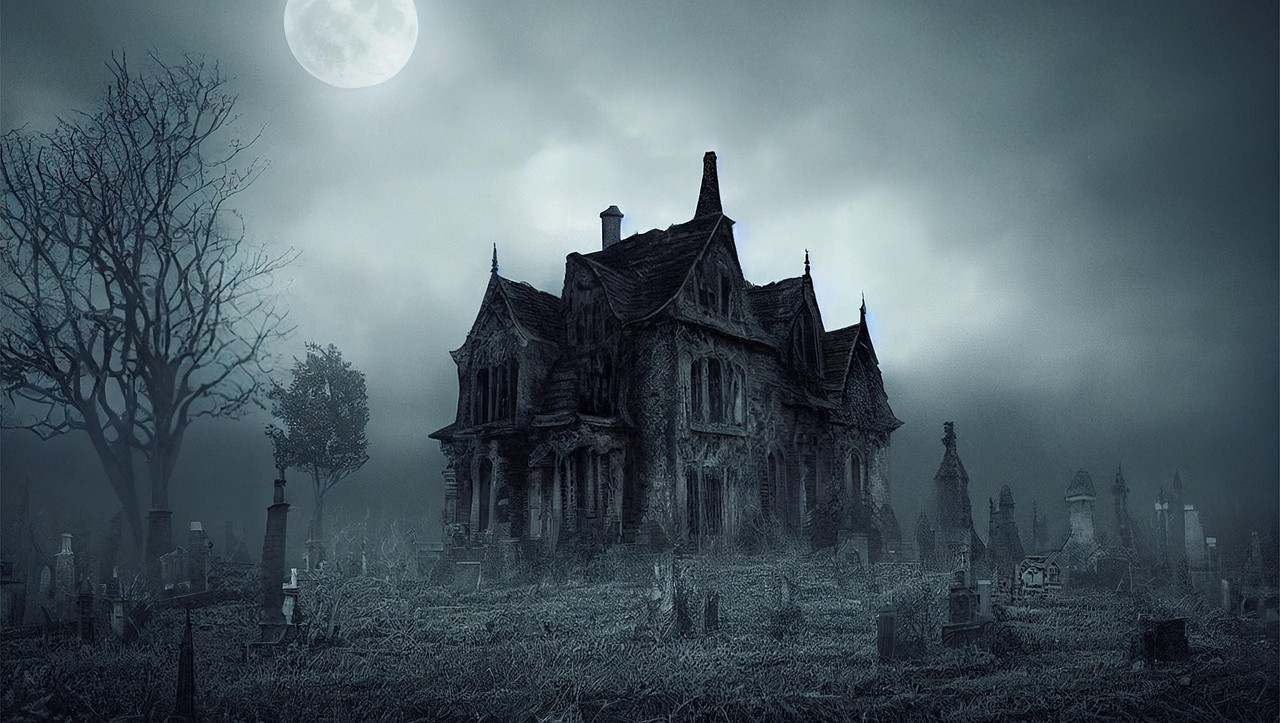
Image: Sandy Flowers

We know—it’s one thing to watch a scary movie hidden behind a giant bag of popcorn, and a very different thing to step into a dark, allegedly haunted house while an eerie, chilly breeze brushes your neck. Here, we’ve made a list of houses, hotels, and mansions in America with the spookiest claims of paranormal activity . Which one would you be brave enough to visit?

1
The Whaley House in San Diego, California
Image: Ivan Borinschi

The Whaley House is one of the few homes officially deemed "haunted" by the US government. Visitors report footsteps echoing in empty hallways, cold spots that won’t go away, and spectral figures on the stairs. How did it come to this? Built in 1857 by Thomas Whaley, the house stands on the site of former gallows. Whaley installed San Diego’s first brick house, which included a courtroom, general store, and theater space.

Unfortunately, Whaley’s daughter died by suicide in the house, and other family members passed away under the same roof. Accumulated tragedies and a spooky old house were enough to turn this eerie spot into a museum.

2
The Roosevelt Hotel in Los Angeles, California
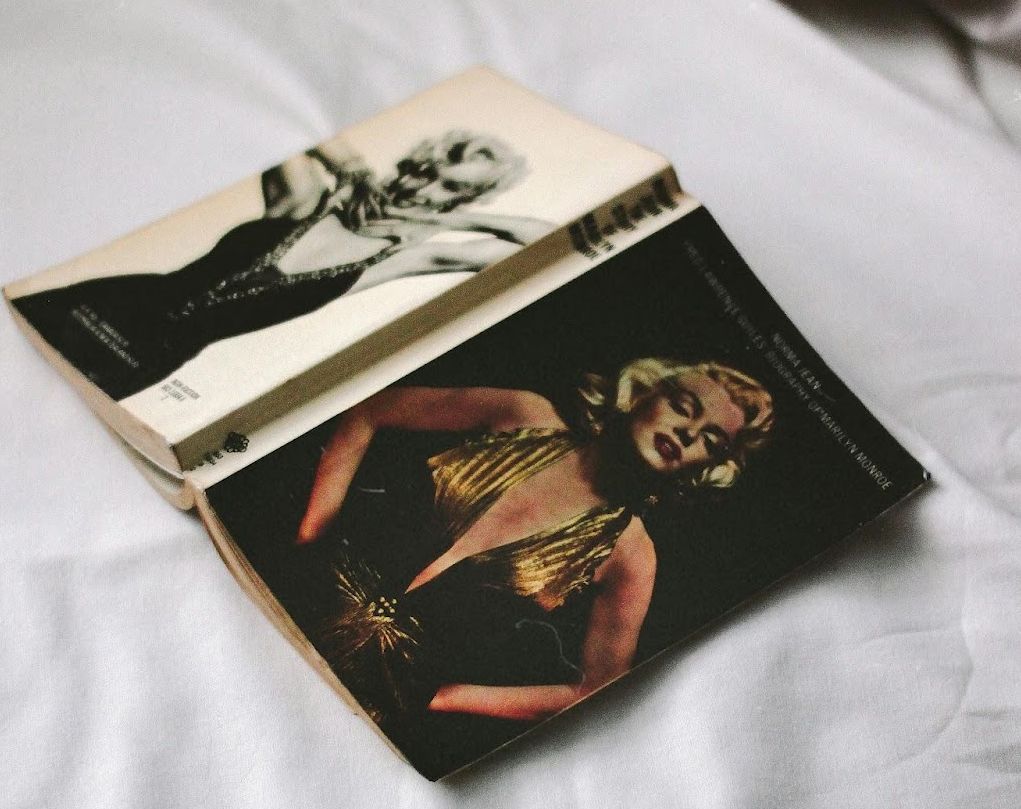
Image: pure julia

Built in 1927, this glamorous hotel hosted the very first Academy Awards. Stars like Clark Gable, Charlie Chaplin, and Marilyn Monroe were among its esteemed guests. But, according to recent visitors, Monroe never really checked out.

She is said to appear in a mirror that once hung in her poolside suite. Guests have reported seeing the reflection of a blonde woman behind them, only to turn around and find no one there. How would you react?

3
The White House in Washington, D.C.
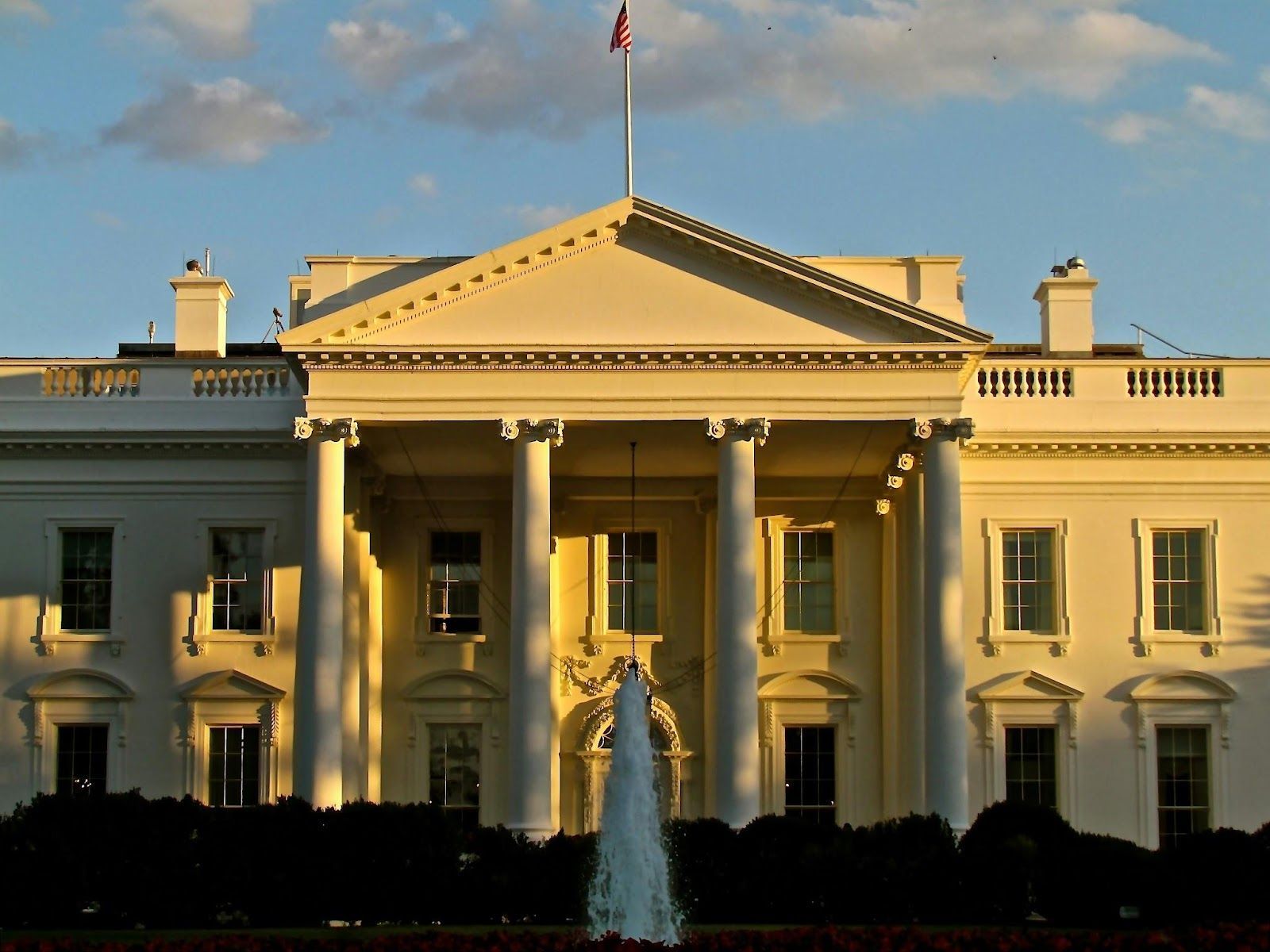
Image: Suzy Brooks

Did you expect to find America’s most powerful address on this list? As it turns out, presidents, first ladies, and staff have all reported eerie encounters over the years, with Abraham Lincoln’s presence as a recurring theme.

Queen Wilhelmina of the Netherlands allegedly fainted after seeing his ghost, and Eleanor Roosevelt claimed to feel his presence. Even Winston Churchill and Ronald Reagan contributed to the stories of a mysterious presence in the Lincoln Bedroom. Reagan famously reported that his dog, Rex, refused to enter the room.

4
The Winchester Mystery House in San Jose, California
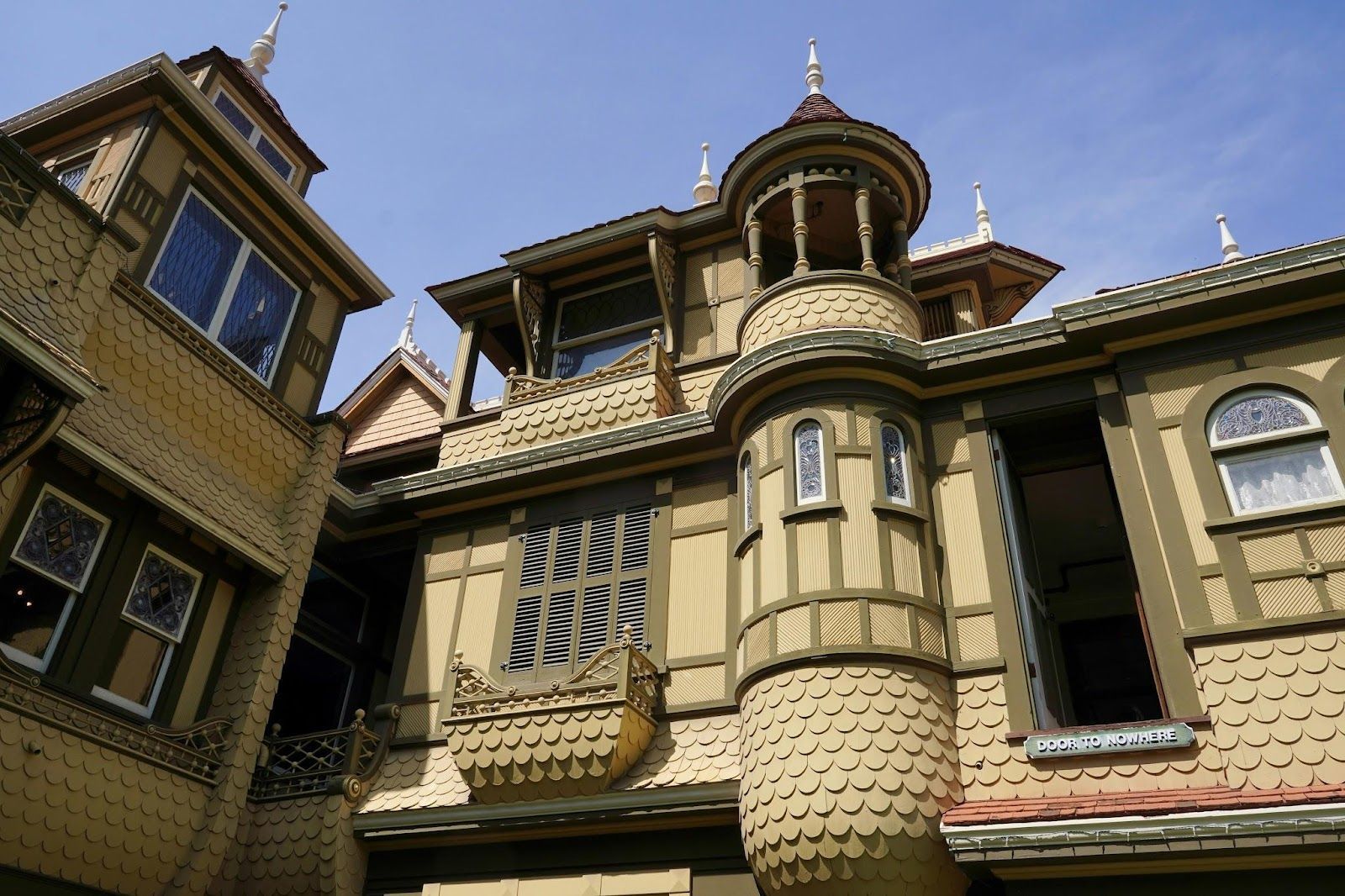
Image: Brett Wharton

When it comes to haunted mansions, Sara Winchester’s old Victorian-Gothic house will always sit in the podium.

After her wealthy husband and several family members died within months of each other , Sara began commissioning the construction of this puzzling house, which remained under continuous construction for 38 years. Naturally, it’s a bit of a labyrinth.

With staircases that lead nowhere, séance rooms, and flickers of shadowy figures here and there, the house stands as a monument to grief—and to ghosts.

5
The Villisca Axe Murder House in Villisca, Iowa
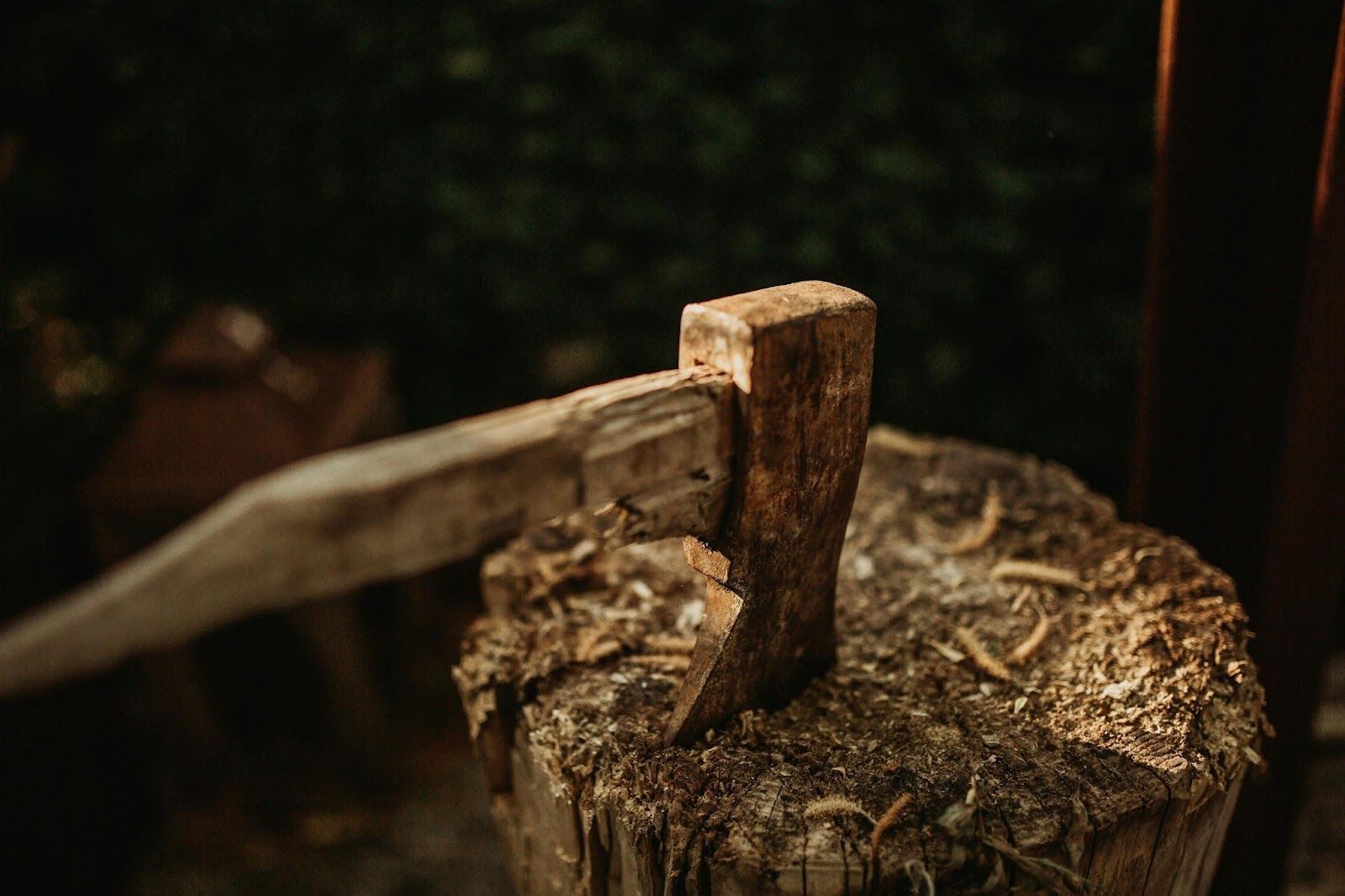
Image: Kevin Schmid

It might look like a quaint white farmhouse, but in 1912, it was the site of one of America’s most brutal unsolved murders. The Moore family and two guests were killed with an axe while they slept. There were no witnesses, and no real explanation was ever found.

Today, the house remains frozen in time, restored to its 1912 condition. Creaking floors, oil lamps, and a whole lot of uneasy silence.

6
Lizzie Borden House in Fall River, Massachusetts
Image: Bee Felten-Leidel

You know the rhyme: "Lizzie Borden took an axe…" This New England house was the scene of one of America’s most infamous double murders in 1892. Lizzie was acquitted, but many believe she was responsible for the deaths of her father and stepmother, who were found dead under violent and suspicious circumstances.

Today, the house operates as a B&B for the brave and the curious. Guests have reported hearing footsteps, whispers, and even muffled cries coming from empty rooms. Some even choose to sleep in the very bedroom where Abby Borden met her tragic end.

7
The Lemp Mansion in St. Louis, Missouri
Image: Dhruv vishwakarma

Once home to the wealthy Lemp brewing dynasty, the mansion witnessed four family suicides between 1904 and 1949. That’s enough to make anyone who steps inside feel a bit… uncomfortable.

The family was cursed by misfortune: mental illness, failed fortunes, and mysterious deaths. Guests now report heavy footsteps in empty halls, strange knocking, and even ghostly apparitions—especially in the downstairs bathroom, where one Lemp took his own life. Today, it operates as a restaurant and inn.

8
Franklin Castle in Cleveland, Ohio
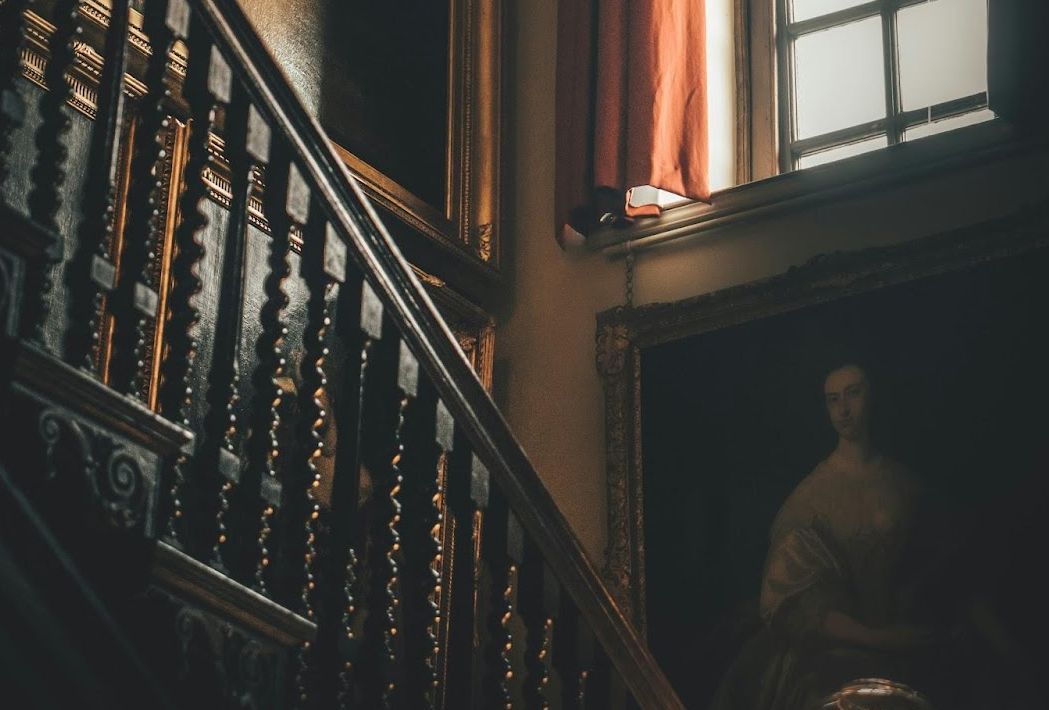
Image: Rob Potter

This Victorian mansion looks like it was designed to be haunted. Built in 1881 by Hannes Tiedemann, the home witnessed the deaths of several of his children and his wife within a short period.

Since then, tales of secret passageways, Nazi spies, and ghostly weeping have become forever attached to the castle. Owners have come and gone , but as the locals expected, none have chosen to stay.

9
The Sallie House in Atchison, Kansas
Image: Caroline Rogers

What began as a doctor’s residence in the 1800s took a dark turn when a young girl named Sallie allegedly died on the operating table . Her ghost, people say, began tormenting a later male resident, scratching, shoving, and even burning him.

Paranormal teams have confirmed that lights flicker, toys move on their own, and male visitors, especially, report sudden feelings of hostility.

10
The House of Death in New York, New York
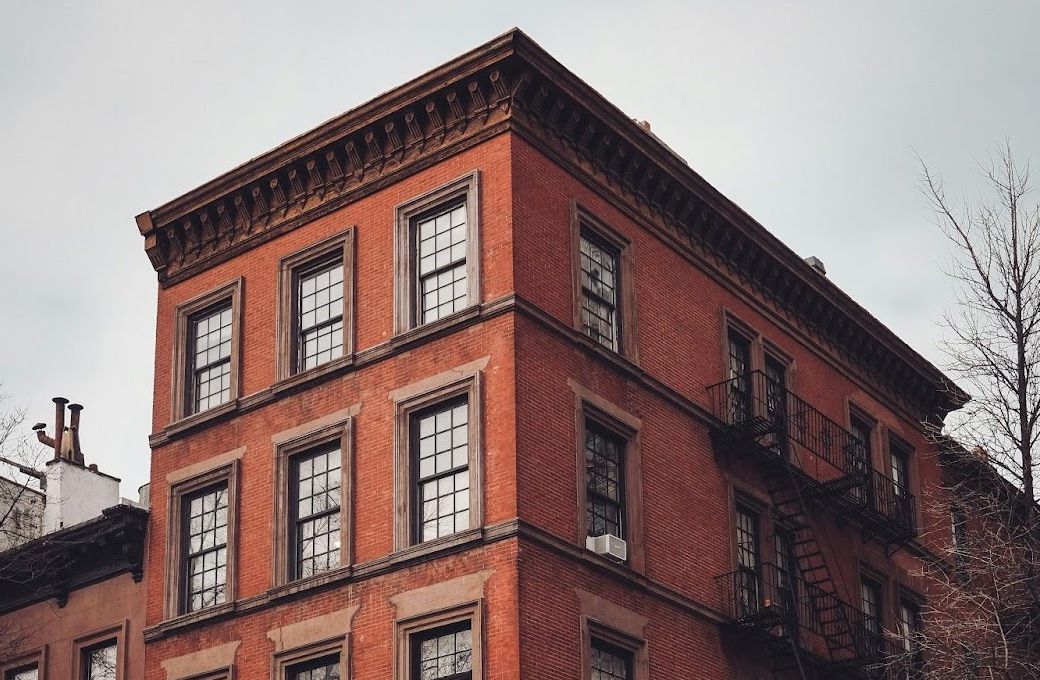
Image: With Paul

Behind the brownstone elegance of 14 West 10th Street in Greenwich Village lies one of NYC’s darkest secrets: over 20 reported deaths have occurred there.

Mark Twain was its most famous tenant , living there briefly in 1900. He once recounted a story about a floating log inside the house, but insisted that a rodent must have been responsible. Paranormal enthusiasts, however, refuse to believe his explanation and now claim that Twain’s ghost also haunts the house.

11
The Joshua Ward House in Salem, Massachusetts
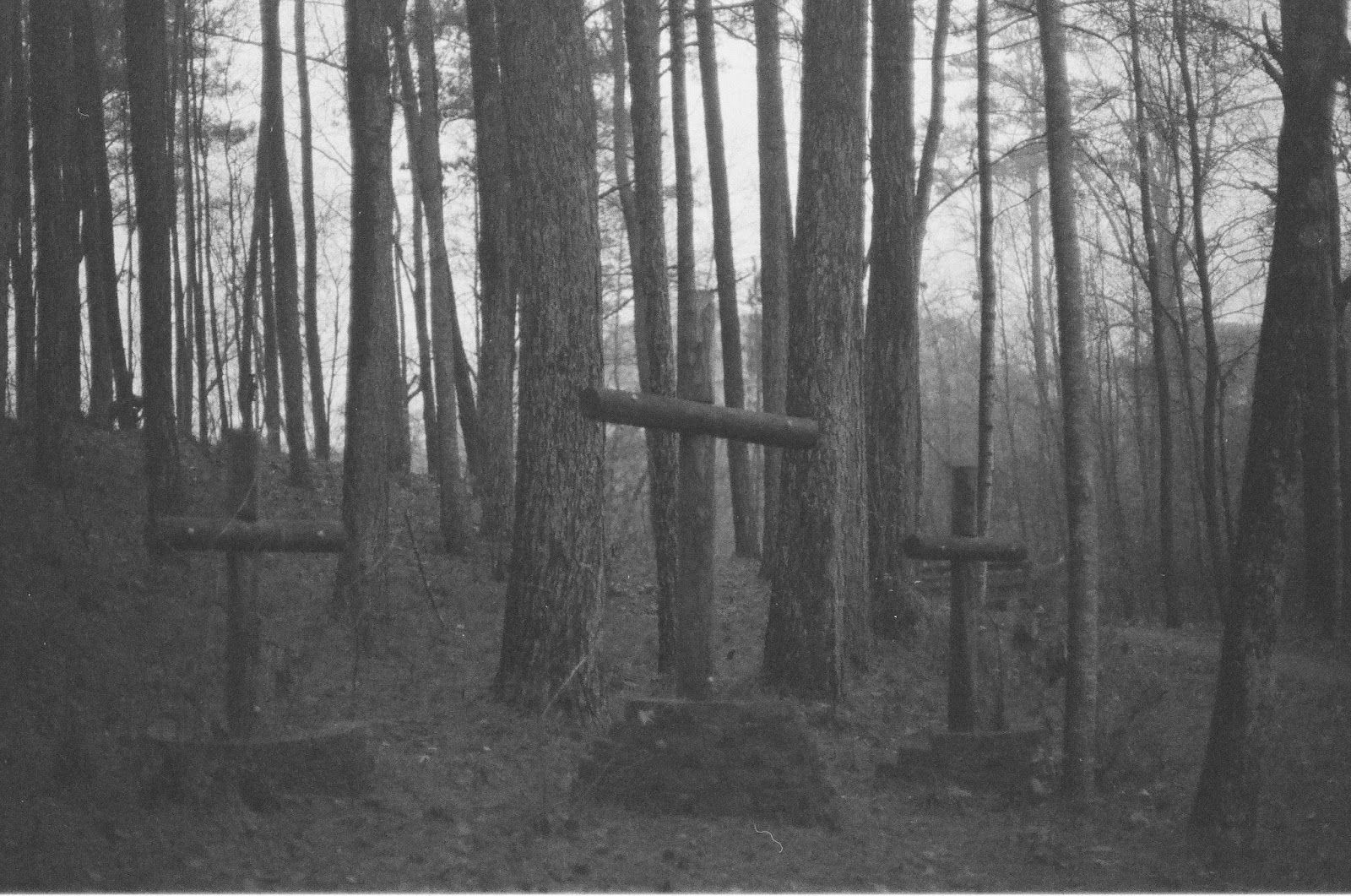
Image: Blake Cheek

This Georgian brick home sits under a dark curse in Salem. Its original land once held the jail of Sheriff George Corwin, infamous for torturing accused witches during the 1692 Salem Witch Trials. Known as the "Strangler," Corwin died of a heart attack at age 30 and was secretly buried in the basement.

Today’s residents and visitors report strangled sensations, cold drafts, and photographic anomalies—including a famous 1980s photo that appears to show a ghostly woman dressed in black with no eyes.

12
LaLaurie Mansion in New Orleans, Louisiana
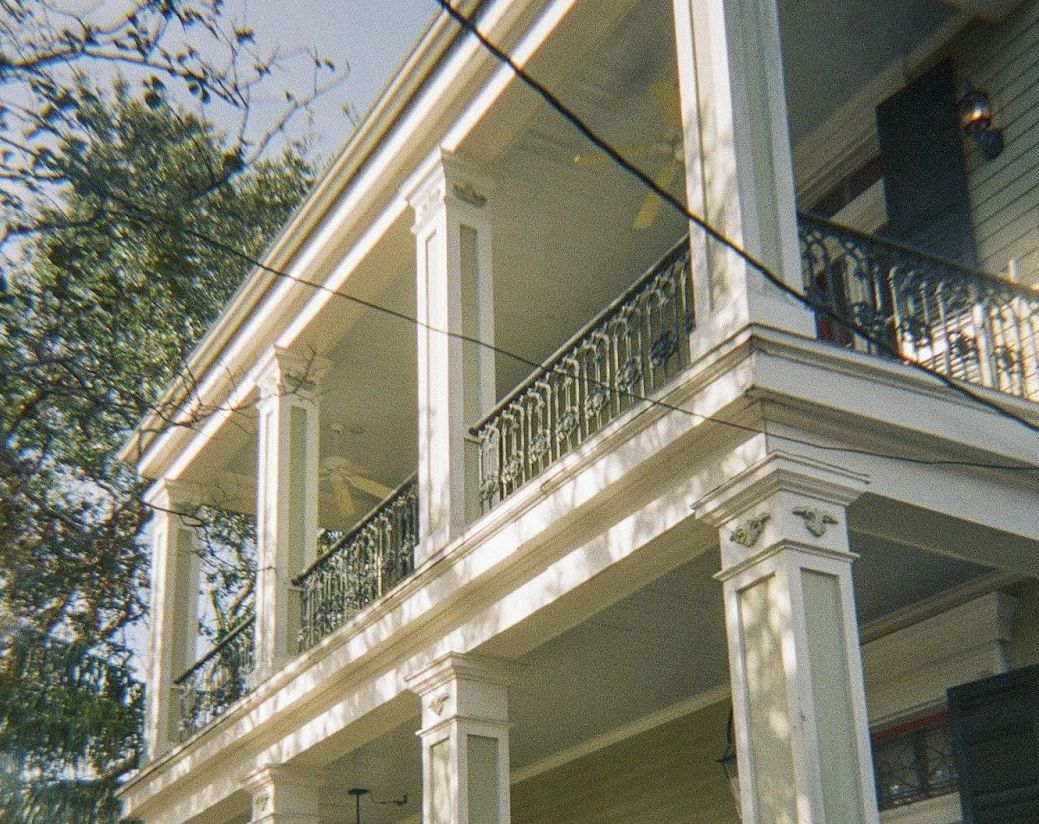
Image: Alain Pierre-Lys

Few stories are darker than that of Madame Delphine LaLaurie, a socialite whose elegant French Quarter mansion concealed an appalling secret. In 1834, a fire revealed a hidden attic where enslaved individuals had been cruelly confined under horrific conditions.

LaLaurie fled to Paris, but the ghost stories remained. Visitors claim to hear moans and phantom footsteps and to see shadowy figures. Actor Nicolas Cage once purchased the property but quickly sold it, claiming bad luck followed him.

13
The Bell Witch Cabin in Adams, Tennessee
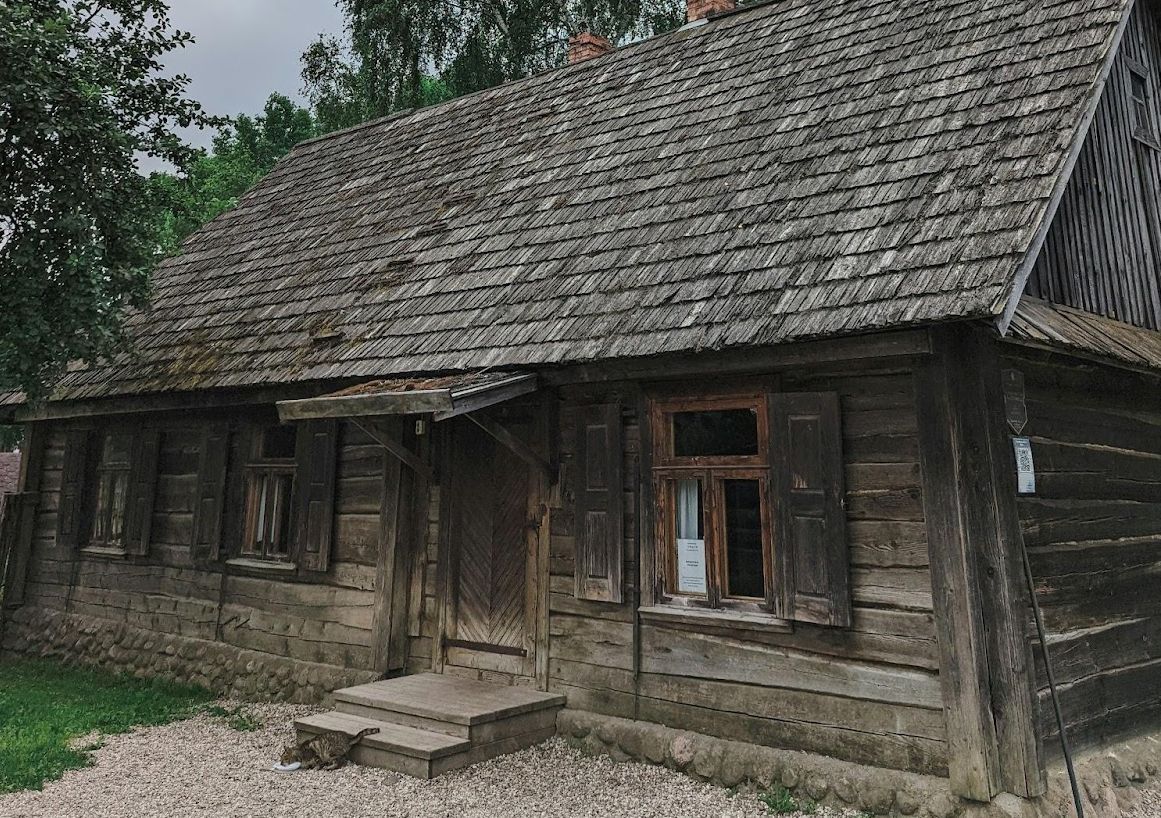
Image: Alex Vinogradov

This cabin marks the site of one of America’s oldest and most documented hauntings: that of the Bell Witch . This ghost received the nickname for haunting the Bell family in the 1800s. For years, the family endured a spirit that scratched walls, pulled hair, and even spoke in full sentences.

Legend has it that the entity killed patriarch John Bell. To this day, the rebuilt cabin and nearby cave remain popular destinations for ghost hunters.

14
The Riddle House in West Palm Beach, Florida
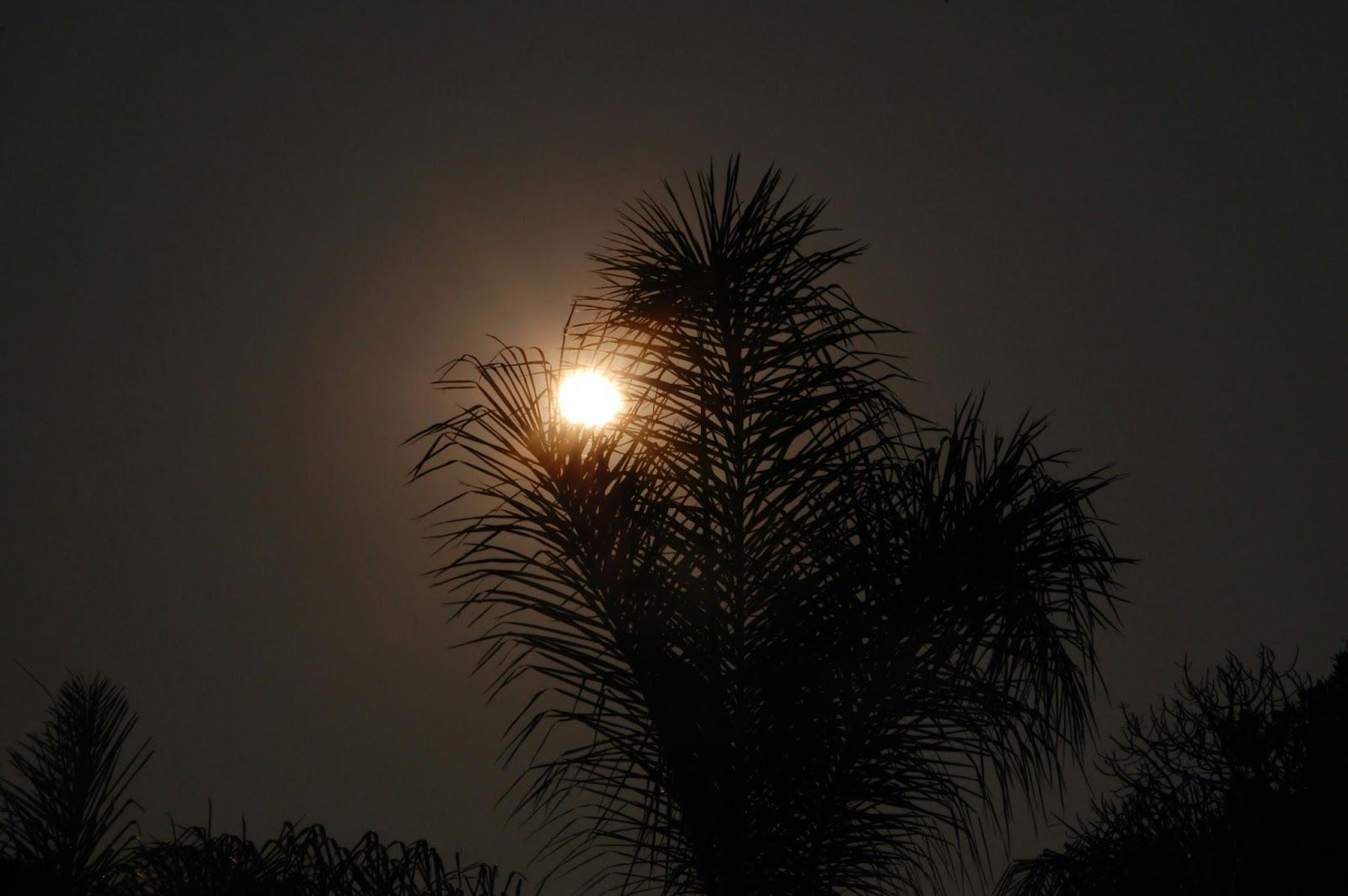
Image: Braden Wagner

Originally a funeral home (already a chilling start, right?), the Riddle House was later converted into a private residence. The story goes that it became haunted after an employee named Joseph hanged himself in the attic.

The house was eventually moved to Yesteryear Village to be preserved as a historical site, but it seems the ghosts made the trip too.
History History 4 min read

Forgotten Titanic facts

It wasn’t just humans on the Titanic! 10 incredible facts you didn’t know

Image: Edwin Petrus

We all know the tragic story behind the Titanic, that "unsinkable" ship that didn’t make it past its first voyage. But besides the tragedy and the Hollywood movie, there are some surprising facts that never made the front page. From pups that survived and pocket watches, to hidden submarines and a tipsy worker who beat the odds, here are 12 curious facts that might just shock you.

1
Construction costs that’d make your wallet faint

Image: Jaime Labra

Back in 1912, the Titanic cost $7.5 million to build, and if you're wondering what that’d be today, it’d be over $400 million. That’s more than some sports stadiums! It took nearly three years to complete and was one of the most extravagant ships ever made.

2
Yes, there were dogs

Image: Yuki Dog

As it turns out, the Titanic wasn’t just for people. At least 12 dogs came along for the ride , lounging in a special first-class kennel. There was even a dog show scheduled for the morning of April 15. Sadly, only three tiny dogs survived, all small enough to sneak onto lifeboats tucked in coats or handbags.

3
The band really did play on

Image: Parizan Studio

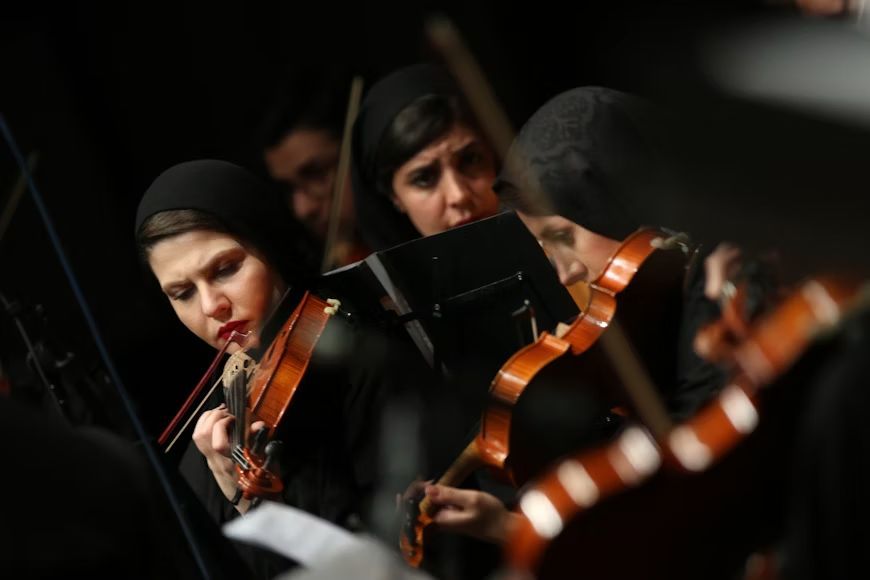
Wallace Hartley, the bandleader, went down in history, and with his violin! His group kept playing as chaos unfolded around them, trying to calm passengers with music, just like the movie portrays. He didn’t make it, but his violin was found intact and later sold at an auction for $1.7 million!

4
A pocket watch frozen in time

Image: Otto Hyytiälä

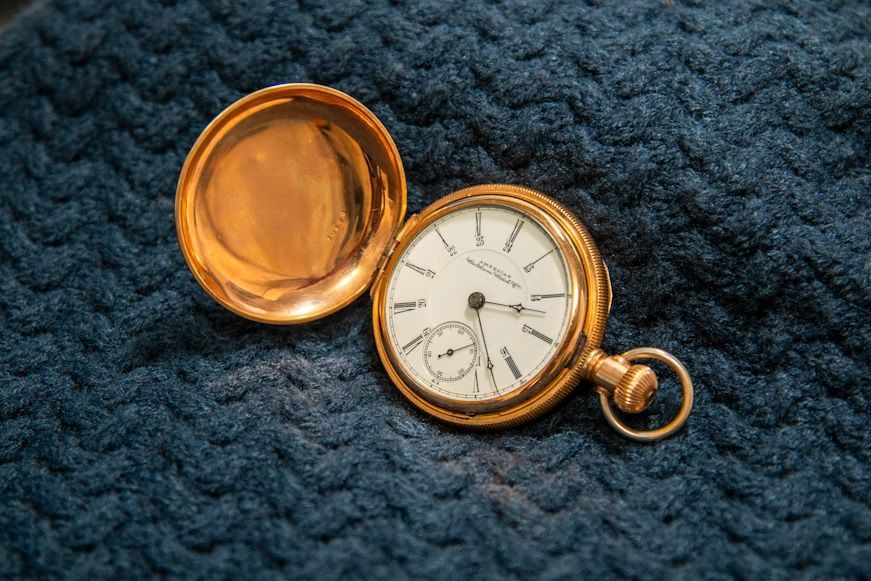
The violin was not the only treasure found. Sidney Sedunary was a young steward whose pocket watch stopped ticking at exactly 1:50 a.m. , just before the ship went under. He was last seen handing out lifejackets to third-class passengers. That same watch, rusted but intact, still tells his story.

5
A survivor with frostbitten legs and Olympic dreams

Image: Shep McAllister

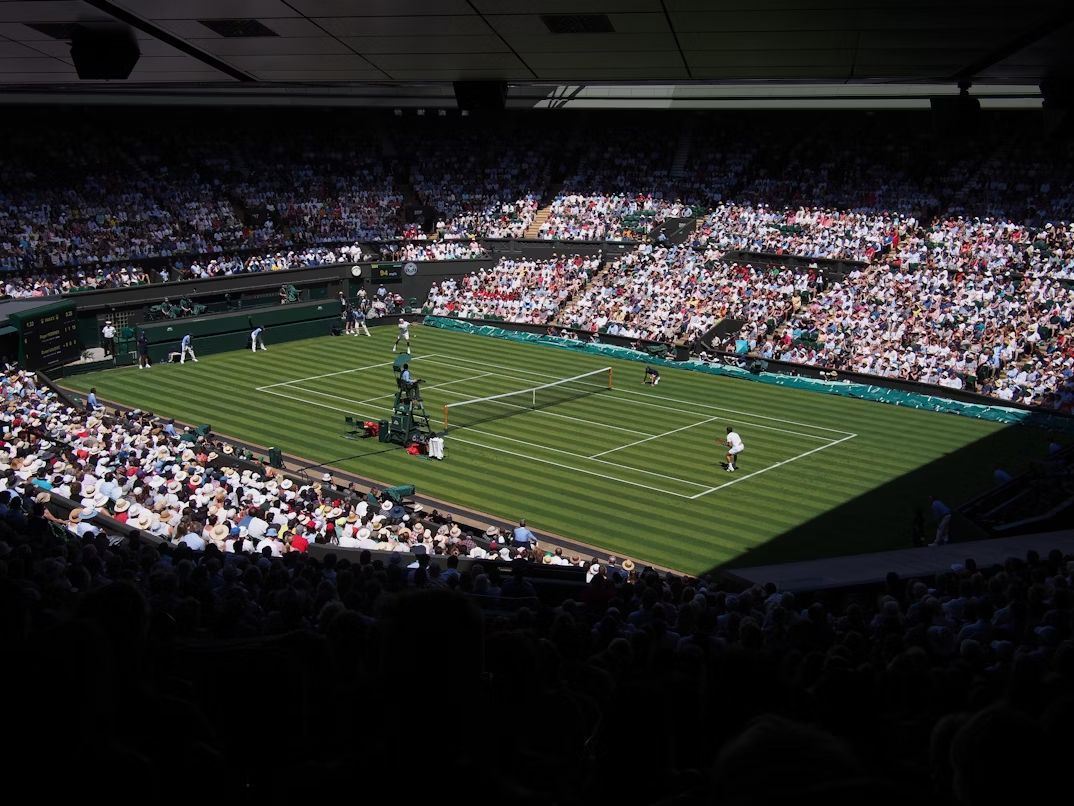
Richard Norris Williams spent six hours in icy water, and doctors on the rescue ship wanted to amputate his legs. He refused . And you may think he was crazy to do so, but thank God he did! He went on to win a Wimbledon title and an Olympic gold medal. How crazy is that?

6
Finding the Titanic by accident

Image: Karl Callwood

In 1985, oceanographer Robert Ballard found the Titanic wreck. But that was just an accident ; he was actually sent by the Navy to look for two lost nuclear submarines and used the Titanic as a cover story.

7
Dishes still stacked neatly on the ocean floor

Image: Jannet Serhan

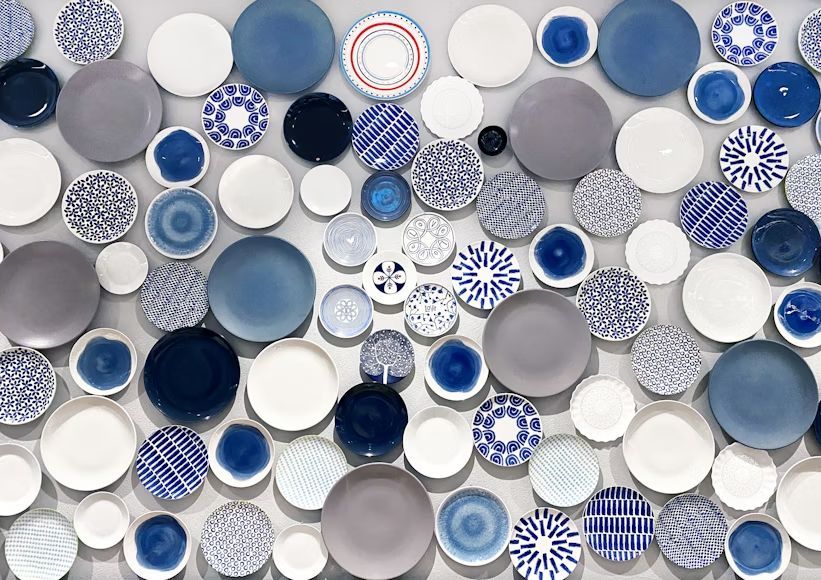
When explorers visited the Titanic wreck in 1986, they found plates still stacked like someone had just finished doing the dishes. Turns out, the wooden cabinet they were in rotted away , leaving the china perfectly arranged on the sea floor. It’s as eerie as fascinating, considering the many years that passed.

8
The ship is rusting away

Image: NOAA

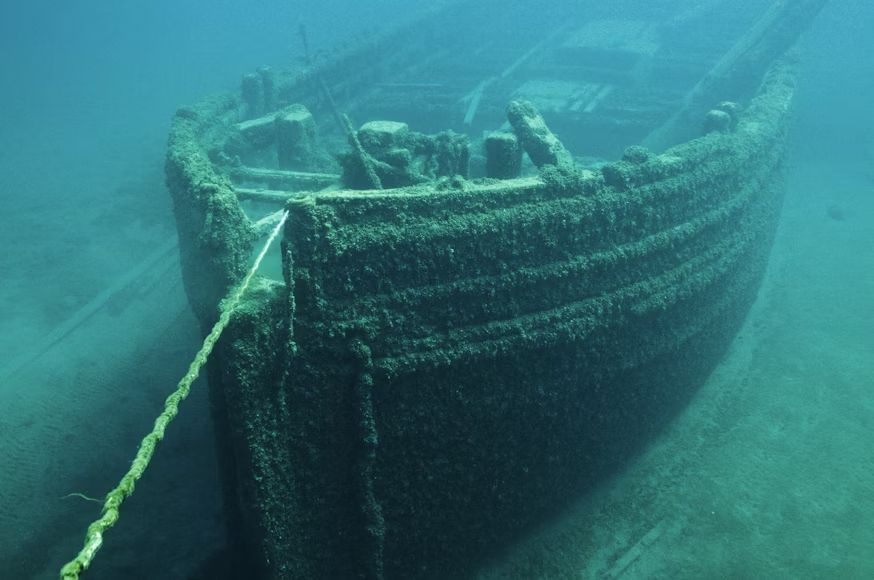
And speaking of the amount of time the Titanic has been underwater, we have to say that nature is reclaiming the Titanic bit by bit. A newly discovered bacterium is literally eating the ship. Scientists estimate it could disappear completely in 20 to 30 years. The latest expeditions have already shown evidence that pieces that were previously there are gone. So… the clock's ticking.

9
No photos of the grand staircase?

Image: Maria Orlova

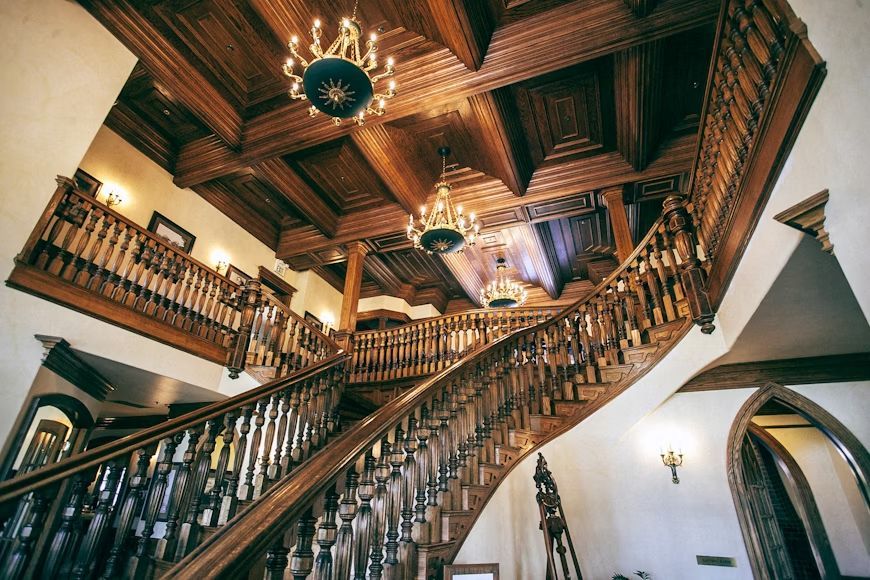
You’ve probably seen images of the Titanic’s beautiful grand staircase. We’re sorry to disappoint, but they’re not of the Titanic . They’re from her sister ship, the Olympic. No one thought to take a picture of the real deal before the maiden voyage. And they definitely didn’t think of doing it while it happened!

10
Milton Hershey almost boarded

Image: Janne Simoes

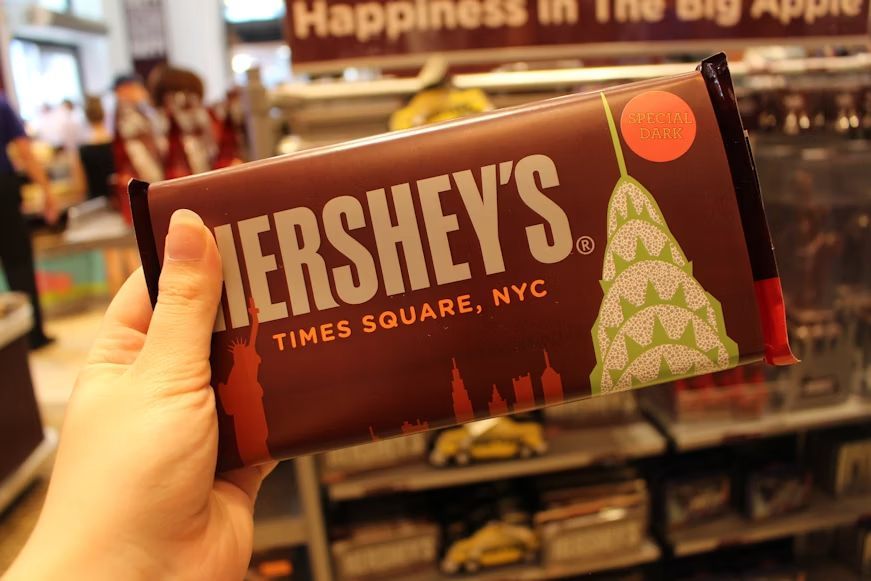
If the name rings a bell, that’s because it’s the same Hershey from the chocolate you love. The man behind Hershey’s chocolate bars almost booked a room on the Titanic . He even wrote a $300 deposit check (big money back then!). But business delayed him, and he skipped the trip. Who do we thank for that?

11
The baker who survived two hours in icy water

Image: Maxim Hopman

Here’s a fascinating fact: Charles Joughin, the Titanic’s chief baker, survived one of the worst parts of the sinking: the freezing Atlantic water. He was reportedly treading water for two hours before rescue. Wanna know how he made it? He had been sipping whiskey to face his fate, and the alcohol in his blood kept him warm enough to survive.

12
The last lunch menu went for a tasty sum

Image: Zoshua Colah

In 2015, a copy of Titanic’s last first-class lunch menu sold for $88,000 . That’s one pricey memento. The menu included grilled mutton chops, chicken à la Maryland, and corned ox tongue. Safe to say lunch on the Titanic wasn’t your average sandwich and chips.

History History 7 min read

Hidden stories

The secret WWII project hidden beneath the White House

Image: Abbie Rowe. White House Photographs. John F. Kennedy Presidential Library and Museum, Boston, Public domain, via Wikimedia Commons

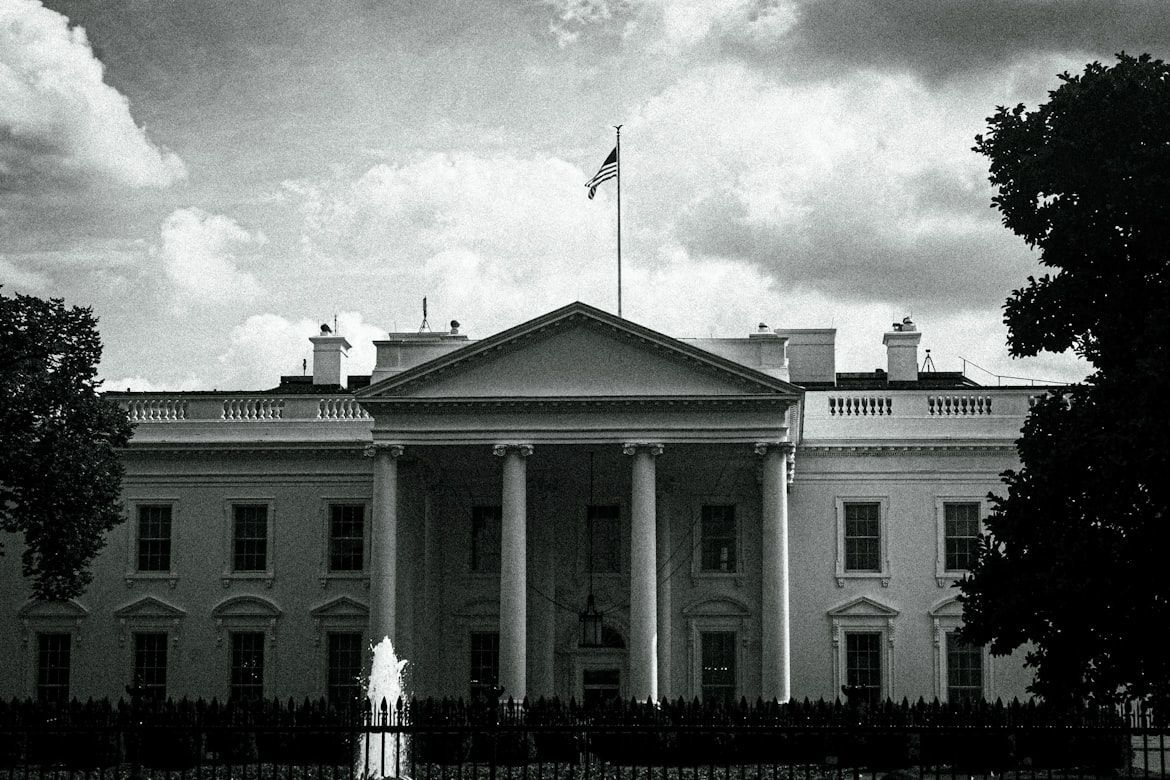
Did you know the White House wasn’t originally meant to be white? Or that hidden underground spaces were built beneath it? For more than 200 years, we have seen the White House in movies, on the news, in family photo albums from Washington trips, and during some of the biggest moments in our country’s history. But behind those famous walls are stories most have never heard. From fires and secret construction projects to strange traditions and forgotten moments, these are 10 surprising White House stories that most of us were never taught in school.

1
It was almost completely torn down

Image: Abbie Rowe, Public domain, via Wikimedia Commons

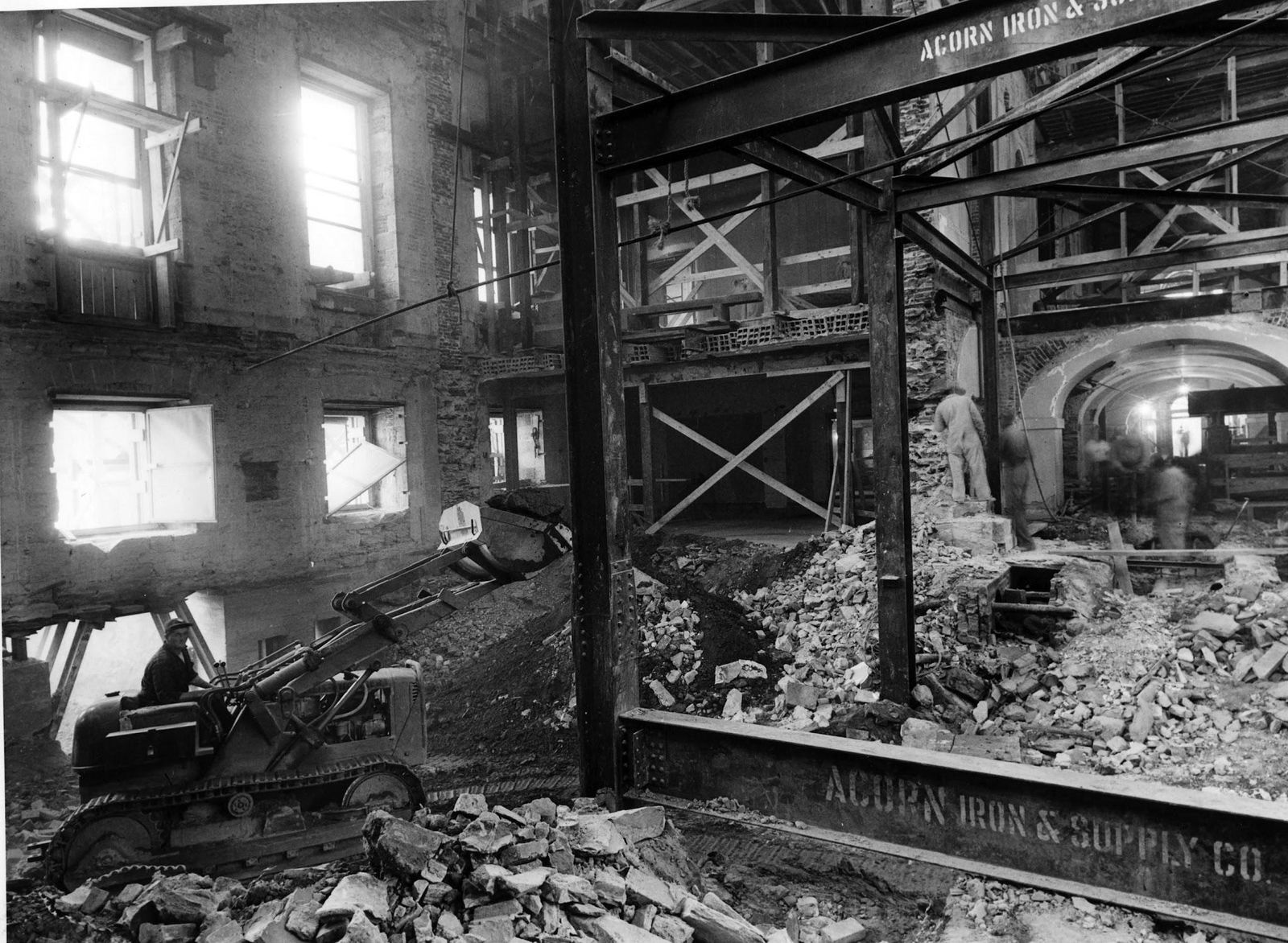
Did you know that very little of today’s White House interior is actually original? Looking at the building now, it’s hard to imagine that it was once so unstable that it was in danger of collapsing.

By 1948, after decades of heavy use, outdated wiring, poor structural supports, and years of renovations layered over one another, the White House had become unsafe. Floors and walls cracked, and parts of the residence were literally sinking. President Harry S. Truman even joked that the place felt haunted because it made so many strange noises. Rather than abandon it, Truman launched a massive reconstruction project with Congress. Between 1948 and 1952, nearly the entire interior was gutted and rebuilt while the original exterior walls were preserved, giving America a strong and reliable White House.

2
During WWII, they built an underground bunker

Image: rc.xyz NFT gallery

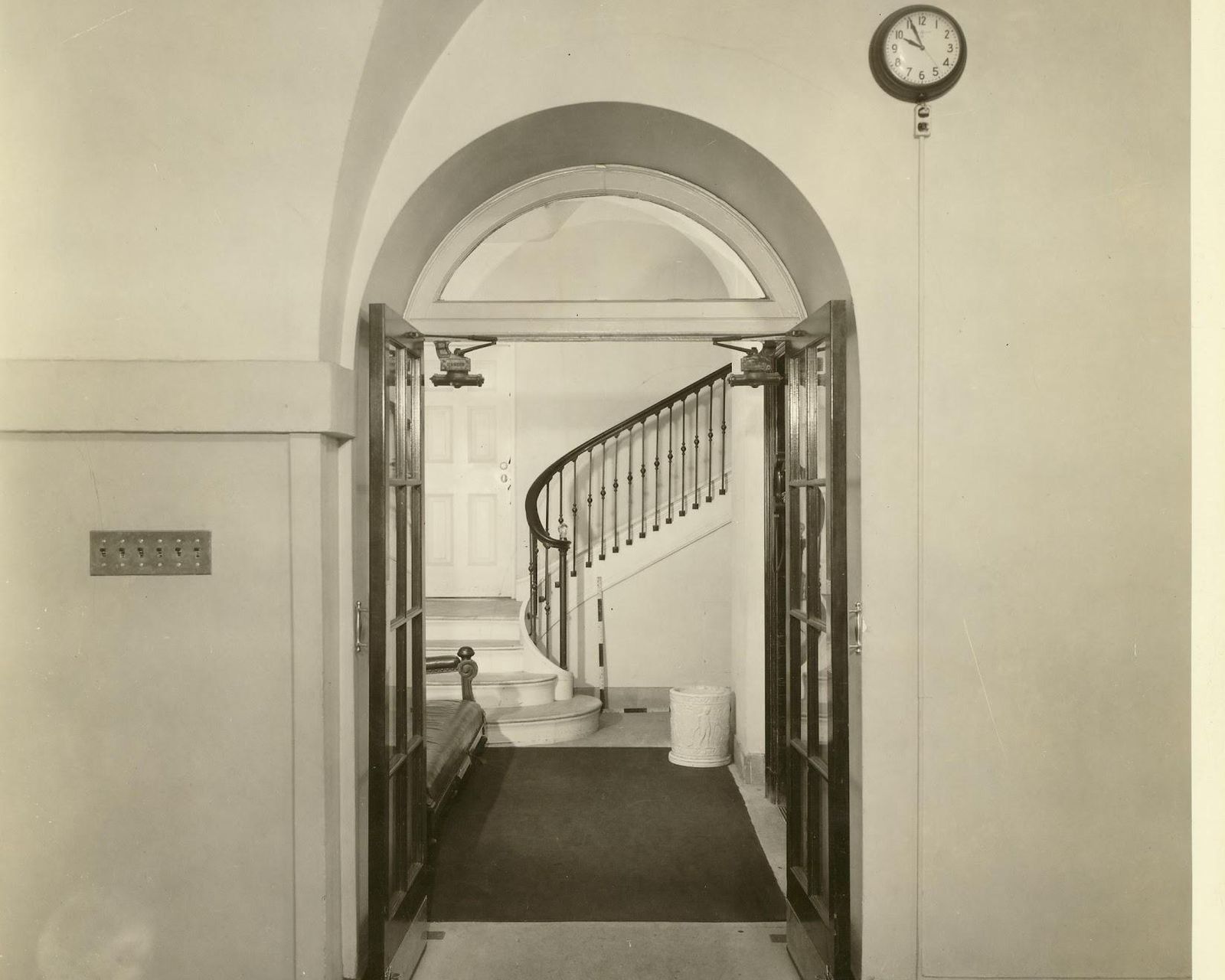
Did you know there’s a fortified bunker hidden beneath the White House? A couple of years before Truman’s famous renovation, another major project was quietly built beneath the presidential residence.

In 1942, during World War II, President Franklin D. Roosevelt ordered the construction of a secure underground shelter to protect government leaders in case Washington, D.C., came under attack. Built quickly and in great secrecy, the bunker was completed within months, though it was luckily never needed during the war. Today, the facility is known as the Presidential Emergency Operations Center, or PEOC, and it was famously used in 2001 by President George W. Bush and again in 2020 by Donald Trump.

3
It was not originally meant to be white

Image: Andriy Miyusov

Can you imagine if it were called "the Gray House"? Today, it’s impossible to picture America’s most famous home as anything other than bright white, but that wasn’t the original idea.

During construction in the 1790s, workers covered the exterior sandstone with a lime-based whitewash to protect it from moisture, cracking, and harsh winter weather. The coating gave the building a pale grayish appearance, not the brilliant white we recognize today. A long-standing myth claims the White House was painted white to hide the burn marks left after British troops set it on fire in 1814, but in reality, the building had already been whitewashed years earlier. Still, after the fire and reconstruction, the white exterior became permanent and eventually inspired the famous name "White House," though for many years people still called it the "President’s House."

4
10 people have died in the White House

Image: Woodrow Wilson Presidential Library Archives from Staunton, VA, No restrictions, via Wikimedia Commons

Many people have lived and worked in the White House over the centuries, but, according to the White House Historical Association, only 10 people are officially recorded as having died inside the presidential residence.

Among them were two U.S. presidents. William Henry Harrison died there at age 68 in 1841 after falling seriously ill, likely from contaminated water. Zachary Taylor died at age 65 in 1850 from a severe stomach illness after attending Fourth of July celebrations in extreme heat. Three First Ladies also passed away in the White House: Letitia Tyler in 1842, Caroline Harrison in 1892, and Ellen Axson Wilson in 1914. Other deaths included presidential relatives, aides, and staff members, among them Abraham Lincoln’s son, Willie Lincoln, whose death at the age of 11 in 1862 deeply affected the family and became one of the White House’s most heartbreaking stories.

5
Presidential whims

Not every White House renovation happened due to war, damage, or urgent repairs. Some changes came simply from the personal tastes and hobbies of the presidents who lived there, and over the years, there have been quite a few memorable ones.

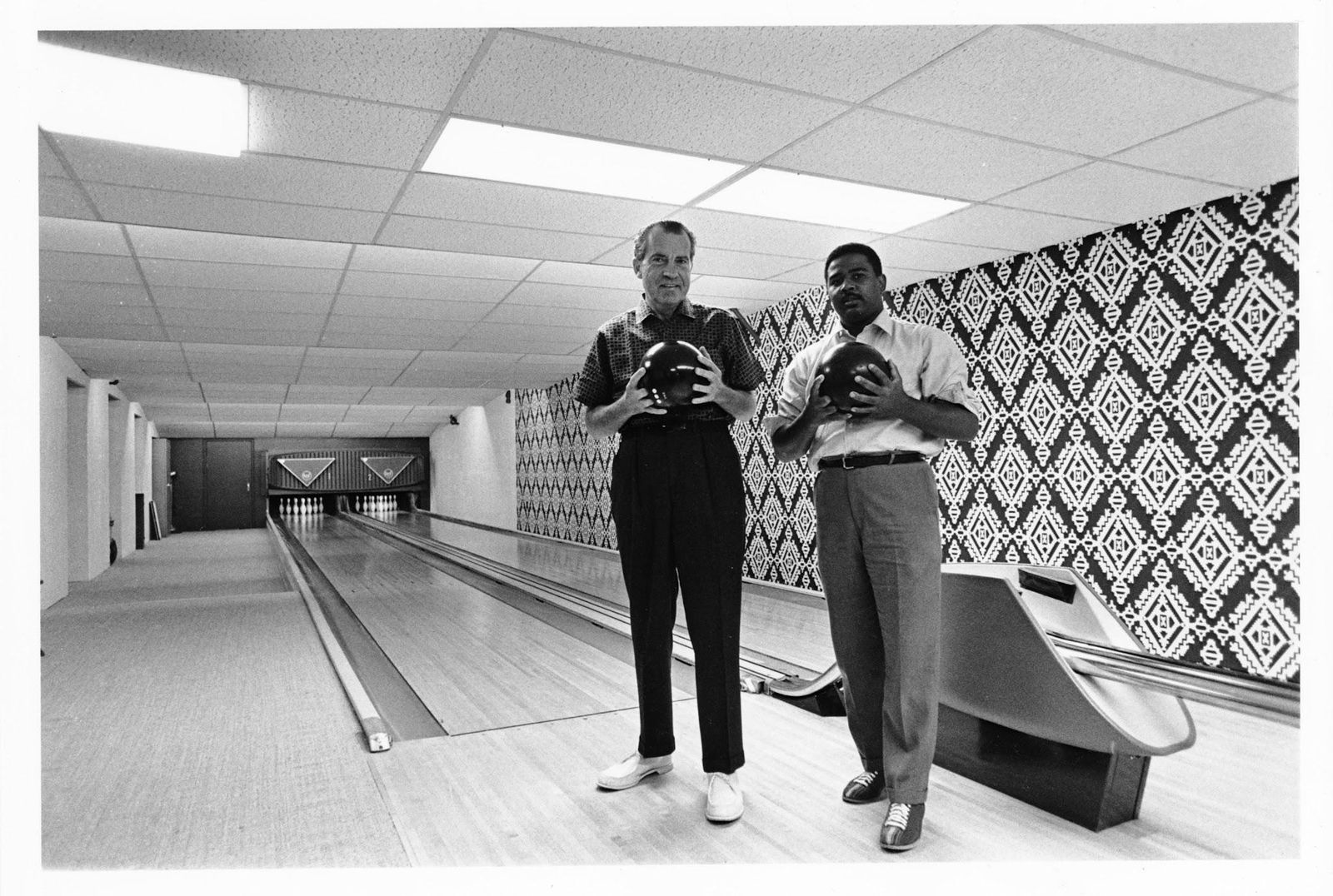
In 1973, Richard Nixon installed a one-lane bowling alley beneath the North Portico. Years later, in 1989, George H. W. Bush added a regulation horseshoe pit near the White House grounds, where he often relaxed and challenged visitors, including Queen Elizabeth II, to games. Then, in 2009, Barack Obama had the South Lawn tennis court modified so it could also be used for basketball, one of his favorite sports.

6
Jackie Kennedy's furniture

Image: Robert LeRoy Knudsen, Public domain, via Wikimedia Commons

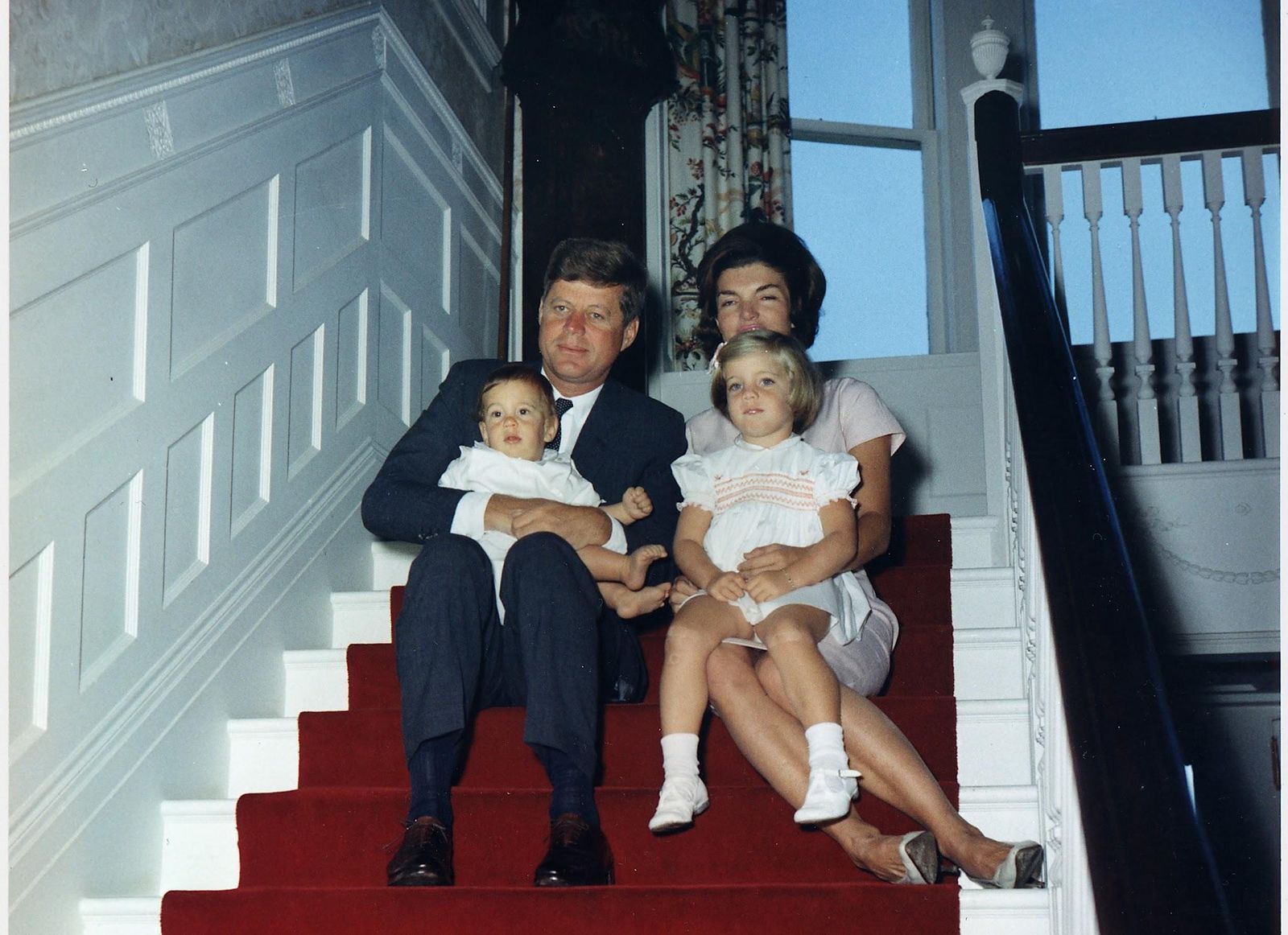
When the Kennedy family entered the White House in 1961, the first lady was disappointed to find that many of the historic rooms had lost much of their original character.

Determined to restore the White House’s history and elegance, Jackie Kennedy famously launched a massive restoration effort. She helped create the White House Fine Arts Committee, brought in historians and curators, and filled the residence with genuine antiques and historical pieces tied to past presidencies. On February 14, 1962, an estimated 46 to 56 million people tuned in to watch the First Lady’s televised tour of the White House, making it one of the most-watched programs of its era. She also supported a congressional act that made many of the White House’s historic furnishings official property of the nation, so future presidents could no longer sell, replace, or discard them.

7
Official name changes

Image: Benjamin Harrison Presidential Site, Public domain, via Wikimedia Commons

As we mentioned, the building was not always white, and therefore was not always officially called the White House. For much of the 19th century, Americans usually referred to it as the "Executive Mansion" or the "President’s House." Even after its famous white exterior made the nickname popular, it still was not the building’s official name.

That finally changed in 1901, when Theodore Roosevelt began printing "The White House" on presidential stationery. According to official sources, Teddy Roosevelt preferred this name because it clearly separated the president’s residence from the many state "executive mansions" used by governors across the country.

8
It was once America's largest house

Image: Miscellaneous Items in High Demand, PPOC, Library of Congress, Public domain, via Wikimedia Commons

There is one thing about the White House that no one can deny: it has always been huge, even in its early days.

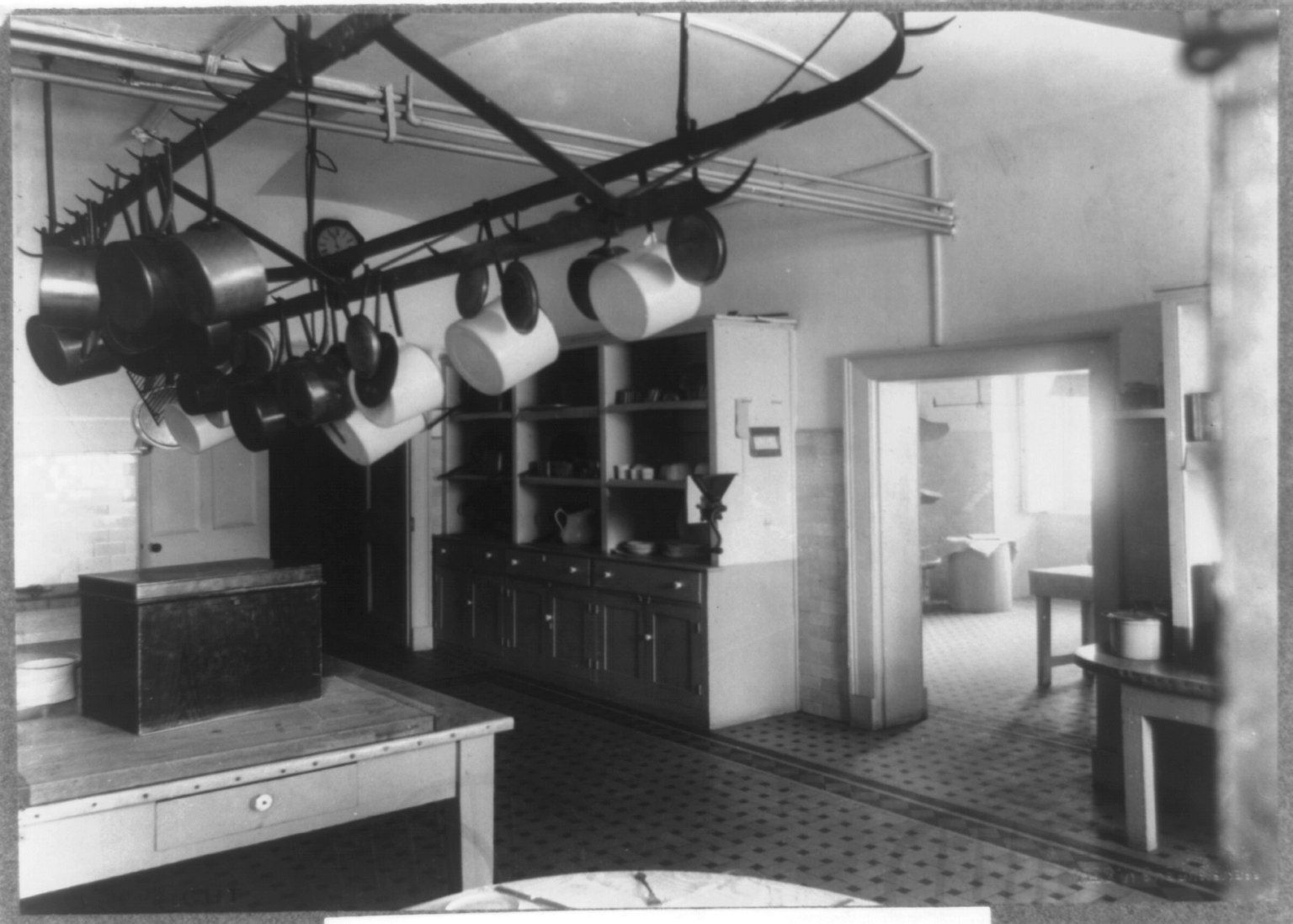
When the White House was first occupied in 1800, it already contained more than 100 rooms spread across three floors, making it one of the grandest homes in the United States at the time. In a time when most Americans lived in modest houses or farms, the presidential residence was seen as a palace. Many historians even consider it the largest private residence in the country during its early years. Today, the White House covers about 55,000 square feet, though modern private buildings, like the Biltmore Estate in North Carolina, are now far larger.

9
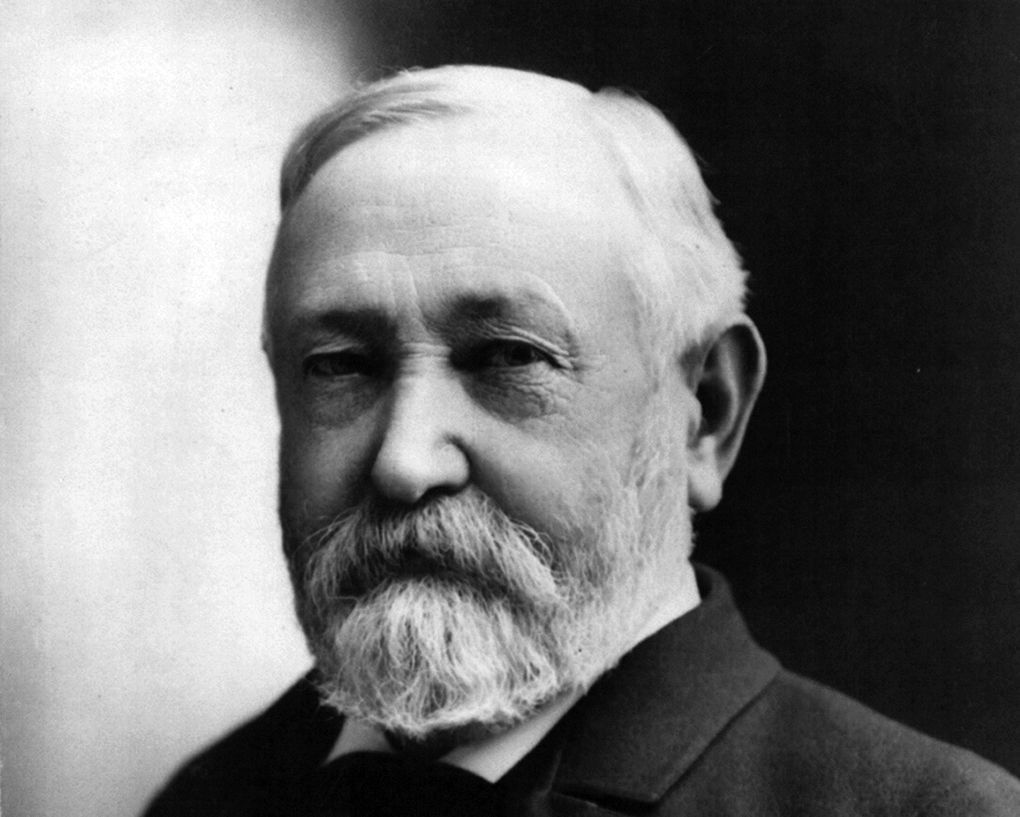
President Benjamin Harrison’s fear

Image: Joseph Gray Kitchell (1862–1945)[1], Public domain, via Wikimedia Commons

Among the many changes the White House has undergone over the years, few were as revolutionary as the arrival of electricity.

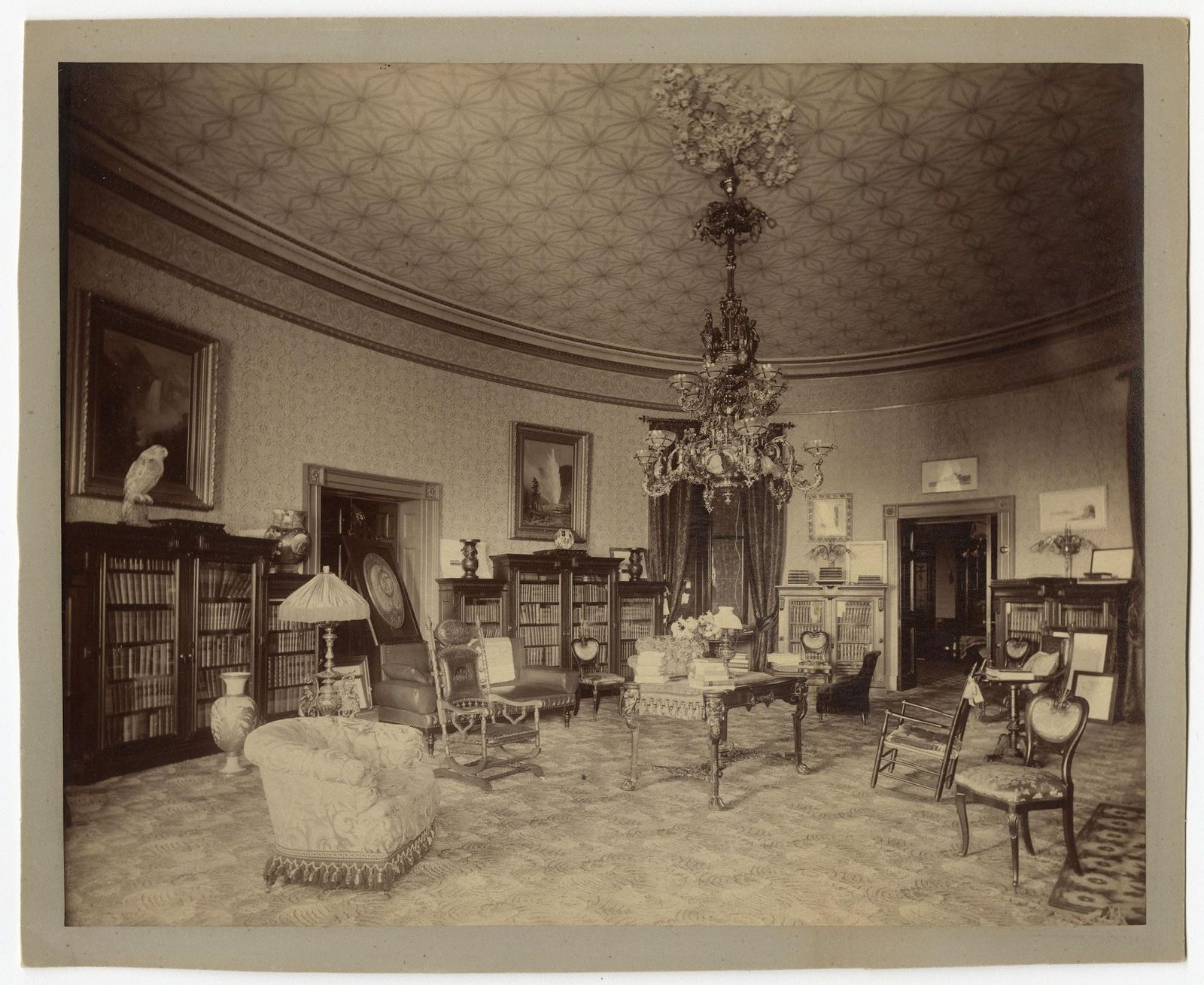
For nearly a century after it was built, the presidential residence relied on candles, oil lamps, and gas lighting. That finally changed in 1891, when electricity was installed during the presidency of Benjamin Harrison. But, like many families in that era, the Harrisons were not exactly thrilled by this modern invention. According to White House stories passed down over the years, President Harrison and First Lady Caroline Harrison were so nervous about the possibility of electric shock that they rarely touched the light switches themselves. Instead, they often asked the house staff to turn the lights on and off for them.

10
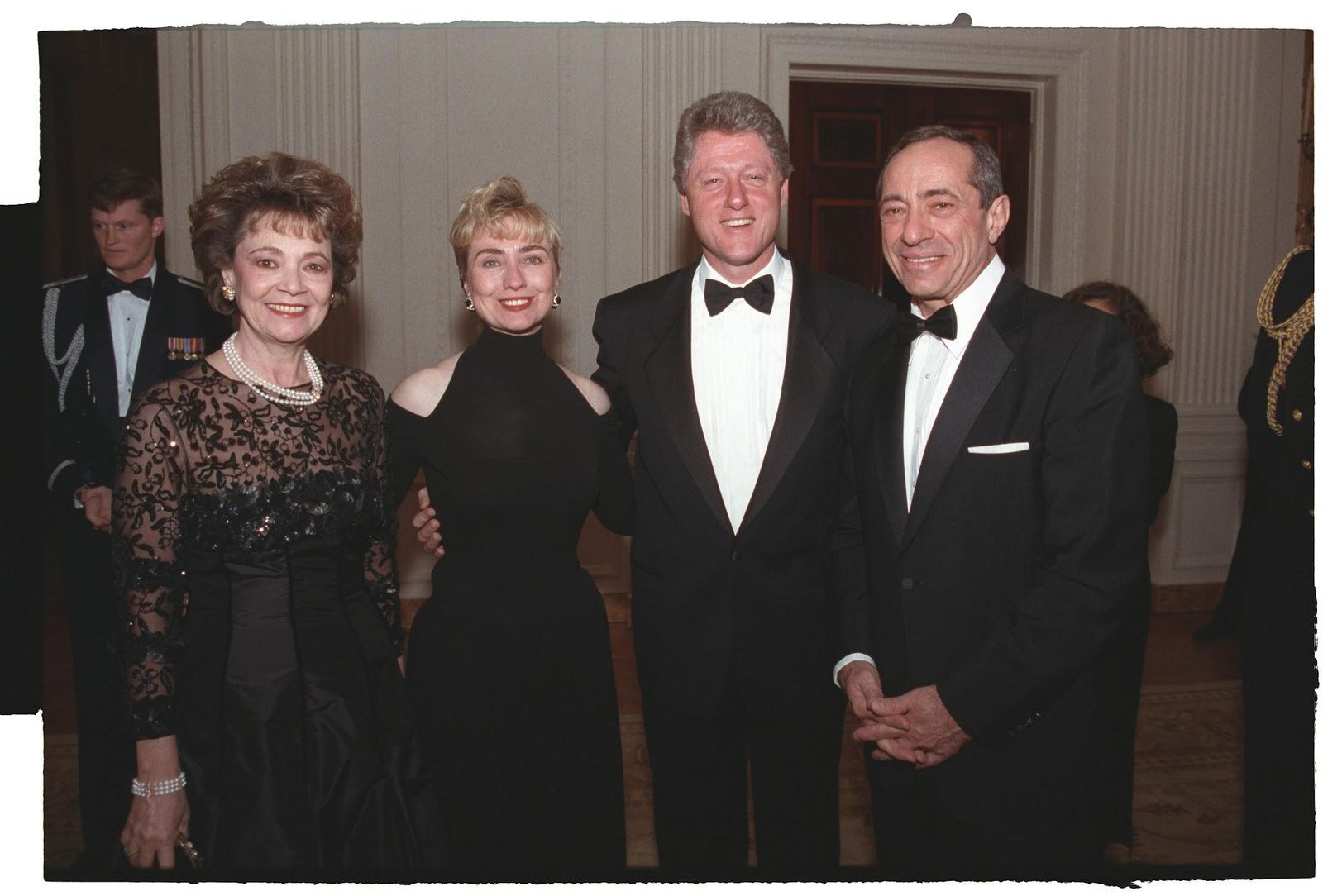
Hillary Clinton’s special gift

Image: Ralph Alswang, Public domain, via Wikimedia Commons

Of course, Jackie Kennedy wasn’t the only First Lady to leave her mark on the White House. Hillary Clinton added her own personal touch as well, this time as a gift for her husband.

In 1996, Hillary Clinton transformed a little-used room on the White House’s third floor into a private music room for President Bill Clinton. The gift came during the year of Bill Clinton’s 50th birthday and reflected one of his best-known passions: music. Complete with space for listening to records and playing his famous saxophone, the room gave the president a quiet retreat inside the White House.

Explore more American facts

Choose your favorite category!

General
General

As American as apple pie—the very best America has to offer!

Culture
Culture

Delve into the astounding richness of American lore.

Geography
Geography

Hop in and explore vast and diverse American landscapes.

History
History

Discover the key moments that shaped the United States.