History History 7 min read

Like you've never seen it before

Why did Lincoln keep a Confederate bill? 10 shocking Civil War facts
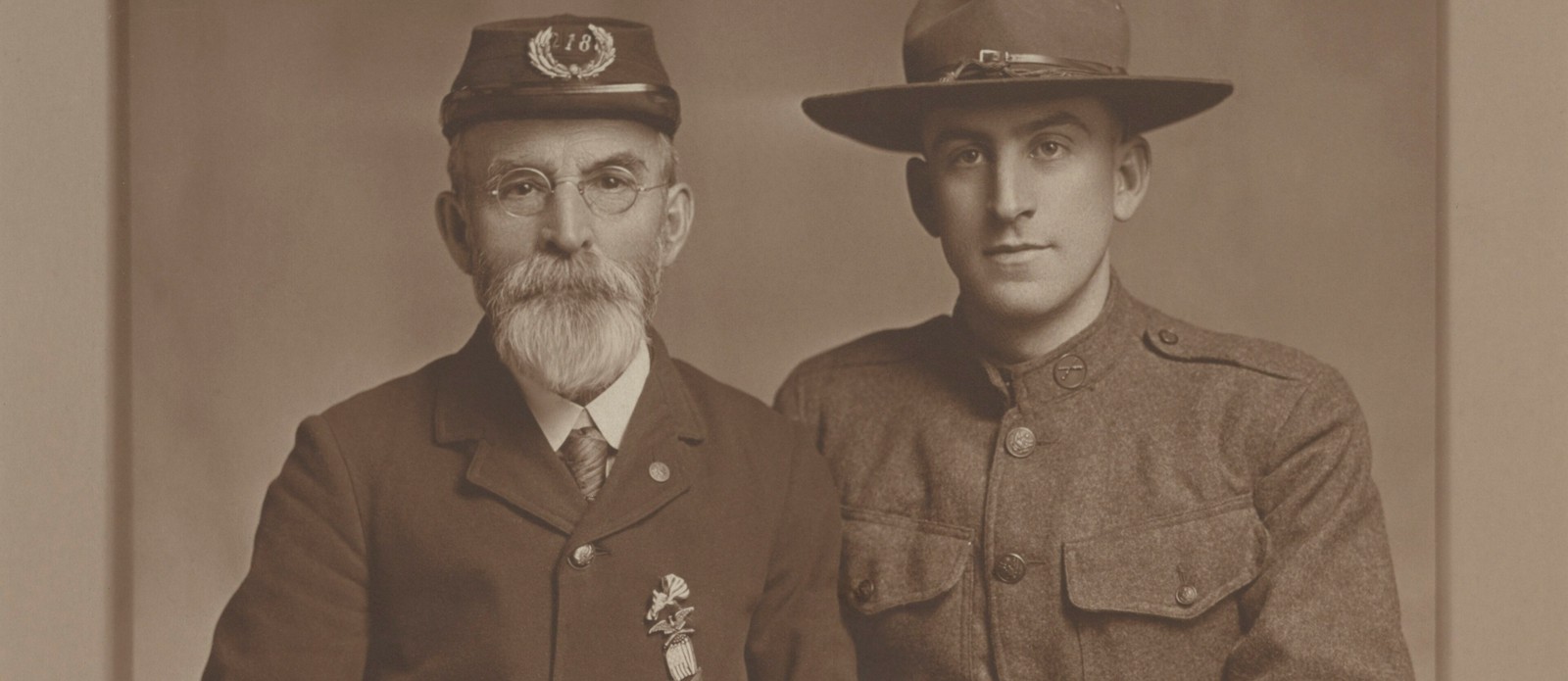
Image: Schriever, James B., photographer, Public domain, via Wikimedia Commons

The Civil War is one of the most studied chapters in American history. We've learned about its battles, generals, and figures in school, books, movies, and documentaries. But beyond the famous stories lies a fascinating world of little-known facts that changed the country forever. From the nation's first official paper money to the surprising origins of everyday conveniences, here are 10 incredible Civil War stories that will make you see this defining chapter of American history in a whole new way.

1
The Wilmer McLean paradox
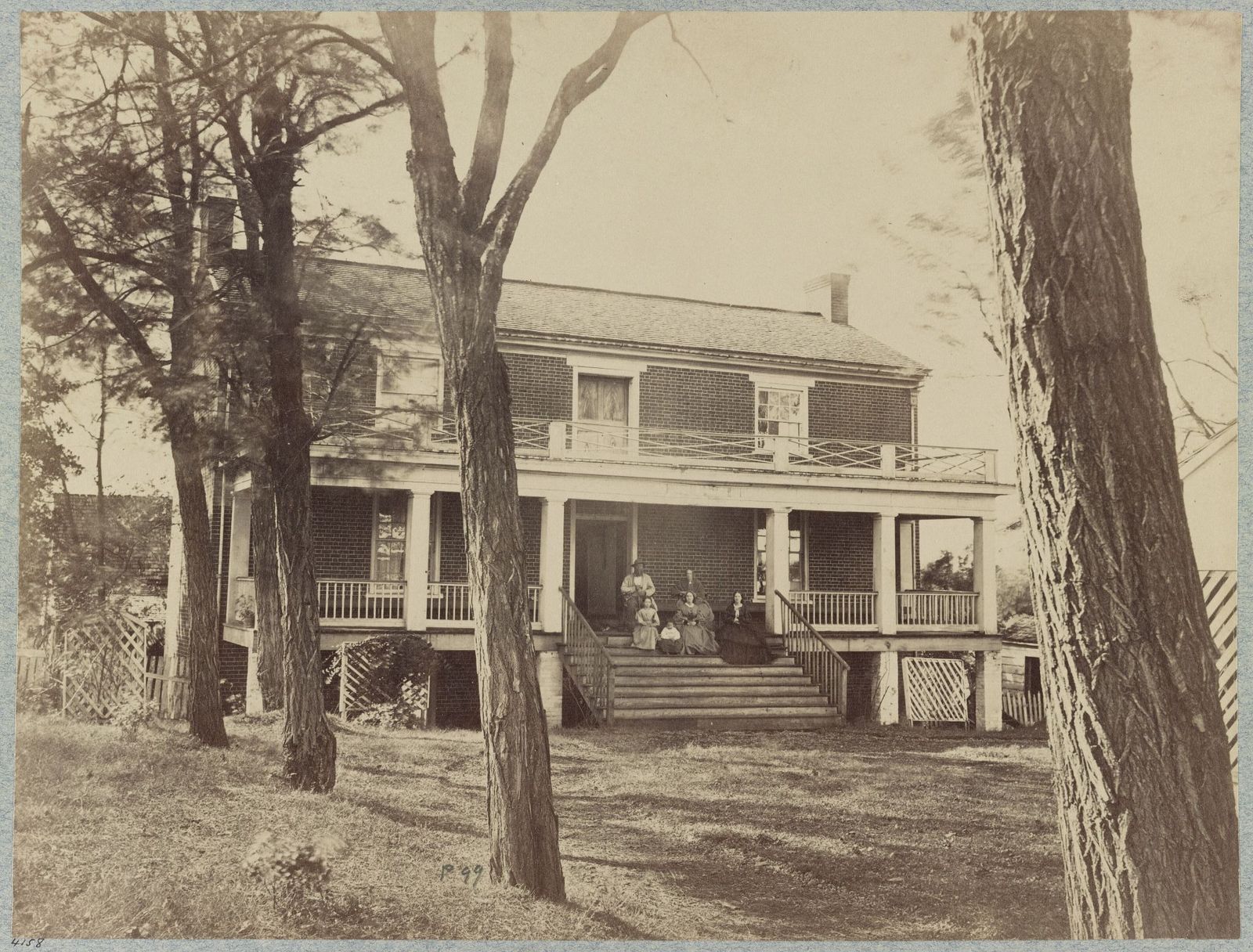
Image: Civil War Glass Negatives, Public domain, via Wikimedia Commons

Do you believe in fate? If not, maybe this story will change your mind.

When the Civil War began, Wilmer McLean was an ordinary 47-year-old man living with his family in Manassas, Virginia. But during the First Battle of Bull Run on July 21, 1861, his house was taken over and used as Confederate headquarters. Hoping to escape the war, McLean moved his family 120 miles away to the quiet village of Appomattox Court House. It seemed like the perfect decision, until history caught up with him. Four years later, the war ended exactly where McLean thought he had found peace. On April 9, 1865, General Robert E. Lee surrendered to Ulysses S. Grant, just in the parlor of McLean's new home. As McLean later joked, "The war began in my front yard and ended in my front parlor."

2
Lincoln's Confederate bill
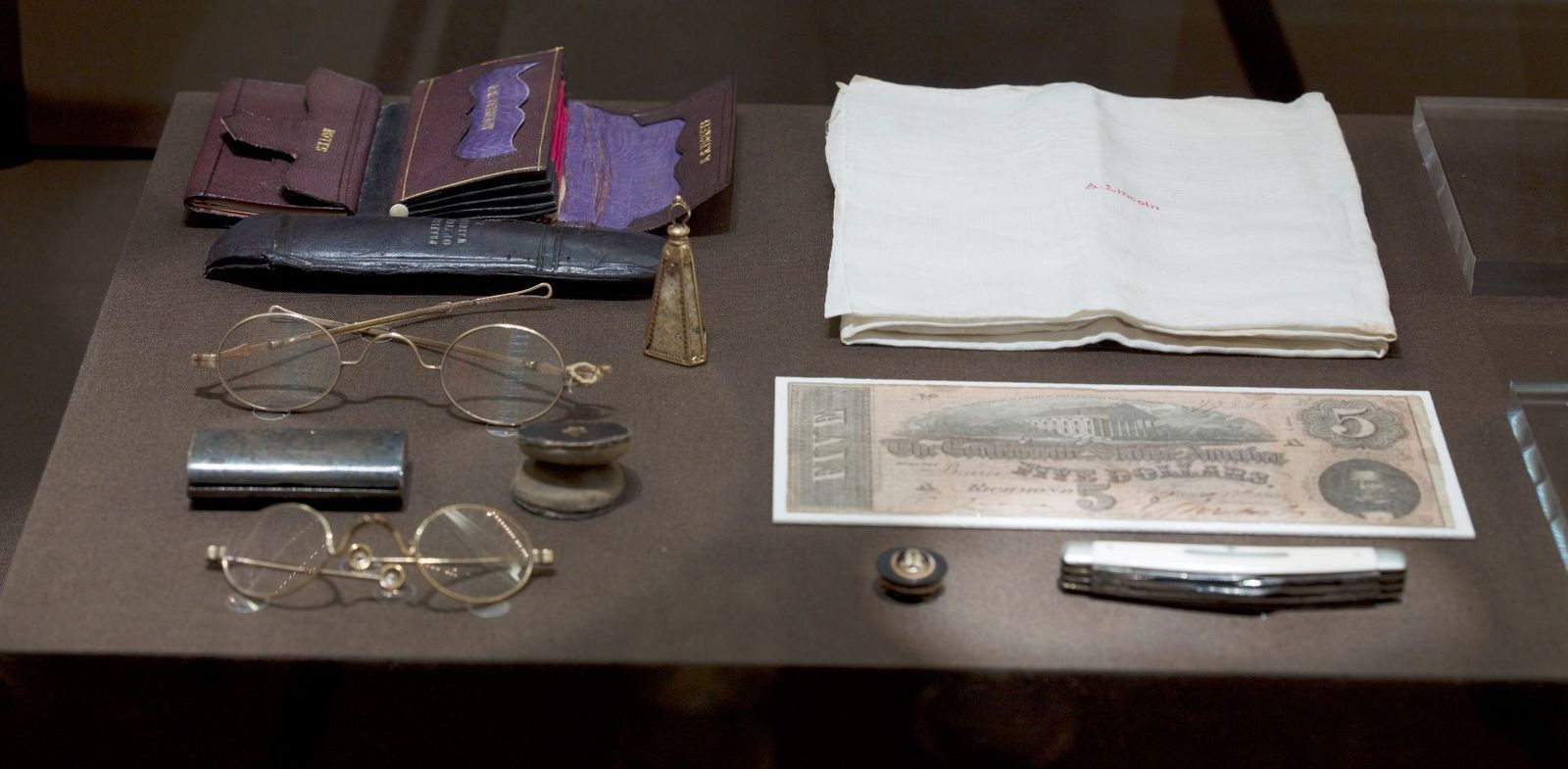
Image: Carol M. Highsmith, Public domain, via Wikimedia Commons

On April 14, 1865, just five days after Confederate General Robert E. Lee surrendered to Union General Ulysses S. Grant, President Abraham Lincoln was shot by actor and Confederate sympathizer John Wilkes Booth during a performance of Our American Cousin at Ford's Theatre in Washington, D.C.

When authorities searched Lincoln's pockets that night, they found the everyday items you'd expect: spectacles, a pocketknife, a handkerchief embroidered with his initials, a watch fob, a sleeve button, and a leather wallet. But one discovery stunned them. Inside the wallet was a Confederate five-dollar bill, the only currency Lincoln was carrying. Historians believe he picked it up as a souvenir during his recent visit to Richmond, the former Confederate capital.

3
Women disguised themselves to fight
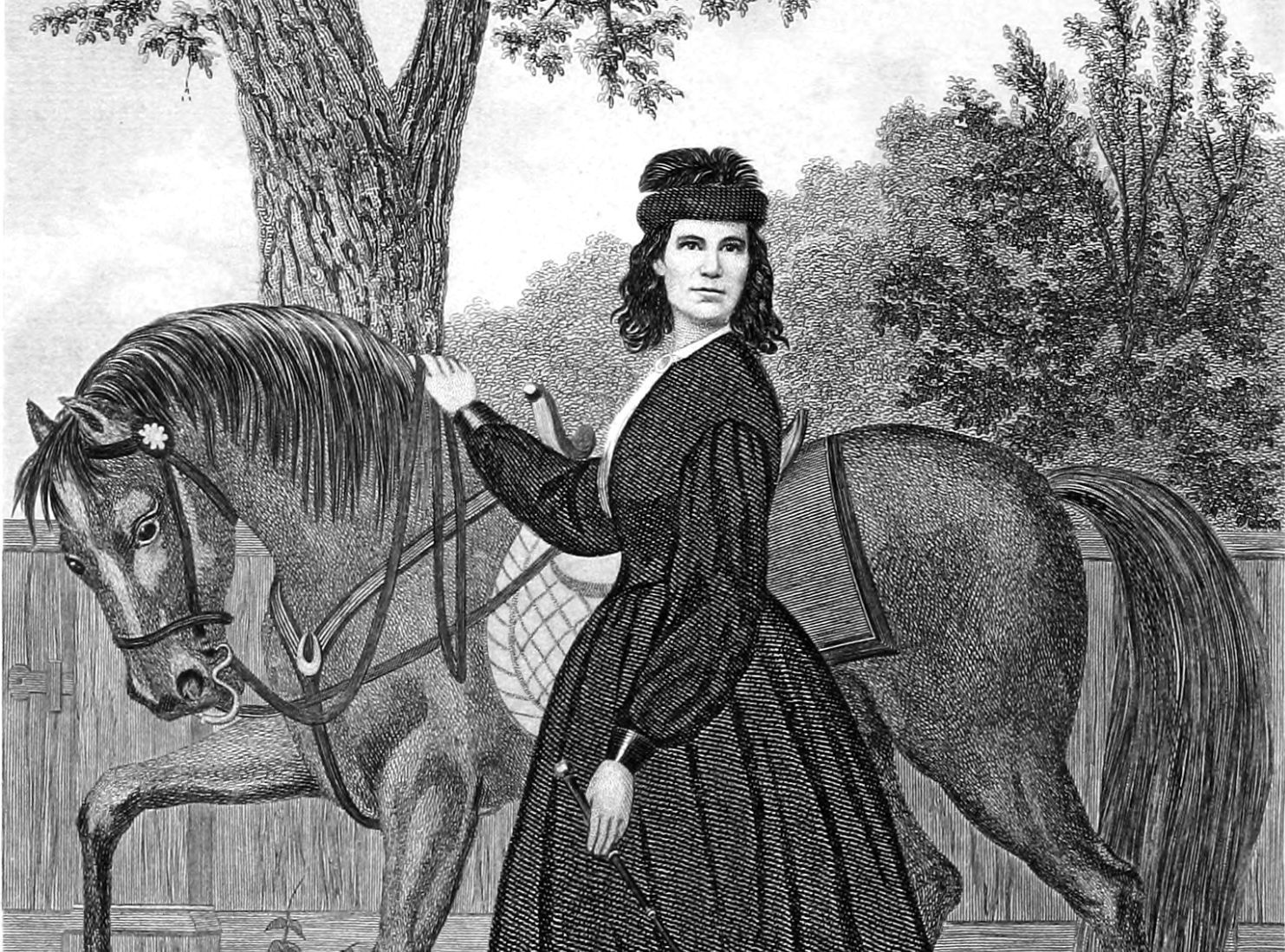
Image: Sarah Emma Evelyn Edmonds, Public domain, via Wikimedia Commons

It's well known that women played a vital role in the US Civil War, serving as nurses, spies, and organizers. Clara Barton, a famous example, brought supplies to wounded soldiers on the battlefield and later founded the American Red Cross. But there's another interesting female role that many people have never heard of.

We’re talking about the thousands of women who disguised themselves as men so they could fight. One of the best-documented was Sarah Emma Edmonds, who enlisted in the Union Army under the name Franklin Thompson. Serving as a soldier, nurse, and spy, she fought in major campaigns, including the First Battle of Bull Run and the Peninsular Campaign. After contracting malaria in 1863, she left her unit rather than risk being exposed in a military hospital and was charged with desertion. Years later, her fellow soldiers testified on her behalf, and in 1884, Congress granted her an honorable discharge and a military pension.

4
Brothers on opposite sides
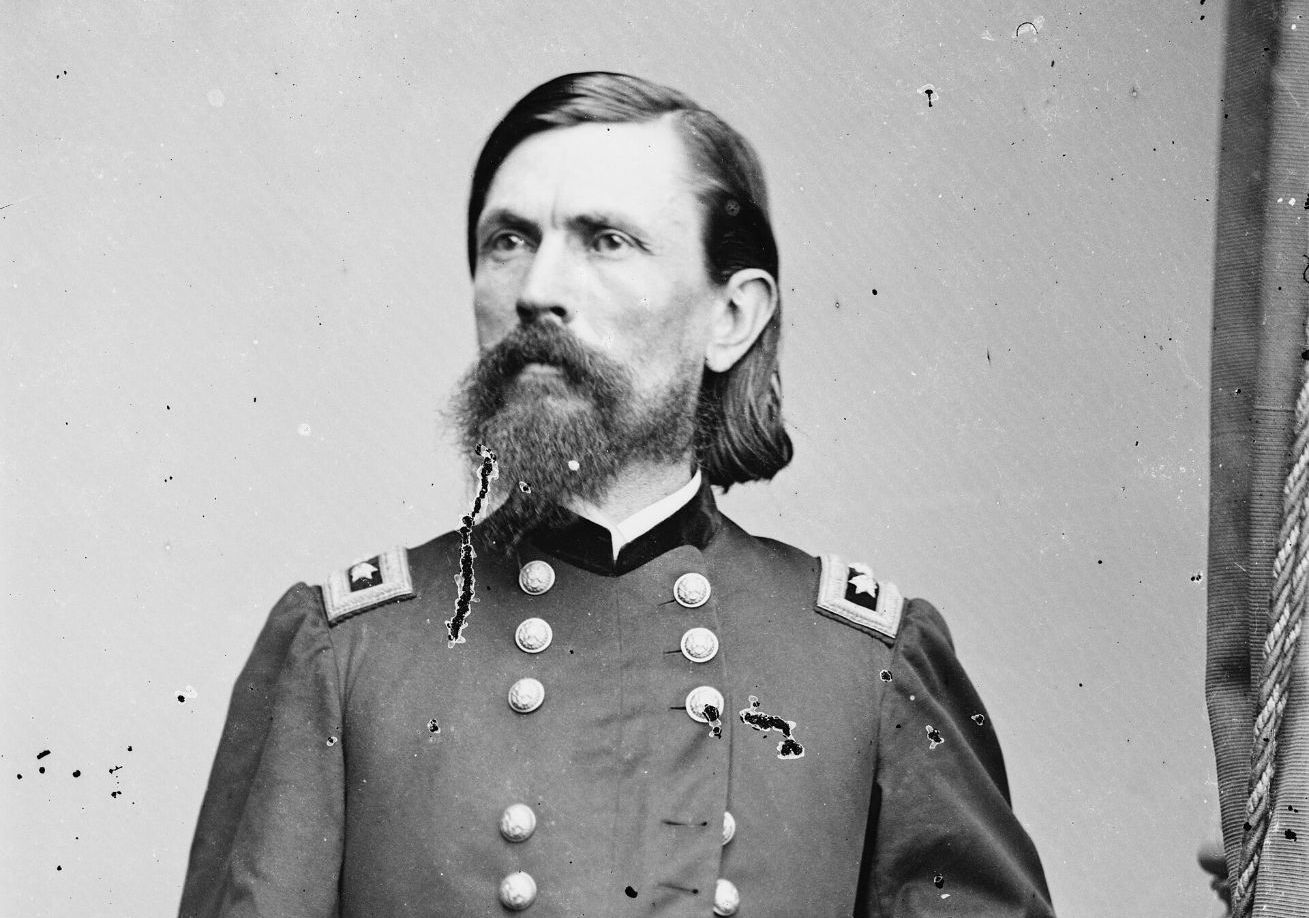
Image: Mathew Benjamin Brady, Public domain, via Wikimedia Commons

The Civil War didn't just divide the nation; it tore families apart. Few stories capture that tragedy better than this one.

The sons of prominent Kentucky Senator and passionate Unionist John J. Crittenden, brothers Thomas Leonidas Crittenden and George Bibb Crittenden, both became generals… but fought on opposite sides of the war. George served as a Confederate major general, commanding troops at the Battle of Mill Springs, while Thomas became a Union major general, fighting in major campaigns including Shiloh, Stones River, and Chickamauga. While they never directly faced each other on the battlefield, their choices caused immense emotional and social fractures within their family. Both survived the war, and today, they are buried in the same Frankfort State Cemetery, finally reunited in the soil of their home state.

5
Standardized clothing sizes
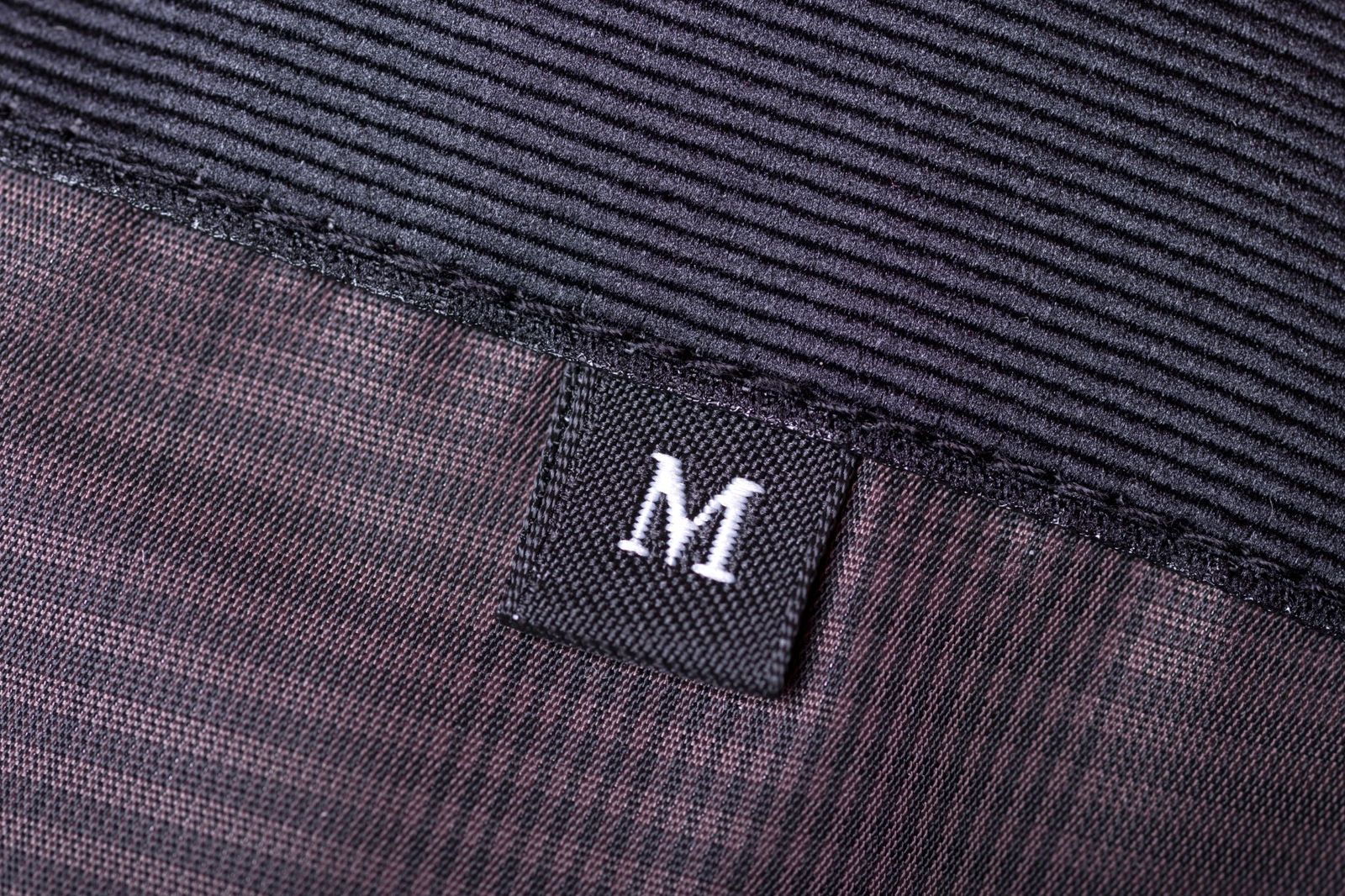
Image: Valentin Ivantsov

When was the last time you had a suit or dress made just for you? Today, we simply walk into a store and buy the size that fits, but before the Civil War, that wasn't how Americans bought clothes.

Before the 1860s, most clothing was custom-made by tailors or sewn at home. But that became a major problem when the war began, and the Union suddenly had to outfit more than a million soldiers. Measuring and tailoring every uniform by hand was impossible. Instead, military officials collected thousands of body measurements, identified common size patterns, and created one of the first standardized sizing systems: Small, Medium, and Large. After the war, clothing manufacturers adopted the same templates for civilian garments, helping give birth to America's modern ready-to-wear clothing industry.

6
Postal home delivery system
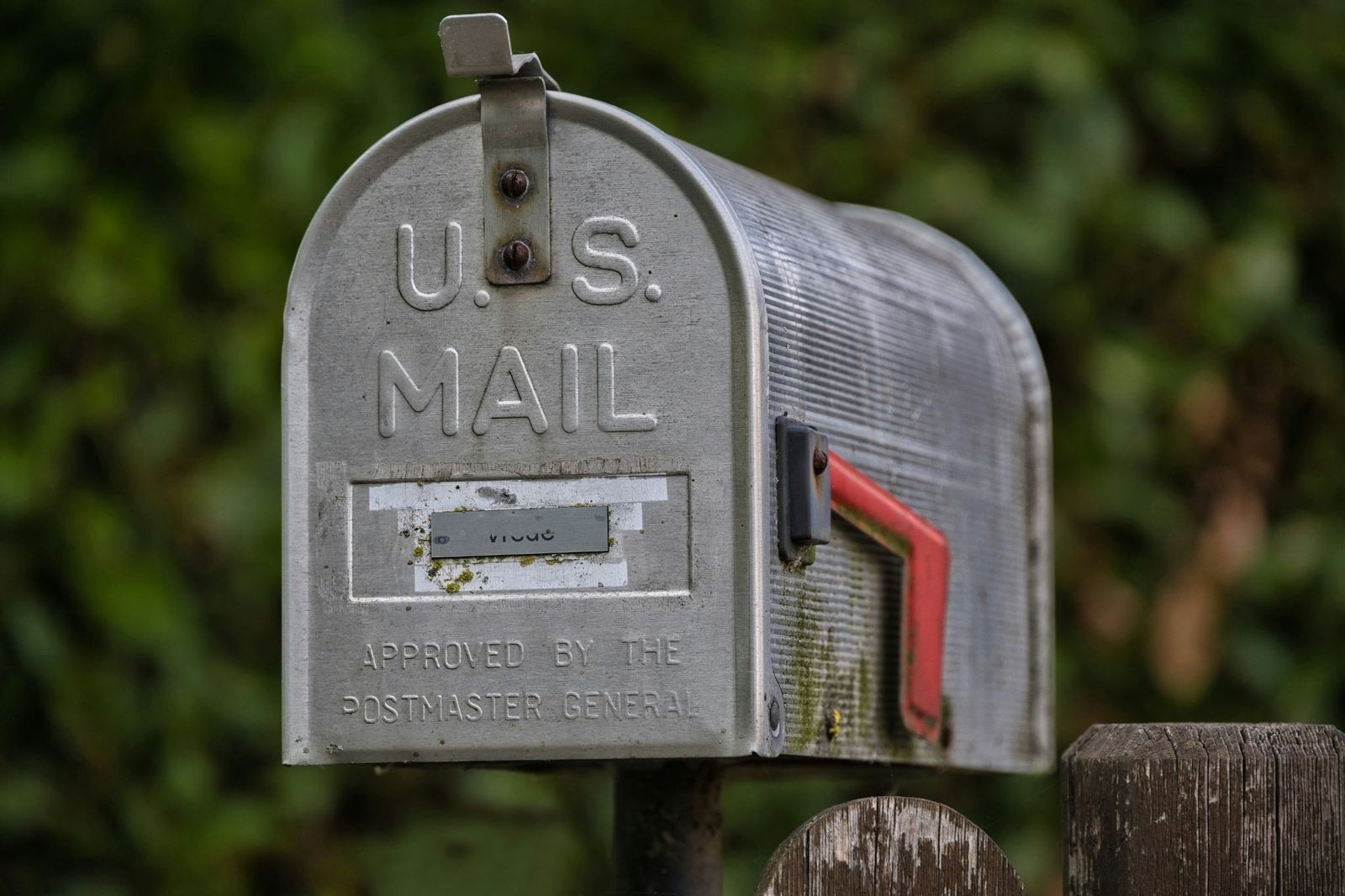
Image: Wolfgang Vrede

Today, having letters and packages delivered right to your front door is so routine that we rarely stop to think about it. But for many years of American history, that convenience didn't exist.

Before the Civil War, Americans had to pick up their mail at the local post office. When the war began, families desperate for news of sons, husbands, and fathers crowded into post offices, often waiting for hours. Seeing the heartbreaking scenes, Cleveland postal clerk Joseph Briggs began delivering letters directly to people's homes, sparing families long waits and needless anguish. His neighborhood deliveries were such a success that they inspired Postmaster General Montgomery Blair and Congress to create the nationwide Free City Delivery Service on July 1, 1863.

7
The US first official paper money
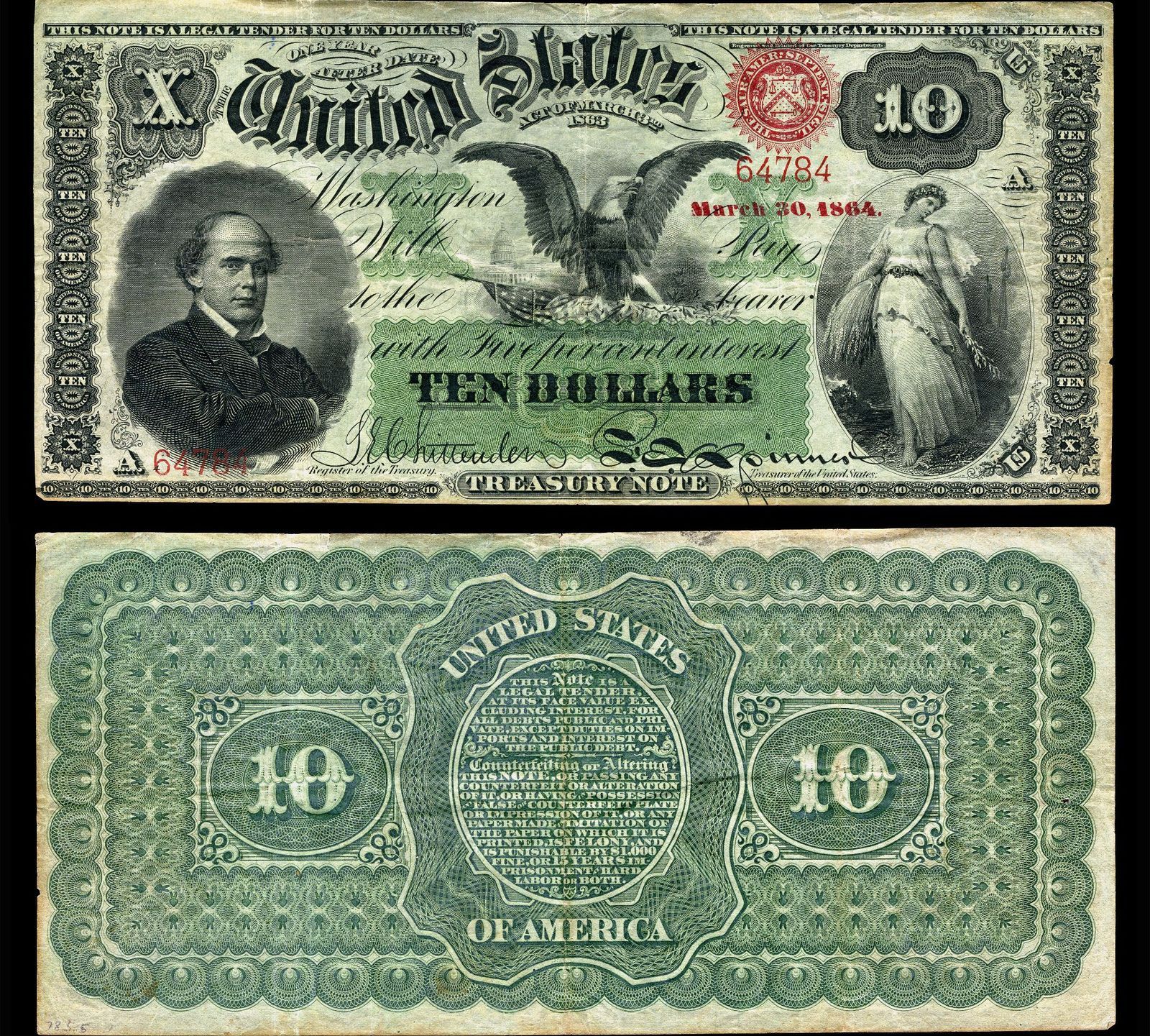
Image: National Museum of American History, Public domain, via Wikimedia Commons

Today, most of our money exists in a digital form. However, when we picture money, we still think of dollar bills and coins. They've been part of our lives for so long that it's hard to imagine a time when the US government didn't print paper money at all. But that time did exist.

Before the Civil War , the federal government issued no standardized national paper currency. It minted gold, silver, and copper coins, while Americans relied on thousands of different banknotes printed by private, state-chartered banks, many of them unreliable and prone to failure. Everything changed in 1861 , when the Union needed money to finance the war. Congress authorized the first federal paper currency, known as Demand Notes, followed by Legal Tender Notes in 1862. Americans soon nicknamed them "greenbacks" because of their green ink, a name that has survived ever since.

8
A town changing hands 10 times
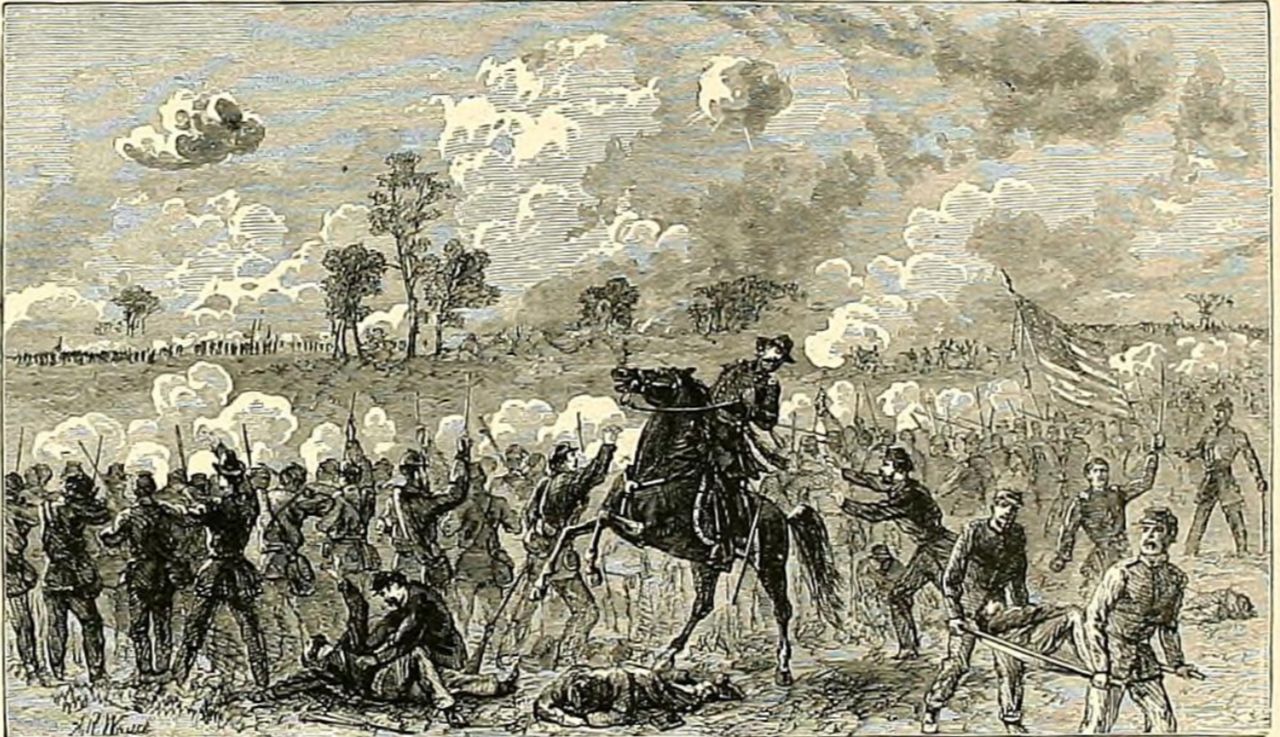
Today, US Route 50 follows much of the old Northwestern Turnpike, a historic road linking Winchester, Virginia, with Parkersburg on the Ohio River. But during the Civil War, living along that route was anything but convenient.

Because the turnpike provided access to the Shenandoah Valley, the Baltimore & Ohio Railroad, and key mountain passes, the town of Romney (now in West Virginia) became a strategic prize for both the Union and the Confederacy. As armies pushed forward and fell back, each side repeatedly captured and abandoned the town. While most cities and regions remained firmly on the same side for the entire war, historians generally agree that Romney changed hands at least 10 times, making it one of the most frequently occupied towns of the Civil War.

9
The war with the most Medals of Honor
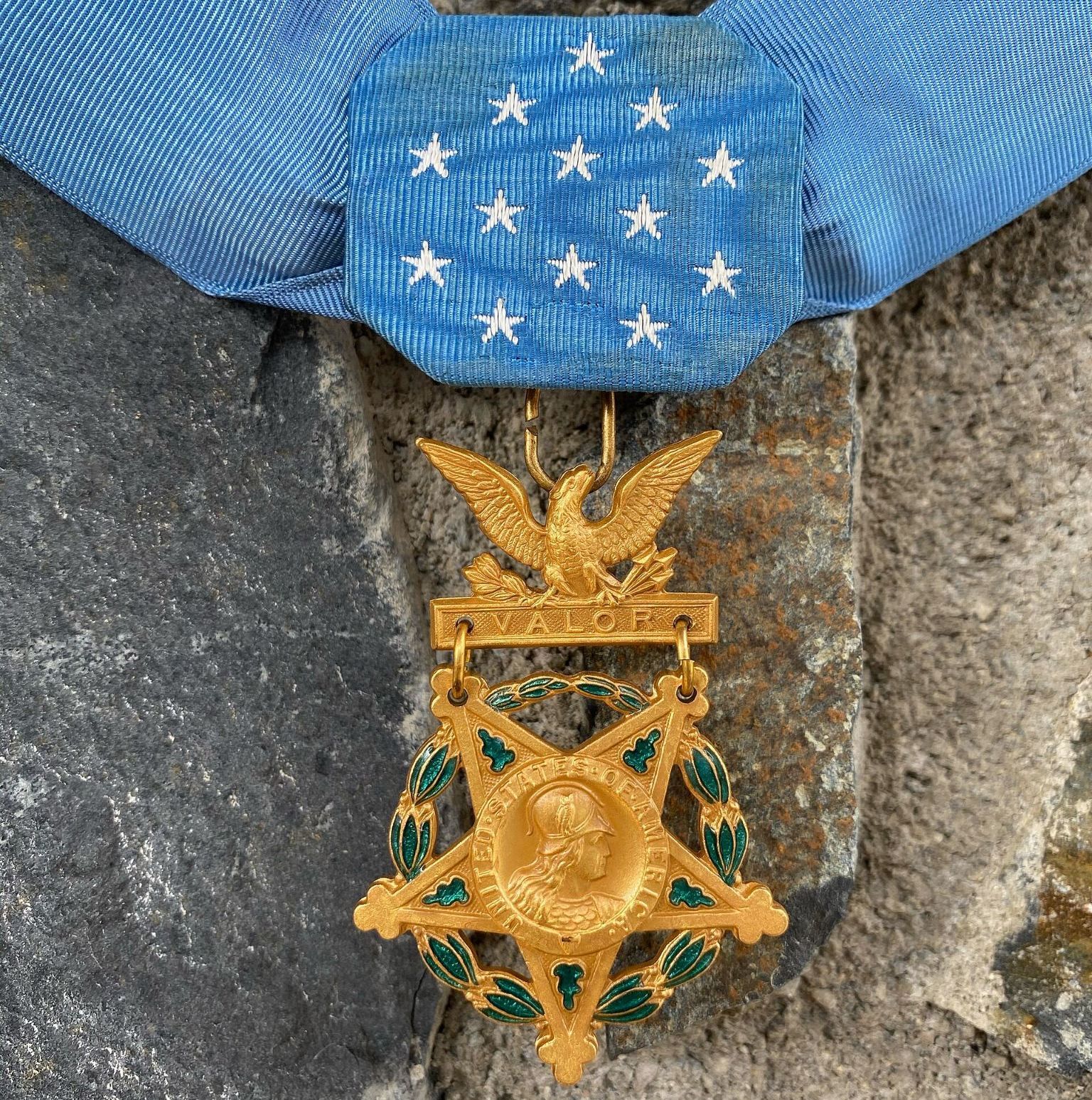
Image: Alexeinikolayevichromanov, CC BY-SA 4.0, via Wikimedia Commons

The Medal of Honor is the nation's highest military award for valor. During the Civil War, about 1,525 service members received it. That may not sound extraordinary… until you compare it with every major American war that followed.

The numbers are striking: 126 Medals of Honor were awarded in World War I, 464 in World War II, and 266 during the Vietnam War. A total of 856 combined, far fewer than in the Civil War alone. But there’s a reason for that. The Medal of Honor was created during the Civil War; at the time, it was the only US military decoration for valor. With no other awards recognizing battlefield heroism, it was presented under standards that were far broader than those adopted in later wars.

10
Can openers
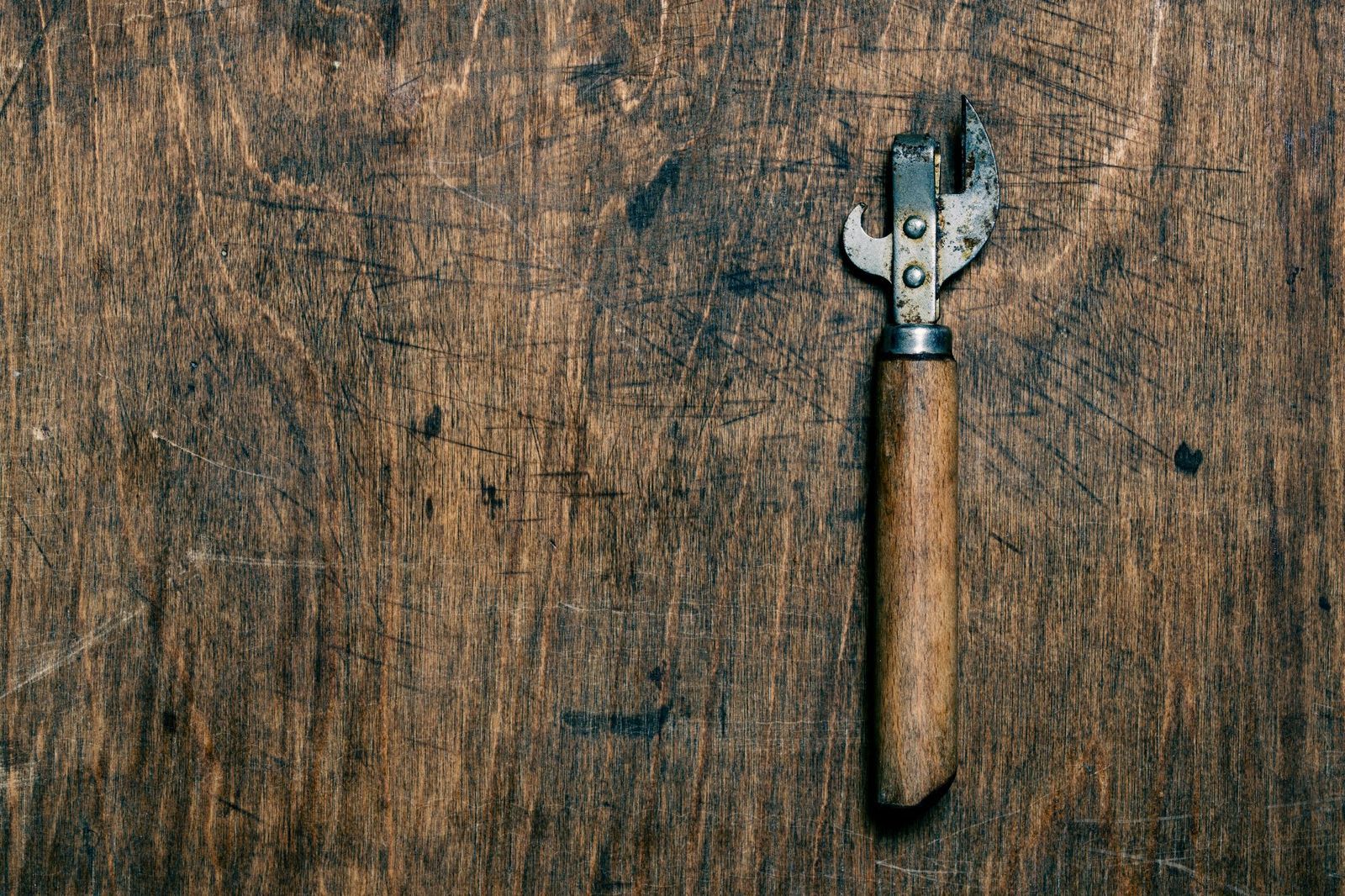
Image: OlegD

It's hard to imagine a kitchen without a can opener. But surprisingly, canned food existed for decades before anyone invented it.

Although canned food had been around since the early 1800s, people often had to open cans with a hammer and chisel. That finally changed when American inventor Ezra J. Warner patented the first practical can opener in 1858. Even then, it remained a curiosity until the Civil War, when the huge demand for canned rations, including Gail Borden's condensed milk for Union troops, made it indispensable. The war turned the can opener from a strange invention into an everyday tool, paving the way for the handheld versions we still use today.
Culture Culture 6 min read

From Braveheart to JFK: 10 movies that got history completely wrong Braveheart to JFK : 10 movies that got history completely wrong

Image: Pressmaster

Hollywood often prioritizes spectacle and drama over strict historical accuracy. Period epics tend to win big at the Academy Awards, but their relation to real-world events ranges from artistic license to complete fabrication. These ten celebrated films delivered unforgettable cinema, yet failed all history tests.

1
Titanic (1997)

Image: Andrea Izzotti

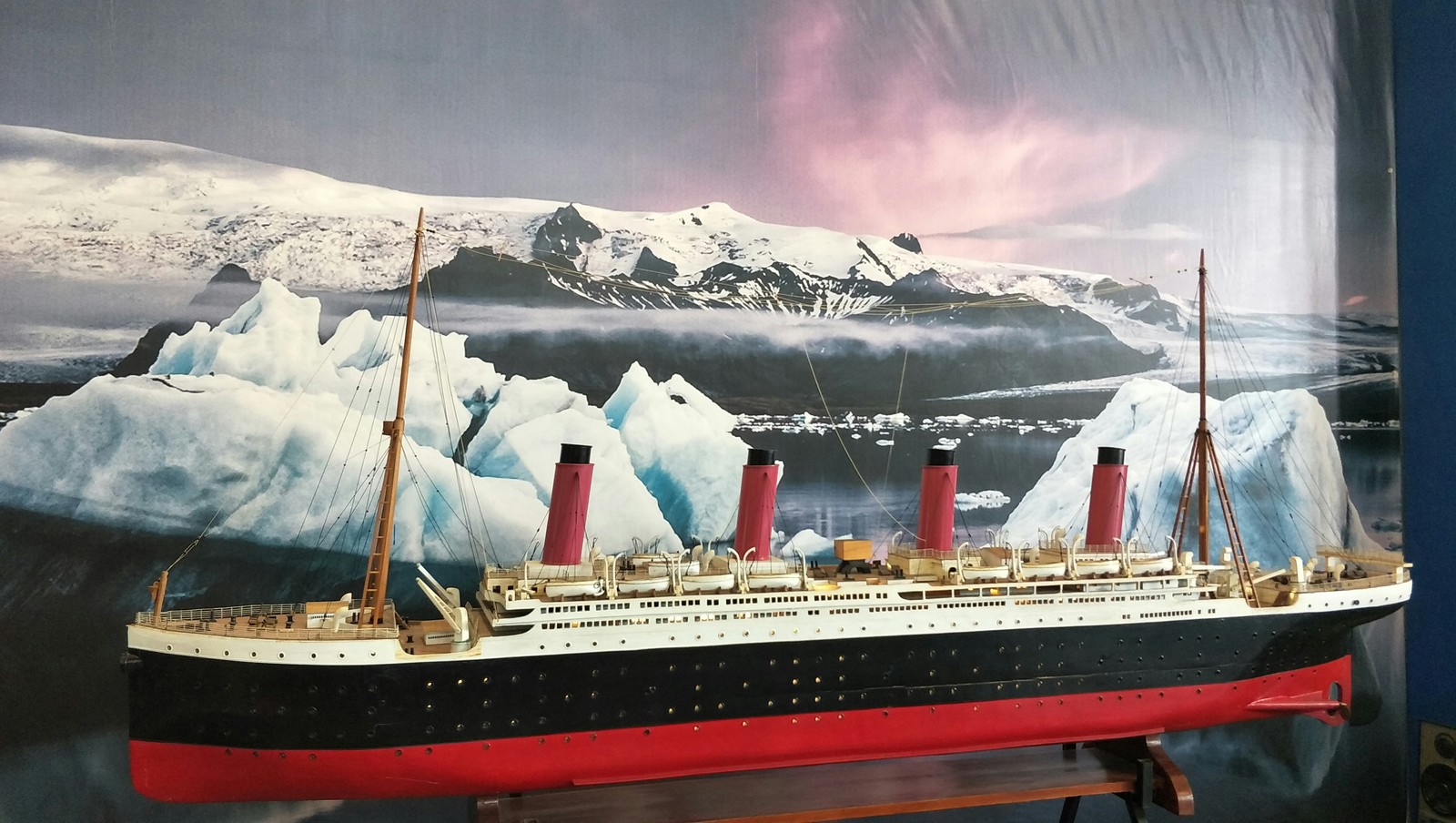
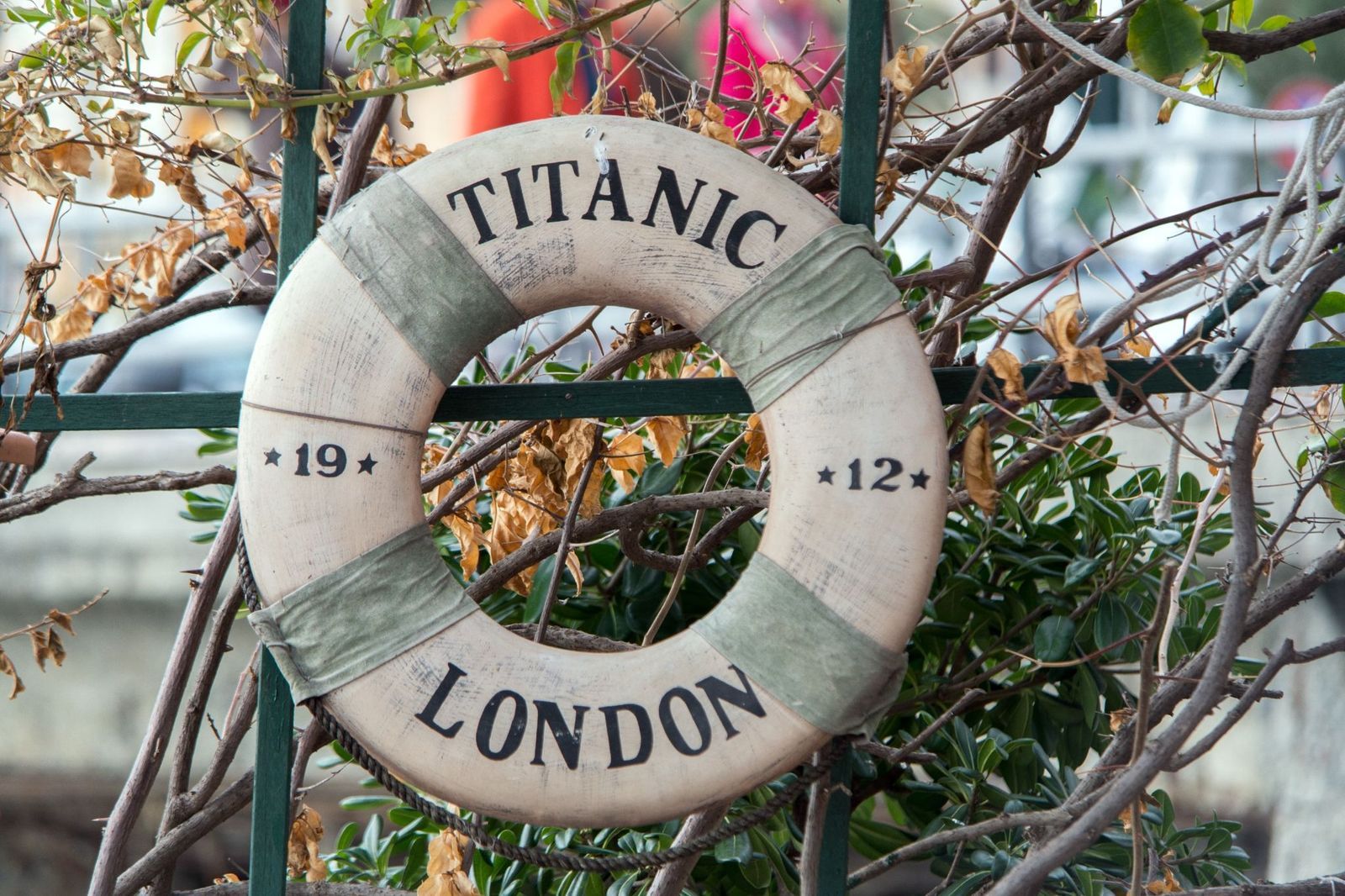
James Cameron’s Oscar-winning blockbuster frames the tragic 1912 sinking around the fictional romance of Jack (Leonardo DiCaprio) and Rose (Kate Winslet), while depicting real-life First Officer William Murdoch (Ewan Stewart) accepting bribes, shooting passengers, and taking his own life.

When the film premiered in 1997, the portrayal of Murdoch caused significant outrage. Survivor accounts prove the First Officer acted heroically, working tirelessly to launch lifeboats and saving hundreds of lives before dying in the freezing Atlantic. Additionally, third-class passengers were not locked below deck by armed guards as portrayed in the movie. _Titanic_’s producers eventually traveled to Murdoch’s hometown of Dalbeattie, Scotland, to issue an official apology to his descendants.

2
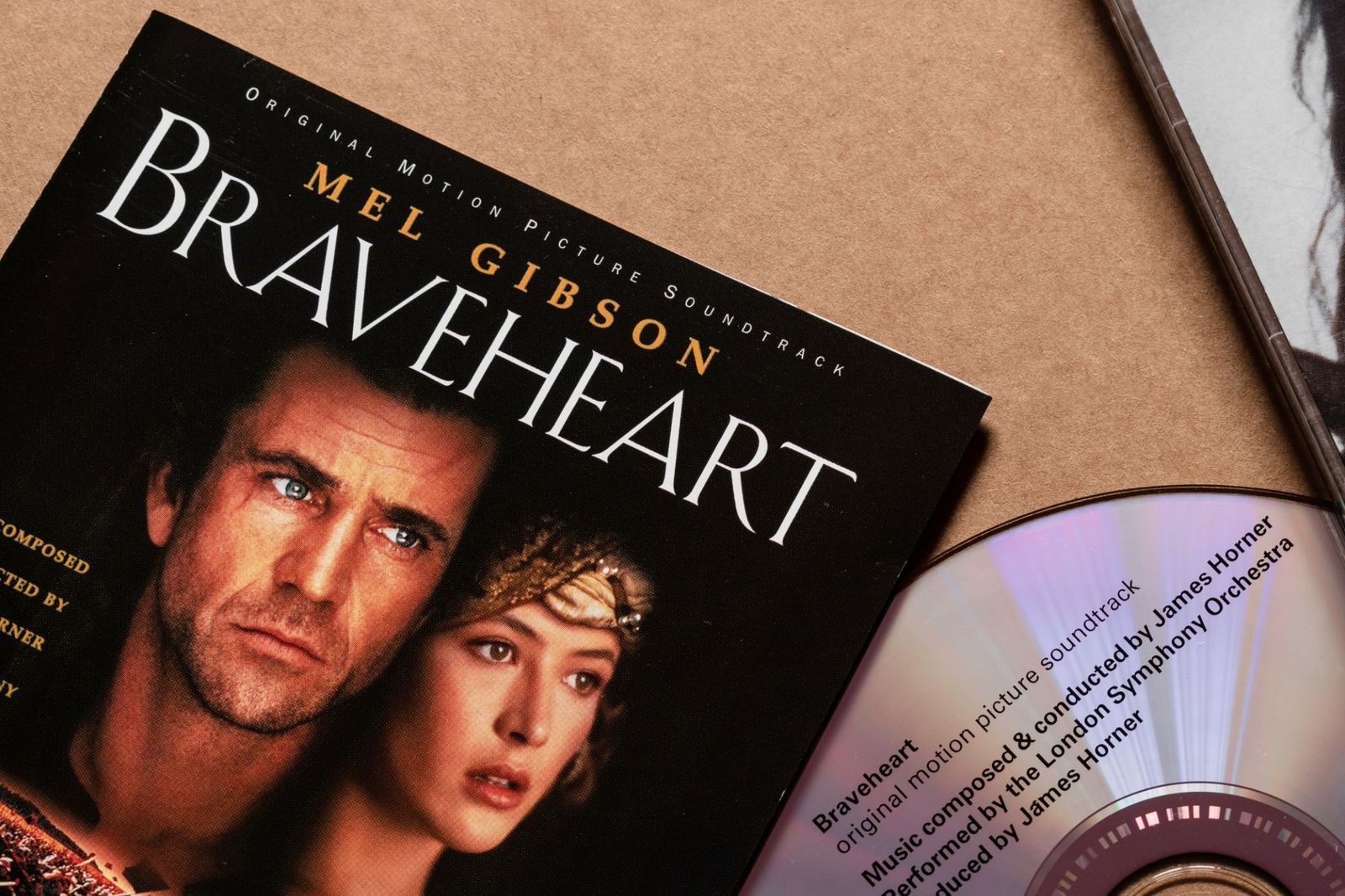
Braveheart (1995)

Image: Snap Spot

Mel Gibson’s epic depicts William Wallace leading a 13th-century Scottish rebellion against English rule, wearing belted plaid kilts and seducing Isabella of France (Sophie Marceau).

Many details in the film are inaccurate. For example, Scots didn’t wear kilts until the 16th century, nearly 300 years after Wallace’s death. Furthermore, Isabella was roughly three years old and living in France during Wallace’s rebellion, making the affair impossible.

3
Pearl Harbor (2001)

Image: Gary Ell, USAF, Public domain, via Wikimedia Commons

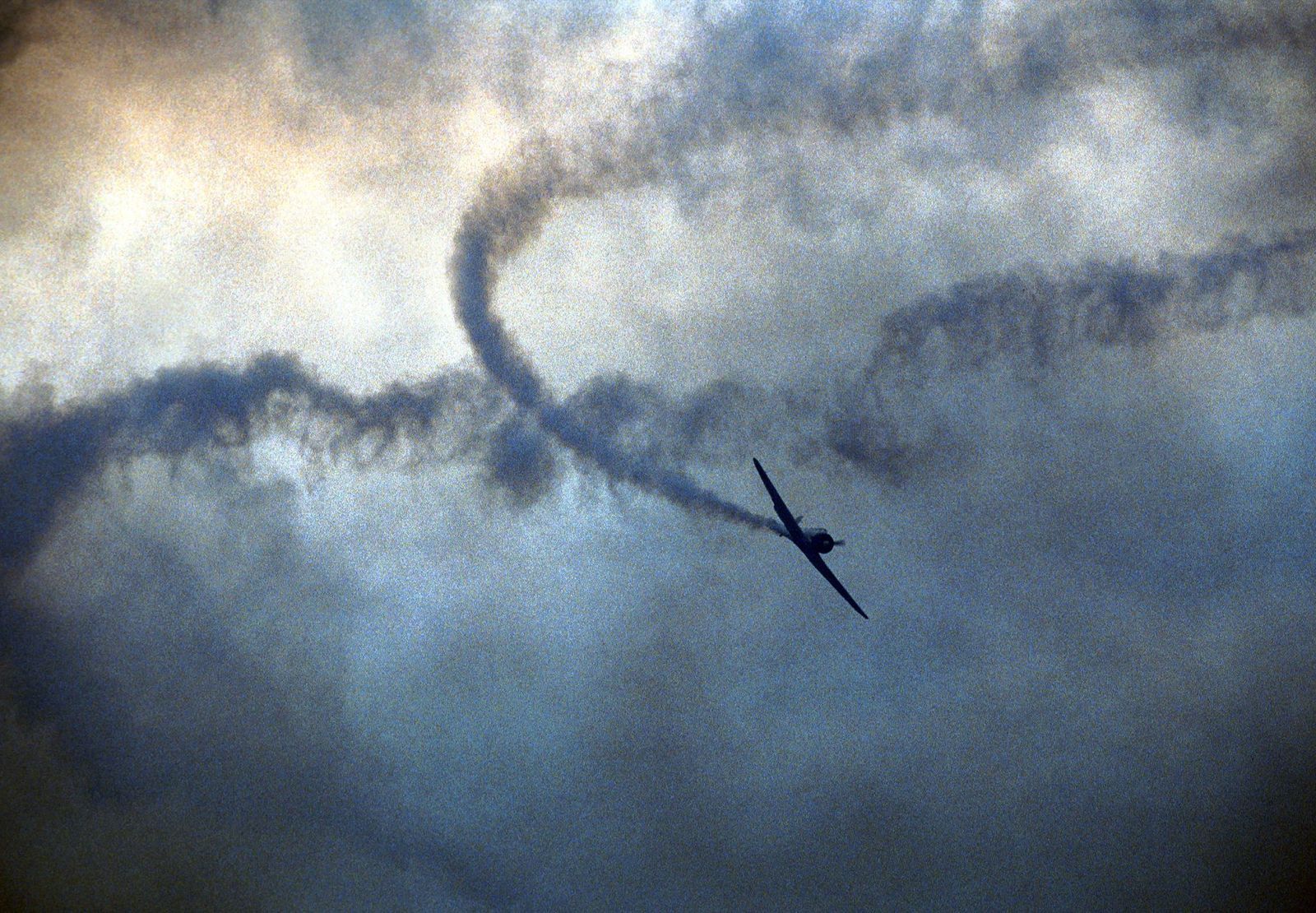
In Michael Bay’s romantic war drama, Rafe McCawley (Ben Affleck) and Danny Walker (Josh Hartnett) face Japanese Zero fighters, join the British Eagle Squadrons before the U.S. enters World War II, and witness direct attacks on civilian medical units.

In real life, U.S. Army Air Corps officers like Rafe were legally forbidden from joining Britain’s Eagle Squadrons while the United States remained neutral. During the December 7, 1941 raid, the Japanese prioritized attacking battleships, airfields, and fuel depots, and they didn’t target field hospitals or civilian nurses as depicted in the film. Also, President Franklin D. Roosevelt’s (Jon Voight) dramatic moment where he stands up out of his wheelchair to inspire his cabinet never occurred.

4
Pocahontas (1995)

Image: New England Chromo. Lith. Co., Public domain, via Wikimedia Commons

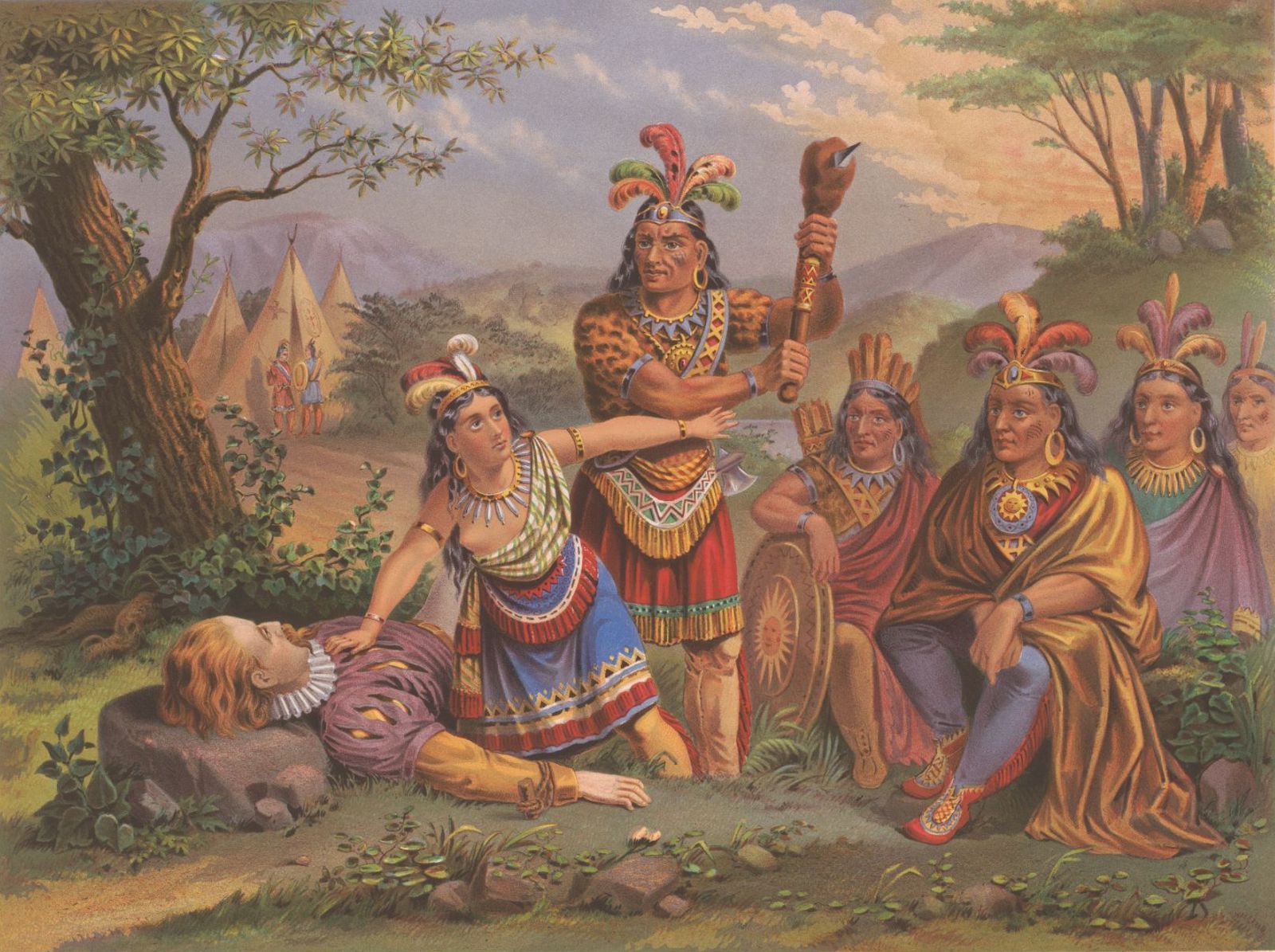
Disney’s animated film famously tells the story of a young Powhatan woman named Pocahontas who falls in love with the English explorer Captain John Smith, helping to promote peace between their two cultures.

When John Smith arrived in Virginia in 1607, Pocahontas (whose actual name was Matoaka) was only around 10 to 12 years old, while Smith was a 27-year-old soldier, and there was no romantic relationship between them. Smith’s famous account of Pocahontas saving his life by placing her head over his is debated by modern historians, who view it as either a misunderstanding of a tribal adoption ceremony or an invention in his later writings. Pocahontas was later captured by English settlers, held for ransom, converted to Christianity, and married tobacco merchant John Rolfe before dying in England at age 21.

5
Gladiator (2000)

Image: Jean-Léon Gérôme, Public domain, via Wikimedia Commons

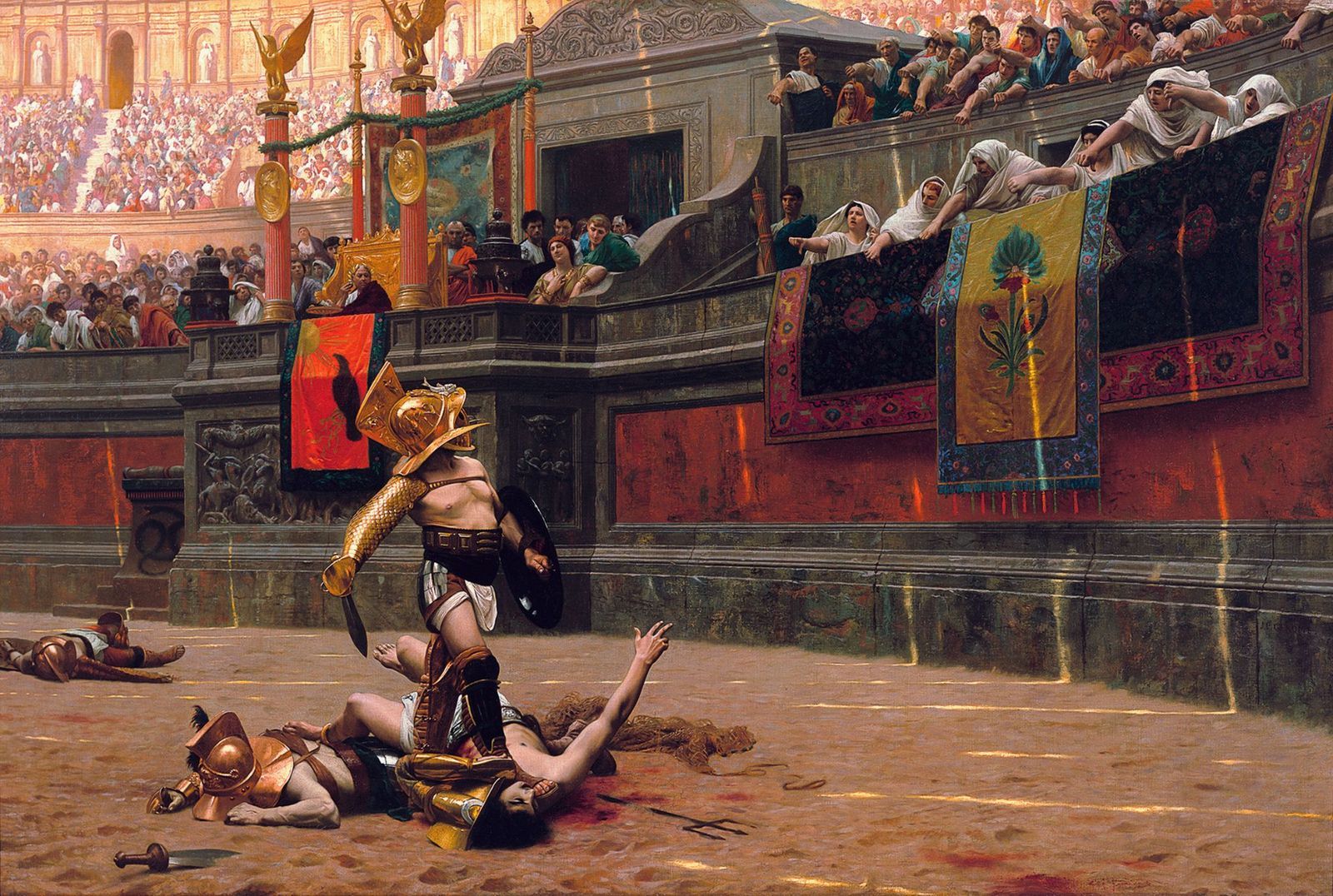
The plot of Gladiator revolves around Maximus Decimus Meridius (Russell Crowe) when he witnesses Emperor Marcus Aurelius (Richard Harris) being smothered to death by his son Commodus (Joaquin Phoenix), who seizes the throne, rules as a tyrant, and is later killed in gladiatorial combat inside the Colosseum.

In reality, Marcus Aurelius was never murdered by his son; he died of an infectious illness in 180 AD. Commodus had already been co-emperor for three years before his father’s death. Far from an usurpation, Commodus ruled Rome for 12 years. He didn’t die in the sands of the arena either: he was strangled in his bath by his wrestling partner, Narcissus, during a palace coup. Moreover, Roman gladiatorial fights were officiated sporting events, not chaotic deathmatches.

6
Shakespeare in Love (1998)

Image: Gimas

A young William Shakespeare (Joseph Fiennes) suffers from writer’s block until he meets aristocrat Viola de Lesseps (Gwyneth Paltrow), who disguises herself as a man to act on stage, inspiring him to write Romeo and Juliet .

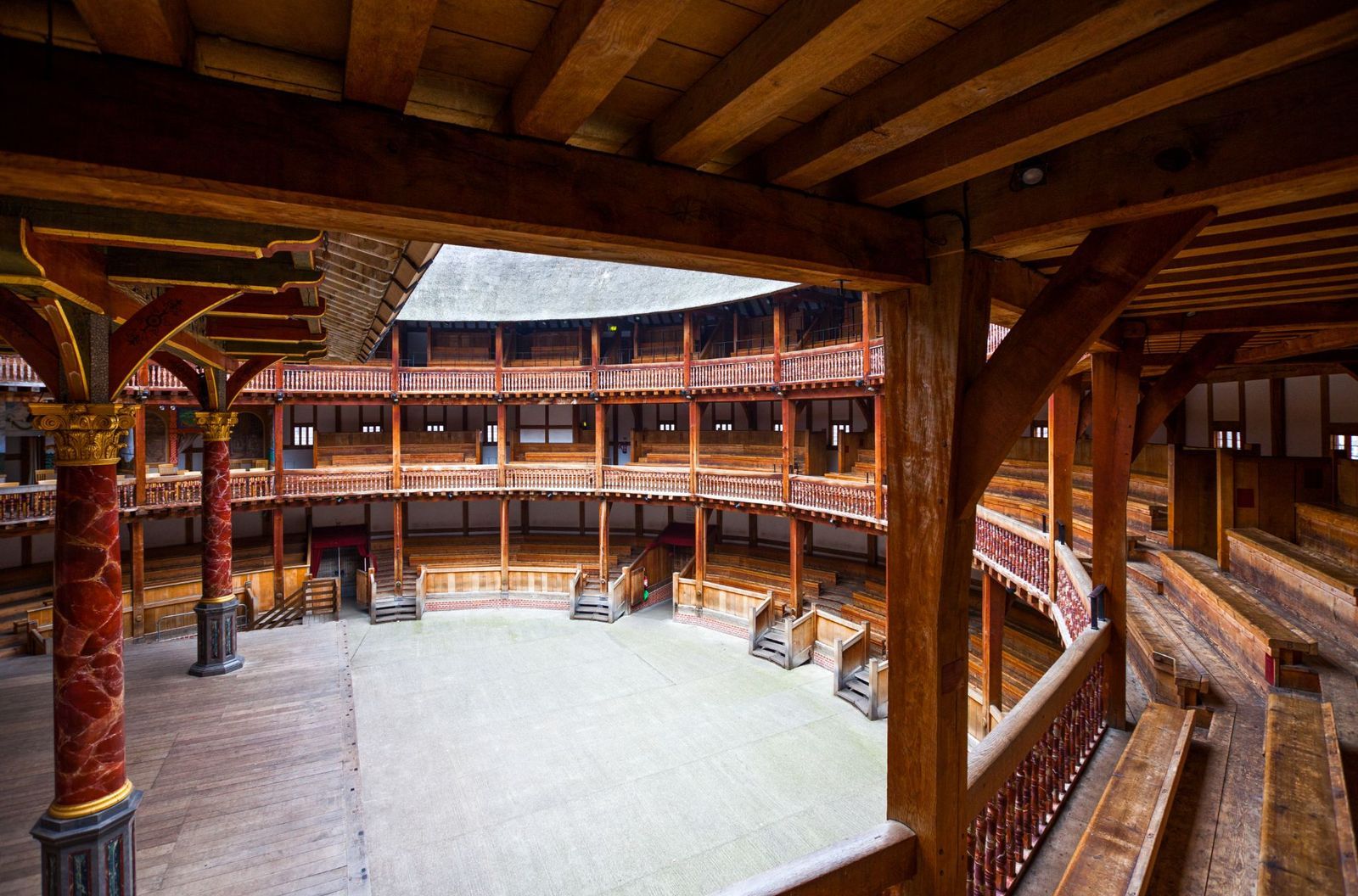
Almost the entire narrative is historical fiction. Viola de Lesseps never existed, and Romeo and Juliet wasn’t inspired by a secret love affair. Women were indeed banned from performing on the Elizabethan stage, but monarchs like Queen Elizabeth I never attended public theaters, which were considered unsafe and unhygienic. Instead, theater companies were hired to give private performances at court. Furthermore, by the mid-1590s, Shakespeare was already married to Anne Hathaway and was an established playwright in London, not an impoverished unknown struggling for ideas.

7
A Beautiful Mind (2001)

Image: Woodan

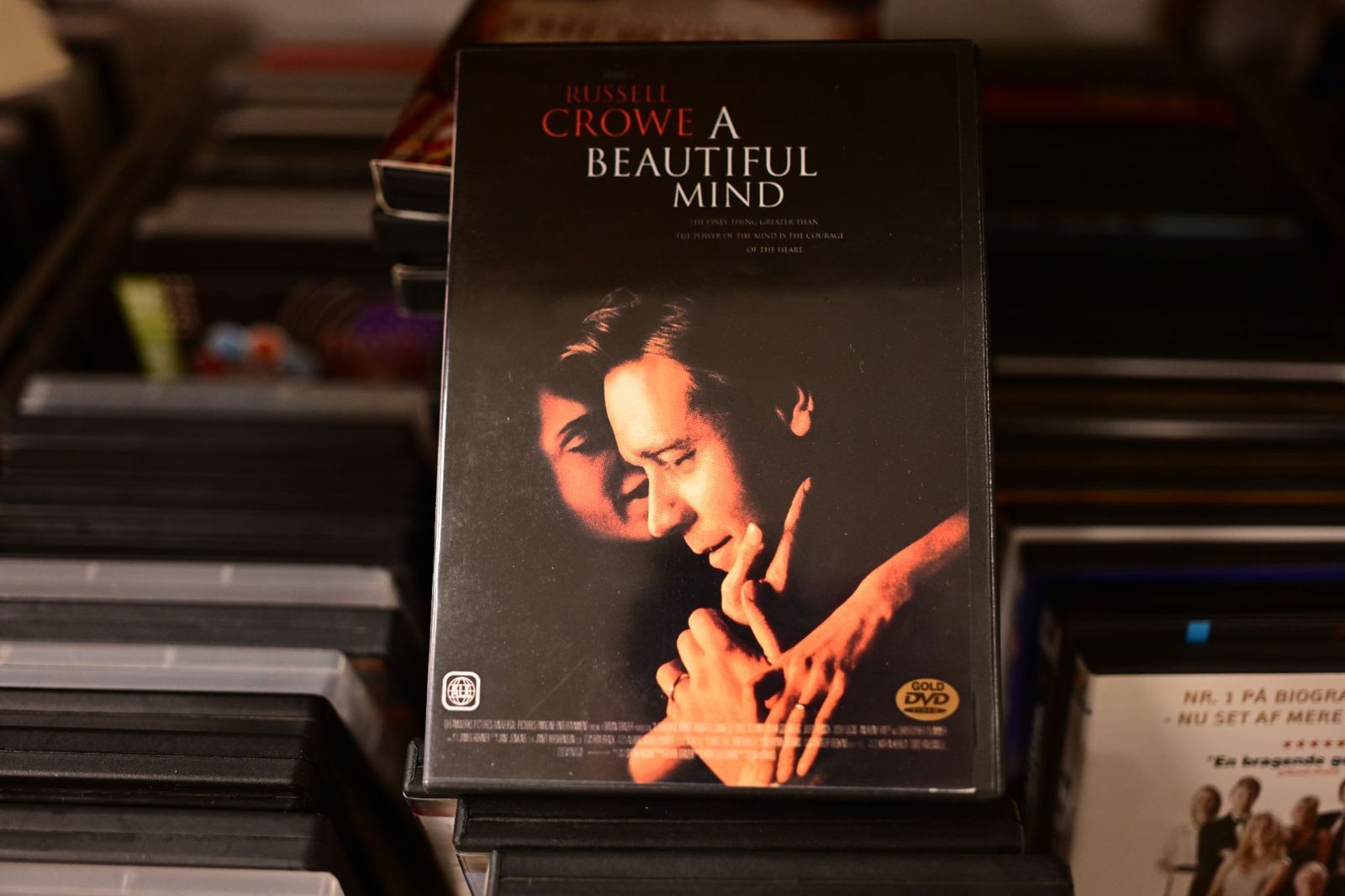
Ron Howard’s biopic presents John Nash (Russell Crowe) battling schizophrenia. In the film, the Nobel Laureate mathematician has vivid visual hallucinations of a college roommate, a young girl, and a secret government handler.

It is true that John Nash lived with paranoid schizophrenia, but his hallucinations were auditory and delusional (he heard voices and believed extraterrestrial beings were communicating through newsprint). Filmmakers acknowledged altering his symptoms because visual figures were easier to convey on screen. The film also sugarcoated Nash’s personal life, omitting his first child born out of wedlock, his divorce from his wife Alicia, and his intimate relationships with other men.

8
JFK (1991)

Image: Walt Cisco, Dallas Morning News, Public domain, via Wikimedia Commons

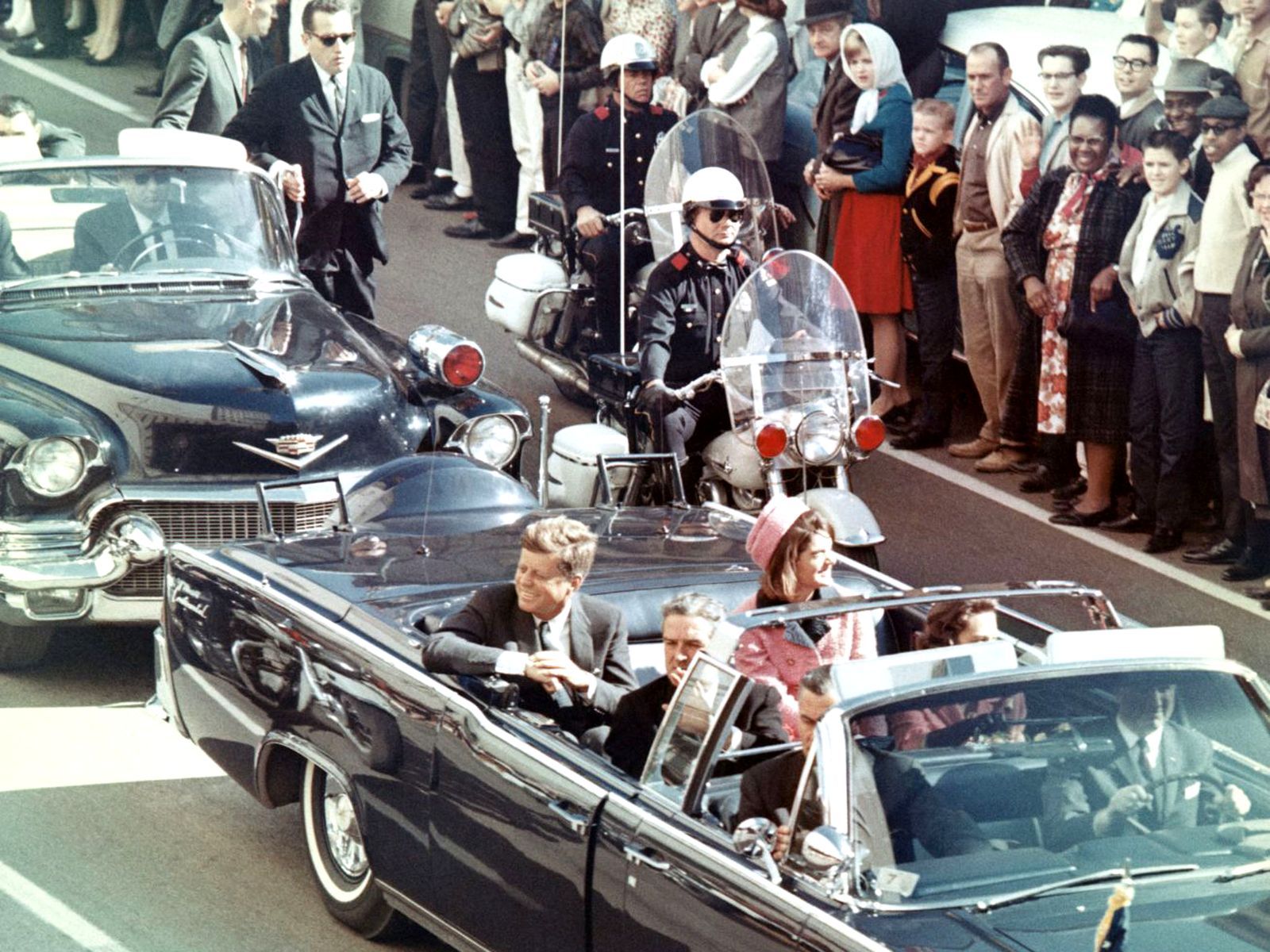
Director Oliver Stone follows New Orleans District Attorney Jim Garrison (Kevin Costner) as he uncovers a conspiracy behind President John F. Kennedy’s 1963 assassination involving the CIA, FBI, military leaders, and Vice President Lyndon B. Johnson.

Historians criticize JFK for presenting discredited conspiracy theories as historical facts. Key characters in the film (such as Donald Sutherland’s "Mr. X") were complete fabrications. Garrison’s actual prosecution of businessman Clay Shaw was based on dubious testimony and resulted in Shaw’s acquittal in under an hour. The narrative of a multi-agency coup remains unsupported by official evidence, yet the film prompted the release of classified records under the JFK Records Act.

9
The Sound of Music (1965)

Image: HEakin

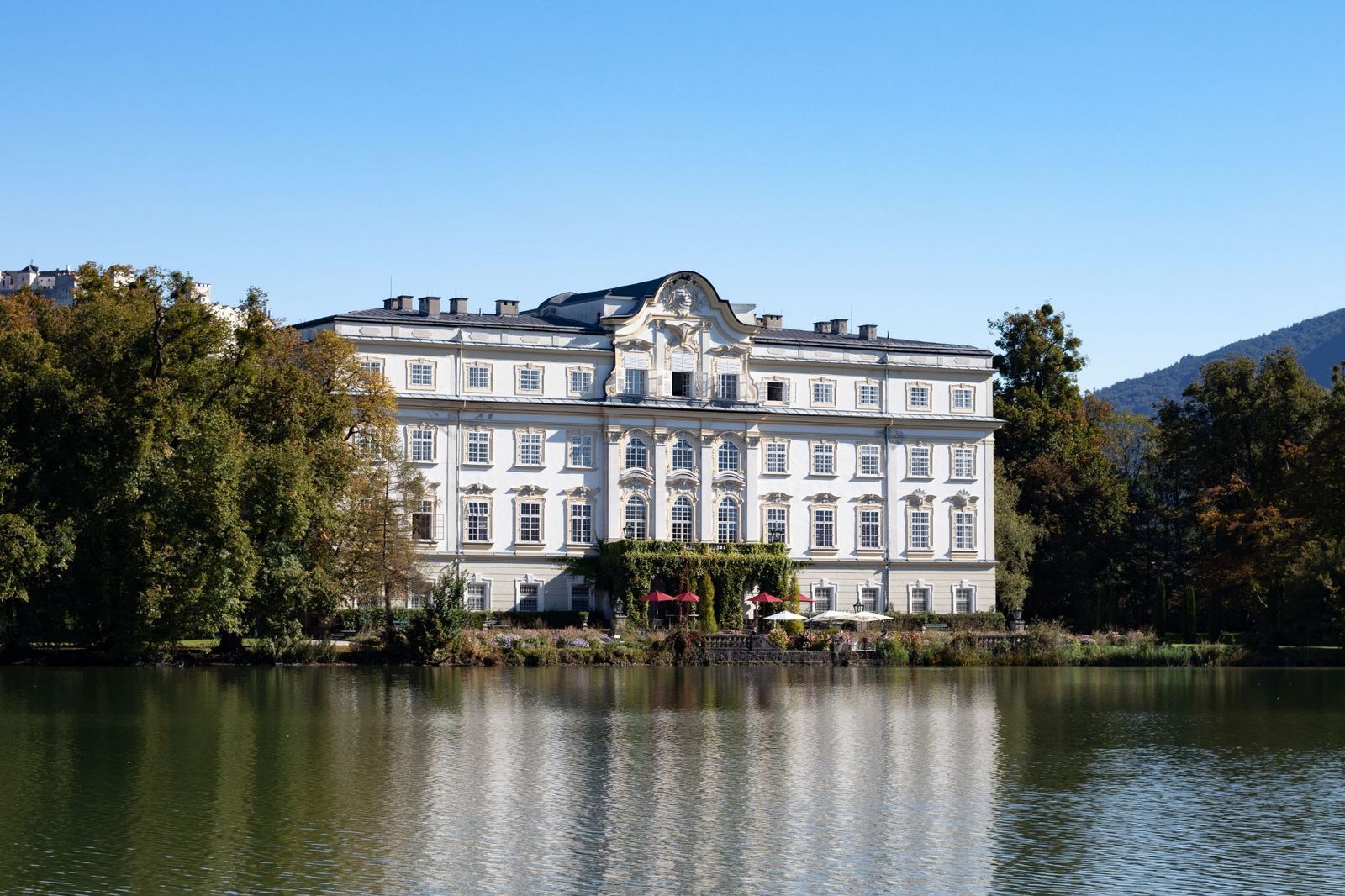
In the iconic film The Sound of Music , governess Maria (Julie Andrews) teaches naval Captain von Trapp’s seven children to sing and helps the family escape the 1938 Nazi annexation of Austria by hiking over the Alps into Switzerland.

Had the von Trapp hiked over the mountains behind their house in Salzburg, they would have walked straight into Nazi Germany near Hitler’s mountain retreat at Berchtesgaden. In real life, the family walked to their local train station and boarded a train to Italy before emigrating to the United States. Also, the personalities were reversed: the real Captain von Trapp was warm and musical, whereas Maria was strict. What’s more, the couple had already been married for over ten years before leaving Austria.

10
Saving Private Ryan (1998)

Image: National Archives and Records Administration, Public domain, via Wikimedia Commons

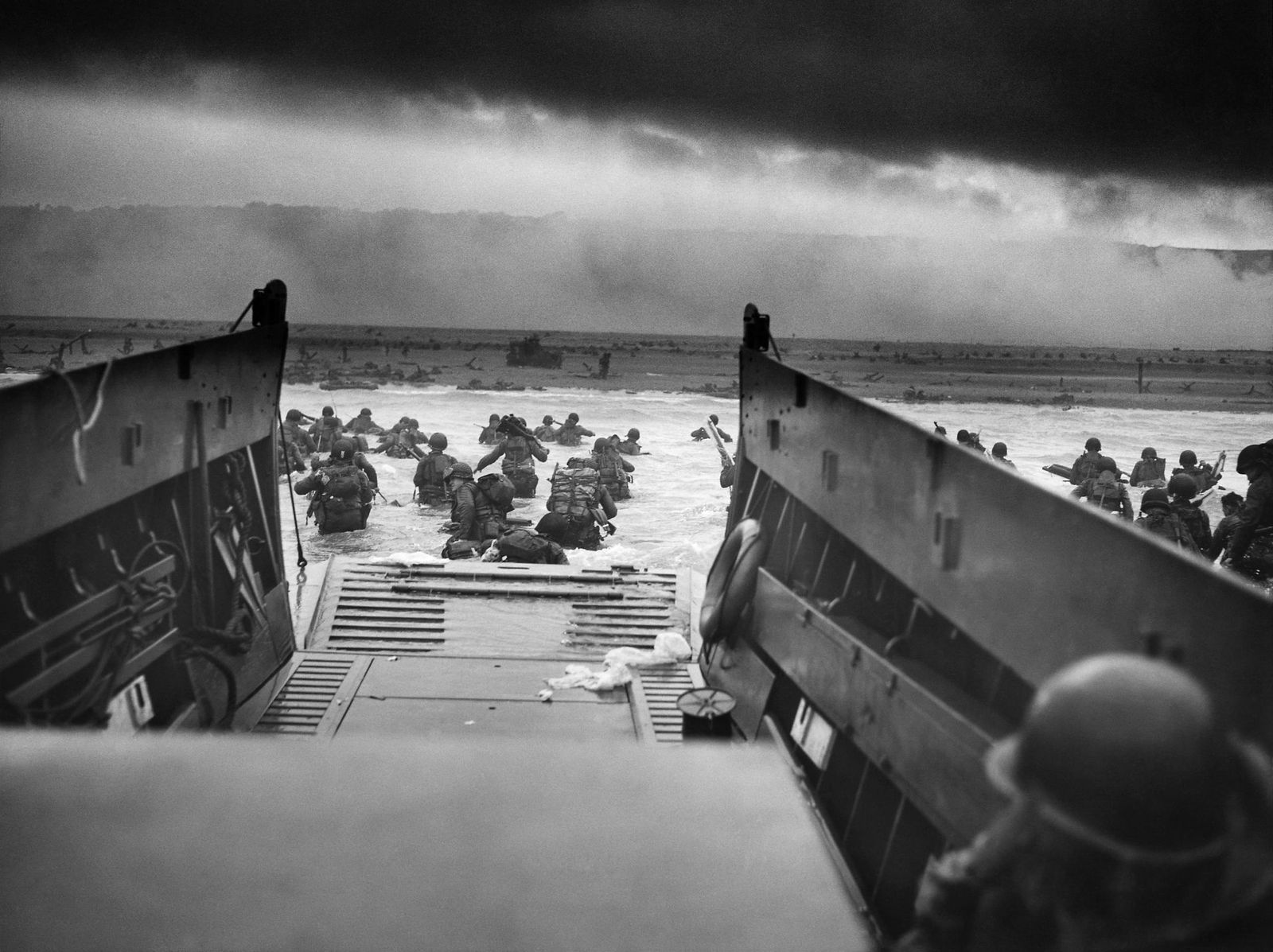
The opening D-Day landing sequence in Saving Private Ryan is praised by military veterans for its technical realism, but the film’s core premise is fictional. Following the invasion at Omaha Beach, Captain Miller (Tom Hanks) leads a U.S. Army Ranger squad into enemy territory in Normandy to find Private James Ryan (Matt Damon), whose three brothers were killed in action.

The plot is loosely inspired by the real-life Niland brothers, but the U.S. military never dispatched an entire squad on a dedicated search mission through enemy lines to extract a single private. Additionally, the final battle in the fictional town of Ramelle overstates the ability of infantry small arms against heavy German armor, which in reality was neutralized by artillery and tactical air strikes.

Culture Culture 6 min read

How do the most powerful blow off steam?

Which US President spent a quarter of his presidency at a ranch in Texas?

Image: Robert LeRoy Knudsen, Public domain, via Wikimedia Commons

Running the White House is a highly demanding job, so throughout history, many presidents have found ways to relieve the pressure and stress of leading at the highest level of government. When not shaping the path of the nation, presidents have enjoyed a variety of hobbies and pastimes that provide them with leisure time to relax, unwind, and clear their minds. From golfing and swimming to reading and painting, here are 12 U.S. Presidents who found the perfect balance between pleasure and duty.

1
George Washington

Image: Alonzo Chappel, CC0, via Wikimedia Commons

Founding Father and first president of the United States, George Washington, enjoyed many recreational activities during his free time. He was a true outdoorsman—he loved hunting and fishing and was a devoted gardener and farmer .

It’s common knowledge that after deciding not to run for a third term, he retired to his Virginia farm and dedicated the rest of his life to farming. But one fact you may not know is that, in his youth, Washington was a frequent dancer —and rumor has it, he was even extremely good at it! He considered dancing an important social interaction, describing it as "so agreeable and innocent an amusement."

2
Franklin D. Roosevelt

Image: National Archives and Records Administration, Public domain, via Wikimedia Commons

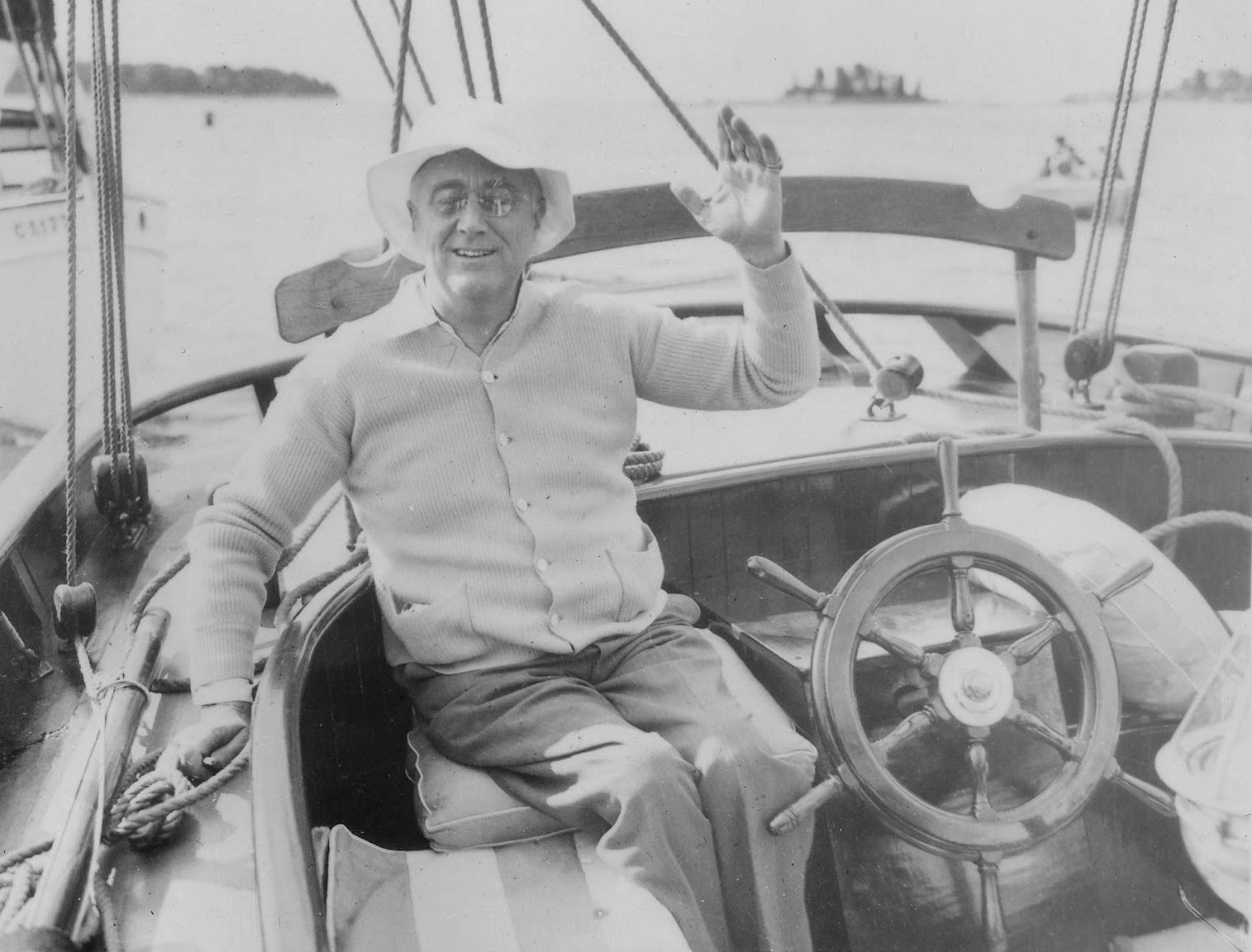
Franklin D. Roosevelt, the only president to be elected to four consecutive terms, led the country through the critical years of the Great Depression and World War II. To maintain a clear mind while navigating such tumultuous times, Roosevelt embraced a number of pastimes. He collected books , stamps , and ship models , for example.

In addition, he was an avid swimmer . After losing the ability to walk due to polio, Roosevelt began swimming three times a week to strengthen his muscles. Following his election, the New York Daily News donated a swimming pool to the White House so he could continue his practice.

3
James A. Garfield

Image: Unknown; part of Brady-Handy Photograph Collection., Public domain, via Wikimedia Commons

Before becoming the 20th president, James A. Garfield enjoyed fishing , hunting , and playing billiards . But he was also exceptionally intelligent and studious.

Though many people may know Garfield for serving just four months in office, he was also the first ambidextrous president of the United States . Not only could he write with both hands, but when asked a question, he could simultaneously write the answer in ancient Greek with one hand and Latin with the other. Pretty impressive, don’t you think?

4
Calvin Coolidge

Image: National Photo Company Collection, Public domain, via Wikimedia Commons

The 30th president of the United States liked riding horses so much that he had an electronic horse installed in the White House. The device had two speeds—trot and canter—and he rode it every day.

That said, Calvin Coolidge was a taciturn man of few words, who enjoyed taking afternoon naps, earning him the nickname "Silent Cal." He also had a very particular sense of humor . He reportedly enjoyed pressing the alarm buttons in the Oval Office or hiding in the garden shrubbery to startle his Secret Service agents.

5
Jimmy Carter

Image: Tuntematon, Valkoisen talon valokuvaajat (01/20/1977 - 01/20/1981), Public domain, via Wikimedia Commons

Throughout his life, Jimmy Carter was a curious man who never stopped doing things. He studied nuclear physics in college, could read two thousand words a minute, wrote numerous books, and even won a Nobel Peace Prize in 2002.

But what did this brilliant man like to do in his spare time? Carter had a variety of hobbies, including painting , poetry , tennis , cycling , fly fishing , and skiing . However, the one activity in which he perhaps excelled most was woodworking . After retiring, the 39th president of the United States set up a garage workshop on his Georgia ranch, where he built furniture that was later auctioned to benefit the Carter Center.

6
John Quincy Adams

Image: Pieter Van Huffel, 1769 - 1844, CC0, via Wikimedia Commons

John Quincy Adams was notoriously meticulous and kept a diary detailing his daily routine. Thanks to this, we now know that the sixth president of the United States liked to relieve the stress of the presidency with an early morning swim .

After waking up around 4 or 5 a.m., Adams would walk two miles to the Potomac River and leave his clothes on the shore before taking a swim. According to lore, one morning, a reporter named Anne Royall snatched his clothes and demanded that the president give her an interview. Adams had no choice but to answer her questions while standing deep in the river, completely naked.

7
Harry S. Truman

Image: Abbie Rowe, Public domain, via Wikimedia Commons

Harry S. Truman governed the United States from 1945 to 1953, right after World War II—a difficult and stressful time, to be sure. To blow off some steam, the 33rd president liked to immerse himself in one of his two long-time passions: reading and music .

Truman had eye problems, which prevented him from participating in sports. As a result, he became an avid reader from an early age—in fact, he once boasted of having read every book in the library by the age of 14. He was also a very skilled piano player , having started lessons at the age of seven.

8
Lyndon B. Johnson

Image: Yoichi Okamoto, Public domain, via Wikimedia Commons

Living up to the legacy of one of the most popular presidents in American history can't be easy. But it appears that the 36th president of the United States knew just how to maintain a good balance between responsibility and leisure. During his five-year administration, Lyndon B. Johnson spent 490 days —about a quarter of his presidency— at the LBJ Ranch in Stonewall , Texas, combining work and vacation so seamlessly that the place became known as "The Texas White House."

At this ranch, Johnson had an extensive collection of vehicles . Among them was the Amphicar, an amphibious passenger car built in the 1960s, which he used to play pranks on his visitors.

9
Richard Nixon

Image: White House Photographer, Public domain, via Wikimedia Commons

Not many people know this, but Richard Nixon was an artistic man. He enjoyed theater—he even met his future wife during a community theater audition—and he could play five musical instruments : piano, saxophone, violin, clarinet, and accordion.

But he was also into sports. In addition to being a huge football fan, he and First Lady Pat Nixon enjoyed bowling . In fact, the Nixons were responsible for moving the White House bowling alley back to the Executive Mansion after it had been relocated to a nearby building years earlier.

10
George W. Bush

Image: Series: Photographs Related to the George W. Bush Administration, 1/20/2001 - 1/20/2009Collection: Records of the White House Photo Office (George W. Bush Administration), 1/20/2001 - 1/20/2009, Public domain, via Wikimedia Commons

During his free time, George W. Bush enjoyed golfing, biking, attending baseball games, and reading American history. He was also a very competitive runner .

However, when the 43rd president of the United States left office, he was only 62 years old—plenty of time to acquire a new pastime. In the years following his time in the White House, Bush surprised many by turning to painting . "I’m a painter," he told Jay Leno on The Tonight Show .

11
Dwight D. Eisenhower

Image: ddd

To relieve the stress of leadership, Dwight D. Eisenhower maintained a number of hobbies that he cultivated throughout his life. One of his main passions was golf , which he played during and after his presidency. He even kept a small putting green in the White House garden and had a four-hole practice course installed at Camp David.

But that’s not all. Ike enjoyed fishing, hunting, shooting, watching Western movies, and playing bridge. He was also an avid painter who often captured natural landscapes and gave them as gifts to friends. After leaving the White House, Ike settled on a farm near Gettysburg, Pennsylvania, where he raised Black Angus show cows that won blue ribbons at state and county fairs.

12
John F. Kennedy

Image: Robert LeRoy Knudsen, Public domain, via Wikimedia Commons

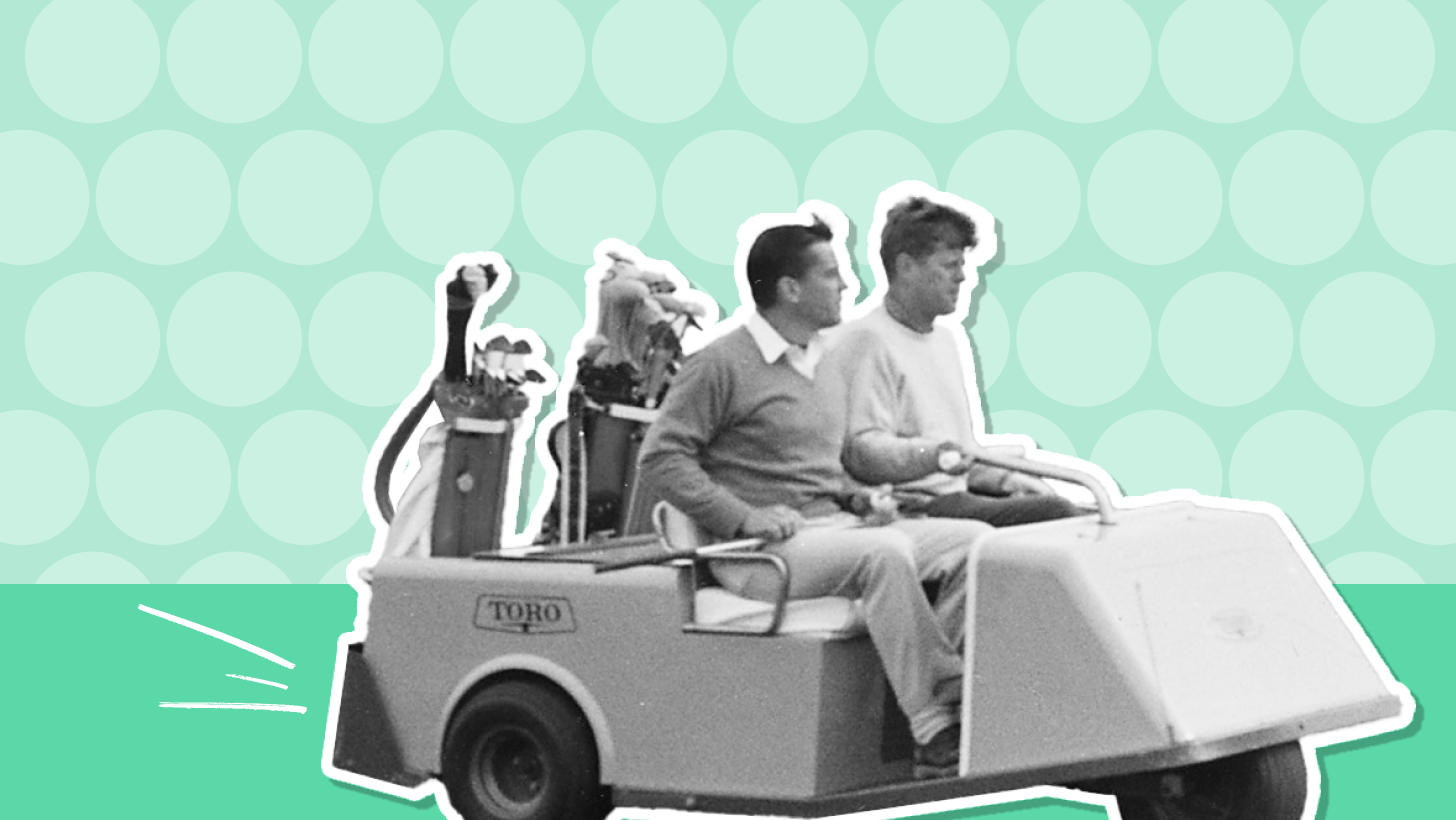
John F. Kennedy was an exercise enthusiast and something of a jock. He played many sports : golf, tennis, swimming, baseball, and football. Despite being an athletic man, he enjoyed smoking between four and five cigars a day—his favorite brands were Upmanns and Monticellos!

But perhaps the hobby that most helped him relax from the tensions of the presidency was boating. Like many members of his family, John F. Kennedy loved to sail and was often photographed at sea with his wife and young children.

Explore more American facts

Choose your favorite category!

General
General

As American as apple pie—the very best America has to offer!

Culture
Culture

Delve into the astounding richness of American lore.

Geography
Geography

Hop in and explore vast and diverse American landscapes.

History
History

Discover the key moments that shaped the United States.