Uncover the King
He wasn't born with that black hair: Elvis Presley's hidden secrets
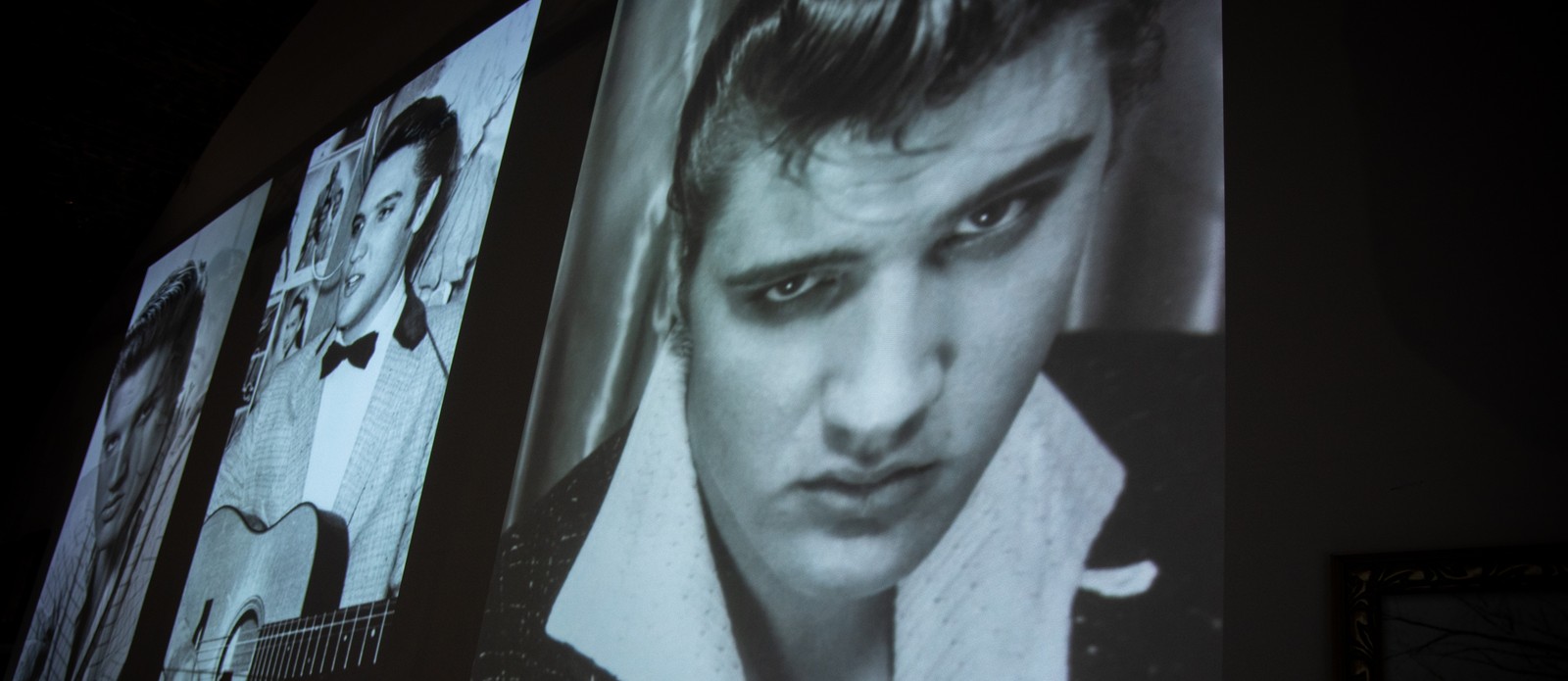
Image: Loredana Sangiuliano
You've seen his jet-black hair in every photo, but did you know Elvis Presley was born blond? That's just the beginning. He carried his own silverware to restaurants, earned an eighth-degree black belt, and even modeled his whole look after a comic book hero. From a secret library at Graceland to a shocking meeting with President Nixon, the King kept more surprises than anyone imagined. Get ready to see the real Elvis behind the legend with these 20 little-known facts about him.
1
He never learned to read music
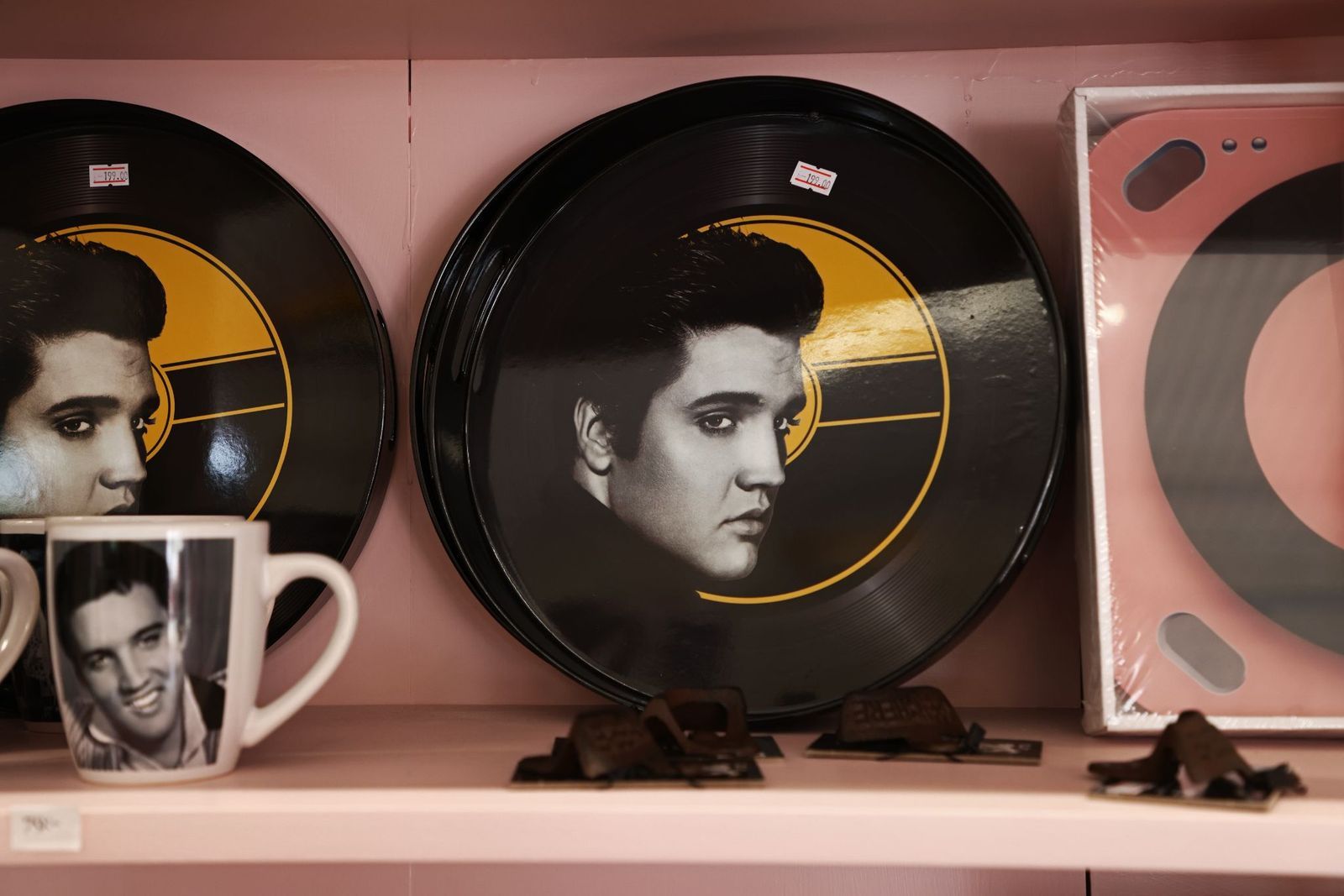
Elvis Presley recorded hundreds of songs across rock, blues, country, and gospel, yet he never learned to read a single note of sheet music. In the studio, musicians would run through an arrangement, and Elvis would listen, absorb the melody, and memorize it entirely by ear.
He leaned on instinct and repetition rather than notation, catching every pause, key change, and harmony simply by listening closely and trying it himself. Producers and session players who worked with him often talked about how quickly he could pick up a complex arrangement without ever glancing at a chart the way trained musicians did. It never held him back. If anything, it forced him to feel each song rather than read it, which explains why his performances always sounded personal.
2
He was a natural blond
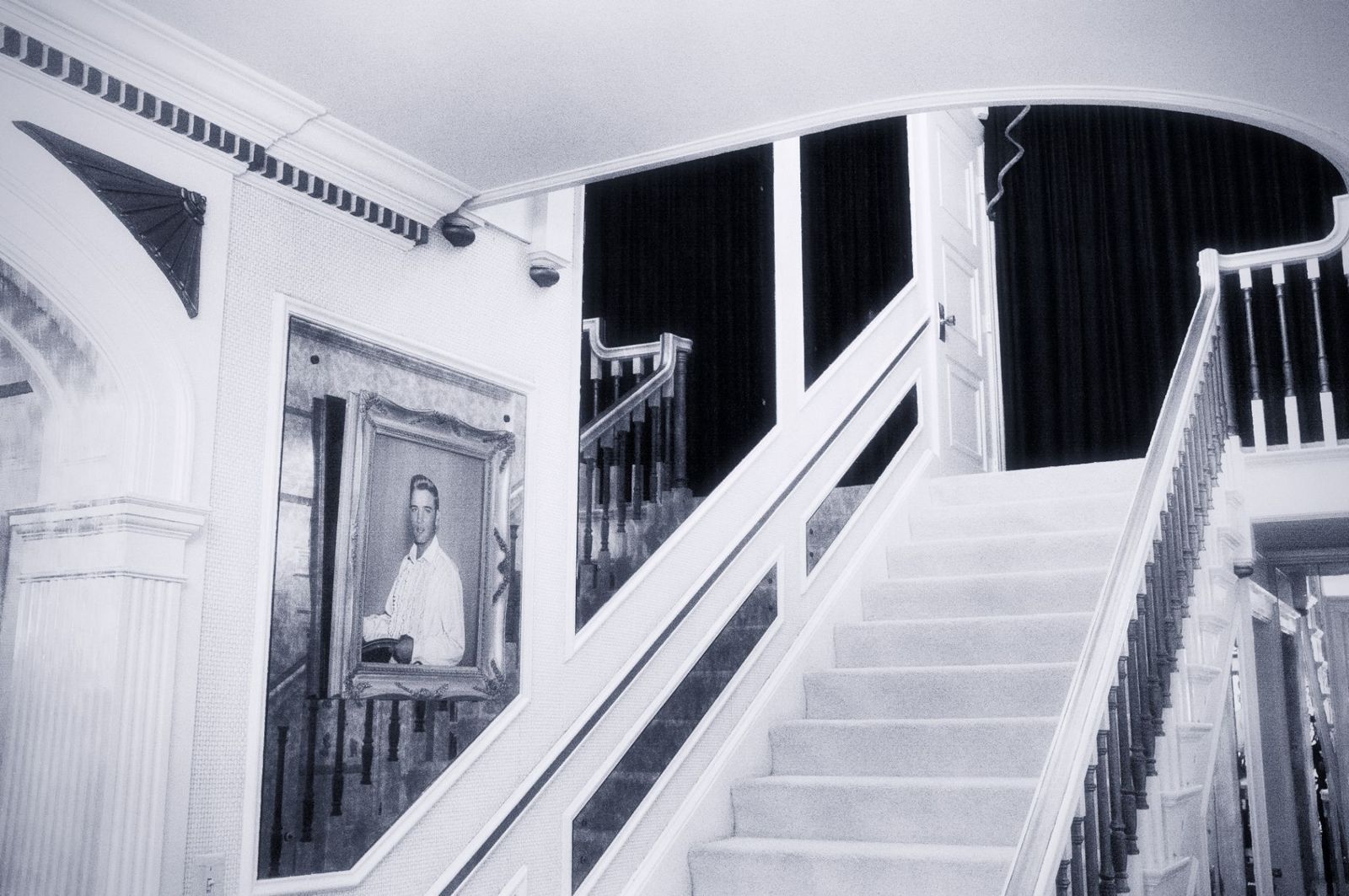
When you think of Elvis, you think of iconic pitch-black hair with sideburns. But Elvis’s hair wasn’t originally black; he was actually born a blond.
As Elvis grew up, his hair turned darker, but the darkest it got was simply a light brown. Trying to mimic the idols of the time, Marlon Brando and Tony Curtis, he started dyeing his hair dark. Now, here’s the twist: In Presley's household, money was tight, so he used black shoe polish instead. The more dramatic look came along with hit songs and money that allowed him to afford real dye, keeping the pitch-black tone which complimented his blue eyes. During his army years in Germany, dye wasn’t allowed, and his natural sandy color quietly returned. A single portrait from that era still hangs at Graceland in Memphis.
3
He had a huge badge collection, which led to a meeting with Nixon
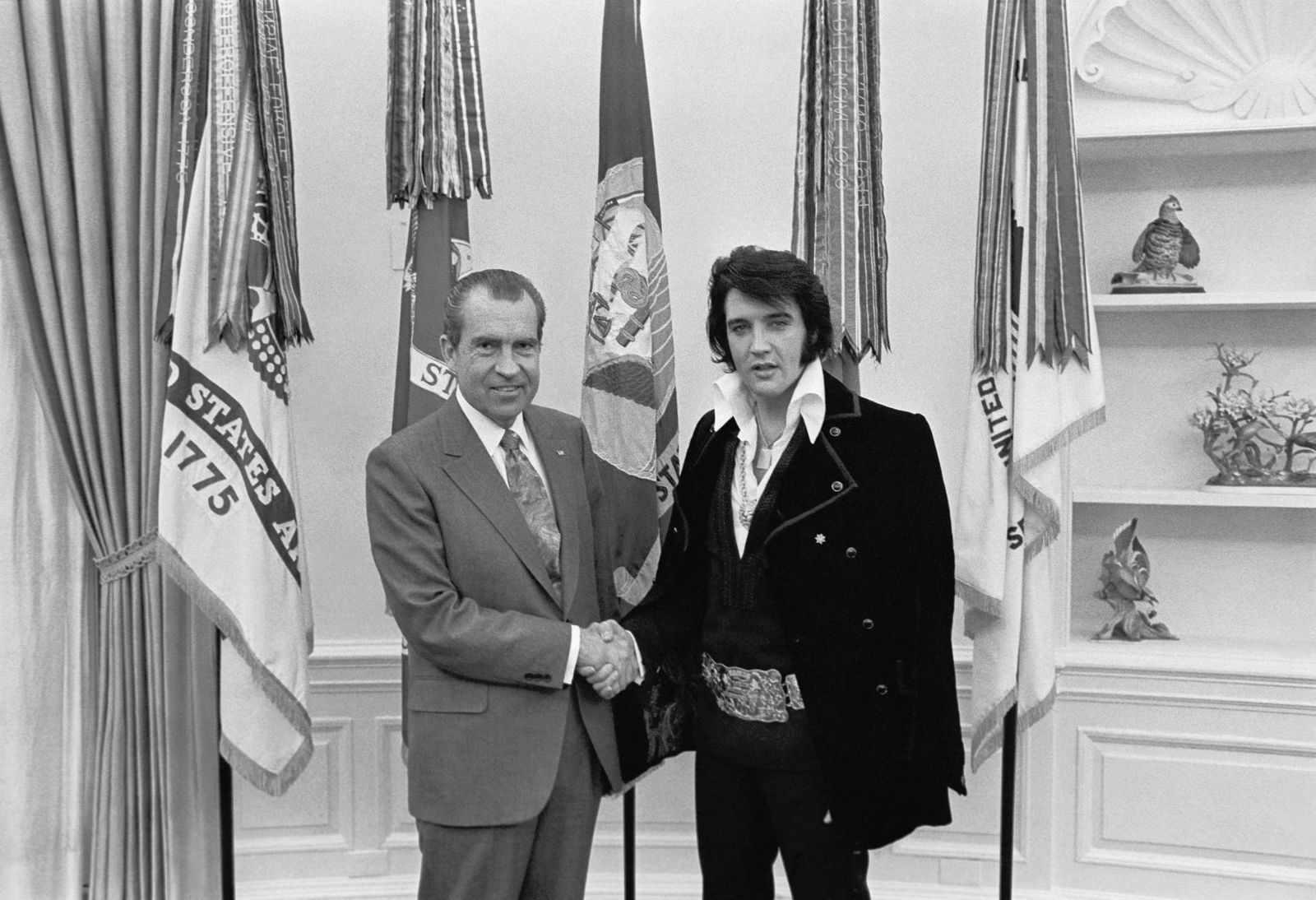
Elvis had a genuine fascination with law enforcement, and over the years he built up a personal collection of honorary badges from police departments across the country. What he really wanted, though, was a federal badge from the Bureau of Narcotics and Dangerous Drugs, and officials kept turning him down.
In December 1970, Elvis flew to Washington, D.C., and wrote President Richard Nixon a letter on the plane , offering his services in the fight against drug culture. He hand-delivered it to the White House gates before dawn. By that afternoon, Elvis stood in the Oval Office showing Nixon his badge collection while a photographer captured what became one of the most surreal photos in presidential history. Nixon agreed, and Elvis walked out with the badge his collection had been missing.
4
He auditioned for a gospel quartet and was rejected
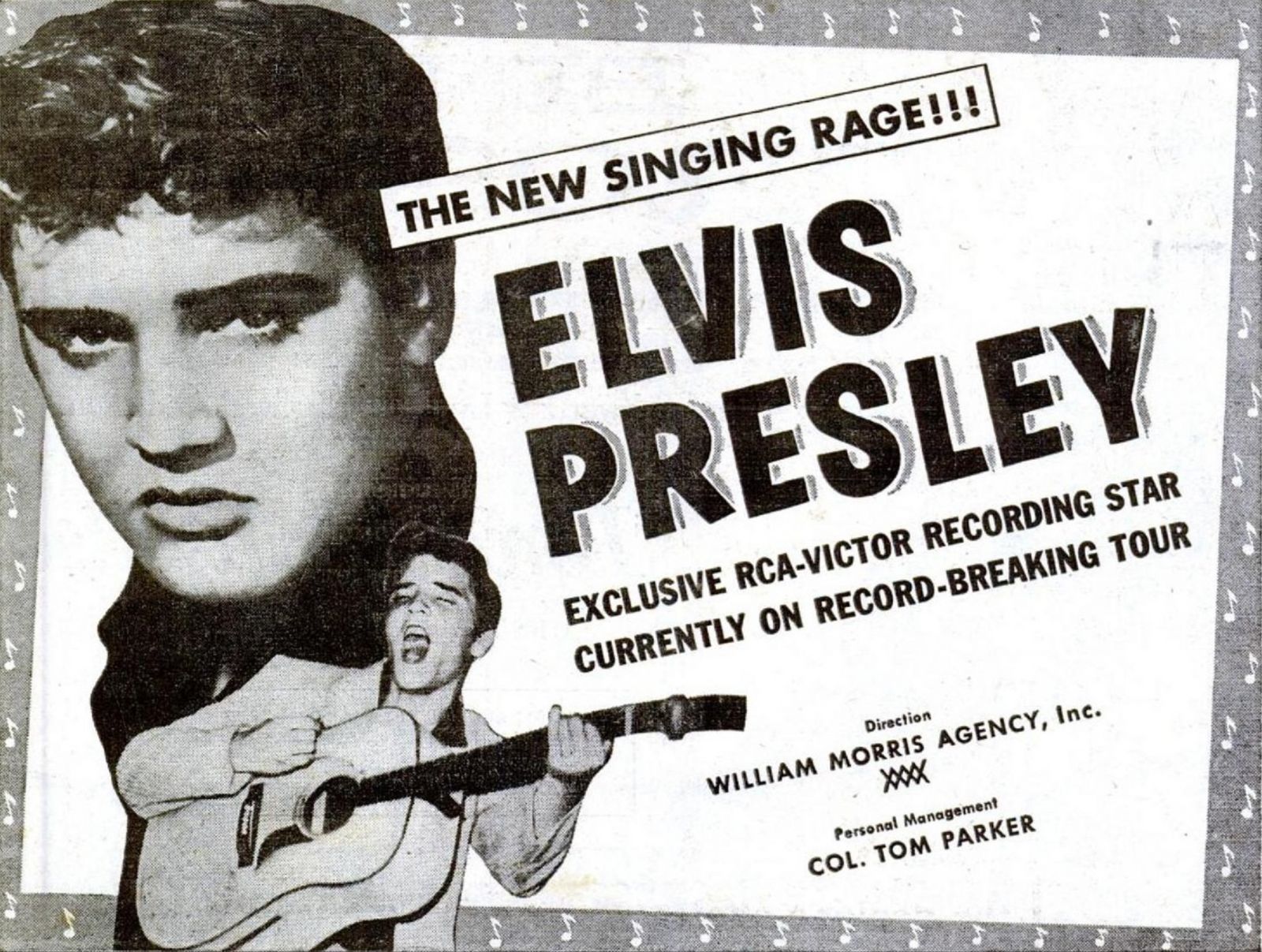
In the summer of 1954, a 19-year-old Elvis Presley tried out for the Songfellows, a Memphis gospel quartet connected to the well-known Blackwood Brothers. Elvis had grown up loving gospel music and dreamed of singing in a group like this one.
The audition did not go his way. Group member Jim Hamill later said Elvis couldn't hold his own on harmony parts at the time, and the Songfellows turned him down. Elvis went home and told his father the group said he couldn't sing. Just months later, in July 1954, he walked into Sun Records and cut his first single. Ironically, the Songfellows soon had a change of heart and invited him to join after all, but by then his solo career was already taking off, leaving gospel harmony as a road not taken.
5
His comic book hero inspired his signature look
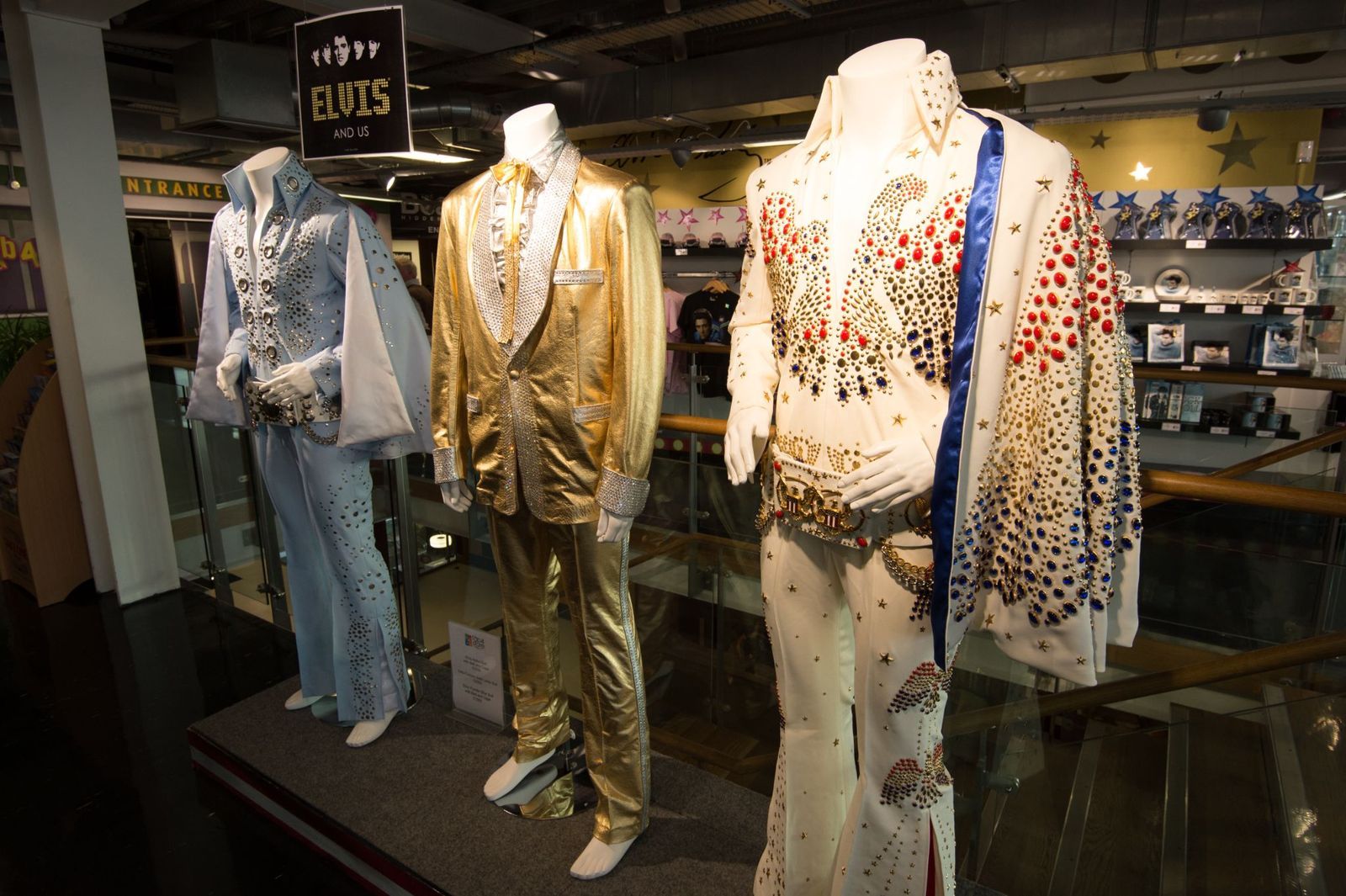
Long before Elvis designed a single jumpsuit, he was a kid in Tupelo who loved comic books, especially Captain Marvel Jr. The teenage superhero had jet-black hair with a dramatic curl, a half cape, and a lightning bolt blazing across his chest. Elvis held onto that image for the rest of his life.
His famous pompadour with its curled front piece echoes Captain Marvel Jr.'s hairstyle almost exactly. His stage capes in the 1970s mirror the hero's costume. Even his personal logo, TCB for "Taking Care of Business," built around a lightning bolt, traces back to those pages he read as a poor kid dreaming of something bigger. Graceland still keeps a box of his childhood comics in the attic, proof his whole look grew from a boyhood hero.
6
He owned a presidential yacht
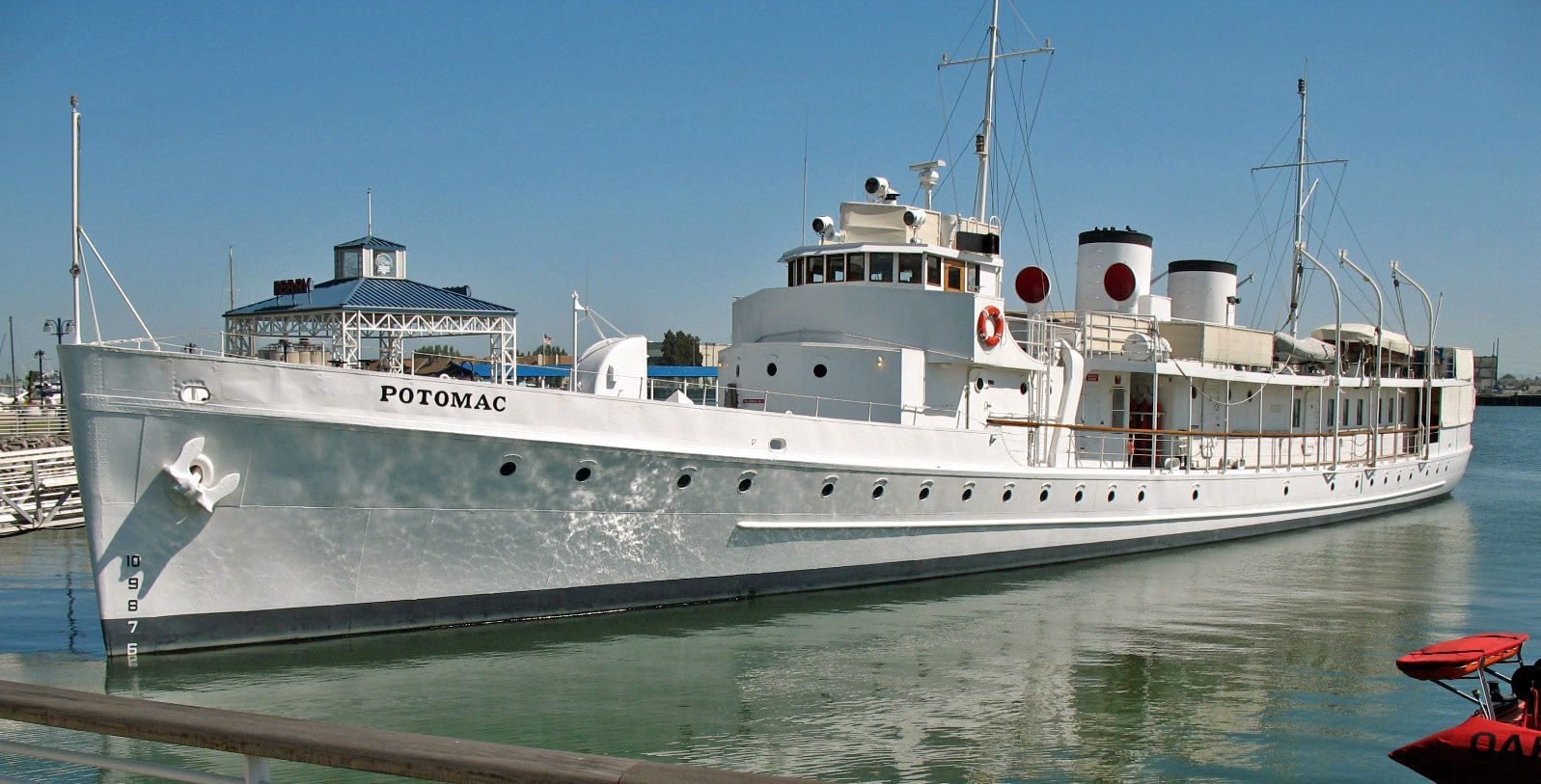
In January 1964, Elvis Presley's manager Colonel Tom Parker bought a yacht at auction in his client's name for $55,000, which would be roughly over $500,000 today. It wasn't just any yacht.
It was the USS Potomac, the vessel President Franklin D. Roosevelt had used as his floating White House throughout the 1930s and early 1940s. Elvis owned it for barely two weeks. On Valentine's Day, February 14, 1964, he handed over the deed to entertainer Danny Thomas in a public ceremony in Long Beach, California, donating the historic yacht to Thomas's new St. Jude Children's Research Hospital in Memphis. The Potomac was sold that same year to a private buyer for $65,000, every cent going straight to the hospital —one of Elvis's most generous, and least remembered, acts of charity.
7
He brought his own cutlery to restaurants

Elvis loved dining out, but he had one rule most fans never noticed. He rarely touched silverware that wasn’t his own. That’s because he took his own cutlery.
From his rise to fame in the mid-1950s through his Las Vegas years, Elvis carried his own set of forks, knives, and spoons whenever he ate somewhere new. People who traveled with him often described this as a lifelong habit, closely tied to a persistent germaphobia. While the rest of the table used whatever the restaurant provided, Elvis unpacked his own utensils and ate with those instead.
8
He held an eighth-degree black belt in karate
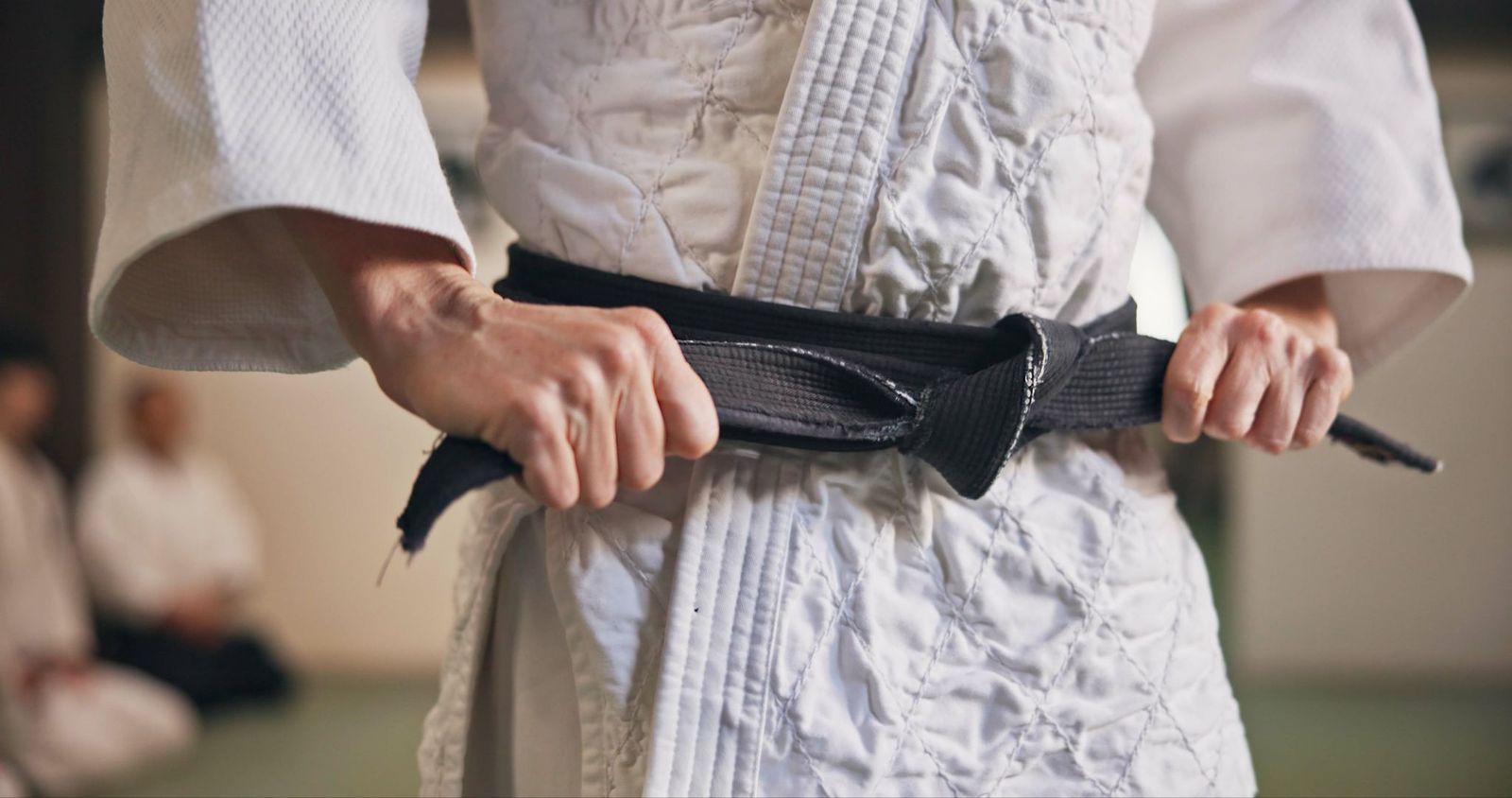
Elvis first tried karate in 1958 while stationed with the Army in Germany, training under a local instructor named Juergen Seydel, who taught Elvis at his off-base housing in Nauheim.
He kept at it for years, and later studied under American Kenpo pioneer Ed Parker in California. But it was in Memphis, between 1970 and 1974, training under Grandmaster Kang Rhee at a small dojo on Summer Avenue , that Elvis went all in. He trained alongside regular students under the nickname Tiger and took the same tests everyone faced. On September 16, 1974, Master Rhee awarded him an eighth-degree black belt in a low-key ceremony in front of fellow students and their families. That same year, Elvis opened his own school, the Tennessee Karate Institute, and worked karate moves right into his stage shows.
9
He rented entire amusement parks and movie theaters overnight
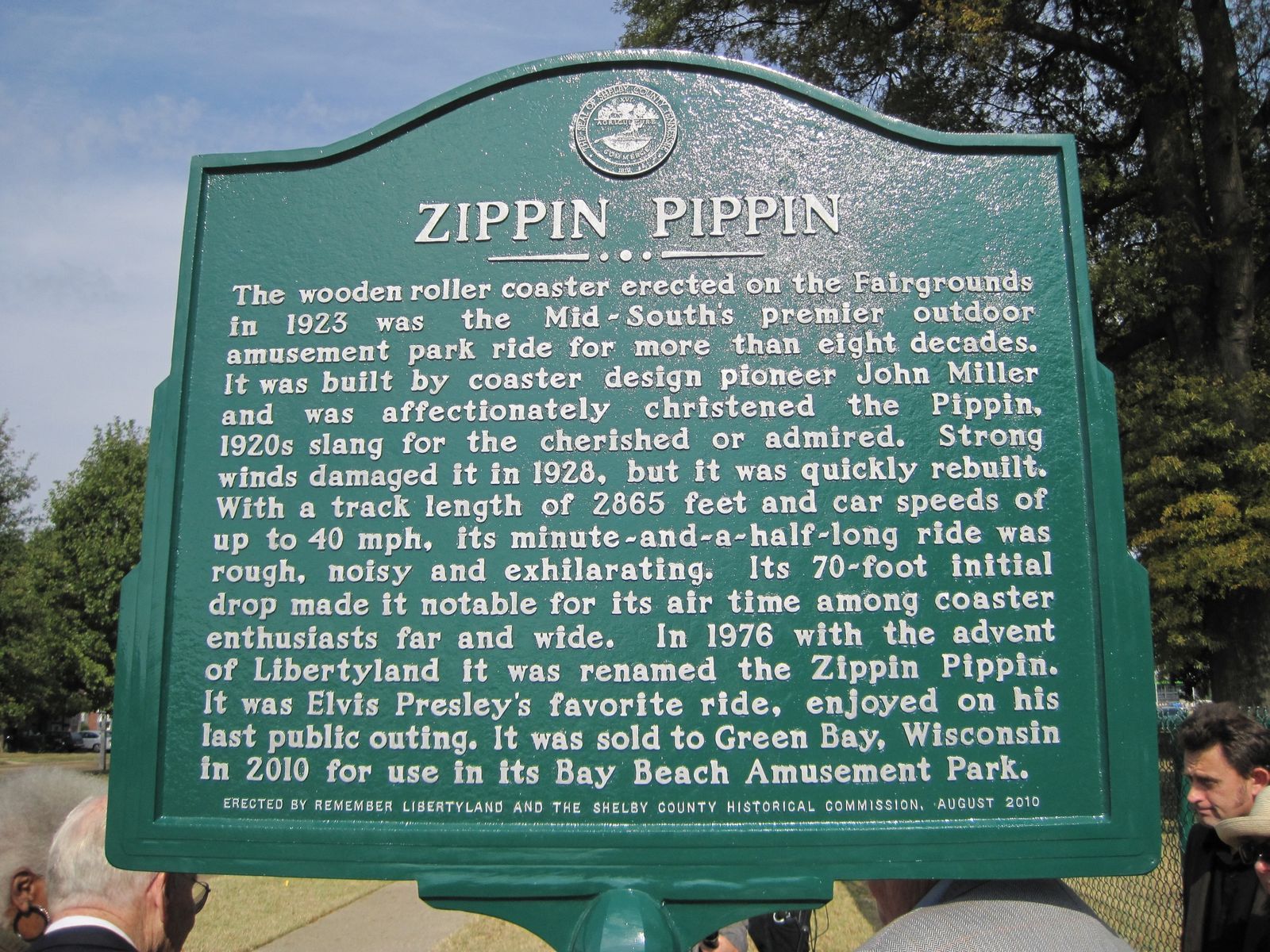
Elvis loved movies and the fairground, but he hated crowds pressing in on him wherever he went. His solution was simple if you had his kind of money.
In Memphis, he r egularly rented out the entire Memphian Theater from midnight until dawn, filling the seats with friends and family to watch newly released films with nobody else around. He did something similar at the Memphis fairgrounds, later known as Libertyland, booking the whole park overnight so he could ride his favorite wooden roller coaster, the Zippin Pippin, again and again without a single stranger in line. He loved that ride so much he rode it into the early hours with his daughter Lisa Marie beside him in August 1977 — just eight days before he died at age 42.
10
He kept a huge collection of books

The public saw a swaggering rock and roll star in tight jumpsuits, but behind closed doors at Graceland, Elvis Presley was something of a bookworm .
He kept a personal library that grew into the hundreds, later estimated at over a thousand titles, covering philosophy, world religions, anatomy, and numerology. His hairstylist and close friend Larry Geller became his main source for these books. Geller curated, recommended, and bought the books for Elvis, and the two spent hours discussing what he read. He underlined passages, scribbled notes in the margins, and carried a rotating stack with him on tour, sometimes hundreds of books packed into trunks. Auction houses have sold some of his personally annotated copies over the years, filled with handwriting beside ideas he clearly found worth wrestling with.