Culture Culture 3 min read

Haters gonna hate

Which of these bestselling books was the most hated by the critics?

Image: Araix Rand

Not every bestseller wins over the critics. In fact, some of the most wildly popular books were absolutely roasted when they first hit shelves. Whether it was the writing, the message, or just sheer snobbery, these 12 hugely successful books — many of them pop culture phenomena — didn’t get much love from literary gatekeepers of the time.

1
The Da Vinci Code - Dan Brown
Image: Marek Studzinski

A 2003 global bestseller later turned into a movie starring Tom Hanks, The Da Vinci Code, the second in Brown’s Robert Langdon series, thrilled millions with its fast-paced plot and conspiracy-laden narrative. Readers devoured its mix of history, religion, and puzzles.

Critics, however, slammed the novel’s writing as clunky and the characters as wooden . Many reviews mocked Brown’s prose and accused the book of historical inaccuracies and sensationalism.

2
Valley of the Dolls - Jacqueline Susann
Image: 鱼 鱼

Published in 1966, Valley of the Dolls became a sales phenomenon, later inspiring a camp classic film. Its scandalous look at fame, drug addiction, and the lives of glamorous young women captivated readers.

Critics were merciless, branding it vulgar, trashy, and poorly written . Literary elites dismissed it as pulp, with some refusing to review it at all.

3
Atlas Shrugged - Ayn Rand

Image: Stephen Phillips - Hostreviews.co.uk

Published in 1957, Atlas Shrugged developed a cult following and continues to sell decades after publication. Rand's philosophical vision of objectivism inspired fierce devotion among fans.

The literary world, however, tore it apart. Critics found the dialogue stilted and the message overly didactic . Many viewed it as a bloated, moralizing tome with little literary merit.

4
Fifty Shades of Grey - E.L. James

Image: Dollar Gill

This erotic romance, published in 2011, became a pop culture sensation, spawning multiple sequels and movies. Millions were drawn to its taboo themes, sparking debates and fan fervor worldwide.

Critics eviscerated the book for its repetitive prose and one-dimensional characters . It was widely mocked for poor grammar, simplistic plotting, and glorifying unhealthy relationships.

5
The Bridges of Madison County - Robert James Waller

Image: Logan Gutierrez

This romantic novel, published in 1992, was a runaway hit, touching readers with its brief tale of a passionate affair between a photographer and a housewife, inspiring a film starring Meryl Streep and Clint Eastwood.

Critics, though, rolled their eyes. The book was labeled melodramatic, emotionally manipulative, and stylistically flat , with more schmaltz than substance.

6
The Celestine Prophecy - James Redfield

Image: Filios Sazeides

This spiritual adventure novel, released in 1993, gained traction through word-of-mouth, eventually becoming a mega-bestseller. Its mystical insights resonated with readers interested in all things New Age.

Critics were unimpressed, calling it preachy and amateurish . Many dismissed it as pseudo-philosophy dressed up in a thin narrative , lacking depth or literary quality.

7
Jonathan Livingston Seagull - Richard Bach

Image: Francais a Londres

Bach's fable about a seagull chasing transcendence captured the imagination of millions in the 1970s. Its short format and uplifting message struck a chord.

Yet reviewers derided it as shallow and overly sentimental . Critics said its philosophical posturing felt empty and simplistic.

8
The Shack - William P. Young
Image: Annie Spratt

In 2007, The Shack found immense success, especially among religious readers. Its emotional story and portrayal of God in unconventional forms drew deep emotional reactions.

Theologians and critics, however, lambasted its theology and weak storytelling .

9
Twilight - Stephenie Meyer

Image: Sincerely Media

This vampire romance became a cultural juggernaut when it was published in 2005. Teens and adults alike were swept into Bella and Edward’s forbidden love story, fueled even further by three more books and the movies.

Critics were less kind. The writing was often mocked as juvenile, with characters deemed flat and the relationship dynamics problematic .

10
The Alchemist - Paulo Coelho

Image: QingYu

Though first published in Brazil, The Alchemist found enormous success in the U.S. in 1988. Readers praised it for its inspirational message and simple allegory.

Critics weren’t convinced. Many called it trite, vague, and overly didactic .

11
The Secret - Rhonda Byrne

Image: α Oinam

This 2006 self-help bestseller promised readers they could manifest anything they desired. Its message of positive thinking struck a chord worldwide.

But critics lambasted it as pseudoscience . Detractors called it naïve and irresponsible , arguing it oversimplified real-world problems and encouraged magical thinking over action.

12
A Million Little Pieces - James Frey

Image: Sugam Yadav

This memoir of addiction recovery became an Oprah Book Club pick and soared in sales. Readers found its raw honesty and chaos compelling.

But then, much of the book was revealed to be fabricated . Critics turned on it, calling the prose self-indulgent and the deception unforgivable in a marketed memoir.


Culture Culture 6 min read

Wartime Inventions

Why M&M's never melt in your hand: 10 wartime inventions

Image: Shutterstock

The phrase "Necessity is the mother of invention" is especially apt during wartime. During World War II, for example, soldiers needed lots of things to survive that didn’t exist yet. These inventors weren’t just scientists: mothers, businessmen, and car companies joined the challenge, too. When the Army asked, they took action and invented these 10 products that remained part of our everyday lives long after wartime.

1
Duct Tape Was Made to Protect Ammunition Cases

Image: Shutterstock

During World War II, the ammunition boxes sent to American troops were sealed with paper tape and dipped in wax to keep water out. Soldiers were supposed to pull a small paper tab to open them quickly. But the thin tape could tear, leaving them struggling to reach the ammunition. Vesta Stoudt, who packed and inspected these boxes at the Green River Ordnance Plant in Illinois, recognized this danger. She also had two sons serving in the U.S. Navy, so she devised a solution.

Stoudt proposed replacing the paper tape with a strong, waterproof cloth tape that soldiers could easily pull off. As she had no response from her supervisors, she wrote directly to President Franklin D. Roosevelt, including drawings of her idea. Roosevelt sent the proposal to the War Production Board, which asked a Johnson & Johnson operating company to manufacture the tape. It not only worked, but troops soon used the strong tape to repair boots and fix military vehicles too. Today, duct tape is still the solution to many everyday repairs.

2
M&M’s Were Designed With Soldiers in Mind

Image: Shutterstock

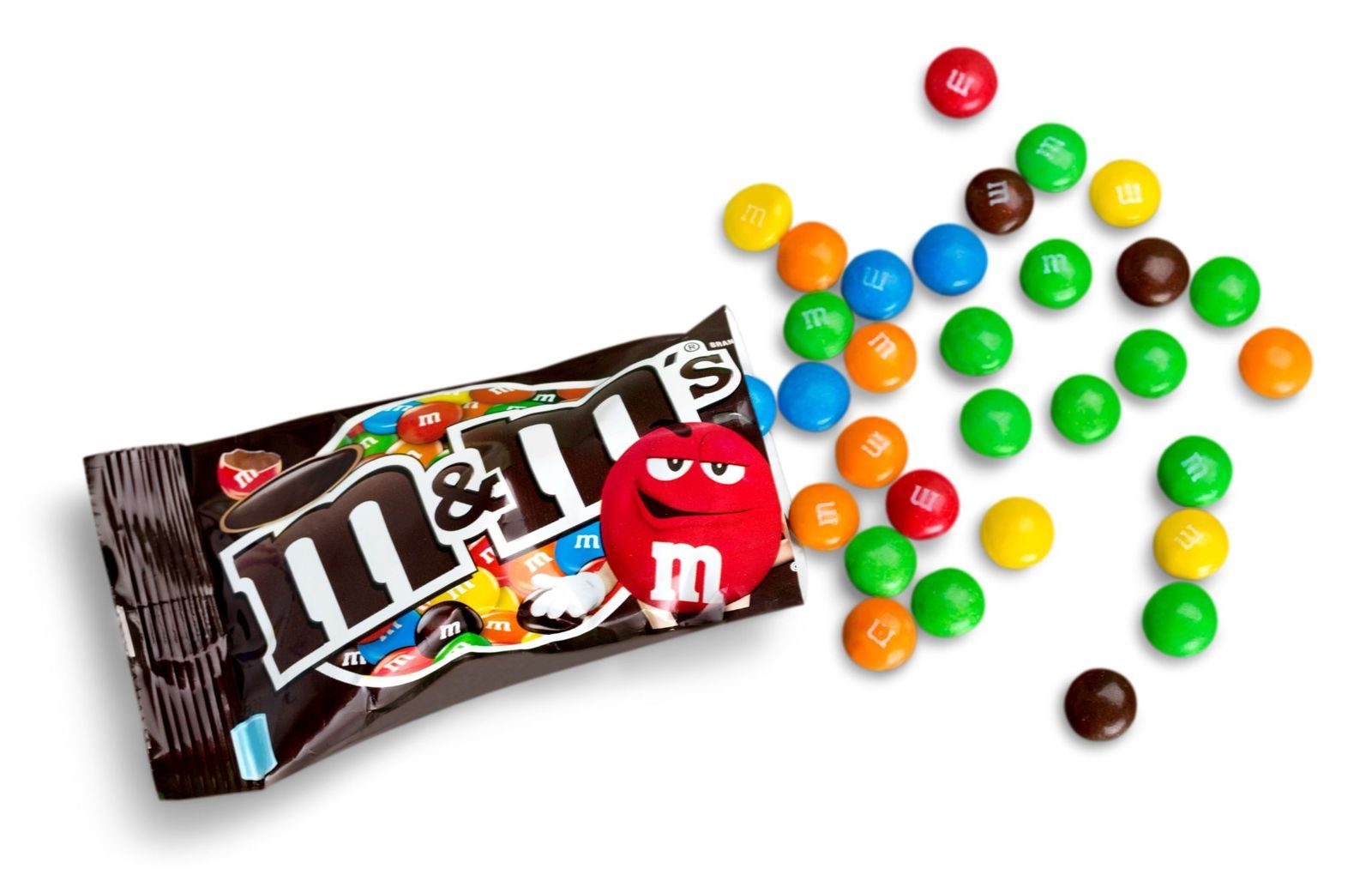
You probably remember the iconic M&M's slogan "melts in your mouth, not in your hand." Well, this characteristic was intentionally created for troops, allowing them to eat chocolate even under the hot sun.

When businessman Forrest Mars Jr. was travelling to Spain in the late 1930s during the Spanish Civil War, he observed how soldiers ate chocolate encased in sugar shells. The sugar crust prevented the chocolate from melting, and soldiers could enjoy the treat, even in hot temperatures. Mars soon partnered with Bruce Murrie, the son of Hershey's president, to secure a steady supply of chocolate for American troops. Their collaboration led to the creation of M&Ms, named after the initials of their last names. By 1947, the candy was made available to the public.

3
The Jeep Was Built for the U.S. Army

Image: Shutterstock

In 1940, the U.S. Army asked automakers to create a small four-wheel-drive vehicle that could carry soldiers across rough terrain. Bantam, Willys, and Ford entered the competition, and Willys won the main production contract. However, the final Willys MB also borrowed some of Ford’s flat grille and hood fastener design.

The new Jeep could travel through mud, climb steep roads, and reach places trucks couldn’t. Soldiers and mechanics could repair it quickly, and its parts were easy to remove and replace. Soldiers liked it so much that demand continued after they returned home, and Willys introduced the civilian CJ-2A in 1945 shortly after the war ended. The modern Jeep Wrangler still carries the same adventurous spirit.

4
The Slinky Started With a Naval Engineer’s Spring

Image: Shutterstock

In 1943, naval engineer Richard James was developing a spring to keep equipment steady on ships during rough seas. One day, he knocked one of his experimental springs onto the floor. Instead of falling in one place, it moved end over end. James rapidly realized its potential as a toy.

He spent the next two years finding the right size and tension for the spring. His wife, Betty, named it "Slinky," because of its smooth movement, and they introduced it to the market in 1945. But shoppers were confused and didn’t know what to make of it at first. The situation changed after James demonstrated it at a Philadelphia department store: all 400 Slinkys were sold in less than two hours.

5
Super Glue Emerged From Wartime Research

Image: Shutterstock

Today, we use Super Glue to repair broken items, for crafting, woodworking, and for countless quick fixes. But in 1942, chemist Harry Coover created it while trying to make a clear plastic for military gunsights during World War II. He was testing chemicals called cyanoacrylates when his team found that they stuck to almost everything they touched. As that feature made them unsuitable for the original project, the researchers moved on.

Coover encountered the chemicals again in 1951 while his team was developing materials for jet canopies. This time, he realized that their powerful bond was useful because it required no heat or pressure. Kodak later refined the adhesive and released it as Eastman 910 in 1958. That accidental discovery became widely known as Super Glue.

6
Silly Putty Grew Out of a Search for Synthetic Rubber

Image: Shutterstock

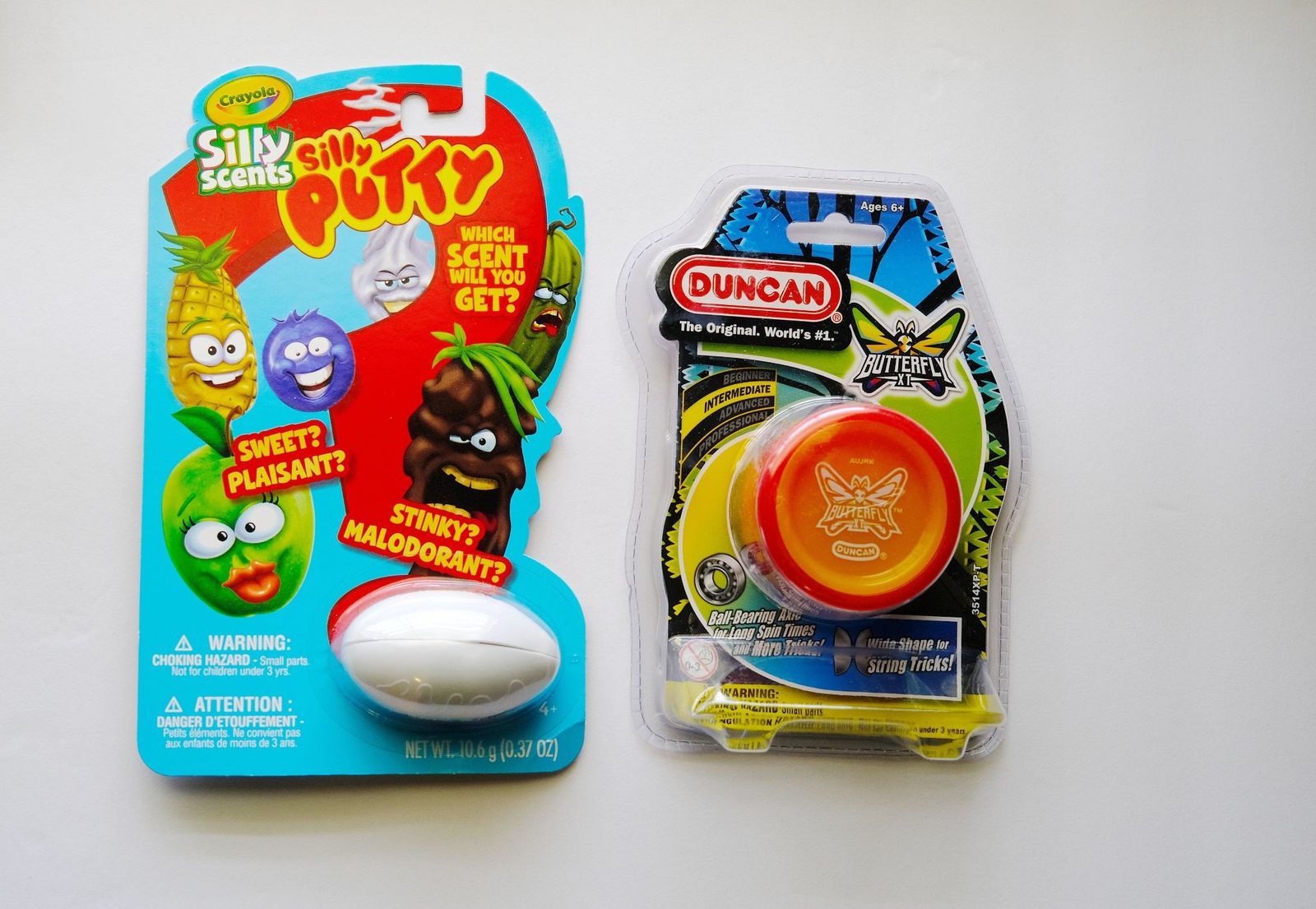
Silly Putty is that stretchy stuff that comes in plastic eggs and bounces and bends, depending on how you pull it. It was created during World War II, when rubber was needed for tires, boots, gas masks, and other military supplies. Japan’s expansion in Asia cut the United States off from much of its natural rubber, so American scientists were forced to look for a replacement.

In 1943, General Electric engineer James Wright mixed boric acid with silicone oil and created a strange, elastic material. It bounced higher than rubber, but it wasn’t strong enough for the military’s needs. General Electric shared samples with scientists, hoping someone might find a practical use for it. Meanwhile, people began passing it around at parties for fun. At one of them, hosted by a General Electric executive, businessman Peter Hodgson watched guests play with it, recognized its potential as a toy, named it Silly Putty, and in 1950, he commercialized it.

7
Frozen Orange Juice Was Developed for American Troops

Image: Shutterstock

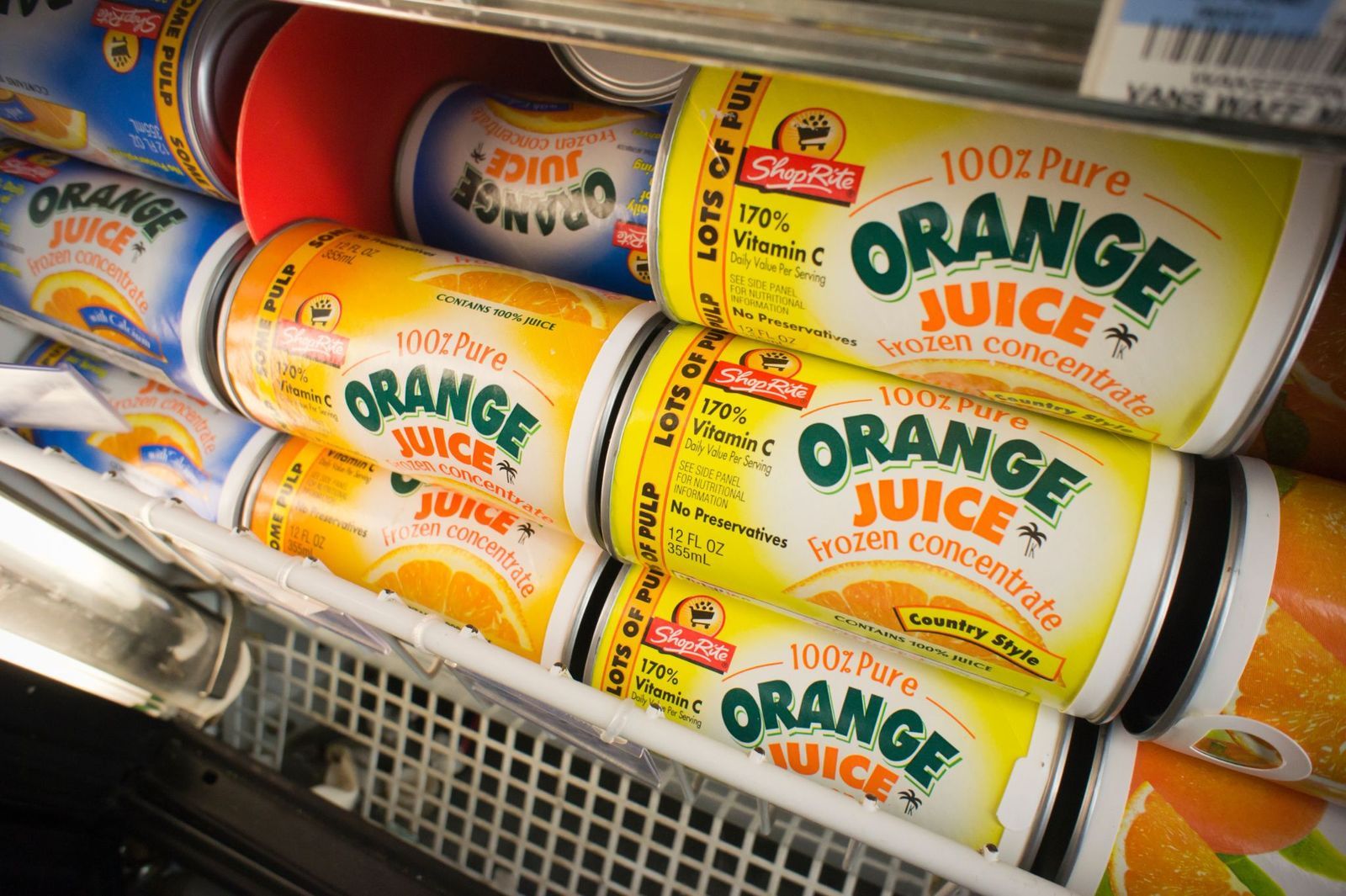
Orange juice provides vitamin C, which supports the immune system and helps the body heal wounds. During World War II, the military understandably needed to make sure troops received enough vitamin C. However, regular frozen juice lost its fresh taste during storage and transport, sometimes developing a flavor compared to turpentine. So in 1942, the Army asked researchers to create a frozen version that could travel without losing its flavor.

And by 1945, scientists of the Department of Agriculture removed water from fresh juice at low temperatures and then added a little fresh juice back into the concentrate. The process preserved the orange oils responsible for its familiar taste. The Army ordered 500,000 pounds, but the war ended before the product could be delivered. Instead, it reached American grocery stores in 1946 under the name Minute Maid and soon became a breakfast favorite.

8
Penicillin Became Widely Available Through U.S. Wartime Production

Image: Shutterstock

Penicillin offered a powerful solution to bacterial infections, which could otherwise turn a small wound deadly. But there was still one major problem: even a small amount took a lot of time and effort to produce. With thousands of wounded troops needing treatment during combat, the Allies had to find a way to produce much more of it.

British researchers brought their work to the United States, where government laboratories and drug companies took on the challenge. Scientists then found that growing the mold in deep tanks with a corn-based liquid produced much larger amounts . By 1944, American factories were making enough penicillin to treat Allied troops wounded during the D-Day invasion.

9
Aerosol Bug Spray Protected Soldiers From Insects

Image: Shutterstock

A mosquito bite wasn’t just annoying during war; it could literally take a soldier out of action. In tropical regions, mosquitoes carried malaria and other diseases that sickened lots of soldiers. An easy way to kill insects in tents and planes was needed, and large sprayers weren’t that practical.

Department of Agriculture researchers Lyle Goodhue and William Sullivan developed a small pressurized canister that released insecticide as a fine mist. Nicknamed the "bug bomb," it allowed troops to spray an entire space in seconds. It was patented in 1943, and more than 40 million cans were produced for military use during the war. It didn’t take long for that same technology to be used for home repellents.

10
Synthetic Rubber Kept American Vehicles Moving

Image: Shutterstock

A great number of wartime items needed natural rubber. — to make tires, hoses, engine belts, seals, life rafts, gas masks, and many other waterproof parts . But after Japan captured major rubber-producing areas in Southeast Asia, the U.S. lost access to most of its supply. Recycling and rationing efforts helped, but it wasn’t enough.

The government took action and brought oil, chemical, and tire companies together to build a synthetic-rubber industry at home. Made mostly from petroleum-based chemicals, the new material could do many of the same jobs as natural rubber. U.S. production grew from only 230 tons in 1941 to more than one million tons in 1945. Synthetic rubber kept military vehicles moving during the war and remained essential for tires and other everyday products afterward.

History History 4 min read

AMERICANA FLASHBACKS

From Rock’n Roll to Suburbia: 10 defining moments of 1950s America

Image: Brett Jordan

The 1950s was a turning point in American history. A decade marked by innovation and prosperity, this era witnessed major societal shifts, ranging from technological advancements to the emergence of iconic brands and cultural phenomena like rock 'n' roll. It also saw the rise of the civil rights movement and the beginning of the Cold War, kickstarting a new global era. As Americans dreamed of space exploration and new technologies, they suddenly gained access to unprecedented comforts. Here are 10 hallmarks of this remarkable time.

1
Rock 'n' Roll Revolution

Image: Provincial Archives of Alberta

The 1950s marked the explosive rise of rock 'n' roll, with artists like Elvis Presley, Chuck Berry, and Little Richard leading the charge. This novel genre blended rhythm and blues with country, creating an energetic and rebellious sound that resonated with the youth.

Rock 'n' roll quickly became a cultural phenomenon, challenging traditional norms and promoting a new sense of freedom and expression. But the genre's influence extended way beyond music, as it impacted fashion, dance, and even social attitudes. As a symbol of teenage rebellion, it is now considered a catalyst for the social revolutions of the 1960s.

2
Space Race Begins

Image: Brian McGowan

The Space Race, ignited by the Soviet Union's launch of Sputnik in 1957, became a key aspect of the Cold War rivalry between the United States and the USSR. In response, the U.S. accelerated its space program, leading to the creation of NASA in 1958.

The race to space was not just a technological competition but also an ideological battleground. It captured the American imagination, inspiring dreams of exploration and boundless innovation. This era laid the groundwork for major achievements, including the Apollo moon landing, forever cementing the United States’ place in the history of space exploration.

3
Television Takes Over

Image: Randy Jacob

The 1950s also saw television become the dominant medium of entertainment and information in American households. With the widespread adoption of TV sets, shows like I Love Lucy and The Ed Sullivan Show brought families together and became cultural touchstones, influencing fashion, language, and social norms.

Simultaneously, television's ability to massively broadcast news and live events made it a powerful tool for shaping public opinion. As the number of channels and programs grew, television became a central part of American life, affecting politics, advertising, and culture in general.

4
Fast Food Frenzy

Image: Alora Griffiths

The fast food industry boomed in this decade, revolutionizing the American dining experience. Chains like McDonald's, founded in 1955, popularized the concept of quick and affordable meals. This phenomenon was also closely tied to the emerging car culture, as drive-thru restaurants became commonplace.

This convenience appealed to the growing suburban population and busy families, making fast food synonymous with modernity, speed, and the American lifestyle.

5
Iconic Cars

Image: Photo Person

A golden age for American automobiles, the 1950s saw the emergence of iconic models like the Chevrolet Bel Air, Cadillac Eldorado, and Ford Thunderbird . These streamlined machines were not only more affordable than ever but also captured the public's imagination with their enhanced comfort and sophistication.

Cars soon evolved from mere transportation to symbols of status, freedom, and identity. Their innovative designs, characterized by chrome, tailfins, and vibrant colors, reflected the themes of the Space Age and the technological optimism of the era.

6
The Birth of Teenagers

Image: Fern M. Lomibao

While today we think of adolescence as a normal stage of life, the concept of the teenager as a distinct demographic didn’t truly emerge until the 1950s. With increased disposable income, young people soon became a powerful consumer group, influencing fashion, music, and entertainment.

They flocked to new cultural phenomena like rock 'n' roll, drive-ins, and soda fountains. By challenging traditional authority, this generation of teenagers pushed for freedom and independence, in many ways setting the stage for the social changes that would unfold in the subsequent decades.

7
Modern Design

Image: Matt Briney

Characterized by clean lines, organic shapes, and an emphasis on functionality, mid-century modern design was forged during this decade. Designers like Charles and Ray Eames, Eero Saarinen, and George Nelson became iconic figures, creating furniture, architecture, and household items that seamlessly blended form and function.

Technological advancements and the introduction of new materials, such as molded plywood, fiberglass, and plastics, enabled innovative and affordable designs. To this day, futuristic design remains closely associated with mid-century modern aesthetics.

8
Consumer Culture

Image: Jaxon Gee-Dub

This era marked the rise of consumer culture in America, with the proliferation of advertising and the introduction of new products. Brands like Coca-Cola, Pepsi, General Electric, and RCA became household names, and synonymous with the abundance and convenience of modern American life.

Shopping emerged as a popular pastime, with the expansion of department stores and the advent of shopping malls, which consolidated a variety of stores under one roof. As a result, for many, the pursuit of happiness became increasingly intertwined with the acquisition of material goods.

9
The Cold War Era

Image: Marie Rouilly

The Cold War shaped the tense geopolitical landscape of the 1950s, with the United States and the Soviet Union locked in a prolonged ideological struggle. Policies such as the "Marshall Plan" aimed to counter Soviet influence globally, while massive investments in defense and aerospace industries spurred significant technological advancements.

Fears of nuclear conflict and espionage permeated the era, influencing American culture and reflecting in movies and television. Despite these anxieties, the Cold War also fostered a strong sense of unity and patriotism as Americans rallied against a common adversary.

10
Suburban Boom

Image: Nikola Knezevic

The post-World War II era saw a massive migration to the suburbs, spurred by economic prosperity, supportive legislation such as the GI Bill, and a desire for affordable housing. Suburban developments like Levittown offered uniform, mass-produced homes that were accessible to middle-class families.

This suburban expansion reshaped American society, fostering a culture centered around family life, homeownership, and car-centric lifestyles. The move to the suburbs also led to the growth of shopping malls, schools, and community organizations, creating a distinct suburban culture that came to define the American Dream.

Explore more American facts

Choose your favorite category!

General
General

As American as apple pie—the very best America has to offer!

Culture
Culture

Delve into the astounding richness of American lore.

Geography
Geography

Hop in and explore vast and diverse American landscapes.

History
History

Discover the key moments that shaped the United States.