General General 4 min read

Seriously, These Exist

10 “fake” holidays that are surprisingly real

Image: Dean Drobot

Some days celebrate religious rites, solemn events, or serious causes. Others celebrate rubber duckies, pickles, and even doing absolutely nothing. These quirky national days are unofficial observances, not federal holidays, but they’re real, and they’re surprisingly fun to celebrate . Wait until you see what made the list. Which one is your favorite?

1
National Nothing Day
Image: CLS Digital Arts

Incredibly, National Nothing Day is a real, unofficial observance celebrated every year on January 16. It all began when columnist and publicist Harold Pullman Coffin proposed the idea in 1972.

His objective was to create an "un-event" , reminiscent of the Mad Hatter's "un-birthday" celebration in Alice in Wonderland , giving people permission to celebrate, observe, or honor absolutely nothing. It was meant as a pushback on a growing list of commercialized commemorative days. Finally, a holiday with no to-do list.

2
National Toilet Paper Day

Image: TierneyMJ

Now here’s a holiday that covers a truly essential household item . That’s why National Toilet Paper Day is a completely real unofficial holiday celebrated annually on August 26. Before you take your next roll for granted, remember: it has quite a history.

In 1857, entrepreneur Joseph Gayetty began selling commercially manufactured toilet paper in the United States. His product came in flat sheets, not rolls, and was marketed as "Gayetty’s Medicated Paper." This bathroom staple has a surprisingly fascinating backstory.

3
National Talk Like a Pirate Day
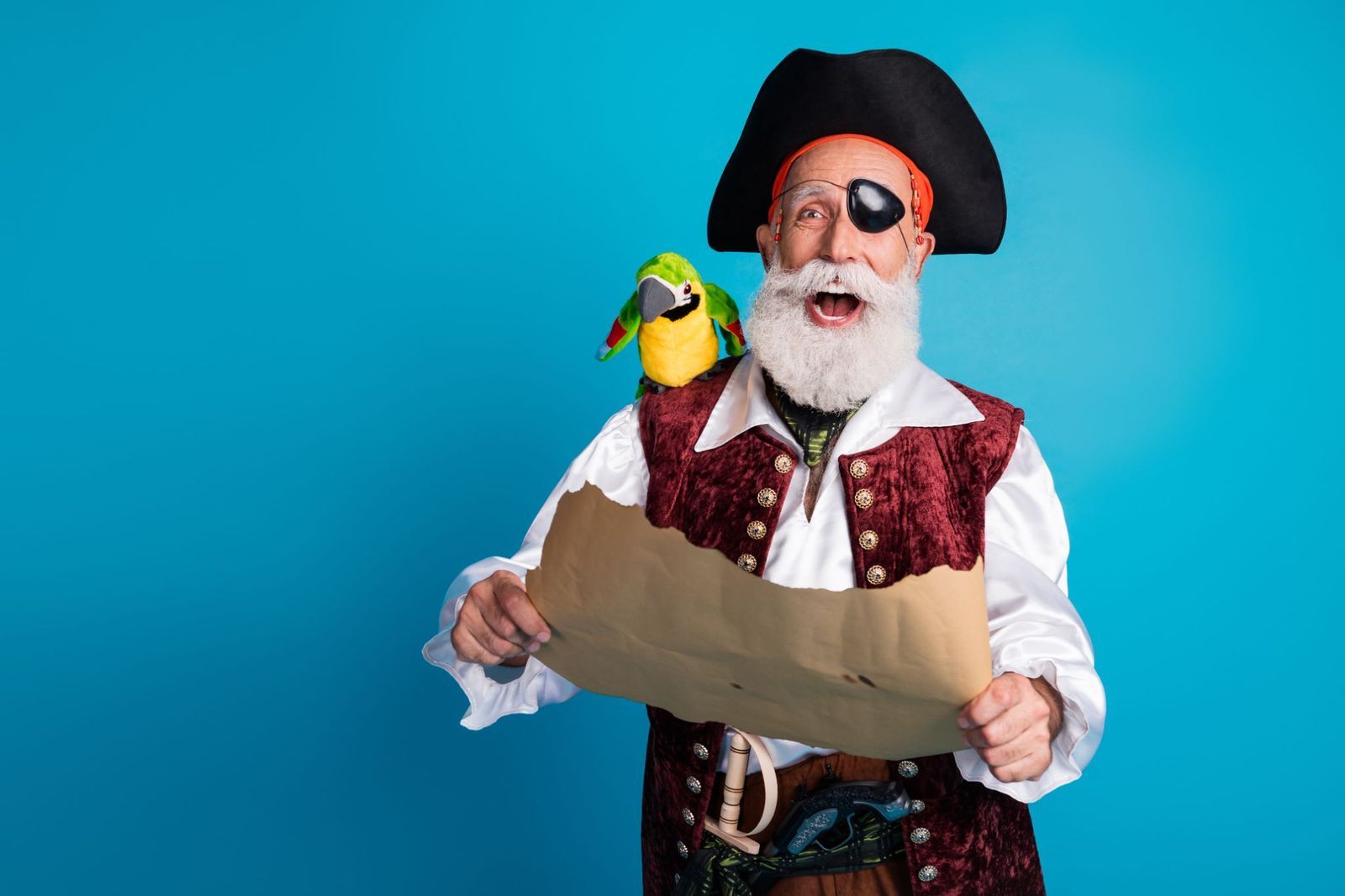
Image: Roman Samborskyi

Ahoy! International Talk Like a Pirate Day is a real, globally recognized unofficial holiday celebrated every year on September 19.

John Baur and Mark Summers invented International Talk Like a Pirate Day in 1995 as a joke while playing racquetball in Oregon. They chose September 19 because it was Summers’s ex-wife’s birthday, and the idea remained a private joke for years. In 2002, columnist Dave Barry promoted the holiday in his newspaper column, turning it into a worldwide phenomenon, and the rest is pirate history.

4
National Tooth Fairy Day
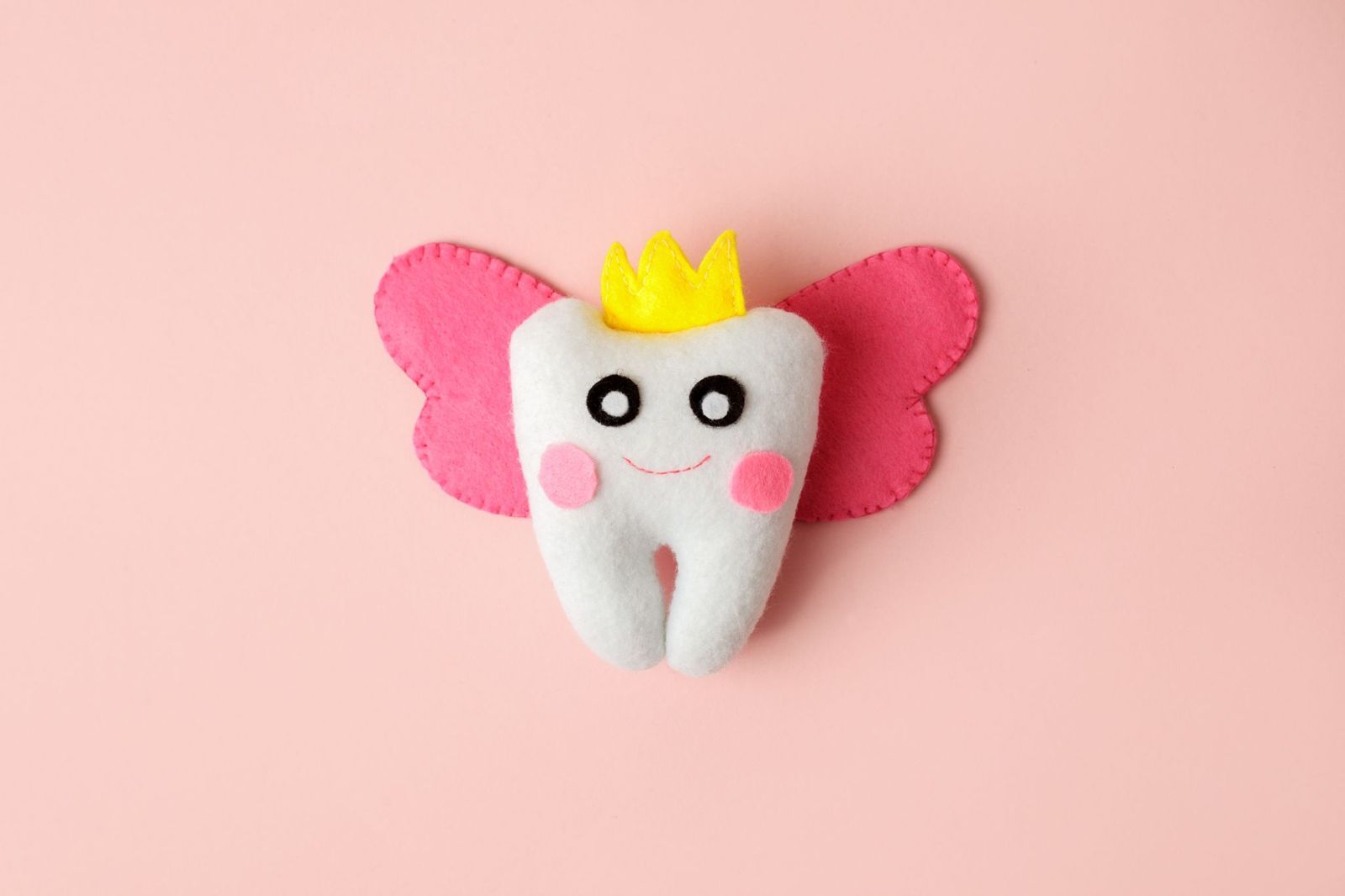
Image: Katerina Morozova

The Tooth Fairy has been an important part of childhood for generations, so it's only fitting that she has a day of her own. Amazingly, she not only has one but two national days.

The holidays land biannually on February 28 and August 22. Some say the intention was for it to match dentists’ recommendation for semi-annual checkups. The Tooth Fairy herself is said to have originated in 1920s health education campaigns that used imaginary fairies to encourage kids to eat vegetables and brush their teeth.

5
National Soft Ice Cream Day
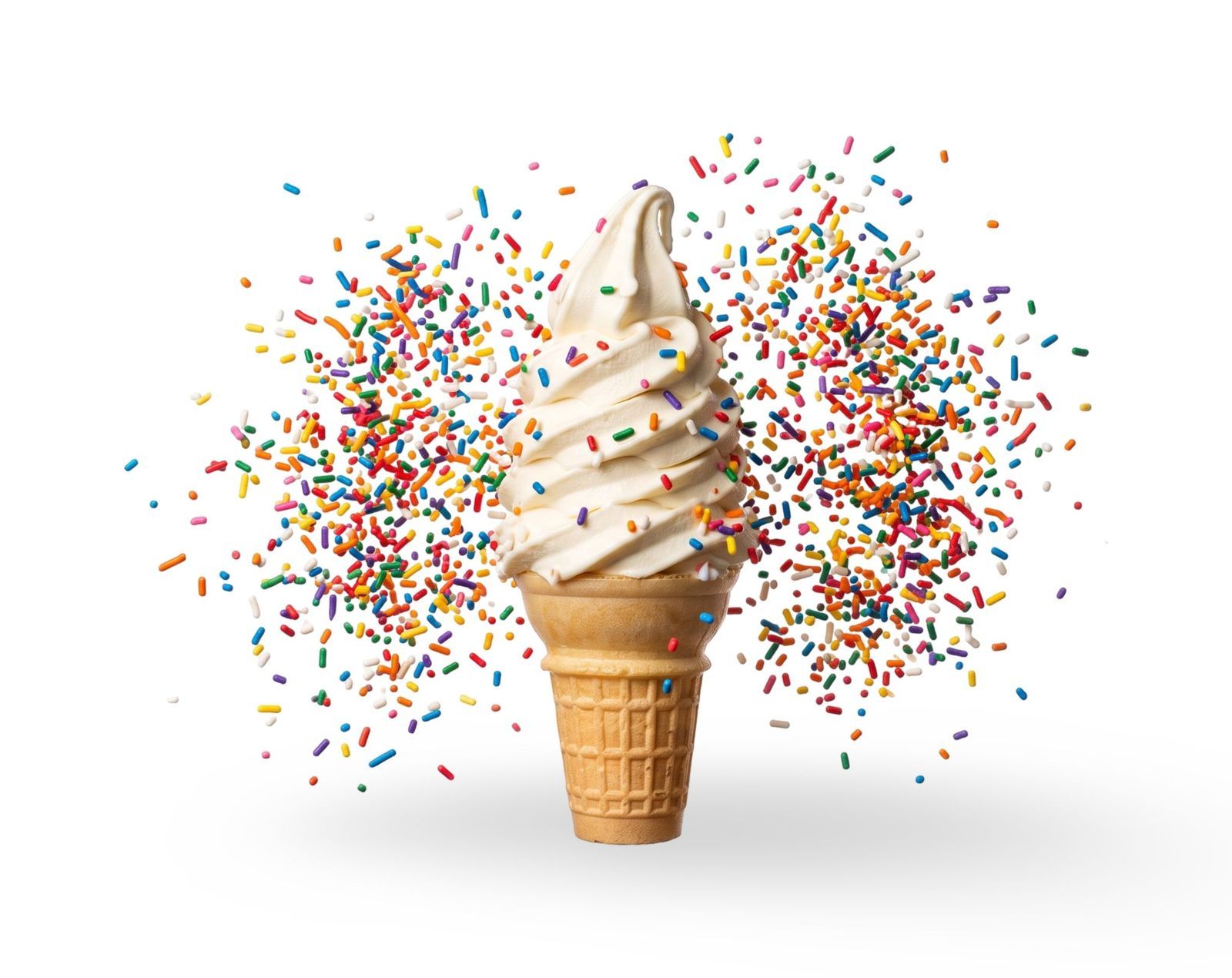
Image: Kashugraphy

Who doesn’t love soft serve ice cream? Some would say it was inevitable for this dessert to have its own commemoration, and luckily, that’s the case. National Soft Ice Cream Day is celebrated yearly on August 19. Now the question that remains is: why does it refer to the "soft" type?

One popular story dates the rise of soft serve ice cream to 1934, when ice cream vendor Tom Carvel reportedly got a flat tire in Hartsdale, New York, over Memorial Day weekend. Forced to pull over, he noticed his ice cream stock was melting and started selling the softened product to passing motorists, who apparently loved the softer texture. That’s how Carvel went on to develop equipment for serving soft serve ice cream and eventually built a business around it. Talk about turning a breakdown into a sweet opportunity .

6
National Rubber Ducky Day

Image: Alena A

National Rubber Ducky Day is celebrated every year on January 13 to honor the iconic yellow bath toy. The date comes from a 1973 Sesame Street calendar that designated January 13 as the birthday of Ernie’s famous bath-time companion, Rubber Duckie.

Ernie first sang the hit song "Rubber Duckie" in February 1970, and the song went all the way to No. 16 on the Billboard Hot 100. Surprisingly, the earliest versions of the toy in the late 19th century were made of hard, solid rubber and were meant as chew toys rather than floating bath accessories. That’s one bath-time fact you probably didn’t see coming.

7
National Pickle Day

Image: Viktorya Telminova

National Pickle Day is a completely real unofficial observance celebrated every year on November 14.

While it sounds like something made up by internet foodies, it was actually popularized by the National Pickle Packers Association (now known as Pickle Packers International) in 1949 as part of a public relations push to celebrate the crunchy, briny snack . In the United States, more than 2.5 billion pounds of pickles are consumed every year, making it more than worthy of its own calendar slot. That’s a whole lot of pickles and a pretty good reason to celebrate.

8
National Left-Handers Day
Image: Olga Donchuk

It’s well known that the majority of people are right-handed, but left-handed people have a day of their own: August 13.

First established in 1976 by Dean R. Campbell (the founder of Lefthanders International, Inc.), the day was created to celebrate the uniqueness of left-handed people while raising awareness about the everyday challenges of living in a world designed largely for right-handed people. If you’re a lefty, this is your day to shine.

9
National Waffle Day
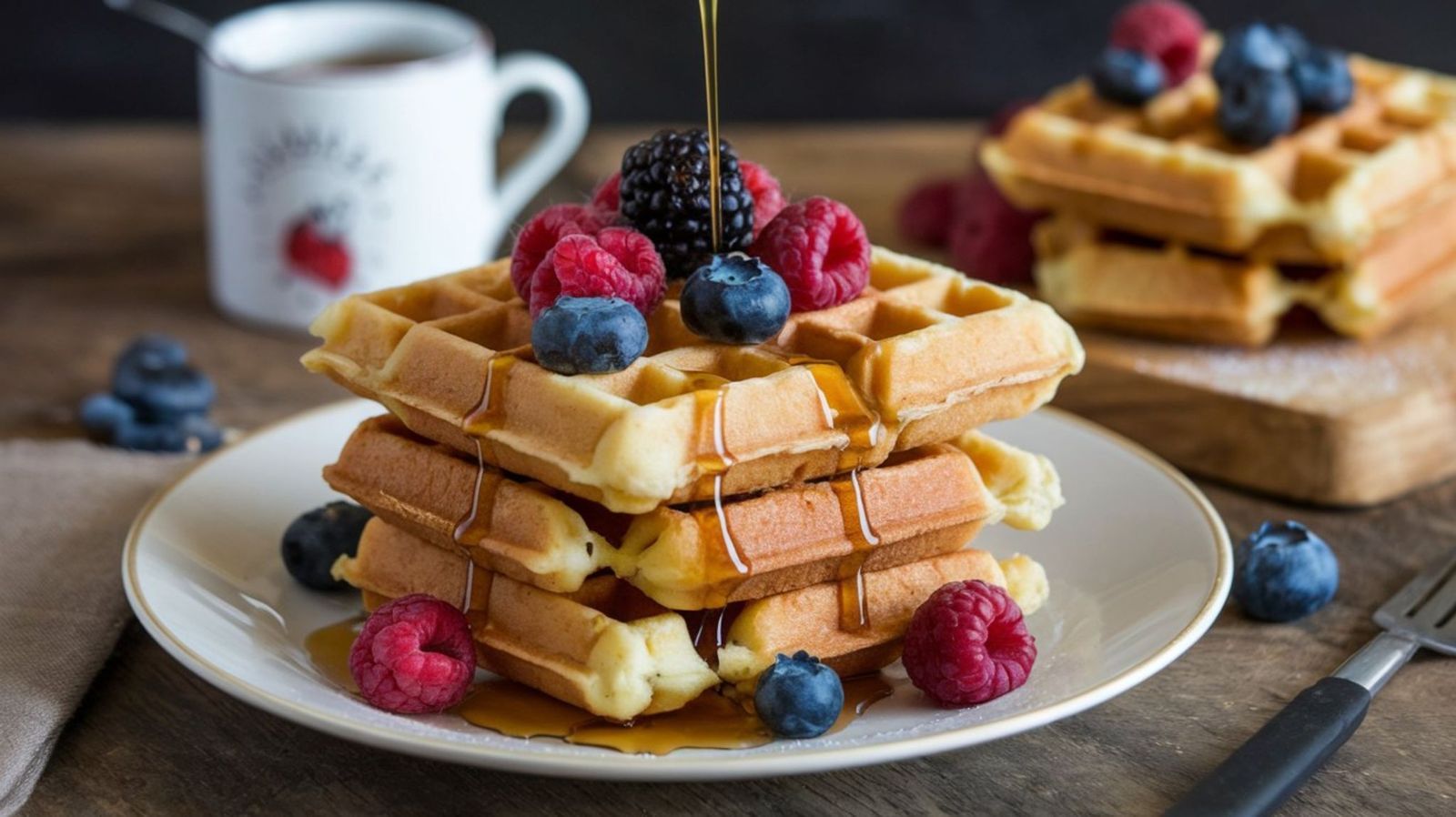
Image: Foodgraphy39

While National Waffle Day might sound like a corporate marketing stunt, the day actually marks a specific milestone in history.

On August 24, 1869, a New Yorker named Cornelius Swartwout received U.S. Patent No. 94,043 for an improved waffle iron. While waffles had been enjoyed for centuries in Europe, Swartwout’s invention was a hinged, flippable iron designed to sit over a coal stove, making it easier to prepare waffles at home . Turns out your breakfast has a patent.

10
National Bubble Bath Day

Image: Alliance Images

Love a long, relaxing soak? This one has your name on it. Celebrated on January 8, National Bubble Bath Day encourages people to slow down , relax, and enjoy a warm, bubbly bath.

Its origin is unclear, but its popularity has increased as an opportunity to promote self-care, especially during the cold winter months. No complicated celebration required; just add bubbles.
Culture Culture 6 min read

Wartime Inventions

Why M&M's never melt in your hand: 10 wartime inventions

Image: Shutterstock

The phrase "Necessity is the mother of invention" is especially apt during wartime. During World War II, for example, soldiers needed lots of things to survive that didn’t exist yet. These inventors weren’t just scientists: mothers, businessmen, and car companies joined the challenge, too. When the Army asked, they took action and invented these 10 products that remained part of our everyday lives long after wartime.

1
Duct Tape Was Made to Protect Ammunition Cases

Image: Shutterstock

During World War II, the ammunition boxes sent to American troops were sealed with paper tape and dipped in wax to keep water out. Soldiers were supposed to pull a small paper tab to open them quickly. But the thin tape could tear, leaving them struggling to reach the ammunition. Vesta Stoudt, who packed and inspected these boxes at the Green River Ordnance Plant in Illinois, recognized this danger. She also had two sons serving in the U.S. Navy, so she devised a solution.

Stoudt proposed replacing the paper tape with a strong, waterproof cloth tape that soldiers could easily pull off. As she had no response from her supervisors, she wrote directly to President Franklin D. Roosevelt, including drawings of her idea. Roosevelt sent the proposal to the War Production Board, which asked a Johnson & Johnson operating company to manufacture the tape. It not only worked, but troops soon used the strong tape to repair boots and fix military vehicles too. Today, duct tape is still the solution to many everyday repairs.

2
M&M’s Were Designed With Soldiers in Mind

Image: Shutterstock

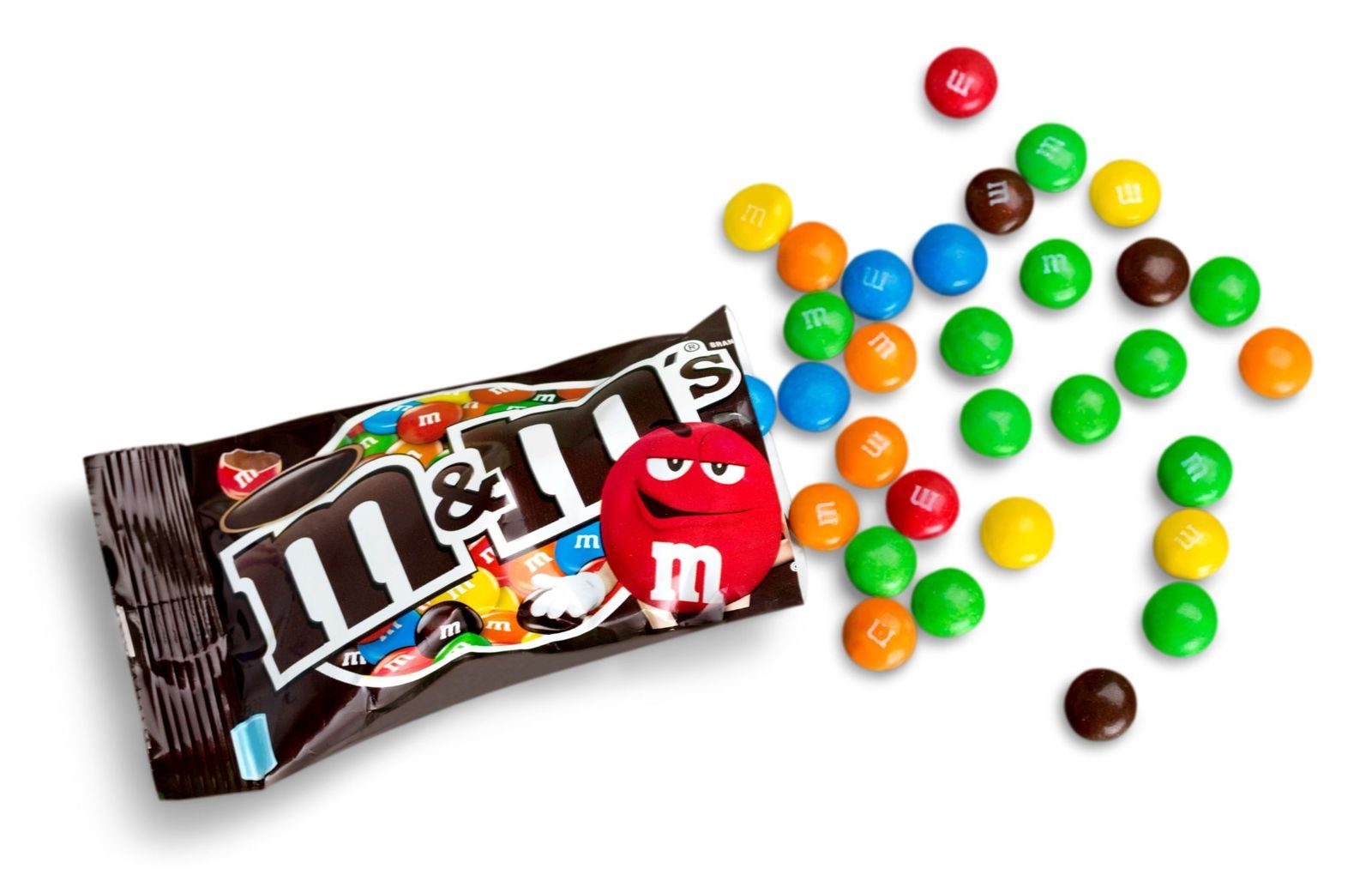
You probably remember the iconic M&M's slogan "melts in your mouth, not in your hand." Well, this characteristic was intentionally created for troops, allowing them to eat chocolate even under the hot sun.

When businessman Forrest Mars Jr. was travelling to Spain in the late 1930s during the Spanish Civil War, he observed how soldiers ate chocolate encased in sugar shells. The sugar crust prevented the chocolate from melting, and soldiers could enjoy the treat, even in hot temperatures. Mars soon partnered with Bruce Murrie, the son of Hershey's president, to secure a steady supply of chocolate for American troops. Their collaboration led to the creation of M&Ms, named after the initials of their last names. By 1947, the candy was made available to the public.

3
The Jeep Was Built for the U.S. Army

Image: Shutterstock

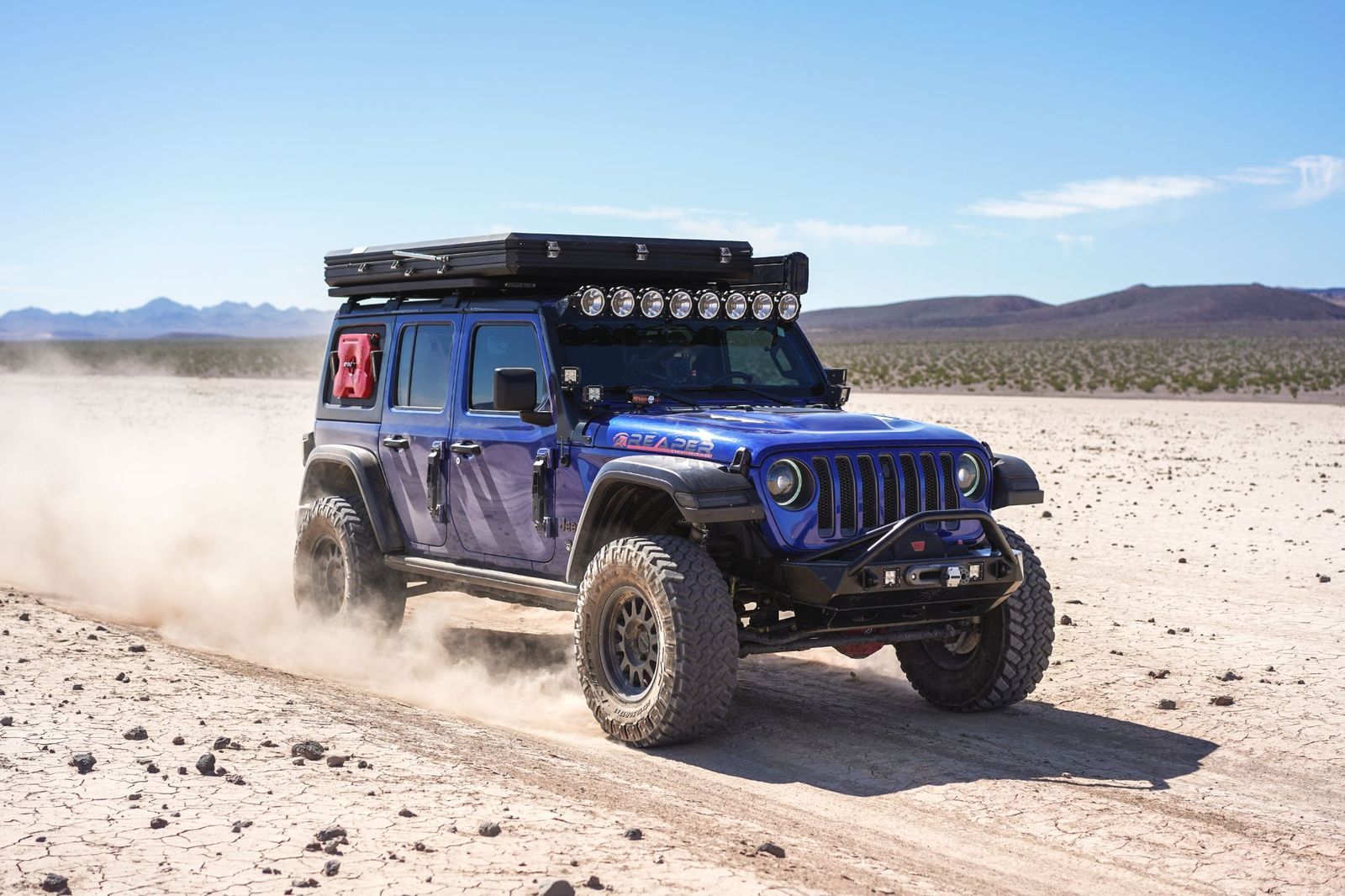
In 1940, the U.S. Army asked automakers to create a small four-wheel-drive vehicle that could carry soldiers across rough terrain. Bantam, Willys, and Ford entered the competition, and Willys won the main production contract. However, the final Willys MB also borrowed some of Ford’s flat grille and hood fastener design.

The new Jeep could travel through mud, climb steep roads, and reach places trucks couldn’t. Soldiers and mechanics could repair it quickly, and its parts were easy to remove and replace. Soldiers liked it so much that demand continued after they returned home, and Willys introduced the civilian CJ-2A in 1945 shortly after the war ended. The modern Jeep Wrangler still carries the same adventurous spirit.

4
The Slinky Started With a Naval Engineer’s Spring

Image: Shutterstock

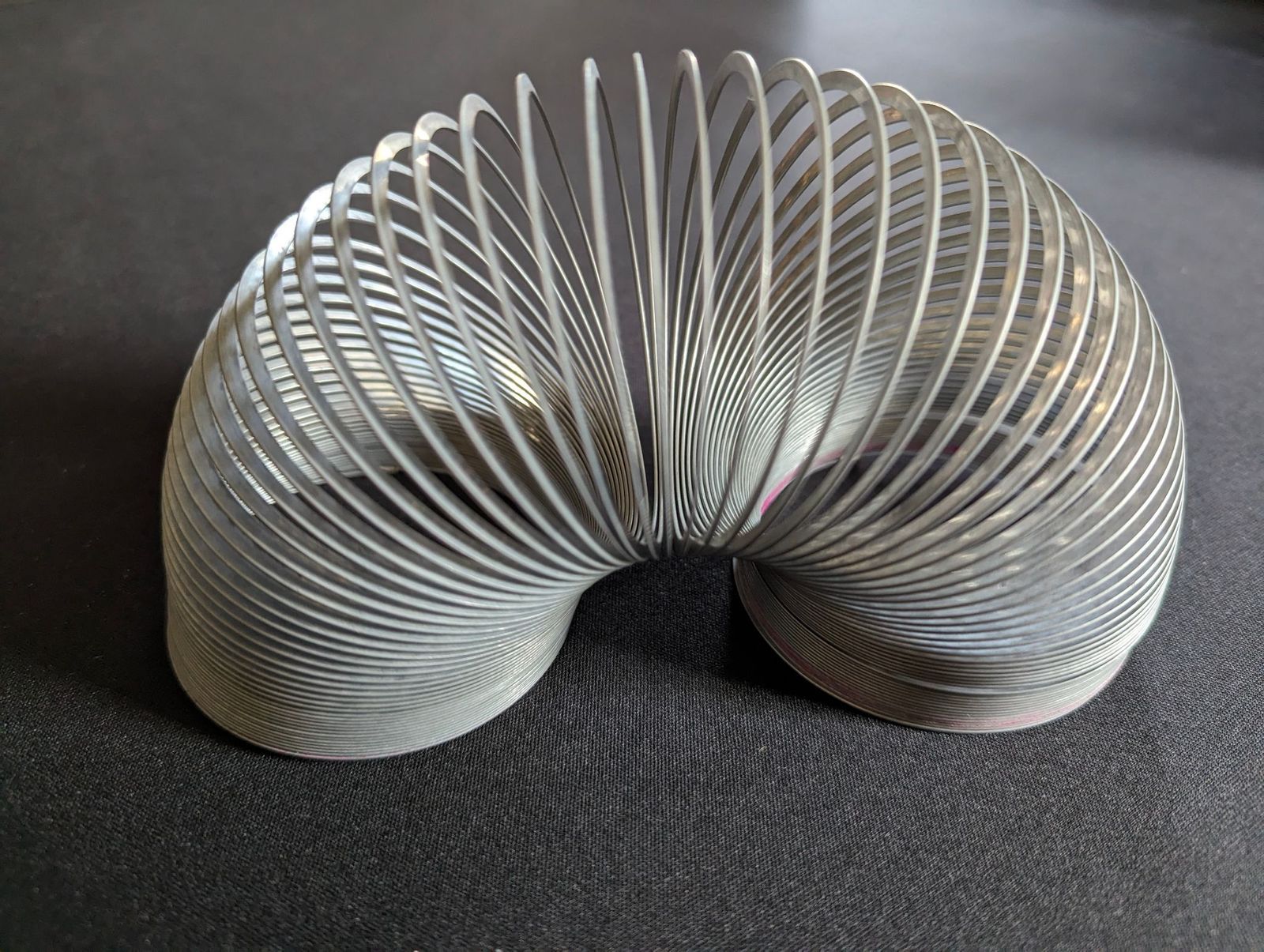
In 1943, naval engineer Richard James was developing a spring to keep equipment steady on ships during rough seas. One day, he knocked one of his experimental springs onto the floor. Instead of falling in one place, it moved end over end. James rapidly realized its potential as a toy.

He spent the next two years finding the right size and tension for the spring. His wife, Betty, named it "Slinky," because of its smooth movement, and they introduced it to the market in 1945. But shoppers were confused and didn’t know what to make of it at first. The situation changed after James demonstrated it at a Philadelphia department store: all 400 Slinkys were sold in less than two hours.

5
Super Glue Emerged From Wartime Research

Image: Shutterstock

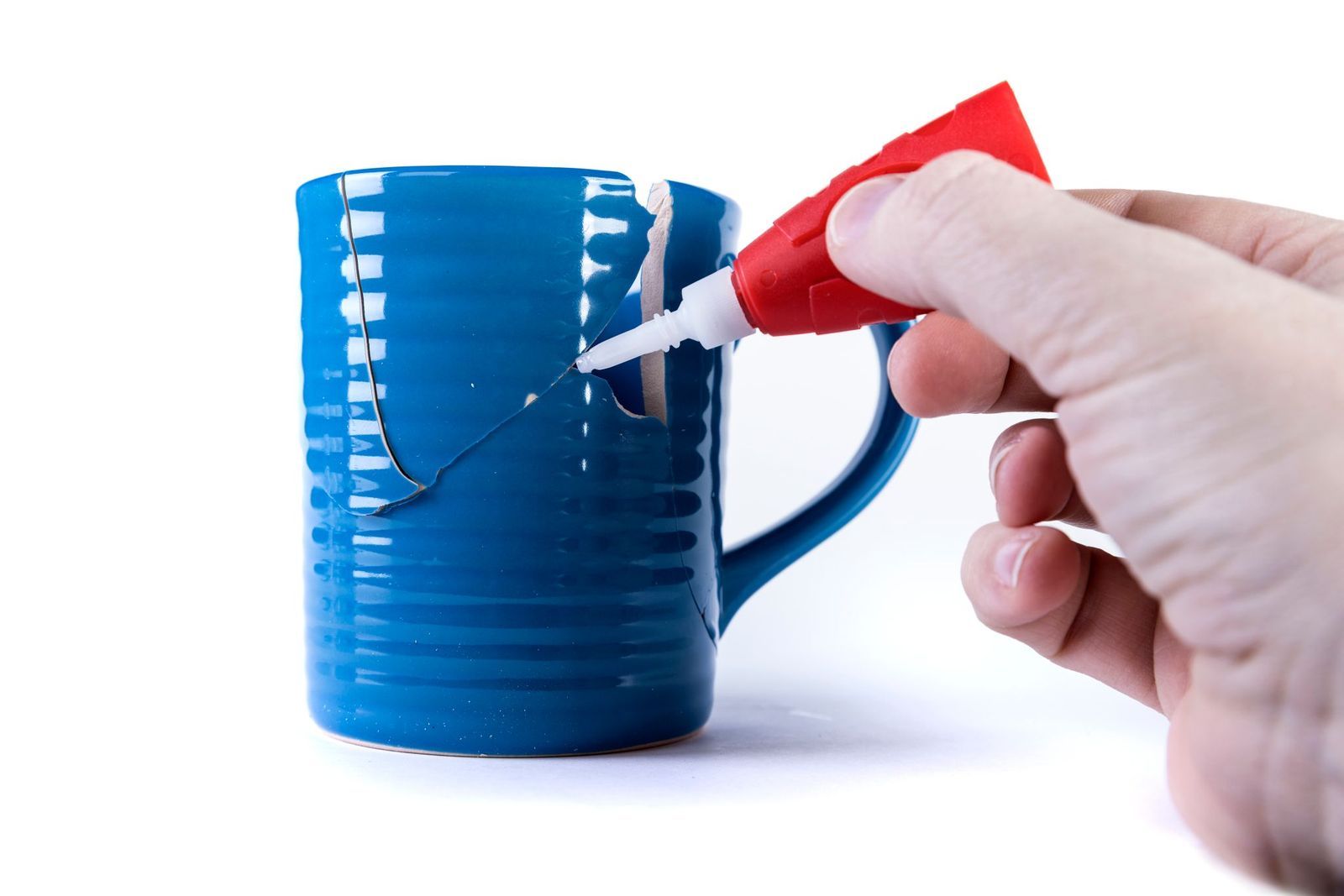
Today, we use Super Glue to repair broken items, for crafting, woodworking, and for countless quick fixes. But in 1942, chemist Harry Coover created it while trying to make a clear plastic for military gunsights during World War II. He was testing chemicals called cyanoacrylates when his team found that they stuck to almost everything they touched. As that feature made them unsuitable for the original project, the researchers moved on.

Coover encountered the chemicals again in 1951 while his team was developing materials for jet canopies. This time, he realized that their powerful bond was useful because it required no heat or pressure. Kodak later refined the adhesive and released it as Eastman 910 in 1958. That accidental discovery became widely known as Super Glue.

6
Silly Putty Grew Out of a Search for Synthetic Rubber

Image: Shutterstock

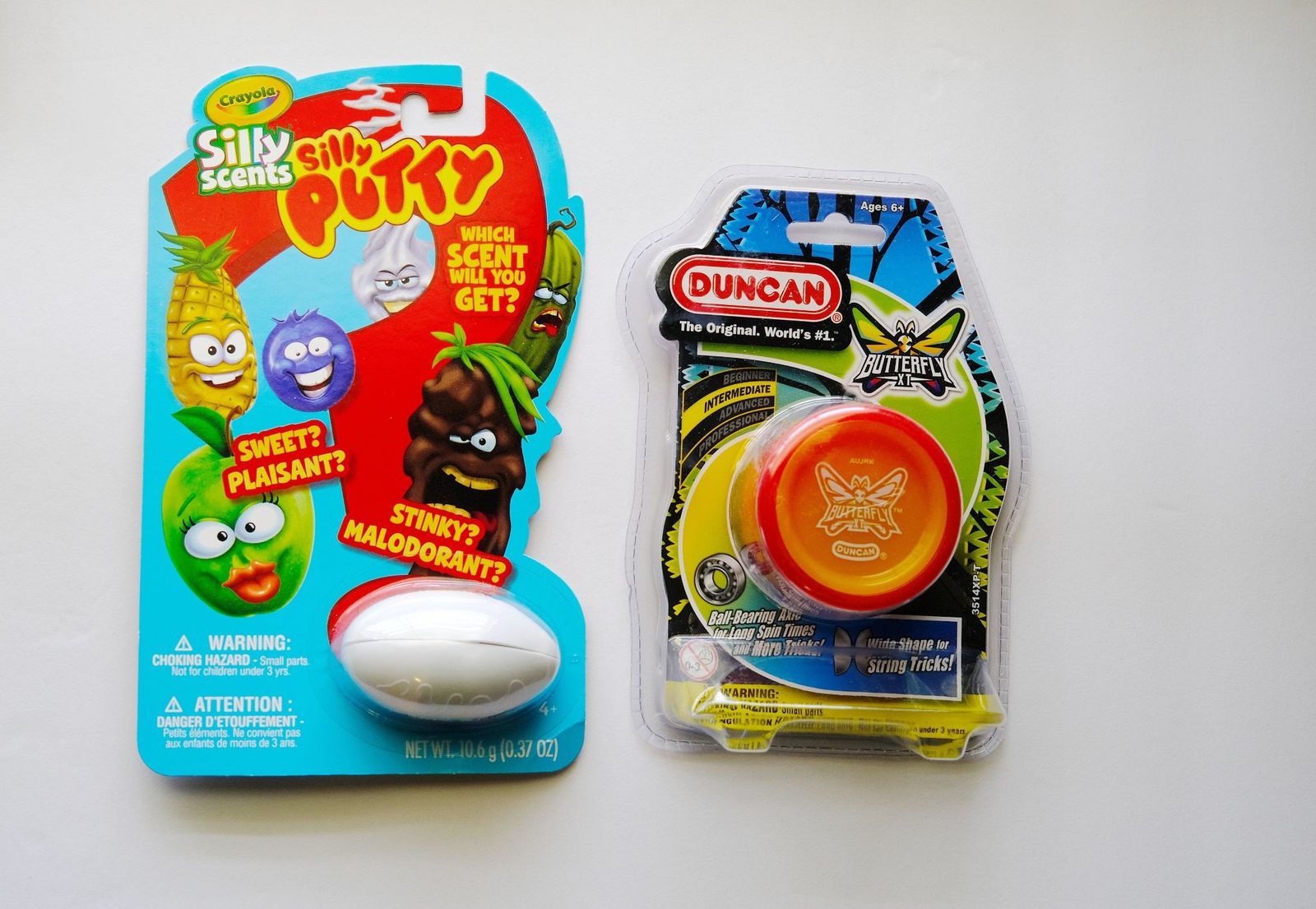
Silly Putty is that stretchy stuff that comes in plastic eggs and bounces and bends, depending on how you pull it. It was created during World War II, when rubber was needed for tires, boots, gas masks, and other military supplies. Japan’s expansion in Asia cut the United States off from much of its natural rubber, so American scientists were forced to look for a replacement.

In 1943, General Electric engineer James Wright mixed boric acid with silicone oil and created a strange, elastic material. It bounced higher than rubber, but it wasn’t strong enough for the military’s needs. General Electric shared samples with scientists, hoping someone might find a practical use for it. Meanwhile, people began passing it around at parties for fun. At one of them, hosted by a General Electric executive, businessman Peter Hodgson watched guests play with it, recognized its potential as a toy, named it Silly Putty, and in 1950, he commercialized it.

7
Frozen Orange Juice Was Developed for American Troops

Image: Shutterstock

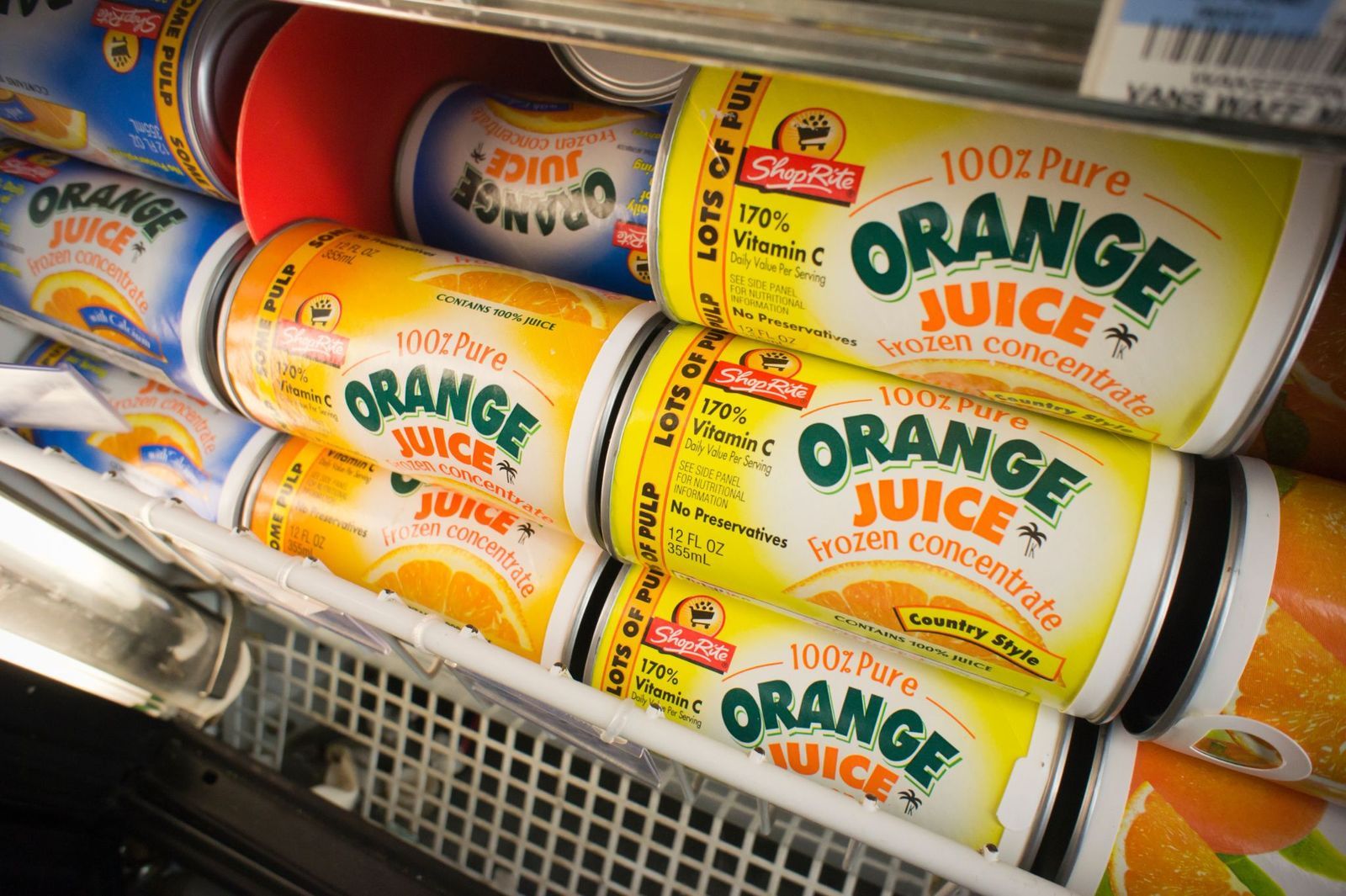
Orange juice provides vitamin C, which supports the immune system and helps the body heal wounds. During World War II, the military understandably needed to make sure troops received enough vitamin C. However, regular frozen juice lost its fresh taste during storage and transport, sometimes developing a flavor compared to turpentine. So in 1942, the Army asked researchers to create a frozen version that could travel without losing its flavor.

And by 1945, scientists of the Department of Agriculture removed water from fresh juice at low temperatures and then added a little fresh juice back into the concentrate. The process preserved the orange oils responsible for its familiar taste. The Army ordered 500,000 pounds, but the war ended before the product could be delivered. Instead, it reached American grocery stores in 1946 under the name Minute Maid and soon became a breakfast favorite.

8
Penicillin Became Widely Available Through U.S. Wartime Production

Image: Shutterstock

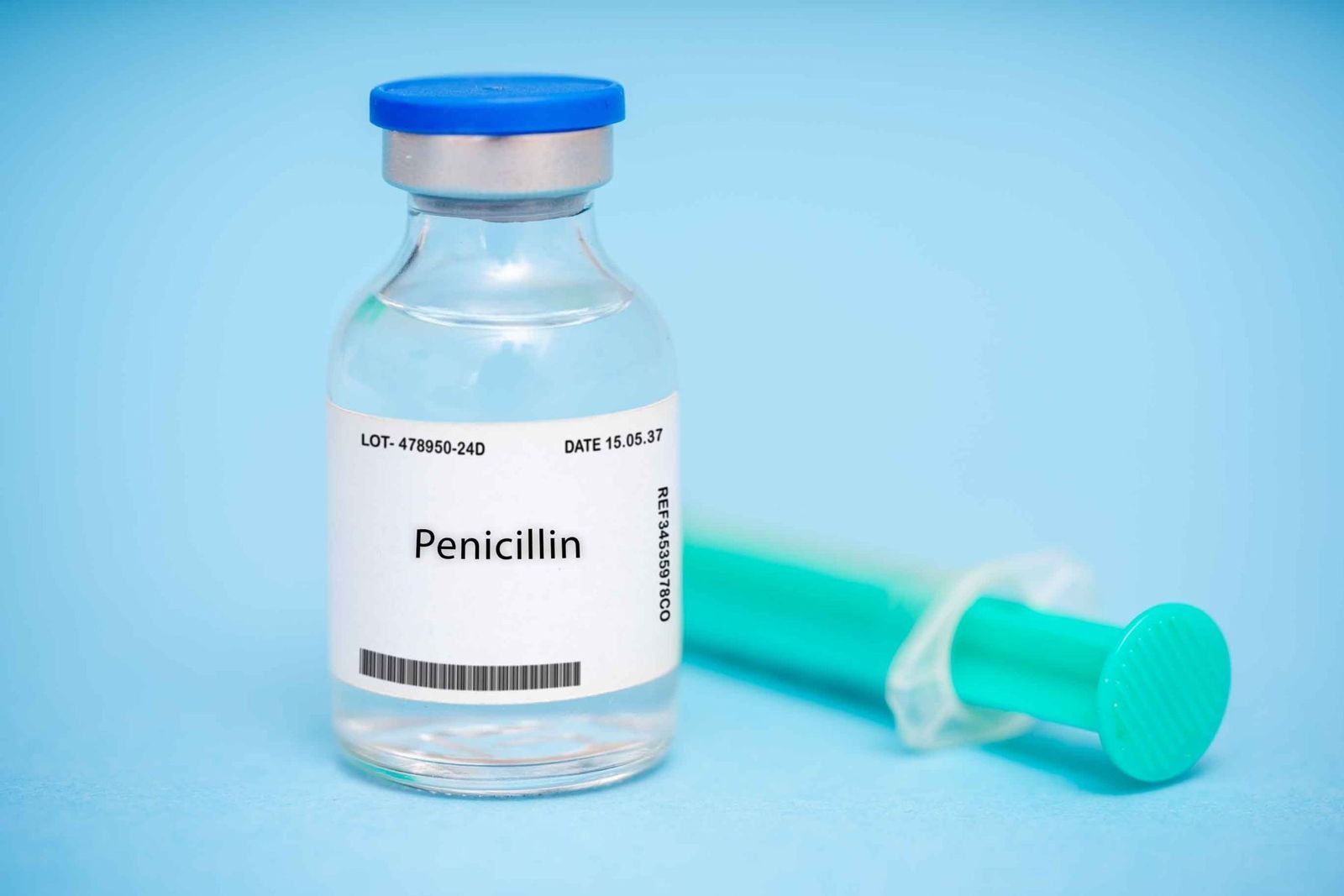
Penicillin offered a powerful solution to bacterial infections, which could otherwise turn a small wound deadly. But there was still one major problem: even a small amount took a lot of time and effort to produce. With thousands of wounded troops needing treatment during combat, the Allies had to find a way to produce much more of it.

British researchers brought their work to the United States, where government laboratories and drug companies took on the challenge. Scientists then found that growing the mold in deep tanks with a corn-based liquid produced much larger amounts . By 1944, American factories were making enough penicillin to treat Allied troops wounded during the D-Day invasion.

9
Aerosol Bug Spray Protected Soldiers From Insects

Image: Shutterstock

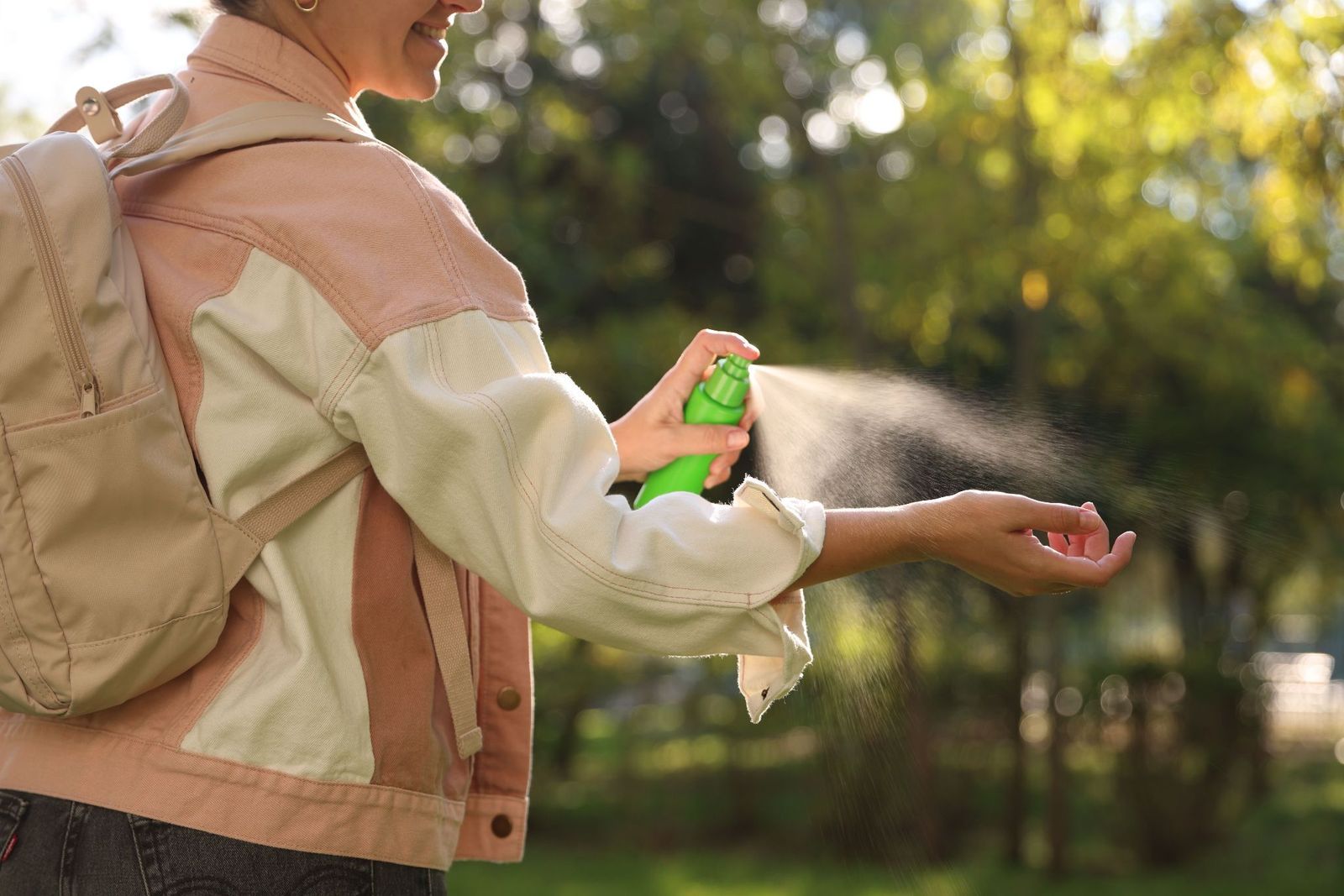
A mosquito bite wasn’t just annoying during war; it could literally take a soldier out of action. In tropical regions, mosquitoes carried malaria and other diseases that sickened lots of soldiers. An easy way to kill insects in tents and planes was needed, and large sprayers weren’t that practical.

Department of Agriculture researchers Lyle Goodhue and William Sullivan developed a small pressurized canister that released insecticide as a fine mist. Nicknamed the "bug bomb," it allowed troops to spray an entire space in seconds. It was patented in 1943, and more than 40 million cans were produced for military use during the war. It didn’t take long for that same technology to be used for home repellents.

10
Synthetic Rubber Kept American Vehicles Moving

Image: Shutterstock

A great number of wartime items needed natural rubber. — to make tires, hoses, engine belts, seals, life rafts, gas masks, and many other waterproof parts . But after Japan captured major rubber-producing areas in Southeast Asia, the U.S. lost access to most of its supply. Recycling and rationing efforts helped, but it wasn’t enough.

The government took action and brought oil, chemical, and tire companies together to build a synthetic-rubber industry at home. Made mostly from petroleum-based chemicals, the new material could do many of the same jobs as natural rubber. U.S. production grew from only 230 tons in 1941 to more than one million tons in 1945. Synthetic rubber kept military vehicles moving during the war and remained essential for tires and other everyday products afterward.

Culture Culture 3 min read

Unforgettable quotes

Famous movie quotes that give the titles away: Can you guess them all?

Image: charlesdeluvio

Some movie lines live rent-free in our heads. And some other lines we recognize but can’t immediately place the film title, or the actor delivering it… or can we? That’s the game! Below, you’ll find some of the most iconic lines in cinema history . Read the line, take a second to guess, and then scroll to see if you got it right. Game on!

1
"Phone home"

Image: Markus Spiske

Who wants to phone home…? That’s E.T., of course! In E.T. the Extra-Terrestrial (1982) , an iconic Steven Spielberg masterpiece, Elliott (Henry Thomas) and his siblings help the sweetest alien in cinematic history contact his own kind, who accidentally left him behind.

Pat Welsh was the actress who lent her voice to the character. And "E.T… phone home" is the unforgettable line the little guy manages to utter.

2
"I’m gonna make him an offer he can’t refuse"

Image: Carlos Quintero

You can imagine the line in a whisper, for better context. But you probably don’t need it. Most viewers will remember this legendary threat, which belongs to The Godfather (1972), directed by Francis Ford Coppola and anchored by Marlon Brando’s unforgettable turn as Vito Corleone.

3
"I see dead people"

Image: the blowup

A movie no one could watch only once! This line, permanently etched into pop culture, comes from the chilling The Sixth Sense , written and directed by M. Night Shyamalan, and delivered with eerie calm by Haley Joel Osment to his costar Bruce Willis.

4
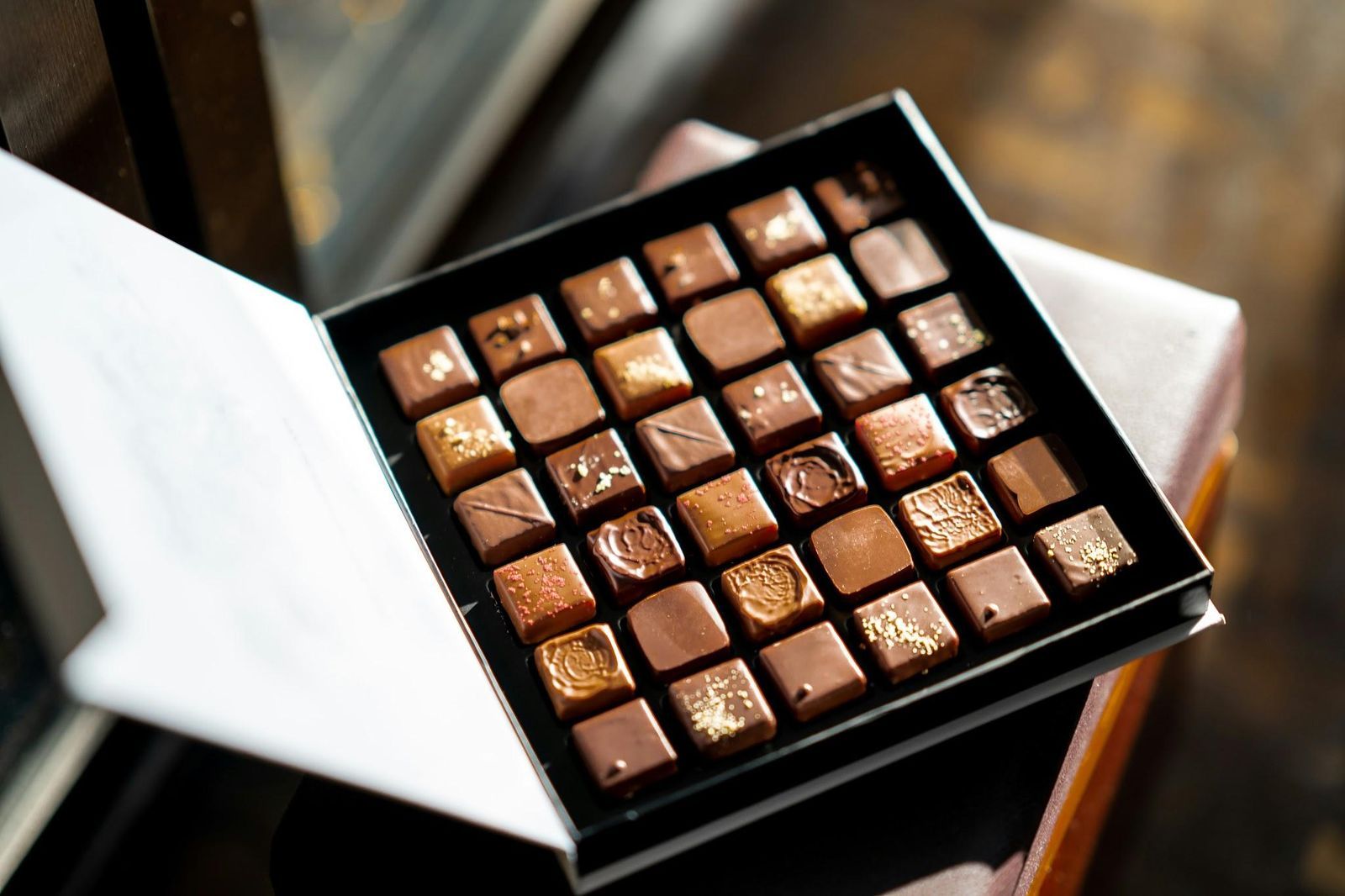
"Life is like a box of chocolates"

Image: Igor Lifar

Whose mama always said that life was "like a box of chocolates: you never know what you’re gonna get?" It was Forrest Gump’s, of course!

The unforgettable 1994 movie was directed by Robert Zemeckis and carried by Tom Hanks’ Oscar-winning performance. Spoken on a park bench, the quote summarizes the film’s philosophy: life is unpredictable, but somehow that’s okay.

5
"I’ll have what she’s having"

Image: Patrick Tomasso

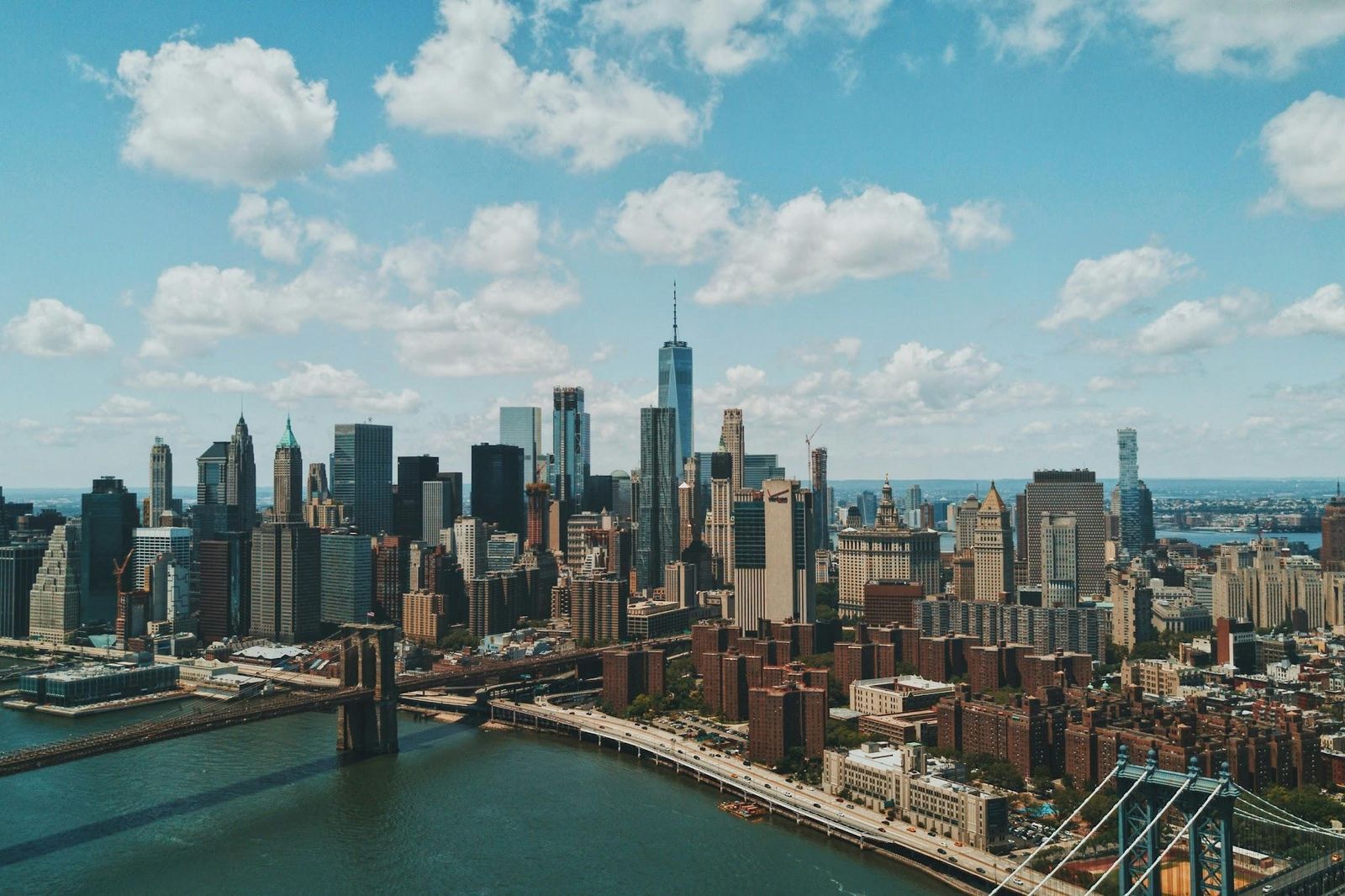
A little clue: This line is delivered inside a deli. Katz’s Delicatessen, on the Lower East Side of New York, to be specific. But you probably don’t need the clue if you’re a fan of classic rom-coms –or if you’ve watched the infamous scene endlessly shared on the internet.

It is taken, of course, from When Harry Met Sally , directed by Rob Reiner and written by Nora Ephron. And, did you know? The lady who says the legendary line was played by none other than Estelle Reiner, Rob’s mom, after Sally (Meg Ryan) fakes an orgasm to prove a point to her pal Harry (Billy Crystal).

6
"Frankly, my dear, I don’t give a damn"

Image: Kaylee Stepkoski

Few lines have ever closed a film with such perfect indifference. This famously unapologetic farewell comes from 1939’s Gone with the Wind , delivered by Clark Gable as Rhett Butler opposite Vivien Leigh’s unforgettable Scarlett O’Hara.

7
"Are you not entertained?"

Image: Craig Zdanowicz

A booming challenge, roared from a scene filled with blood and sand… Of course, it belongs to none other than Ridley Scott’s Gladiator (2000), starring Russell Crowe in his Oscar-winning performance as Maximus.

8
"You’re going to need a bigger boat"

Image: Giga Khurtsilava

Dun-dun… This line comes from 1975’s Jaws , Steven Spielberg’s classic, a masterclass in suspense and suggestion. Spoken by Roy Scheider’s police chief Brody, the quote arrives at the exact moment the audience finally sees what’s been stalking them.

9
"I’m the king of the world!"

Image: Patty Zavala

And speaking of boats… Can you figure out which film this line is from? Kudos if you guessed it: It’s the signature line Leonardo DiCaprio yells from the bow of the Titanic . That’s in the first third of the 1997 movie, while things are still looking sunny and, well, optimistic, for everyone.

10
"I’ll be back"

Image: Giannis Skarlatos

Threatening, short, and flat. This line comes from 1984’s The Terminator , directed by James Cameron and delivered with robotic calm by Arnold Schwarzenegger in the role that defined his career. And yes, he did come back. Many times. Hollywood made sure of it.

11
"It was Beauty killed the Beast"

Image: Josh Connor

This is a closing line from a classic. Have you guessed it? It’s from 1933’s King Kong , directed by Merian C. Cooper and Ernest B. Schoedsack. The film gave audiences groundbreaking special effects, a towering ape with unexpected vulnerability, and a surprisingly heartbreaking ending.

That’s a wrap! How many of the movies could you identify? Did you get a perfect score?

Explore more American facts

Choose your favorite category!

General
General

As American as apple pie—the very best America has to offer!

Culture
Culture

Delve into the astounding richness of American lore.

Geography
Geography

Hop in and explore vast and diverse American landscapes.

History
History

Discover the key moments that shaped the United States.