The price of popularity
10 brands that became generic names
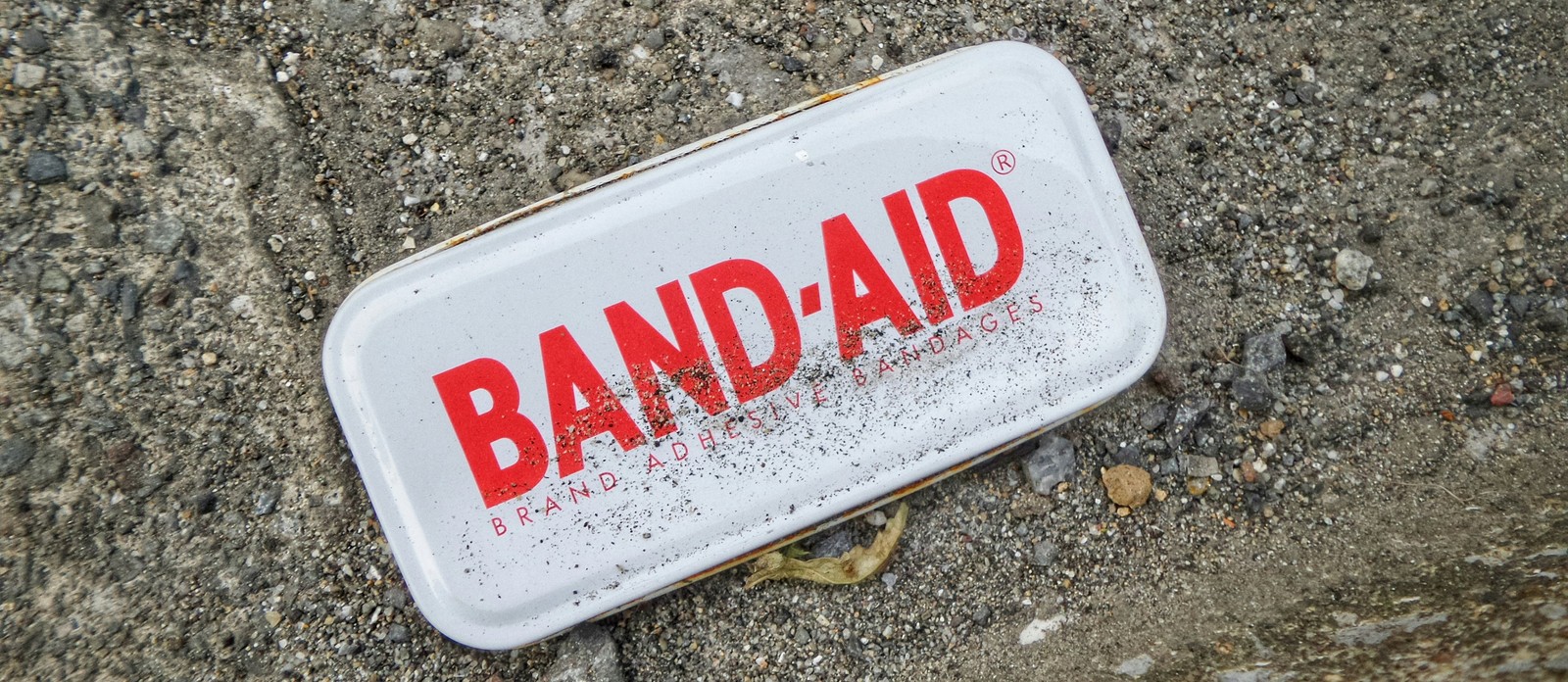
Image: Franck V.
How often do you ask for an adhesive bandage or a waste container? What about solid carbon dioxide? The answer is probably never, but you have certainly used the words band-aid, dumpster, or dry ice. While trademarked names are legally protected, there is little brands can do when a product is so popular that it becomes the generic name, regardless of manufacturer. While some of these common names are still trademarked brands, some have already entered the popular lexicon. Here are 10 brands that became generic names.
1
Band-Aid
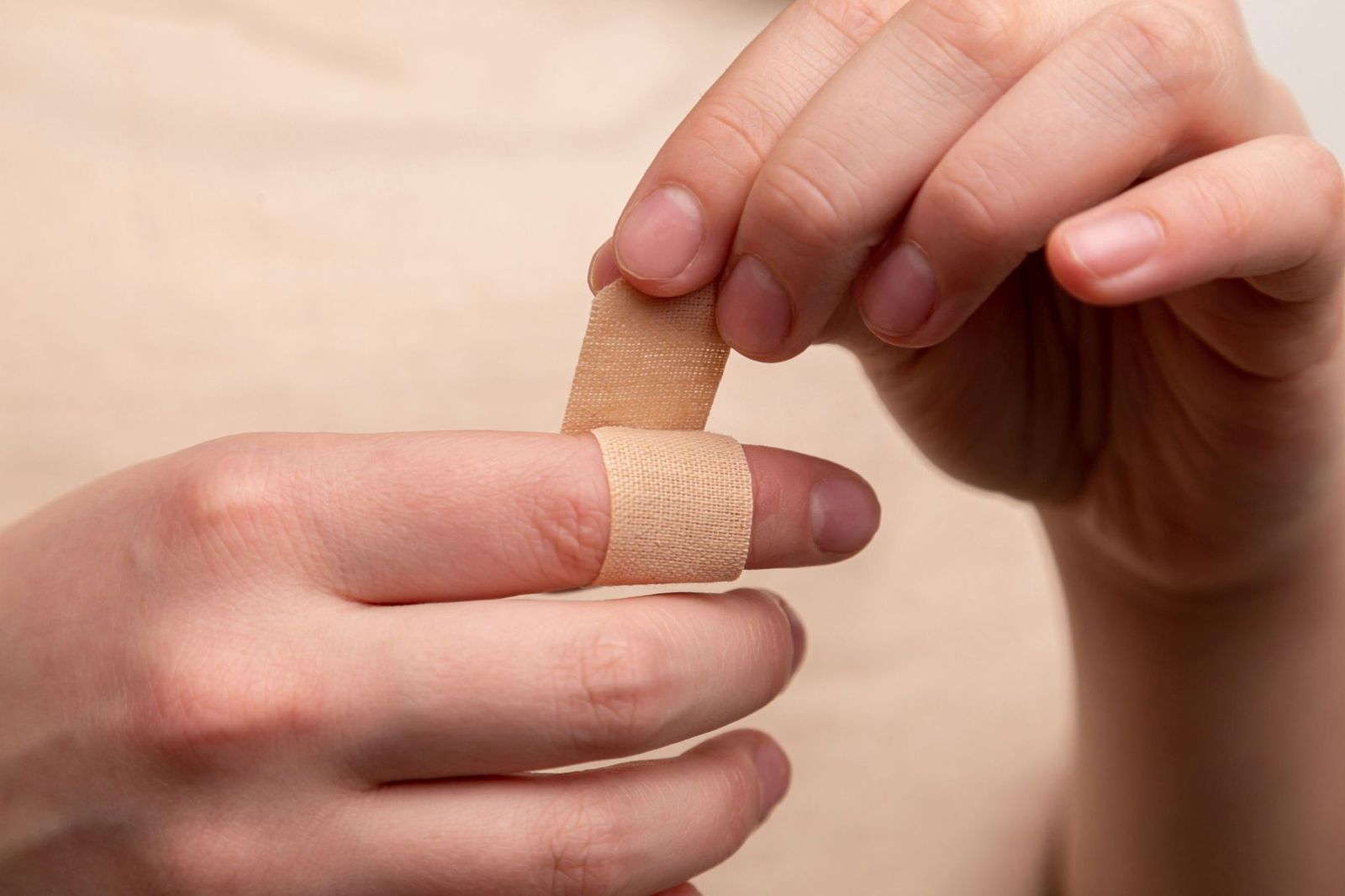
While Band-Aid is still a generic name —other brands use the terms "adhesive bandage" or "plaster" in their products— it is undoubtedly the most popular brand and word used for this kind of bandage. Invented in 1920 by a Johnson & Johnson employee whose wife often injured herself while cooking, the Band-Aid became popular during the Great Depression , as it was a quick and cheap alternative to going to the hospital for minor injuries.
2
Dumpster
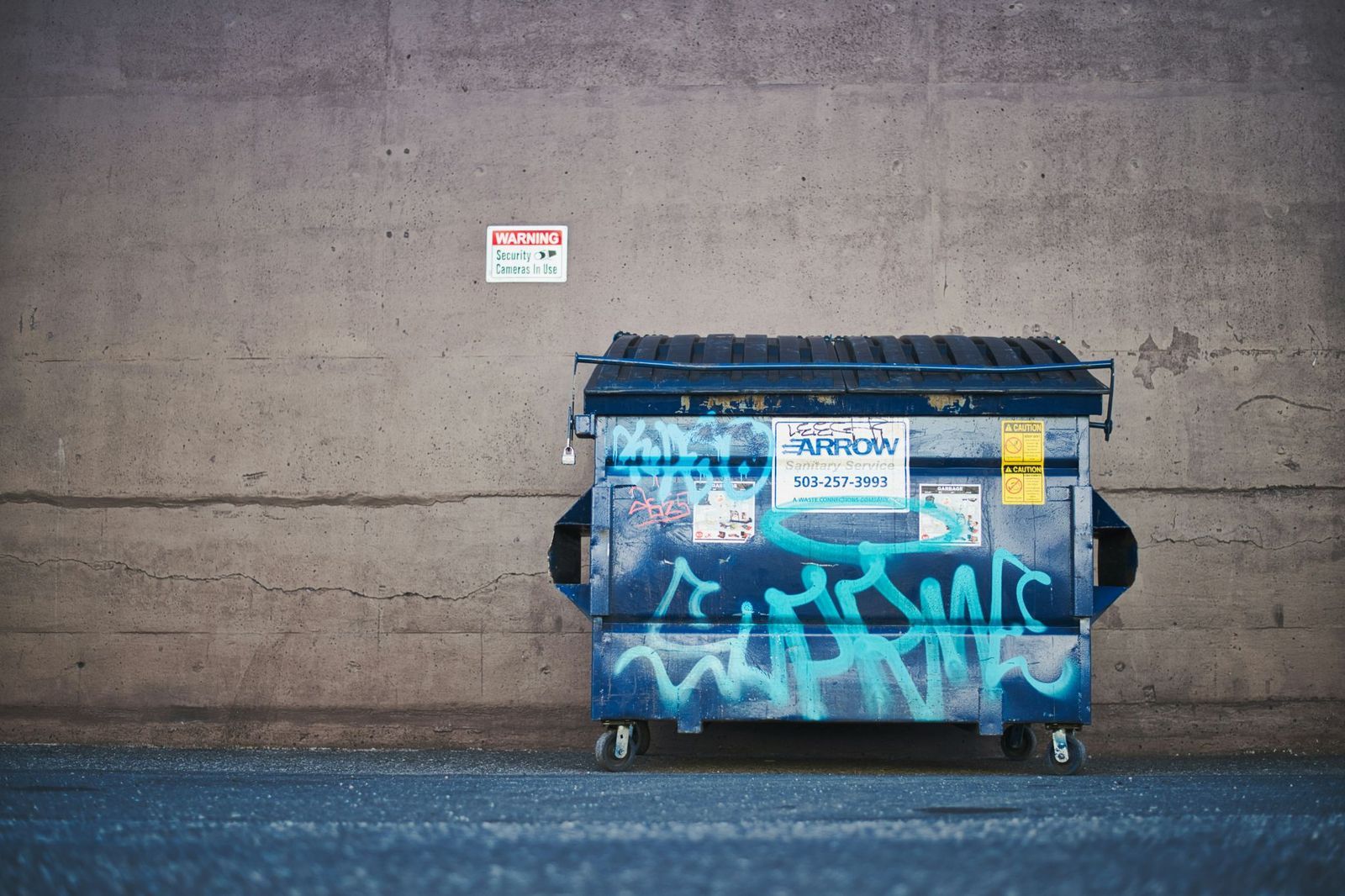
Most folks wouldn't know that Dumpster is a brand, but this product is officially called "waste container". The term dumpster was first used in 1936 as part of the mechanic Dempster-Dumpster system, which allowed for standardized containers to be emptied into garbage trucks. Dumpster was a portmanteau of Dempster (the company's name) and the word "dump" , and the system became so successful that dumpster became synonymous with any garbage container.
3
Tupperware

This case is the opposite of the "dumpster": Tupperware has become a generic name for storage containers, but everyone knows that Tupperware-branded tupperwares are the best tupperwares . Founded in 1942 by Earl Tupper, the brand grew through a sales plan that allowed people —usually women— to earn an income without a salaried, in-office job. Through home gatherings known as "Tupperware parties", these women were able to show the products, network, and make sales among their neighbors and acquaintances, a format that contributed greatly to the popularity of Tupperware products.
4
Cellophane

The chances of hearing "cellulose film" instead of "cellophane" are low, but never zero. While in the UK and other countries, Cellophane is still a trademarked name, in the U.S. the term is not only generic, but is also used for products that are not made from cellulose film , such as plastic wrap or kitchen film.
5
Dry Ice

Nowadays, "dry ice" is a common name for solid carbon dioxide, a form of ice that melts at a slower pace and without leaving a puddle. But did you know that "dry ice" was originally a brand name? Developed in the late 19th century by French inventor Adrien-Jean-Pierre Thilorier, it was first commercialized in the U.S. in 1924. The name "Dry Ice" for this product was trademarked by the DryIce Corporation of America , and quickly became the generic name.
6
Escalator

You might have heard of the Otis Elevator Company, founded by the inventor of the modern elevator, Elisha Otis, but did you know that this company trademarked the word "Escalator"?. Although they were not the inventors of the moving staircase, they were the first to develop the modern flat-step commercial escalator that we use today , a machine so common that its name became generic, leading to the cancellation of the trademark.
7
Ping-Pong
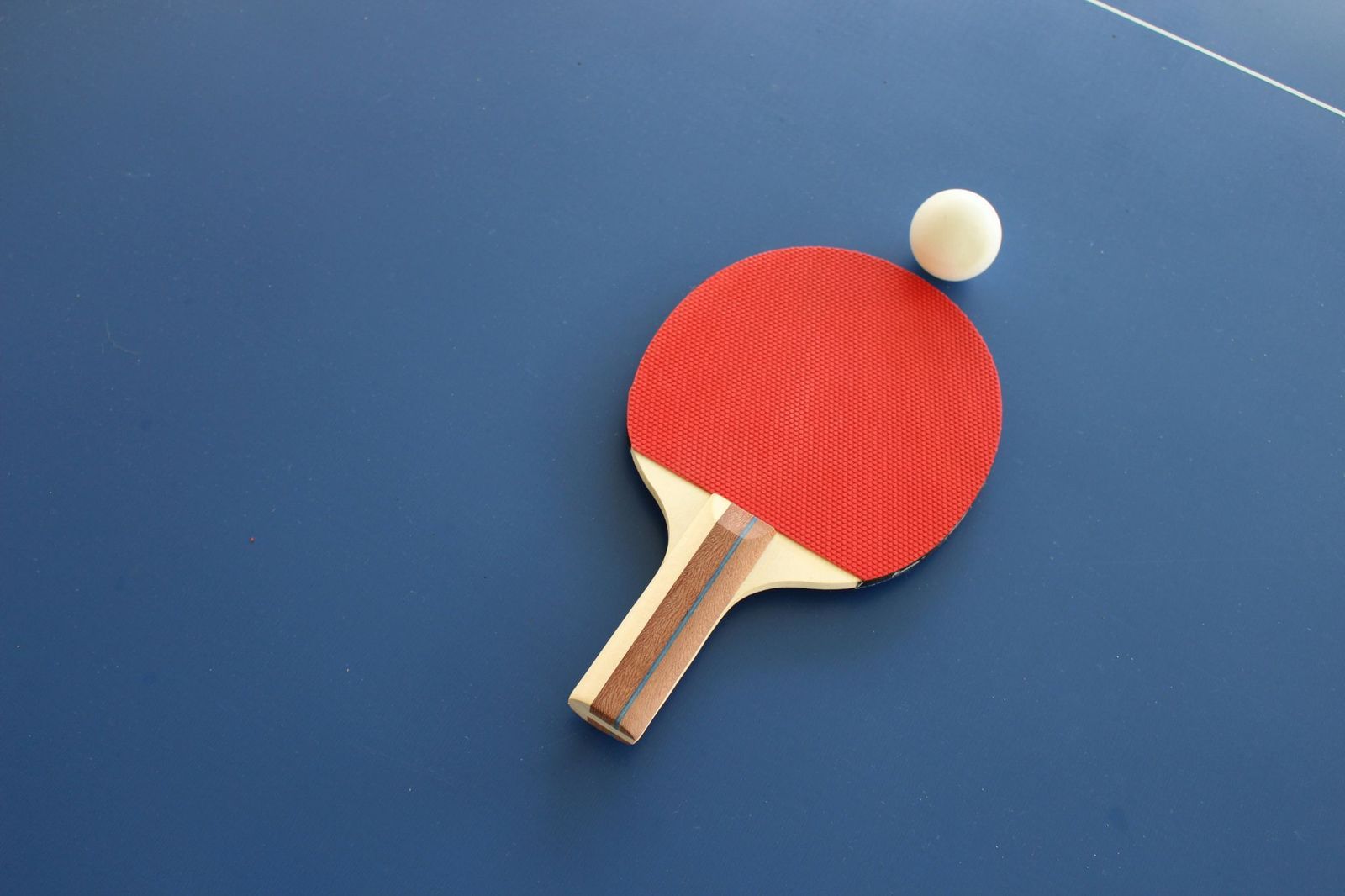
If you are an avid Summer Olympics watcher, you might have noticed that "Ping-Pong" is not officially used for the sport usually known by that name. That is because the sport is officially called "table tennis". The name Ping-Pong was initially used as a brand in the UK, and later trademarked in America by the Parker Brothers. Although it is the most widely known name of the sport, the International Table Tennis Federation uses the name "table tennis" in order to avoid trademark conflicts.
8
Realtor

Despite what many would think, "realtor" is a trademarked name and not the official name of a profession. Owned by the National Association of Realtors (NAR), the generic term for the profession is "real estate agent" or "real estate broker". The only real estate agents that can legally use the name "realtor" are active members of NAR.
9
Trampoline

Trampoline is no longer a trademarked name, but it was in its origins. Derived from the Spanish trampolín ("diving board"), it was created and trademarked by the Griswold-Nissen Trampoline & Tumbling Company in 1930, and the technical name for the product was "rebound tumbler" . Trampoline is now accepted as a generic name for a variety of bouncing apparatuses.
10
Windbreaker
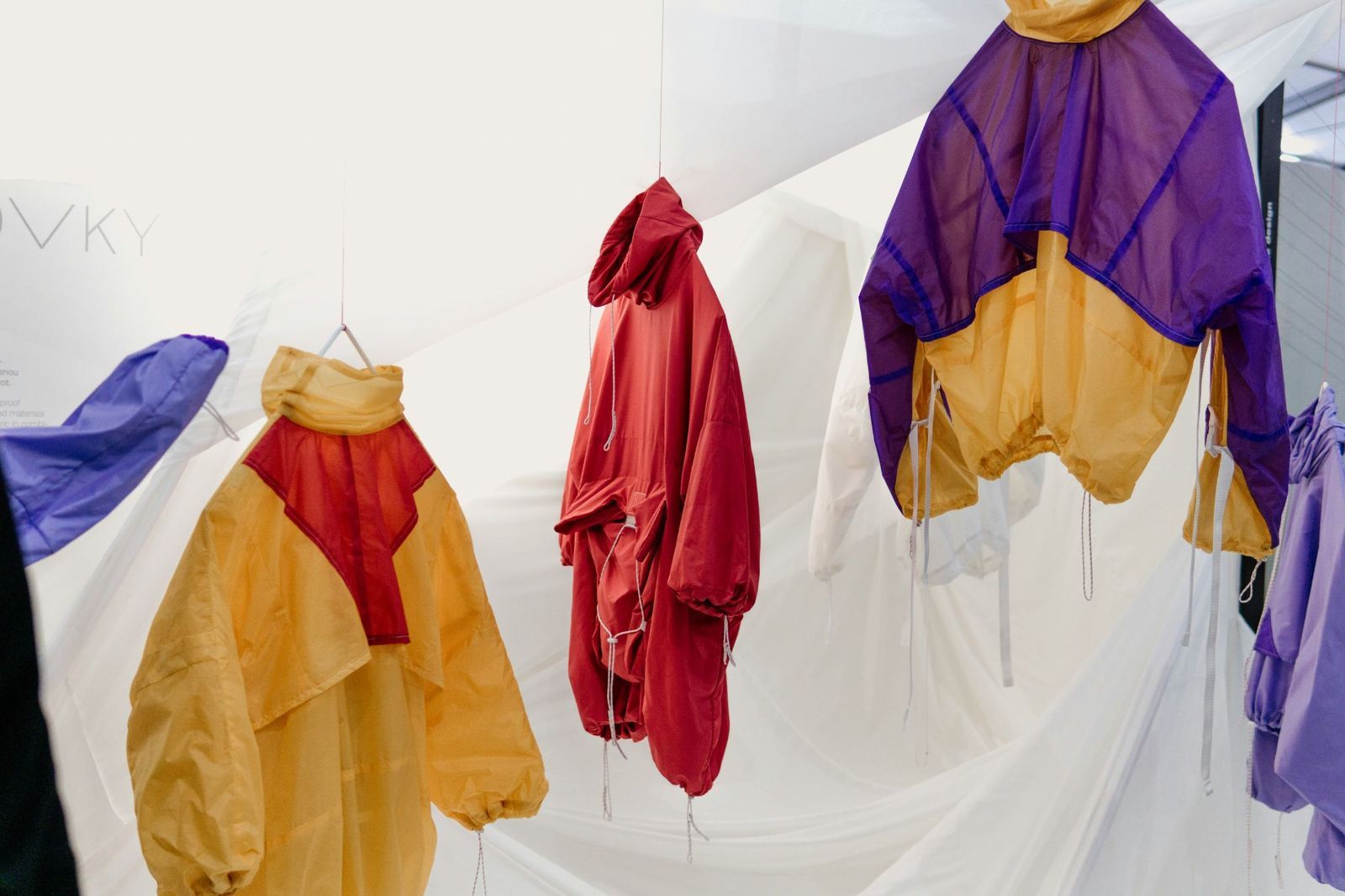
We now understand that a windbreaker is any lightweight, wind-resistant jacket, but it originally referred to gabardine jackets by the John Rissman Company of Chicago . The name was developed and trademarked in the 1940s for this specific type of jacket, but down the line it not only became generic for waterproof jackets, but also synonymous with a jacket made of thin synthetic fabric like nylon or polyester.