Culture Culture 5 min read

Off-screen talent

What instrument was Jimmy Stewart known to bring to movie sets?

Image: Caleb George

Long before it became fashionable for celebrities to branch out into other media, there were already well-known figures in Hollywood with impressive musical abilities hidden behind their fame. Actors, comedians, and even talk show hosts often revealed surprising talent in playing instruments, writing songs, or stepping into a recording studio. For some, music was a personal interest pursued in private; for others, it was part of an early career path. Whether performing for an audience or simply playing at home, these 12 individuals remind us that artistic talent often runs deeper than what we see on screen or stage.

1
Charlie Chaplin

Image: Sigmund

Charles Chaplin was far more than a slapstick icon; he was also a gifted, self-taught composer. Despite never learning to read music, he had an exceptional ear and a deep love for melody. He personally created the musical scores for many of his films, ensuring every note matched his vision. One of his most enduring compositions, "Smile," was later turned into a beloved ballad recorded by Nat King Cole, Michael Jackson, and many others. Did you know that?

2
Clint Eastwood
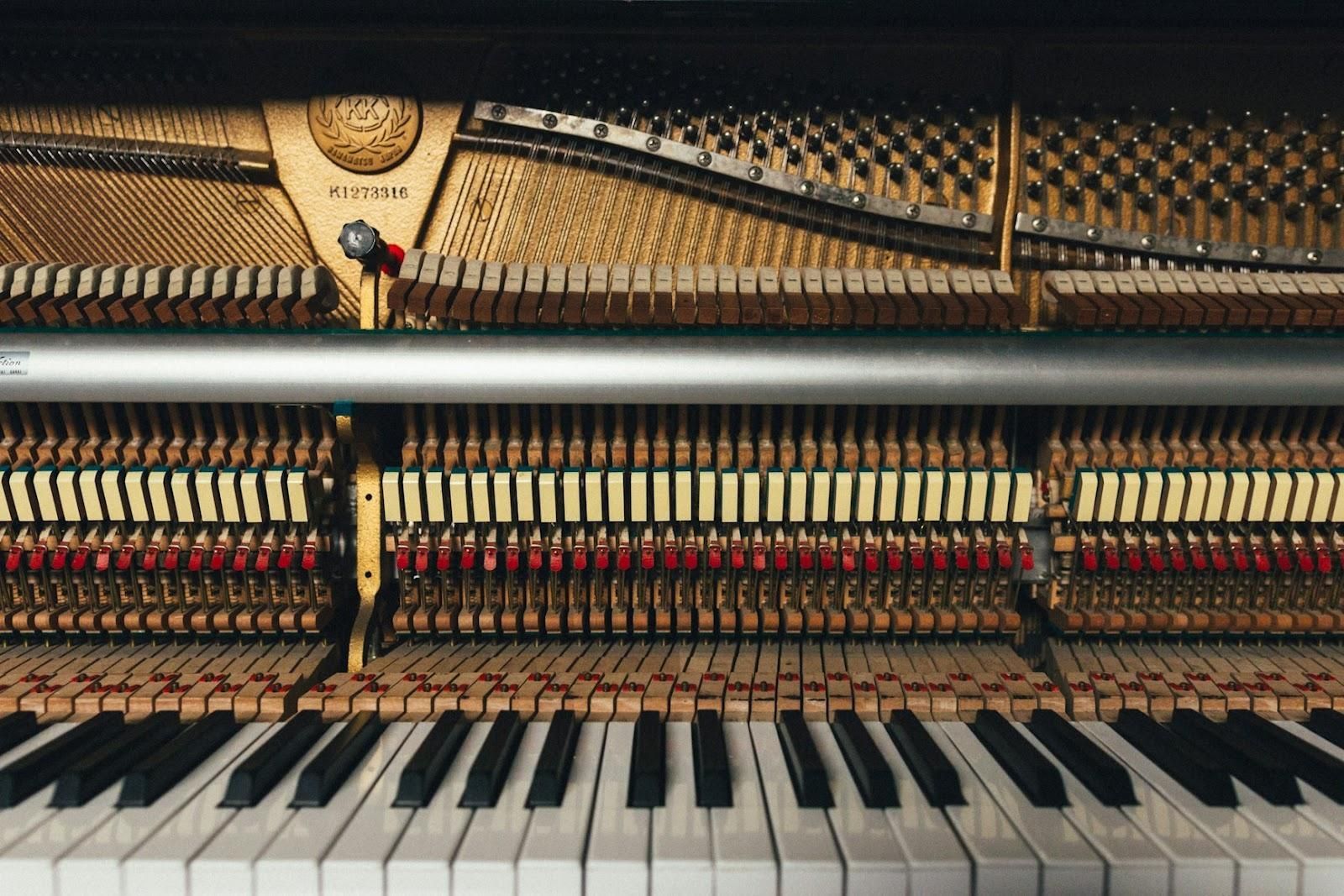
Image: Markus Gjengaar

Known for his lone-wolf type characters and acclaimed work behind the camera, Clint Eastwood also has a deep love for jazz that has shaped much of his personal and creative life. A skilled piano player, Eastwood doesn’t just tinker with the keys—he plays with real finesse. He’s even composed original scores for several of his own films, including Mystic River and Million Dollar Baby . At home, his Steinway grand piano sits surrounded by a carefully curated vinyl collection, a tribute to the music that inspires him.

3
Mae West

Image: Clo Art

Long before anyone coined the term "multi-hyphenate," Mae West was already doing it all. A screen legend and the epitome of 1930s allure, she wasn’t just known for her wit and curves—she also had serious musical chops. Her signature sultry voice was famous, but did you know she also composed music and wrote her own lyrics? She even experimented with rock ’n’ roll in the 1960s, releasing albums well into her seventies. True to form, her songs—like her film scripts—were brash, playful, and unapologetically ahead of their time.

4
Jimmy Stewart
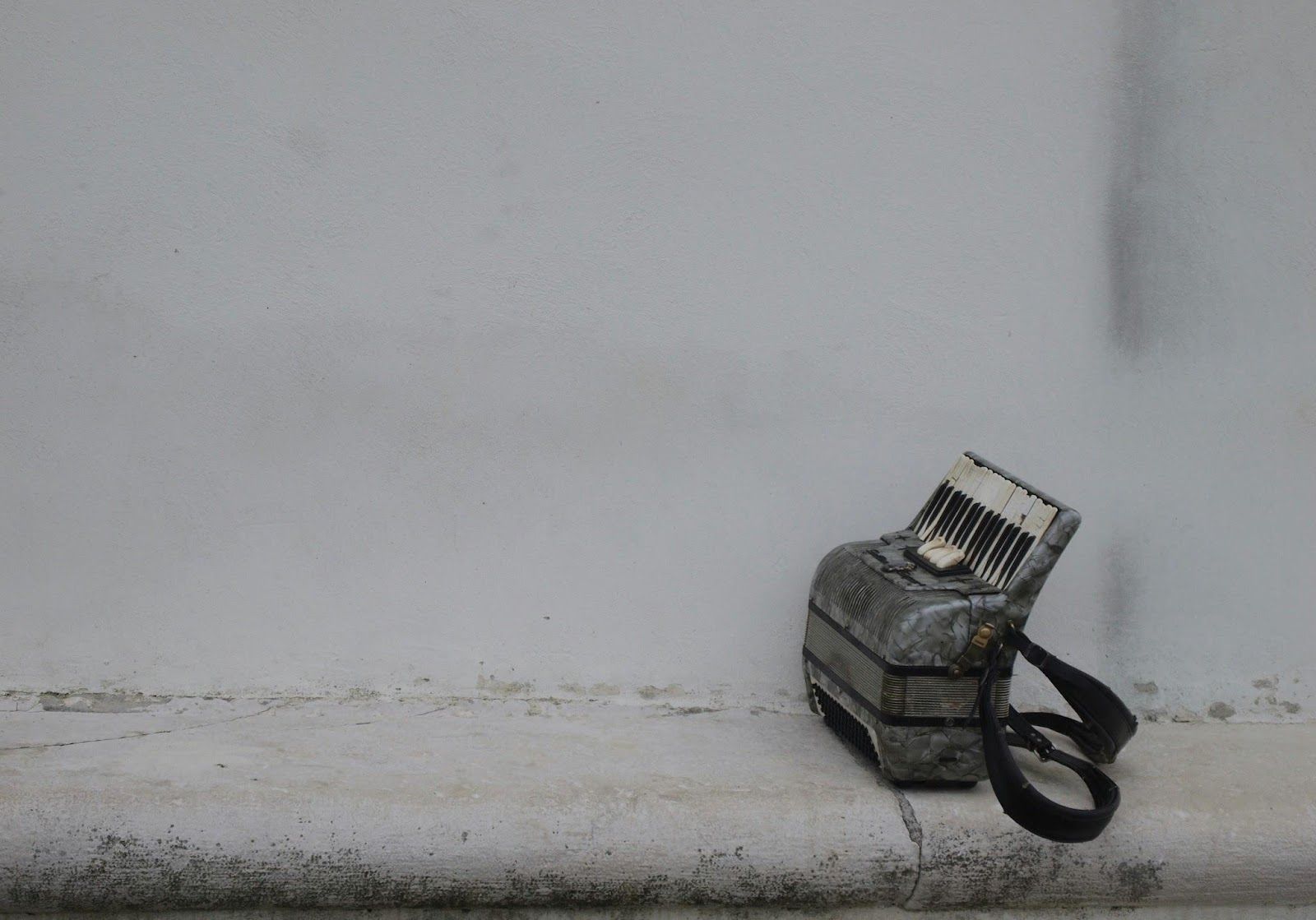
Image: Tomas Tuma

Beyond his warm, everyman charm, Jimmy Stewart had a lesser-known talent: playing the accordion. Though he never pursued it professionally, the instrument was his faithful companion. He often brought it to movie sets, entertaining cast and crew during breaks. For Stewart, music wasn’t about showmanship but a way to unwind and create a friendly atmosphere wherever he went.

5
Jerry Lewis

Image: Stéfano Girardelli

Renowned for his wild antics and legendary comedy duo with Dean Martin, Jerry Lewis was more than just a funny man—he was also a talented, self-taught pianist. He began playing as a child and kept music close throughout his career, often incorporating piano interludes into his routines. Beyond the stage, Lewis composed original pieces for films and television specials, showcasing a musical side that many fans may not even know about.

6
Meryl Streep

Image: Stefany Andrade

Meryl Streep may be the queen of acting, but long before she stepped in front of a camera, she was busy mastering the violin. As a young woman, she studied classical violin passionately, developing not just technique but a deep appreciation for music. Though she didn’t pursue it professionally, her early training paid off in unexpected ways—giving her the confidence and credibility to tackle musically demanding roles later in life, such as the hilariously off-key opera singer in Florence Foster Jenkins or the show-stopping mother in Mamma Mia!

7
Paul Robeson

Image: Yoel J Gonzalez

More than just a performer, Robeson was a powerful voice —both literally and politically. His booming bass made "Ol’ Man River" unforgettable, but his musical talent went far beyond that. A trained singer and accomplished actor, he viewed art as a force for justice. Fluent in over 20 languages, Robeson performed around the world, using his voice not only to entertain but also to speak out against racism and inequality wherever he went.

8
Johnny Carson
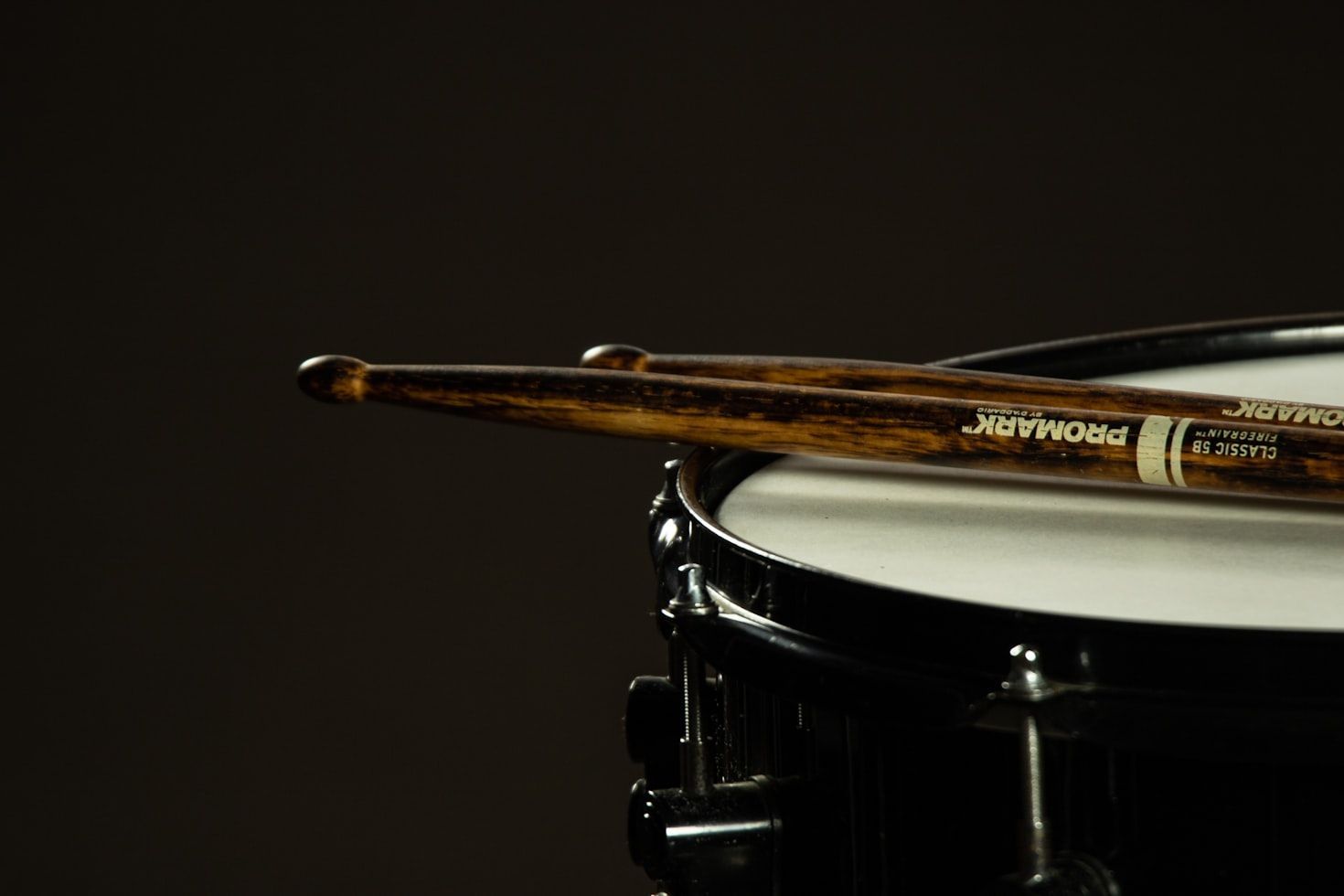
Image: Brent Ninaber

Best known as the face of The Tonight Show , Johnny Carson also had rhythm running through his veins. A lifelong music lover, he took up the drums as a boy and never lost the habit. While he never pursued it professionally, he occasionally surprised audiences by sitting in with the studio band for a quick jam—a subtle reminder that behind the suit and tie was a performer with more than one talent.

9
Anthony Quinn
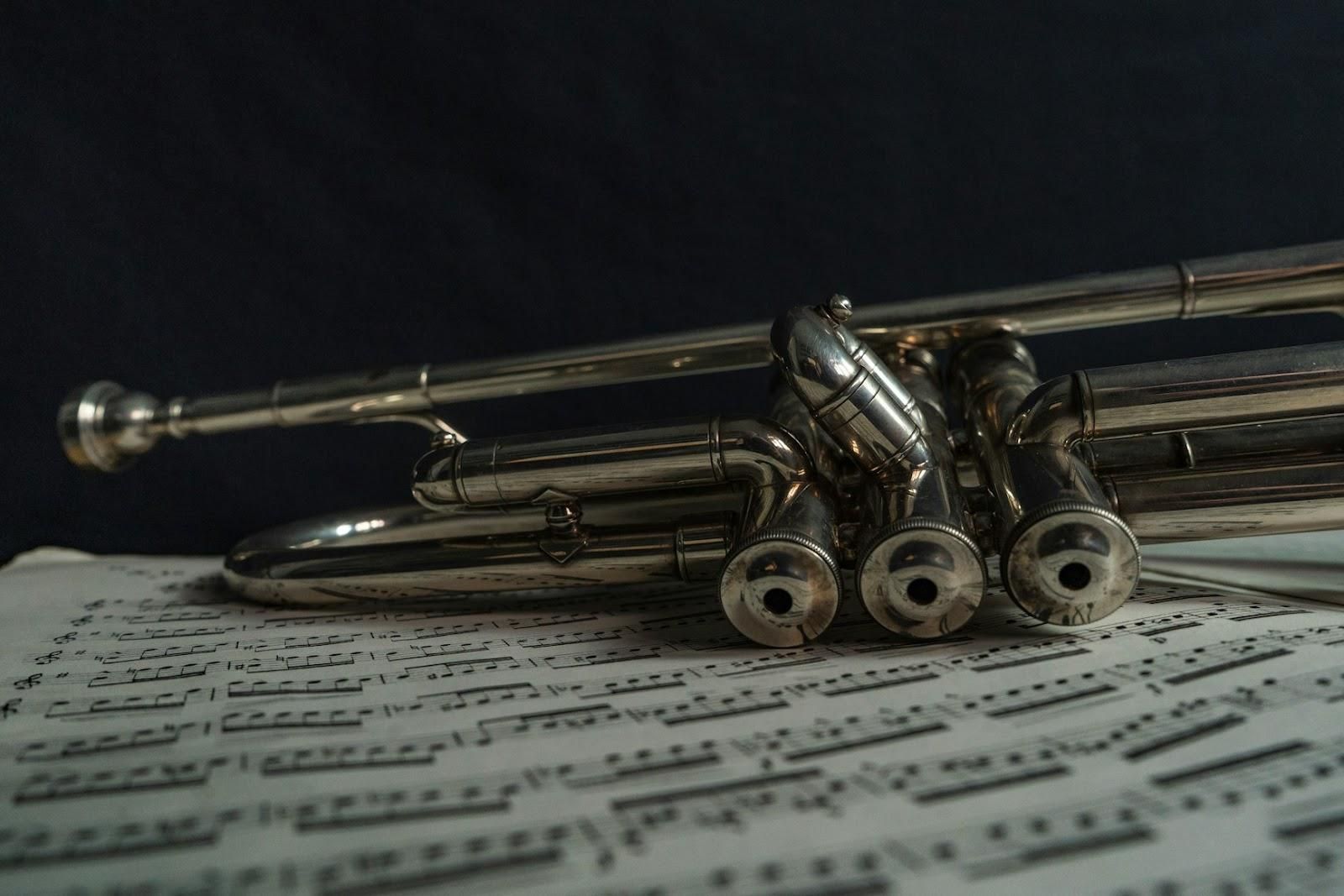
Image: Eric Awuy

Long before captivating audiences as Zorba the Greek, Anthony Quinn was making noise in a completely different way. Born in Mexico and raised in Los Angeles, he picked up the trumpet and saxophone, playing in local jazz bands to earn money and express himself creatively. Music was his first love, and although acting eventually took center stage, those early musical roots stayed with him throughout his life.

10
Jack Lemmon

Image: Rohit Tandon

Beloved for his wit and warm on-screen charisma, Jack Lemmon had another talent up his sleeve: he was a gifted pianist. Audiences who saw him on talk shows were often treated to impromptu performances, where he’d sit down at the piano and play with real flair. It wasn’t just a party trick—music was a lifelong passion for Lemmon, a source of joy, and a way to express himself beyond the roles he played. Whether behind the keys or in front of the camera, his genuine charm always shone through.

11
Steve Martin
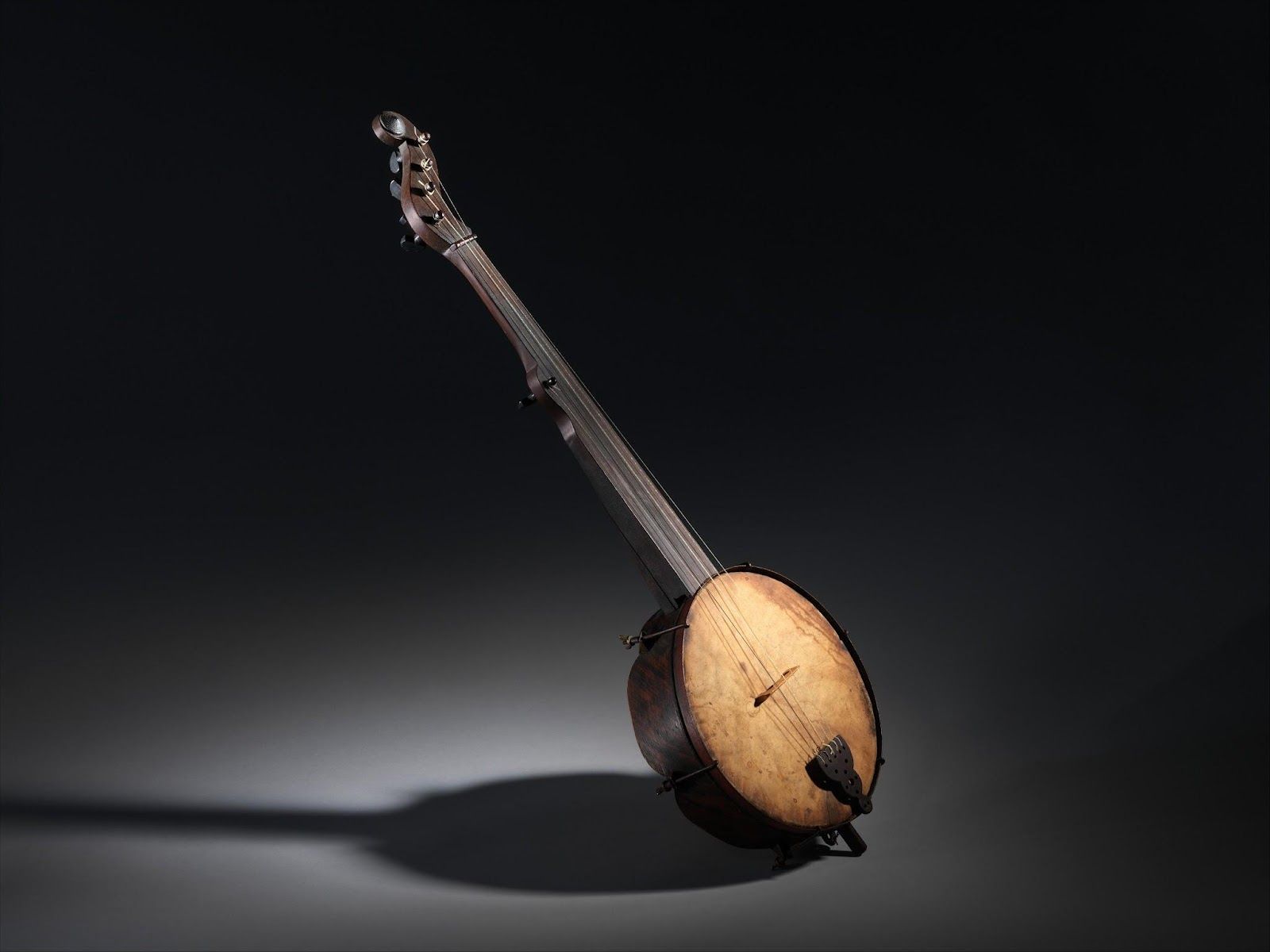
Image: Metropolitan Museum of Art, CC0, via Wikimedia Commons

Long before he became a household name with comedies like The Jerk , Steve Martin was already strumming the banjo with remarkable skill. What began as a teenage hobby grew into a lifelong passion for bluegrass. He has recorded several albums, earning multiple Grammy Awards, and shared the stage with legends like Earl Scruggs and Dolly Parton. Not just a performer, Martin also founded a nonprofit to support up-and-coming banjo players and keep the tradition alive.

12
Julie Andrews

Image: The Now Time

We can’t wrap up this list without tipping our hat to the great Julie Andrews. Most folks remember her as the angel-voiced Maria from The Sound of Music , but did you know she’s also a talented pianist? Trained in music from an early age, her time at the piano helped shape her legendary perfect pitch. Later in life, she often sat down to compose music—sometimes even teaming up with her daughter to create songs for children. A true class act, on and off the screen!
Geography Geography 5 min read

Stories carved by the Colorado River

The missing pieces of the Grand Canyon: 10 incredible facts

Image: jesus esteban

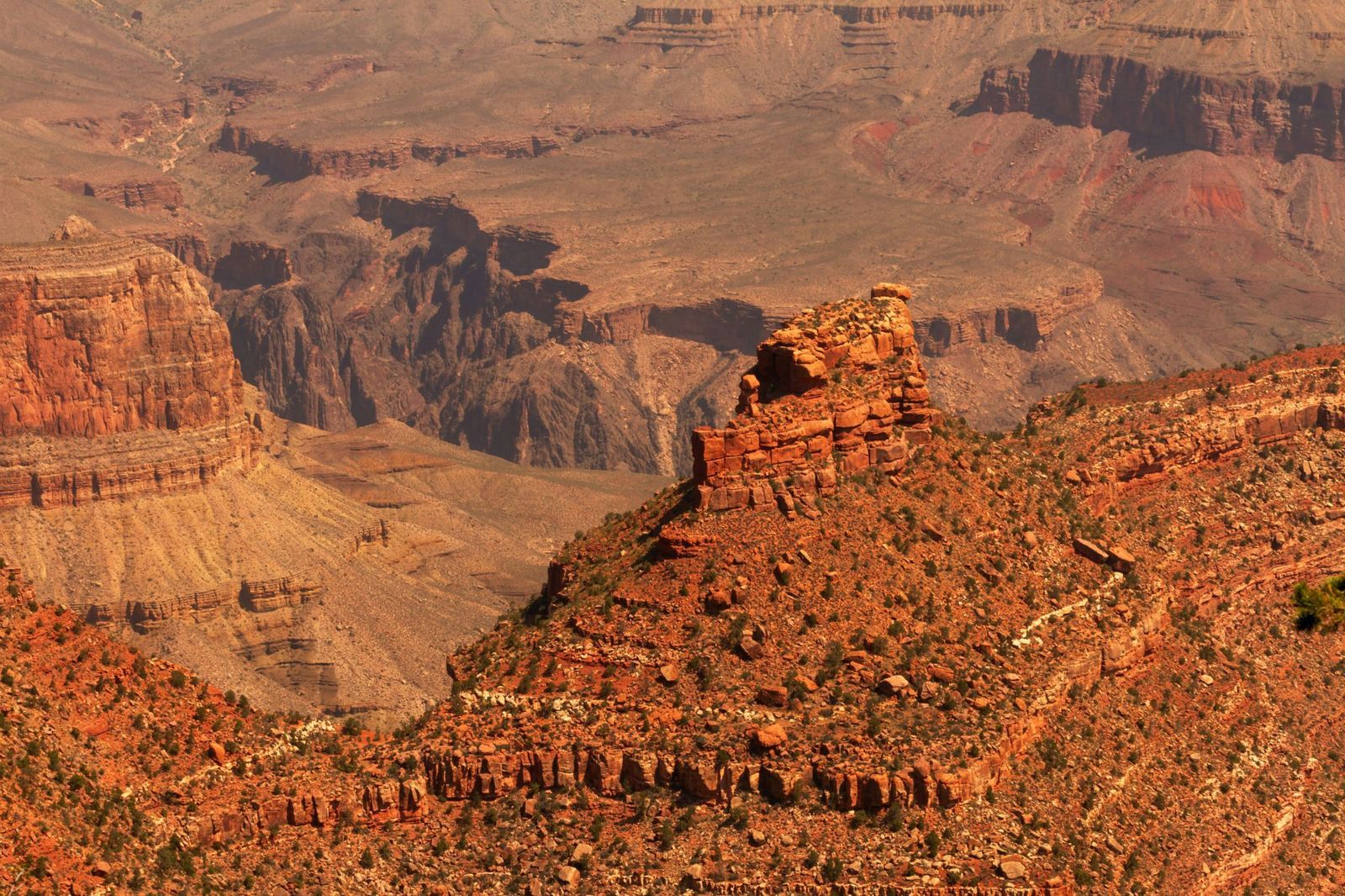
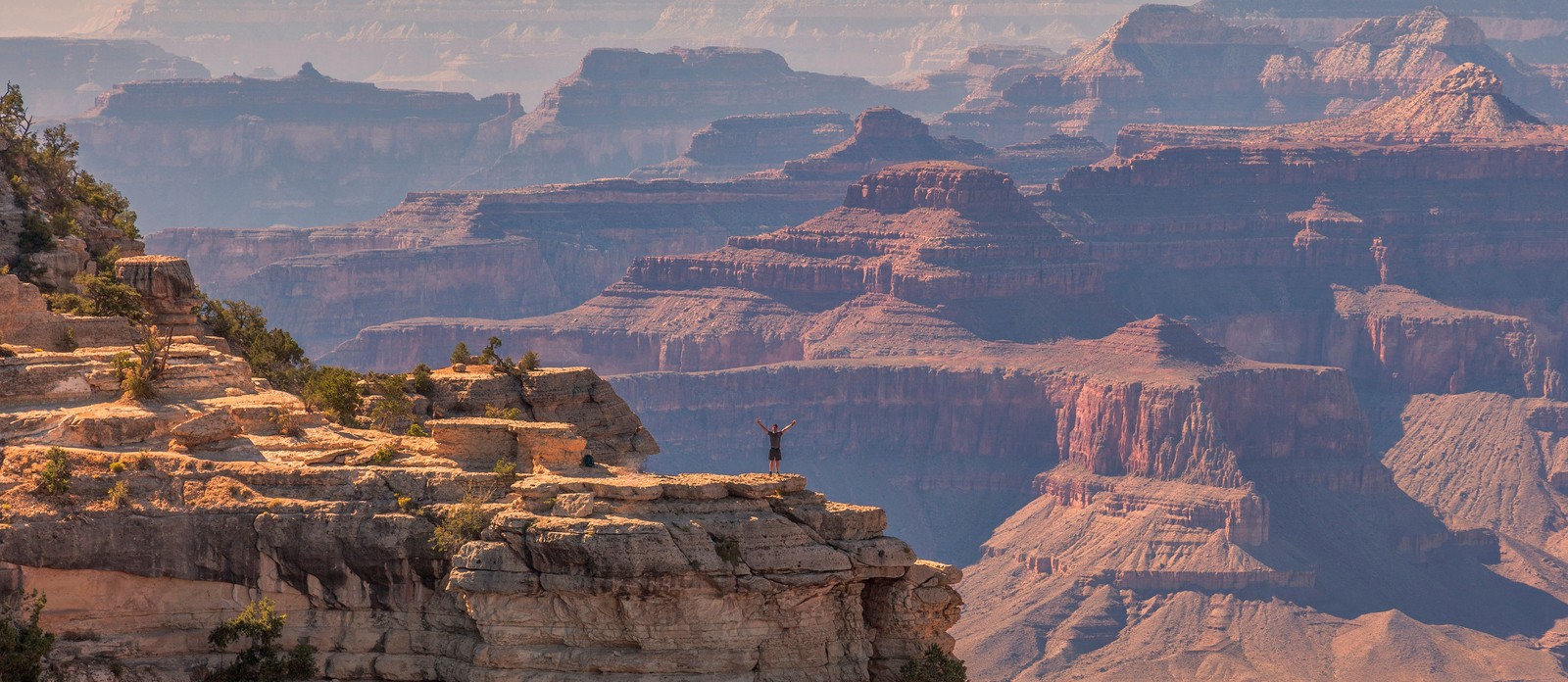
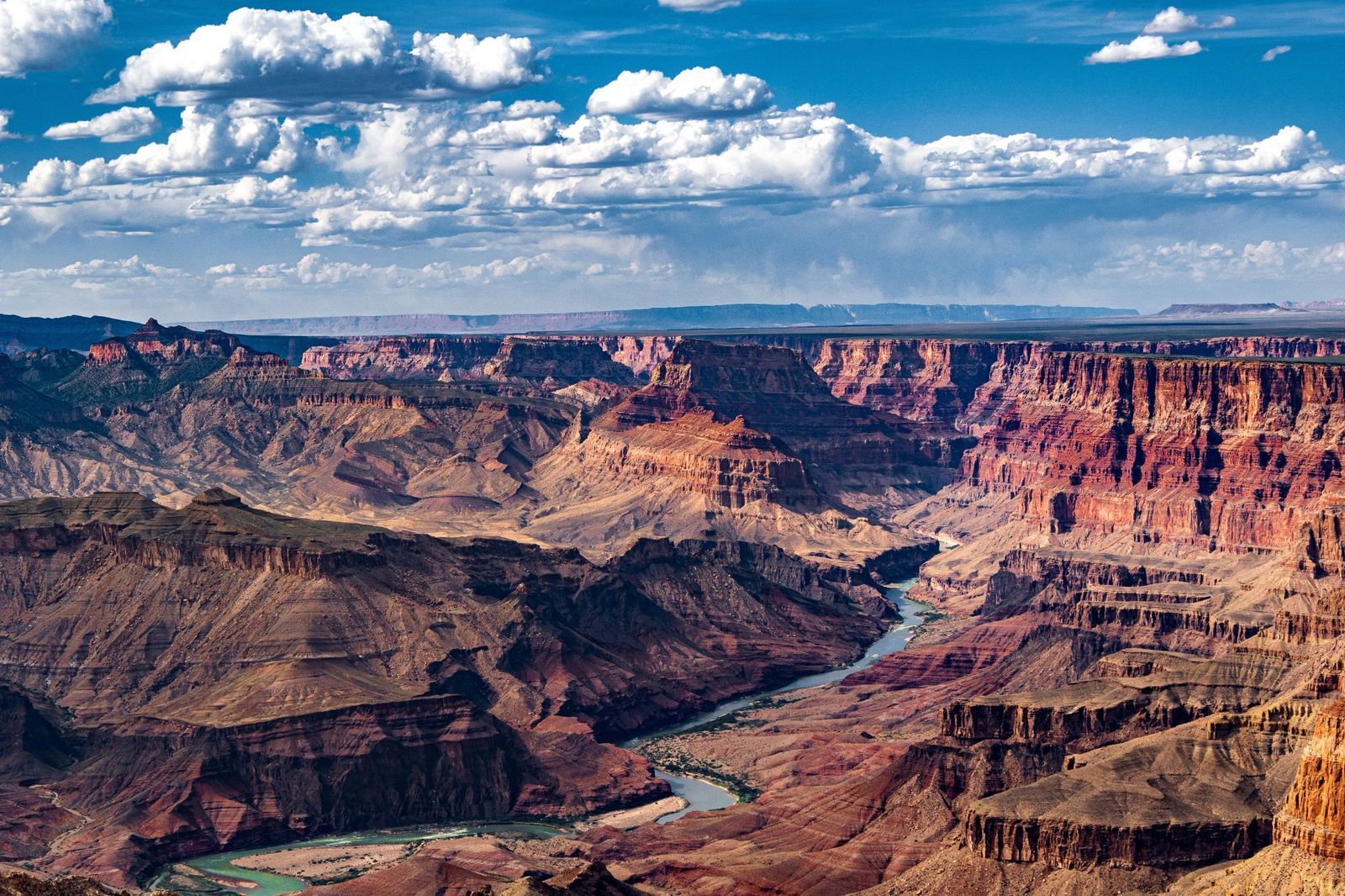
The Grand Canyon is bigger than Rhode Island. It's deeper than four Empire State Buildings stacked end to end. Its rocks are older than dinosaurs. But those stats alone don’t quite capture its immensity — and are hardly the most shocking. There are nuclear shelters, hidden villages, and billion-year mysteries involved. Read on to learn 10 lesser-known facts about the Grand Canyon.

1
There's an unexplained billion-year gap

Image: John Graybosch

Look closely at the canyon walls, and you'll notice something strange: a clean, sharp line where ancient rock simply stops, and a much younger layer begins directly above it.

This geological puzzle is called the "Great Unconformity," and it represents over a billion years of rock layers that are simply absent , as though that stretch of time never happened. In some spots, rock dated 1.8 billion years old sits directly beneath rock that is only 520 million years old. Where did the missing billion years go?

The leading theory involves the violent breakup of an ancient supercontinent, but scientists are still piecing it together.

2
During the Cold War, it hid a nuclear fallout shelter

Image: Lauri Väin from Tallinn, Estonia, CC BY 2.0, via Wikimedia Commons

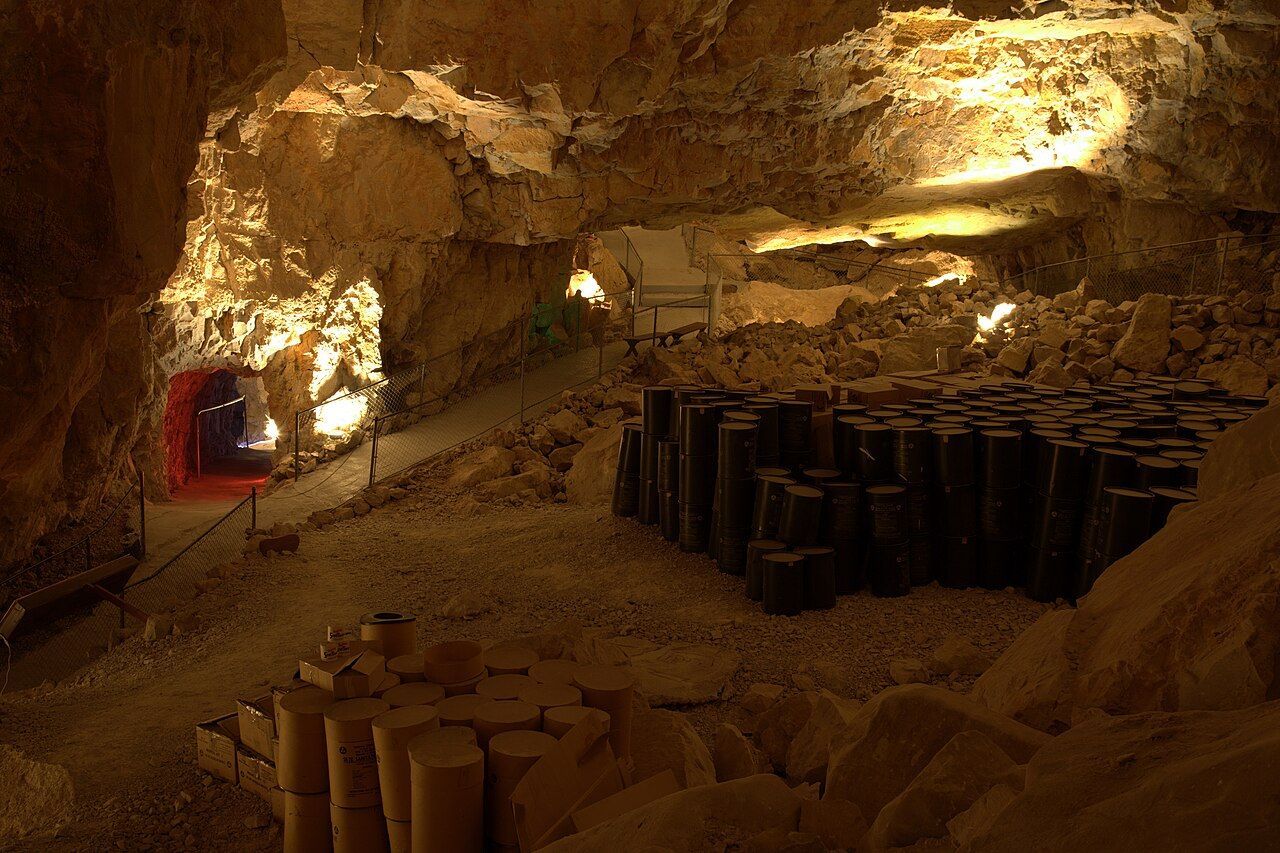
During the Cuban Missile Crisis in 1962, the U.S. government converted part of the Grand Canyon Caverns into a fallout shelter. This dry cave system, more than 200 feet underground, was stocked with enough food and water to sustain 2,000 people. Naturally, it was never occupied, and the supplies were never used.

The caverns have since been transformed into a tourist attraction, with organized tours winding through the same underground chambers that were once intended as a refuge from nuclear war. You can even book a night's stay there.

3
The Federal Aviation Administration was founded after a crash over the canyon

Image: Alexandre Henry Alves

In 1956, two commercial passenger planes collided in midair over the eastern Grand Canyon, killing all 128 people on board both crafts. Rescue teams struggled to reach the wreckage deep inside the canyon, and the extreme heat of the crash had caused the planes' aluminum to fuse with the bedrock. There were no survivors.

The disaster exposed a terrifying truth: the U.S. air traffic control system was dangerously outdated, relying on pilots' visual estimates and rough guesswork from controllers , with no way to separate fast-moving aircraft from slow ones, or instrument-flying planes from those navigating by sight. Congress responded by passing legislation that created both the Federal Aviation Administration (FAA) and the National Transportation Safety Board.

4
A hoax suggested that an Egyptian civilization had lived there

Image: abdurrohman dzar

In 1909, the Arizona Gazette reported that an explorer named G. E. Kinkaid had discovered a vast underground citadel inside the canyon, filled with artifacts linked to ancient Egyptian civilization. He even claimed the expedition had been funded by the Smithsonian.

This story described hieroglyphics on the walls, mummies in the chambers, and relics pointing to a direct connection with the Egypt of the pharaohs. It was incredibly detailed, and it was, of course, a hoax. No evidence for any of Kinkaid's claims ever surfaced.

5
Fewer than 100 people have ever hiked its full length

Image: Abhishek Navlakha

Among the few people who have completed the through-hike of the Grand Canyon is Jen Hogan, the first woman to accomplish it, finishing her journey in 2021–2022.

It’s a full 800-mile length below the rim. The route involves extreme heat, flash floods, near-impassable areas, and stretches with no water or trail whatsoever. Around 60 or 70 people have reportedly accomplished it. This makes it one of the most exclusive feats on Earth.

6
The Grand Canyon's rocks predate dinosaurs entirely

Image: MARIOLA GROBELSKA

Visitors scanning the canyon walls for fossils are often surprised to learn they won't find any dinosaur bones here. The rock layers of the Grand Canyon are simply older than dinosaurs. This fact alone can be shocking: staring at its walls means staring at marine fossils from as far back as 1.2 billion years ago. Some of its caves hold the remains of ancient mammals. The canyon is a window into a world that existed long before the dinosaurs, when the land that is now Arizona lay beneath a shallow sea.

7
The park is bigger than Rhode Island

Image: AussieActive

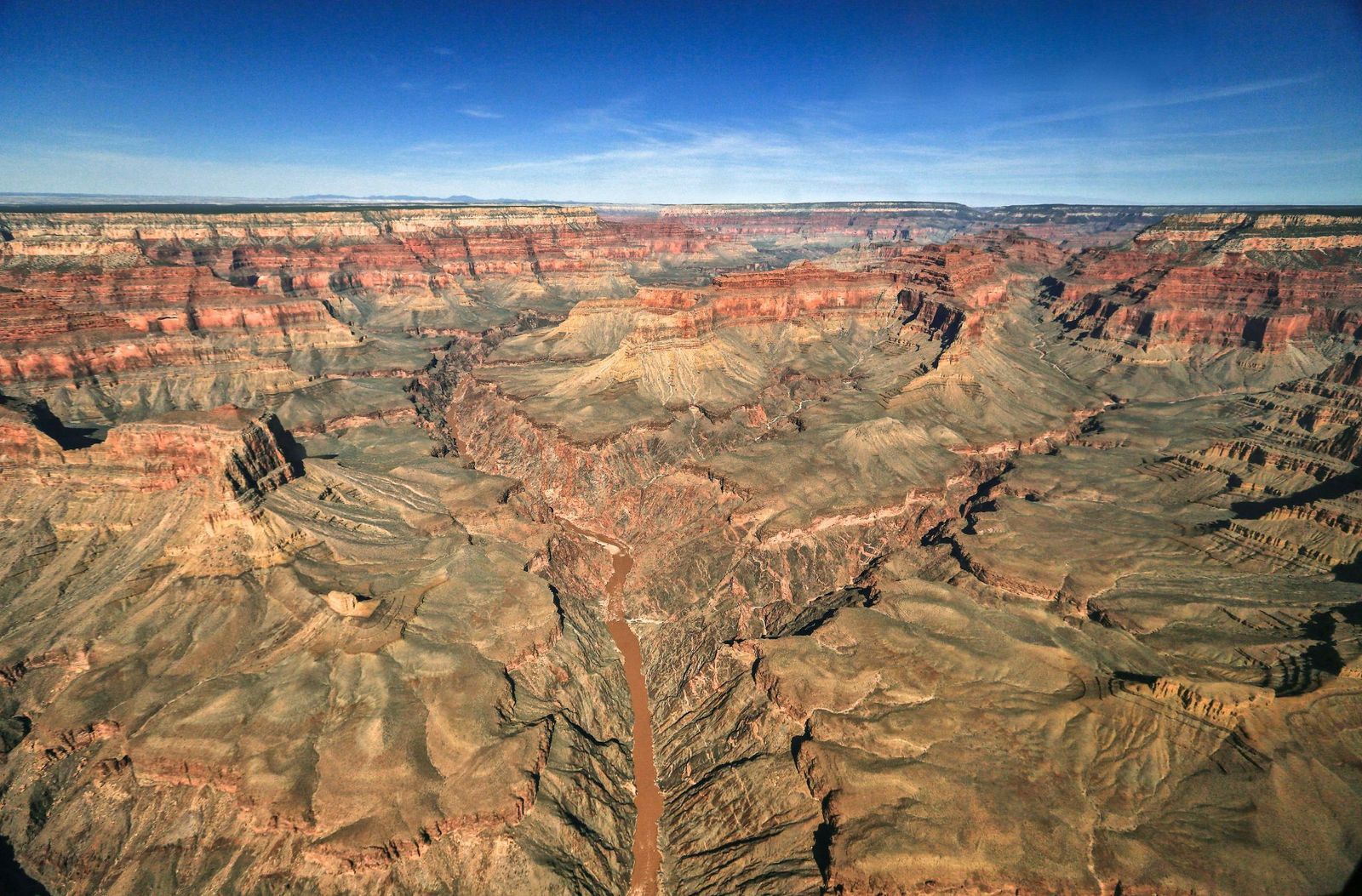
Numbers alone rarely capture the Grand Canyon's scale, so here's a different approach. Rhode Island covers about 1,214 square miles, and the Grand Canyon National Park spans 1,904 square miles.

The canyon's depth exceeds four Empire State Buildings (which is 1,454 feet) stacked on top of one another. That’s 6,093 feet at its deepest point.

8
But it's not the deepest canyon on Earth

Image: Naeemphotographer2

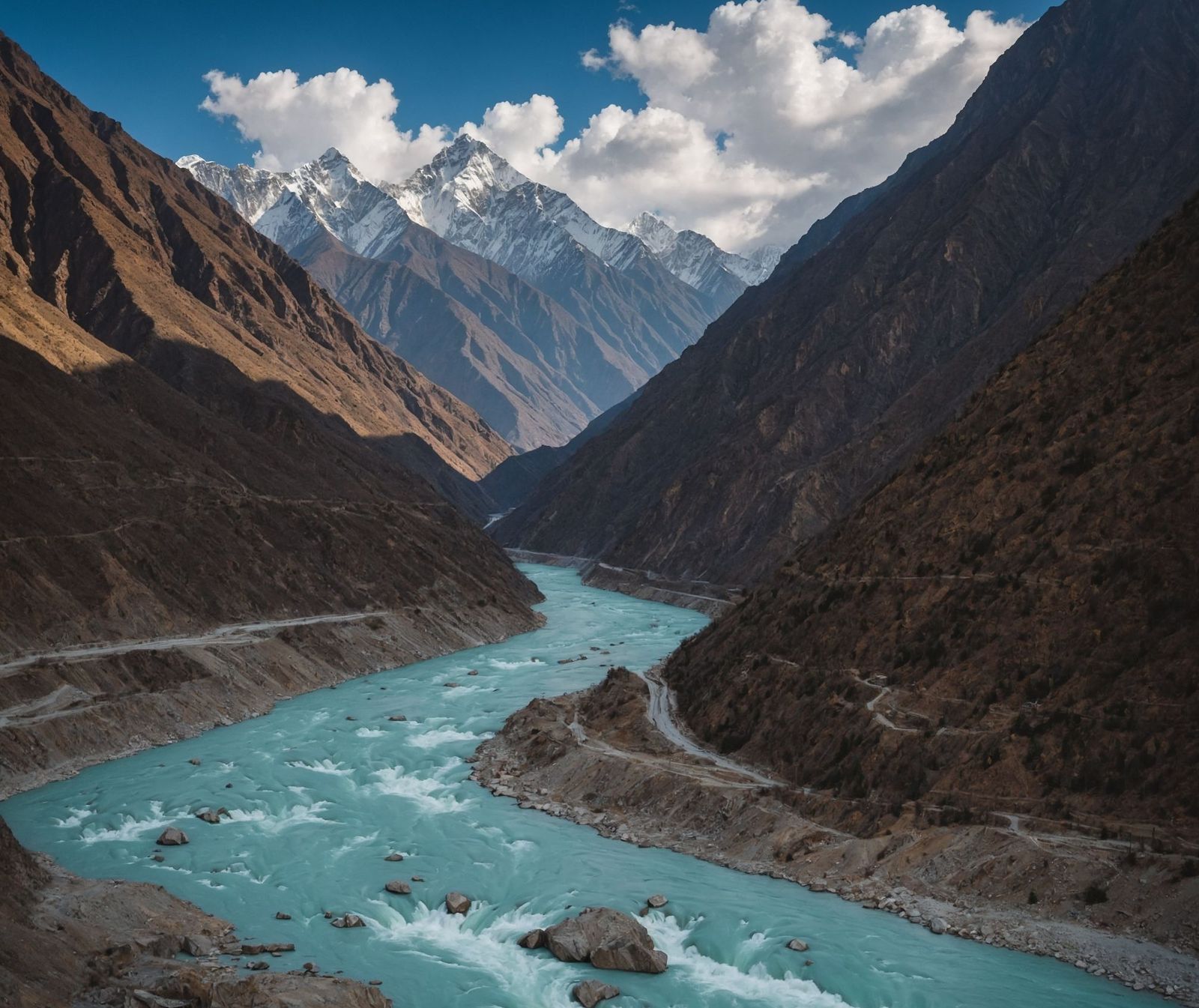
For all its grandeur, the Grand Canyon does not hold the depth record. Pictured above, the Yarlung Tsangpo Grand Canyon in Tibet, China, plunges to 17,567 feet, which is nearly three times deeper. Carved by the Yarlung Tsangpo River as it cuts through the eastern Himalayas, that canyon is so remote and extreme that it remained largely uncharted until the late 20th century.

9
It is home to a pink rattlesnake found nowhere else on Earth

Image: Alexander Wong

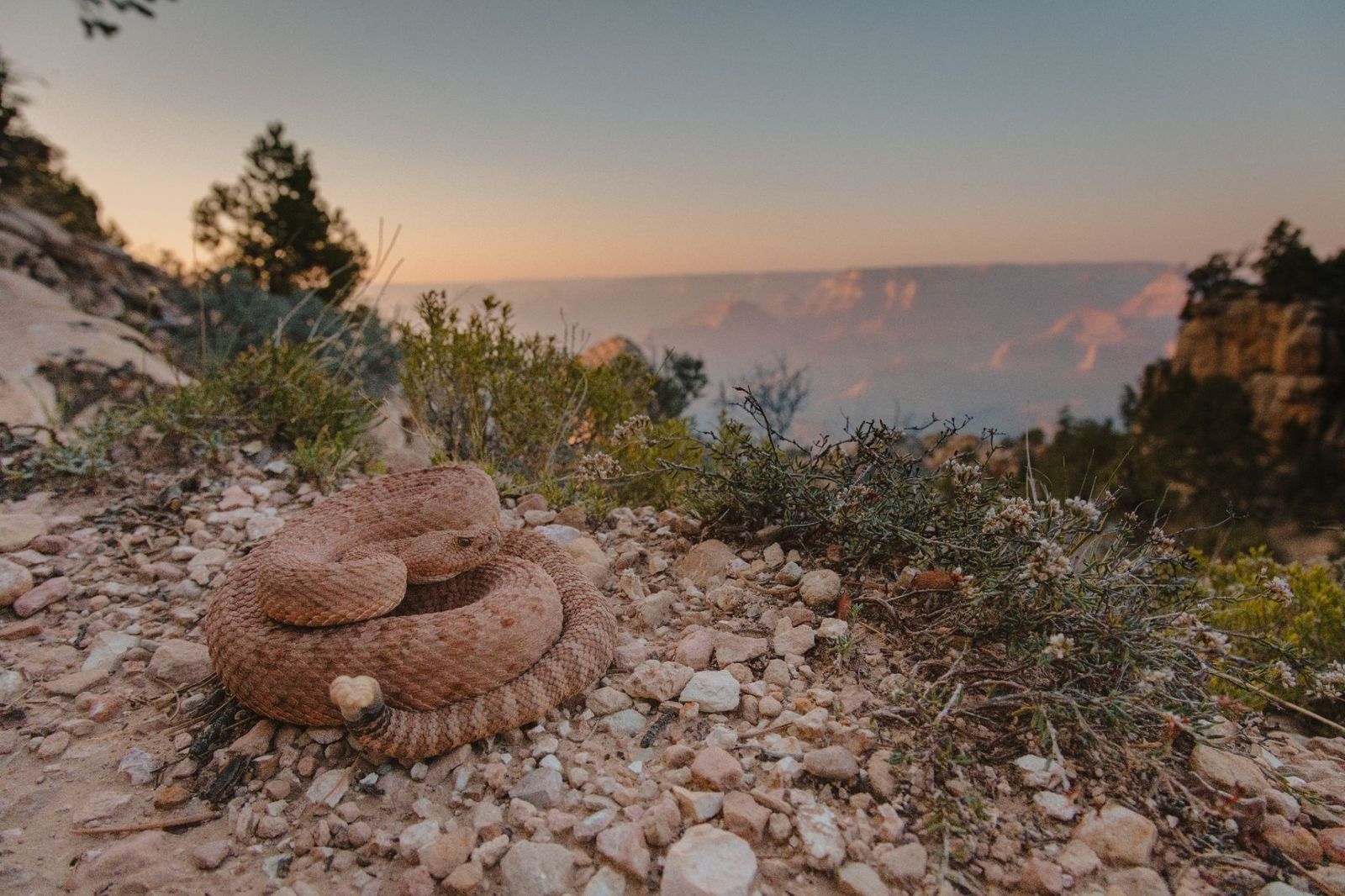
The Grand Canyon Pink Rattlesnake has a pinkish-red coloring that matches the canyon's own distinctive rock walls so closely that it's nearly invisible. It is found nowhere else in the world. Officially classified as Crotalus oreganus abyssus , it has darker diamond-shaped markings along its back that deepen the camouflage further.

10
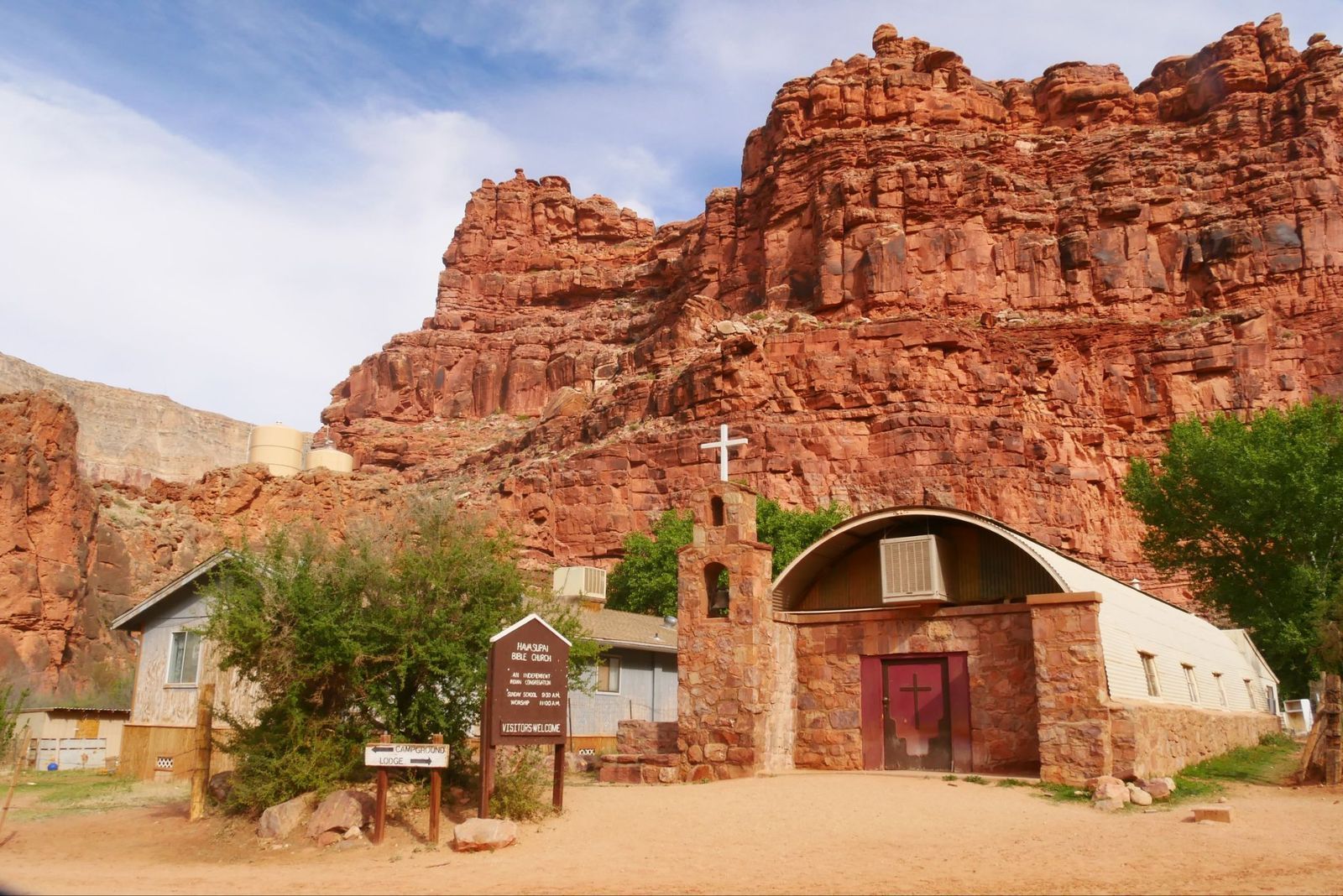
There's a village at the bottom: Supai Village

Image: joojoob27

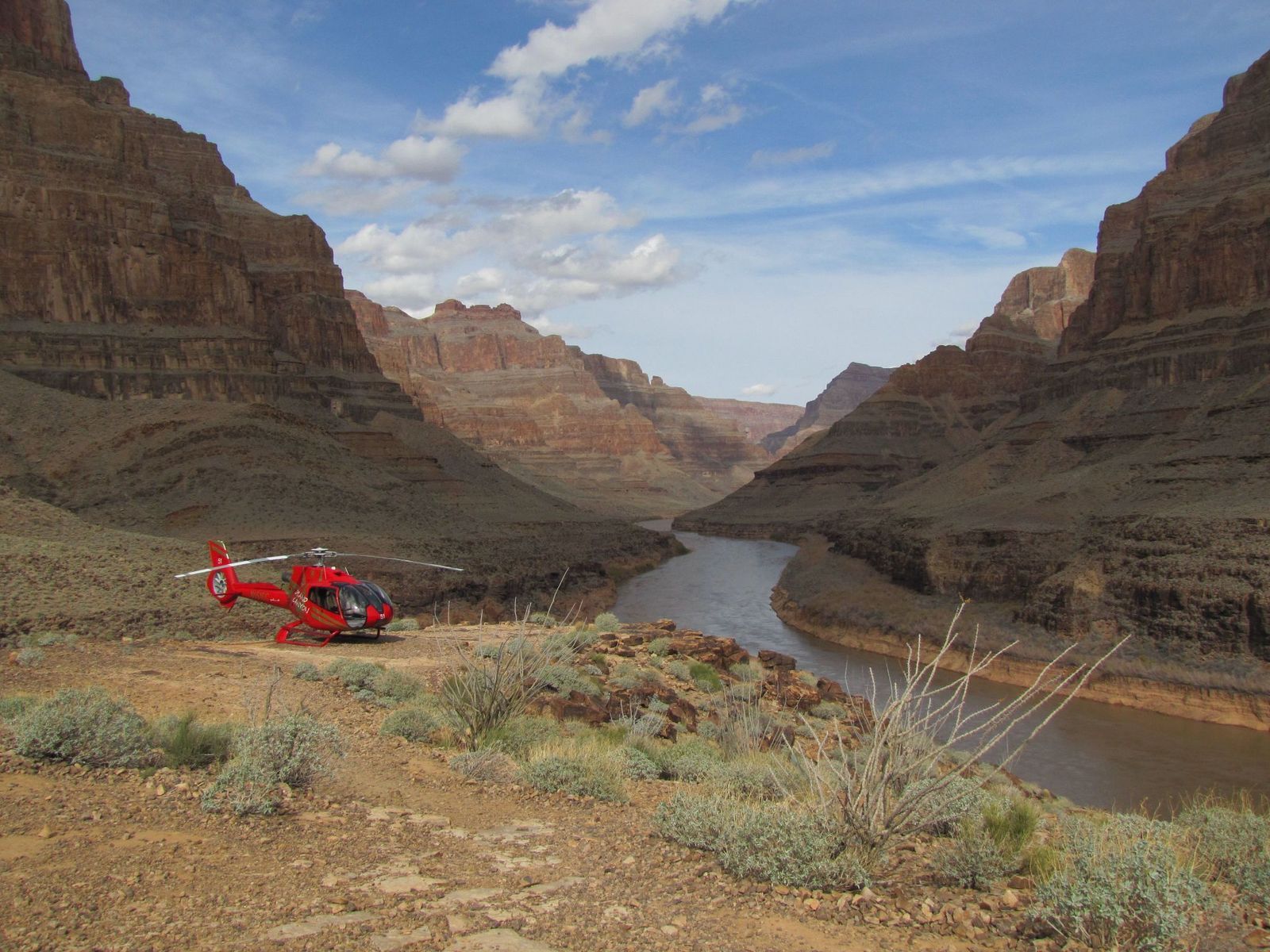
For over 1,000 years, the remote village of Supai has been home to the Havasupai Tribe, the People of the Blue-Green Waters. It is located an eight-mile hike from the rim, but sits roughly 3,000 feet deep inside the Grand Canyon.

The U.S. Department of Agriculture has called it the most remote community in the contiguous United States, and it has no automobiles and no road access. The only ways in are on foot, by mule, or by helicopter. It is also the only place in the United States where the postal service still delivers mail by mule train.

History History 5 min read

What First Lady was accused of bigamy? 10 political crises

Image: EQRoy

From the founding era to the turn of the 21st century, political scandals have shaped public trust and dismantled entire careers. Looking back at ten of the most notorious political crises in American history reveals how the intersection of media and culture forces the nation to look in the mirror.

1
Rachel Jackson: A "Bigamy" scandal (1820s)

Image: L. Bernie Gallaher, Public domain, via Wikimedia Commons

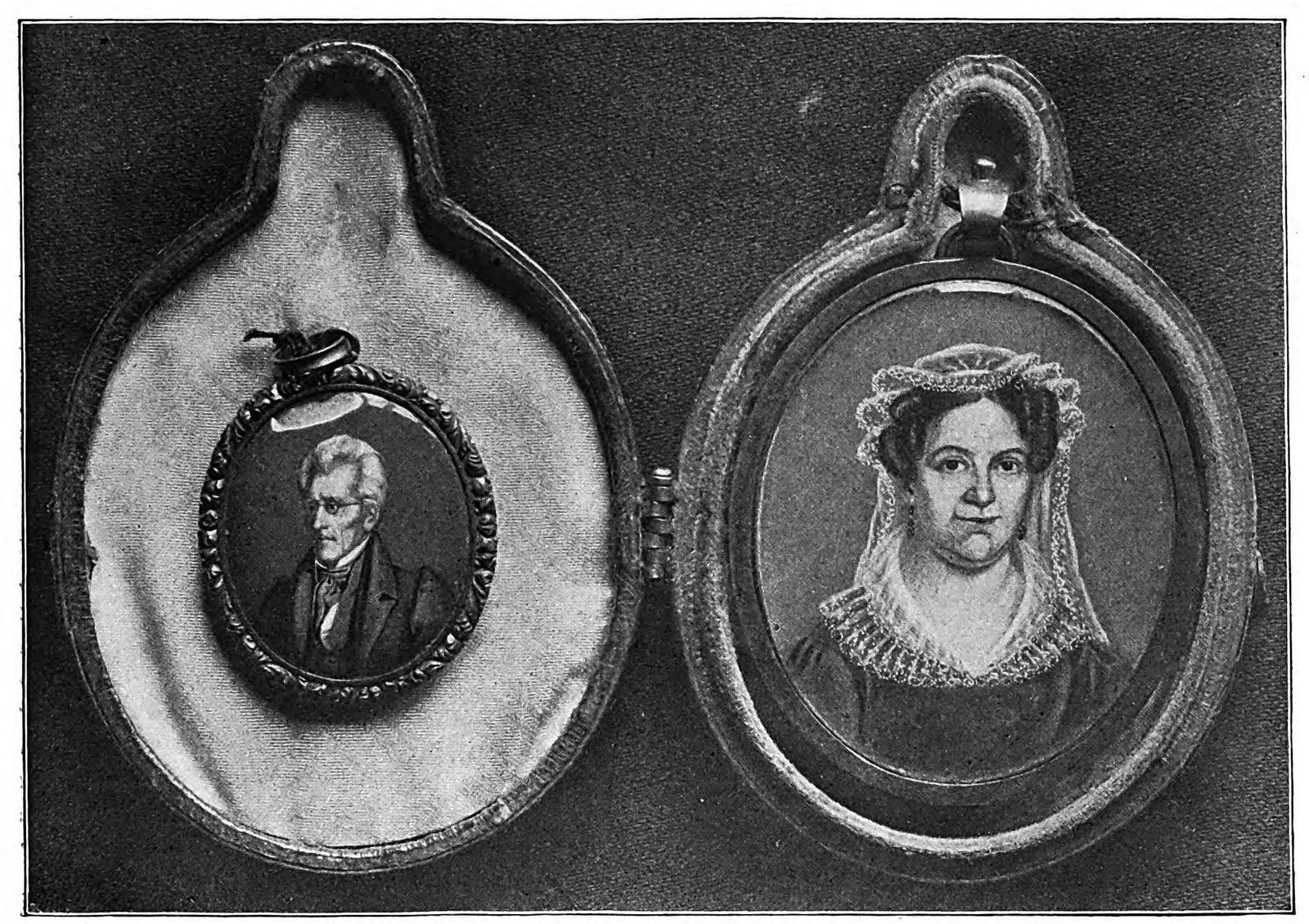
In 1791, a young Andrew Jackson married Rachel Donelson. Both believed her first husband, Captain Lewis Robards, had successfully finalized their divorce. Apparently, Robards didn’t file the petition, making her marriage to Jackson technically bigamous. Once the divorce went through in 1794, they officially remarried.

During the 1828 presidential campaign, Jackson’s political opponents used this legal mistake against him. They branded Rachel a loose woman and a bigamist in pamphlets scattered across the country. The intense public shaming broke her spirit and deteriorated her health. She suffered a fatal heart attack just days before Jackson’s inauguration, leaving the newly elected president heartbroken and extremely bitter toward his political rivals for the rest of his life.

2
Grover Cleveland’s illegitimate child (1884)

Image: Frank Beard, Public domain, via Wikimedia Commons

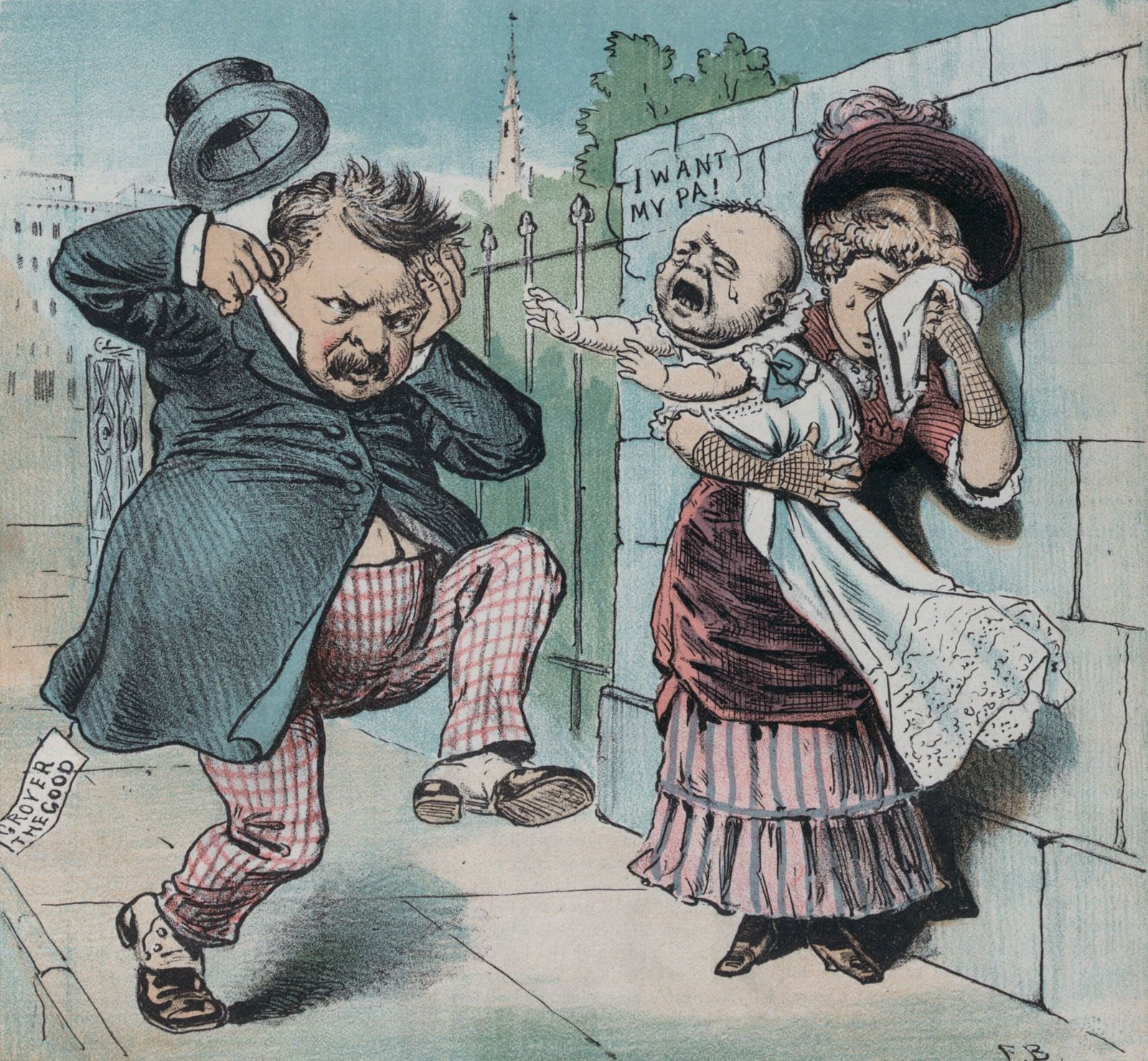
Decades later, another personal bombshell rocked another presidential race. Republican opponents revealed that Democratic nominee Grover Cleveland, a bachelor praised for his integrity, had fathered a child out of wedlock with a widow called Maria Halpin ten years before.

Republicans paraded through the streets chanting, "Ma, Ma, where’s my Pa?" Instead of denying the affair or trying to bury it, Cleveland instructed his campaign managers to do something radical: "Tell the truth." He admitted to supporting the child financially. His honesty caught his opponents off guard and won over voters who were tired of such dirty political tactics.

3
The Crédit Mobilier scandal (1872)

Image: Joseph Keppler, Public domain, via Wikimedia Commons

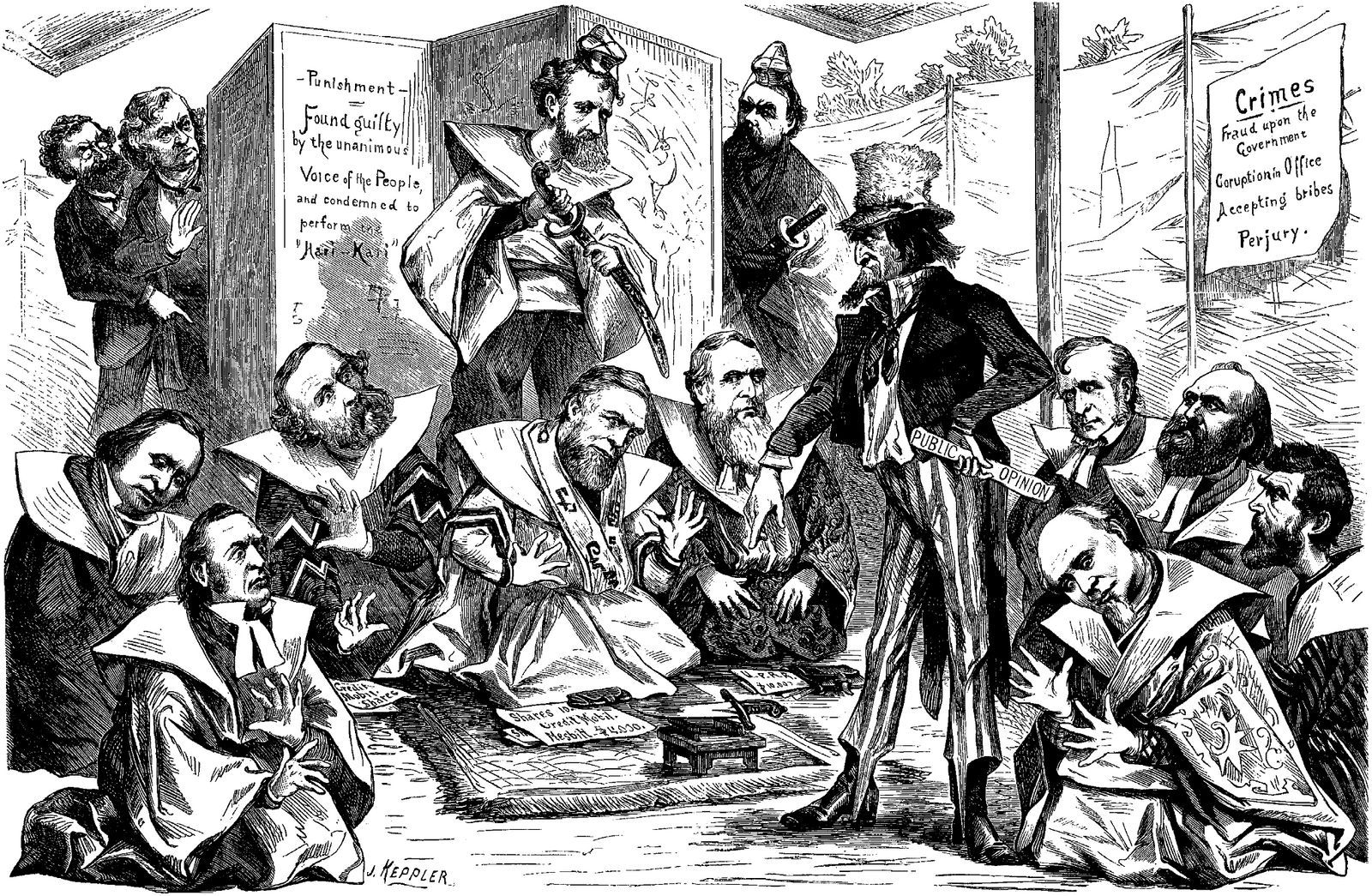
This particular scandal stands as one of the most shameless corporate schemes of the Gilded Age. Stockholders of the Union Pacific Railroad formed a fraudulent construction company called Crédit Mobilier of America . Then, they hired themselves to build the transcontinental railroad at inflated prices, pocketing tens of millions of dollars in federal subsidies.

To prevent Congress from investigating their profit margins, Congressman Oakes Ames distributed discounted shares of the company’s stock to influential politicians, including Vice President Schuyler Colfax. When the press exposed the story in 1872, the revelation that lawmakers were bribing themselves tarnished the legacy of the Ulysses S. Grant administration.

4
The Whiskey Ring scandal (1875)

Image: Cornell University Library, No restrictions, via Wikimedia Commons

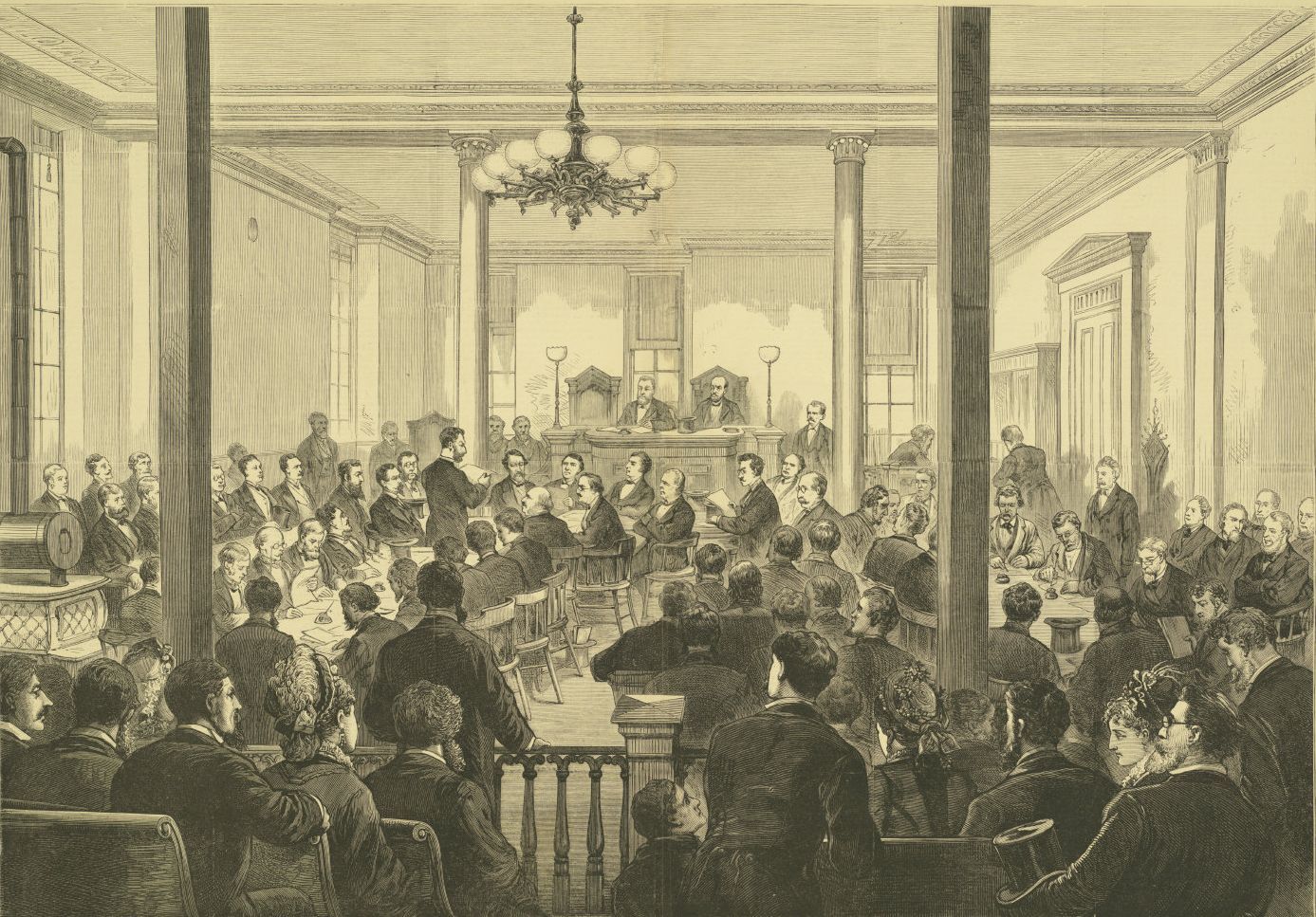
A few years later, another financial disaster hit the Grant administration. The Whiskey Ring was a widespread conspiracy involving distillers, distributors, and internal federal tax officials who stole millions of dollars in liquor taxes.

Using a complex web of bribes and falsified records, the ring defrauded the U.S. Treasury. The scandal reached the inner circle of power when President Grant’s own private secretary, Orville Babcock, was indicted as a ringleader. Grant provided a deposition in his secretary’s defense. While this saved Babcock from prison, it permanently damaged the president’s reputation.

5
The Teapot Dome scandal (1920s)

Image: Boyd Norton, Public domain, via Wikimedia Commons

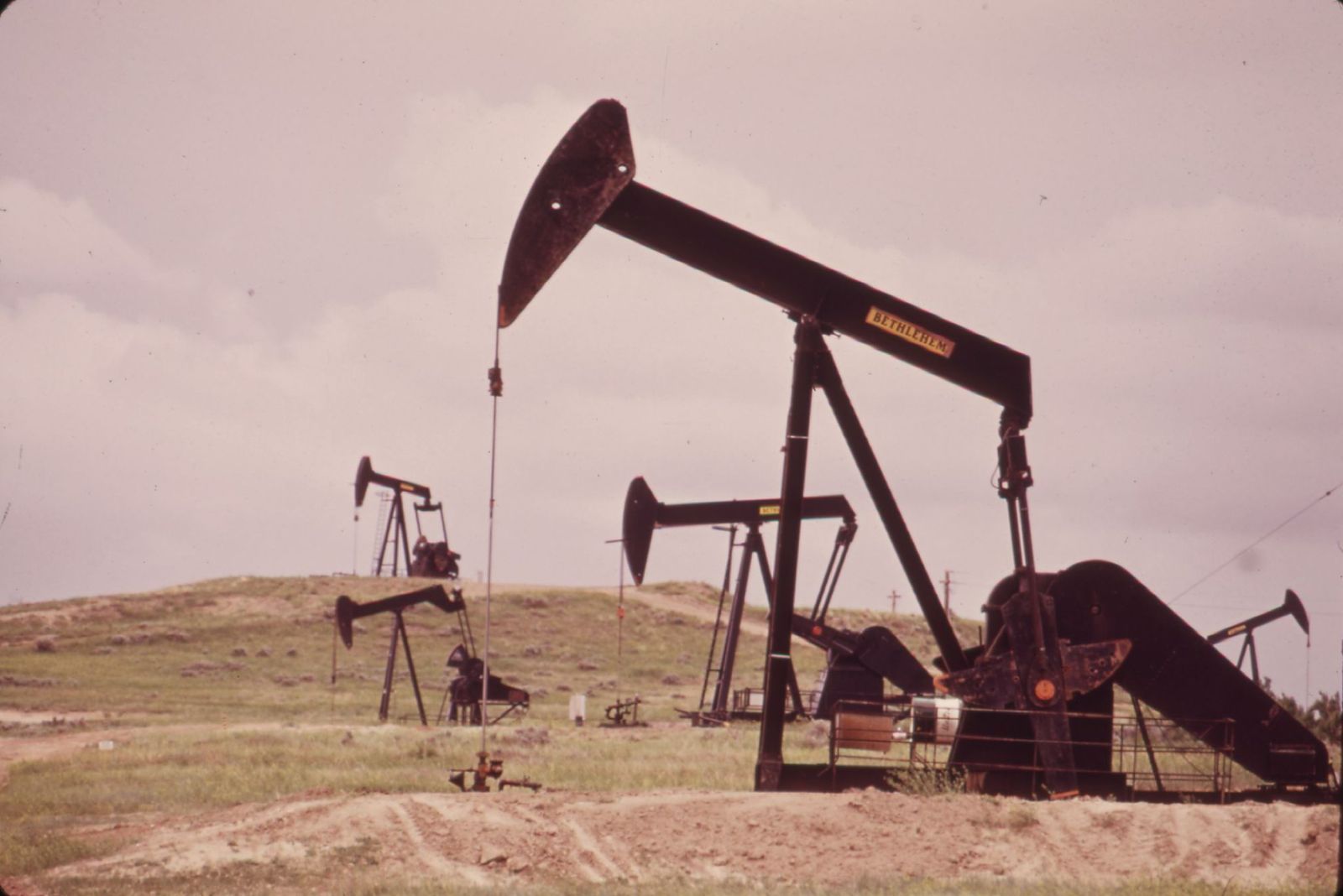
Until Watergate occurred, Teapot Dome was synonymous with political corruption. During the administration of Warren G. Harding, Secretary of the Interior Albert Fall took control of valuable federal oil reserves located at Teapot Dome, Wyoming, and Elk Hills, California.

Instead of opening these fields up for competitive bidding among energy companies, Fall secretly leased the drilling rights to private oil tycoons in exchange for more than $400,000 in bribes.

6
The Chappaquiddick incident (1969)

Image: United Press International, Public domain, via Wikimedia Commons

By the mid-20th century, the nature of political scandals shifted. Secrets began to involve personal crisis and tragic losses.

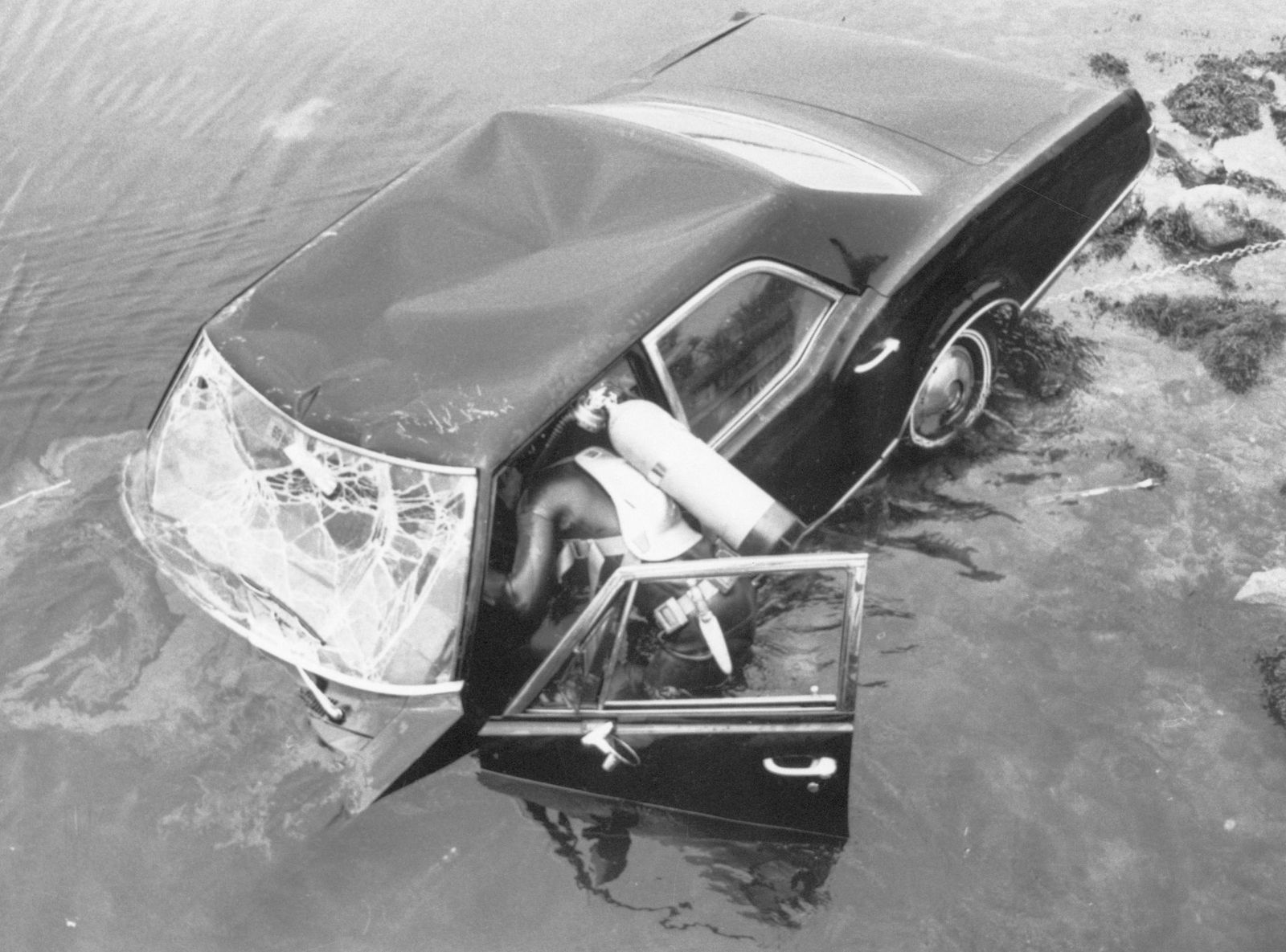
In July 1969, Senator Edward "Ted" Kennedy drove his car off a narrow wooden bridge on Chappaquiddick Island, Massachusetts. The vehicle overturned into a tidal pond, trapping and drowning his passenger, 28-year-old campaign worker Mary Jo Kopechne. Kennedy managed to escape but failed to report the fatal accident to the police for ten hours. Although he eventually pleaded guilty to leaving the scene of an accident, his delayed reaction ended his lifelong presidential ambitions.

7
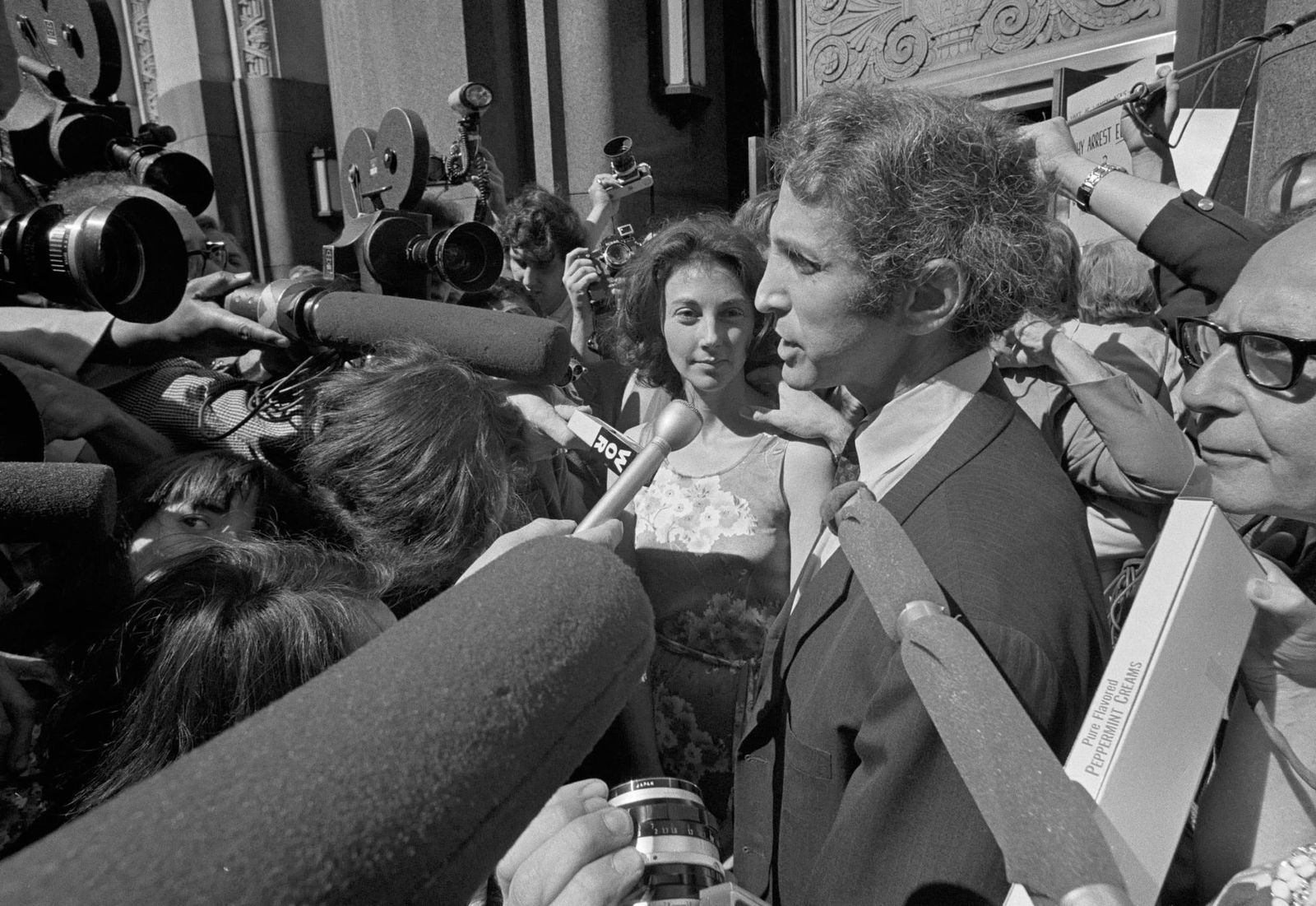
The Pentagon Papers (1971)

Image: See page for author, Public domain, via Wikimedia Commons

In 1971, military analyst Daniel Ellsberg felt the moral obligation to leak a top-secret 7,000-page Department of Defense study detailing U.S. political and military involvement in Vietnam from 1945 to 1967.

Published by The New York Times , the papers exposed a disturbing truth: successive administrations had systematically lied to both Congress and the American public. The documents proved that the government had expanded the war and increased troop counts while knowing that the conflict was unwinnable. The Supreme Court eventually rejected the government’s attempts to block the leaks, making a victory for freedom of the press.

8
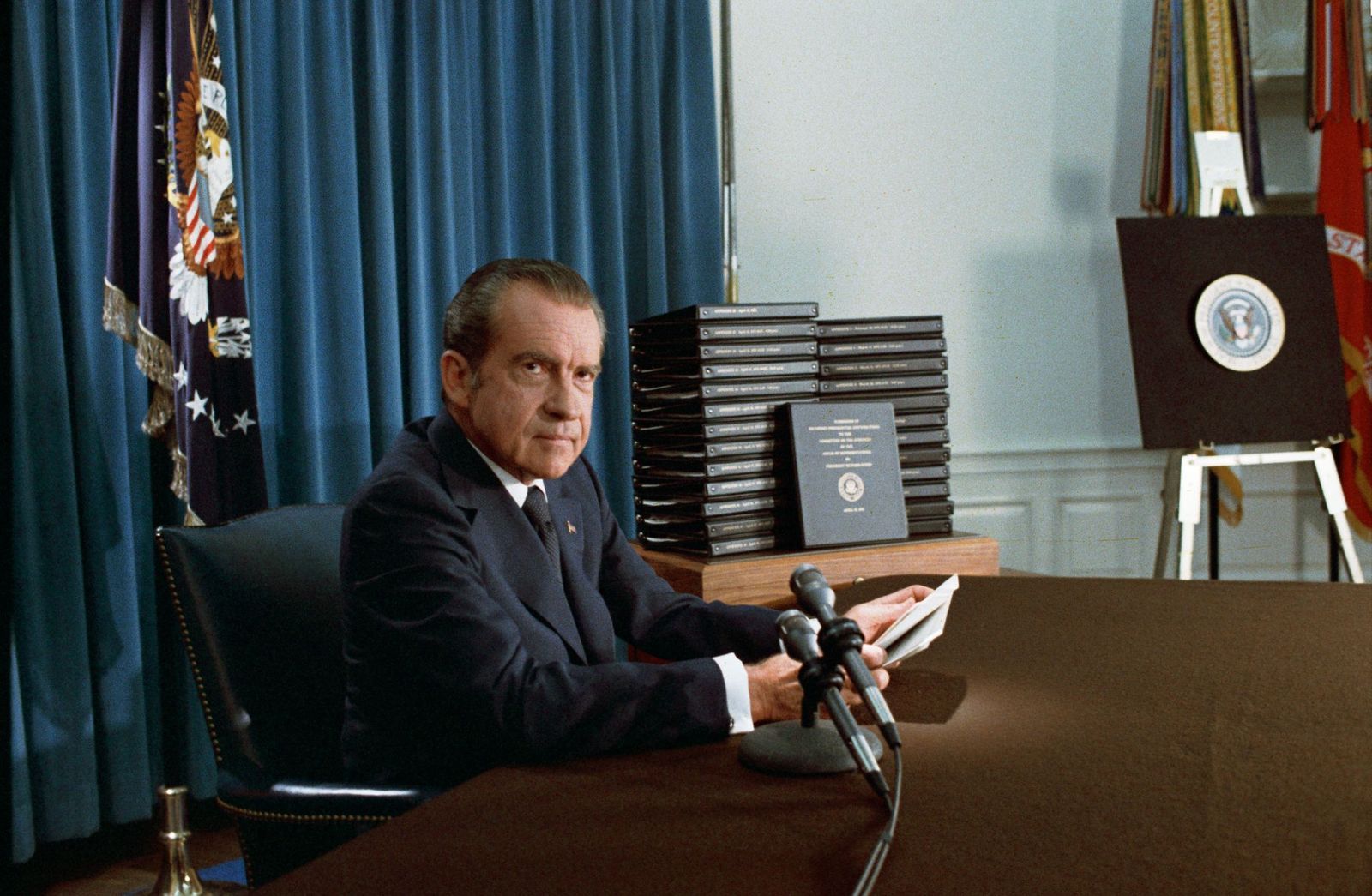
The Watergate scandal (1972–1974)

Image: National Archives & Records Administration, Public domain, via Wikimedia Commons

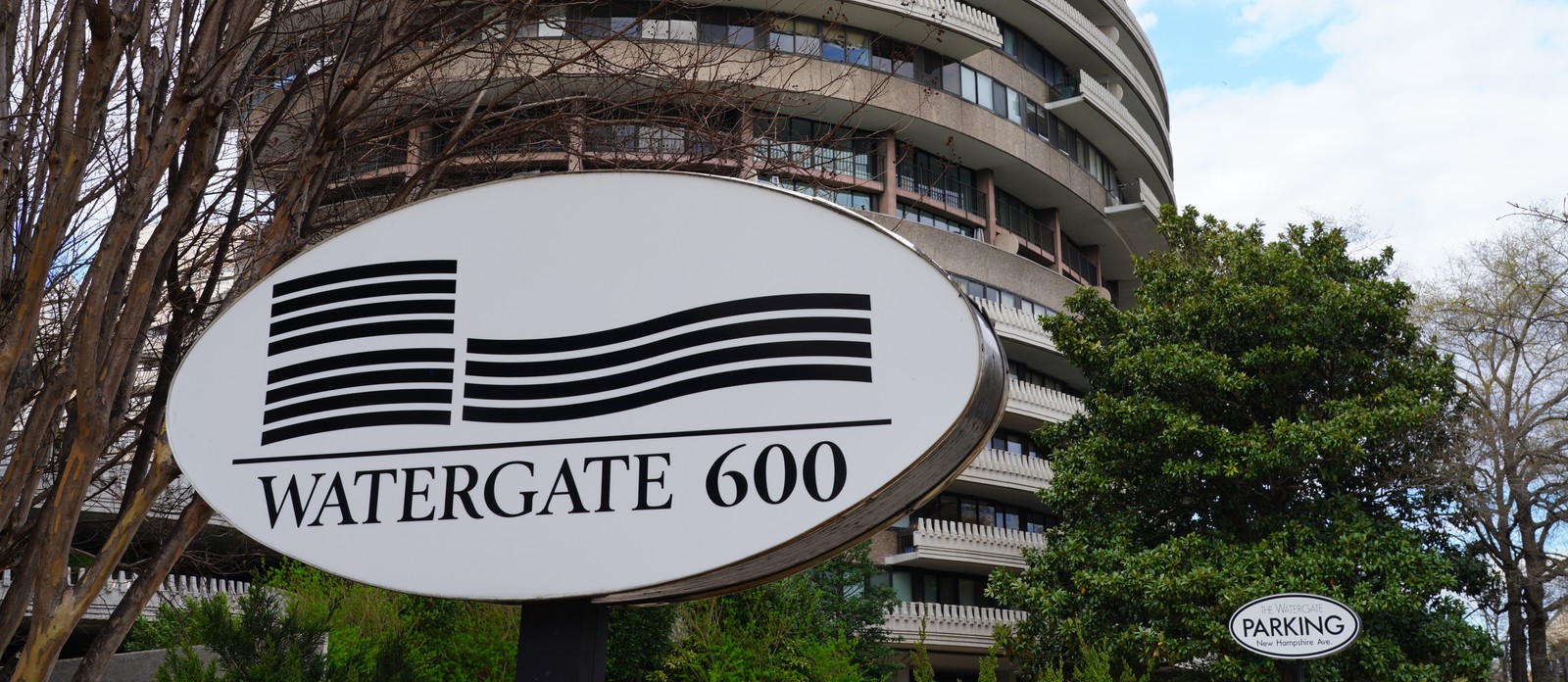
This is, probably, the ultimate American political scandal. In June 1972, five men were arrested breaking into the Democratic National Committee headquarters at the Watergate complex in Washington, D.C.

The break in itself was minor compared to the illegal cover-up orchestrated by President Richard Nixon and his collaborators. From paying hush money to instructing the CIA to block the FBI’s investigation, Nixon’s complicity was exposed via his own secret White House taping system. Facing impeachment and conviction by the Senate, Nixon became the first and only U.S. president to resign from office.

9
The "Keating Five" (Late 1980s)

Image: KonstantinChristian

During the Savings and Loan crisis of the late 1980s, five U.S. Senators—John McCain, Alan Cranston, Dennis DeConcini, John Glenn, and Donald Riegle—came under intense scrutiny.

The group was accused of intervening with federal banking regulators on behalf of Charles Keating, the chairman of Lincoln Savings and Loan, who had contributed to their political campaigns. Lincoln eventually collapsed, costing American taxpayers over $3 billion. Although the Senate Ethics Committee ultimately cleared the senators of corruption, they were publicly condemned.

10
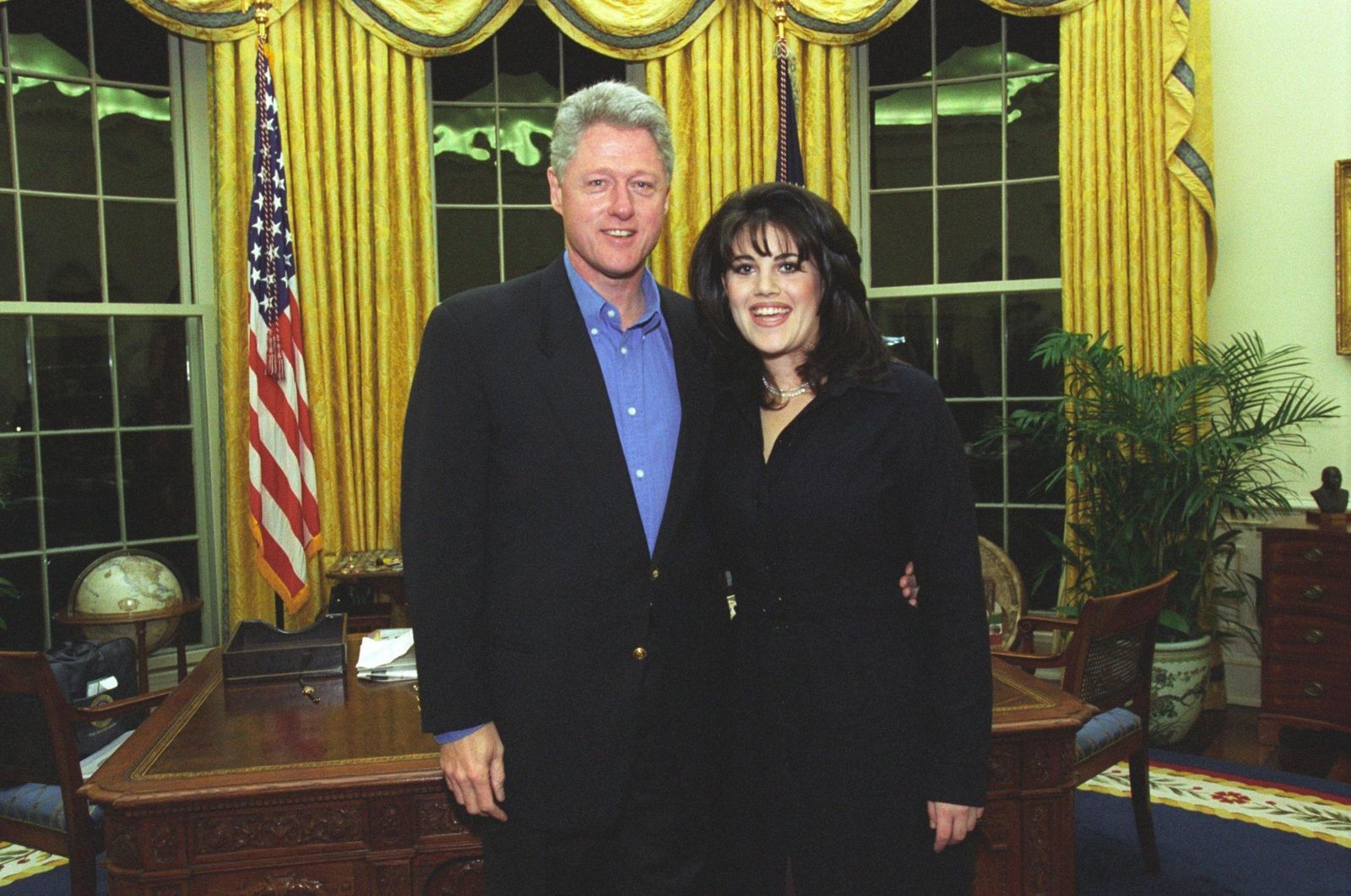
The Bill Clinton–Monica Lewinsky affair (1998)

Image: Clinton White House, Public domain, via Wikimedia Commons

The 20th century ended with a scandal that blended personal infidelity with a constitutional crisis. In 1998, news broke that President Bill Clinton had an intimate relationship with a 21-year-old White House intern called Monica Lewinsky.

The affair turned into a legal battle when Clinton denied the relationship under oath during an unrelated sexual harassment lawsuit. The investigation led to Clinton’s impeachment by the House of Representatives on charges of perjury and obstruction of justice. The Senate ultimately acquitted him, yet he couldn’t bypass the media circus.

Explore more American facts

Choose your favorite category!

General
General

As American as apple pie—the very best America has to offer!

Culture
Culture

Delve into the astounding richness of American lore.

Geography
Geography

Hop in and explore vast and diverse American landscapes.

History
History

Discover the key moments that shaped the United States.