Culture Culture 6 min read

Monocles and mottos: Meet the 12 most beloved commercial icons in history
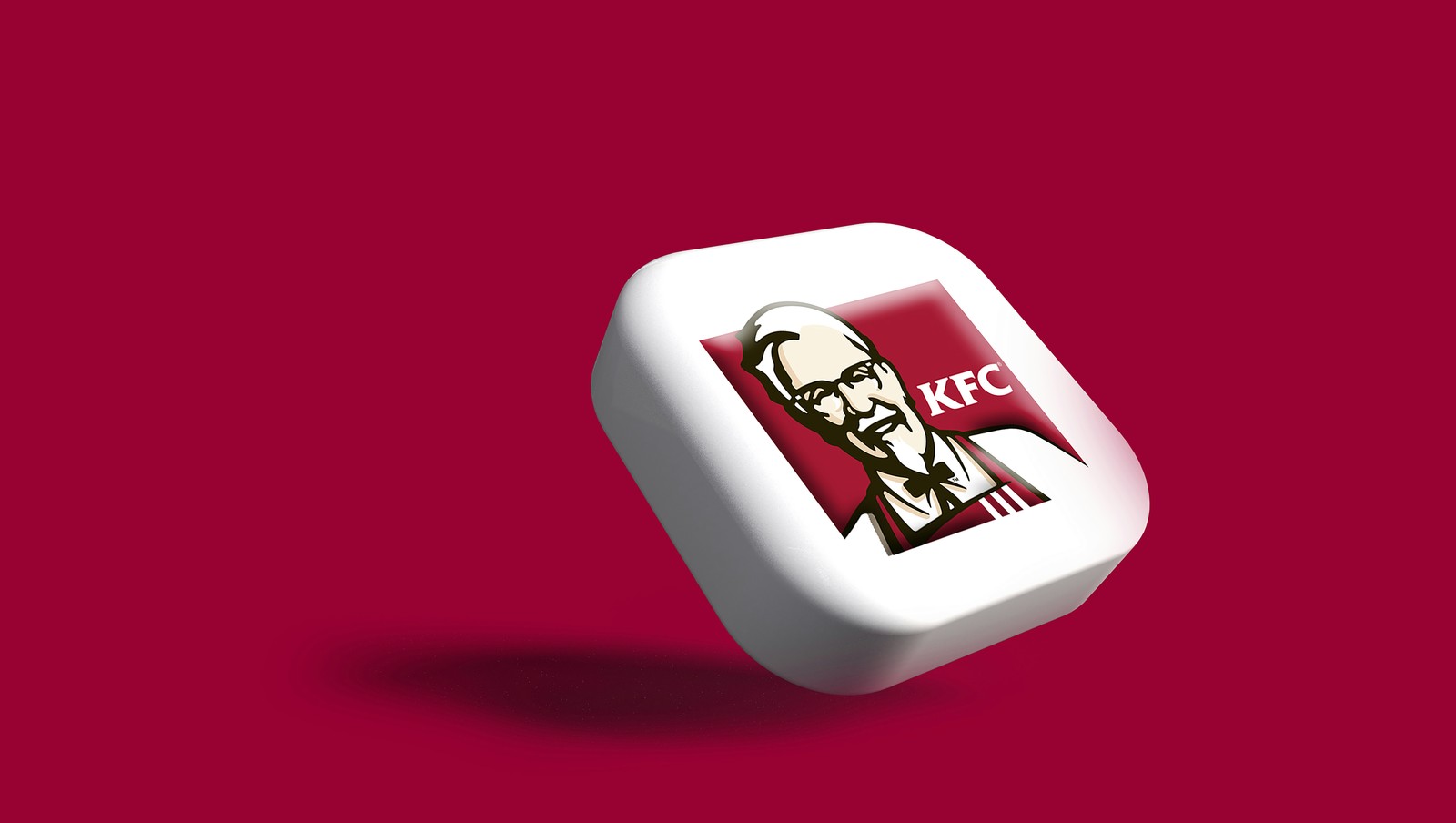
Image: Rubaitul Azad

They have crashed through brick walls, debated car insurance in British accents, and convinced us that a monocle is the height of legume fashion. Mascots are more than just corporate logos; for many of us, they are the familiar faces of childhood and the icons of American pop culture. But do you know the real stories behind the faces? We’ve compiled the ultimate list of the characters that defined American advertising history. Keep reading to see if your favorite character made the list!

1
Chester Cheetah
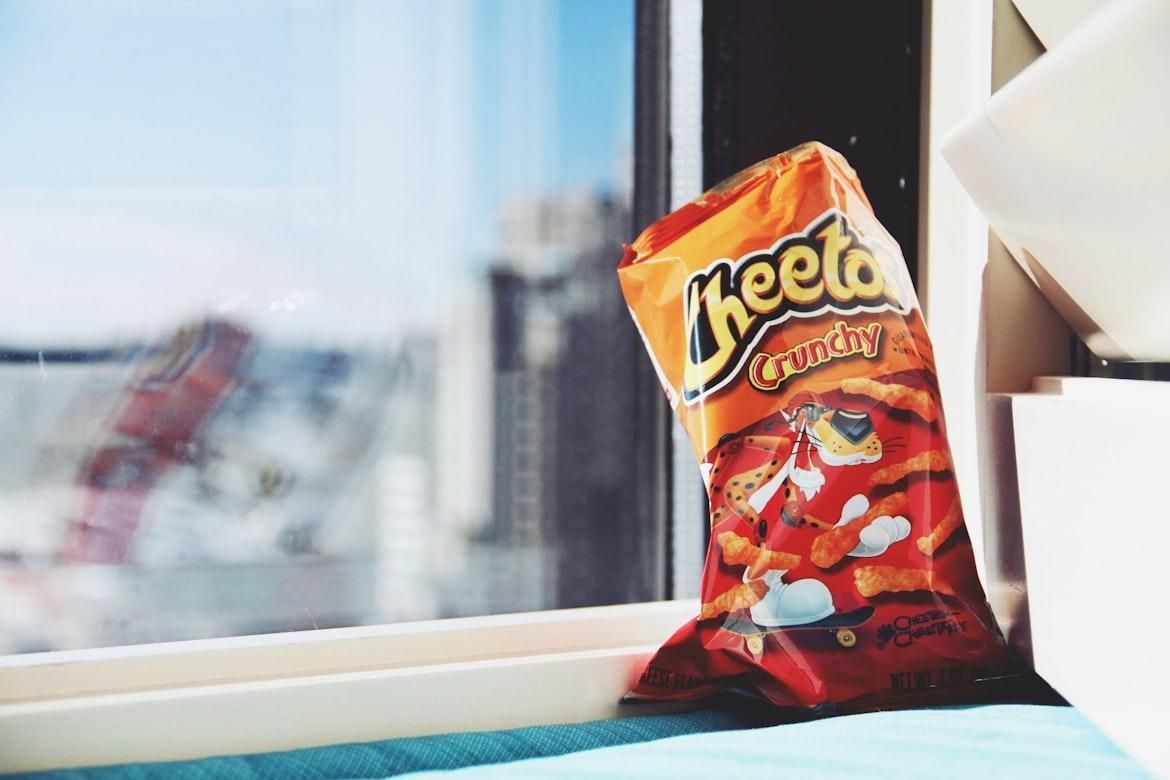
Image: Giorgio Trovato

Chester Cheetah joined Cheetos marketing in 1986 with a stylized, sunglasses-wearing design that reflected the youth-focused advertising of the time. His orange fur, black spots, and exaggerated long limbs gave him a modern appearance that differed from the more conventional mascots used in earlier decades.

Often depicted in cartoon adventures trying to get Cheetos from others using his hip attitude and humor, Chester began appearing in licensed merchandise and even two video games released for major home consoles. These additional uses helped increase his presence outside television ads and made him familiar to a wider audience.

2
Tony the Tiger
Image: Sten Ritterfeld

Tony the Tiger is probably one of children’s favorite mascots. Well, of course, he is gr-r-reat! Tony debuted in 1952 as part of Kellogg’s national push for its frosted cereal line. His early design resembled a traditional tiger on all fours, but by the 1960s, he was consistently illustrated standing upright. This adjustment to a more human-like figure made the character more attractive to children who started seeing him in print materials and television commercials. His striped orange coat and red scarf have remained stable features for decades, helping kids recognize the mascot across changing styles over the years.

3
Mr. Peanut
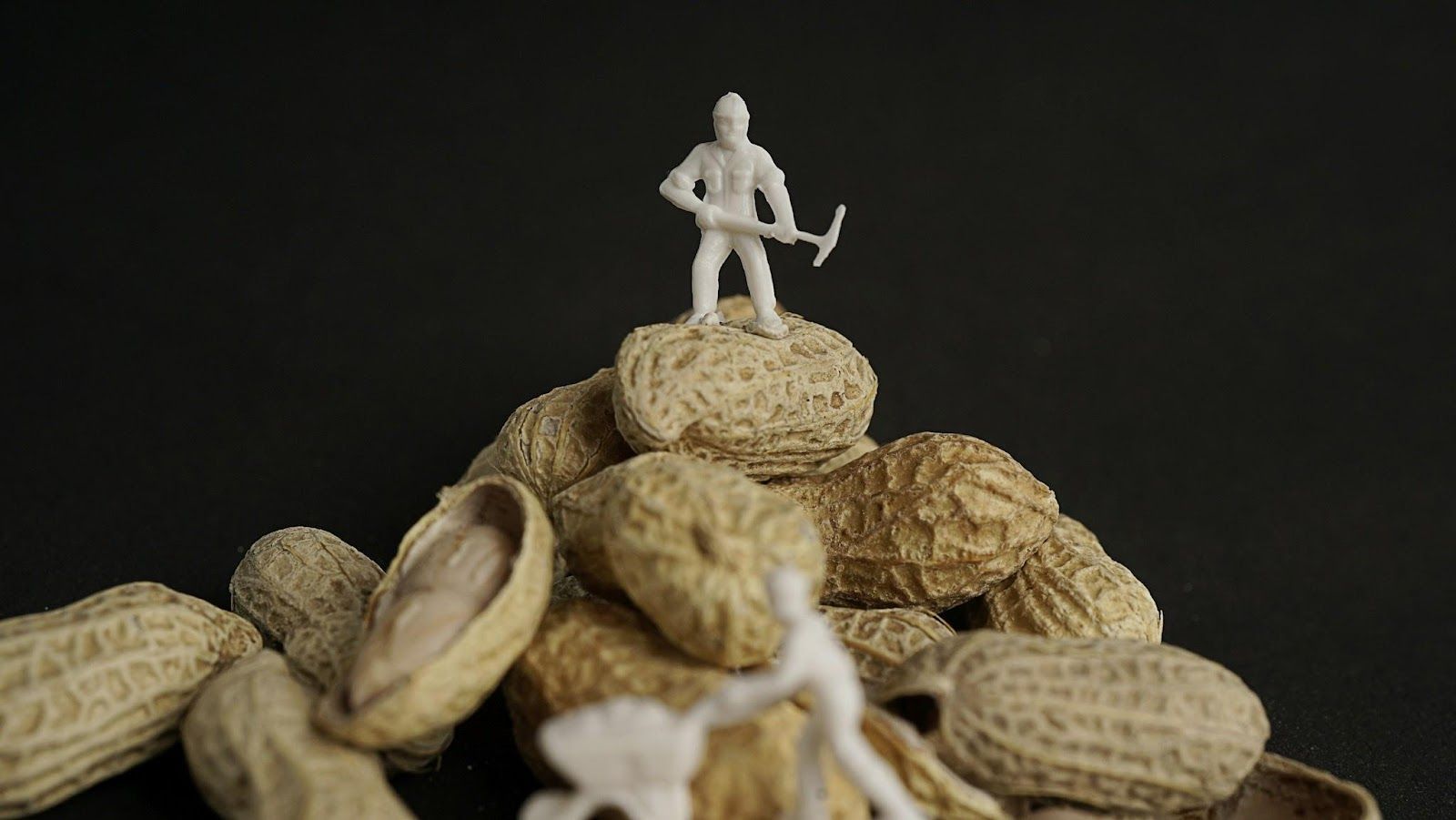
Image: Afif Ramdhasuma

Mr. Peanut entered American advertising as early as 1916, after Planters Nut & Chocolate Company held a public contest and selected a drawing submitted by a schoolboy from Virginia. The company later added the top hat, monocle, and cane, creating the formal look that became standard on packaging and billboards.

The suave, walking peanut we know and love appeared consistently in print ads and store displays, serving as a recognizable figure for the brand. During the mid-20th century, when packaged snacks and "gourmet" branding became more common in supermarkets, Mr. Peanut was used to reinforce the idea of a higher-quality product.

4
Colonel Sanders
Image: He Junhui

In the 1950s, American entrepreneur Harland Sanders became the public face of his restaurant chain, Kentucky Fried Chicken, taking part in promotional photos, interviews, and appearances that helped introduce the brand to a wider audience. His white suit and black string tie were items he regularly wore, and the company adopted them as key visual elements to create a consistent look for KFC.

By the 1960s, his image was used on signs, packaging, and national advertising, giving customers a familiar figure associated with the product. Unlike most mascots, his portrayal was based on a real person whose small roadside business had grown into a national treasure.

5
Pillsbury Doughboy
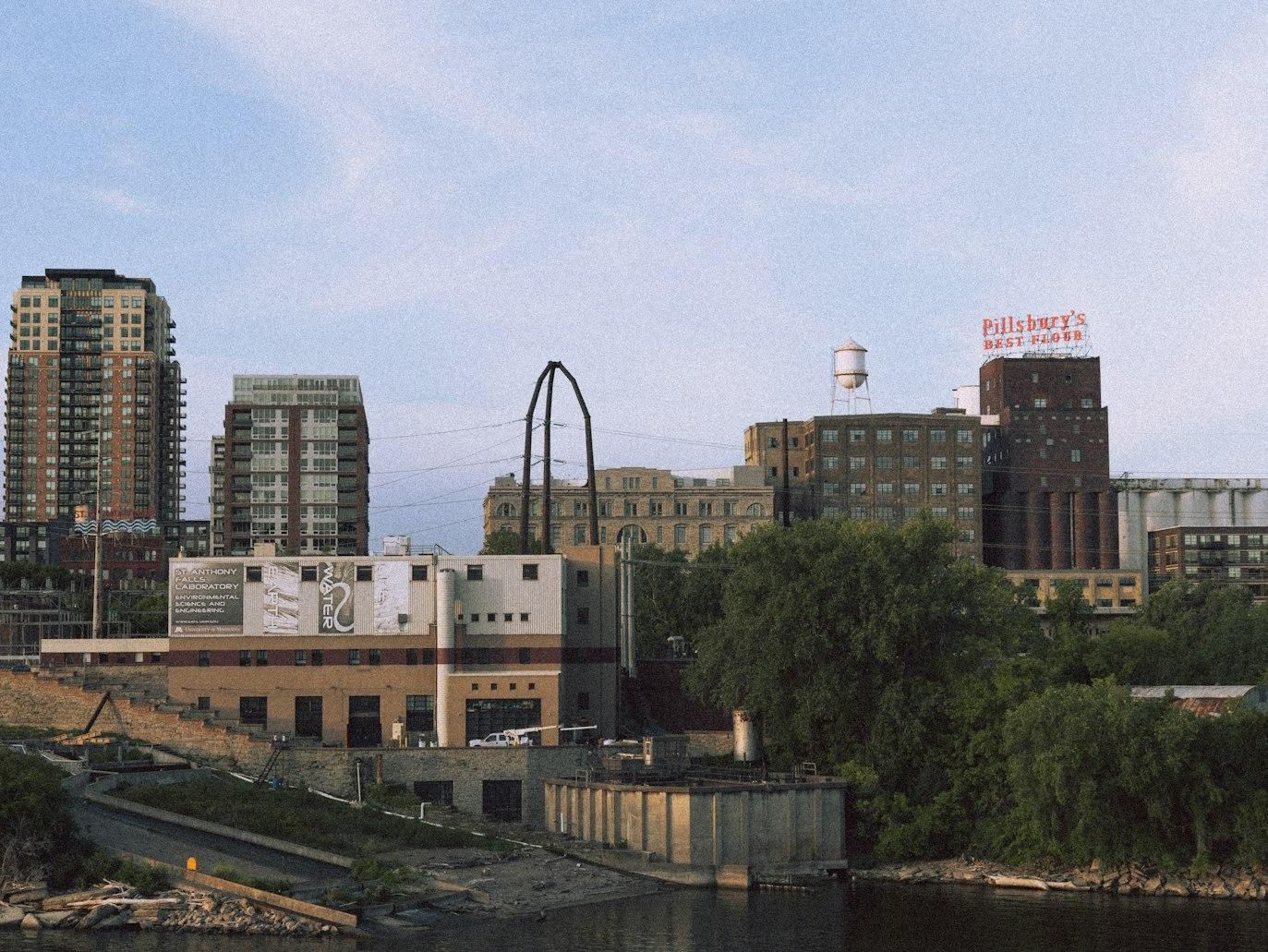
Image: Nikoloz Gachechiladze

The Pillsbury Doughboy was introduced in 1965 using stop-motion animation in his early commercials, a common technique for character advertising at the time. His soft white body, chef’s hat, and neckerchief became standard symbols in Pillsbury promotions beginning in the late 1960s.

During the 1970s, he appeared regularly on national television, helping advertise refrigerated dough products that were marketed as convenient options for home cooks. His role remained consistent across these campaigns, making him one of the brand’s most recognizable features.

6
The Kool-Aid Man
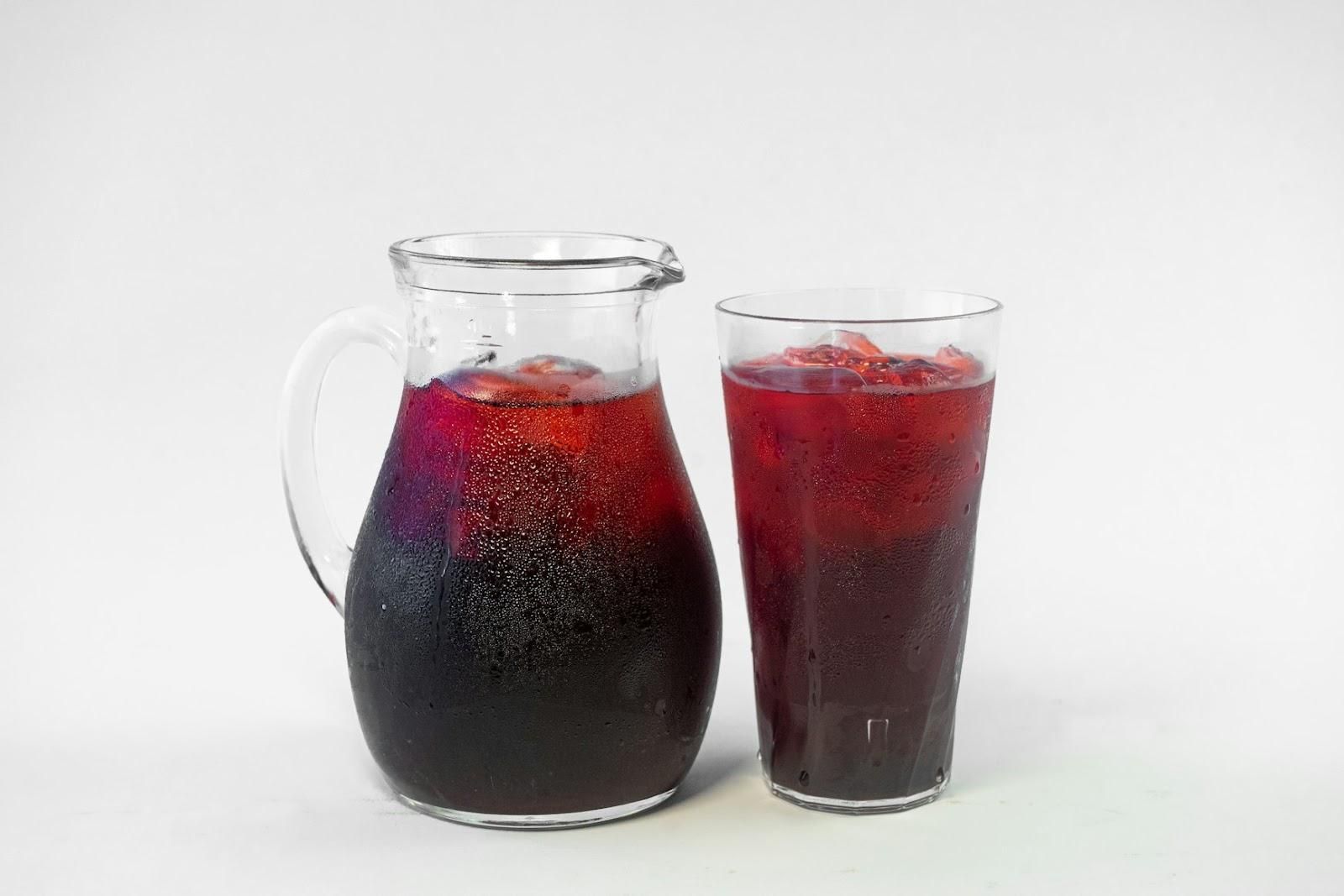
Image: Fotografía de Alimentos

In just a few years, this mascot evolved from a simple smiling pitcher to a whole pop culture icon. Oh yeah! The Kool-Aid Man’s first television appearances began in the 1970s, building on earlier print versions. His clear, rounded glass body and bright red interior were easy for children to recognize, and the short catchphrase became closely linked to the product.

During this period, he was featured regularly in Saturday-morning TV advertising and in-store promotions aimed at families. These campaigns emphasized Kool-Aid as an inexpensive, easy-to-prepare drink mix, thanks to a character that brings joy and fun, making sure people have a good time.

7
GEICO Gecko
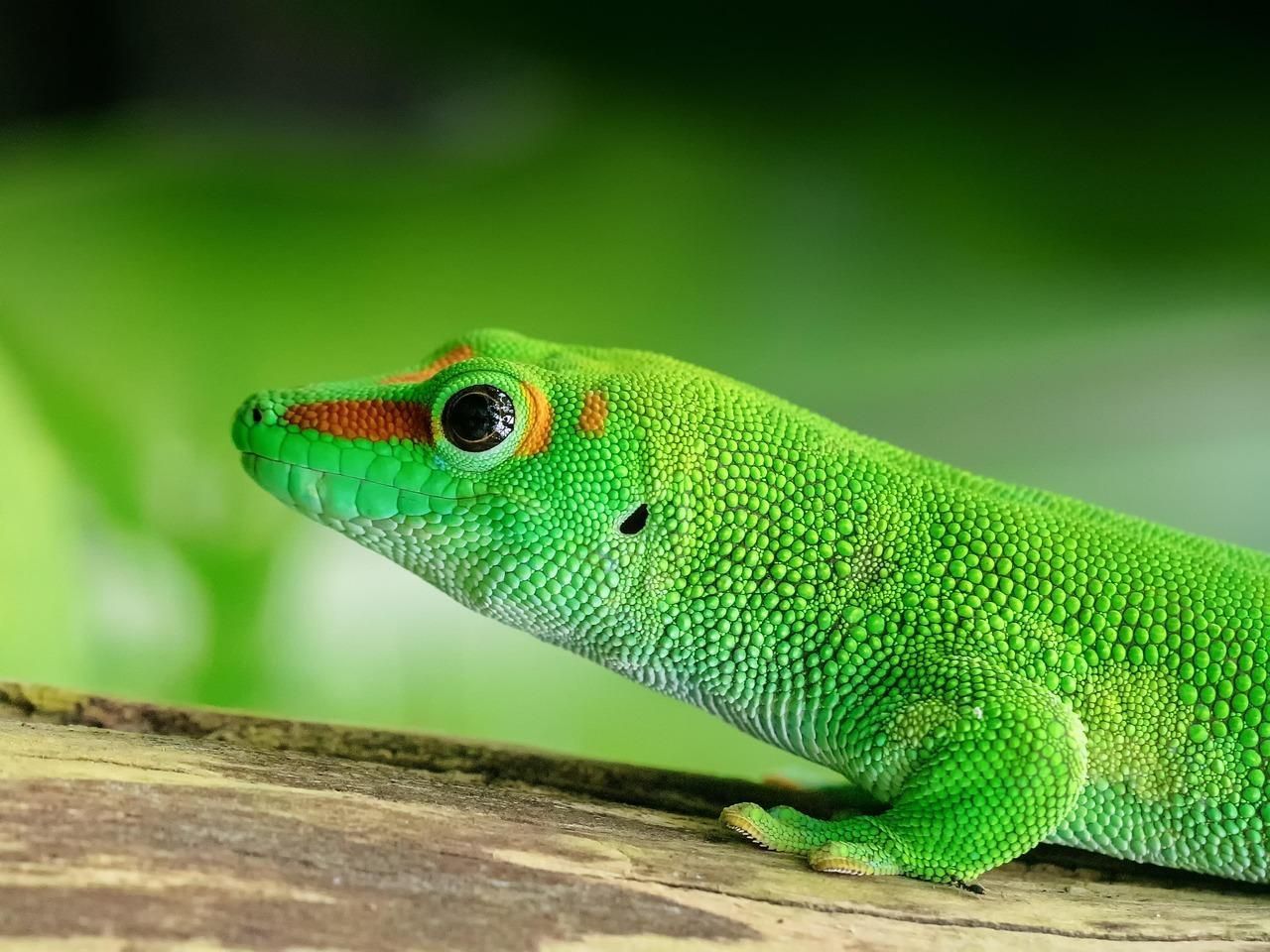
Image: moonzigg

Born after a 1999 SAG strike that limited live actors, the animated GEICO Gecko became a beloved, relatable brand ambassador who could present insurance information in a clear, approachable way. His small upright stance, green coloring, and British accent made him easy to identify and set him apart from the fast-paced commercials common at the time.

Over the years, he became a regular presence in campaigns that explained discounts, policy options, and general coverage details. His continued use across national TV, radio, and online platforms helped establish him as one of the brand’s most recognizable marketing tools. Can you quote his famous catchphrase?

8
Energizer Bunny
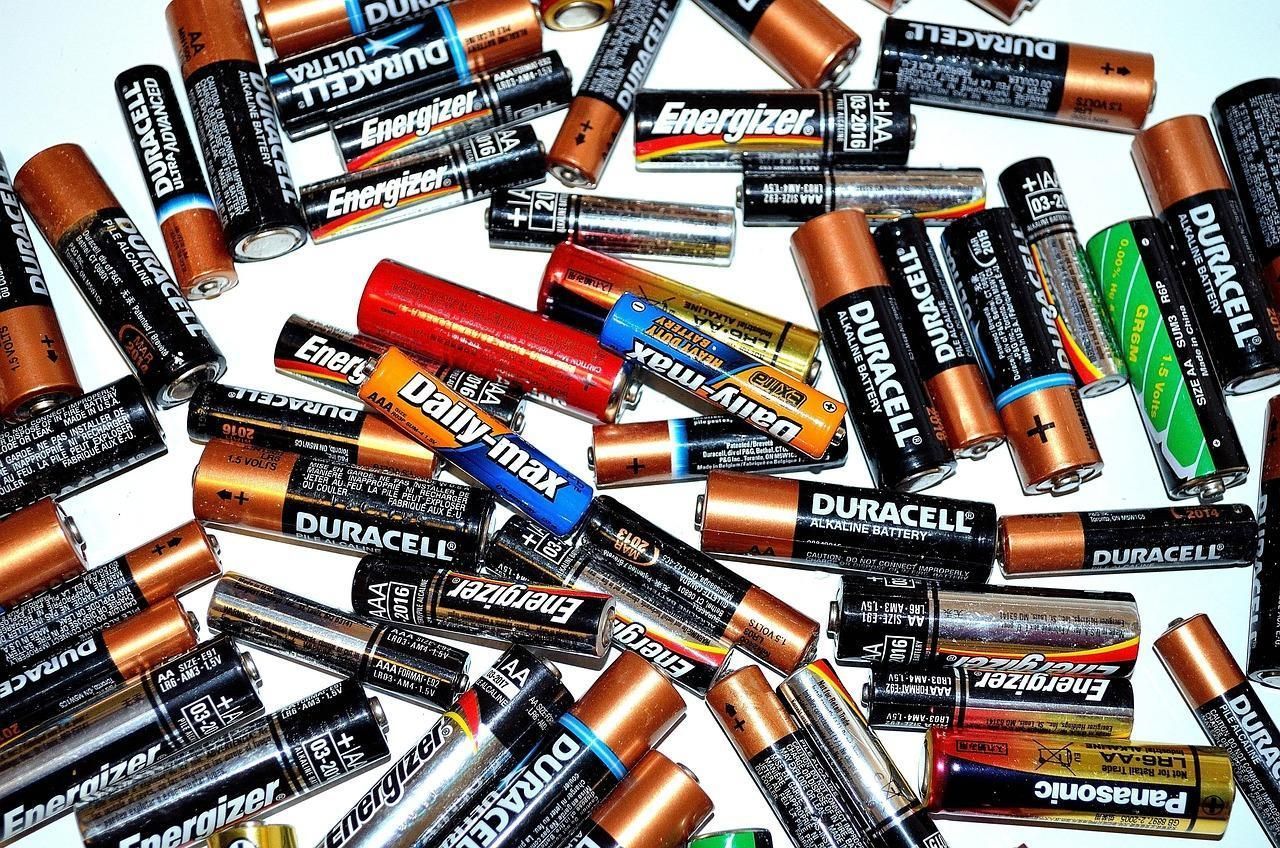
Image: PublicDomainPictures

Did you know the Energizer Bunny is actually a parody of the Duracell Bunny? Premiering in 1989, a year later than its main competitor, the pink rabbit was shown wearing sunglasses and flip-flops and carrying a large bass drum.

Throughout the 1990s, the Energizer Bunny was featured in several parody-style spots that placed him inside mock versions of other commercials before he continued walking and drumming. His image became closely linked to Energizer batteries' long-lasting power, becoming a pop culture icon representing the endurance and tenacity of the American People.

9
Ronald McDonald
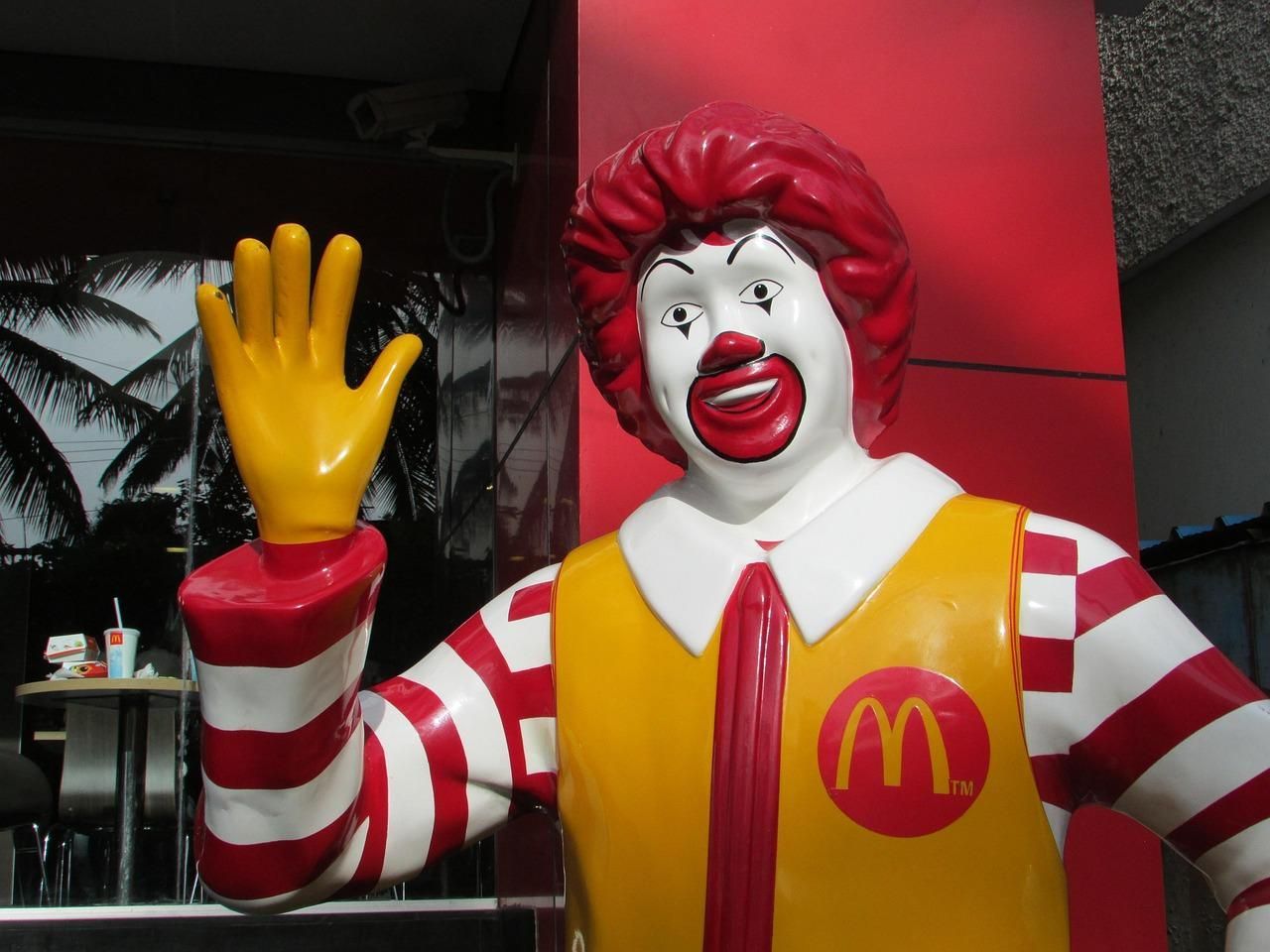
Image: Vijayanarasimha

Ronald McDonald is one of the most beloved characters among American children. He appeared nationally in 1963, adapted from earlier characters that had been used in local McDonald’s advertisements. With his red wig, white face makeup, and yellow jumpsuit, he lives in the magical McDonaldland with friends, representing fun and charity.

These key visual elements helped audiences recognize him instantly at store openings, public events, and televised commercials. From the 1960s through the 1980s, Ronald also participated in school visits and community programs that promoted basic safety messages and family-oriented activities. In just a few years, Ronald McDonald grew into a global icon that even inspired more characters synonymous with both fun and philanthropic missions .

10
Mr. Clean

Image: Anna Shvets

Who wouldn't trust a product promoted by a strong, reliable, muscular man? Introduced in 1958 and inspired by a U.S. Navy sailor, Mr. Clean appeared in packaging and commercials with his arms crossed and wearing a white T-shirt and a gold earring. His image, symbolizing powerful, effortless cleaning magic, helped shoppers to quickly recognize the product on crowded shelves.

The character’s straightforward design also aligned with a broader mid-century trend toward household products marketed as time-saving solutions. Over time, Mr. Clean continued to serve as a stable visual symbol for the brand’s focus on reliability and ease of use.

11
Betty Crocker
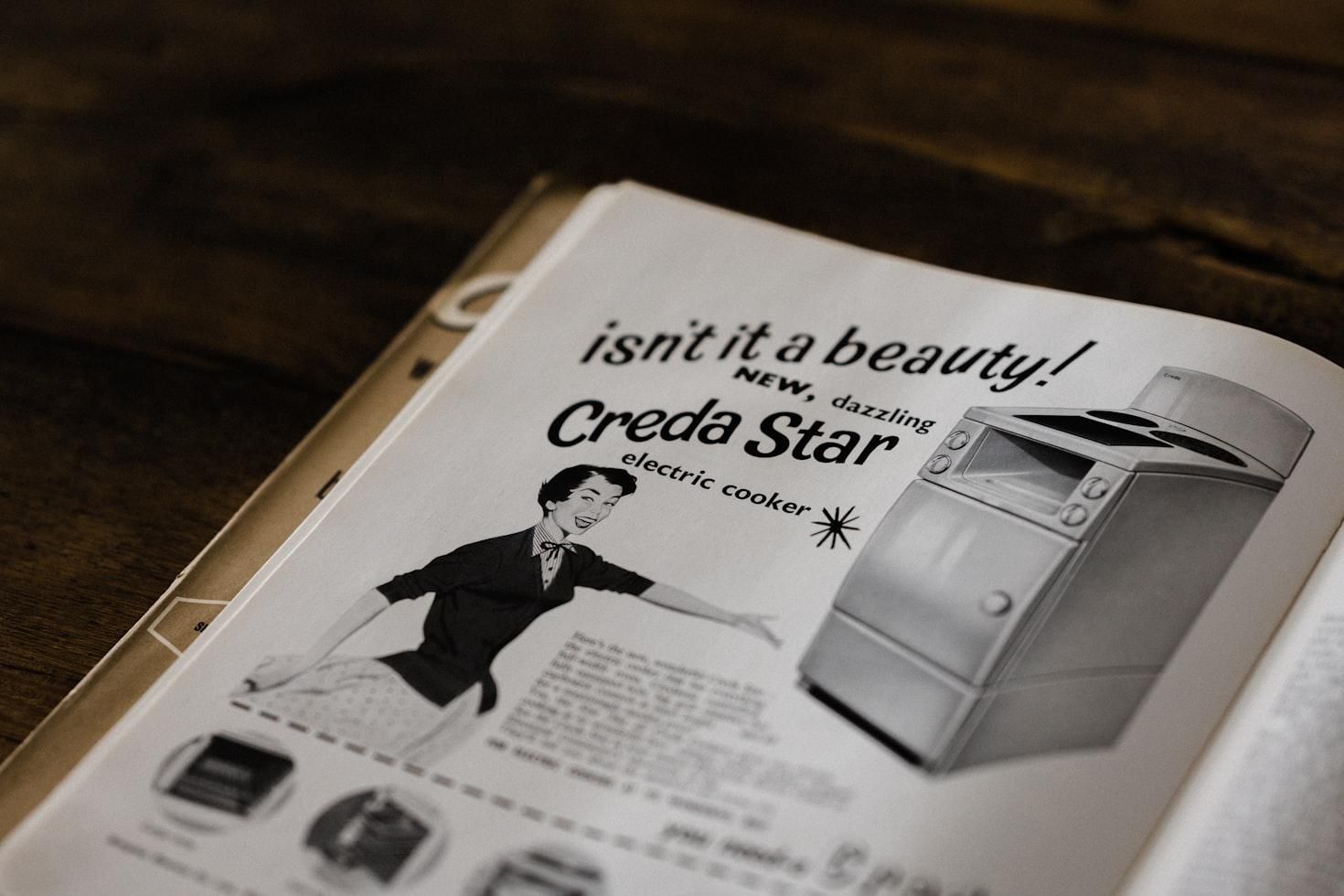
Image: Annie Spratt

Even more than a hundred years after her creation, Betty Crocker is still a beloved cultural icon representing home baking and American domesticity. She was first introduced in 1921 as a customer-response identity providing written answers to home-baking questions sent to the company. The name combined the friendly-sounding "Betty" with the surname of a retired company director, William G. Crocker.

She evolved from a voice on radio shows to the first portrait in 1936, which was repainted multiple times throughout the 20th century, and was adjusted to match changing American fashion while keeping the same general facial features. By the 1940s, she was widely recognized through cookbooks, recipe pamphlets, and radio guides that presented standardized instructions for home bakers.

12
"Rich Uncle" Pennybags
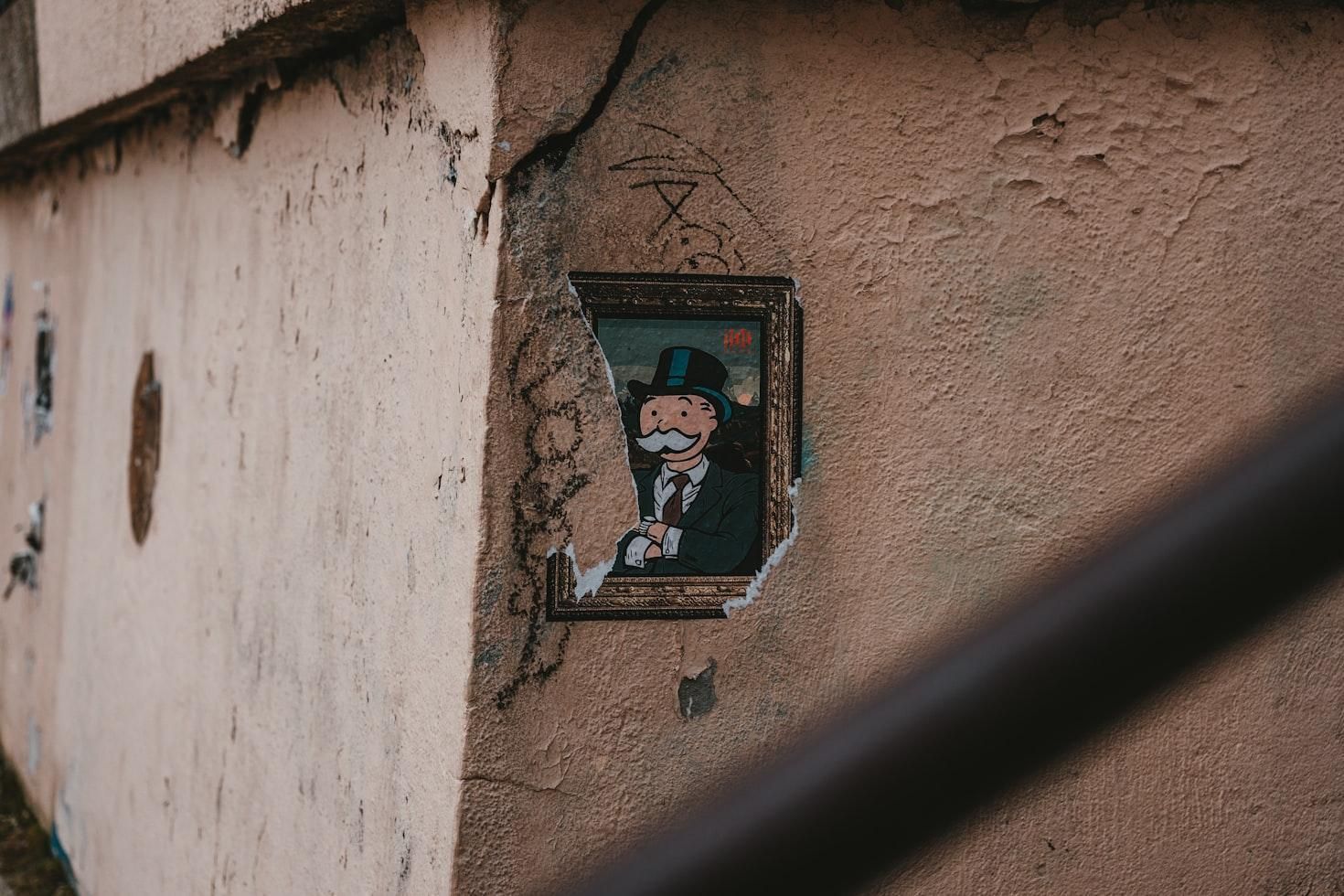
Image: Julian Hochgesang

Rich Uncle Pennybags is the mustachioed, top-hatted mascot of the Monopoly board game, a character designed to embody wealth and capitalism. His image, first introduced in 1936, was loosely based on Gilded Age tycoons like J.P. Morgan, which helped signal the game’s focus on property and finance.

When Monopoly grew in popularity and began distributing international editions in the 1970s, the mascot was added to rule books, game boxes, and licensed versions sold in different countries. Fun fact: Contrary to popular belief, Pennybags never wore a monocle. Think about that!
Geography Geography 4 min read

Behind tall faces

Mount Rushmore hides many secrets. Did you know all of these?

Image: Jake Leonard

What famous woman’s face almost became the fifth face on Mount Rushmore? Did the sculptor Gutzon Borglum really intend to just carve out the heads? Why is the mount named that, and not Borglum? The answers to these questions are some lesser-known facts about one of the most famous landmarks and sights in our country. Let’s dive into these stories!

1
The original plan included full-body figures

Image: Thomas Shockey

Mount Rushmore was supposed to be even more colossal than it already is. Sculptor Gutzon Borglum envisioned the four presidents carved from the waist up .

He even made plaster models showing Abraham Lincoln's coat folds and Teddy Roosevelt’s hand clutching his lapel. But as costs went up, Congress said: "heads only, please."

2
Charles Rushmore was just a curious New Yorker

Image: Maarten van den Heuvel

Back in 1925, when the mount was about to be carved into a monument, Charles Rushmore wrote a letter explaining why the peak bore his name. He recalled that in the 1880s he was a young New Yorker working in the area, and fell fond of that particular granite peak .

When he asked the locals about it, they informed him that it had no name, but that if he wished so, they would just start calling it Rushmore Peak, or Mount Rushmore, or the likes. Years later, that very name had been inscribed in the public domain to designate the peak.

3
Yes, there’s a hidden room behind Lincoln’s head

Image: Laura Nyhuis

Behind Abraham Lincoln’s hairline lies a hidden chamber, part of Borglum’s lofty idea for a "Hall of Records." This room was meant to house foundational American documents like the Constitution or the Declaration of Independence.

Instead of that, in 1998, a titanium box was placed inside, filled with copies of important documents and biographies, as a time capsule to preserve the treasure of knowledge for future generations.

4
Thomas Jefferson was moved

Image: Dave Baraloto

Jefferson was originally supposed to go to Washington’s right, but after 18 months of chiseling , the granite betrayed them. Cracks and flaws made the site unworkable.

Borglum made the painful decision to blast Jefferson’s half-formed face clean off and start anew on Washington’s left.

5
The mountain was almost a monument to western heroes

Image: Timberly Hawkins

Before presidents took over, the mountain was pitched as a giant tribute to the Wild West . South Dakota historian Doane Robinson wanted to see frontier legends like Lewis & Clark carved into the Black Hills.

But when Borglum came aboard, he had a grander (and more politically bankable) idea: four presidents to symbolize national unity and expansion.

6
A woman’s face was almost added

Image: Tom Fournier

In the 1930s, there was serious talk of honoring Susan B. Anthony alongside the Founding Fathers, as a nod to the women’s suffrage movement.

Borglum wasn’t opposed to the idea, but Congress quickly nixed it, stating that only U.S. presidents could be included.

7
The workers were mostly local miners and loggers

Image: Pixabay

They were neither sculptors nor artists. Most of the workforce came from nearby Keystone, South Dakota: miners, loggers, and hard-up laborers looking for work during the Great Depression.

Borglum trained them himself. There were no safety harnesses, and yet, remarkably, no one died on the job.

8
Dynamite did 90% of the work

Image: Alexander Paramonov

To carve the faces of Washington, Jefferson, Roosevelt, and Lincoln, workers used carefully timed dynamite blasts to remove over 450,000 tons of rock. They got so precise, they could blast within inches of where the final surface would be.

The last details, like wrinkles, pupils, or Roosevelt’s glasses, were done with jackhammers and chisels.

9
The noses are disproportionate

Image: Dudubangbang Travel

Standing in front of the mountain, the faces seem alright. But that’s a trick of perspective. Each presidential nose is a whopping 20 feet long .

If the sculptures had included full bodies as planned, each figure would have stood 465 feet tall. That’s taller than the Statue of Liberty and most downtown skyscrapers.

10
Teddy Roosevelt was the most controversial pick

Image: Dudubangbang Travel

Washington, of course. Jefferson, made sense. Lincoln, sure. And Teddy? Some critics raised their eyebrows at Borglum’s fourth choice. Roosevelt had only recently passed away in 1919, and many questioned whether he'd stood the test of time.

But Borglum defended the decision Roosevelt’s role in breaking up monopolies, conserving national parks, and engineering the Panama Canal. Plus, Borglum had met him personally and was a fan.

11
It was supposed to have inscriptions

Image: Dan Pick

Borglum had grander plans than just four giant heads. He wanted to carve a massive inscription next to them, a timeline of America’s most important milestones , chiseled straight into the mountain. In time, the idea was scrapped for practical and aesthetic reasons.

12
The visionary died before completion

Image: Lisa Reichenstein

Gutzon Borglum, the visionary behind it all, didn’t live to see his masterpiece finished. He died in March 1941, just as the construction was reaching its end. His son, Lincoln Borglum (yes, named after that Lincoln), took over the project.

Still, with WWII drawing resources elsewhere, funding was slashed, and Lincoln had to wrap things up quickly . Some features, like Lincoln’s ear, were never fully detailed.

History History 3 min read

Have you experienced any coincidences?

12 incredible coincidences in American history

Image: Library of Congress

A coincidence is a remarkable concurrence of events or circumstances without an apparent causal connection. Most of us experience coincidences regularly, but they tend to be more ordinary—like discovering you’re wearing the same sweater as someone else in the room. The following 12 examples are much more extreme, and some even seem unbelievable, even though they are true. Read on and prepare to be amazed!

1
A Presidential curse

Image: David Everett Strickler

For almost 140 years, U.S. presidents elected in years ending in zero died while in office. It happened to William Henry Harrison (1840), Abraham Lincoln (1860), James A. Garfield (1880), William McKinley (1900), Warren G. Harding (1920), Franklin D. Roosevelt (1940), and John F. Kennedy in 1960 . Ronald Reagan, elected in 1980 , broke the curse by surviving an assassination attempt.

2
Mark Twain and Halley’s Comet

Image: Justin Wolff

In the year Mark Twain was born, 1835, Halley’s Comet passed by Earth. The great writer famously predicted he’d "go out with it" as well . Indeed, he passed away in 1910, the next time the comet appeared.

3
Jefferson and Adams

Image: iStrfry , Marcus

A patriotic yet somber coincidence, indeed. John Adams and Thomas Jefferson, the second and third U.S. presidents, both died on July 4, 1826 —exactly 50 years after the signing of the Declaration of Independence.

4
Hoover Dam’s first and last casualties

Image: Ryan Thorpe

The construction of the Hoover Dam was a long and difficult process, claiming over 100 lives. The first person to die was J.G. Tierney , and the last recorded death was his son , Patrick Tierney.

5
Lincoln and Kennedy

Image: Kelli Dougal

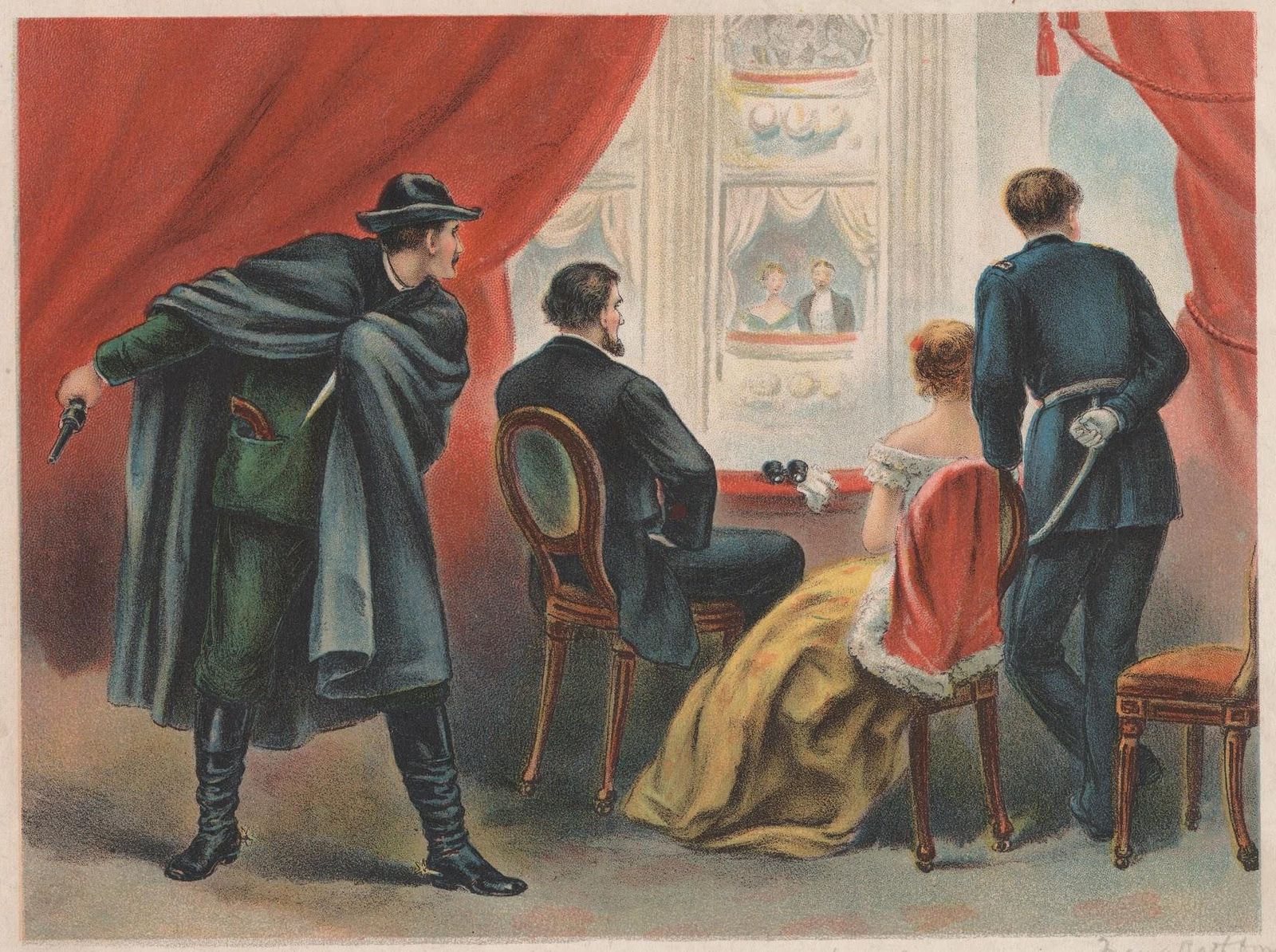
Abraham Lincoln and John F. Kennedy were elected 100 years apart (1860 and 1960). Both suffered fatal head wounds and were succeeded by presidents named Johnson. Their assassins each had three names: John Wilkes Booth and Lee Harvey Oswald. Both were assassinated on a Friday while sitting next to their wives at the time that it happened.

6
Charles Francis Coghlan’s last journey

Image: Rhodi Lopez

Actor Charles Francis Coghlan died in Texas in 1899. But his casket was lost at sea during a hurricane. Eight years later, his coffin washed ashore near his birthplace in Prince Edward Island, Canada, more than 3,000 miles away.

7
The Titanic coincidence

Image: K. Mitch Hodge

A few years before the Titanic sank, Morgan Robertson wrote a short book called Futility , about a massive "unsinkable" ship called the Titan that hit an iceberg and sank. The tale describes a ship with a similar size and a similar lack of lifeboats to the famous vessel.

8
Dennis the Menace

Image: Mitch Rosen

Two comic strips featuring a character named Dennis the Menace debuted in British and American outlets, respectively, on March 12, 1961—only a few hours apart. However, the two creators did not know each other and had no idea of the other’s work.

9
Jim Lewis and Jim Springer

Image: Vidar Nordli-Mathisen

Identical twin brothers separated at birth , Jim Lewis and Jim Springer, were reunited at age 39 and discovered many coincidences: both married women named Linda , divorced, and then remarried women named Betty. Both had dogs named Toy and drove the same model of car. Both grew up with an adopted brother named Larry and had sons whom they named James Allan.

10
Disney magic

Image: PAN XIAOZHEN

A soon-to-be-married couple, Alex and Donna , were looking through old photos to include in their wedding video. They found one photo of Donna posing on a childhood trip to Disney World in 1980. And in the background, they spotted Alex being pushed in a stroller by his father.

11
Moped meets taxi, twice

Image: Ruslan Bardash

In 1975, 17-year-old Erskine Lawrence Ebbin was struck by a taxi in Bermuda while riding his moped. A year later, his brother Neville , also 17 at the time, was riding the same moped when he was struck by the same taxi —with the same passenger—on the same street.

12
Lightning strike survivor

Image: Felix Mittermeier

Being hit by lightning is an extremely rare occurrence. Park ranger Roy Sullivan was struck not once, but seven times between 1942 and 1977 —and survived them all. The strikes hit him in a fire tower, in his truck, in his yard, while patrolling, and more. His unusual record earned him the nickname "Human Lightning Rod."

Explore more American facts

Choose your favorite category!

General
General

As American as apple pie—the very best America has to offer!

Culture
Culture

Delve into the astounding richness of American lore.

Geography
Geography

Hop in and explore vast and diverse American landscapes.

History
History

Discover the key moments that shaped the United States.