Secret tracks
What's the meaning behind the acorns in Grand Central Terminal?
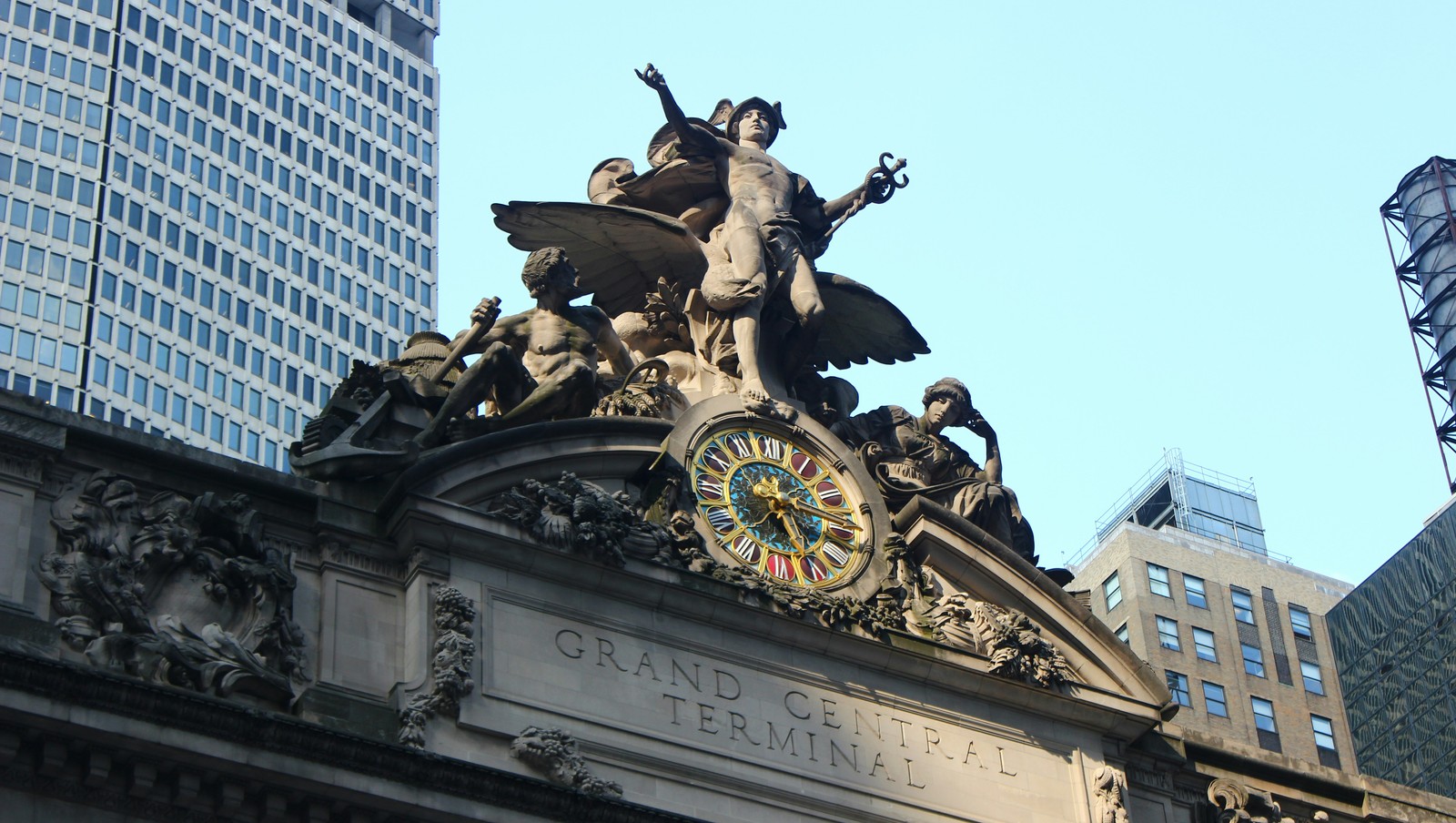
Image: Lāsma Artmane
Ever since its public opening in 1913, Grand Central Terminal has been a living piece of New York history. Millions of travelers pass through its marble halls each year, but few realize just how many surprises hide behind those iconic clocks and grand archways. From secret tunnels to a bar tucked inside an old tycoon’s office, Grand Central holds more than a century’s worth of hidden stories waiting to be uncovered. Let’s take a closer look.
1
A bar hidden in plain sight
Most visitors know the famous Oyster Bar, but few stumble upon The Campbell, an elegant lounge tucked inside Grand Central. Originally the office of 1920s finance tycoon John W. Campbell , this spot sat forgotten for decades until 1999, before being restored to its former Jazz Age glory. Step inside today, and you’ll find velvet couches, grand rugs, and cocktails that make you feel like you’ve time-traveled back to the roaring 1920s.
2
Two clocks worth a fortune?
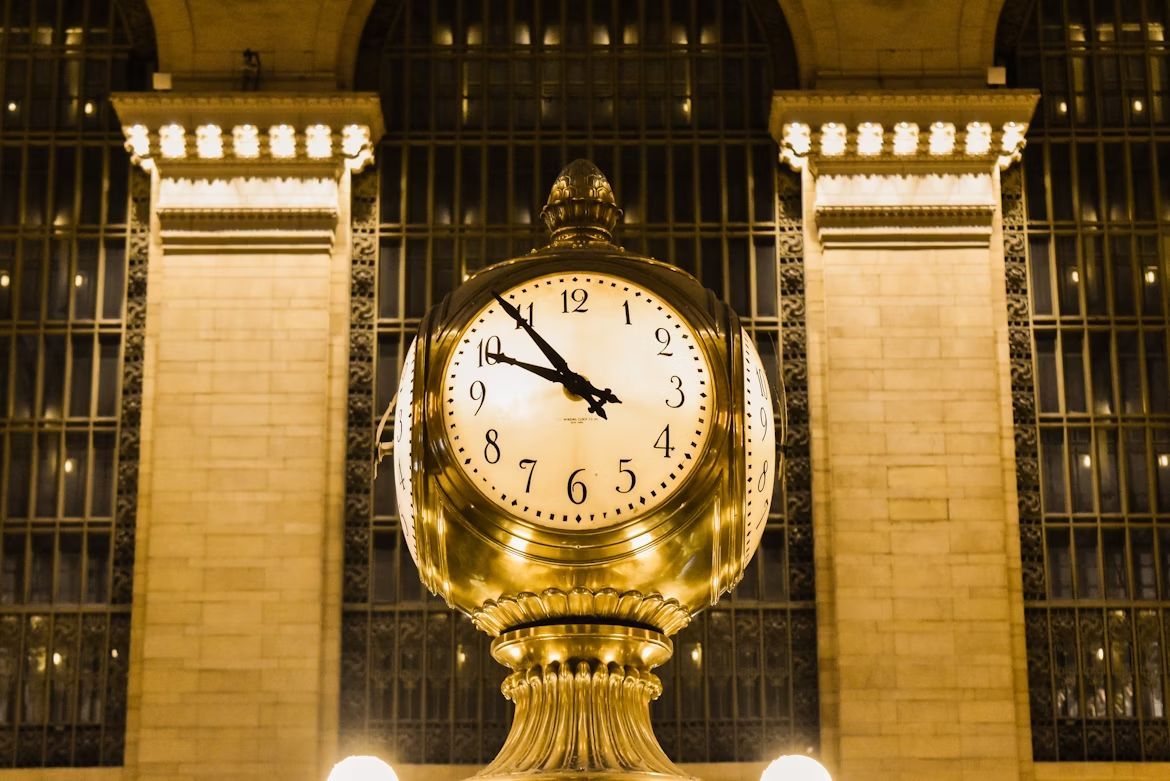
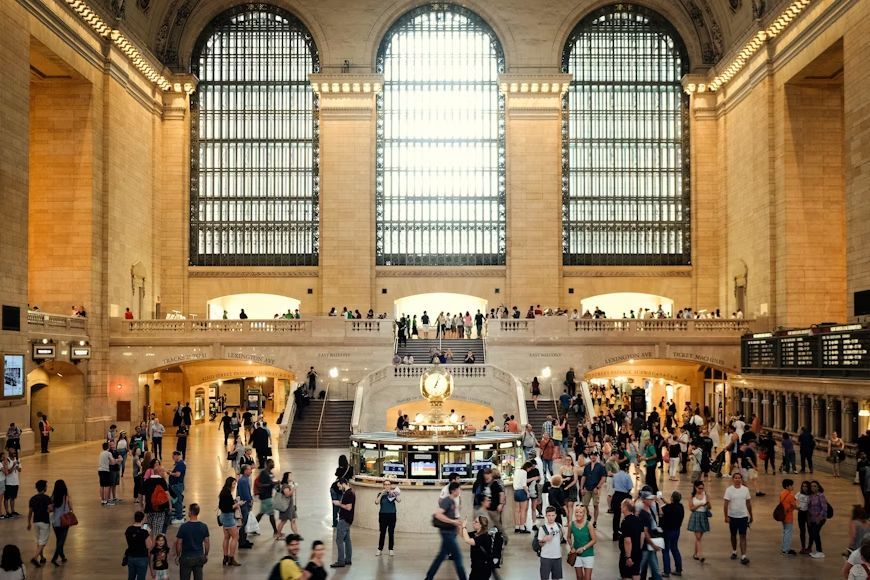
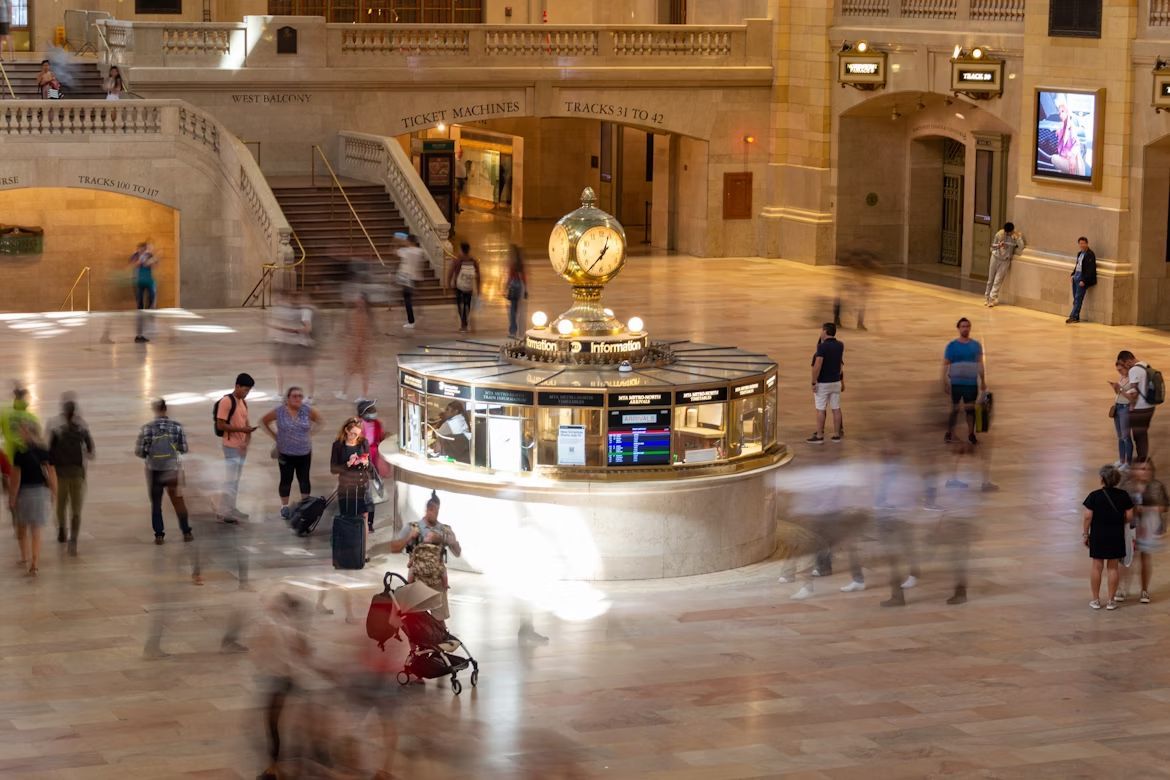
Grand Central has one of the most valuable clocks in the world , although there’s a myth that says there are two. The Tiffany clock outside towers 14 feet across, framed by Roman gods carved in stone. This clock is worth around $20 million. Inside the terminal, the four-faced opal clock crowns the information booth. Contrary to popular belief, this clock was not made of an actual opal, but out of opal glass, so there’s nothing priceless about it.
3
Hidden oaks and acorns
Take a closer look around, and you’ll start spotting oak leaves and acorns carved into chandeliers, railings, and stonework. These aren’t random designs. They’re a nod to the Vanderbilt family’s symbol: The acorn. The family funded the terminal’s construction in 1871 and wanted everyone to know it. Now, their family symbol quietly decorates every corner of their legacy.
4
The mysterious whispering gallery
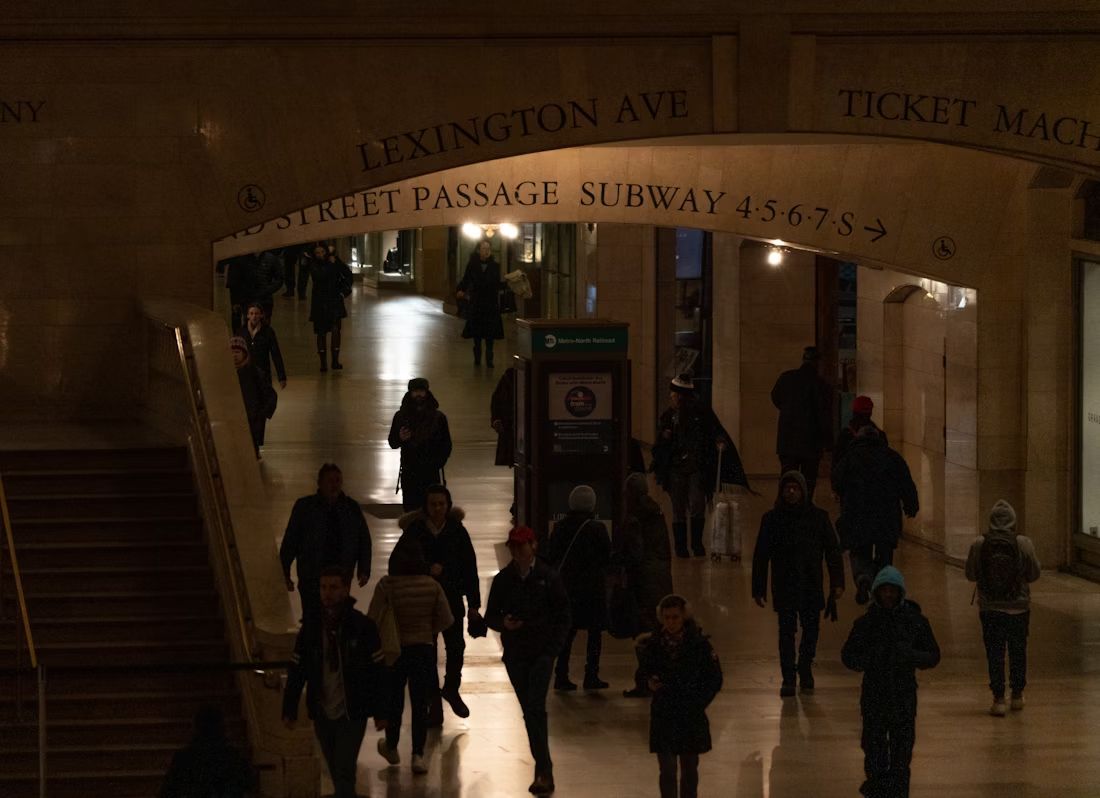
If you whisper into one corner of the tiled archway near the Oyster Bar, someone standing diagonally across can hear you perfectly. The "Whispering Gallery" is one of Grand Central’s quirkiest secrets . The Guastavino tiles that make up the arched ceiling carry sound in an odd way, creating an intimate little magic trick, though no one really knows whether it was designed that way or just a happy accident.
5
A sky painted backward
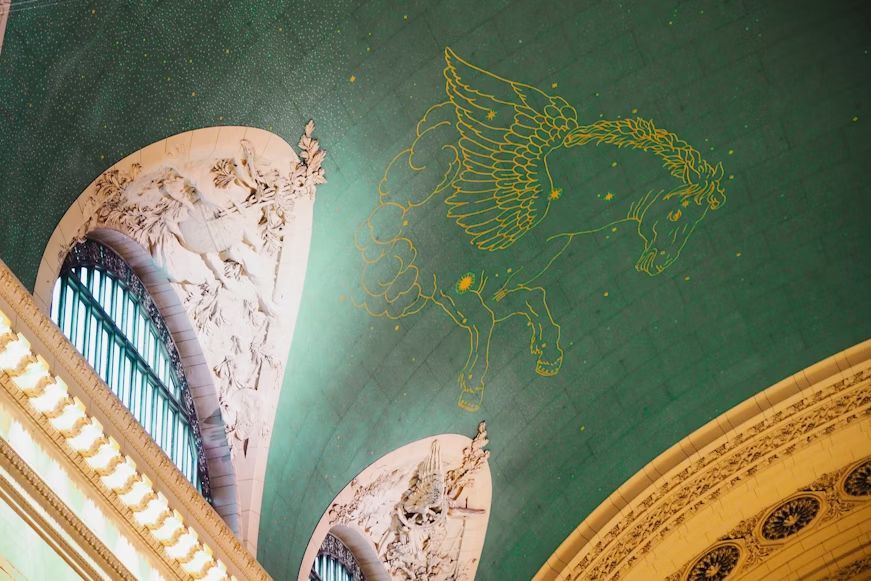
Look up, and you’ll see the breathtaking celestial mural that covers the concourse ceiling. But here’s the kicker: the constellations are painted backwards . Whether it was a mistake or an artistic choice remains debated, but the Vanderbilts claimed it was intentional—to give us the "divine perspective" of looking down at the heavens. Either way, it’s still one of the most photographed ceilings in the world.
6
Game, set, match (inside a train station)
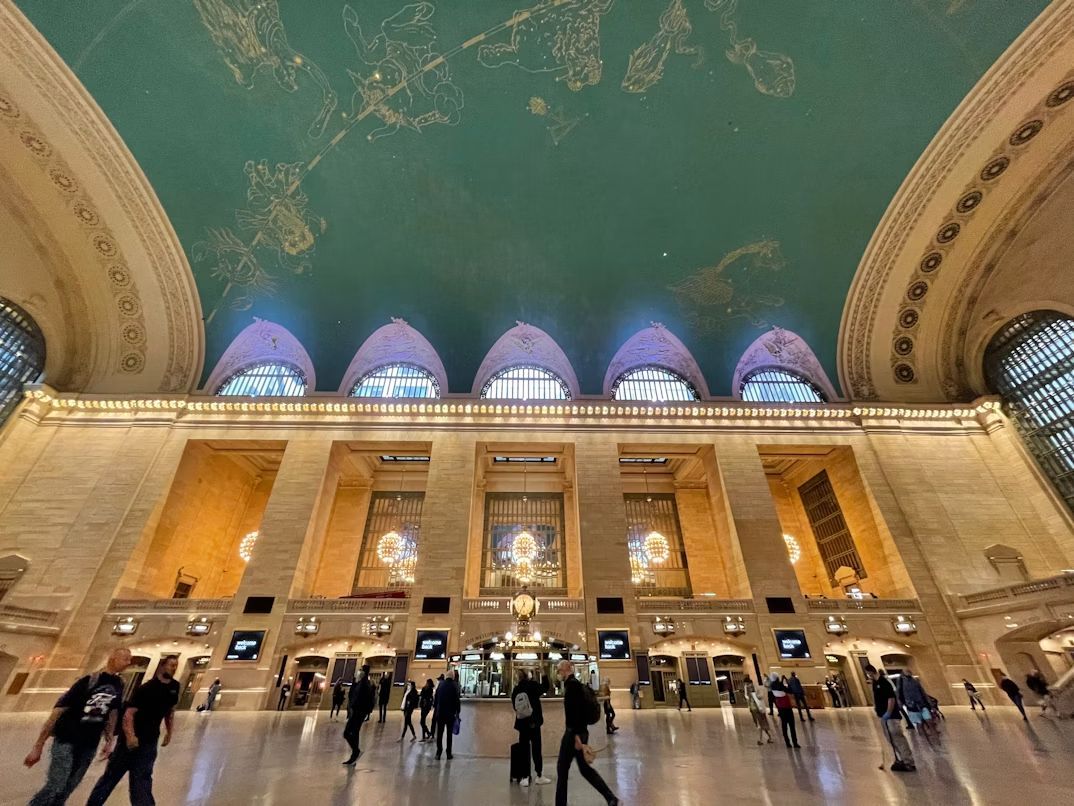
If you think tennis in a train terminal sounds impossible, think again. The Vanderbilt Tennis Club, perched on Grand Central’s fourth floor, is open to the public . You can book a court, take a lesson, or just peek inside to see this unexpected slice of luxury tucked away above the bustling commuters below.
7
Secret walkways above the windows
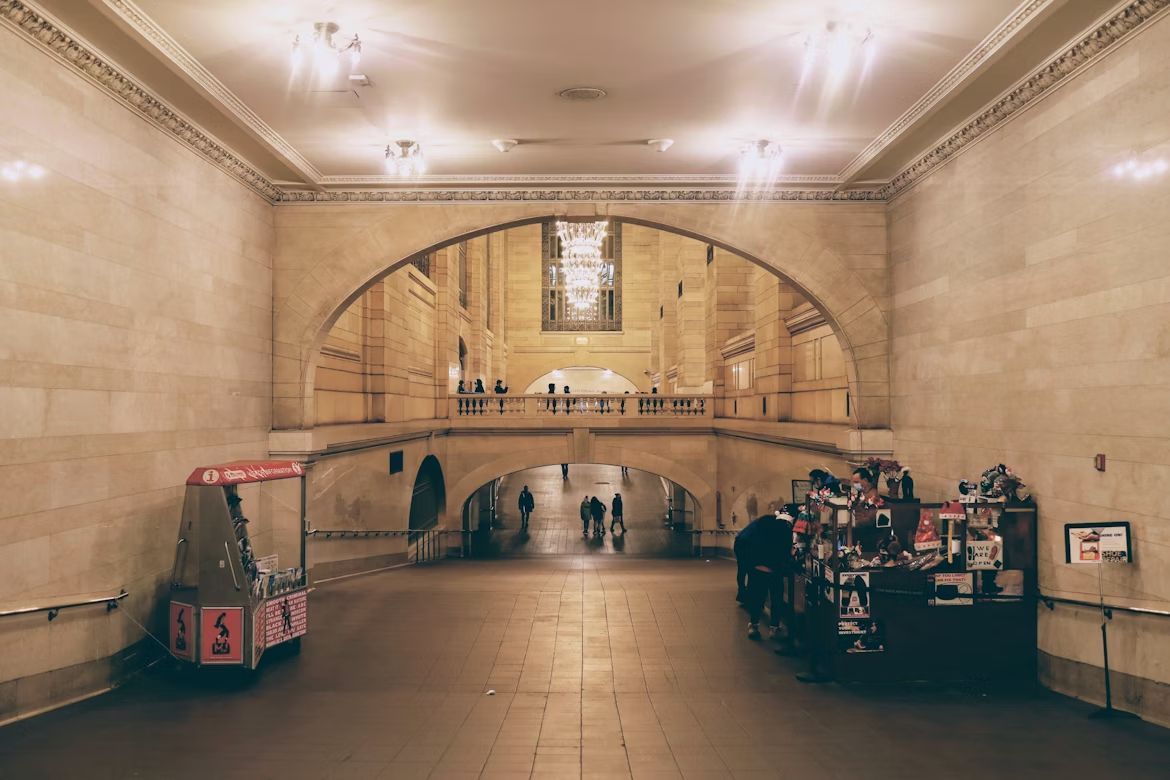
Those grand arched windows in the main concourse aren’t just decorative; they hide narrow walkways used by staff to move unseen between offices . These catwalks give a bird’s-eye view of the terminal, though they’re strictly off-limits to the public. Only a select few with key passes get to experience the view from up there.
8
A hidden entrance to the Waldorf
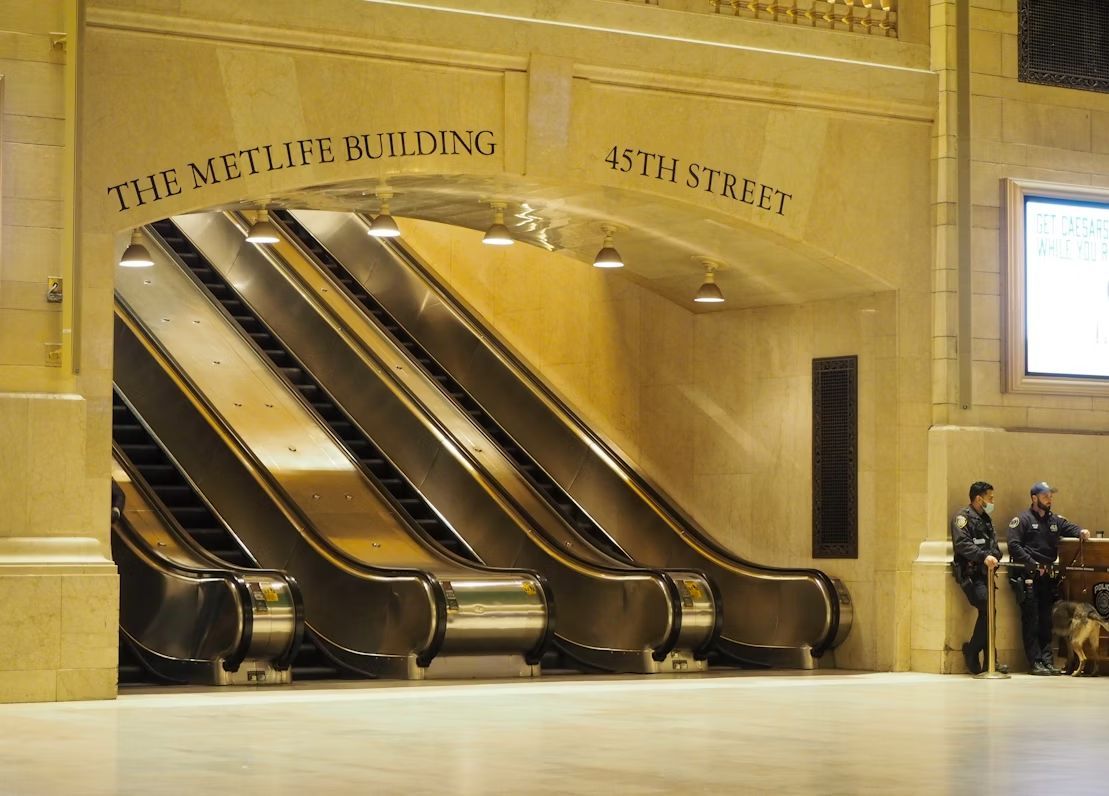
Deep beneath Grand Central lies Track 61, a secret passage that once connected directly to the Waldorf Astoria Hotel. It was used by VIPs who preferred to travel without public attention —most famously, President Franklin D. Roosevelt, who used it to conceal his polio and wheelchair from the public eye. Today, it’s sealed off, but the legend remains.
9
Almost lost to the wrecking ball
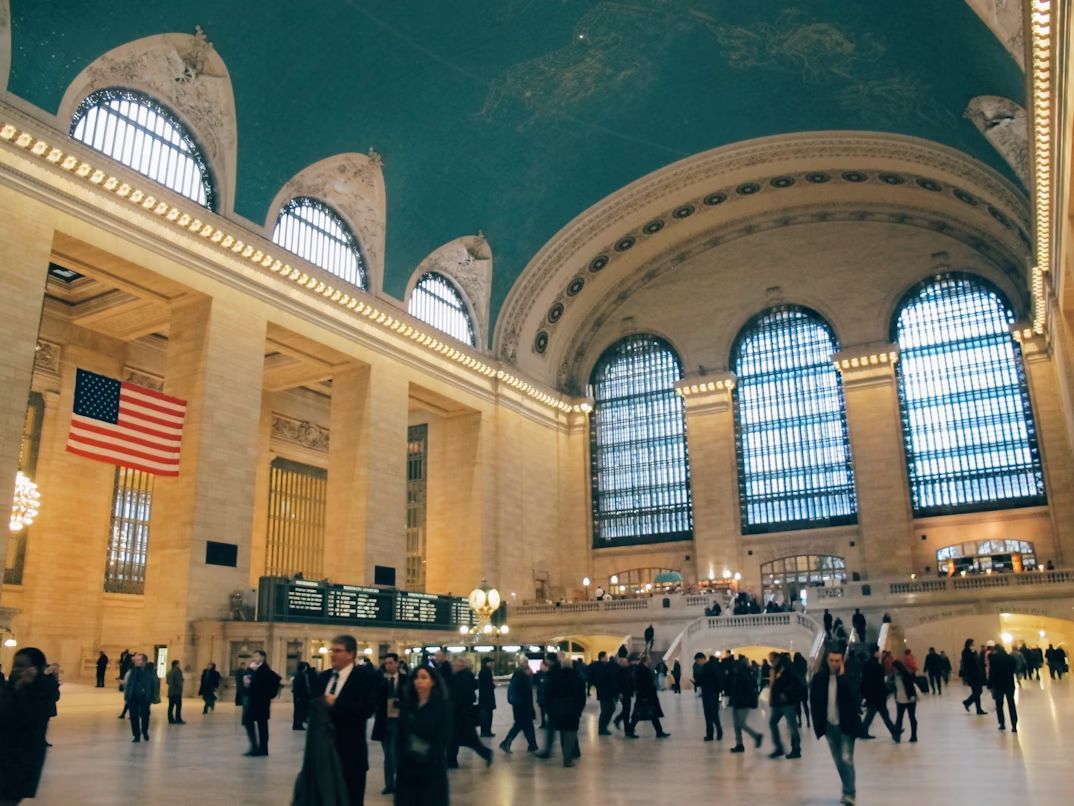
In the 1960s, plans were made to tear down Grand Central and replace it with skyscrapers. After the destruction of Penn Station in 1963, New Yorkers were not having it. Thanks to the efforts of preservationists , Grand Central was saved and officially declared a landmark in 1967. Their fight ensured we could still enjoy one of the city’s true architectural gems.
10
A 21st-century makeover
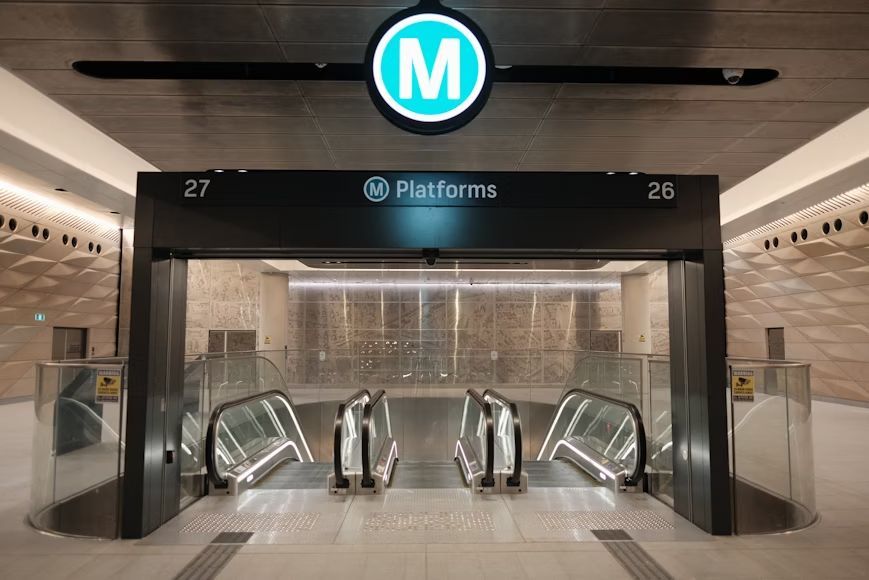
While much of Grand Central dates back to 1913, its evolution continues. The massive East Side Access Project, completed in 2023, added a new terminal for Long Island Rail Road passengers, complete with 40 miles of new track buried beneath Park Avenue. It’s a modern expansion of a century-old masterpiece.