General General 5 min read

How well do you really know the Seattle Space Needle?
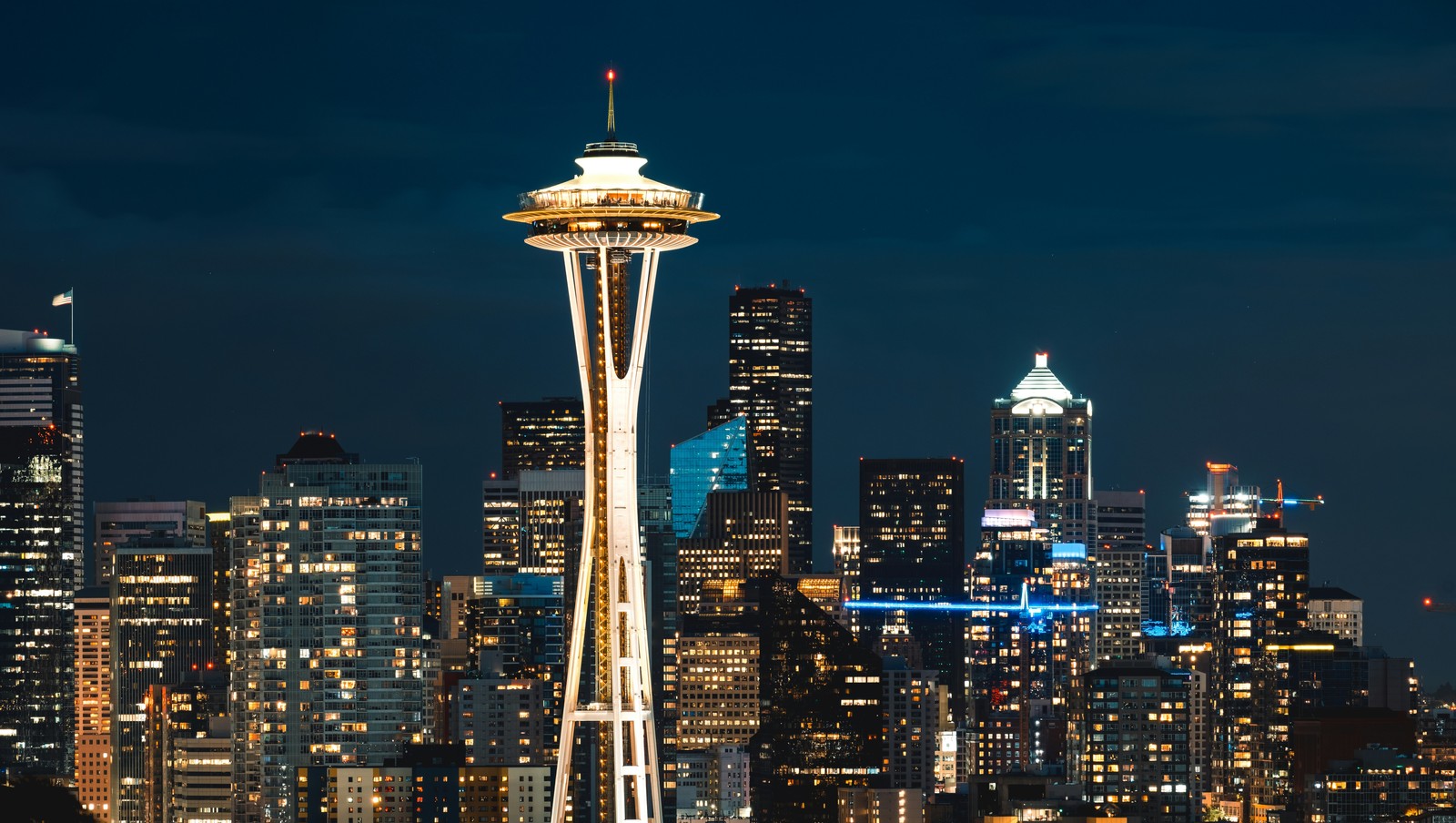
Image: Andrea Leopardi

Rising above Seattle’s skyline since the early 1960s, the Space Needle is easy to recognize but often taken for granted. Built for a single world’s fair, it is a beacon of design and history. From its fast construction to its changing colors and hidden features, this tower has quietly collected dozens of stories. Here are 10 facts that show how much more there is to know about the Seattle Space Needle!

1
It was built for the Seattle World’s Fair
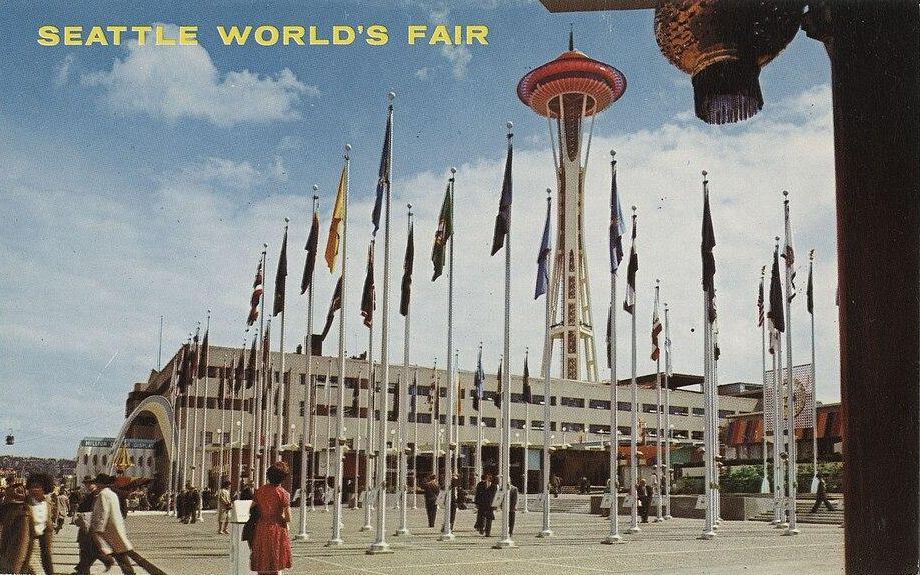
Image: Seattle Public Library, No restrictions, via Wikimedia Commons

The Space Needle wasn’t supposed to be a permanent monument. It was completed in 1962 specifically for the Seattle World’s Fair, an event aimed to highlight science, technology, and forward-looking design. During the fair, the tower helped visitors orient themselves within the Seattle Center grounds and served as a central meeting point. After the fair ended, the building was not dismantled, as many other fair structures were. Instead, it remained open to the public and gradually became a regular part of the city’s skyline.

2
The original colors had distinctive Space Age names
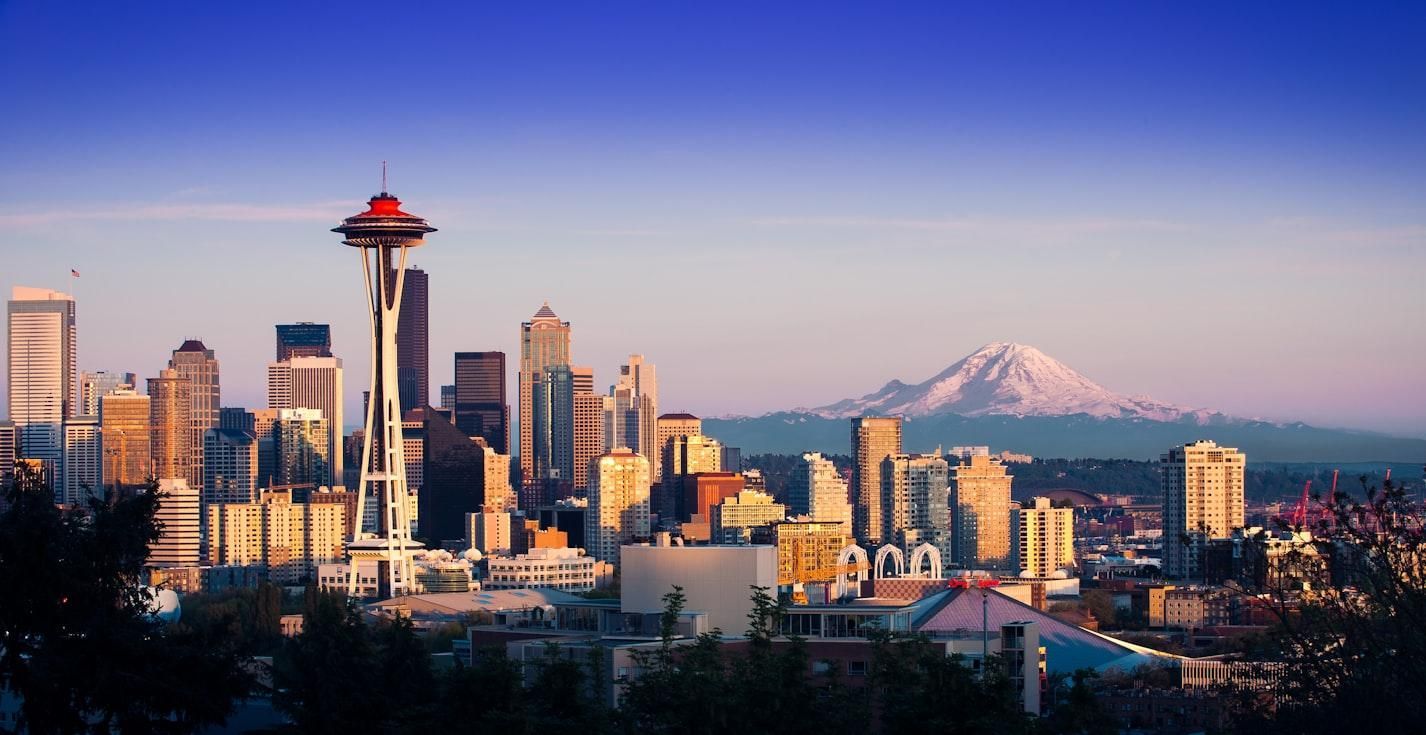
Image: Thom Milkovic

When the Space Needle first opened, its paint scheme reflected the era’s optimism about technology and space exploration. The main tower was painted Astronaut White, while the central core used a darker tone called Orbital Olive. Accent areas were finished in Re-Entry Red, and the top featured a warm, yellow-orange color called Galaxy Gold . These names were officially used at the time and appeared in design documents and promotional materials. Although later renovations replaced this scheme with more neutral colors, the original palette shows how strongly the tower’s design was tied to early 1960s ideas about the future.

3
Elvis was there
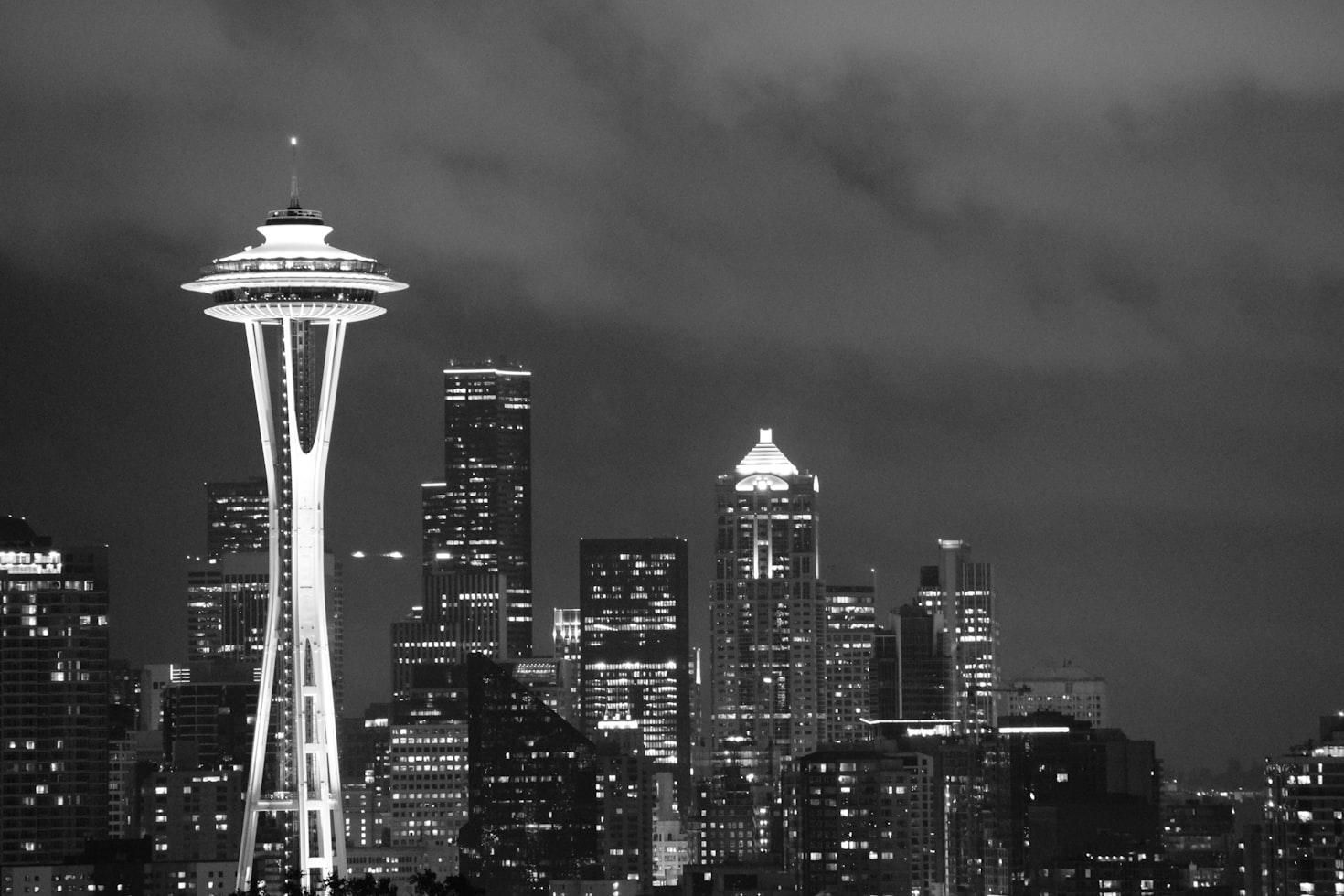
Image: Courtney Hutchin

Not long after it opened, the Space Needle entered American pop culture. Elvis Presley filmed scenes at the tower for the movie It Happened at the World’s Fair , which was released in 1963. The filming took place shortly after the 1962 World’s Fair, when the structure was still new. At that time, many Americans had never traveled to Seattle, and television and movies were major sources of information about distant cities. Hence, the film helped introduce the Space Needle to a nationwide audience.

4
It was inspired by a UFO
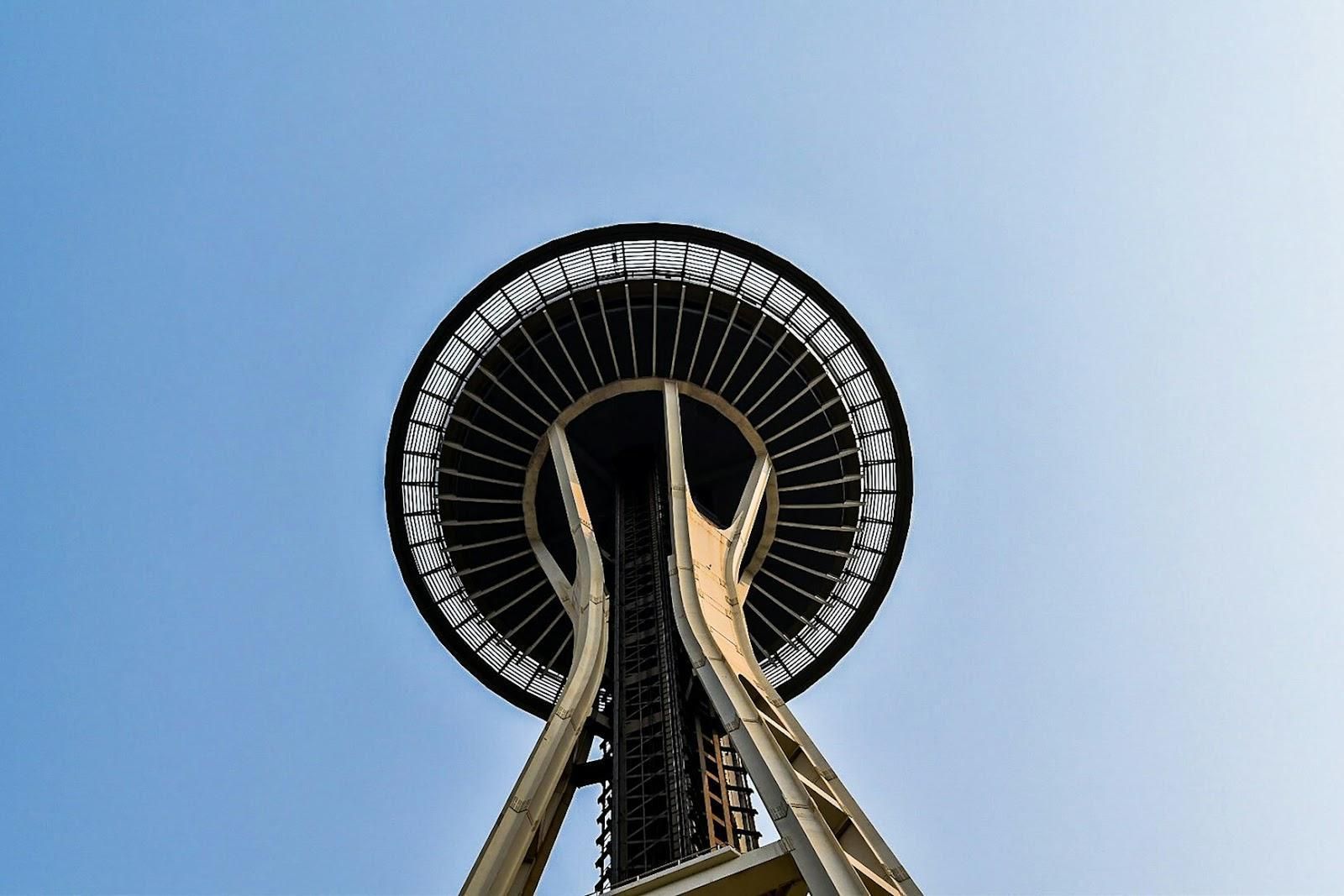
Image: Patrick Hodskins

The building’s most recognizable feature, the round observation deck, was shaped with intention. Designers chose a wide, circular form that reflected the Space Age themes common in the late 1950s and early 1960s. At the time, images of spacecraft and flying saucers appeared often in popular magazines, films, and exhibitions. The Space Needle’s top was meant to echo those ideas in a way that was easy to recognize from a distance. This design helped distinguish the tower from older observation structures and aligned it closely with the forward-looking message of the World’s Fair.

5
It was built in 400 days
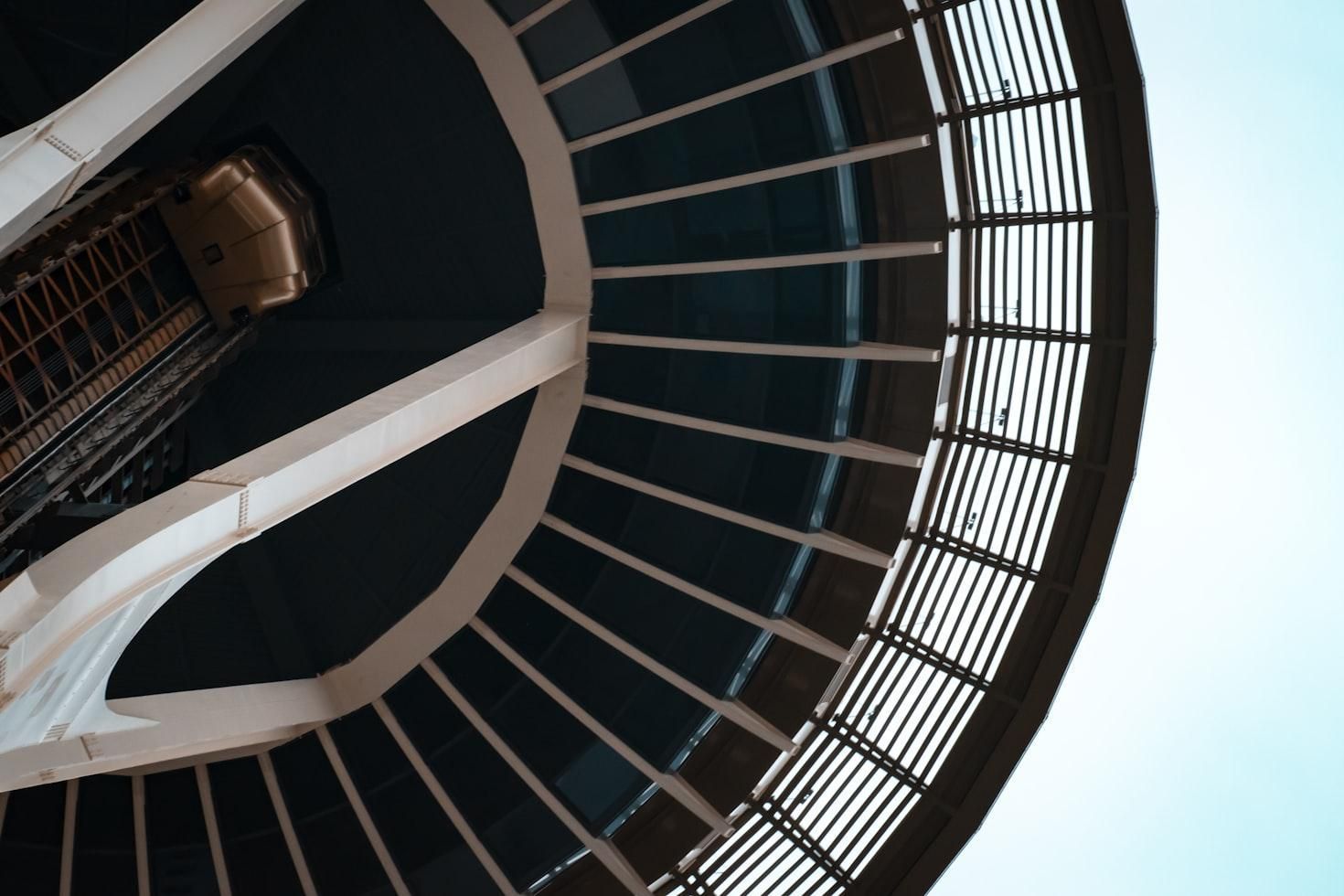
Image: Andy Li

Speed mattered. Construction began in 1961, and the entire tower was completed in roughly 400 days so it could open on time for the World’s Fair in 1962. This schedule required crews to work in carefully planned stages, with steel sections fabricated off-site and assembled quickly once delivered. Concrete for the foundation and core had to be poured and set on a tight timeline. Despite the fast pace, engineers followed existing building standards, and inspections were carried out to ensure the tower could safely handle weight, wind, and daily public use.

6
Forget the elevator, take the stairs
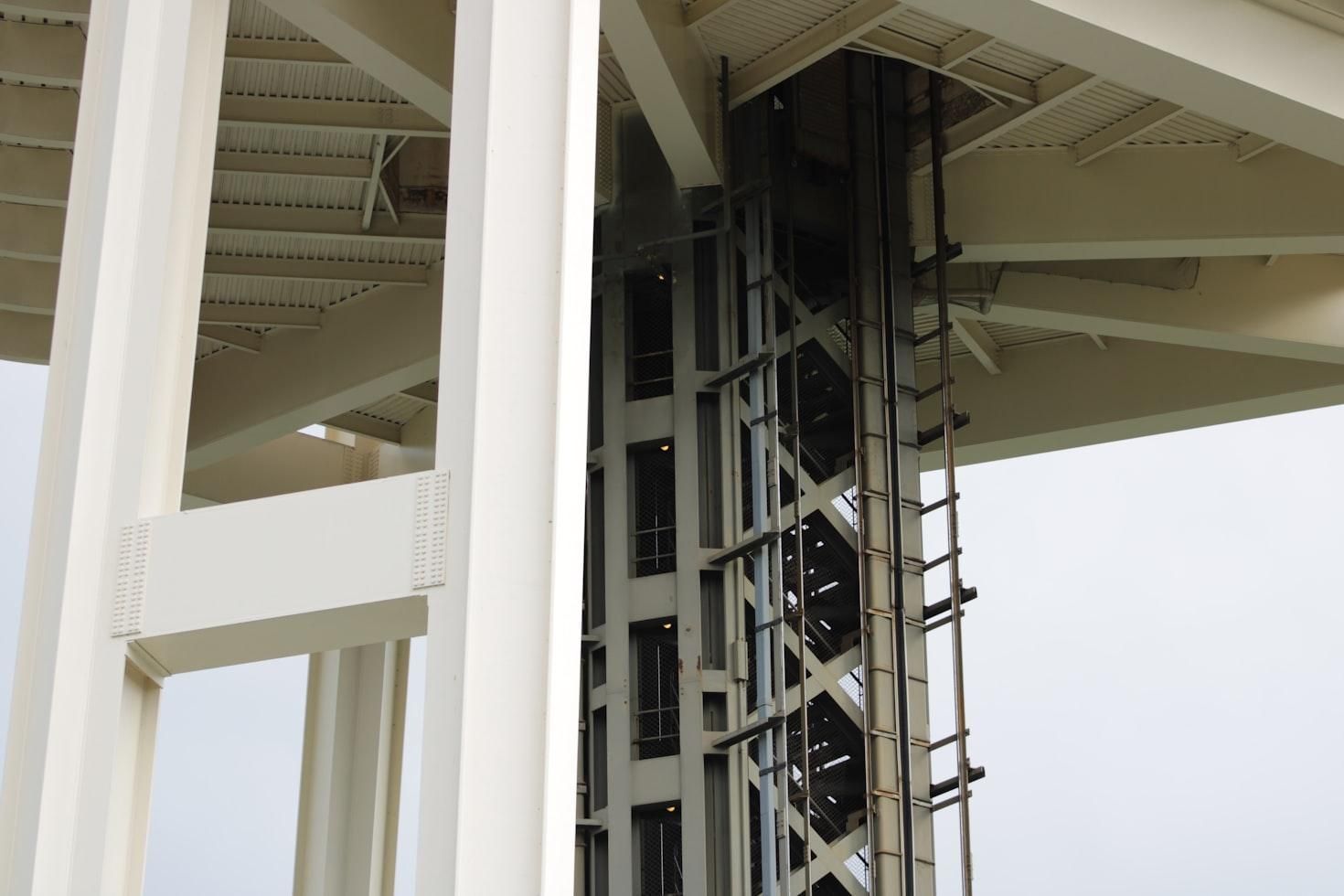
Image: HAYOUNG CHO

Most visitors take the elevator, but the Space Needle also has stairs, 848 of them, from the base to the observation level. The stairs are primarily used for maintenance and special events rather than daily tourist access. Structurally, the tower is held together by tens of thousands of bolts and rests on a deep concrete foundation. Engineers designed the foundation and central core to withstand high winds and seismic activity, which are common in the Pacific Northwest. These construction details are not visible to most visitors, but they play a key role in keeping the tower stable and open to the public year after year.

7
It harbored a secret time capsule from the 1980s
Image: Mick Haupt

In 1982, staff placed a time capsule inside one of the Space Needle’s steel beams without a public announcement. The capsule was sealed and left in place as part of a routine update, rather than a formal ceremony. It remained hidden for more than thirty years until it was rediscovered and opened in 2017. Inside were everyday items from the early 1980s, including handwritten letters, photographs, and postcards. Several of these items were saved and included in a new capsule, which is planned to be opened in 2062 to mark the tower’s 100th anniversary.

8
It was the site of a famous April Fools’ prank
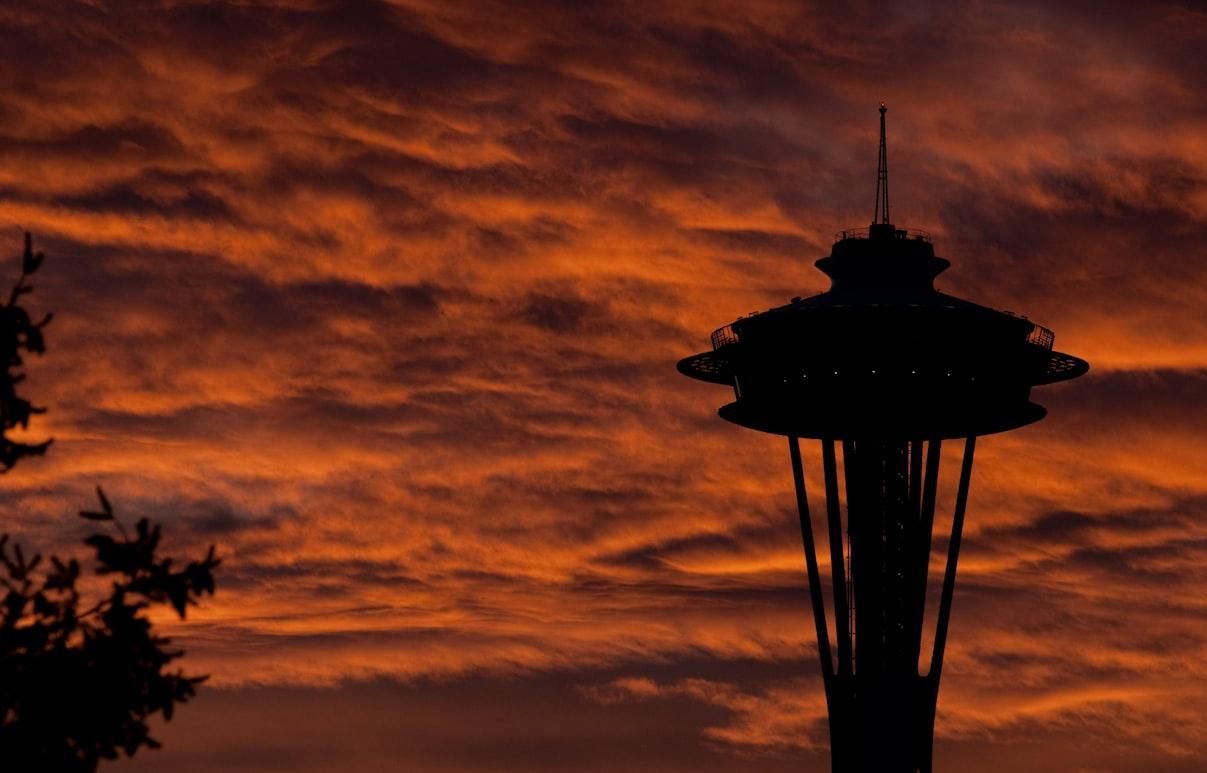
Image: Ben Mater

In 1989, a local television station aired a report claiming the Space Needle had collapsed. The segment was intended as an April Fools’ joke and included on-screen text explaining that it was not real. Even so, many viewers did not notice the disclaimer or tuned in late. Emergency phone lines and the station’s own offices received hundreds of calls from concerned residents and relatives. The reaction showed how familiar and important the Space Needle had become to people in Seattle and beyond.

9
There’s a restaurant at the top
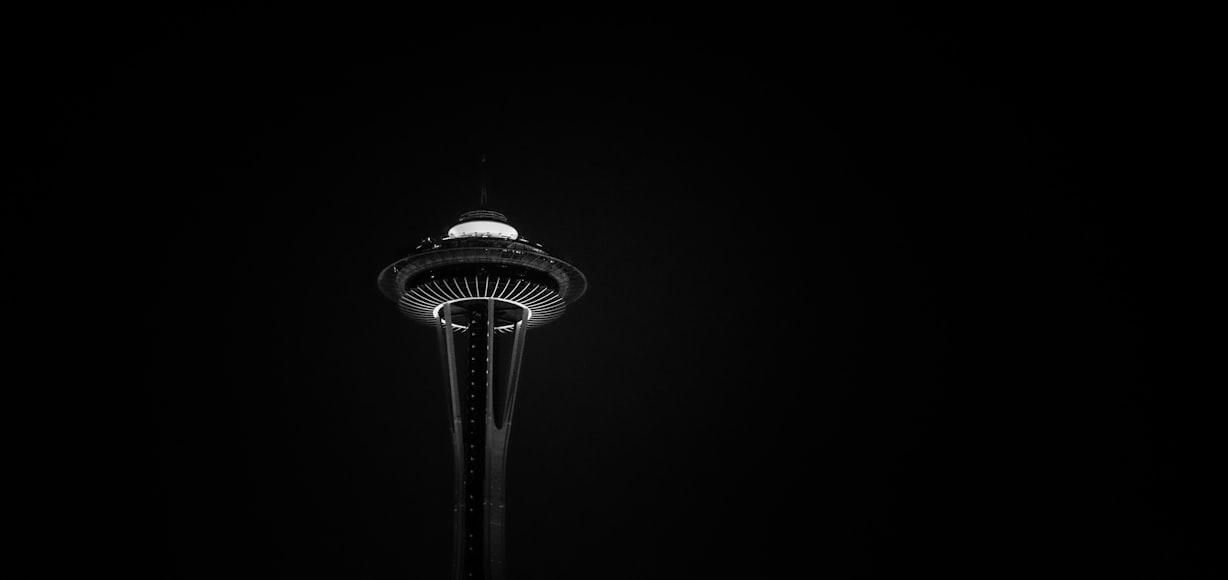
Image: Jason Dent

Dining has always been part of the Space Needle experience. A restaurant opened with the tower in 1962 and was designed to give guests a place to eat while overlooking the city. Over the years, the restaurant has changed names, seating arrangements, and menu styles to match new trends and renovations. Despite these updates, the basic idea has stayed the same. Visitors can order food or drinks and spend extended time at the top, rather than just stopping briefly to look out the windows. For many people, the combination of a meal and a wide city view defines the visit.

10
It has the world’s first and only revolving glass floor
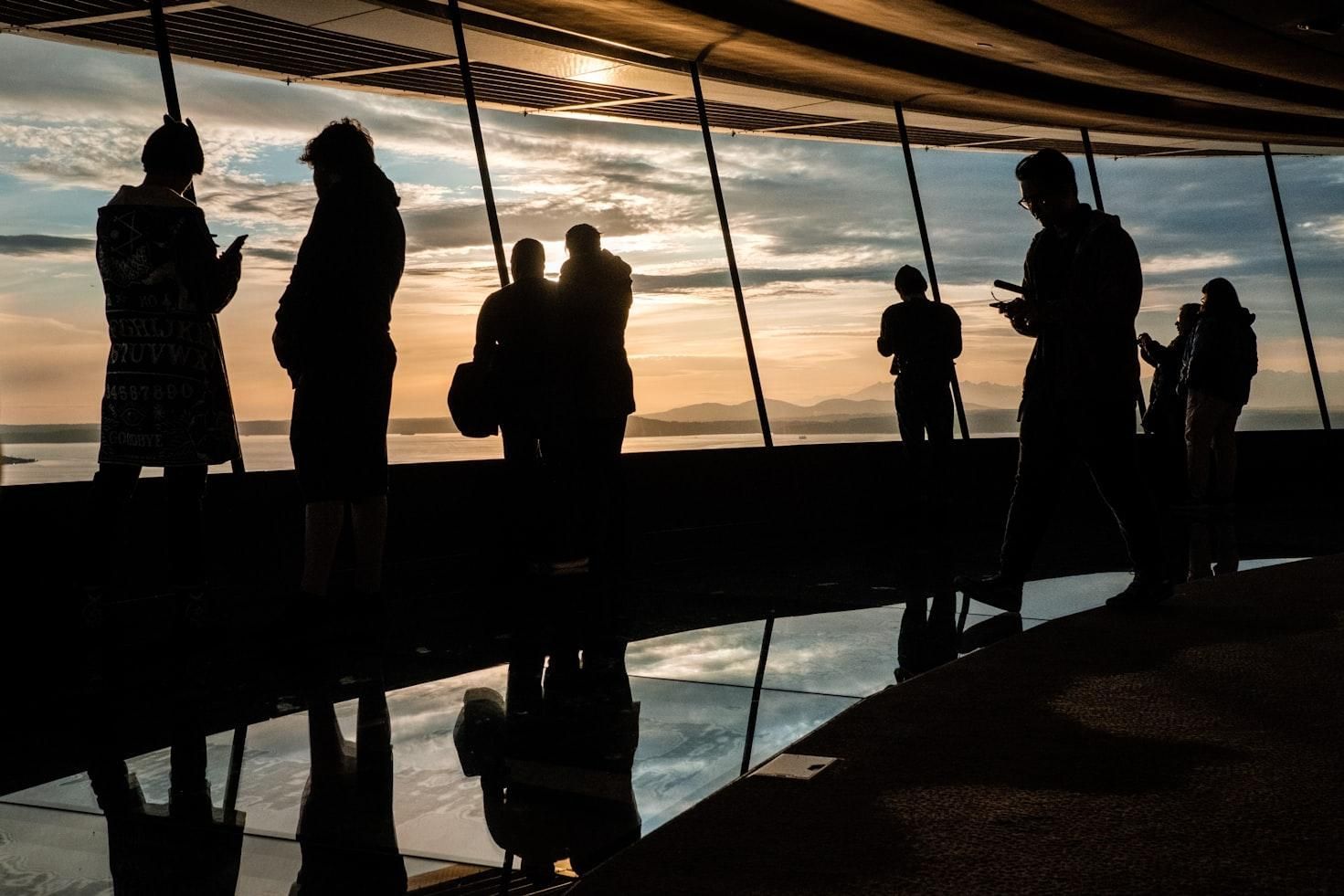
Image: Morgan Petroski

A major renovation in 2018 introduced The Loupe, a rotating glass floor in the observation area. The platform moves slowly, allowing visitors to stand in one place while the view changes. Through the clear panels, people can look straight down at streets, buildings, and open spaces below. This is the only revolving glass floor of its kind in the world. The addition shows how the Space Needle continues to update its visitor experience while keeping its original structure intact.
History History 4 min read

Forgotten Titanic facts

It wasn’t just humans on the Titanic! 10 incredible facts you didn’t know

Image: Edwin Petrus

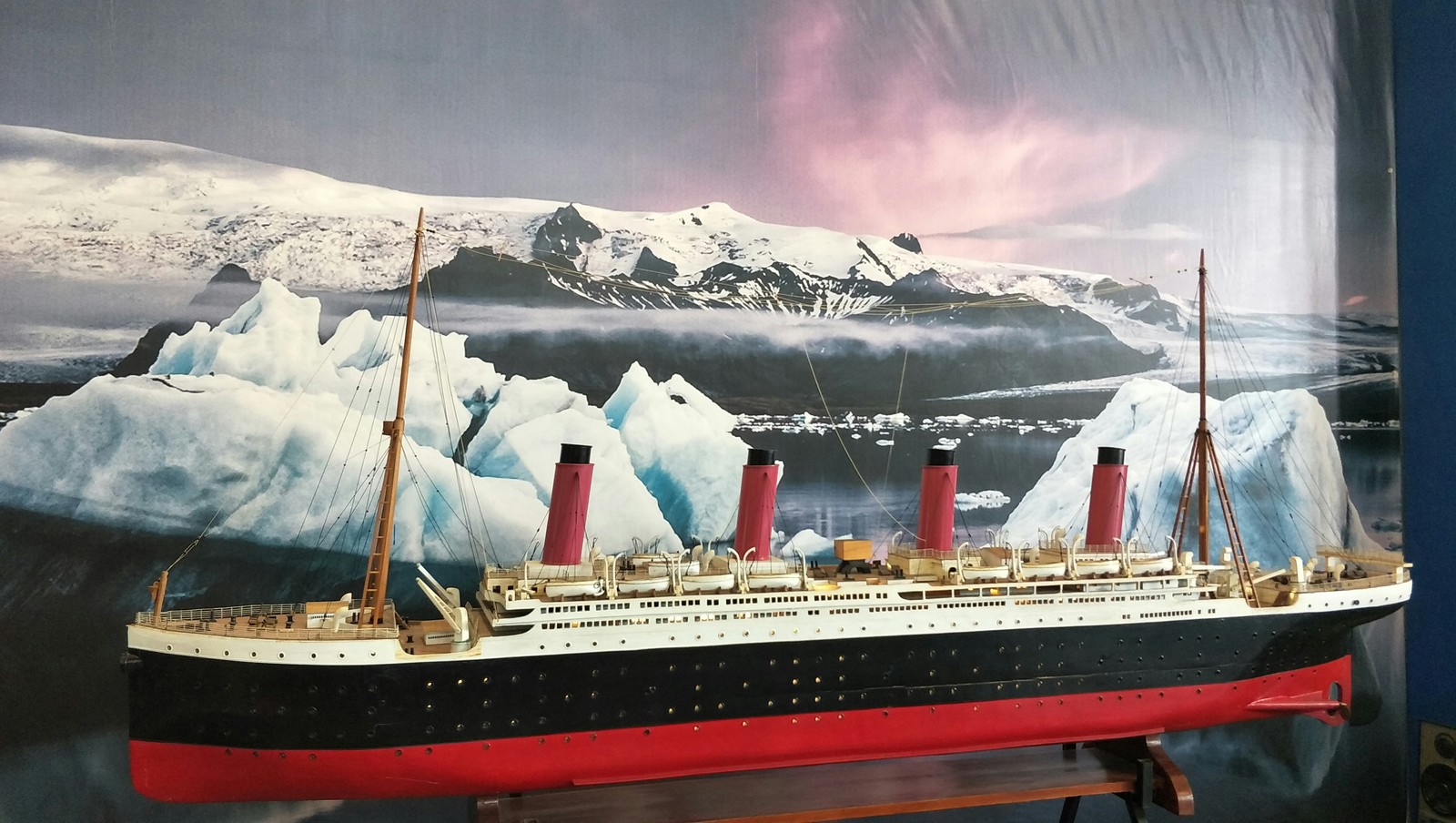
We all know the tragic story behind the Titanic, that "unsinkable" ship that didn’t make it past its first voyage. But besides the tragedy and the Hollywood movie, there are some surprising facts that never made the front page. From pups that survived and pocket watches, to hidden submarines and a tipsy worker who beat the odds, here are 12 curious facts that might just shock you.

1
Construction costs that’d make your wallet faint

Image: Jaime Labra

Back in 1912, the Titanic cost $7.5 million to build, and if you're wondering what that’d be today, it’d be over $400 million. That’s more than some sports stadiums! It took nearly three years to complete and was one of the most extravagant ships ever made.

2
Yes, there were dogs

Image: Yuki Dog

As it turns out, the Titanic wasn’t just for people. At least 12 dogs came along for the ride , lounging in a special first-class kennel. There was even a dog show scheduled for the morning of April 15. Sadly, only three tiny dogs survived, all small enough to sneak onto lifeboats tucked in coats or handbags.

3
The band really did play on

Image: Parizan Studio

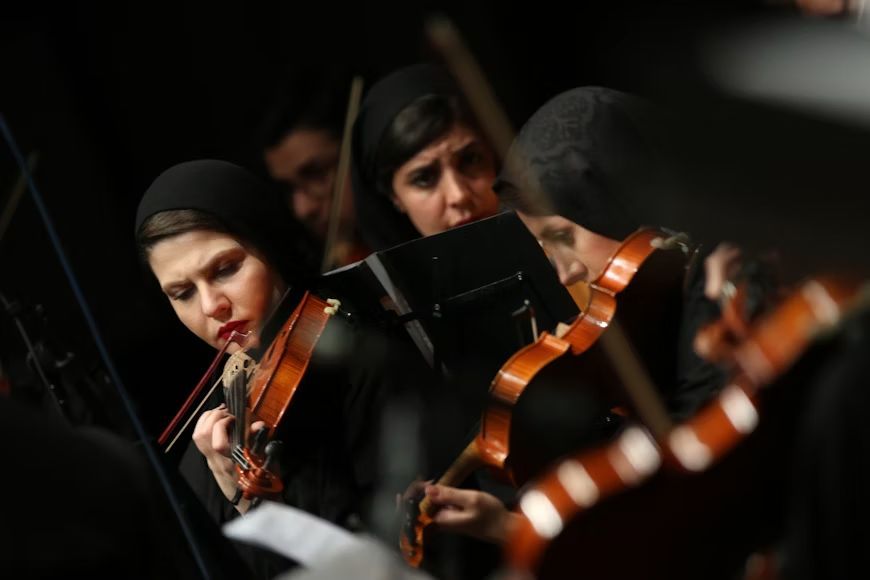
Wallace Hartley, the bandleader, went down in history, and with his violin! His group kept playing as chaos unfolded around them, trying to calm passengers with music, just like the movie portrays. He didn’t make it, but his violin was found intact and later sold at an auction for $1.7 million!

4
A pocket watch frozen in time

Image: Otto Hyytiälä

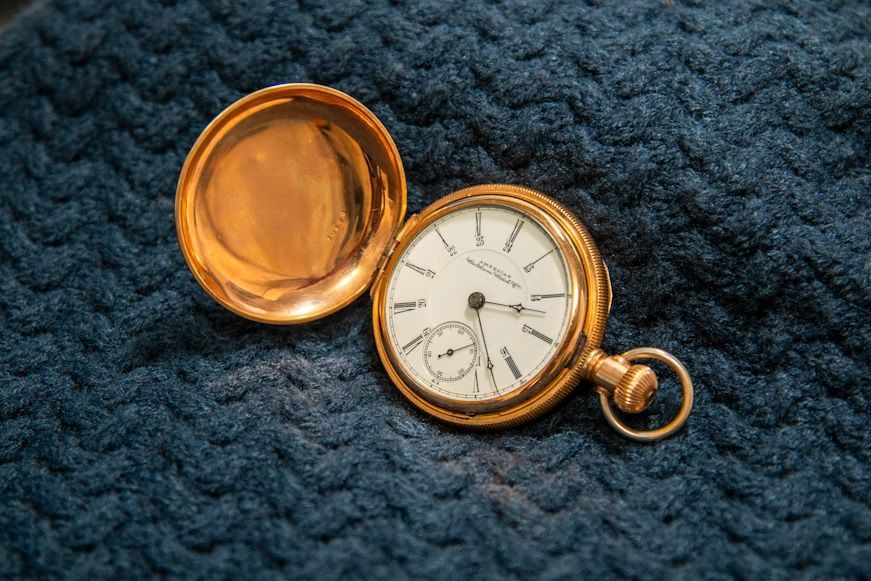
The violin was not the only treasure found. Sidney Sedunary was a young steward whose pocket watch stopped ticking at exactly 1:50 a.m. , just before the ship went under. He was last seen handing out lifejackets to third-class passengers. That same watch, rusted but intact, still tells his story.

5
A survivor with frostbitten legs and Olympic dreams

Image: Shep McAllister

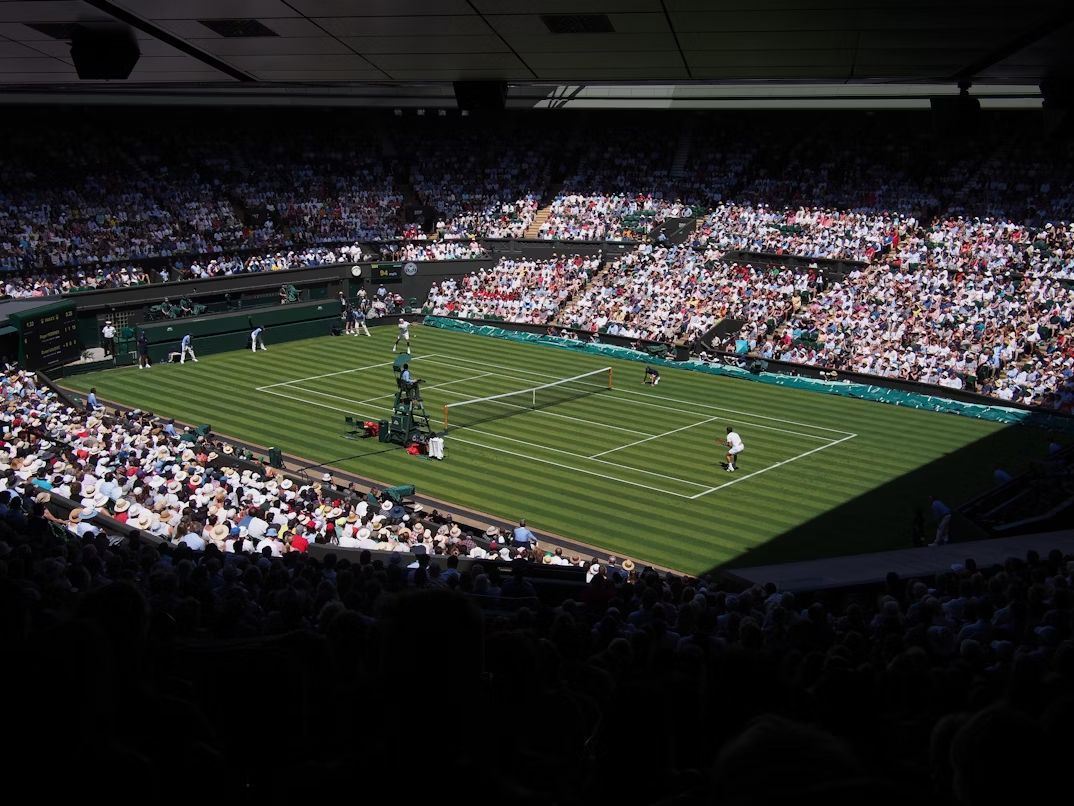
Richard Norris Williams spent six hours in icy water, and doctors on the rescue ship wanted to amputate his legs. He refused . And you may think he was crazy to do so, but thank God he did! He went on to win a Wimbledon title and an Olympic gold medal. How crazy is that?

6
Finding the Titanic by accident

Image: Karl Callwood

In 1985, oceanographer Robert Ballard found the Titanic wreck. But that was just an accident ; he was actually sent by the Navy to look for two lost nuclear submarines and used the Titanic as a cover story.

7
Dishes still stacked neatly on the ocean floor

Image: Jannet Serhan

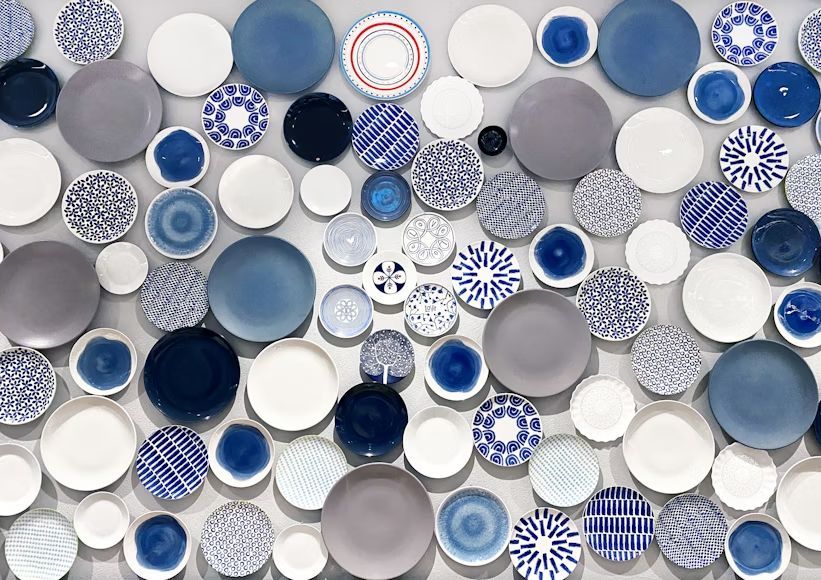
When explorers visited the Titanic wreck in 1986, they found plates still stacked like someone had just finished doing the dishes. Turns out, the wooden cabinet they were in rotted away , leaving the china perfectly arranged on the sea floor. It’s as eerie as fascinating, considering the many years that passed.

8
The ship is rusting away

Image: NOAA

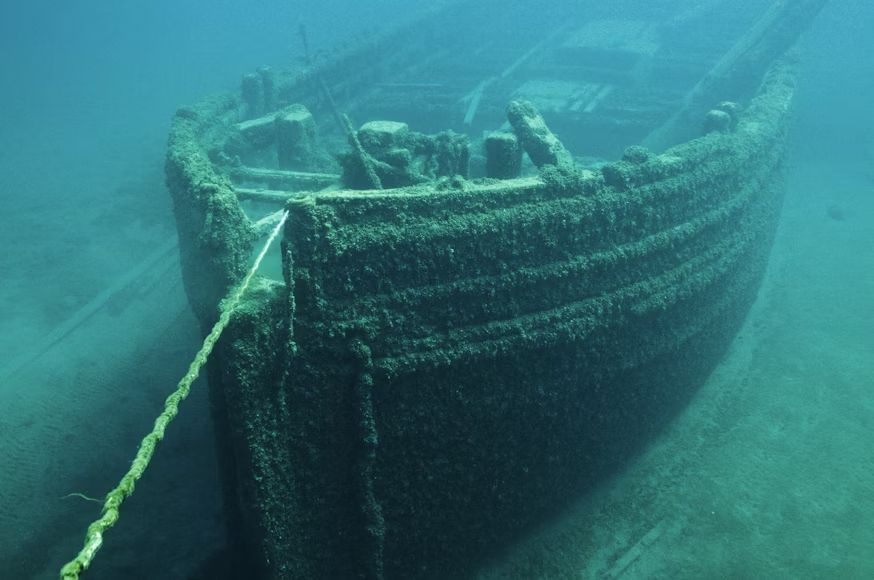
And speaking of the amount of time the Titanic has been underwater, we have to say that nature is reclaiming the Titanic bit by bit. A newly discovered bacterium is literally eating the ship. Scientists estimate it could disappear completely in 20 to 30 years. The latest expeditions have already shown evidence that pieces that were previously there are gone. So… the clock's ticking.

9
No photos of the grand staircase?

Image: Maria Orlova

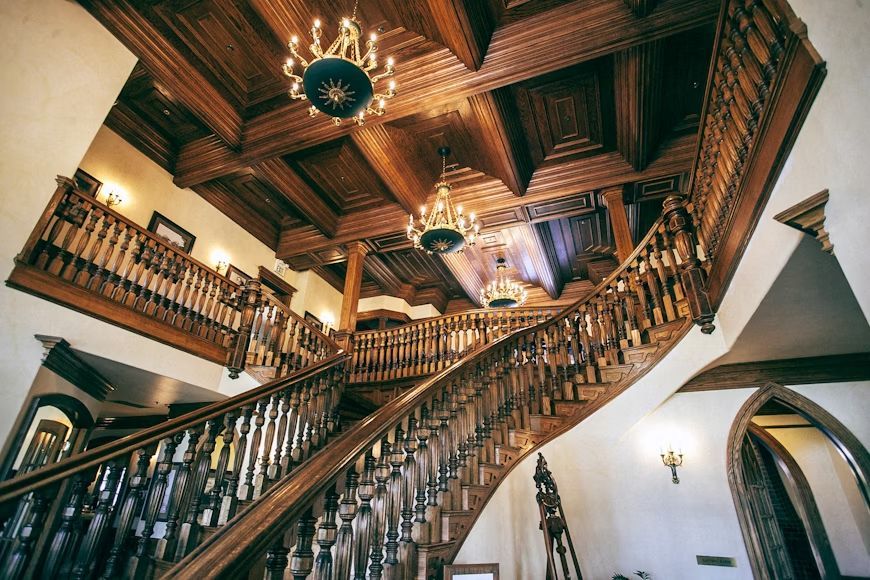
You’ve probably seen images of the Titanic’s beautiful grand staircase. We’re sorry to disappoint, but they’re not of the Titanic . They’re from her sister ship, the Olympic. No one thought to take a picture of the real deal before the maiden voyage. And they definitely didn’t think of doing it while it happened!

10
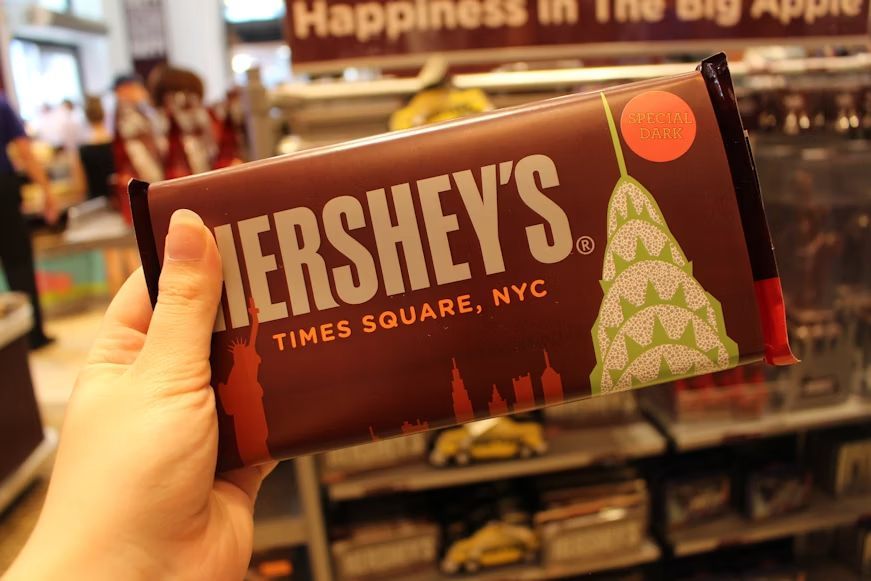
Milton Hershey almost boarded

Image: Janne Simoes

If the name rings a bell, that’s because it’s the same Hershey from the chocolate you love. The man behind Hershey’s chocolate bars almost booked a room on the Titanic . He even wrote a $300 deposit check (big money back then!). But business delayed him, and he skipped the trip. Who do we thank for that?

11
The baker who survived two hours in icy water

Image: Maxim Hopman

Here’s a fascinating fact: Charles Joughin, the Titanic’s chief baker, survived one of the worst parts of the sinking: the freezing Atlantic water. He was reportedly treading water for two hours before rescue. Wanna know how he made it? He had been sipping whiskey to face his fate, and the alcohol in his blood kept him warm enough to survive.

12
The last lunch menu went for a tasty sum

Image: Zoshua Colah

In 2015, a copy of Titanic’s last first-class lunch menu sold for $88,000 . That’s one pricey memento. The menu included grilled mutton chops, chicken à la Maryland, and corned ox tongue. Safe to say lunch on the Titanic wasn’t your average sandwich and chips.

History History 7 min read

Hidden stories

The secret WWII project hidden beneath the White House

Image: Abbie Rowe. White House Photographs. John F. Kennedy Presidential Library and Museum, Boston, Public domain, via Wikimedia Commons

Did you know the White House wasn’t originally meant to be white? Or that hidden underground spaces were built beneath it? For more than 200 years, we have seen the White House in movies, on the news, in family photo albums from Washington trips, and during some of the biggest moments in our country’s history. But behind those famous walls are stories most have never heard. From fires and secret construction projects to strange traditions and forgotten moments, these are 10 surprising White House stories that most of us were never taught in school.

1
It was almost completely torn down

Image: Abbie Rowe, Public domain, via Wikimedia Commons

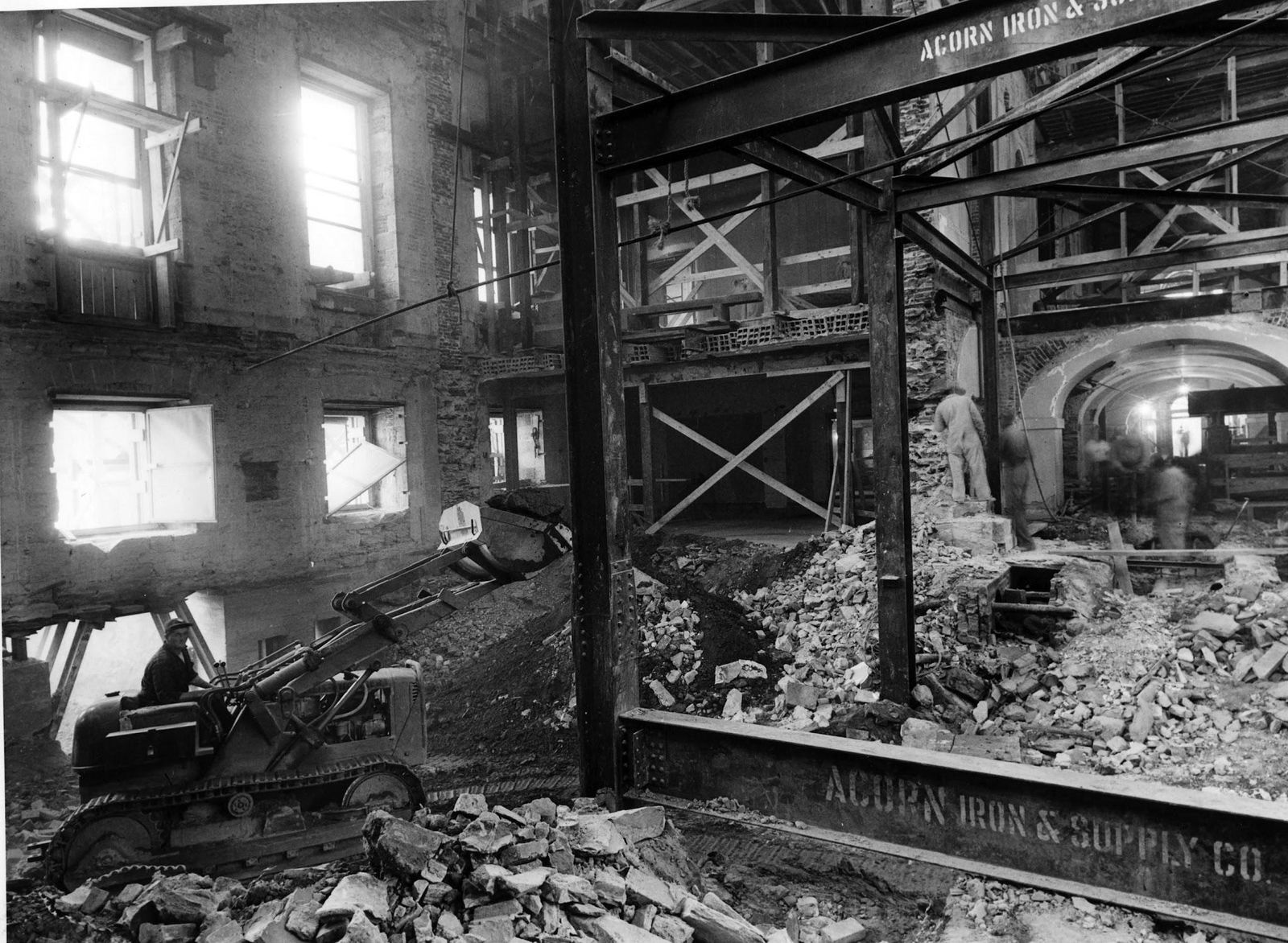
Did you know that very little of today’s White House interior is actually original? Looking at the building now, it’s hard to imagine that it was once so unstable that it was in danger of collapsing.

By 1948, after decades of heavy use, outdated wiring, poor structural supports, and years of renovations layered over one another, the White House had become unsafe. Floors and walls cracked, and parts of the residence were literally sinking. President Harry S. Truman even joked that the place felt haunted because it made so many strange noises. Rather than abandon it, Truman launched a massive reconstruction project with Congress. Between 1948 and 1952, nearly the entire interior was gutted and rebuilt while the original exterior walls were preserved, giving America a strong and reliable White House.

2
During WWII, they built an underground bunker

Image: rc.xyz NFT gallery

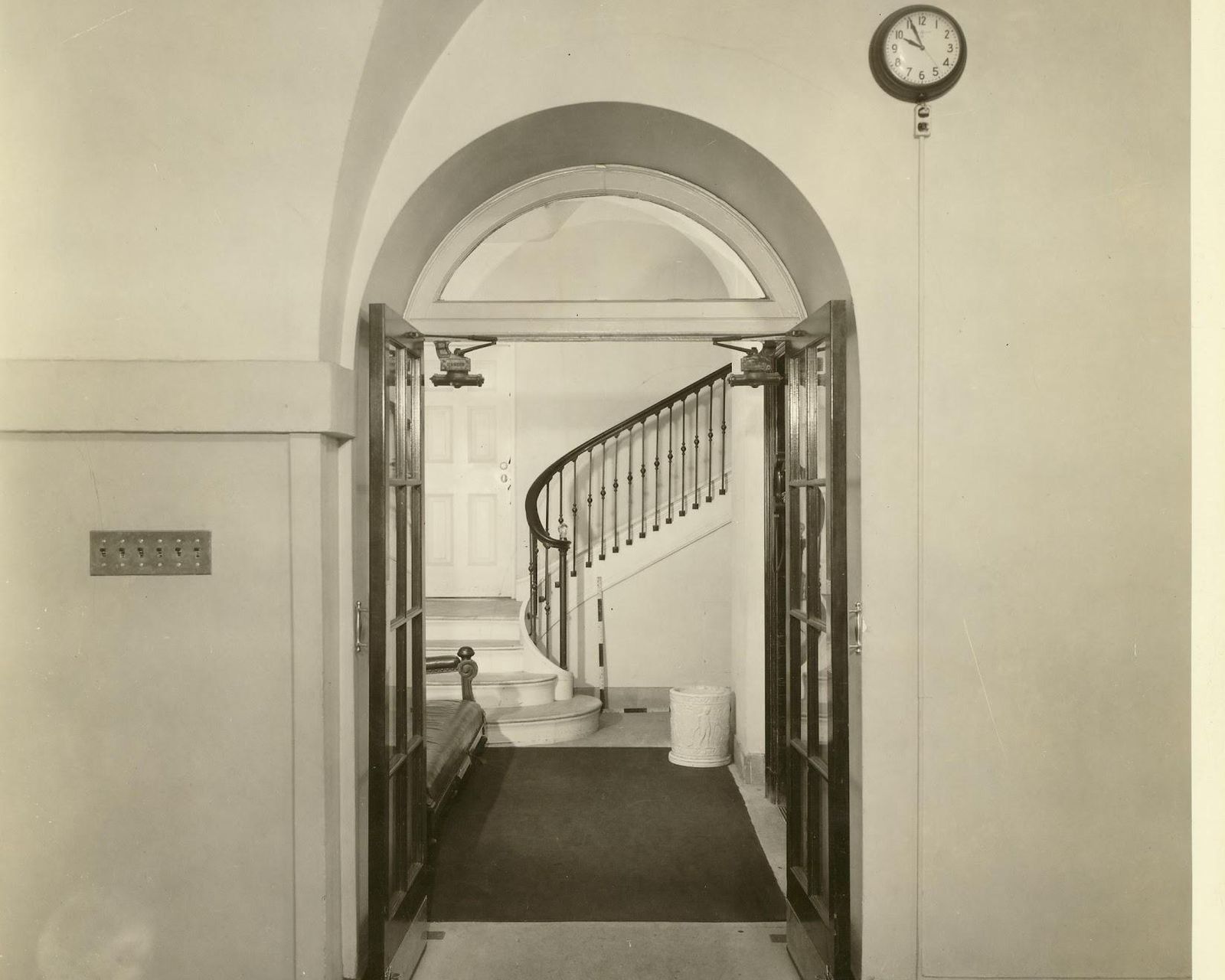
Did you know there’s a fortified bunker hidden beneath the White House? A couple of years before Truman’s famous renovation, another major project was quietly built beneath the presidential residence.

In 1942, during World War II, President Franklin D. Roosevelt ordered the construction of a secure underground shelter to protect government leaders in case Washington, D.C., came under attack. Built quickly and in great secrecy, the bunker was completed within months, though it was luckily never needed during the war. Today, the facility is known as the Presidential Emergency Operations Center, or PEOC, and it was famously used in 2001 by President George W. Bush and again in 2020 by Donald Trump.

3
It was not originally meant to be white

Image: Andriy Miyusov

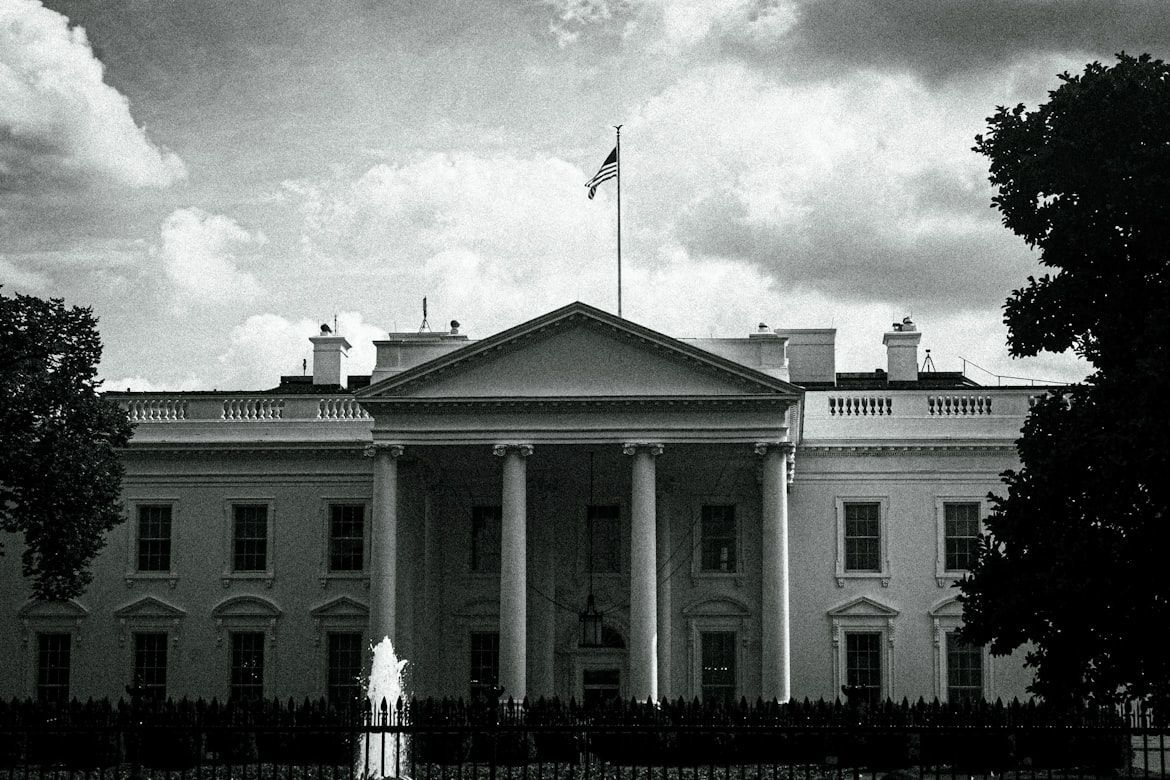
Can you imagine if it were called "the Gray House"? Today, it’s impossible to picture America’s most famous home as anything other than bright white, but that wasn’t the original idea.

During construction in the 1790s, workers covered the exterior sandstone with a lime-based whitewash to protect it from moisture, cracking, and harsh winter weather. The coating gave the building a pale grayish appearance, not the brilliant white we recognize today. A long-standing myth claims the White House was painted white to hide the burn marks left after British troops set it on fire in 1814, but in reality, the building had already been whitewashed years earlier. Still, after the fire and reconstruction, the white exterior became permanent and eventually inspired the famous name "White House," though for many years people still called it the "President’s House."

4
10 people have died in the White House

Image: Woodrow Wilson Presidential Library Archives from Staunton, VA, No restrictions, via Wikimedia Commons

Many people have lived and worked in the White House over the centuries, but, according to the White House Historical Association, only 10 people are officially recorded as having died inside the presidential residence.

Among them were two U.S. presidents. William Henry Harrison died there at age 68 in 1841 after falling seriously ill, likely from contaminated water. Zachary Taylor died at age 65 in 1850 from a severe stomach illness after attending Fourth of July celebrations in extreme heat. Three First Ladies also passed away in the White House: Letitia Tyler in 1842, Caroline Harrison in 1892, and Ellen Axson Wilson in 1914. Other deaths included presidential relatives, aides, and staff members, among them Abraham Lincoln’s son, Willie Lincoln, whose death at the age of 11 in 1862 deeply affected the family and became one of the White House’s most heartbreaking stories.

5
Presidential whims

Not every White House renovation happened due to war, damage, or urgent repairs. Some changes came simply from the personal tastes and hobbies of the presidents who lived there, and over the years, there have been quite a few memorable ones.

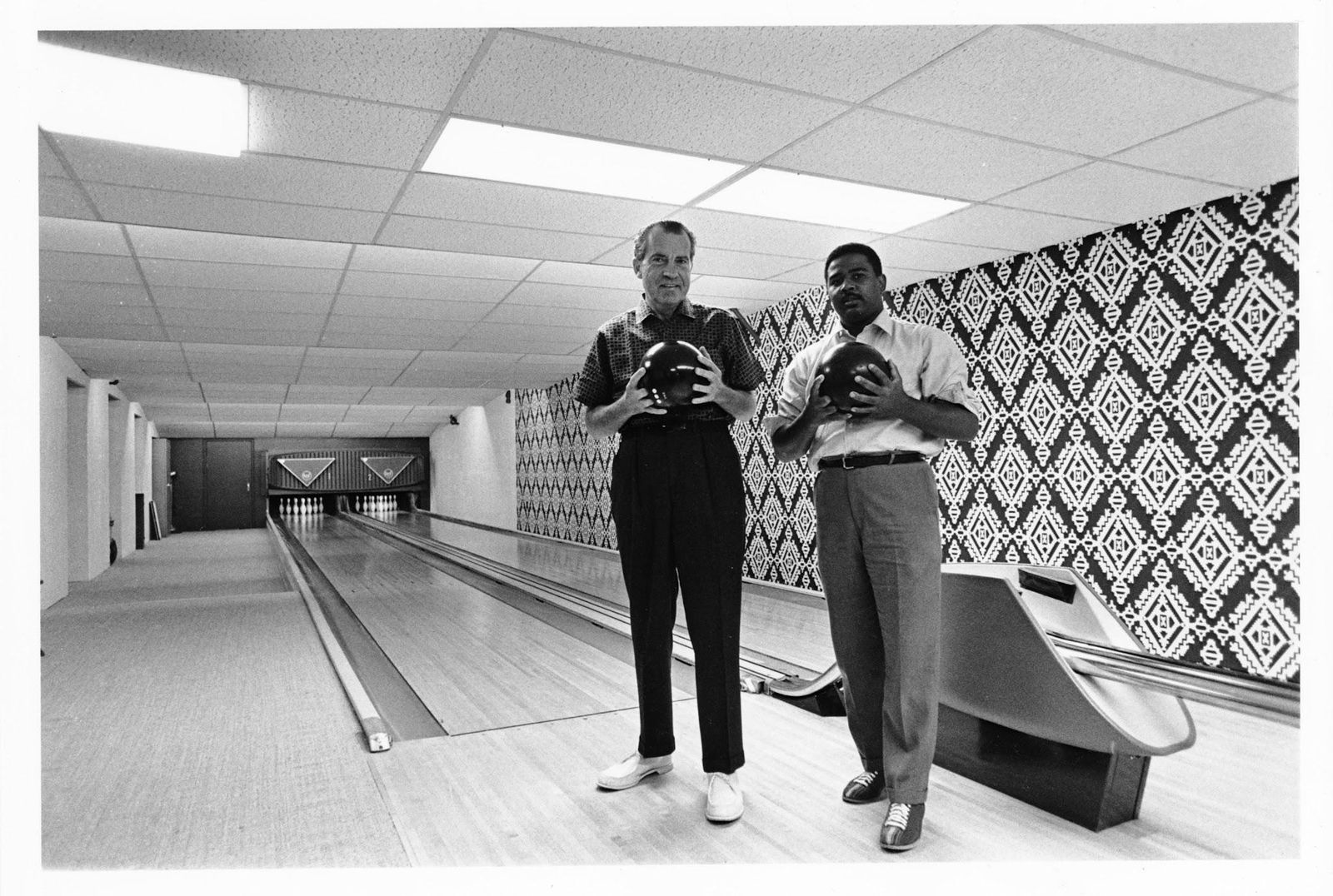
In 1973, Richard Nixon installed a one-lane bowling alley beneath the North Portico. Years later, in 1989, George H. W. Bush added a regulation horseshoe pit near the White House grounds, where he often relaxed and challenged visitors, including Queen Elizabeth II, to games. Then, in 2009, Barack Obama had the South Lawn tennis court modified so it could also be used for basketball, one of his favorite sports.

6
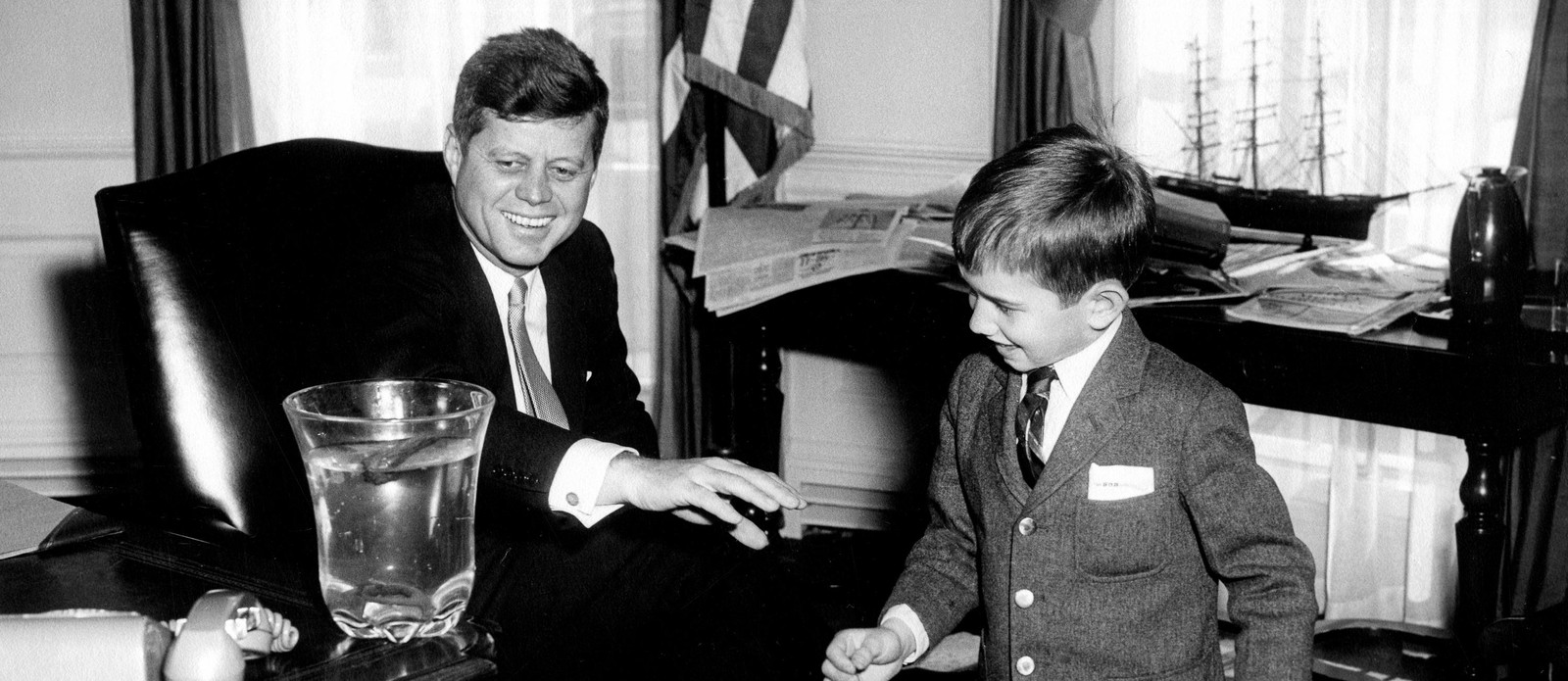
Jackie Kennedy's furniture

Image: Robert LeRoy Knudsen, Public domain, via Wikimedia Commons

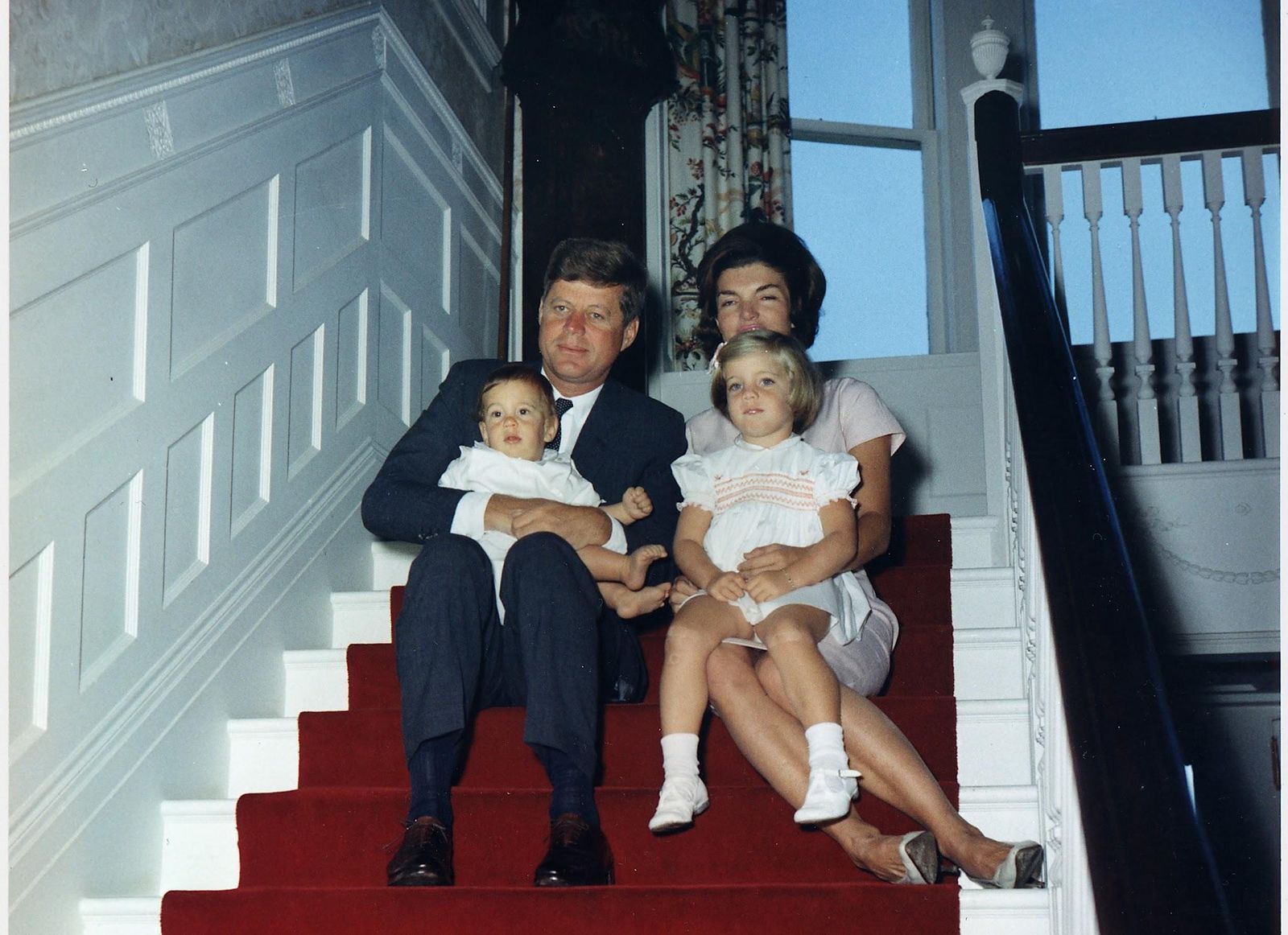
When the Kennedy family entered the White House in 1961, the first lady was disappointed to find that many of the historic rooms had lost much of their original character.

Determined to restore the White House’s history and elegance, Jackie Kennedy famously launched a massive restoration effort. She helped create the White House Fine Arts Committee, brought in historians and curators, and filled the residence with genuine antiques and historical pieces tied to past presidencies. On February 14, 1962, an estimated 46 to 56 million people tuned in to watch the First Lady’s televised tour of the White House, making it one of the most-watched programs of its era. She also supported a congressional act that made many of the White House’s historic furnishings official property of the nation, so future presidents could no longer sell, replace, or discard them.

7
Official name changes

Image: Benjamin Harrison Presidential Site, Public domain, via Wikimedia Commons

As we mentioned, the building was not always white, and therefore was not always officially called the White House. For much of the 19th century, Americans usually referred to it as the "Executive Mansion" or the "President’s House." Even after its famous white exterior made the nickname popular, it still was not the building’s official name.

That finally changed in 1901, when Theodore Roosevelt began printing "The White House" on presidential stationery. According to official sources, Teddy Roosevelt preferred this name because it clearly separated the president’s residence from the many state "executive mansions" used by governors across the country.

8
It was once America's largest house

Image: Miscellaneous Items in High Demand, PPOC, Library of Congress, Public domain, via Wikimedia Commons

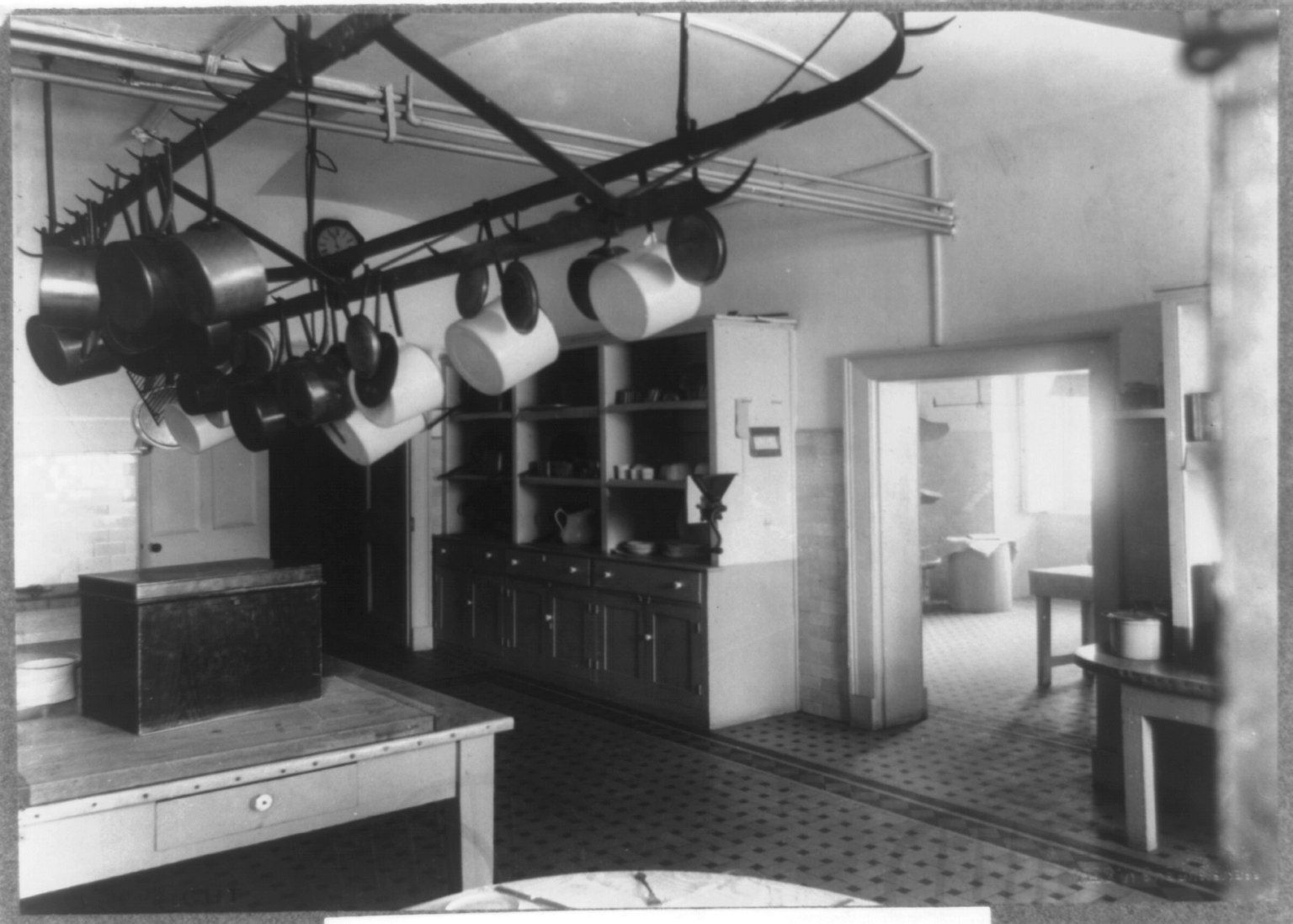
There is one thing about the White House that no one can deny: it has always been huge, even in its early days.

When the White House was first occupied in 1800, it already contained more than 100 rooms spread across three floors, making it one of the grandest homes in the United States at the time. In a time when most Americans lived in modest houses or farms, the presidential residence was seen as a palace. Many historians even consider it the largest private residence in the country during its early years. Today, the White House covers about 55,000 square feet, though modern private buildings, like the Biltmore Estate in North Carolina, are now far larger.

9
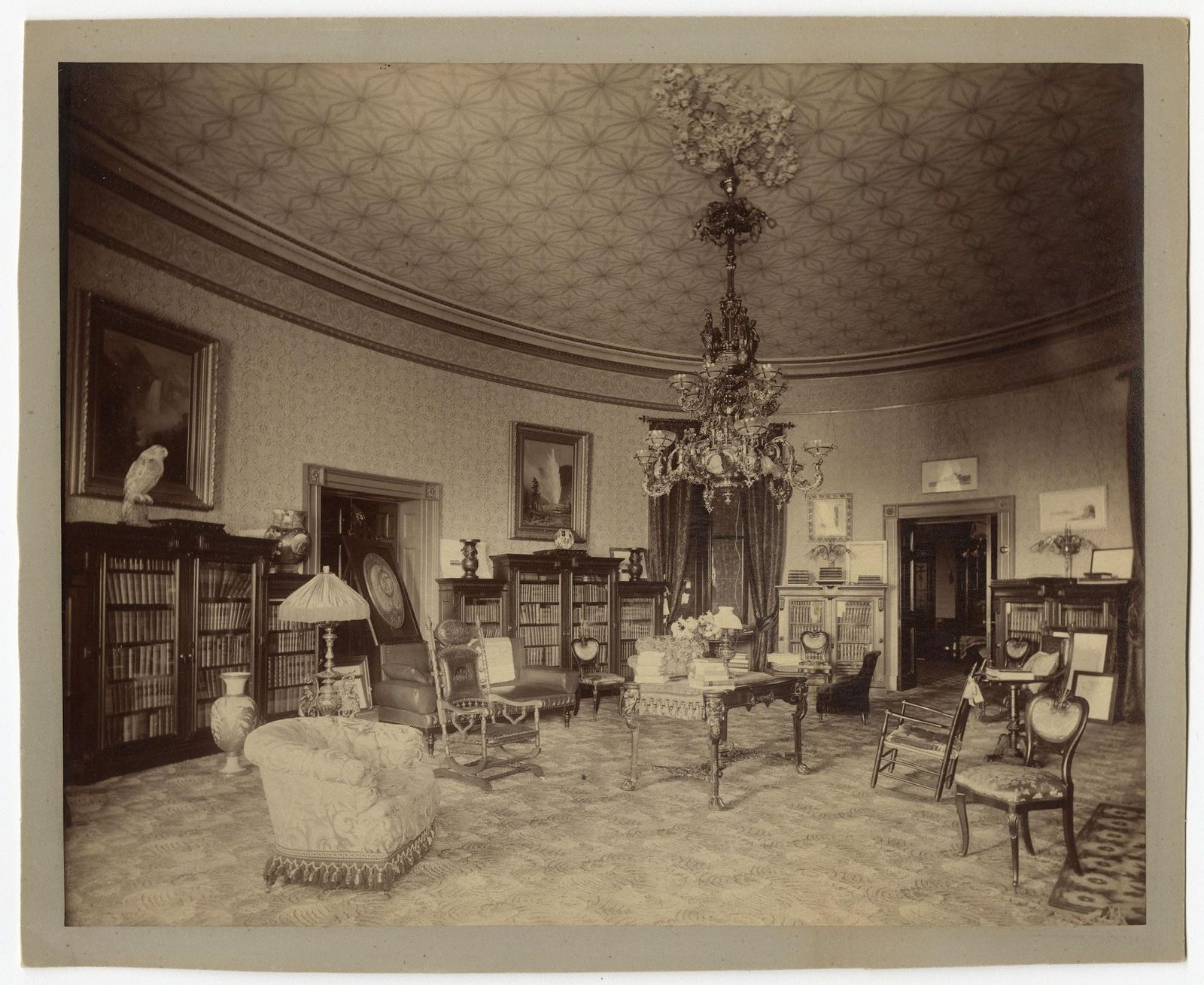
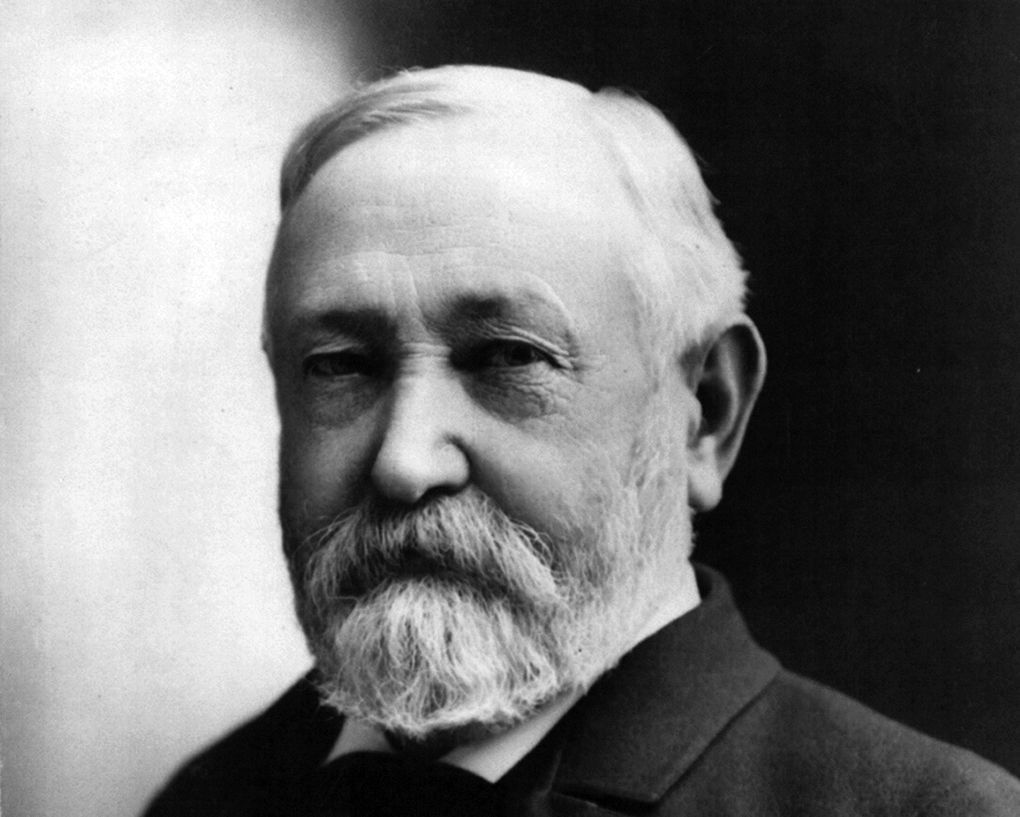
President Benjamin Harrison’s fear

Image: Joseph Gray Kitchell (1862–1945)[1], Public domain, via Wikimedia Commons

Among the many changes the White House has undergone over the years, few were as revolutionary as the arrival of electricity.

For nearly a century after it was built, the presidential residence relied on candles, oil lamps, and gas lighting. That finally changed in 1891, when electricity was installed during the presidency of Benjamin Harrison. But, like many families in that era, the Harrisons were not exactly thrilled by this modern invention. According to White House stories passed down over the years, President Harrison and First Lady Caroline Harrison were so nervous about the possibility of electric shock that they rarely touched the light switches themselves. Instead, they often asked the house staff to turn the lights on and off for them.

10
Hillary Clinton’s special gift

Image: Ralph Alswang, Public domain, via Wikimedia Commons

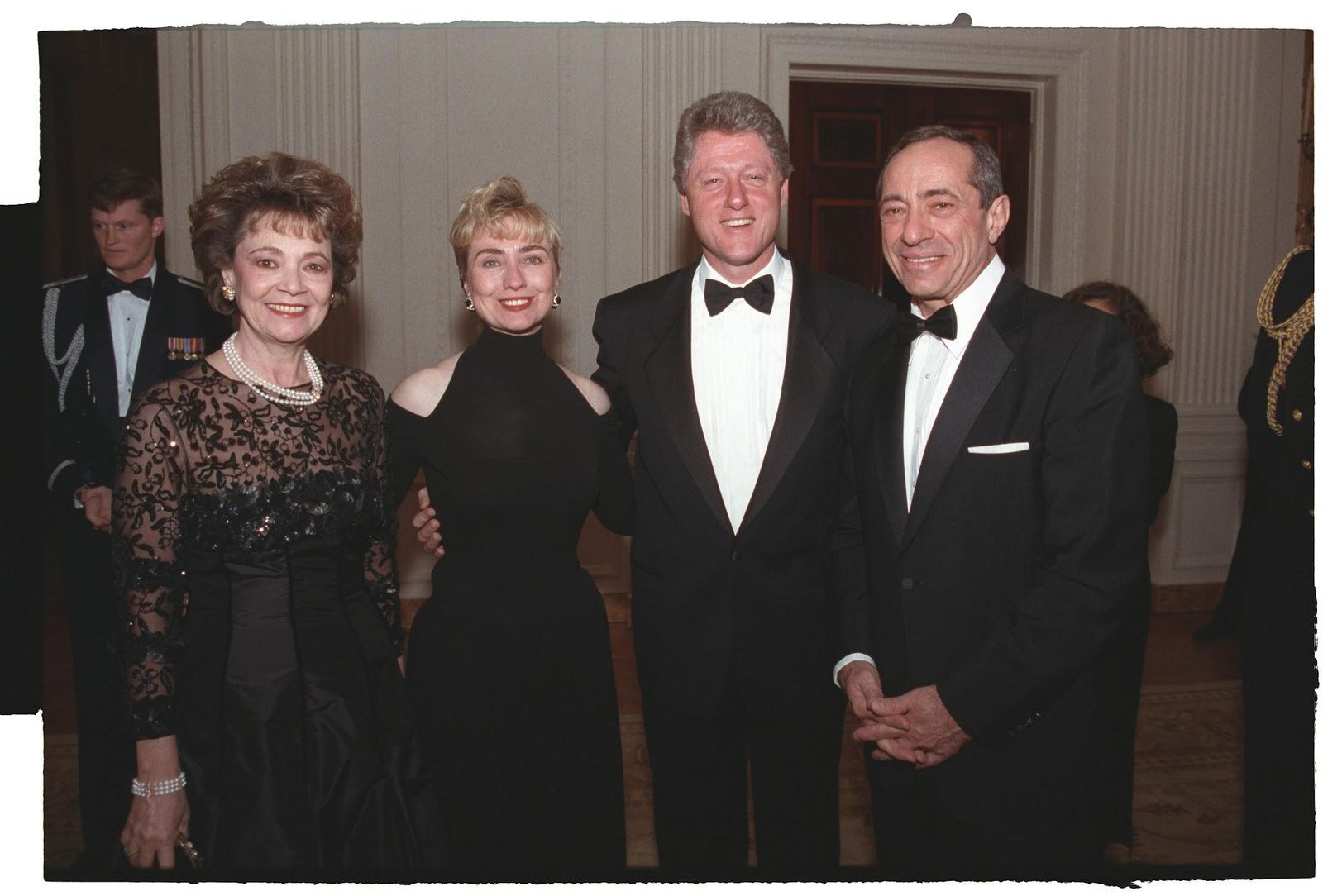
Of course, Jackie Kennedy wasn’t the only First Lady to leave her mark on the White House. Hillary Clinton added her own personal touch as well, this time as a gift for her husband.

In 1996, Hillary Clinton transformed a little-used room on the White House’s third floor into a private music room for President Bill Clinton. The gift came during the year of Bill Clinton’s 50th birthday and reflected one of his best-known passions: music. Complete with space for listening to records and playing his famous saxophone, the room gave the president a quiet retreat inside the White House.

Explore more American facts

Choose your favorite category!

General
General

As American as apple pie—the very best America has to offer!

Culture
Culture

Delve into the astounding richness of American lore.

Geography
Geography

Hop in and explore vast and diverse American landscapes.

History
History

Discover the key moments that shaped the United States.