History History 5 min read

Origin stories

This U.S. state shares a name with a mythical island rich in gold
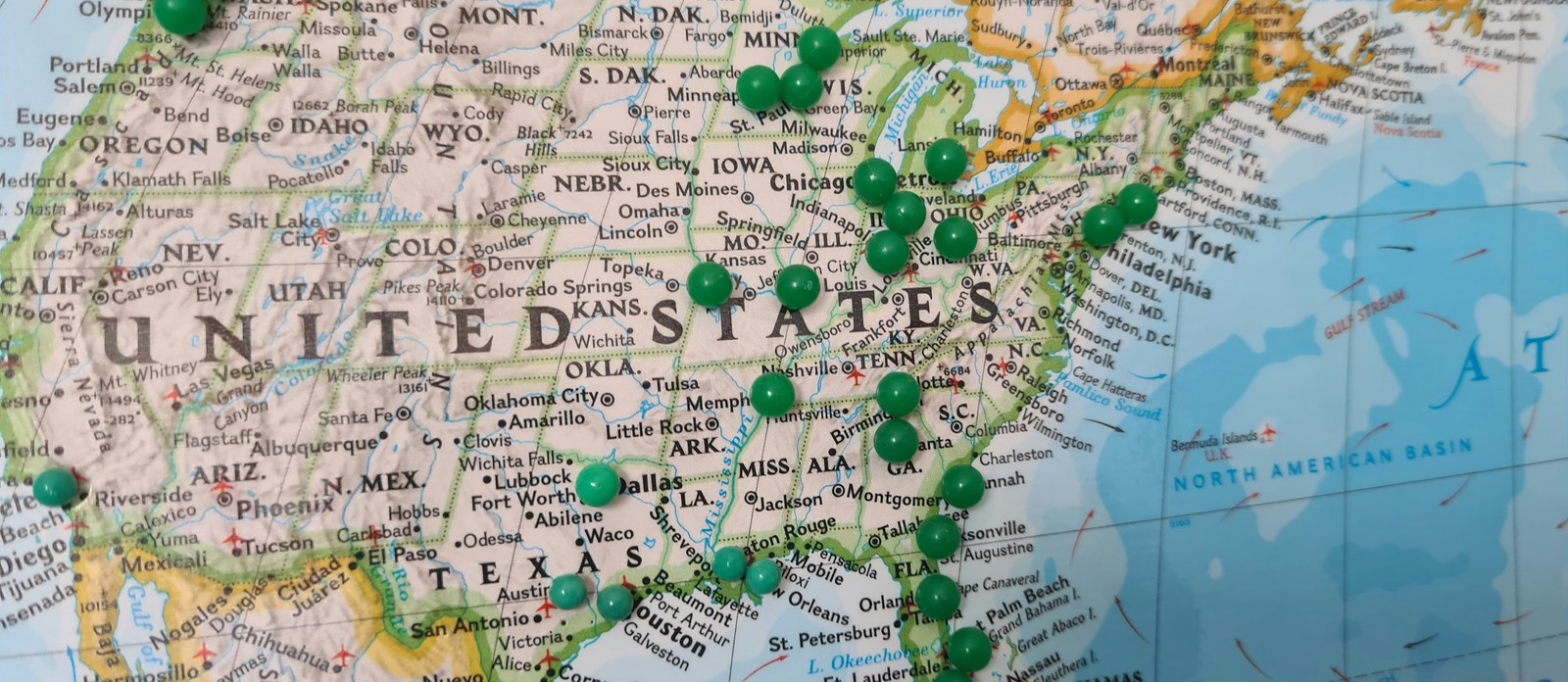
Image: Nico Smit

Twenty-six of our 50 states were once Spanish or French territory, or both. So it’s no wonder that Spanish and French culture permeates American traditions, food, customs — and state names, too. Here are 10 state names with French or Spanish origins.

1
California
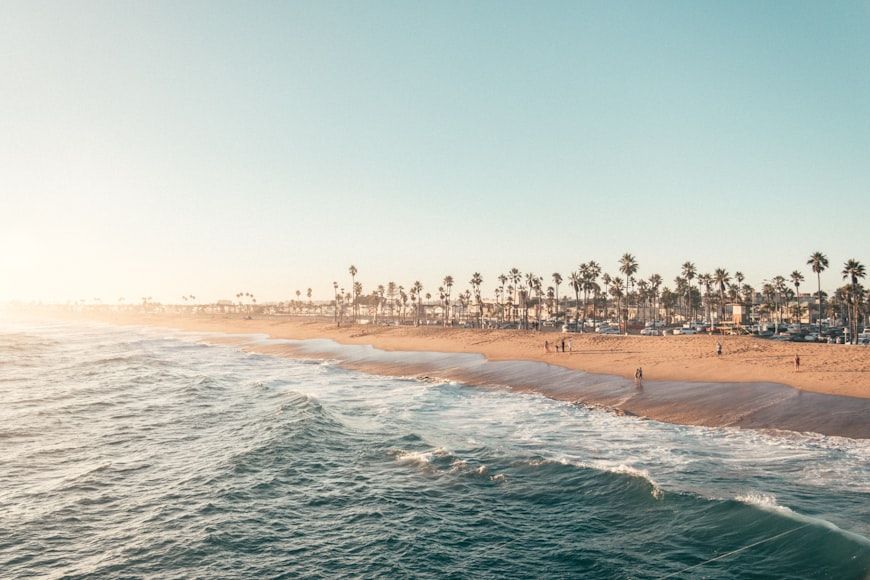
Image: Gustavo Zambelli

All across the Americas, we can find places named after fictional and mythical locations, a result of the arrival of European explorers on the unknown continents. In 1533, Hernán Cortés arrived in what is now Baja California, Mexico. Mistakenly believing that the peninsula was an island, coupled with the arid landscape and the rumor of abundant gold, he named it after an island from the book Las Sergas de Esplandián (The Adventures of Esplandián).

This novel, written by Garci Rodríguez de Montalvo in 1510, features the island of California , governed by the queen Calafia (a play on the Arab calipha , a title given to leaders and rulers). The fictional California is rich in gold and is described as a terrestrial paradise near the Indies, so, despite not being an island, the real California was aptly named.

2
Louisiana
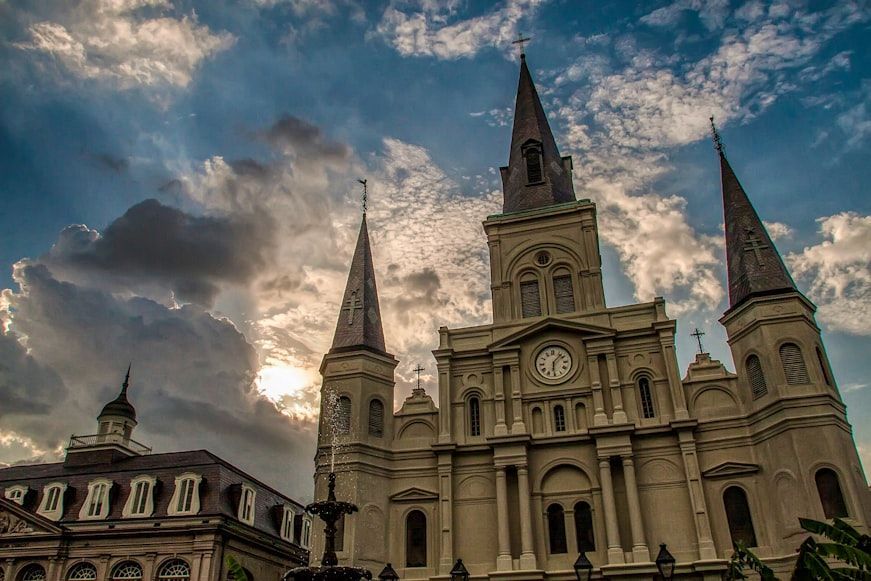
Image: Mick Haupt

Before being the name of a state, Louisiana designated all the French territories west of the Mississippi River , covering either the whole or part of 15 current U.S. states, including Arkansas, Iowa, Nebraska, Oklahoma, and Missouri, among others. Originally named La Louisiane (‘the land of Louis’), the name was given to the Mississippi basin by the French explorer René-Robert Cavelier in 1682.

Who was Louis? Sixteen kings of France had the name Louis, but this territory was named after Louis XIV, also known as "The Sun King" . During his 72-year-long reign, still the longest of any monarch in history, France greatly expanded its colonial territories, among which was Louisiana. After the Louisiana Purchase in 1803, the anglicized name remained, but only for a much smaller portion of land, which gained statehood in 1812.

3
Florida
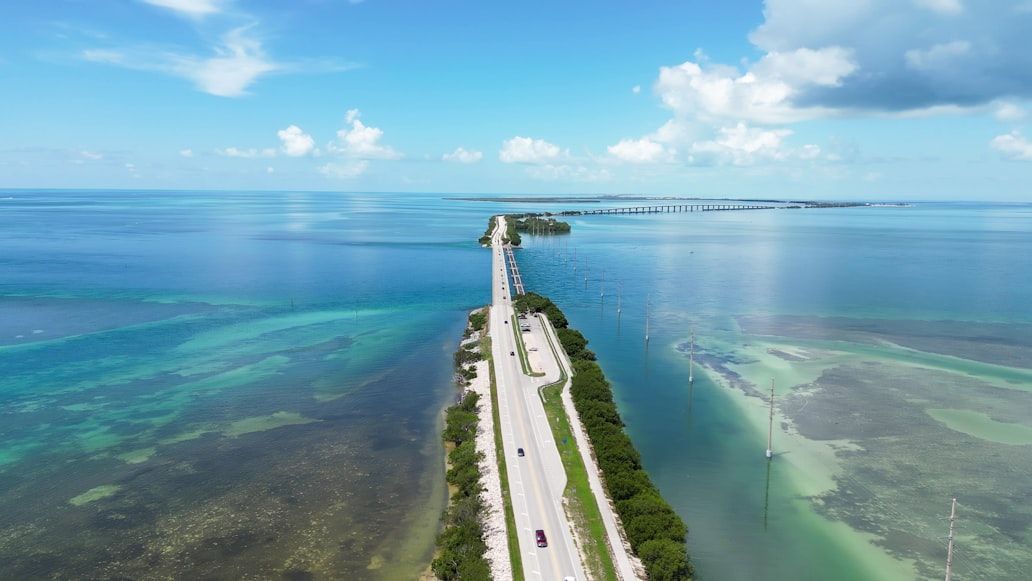
Image: Julius Hildebrandt

One of the European strategies for naming territories was to reference the day of arrival, a practice often used by the Spanish , and evidenced by the many places named after Catholic saints. Florida is an example of this custom.

Spanish explorer Juan Ponce de León arrived in the territory around the time of Easter while looking for the mythical fountain of youth. In Spanish, Easter is sometimes called La Pascua florida (‘the flowery Easter’) because it usually falls in spring, which led Ponce de León to name the territory La Florida .

4
Maine
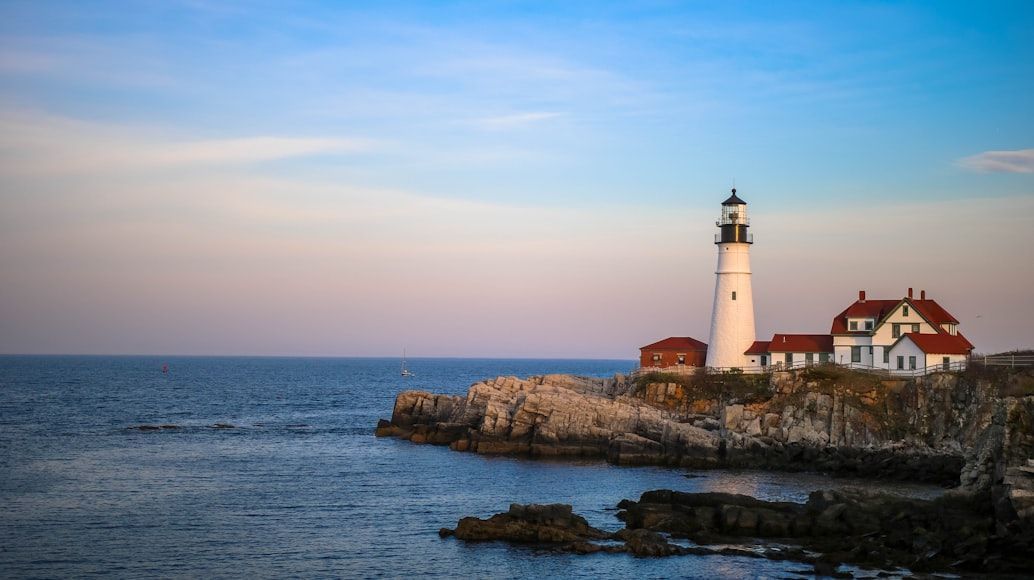
Image: Mercedes Mehling

There is more than one theory for the origin of Maine, and there is no certain answer. While many claim that ‘Maine’ is derived from ‘main land’, there is another widely supported theory that makes a connection with a French province, and that is backed up by the enormous influence of Acadian French people in the state of Maine .

According to this theory, the Maine territory was named after a French province of the same name —nowadays the region of Sarthe and Mayenne— in turn named after the ancient Cenomani Gaulish tribe.

5
Vermont
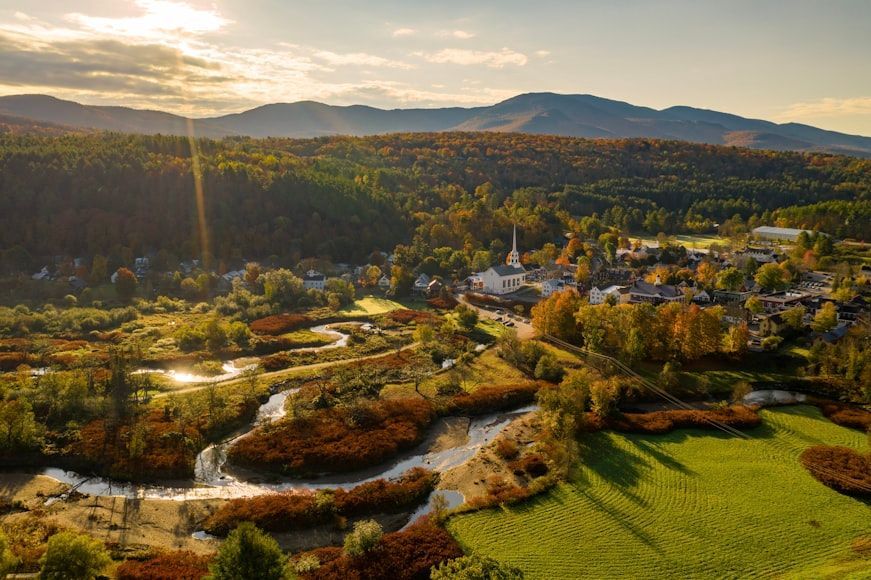
Image: Jeffrey Clayton

Although the Vermont territory was initially explored by the French, it might come as a surprise to know that its French name was given by an English-speaking American . In 1777, the territory declared independence from Britain and constituted a new republic. At first called ‘New Connecticut’, it adopted the name ‘Vermont’ by suggestion of physician and scholar Thomas Young.

Young came up with the name, meaning ‘green mountains’, inspired by a local militia known as ‘the Green Mountain Boys’. However, be it ignorance or poetry, the translation was made into a correct but archaic French. While Vermont does mean ‘green mountain’, the most accurate translation would have been montagne verte .

6
Colorado
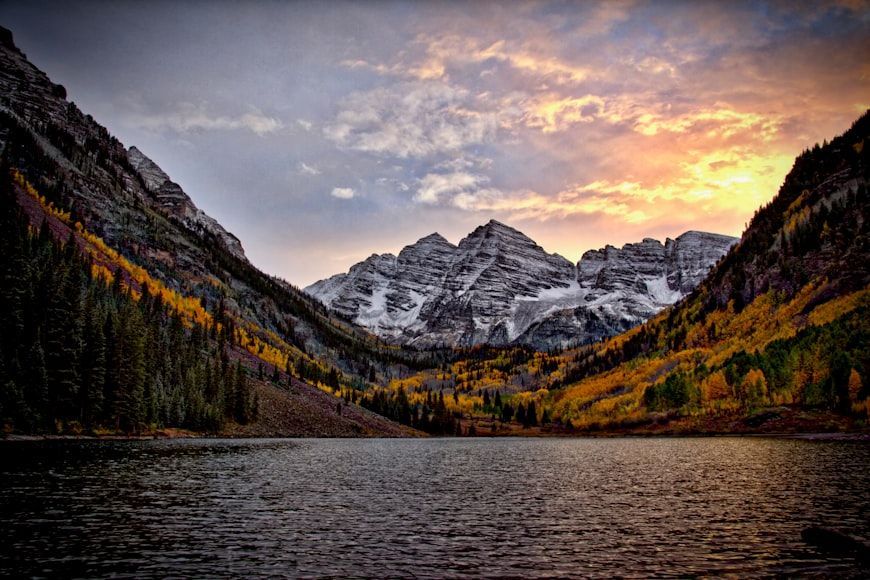
Image: Mike Scheid

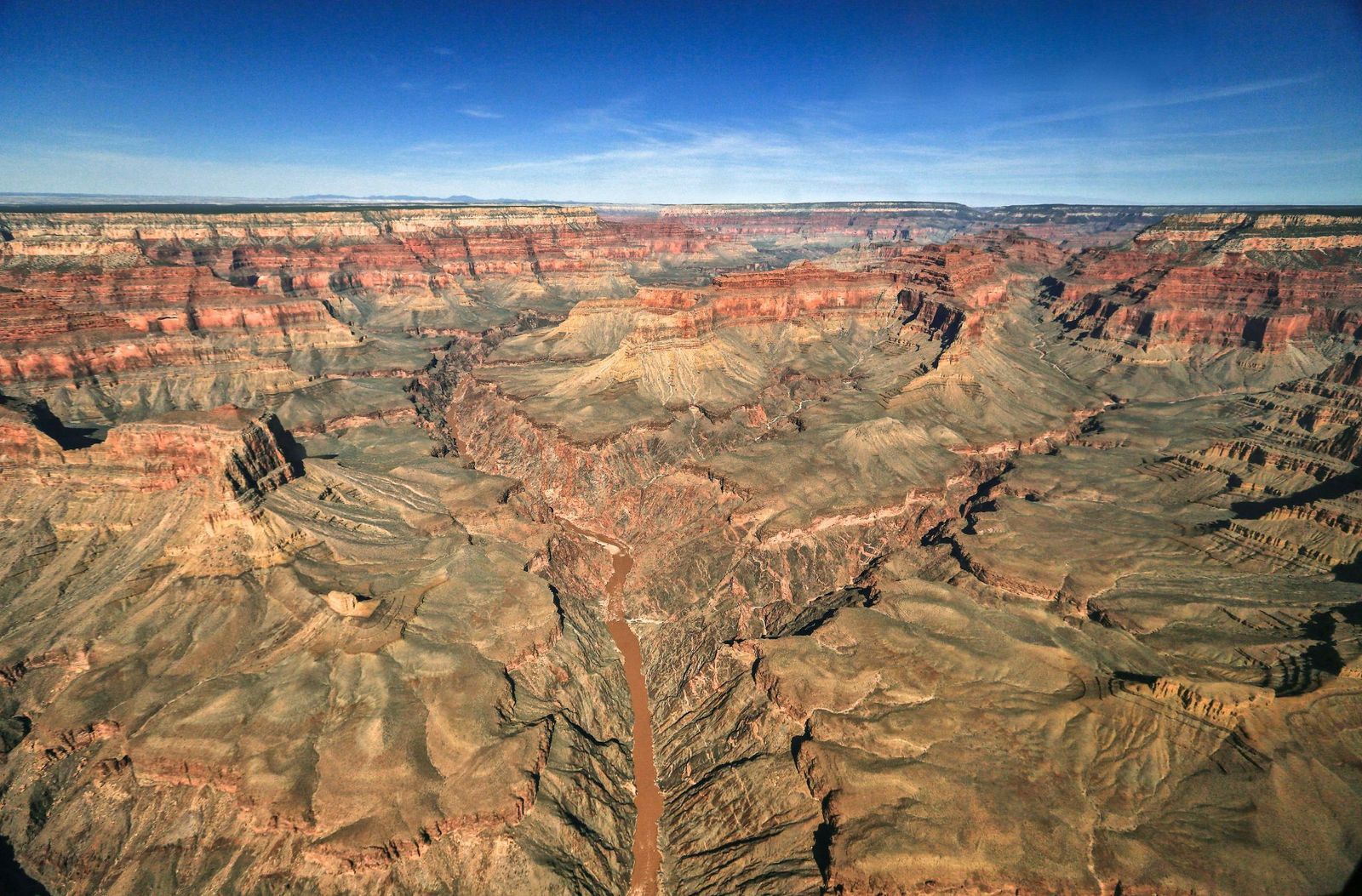
Originally, Colorado referred to the Colorado River, named by the Spanish during the 16th century. The area under that name was acquired by the U.S. in the Louisiana Purchase and through the Treaty of Guadalupe Hidalgo , with the Territory of Colorado officially established in 1861 and named after the river.

Why was the river named this way? In Spanish, colorado means ‘red colored’ or ‘ruddy colored’. During the spring thaw, the melted mountain snow would mix with reddish-brown silt , giving the river a red hue.

7
Montana
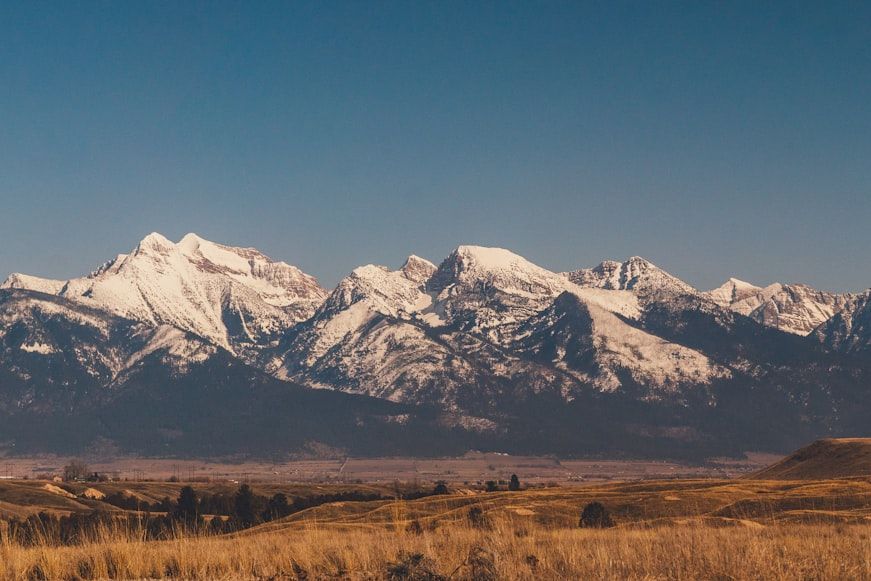
Image: Nic Y-C

This one is another case of a name chosen by English speakers. The word ‘Montana’ is an anglicized version of the Spanish montaña, ‘mountain’. But while there certainly are mountains in Montana, part of the territory consists of plains. Why name it so, then?

The Spanish had named the western mountainous region Montaña del Norte (Northern Mountain). When the Montana Territory was created in 1864, the name was suggested as a tribute to the Rocky Mountains . Some complaints arose in defense of the plains, and the alternative name ‘Jefferson’ was proposed, but Montana won in the end.

8
Nevada
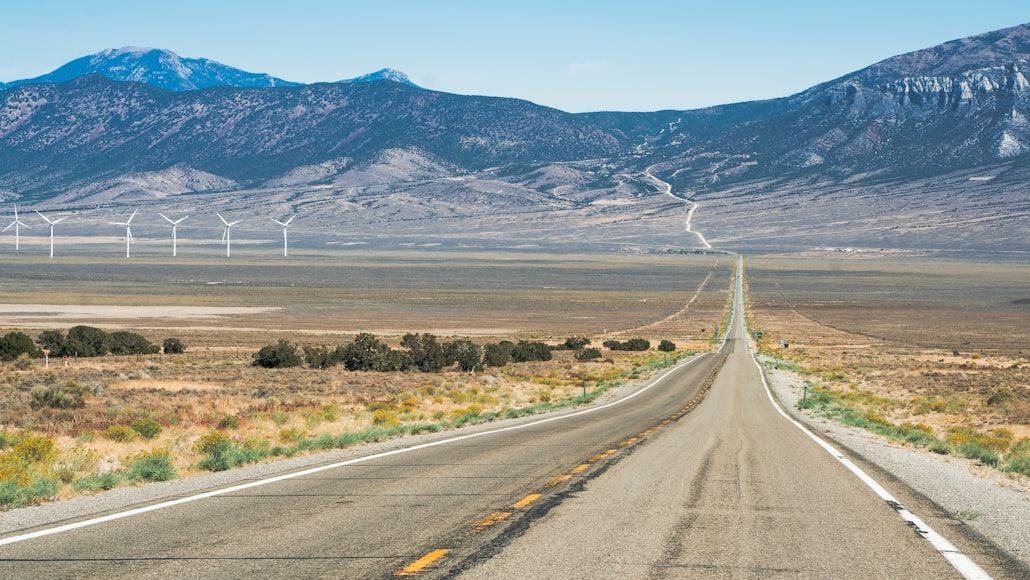
Image: Abhi Verma

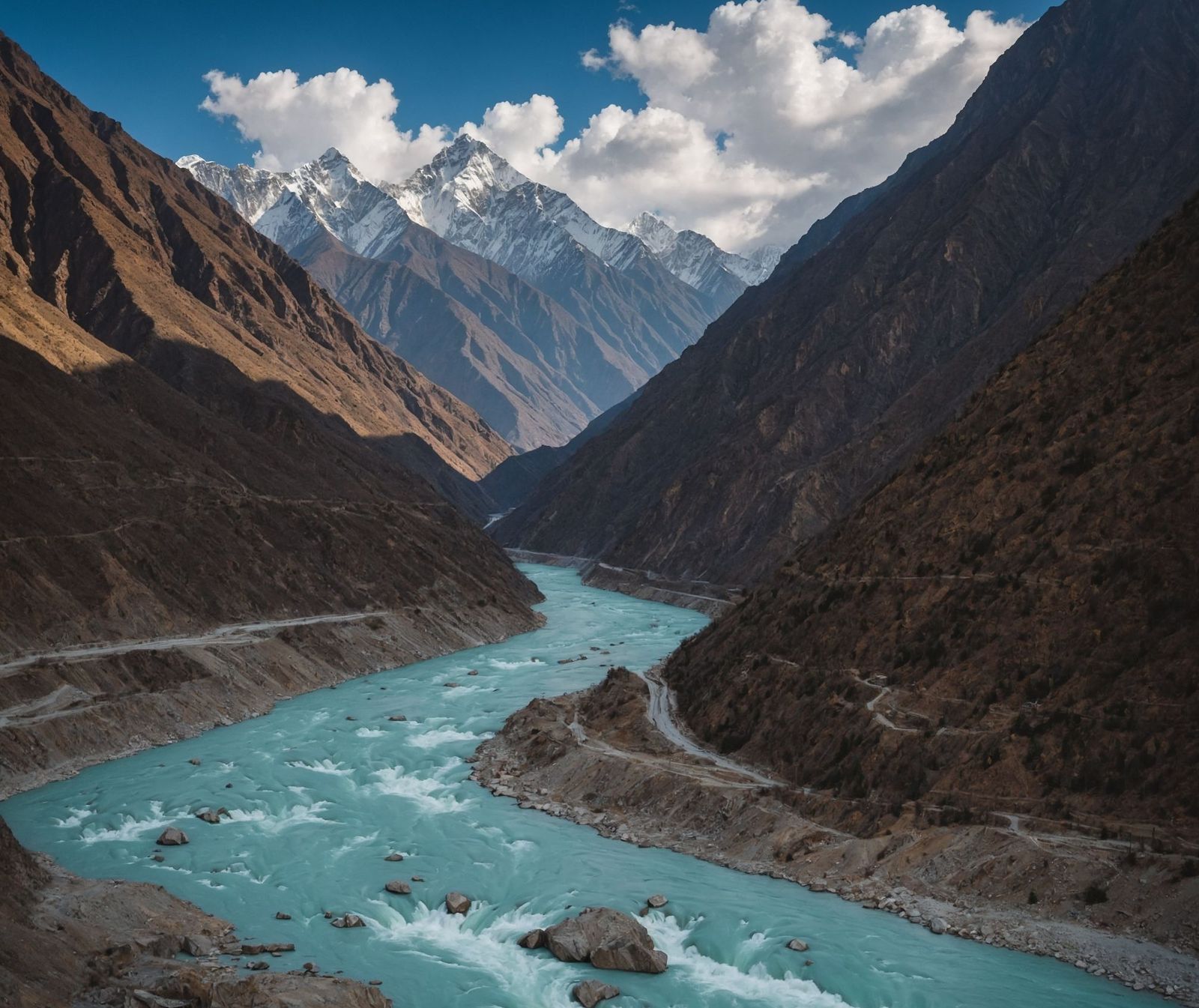
The majestic Sierra Nevada mountain range is one of the natural wonders of the Western United States, so it makes sense that a territory would be named in its honor. Named Sierra Nevada or ‘snowy peak’ by the Spanish, the first record of the name dates back to 1776 , and was most likely inspired by a Spanish range of the same name.

In 1861, the Territory of Nevada was officially established, and most sources agree that it was named after the mountain range. However, the main part of the Sierra Nevada range belongs to California, with only the Carson Range being in the Nevada territory.

9
Arizona
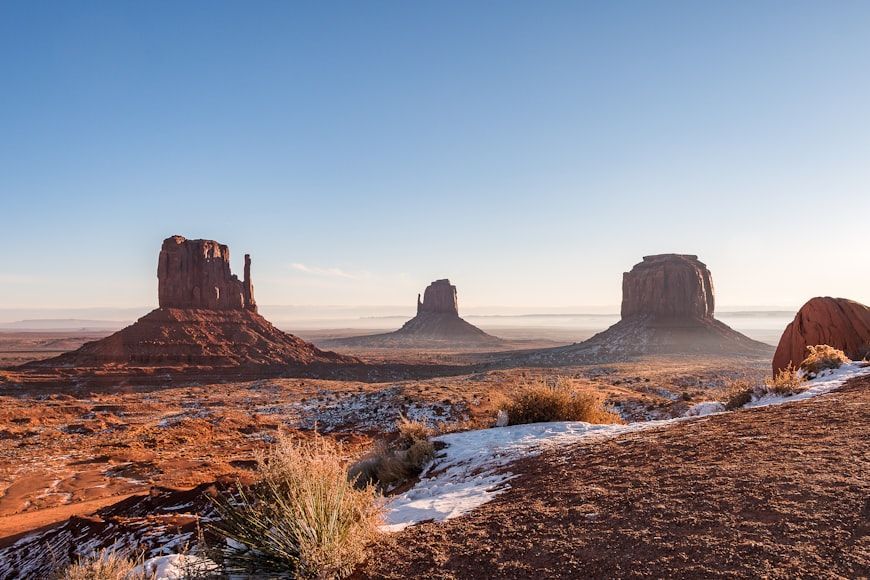
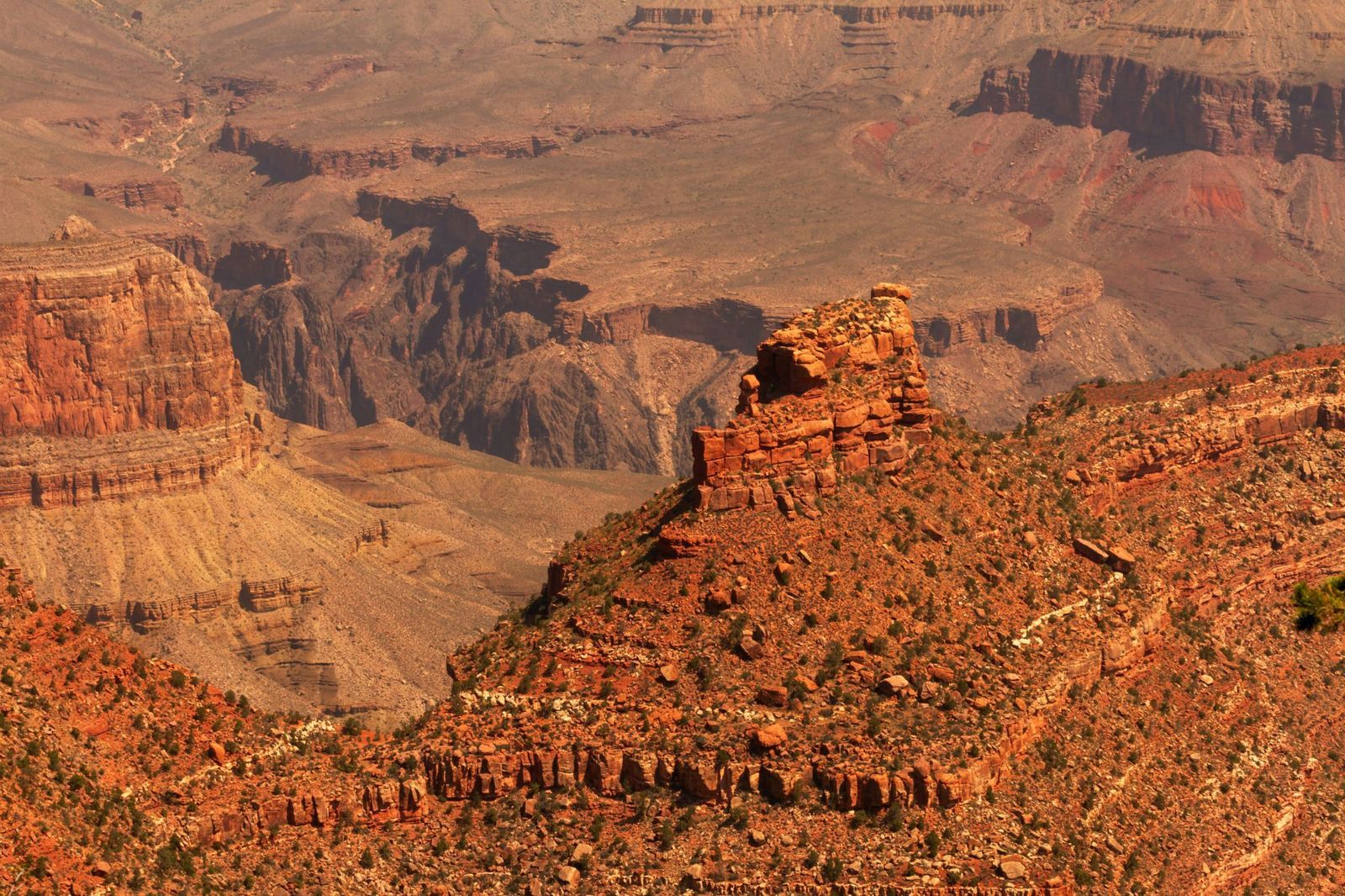
Image: Cayetano Gil

The origin of ‘Arizona’ is disputed, with theories pointing towards it being the Spanish version of a Native American name. However, other theories disagree, claiming that it is a Basque name, haritz ona , meaning ‘good oak, given by Spanish settlers who came from the Basque region.

There is a final theory which, although heavily disputed, is supported by popular stories. This theory claims that the original name was Árida zona (‘arid zone’) , a description of the desert climate.

10
Oregon
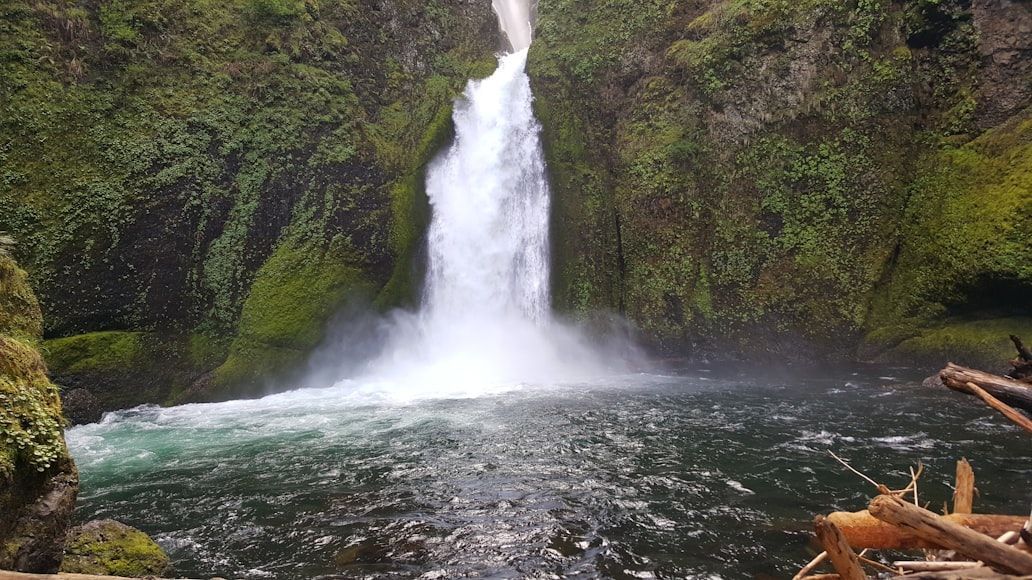
Image: Peter Robbins

No one really knows what ‘Oregon’ means, but everyone has a theory. Although there are stories that link it to Native American names or spelling errors, the first record of the name is from a 1598 Spanish chronicle, which refers to the territory as ‘_Orejón_’ (‘big-eared’) . Whose ears were being described is unclear.

An alternate theory links the name to French instead of Spanish, based on a 1765 petition by a British explorer that calls the area ‘ Ouragon’, a possible corruption of the French ouragan , ‘hurricane ’, in reference to the turbulent waters of the Columbia River.
Culture Culture 6 min read

The Five-Sided Puzzle Palace

A man lived there secretly? Stunning facts about the Pentagon

Image: Touch Of Light, CC BY-SA 4.0, via Wikimedia Commons

Did you know that construction on the Pentagon building began on September 11, 1941, exactly 60 years before it was attacked? The home of the US Department of Defense has stood for more than 80 years. Although its iconic shape is intriguing in itself, it hides deeper secrets that many Americans have never heard of. Did you know it feeds 26,000 people a day—at a McDonald's, a Five Guys, a Taco Bell, and over 30 other restaurants? Or that a man secretly lived inside its walls for years? Let’s dive into the Pentagon building’s secrets.

1
A renovation project saved thousands of lives on 9/11

Image: Office of the Secretary of Defense - Public Affair, Public domain, via Wikimedia Commons

On September 11, 2001, American Airlines Flight 77 struck the Pentagon at 9:37 a.m., killing 189 people. Few people know this part: the death toll could have been much higher. But there was a renovation project underway at the time of the attacks.

The Pentagon’s five-sided structure is divided into five "wedges," and workers had been renovating them one at a time. Flight 77 struck the wedge that had just been completed. Of the 4,500 people who normally worked in that section, only about 800 had moved back in. Without the reinforced construction and the incomplete occupancy, experts believe the casualties would have been catastrophically higher.

2
The Cold War and the hot dog stand

Image: Anete Lusina

In the middle of the Pentagon’s five-acre center courtyard once stood a modest hot dog stand. According to a Cold War legend (one still retold by official Pentagon tour guides on every public tour), between the 60s and the 80s, Soviet satellite images tracked large groups of high-ranking military officials converging on that small building at the same time every day.

Soviet intelligence reportedly concluded the structure must be the entrance to some underground bunker in America. In reality, all it did was sell lunch. In 2006, the original stand was torn down, and a sandwich shop was built in its place.

3
Its construction began on September 11th, exactly 60 years before the attack

Image: Aber, Marilyn K., Public domain, via Wikimedia Commons

Builders broke ground on the Pentagon on September 11, 1941. That was exactly 60 years to the day before the September 11, 2001, terrorist attacks that would strike the same building.

Construction had been ordered by Army Brigadier General Brehon Somervell, who wanted a permanent headquarters for the Defense Department to replace its then-17 scattered offices across Washington, D.C.

The project was extraordinarily ambitious: plans called for the world’s largest office building to be completed in just 16 months. In the end, the conception, design, and construction of the entire Pentagon building took a total of 15 months.

4
The same person oversaw its construction and the Manhattan Project

Image: U.S. Army, Public domain, via Wikimedia Commons

Colonel Leslie Groves of the Army Corps of Engineers took charge of Pentagon construction in August 1941. He worked six days a week and drove his team relentlessly, at one point employing more than 15,000 workers around the clock.

When the Pentagon was finished in January 1943, Groves was assigned to lead the Manhattan Project, America’s secret program to build the atomic bomb . His deputy, Captain Robert Furman, followed him into the Manhattan Project as chief of foreign intelligence. Together, the men who built the world’s largest office building went on to produce the weapon that ended World War II.

5
Why is it shaped like that?

Image: Boston Public Library, CC BY 2.0, via Wikimedia Commons

The Pentagon’s iconic five-sided shape was the consequence of a geographic accident. The original site selected for the building, near Arlington Cemetery, **happened to be bordered on five sides by roads. **Architects designed the structure to fit those boundaries, producing a pentagonal floor plan. Then President Franklin D. Roosevelt intervened: worried the massive building would obstruct the view of Washington, D.C. from Arlington, he ordered the site moved to its current location along the Potomac River. But the five-sided design had already been drawn up, and nobody changed it.

6
It was the first desegregated building in Virginia

Image: https://ddotlibrary.omeka.net/items/show/100, Public domain, via Wikimedia Commons

When the Pentagon was designed in 1941, segregation was the law in Virginia. Original plans called for doubled bathroom facilities: separate ones for Black and white employees, as required by Virginia statute. But President Roosevelt had signed Executive Order 8802 in June 1941, prohibiting racial discrimination in federal employment and government contracting.

As a federal building, the Pentagon was exempt from Virginia law. It became the only building in the state where segregation was not enforced. A fully desegregated federal workplace that opened in 1943. The doubled bathrooms were built anyway, as the plans were too far along to revise, but were never used as separately designated spaces.

7
Its construction was surprisingly frugal and incredibly fast

Image: See page for author, Public domain, via Wikimedia Commons

Ground broke on September 11, 1941, and construction finished on January 15, 1943, just 16 months later. More than 15,000 workers were on site around the clock. Wartime office shortages were so severe that employees moved into completed wings before the rest of the building was finished. Steel was too scarce to use extensively, so builders relied almost entirely on reinforced concrete. The 689,000 tons of sand and gravel required came directly from the nearby Potomac River, cutting transportation costs. The project was budgeted at $35 million, but the final bill was $63 million, which would translate to over $900 million in today’s dollars.

8
You can walk between its farthest points in only 7 minutes

Image: Bea A Carson, CC0, via Wikimedia Commons

The Pentagon is the world’s largest low-rise office building: 6.5 million square feet of space, which is three times the total floor area of the Empire State Building. Each of its five outer walls is 921 feet long. It has 7,754 windows and 17.5 miles of corridors. Approximately 26,000 military and civilian employees report for work there every day.

Despite that scale, the building’s concentric ring design is so efficient that it takes only about seven minutes to walk between its two farthest points.

9
The man who secretly lived inside its walls

Image: Carol M. Highsmith, Public domain, via Wikimedia Commons

During construction, Colonel Groves drove his deputy, Captain Robert Furman, so relentlessly that Furman rarely left the building. To cope, Furman had contractors build him a small, windowless apartment hidden inside the walls of the Army’s Ordnance Division. In this private room, he could sleep and shower without leaving the premises.

When construction ended and personnel dispersed, knowledge of the hidden room was never passed on to building management. Months later, when Furman returned to Washington on Manhattan Project intelligence business, he found the apartment undiscovered and exactly as he’d left it.

For over a year, he would slip back to the Pentagon, pop open a wall panel, spend the night, and emerge in the morning with his suitcase. He was finally caught in 1943 and forced to surrender the keys. It was never disclosed whether the secret apartment was maintained or eventually absorbed back into the official floor plans.

10
It houses over 30 restaurants, including everyone's favorite chains

Image: Harrison Keely, CC BY 4.0, via Wikimedia Commons

The Pentagon feeds roughly 26,000 people a day, and its dining options read less like a military headquarters and more like a mall food court. The main Concourse Food Court, which opened in September 2009 and seats 875 people, is the largest of several dining areas.

Confirmed chains currently inside the building include McDonald’s, Five Guys, Subway, Popeyes, Starbucks (multiple locations), Dunkin’ (two locations), Panera Bread, Taco Bell, Panda Express, Baskin-Robbins, Potbelly, Jamba Juice, and Moe’s Southwest Grill, among others. The building also houses a CVS pharmacy, a florist, a jeweler, and a dry cleaner. In the summer of 2024, Potbelly became the first restaurant to open in the center courtyard. Yes, the very spot where the legendary Cold War hot dog stand once stood.

General General 3 min read

Say cheese!

Did you know your phone's camera can do this?

Image: César Guadarrama Cantú

Each year, our smartphones’ cameras improve, with superior lenses and new features that allow savvy users to take incredible photos. Many of those same capabilities are already available on your device. How many of these tricks do you know?

1
Clean your lens

Image: Mika Baumeister

We’ll start with probably the most essential—and somehow most overlooked—tip: take a moment to clean your smartphone’s camera lens. Over time, it can accumulate dust and smudges, which can result in hazy or blurry photos.

Give it a quick wipe with a soft, lint-free cloth . It can make a significant difference in the clarity of your shots.

2
Investigate your camera app

Image: Brett Jordan

Almost every single smartphone comes with a default camera app that’s user-friendly and packed with features. Take some time to explore it , learn how to switch between photo and video modes, and familiarize yourself with settings like Portrait Mode, Night Mode for low-light shots, and Panorama Mode for landscapes.

3
Use gridlines

Image: Jonathan Kemper

Gridlines allow you to center your focal points and enhance the visual appeal of your photos. Most mobile camera apps let you turn them on easily. These gridlines strategically divide your screen into thirds , both horizontally and vertically, adding balance and symmetry to your shot .

4
Focus and exposure control

Image: François Genon

Focus and exposure are two of the most important settings you can adjust in a manual camera to achieve different effects in photography. Fortunately, both functions are available on most modern smartphones.

By playing with different focus and exposure points, you can highlight a specific subject against a blurred background or ensure a well-balanced shot in difficult lighting conditions.

5
Lighting

Image: Ben White

Always try shooting in natural light, often referred to as available light, whenever the opportunity arises. Natural light gives a gentle, even illumination that can significantly enhance the quality of your photos.

Avoid harsh, direct sunlight, which can create intense and unflattering shadows, potentially leading to overexposed or underexposed areas. If you're shooting in low light, rest your phone on a flat surface to stabilize it for long exposures.

6
Play with composition

Image: Eaters Collective

Experiment with different angles and perspectives to enhance your subject. Don't be afraid to get low or high for a unique viewpoint. Also, pay attention to what’s in the background and eliminate any distractions that might detract from your subject.

7
Take pictures often

Image: Ferdinand Stöhr

Practice makes perfect. Since your phone is always with you, it’s easy to integrate photography into your daily routine. Whether you snap a selfie or take a few shots on your way to work, there’s no wrong way to be a smartphone photographer. Great photos often come from everyday life.

8
Take many shots

Image: The Free Birds

Long gone are the days when you had only 36 exposures in your camera and had to choose each shot carefully. One of the best things about smartphones is that you can take as many photos as you want, and there is no need to print them to see the results . This makes it much easier to learn and improve as you go.

9
Avoid digital zoom

Image: Redd Francisco

Digital zoom generally produces poor-quality images, even on the best smartphones. Avoiding it is one of the basic photography tips for taking better photos. Instead of using a digital zoom, simply move closer to your subject to maintain image quality.

10
Use HDR

Image: Kote Puerto

HDR stands for High Dynamic Range, and it’s a common feature on many smartphones. It enhances detail in both dark and light areas to provide a more balanced exposure . HDR prevents the sky from becoming too bright or the ground from appearing too dark, making it especially useful for landscape photography.

11
Set a high resolution

Image: TheRegisti

Simply put, the higher the resolution of your photo, the better quality it is . When taking pictures, try to get as close to the subject as possible, rather than zooming in. Take advantage of the higher pixel count.

12
Aspect ratio

Image: Alice Donovan Rouse

The aspect ratio determines the width and height of your photograph . The standard 4:3 ratio is versatile, but you can also choose widescreen 16:9 for a cinematic look or square 1:1 for Instagram-ready shots.

Explore more American facts

Choose your favorite category!

General
General

As American as apple pie—the very best America has to offer!

Culture
Culture

Delve into the astounding richness of American lore.

Geography
Geography

Hop in and explore vast and diverse American landscapes.

History
History

Discover the key moments that shaped the United States.