History History 4 min read

Western stories

Debunking myths and truths about the California Gold Rush
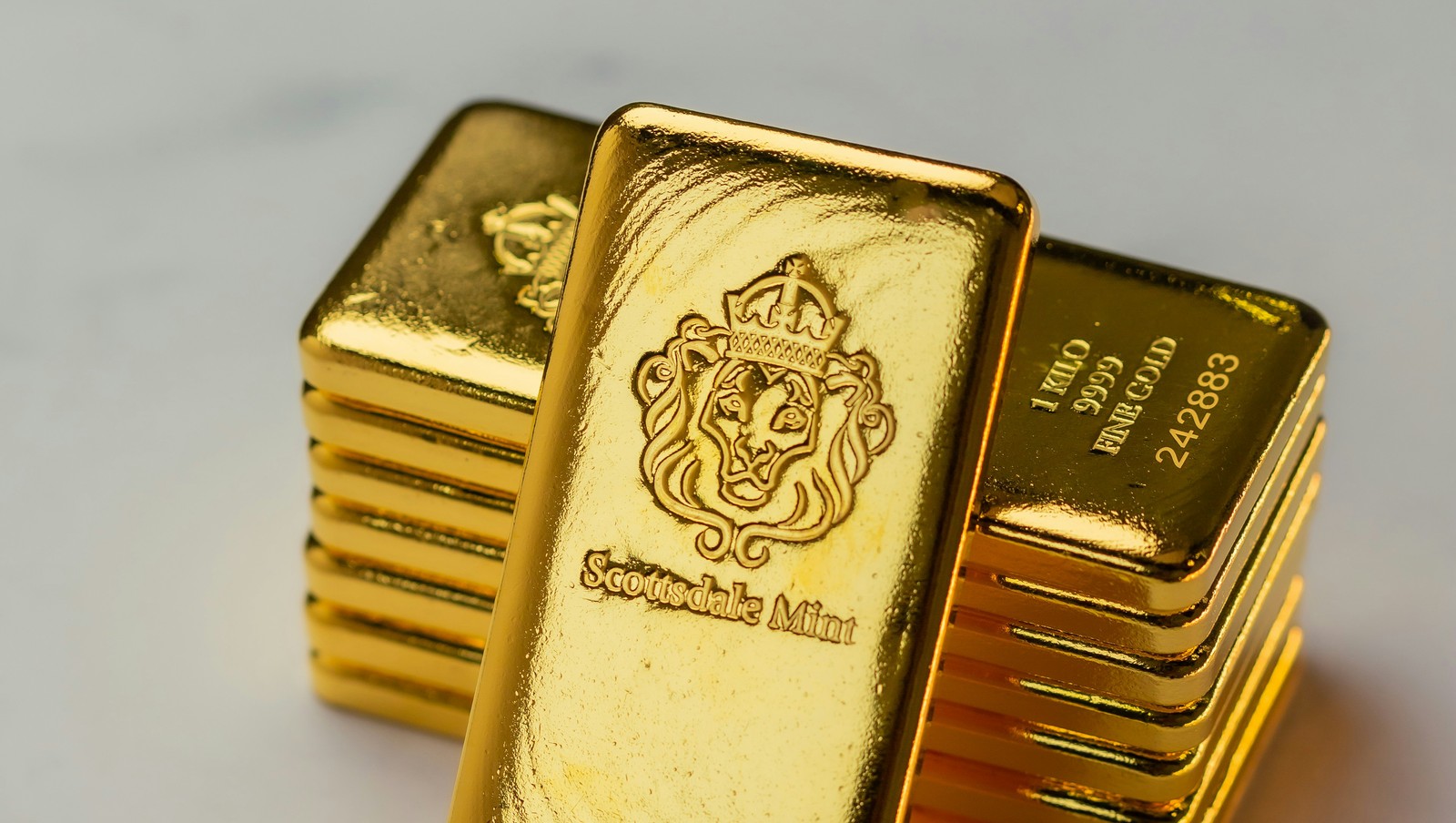
Image: Scottsdale Mint

Were the 49ers pioneering winners? Who made the most money over there, in the West? Who wrote the best accounts of lifestyle and stories about the gold fever? If the answers to these questions are a mystery to you, you might enjoy these lesser-known stories about the California Gold Rush!

1
Gold Rush myths bubbled up immediately
Image: Tomáš Malík

It didn’t take long for the truth to get buried. As soon as gold was discovered, the stories started to shimmer. Tales of instant wealth, golden boulders, and rivers gleaming with nuggets.

Letters home were often exaggerated, and newspapers sensationalized every find. These myths fueled the frenzy and caused proverbial FOMO all over the world. People wanted to see it for themselves.

2
The best Western business wasn’t in fact gold
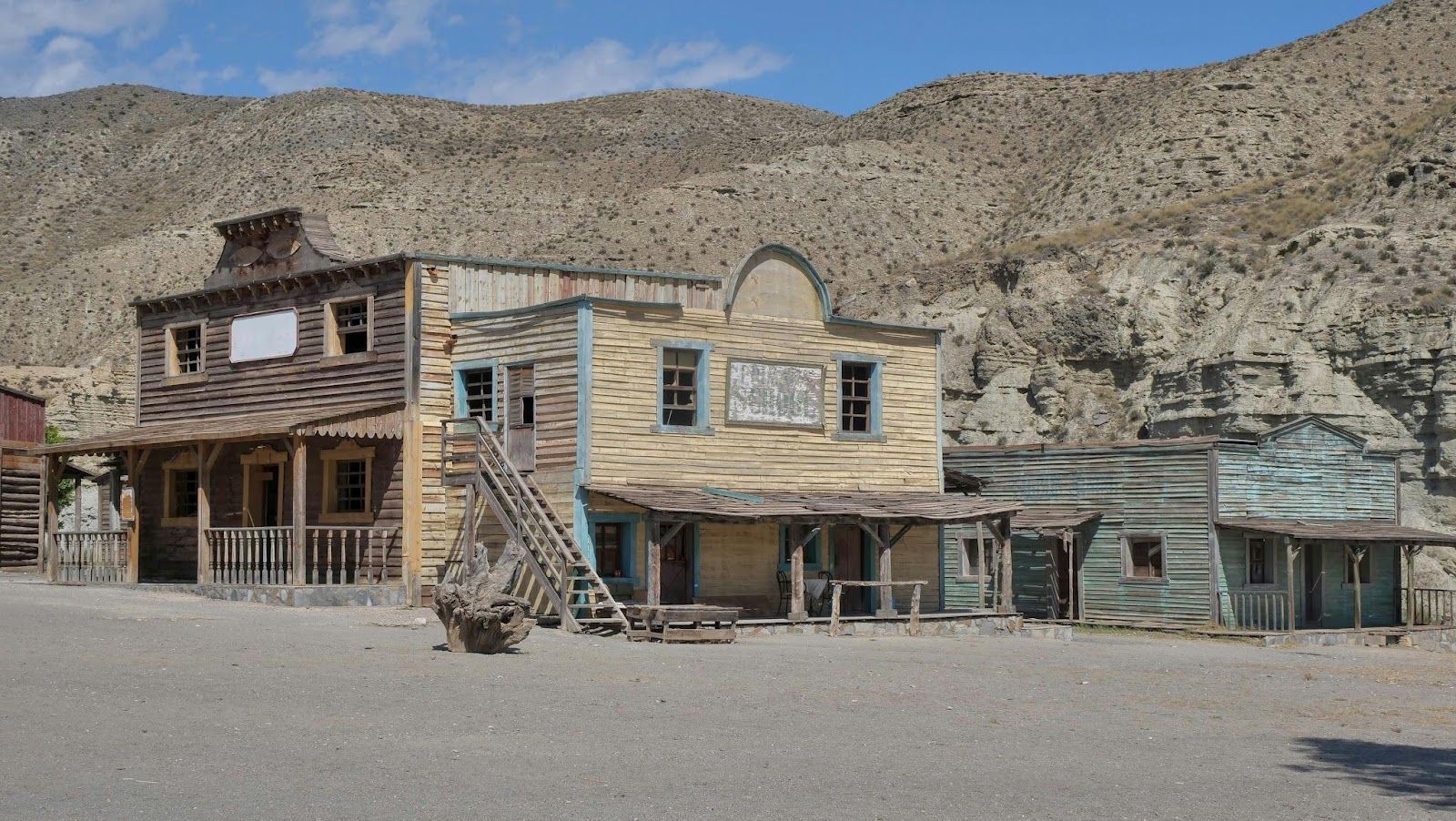
Image: Stefan Münz

If you wanted to get rich during the gold rush, you had better chances opening a store than mining. That was the golden rule for smart entrepreneurs like Levi Strauss, who didn’t strike it rich in a streambed, but in a sewing room. Another legend, Samuel Brannan, made a fortune selling picks, pans, and shovels —not gold.

3
The "49ers" were actually latecomers
Image: Emilie

The famed "49ers," the nickname for those swept up in the gold frenzy in 1849, weren’t the first on the scene. There’s a plot twist. Gold was discovered in January 1848 at Sutter’s Mill.

But the news spread slowly . By the time the world caught on, most of the easily accessible gold had already been plucked from riverbeds by locals, soldiers, and early arrivals.

4
Thousands came from China and South America
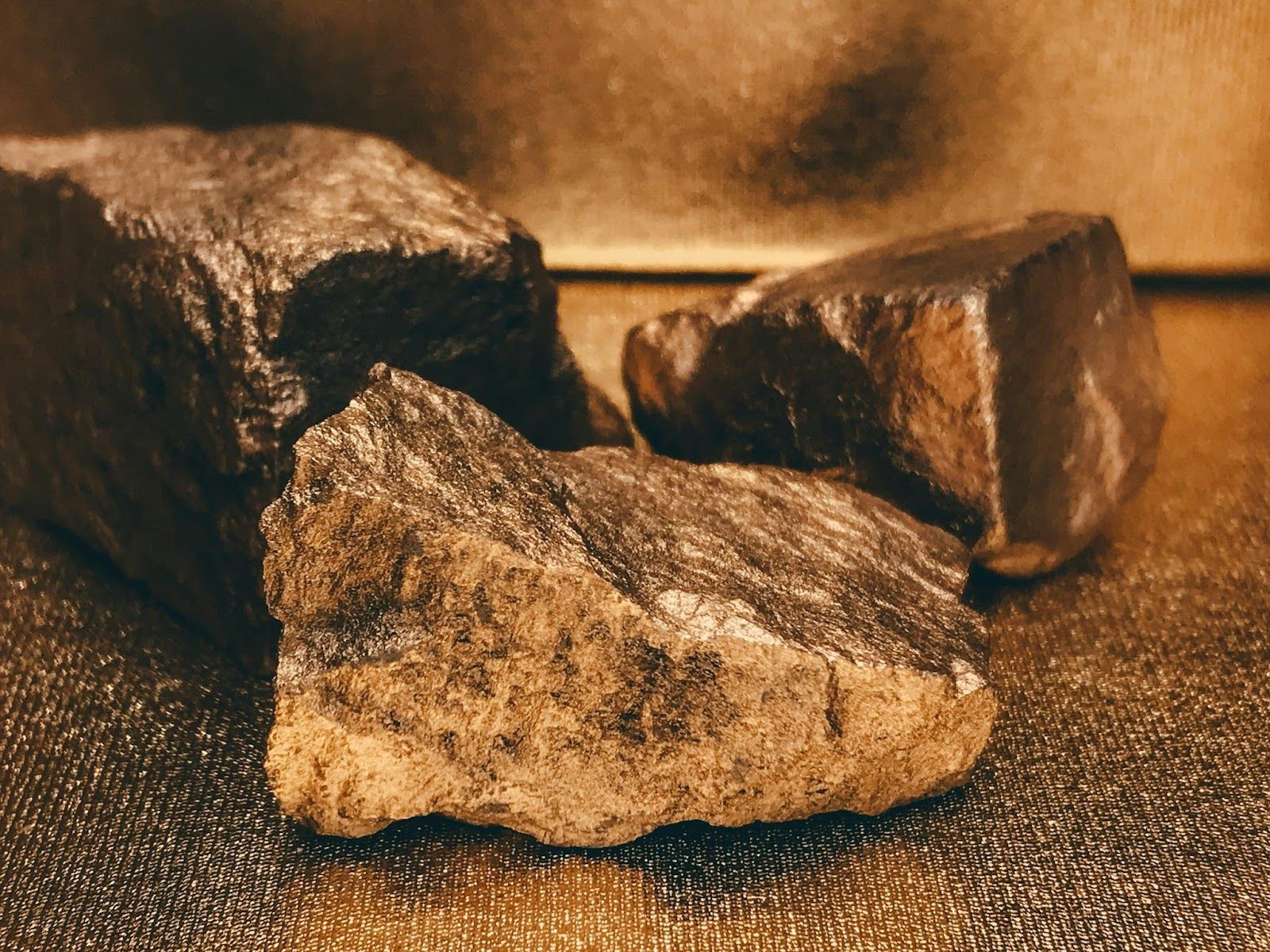
Image: rc.xyz NFT gallery

The Gold Rush was a global stampede . Tens of thousands of Chinese immigrants crossed the Pacific, some bringing generations of mining knowledge with them. Others came from Chile, Peru, and Mexico, arriving in San Francisco to find opportunity.

5
Women were there not just as camp followers
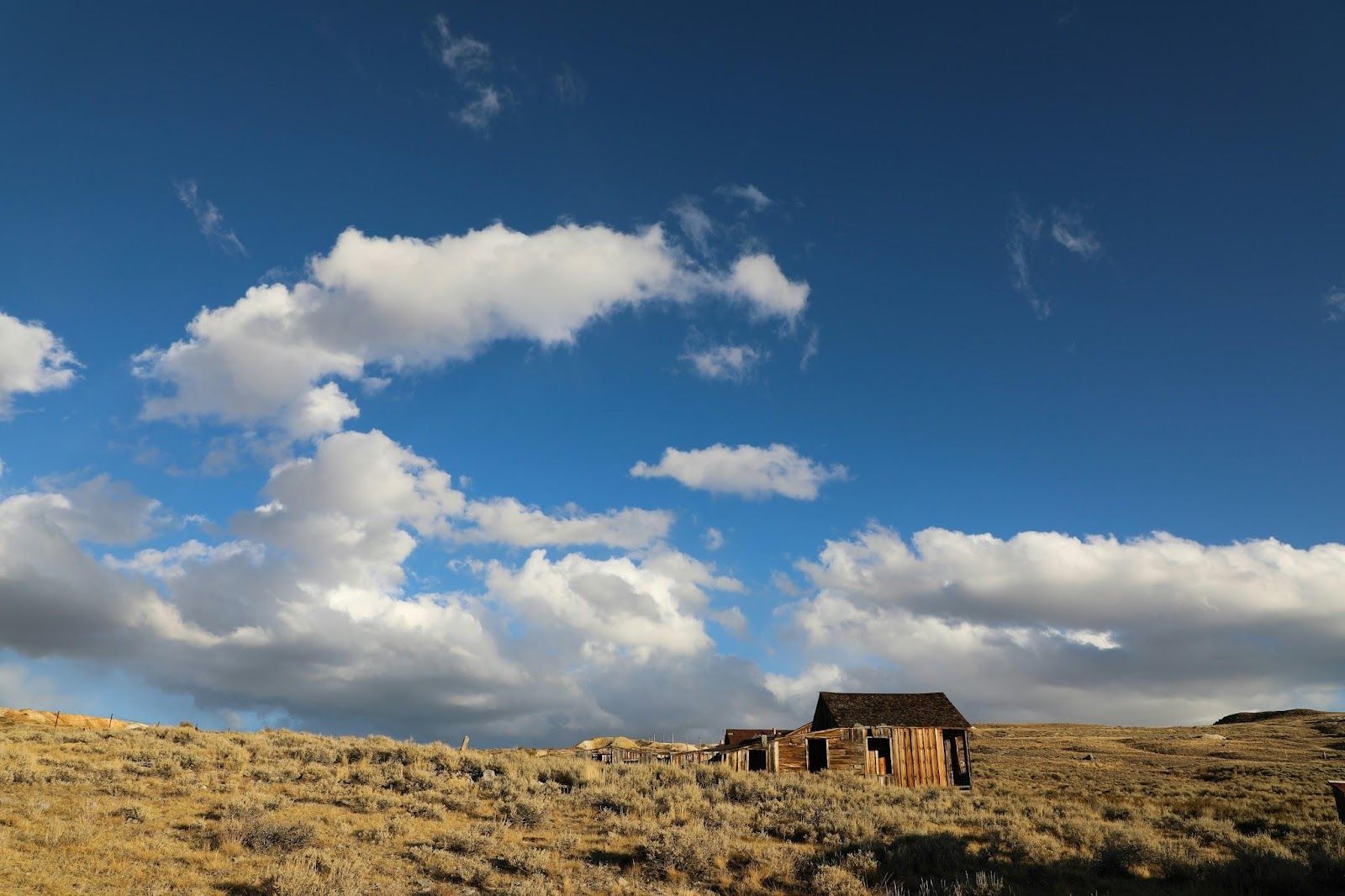
Image: Michael & Diane Weidner

Women were there too, not just as wives, but as businesswomen, cooks, hoteliers, and even miners. Take Luzena Wilson, a widow who hauled her children west and set up a boarding house for miners. Her clean beds and hot meals turned into a booming business.

Others ran laundries, tended bar, or staked their own claims. In a lawless land where survival meant creativity, many women found fortune in hard work.

6
Some came from Hawaii, Russia, and Europe
Image: Trey Hollins

They called them " Argonauts ," a romantic nod to the Greek myth of Jason and his quest for the Golden Fleece. And like the legend, the real Gold Rush was international. Adventurers came not just from the American East, but from as far as Russia’s Pacific coast, the Hawaiian Islands, and every corner of Europe.

7
Gold Rush towns became ghost towns
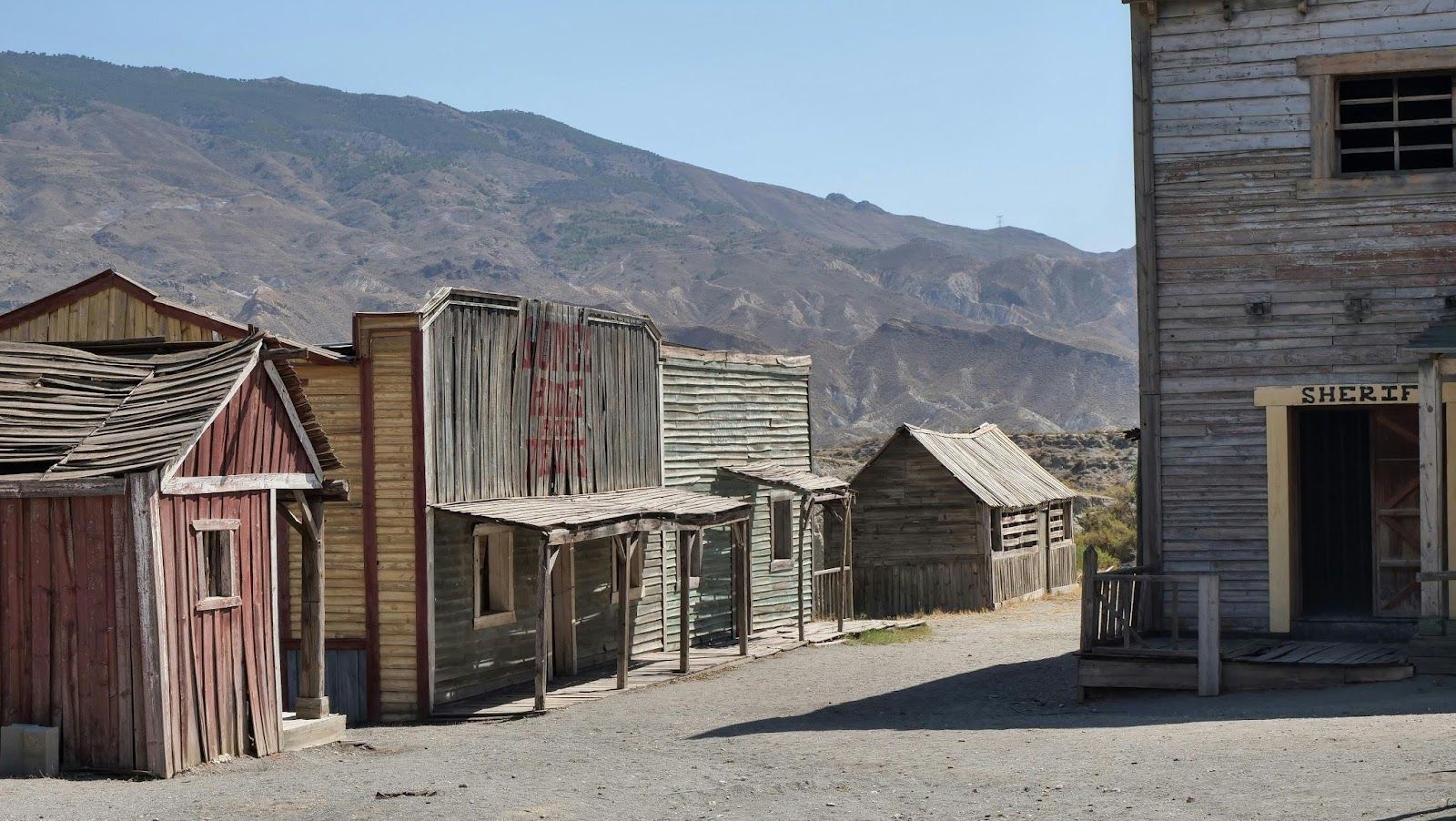
Image: Stefan Münz

Take Bodie, for example. A lawless hotspot where saloons outnumbered schools. At its peak, it had over 10,000 residents. A few decades later, it was all tumbleweeds and creaky wood .

Once the gold ran out, so did the people. Tools were abandoned and whole towns vanished almost overnight, leaving behind eerie remnants.

8
The "Gold Fever" spread worldwide
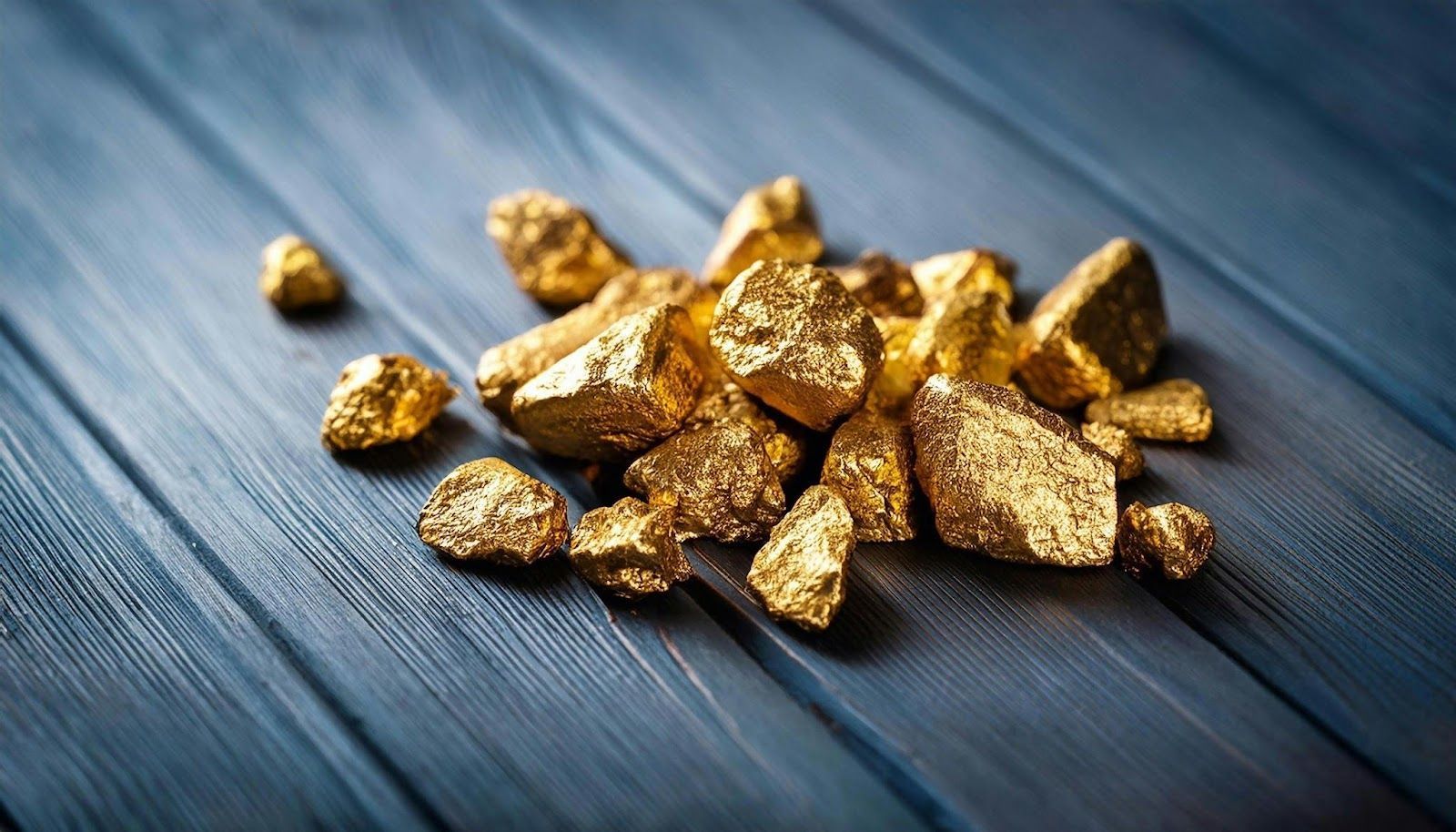
Image: suradeach saetang

Once word of gold reached distant shores, "gold fever" spread around the world . Australia had its own rush by 1851. The Klondike in Canada followed in the 1890s, and South Africa’s rich deposits turned Johannesburg into a boomtown in the 1880s.

Prospectors chased hope, not just gold. Each new report of found gold sparked a fresh migration, with fortune-seekers packing up and heading to the hot spots.

9
Gold mining required team effort
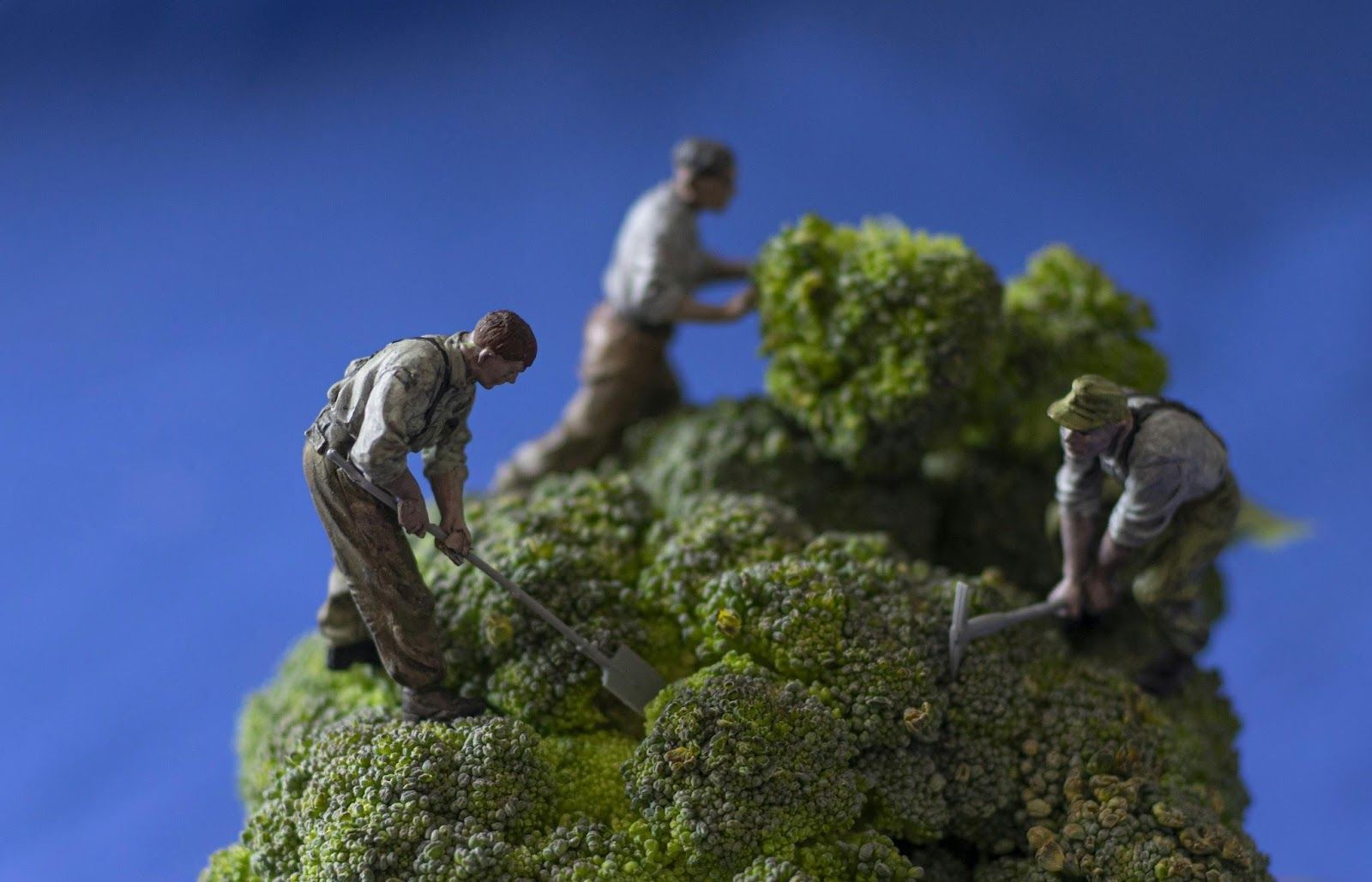
Image: Elena Mozhvilo

Forget the image of the lone prospector whistling by the river . That only worked for a short time.

As surface gold dried up, miners turned to hard labor, which involved blasting rock, diverting rivers, and eventually using powerful water cannons in a process called hydraulic mining. It was expensive. Teams of men pooled resources, hired help, and invested in equipment.

10
Many "Gold Seekers" never even made it to California

Image: James Lee

Getting to California in the 1840s was no stroll through the prairie. Hundreds of the hopefuls who set out never arrived. Some perished on the overland trails due to disease, accidents, or exhaustion.

The sea route around Cape Horn was no solution; it was just longer and colder. Some turned back. Others settled in Oregon or Utah. A few found fortune far from the gold fields.

11
The "Gold Rush" fueled California's statehood
Image: Emre Ayata

In 1848, California was a sleepy outpost with little U.S. oversight. By 1850, it had boomed into a booming, brawling land with more than enough people.

The rush had brought merchants, farmers, lawyers, and politicians. With them came the push for schools, railroads, and laws. California skipped the usual phase of being a U.S. territory and leapfrogged straight into statehood.

12
Women and children wrote some of the best eyewitness accounts
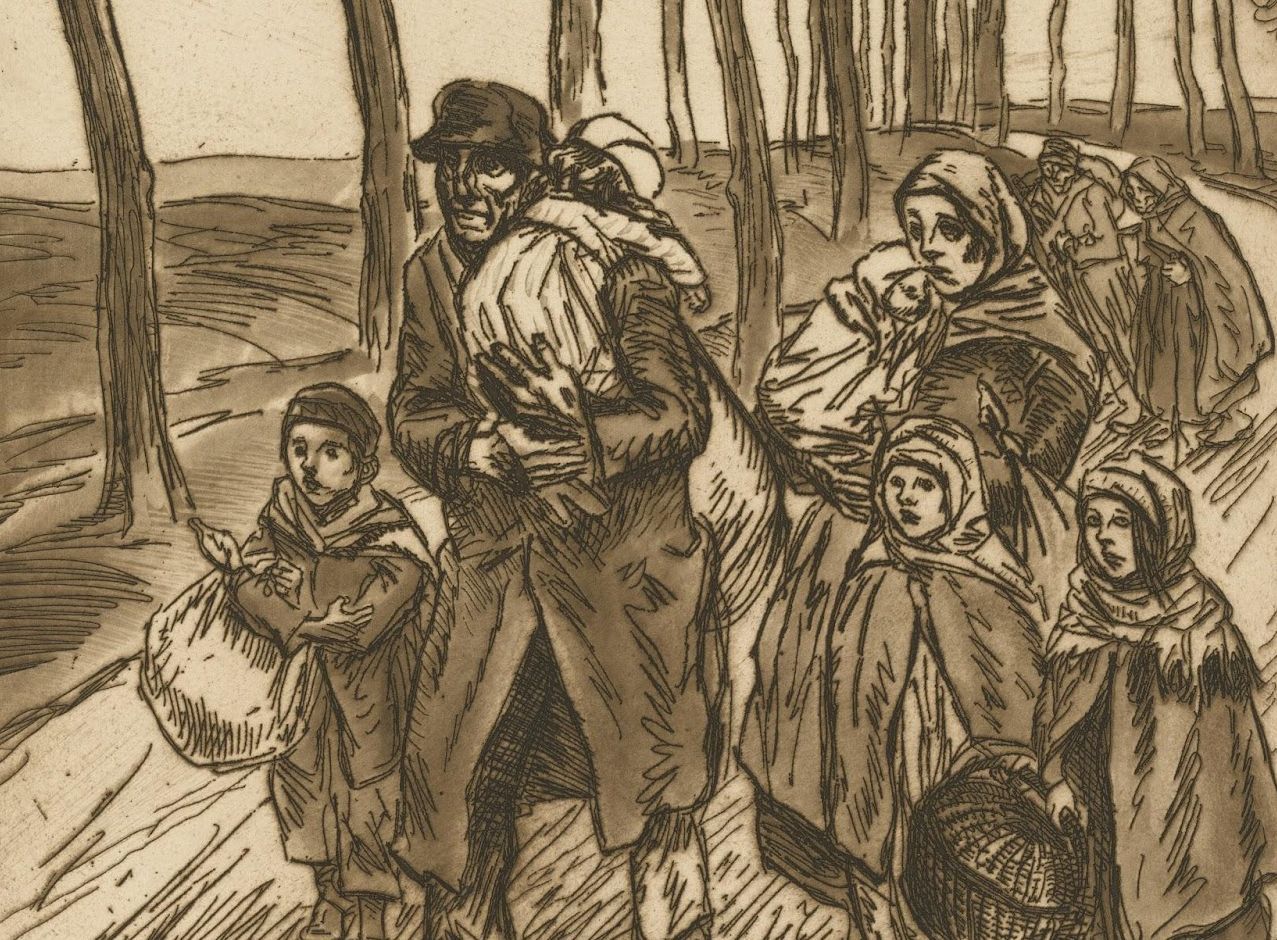
Image: The Cleveland Museum of Art

Some of the most vivid details of this era came from women and children who chronicled the chaos . Their letters and diaries tell of lonely cabins, muddy streets, makeshift schools, and the daily drama of camp life.

Women like Louise Clappe (aka "Dame Shirley") wrote witty, unfiltered dispatches from the Sierra Nevada. Young girls described the thrill of arriving in San Francisco and the terror of crossing the plains.

13
The Gold Rush didn't end in 1850
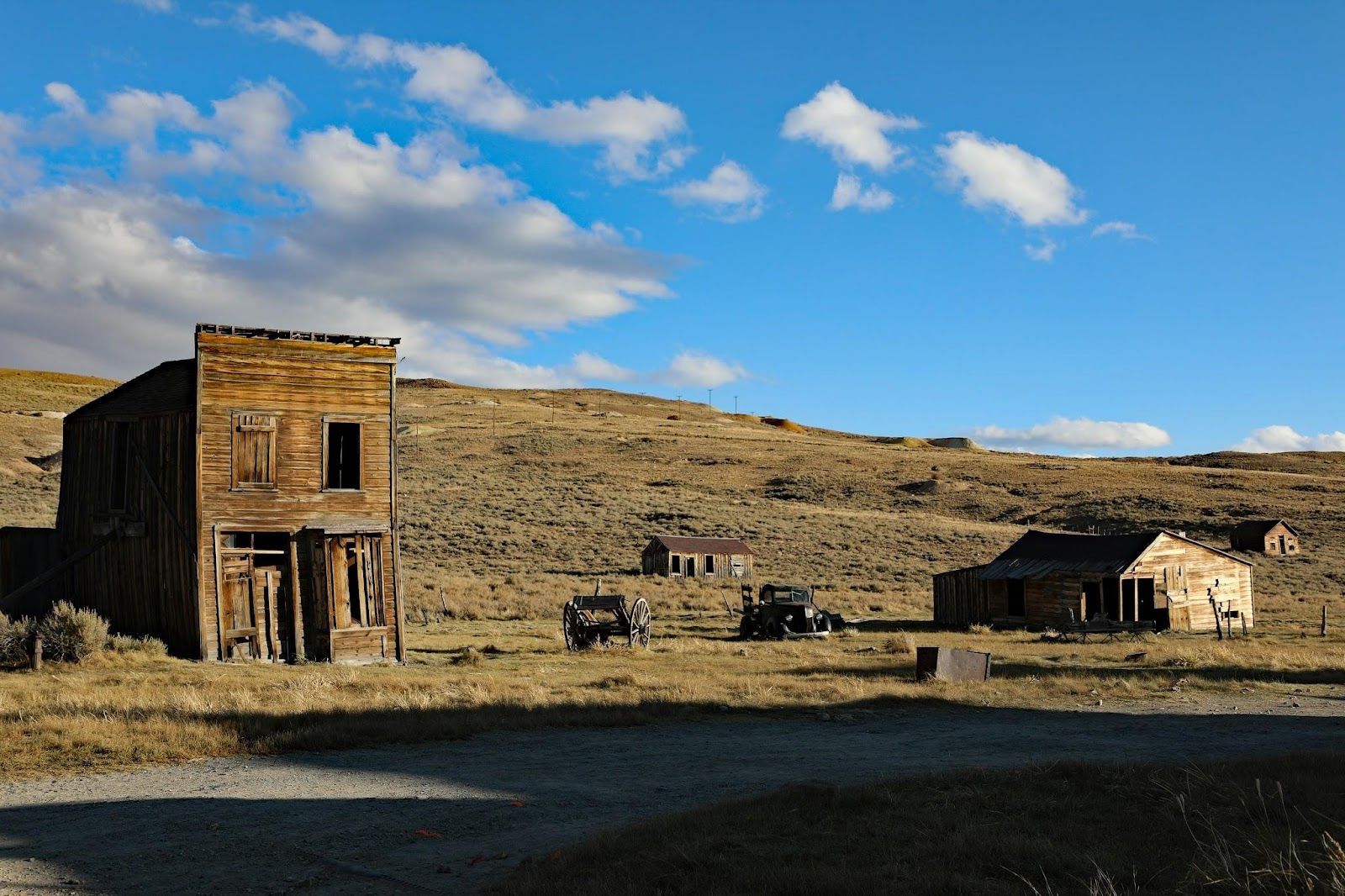
Image: Michael & Diane Weidner

By the time most folks arrived, the easy pickings were gone, and the story was just getting started.

The gold fever didn’t vanish in a year. Prospecting surged well into the 1850s and beyond. Some of the biggest strikes, like Nevada’s Comstock Lode in 1859, came after the main rush was supposedly over. By then, mining had evolved into an industrial enterprise, with machinery, corporations, and deeper digs.
General General 4 min read

Not as common as you think

Aren’t doggy bags and tipping not the norm when dining abroad?

Image: Diane Picchiottino

Dining in the U.S. comes with its own set of unwritten rules. Many of these customs feel perfectly normal to Americans, but can surprise visitors from other parts of the world. From how meals are served to how bills are paid, there are many differences that we only notice when we visit other countries. Take a look at 12 of these habits you probably take for granted, but that are uncommon outside of the U.S.

1
Tipping is expected, not optional

Image: Sam Dan Truong

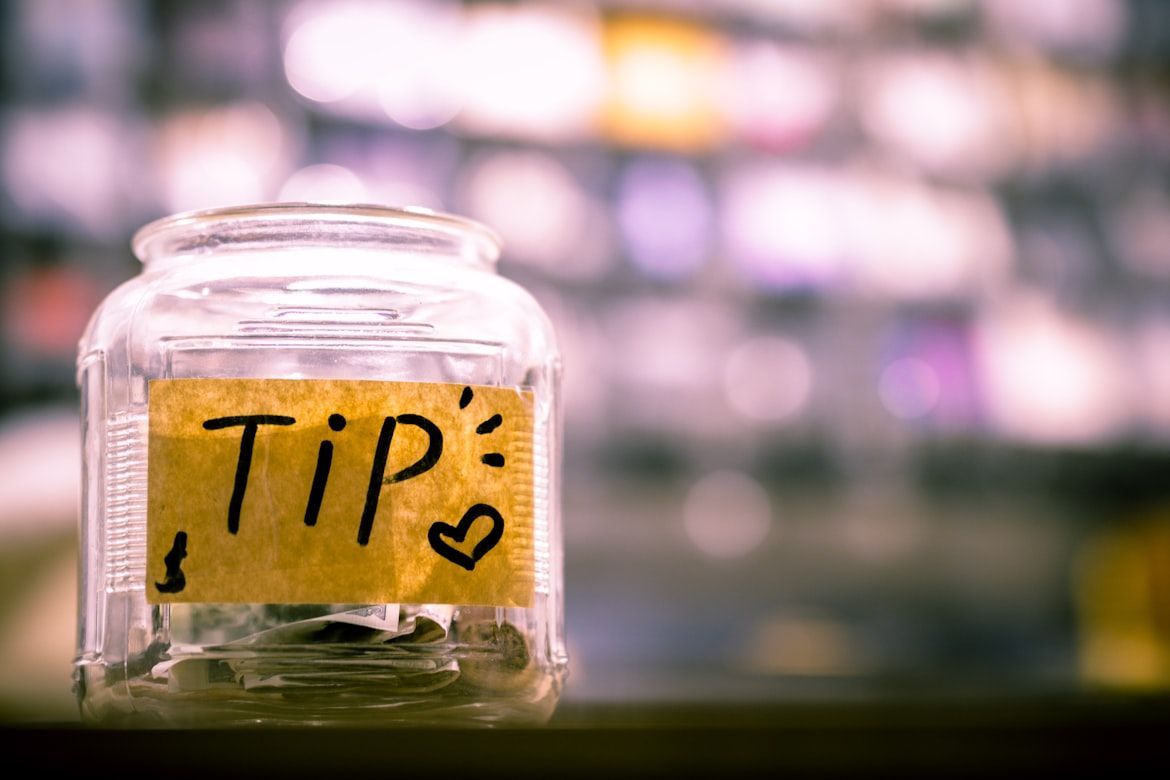
In the U.S., leaving a tip is considered part of the cost of the meal, not a bonus . Diners typically add 15 to 20 percent to the bill, especially in full-service restaurants.

This practice exists because many servers earn lower base wages and depend on tips. In many other countries, service charges are already included in the bill, making the American system feel unusual or even confusing.

2
Free refills are the norm

Image: Roman Kraft

Many American restaurants offer unlimited refills on soft drinks, iced tea, and coffee . Once you order a beverage, it often keeps coming at no extra cost.

Elsewhere, each drink is typically billed separately, and refills are rarely free. For visitors to the U.S., this can feel surprisingly generous compared to their dining experiences at home.

3
Ice comes with everything

Image: Giorgio Trovato

In the U.S., drinks are often served filled with ice, whether it’s soda, water, or even juice . It’s considered a refreshing standard, especially in warmer climates.

In many other countries, ice is used sparingly or avoided altogether. Some people prefer drinks at room temperature, making the American preference for ice stand out immediately.

4
Portions are huge

Image: Sanjip Kadel

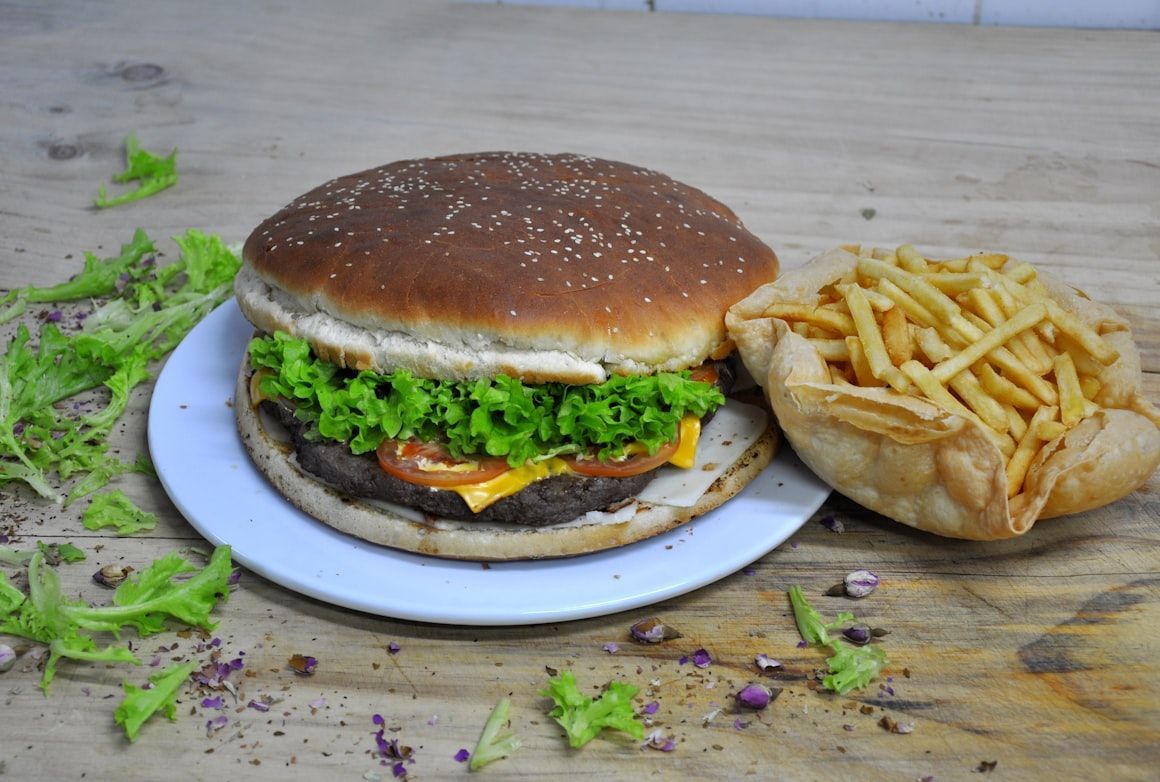
American restaurant portions are known for their size. Many meals are large enough to serve more than one person or to provide leftovers for later .

In contrast, other countries tend to serve smaller, more balanced portions. The American approach reflects a culture of abundance, but it can be unexpected for first-time visitors.

5
Taking leftovers home is typical

Image: Roberto Catarinicchia

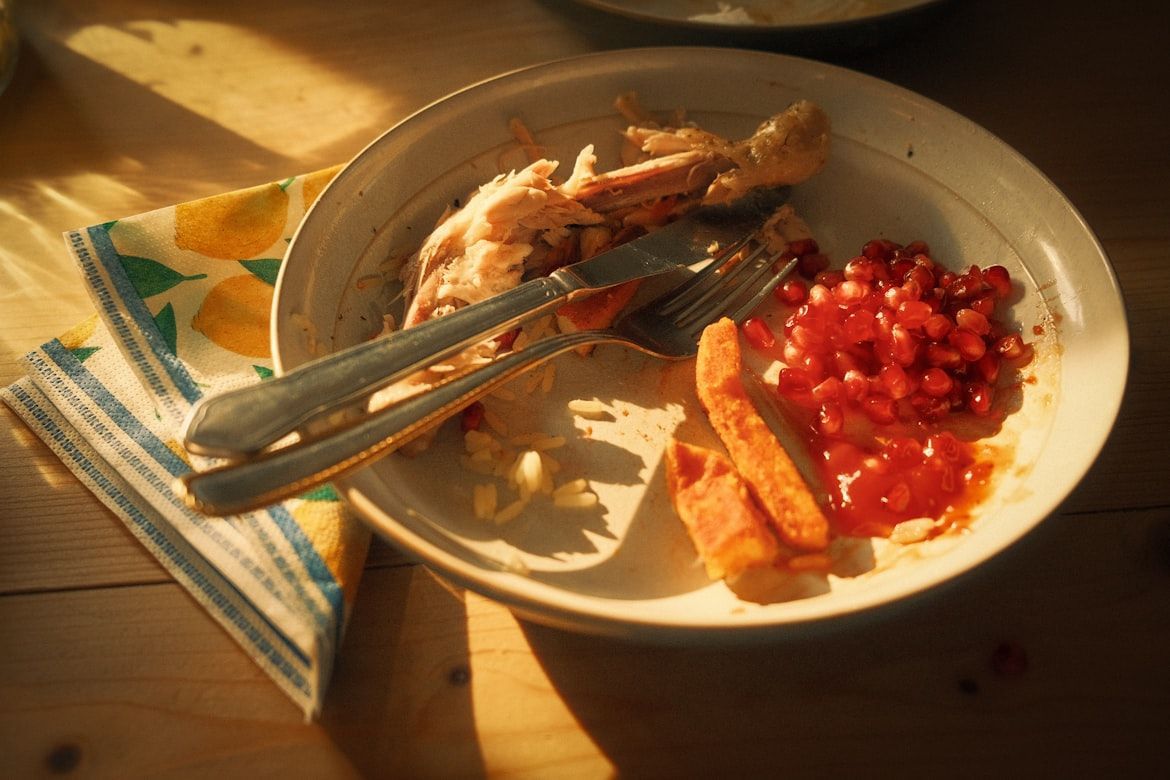
Asking for a take-home container, also known as a "doggy bag," is a normal part of dining in the U.S. Restaurants are prepared for it, and many people expect to leave with leftovers.

In some countries, this practice is less common or even discouraged. The American "doggy bag" reflects both larger portion sizes and a practical approach to reducing food waste.

6
Waiters check in frequently

Image: Negley Stockman

In the U.S., servers often return to the table several times during a meal . They may ask how everything tastes, refill drinks, or check whether anything else is needed.

While meant to be attentive, this can feel intrusive to foreign visitors. In many other cultures, less interruption is preferred, and diners typically signal the server only when necessary.

7
Customizing your order is normal

Image: Artur Tumasjan

In the U.S., it's common to request changes to a dish, such as removing ingredients or adding extras . Restaurants are usually flexible and expect these requests.

In other parts of the world, altering a menu item may be frowned upon. The American habit reflects a strong emphasis on personal choice and individual preferences.

8
Tap water is served automatically

Image: Sugarman Joe

In American restaurants, a glass of tap water is often brought to the table without being requested . It is typically free and refilled throughout the meal.

In many other countries, bottled water is the default and must be ordered separately.

9
Meals tend to move quickly

Image: Louis Hansel

Dining in the U.S. often follows a faster pace. Food arrives quickly, and the bill may be brought shortly after the meal is finished .

In contrast, in many other cultures, meals are meant to be long, relaxed experiences. The American approach reflects efficiency and a faster daily rhythm.

10
Splitting the bill is common

Image: Vitaly Gariev

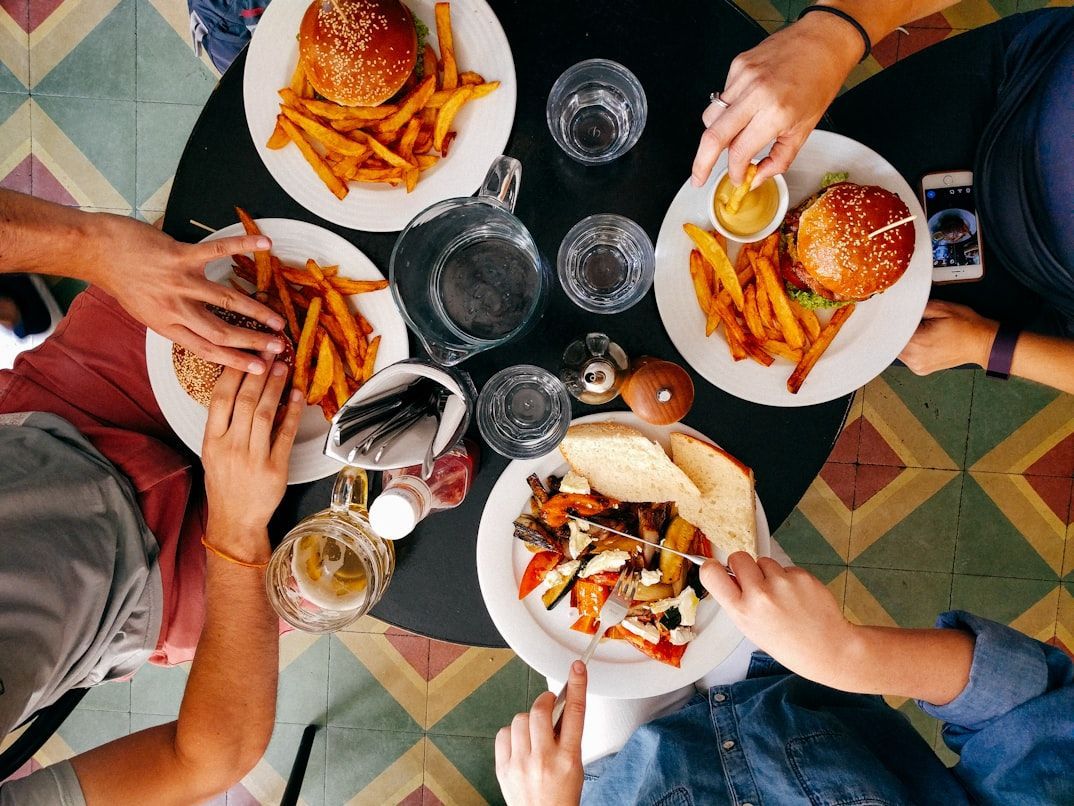
In the U.S., restaurants commonly allow separate checks , making it easy for each person to pay their share. This is especially helpful in group settings.

In many other countries, splitting the bill can be more complicated or is actively discouraged. The American system emphasizes convenience and individual responsibility at the table.

11
Sweet foods are common at breakfast

Image: Brian J. Tromp

Breakfast in the U.S. often includes sweet items such as pancakes, waffles, pastries, or cereal, alongside eggs, bacon, and toast. Syrup and sugar are common additions at the start of the day.

In many other countries, breakfasts tend to be exclusively savory, featuring foods like bread, cheese, or eggs. The American preference for sweetness can feel like a treat to visitors.

12
Dining is generally casual

Image: Dan Gold

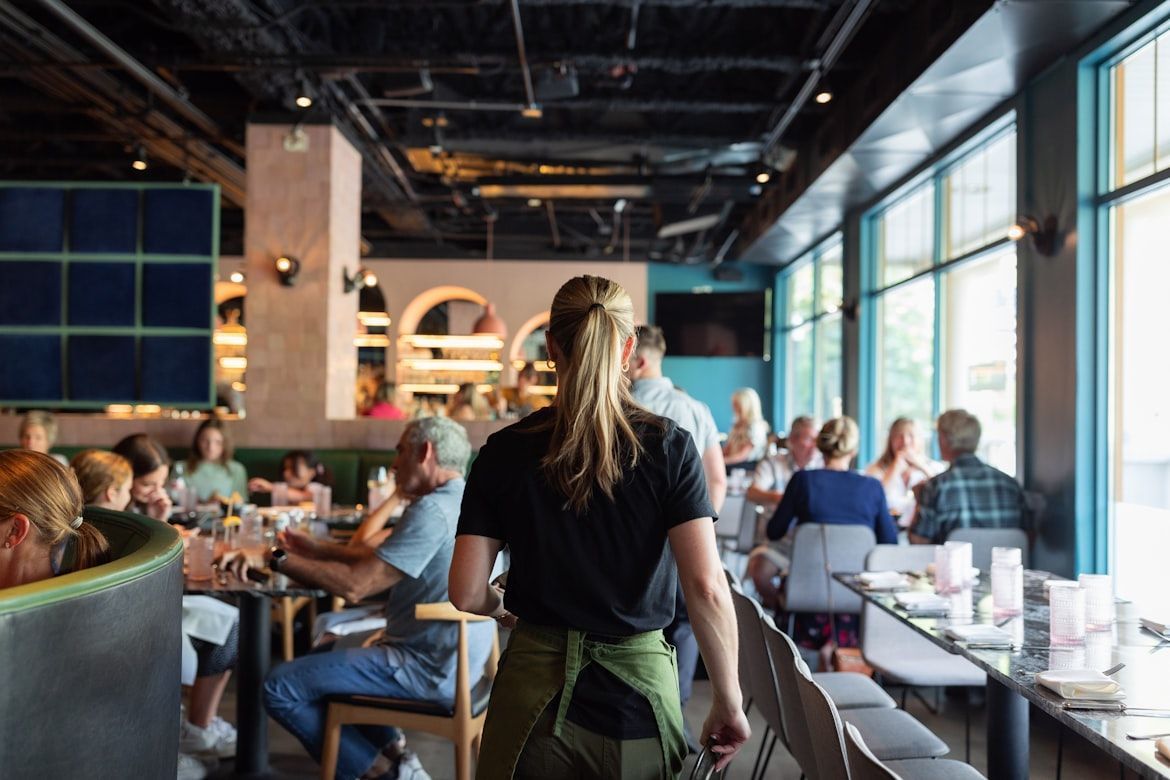
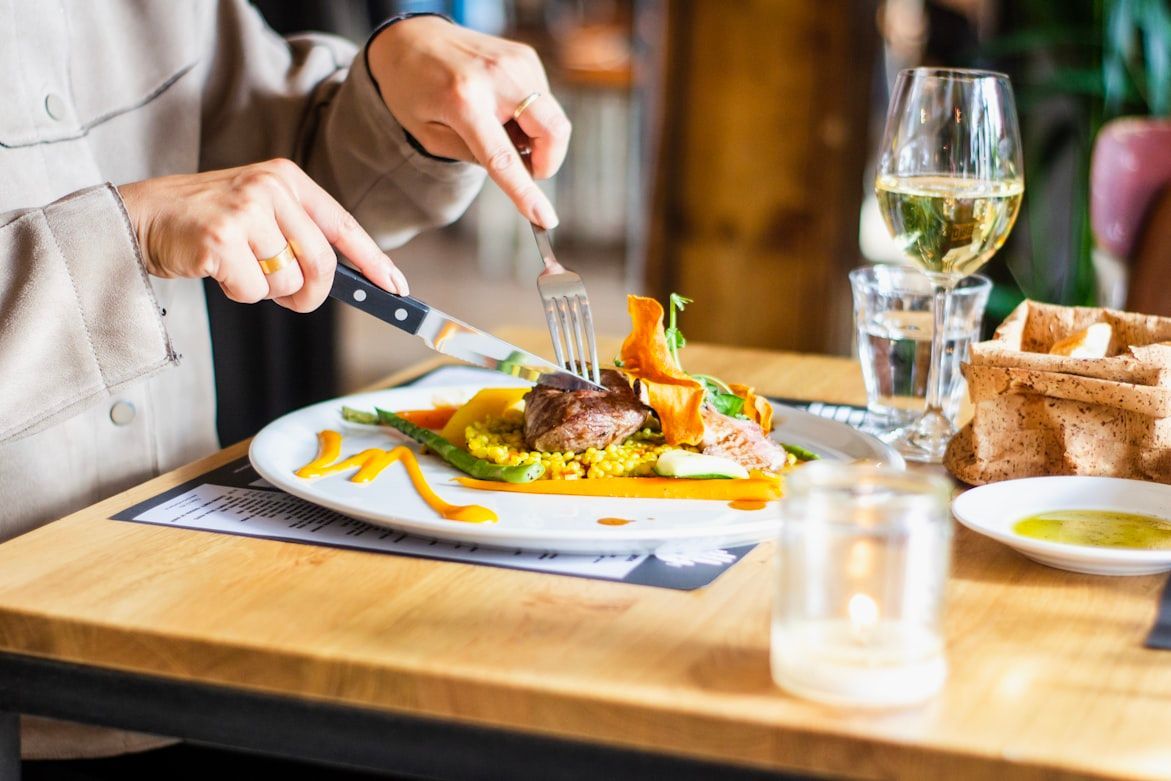
While there are many exceptions at five-star, fine dining establishments, American dining culture is typically relaxed, with fewer formal rules about dress or behavior . People often eat out in casual clothing and informal settings.

In other countries, meals, especially dinner, can be more formal events. The American style reflects a focus on comfort rather than tradition.

Geography Geography 6 min read

Territorial anomalies

There's a country within the US that was created to avoid double taxation

Image: Pin Adventure Map

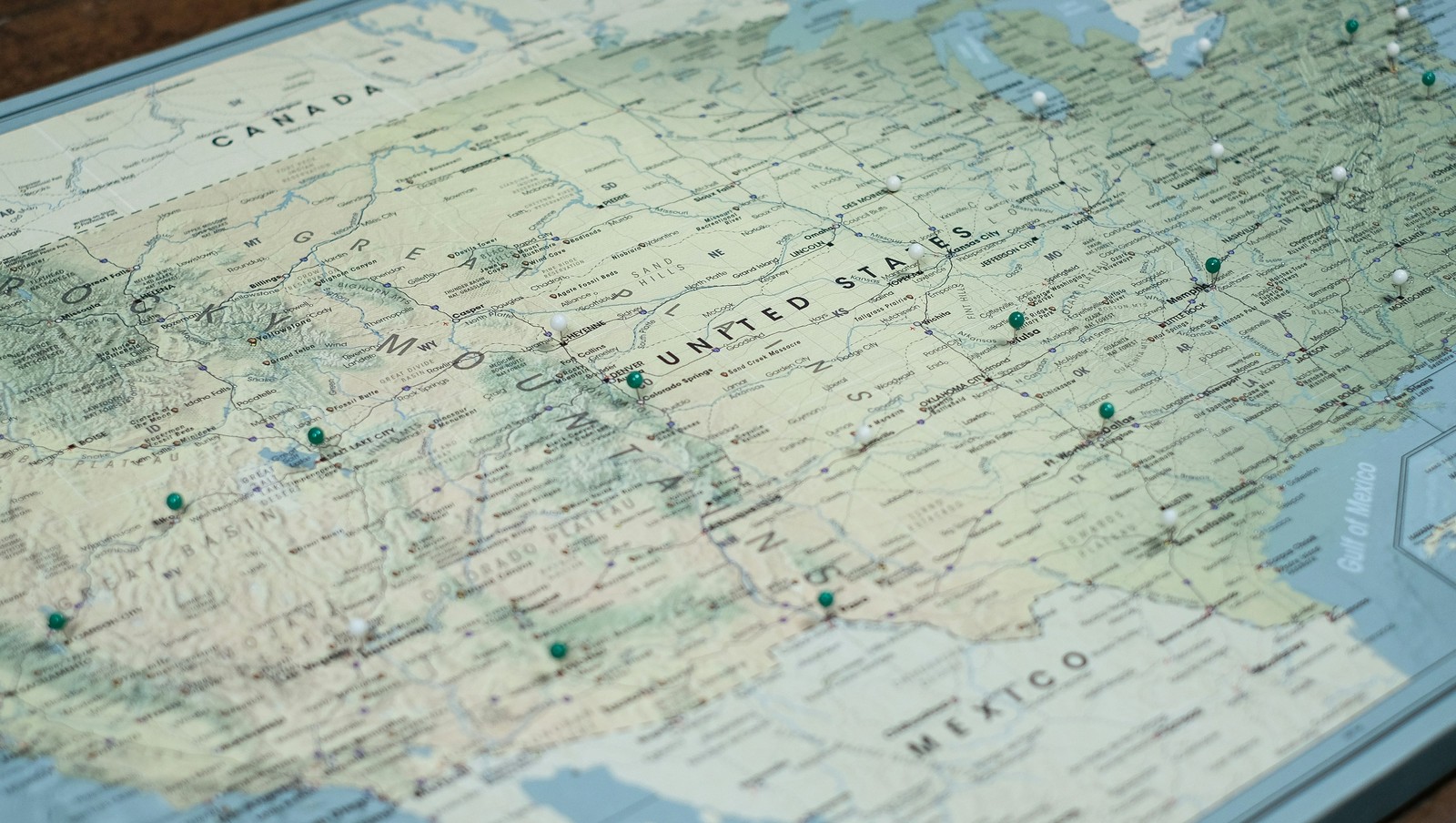
Ever thought about how the borders in our country were defined ? States that almost became official, U.S. points that are only accessible through Canada's borders, territorial feuds over taxes, and more have constructed the limits of the country we know today. Here are 10 territorial quirks you probably never knew of.

1
Point Roberts, WA: The 49th parallel accident

Image: United States Geological Survey, Public domain, via Wikimedia Commons

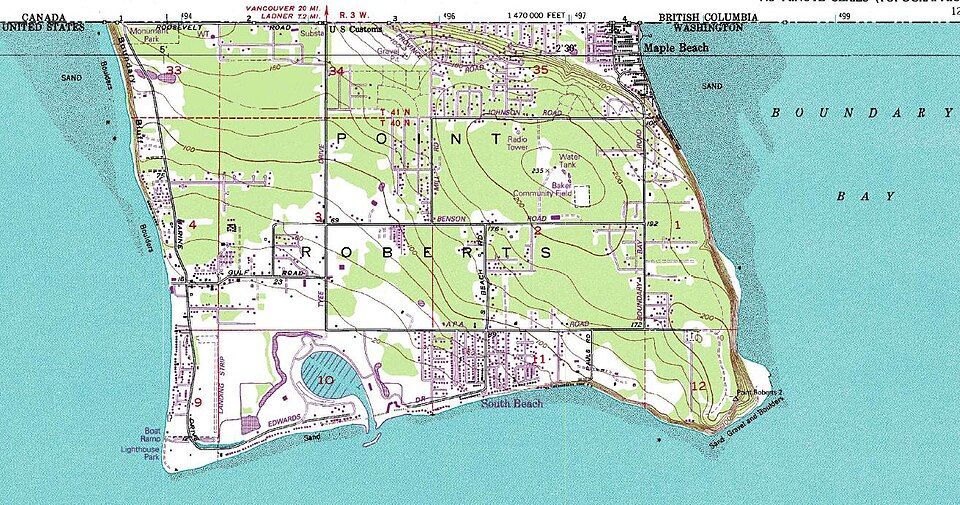
Imagine if you had to cross two borders just to get to the market for a gallon of milk. That’s actually a reality for residents of Point Roberts, Washington. That’s because, following the Anglo-American Convention of 1818, the 49th parallel divided Canada and the U.S. In 1846, the line was extended westward and then officially recognized by the International Boundary Commission in 1925.

However, a tiny tip of the Tsawwassen Peninsula poked out just below that line. Since then, the locals have lived in a boundary quirk. To get to the rest of Washington State by land, they must drive through Canada, show their passports, and do it all over again on the way back.

2
Statue of Liberty: Common misconception

Image: Mohamed Osama

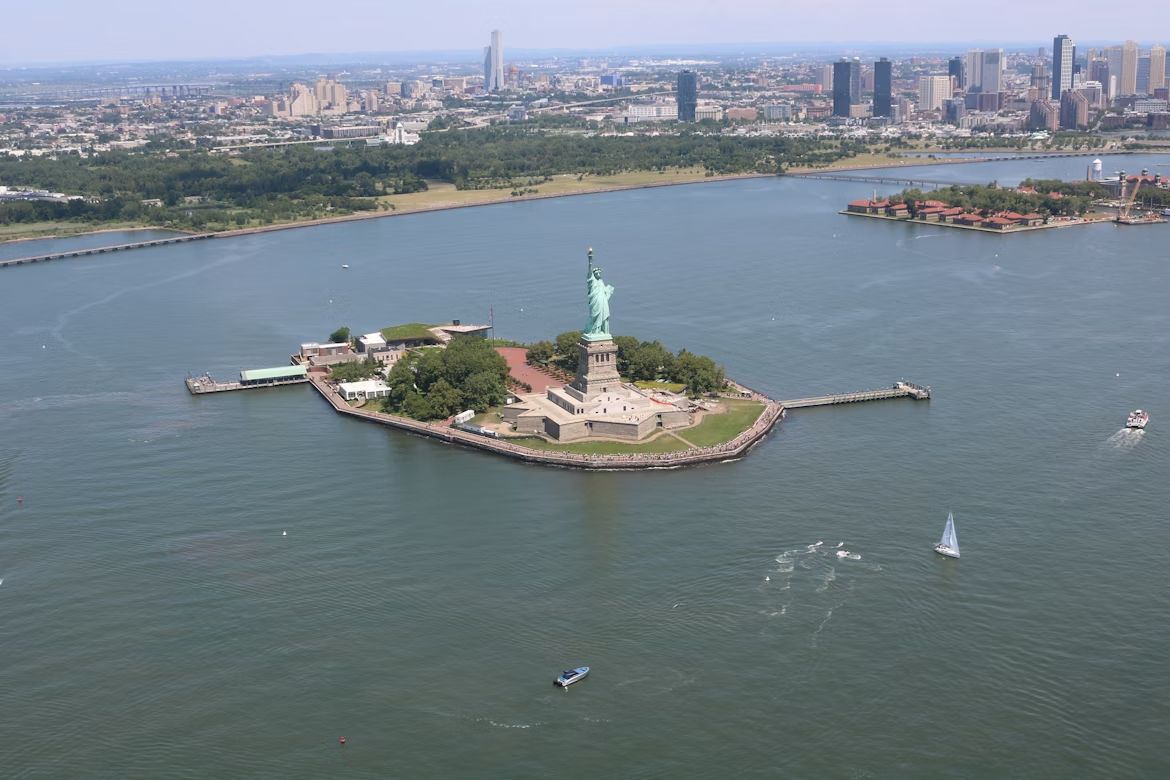
If you want to start a friendly argument at a dinner party, ask whether the Statue of Liberty lives in New York or New Jersey. The funny thing is, both answers are technically right . While the statue physically sits in the waters of the Garden State, Liberty Island is legally an exclave of New York. This dates back to a 1664 land grant by the Duke of York in a document so vague and confusing that it took a 1834 Compact between the two states to settle the deal. New Jersey gets the water and the submerged lands, but New York keeps the monument.

However, the Federal Government actually manages the site through the National Park Service (NPS), providing security and maintenance.

3
The State of Franklin: Failed 14th state

Image: Bennett1203, CC BY-SA 4.0, via Wikimedia Commons

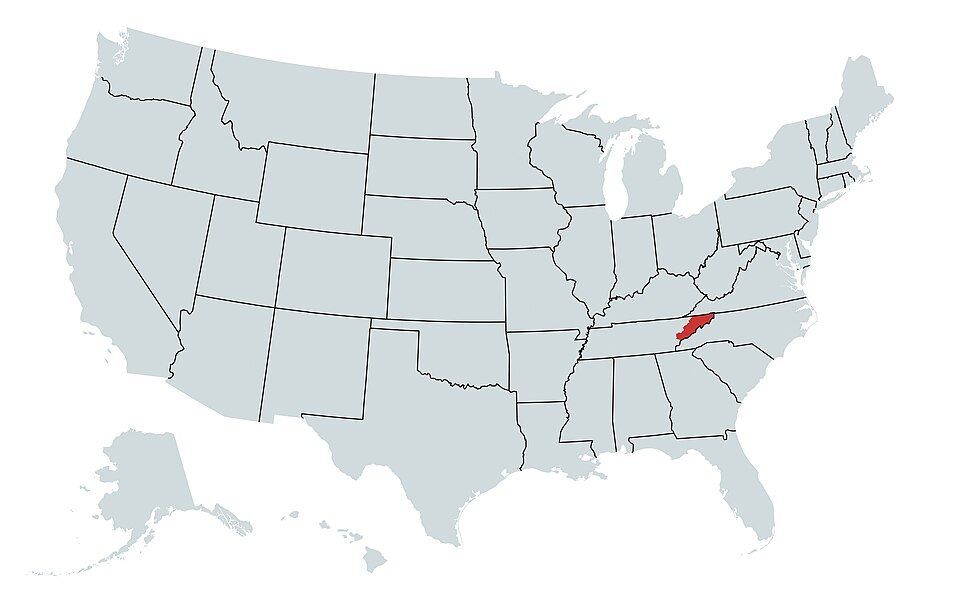
If you think Tennessee was the 14th state to join the Union, there’s a catch. Before Tennessee, there was Franklin. In 1874, three counties in North Carolina felt neglected by their government and decided to strike out on their own . They even elected a governor, John Sevier, and printed their own money. They came just two votes short of being recognized by Congress as a formal state. Eventually, things got heated, and North Carolina sent troops, leading to a small civil war between the locals. By 1879, the dream of Franklin was dead and buried, and the territory became part of Tennessee.

4
Kentucky Bend

Image: Brian Stansberry, CC BY 4.0, via Wikimedia Commons

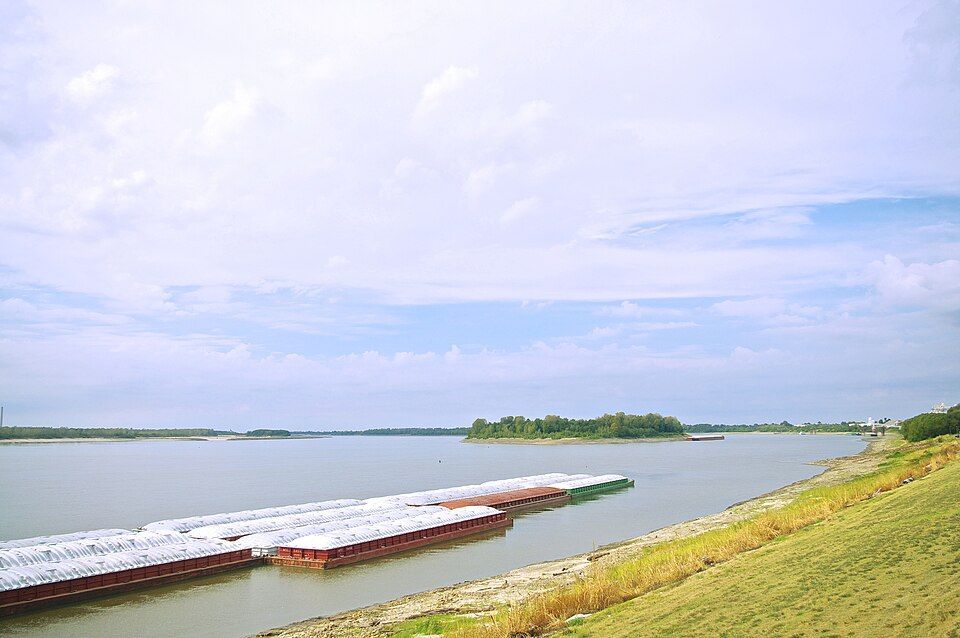
If you look closely at a map, there’s a piece of Kentucky that looks like it doesn’t belong. That’s the Kentucky Bend, also called the New Madrid Bend, a tiny peninsula in Fulton County that is almost completely separated from the rest of the Bluegrass State . The strange situation was the consequence of the massive series of earthquakes that took place in that area between 1811 and 1812, which were so violent they famously caused the Mississippi River to flow backwards for several hours. When the dust settled, the river had carved a new path that looped around this small patch of land, surrounded by Missouri and Tennessee instead of Kentucky. The 9 residents living there today go through Tennessee just to get to their home state.

5
The State of Deseret: The empire that almost was

Image: Carl Radefeld (cartographer); Joseph Meyer (publisher), Public domain, via Wikimedia Commons

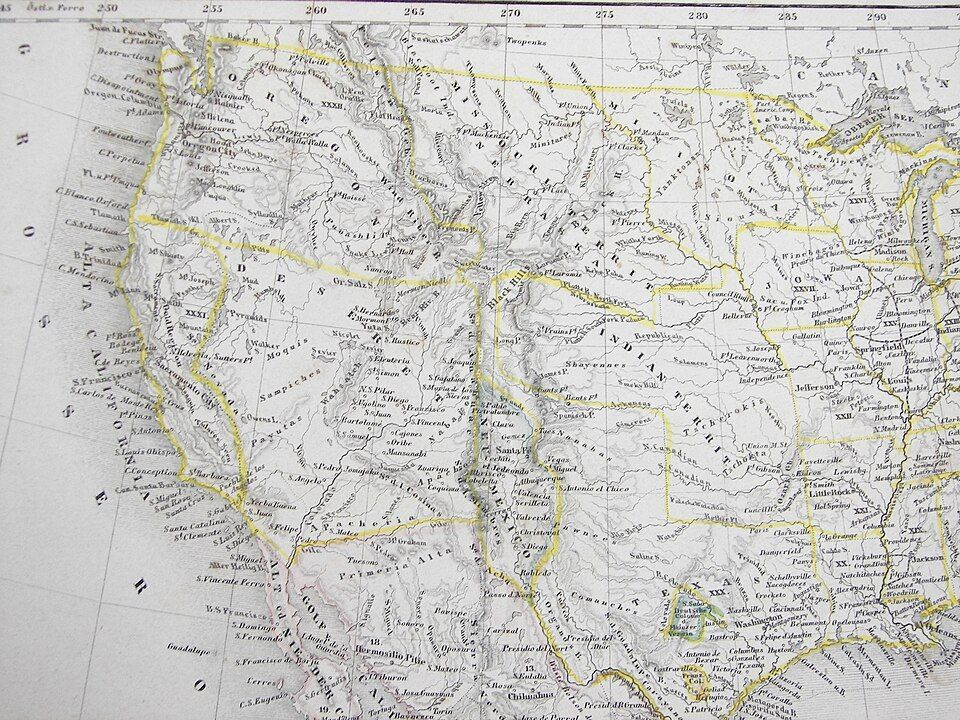
Imagine a state so big it makes Texas look tiny. That almost happened back in 1894, when Mormon pioneers proposed the State of Deseret. The territory comprised what we now know as Utah, most of Nevada, parts of Arizona and Colorado, and a massive chunk of the California coast, including San Diego.

Had it been formalized, it would have been a powerhouse with its own seaport and total control over the West. However, Washington, D.C. wasn’t so keen on one group having that much territory and power, so they whittled it down, and we ended up having the states we know today.

6
The lawless "No Man's Land"

Image: Steve Shook from Moscow, Idaho, USA, CC BY 2.0, via Wikimedia Commons

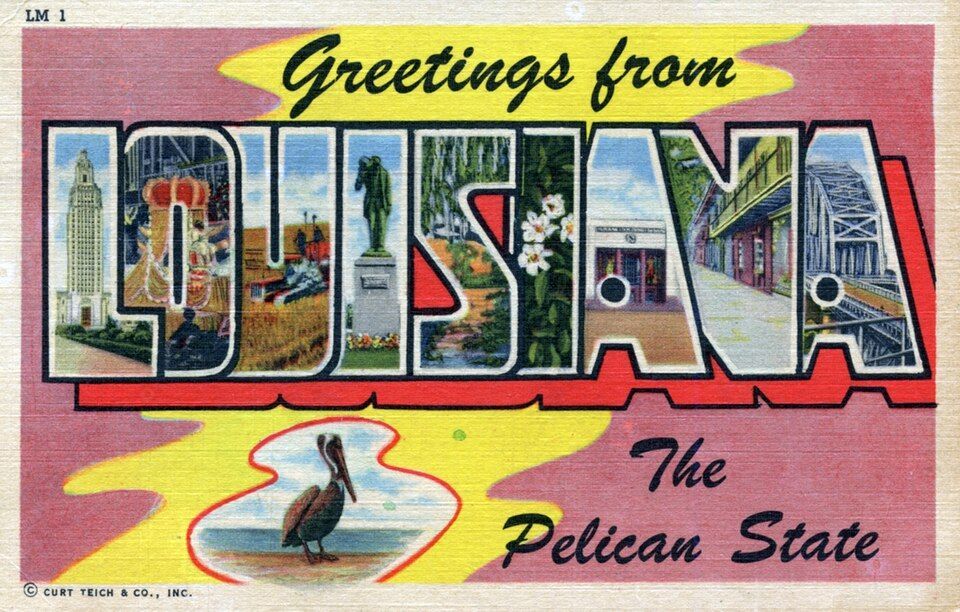
Have you ever wondered what happens when two governments simply give up on a piece of land? Between 1806 and 1821, there was a strip of land in what is now western Louisiana that was, literally, No Man’s Land. Neither the U.S. nor Spain, which owned part of the territory, could agree on the border, so they declared it "Neutral Ground" to avoid armed conflicts . The plan backfired as, with no laws to contain it, it quickly became a favorite for the outlaws in the West —meaning deserters and bandits hiding there were legally untouchable. The conflict was resolved by the 1819 Adams-Onis Treaty, which officially set the Sabine River as the legal boundary.

7
The Republic of the Indian Stream

Image: Jon Platek, CC BY-SA 3.0, via Wikimedia Commons

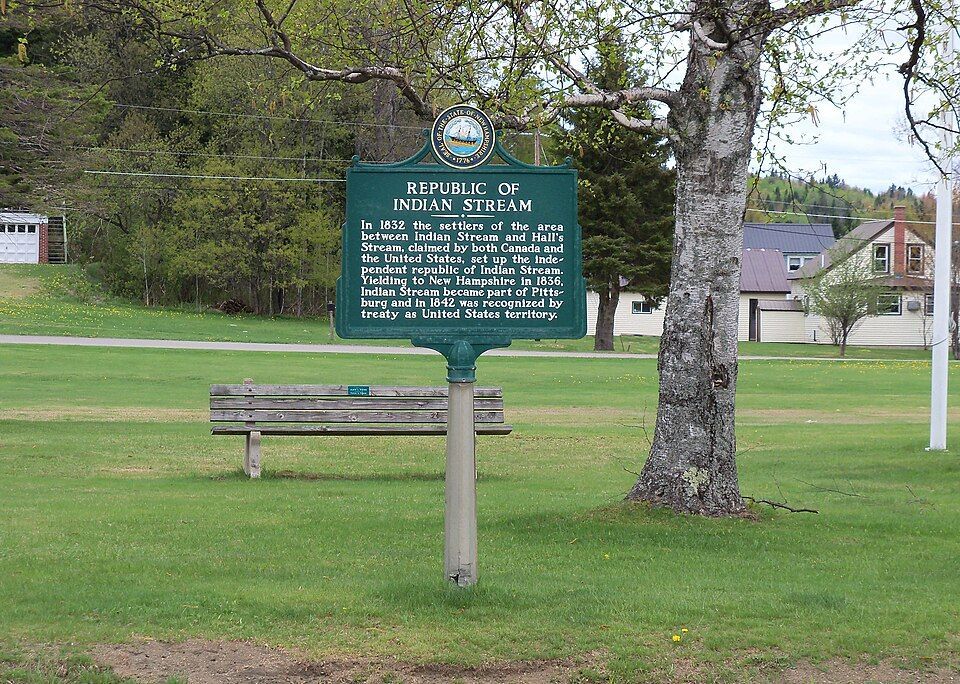
In the early 1830s, people living in a small area between New Hampshire and Quebec were fed up, and in this case, taxes were the problem. Both Canada and the US were trying to collect taxes, and nobody likes being double-billed . In 1832, the residents essentially said "neither of them can tax us" and formed their own country called the Republic of the Indian Stream. They had their own constitution and Capitol for four years, until 1836, when the militia marched on the disputed territory to reclaim the land. It wasn’t until 1842, when the land dispute and the double-taxation was definitively resolved by the Webster–Ashburton Treaty, which assigned the land to New Hampshire.

8
The Northwest Angle: Mapping mistake of 1783

Image: Lorie Shaull, CC BY-SA 4.0, via Wikimedia Commons

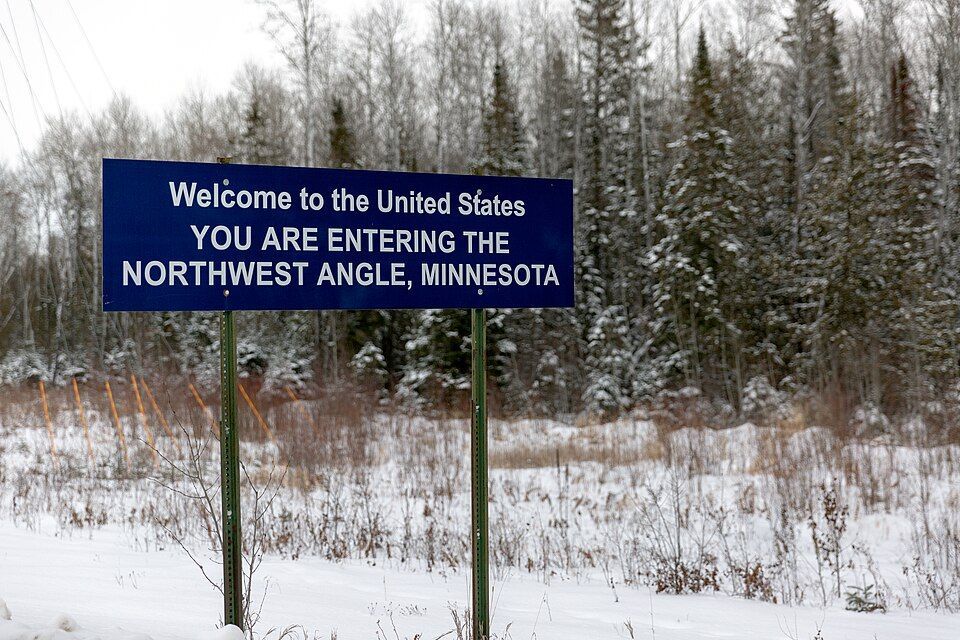
When the Treaty of Paris was signed in 1783 to end the Revolutionary War, the mapmakers used a chart that was flat-out wrong. They thought the Mississippi River started much further north than it actually did. Because of that mistake, a piece of Minnesota got cut off from the rest of the country . To this day, the "Northwest Angle" is the only place in the lower 48 states north of the 49th parallel. Much like Point Roberts, you have to cross a massive lake or drive through Canada just to visit it.

9
The District of Columbia’s "lost" corner

Image: Tim Mossholder

If you look at a map of D.C., you’ll notice it’s missing a chunk; it’s not a perfect square as it was originally intended. Originally, the capital was a perfect ten-mile square diamond , taking land from both Maryland and Virginia. But by 1846, things got tense. Residents in the Virginia portion, which included Alexandria and Arlington, were worried the federal government would abolish slavery in the District, which was the backbone of their economy. They successfully petitioned to have Virginia "take back" that portion of the land and subsequently changed the shape of the national capital forever.

10
UN Headquarters: International territory

Image: LPulecio-WMF, CC BY 4.0, via Wikimedia Commons

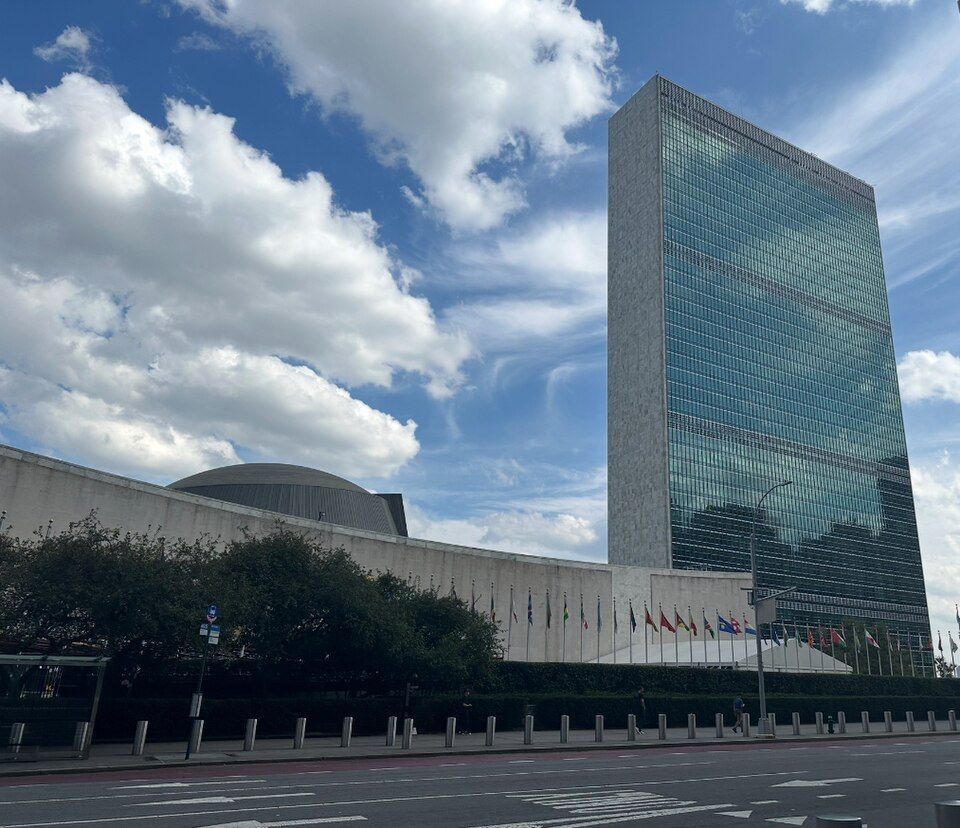
If you want to feel international, go to the United Nations Headquarters on the East River in midtown Manhattan, New York. Once you cross that gate onto the 18-acre site, you are technically leaving the United States. You don’t need to show your passport, but that’s international territory, which means it has its own laws , its own security force, and even its own postal service. It is a legal hole in the middle of New York City.

Explore more American facts

Choose your favorite category!

General
General

As American as apple pie—the very best America has to offer!

Culture
Culture

Delve into the astounding richness of American lore.

Geography
Geography

Hop in and explore vast and diverse American landscapes.

History
History

Discover the key moments that shaped the United States.