Presidents and protocols
Why do presidents have to buy their own gifts? The reason behind

Image: Jorge Alcala
Once someone becomes president, even the simplest daily habits are no longer simple. Protocols start to overcome routines, wills, and even family responsibilities. Let’s find out what rules presidents in office must follow — and some notable exceptions.
1
Skip Air Force One
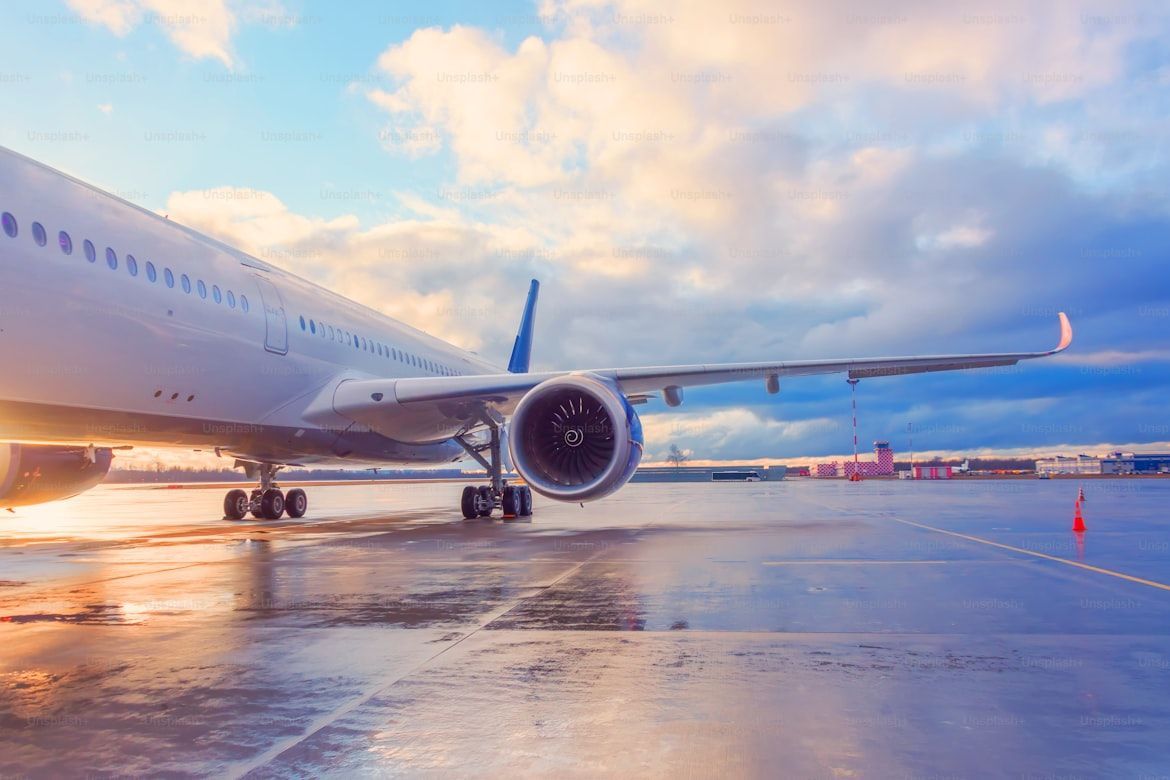
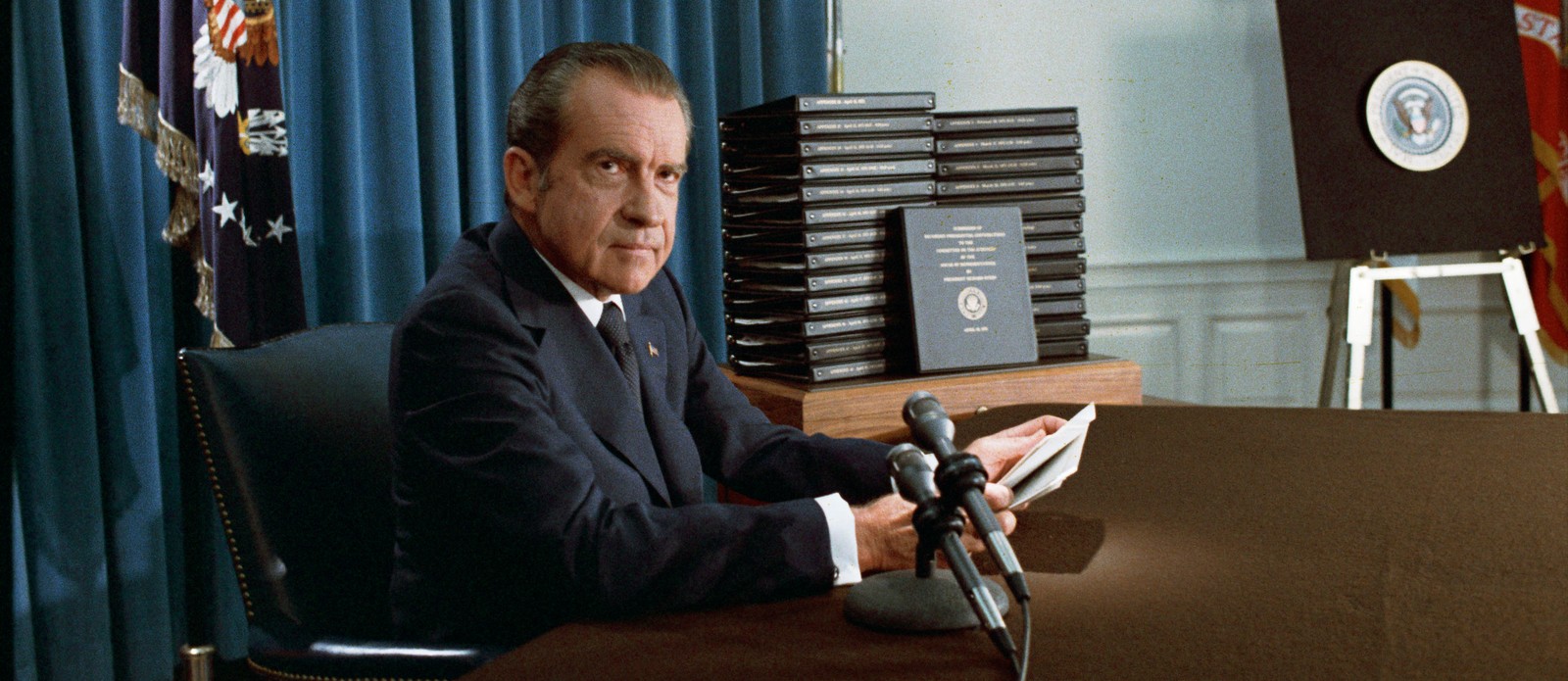
Beyond the wishes of any president, flying on a commercial airline is completely forbidden under any circumstances. Due to security concerns, Air Force One is meant to be the only way a president can travel by air. But there is actually a historic exception in this matter. In 1973, during the oil crisis, Richard Nixon flew on a regular United Airlines flight to California . The trip was meant to show support for energy-saving efforts nationwide.
2
Break the two-term rule
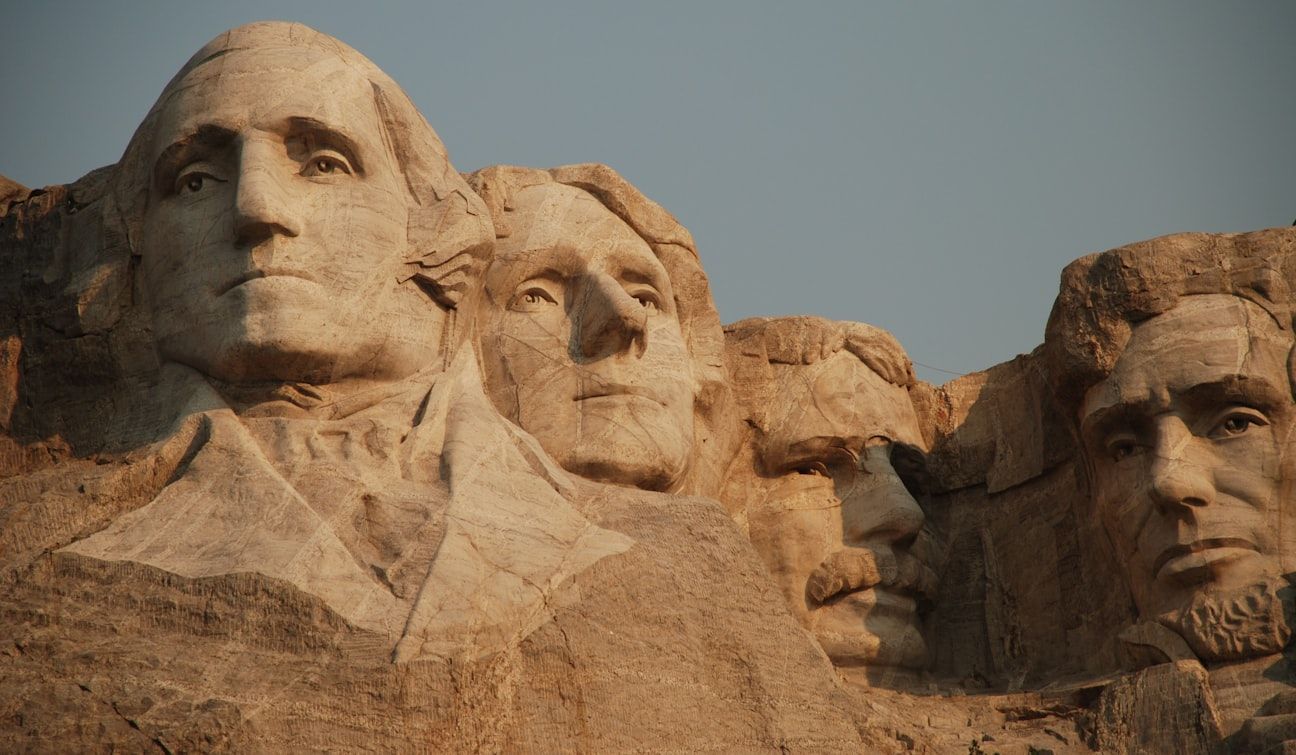
Did you know that before Franklin D. Roosevelt, presidents were not limited to two terms? They mostly followed a tradition started by George Washington, the first US president in 1789, who decided to step down after his second term. It wasn’t until the 22nd Amendment in 1951 that two terms became the official legal limit to moderate the accumulation of power in one person.
Roosevelt, who was president from 1933 to 1945 , was the only president to break that tradition because of the country's exceptional situation: During the Great Depression and World War II, many Americans wanted solid leadership. He ended up winning four elections, but died of a stroke in 1945 during his fourth term.
3
Take diplomatic gifts home
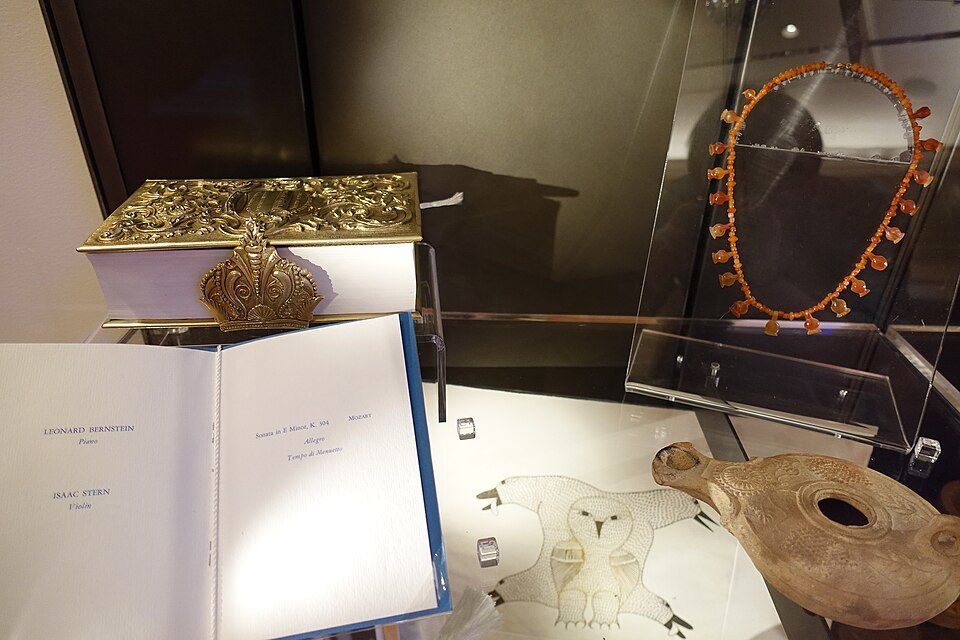
Presidents have to buy their own gifts? Truth is, they can receive gifts from foreign leaders, but they cannot always keep them as personal presents. If a gift is expensive enough to go over the government’s "minimal value" limit, it is treated as a gift to the American people. From there, the White House Gift Unit helps decide what happens to it. In fact, the president or First Lady can still keep the gift, but only if they buy it at fair market value. This rule exists so that a diplomatic gift does not appear to be a personal favor.
4
Own their official speeches
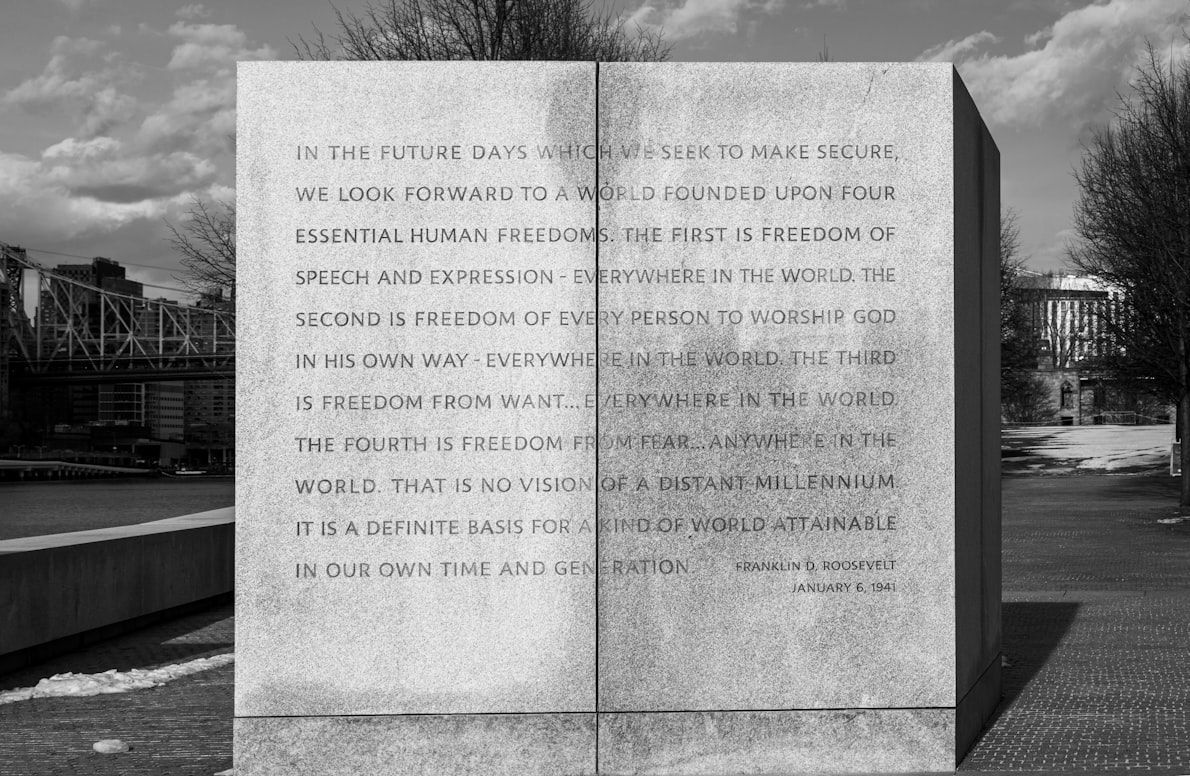
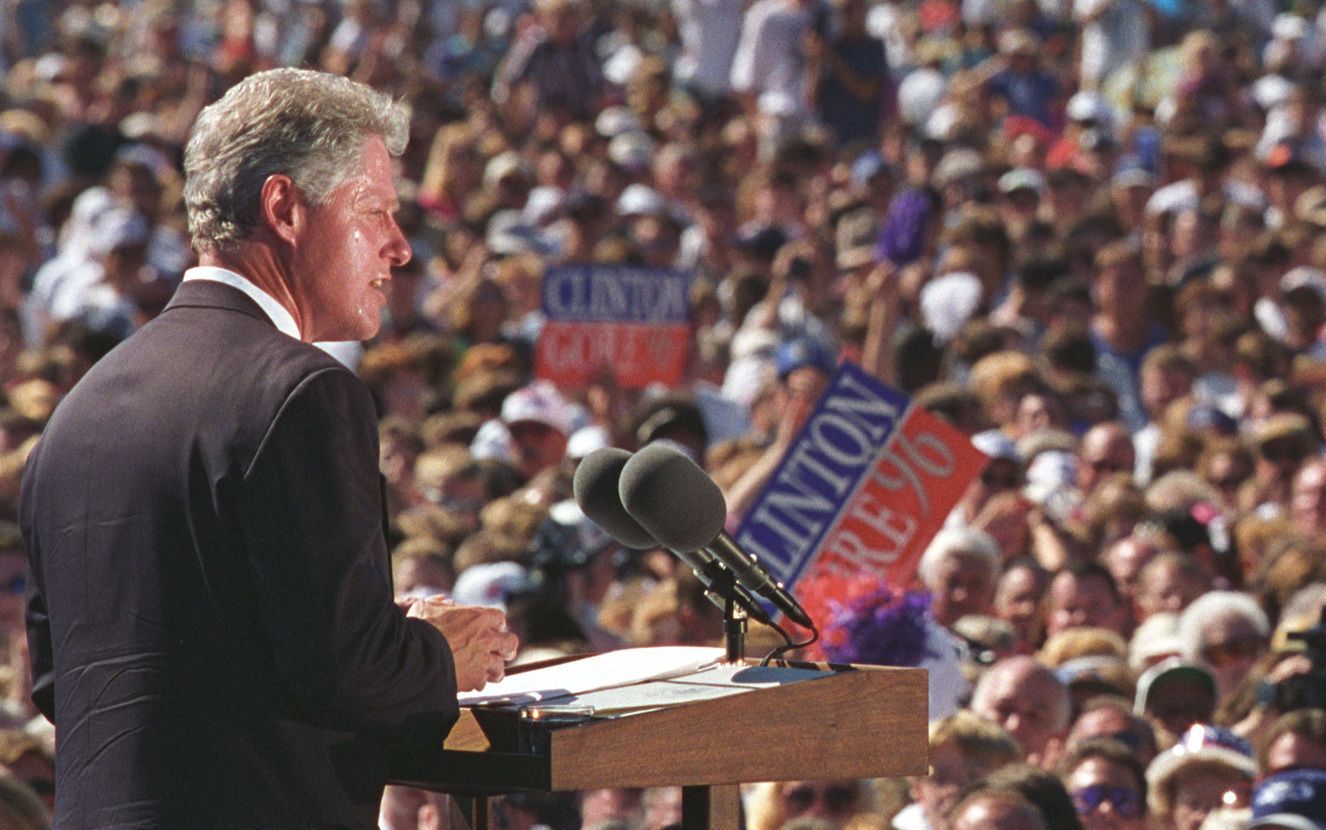
A president can stand at a podium and deliver a speech heard around the world, but that does not mean he is the private author of those words. Under U.S. copyright law, official presidential speeches are usually considered part of the public record because they are part of the job. That means people can quote them, share them, and reuse them more freely than a normal copyrighted text. You could say that the speech belongs less to the president and more to the country.
5
Enjoy a simple breeze
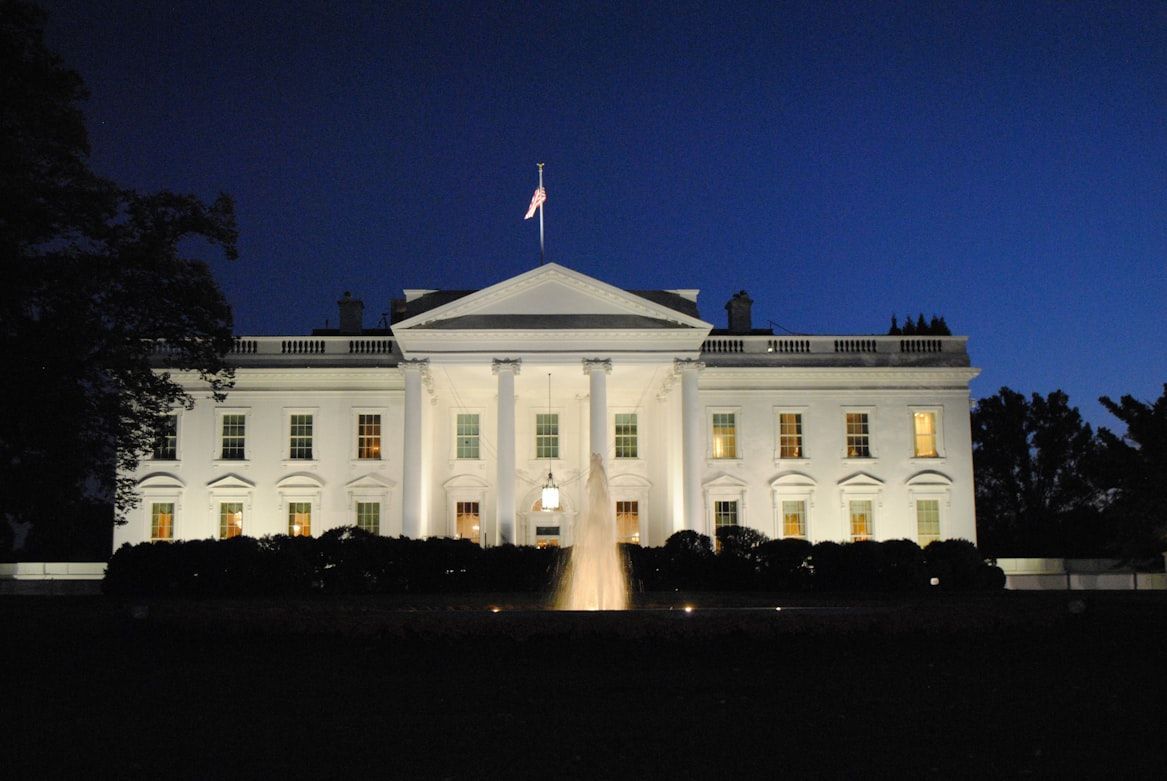
Picture the president’s reaction on his first day of office when he is advised that he is prohibited from opening windows. The White House and presidential vehicles keep their windows sealed to prevent the president from being attacked.
Michelle Obama once shared that there was one small break from those strict rules . During a short drive to Camp David, her Secret Service agent allowed her to open the car windows for a few minutes. She later described it as a feeling of normal people's luxury.
6
Block followers from official pages

What about the president’s digital life? Technology advances quickly, and presidential security must keep up; presidents cannot simply use personal social media without being monitored. In 2018, a federal judge ruled that a president cannot block people from official social media spaces, because those accounts can be treated as public forums. So even online, presidents have some restrictions to follow.
7
Hit the road by themselves
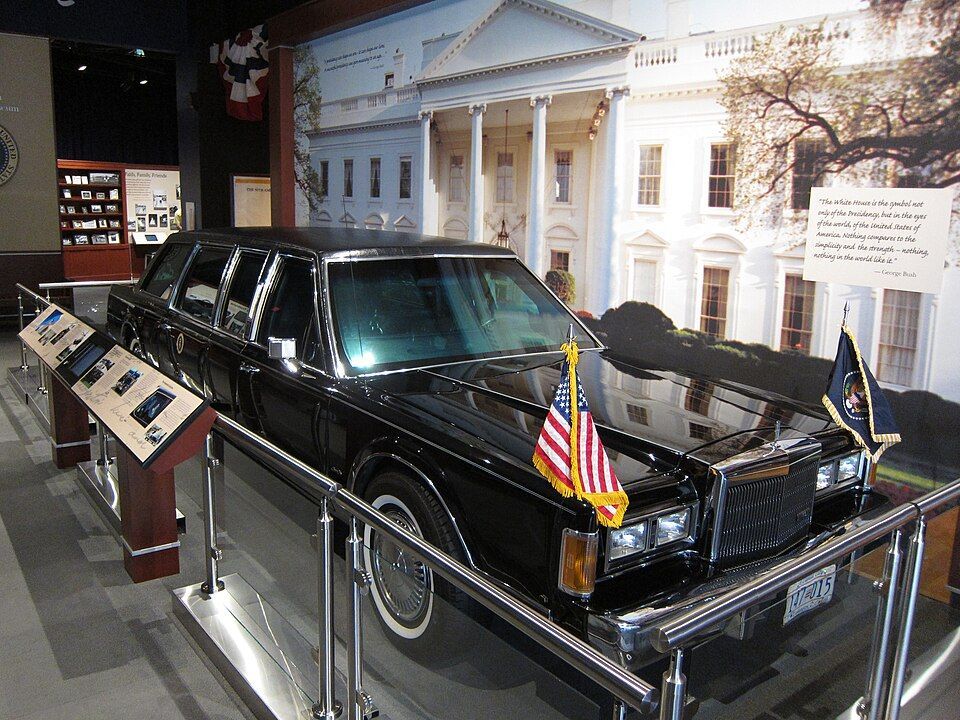
While in office, presidents and vice presidents are not allowed to drive on open roads. What’s more, the Secret Service must control their transportation in real time . There are some exceptions, though: inside personal properties, and in places like Camp David, they can drive, walk, and even ride a bike.
8
Throw away their own papers
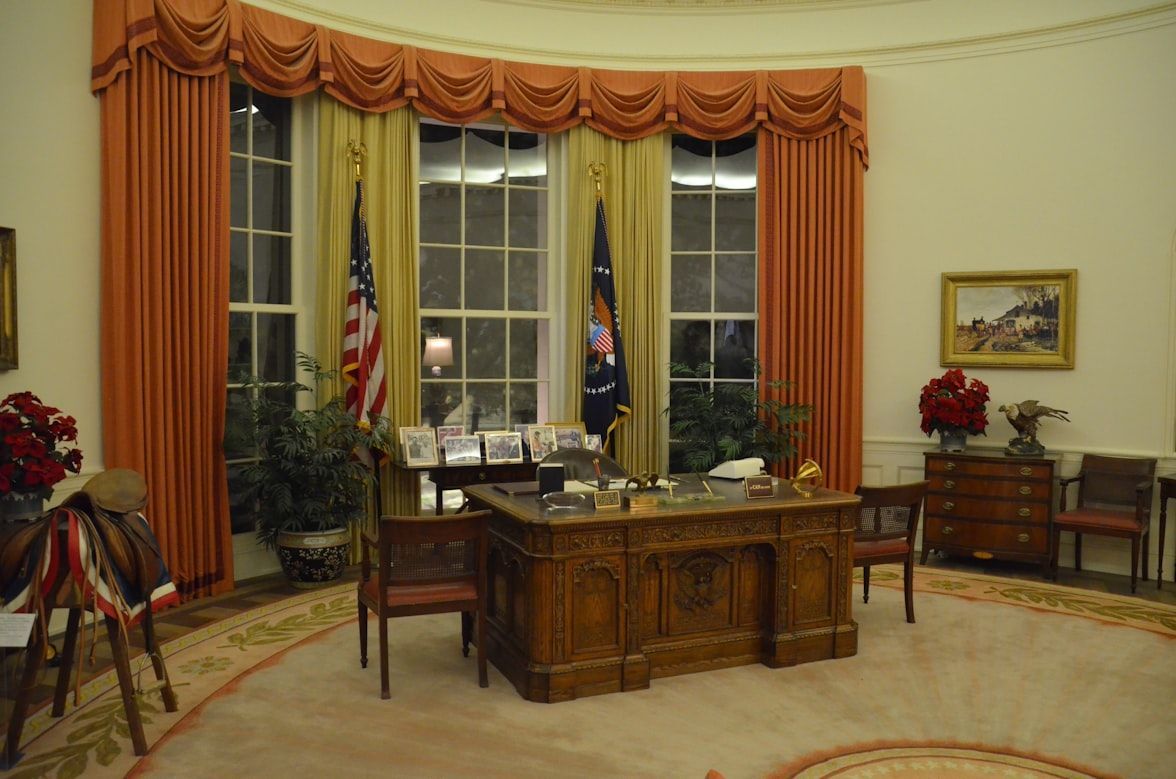
Presidents also cannot treat their office like a normal workspace. Under the Presidential Records Act, letters, notes, and emails may count as official records. That means presidents are discouraged from simply cleaning up or throwing mail away on their own. Instead, White House staff must sort everything carefully first, so no important piece of history ends up in the trash by accident.
9
Join normal family outings
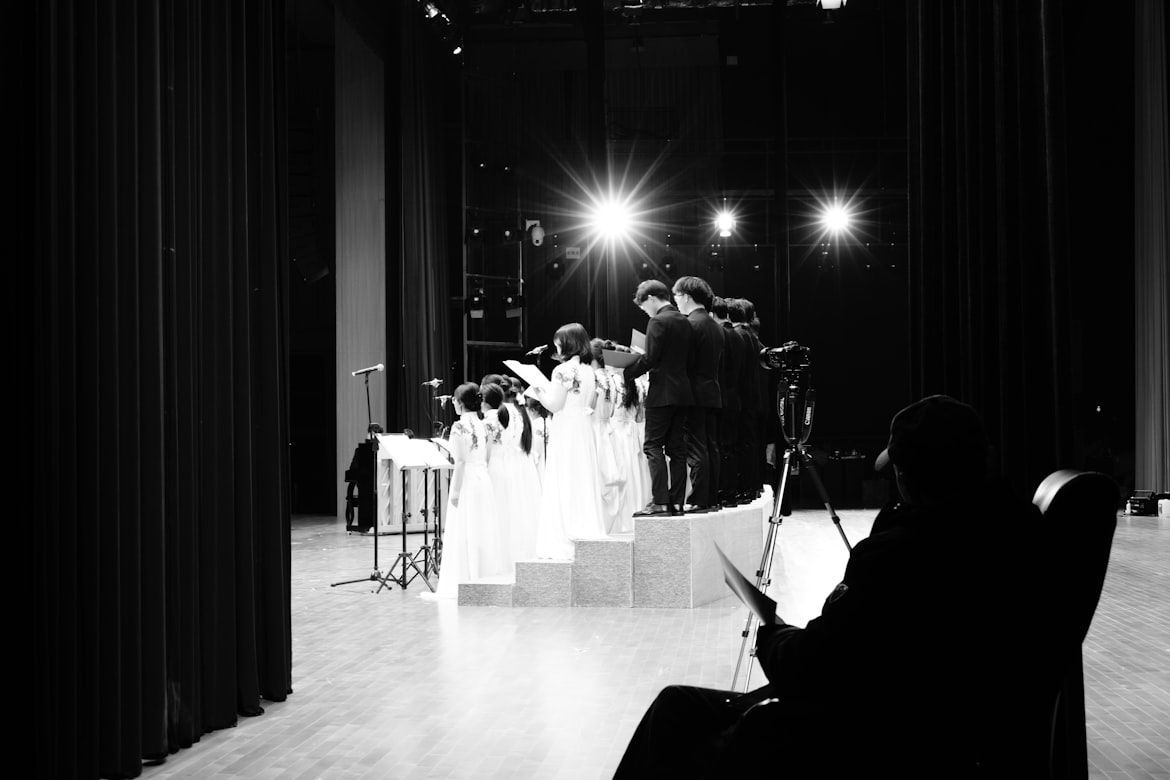
Imagine the scene of the president casually arriving at his child’s school one morning. As we would assume, there are security restrictions that prevent presidents from attending a child or grandchild's concert or sporting event. These restrictions affect the entire First Family, but they also keep everyday situations from turning chaotic.
10
Scroll through a normal inbox

Even the president’s inbox has personal security. People can send a message to the president online, but it does not go straight to a personal email account; it actually goes through the official White House contact form first. Then staff members read it, sort it, and decide where it should go. Since presidential emails can become part of the public record, they must be saved and handled carefully.