General General 4 min read

The American Dream

10 famous actors who became U.S. citizens
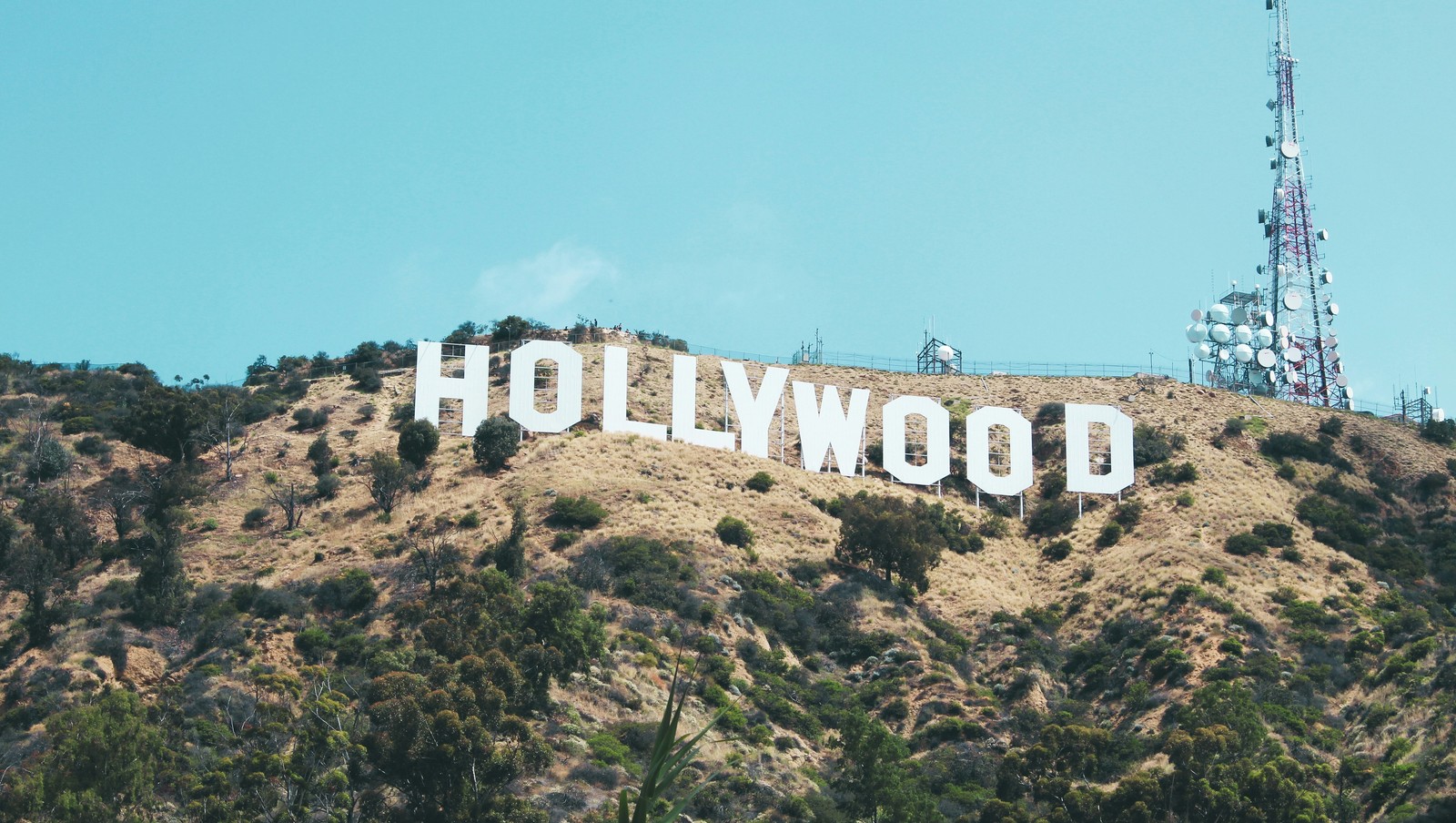
Image: Nathan DeFiesta

Many foreign actors adopt an American persona in order to fit into certain roles. After all, Hollywood is one of the world's largest film industries. But some actors have decided to make America their home beyond acting, which has led them to apply for citizenship and become naturalized Americans. Here are 10 actors who were born elsewhere and became U.S. citizens later in life!

1
Arnold Schwarzenegger
Image: Tom Def

Let’s kick it off with someone everybody knows. In case the excessive use of consonants in his last name wasn’t enough of a clue, Arnold Schwarzenegger was born and raised in Austria, where he built a successful career in bodybuilding. After winning major bodybuilding titles, he moved to the U.S., where he continued competing and later transitioned into acting. He became a U.S. citizen in 1983 and went on to serve as Governor of California from 2003 to 2011.

2
Elizabeth Taylor
Image: Daniele Levis Pelusi

One of the brightest stars of 1950s Hollywood, Elizabeth Taylor is known for her unforgettable performances in classics such as Cleopatra , Cat on a Hot Tin Roof , and Who’s Afraid of Virginia Woolf? Born in London in 1932 to American parents from Arkansas, Taylor held dual British-American citizenship from birth. Although she was initially raised in the UK, her family returned to the U.S. when World War II broke out. There, she began what would become a triumphant acting career, earning her first starring role at age 12 in National Velvet .

3
Charlize Theron
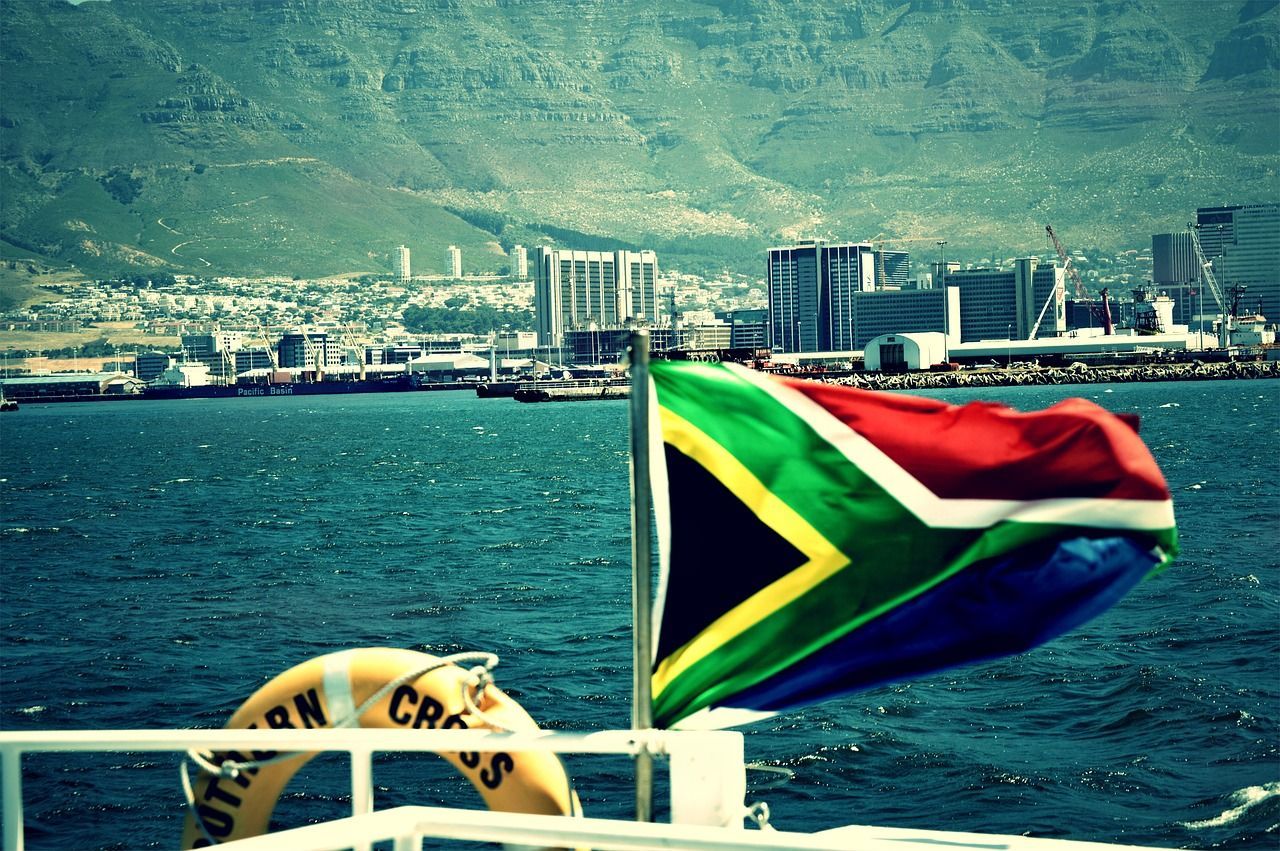
Image: barendlotter

Born in Benoni, in what was then the Transvaal province of South Africa, Charlize Theron began her career as a model and later trained as a dancer. While trying (and failing) to get into the film industry, she got her breakthrough thanks to her not being American: she famously caught the attention of a talent agent while arguing with a bank teller who refused to cash her check because she was a foreigner. She became a U.S. citizen in 2007 and has retained her South African citizenship.

4
Liam Neeson
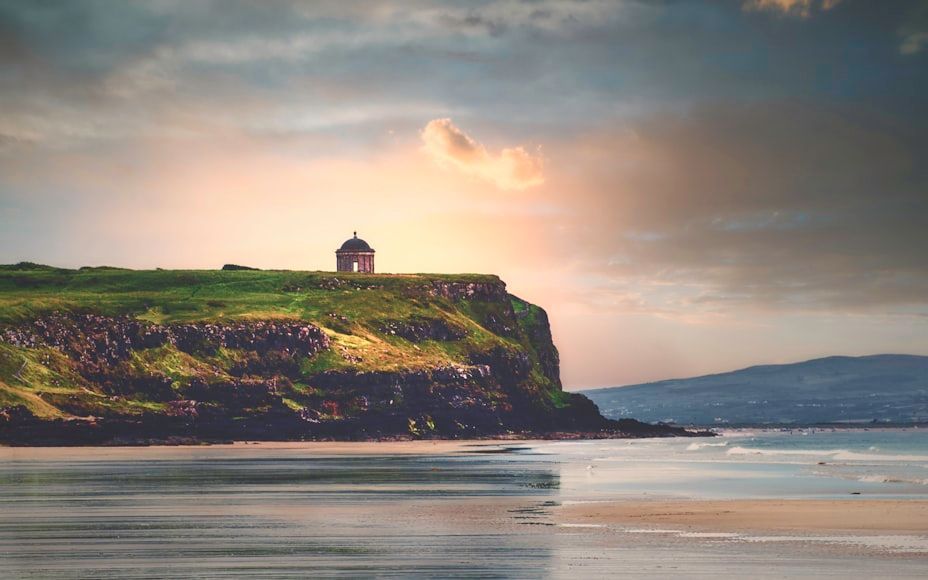
Image: K. Mitch Hodge

Liam Neeson was born and raised in Ballymena, Northern Ireland, and started his career as a theater performer in Belfast and Dublin. After being cast in a minor role in the film Excalibur (1981), he built a successful career in both the UK and the U.S. Neeson acquired American citizenship in 2009 and said he was inspired by the overwhelming support he received from Americans following the tragic death of his wife, Natasha Richardson.

5
Cary Grant
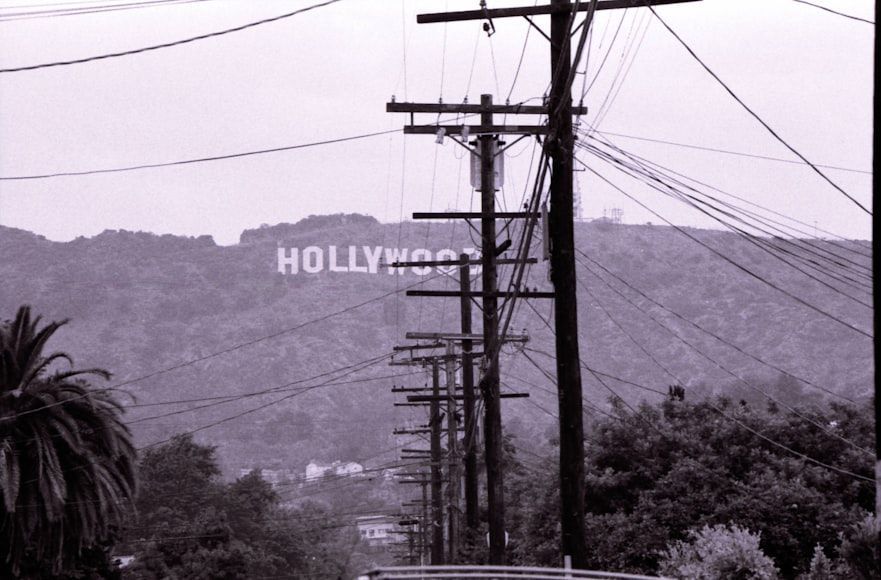
Image: thomas cook

One of the biggest stars of Hollywood’s Golden Age, Cary Grant was born Archibald Alec Leach in Bristol, England. He first came to the U.S. as a teenager in 1920 as part of a theater troupe, and eventually transitioned into film, becoming famous for his romantic comedies before expanding into other genres. In 1942, he became a U.S. citizen and legally changed his name to Cary Grant.

6
Maureen O’Hara
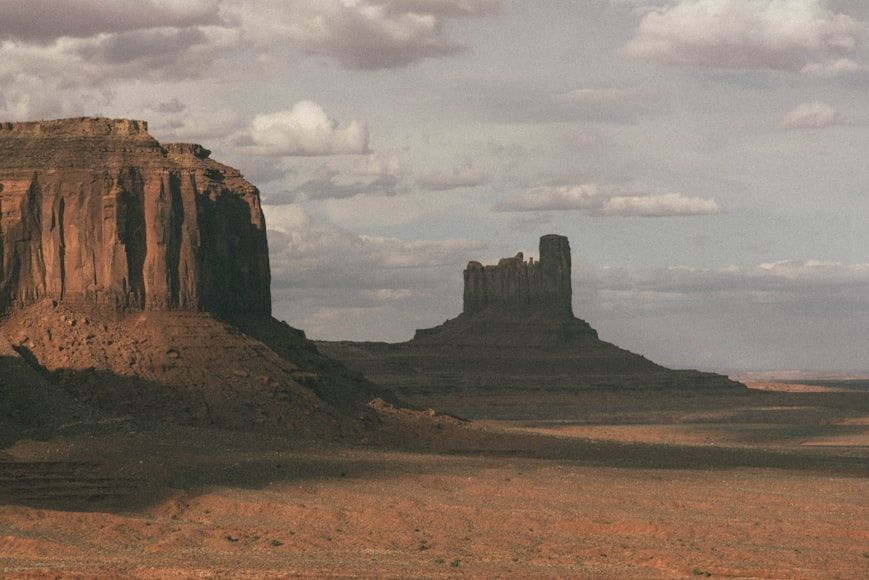
Image: Mike Fox

Maureen O’Hara might not have been born an American, but she earned her place in one of the most American film genres of all: the Western. Born Maureen FitzSimons in Dublin, Ireland, she got her first major role in Alfred Hitchcock’s Jamaica Inn (1939), where she was billed as Maureen O’Hara, a stage name chosen for her by the studio. She rose to stardom soon after with her leading role in John Ford’s How Green Was My Valley (1941), and went on to become iconic in Westerns and adventure films. She became a naturalized U.S. citizen in 1946.

7
Helen Mirren
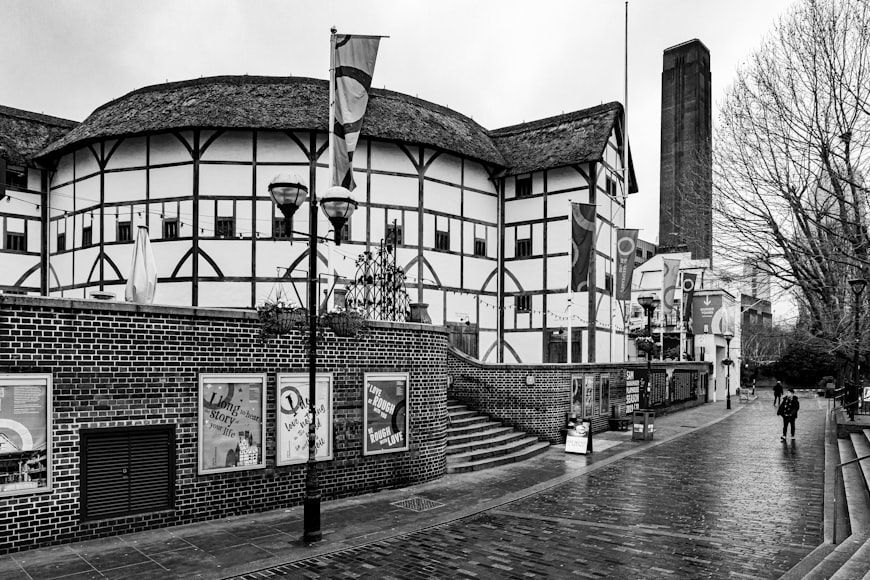
Image: Hulki Okan Tabak

Ilyena Lydia Mironoff was born in the UK as part of an exiled Russian noble family who eventually changed their surname to Mirren. She started her career as a theater performer in the Royal Shakespeare Company, and went on to achieve major success in film and television. Though she became a U.S. citizen in 2017, she had considered herself American for a long time. In an interview, she revealed that witnessing the 9/11 attacks in New York City gave her an "epiphany" about where her allegiance lay, which helped prompt her decision to become a U.S. citizen.

8
Anthony Quinn
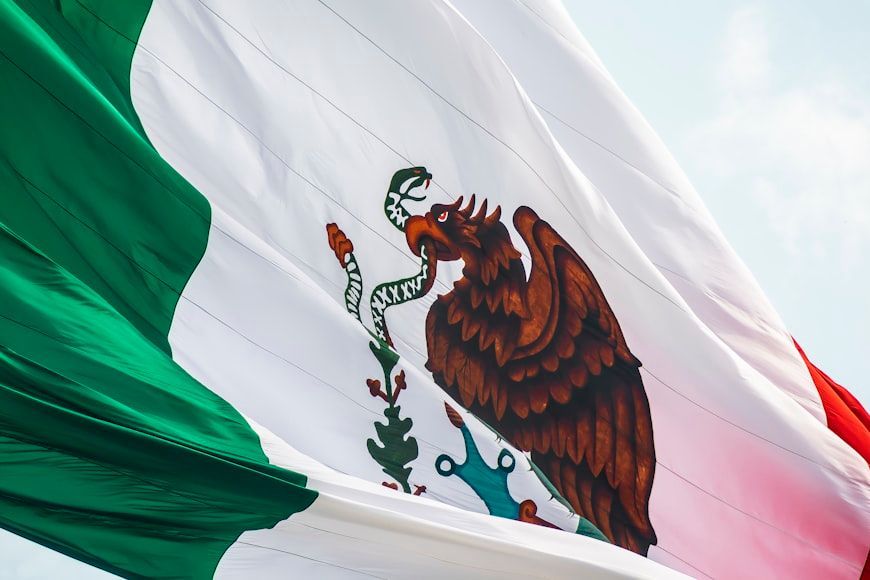
Image: Jorge Aguilar

Many people are surprised to learn that Anthony Quinn was not American-born. Originally named Manuel Antonio Rodolfo Quinn Oaxaca, he was born in Chihuahua, Mexico, to a Mexican mother of Indigenous heritage and an Irish immigrant father. After a short stint as a boxer, he began a successful acting career and became the first Mexican-born actor to win an Academy Award, ultimately winning two Oscars. He became a U.S. citizen in 1947.

9
Olivia de Havilland and Joan Fontaine
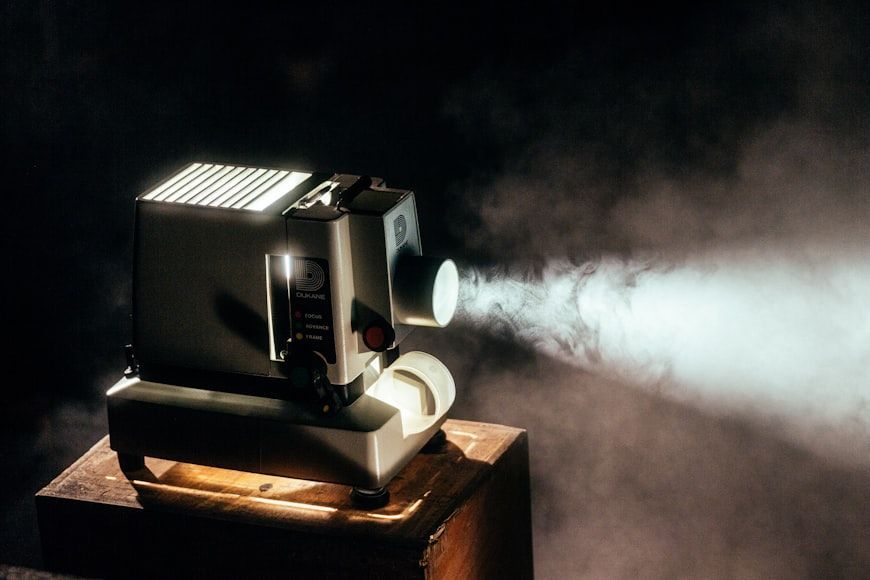
Image: Jeremy Yap

Famous actresses, rivals, and sisters Olivia de Havilland and Joan Fontaine were born in Tokyo, Japan, to British parents, making them British subjects from birth. Both were brought up in the United States after their mother moved the family to California. Their careers in Hollywood were marked by a well-publicized sibling rivalry: according to biographies, their mother favored Olivia and discouraged Joan from using the family name, prompting her to adopt the stage surname Fontaine .

Olivia de Havilland became a naturalized U.S. citizen in 1941, just months before the U.S. entered World War II, and she actively contributed to the war effort, including touring to support troops. Her sister Joan gained citizenship a few years later, in 1943.

10
Greta Garbo
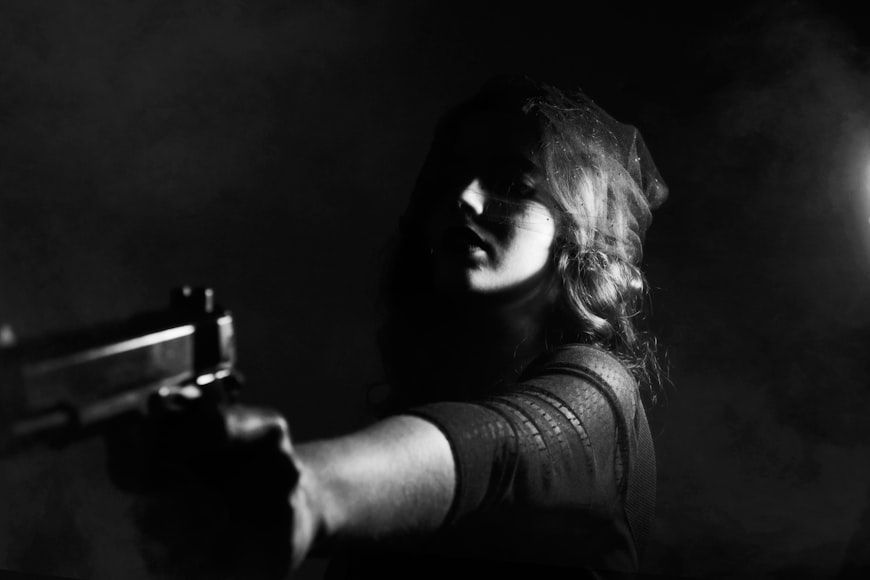
Image: Sofia Sforza

Born in Stockholm, Sweden, as Greta Lovisa Gustafsson, Greta Garbo became one of the defining stars of Hollywood’s early Golden Age. After appearing in a supporting role in the Swedish film The Saga of Gösta Berling (1924), she caught the attention of Metro-Goldwyn-Mayer executives, who brought her to Hollywood to begin what became a legendary silent-film career, one that only grew stronger with the transition to sound. After nearly two decades in film, Garbo famously retired from acting in 1941 and later became a U.S. citizen in 1951.
Geography Geography 3 min read

Hidden country

10 places in America that still baffle scientists (and tourists love)

Image: JaZmi

America has no shortage of mysterious places—locations steeped in legend, unexplained science, or just eerie natural beauty. From strange floating orbs to weird geological phenomena, these destinations keep historians, scientists, and thrill-seekers guessing. Whether man-made or naturally puzzling, these 10 U.S. locations refuse to offer simple explanations.

1
Area 51

Image: Michael Herren

Location: Nevada

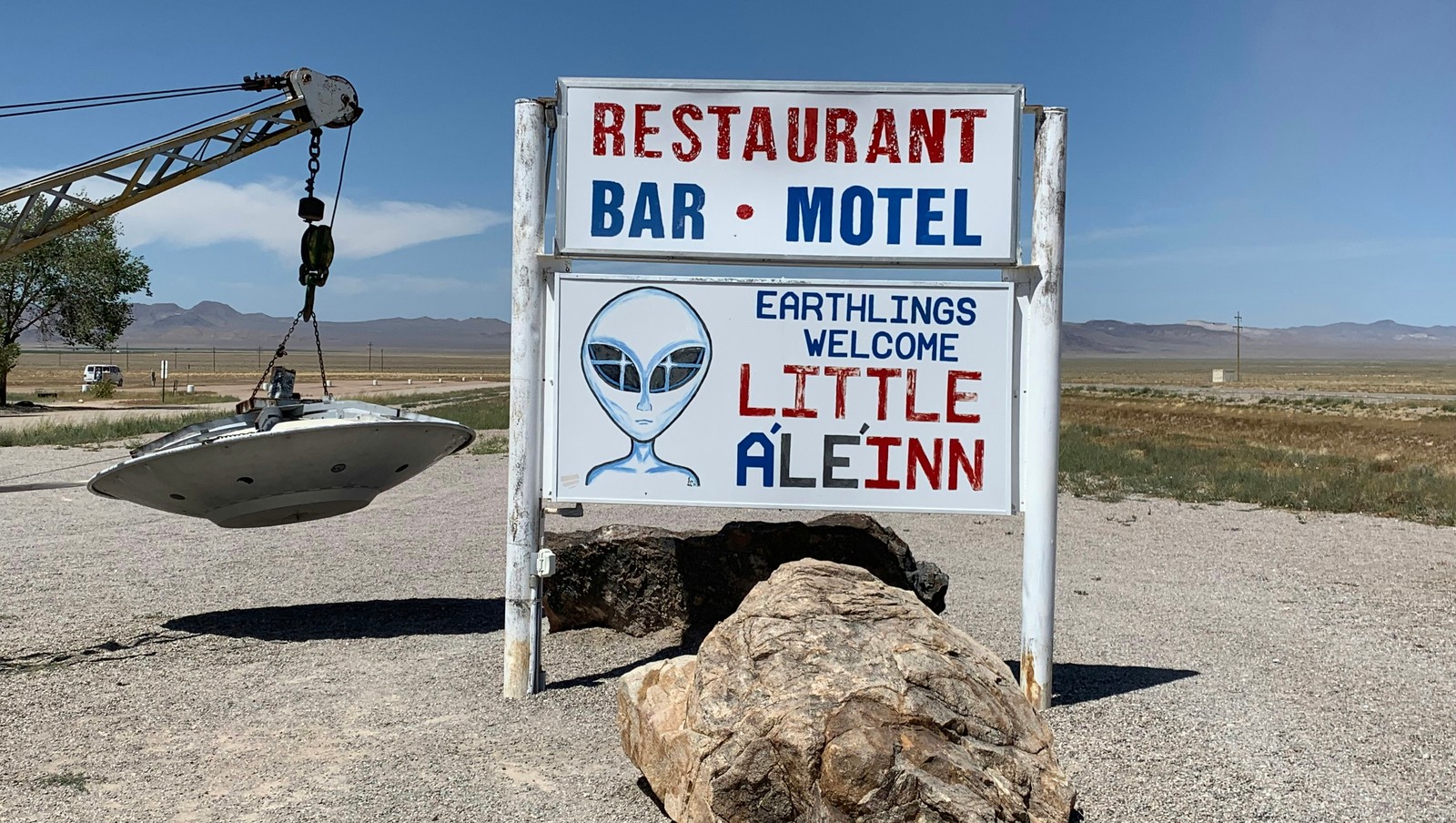
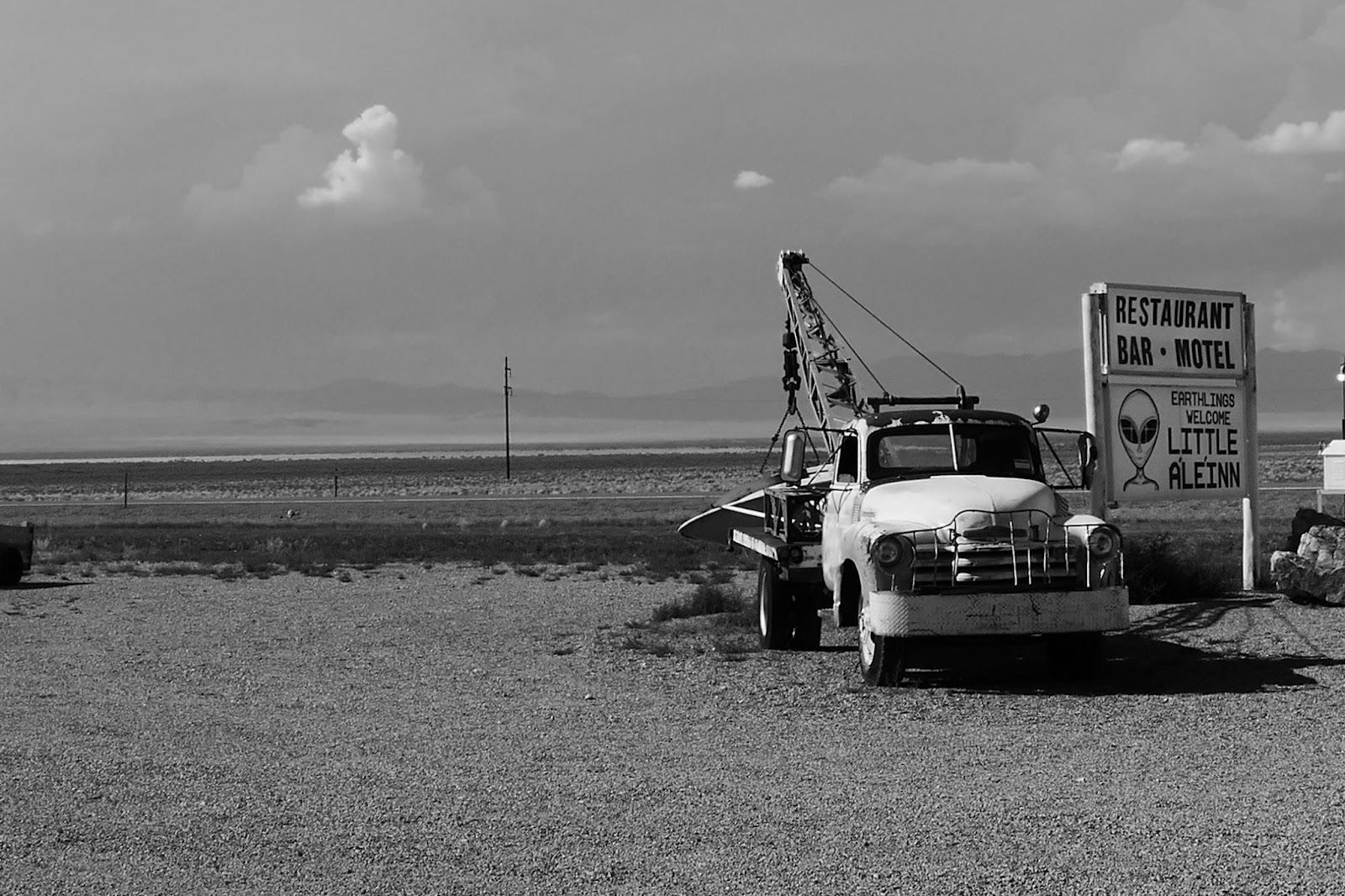
Shrouded in secrecy, this military base has become synonymous with UFOs and government cover-ups. Its official purpose was testing aircraft like the U-2 spy plane and Stealth Bomber, but its classified nature fueled decades of wild speculation, ranging from secret weapons to actual aliens working for the government.

2
Coral Castle

Image: Audric Wonkam

Location: Florida

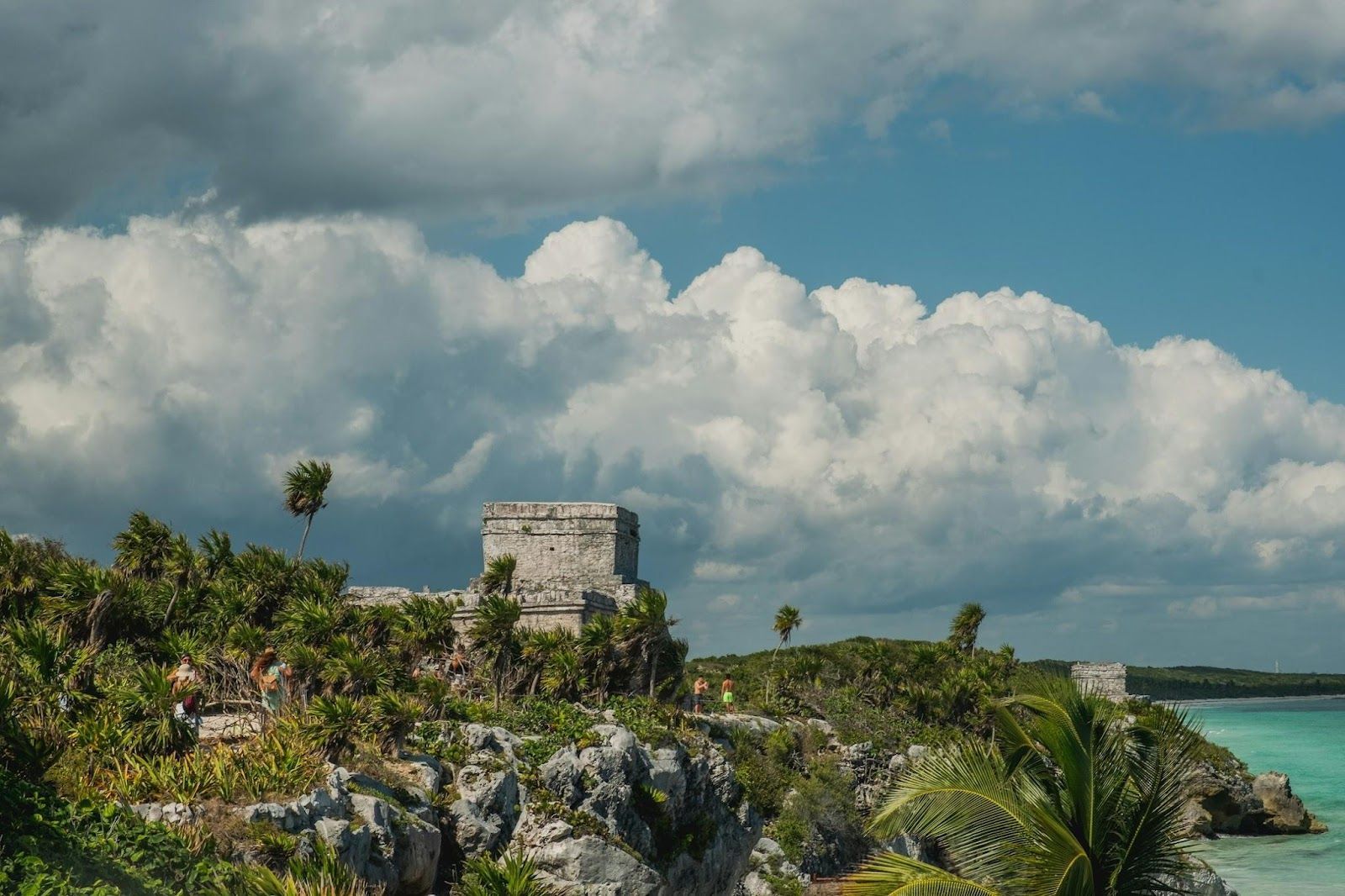
This massive stone structure was built by a single man, Edward Leedskalnin, using enormous limestone blocks—some weighing 30 tons. According to him, no heavy machinery was ever used during the construction, and he even claimed to know the secrets of the pyramids . To this day, engineers and historians debate how he moved and placed those stones with such precision.

3
Skinwalker Ranch

Image: Jacob Padilla

Location: Utah

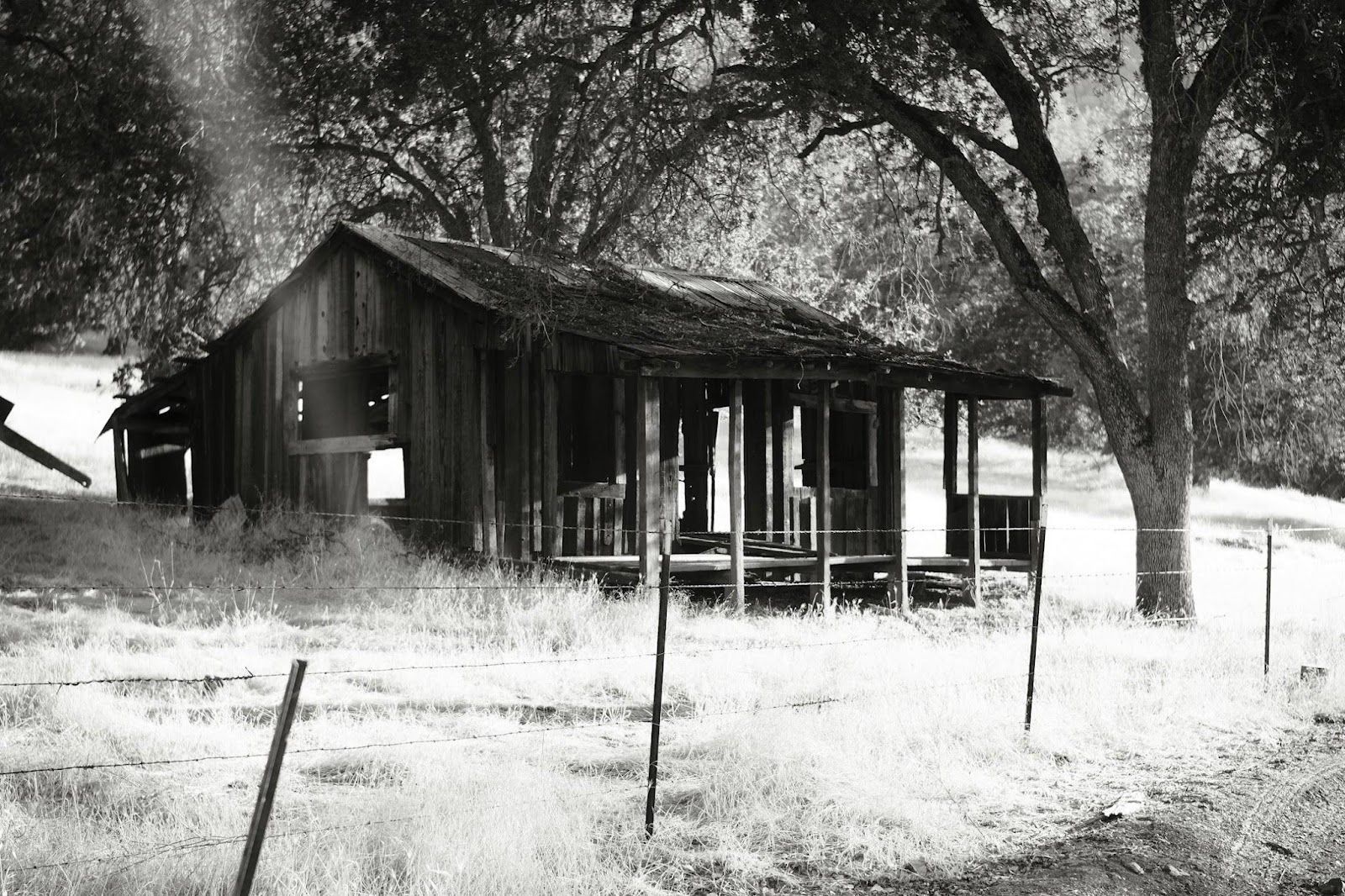
This 512-acre property has long been at the center of UFO sightings, cattle mutilations , and alleged portals to other dimensions. The stories were so compelling that, in the ’90s, a private research organization purchased the ranch to try and make some scientific sense of the claims, conducting extensive field studies. However, after nearly a decade of research, they found no conclusive evidence.

4
Mammoth Cave

Image: Ksenia Kudelkina

Location: Kentucky

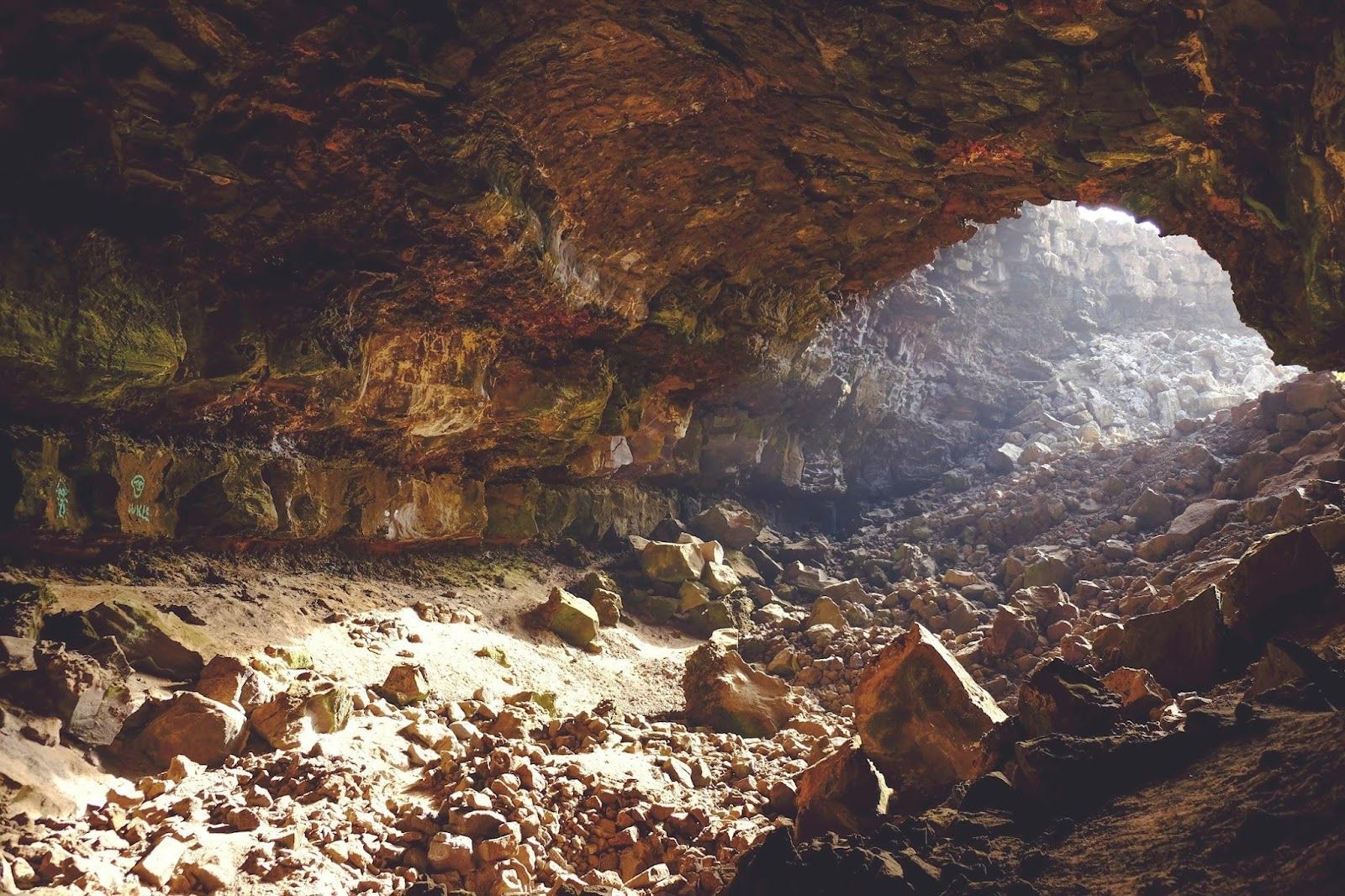
The world’s longest known cave system has its fair share of unexplored tunnels, ghost stories, and strange air currents. More than 400 miles have been mapped , yet many passages remain uncharted. Researchers have yet to fully understand the cave’s underground ecosystem, and new chambers are still being discovered today.

5
The Marfa Lights

Image: Alexandra Vo

Location: Texas

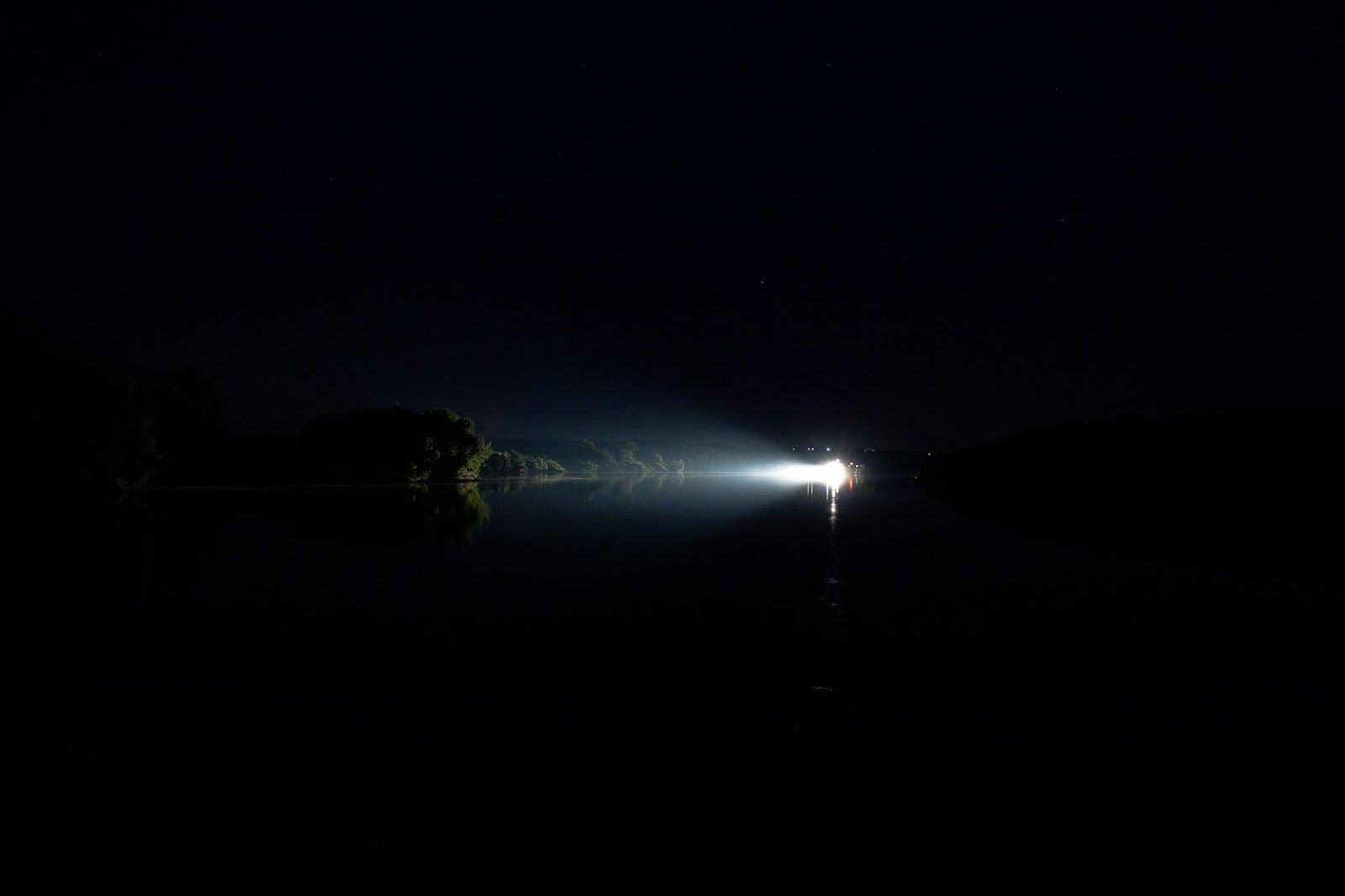
Reported since at least the late 19th century, floating orbs of light have been seen near this small town with no consistent explanation. Night watchers continue to gather at designated viewing areas along Highway 90, hoping for a glimpse. While scientific studies suggest that distorted car headlights are the most likely cause, many remain convinced otherwise.

6
The Devil’s Kettle

Image: Andrew Ling

Location: Minnesota

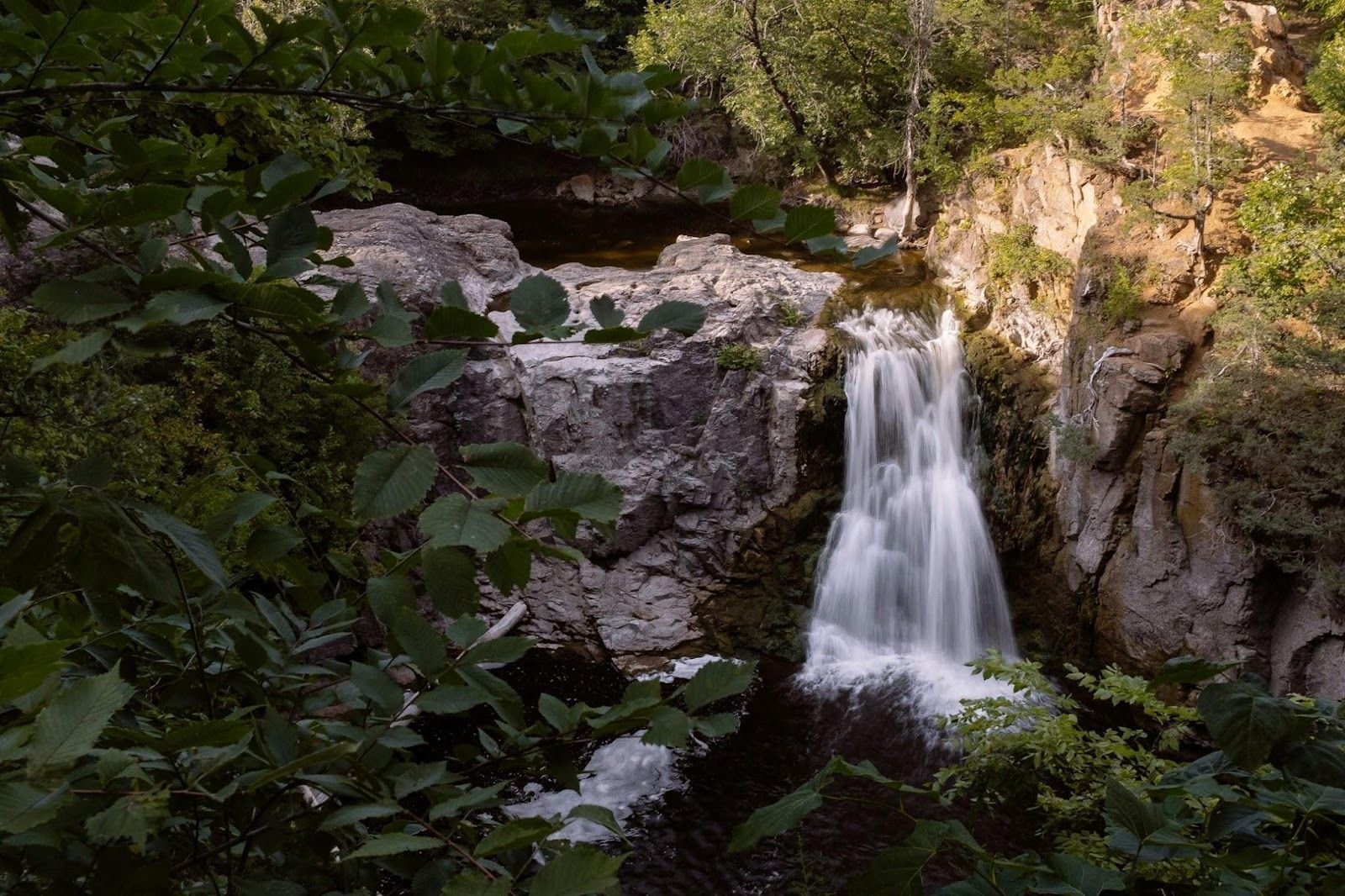
This unusual waterfall splits in two—one half flows normally, while the other vanishes into a deep pothole with no known exit. Scientists poured dye, ping-pong balls, and even GPS trackers into the mysterious hole, all to see where the water ends up. While researchers eventually confirmed it rejoins the river underground, exactly how and where remained elusive for decades.

7
Cahokia Mounds

Image: pcrm Dorego

Location: Illinois

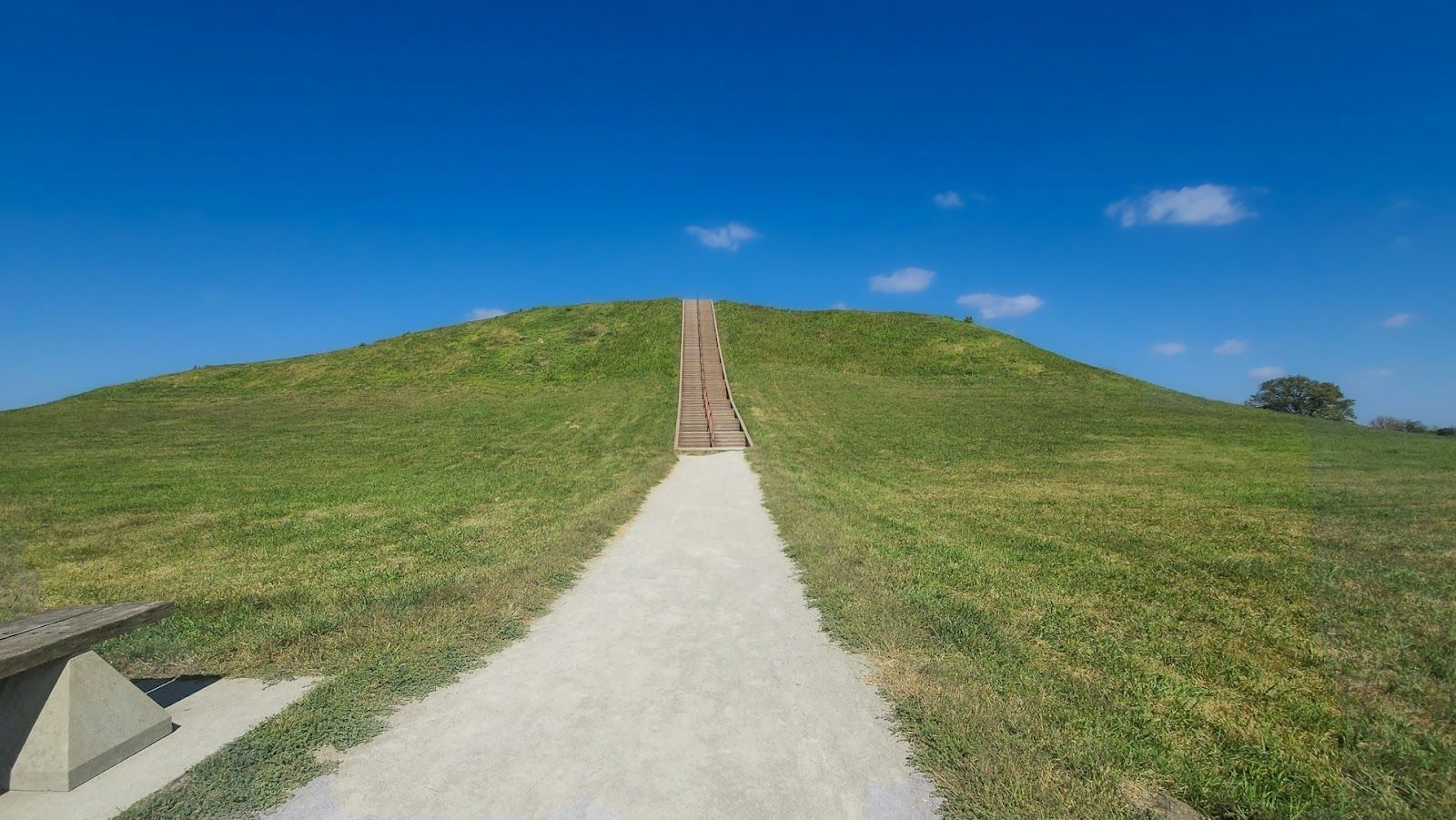
Built centuries before Columbus arrived in the Americas, the ancient city of Cahokia featured massive earthen mounds, wooden palisades, and likely formed part of complex trade networks across the continent. Despite having a population rivaling London in the 1200s, according to archaeologists, the city was mysteriously abandoned in the span of a few years. No written records explain its decline, though environmental stress, resource shortages, and internal social factors are often cited as possible causes.

8
Blythe Intaglios

Image: Alexander Schimmeck

Location: California

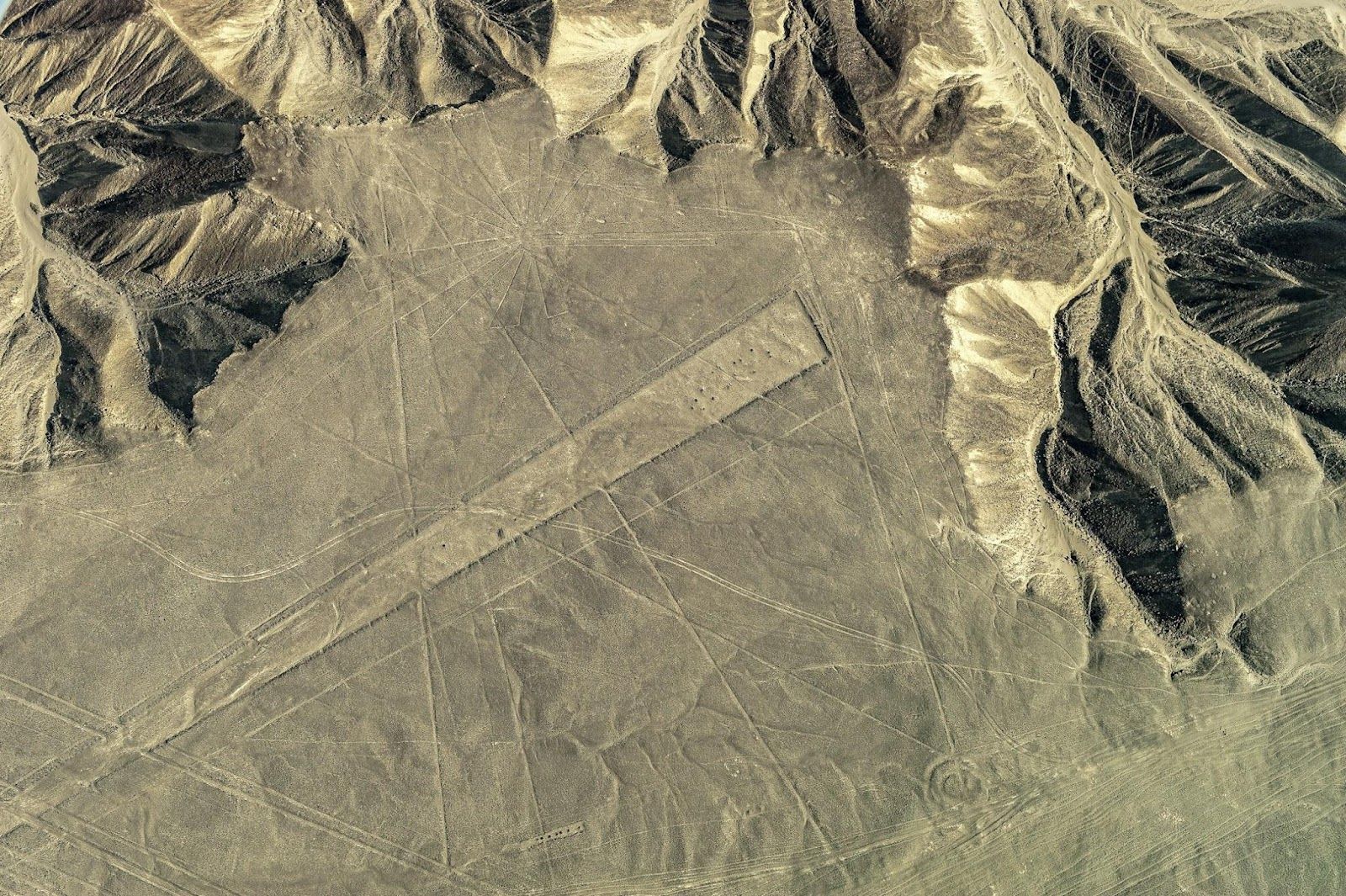
Similar to Peru’s Nazca Lines, these giant geoglyphs are etched into the desert floor, seemingly visible only from the sky. Created by scraping away dark rocks to reveal lighter earth beneath, the figures are believed to be between 450 and 2,000 years old, depending on the specific design. While their exact purpose remains a mystery, they are believed to have had a ceremonial function.

9
The Spooklight

Image: Ben Griffiths

Location: Missouri-Oklahoma Border

Also known as the Hornet Spooklight, this floating orb has been seen since at least the late 19th century. It appears along a rural stretch of road near the small community of Hornet, Missouri, and Quapaw, Oklahoma. While some theorize it could be caused by car lights from miles away, some sightings predate automobiles.

10
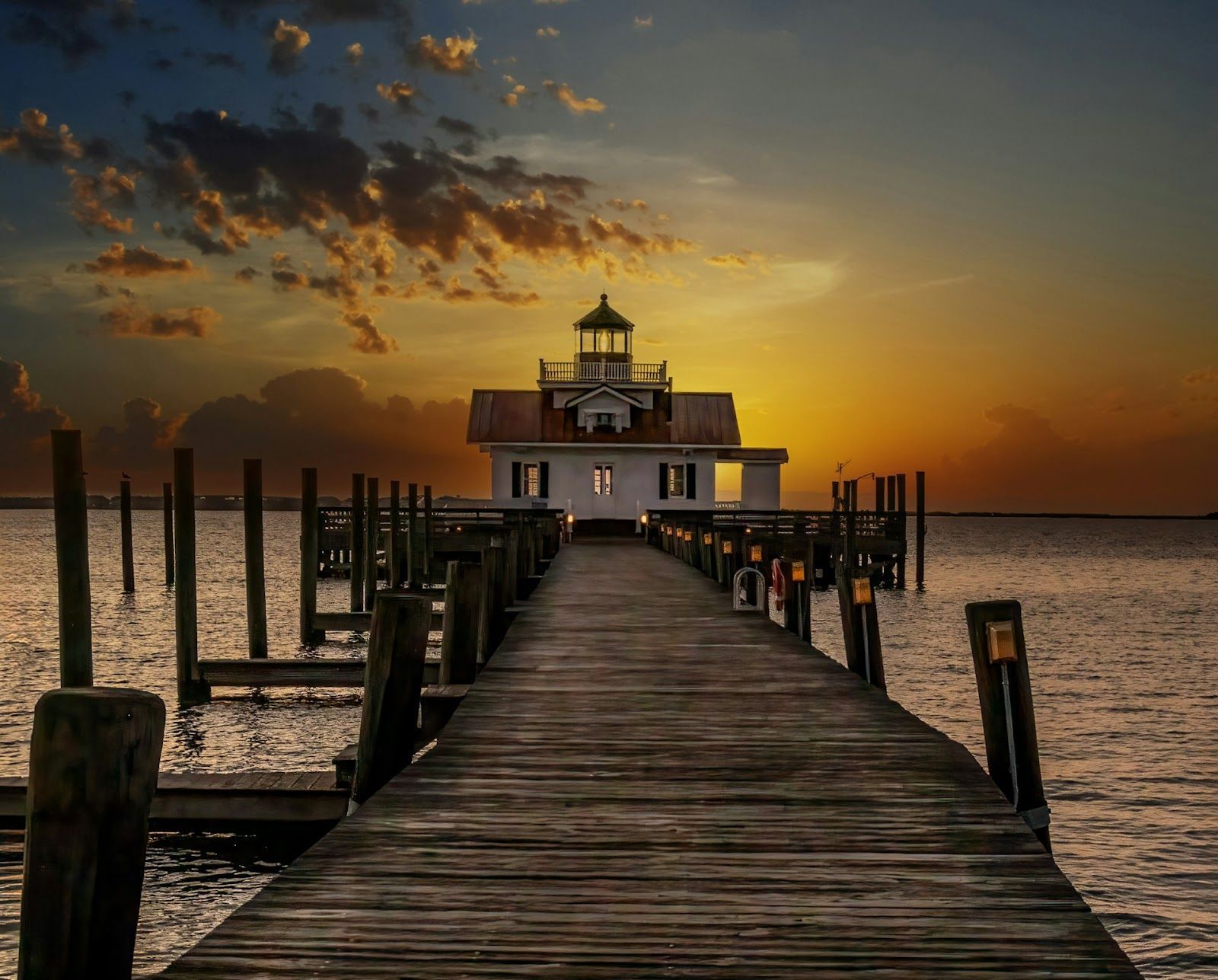
Roanoke Island

Image: Stephen Crane

Location: North Carolina

In the 1580s, an entire colony vanished overnight, leaving behind only the word "Croatoan" carved into a tree. No graves, no remains—just an eerie disappearance that sparked centuries of theories, from disease and starvation to assimilation with local tribes. Modern archaeology uncovered European artifacts at sites associated with Native groups miles away, but no definitive evidence has ever solved the mystery.

General General 3 min read

Say cheese!

Did you know your phone's camera can do this?

Image: César Guadarrama Cantú

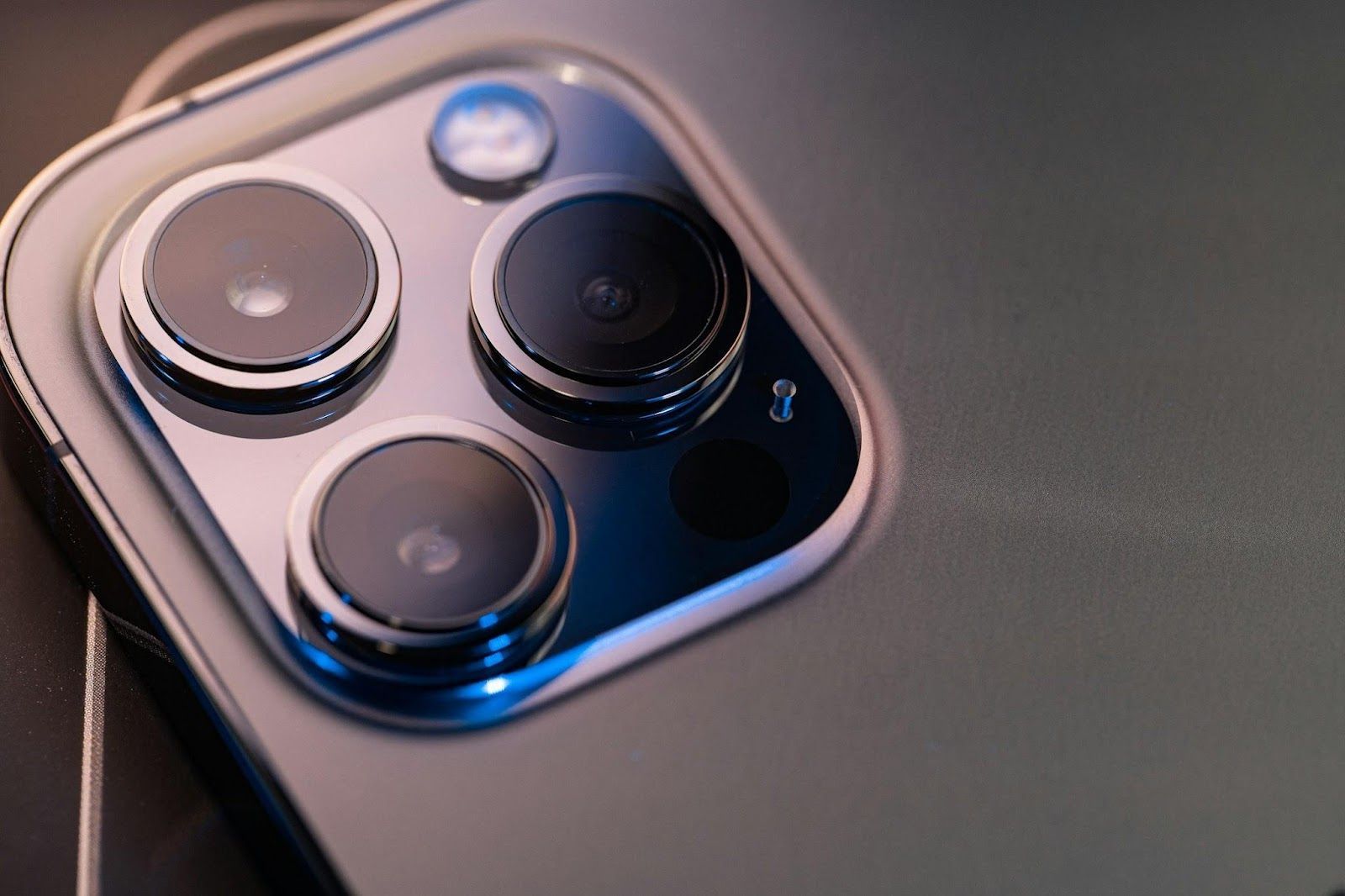
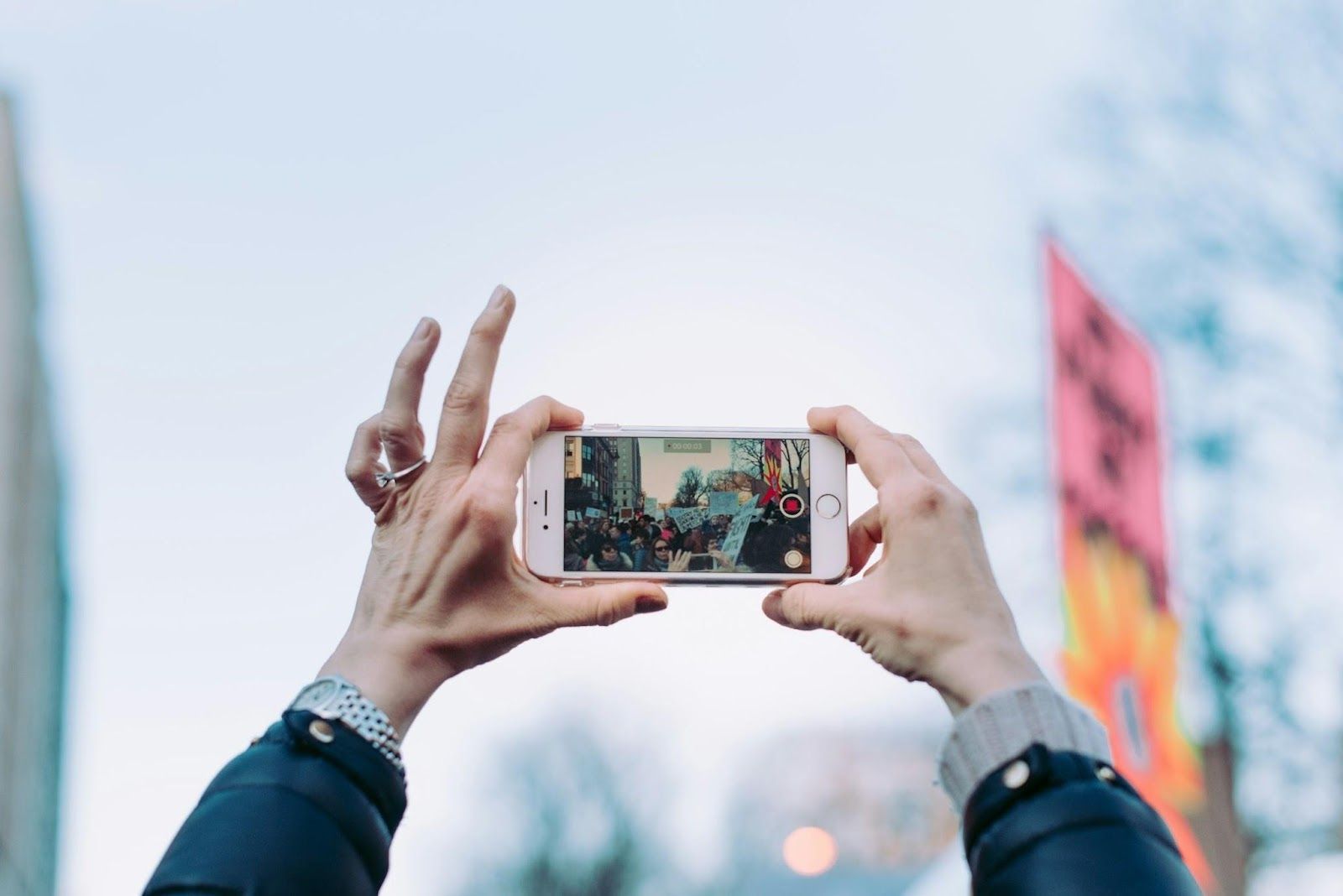
Each year, our smartphones’ cameras improve, with superior lenses and new features that allow savvy users to take incredible photos. Many of those same capabilities are already available on your device. How many of these tricks do you know?

1
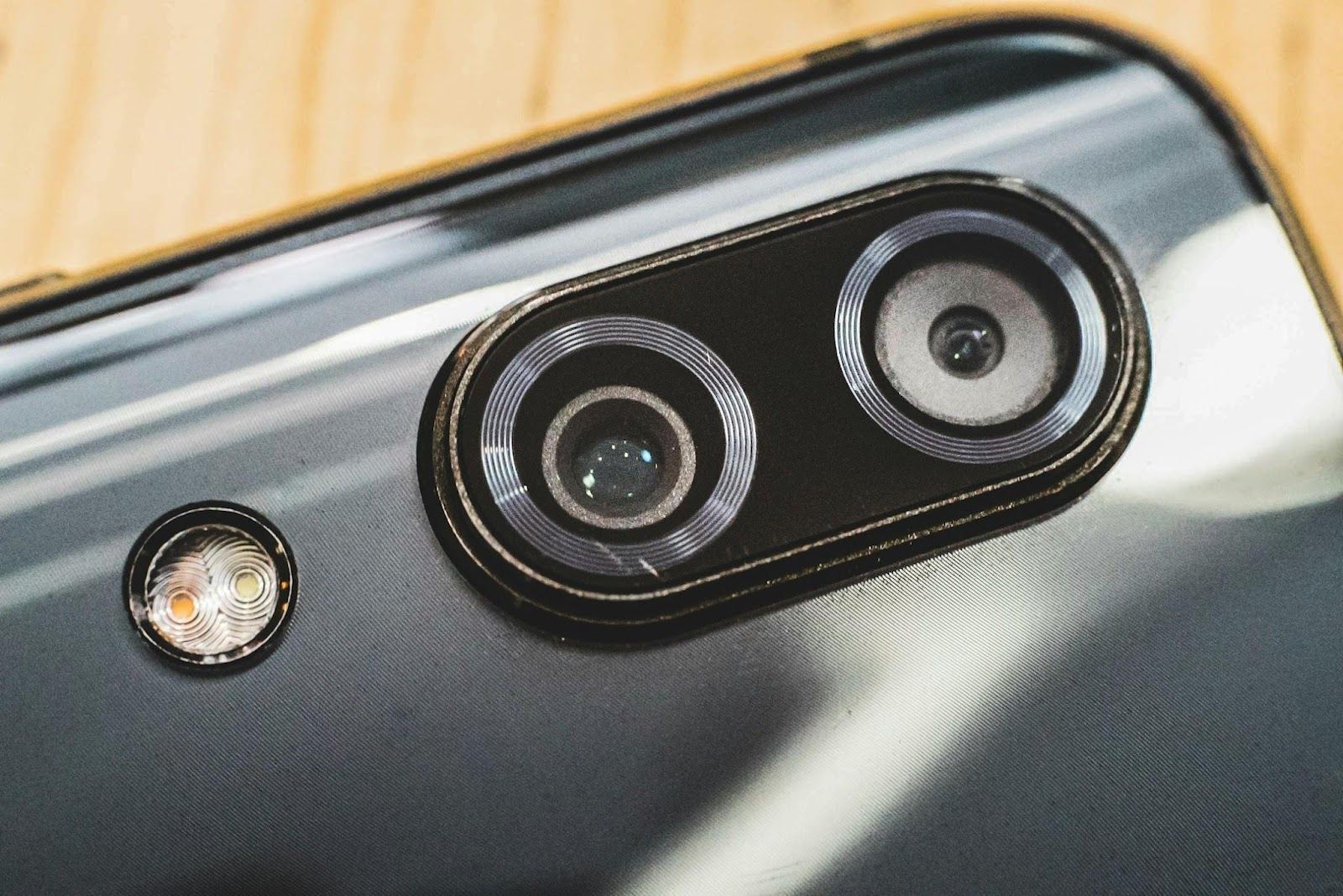
Clean your lens

Image: Mika Baumeister

We’ll start with probably the most essential—and somehow most overlooked—tip: take a moment to clean your smartphone’s camera lens. Over time, it can accumulate dust and smudges, which can result in hazy or blurry photos.

Give it a quick wipe with a soft, lint-free cloth . It can make a significant difference in the clarity of your shots.

2
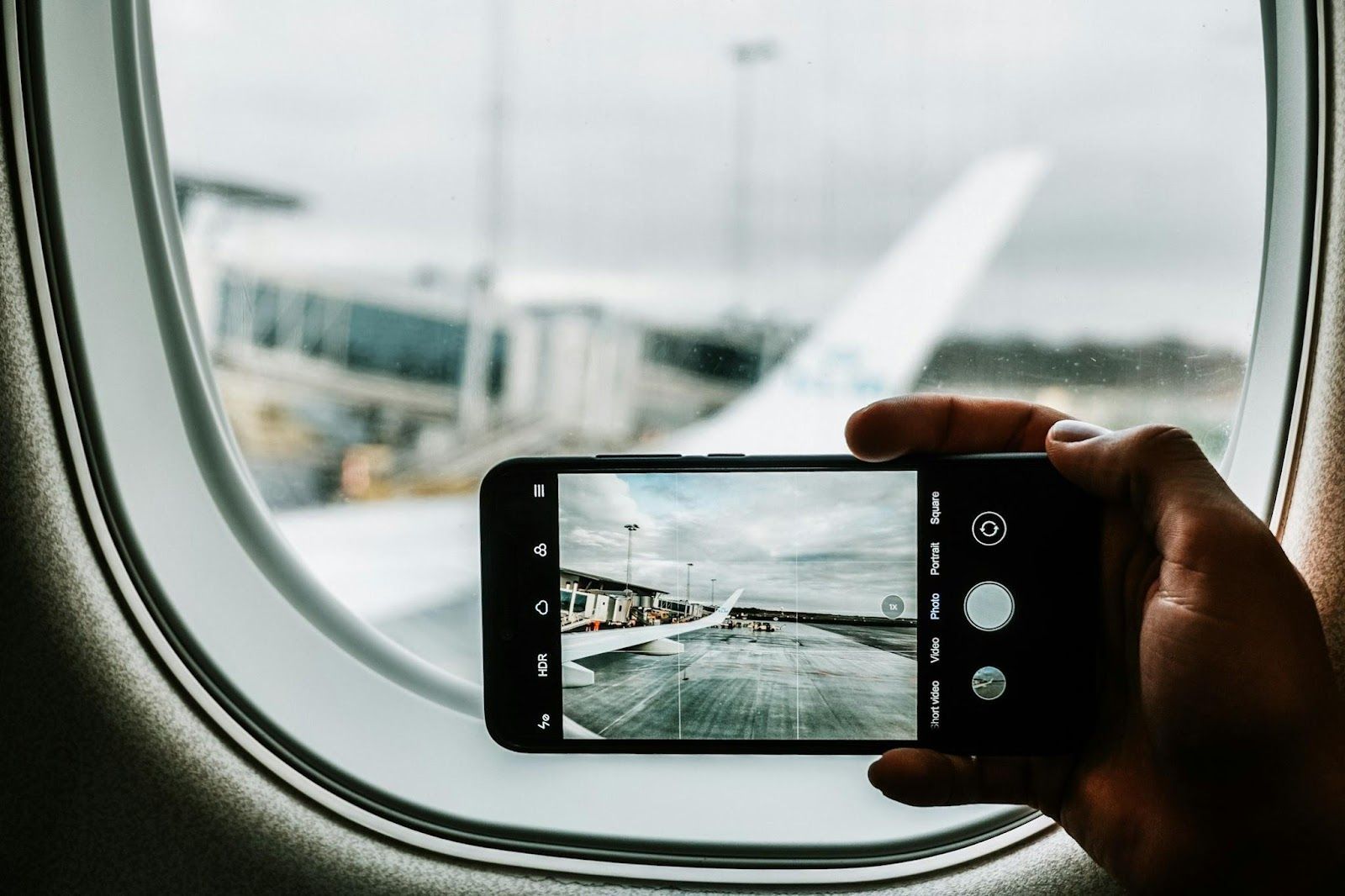
Investigate your camera app

Image: Brett Jordan

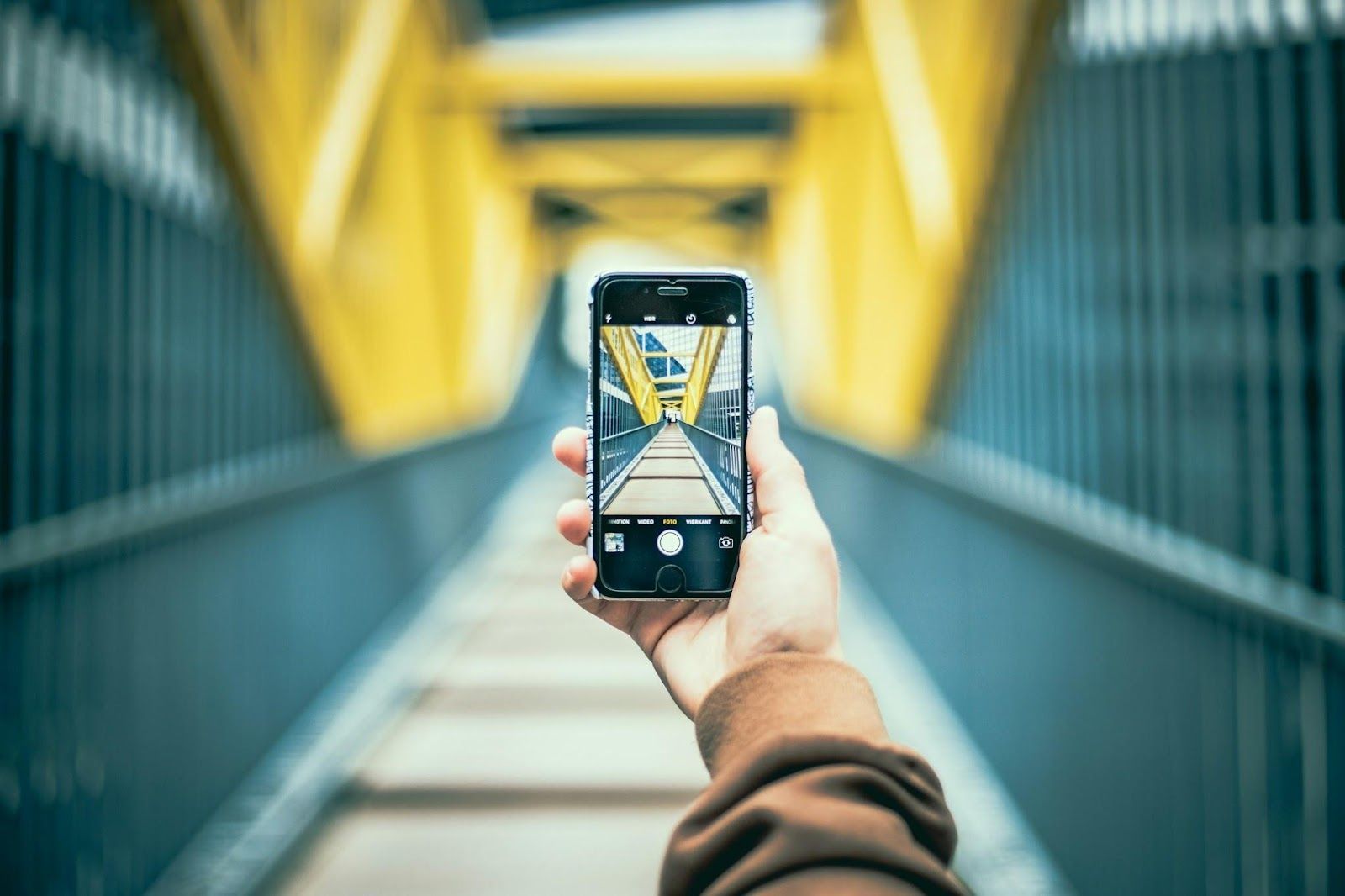
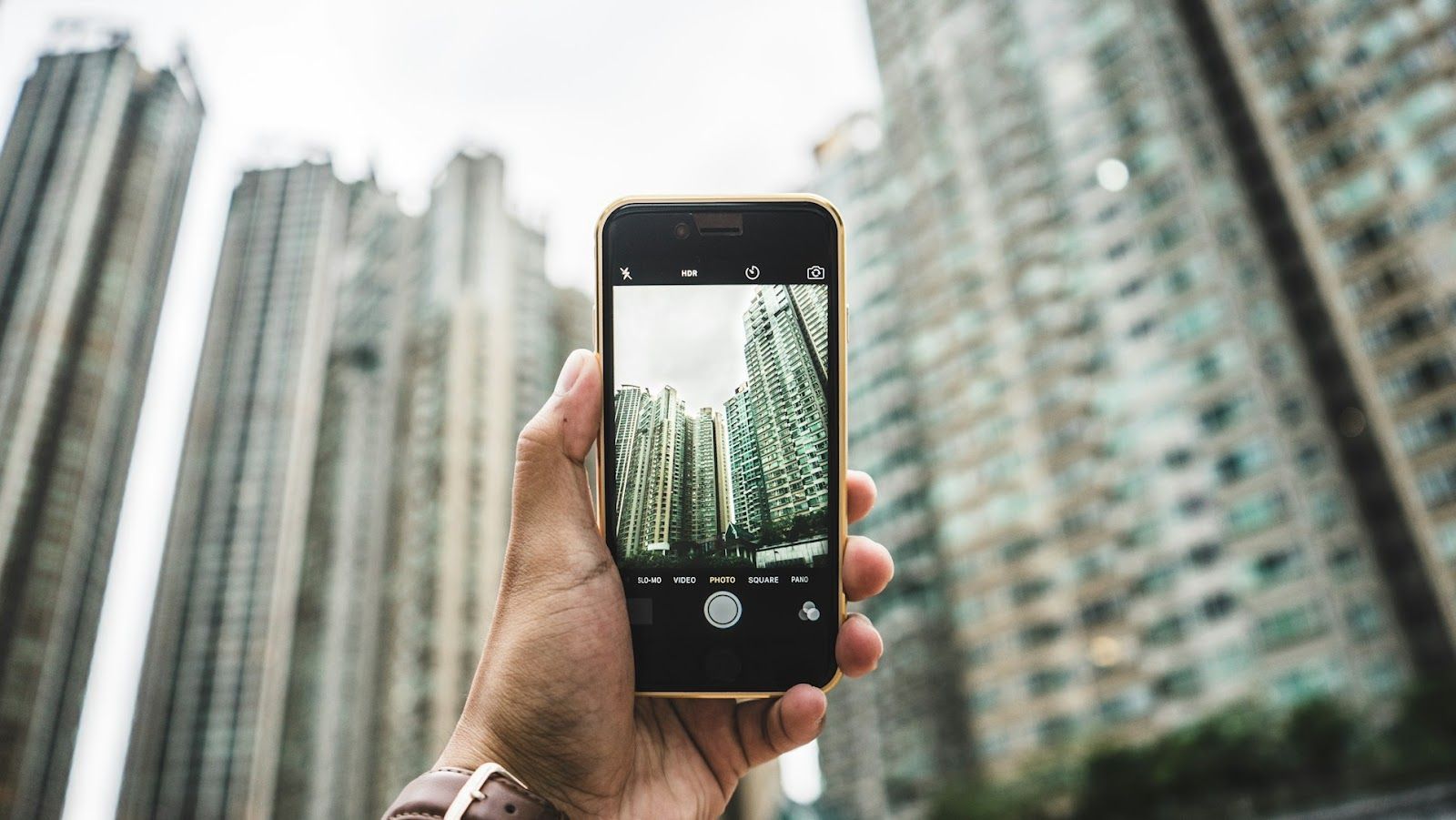
Almost every single smartphone comes with a default camera app that’s user-friendly and packed with features. Take some time to explore it , learn how to switch between photo and video modes, and familiarize yourself with settings like Portrait Mode, Night Mode for low-light shots, and Panorama Mode for landscapes.

3
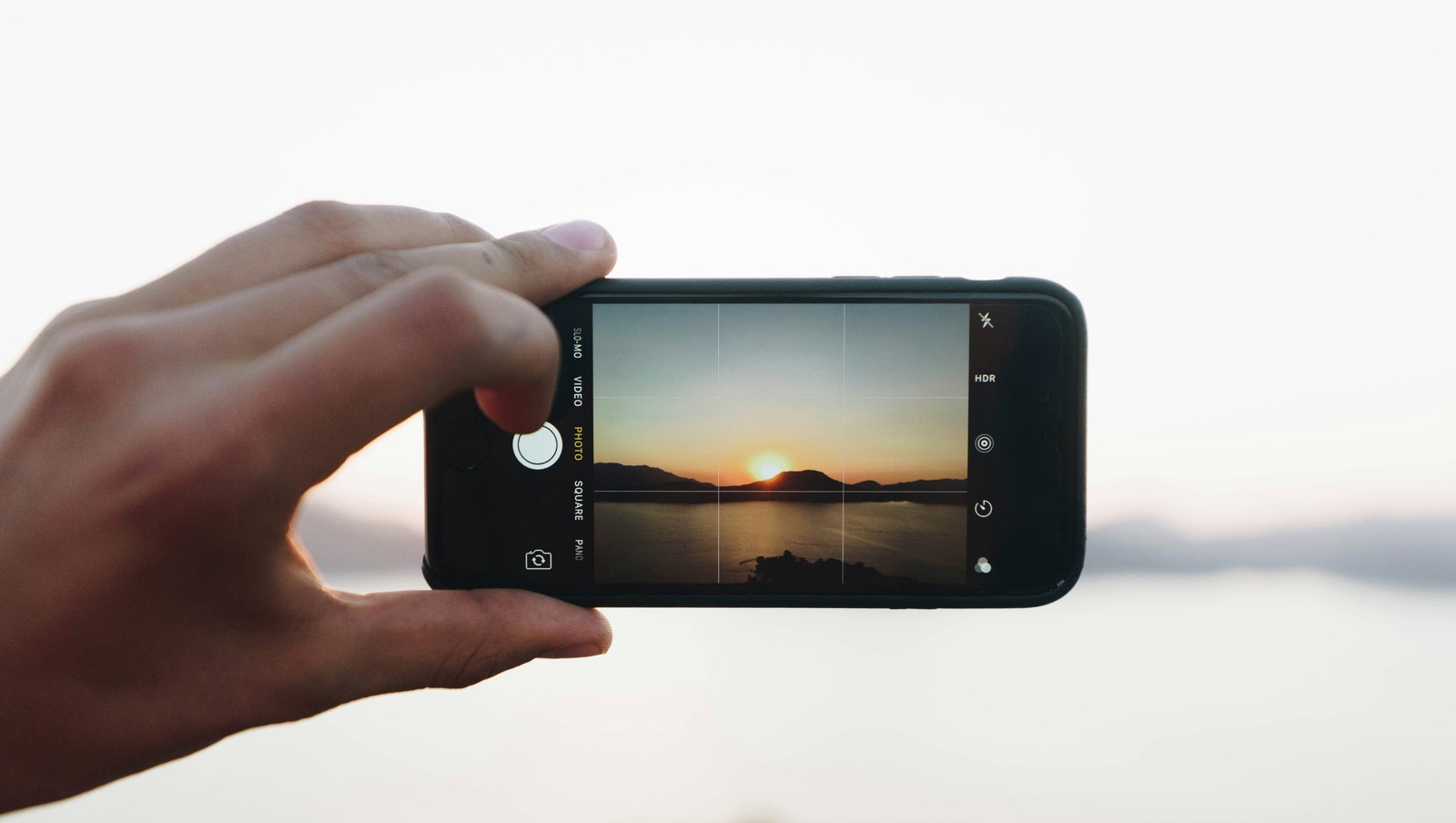
Use gridlines

Image: Jonathan Kemper

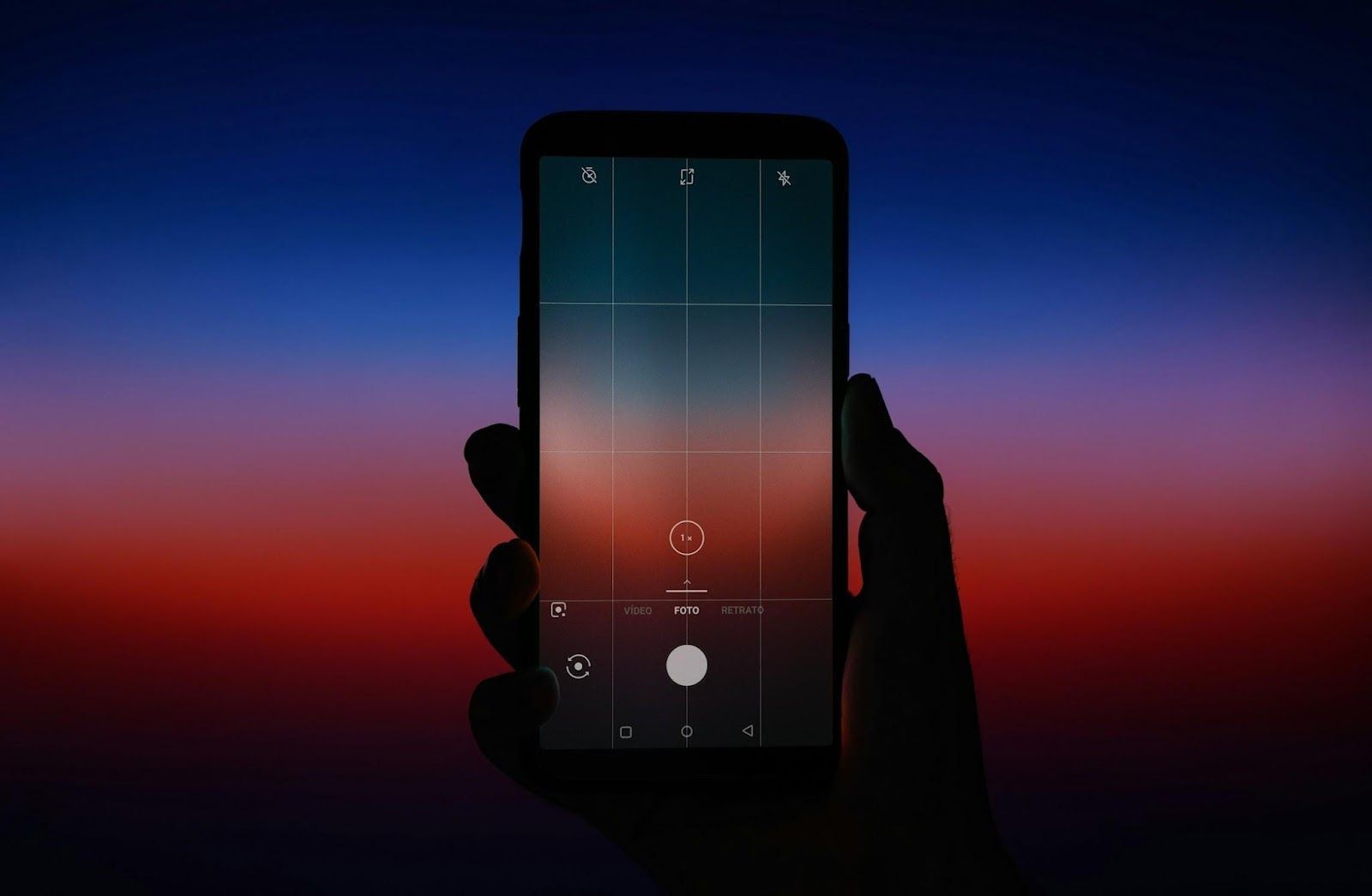
Gridlines allow you to center your focal points and enhance the visual appeal of your photos. Most mobile camera apps let you turn them on easily. These gridlines strategically divide your screen into thirds , both horizontally and vertically, adding balance and symmetry to your shot .

4
Focus and exposure control

Image: François Genon

Focus and exposure are two of the most important settings you can adjust in a manual camera to achieve different effects in photography. Fortunately, both functions are available on most modern smartphones.

By playing with different focus and exposure points, you can highlight a specific subject against a blurred background or ensure a well-balanced shot in difficult lighting conditions.

5
Lighting

Image: Ben White

Always try shooting in natural light, often referred to as available light, whenever the opportunity arises. Natural light gives a gentle, even illumination that can significantly enhance the quality of your photos.

Avoid harsh, direct sunlight, which can create intense and unflattering shadows, potentially leading to overexposed or underexposed areas. If you're shooting in low light, rest your phone on a flat surface to stabilize it for long exposures.

6
Play with composition

Image: Eaters Collective

Experiment with different angles and perspectives to enhance your subject. Don't be afraid to get low or high for a unique viewpoint. Also, pay attention to what’s in the background and eliminate any distractions that might detract from your subject.

7
Take pictures often

Image: Ferdinand Stöhr

Practice makes perfect. Since your phone is always with you, it’s easy to integrate photography into your daily routine. Whether you snap a selfie or take a few shots on your way to work, there’s no wrong way to be a smartphone photographer. Great photos often come from everyday life.

8
Take many shots

Image: The Free Birds

Long gone are the days when you had only 36 exposures in your camera and had to choose each shot carefully. One of the best things about smartphones is that you can take as many photos as you want, and there is no need to print them to see the results . This makes it much easier to learn and improve as you go.

9
Avoid digital zoom

Image: Redd Francisco

Digital zoom generally produces poor-quality images, even on the best smartphones. Avoiding it is one of the basic photography tips for taking better photos. Instead of using a digital zoom, simply move closer to your subject to maintain image quality.

10
Use HDR

Image: Kote Puerto

HDR stands for High Dynamic Range, and it’s a common feature on many smartphones. It enhances detail in both dark and light areas to provide a more balanced exposure . HDR prevents the sky from becoming too bright or the ground from appearing too dark, making it especially useful for landscape photography.

11
Set a high resolution

Image: TheRegisti

Simply put, the higher the resolution of your photo, the better quality it is . When taking pictures, try to get as close to the subject as possible, rather than zooming in. Take advantage of the higher pixel count.

12
Aspect ratio

Image: Alice Donovan Rouse

The aspect ratio determines the width and height of your photograph . The standard 4:3 ratio is versatile, but you can also choose widescreen 16:9 for a cinematic look or square 1:1 for Instagram-ready shots.

Explore more American facts

Choose your favorite category!

General
General

As American as apple pie—the very best America has to offer!

Culture
Culture

Delve into the astounding richness of American lore.

Geography
Geography

Hop in and explore vast and diverse American landscapes.

History
History

Discover the key moments that shaped the United States.