History History 5 min read

Proud moments

These Team USA victories will go down in history
Image: Jon Tyson

American Olympic athletes have always garnered admiration and envy in equal measure worldwide, with Team USA collecting titles and breaking records around the world. But some victories have made indelible marks on sports history. Here are 10 iconic Team USA moments that made us proud.

1
The "Miracle on Ice" (1980 Winter Olympics, Lake Placid, NY)
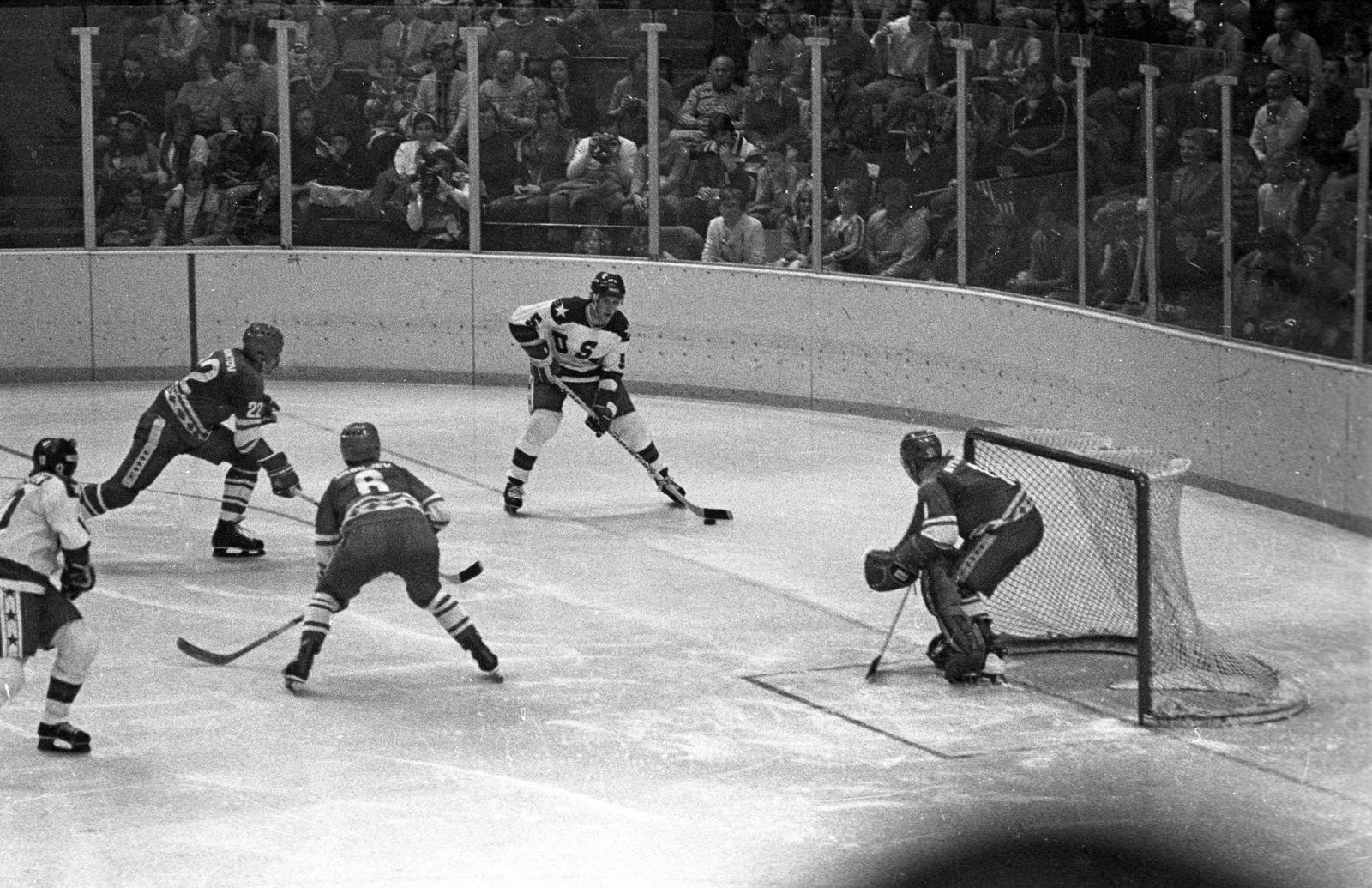
Image: Henry Zbyszynski, CC BY 2.0, via Wikimedia Commons

A landmark moment in Olympic men’s hockey history, the first medal-round match saw an amateur Team USA —as Olympic rules barred professional athletes from competing— against a four-time gold-winning Soviet Union that had bypassed regulations to gather a professional team. Against all odds, Team USA achieved a 4-3 upset victory and would go on to win gold against Finland.

2
Jesse Owens (1936 Summer Olympics, Berlin)
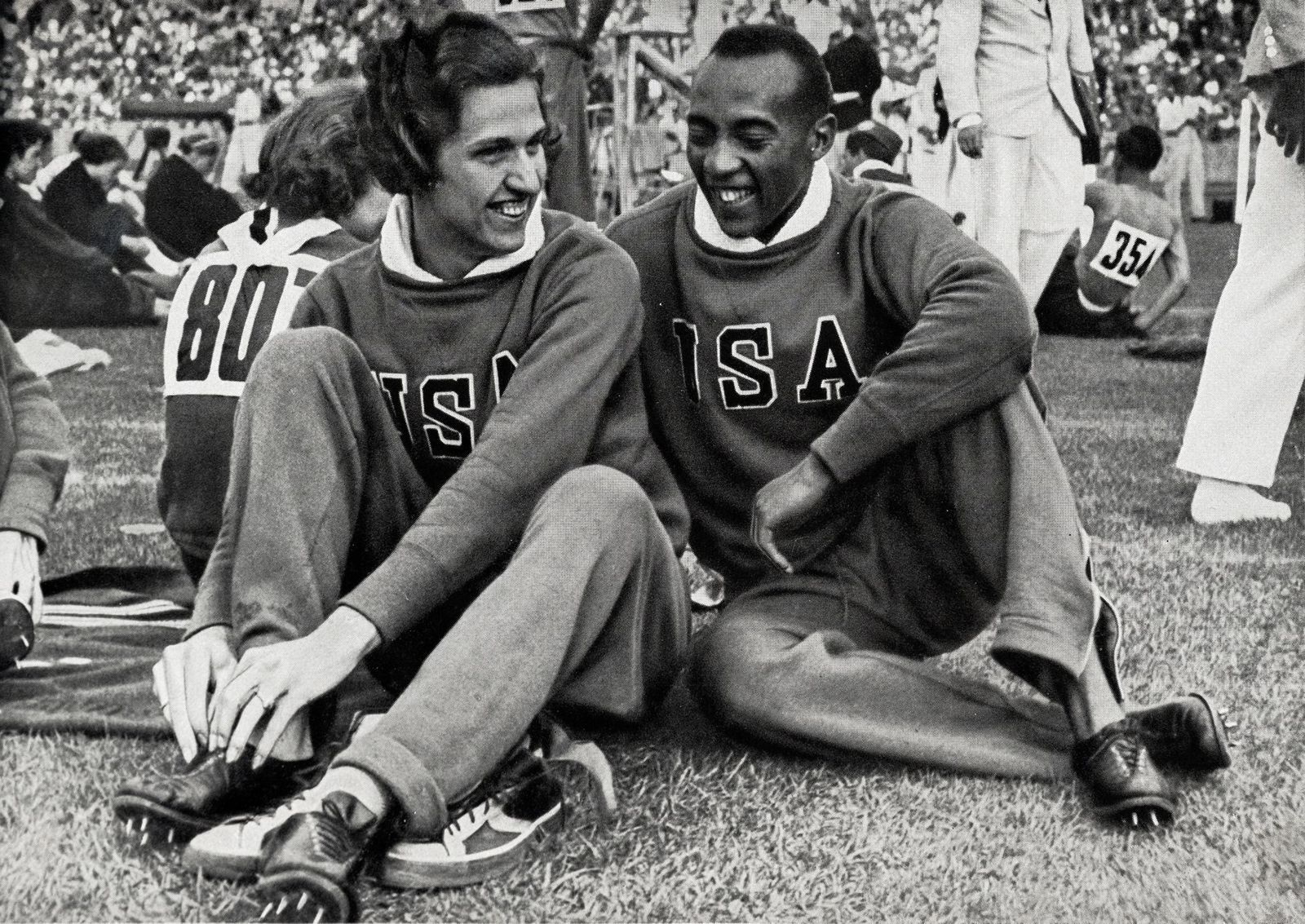
Image: Andreas Wolochow

The Berlin 1936 Summer Olympics were celebrated with uncertainty and fear, under a full-fledged Nazi regime that had "softened" its regulations during the event, but still barred Romani and Jewish athletes from the competition. As an African-American athlete, Jesse Owens was under intense pressure, but was still able to win four gold medals , becoming the first track and field athlete to achieve this record.

3
The Dream Team (1992 Summer Olympics, Barcelona)
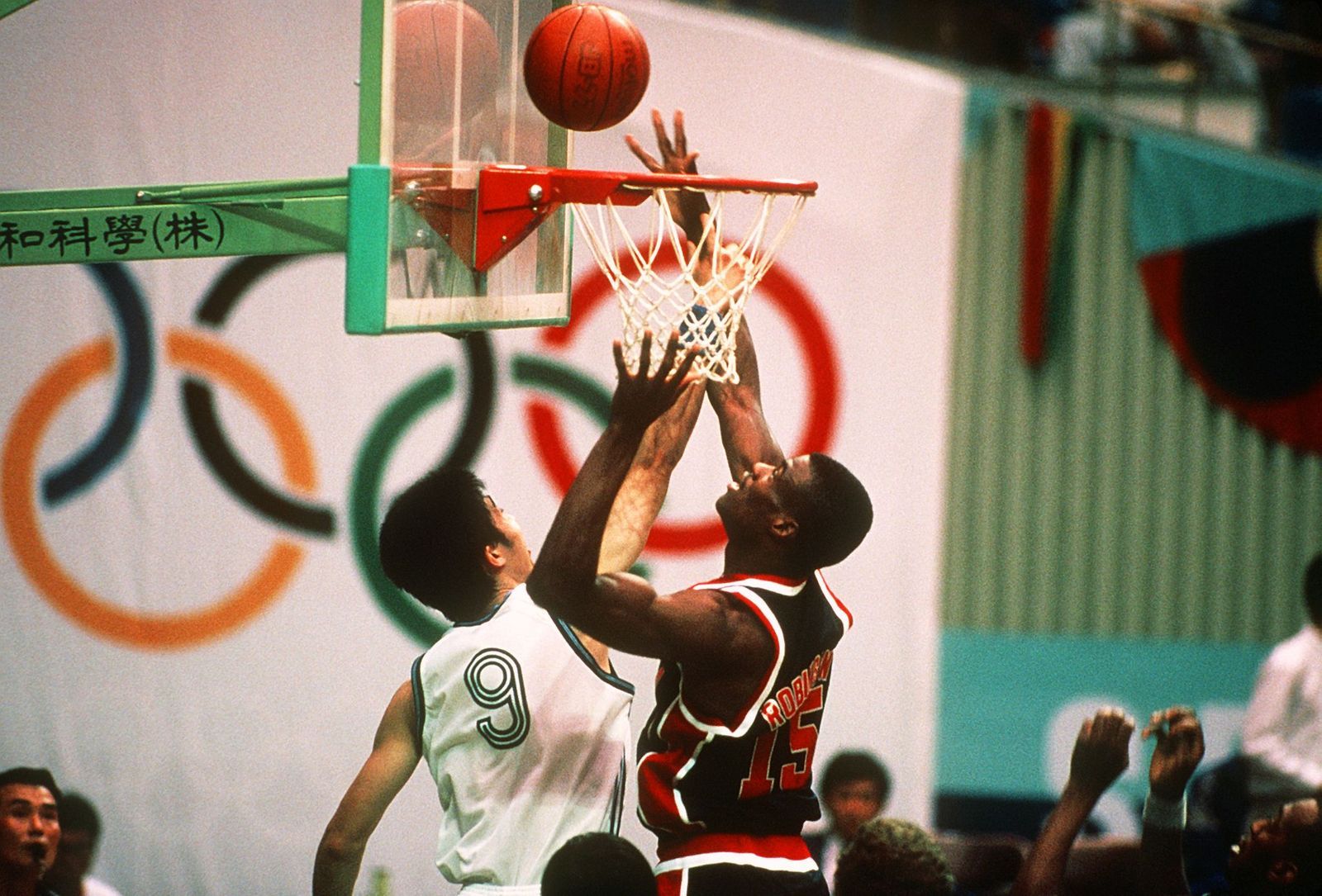
Image: Ken Hackman, Public domain, via Wikimedia Commons

The 1992 Barcelona Olympics were the first to see a men’s Basketball Team USA with active NBA players, who until then were not allowed to compete due to FIBA regulations. Considered one of the most talent-packed teams of all time —with a roster that included names such as Michael Jordan, Magic Johnson, Larry Bird, Charles Barkley, Karl Malone, Patrick Ewing, Scottie Pippen, and David Robinson. The so-called "Dream Team" would remain undefeated through the competition and take the gold medal home, winning each game by at least 32 points —and without Head Coach Chuck Daly having to ever call for a timeout.

4
Michael Phelps (2008 Summer Olympics, Beijing)
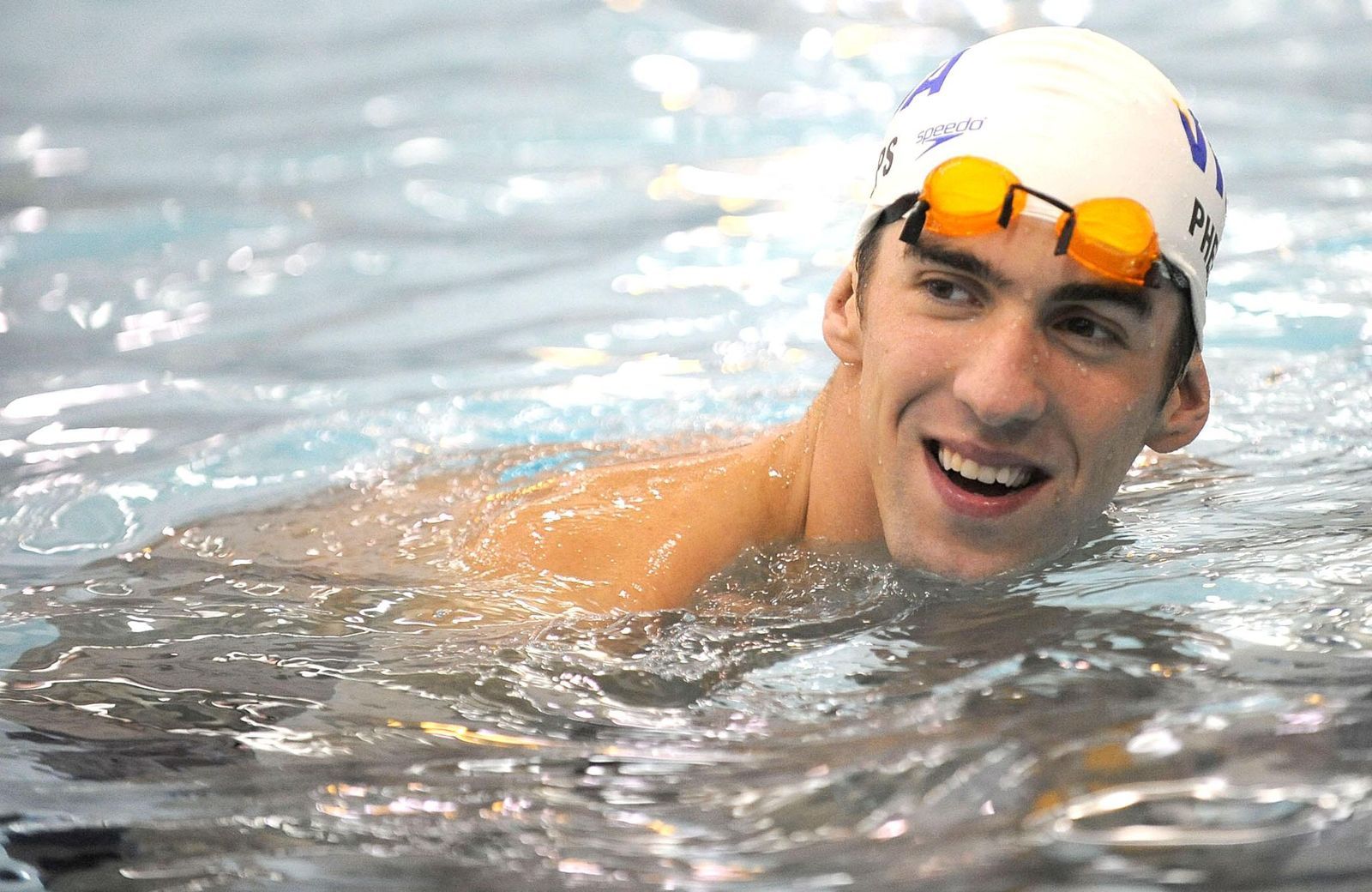
Image: Everett Collection

Nicknamed "The Baltimore Bullet" and "Flying Fish", Michael Phelps is one of the great names in Team USA swimming history, with a record total of 24 medals across four Olympic Games . After tying the record for most medals of any color by winning six gold and two bronze in the 2004 Athens Summer Olympics, Phelps would go on to make history in the following 2008 Olympic Games, where he took home eight gold medals, setting a new record, undisputed in any Olympic sport to this day.

5
Mary Lou Retton (1984 Summer Olympics, Los Angeles)
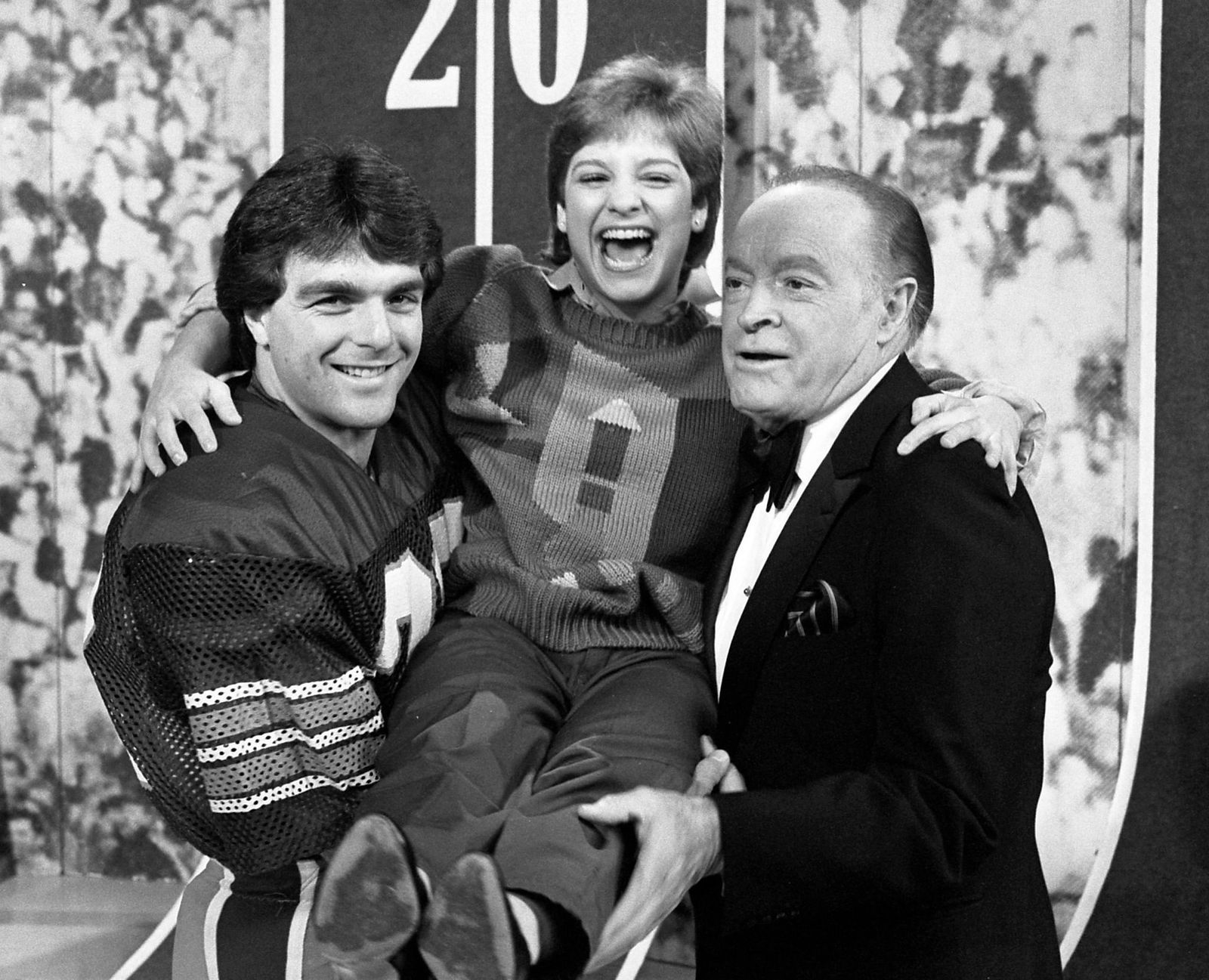
Image: Scott Flynn, Los Angeles Times, CC BY 4.0, via Wikimedia Commons

The perfect-score victory of 14-year-old Romanian gymnast Nadia Comăneci in 1976 inspired gymnasts around the globe, among them an 8-year-old Mary Lou Retton. Trained by Comăneci’s former coaches, Retton made a name for herself at a young age, but suffered a devastating knee injury five weeks before the 1984 Los Angeles Olympics. Despite undergoing surgery, Retton recovered just in time and went head-to-head against Romanian athlete Ecaterina Szabo for the all-around medal. Beating Szabo by 0.05 points, Mary Lou Retton became the first American (and the first non-Eastern European) female gymnast to win all-around gold at just 16 years old. She would also win two silver and two bronze medals in the individual events.

6
1996 U.S. Women's Olympic Basketball Team (1996 Summer Olympics, Atlanta)
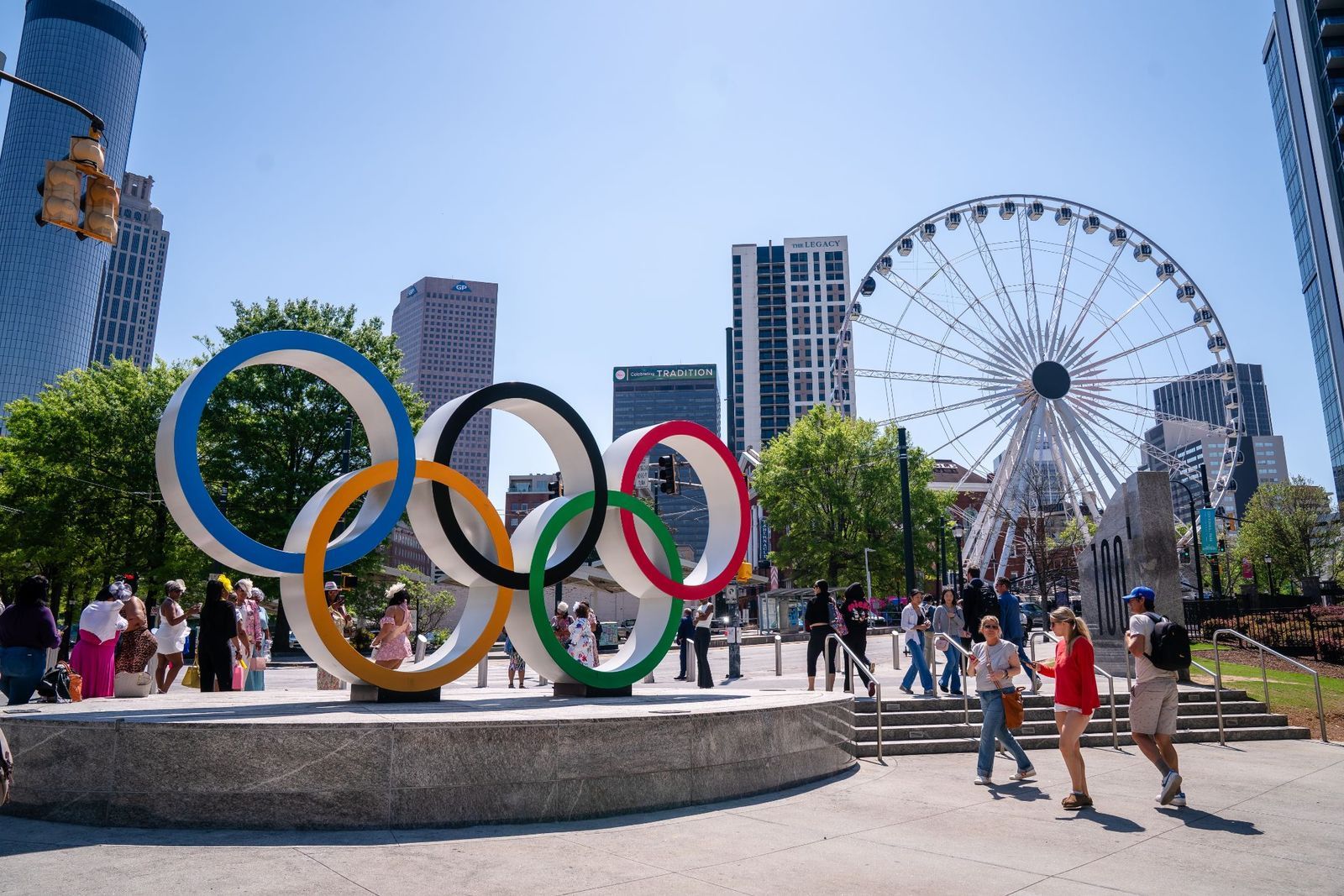
Image: 26ShadesOfGreen

With the men’s teams hogging the spotlight, women’s basketball in the 1990s was still underestimated. The NBA was considering launching a women's professional league, but the 1996 Atlanta Summer Olympics were to be the deciding factor. In order to give their all, the team lived and trained together for a whole year before the competition , with an undefeated pre-Olympic tour and Olympic run. Their Olympic success would pave the way for the WNBA and, more broadly, for women’s basketball across America.

7
Mark Spitz (1972 Summer Olympics, Munich)
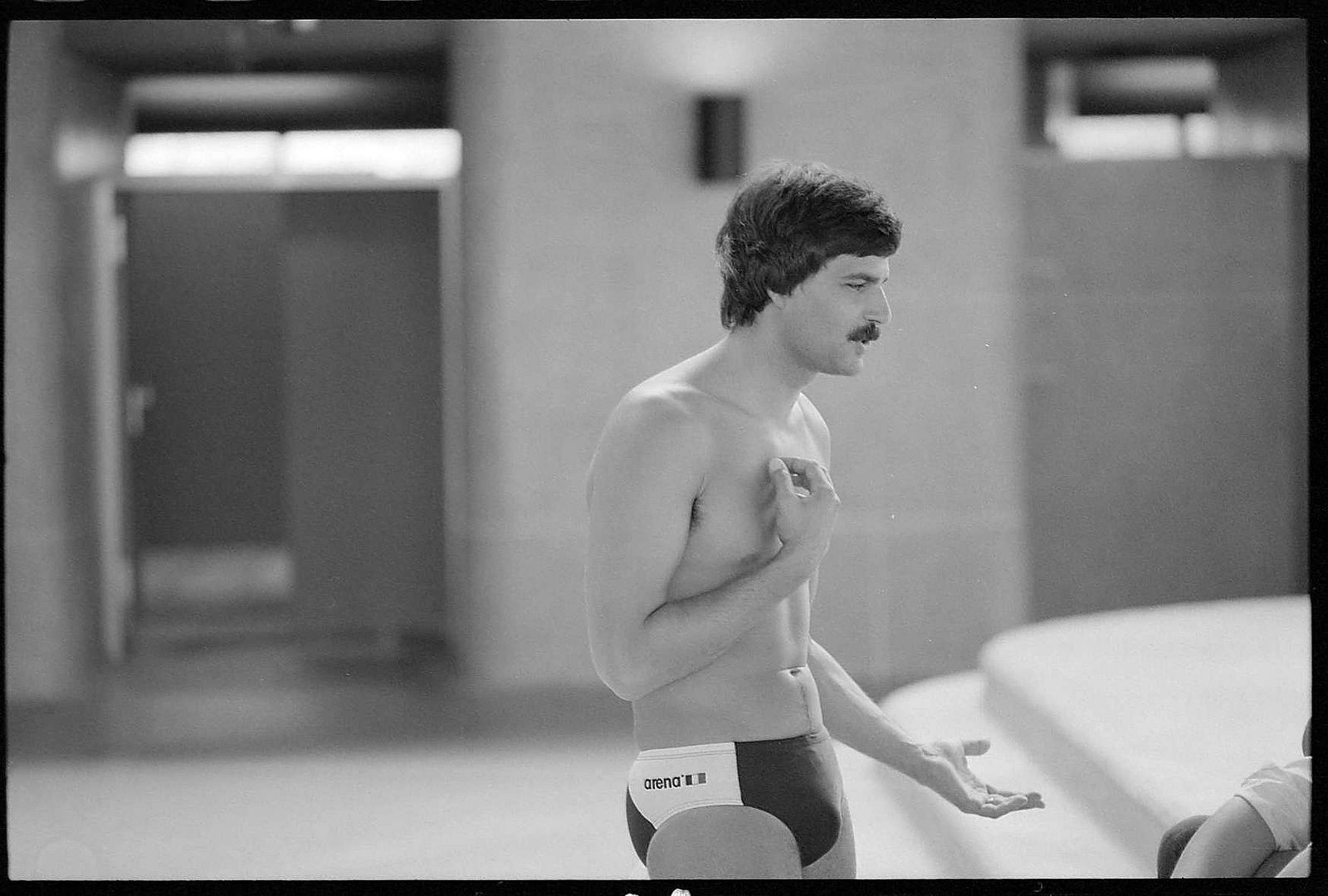
Thirty-six years before Michael Phelps’ gold medal record, Mark Spitz made swimming history in the 1972 Munich Olympic Games. With a record-setting career, Spitz had entered the 1968 Games as the favorite for at least six golds, but was only able to achieve two golds, a silver, and a bronze. The following games were different, though: Spitz competed in seven different categories, winning gold and breaking the world record for each one , remaining undefeated until 2008.

8
Florence Griffith-Joyner (1988 Summer Olympics, Seoul)
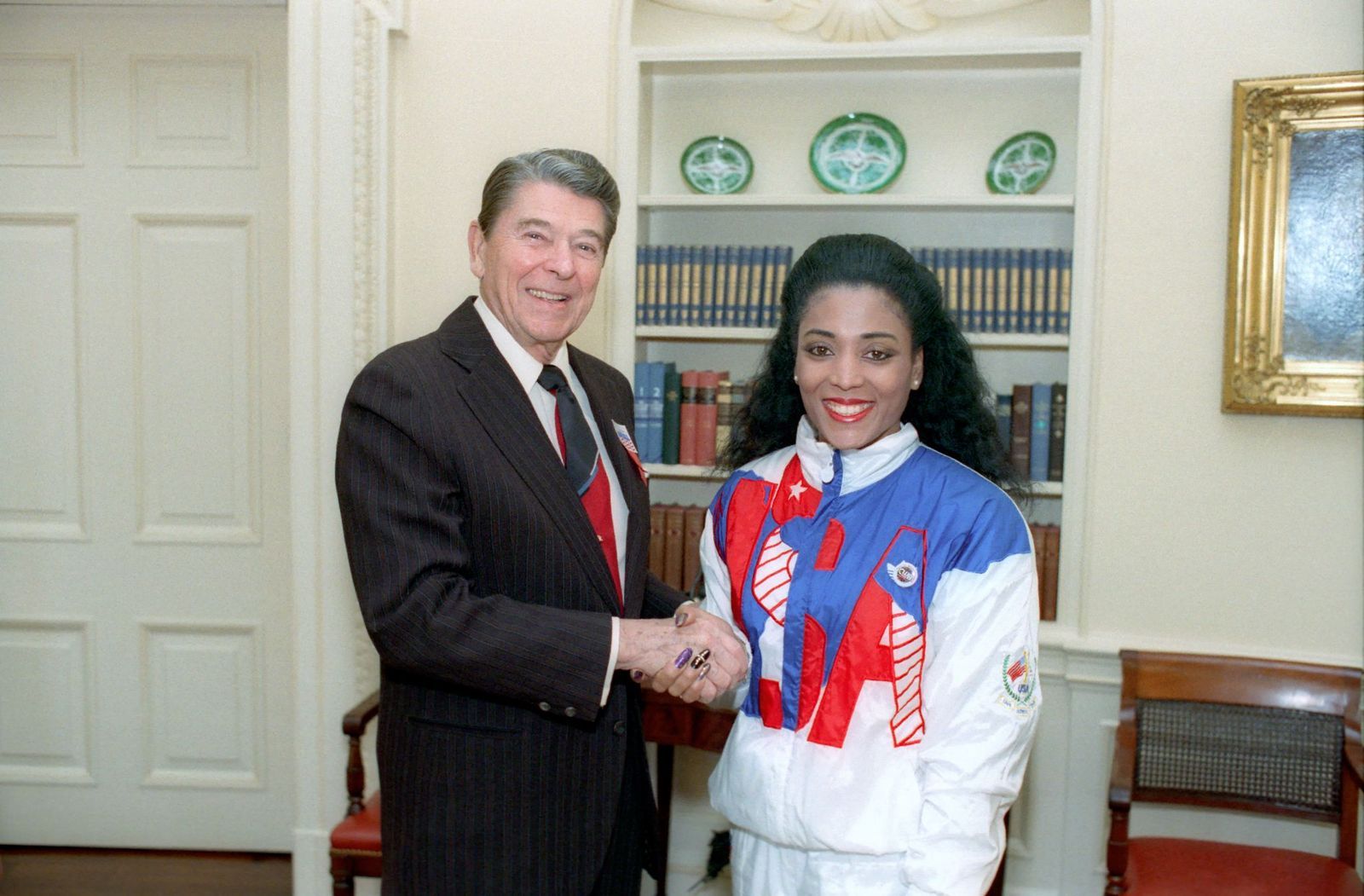
Image: Ronald Reagan Presidential Library, Public domain, via Wikimedia Commons

Despite her 3 golds and one silver at the 1988 Seoul Games, one of Flo-Jo’s most impressive records was set a few months earlier , during the Olympic trials in Indiana, where she set a world record for the 100-meter dash in 10.49 seconds. During the games, she would also set a world record for the 200-meter dash in 21.34 seconds. Both these records have remained undefeated to this day.

9
Carl Lewis (1984, 1988, 1992, and 1996 Summer Olympics)
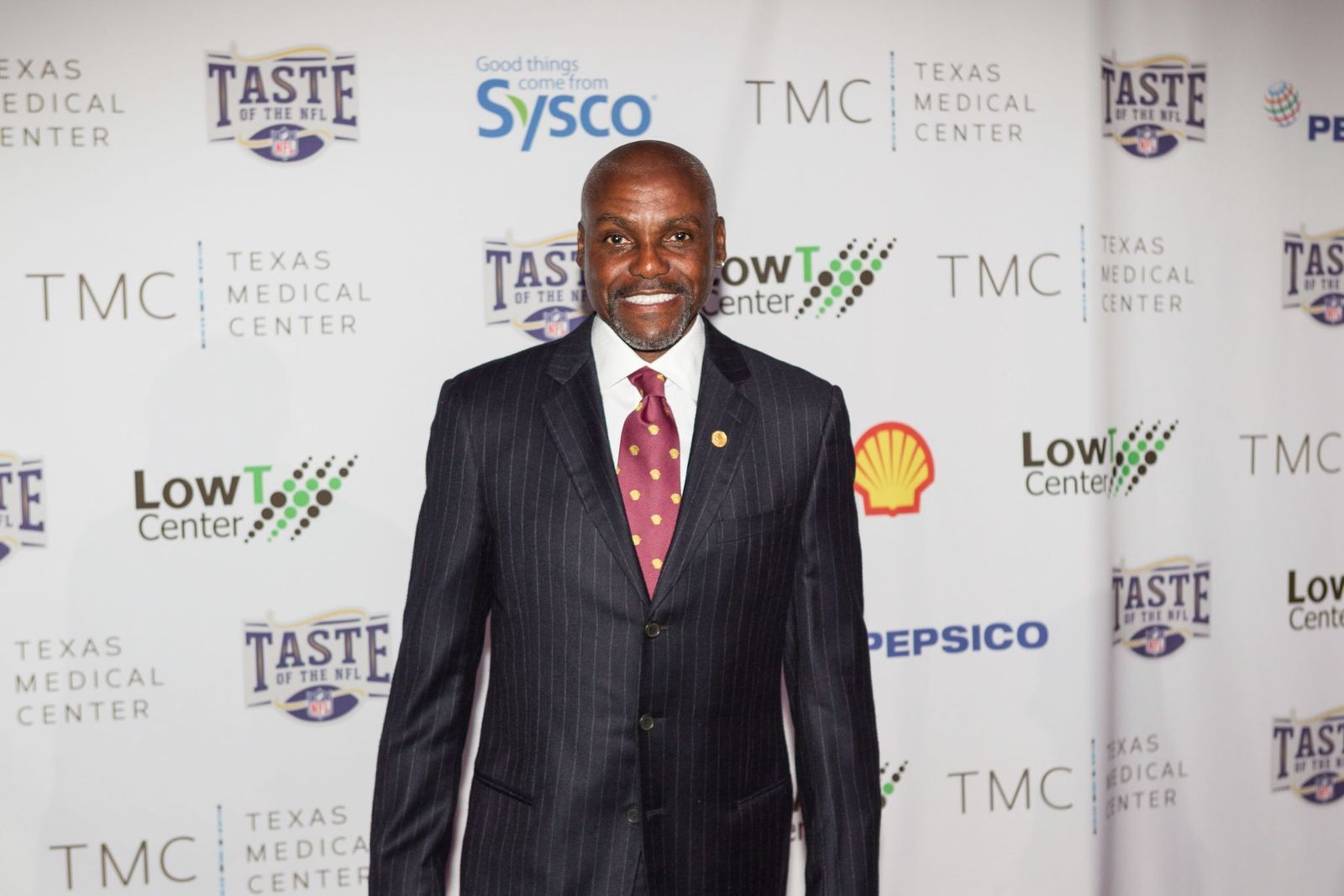
Image: Jamie Lamor Thompson

Carl Lewis’ track and field career has impressive numbers, with 10 Olympic medals (9 of them gold) and 10 World Championship medals. However, the numbers don’t stop there. After matching Jesse Owens’ record by winning four golds in the same Olympics in 1984, he would go on to win gold for the same event in four consecutive games , being one of six athletes overall, and one of two track and field athletes to achieve this record.

10
The "Magnificent Seven" (1996 Summer Olympics, Atlanta)
Image: EQRoy

We’re now used to seeing Team USA dominate women’s gymnastics, but a few decades ago the picture was quite different, with powerhouses like Romania and the Soviet Union dominating the sport. By 1996, Team USA had never managed to win a team gold, but the "Magnificent Seven" —Shannon Miller, Dominique Moceanu, Dominique Dawes, Kerri Strug, Amy Chow, Jaycie Phelps, and team captain Amanda Borden— would change history. With a team composed of athletes with strong individual performances, Team USA had managed to reach the finals, with the vault as the defining apparatus. Under immense pressure and after falling on her first attempt, Kerri Strug (with a torn ligament that caused her immense pain) executed a near-perfect jump, landing on one foot and beating Russia’s overall score by 0.851 points.
History History 7 min read

The surprising life of FDR

Why did he work late into the night? 10 surprising facts about FDR

Image: Bibliothèque nationale de France, Public domain, via Wikimedia Commons

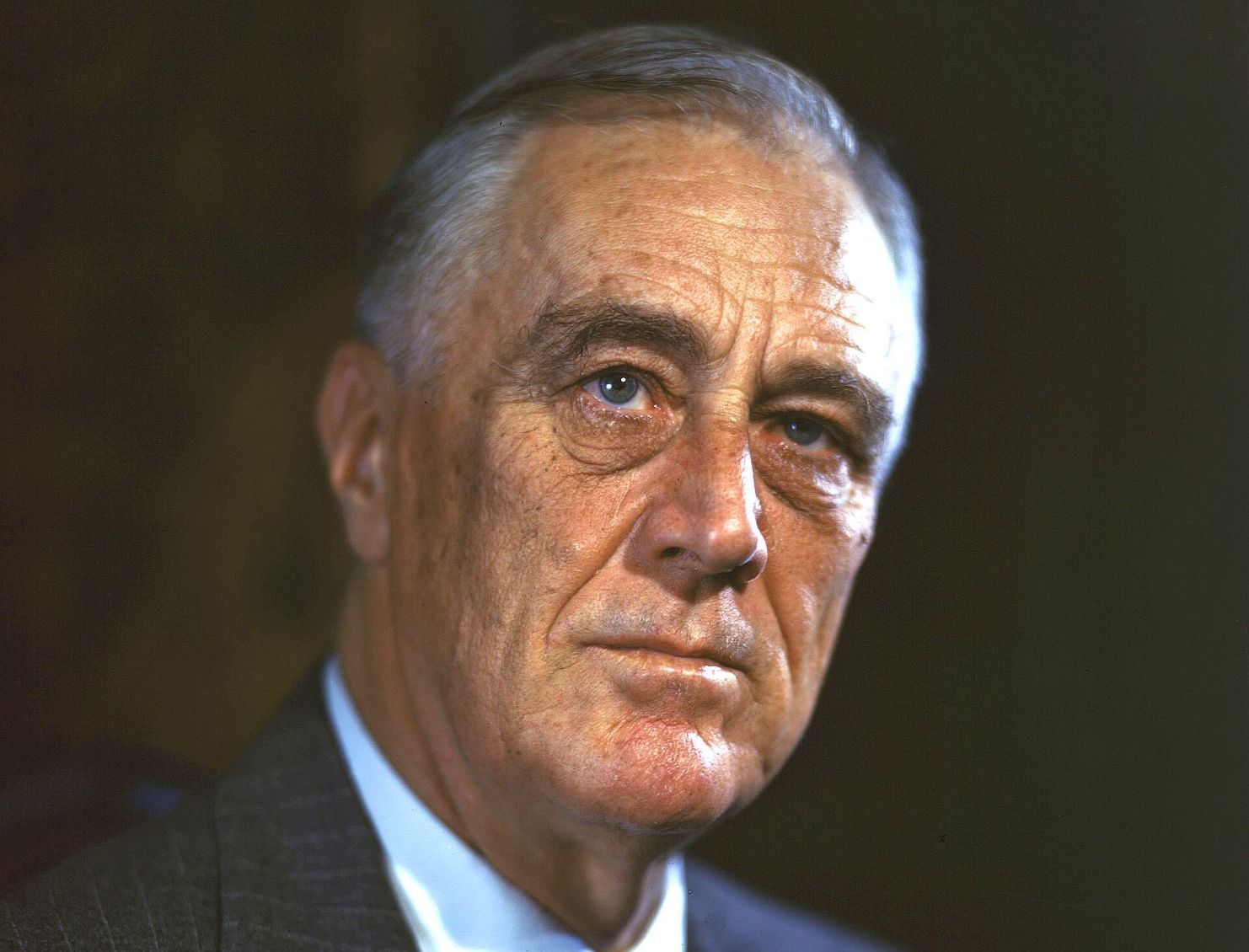
You probably know Franklin Delano Roosevelt as the president who guided America through the Great Depression and World War II, launched the New Deal, and helped create Social Security. But that's only part of the story. This was also the president who served hot dogs to the British royal family, became the first commander in chief to fly while in office, relied on lucky charms, and never lost his love of practical jokes. He was related to more presidents than you might realize and had a few surprising quirks that rarely make it into history books. Here are 10 fascinating facts about FDR that they didn't teach you in school.

1
He served hot dogs to British Royalty

Image: Harris & Ewing, photographer, Public domain, via Wikimedia Commons

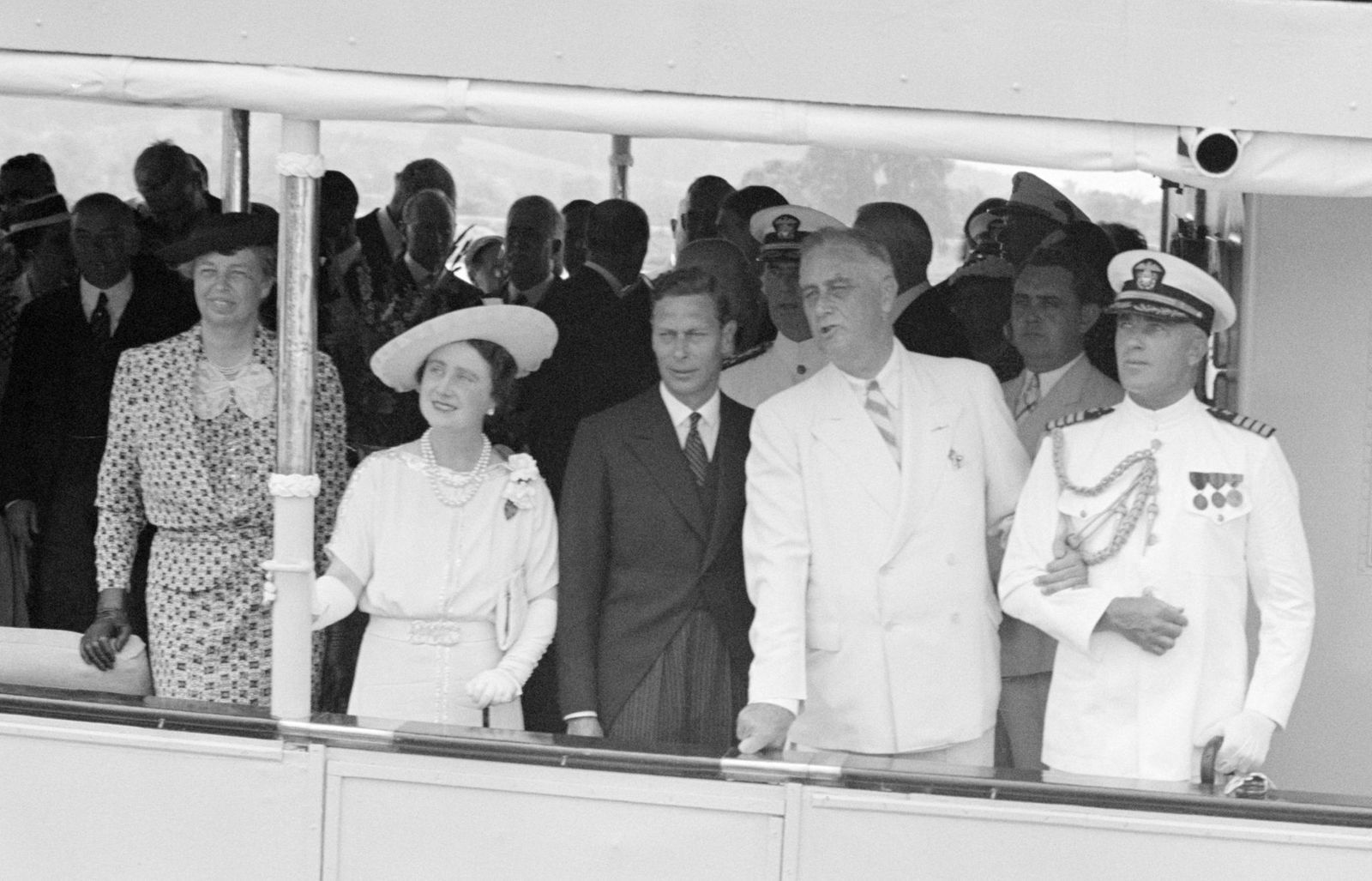
In 1939, for the first time ever, a sitting US president hosted the reigning British monarchs on American soil. And it wasn’t just a formal state meeting; it was a picnic.

On June 11 of that year, President Franklin D. Roosevelt and First Lady Eleanor Roosevelt welcomed King George VI and Queen Elizabeth to their home in Hyde Park, New York. Instead of an elaborate diplomatic banquet, the menu was unexpectedly simple and quintessentially American: hot dogs and beer. According to FDR, the queen politely tried hers with a knife and fork, while the king ate several with his hands and seemed to enjoy them. Behind the scenes, the visit was more than symbolic, yet folksy hospitality. With war already looming in Europe, both sides were quietly strengthening ties that would soon become crucial during WWII.

2
The first sitting president to fly on a plane

Image: National Museum of the U.S. Navy, Public domain, via Wikimedia Commons

While FDR made history in many ways, one of his lesser-known firsts took place thousands of feet above the ground.

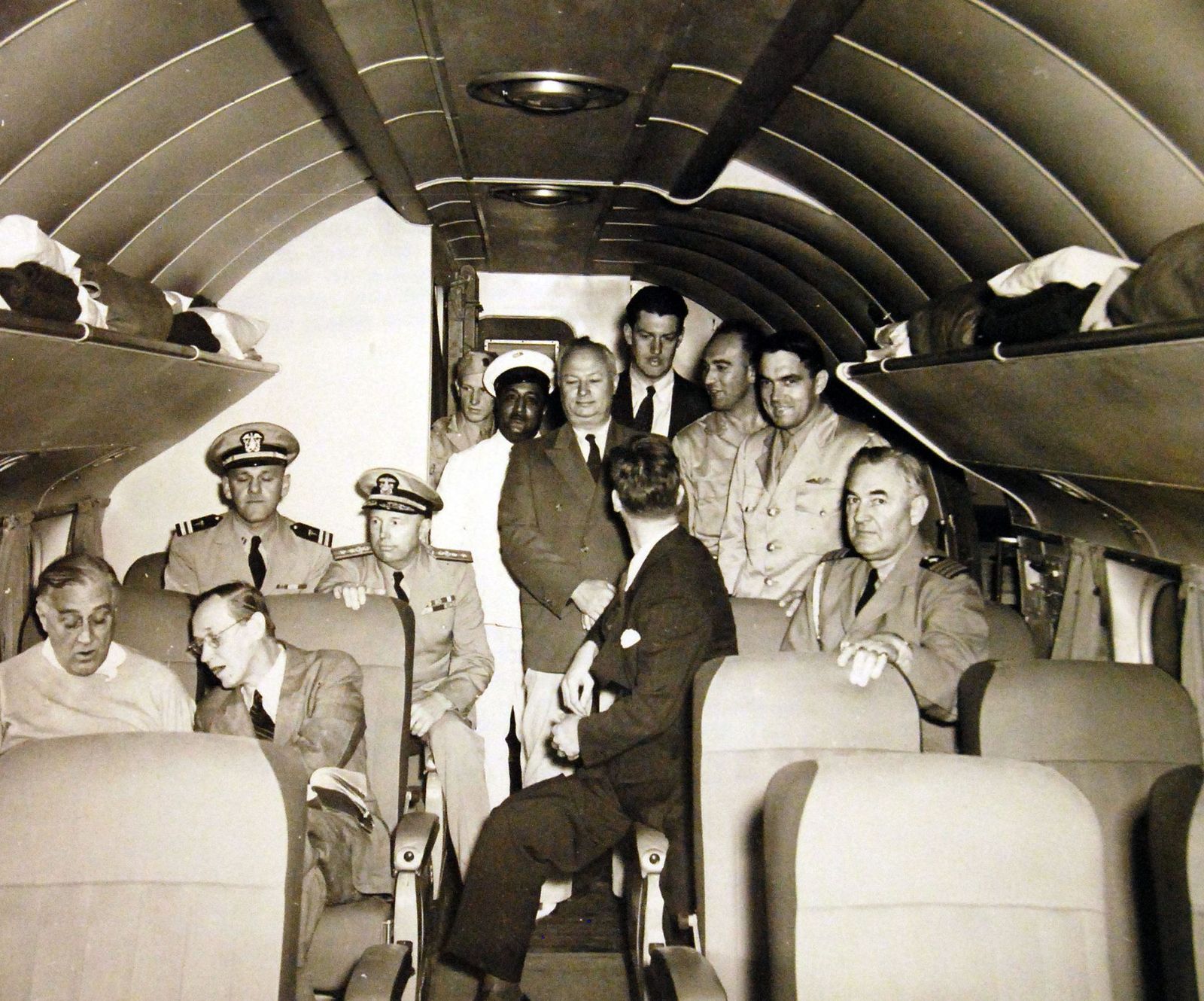
On January 11, 1943, in the middle of WWII, he became the first sitting US president to fly in an airplane. At a time when air travel was still far from routine, he embarked on a secret 7,000-mile journey from Miami, Florida, to Bathurst, Gambia, before continuing to Casablanca, Morocco. The trip wasn't taken for leisure; German U-boats had made Atlantic sea travel risky, so Roosevelt crossed the ocean aboard a Boeing 314 flying boat known as the Dixie Clipper . His destination was the Casablanca Conference, where he met with British Prime Minister Winston Churchill to discuss wartime strategy.

3
Highly superstitious

Image: Franklin D. Roosevelt Presidential Library and Museum, Public domain, via Wikimedia Commons

Are you the type to knock on wood to avoid bad luck? Or would you walk under a ladder without a second thought? If you're in the first group, you would have fit right in with Franklin D. Roosevelt.

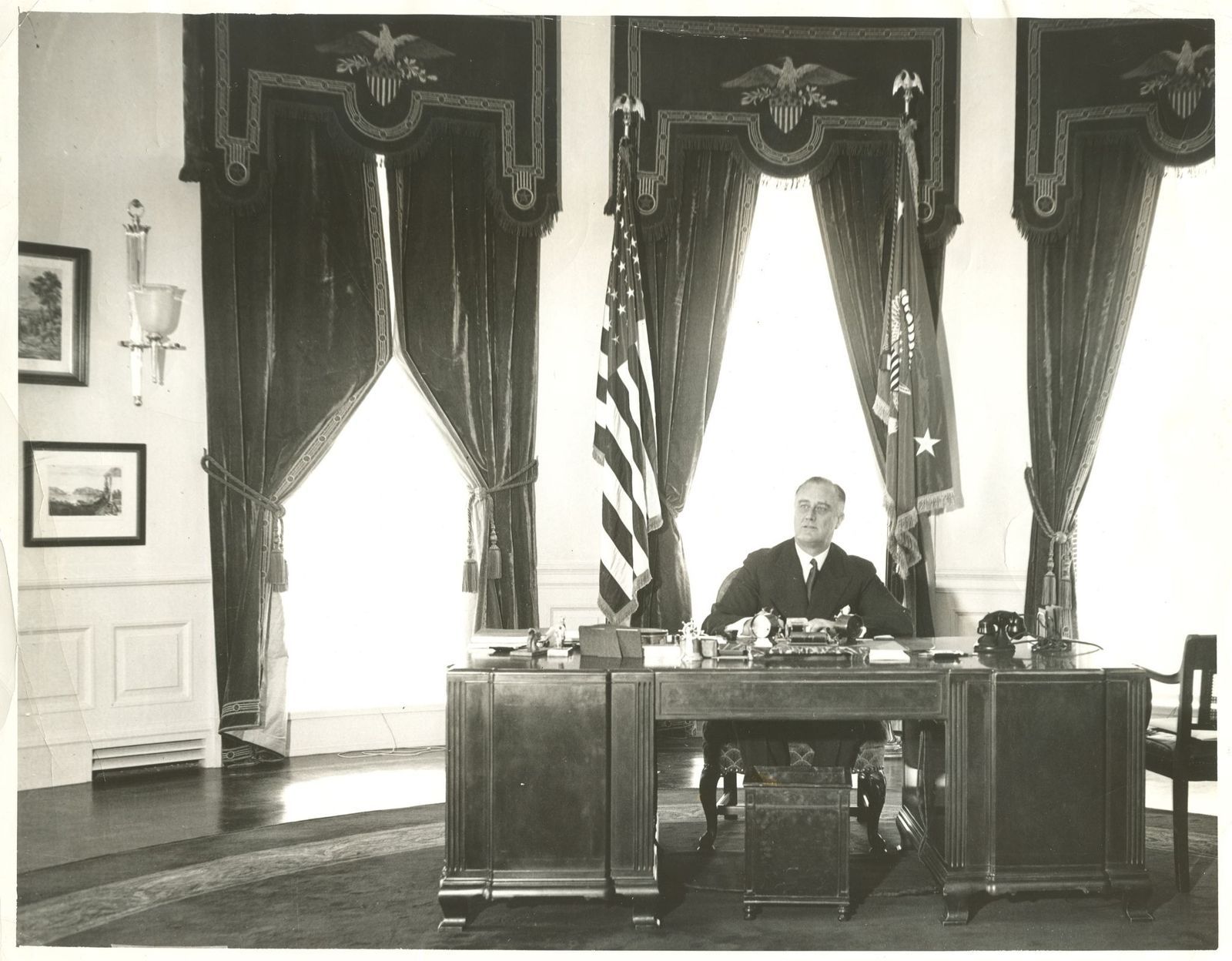
FDR famously declared that "the only thing we have to fear is fear itself," but he also had a surprisingly superstitious side. According to people who worked with him in the White House, Roosevelt kept his desk and personal items arranged in a precise order that he believed brought good luck. He also disliked the number 13: family members and aides recalled that he avoided hosting dinners with 13 guests and was reluctant to begin important trips on Friday the 13th. He even had a lucky charm, a brown felt fedora that he wore during all four of his presidential campaigns. We can't say it didn't work.

4
He loved practical jokes

Image: Underwood & Underwood, Public domain, via Wikimedia Commons

With all his responsibilities, talents, and interests, FDR still found time to joke around.

According to his biographers, Roosevelt loved practical jokes and kept his playful streak throughout his life, even pulling pranks well into his presidency. In the tense world of politics, that sense of humor became one of his trademarks. He enjoyed classic gags, including putting bubbling powder in drinking glasses to surprise White House guests, or slipping completely made-up words into conversations and then watching with delight as his staff scrambled to check the dictionary. Friends and aides also noted that he had a unique ability to laugh off rumors, criticism, and political attacks that might have rattled other leaders.

5
Peculiar work schedules

Image: Franklin D. Roosevelt Presidential Library and Museum, Public domain, via Wikimedia Commons

Jokes didn't distract FDR from his work. If anything, they helped him cope, and he certainly had plenty of work to do. In fact, Roosevelt was known for his unusual working hours.

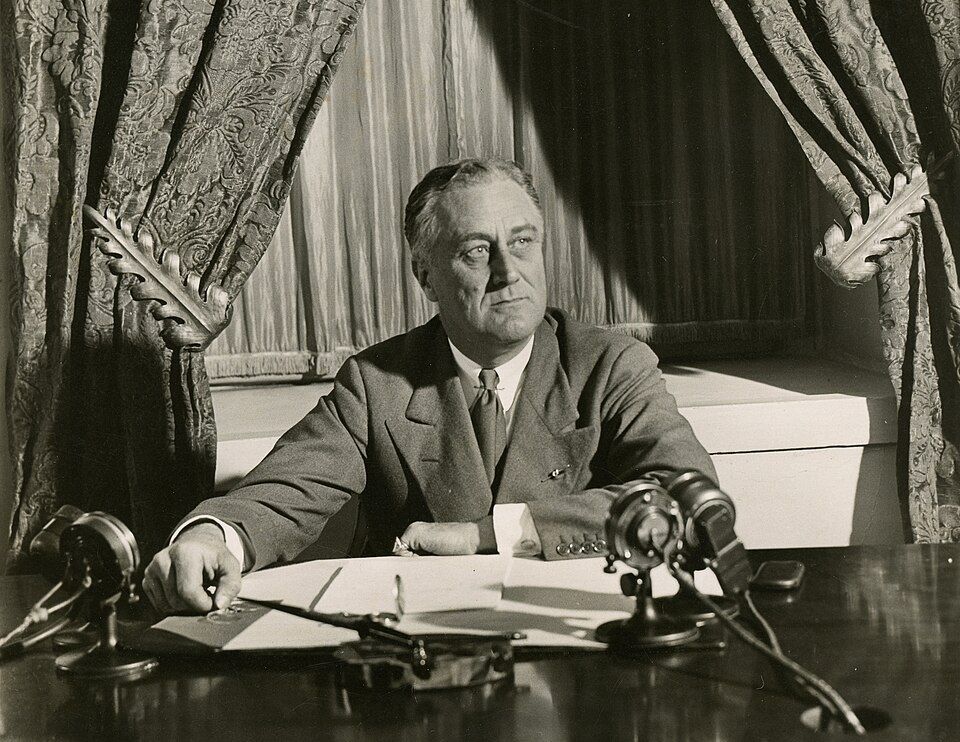
Unlike many other presidents who were early risers, he often worked late into the night and typically didn't begin his day until around 9 am. During WWII, while overseeing a global conflict, he regularly spent his evenings reviewing reports, making decisions, and meeting with advisers long after most Americans had gone to bed. What makes this even more impressive is that he maintained this pace as his health steadily declined. Doctors urged him to slow down and limit his workload, but Roosevelt frequently ignored that advice. For a wartime commander-in-chief, there was always one more decision to make.

6
He appointed the first female cabinet member

Image: Los Angeles Daily News, CC BY 4.0, via Wikimedia Commons

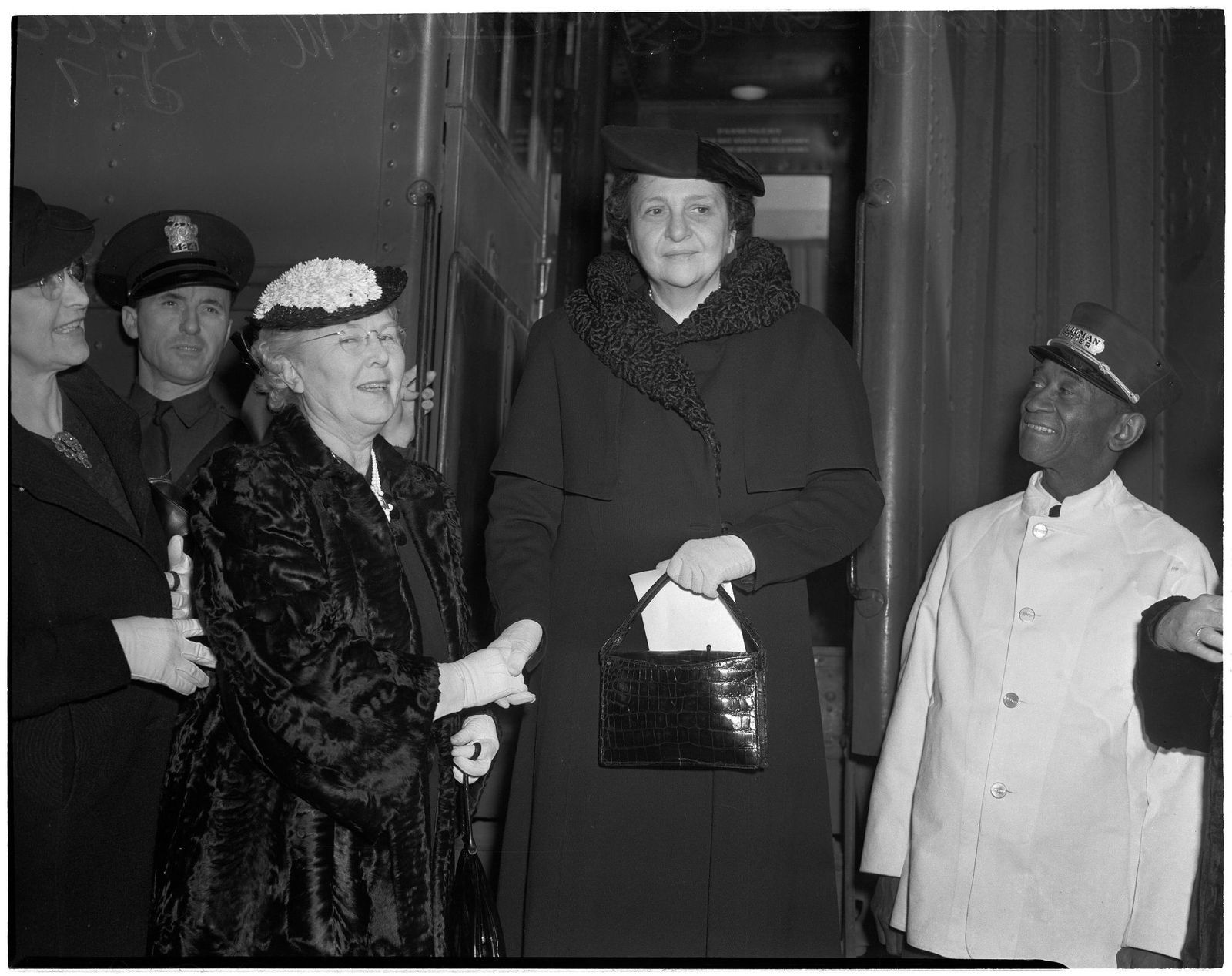
Among his many historic firsts, FDR was the inaugural POTUS to appoint a woman to a Cabinet position, a decision that reflected both his political instincts and his willingness to recognize talent and intelligence where he found it.

In 1933, he chose labor advocate Frances Perkins as Secretary of Labor. It turned out to be one of the most consequential appointments of his presidency. Perkins served from 1933 to 1945, making her the longest-serving Secretary of Labor in American history. And as if that weren't enough, she became one of the chief designers of the New Deal.

7
11 presidential relatives

Image: Franklin D. Roosevelt Presidential Library and Museum, Public domain, via Wikimedia Commons

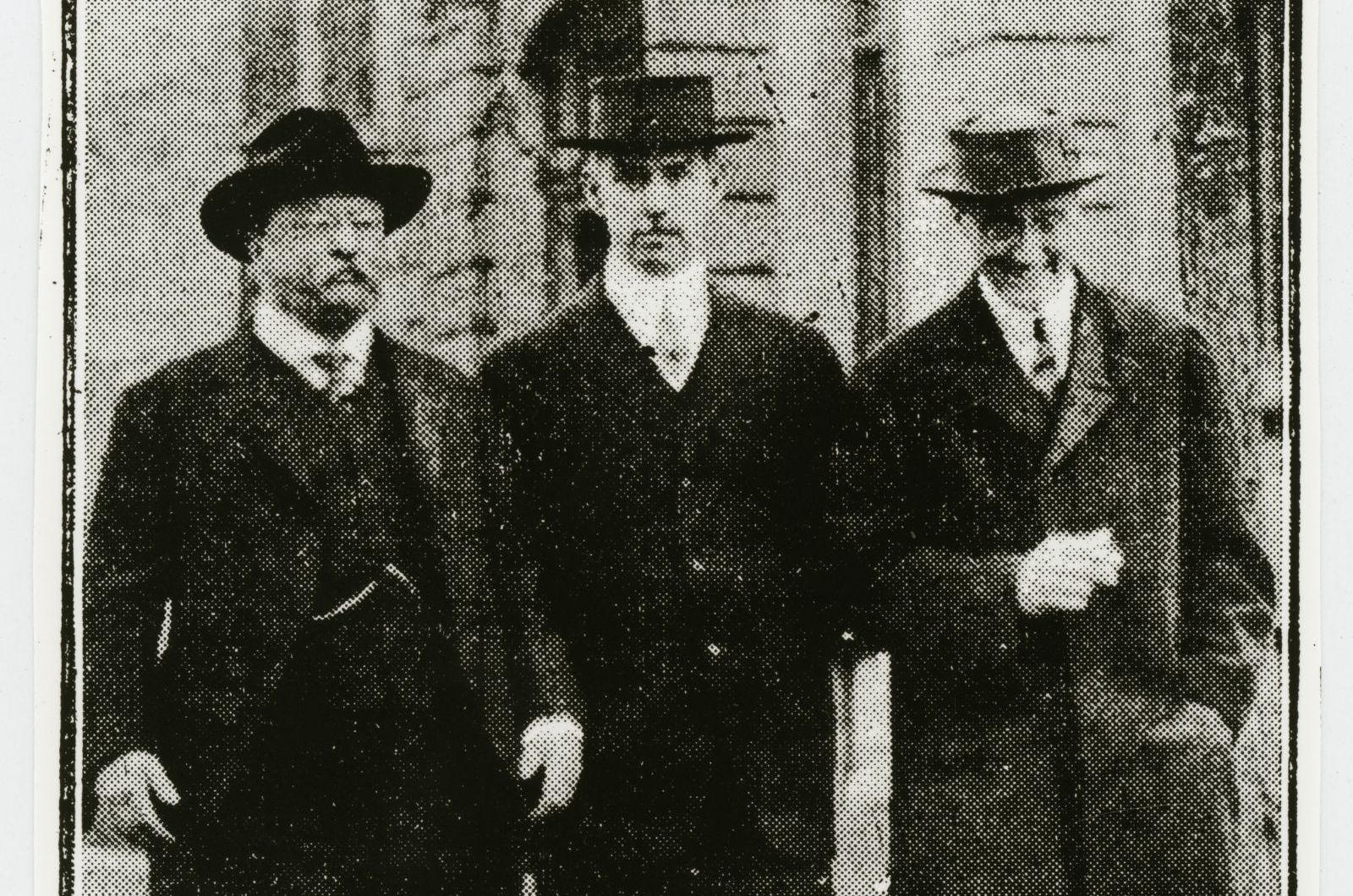
Most people know that Franklin D. Roosevelt and Theodore Roosevelt were related: the 32nd president was a distant cousin of the 26th. But few realize just how extensive FDR’s presidential family tree really was.

In fact, genealogists have traced Franklin Roosevelt’s family connections to at least 11 US presidents. FDR was not only related to Theodore Roosevelt and his own wife, Eleanor Roosevelt (his fifth cousin once removed), but also to an impressive number of other commanders in chief. Among those connected to him by blood were George Washington (with whom he shared ancestors from English nobility and the early settlers of Virginia), John Adams, John Quincy Adams, James Madison, and William Harrison. Through marriage and extended family ties, he was also related to Ulysses S. Grant, Benjamin Harrison, Zachary Taylor, Martin Van Buren, and William Howard Taft.

8
His illness may not have been polio

Image: Leon Perskie, CC BY 2.0, via Wikimedia Commons

As is well known, FDR was struck by a serious illness in 1921 at age 39 that left him permanently unable to walk unaided. But during his presidency, he worked hard to keep public attention focused on his leadership rather than on his body, so while Americans understood he had been diagnosed with polio, few knew about the paralysis.

To stand at public events, Roosevelt relied on heavy steel leg braces and canes that helped him project confidence and strength throughout his presidency. However, although doctors at the time diagnosed him with polio, some modern medical researchers have suggested that his symptoms may have been more consistent with Guillain-Barré syndrome (GBS), a rare autoimmune disorder.

9
He didn’t graduate from law school

Image: National Archives and Records Administration, Public domain, via Wikimedia Commons

FDR was a bright and curious man who threw himself into subjects that fascinated him, but when something failed to hold his interest, he wasn't afraid to move on.

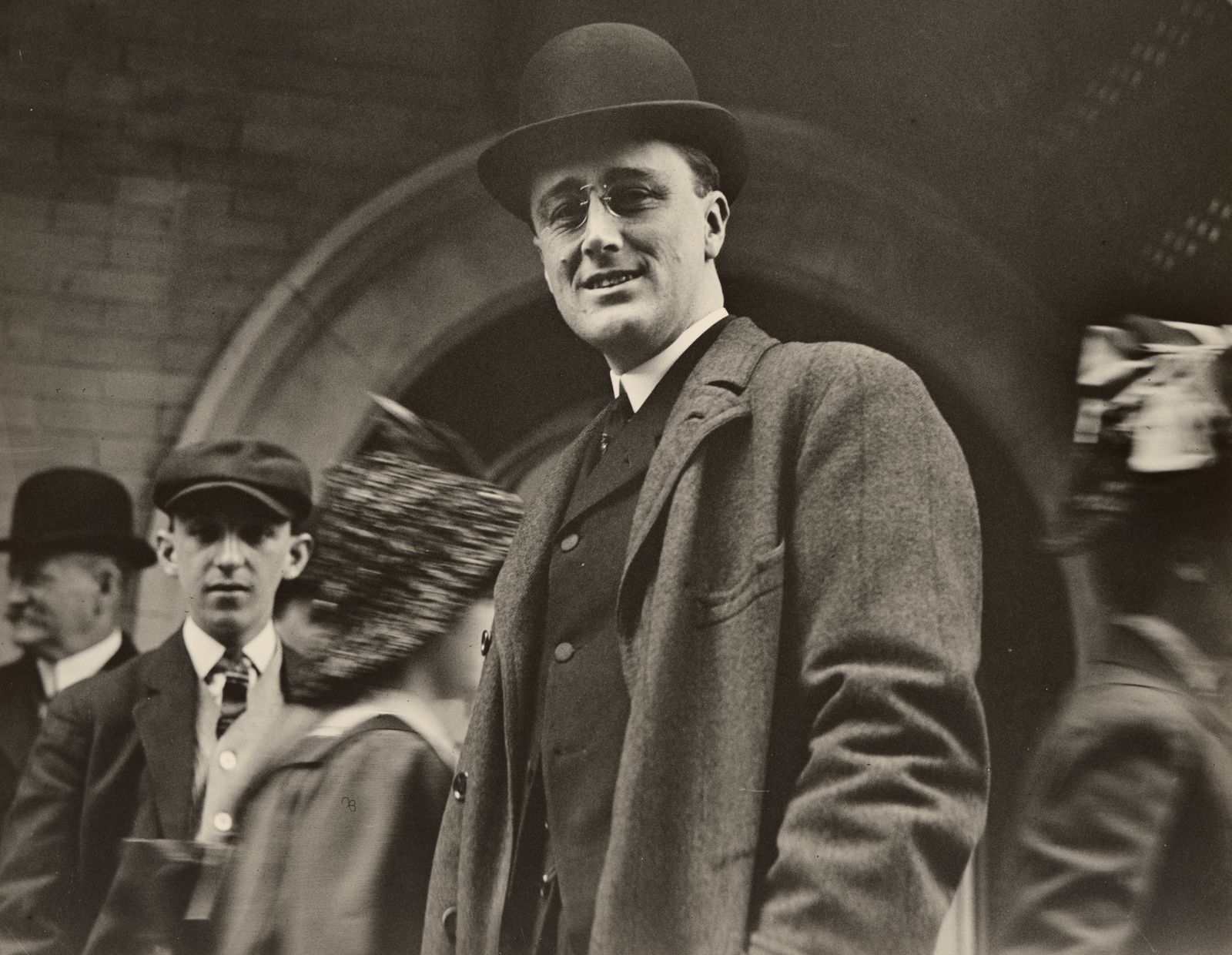
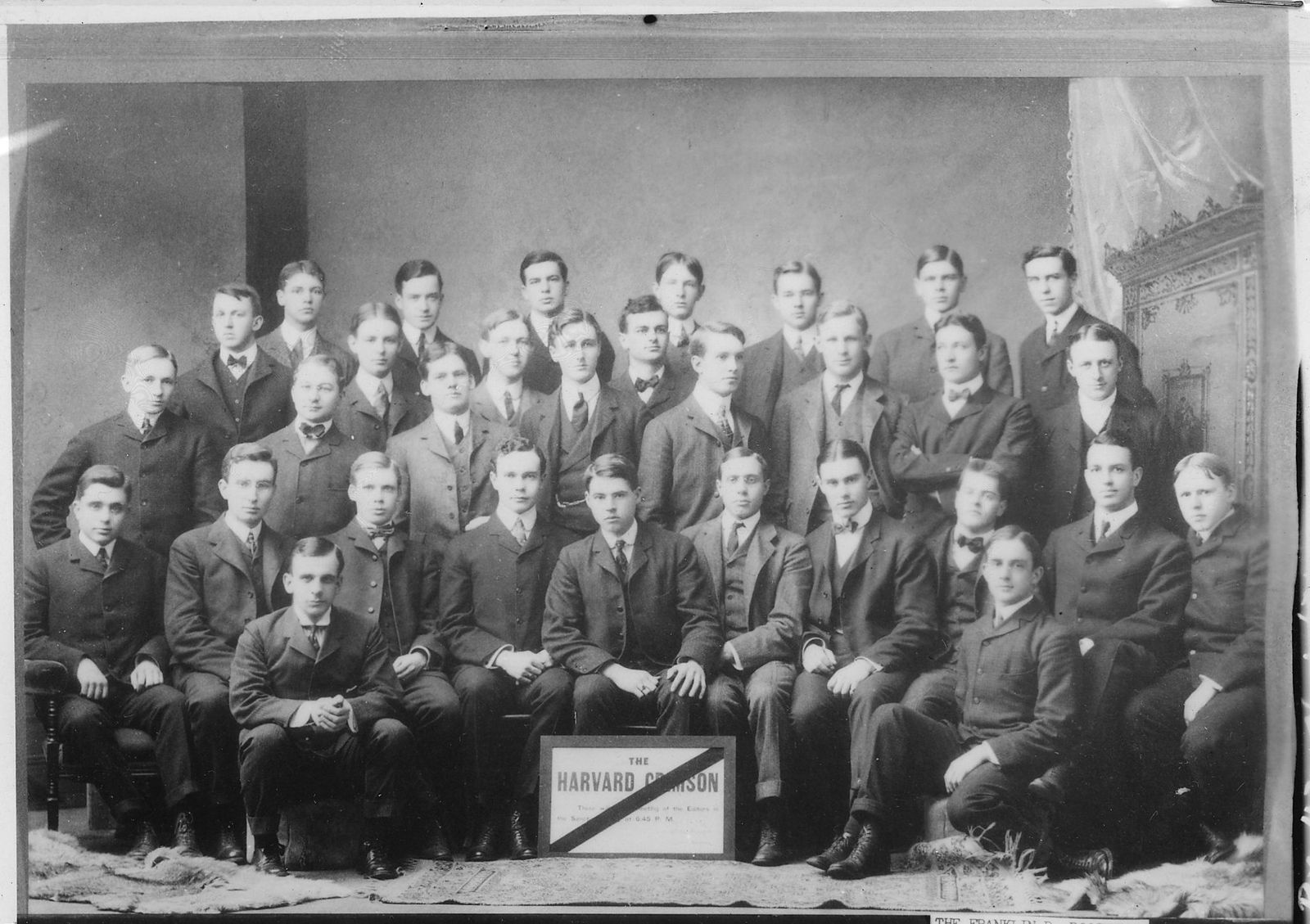
After earning a History degree from Harvard University in 1903, he enrolled at Columbia Law School, but he found that he simply didn't enjoy it. According to the Miller Center at the University of Virginia, Roosevelt showed little enthusiasm for the legal profession, and maybe that’s why he never achieved a Law degree. Even so, he passed the New York bar exam and began practicing after it, but the experiment lasted only a few years. Then, in 1910, an opportunity came along that interested him far more: local Democrats in New York asked him to run for the state Senate. Roosevelt eagerly accepted, and his political career was underway.

10
Expert in many fields

Politics and wartime strategy weren't FDR's only talents. Long before he entered the White House, he acquired a deep interest in nature.

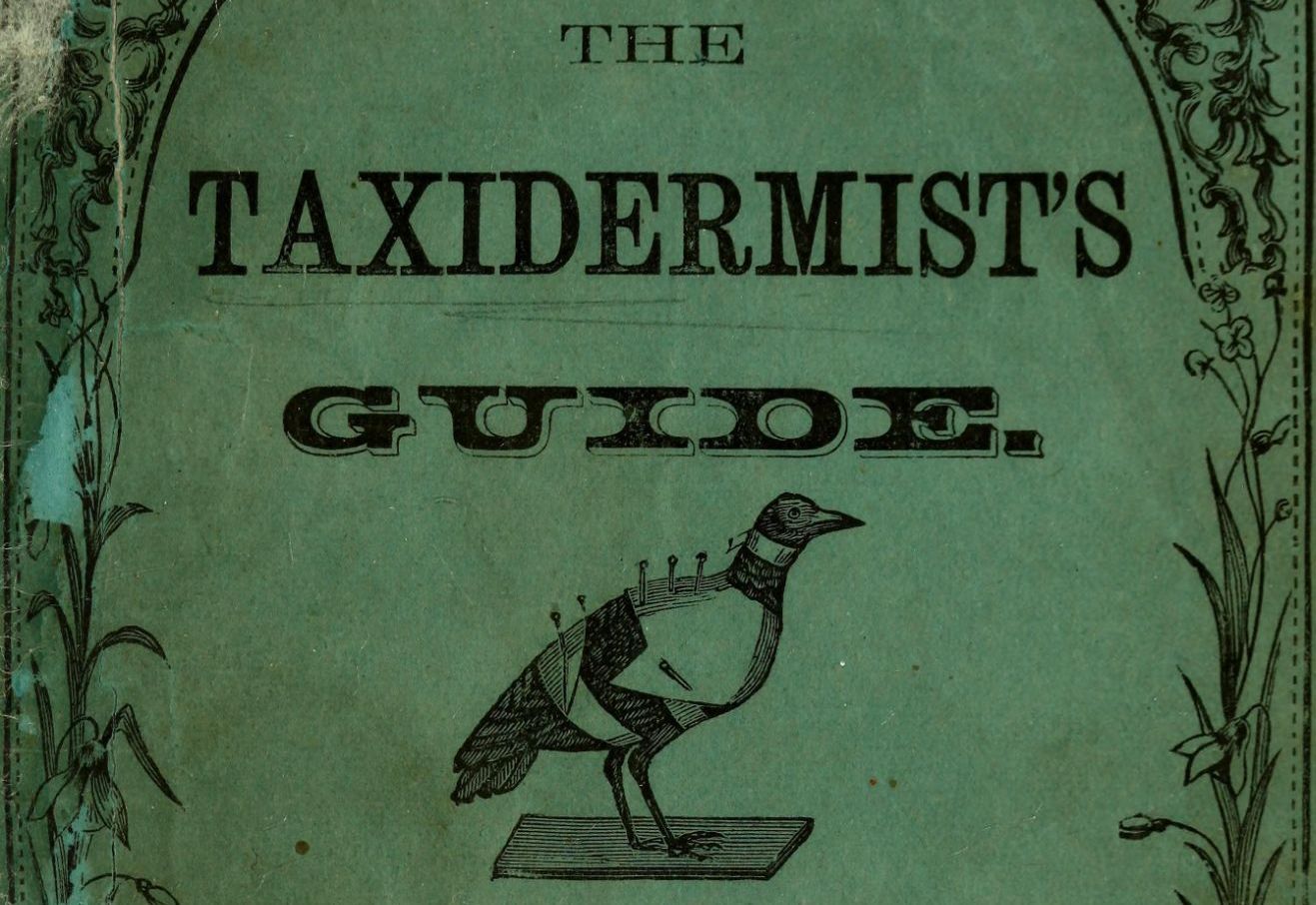
Growing up in Dutchess County, New York, Roosevelt developed a fascination with birds that went far beyond a childhood hobby. By age 11, he was already learning taxidermy, eventually becoming a skilled self-taught naturalist and bird expert. Over the years, he identified and cataloged roughly 300 bird species. His detailed field journals and collection of more than 300 Dutchess County specimens are still considered some of the most complete records of local bird life from that era.

Culture Culture 6 min read

How do the most powerful blow off steam?

Which US President spent a quarter of his presidency at a ranch in Texas?

Image: Robert LeRoy Knudsen, Public domain, via Wikimedia Commons

Running the White House is a highly demanding job, so throughout history, many presidents have found ways to relieve the pressure and stress of leading at the highest level of government. When not shaping the path of the nation, presidents have enjoyed a variety of hobbies and pastimes that provide them with leisure time to relax, unwind, and clear their minds. From golfing and swimming to reading and painting, here are 12 U.S. Presidents who found the perfect balance between pleasure and duty.

1
George Washington

Image: Alonzo Chappel, CC0, via Wikimedia Commons

Founding Father and first president of the United States, George Washington, enjoyed many recreational activities during his free time. He was a true outdoorsman—he loved hunting and fishing and was a devoted gardener and farmer .

It’s common knowledge that after deciding not to run for a third term, he retired to his Virginia farm and dedicated the rest of his life to farming. But one fact you may not know is that, in his youth, Washington was a frequent dancer —and rumor has it, he was even extremely good at it! He considered dancing an important social interaction, describing it as "so agreeable and innocent an amusement."

2
Franklin D. Roosevelt

Image: National Archives and Records Administration, Public domain, via Wikimedia Commons

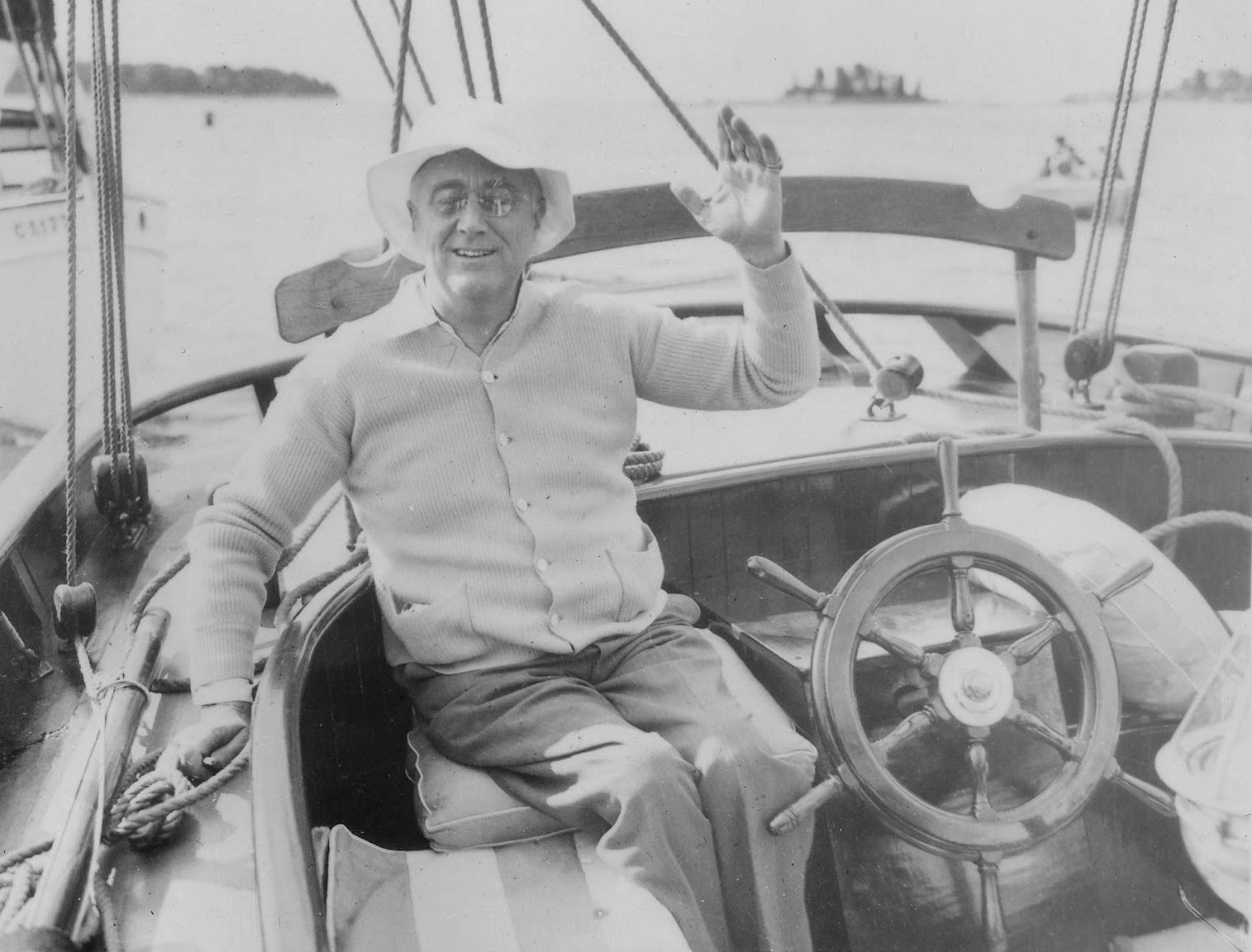
Franklin D. Roosevelt, the only president to be elected to four consecutive terms, led the country through the critical years of the Great Depression and World War II. To maintain a clear mind while navigating such tumultuous times, Roosevelt embraced a number of pastimes. He collected books , stamps , and ship models , for example.

In addition, he was an avid swimmer . After losing the ability to walk due to polio, Roosevelt began swimming three times a week to strengthen his muscles. Following his election, the New York Daily News donated a swimming pool to the White House so he could continue his practice.

3
James A. Garfield

Image: Unknown; part of Brady-Handy Photograph Collection., Public domain, via Wikimedia Commons

Before becoming the 20th president, James A. Garfield enjoyed fishing , hunting , and playing billiards . But he was also exceptionally intelligent and studious.

Though many people may know Garfield for serving just four months in office, he was also the first ambidextrous president of the United States . Not only could he write with both hands, but when asked a question, he could simultaneously write the answer in ancient Greek with one hand and Latin with the other. Pretty impressive, don’t you think?

4
Calvin Coolidge

Image: National Photo Company Collection, Public domain, via Wikimedia Commons

The 30th president of the United States liked riding horses so much that he had an electronic horse installed in the White House. The device had two speeds—trot and canter—and he rode it every day.

That said, Calvin Coolidge was a taciturn man of few words, who enjoyed taking afternoon naps, earning him the nickname "Silent Cal." He also had a very particular sense of humor . He reportedly enjoyed pressing the alarm buttons in the Oval Office or hiding in the garden shrubbery to startle his Secret Service agents.

5
Jimmy Carter

Image: Tuntematon, Valkoisen talon valokuvaajat (01/20/1977 - 01/20/1981), Public domain, via Wikimedia Commons

Throughout his life, Jimmy Carter was a curious man who never stopped doing things. He studied nuclear physics in college, could read two thousand words a minute, wrote numerous books, and even won a Nobel Peace Prize in 2002.

But what did this brilliant man like to do in his spare time? Carter had a variety of hobbies, including painting , poetry , tennis , cycling , fly fishing , and skiing . However, the one activity in which he perhaps excelled most was woodworking . After retiring, the 39th president of the United States set up a garage workshop on his Georgia ranch, where he built furniture that was later auctioned to benefit the Carter Center.

6
John Quincy Adams

Image: Pieter Van Huffel, 1769 - 1844, CC0, via Wikimedia Commons

John Quincy Adams was notoriously meticulous and kept a diary detailing his daily routine. Thanks to this, we now know that the sixth president of the United States liked to relieve the stress of the presidency with an early morning swim .

After waking up around 4 or 5 a.m., Adams would walk two miles to the Potomac River and leave his clothes on the shore before taking a swim. According to lore, one morning, a reporter named Anne Royall snatched his clothes and demanded that the president give her an interview. Adams had no choice but to answer her questions while standing deep in the river, completely naked.

7
Harry S. Truman

Image: Abbie Rowe, Public domain, via Wikimedia Commons

Harry S. Truman governed the United States from 1945 to 1953, right after World War II—a difficult and stressful time, to be sure. To blow off some steam, the 33rd president liked to immerse himself in one of his two long-time passions: reading and music .

Truman had eye problems, which prevented him from participating in sports. As a result, he became an avid reader from an early age—in fact, he once boasted of having read every book in the library by the age of 14. He was also a very skilled piano player , having started lessons at the age of seven.

8
Lyndon B. Johnson

Image: Yoichi Okamoto, Public domain, via Wikimedia Commons

Living up to the legacy of one of the most popular presidents in American history can't be easy. But it appears that the 36th president of the United States knew just how to maintain a good balance between responsibility and leisure. During his five-year administration, Lyndon B. Johnson spent 490 days —about a quarter of his presidency— at the LBJ Ranch in Stonewall , Texas, combining work and vacation so seamlessly that the place became known as "The Texas White House."

At this ranch, Johnson had an extensive collection of vehicles . Among them was the Amphicar, an amphibious passenger car built in the 1960s, which he used to play pranks on his visitors.

9
Richard Nixon

Image: White House Photographer, Public domain, via Wikimedia Commons

Not many people know this, but Richard Nixon was an artistic man. He enjoyed theater—he even met his future wife during a community theater audition—and he could play five musical instruments : piano, saxophone, violin, clarinet, and accordion.

But he was also into sports. In addition to being a huge football fan, he and First Lady Pat Nixon enjoyed bowling . In fact, the Nixons were responsible for moving the White House bowling alley back to the Executive Mansion after it had been relocated to a nearby building years earlier.

10
George W. Bush

Image: Series: Photographs Related to the George W. Bush Administration, 1/20/2001 - 1/20/2009Collection: Records of the White House Photo Office (George W. Bush Administration), 1/20/2001 - 1/20/2009, Public domain, via Wikimedia Commons

During his free time, George W. Bush enjoyed golfing, biking, attending baseball games, and reading American history. He was also a very competitive runner .

However, when the 43rd president of the United States left office, he was only 62 years old—plenty of time to acquire a new pastime. In the years following his time in the White House, Bush surprised many by turning to painting . "I’m a painter," he told Jay Leno on The Tonight Show .

11
Dwight D. Eisenhower

Image: ddd

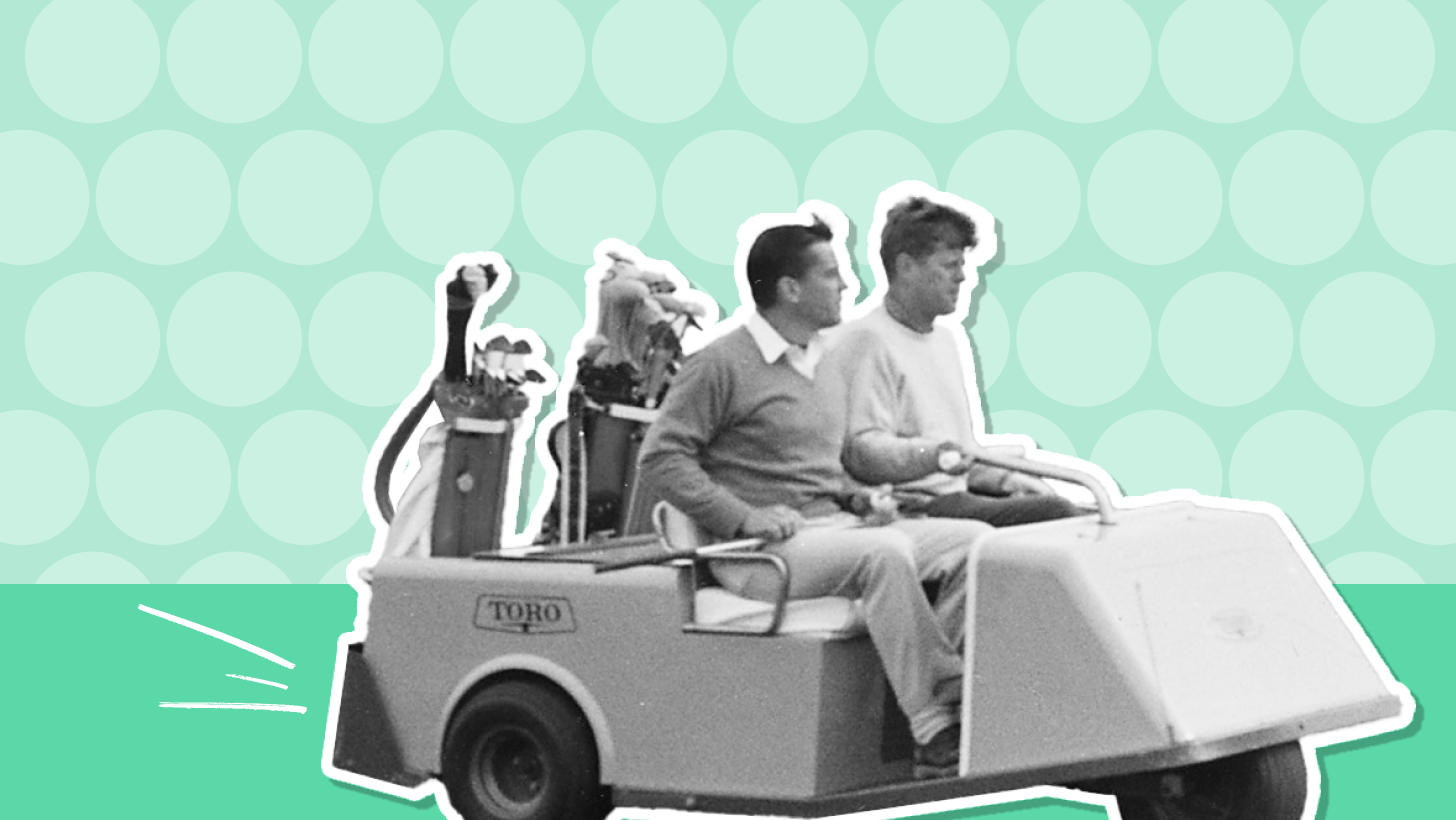
To relieve the stress of leadership, Dwight D. Eisenhower maintained a number of hobbies that he cultivated throughout his life. One of his main passions was golf , which he played during and after his presidency. He even kept a small putting green in the White House garden and had a four-hole practice course installed at Camp David.

But that’s not all. Ike enjoyed fishing, hunting, shooting, watching Western movies, and playing bridge. He was also an avid painter who often captured natural landscapes and gave them as gifts to friends. After leaving the White House, Ike settled on a farm near Gettysburg, Pennsylvania, where he raised Black Angus show cows that won blue ribbons at state and county fairs.

12
John F. Kennedy

Image: Robert LeRoy Knudsen, Public domain, via Wikimedia Commons

John F. Kennedy was an exercise enthusiast and something of a jock. He played many sports : golf, tennis, swimming, baseball, and football. Despite being an athletic man, he enjoyed smoking between four and five cigars a day—his favorite brands were Upmanns and Monticellos!

But perhaps the hobby that most helped him relax from the tensions of the presidency was boating. Like many members of his family, John F. Kennedy loved to sail and was often photographed at sea with his wife and young children.

Explore more American facts

Choose your favorite category!

General
General

As American as apple pie—the very best America has to offer!

Culture
Culture

Delve into the astounding richness of American lore.

Geography
Geography

Hop in and explore vast and diverse American landscapes.

History
History

Discover the key moments that shaped the United States.