Culture Culture 5 min read

Are we talking about the same thing?

Regional menu: American classics that go by different names
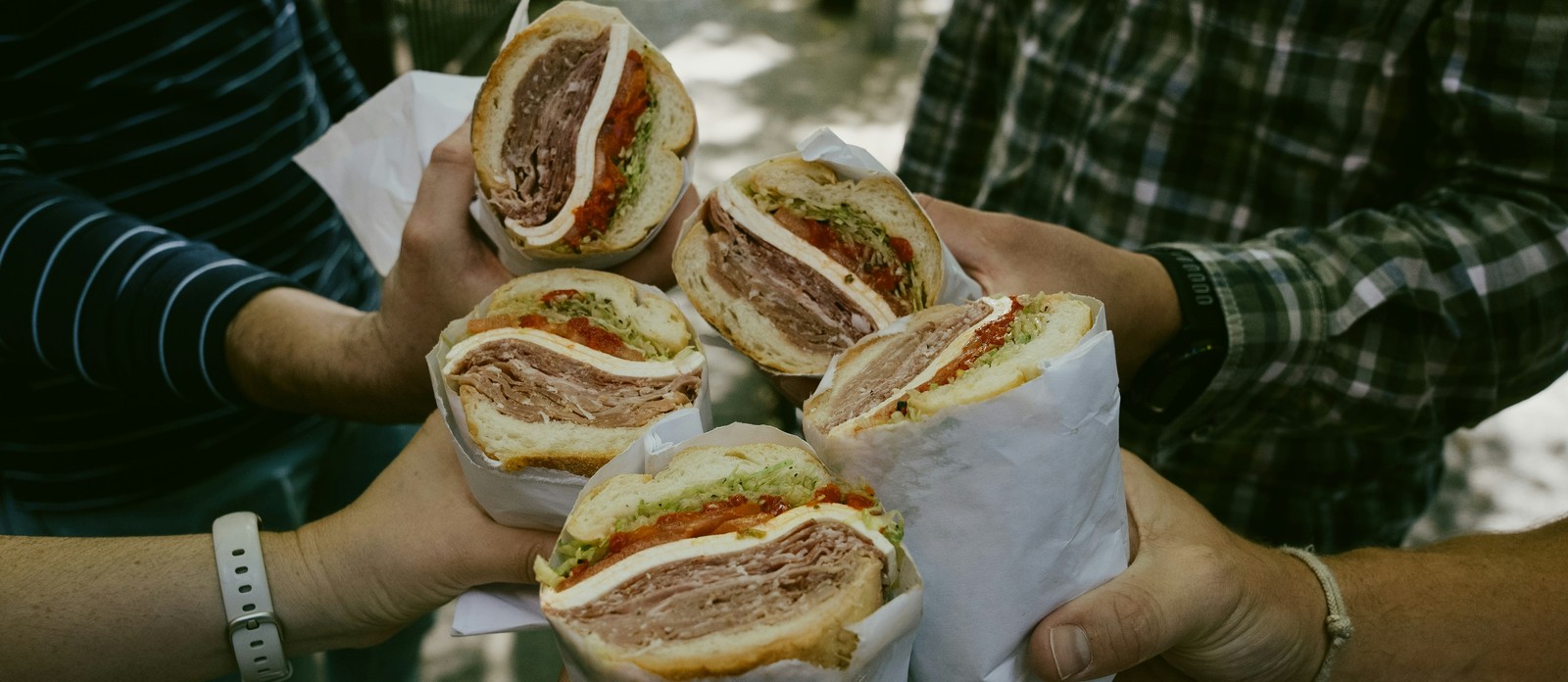
Image: Stephen Han

Ever sat down at a diner during a road trip, picked up the menu, and thought, "I don’t know what half of these things are" ? A hero? A bismarck? A flapjack? They’re usually all things that you know — they just go by another name.

Sandwiches, donuts, pancakes; what you call them probably depends on where you were raised , because their names might differ from state to state, or from region to region. Keep on reading to find out under what names you can find your favorite treat.

1
Soft drinks
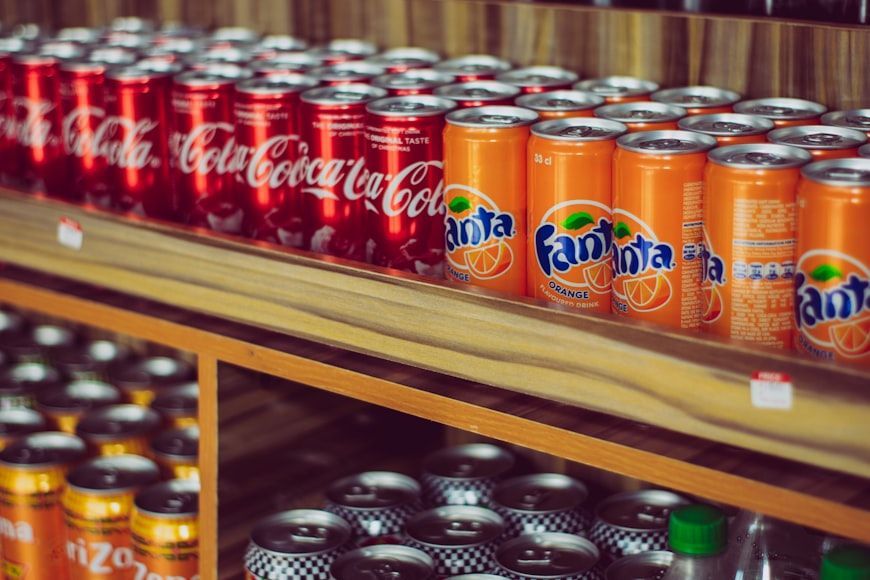
Image: Emmanuel Edward

People on the East and West Coasts might butt heads a lot of times, but they are united when it comes to the name of soft drinks. For them, it’s a soda . Midwesterners differ and will ask for a pop , while across the Southern U.S. coke has become a generic name for any soft carbonated drink. If you ask for a Coke in the South, they might bring you a Sprite or an Orange Fanta.

2
Long sandwiches
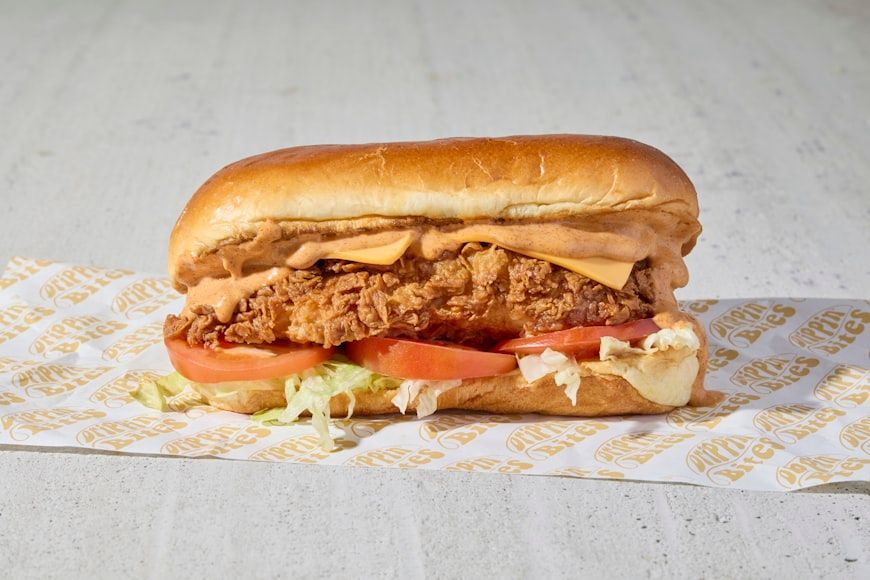
Image: Bilal Rana

If an extra-hearty sandwich (with substantial fillings, often on a long roll) is your lunch of choice, you need to be aware of the regional varieties and names that exist across America. Because asking for a hoagie in New England will get you a few weird stares and no sandwich. While sub is the most widespread term, it’s not the only one. People from South Jersey and the Philadelphia area will use the name hoagie , while New Yorkers will call it a hero if it's filled with cold cuts, cheese, and veggies. Upstate New York follows the New England tradition of the grinder , while Louisiana and the Gulf Coast prefer the Po’Boys , typically made with French bread and filled with seafood. The terms wedgie , spuckie , and torpedo are less common, but if you come across them, now you know what they are.

3
Stuffing or dressing?
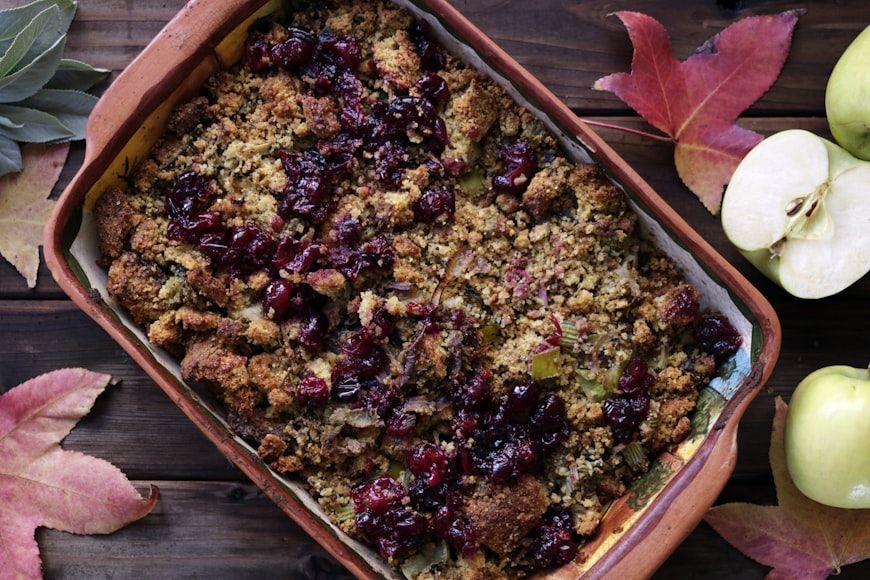
Image: Chelsea shapouri

Does your family’s Thanksgiving table feature stuffing or dressing? There is a lot of debate about the proper name of this dish, but the answer is that they are two different, though similar, dishes, which leads to the names being considered interchangeable. Stuffing is typically cooked inside the turkey, allowing it to absorb the juices, while dressing is cooked in a dishpan, and it’s usually crispier and crunchier. Folks in the Northeast and Midwest, along with the West Coast, tend to use the term stuffing, even when they cook it in a separate pan, while Southern cuisine calls it dressing and, unlike other areas, mainly uses cornbread instead of white bread.

4
Donuts
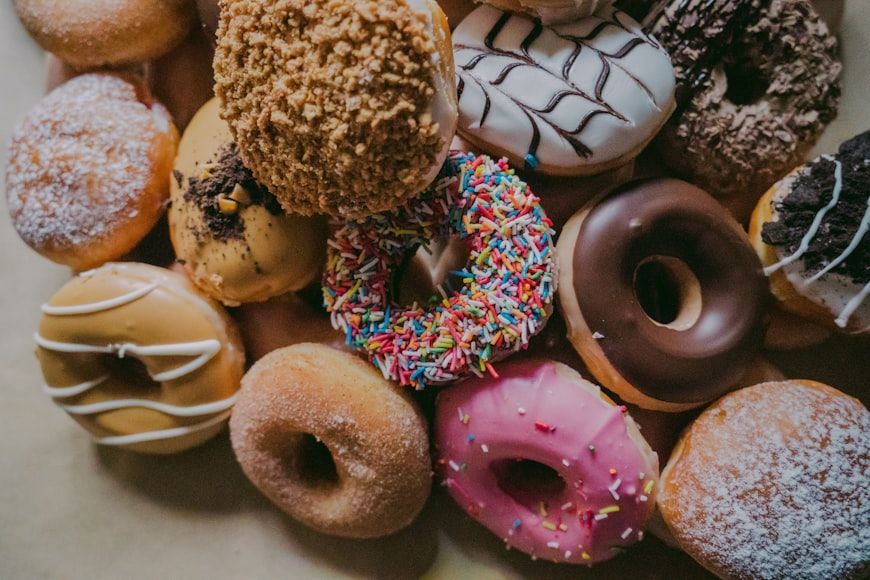
Image: Rod Long

Do you spell it donut or doughnut ? In the end, it doesn’t really matter because there are many other names for it. Besides the classic ring-shaped donut , you can find the Midwestern long john (sometimes called eclair donut in the Mid-Atlantic or Southern U.S., and donut bar in the West Coast), the round bismarck or berliner (filled with jelly in the Midwest and with cream in the Northeast), the Louisiana beignet , or the New England twisted cruller .

5
Pancakes
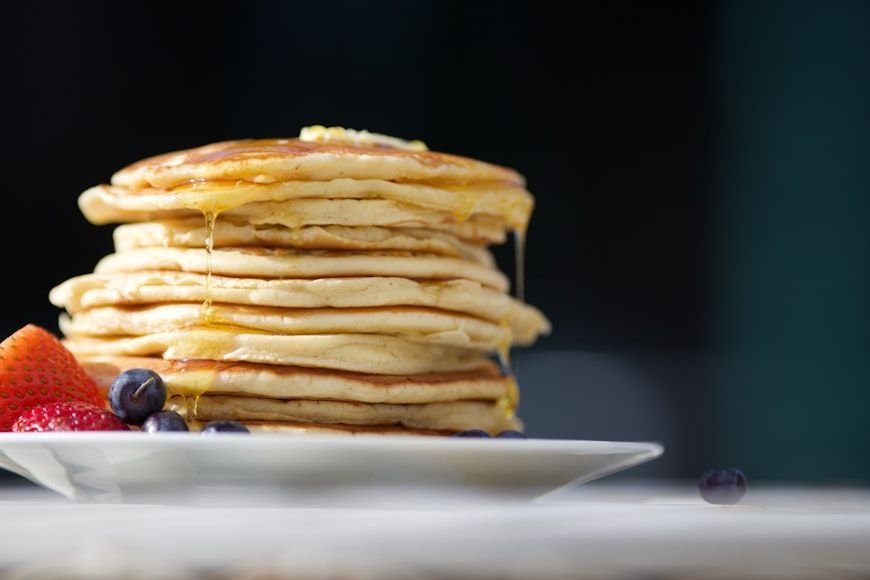
Image: Luke Pennystan

We can agree that pancake is a pretty universal term for this breakfast staple, but that doesn’t mean that regional names aren’t still alive and thriving. The terms griddle cake and hotcake are heavily used in the South, with hotcake having been made popular across the country thanks to the McDonald’s breakfast menu. The name flapjack is common in the Southeast, while part of New England uses johnycake —originally a corn flatbread— for buttermilk pancakes. For miniature pancakes, the term silver dollars is also widely used in different regions of the country..

6
Gravy or sauce?
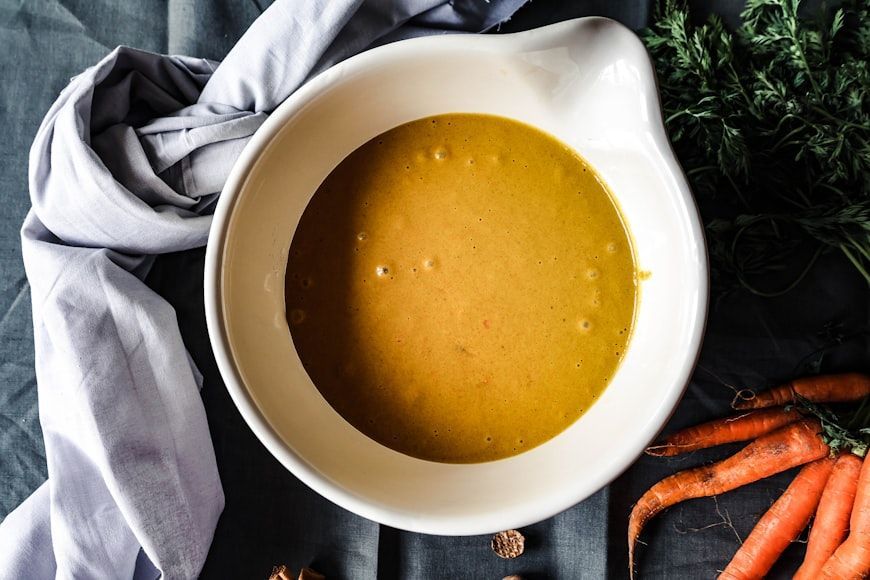
Image: victoria.

We find ourselves again discussing a technicality. All gravies are technically sauces , but sauce is a much wider concept than gravy. Why is there a debate, then? Italian immigrants, upon arriving in America, noticed that gravy was used in English for meat-infused liquids, so they adopted the name to refer to tomato sauces that included meatballs, sausage, or pork. While these are technically sauces, they are still called gravy by many Italian-Americans, especially in the Northeast.

7
Milkshake
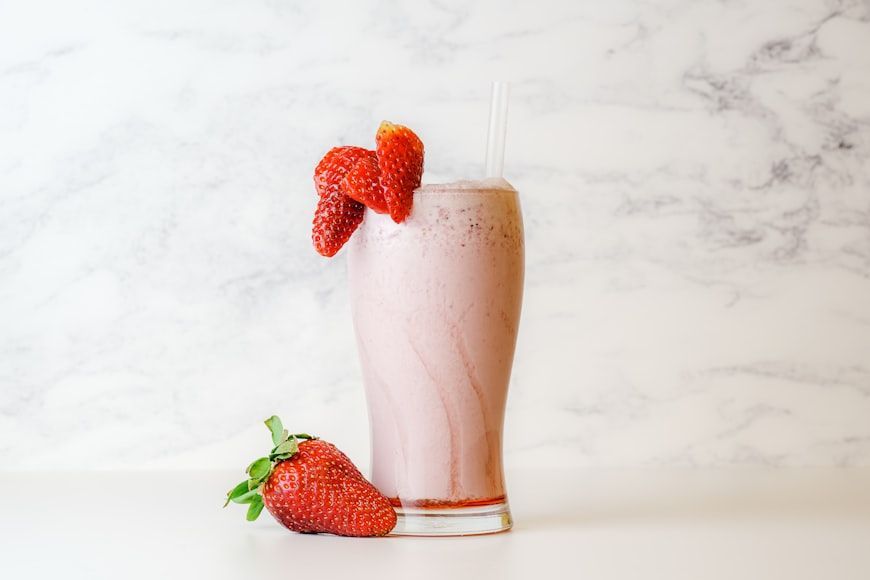
Image: Sebastian Coman Photography

Although it's usually called just a shake in many parts of America, some regions have their own names for a blended drink of milk and ice cream. In New England, asking for a milkshake will get you milk with syrup, while for the ice cream version, you have to ask for a frappe (pronounced frap ). In Rhode Island and Southeastern Massachusetts, asking for a cabinet will get you a coffee-flavored milkshake, and many Midwestern chains offer thicker milkshakes under the name thick shakes or concretes . The malt , another popular version, includes malt powder in its formulation.

8
Sprinkles or jimmies?
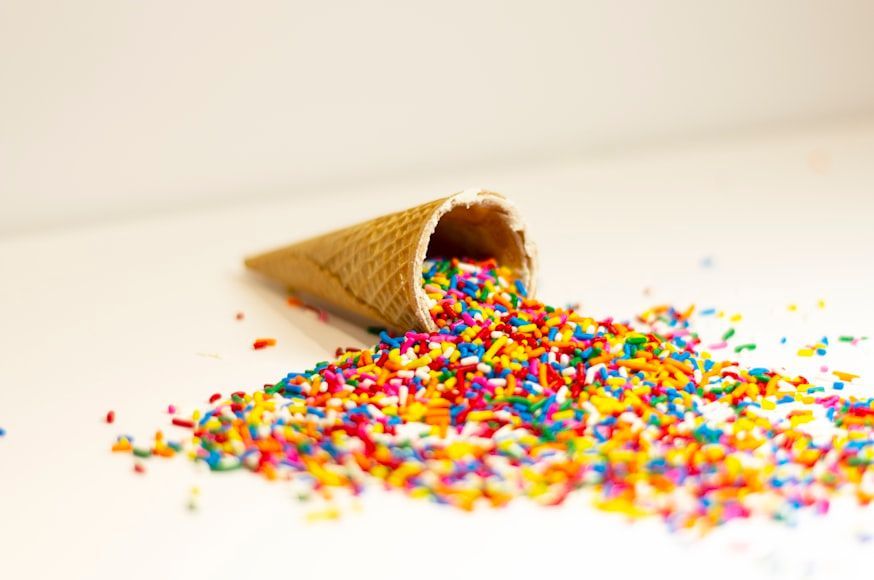
Image: Josephina Kolpachnikof

This debate is very local to a particular area of New England and the Mid-Atlantic. The overwhelming majority of Americans uses the word sprinkles for the small, colorful sugar confectionery used for decorating baked goods. That is, unless they are from Boston, Philadelphia, or some areas of New Jersey, where the name jimmies is more commonly used. Some claim that jimmies specifically refers to the chocolate version of sprinkles, but the name is also widely used for the multicolored version, so the jury is still out on that.

9
Frosting or icing?

Image: Alexander Grey

Again, two different things with a similar purpose that became synonymous. While both are used to cover and decorate cakes and baked goods, frosting is fat-based and has a thicker and fluffier consistency. On the other hand, icing is a mix of water and sugar, so it’s naturally more liquid. Where does the confusion stem from? Icing is often used as an umbrella term for cake and baked goods toppings —including frosting— which can lead to the idea that they are the same thing.

10
Casserole or hot dish?
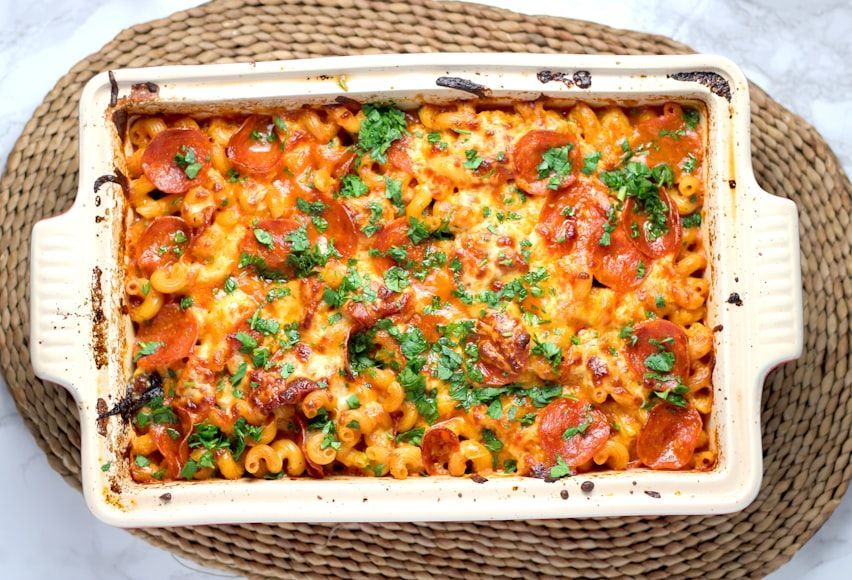
Image: sheri silver

First of all, what identifies a casserole ? It’s a meal baked in a deep pan, usually including protein, vegetables, starches, and a binding liquid. Following that logic, the Midwestern hot dish is a type of casserole, but there is an important distinction. While casserole is a wide term that includes both sides and main dishes, Midwestern hot dishes are a main course on their own.

11
Last piece of bread
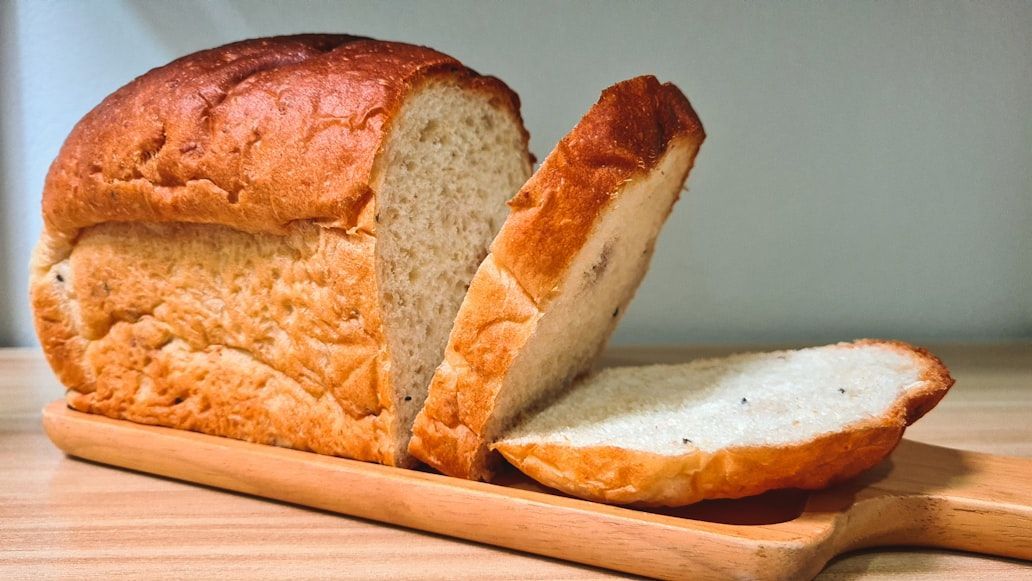
Image: Perry Stevens

The end of a loaf of bread can create strong emotions. People either love it or hate it, so it’s only fitting that it has unique regional names. The end piece or the heel seems to be the most widespread name for it, though butt is commonly used across the Midwest and the South. Knobby is a common name for it in New England, but it is used in combination with other terms, while it is sometimes called the booty in the African-American vernacular.

General General 6 min read

Don’t break the law

Home haircuts are technically a felony, and so are all these small things

Image: Michał Jakubowski

Maybe you think of yourself as a law-abiding citizen who stays on the straight and narrow, but the truth is that the American legal system is full of weird rules that might catch you off guard. From honking without a real reason to cutting your partner’s hair, there are dozens of little things we do every day that could be considered a felony . Most of these laws were written a long time ago with good intentions, but they seem somewhat outdated today. Join us as we learn these offenses that could make an "outlaw" out of any common citizen.

1
Being annoying

Image: Andre Hunter

We all have bad days where our mood goes south, but in Florida, you’d better keep those frustrations to yourself . Ever since 1832, the Sunshine State has had a broad nuisance statute that classifies anything that "annoys the community, injures public health, or corrupts public morals" as a second-degree misdemeanor. Of course, the law was intended to address community hazards like toxic waste disposal or unsafe buildings. Modern enforcement targets environmental hazards and serious health violations. Personal annoyances are off-limits, since what qualifies as "annoying" is completely subjective.

2
Honking with no purpose

Image: Hitanshu Patel

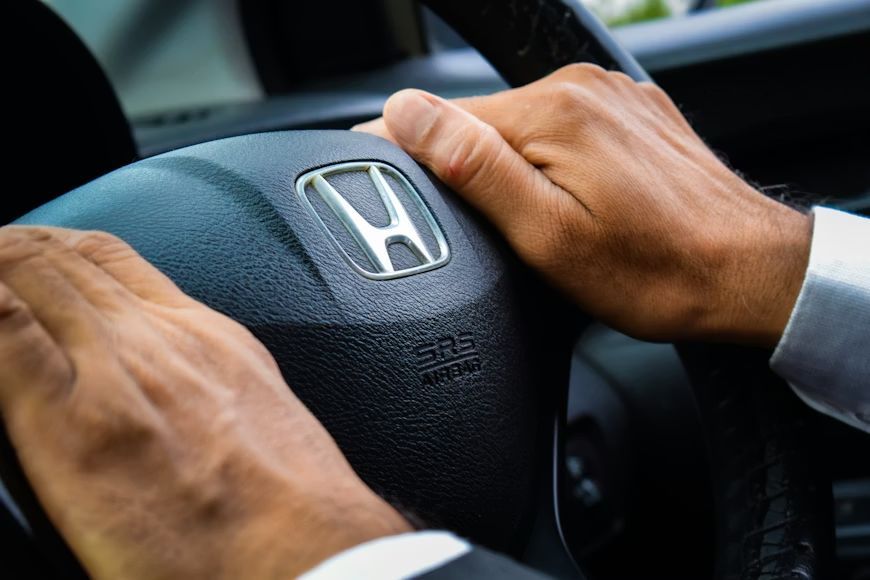
We’ve all used our car horn to wave at a neighbor or used it to vent a little frustration in traffic. However, in New Jersey, according to their traffic code, your horn is legally reserved for safety warnings only . In this state, using it for any non-emergency reason is technically a traffic violation since 1968. Unless you are trying to prevent a fender-bender or warn a distracted driver, it is best to keep your hands off the steering wheel's center and just give a friendly wave instead.

3
Dangling car decorations

Image: Daniel Hobiera

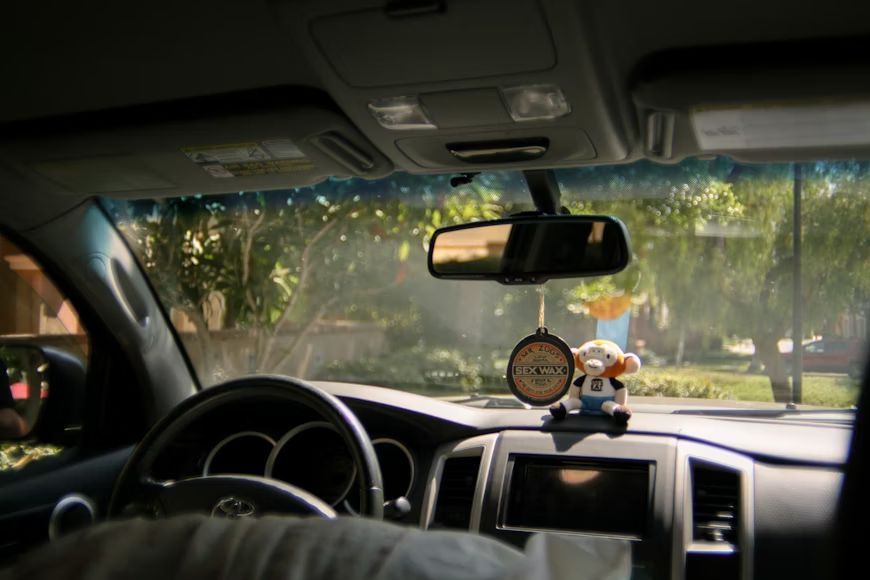
If you have a pine-scented air freshener or a set of graduation tassels swinging from your rearview mirror, you might be looking at a ticket in some states. Laws vary across the country, but for example, in California, the law states that there cannot be anything obstructing the view through the windshield or side window . This rule is part of the California Vehicle Code, enforced in 1959. In Texas, the regulation is similar according to the state Transportation Code, and Minnesota, in turn, has had a law since 1957 making it strictly illegal to hang anything from the mirror. Nobody has anything against a nice-smelling car or a beautiful lucky charm, but when they obstruct your view , that’s a problem for everyone on the road.

4
Handling a stranger’s mail

Image: sue hughes

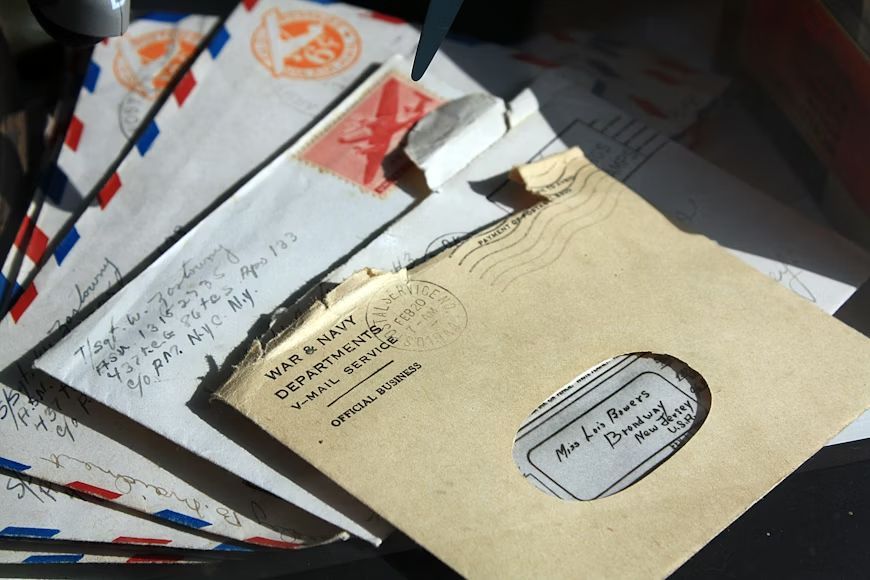
It’s not unusual to find a stack of letters addressed to the person who lived in your house three years ago, right? Now, your first instinct might be to toss it in the bin . Believe it or not, that’s a big no-no since 1948, clearly stated in the U.S. Code. Tossing out mail intended for someone else into the garbage is considered a federal felony, and penalties can be severe, including up to five years in federal prison and fines up to $250,000. The proper way to proceed is to write "refused" or "return to sender" on the envelope and let the post office take it from there.

5
Forgetting to tell the DMV you moved

Image: Erik Mclean

Life gets busy and messy when you move to a new house, so it’s easy for updating your driver's license to fall to the bottom of the to-do list. However, in most states, you are legally required to notify the DMV of your change of address within a very short window, usually ten to thirty days . In California, for example, you must do this within ten days. If you get pulled over and your license doesn't match your current address, you could get a fine. Time really flies when moving, but make sure to write this on the very top of your to-do list, and you’ll be fine!

6
Letting the engine on

Image: Carbyn Wu

Isn’t it common to start the car on a frosty morning to let it warm up while you finish getting ready? Well, if you do this, you’re technically breaking the law in some states: since 2004, in Ohio and Colorado, this is actually a citable offense known as "puffing." Leaving an unattended vehicle idling in your driveway is illegal because it invites car theft and contributes to unnecessary exhaust emissions. If you want to get the heater going, the law expects you to stay right there in the driver's seat until you’re ready to pull away.

7
Prank pizzas

Image: Mariya

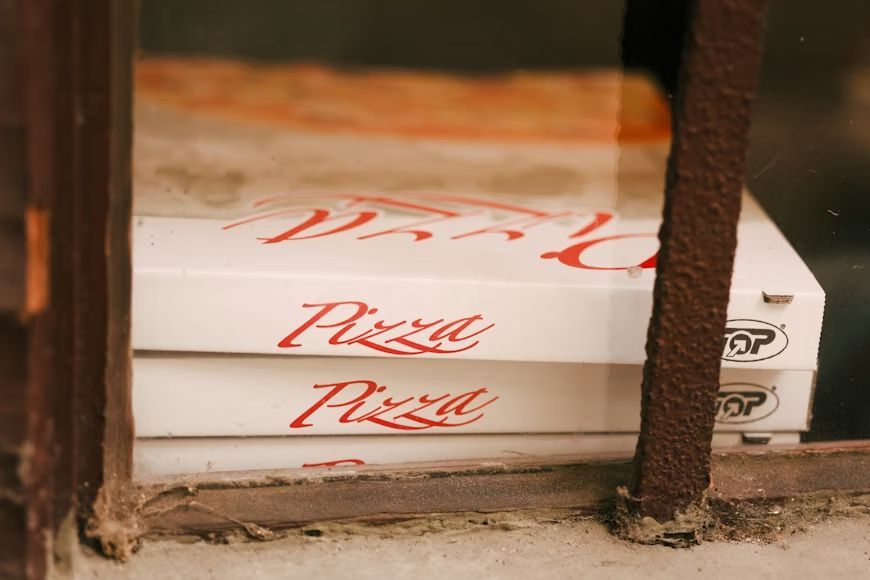
In Louisiana, ordering a stack of pizzas to be delivered to an unsuspecting friend as a prank is more than just a lousy joke; it’s a crime. Believe it or not, there’s a reason behind this law. Passed in 2018, the Louisiana Revised Statute was specifically written to protect small businesses from losing time and money on fake orders. Can you imagine how annoying it must be to deal with a pranked customer who doesn’t want the five pizzas they got out of the blue? Even if it started as a joke, the authorities now view it as a form of theft that can result in a fine of up to $500, imprisonment for up to six months, or both.

8
Playing hairdresser

Image: Gabriela

If you’ve ever offered to give a friend a quick perm or some highlights in your kitchen, you might be an accidental criminal. In the US, performing any kind of cosmetology service on another person without a professional license is illegal. Forms of enforcement and penalties depend on each state, but most follow the rules established by the National-Interstate Council of State Boards of Cosmetology, which grants licenses following pertinent examinations. Of course, a bangs cut is not always a problem, but these kinds of regulations were created to ensure that chemicals and sharp tools are handled safely by trained experts.

9
No-hands bike riding

Image: Florian Kurrasch Disponible para contratación

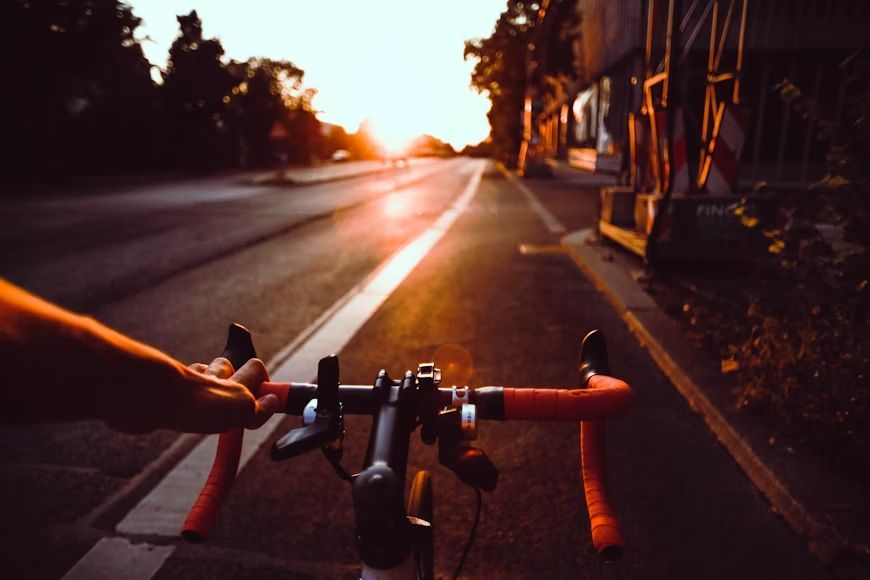
Riding a bike is fun, especially for kids who like to do tricks and take both hands off the handlebars. But in North Carolina, that’s a traffic violation, according to the city code. The statute requires cyclists to keep at least one hand on the grip at all times to maintain control of the bike. Fines for this behavior can go up to $50 and even imprisonment for up to 30 days. Riding a bike without using your hands might feel like a fun way to show off skills, but the consequences can be serious.

10
Tossing out old batteries

Image: Syed Ahmad

When the remote dies, most people are tempted to just drop the old batteries into the kitchen trash can, but you might want to think that over, especially if you live in California. As of 2005, in this state, household batteries are classified as hazardous waste because they contain chemicals that leak into the soil. The California Rechargeable Battery Recycling Act requires you to take them to a proper recycling center instead of the regular landfill. It takes a little more effort to do the right thing, but it keeps the local environment a lot cleaner for everyone.

11
Lending your Wi-Fi password

Image: Dreamlike Street

You’ve just moved, and you ask your friendly neighbor to share their Wi-Fi password until your internet is set up. That’s pretty common, but that’s also been a felony since 1986. The feds view this as unauthorized access to a computer network . Under the Computer Fraud and Abuse Act, jumping on a signal you don't have explicit and formal permission to use is technically a crime. It’s better to stick to the local coffee shop than risk a run-in over a bit of borrowed bandwidth.

History History 4 min read

Forgotten Titanic facts

It wasn’t just humans on the Titanic! 10 incredible facts you didn’t know

Image: Edwin Petrus

We all know the tragic story behind the Titanic, that "unsinkable" ship that didn’t make it past its first voyage. But besides the tragedy and the Hollywood movie, there are some surprising facts that never made the front page. From pups that survived and pocket watches, to hidden submarines and a tipsy worker who beat the odds, here are 12 curious facts that might just shock you.

1
Construction costs that’d make your wallet faint

Image: Jaime Labra

Back in 1912, the Titanic cost $7.5 million to build, and if you're wondering what that’d be today, it’d be over $400 million. That’s more than some sports stadiums! It took nearly three years to complete and was one of the most extravagant ships ever made.

2
Yes, there were dogs

Image: Yuki Dog

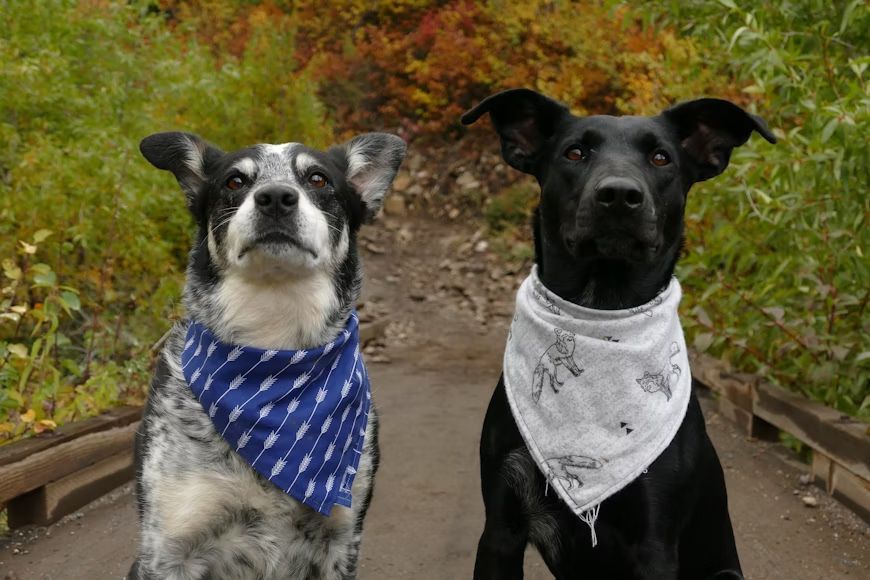
As it turns out, the Titanic wasn’t just for people. At least 12 dogs came along for the ride , lounging in a special first-class kennel. There was even a dog show scheduled for the morning of April 15. Sadly, only three tiny dogs survived, all small enough to sneak onto lifeboats tucked in coats or handbags.

3
The band really did play on

Image: Parizan Studio

Wallace Hartley, the bandleader, went down in history, and with his violin! His group kept playing as chaos unfolded around them, trying to calm passengers with music, just like the movie portrays. He didn’t make it, but his violin was found intact and later sold at an auction for $1.7 million!

4
A pocket watch frozen in time

Image: Otto Hyytiälä

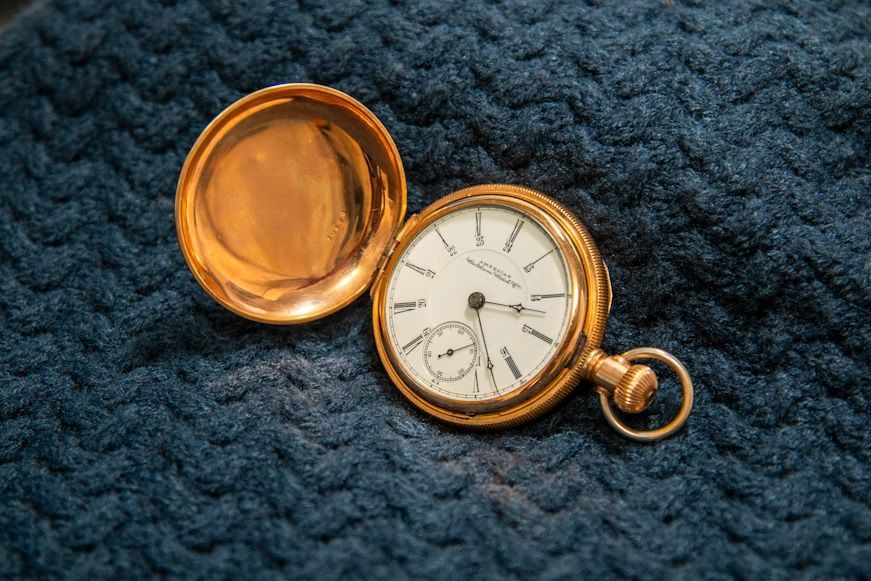
The violin was not the only treasure found. Sidney Sedunary was a young steward whose pocket watch stopped ticking at exactly 1:50 a.m. , just before the ship went under. He was last seen handing out lifejackets to third-class passengers. That same watch, rusted but intact, still tells his story.

5
A survivor with frostbitten legs and Olympic dreams

Image: Shep McAllister

Richard Norris Williams spent six hours in icy water, and doctors on the rescue ship wanted to amputate his legs. He refused . And you may think he was crazy to do so, but thank God he did! He went on to win a Wimbledon title and an Olympic gold medal. How crazy is that?

6
Finding the Titanic by accident

Image: Karl Callwood

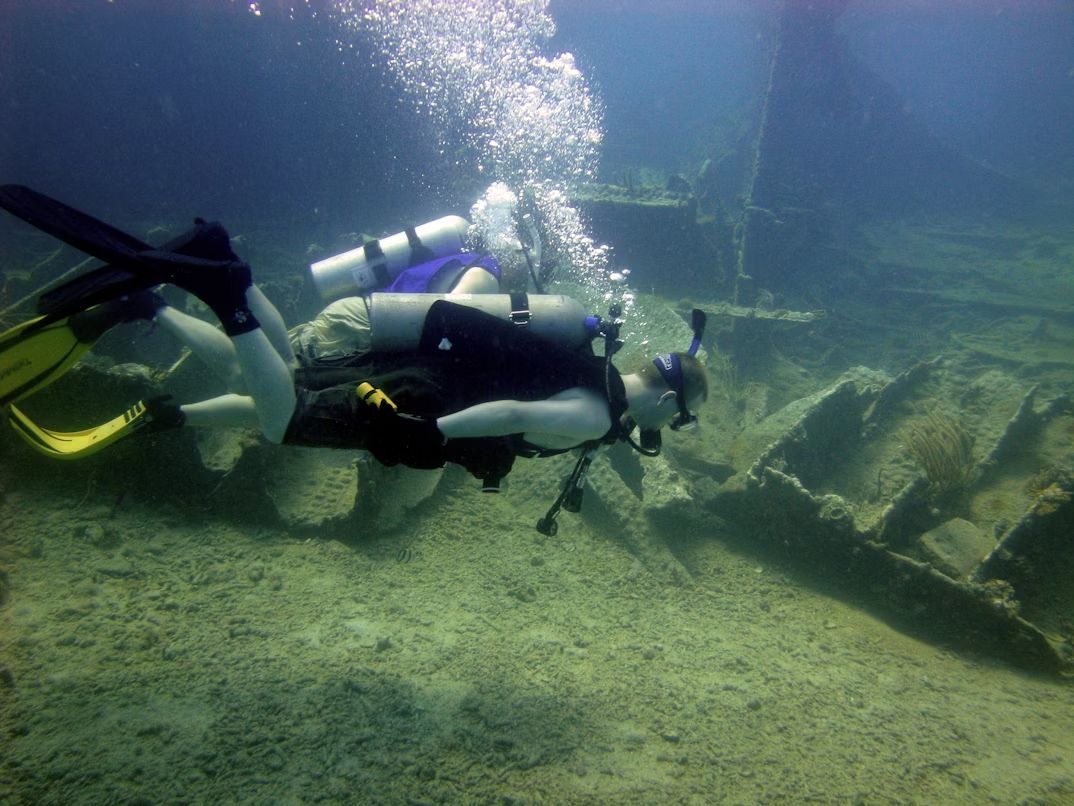
In 1985, oceanographer Robert Ballard found the Titanic wreck. But that was just an accident ; he was actually sent by the Navy to look for two lost nuclear submarines and used the Titanic as a cover story.

7
Dishes still stacked neatly on the ocean floor

Image: Jannet Serhan

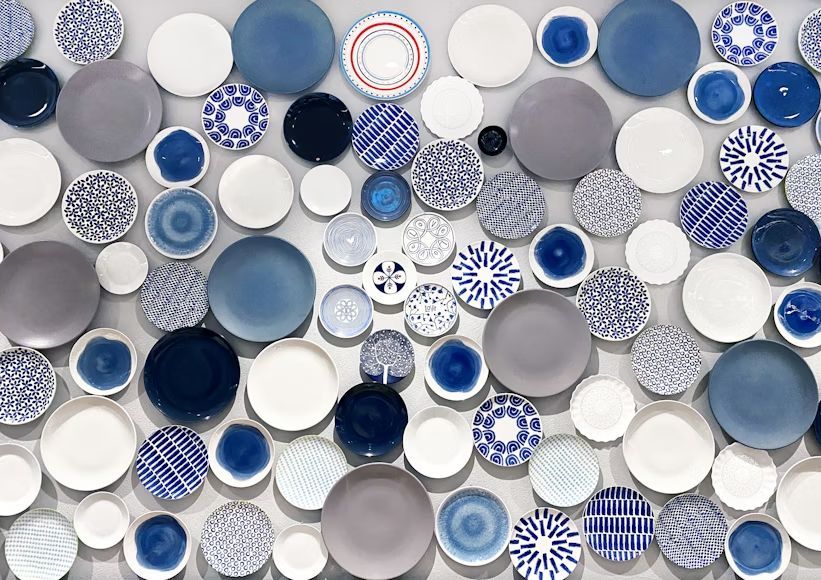
When explorers visited the Titanic wreck in 1986, they found plates still stacked like someone had just finished doing the dishes. Turns out, the wooden cabinet they were in rotted away , leaving the china perfectly arranged on the sea floor. It’s as eerie as fascinating, considering the many years that passed.

8
The ship is rusting away

Image: NOAA

And speaking of the amount of time the Titanic has been underwater, we have to say that nature is reclaiming the Titanic bit by bit. A newly discovered bacterium is literally eating the ship. Scientists estimate it could disappear completely in 20 to 30 years. The latest expeditions have already shown evidence that pieces that were previously there are gone. So… the clock's ticking.

9
No photos of the grand staircase?

Image: Maria Orlova

You’ve probably seen images of the Titanic’s beautiful grand staircase. We’re sorry to disappoint, but they’re not of the Titanic . They’re from her sister ship, the Olympic. No one thought to take a picture of the real deal before the maiden voyage. And they definitely didn’t think of doing it while it happened!

10
Milton Hershey almost boarded

Image: Janne Simoes

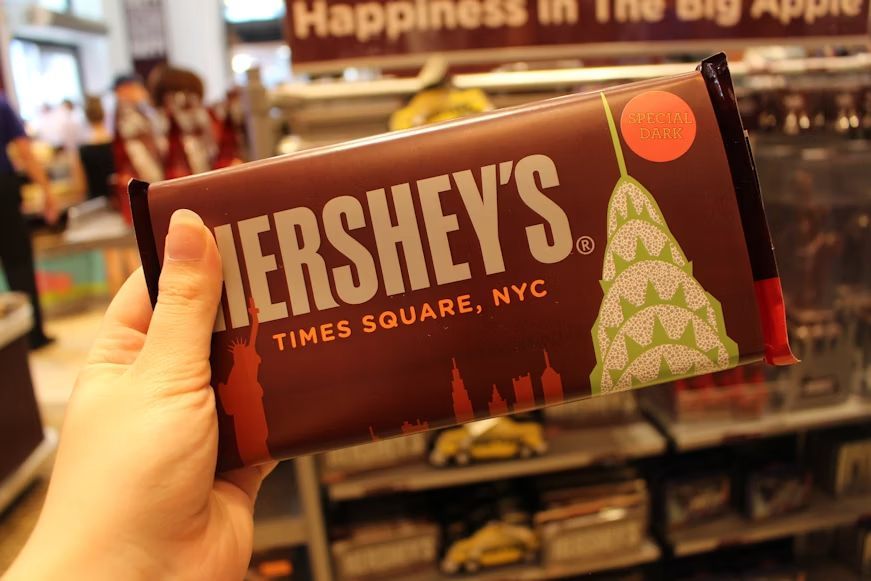
If the name rings a bell, that’s because it’s the same Hershey from the chocolate you love. The man behind Hershey’s chocolate bars almost booked a room on the Titanic . He even wrote a $300 deposit check (big money back then!). But business delayed him, and he skipped the trip. Who do we thank for that?

11
The baker who survived two hours in icy water

Image: Maxim Hopman

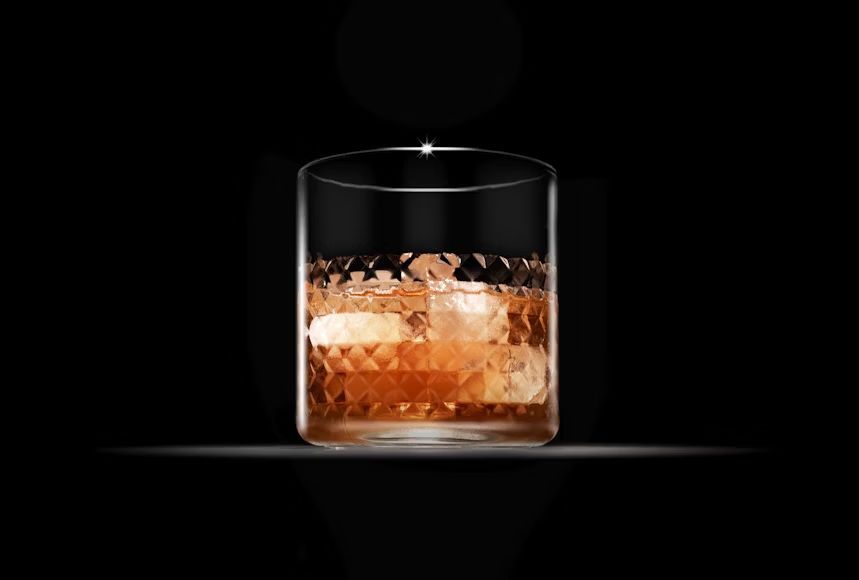
Here’s a fascinating fact: Charles Joughin, the Titanic’s chief baker, survived one of the worst parts of the sinking: the freezing Atlantic water. He was reportedly treading water for two hours before rescue. Wanna know how he made it? He had been sipping whiskey to face his fate, and the alcohol in his blood kept him warm enough to survive.

12
The last lunch menu went for a tasty sum

Image: Zoshua Colah

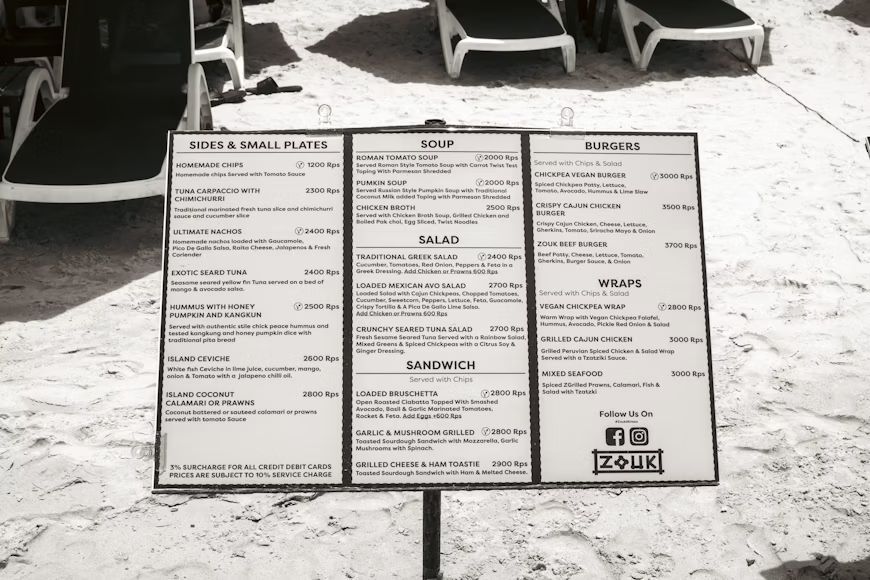
In 2015, a copy of Titanic’s last first-class lunch menu sold for $88,000 . That’s one pricey memento. The menu included grilled mutton chops, chicken à la Maryland, and corned ox tongue. Safe to say lunch on the Titanic wasn’t your average sandwich and chips.

Explore more American facts

Choose your favorite category!

General
General

As American as apple pie—the very best America has to offer!

Culture
Culture

Delve into the astounding richness of American lore.

Geography
Geography

Hop in and explore vast and diverse American landscapes.

History
History

Discover the key moments that shaped the United States.