General General 4 min read

Unexplained & unforgettable

Wait, they saw what? 10 UFO sightings that will make you question reality
Image: Bruce Warrington

Since the dawn of time, humans have stared at the heavens in search of answers, and the question of life on other planets has always been with us. But sometimes what we see defies explanation. From strange-shaped objects crossing the sky to tales of encounters with extraterrestrials, today we’re remembering 10 shocking UFO stories.

1
Roswell Incident (New Mexico, 1947)

Image: Albert Antony

It was July 1947 when something extraordinary happened near Roswell, New Mexico: a mysterious, large object crashed on a ranch outside the town. It wasn't an airplane, it wasn't a helicopter, it didn't resemble any known aircraft at the time. Interestingly, the military first described it as a "flying disc," only to later retract the statement and claim it was just a weather balloon. This shift caused endless theories and made Roswell perhaps the most famous UFO story of all time.

2
Kenneth Arnold Sighting (Washington, 1947)
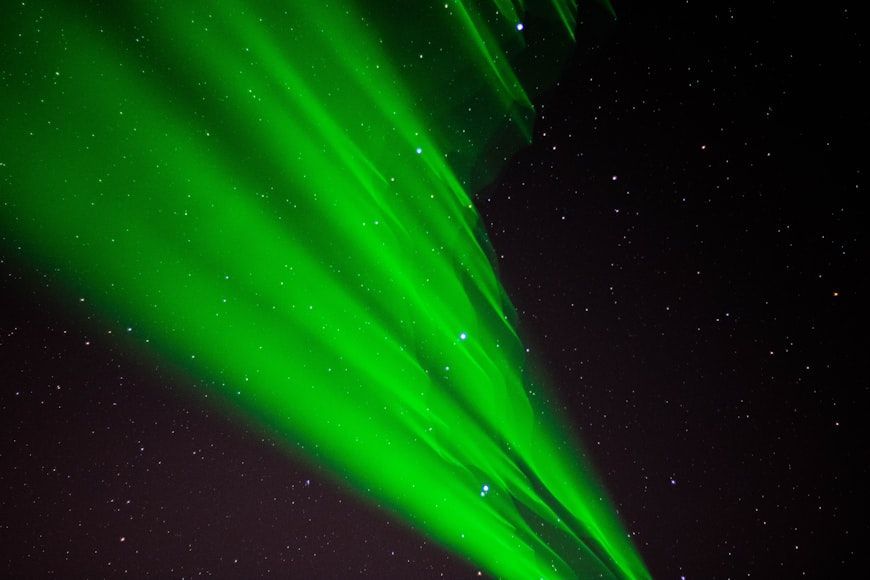
Image: Parastoo Maleki

No one knows the skies better than pilots, and in June 1947, one of them, Kenneth Arnold, saw something that would change the way we think about extraterrestrial life. According to his report, Arnold spotted nine bright objects moving near Mount Rainier, Washington. He described their flight as being like "a saucer skipping across water." That phrase would go on to coin the term "flying saucer," marking what many consider the beginning of the modern UFO era.

3
Washington, DC, Flap (1952)
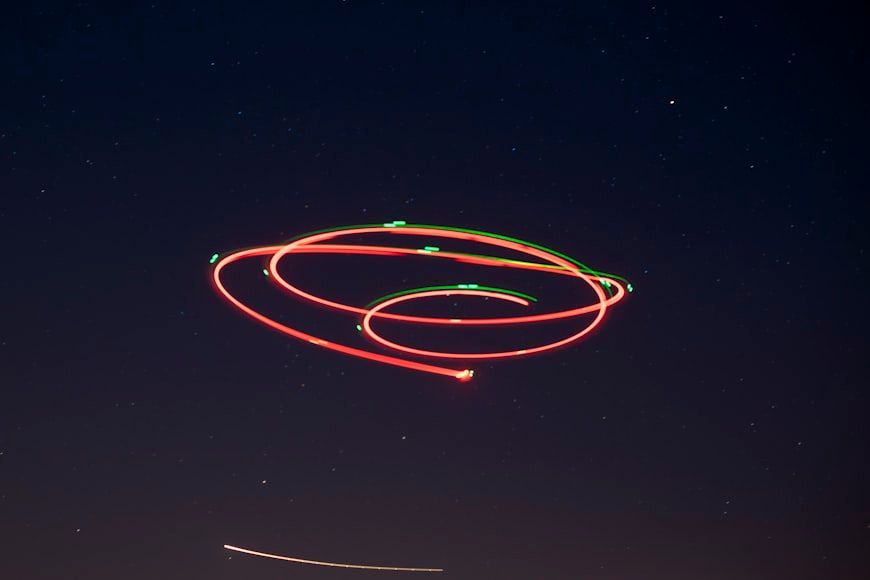
Image: Ben Collins

Do you think UFO sightings only happen in rural or remote areas? Between July 12 and 29, 1952, something unexplainable occurred over Washington, DC. People in the US capital reported seeing mysterious objects moving randomly in the sky. But that wasn't all; pilots and even radar stations reported the same. While the US Air Force suggested that temperature might have affected radar performance, the sightings were never fully and clearly explained.

4
Kelly-Hopkinsville Encounter (Kentucky, 1955)
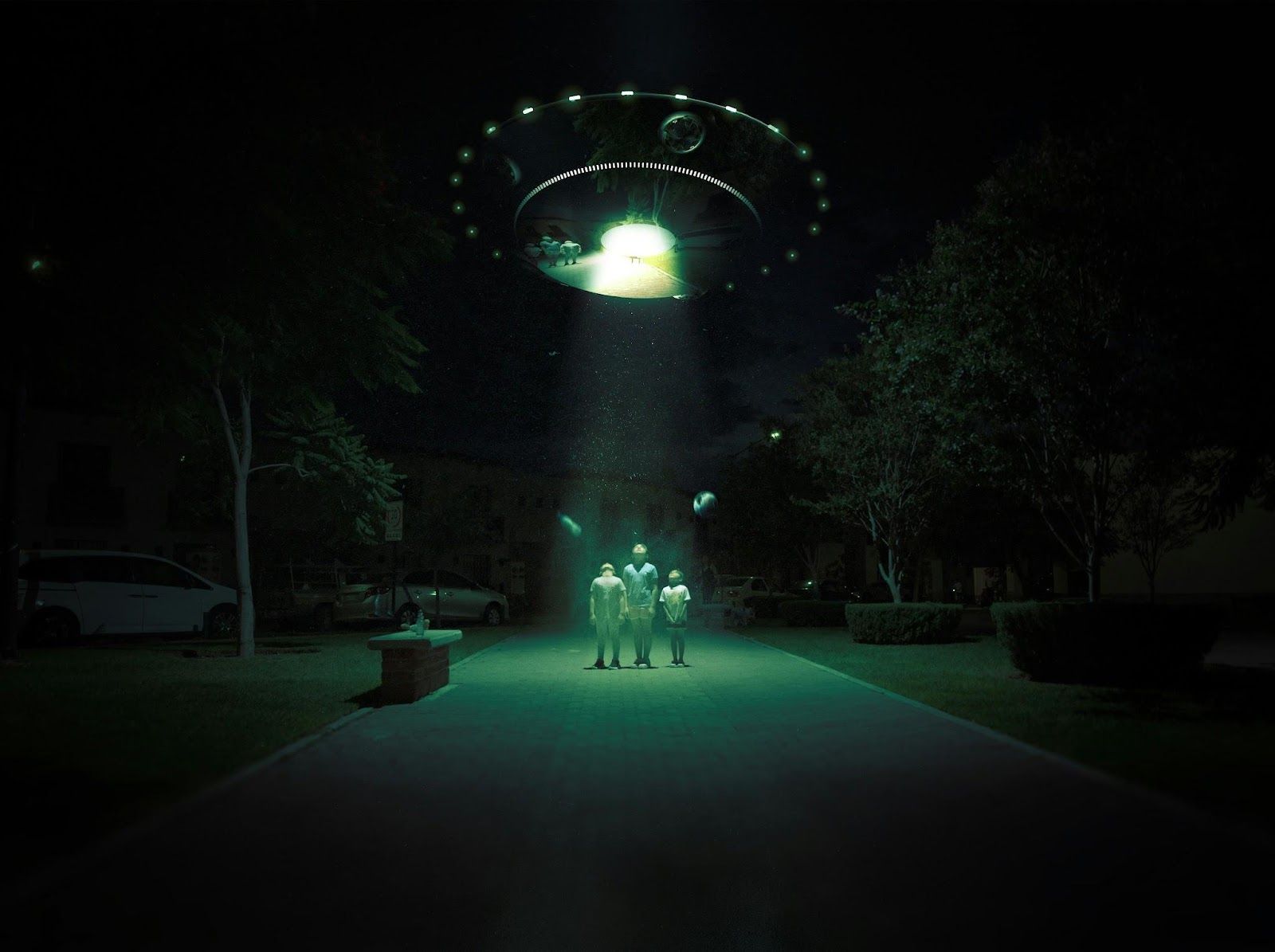
Image: Danie Franco

On August 21, 1955, two families in rural Kelly, Kentucky, experienced something straight out of their wildest nightmares. In the evening, a bright, fleeting light appeared in the sky. According to their reports to the police, the light was followed by the arrival of small creatures with large eyes and long arms, described as "little green men," who allegedly approached their homes and peered through the windows. Terrified, the families shot at them for nearly four hours, until the "little green men" finally seemed to disappear. When police arrived the next day, the houses were empty. According to neighbors, both families had packed up and left, saying the creatures had returned around 3 a.m.

5
Kecksburg UFO Incident (Pennsylvania, 1965)
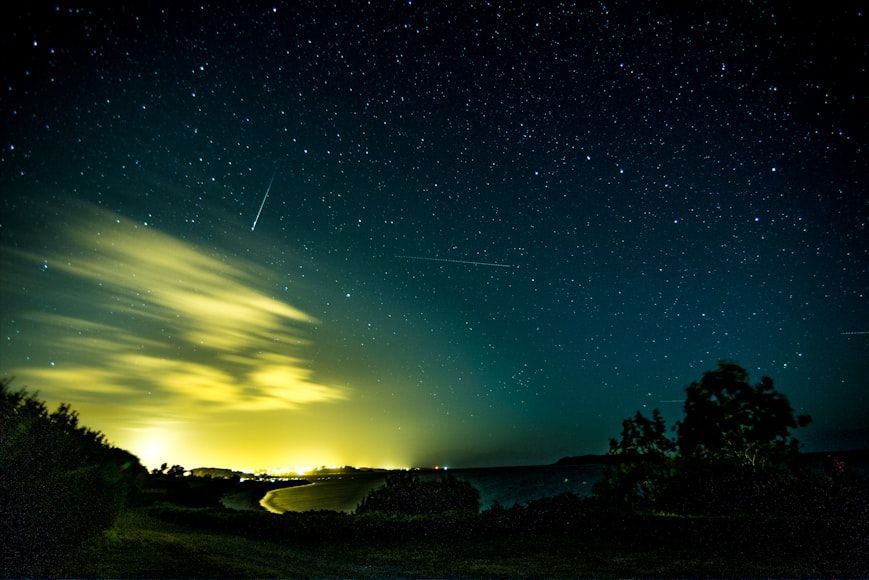
Image: Lamna The Shark

We all know what to do when we see a shooting star: make a wish! But that was far from the reaction in Kecksburg, Pennsylvania, where on December 9, 1965, residents watched what looked like a massive fireball streak across the night sky before crashing into a forest on the town’s outskirts. Some people rushed to the site and claimed they saw a large metallic object shaped like an acorn. The military arrived soon after and launched an investigation that suggested it may have been a meteor or space debris. But the doubters were not convinced, and the event sparked a wave of theories and speculation that continues to this day.

6
Coyne Helicopter Incident (Ohio, 1973)
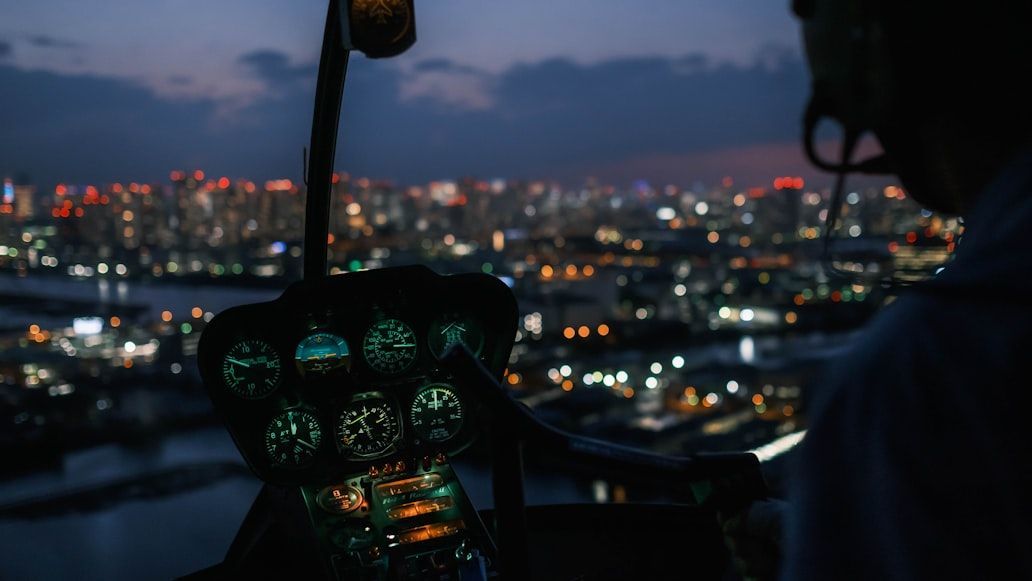
Image: James Pere

On October 18, 1973, near Mansfield, Ohio, something occurred that would challenge even the most stubborn skeptics. Captain Lawrence Coyne was piloting a US Army Reserve helicopter when it was allegedly intercepted by a large, cigar-shaped craft flying erratically at high speed and emitting green and red lights. During the encounter, the helicopter suddenly ascended beyond Coyne’s control. People on the ground witnessed the event and later confirmed parts of the pilot’s account. To this day, the incident remains unexplained.

7
Cash–Landrum Incident (Texas, 1980)
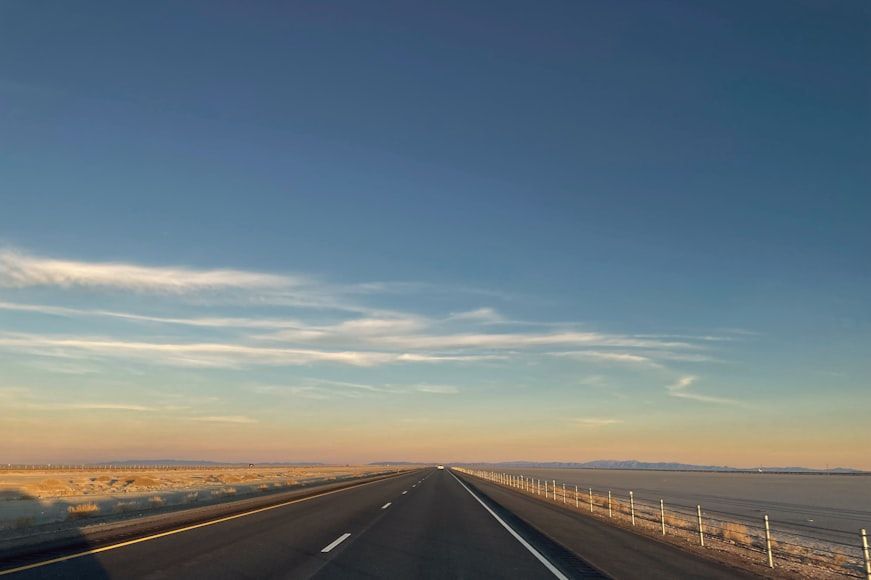
Image: Anton Kapralov

The ’80s were a wild decade, and that even included alleged encounters with alien spacecraft! In December 1980, three people reported a terrifying experience while driving through Texas: they were suddenly forced to stop when a huge craft hovered over the highway. According to their account, the metallic object emitted bright lights and intense heat. Later, all three developed physical symptoms, including burns, nausea, vomiting, and hair loss. Medical reports suggested these effects were consistent with prolonged radiation exposure, although it could not be proven that the incident itself caused the symptoms.

8
Hudson Valley UFO Wave (New York, 1982-1986)
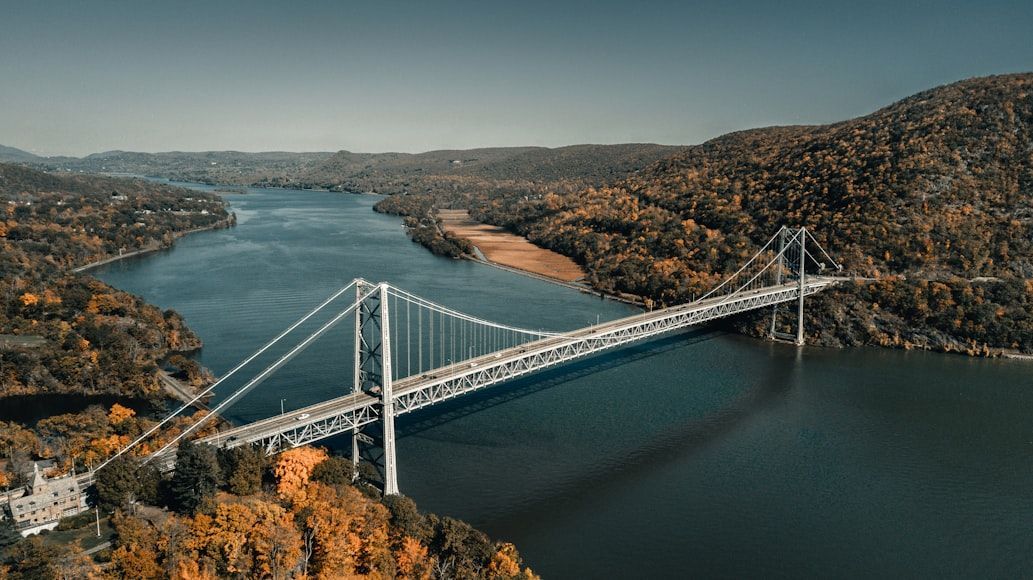
Image: Clay Banks

An isolated UFO sighting involving just a few people is one thing. But it’s quite another when, for years, hundreds of people report sightings in the same place with similar characteristics. We’re talking about New York’s Hudson Valley, where for several years (1982–1986), residents, police officers, and even pilots reported UFO sightings. Many described the same thing: a large craft with a V-shaped row of lights that moved strangely and flew very low, sometimes even approaching houses. While some skeptics claimed they were planes flying in formation, witnesses didn’t fully accept this explanation.

9
Phoenix Lights (Arizona, 1997)

Image: Jaizer Capangpangan

If one person’s sighting seems hard to believe, maybe the testimony of thousands will convince you. In March 1997, one of the most famous UFO events witnessed by large groups occurred. Thousands of people reported seeing the same phenomenon in the skies over Arizona, Nevada, and Mexico: a formation of lights moving silently and strangely across the night sky. Even Fife Symington, the then-governor of Arizona, later claimed he had seen the lights himself.

10
O'Hare Airport Sighting (Illinois, 2006)
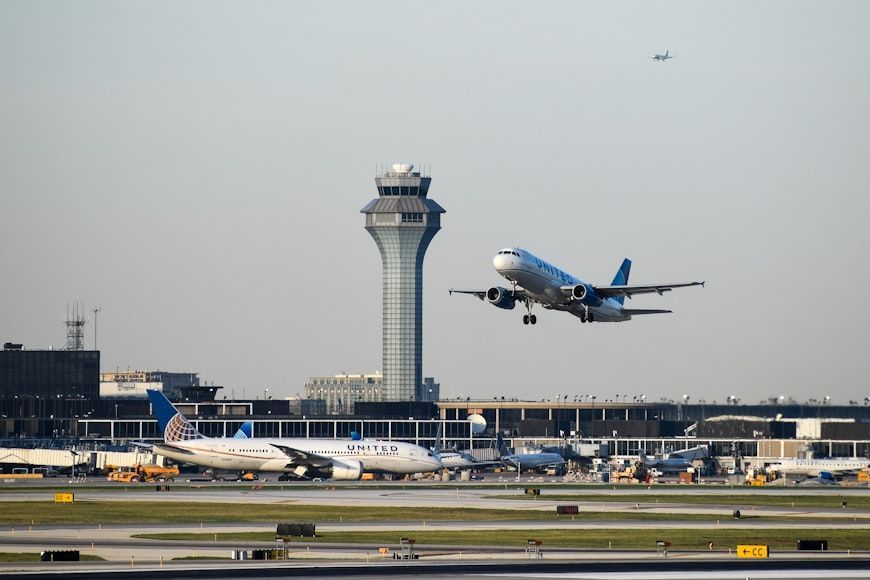
Image: David Syphers

If your skepticism has lasted this long, the next story might make you rethink everything. In November 2006, a large group of pilots, mechanics, and airline staff spotted a metallic, disc-shaped object hovering above United Airlines Gate C17 at O’Hare International Airport just outside Chicago. Witnesses say the object punched a circular hole in the clouds before shooting off. The FAA (Federal Aviation Administration) initially called it a "meteorological phenomenon," but later-released ATC audio reveals tower and ground staff discussing the object in total confusion.

General General 4 min read

Not as common as you think

Aren’t doggy bags and tipping not the norm when dining abroad?

Image: Diane Picchiottino

Dining in the U.S. comes with its own set of unwritten rules. Many of these customs feel perfectly normal to Americans, but can surprise visitors from other parts of the world. From how meals are served to how bills are paid, there are many differences that we only notice when we visit other countries. Take a look at 12 of these habits you probably take for granted, but that are uncommon outside of the U.S.

1
Tipping is expected, not optional

Image: Sam Dan Truong

In the U.S., leaving a tip is considered part of the cost of the meal, not a bonus . Diners typically add 15 to 20 percent to the bill, especially in full-service restaurants.

This practice exists because many servers earn lower base wages and depend on tips. In many other countries, service charges are already included in the bill, making the American system feel unusual or even confusing.

2
Free refills are the norm

Image: Roman Kraft

Many American restaurants offer unlimited refills on soft drinks, iced tea, and coffee . Once you order a beverage, it often keeps coming at no extra cost.

Elsewhere, each drink is typically billed separately, and refills are rarely free. For visitors to the U.S., this can feel surprisingly generous compared to their dining experiences at home.

3
Ice comes with everything

Image: Giorgio Trovato

In the U.S., drinks are often served filled with ice, whether it’s soda, water, or even juice . It’s considered a refreshing standard, especially in warmer climates.

In many other countries, ice is used sparingly or avoided altogether. Some people prefer drinks at room temperature, making the American preference for ice stand out immediately.

4
Portions are huge

Image: Sanjip Kadel

American restaurant portions are known for their size. Many meals are large enough to serve more than one person or to provide leftovers for later .

In contrast, other countries tend to serve smaller, more balanced portions. The American approach reflects a culture of abundance, but it can be unexpected for first-time visitors.

5
Taking leftovers home is typical

Image: Roberto Catarinicchia

Asking for a take-home container, also known as a "doggy bag," is a normal part of dining in the U.S. Restaurants are prepared for it, and many people expect to leave with leftovers.

In some countries, this practice is less common or even discouraged. The American "doggy bag" reflects both larger portion sizes and a practical approach to reducing food waste.

6
Waiters check in frequently

Image: Negley Stockman

In the U.S., servers often return to the table several times during a meal . They may ask how everything tastes, refill drinks, or check whether anything else is needed.

While meant to be attentive, this can feel intrusive to foreign visitors. In many other cultures, less interruption is preferred, and diners typically signal the server only when necessary.

7
Customizing your order is normal

Image: Artur Tumasjan

In the U.S., it's common to request changes to a dish, such as removing ingredients or adding extras . Restaurants are usually flexible and expect these requests.

In other parts of the world, altering a menu item may be frowned upon. The American habit reflects a strong emphasis on personal choice and individual preferences.

8
Tap water is served automatically

Image: Sugarman Joe

In American restaurants, a glass of tap water is often brought to the table without being requested . It is typically free and refilled throughout the meal.

In many other countries, bottled water is the default and must be ordered separately.

9
Meals tend to move quickly

Image: Louis Hansel

Dining in the U.S. often follows a faster pace. Food arrives quickly, and the bill may be brought shortly after the meal is finished .

In contrast, in many other cultures, meals are meant to be long, relaxed experiences. The American approach reflects efficiency and a faster daily rhythm.

10
Splitting the bill is common

Image: Vitaly Gariev

In the U.S., restaurants commonly allow separate checks , making it easy for each person to pay their share. This is especially helpful in group settings.

In many other countries, splitting the bill can be more complicated or is actively discouraged. The American system emphasizes convenience and individual responsibility at the table.

11
Sweet foods are common at breakfast

Image: Brian J. Tromp

Breakfast in the U.S. often includes sweet items such as pancakes, waffles, pastries, or cereal, alongside eggs, bacon, and toast. Syrup and sugar are common additions at the start of the day.

In many other countries, breakfasts tend to be exclusively savory, featuring foods like bread, cheese, or eggs. The American preference for sweetness can feel like a treat to visitors.

12
Dining is generally casual

Image: Dan Gold

While there are many exceptions at five-star, fine dining establishments, American dining culture is typically relaxed, with fewer formal rules about dress or behavior . People often eat out in casual clothing and informal settings.

In other countries, meals, especially dinner, can be more formal events. The American style reflects a focus on comfort rather than tradition.

General General 5 min read

Say cheese!

Did you know American cheese is not actually cheese?

Image: Jonathan Borba

Few foods trigger as much heated debate as the neon-orange, perfectly square slice of American cheese. To culinary purists, it’s an industrial piece of rubber. But to the backyard grill master and the late-night grilled cheese enthusiast, it is a scientific masterpiece of consistency and meltability. The truth is, American cheese has been both witness and party to U.S. history, from World War I to Apollo missions. Before you peel back the wrapper on your next slice, let’s dive into 10 mind-melting facts that prove American cheese is one of the most fascinating—and misunderstood—innovations in food history.

1
It was invented in Switzerland

Image: NastyaSensei

While the name suggests a US origin, the technology that created American cheese actually began in the heart of the Alps. It was developed in 1911 by Swiss researchers Walter Gerber and Fritz Stettler, who were looking for a way to extend the shelf life of their country’s famous Emmental cheese.

The problem with traditional cheese is that it eventually dries out, molds, or separates into a greasy mess when heated. By shredding the cheese, adding sodium citrate, and heating it, the Swiss duo discovered they could create a stable, smooth product that didn't separate. While they weren't trying to create "American" cheese as we know it today, their emulsification process laid the foundational science for every single-wrapped slice produced today.

2
It was popularized by a Canadian

Image: Martylunsford, CC BY-SA 4.0, via Wikimedia Commons

The man responsible for the global dominance of American cheese was James L. Kraft. Ring any bells? Kraft was a Canadian immigrant who moved to Chicago in 1903. While he didn't invent the concept of processed cheese, he perfected the industrial scale of its production and marketing.

Kraft noticed that retailers struggled with cheese spoilage; if a wheel of cheddar didn't sell quickly, it was a total loss. He experimented with various methods of heating and blending cheese until he found a formula that could be canned and shipped long distances without spoiling. In 1916, he received a patent for his "processed cheese," and during World War I, the U.S. government purchased millions of pounds of it for soldiers, cementing its privileged place in the American diet.

3
It was almost called "Embalmed Cheese"

Image: Internet Archive Book Images, No restrictions, via Wikimedia Commons

When processed cheese first hit the market, it had its detractors. Traditional cheesemakers were horrified, and so were pure food advocates. These critics argued that the product shouldn't even be called cheese. They’ve even gone so far as to call it "embalmed cheese" because of its unnaturally long shelf life and the chemical emulsifiers used to keep it stable. Yet, Kraft’s marketing prowess and the sheer convenience of the product ultimately won the naming battle. At least in the court of public opinion.

4
Technically, it isn’t cheese

Image: RDNE Stock project

Kraft may have won the battle among the people, but legally, American cheese is not considered cheese. If you look closely at the packaging, you will rarely see the word "cheese" on its own. Because of strict FDA regulations, most varieties are legally classified as "Pasteurized Process Cheese Product" or "Pasteurized Process American Cheese Food."

To be labeled "cheese," a product must be made primarily of milk, salt, and enzymes. Processed American cheese, however, is made by blending real cheese—usually cheddar or Colby—with emulsifying salts, whey, and sometimes extra milk or fats.

5
Any cheese can be made into American cheese

Image: Edita Brus

The term "American cheese" refers more to a process than a specific flavor. In theory, you could make "American-style" brie, blue cheese, or parmesan. The defining characteristic is the addition of an emulsifier, which breaks down the proteins and allows the fats and water to stay together.

In fact, some high-end chefs now make their own artisanal American cheese with aged cheddars processed with sodium citrate to create a slice that has the complex flavor of an expensive block but the melting point of a Kraft Single.

6
It isn’t naturally yellow

Image: jianwei zhu

The vibrant orange-yellow hue of American cheese is entirely a cosmetic choice. Traditionally, cheese color varied by the season; when cows ate fresh grass in the summer, their milk contained more beta-carotene, leading to a naturally yellowish cheese. To make their cheese look high-quality all year round, cheesemakers began adding dyes.

American cheese takes this tradition to the extreme. It is typically colored with annatto, a seed from the achiote tree. Without this dye, American cheese would be a pale, creamy white, which is how it is sold in many delis as "White American". Yes, that’s right, there is no flavor difference between the white and yellow versions.

7
It has an extremely low melting point

Image: Vinícius Caricatte

The scientific superpower of American cheese is its meltability. Traditional cheeses have a protein structure that tightens when heated, which is why a slice of aged cheddar on a burger often results in an oily puddle and a rubbery clump.

Because of the emulsifying salts, the proteins in American cheese can withstand heat without clumping together. This gives it an incredibly low and stable melting point, transforming the slice into a silky sauce. This is why it remains the undisputed king of grilled cheese sandwiches.

8
It’s been in space

Image: NASA, Public domain, via Wikimedia Commons

When you're hurtling through orbit in a cramped capsule, you need food that is stable, easy to eat, and won't crumble into thousands of tiny, electronics-clogging pieces. American cheese fit the bill perfectly for early NASA missions.

Processed cheese in tubes or cubes was a staple of the Apollo missions. Because it doesn't separate or sweat oil in varying temperatures and pressures, it was one of the few dairy products that could reliably provide flavor and calcium to astronauts.

9
It helped bring cheese to the masses

Image: Internet Archive Book Images, No restrictions, via Wikimedia Commons

Before the advent of processed cheese, cheese was often a seasonal luxury. It was difficult to transport, expensive to store, and highly variable in quality. James L. Kraft’s invention changed that. By creating a product that was uniform in flavor and shelf-stable, he made cheese affordable and accessible to every corner of the United States.

10
The U.S. Government once gave it out

The U.S. government not only bought tons of American cheese during World War I. In the 1980s, the term "government cheese" became a thing. During a period of dairy surpluses, the government bought millions of pounds of cheese to prop up prices for struggling farmers.

To avoid letting it rot, the Reagan administration began distributing five-pound blocks of cheese to low-income families, seniors, and schools. For many who grew up in that era, that pale orange processed cheese was a lifesaver.

Explore more American facts

Choose your favorite category!

General
General

As American as apple pie—the very best America has to offer!

Culture
Culture

Delve into the astounding richness of American lore.

Geography
Geography

Hop in and explore vast and diverse American landscapes.

History
History

Discover the key moments that shaped the United States.