Presidential legacies
Did you know a president's calm decision once avoided a nuclear crisis?
Image: amadeustx
Throughout American history, U.S. presidents have achieved many notable accomplishments that helped shape the nation. From facing down a nuclear standoff to setting our sights on the Moon, these moments have shaped the country we live in today and contributed to its overall well-being . Here are 10 presidential highlights worth remembering.
1
John F. Kennedy
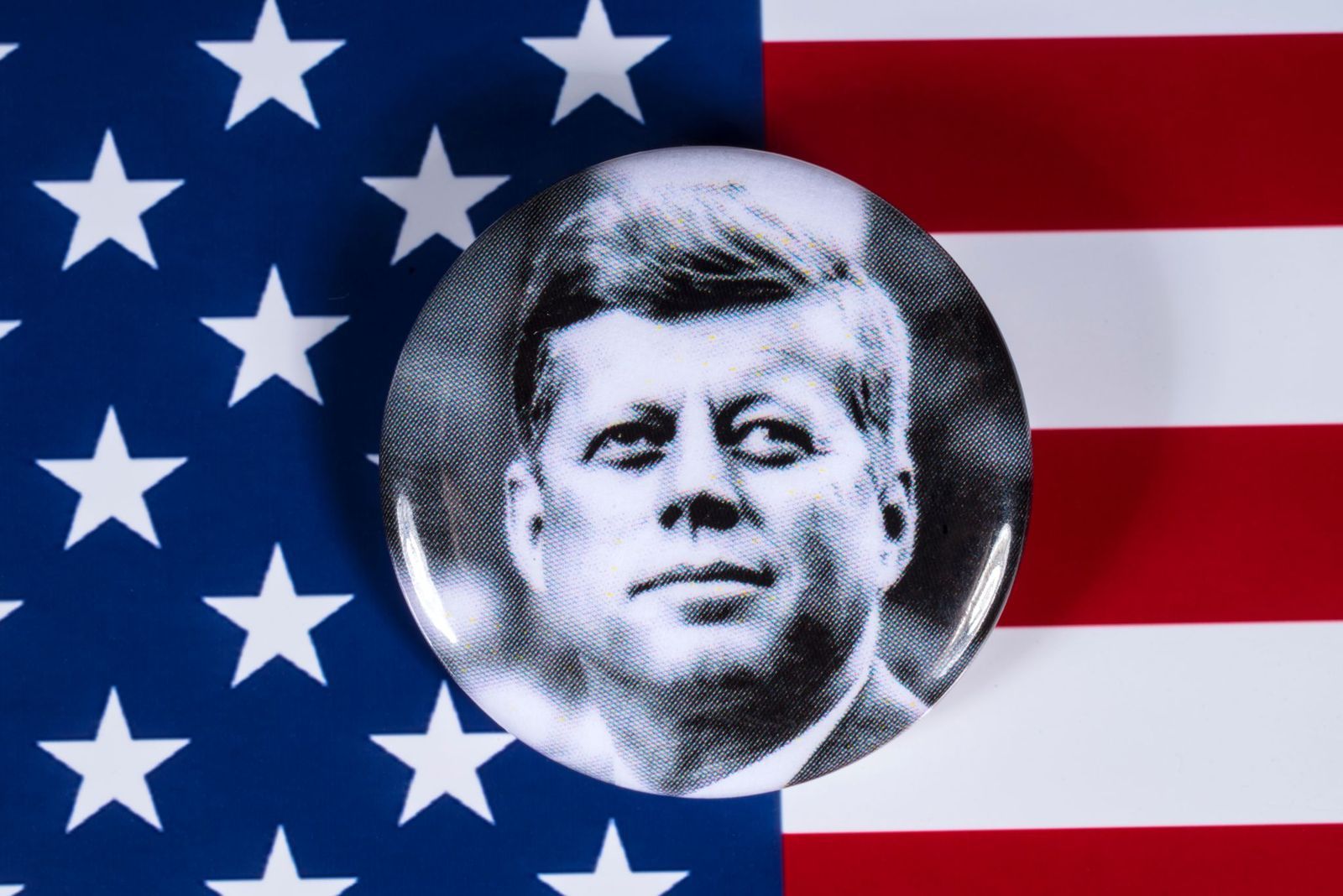
In October 1962, Kennedy faced the Cuban Missile Crisis, a tense standoff after the Soviet Union placed nuclear missiles just off U.S. shores. Rather than escalating things, he chose careful diplomacy and a naval blockade , and the crisis was resolved without conflict.
In that same era, Kennedy set a bold goal: landing a man on the Moon by the decade's end . Americans rallied behind the space race, and in 1969, Apollo 11 fulfilled its vision, giving the country a shared moment of pride and wonder.
2
Ronald Reagan
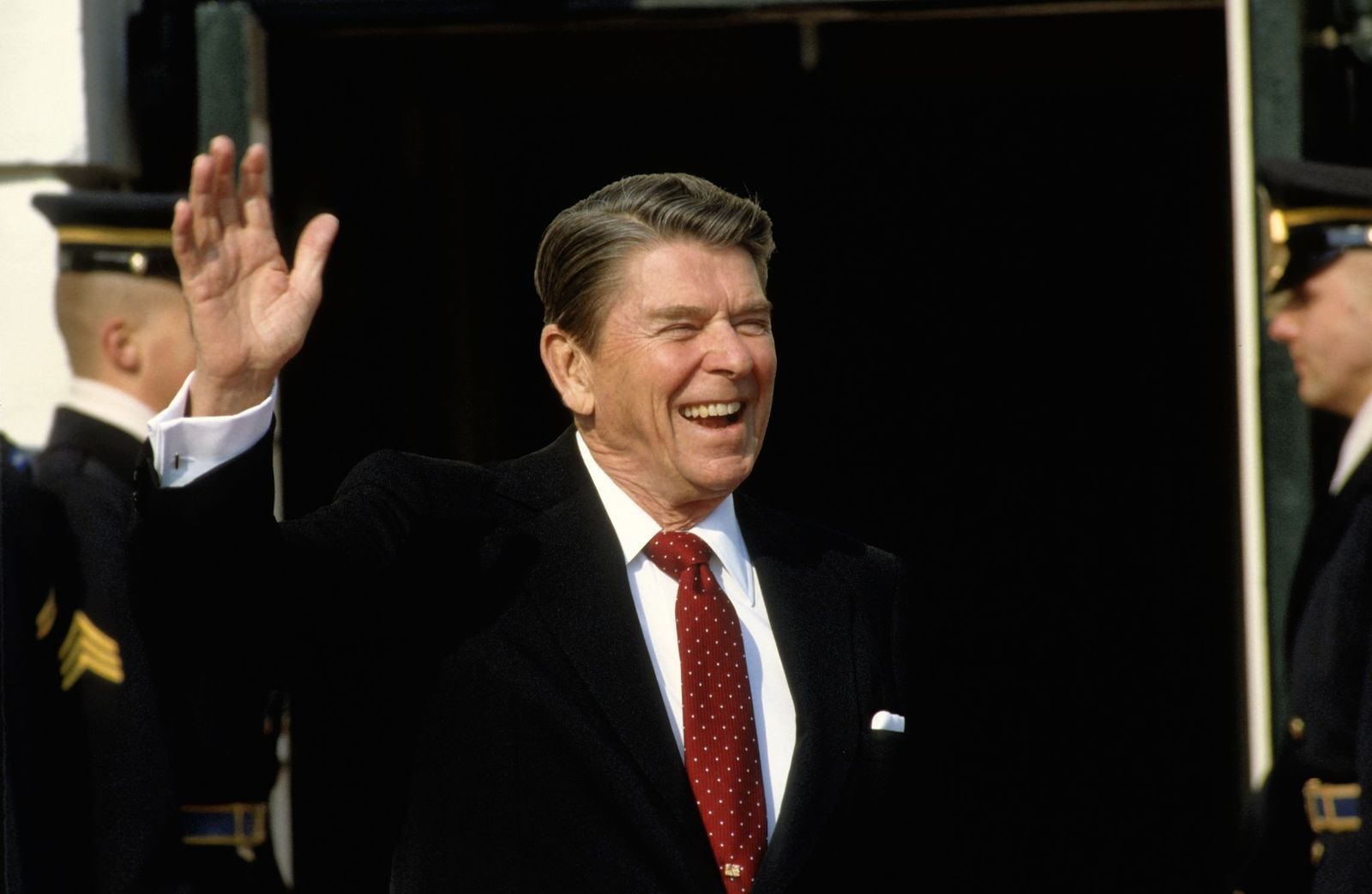
Throughout the 1980s, Reagan pursued a policy mixing firm diplomacy with a strong national defense, which helped ease tensions with the Soviet Union as the Cold War wound down. His approach is often credited with helping set the stage for its peaceful conclusion .
At home, Reagan pushed through major tax cuts and economic reforms aimed at boosting growth. Supporters felt renewed optimism about the economy, while the changes also sparked debate that still echoes in political conversations today.
3
Abraham Lincoln
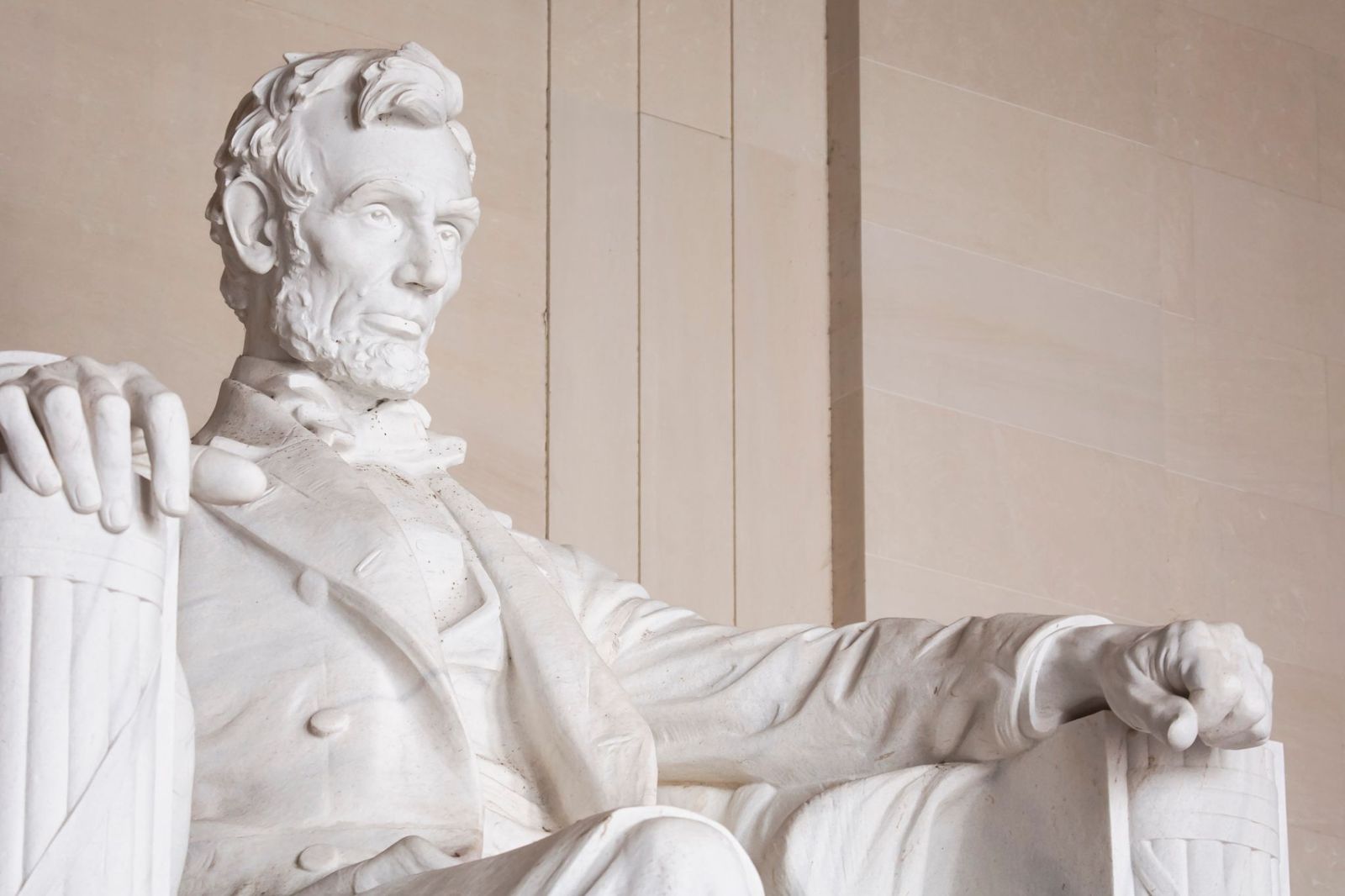
During the 1860s, Lincoln worked to hold the nation together through one of its most difficult chapters. His steady leadership focused on preserving the Union at a time when the country's future felt genuinely uncertain.
In 1863, he issued the Emancipation Proclamation , declaring enslaved people in Confederate states free. It was a defining step toward a more just nation, and it remains one of the most celebrated moments in American history.
4
Richard Nixon
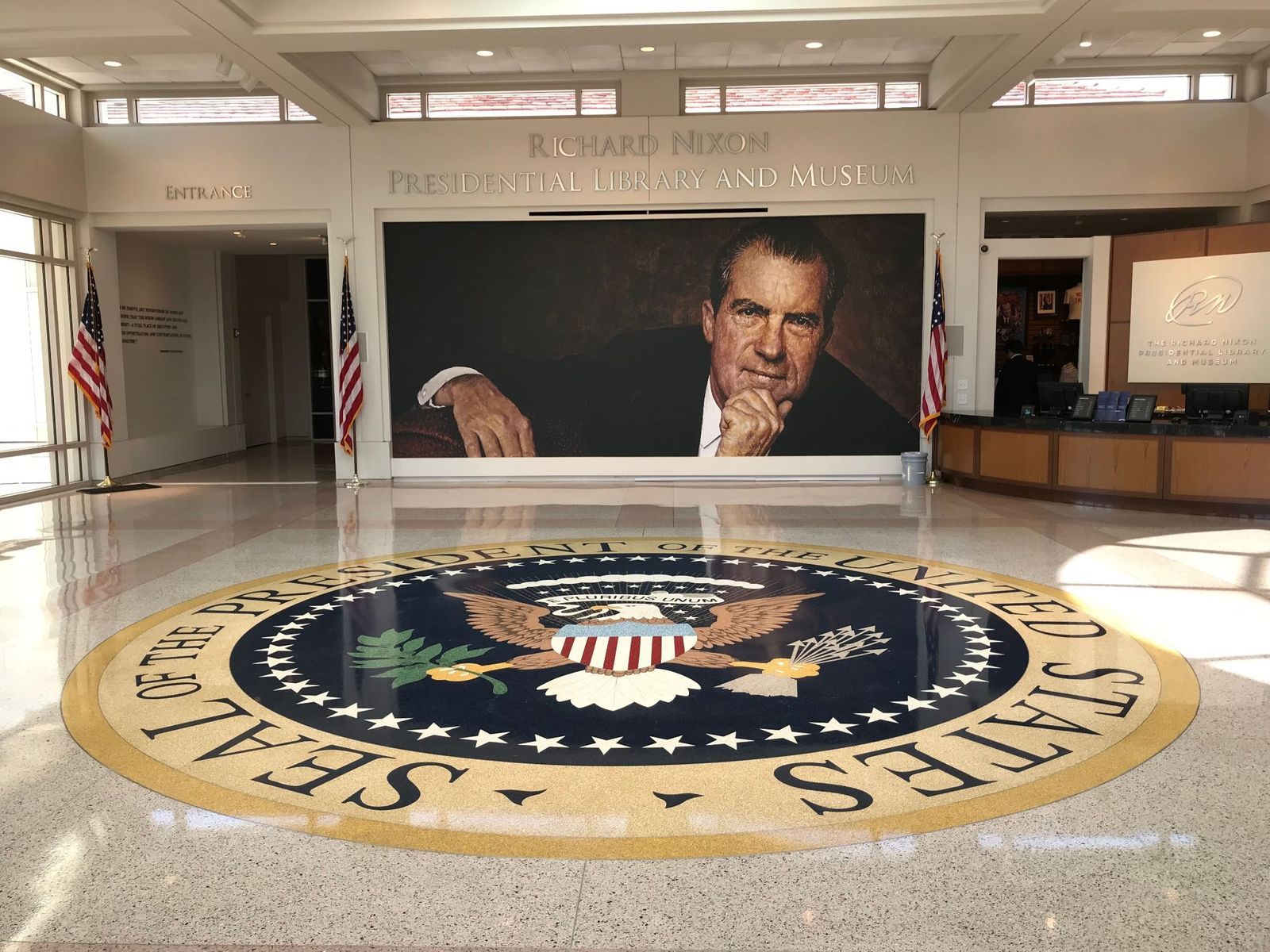
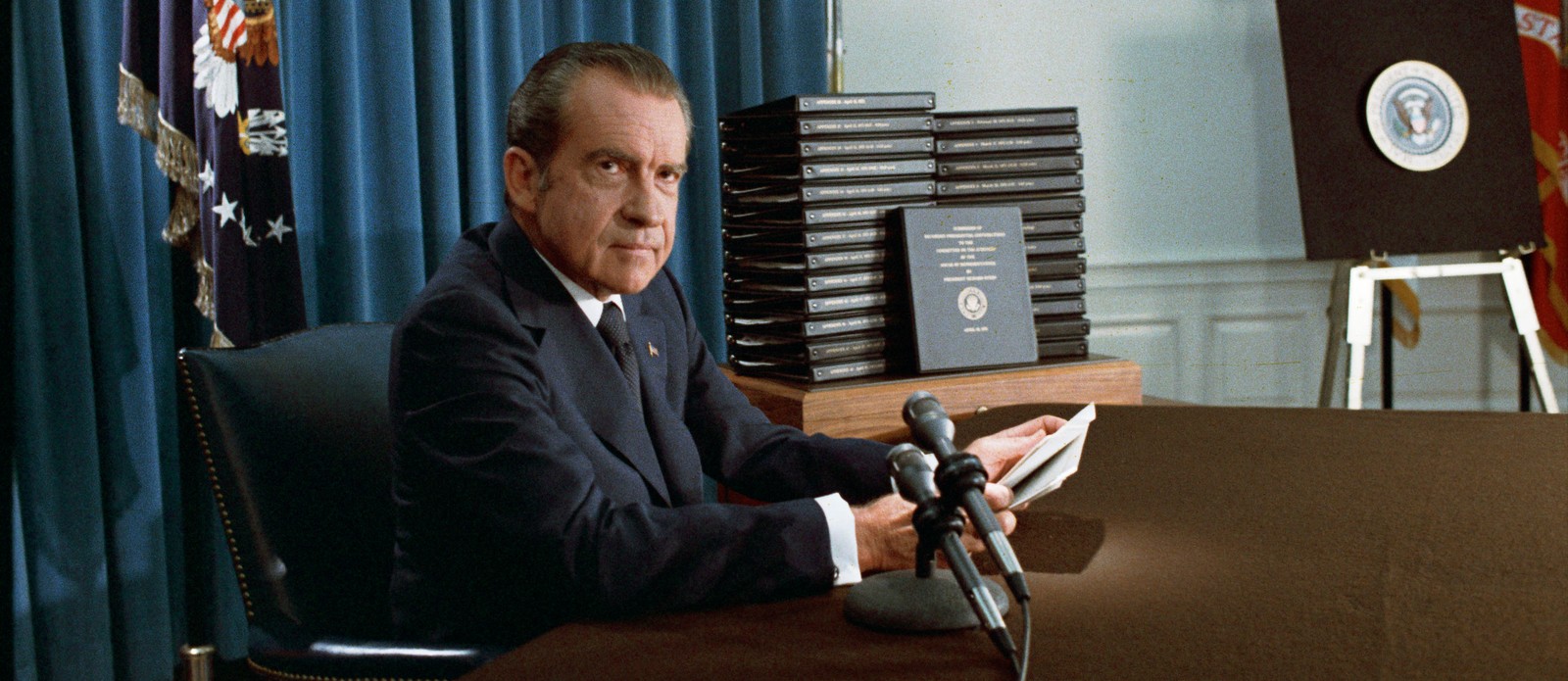
In 1972, Nixon made a surprising move by traveling to China, opening diplomatic relations with a nation the U.S. had largely avoided for decades. It was a bold gesture that few expected from him.
The visit reshaped American foreign policy, and the diplomatic and trade ties it opened continue today, even as the relationship between the two countries has had its share of ups and downs over the years. At the time, many Americans were struck by the historic television images of Nixon walking along the Great Wall.
5
Franklin D. Roosevelt
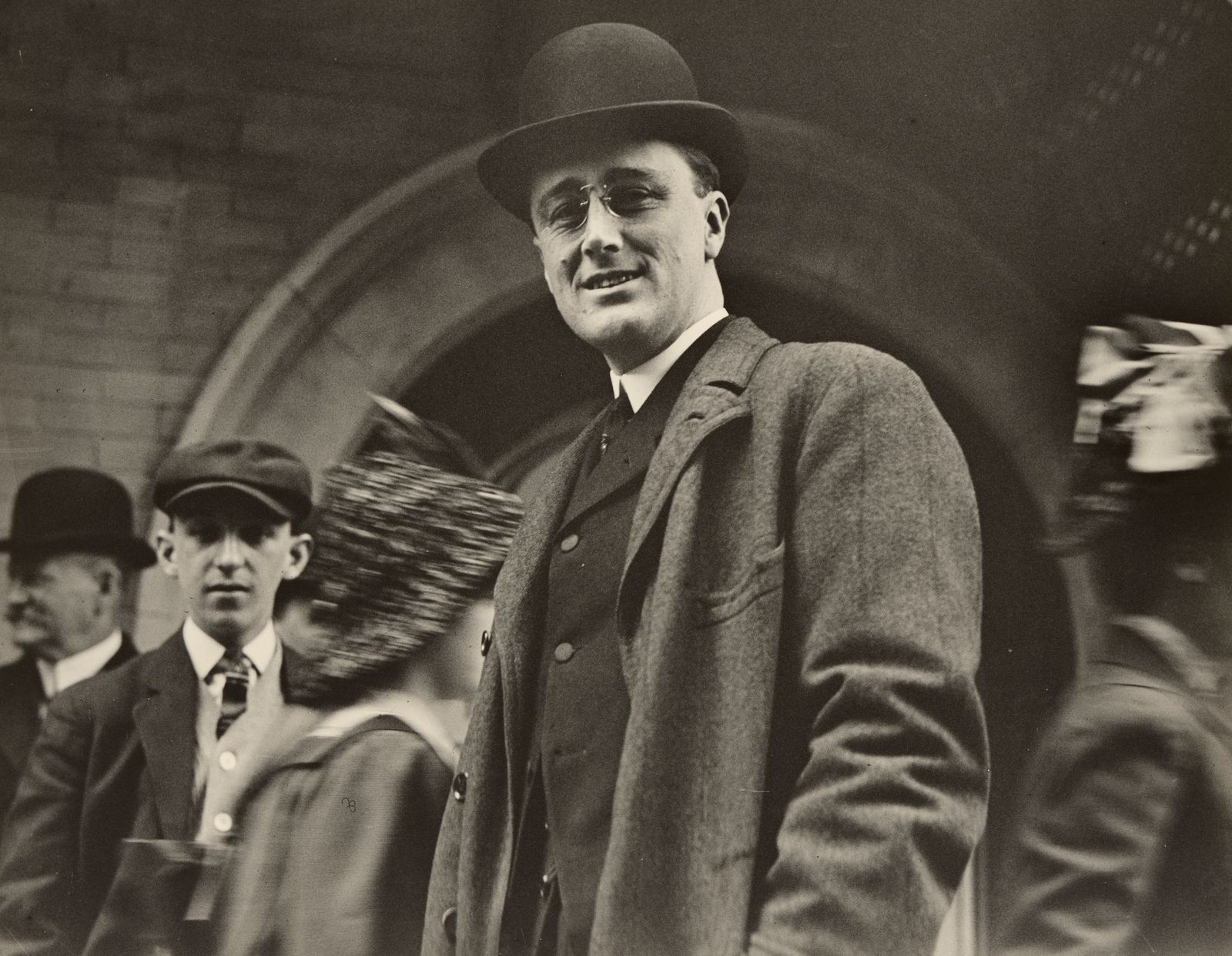
In the 1930s, facing the Great Depression, Roosevelt introduced the New Deal , a set of programs designed to create jobs and rebuild the economy. It gave many struggling families a renewed sense of hope.
He later guided the nation through most of World War II, providing steady leadership during a difficult stretch. Many Americans came to see him as a reassuring, fatherly figure during uncertain times.
6
George Washington
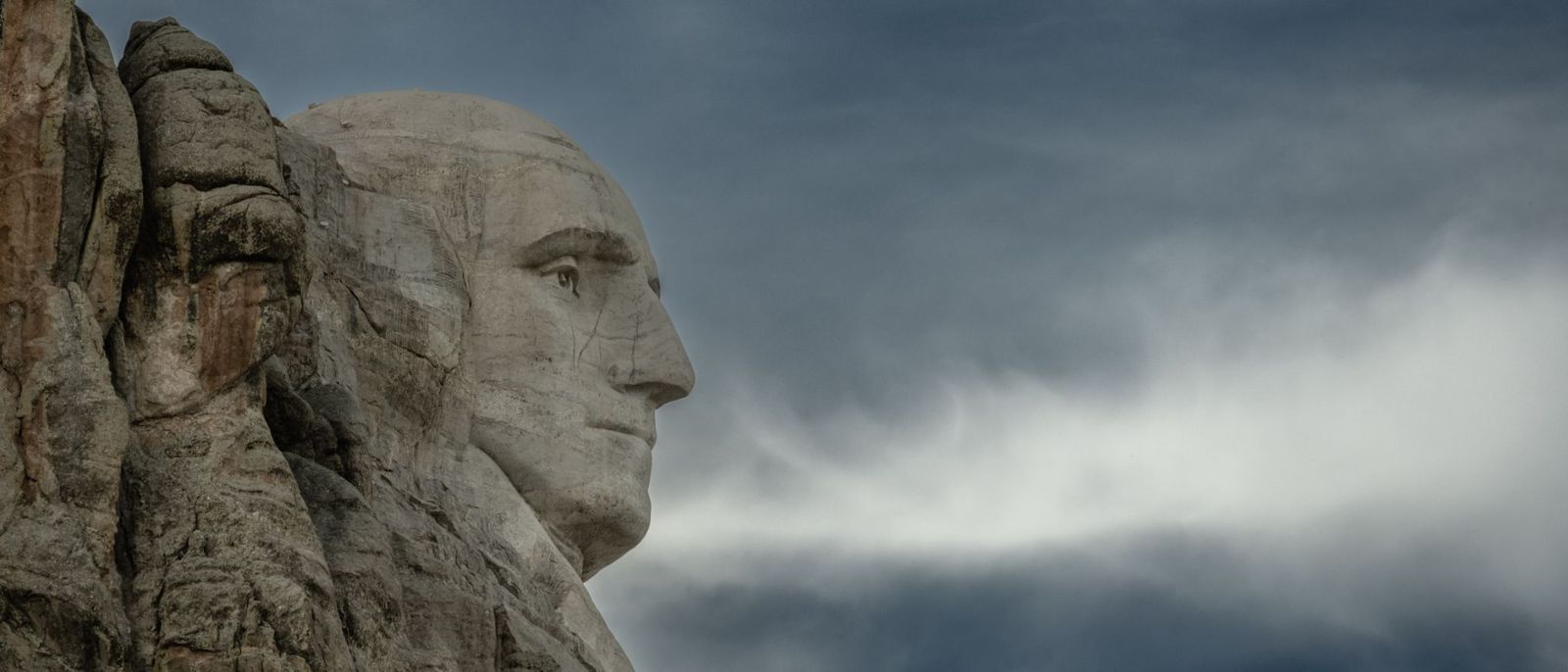
As the nation's very first president, starting in 1789, Washington had no roadmap to follow. He had to figure out, from scratch, how the role should actually work.
He set lasting precedents, including the two-term tradition and a peaceful transfer of power. People admired his humility and restraint, and his example continues to shape how Americans think a president should lead .
7
Thomas Jefferson
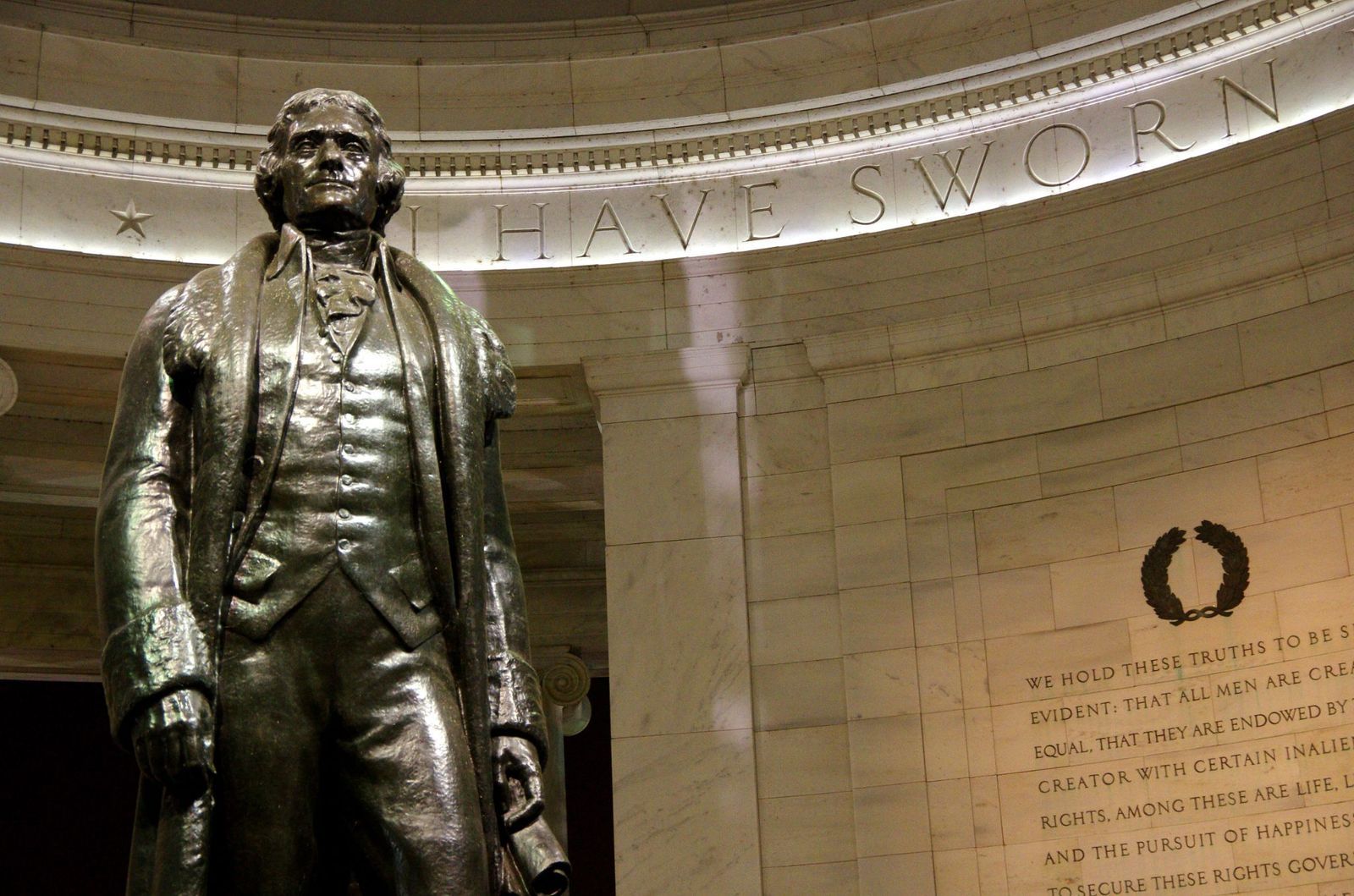
In 1803, Jefferson negotiated the Louisiana Purchase , buying a massive stretch of land from France for roughly three cents an acre. It was one of the best real estate deals in history.
The purchase doubled the size of the United States overnight, opening the door to westward expansion. Many Americans were thrilled by the sudden growth, though it also raised new questions about constitutional limits and how the growing nation would handle its new territory.
8
Harry S. Truman
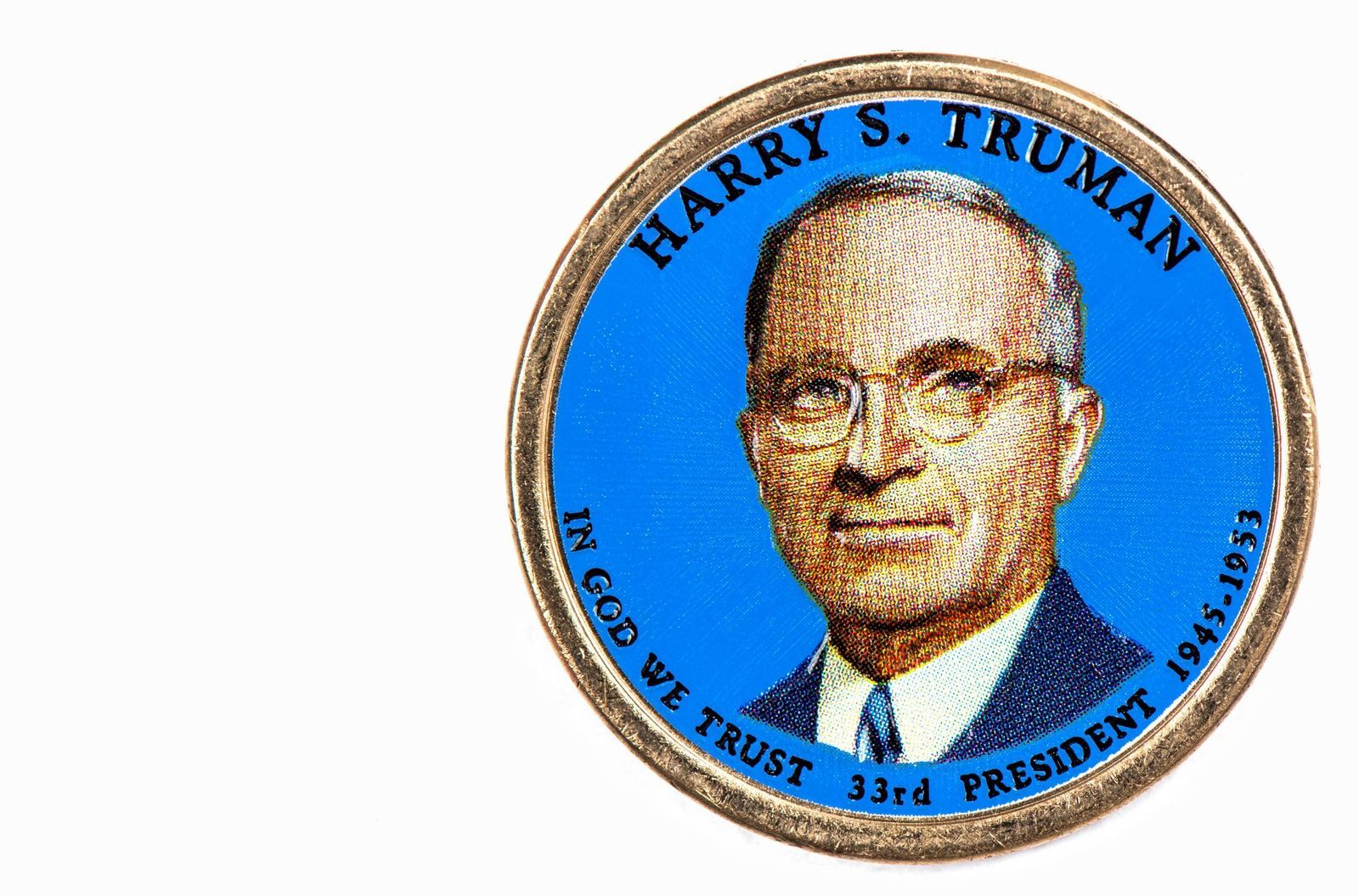
As World War II wound down in 1945, Truman stepped into leadership during an enormous transition. He then turned his attention to helping Europe recover from years of hardship.
His Marshall Plan sent aid to rebuild European economies, a move widely seen as generous and forward-thinking. It helped foster goodwill abroad and positioned the U.S. as a steady partner on the world stage .
9
Dwight D. Eisenhower
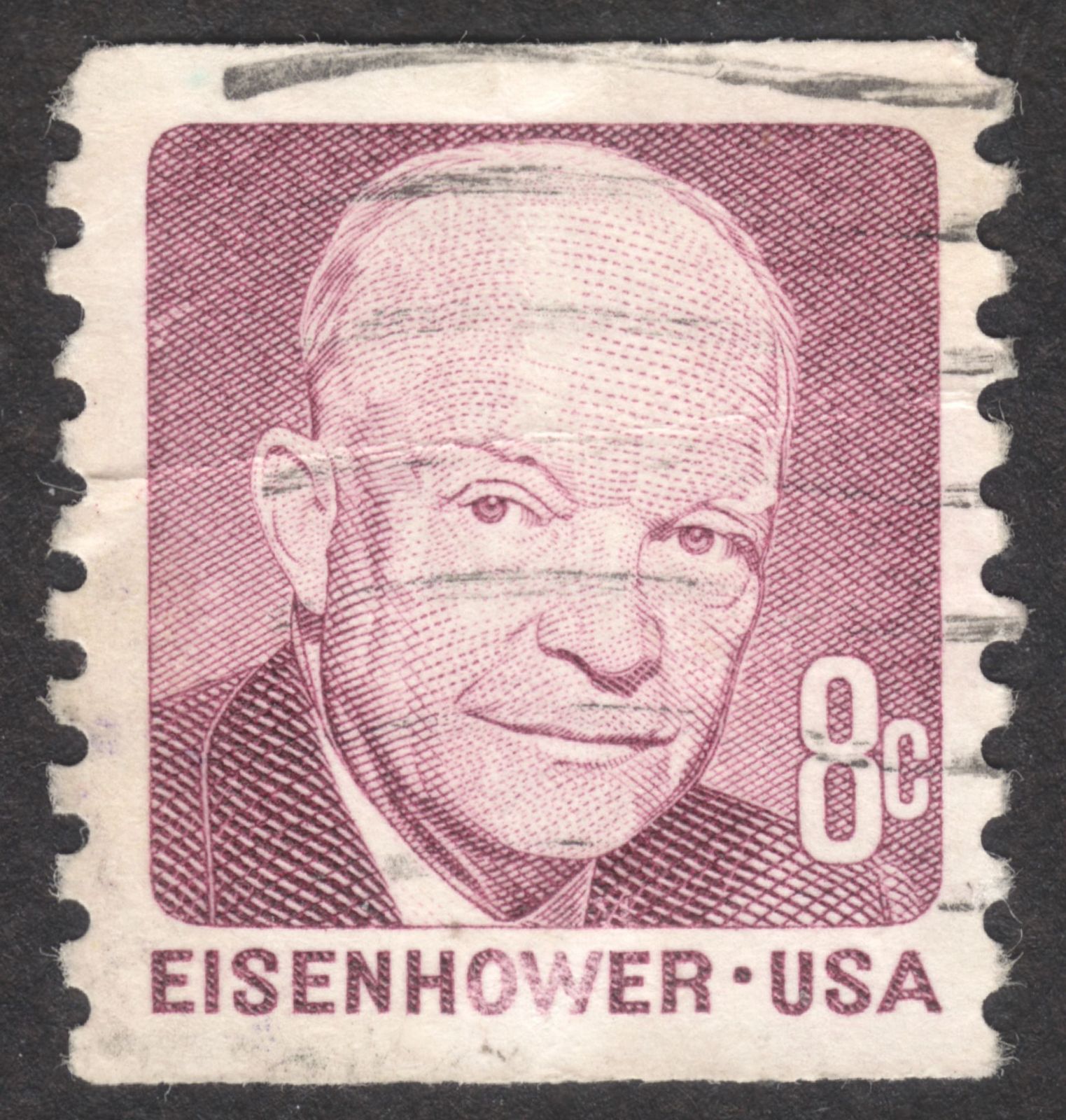
In 1956, Eisenhower championed the creation of the Interstate Highway System , inspired partly by the efficient roadways he'd seen while serving in Europe years earlier. It was a massive undertaking.
The new highways transformed how Americans traveled, shipped goods, and even planned vacations. Road trips became a beloved pastime, and the system remains one of the most visible legacies of any president.
10
Theodore Roosevelt
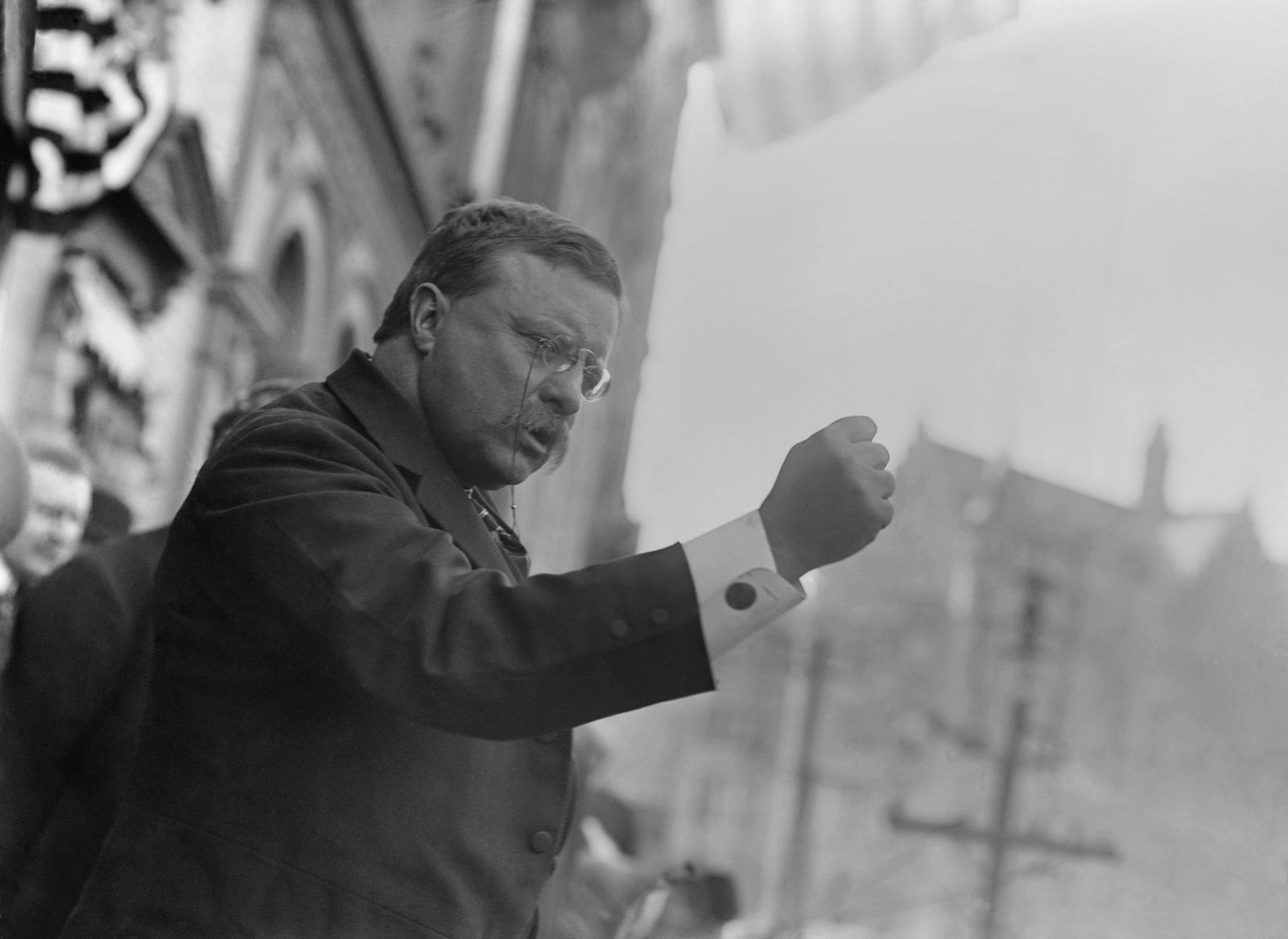
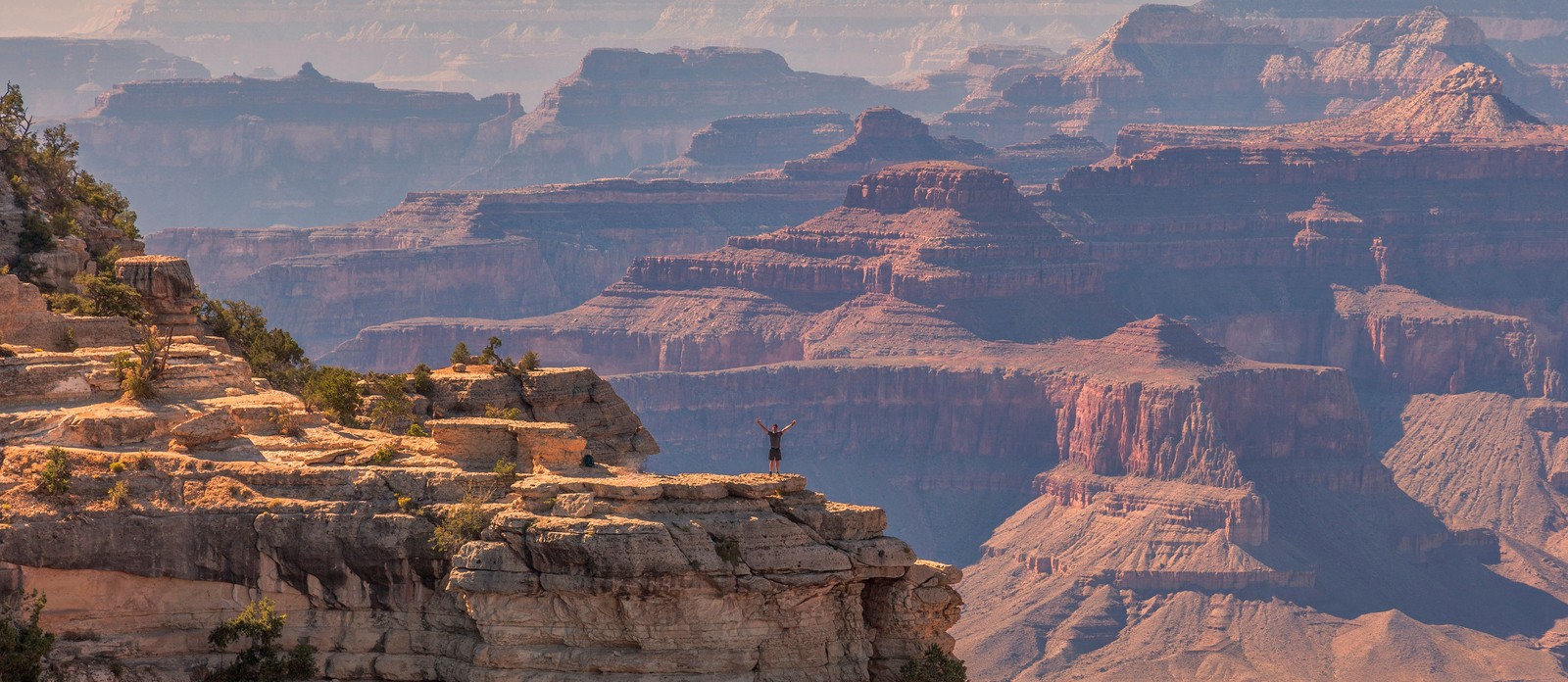
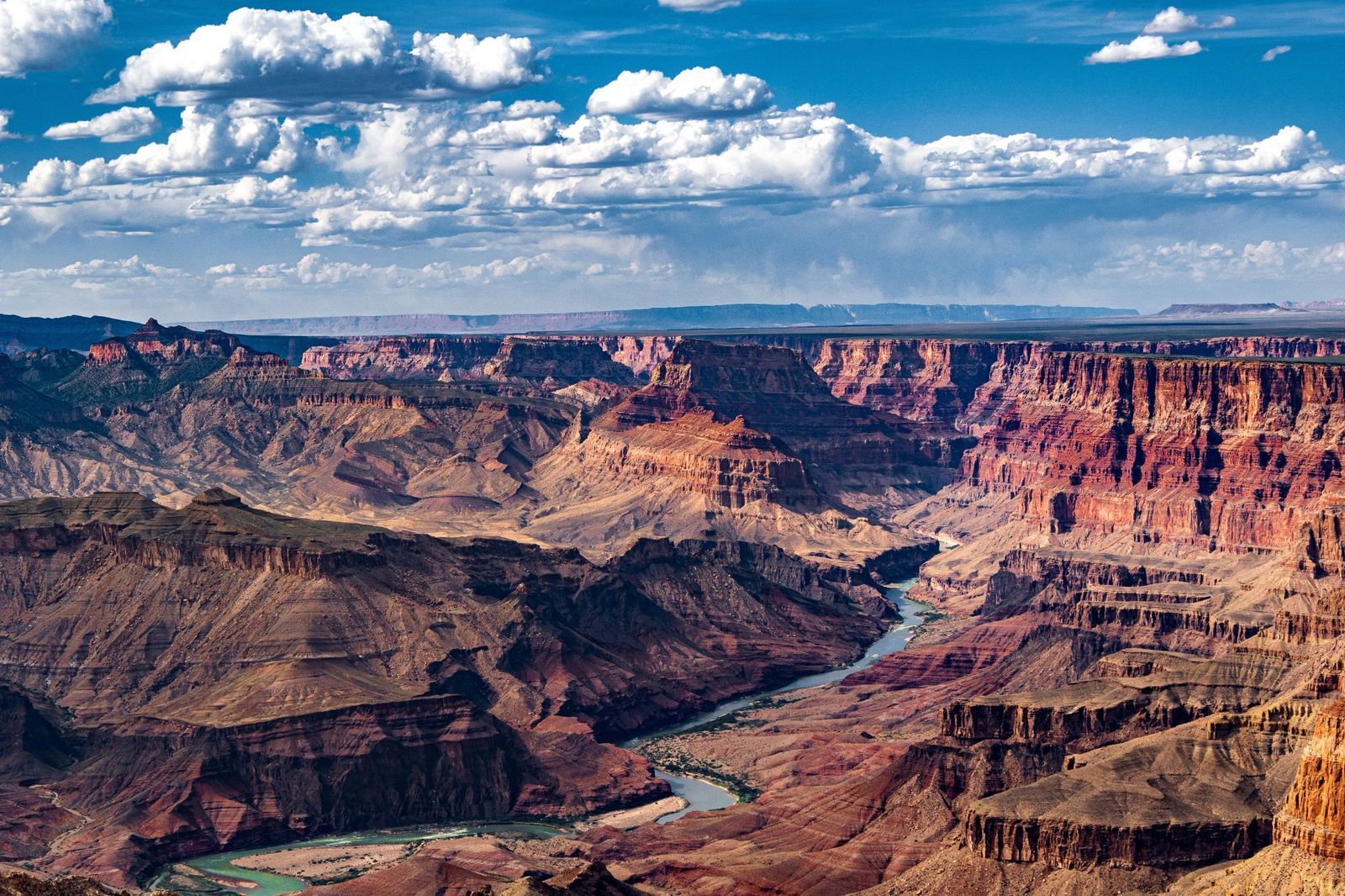
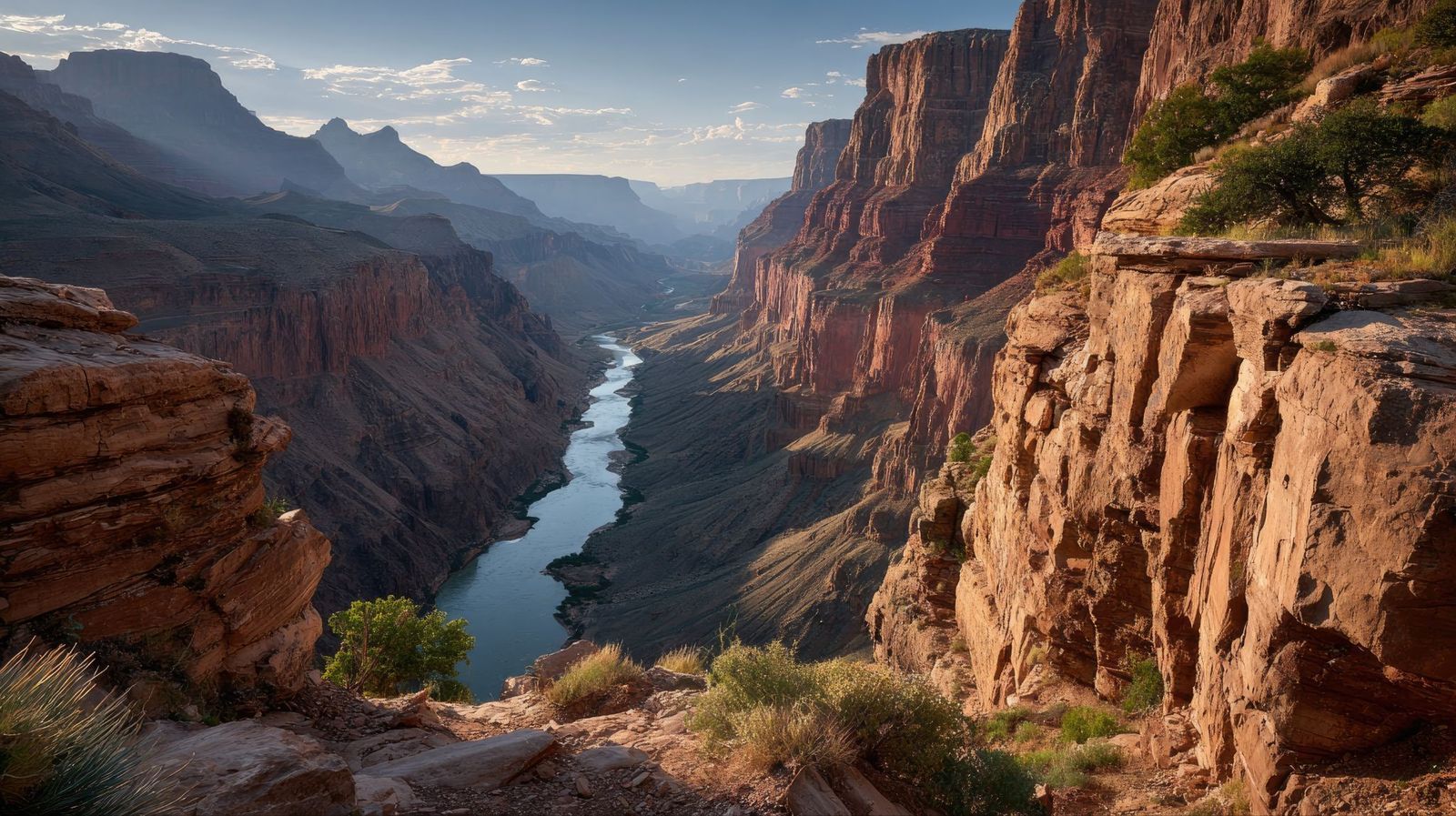
In the early 1900s, Roosevelt became a passionate champion of conservation, alarmed by how quickly natural landscapes were disappearing. He believed future generations deserved to enjoy them too.
He protected millions of acres, establishing national parks and forests still cherished today. Outdoor enthusiasts of his time praised him warmly, and his legacy lives on every time someone visits a national park.