General General 6 min read

10 outdated household items that were once everywhere

Image: New Africa

Looking back at what the world looked like 20 to 50 years ago is fascinating. So many household items we take for granted today didn’t exist, while others we once couldn’t live without have completely fallen out of use. Think of rotary telephones, VCRs, cassette players, and more. Let’s take a trip down memory lane and revisit some household relics.

1
Rotary telephones
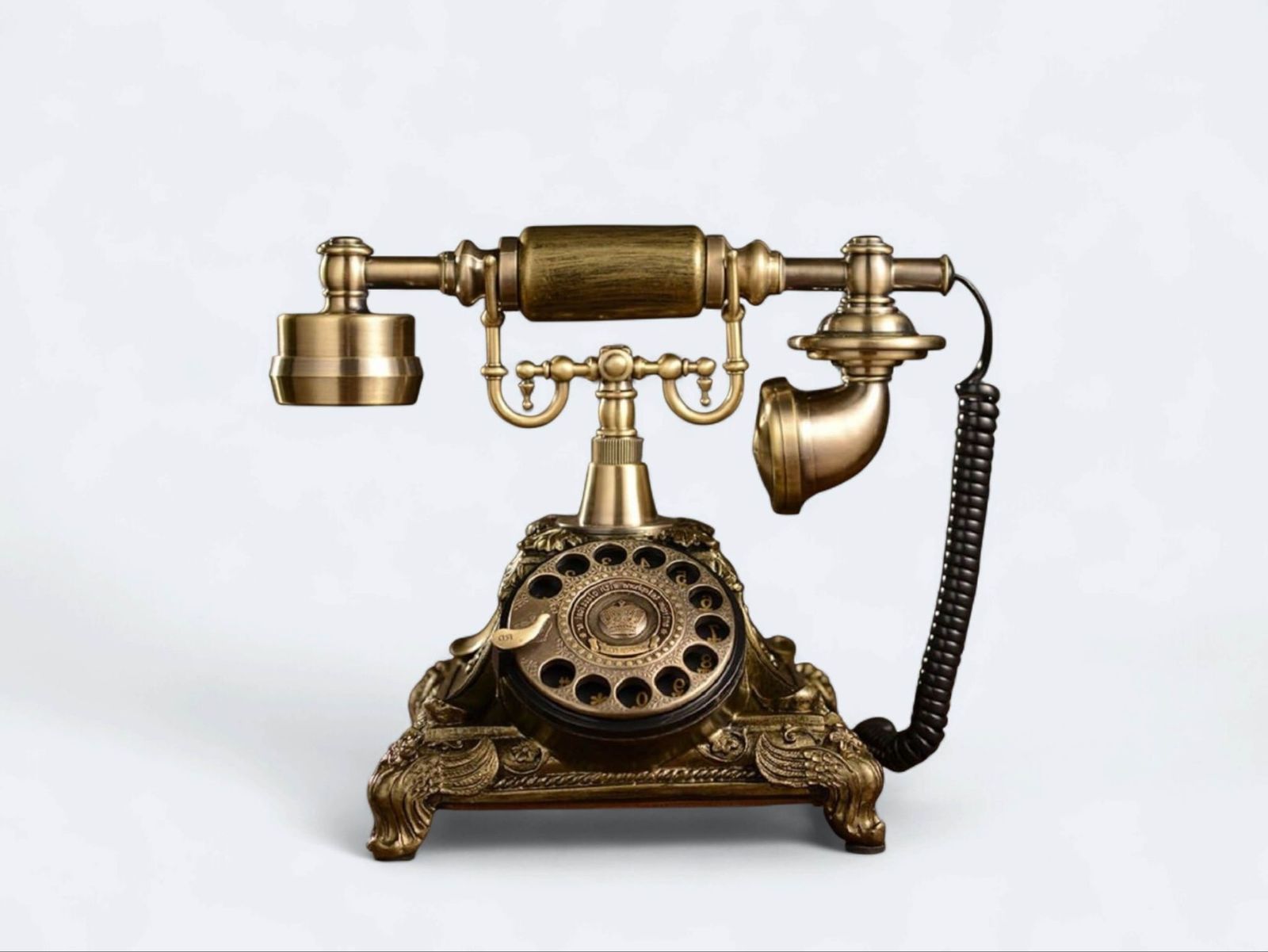
Image: maya8900

Rotary telephones became common in America around the 1920s. In contrast to the push-button models that would come about in the 1970s, rotary telephones required a bit more work to dial a number. As the name suggests, users would have to place a finger in a numbered hole on the dial and then rotate it to a metal stop and release it — repeating this process with each number.

Dialing a long number could take quite some time , especially if you had many 9s and 0s, because these required the dial to travel the longest distance. It was normal to see these phones connected to the wall by a cord with a sturdy handset that rested on top of the base. Making a phone call was a completely different experience.

2
Tube television (CRT TVs)
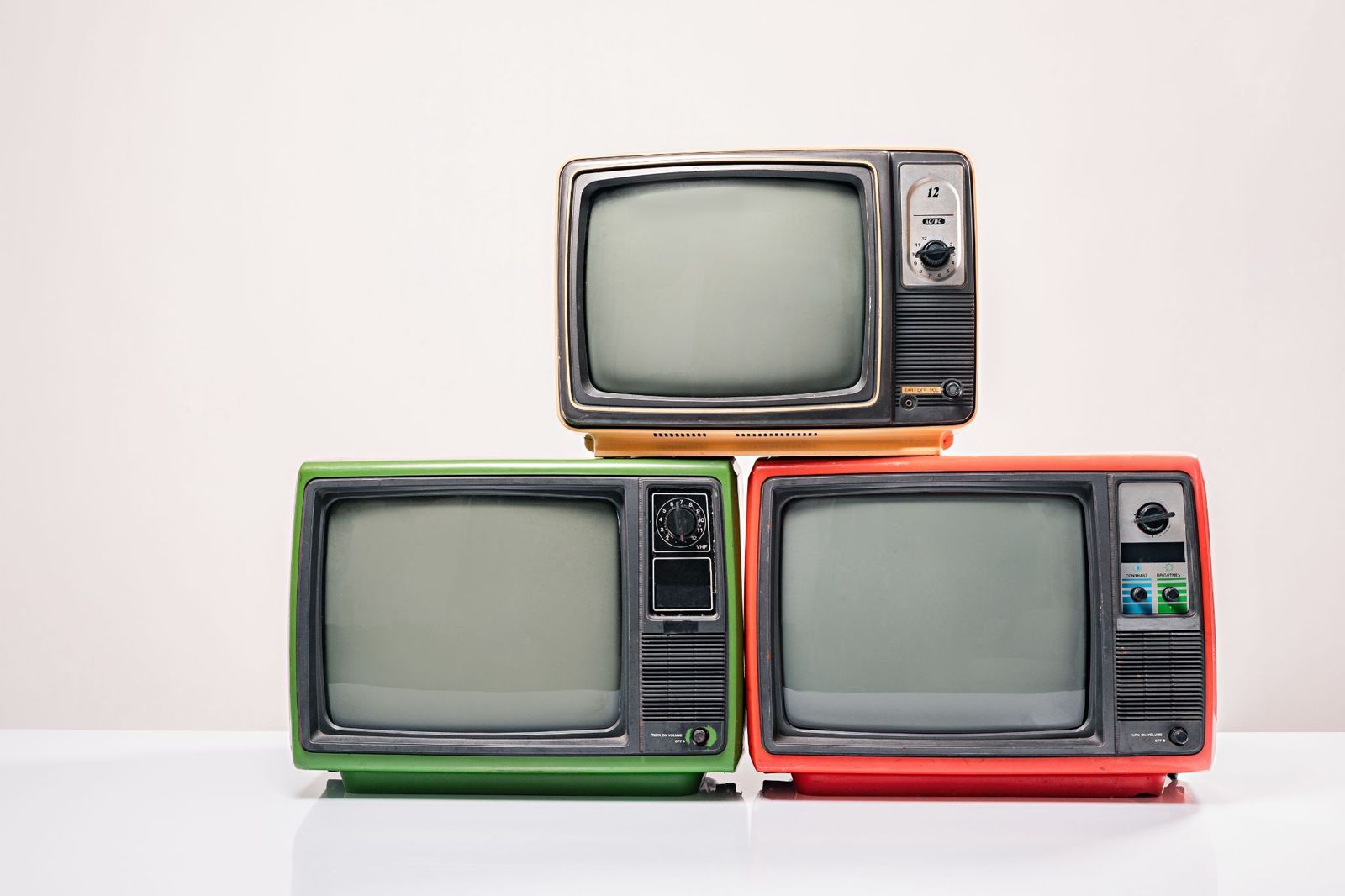
Image: PitukTV

When you see how thin and sleek TVs are nowadays, it’s almost impossible to imagine them as massive and heavy objects. CRT TVs became common after World War II , and the ownership boom happened throughout the 1950s.

These bulky cubes became the centerpiece of the typical family’s living room , where they gathered to watch TV. At first, images were black and white until the 1960s and 1970s, when color television would transform the viewing experience. Early televisions also didn’t have remote controls (something we now take for granted), so viewers would have to walk across the room to change channels or adjust the volume.

3
VCRs
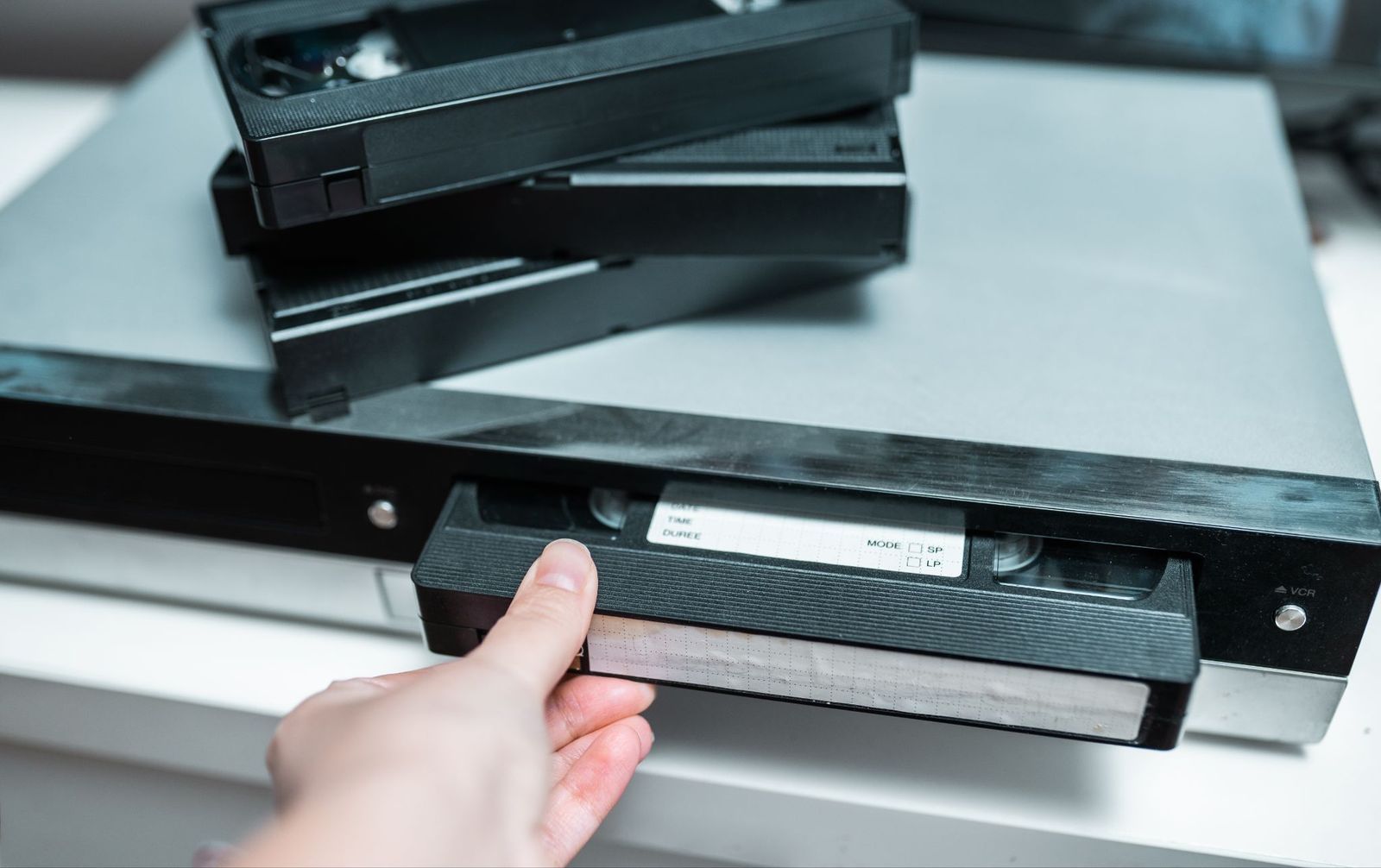
Image: ArtCreationsDesignPhoto

It’s almost strange to remember that there was a time when people couldn’t watch movies at will, and their main choices were to wait until they aired on television or to buy theatre tickets. But this changed with the 1977 introduction of the VHS (Video Home System) players, aka VCRs, which revolutionized the way folks watched movies. The rise of VHS led to the explosion of video rental stores (such as the once-ubiquitous Blockbuster chain), which became a staple during the 1980s and 1990s.

Before returning a rented movie or in order to rewatch it, users had to rewind the tape , and many rental stores charged an extra fee if the tapes weren’t rewound. VCRs were later phased out after the rise of the DVD player.

4
Cassette Tapes and Cassette Players
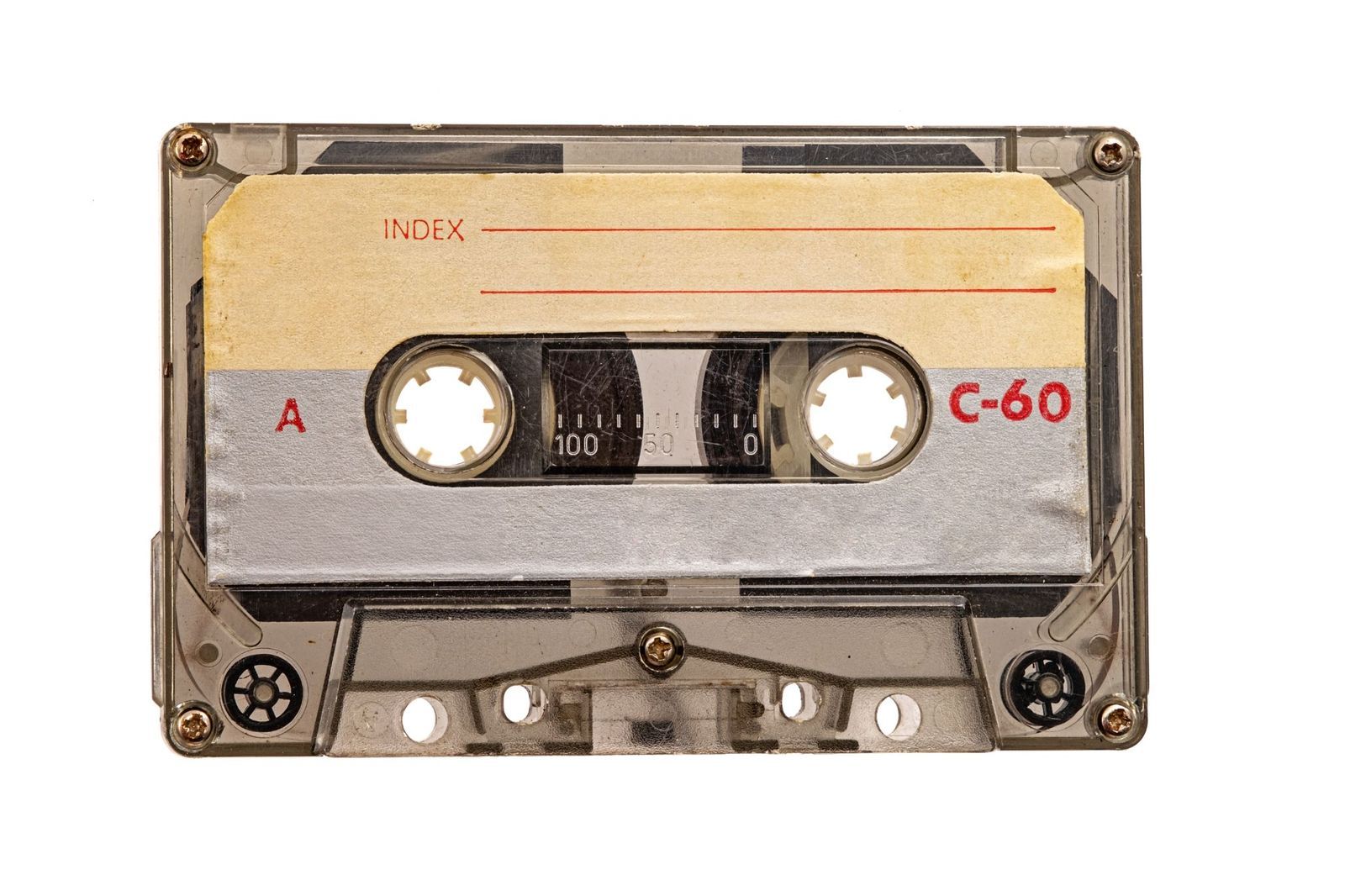
Image: Roberto Sorin

Philips changed the world in 1963 when it released the compact cassette player, which became one of the most popular ways to listen to music from the 1970s through the 1990s . Cassette tapes made music portable, and suddenly people could listen to their favorite albums in the car or on a walk once Walkmans were introduced in 1979.

There are so many memories attached to cassette tapes, but homemade mixtapes are worth highlighting. This made it possible for listeners to create their own custom playlists on a cassette to share with friends and family, and making someone a mixtape was considered a very thoughtful and personal gift.

5
Telephone Directories
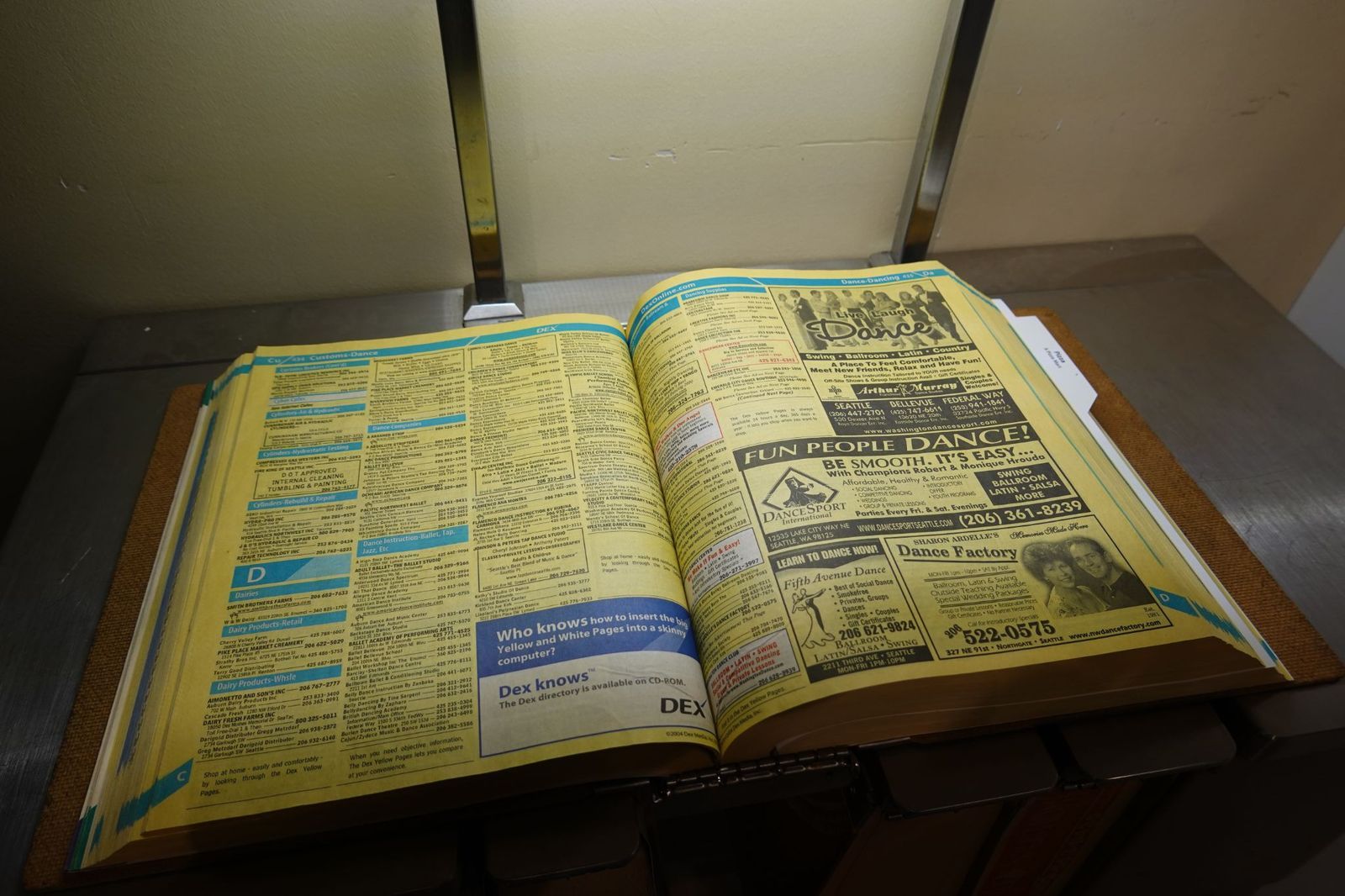
Image: LifeisticAC

What would you do today if you wanted to find phone numbers, addresses, and local businesses? Probably Google. But not so long ago, you had to resort to The Yellow Pages. We all remember the large, thousand-page phone book; every family needed one if they wanted to be connected to the world. In some ways, phone books were the internet before the internet.

They included everything from residential phone numbers listed alphabetically to business directories organized by category. Whether you needed to reach a doctor or a plumber or even a school classmate, the phone book was the way to go.

6
Typewriters
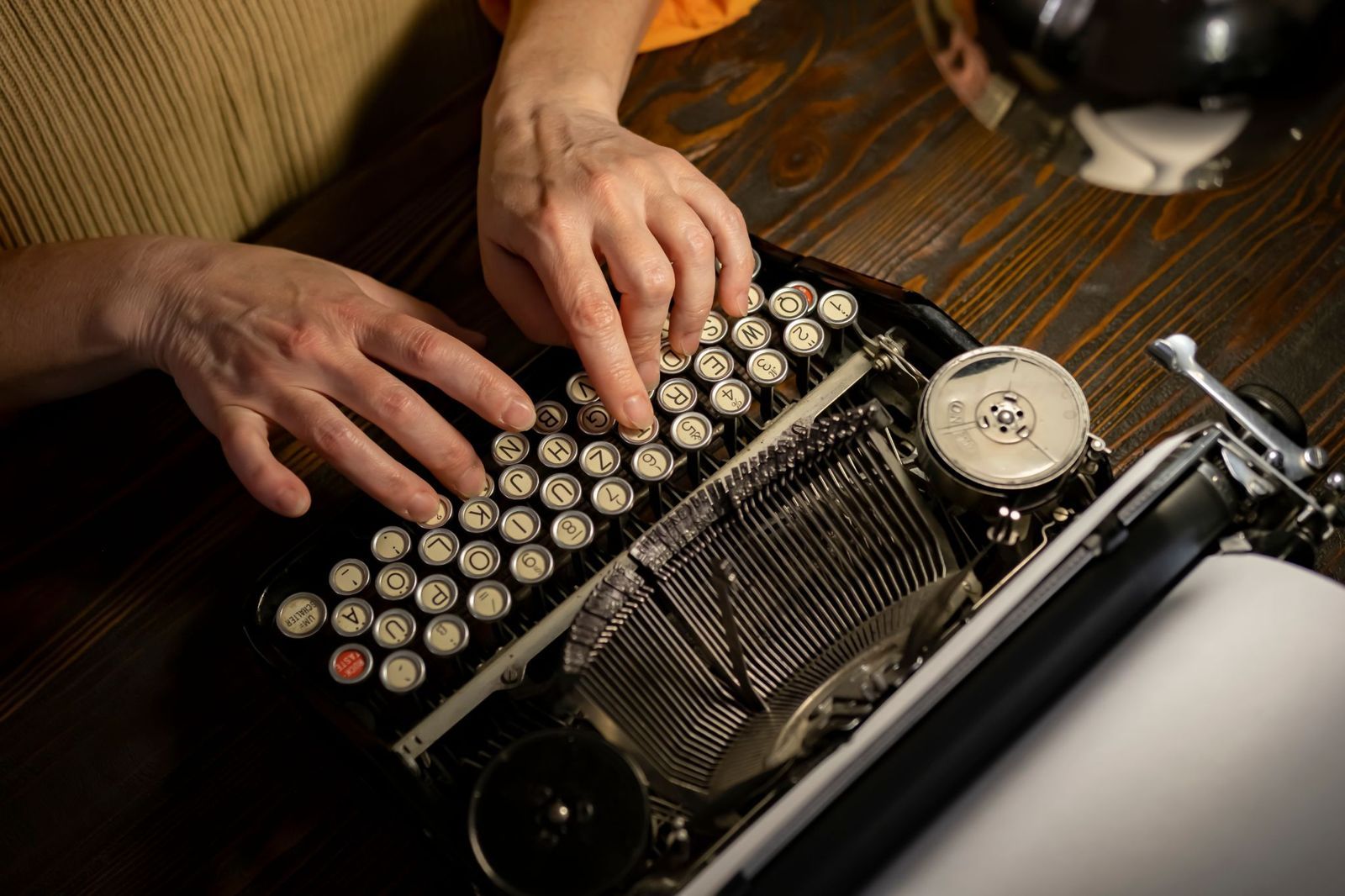
Image: Denis Klimov 3000

The "click-clack" of the keys, followed by the familiar "ding" at the end of each line is likely one of the most recognizable sounds of the 20th century. Before personal computers, the only way to craft professional-looking documents was with typewriters — you could find them in schools, businesses, and homes.

Commercial typewriters came about in 1874, unlocking a new era of written communication. So many famous novels, newspaper articles, letters, and school assignments were written on typewriters before the digital era kicked in. Typewriters became a symbol of the art of writing , and we still use the QWERTY keyboard layout, introduced with them, on our modern computers and iPhones, too.

7
Encyclopedias
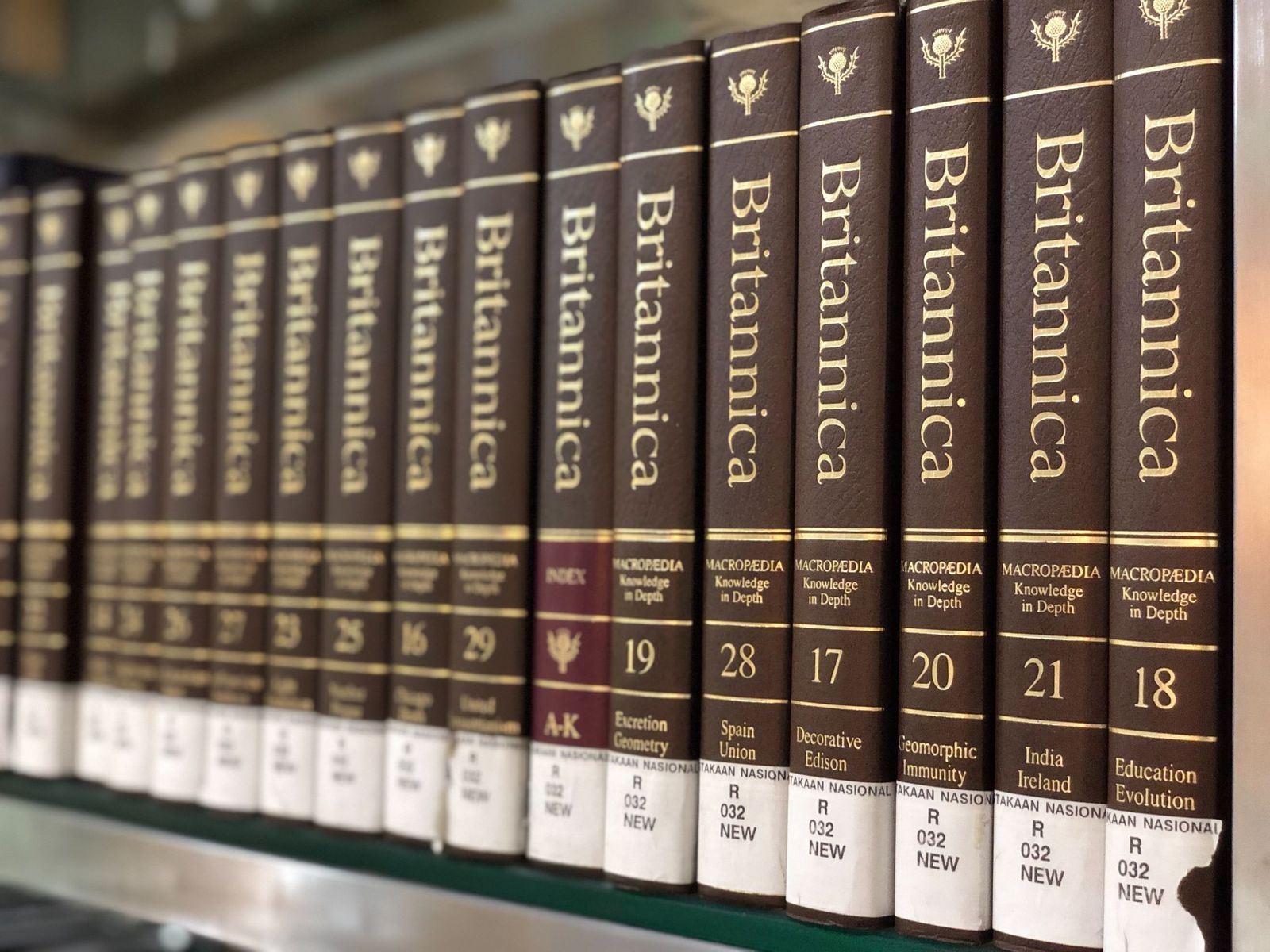
Image: IrHan Digital Artwork

Instead of asking Google for the answer, a few decades ago, one of our only trusted sources of information was encyclopedia sets . Whether you were trying to find information on any topic for research, a school project, or simply out of curiosity, you had to go through the 20 to 30 hardcover volumes and find the one that contained the portion of the alphabet you needed to look into.

One of the most famous sets was the Encyclopedia Britannica, and having any set was considered a sign that a family valued education. But unlike digital encyclopedias, which can be modified in a matter of minutes, these had to be updated and printed again every year; therefore, companies offered door-to-door service.

8
Ashtrays in nearly every room
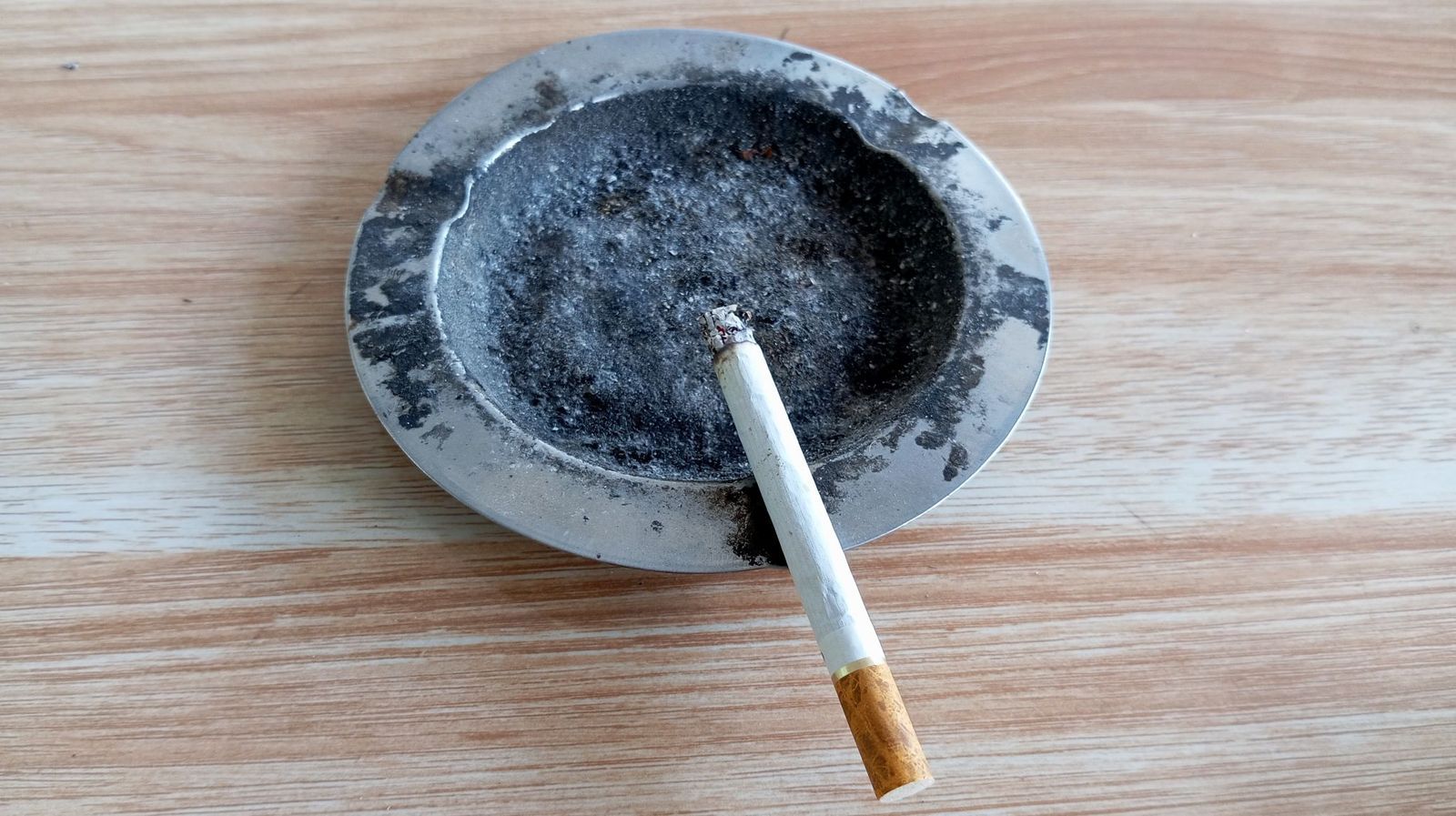
Image: Benzstock

It’s almost impossible to explain to younger generations that people were once allowed to smoke in theatres, hotels, planes — even hospitals! Smoking was the most natural thing to do ; around 40% of American adults smoked cigarettes , which created a necessity for ashtrays everywhere.

From the 1940s through the 1970s, most homes had ashtrays in living rooms, bedrooms, kitchens, and even bathrooms; it was considered basic courtesy to have them around the house when guests visited. They came in all shapes and colors, made of glass, ceramic, crystal, or metal — different designs to match the home’s decor. This trend began fading after the 1980s with the growing awareness of the dangers of smoking.

9
Rolodex card files
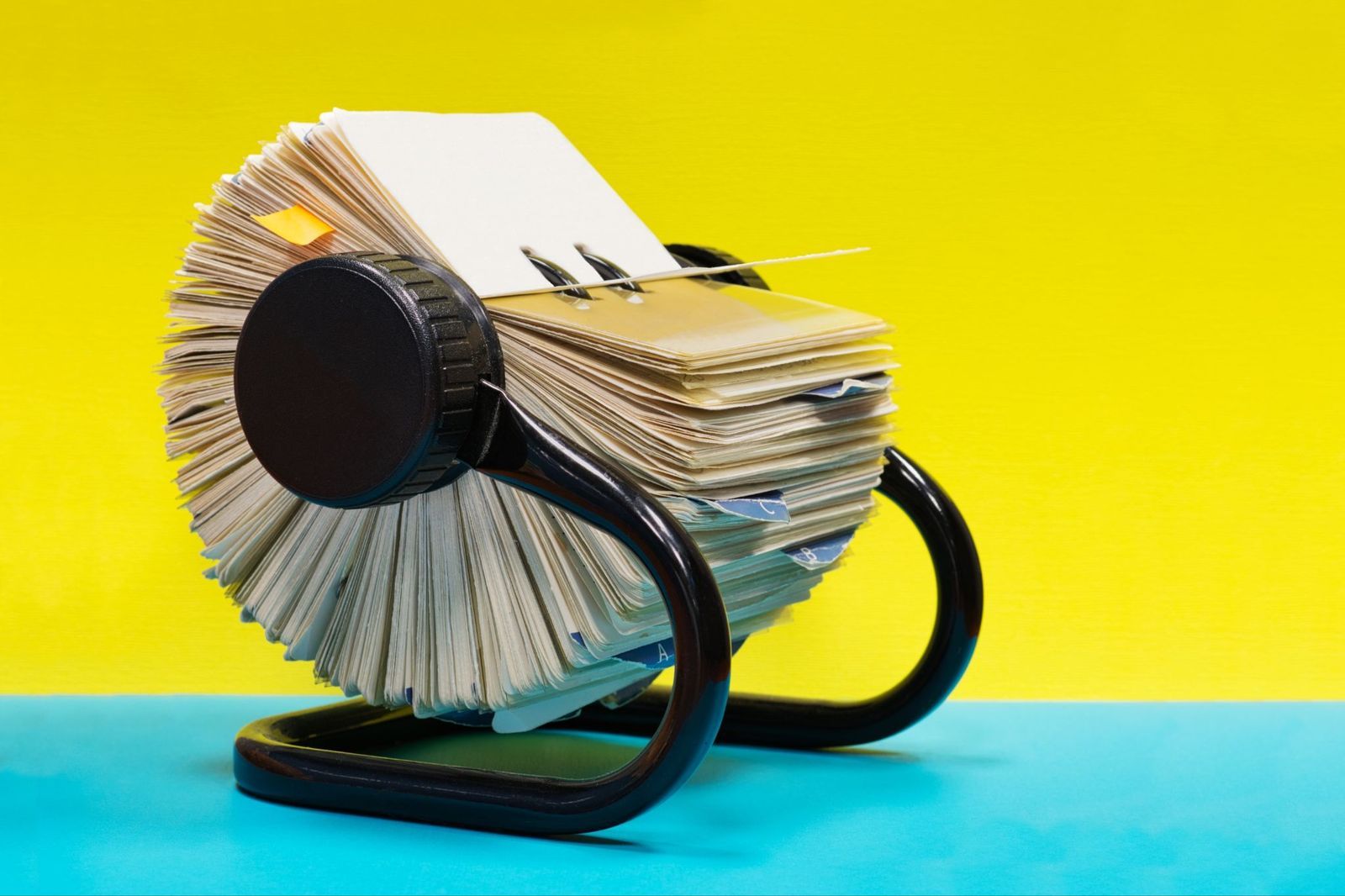
Image: Brett Hondow

Before the 2000s, if you were a salesperson, executive, secretary, journalist, or anyone who managed a large network of contacts, chances are you had a Rolodex. This compact and useful tool was perfect for managing information from different contacts when there were no cellphones . Professionals relied on them to keep track of clients and colleagues — actually, the phrase "having a good Rolodex" meant having an impressive network of connections.

It consisted of hundreds of small index cards arranged alphabetically on a rotating wheel, and users could quickly flip through the cards to find the information they kept there. In contrast with a normal address book, with a Rolodex, if someone moved or got a new phone number, you could simply replace the old card with a new one rather than having to rewrite it.

10
Manual Can Openers Mounted Under Kitchen Cabinets
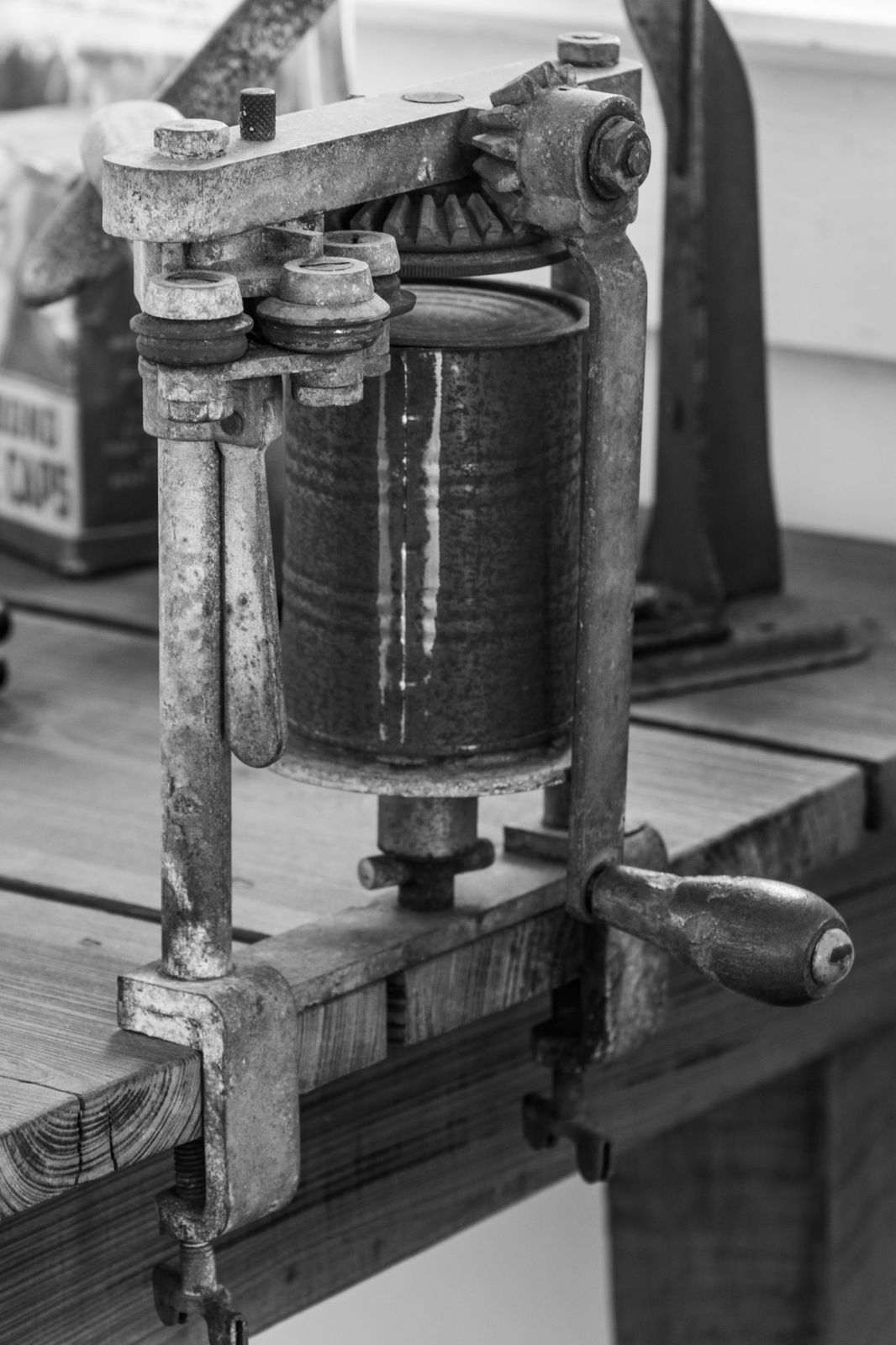
Image: Gordon Magee

If you grew up sometime between the 1950s and 1980s, you probably remember manual can openers permanently mounted beneath an upper cabinet in the kitchen. These can openers were very convenient when cooking, and they were built to last — made of durable steel and sturdy enough to keep being used for decades .

Once handheld and more ergonomic can openers (and later electric models) became more affordable, mounted versions gradually disappeared from households, though some are still found in professional kitchens.
General General 6 min read

Hidden from the public

What's hidden beneath the National Mall? It's not what you think

Image: Sonder Quest

Cities like Washington, DC, Philadelphia, and Boston feel so famous that it’s easy to think there’s nothing left to discover in them. But with centuries of history behind them, they’re full of secrets most people never learn about. From underground tunnels linking iconic buildings to hidden rooms inside famous landmarks, today we’re uncovering 10 hidden spots and historical secrets of the cities you thought you knew.

1
National Mall’s hidden tunnel (Washington, DC)

Image: Samuel Girven

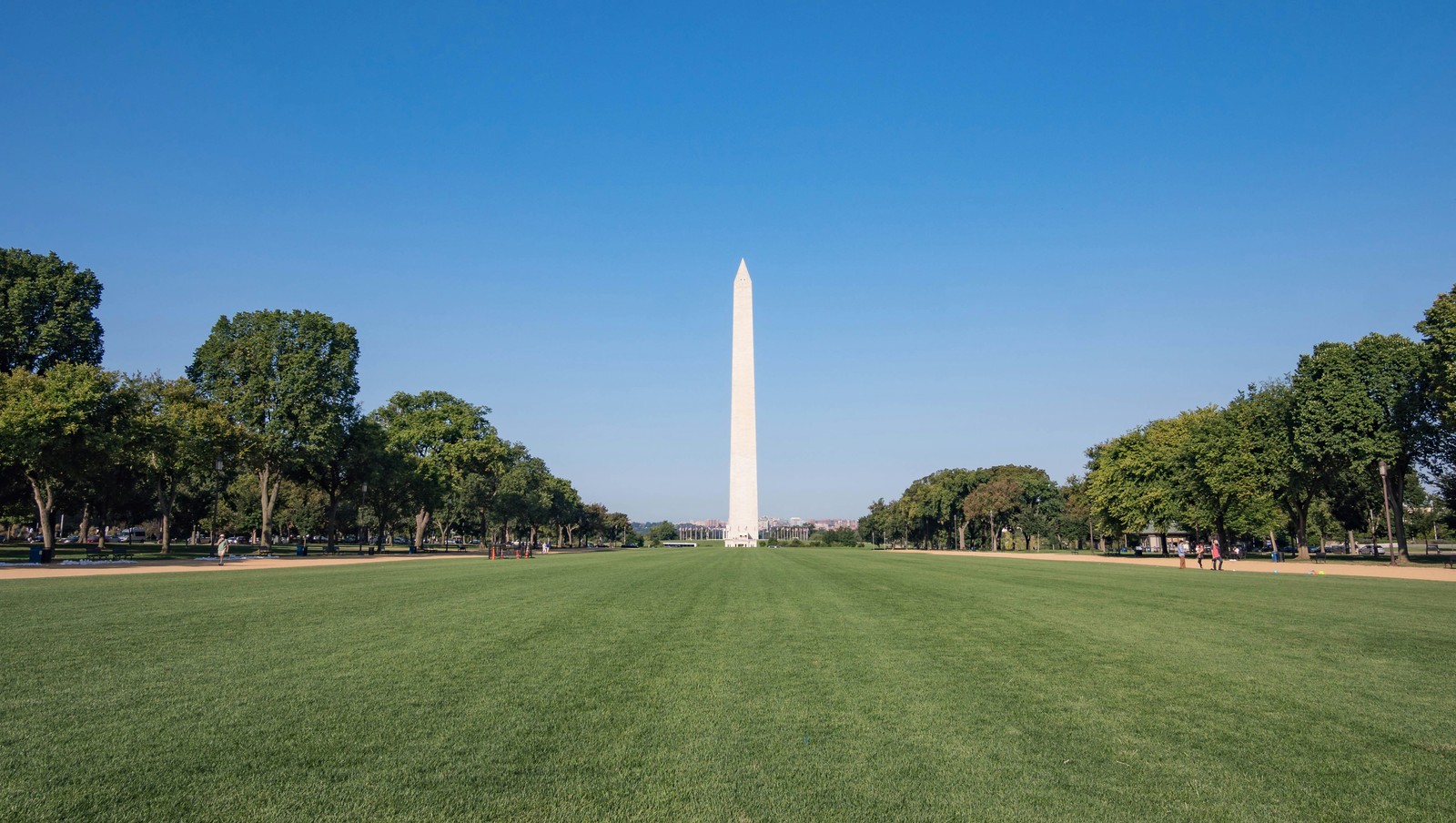
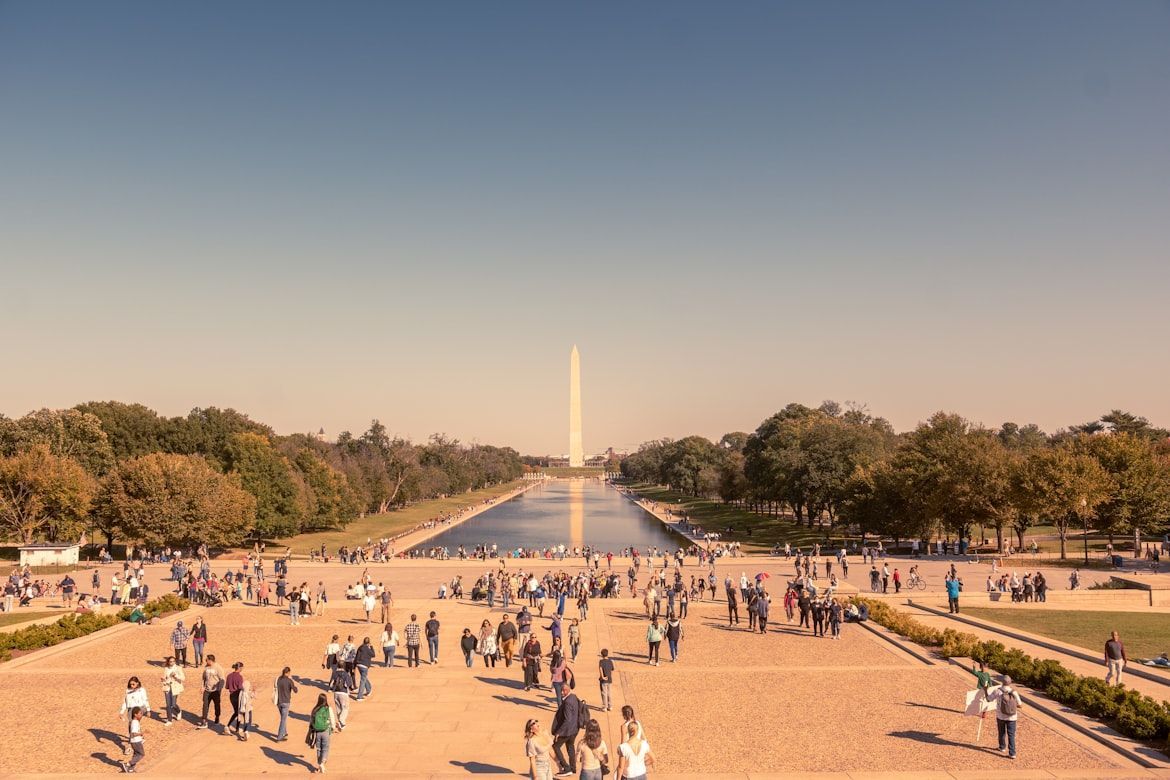
The National Mall landscape in Washington, DC, is so familiar that it’s hard to imagine anything hidden beneath it, but there is more going on below the surface than most visitors realize.

Beneath parts of the Mall, a network of underground tunnels connects buildings like the Smithsonian Institution Building, a.k.a "The Castle", with other Smithsonian facilities, including the National Museum of Natural History. They’re mainly used for utilities, secure staff access, and behind-the-scenes operations that keep the museums running smoothly.

2
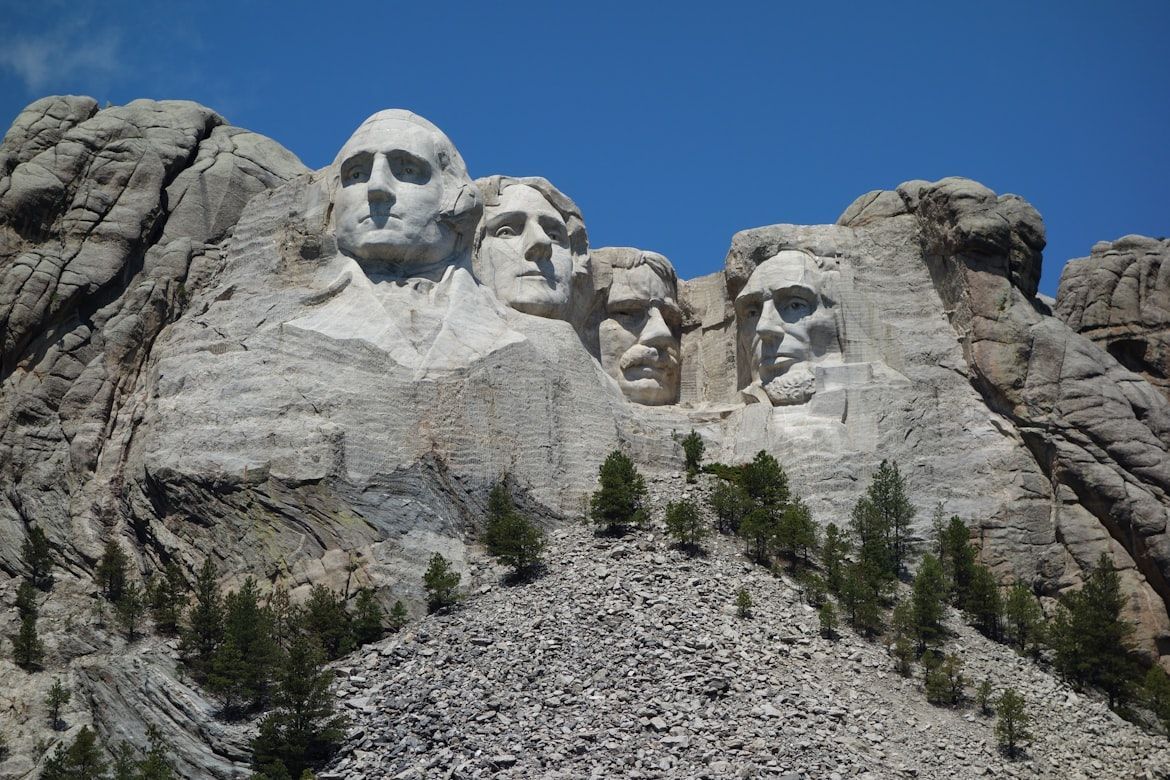
Mount Rushmore’s secret chamber (Keystone, SD)

Image: Uniq Trek

When you look at Mount Rushmore, the first thing you notice is the four faces of George Washington, Thomas Jefferson, Theodore Roosevelt, and Abraham Lincoln, but there’s more than meets the eye. Hidden behind Lincoln’s head is a secret chamber known as the "Hall of Records," a place visitors have rarely ever seen. It was the idea of sculptor Gutzon Borglum, who imagined it as a grand room to hold important US documents and tell our story as a country. Construction began with that goal, but the project was never completed. Today, the chamber remains unfinished, but it's there, waiting to be visited someday.

3
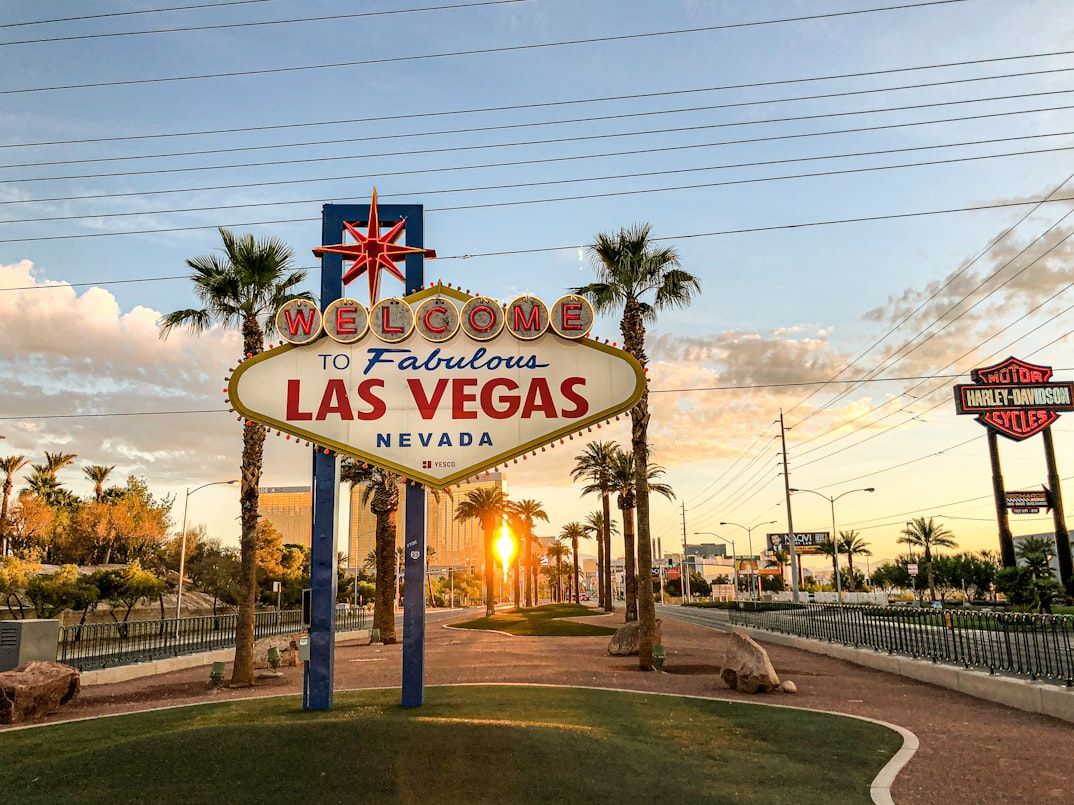
The Las Vegas sign is in another city (technically, Paradise, NV)

Image: Sung Shin

Do you have the classic picture in front of the iconic "Welcome to Fabulous Las Vegas" sign? If you snapped it and then drove to another city, we hate to break it to you, but you weren’t in Las Vegas.

The famous sign, installed in 1959, actually sits a couple of miles outside the city limits. In fact, the sign and most of the Strip are technically located in the towns of Paradise and Winchester, unincorporated communities in Clark County, Nevada, not within Las Vegas itself. And that’s no accident: much of the Strip and its casinos were originally developed outside the city in the 1950s to avoid municipal taxes and regulations.

4
Fragments of the Antarctic ice sheets (Denver, CO)

Image: Marco Bianchetti

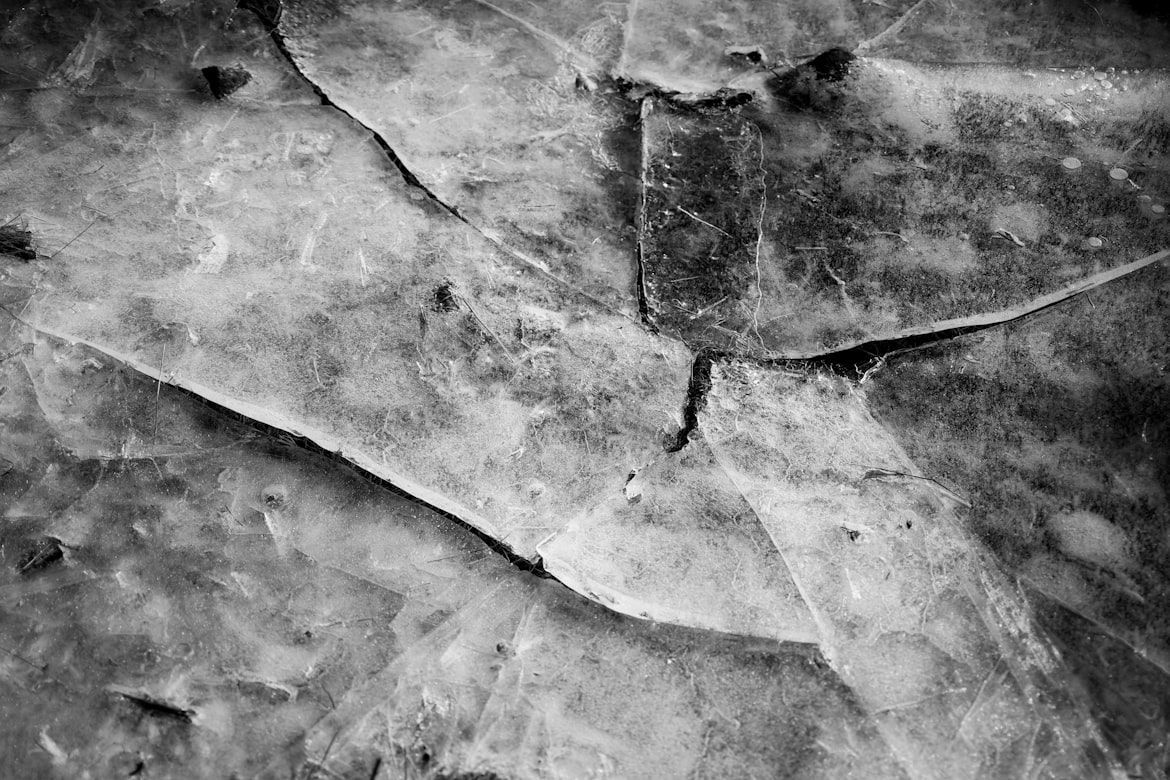
Did you know that the Mile High City stores miles of ice from Greenland and Antarctica? Ok, but how?

At Denver’s National Ice Core Laboratory, part of the Federal Science Center, the ice is kept at around -32.8°F. Researchers study it not just to understand Antarctica itself, but also to inspect Earth’s history. Some of these blocks of ice are hundreds of thousands of years old, and from them, scientists can reconstruct ancient temperatures, track greenhouse gas levels, and even identify major volcanic eruptions preserved in the layers.

5
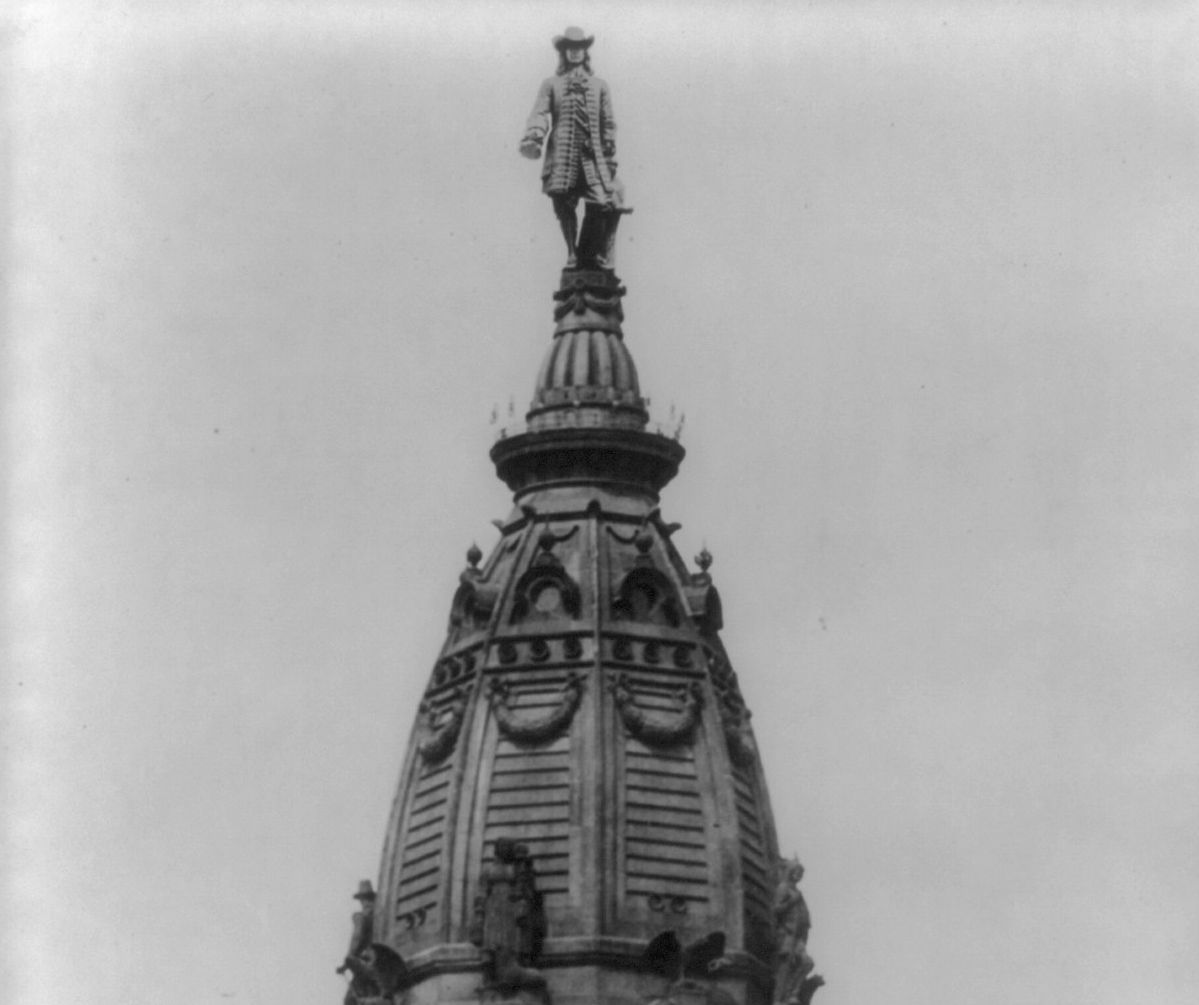
The hatch at the top of City Hall Tower (Philadelphia, PA)

Image: Miscellaneous Items in High Demand, PPOC, Library of Congress, Public domain, via Wikimedia Commons

Counting the statue of William Penn at its summit, the tower of Philadelphia City Hall rises about 548 feet, making it the tallest municipal building in the United States. But hidden high above the street, the statue conceals a little-known secret.

At its base is a small hatch, originally built to give workers access for maintenance. It offers an incredible vantage point over the city, but getting there isn’t easy. To reach it, you have to climb narrow stairways and walk through tight, elevated passageways. Would you dare give it a try?

6
A 112,544 square-foot underground bunker (White Sulphur Springs, WV)

Image: Kberg115, CC BY-SA 3.0, via Wikimedia Commons

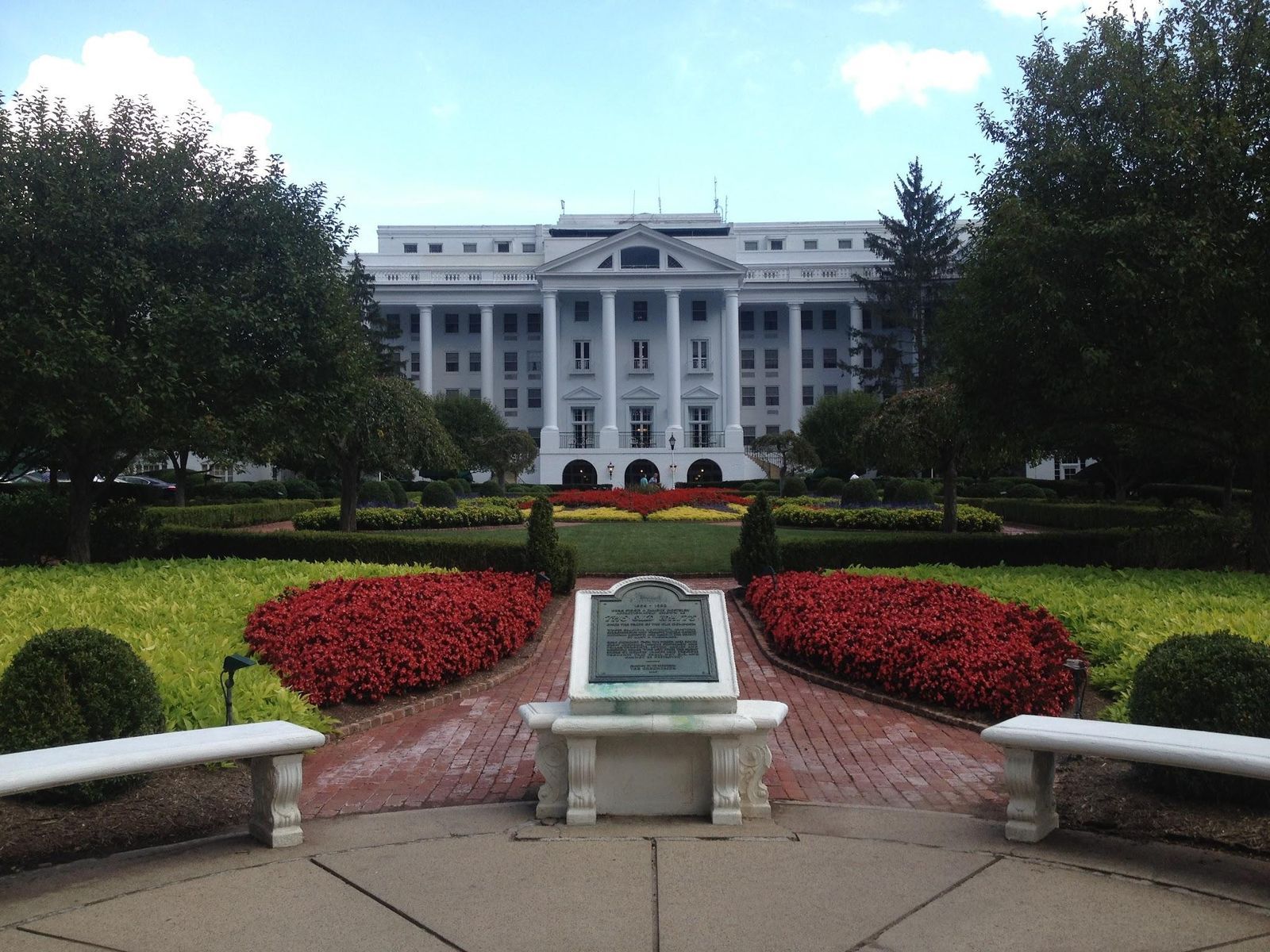
The tense atmosphere and threats of the Cold War led to the construction of thousands of underground bunkers across the US. And one of the most impressive is right beneath the Greenbrier Resort in White Sulphur Springs, West Virginia.

Buried 720 feet into the hillside, this 112,544-square-foot bunker was created to shelter all 535 members of the US Congress in the event of a nuclear attack. Built between 1958 and 1961, it was sealed behind a 25-ton blast door, and it remained a protected secret for more than 30 years.

7
Catacombs underneath City Market (Indianapolis, IN)

Image: Richie Diesterheft, CC BY-SA 2.0, via Wikimedia Commons

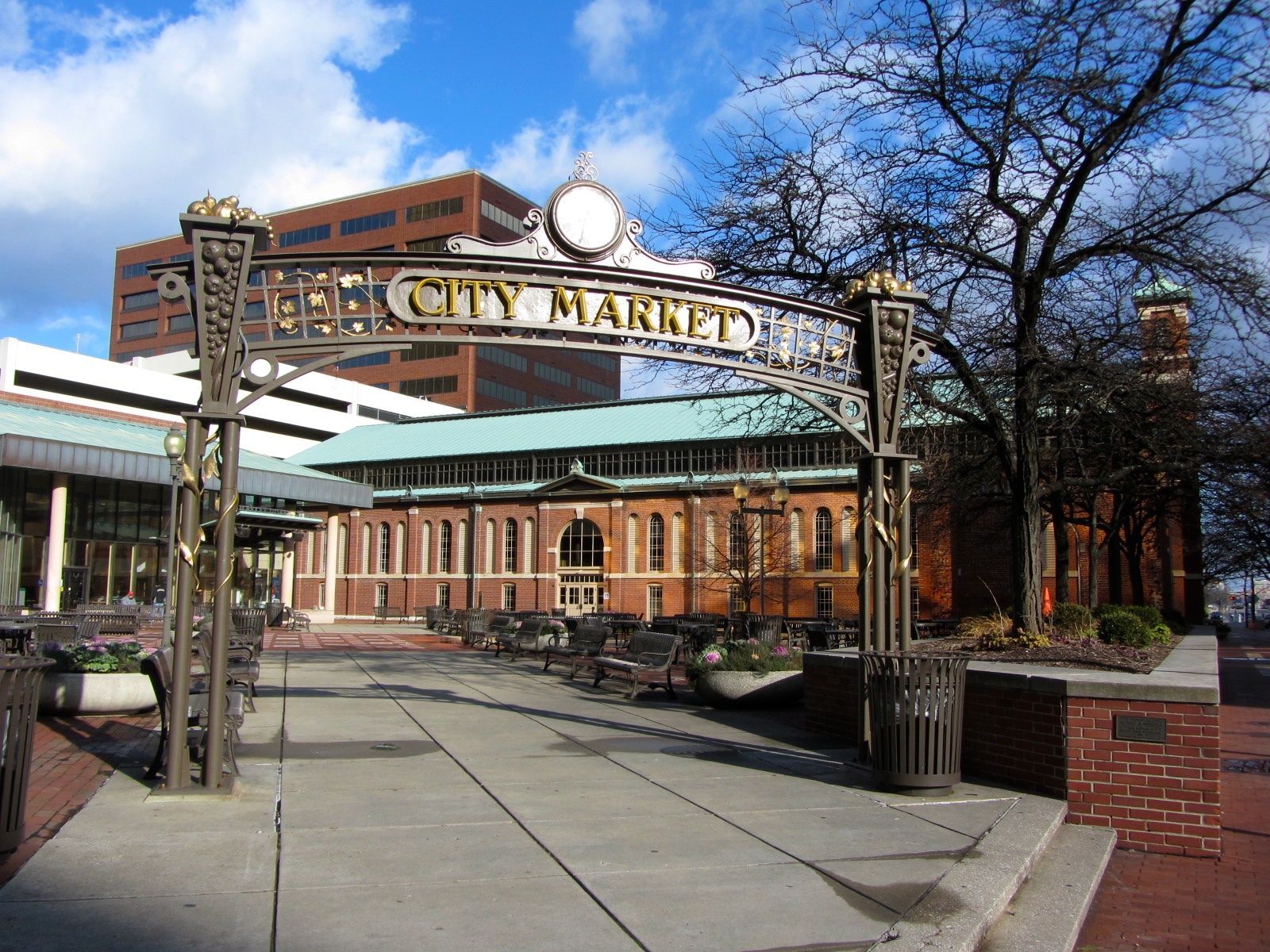
In downtown Indianapolis, the City Market has been a gathering place since 1886, filled with local vendors, cafés, and shops. But there’s more to it than what you see above ground. Beneath the market lies a network known as the City Market’s "catacombs."

Despite the name, the reality isn't quite so macabre; they’re a series of brick archways that once supported Tomlinson Hall, a huge market building demolished in the mid-20th century. Today, this underground space remains as a hidden piece of the city’s past, but unlike many places on this list, it’s occasionally open for guided tours.

8
One of history's biggest art heists (Boston, MA)

Image: King of Hearts, CC BY-SA 4.0, via Wikimedia Commons

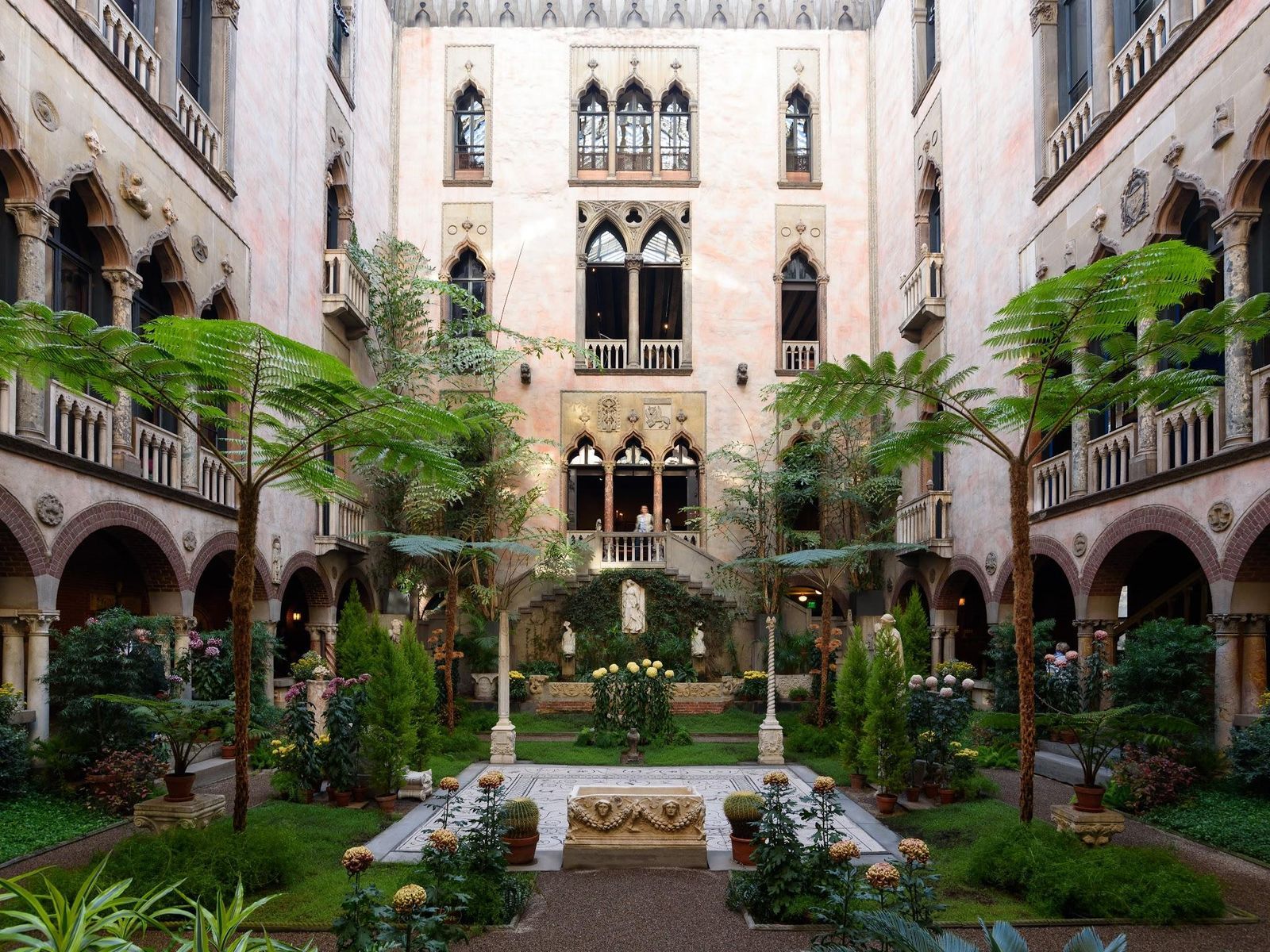
We all know Boston as the "birthplace of the American Revolution," home to events like the Boston Massacre and the Boston Tea Party. But there’s another chapter of its history you don’t hear about as often.

Just over 30 years ago, Boston was the scene of one of the biggest art heists in history. In the early hours of March 18, 1990, two men disguised as police officers entered the Isabella Stewart Gardner Museum, overpowered the guards, and stole 13 invaluable works of art, including pieces by Vermeer, Degas, Rembrandt, and Manet. To this day, the case remains unsolved, and a multi-million-dollar reward is still offered for information.

9
One of the quietest places on Earth (Minneapolis, MN)

Image: Togabi, CC BY-SA 4.0, via Wikimedia Commons

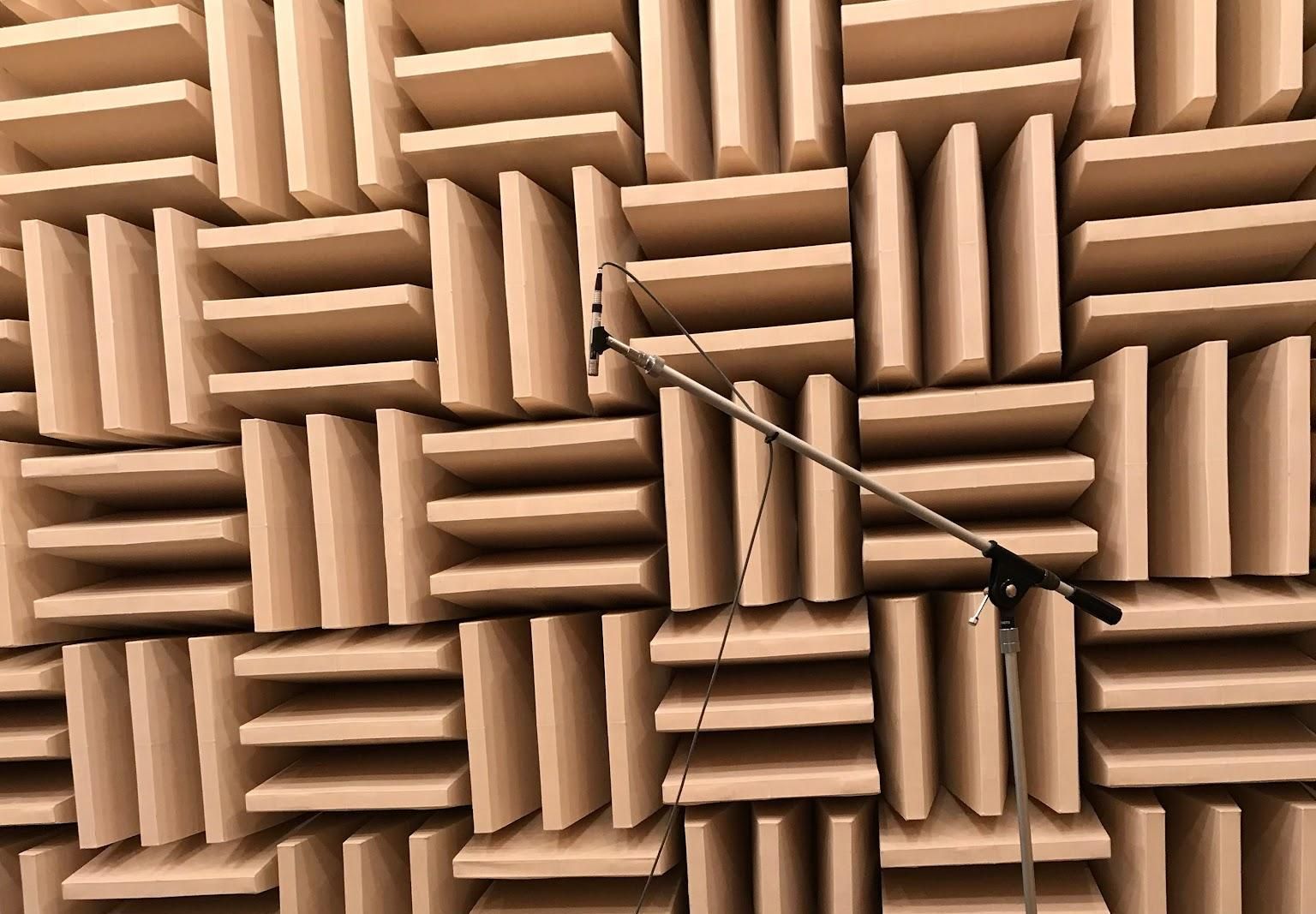
Where do you think the quietest places on Earth are? You might imagine remote landscapes far from civilization, but one of them is actually right in Minneapolis, Minnesota.

Inside Orfield Laboratories, there’s a room with no windows or natural light, an anechoic chamber that absorbs nearly all sound. That’s right: it blocks almost every noise, making the space even quieter than a vacuum. Visitors say the silence is so intense that you can hear your own heartbeat and even the faintest movements of your body. Simply incredible.

10
A strange law (Los Angeles, CA)

Image: Sean Krieg, CC BY 4.0, via Wikimedia Commons

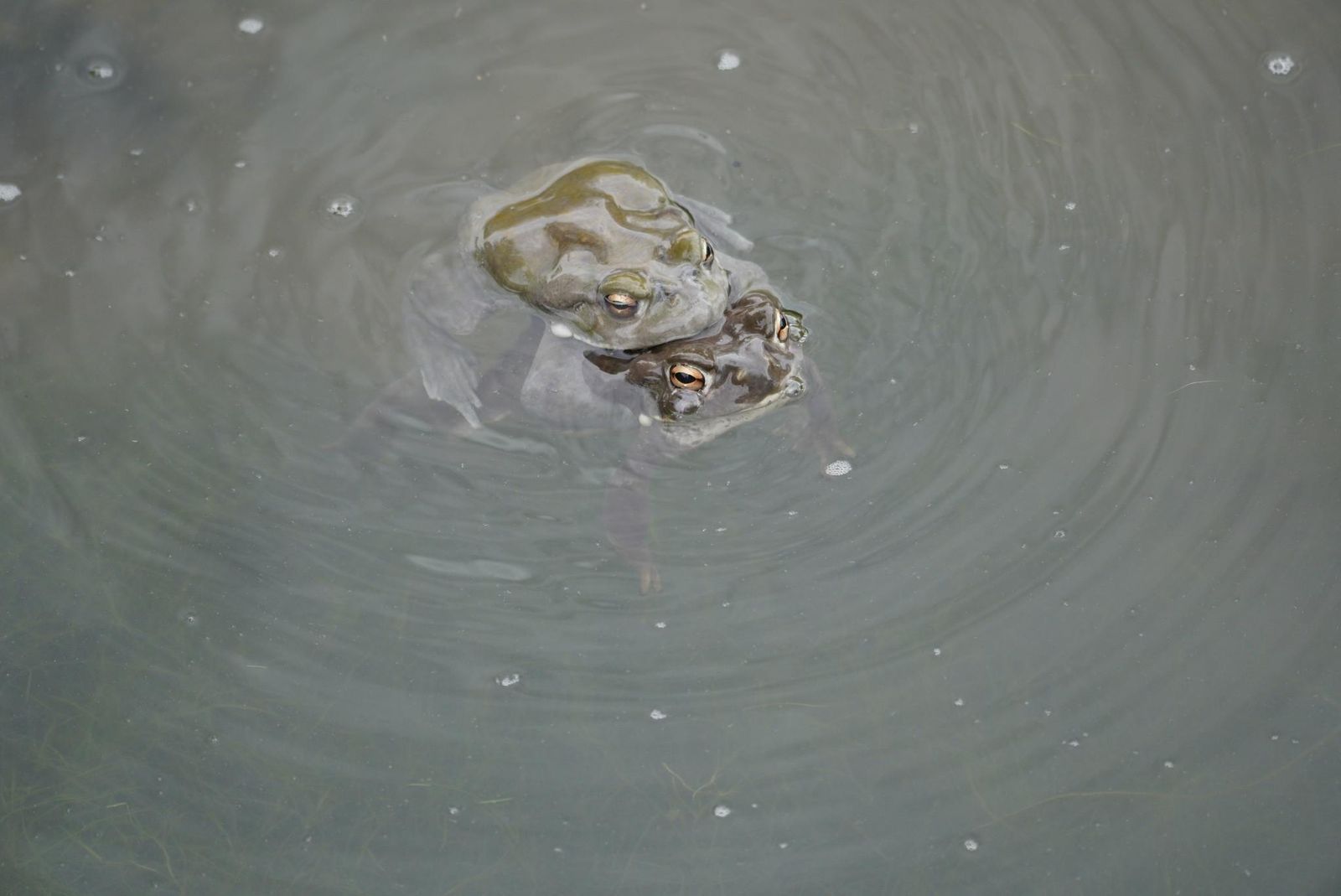
Why would a city actually pass an ordinance saying that licking toads is a bad idea? That’s Los Angeles, a place full of quirks, some charming, some downright strange. Even its laws can be unusual.

The Colorado River toad, found in parts of California, secretes chemicals that can have powerful psychoactive effects on humans. Because of the risks, both possession and use of this substance are illegal statewide. In 1994, cases occurred, including a teacher who was arrested for possessing the toad substance. But Los Angeles went a step further, passing an ordinance that specifically bans licking these amphibians. And let’s be honest, the poor toad probably doesn’t enjoy it either.

General General 4 min read

Fast-food flops

Do you recall these 11 big McDonald's menu fails?

Image: Lucas van Oort

Around 2014, McDonald's received a lot of criticism for not including healthier, more nutritious options on its menu, especially for kids. In response, the company embarked on a mission to create bubblegum-flavored broccoli. Needless to say, it was a complete failure. But this was not the only unsuccessful attempt to introduce new recipes and flavors. Throughout its several decades of existence, the Golden Arches has ventured into a wide variety of products that didn’t receive the expected reception. Do McPizza, Hula Burger, or McDLT ring a bell? Join us as we look back at 11 McDonald's products that were complete misfires!

1
McLean Deluxe

Image: Szabo Viktor

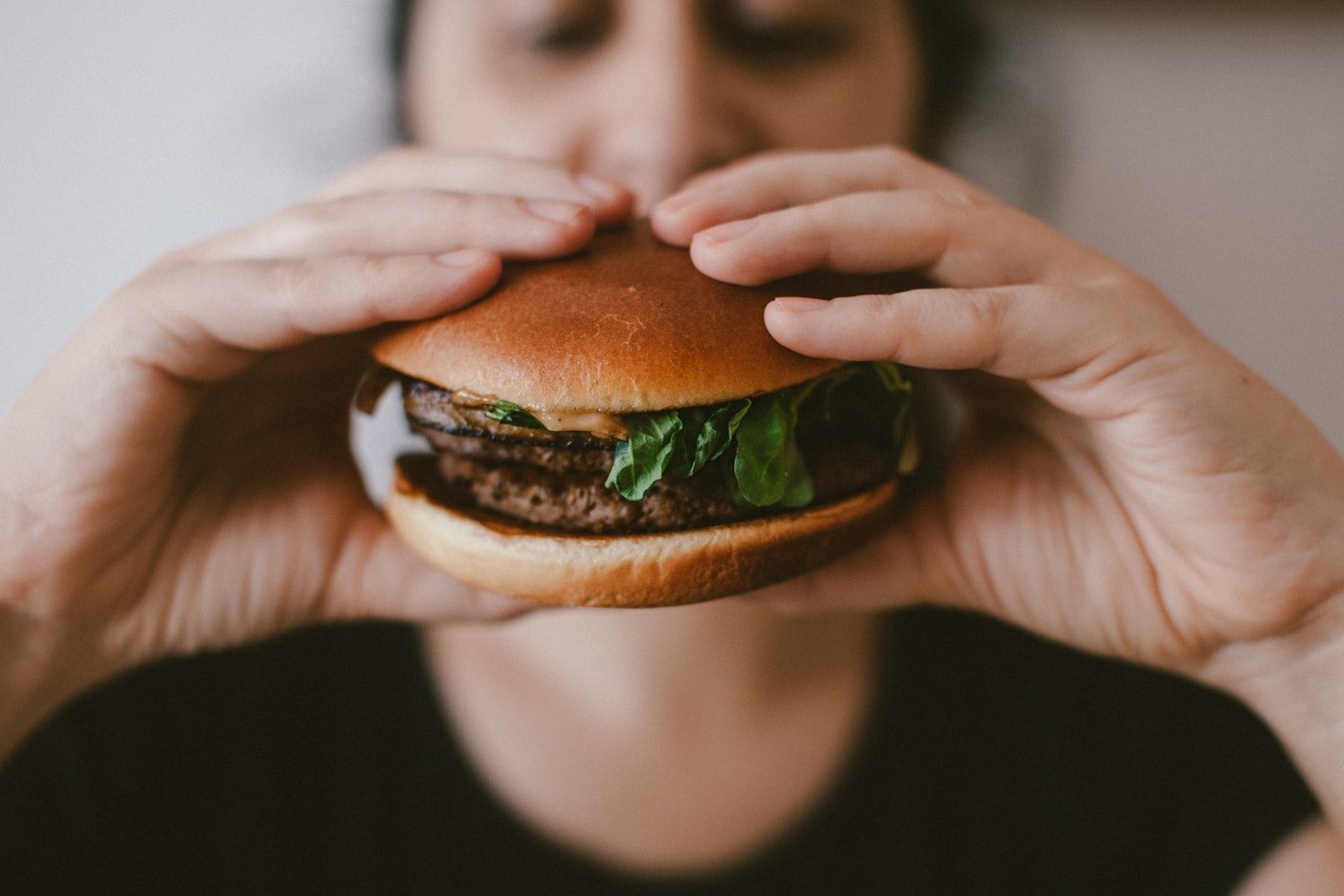
Remember the low-fat diet craze of the 1990s? Well, McDonald's was no stranger to it. To attract customers seeking "healthier" options, Mickey D's introduced the McLean Deluxe—a supposedly lighter burger than the Big Mac . The patty, developed by food scientists at Auburn University, was made with 90% meat and seaweed extract.

The company’s intentions were noble, but most consumers weren’t convinced by the "low fat but tastes great" slogan. Apparently, it was not tasty enough for the American palate and was ultimately pulled from stores in 1996 .

2
McHotDog

Image: sstoyanov

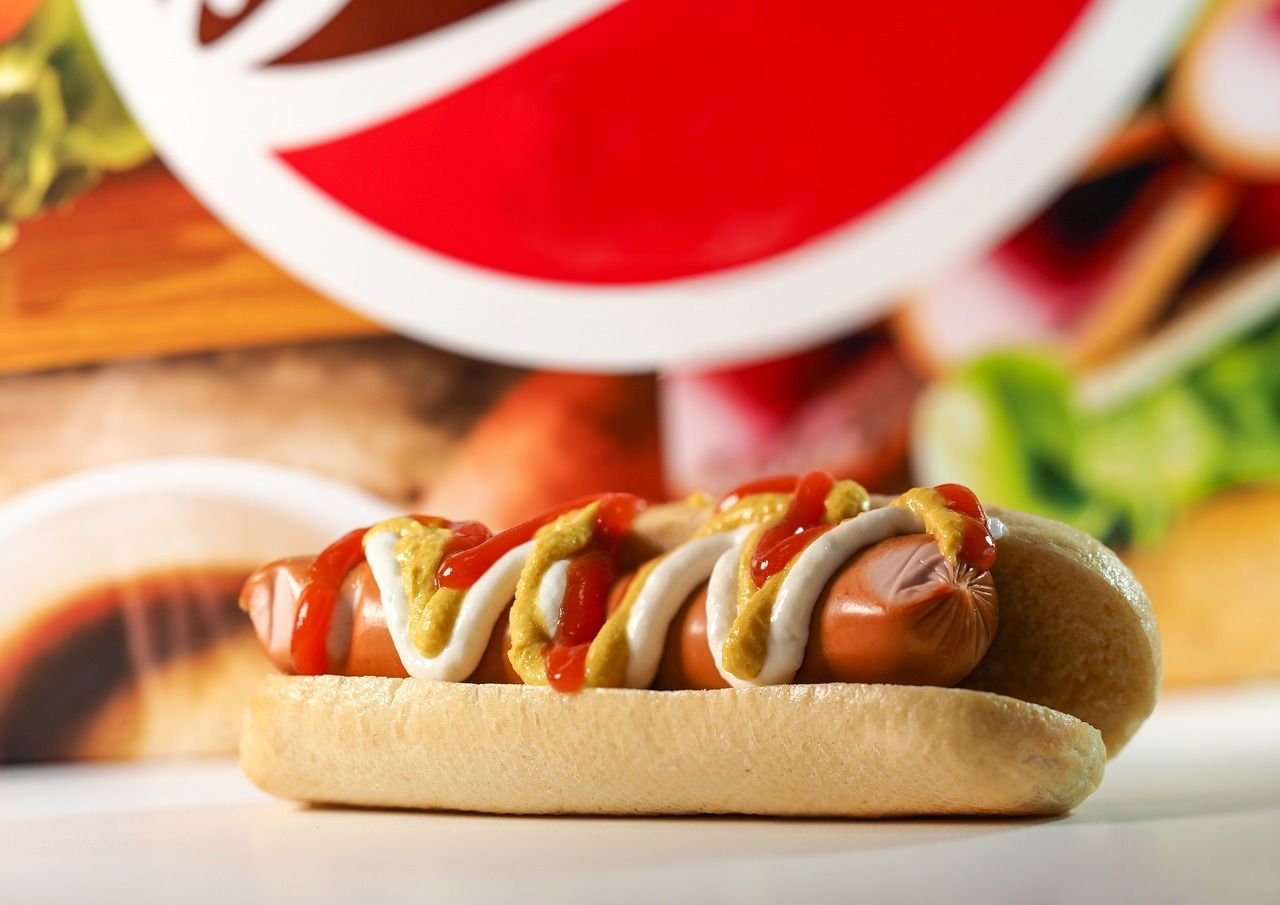
It doesn’t seem far-fetched for McDonald's to offer a hot dog on its menu. Yet, for many years, the company avoided it because Ray Kroc—the man who transformed McDonald's into the megafranchise we know today—had banned them on the grounds that sausages were of questionable quality.

Despite his reservations, McDonald's introduced the McHotDog in several locations in the mid-1990s. For unknown reasons, however, the product never took off. Have you ever tried it? What did you think?

3
McDLT

Image: Aaron Boucicault

No, it has nothing to do with Subway's BMT or the classic BLT sandwich. The McDLT, introduced in 1984, was a lettuce and tomato burger with only one novelty: it was sold in a Styrofoam container, separated in two, and you had to assemble it yourself.

The most likely reason for the McDLT’s demise was the backlash against Styrofoam in the late 1980s, due to its environmental impact. And let’s be honest—how many people actually want to assemble their own hamburger?

4
Hula Burger

Image: Irene Kredenets

Long before vegan options became popular, Ray Kroc attempted to offer a meatless option for Roman Catholics to eat during Lent. Introduced in 1963, the Hula Burger was essentially a cheeseburger with a slice of pineapple instead of a meat patty.

The idea was a complete flop and was quickly replaced by the Filet-O-Fish, which served the same purpose but was much better received by the public.

5
McLobster

Image: ucomedia

Believe it or not, McDonald's once had a lobster roll on its menu. Introduced in 1993, the McLobster was a sandwich served in a hot dog bun with lobster sauce and shredded lettuce.

Why did it fail? Mostly because of the price . Not only was it expensive for a fast food chain, but if you wanted lobster, you’d probably go to a seafood restaurant instead—don’t you agree?

6
Arch Deluxe

Image: HamZa NOUASRIA

Flavor-wise, the burger "with the grown-up taste" was decent enough, the problem was the marketing campaign that went along with it. The Arch Deluxe was designed for adults , featuring more sophisticated and expensive ingredients.

However, the ads showed Ronald McDonald engaging in adult activities and young rappers saying, "Yuck," which failed to resonate with anyone. The product flopped and was discontinued in 2000 . After all, no matter how old we are, when we go to McDonald's, we all want to feel like kids again.

7
McPizza

Image: dankeck, CC0, via Wikimedia Commons

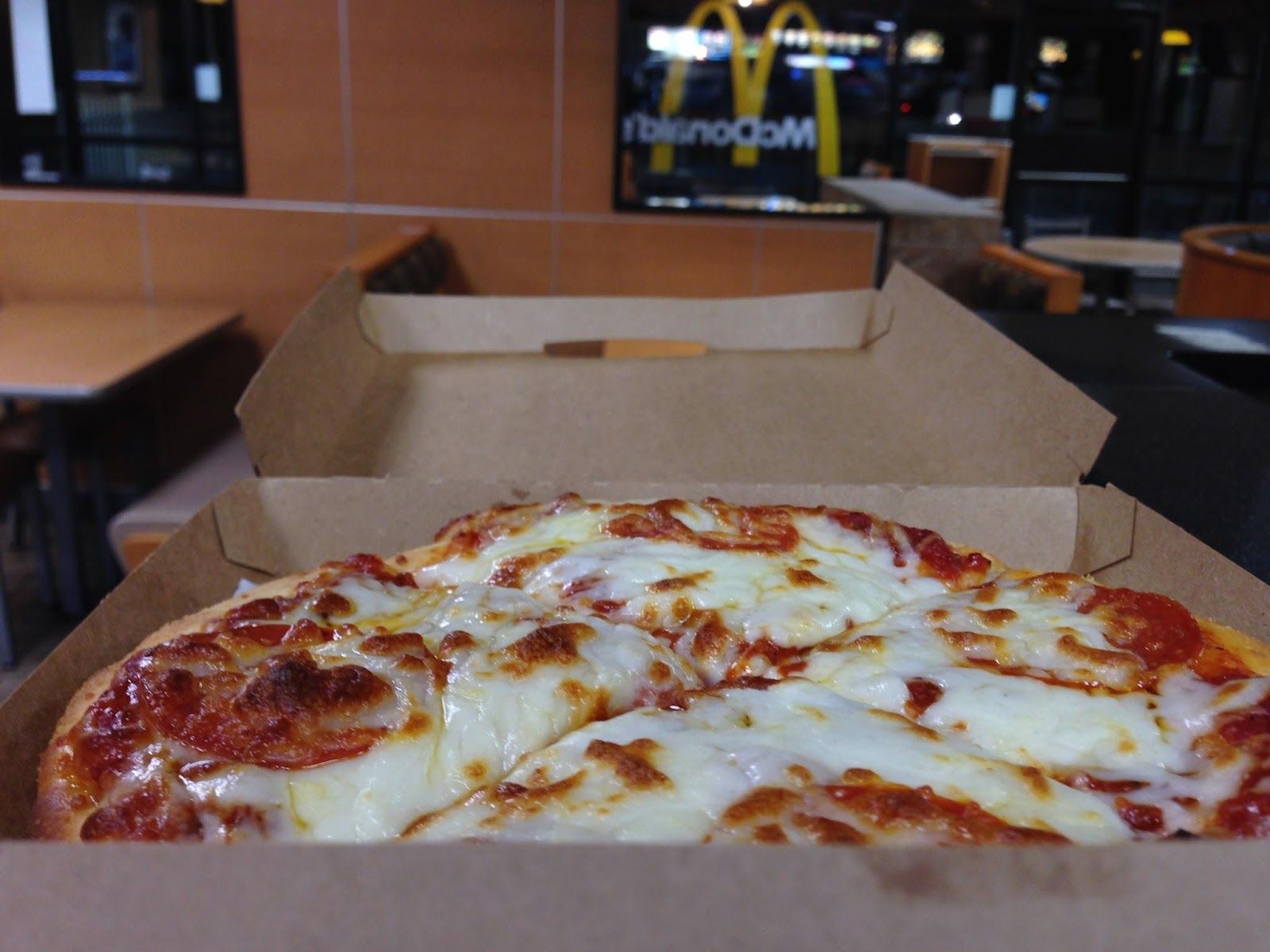
In hindsight, McDonald's should have stuck to selling burgers. But we have to give them credit for trying something different. In the late 1980s, the Golden Arches attempted to expand its menu with dinner options, introducing the McPizza. Sold only after 4 p.m. , it was heavily promoted through a major marketing campaign.

However, it was doomed to fail. Pizza takes much longer to prepare than a burger, and most people prefer to buy theirs from traditional pizza parlors. The McPizza was discontinued around 2000 and hasn’t returned to the menu since.

8
McPasta

Image: Lance Lozano

Just as pizza was a bad idea, offering pasta dishes at a burger joint was an even bigger stretch. Since the 1970s , McDonald's has attempted to market pasta, adding items like spaghetti and meatballs, lasagna, and fettuccine to its menu.

Needless to say, despite multiple attempts, all of McDonald's pasta products eventually flopped.

9
Onion Nuggets

Image: Brett Jordan

In 1975, a year after Burger King debuted its famous Onion Rings, McDonald's introduced Onion Nuggets. As the name suggests, this side dish consisted of small, fried onion pieces .

Unfortunately for vegetable lovers, Onion Nuggets were not as successful as their ring-shaped competitors and were finally removed from the menu in the mid-1980s. Just a few months later, McDonald's launched Chicken McNuggets, which proved to be a far bigger success.

10
McSalad Shakers

Image: Hermes Rivera

It seems that most of McDonald's attempts to offer healthier options were fruitless. The McSalad Shakers were salads sold in plastic cup-like containers that you had to shake to distribute the dressing evenly.

Although they featured three appealing flavors—Chef, Grilled Chicken Caesar, and Garden—McSalad Shakers lasted only a few years on the market. In 2003, the cups were replaced by traditional bowls, which, you’ll probably agree, make much more sense.

11
McDonaldland Cookies

Image: 三岁 陈

It remains a mystery why this item disappeared from the McDonald's menu, as it was a favorite among many for years. First introduced in 1974, this dessert consisted of crunchy lemon-flavored cookies shaped like the classic McDonaldland characters—Grimace, Hamburglar, The Fry Kids, Birdie, and Ronald himself!

McDonaldland Cookies came with the Happy Meal but were discontinued in the early 2000s , likely due to health concerns. The good news is, if you want to bring back this childhood flavor, you can still find them in Australia!

Explore more American facts

Choose your favorite category!

General
General

As American as apple pie—the very best America has to offer!

Culture
Culture

Delve into the astounding richness of American lore.

Geography
Geography

Hop in and explore vast and diverse American landscapes.

History
History

Discover the key moments that shaped the United States.