General General 3 min read

On the road

Driving us crazy: Traffic rules too strange to be true (But they are!)
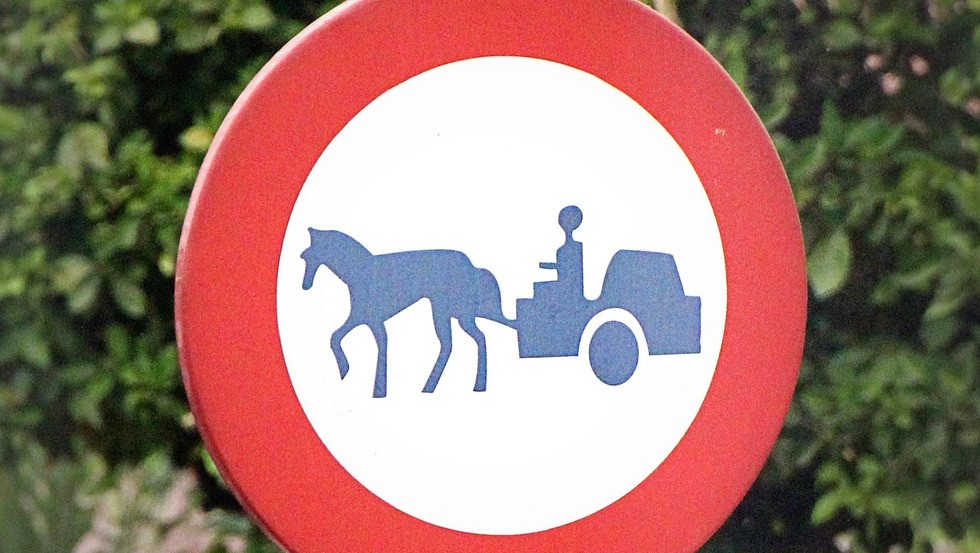
Image: Wolfgang Eckert

We all recognize the red octagon of STOP signs or notice the speed limits, but that’s not all to traffic laws. America’s roads are full of surprises, and if you don’t believe us, just read this article! Today, we’re taking a scenic (and slightly absurd) drive through some of the oddest traffic laws in the country. Buckle up: You won’t believe what’s technically illegal out there!

1
Florida – Meter feeding for elephants

Image: AJ Robbie

Florida’s traffic code once required that if you tied your elephant, goat, or alligator to a parking meter, you had to pay the fee, just as you would for a car. It sounds wild today, but it’s rooted in a time when people actually rode animals into town.

Though it’s not actively enforced (we checked), the law technically still lingers on the books. So, you'd better leave your pet elephant behind from now on!

2
Idaho – Seniors and motorcycles don’t mix

Image: Harley-Davidson

In Idaho Falls, it’s long been rumored that a local ordinance makes it illegal for anyone over 88 to ride a motorcycle. That sounds oddly specific—and a bit ageist. Whether it was meant to encourage safety, misinterpreted, or inspired by one daredevil granny, no one’s quite sure.

While there's no sign of active enforcement (or even proof it still exists), the message seems clear: once you’re nearing 90, it might be time to stick to the golf cart.

3
Arizona – Don’t even think about driving in reverse

Image: Jerry Kavan

Arizona doesn't mess around when it comes to driving in reverse. On public roads, moving backward is a big no-no. While it’s unlikely you’ll get arrested for backing out of a driveway, pulling a full-speed reverse cruise down Main Street might land you in hot water. Arizona wants you to move forward in life—literally.

4
Illinois – You need a steering wheel to drive

Image: Zach Wiley

Well, isn’t that obvious? Apparently not—because Illinois actually has a law stating that you can’t drive a car without a steering wheel.

Even if it seems like common sense, laws like this were created during the early days of car modifications, when people got creative (and sometimes reckless). So, if you were planning to steer your car using a rope-and-pulley system… maybe don’t.

5
Maine – No Sunday car shopping

Image: Hilbert Hill

In Maine, it’s illegal to buy a car on Sunday. Dealerships are closed by law, making it impossible to seal the deal on the most relaxing day of the weekend. Why? The rule has roots in so-called "blue laws," which were designed to preserve Sunday as a day of rest. So in Maine, if you get a wild urge to car shop after church, you’ll have to wait until Monday.

6
Michigan – Streets are not for reading

Image: bruce mars

Michigan has a law that says you can’t sit in the middle of the road and read a newspaper. Yeah, no joke!

We know—it’s hard to imagine someone actually doing this (unless it was a very juicy headline), but the law’s goal is clearly about safety. Still, you have to admit the mental image is pretty great—just don’t try it unless you want to make the evening news.

7
New Hampshire – Bus fumes are not a high
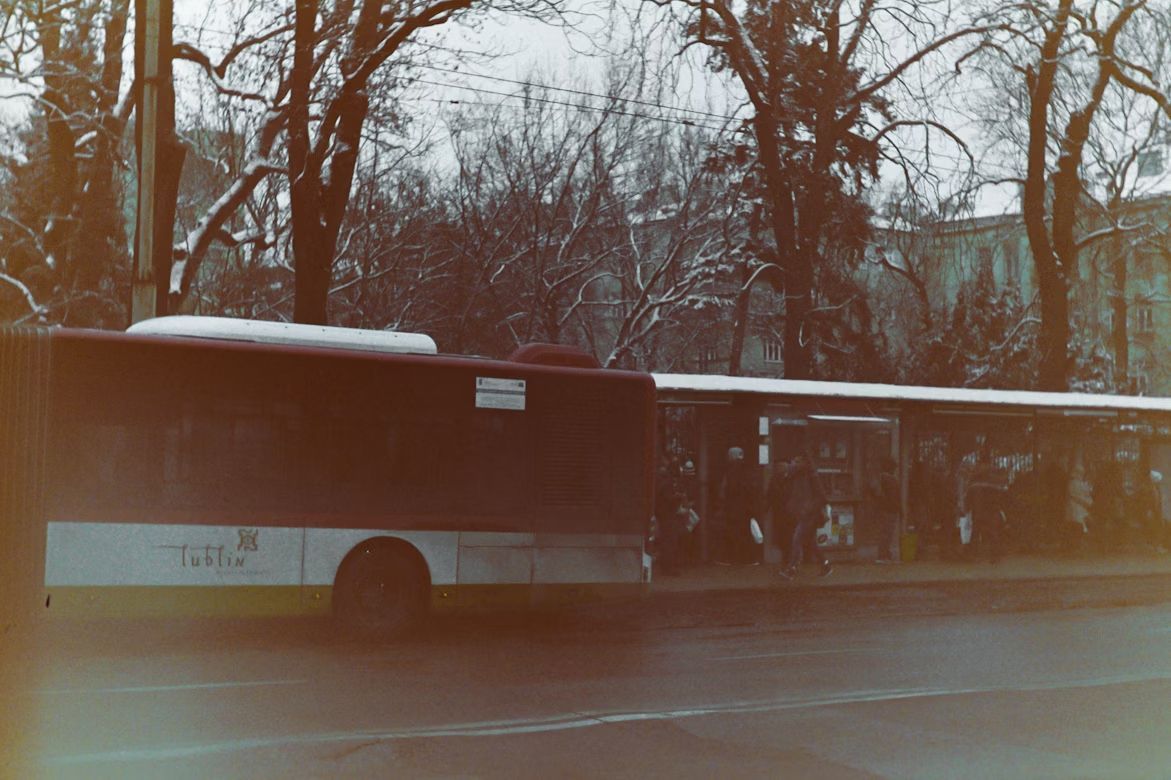
Image: Lizgrin F

New Hampshire takes a hard stance on inhaling bus fumes "with intent to cause euphoria." That’s a legal phrase, not a band name. It’s part of the state’s broader anti-huffing laws, aimed at curbing substance abuse.

Well, that’s odd!

8
Vermont – Backfiring is a no-go in Rutland

Image: RoonZ nl

In Rutland, Vermont, letting your car backfire could technically get you in trouble. This law was probably put in place to cut down on noise or prevent panic during quieter times in history.

Today, it’s unlikely to get you arrested, but a surprise backfire might still earn you some serious side-eye from the locals. If you ask us, this should be a law everywhere!

9
Wisconsin – Hands off the handlebars? Not allowed

Image: Darko Pribeg

In Wisconsin, you’re not allowed to ride a bicycle with no hands. Even if you’re showing off your balance skills from the 1970s, the law says at least one hand must stay on the handlebars.

It’s all about safety—but if you’re feeling rebellious, maybe show off at the park. Just don’t do it on public roads. Keep it hands-on!

10
South Carolina – No trash hoarding in Hilton Head

Image: Alireza Mirzabegi

In Hilton Head, it’s illegal to store trash in your car. That’s right—your vehicle can’t double as a mobile garbage can. The law aims to keep the area clean and tourist-friendly, but it also sounds like a not-so-subtle jab at anyone using their backseat as a trash bin. Hilton Head wants pristine beaches and clean cars!

Culture Culture 4 min read

Funny papers

Colorful pages: Here are 10 of the most iconic American comic strips!

Image: somecomputer

Comic strips might seem like a colorful little detail on the last page of a stuffy, boring newspaper, but they are so much more. They not only add humor and levity to our day, but many people can attest that they learned to read as children through their favorite comic strips. In that sense, America has produced its fair share of amazing comic strips over the years, so we thought it appropriate to honor 10 of the most iconic "funny papers" with this article. Enjoy!

1
Peanuts

Image: ZENG YILI

We’ll start with what some describe as "arguably the longest story ever told by one human being." When Charles Schulz started Peanuts in 1950, he wasn’t aware that he would single-handedly produce a plethora of amazing stories until his death in 2000. The original Peanuts run, which introduced iconic characters like Charlie Brown, Snoopy, and Linus, appeared in over 2,600 newspapers and has been translated into 21 languages.

2
Marmaduke

Image: Oliver Bichard

As any Great Dane owner can tell you, these massive dogs can sometimes be a handful. However, if the comic strip Marmaduke has taught us anything, it’s that no matter how messy their lovable dog is, the Winslow family will always care for their Great Dane, the titular Marmaduke. This comic strip was created in 1954 by cartoonist Brad Anderson, who continued to make Marmaduke comics for 61 years until his death in 2015.

3
Krazy Kat

Image: Shelby Murphy Figueroa

While perhaps not as well-known as other comic strips in this article, George Herriman’s Krazy Kat (also known as Krazy and Ignatz ) is considered by many critics to be one of the most influential comic strips in history. At first glance, Krazy Kat , which ran from 1913 to 1944, appears to be a simple gag-a-day comic depicting an anthropomorphic cat and his mouse rival. However, Herriman’s impressive artwork and groundbreaking creativity have led critics to regard Krazy Kat as one of the most significant pieces of American art .

4
Garfield

Image: Jason Yuen

Garfield is a strong contender for the title of "world’s most famous cartoon cat." True, he is competing with heavy hitters like Tom from Tom and Jerry or Felix the Cat, but this Monday-hating, lasagna-loving orange cat is truly a force to be reckoned with. Created by Jim Davis in 1976, Garfield was first introduced in a comic strip named Jon after the cat’s owner. However, Garfield quickly took the spotlight, and the comic strip was renamed Garfield in 1977. From that point onward, Garfield became an international icon, earning the Guinness World Record for being the world's most widely syndicated comic strip.

5
Calvin and Hobbes

Image: cogdogblog, CC BY 2.0

Can you remember the stuffed animal you would carry everywhere as a child, going on imaginary adventures all across your backyard? Well, for many of us, Calvin and Hobbes perfectly encapsulates those beloved memories. Created by Bill Watterson in 1985, this comic strip depicts the adventures of a young boy named Calvin and his best friend Hobbes, a whimsical and friendly tiger. What’s most moving about this comic strip is that both Calvin and the readers see Hobbes not as a stuffed animal, but as the best friend a young boy could have.

6
The Far Side

Image: Luis Cortés

Up until this point, we’ve been focusing on multi-paneled comic strips, which have several panels at their disposal to tell a compelling story. However, The Far Side has the remarkable distinction of making us laugh heartily with just a single panel. Written and drawn by Gary Larson, this comic strip combines surreal humor with unexpected punchlines , often depicting social situations or the author’s unique view of the world.

7
Dilbert

Image: The Conmunity - Pop Culture Geek from Los Angeles, CA, USA, CC BY 2.0

The break rooms of offices across America are filled with newspapers, which tired employees read during their breaks before returning to work. In that sense, artist Scott Adams perfectly chose office humor as the ideal backdrop for his comic strip, Dilbert . First published in 1989, the strip tells the story of the titular Dilbert, a white-collar engineer trying to navigate the hilarious madness of working in an office.

8
The Family Circus

Image: William Fitzgibbon

At times, the chaos of living with a big family might seem not too dissimilar to the frenzy and excitement of a circus. This seems to be the premise behind the beloved comic strip The Family Circus , created by cartoonist Bil Keane and continued by his son Jeff after Bil’s death. This comic strip revolves around an unnamed family and the many adventures that their three small children and modern life bring to them.

9
Popeye

Image: Jonathan MONCK-MASON

Years before becoming the world’s most famous sailor, Popeye debuted in 1929 as a character in a comic strip called Thimble Theatre . Interestingly, he first appeared when the series was already in its tenth year, but he quickly became its most famous character, eventually overshadowing the original cast and becoming the protagonist. In due time, the strip was renamed Thimble Theatre Starring Popeye before being simply shortened to Popeye in the 1930s.

10
Little Nemo in Slumberland

Image: Hayffield L

We’ll end with the oldest comic strip in this article, which many believe to be the father of all American comic strips. In 1905, American cartoonist Winsor McCay first published Little Nemo in Slumberland . The comic revolved around the titular Nemo, a young boy who often found himself embarking on wonderful adventures in the dream world. McCay’s remarkable artistry and surreal imagery influenced generations of cartoonists and visual artists throughout history.

General General 4 min read

Slippery, spotty, and surprising

These local amphibians can regrow limbs, release toxins, and much more!

Image: Pixabay

Given America's vast territory and rich biodiversity, our land holds a wide variety of mammals, reptiles, and birds—but let's not forget the amphibians! The United States is home to a great and extravagant range of amphibians that are far more fascinating than just regrowing tails: Some well-known and others that you'll definitely want to discover. Join us as we explore the unique traits of these 10 incredible amphibians found across the US!

1
Tiger salamander

Image: Anastasia Pirri

Meet the tiger salamander—one of the largest terrestrial salamanders in North America. While its size is certainly impressive, the tiger salamander also has other traits that make it stand out. Take its appearance, for example: its dark brown body with bright yellow blotches resembles tiger stripes, which is why it has such a peculiar name. But there's more! Unlike many other salamanders, this one spends much of its time underground, using its large, powerful limbs to dig.

Fun fact: Some states, like Colorado and Kansas, have named it their official state amphibian!

2
Eastern Hellbender

Image: laura adai

Although the tiger salamander is impressively large, another salamander stands out for its huge size: the Eastern Hellbender.

Cryptobranchus alleganiensis alleganiensis is its scientific name (quite a mouthful, right?). It holds the title of the largest salamander in North America. In fact, it's sometimes nicknamed "snot otter" due to its large body and the slippery texture of its skin.

3
Amphiuma

Image: Wolfgang Hasselmann

When you first see this creature, you might mistake it for a snake or an eel. But it's actually an amphibian—more specifically, an aquatic salamander known as the amphiuma. Its appearance, let’s just say, isn’t exactly what most would call "cute."

This unusual amphibian can grow up to 3 feet long! And while not immediately noticeable, it has tiny legs with only one, two, or three toes, depending on the species. Its limbs aren't very useful, but they do make the amphiuma look just a bit creepier.

4
Colorado River Toad

Image: Crystal McClernon

The Colorado River Toad may not be the cutest or most dazzling creature out there, but it's certainly one of the most fascinating. Native to the southwestern United States, this amphibian is one of the largest toads in North America, but what sets it apart isn't its size. So, while it may look slow and harmless, this toad is capable of releasing a dangerous, highly psychoactive toxin that acts as a defense mechanism and can be fatal to many species, including dogs.

5
Common Mudpuppy

Image: Tommy Bond

Now, it's time for an amphibian whose cuteness is one of its most distinctive features; even its name reflects that! We're talking about the Common Mudpuppy, an aquatic salamander that inhabits streams, rivers, ponds, and lakes. It's also one of the few salamanders that remain fully aquatic throughout their entire life. And that’s precisely why it sports a pair of large, red external gills on the sides of its head, giving it an almost 16th-century European look!

6
Gray Tree Frog

Image: Aurora K

The small Gray Tree Frog inhabits the forests and woodlands of the eastern United States. And while it's true you might find it on trees and plants, its nickname isn't entirely accurate when it comes to color. Yes, it can be gray, but this amphibian has the ability to change its color to blend in with its surroundings! It also has another superpower: the ability to survive freezing temperatures. By producing a natural antifreeze, it protects its organs during cold conditions that most of us couldn’t begin to handle.

7
Spotted Salamander

Image: Kristina Kutleša

As its name suggests, what distinguishes the Spotted Salamander is its shocking look. But beware, its mottled appearance isn't just for show. It also acts as a warning to ward off predators! If you've ever seen one in the wild, consider yourself lucky because although it’s fairly widespread, this salamander spends most of its time underground.

8
Pacific Giant Salamander

Image: wallace Henry

If you venture into the mountainous regions of the Pacific Northwest, you might come face-to-face with the Pacific Giant Salamander, one of the largest terrestrial salamanders in North America.

Reaching up to 14 inches in length, this amphibian is striking to see—but it’s even more surprising when you hear it. That’s right: unlike most of its kind, the Pacific giant salamander can make audible barking sounds!

9
Barking Tree Frog

Image: José M. Alarcón

We have a contestant that could go head-to-head with the Pacific Giant Salamander in a barking contest: the aptly named Barking Tree Frog.

Let’s just say the frog’s striking features are perfectly summed up by its name. In states like Florida, Georgia, and South Carolina, you can find this little amphibian calling from the treetops or near freshwater shores.

10
Dusky Gopher Frog

Image: Geraldine Dukes

Finally, we have the most mysterious and elusive of all: the Dusky Gopher Frog. As one of the rarest frog species in the U.S., the Dusky Gopher Frog is incredibly elusive and critically endangered, with fewer than 200 individuals left in the wild. The dusky frog spends most of its life hidden underground and only comes out during the mating season.

Explore more American facts

Choose your favorite category!

General
General

As American as apple pie—the very best America has to offer!

Culture
Culture

Delve into the astounding richness of American lore.

Geography
Geography

Hop in and explore vast and diverse American landscapes.

History
History

Discover the key moments that shaped the United States.