Geography Geography 5 min read

Exploring the underworld

Would you explore a cemetery's catacombs? 10 underground must-sees

Image: Blake Cheek

We sometimes forget there is a whole world going on beneath our feet. Hidden from view lie underground marvels like caves hosting weddings, crystal-clear freshwater pools, and sidewalks of cities that no longer exist. Here, we explore 10 must-see underground sites in the U.S. Grab your flashlight, and let’s venture below the surface!

1
Seattle Underground City

Did you know the remnants of Seattle's original streets are still accessible? Beneath the bustling streets of modern-day Seattle lies the Underground City , a network of subterranean passageways that formed the ground level in the 1800s.

By the end of the 19th century, after the Great Seattle Fire, it was decided to rebuild the city at a higher elevation to combat frequent flooding . So, these original streets, sidewalks, and storefronts were buried, and with it, much of their history.

Guided tours take people through tunnels and ladders and retell real and eerie stories about the history of the Underground City.

2
Luray Caverns

Image: Robert Thiemann

Have you ever heard of the underground Stalacpipe Organ ? Not only is it a one-of-a-kind interaction between keyboards and cavern stalactites, but it is also the largest musical instrument in the world, according to Guinness World Records.

This instrument lives in the Luray Caverns, Virginia. It consists of an electric console that taps on these ancient stalactites of varying sizes to produce musical tones. A subterranean wonder, these caverns are also known for their extraordinary size , housing towering stalactites and stalagmites, mirrored pools, and delicate drapery-like calcite formations.

3
The Underground Gardens of Baldassare Forestiere

Image: Adrian Botica

This stunning subterranean retreat was built entirely by hand. Tucked under the sun-scorched landscape of Fresno, California, lie the Underground Gardens of Baldassare Forestiere . They are the life’s work of Baldassare Forestiere, a Sicilian immigrant who started digging in the early 1900s to escape the Central Valley's oppressive heat.

Over 40 years, drawing inspiration from ancient Roman catacombs , Forestiere carved an elaborate network of underground rooms, passageways, grottoes, and courtyards that span 10 acres.

A unique masterpiece, the gardens are open with guided tours that lead guests through beautifully designed spaces featuring skylights, arches, and alcoves. This oasis also boasts an array of fruit trees, including citrus, figs, and olives.

4
Ruby Falls

Image: Goodfreephotos_com

Colorful and breathtaking, the Ruby Falls is a geological wonder located inside Lookout Mountain near Chattanooga, Tennessee.

Hidden over 1,000 feet below the mountain's surface, this waterfall cascades 145 feet into a pool , making it one of the tallest underground waterfalls open to the public.

Visitors enter the mountain and descend via elevator. Then, they walk through stunning cave formations such as stalactites, stalagmites, and flowstone. At the waterfall chamber, multicolored lights –powered by renewable energy– illuminate the falls. Lantern-lit tours are also offered as a chance to visit the marvel with a different charm.

5
The Catacombs of Green-Wood Cemetery

Image: Joy Ernst

Arched tunnels of tranquil, sacred vaults lie beneath the Green-Wood Cemetery in Brooklyn, New York. Built in the mid-19th century, these catacombs were designed as a prestigious resting place for the city’s elite , prominent families.

While the catacombs are typically closed to the public, special events are sometimes organized to welcome visitors, such as art expositions, guided history tours, and candlelit tours seasoned with live music and storytelling.

Outside, where the sun does reach, await the serene landscapes and remarkable monuments of the cemetery, which is itself a National Historic Landmark .

6
The Lost Sea

Image: Roberto Nickson

The largest underground lake in America is in Tennessee. Hidden within the Craighead Caverns in Sweetwater, this enormous body of water lies in a cave system filled with fascinating formations, such as stalactites, stalagmites, and rare anthodites, also known as "cave flowers."

A National Natural Landmark, this lake marvels scientists, who are yet unaware of the exact extension of its waters. Those who visit can embark on a boat ride called "The Lost Sea Adventure," first walking inside the cavern before reaching a boat to navigate these ethereal sights.

7
Mammoth Cave National Park

Image: Sherin Jacob

The Mammoth Cave National Park is home to the longest cave system in the world . Located in central Kentucky, it extends over 420 miles of explored passages and many more likely undiscovered. Enormous chambers, underground rivers, a labyrinth of tunnels, and gypsum crystal formations can all be found at this site.

The park has been declared a UNESCO World Heritage Site and an International Biosphere Reserve. It also includes over 52,000 acres of protected land on the surface, renowned for its lush forests and diverse wildlife.

8
Carlsbad Caverns National Park

Image: Cason Asher

A large bat colony lives in the Carlsbad Caverns National Park in New Mexico, but that’s not its only charm. The park boasts over 100 caves, with its centerpiece being the immense Carlsbad Cavern.

The cavern includes the Big Room, one of the largest underground chambers in North America, spanning 8.2 acres. Visitors can descend via an emblematic natural entrance or by elevator, dropping 750 feet underground. Stalactite formations like the Giant Dome, the Hall of the White Giant, and the Chandelier are some of the caves' breathtaking highlights.

9
Indian Echo Caverns

Image: Magda Ehlers

The Indian Echo Caverns, which have been open to the public since the early 1920s, are carved into the limestone of the Appalachian Mountains. Located near Hummelstown, Pennsylvania, this site gets its name from the echoes heard within the cavern’s chambers , which were once believed to be mystical by Native American people in the area.

Unique, immersive sections of the caverns have names like the "Crystal Palace," the "Echo Room," and the "Wedding Room," where, yes, real weddings are sometimes held!

10
Wind Cave National Park

Image: Francesco Ungaro

Wind Cave National Park, located in the Black Hills of South Dakota, is one of the world’s largest caves, but that’s not what it’s most famous for. One signature sight here is the boxwork formation , a rare lattice-like pattern formed by calcite deposits.

The cave system stretches for over 140 miles, though much of it remains unexplored. Popular tours take guests through captivating features like the "Ribbon Room" and the "Crystal Palace."

Why is Wind Cave called that? Mainly due to the "wind" phenomenon that occurs at its entrance. The cave's air pressure causes the entrance to draw in or expel air, depending on atmospheric conditions.

History History 4 min read

The nation’s best friends

Punxsutawney Phil and other timeless animal celebrities

Image: Maja7777 / Olga Nayda

Who hasn’t heard of Balto the dog or the famous groundhog, Punxsutawney Phil? Some animals that lived in the U.S. truly ascended to celebrity status after their remarkable feats. Some were commemorated in monuments, paintings, or movies—but others live on only in our stories. Let’s talk about famous animals in American history !

1
Punxsutawney Phil

Image: Steve Wrzeszczynski

Every February 2nd, the eyes of the nation turn to a small town in western Pennsylvania. That’s where Punxsutawney Phil, a weather-predicting groundhog , is roused from his burrow on Gobbler’s Knob to look for his shadow.

According to tradition, if he sees it, we get six more weeks of winter; if not, spring is just around the corner. The quirky ritual began in 1887 and has since grown into a full-blown celebration.

2
Balto

Image: Meg von Haartman

In the winter of 1925, a deadly diphtheria outbreak threatened the remote town of Nome, Alaska. It was the sturdy Siberian Husky Balto who helped deliver the lifesaving antitoxin across snow and blizzard conditions to Nome.

Although dozens of dogs and mushers contributed to what became known as the Great Race of Mercy , Balto was hailed as a national hero. He even received his own statue in New York’s Central Park just a year later—a monument that still stands today, inscribed with the words: "Endurance, Fidelity, Intelligence."

3
Seaman (a.k.a. "Scannon")

Image: The New York Public Library

In 1803, explorer Meriwether Lewis purchased a Newfoundland dog for $20 and named him Seaman. The dog became a four-legged member of the famed Lewis and Clark Expedition .

He accompanied the Corps of Discovery as they crossed the North American continent, helping with hunting, standing guard, and even surviving a wound from a beaver attack.

The funny bit is that for a long time it was believed that William Clark’s journals referred to the dog as "Scannon," but it might have been a dizzy transcription of his handwriting.

4
Smoky the War Dog

Image: Simona Jašauskytė

Found in a foxhole in New Guinea during World War II, Smoky was a Yorkshire Terrier weighing just four pounds—but her size turned out to be her superpower .

She was trained by her rescuer, Corporal William Wynne, and famously ran communication wires through a narrow pipe beneath an airstrip in Luzon, Philippines.

After the war, Smoky became one of the first recorded therapy dogs, visiting wounded soldiers and performing tricks to lift their spirits. Today, she is honored with memorials in both the U.S. and Australia.

5
Sergeant Reckless

Image: Irina Nakonechnaya

During the Korean War, a small Mongolian mare purchased by U.S. Marines for $250 and nicknamed Reckless made multiple trips through enemy fire to deliver ammunition and evacuate wounded soldiers, sometimes entirely on her own.

For her bravery, she was promoted to Staff Sergeant , awarded two Purple Hearts, and allowed to eat scrambled eggs, Coca-Cola, and beer with the troops. Today, statues in Virginia and California honor her legacy.

6
Cher Ami

Image: William Chen

In the chaos of World War I, a pigeon named Cher Ami saved nearly 200 men from the "Lost Battalion" by flying a crucial message across enemy lines —despite being shot, blinded in one eye, and wounded in her leg during the flight.

Her message arrived, artillery fire was redirected, and the soldiers were rescued. For her bravery, Cher Ami was awarded the French Croix de Guerre and was later taxidermied after her death. You can still visit her at the Smithsonian National Museum of American History.

7
Old Bob

Image: Philippe Oursel

Abraham Lincoln’s beloved driving horse , Old Bob, was a familiar sight in Springfield, Illinois, often seen trotting through town pulling the future president’s buggy.

But his most memorable appearance came in 1865, when he walked riderless and draped in a mourning blanket during Lincoln’s funeral procession. The image of the grieving horse moved the nation and was widely reproduced in illustrations and prints.

8
Pauline Wayne

Image: Susan van Bragt

Pauline Wayne, a Holstein cow, was the last cow to reside at the White House. Gifted to President William Howard Taft by a Wisconsin senator, Pauline grazed on the White House lawn and provided fresh milk for the First Family.

She even survived a brief brush with danger when she was mistakenly sent to a slaughterhouse during a train trip—but was rescued just in time.

9
Macaroni

Image: Sergej Karpow

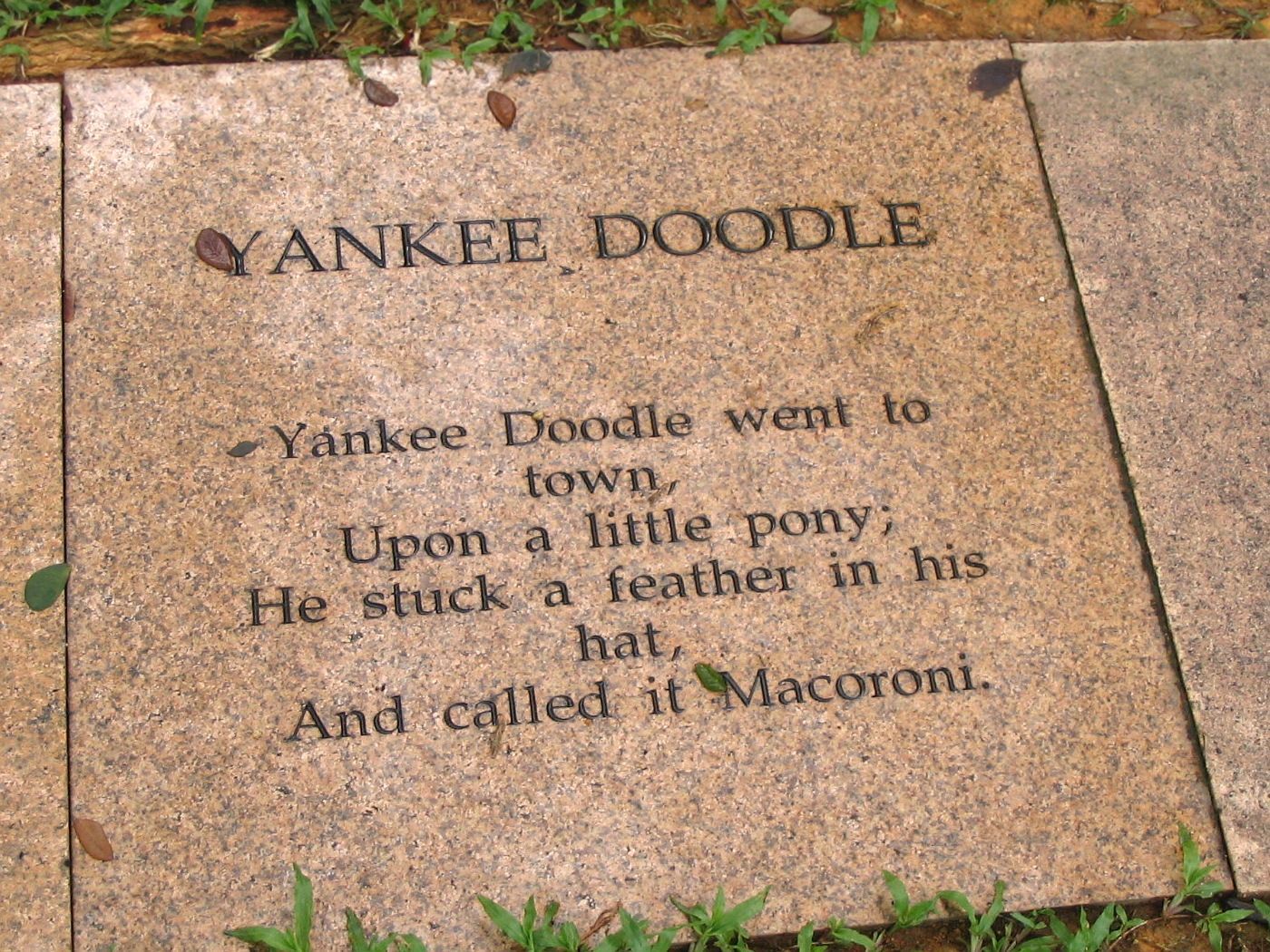
When Lyndon B. Johnson gifted a pony to young Caroline Kennedy in the early 1960s, he probably didn’t expect Macaroni to become a national sensation—but that’s exactly what happened.

The little white Shetland pony often grazed on the White House lawn, delighting photographers and stealing the spotlight during Camelot-era press coverage. Macaroni received fan mail, appeared in Life magazine, and even inspired a song by folk legend Pete Seeger.

10
Old Abe

Image: Arnaud Padallé

Old Abe was a bald eagle who became the mascot of the 8th Wisconsin Volunteer Infantry Regiment during the Civil War. Perched on a shield-topped staff, he accompanied troops into battle, reportedly screaming whenever gunfire broke out.

He survived multiple campaigns and quickly gained legendary status, later appearing on military insignia and even on U.S. war bond posters in both World Wars.

11
Fala

Image: D_Theodora

Franklin D. Roosevelt’s Scottish Terrier, Fala, traveled with him on countless trips, had a press secretary, and even appeared in cartoons and newsreels.

One of the most famous White House pets in history , Fala was awarded a unique honor: he is the only presidential pet with a statue near his owner’s memorial in Washington, D.C.

12
Checkers

Image: SlimMars 13

In 1952, then–vice presidential candidate Richard Nixon gave a nationally broadcast speech defending himself against accusations of financial impropriety. His emotional turning point was declaring that he would keep one gift no matter what: a black-and-white cocker spaniel named Checkers, beloved by his daughters.

Some believe the heartfelt mention of the pet was inspired by the earlier success of Fala. The speech struck such a chord that it is still known today as "the Checkers speech."

History History 3 min read

History misconceptions

Did you still believe this? 10 myths about US history debunked

Image: Pierre Bamin

Do you think the US Declaration of Independence was signed in July 1776? Did you know Prohibition didn't actually make drinking illegal? The history of the United States is as vast as it is varied. Over the centuries, it has been recorded, studied, and interpreted in many ways, giving rise to many misconceptions. Join us as we debunk 10 of the most widespread myths about American history!

1
Columbus discovered America

Image: Hector John Periquin

Although this isn't strictly about the United States, it does concern our continent. It's often said that Columbus "discovered" the Americas in 1492, but that's not precisely true. He wasn't even the first outsider to arrive! The Vikings, led by Leif Erikson, reached North America around the year 1000 AD, almost 500 years before Columbus. And, of course, the continent was already inhabited long before any European explorers arrived.

2
George Washington had wooden teeth

Image: Priscilla Gyamfi

One of the most famous historical myths is that George Washington, the first US president, had wooden teeth. While it's true that he struggled with dental problems and used several prosthetic devices made from various materials, none of his teeth were actually made of wood.

3
The US Declaration of Independence was signed on July 4, 1776

Image: Glen Carrie

Every 4th of July, the country turns into a party. And it's no wonder, since we're honoring Independence Day! Perhaps because of the date of this holiday, many people believe that the US Declaration of Independence was actually signed on July 4, 1776. In reality, the key event on that day was the Continental Congress voting to adopt the Declaration of Independence. Most delegates actually signed the document later, on August 2, 1776, in Philadelphia.

4
America became fully independent in 1776

Image: The New York Public Library

On July 4, 1776, the American colonies declared their independence from Great Britain by adopting the Declaration of Independence. However, the Revolutionary War continued for several more years. It wasn't until the war ended in 1783, with the signing of the Treaty of Paris, that the United States' independence was officially recognized.

5
Cowboys wore Stetson hats

Image: Brice Cooper

Although Stetson hats are now inseparable from the cowboy image, the reality of the 19th century was pretty different. People in the Wild West sported a variety of styles: while some did wear wide-brimmed hats similar to Stetsons, these were not the most common, and many other types were also popular.

6
Paul Revere rode alone

Image: Pixabay

Paul Revere's name became a symbol of American courage and determination. His midnight ride on April 18, 1775, was undoubtedly heroic, but some details have been distorted over time. While many think he shouted "The British are coming!", historians suggest he likely said something closer to "The regulars are coming", given the dates. And contrary to popular belief, Revere didn't ride alone; he was part of a group of riders working together to warn the colonial militia.

7
George Washington chopped down a cherry tree

Image: Jeffrey Clayton

The story of George Washington chopping down a cherry tree is one of the most famous tales in American history. However, it's actually a myth, created by one of Washington's early biographers to highlight one of his defining characteristics: honesty. Although there is no reliable historical evidence to support this famous anecdote, there is plenty of proof of the courage and honesty of the Father of His Country.

8
Al Capone was jailed for his violent crimes

Image: Ashim D’Silva

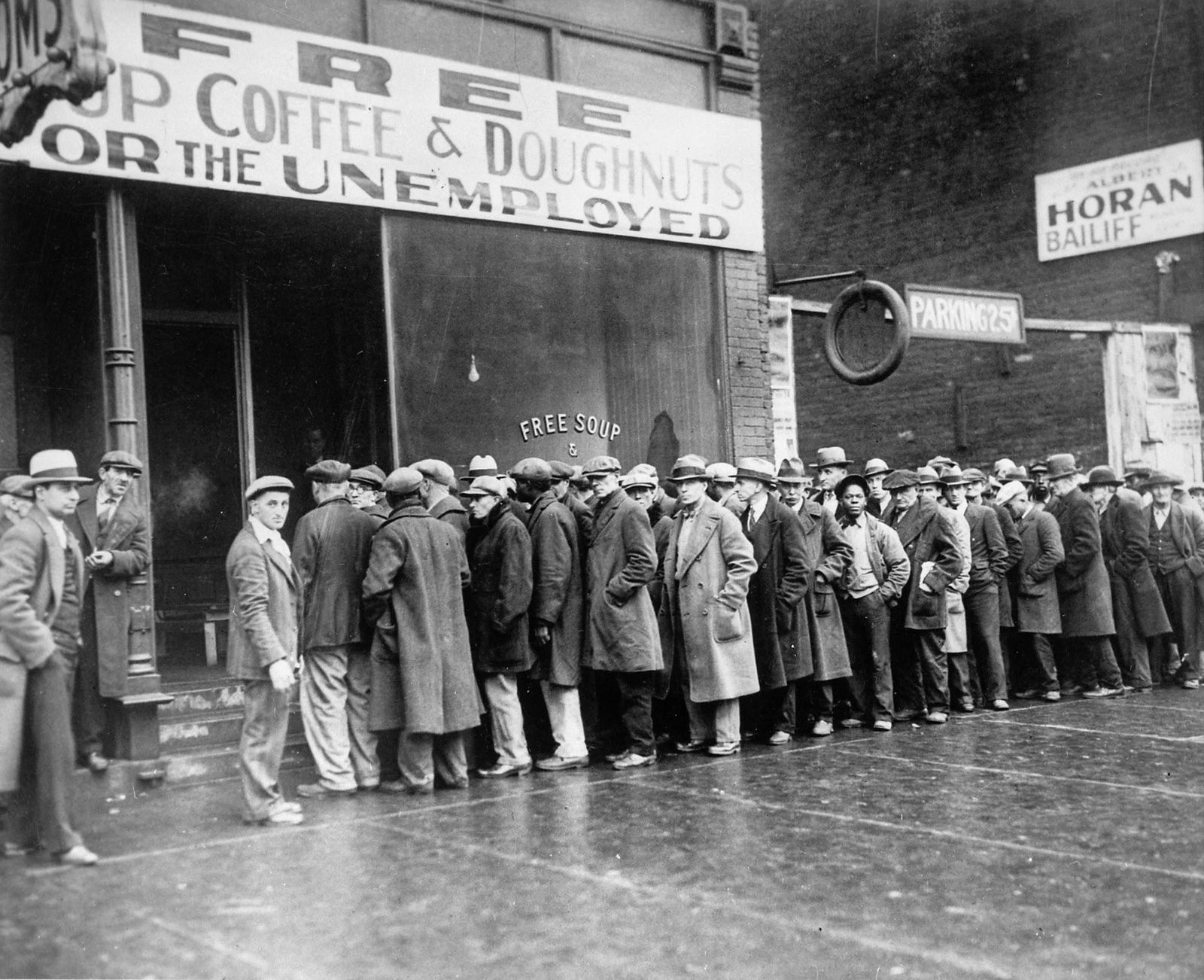
Al Capone was one of the most infamous gangsters in history. Although his life was filled with criminal activity, it wasn't his violent acts that put him in jail, as there wasn't enough evidence to convict him. Instead, authorities used tax evasion charges, and he was finally imprisoned for that reason in 1931.

9
Prohibition made drinking illegal everywhere

Image: Drew Beamer

Many people assume that drinking alcohol was completely illegal during Prohibition. In reality, the 18th Amendment and the Volstead Act (1920–1933) banned the manufacture, sale, and transportation of alcohol, but not the act of drinking itself!

10
The Founding Fathers as a unified group

Image: J. Amill Santiago

Many believe the Founding Fathers worked as a unified group, sharing a single vision without disagreement. But history tends to be a little more complex. While they collaborated and worked hard to establish the United States, they held diverse ideas and visions for the nation, and some even became rivals. Yet, despite their differences, they successfully laid the foundations for the first large-scale modern republic.

Explore more American facts

Choose your favorite category!

General
General

As American as apple pie—the very best America has to offer!

Culture
Culture

Delve into the astounding richness of American lore.

Geography
Geography

Hop in and explore vast and diverse American landscapes.

History
History

Discover the key moments that shaped the United States.