General General 4 min read

Into the Executive Mansion

A bowling lane in the White House? Read all about this national landmark!

Image: Tomasz Zielonka / Bravo Prince

The White House isn’t just where the president lives; it represents American history, power, and plenty of peculiar stories. This iconic building has seen it all, and probably so have you, but have you ever wondered about the number of rooms or secret passages within? Did you know it suffered a fire? Whether you’ve toured it yourself or admired it from afar, there’s always more to learn about this national landmark. Let’s pull back the curtain and explore some fun and surprising facts about 1600 Pennsylvania Avenue.

1
The numbers behind it

Image: Melo Liu

One could say the White House is a home, but a more accurate description would be "small city." With 132 rooms, 32 bathrooms, and six levels, it accommodates everyone from the First Family to visiting dignitaries.

As if that wasn’t enough in terms of numbers, add 412 doors, 147 windows, 28 fireplaces, seven staircases, and three elevators, and you’ve got a place that’s as grand as it is functional. The only number left to wonder about is how many people it takes to clean it! With so much going on, it’s safe to say the White House is always buzzing.

2
From "President’s House" to "The White House"

Image: Saul Rodriguez

Did you know the White House wasn’t always called that? Over the years, it’s been referred to as the "President’s Palace," the "President’s House," and the "Executive Mansion."

But it wasn’t until 1901 that President Theodore Roosevelt made "The White House" the official name. The change reflected a more democratic image, distancing the building from European-style palaces.

3
6,000 visitors a day: A popular destination

Image: Saul Rodriguez

You have probably toured the White House at least once, haven’t you? Well, on any given day, the White House welcomes around 6,000 visitors.

From local and foreign tourists on a guided tour, diplomats, to school groups, the building sees a steady stream of guests. That’s a lot of handshakes, selfies, and security checks! More than power and politics, the charm of the White House lies in the national history it holds.

4
Presidential firsts: Planes, photos, and more

Image: Jainam Sheth

Every president brings something new to the White House, but some have achieved truly historic "firsts."

For example, John Tyler was the first to have his photograph taken. Theodore Roosevelt rode in the first presidential car and became the first president to travel abroad, to Panama. Franklin Roosevelt added air travel to the mix as the first president to fly.

You may be wondering who the first president to live there was, but we’ll cover that fact later in this article!

5
A kitchen built for a crowd

Image: Odiseo Castrejon

We may not know about the cleaning crew, but we do have some facts about the chefs!

There are five full-time chefs in the White House, so the kitchen is ready for any occasion. It can serve dinner to 140 guests or hors d’oeuvres to more than 1,000 people at a time. From state dinners to casual family meals, the kitchen staff handles it all with finesse. Five stars for them, please!

6
Painting the town (or the House) White

Image: Steve Johnson

Keeping the White House pristine is no small task: Can you guess how much paint it takes to cover it? Here’s the answer: It takes a whopping 570 gallons of paint to cover its iconic exterior. This monumental paint job ensures the building remains the picture of elegance and charm. Over the years, this white coat has become a symbol of the presidency itself. Who knew painting could carry so much historical weight? Fun fact: ours is not the only presidential home with a trademark color!

7
Fun and games at 1600 Pennsylvania Avenue

Image: Jay Wennington

When you think of the Executive Mansion, you probably picture people in suits going from one point to another, solving national and international matters, right? Well, that may be true, but the White House isn’t all business; there are some recreational rooms, too.

Residents (which range from the presidential family to diplomats to staff) enjoy a tennis court, jogging track, swimming pool, movie theater, billiard room, and even a bowling lane. Talk about a house with some serious amenities, huh?

8
George Washington never slept here

Image: Kenny Eliason

While George Washington oversaw the creation of the White House, he never got to live in it. The mansion wasn’t completed until 1800, a year after Washington’s death.

So, to answer the question from the "presidential firsts" section, John Adams became the first president to move in, and it’s been the home of every president since. Washington’s influence is still felt, but don’t expect to see his ghost wandering the halls.

9
The White House has survived two fires
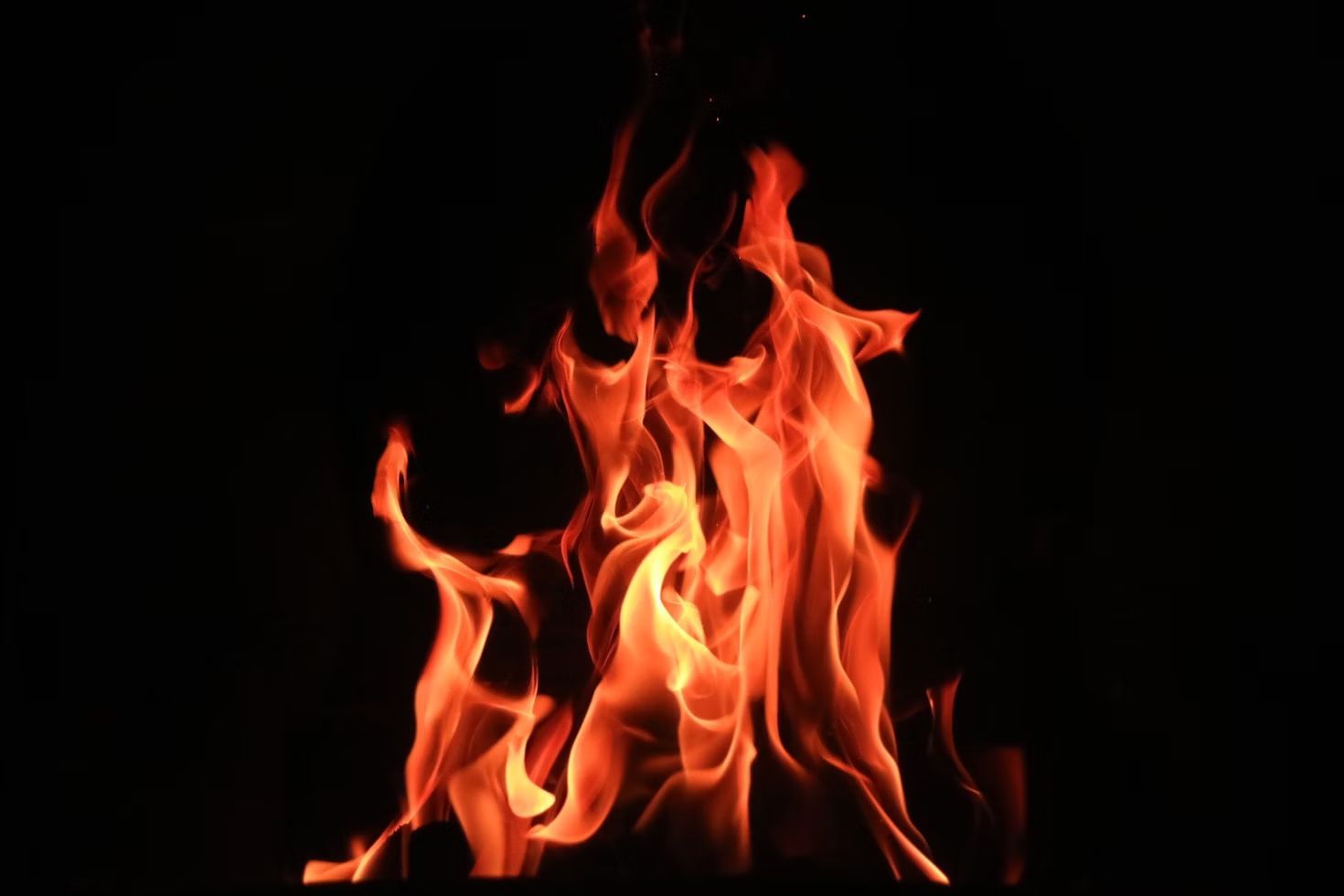
Image: Cullan Smith

Well, the title pretty much covers it, right? The White House has faced fire twice in its history.

In 1814, British forces burned it during the War of 1812, though some exterior walls and the famous Gilbert Stuart portrait of George Washington were saved. Then, on Christmas Eve in 1929, a chimney flue sparked a blaze that gutted parts of the West Wing. President Herbert Hoover even directed firefighting efforts during the chaos. Now, this is proof of its true Americanness: It only came back stronger and taller!

10
Teddy Roosevelt built the West Wing

Image: Srikanta H. U

Teddy Roosevelt is the man behind the West Wing. In 1902, he expanded the White House by adding this now-famous section to house presidential offices.

The project replaced some old conservatories and introduced the colonnaded gallery that connects it to the main residence. Later presidents, like Taft and Franklin Roosevelt, expanded the West Wing further, but it all started with Teddy’s vision. Today, the West Wing is the spinal cord of the presidency as it holds the Oval Office.

General General 3 min read

What is your hobby?

Imagination knows no boundaries: 10 bizarre hobbies

Image: Cristine Despares

Imagination knows no boundaries, especially when it comes to finding ways to entertain itself. For most of us, a hobby might involve having a stamp collection or pruning the garden. But for some people, that is not enough. If you think that building tiny ships inside bottles is an odd hobby, you will be amazed by the following 12 activities that some humans indulge in.

1
Extreme ironing

Image: Eric Vö

There is nothing extreme about ironing if you do it the usual way. But what if you were to iron your shirts atop a mountain peak ? Believe it or not, ironing clothes in extreme environments is a thing. There is even a world record for the most outrageous example of extreme ironing, which was set 200 feet underwater in 2011.

2
Worm charming

Image: sippakorn yamkasikorn

Worms are not the first creatures that come to mind when one thinks of interactive animals. However, they do respond to certain stimuli, especially vibrations on the ground and sound.

A small but dedicated group of people devote themselves to the odd hobby of worm charming, attracting worms from the ground using vibrations, sound, and other ingenious methods . This unusual activity requires patience and a gentle touch, but for its followers, it is very rewarding.

3
Toy voyaging

Image: Barrett Ward

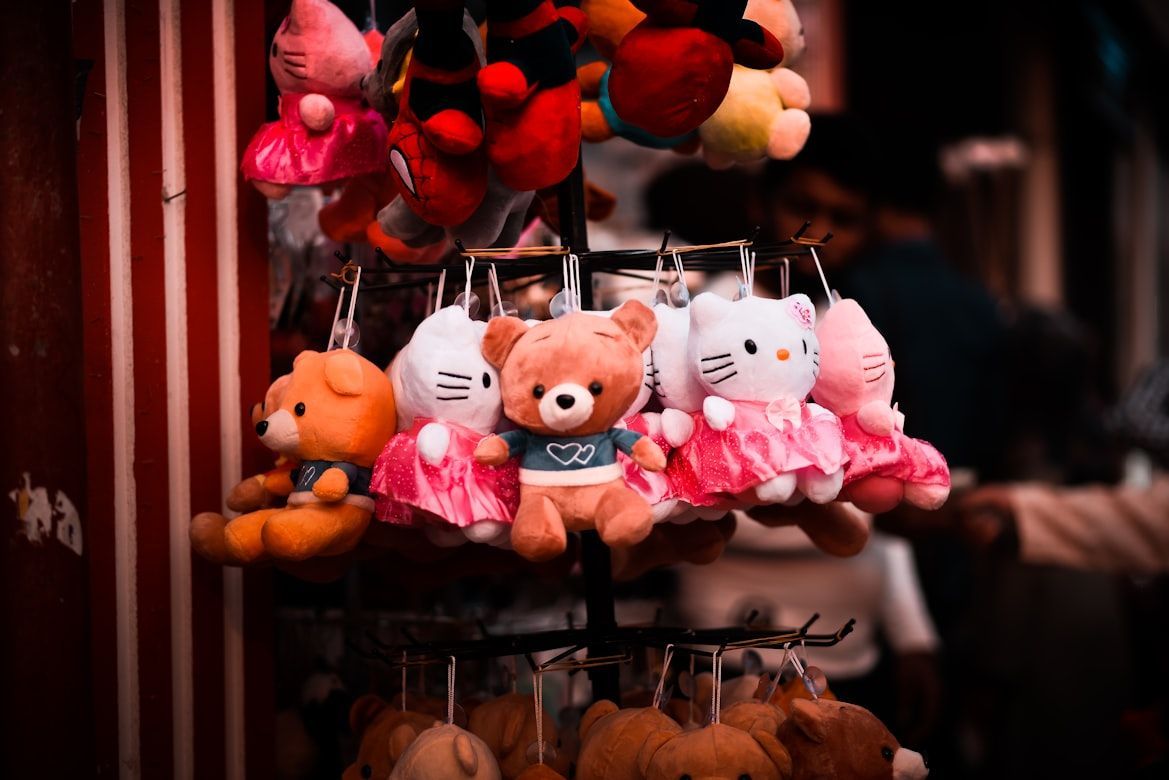
Whoever saw the early 2000s movie Amélie will recognize this one. Some people have small toys that accompany them on vacations and appear in photos at famous landmarks , which are then uploaded to their Instagram and Facebook accounts.

4
Soap carving

Image: Aurélia Dubois

As it turns out, soap can be used for more than just washing and bathing. Yes, a particularly fragrant soap placed in your sock drawer will add a pleasant scent each time you open it. But this is something entirely different. Some people carve soap bars into intricate sculptures , using small knives or other fitting instruments.

5
Human knotting

Image: engin akyurt

A hobby can also be a group activity. In some parts of the world, groups of people engage in the challenging task of tying themselves into a human knot , and then work together to find creative solutions and untangle the puzzle without letting go . It's like Twister, but without the board underneath.

6
Geocaching

Image: Jamie Street

A sort of digitally-aided treasure hunt, geocaching is a fun hobby that requires a hand-held GPS receiver or a phone app to guide participants to a destination where a hidden container is stored . Once found, the participant logs their visit in an included logbook and can also trade one of the many small items inside the container for one of their own. Sounds like fun, right?

7
Trainspotting

Image: Silver Ringvee

Other than being a movie and a book, trainspotting is also a hobby where enthusiasts, you guessed it, spot trains. Train spotters often watch trains and track the number of each engine , as well as share information about the whereabouts of the trains, technical data, and specific characteristics.

8
Duck herding

Image: Vlad Tchompalov

Most people have heard of sheep herding, but what about duck herding? This hobby is performed as a team effort with trained sheepdogs who know how to maneuver a group of geese or ducks back into their pen . This unusual activity is suitable for all ages and fitness levels, making it a great team-building exercise for corporate groups.

9
Historical cooking

Image: Alyson McPhee

Several YouTube channels feature expert and amateur chefs cooking historical recipes and then tasting the results. This fun activity involves trying out recipes from the past , some dating back centuries, as far back as recipes can be found, and appreciating flavors that are not around anymore.

10
Ghost hunting

Image: Jesse Bowser

As the name suggests, ghost hunting is a hobby that involves investigating and documenting paranormal activity in order to capture evidence of ghostly sightings or encounters . This activity does not require participants to believe in the existence of ghosts, but rather to enjoy the thrill of visiting eerie places filled with spooky stories.

11
Mobile phone throwing

Image: Vojtech Bruzek

If you've ever felt the urge to throw your mobile phone in frustration over a situation, this hobby might be for you. Mobile phone throwing is a competitive sport in which contestants throw phones and are judged based on their technique and the distance covered. This hobby originated in Finnish culture, and it was started by Nokia, known for its reputation as an unbreakable "brick" that supposedly outlasts all our smartphones.

12
Painting memes

Image: Crystal Mapes

Memes are, by nature, ephemeral creations, meant to last for a while before fading into obscurity. However, some kind souls have taken up meme painting as a hobby, giving these digital images a more elevated existence as works of art .

Geography Geography 4 min read

New identities

Rebranded: 10 US cities that changed their names and the reasons why!

Image: Jon Tyson

Can you picture cheering for the New Amsterdam Giants or the Jernigan Magic ? We can’t either! Cities like New York, Orlando, and Los Angeles are staples of American identity—we can’t imagine the country without them. But believe it or not, some of these cities had different names in the past! Join us as we explore 10 US cities that once went by different names and discover the reasons behind their transformations.

1
Los Angeles, California

Image: Venti Views

The Spanish settlers who arrived in the area in the 18th century originally named it El Pueblo de Nuestra Señora la Reina de los Ángeles , which translates to "The Town of Our Lady the Queen of the Angels." Elegant, but kind of a mouthful for a town name! Over time, the Spanish name stuck, but it was shortened to the more practical "Los Angeles." The city officially adopted this name when it was incorporated in 1850, the same year California became a state.

2
New York City, New York

Image: Colton Duke

Before becoming the one and only New York we know today, the city went by a different name. In the 17th century, the Dutch settlers who arrived in the area called it New Amsterdam . However, when the English seized control in 1664, they renamed it New York in honor of the Duke of York.

3
Seattle, Washington

Image: Michael Discenza

Seattle is more than its iconic Space Needle; it has a long history that shaped the city we know today. When European settlers arrived in the area in 1851, they named their settlement New York and added the Chinook word Alki , meaning "by and by," "someday," or "later," suggesting it would one day become as big as New York City. However, in 1852, they changed the settlement’s name to Seattle in honor of Chief Sealth, a Duwamish and Suquamish leader.

4
Portland, Oregon

Image: Zack Spear

Early settlers referred to the area as The Clearing because it stood out from the dense forests typical of the Pacific Northwest. But in 1845, an event occurred that would change everything. Portland’s two founders, Asa Lovejoy from Boston, Massachusetts, and Francis W. Pettygrove from Portland , Maine, each wanted to name the new settlement after their hometown. So how did they decide? Simple: they flipped a coin . Of course, you know who won!

5
Kansas City, Missouri

Image: Farhodjon Chinberdiev

Kansas City was originally founded as the Town of Kansas in 1850, named for its location near the Kansas River. As it quickly grew, it was reincorporated just three years later as the City of Kansas . Finally, in 1889, it officially became Kansas City.

Fun fact: Kansas City, Missouri, was actually founded before the state of Kansas!

6
Charleston, South Carolina

Image: Tyrone Sanders

Before it became the city we know today, Charleston had another name, though not so different. When it was first settled in 1670, the English named it Charles Town in honor of King Charles II. However, over time, the name gradually evolved in pronunciation to Charleston. In 1783, after the Revolutionary War, the city was officially renamed Charleston.

7
San Diego, California

Image: Sean Mullowney

San Diego was the first site on the US West Coast settled by Europeans, which is why it's often called "the Birthplace of California." When Spanish explorers arrived in the area in 1542, they named the bay after a different saint: San Miguel . But years later, in 1602, explorer Sebastián Vizcaíno renamed it San Diego, in honor of San Diego de Alcalá (Saint Didacus of Alcalá).

8
Orlando, Florida

Image: Aditya Vyas

In 1840, the first settlers arrived in what we know today as Orlando. They were the Jernigan family, who named the place after themselves. A post office with that name was even established in 1850. However, about 6 years later, Jernigan officially changed to Orlando. Although the exact reason isn't entirely clear, there are several theories. A popular one claims it was named after Orlando Reeves, a soldier who may have died in the area during the Seminole Wars. Another well-known theory suggests the name came from Orlando , a character in Shakespeare’s As You Like It .

9
Cincinnati, Ohio

Image: Matt Koffel

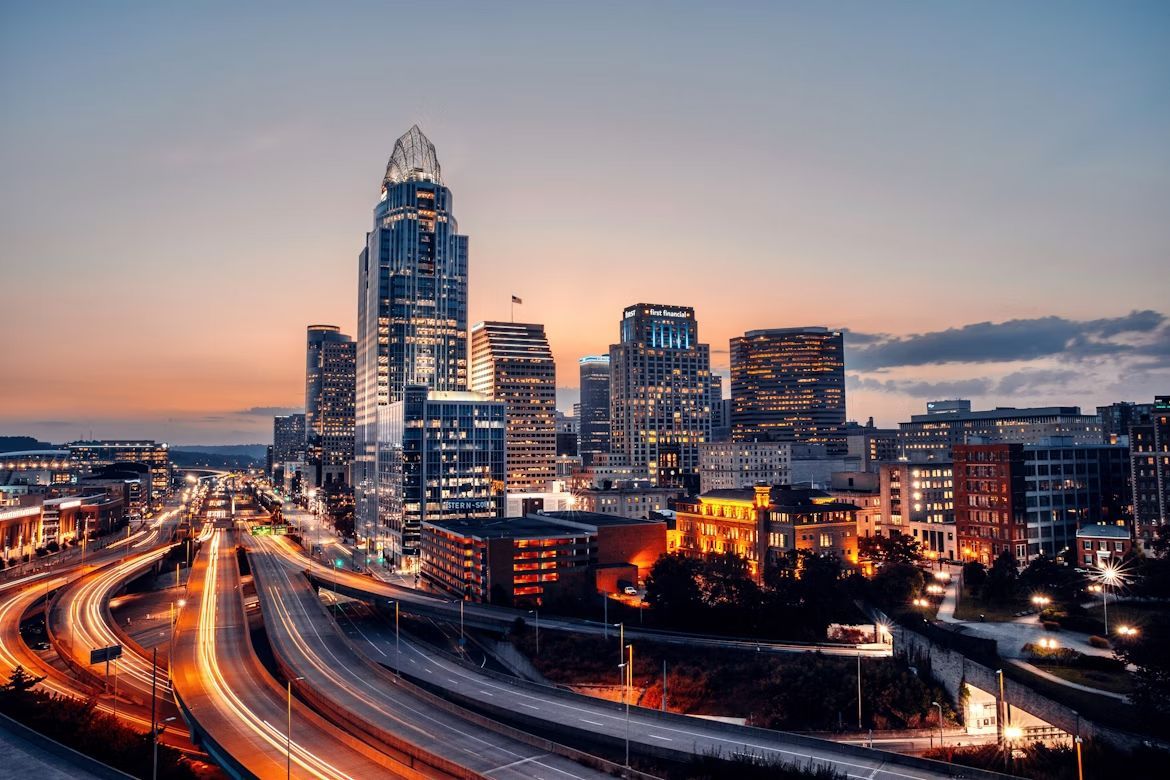
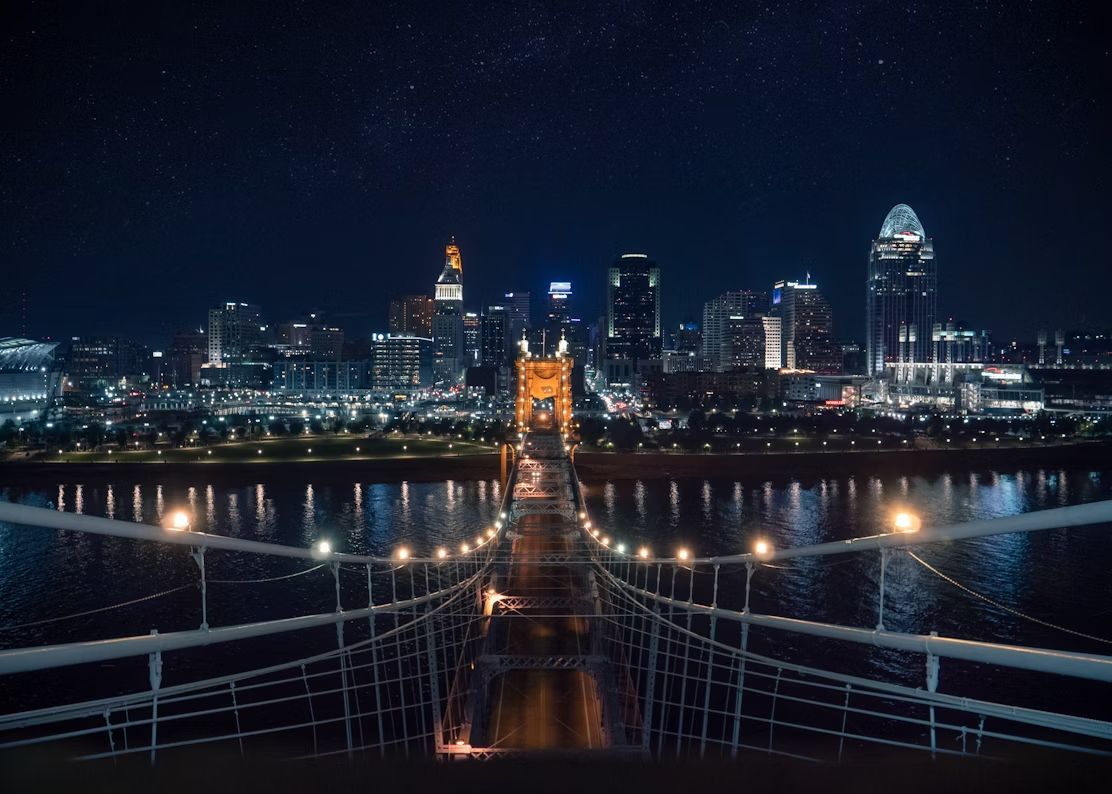
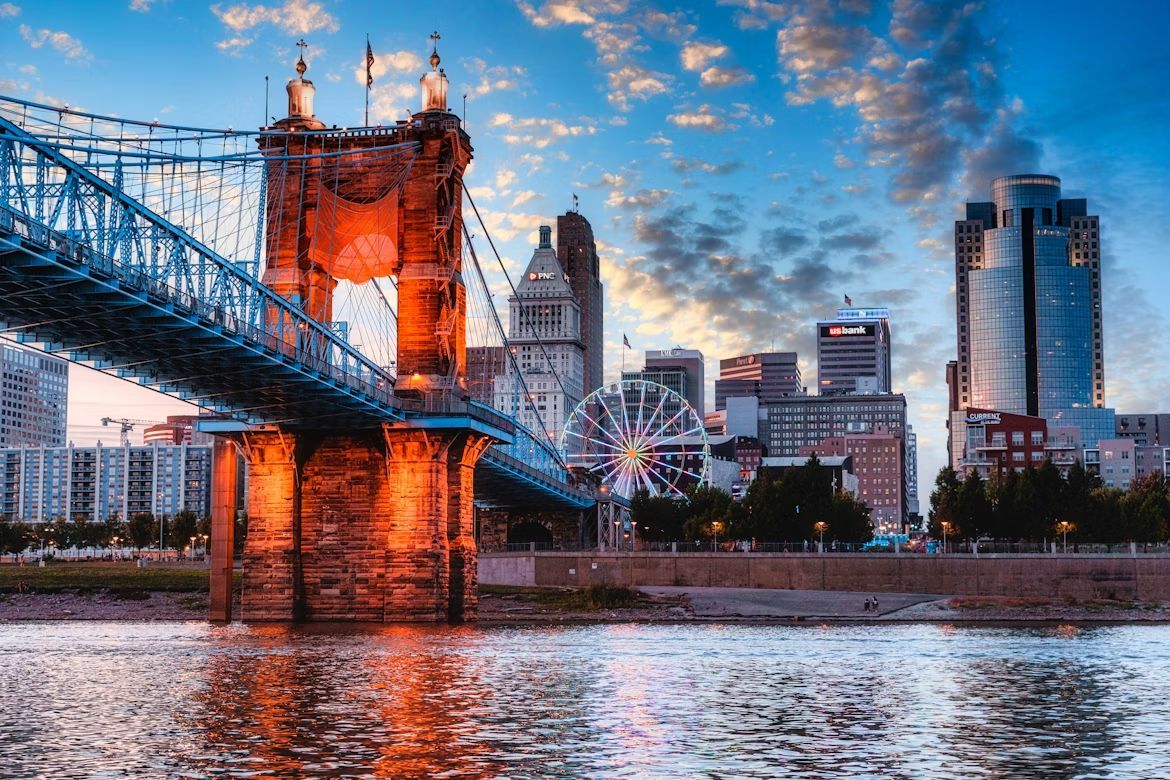
In the 1780s, the first settlement in this area was called Losantiville , a name created from a mix of words meaning "The town opposite the mouth of the Licking River." But in 1790, the first governor of the Northwest Territory, who was also a member of the Society of the Cincinnati (named in honor of the Roman general Lucius Quinctius Cincinnatus), disliked Losantiville and decided to change it to its present name.

10
Atlanta, Georgia

Image: Christopher Alvarenga

Atlanta didn't just have one or two names; it had three! By the mid-19th century, the area where the city stands today had become a transportation hub where several railroad lines converged. Because of this, in 1837, the area was called Terminus , meaning "the end of the line." Then, in 1843, the name was changed to Marthasville , in honor of Martha, the daughter of Georgia Governor Wilson Lumpkin. Finally, just two years later, the city was renamed Atlanta. This name is believed to be a shortened form of "Atlantic," referring to the Western and Atlantic Railroad.

Explore more American facts

Choose your favorite category!

General
General

As American as apple pie—the very best America has to offer!

Culture
Culture

Delve into the astounding richness of American lore.

Geography
Geography

Hop in and explore vast and diverse American landscapes.

History
History

Discover the key moments that shaped the United States.