History History 5 min read

Proud moments

These Team USA victories will go down in history

Image: Jon Tyson

American Olympic athletes have always garnered admiration and envy in equal measure worldwide, with Team USA collecting titles and breaking records around the world. But some victories have made indelible marks on sports history. Here are 10 iconic Team USA moments that made us proud.

1
The "Miracle on Ice" (1980 Winter Olympics, Lake Placid, NY)

Image: Henry Zbyszynski, CC BY 2.0, via Wikimedia Commons

A landmark moment in Olympic men’s hockey history, the first medal-round match saw an amateur Team USA —as Olympic rules barred professional athletes from competing— against a four-time gold-winning Soviet Union that had bypassed regulations to gather a professional team. Against all odds, Team USA achieved a 4-3 upset victory and would go on to win gold against Finland.

2
Jesse Owens (1936 Summer Olympics, Berlin)
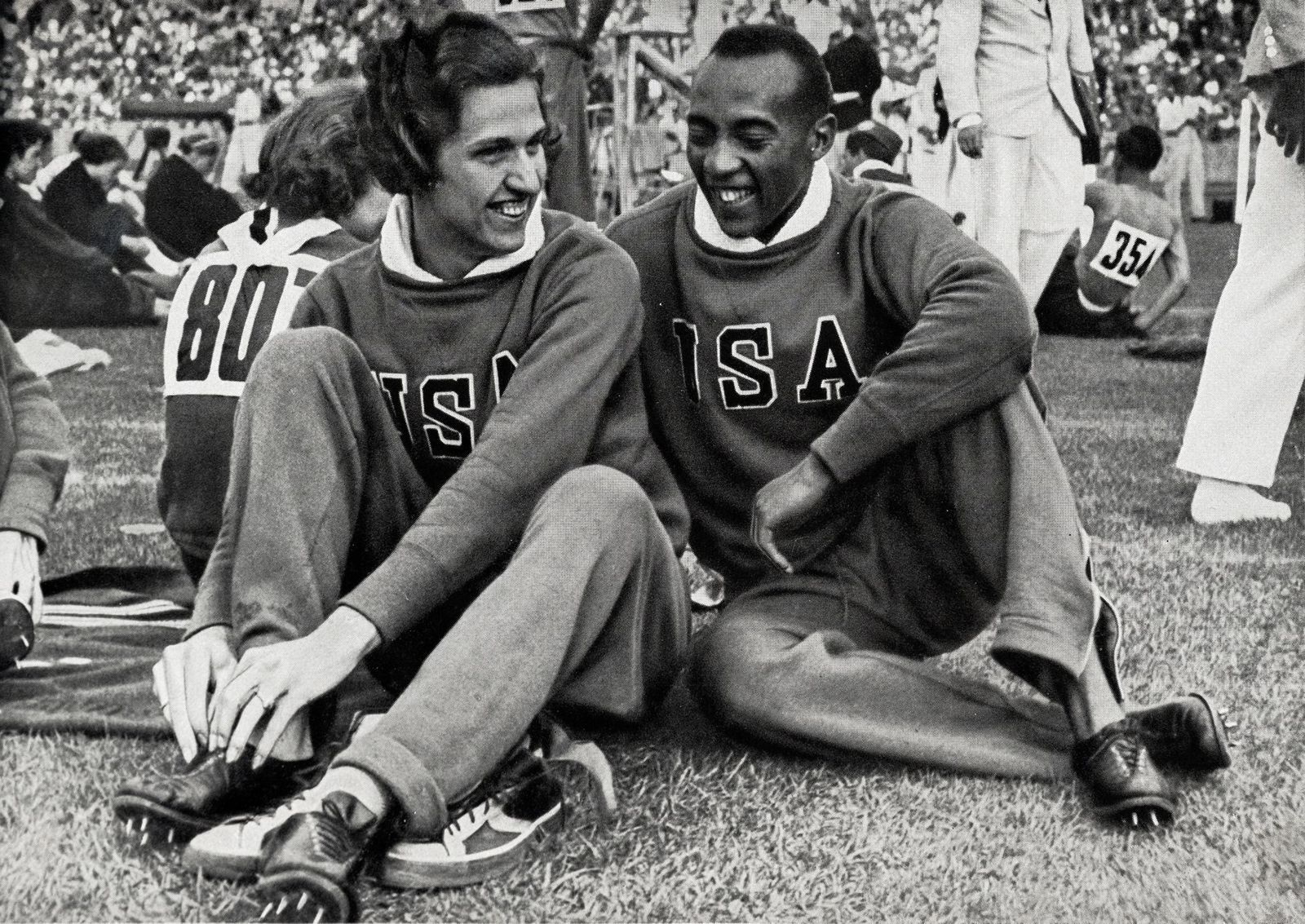
Image: Andreas Wolochow

The Berlin 1936 Summer Olympics were celebrated with uncertainty and fear, under a full-fledged Nazi regime that had "softened" its regulations during the event, but still barred Romani and Jewish athletes from the competition. As an African-American athlete, Jesse Owens was under intense pressure, but was still able to win four gold medals , becoming the first track and field athlete to achieve this record.

3
The Dream Team (1992 Summer Olympics, Barcelona)

Image: Ken Hackman, Public domain, via Wikimedia Commons

The 1992 Barcelona Olympics were the first to see a men’s Basketball Team USA with active NBA players, who until then were not allowed to compete due to FIBA regulations. Considered one of the most talent-packed teams of all time —with a roster that included names such as Michael Jordan, Magic Johnson, Larry Bird, Charles Barkley, Karl Malone, Patrick Ewing, Scottie Pippen, and David Robinson. The so-called "Dream Team" would remain undefeated through the competition and take the gold medal home, winning each game by at least 32 points —and without Head Coach Chuck Daly having to ever call for a timeout.

4
Michael Phelps (2008 Summer Olympics, Beijing)

Image: Everett Collection

Nicknamed "The Baltimore Bullet" and "Flying Fish", Michael Phelps is one of the great names in Team USA swimming history, with a record total of 24 medals across four Olympic Games . After tying the record for most medals of any color by winning six gold and two bronze in the 2004 Athens Summer Olympics, Phelps would go on to make history in the following 2008 Olympic Games, where he took home eight gold medals, setting a new record, undisputed in any Olympic sport to this day.

5
Mary Lou Retton (1984 Summer Olympics, Los Angeles)

Image: Scott Flynn, Los Angeles Times, CC BY 4.0, via Wikimedia Commons

The perfect-score victory of 14-year-old Romanian gymnast Nadia Comăneci in 1976 inspired gymnasts around the globe, among them an 8-year-old Mary Lou Retton. Trained by Comăneci’s former coaches, Retton made a name for herself at a young age, but suffered a devastating knee injury five weeks before the 1984 Los Angeles Olympics. Despite undergoing surgery, Retton recovered just in time and went head-to-head against Romanian athlete Ecaterina Szabo for the all-around medal. Beating Szabo by 0.05 points, Mary Lou Retton became the first American (and the first non-Eastern European) female gymnast to win all-around gold at just 16 years old. She would also win two silver and two bronze medals in the individual events.

6
1996 U.S. Women's Olympic Basketball Team (1996 Summer Olympics, Atlanta)
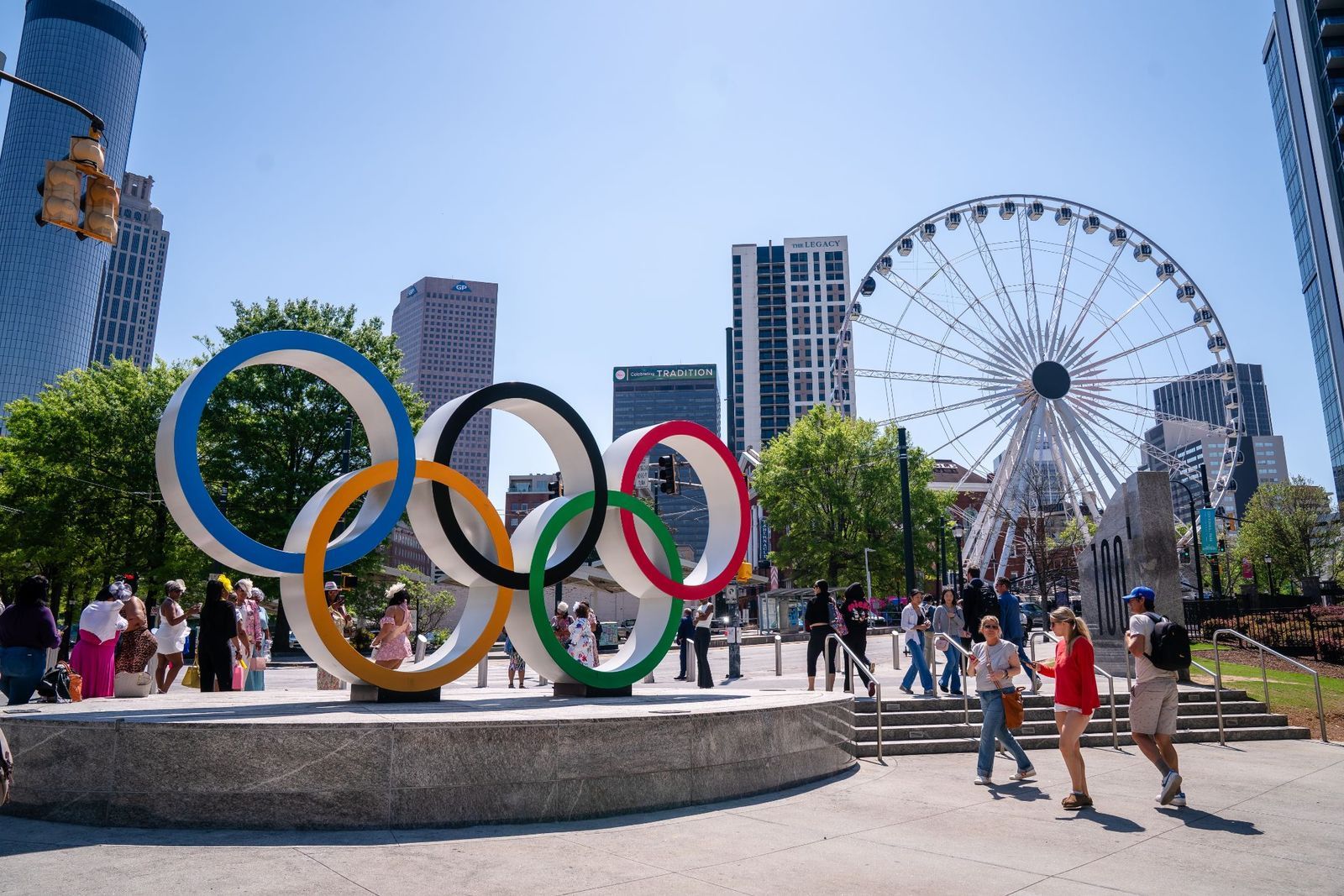
Image: 26ShadesOfGreen

With the men’s teams hogging the spotlight, women’s basketball in the 1990s was still underestimated. The NBA was considering launching a women's professional league, but the 1996 Atlanta Summer Olympics were to be the deciding factor. In order to give their all, the team lived and trained together for a whole year before the competition , with an undefeated pre-Olympic tour and Olympic run. Their Olympic success would pave the way for the WNBA and, more broadly, for women’s basketball across America.

7
Mark Spitz (1972 Summer Olympics, Munich)

Thirty-six years before Michael Phelps’ gold medal record, Mark Spitz made swimming history in the 1972 Munich Olympic Games. With a record-setting career, Spitz had entered the 1968 Games as the favorite for at least six golds, but was only able to achieve two golds, a silver, and a bronze. The following games were different, though: Spitz competed in seven different categories, winning gold and breaking the world record for each one , remaining undefeated until 2008.

8
Florence Griffith-Joyner (1988 Summer Olympics, Seoul)

Image: Ronald Reagan Presidential Library, Public domain, via Wikimedia Commons

Despite her 3 golds and one silver at the 1988 Seoul Games, one of Flo-Jo’s most impressive records was set a few months earlier , during the Olympic trials in Indiana, where she set a world record for the 100-meter dash in 10.49 seconds. During the games, she would also set a world record for the 200-meter dash in 21.34 seconds. Both these records have remained undefeated to this day.

9
Carl Lewis (1984, 1988, 1992, and 1996 Summer Olympics)

Image: Jamie Lamor Thompson

Carl Lewis’ track and field career has impressive numbers, with 10 Olympic medals (9 of them gold) and 10 World Championship medals. However, the numbers don’t stop there. After matching Jesse Owens’ record by winning four golds in the same Olympics in 1984, he would go on to win gold for the same event in four consecutive games , being one of six athletes overall, and one of two track and field athletes to achieve this record.

10
The "Magnificent Seven" (1996 Summer Olympics, Atlanta)
Image: EQRoy

We’re now used to seeing Team USA dominate women’s gymnastics, but a few decades ago the picture was quite different, with powerhouses like Romania and the Soviet Union dominating the sport. By 1996, Team USA had never managed to win a team gold, but the "Magnificent Seven" —Shannon Miller, Dominique Moceanu, Dominique Dawes, Kerri Strug, Amy Chow, Jaycie Phelps, and team captain Amanda Borden— would change history. With a team composed of athletes with strong individual performances, Team USA had managed to reach the finals, with the vault as the defining apparatus. Under immense pressure and after falling on her first attempt, Kerri Strug (with a torn ligament that caused her immense pain) executed a near-perfect jump, landing on one foot and beating Russia’s overall score by 0.851 points.

General General 5 min read

National wildlife

Animals made in the USA: Did you know these 10 incredible creatures?

Image: Mathew Schwartz

It should go without saying that we are not the only inhabitants of this wonderful country of ours. "America the Beautiful" is also home to an amazing variety of wildlife. Our fauna is as fascinating as it is beautiful, ranging from the majestic bird chosen as our national symbol to the large ground squirrels believed to have the ability to predict the weather. In that regard, we have selected 10 of the most iconic animals that can be found across all corners of our country. Enjoy!

1
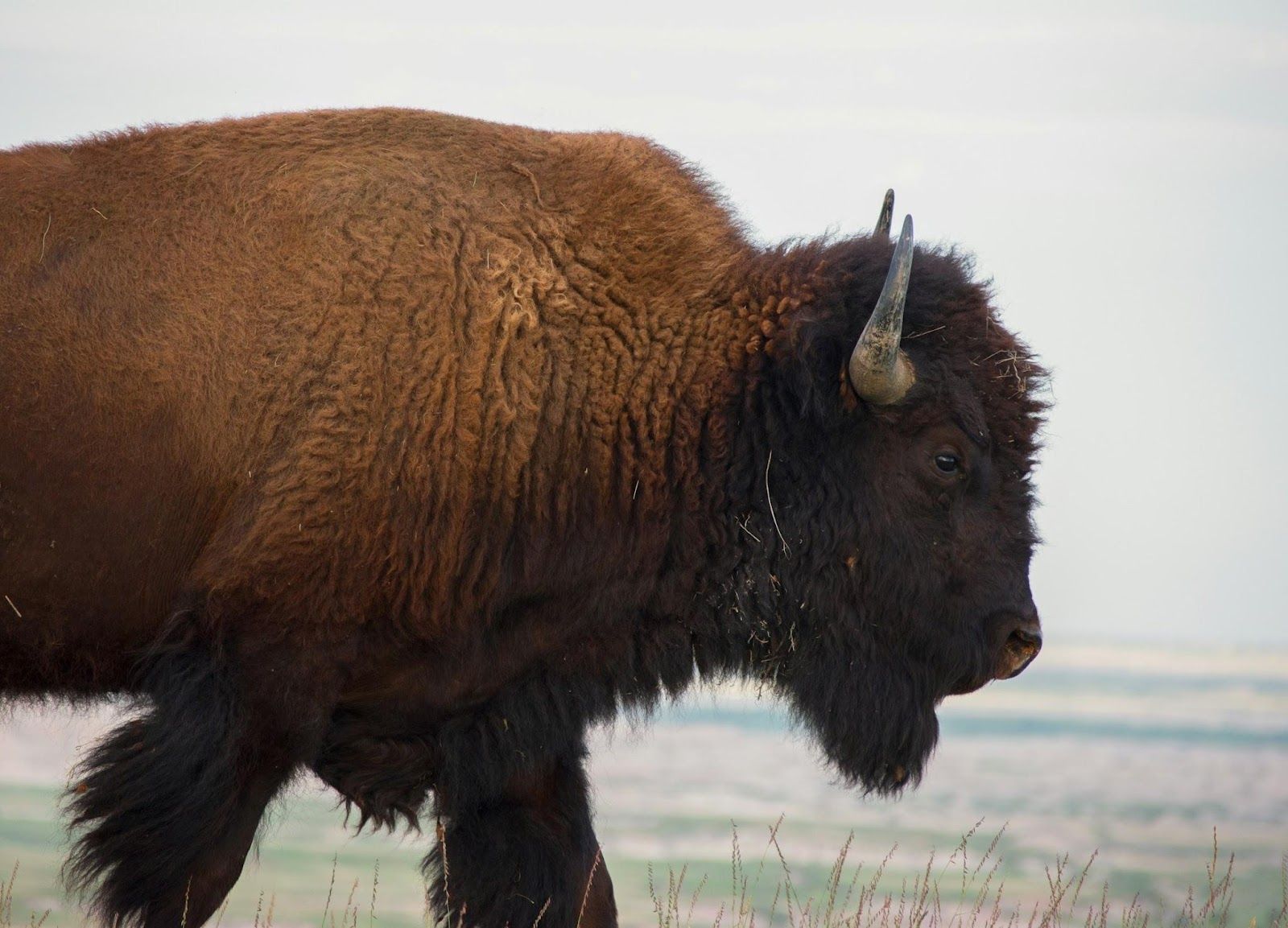
Bison

Image: Alex Moliski

We’ll begin with the national mammal of the United States. Actually, that might be a bit reductive: the bison is not just a national symbol, but it has also been chosen as representative by a plethora of institutions, including the U.S. Department of the Interior, the University of Colorado, and several Great Plains states.

Since the end of the 19th century, indiscriminate hunting made the bison an extremely endangered species: By 1884, only 325 bison remained in the country. Luckily, thanks to the hard work of several conservation agencies, that number has gradually increased over the years, reaching a population of 500,000 bison by 2017.

2
Prairie dog

Image: Moritz Kindler

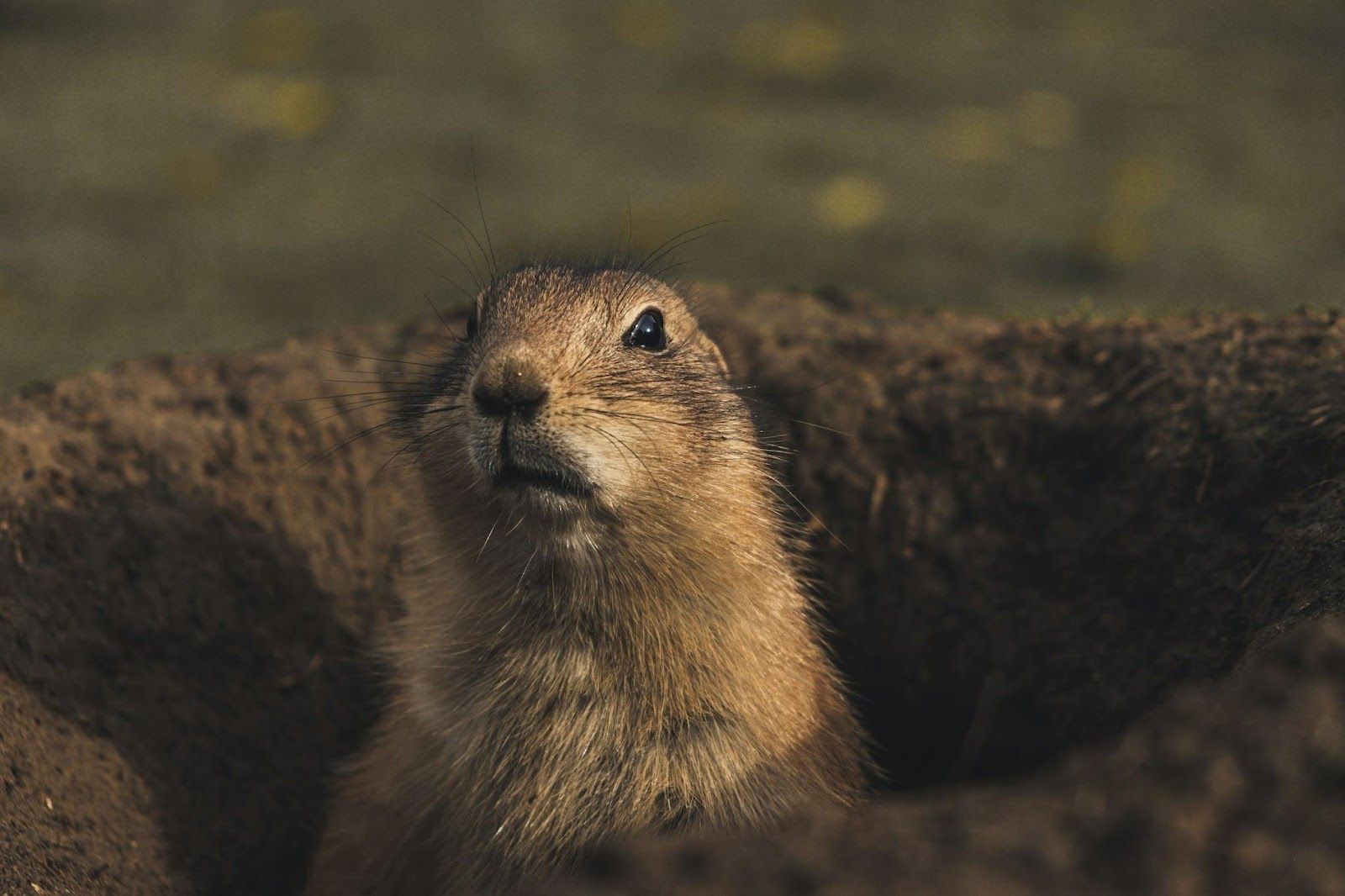
Here’s a question for any biologist reading this article: Why, pray tell, are prairie dogs not called "prairie squirrels"? While these mammals possess little to no dog-like features, they are definitely a close relative of squirrels. In fact, they belong to the same family. Food for thought, right?

In any case, prairie dogs are proof that an animal doesn’t have to be big to be important. All five species are considered keystone species to their environments, as their burrowing and mound-building help renew and revitalize the soil of their habitats. Not only that, they are extremely important components of the food chain, since they provide sustenance to many predators.

3
Alligator

Image: Matthew Essman

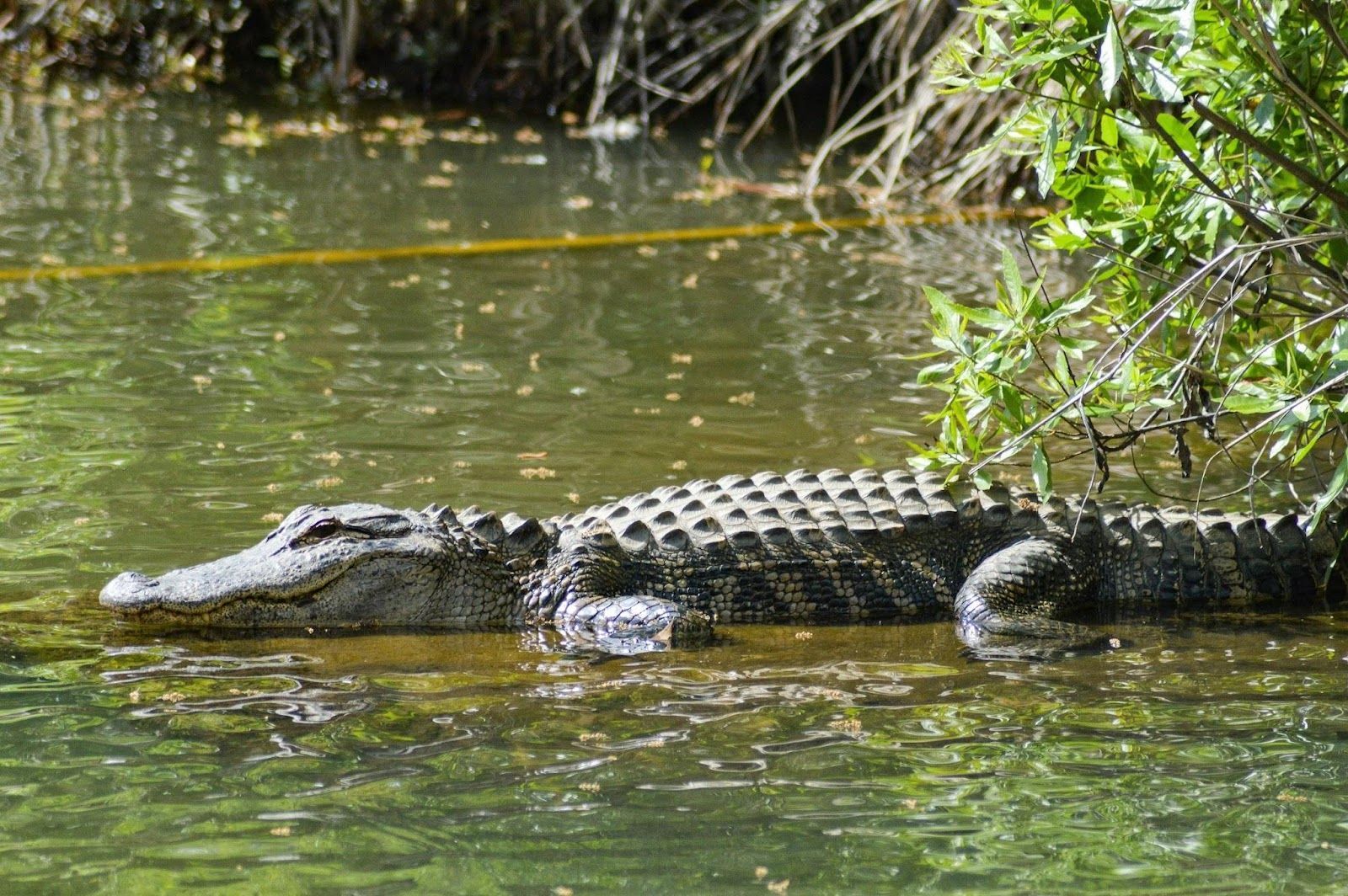
From the warm weather of the American South comes the only reptile on this list. Alligators are truly fascinating creatures: not only do they date back to the age of dinosaurs, but they can also only be found in 2 countries in the entire world—China and, of course, the United States.

While they are certainly deadly predators, don’t let their ferocity fool you: they rarely attack humans, and only when disturbed. Moreover, alligators are key species in maintaining their habitats, not just through population control, but also by encouraging plant diversity through the construction of alligator holes.

4
Grizzly bear

Image: Joshua J. Cotten

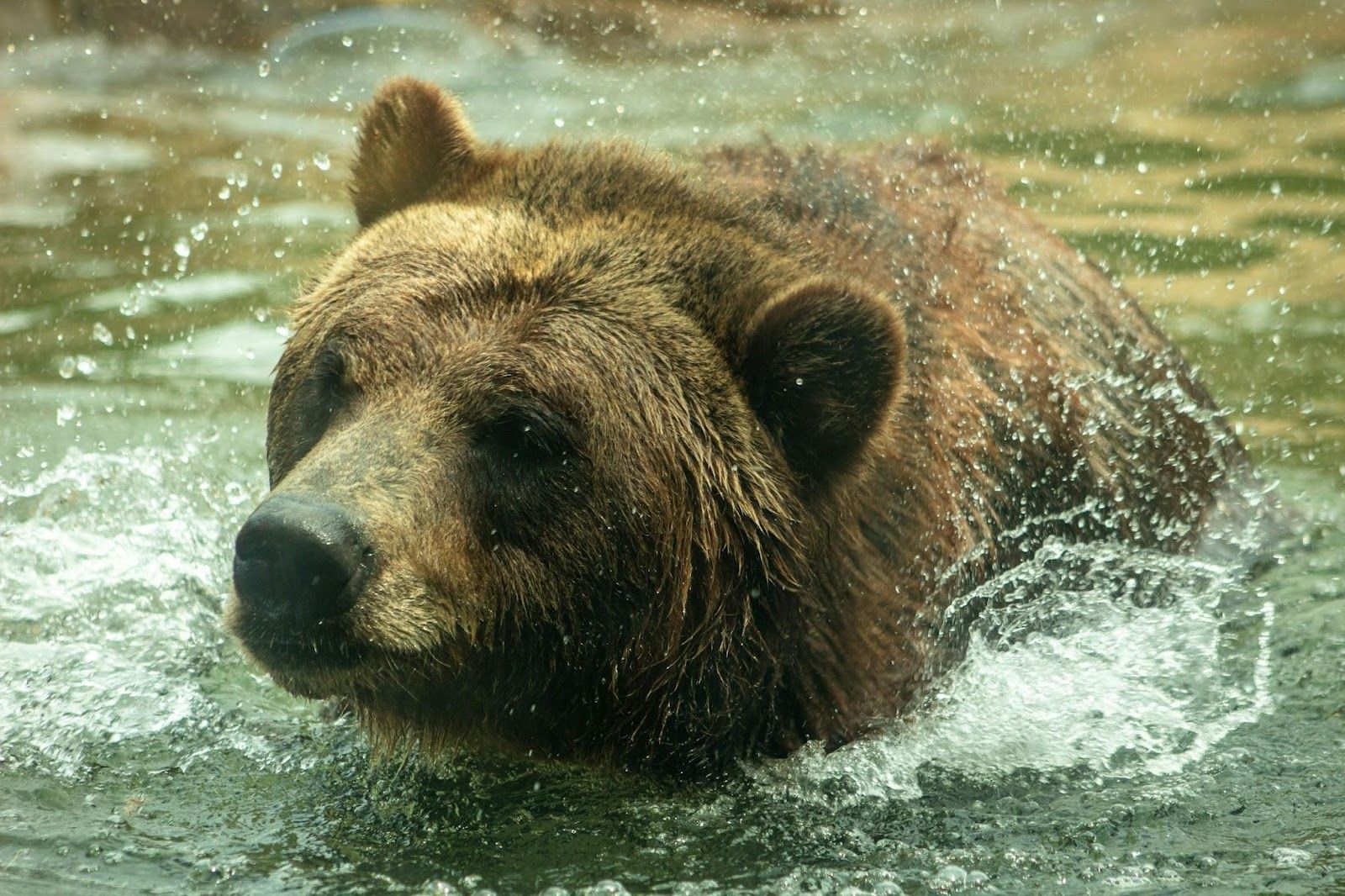
Anyone who has looked at a picture of a bear has probably thought in disbelief, "How can something that looks this adorable be so dangerous?" While this philosophical conundrum might be the reason that Teddy bears are so popular, the truth is that the grizzly bear is a perfect representative of the duality found in most of these large mammals: a combination of extreme cuteness with dangerous ferocity.

In that sense, we only need to take a look at the etymology of the grizzly bear to find the feral nature of this seemingly adorable creature. When Lewis and Clark first encountered these bears, they recorded their name as "grisley," which many believe comes from a Middle English word for "gruesome."

5
Gray wolf

Image: Anthony Sebbo

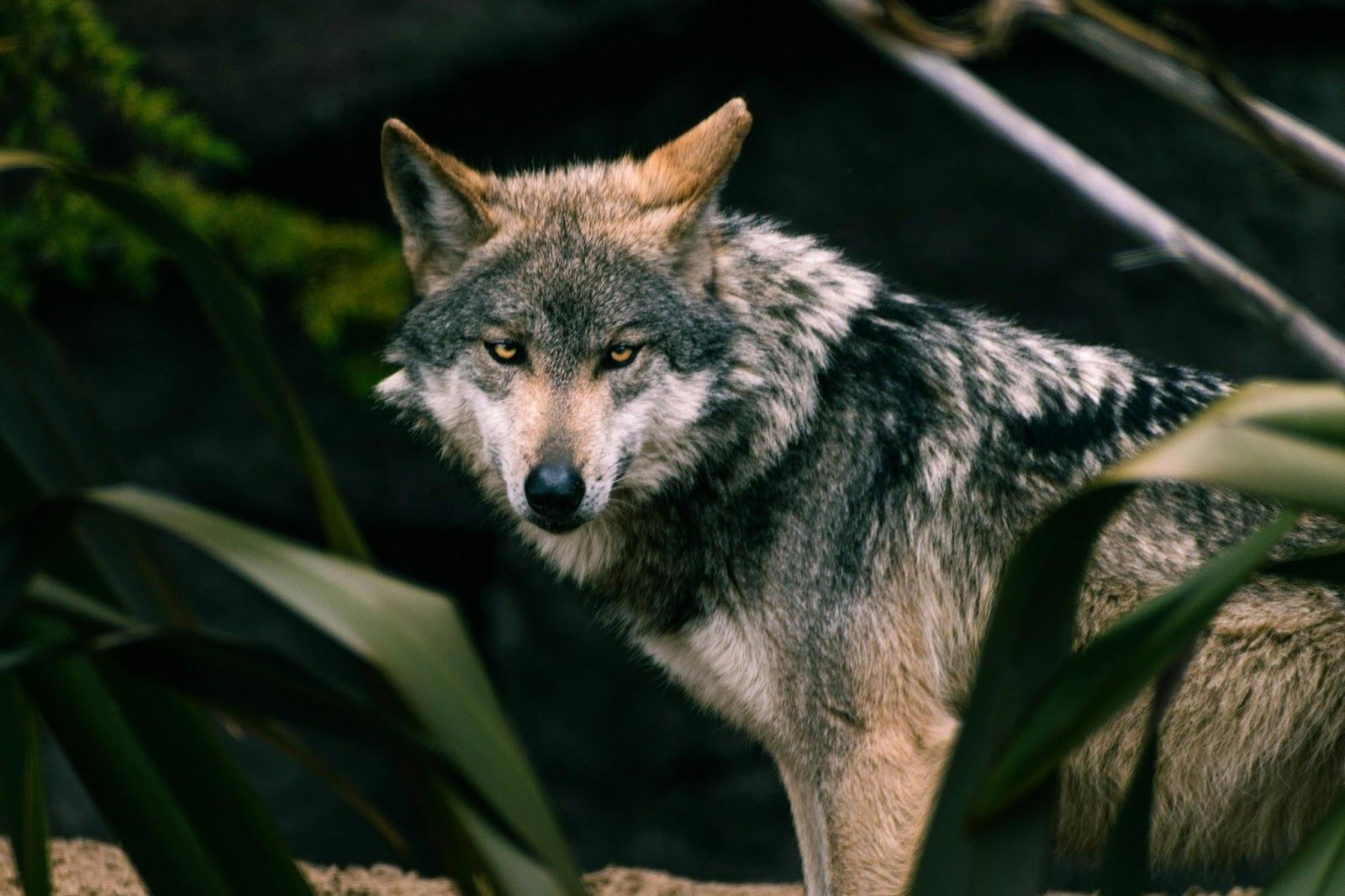
Many biologists consider the gray wolf the unsung hero of American wildlife. This majestic hunter is a keystone species in Yellowstone National Park, helping to maintain the elk and deer populations. And while it has notably appeared in many blankets and t-shirts, the gray wolf, sadly, has not been recognized as any state’s official mammal.

Originally, grey wolves’ range covered approximately two-thirds of America, but they can currently be found in the northern part of the country. Most notably, Alaska houses the largest wolf population in the country, with a number between 7,000 and 11,000 wolves roaming the state.

6
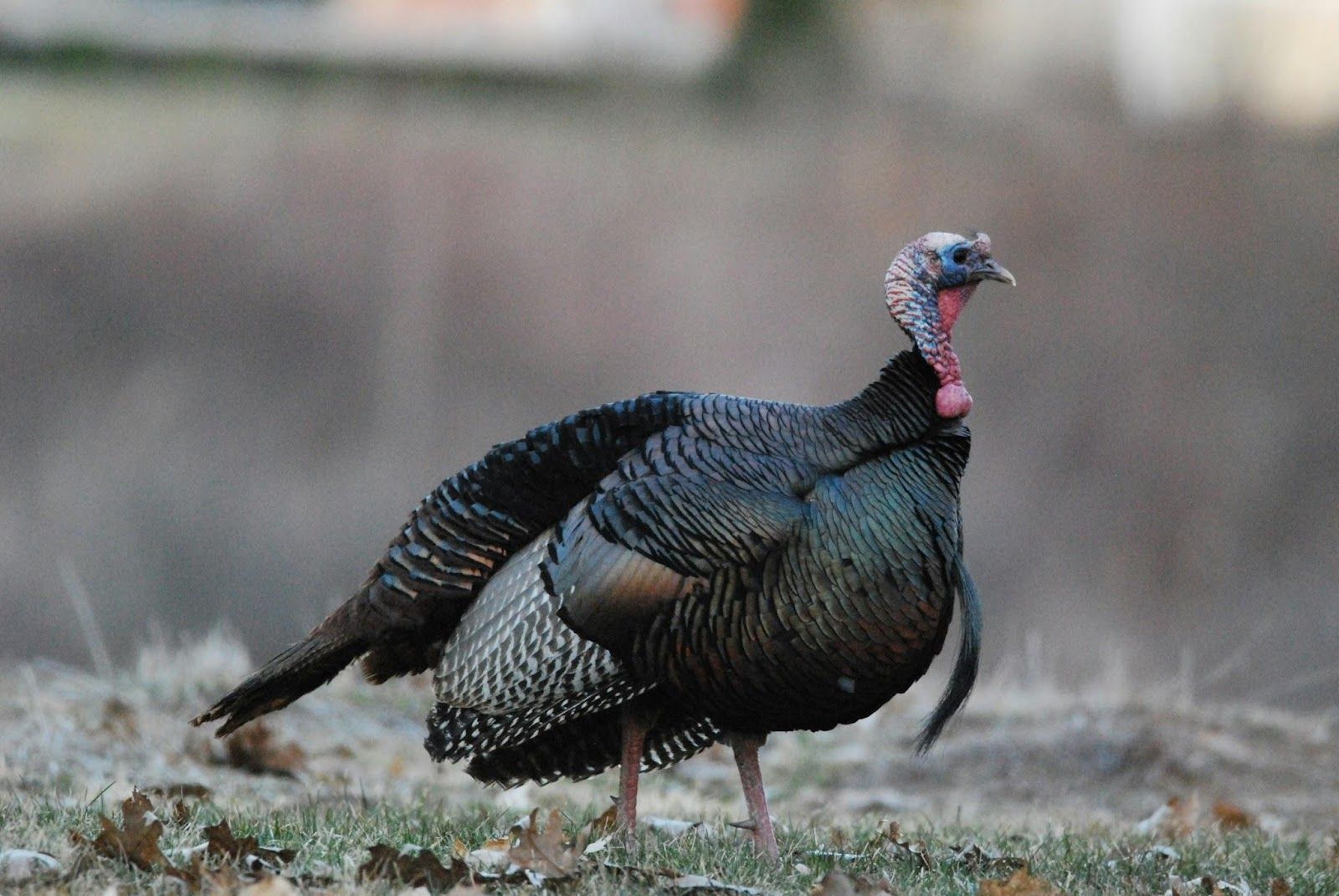
Turkey

Image: Tyler Jamieson Moulton

There’s an urban legend that states that Benjamin Franklin proposed the turkey to be our national symbol. If the stories are true, there might very well be a universe in which this odd-looking bird represents Americans everywhere. And although we’ll take the bald eagle as a symbol any day of the week, there’s something to be said about the nobility of this game bird.

Unlike their domesticated counterparts, wild turkeys are more adept at flying. Although we may never see a majestic turkey soar through the skies, they are able to fly short distances of up to a quarter mile. What’s perhaps most impressive about these birds is their wide range of vocalizations, which may sound like a simple "gobble, gobble" to us, but convey numerous meanings to other turkeys.

7
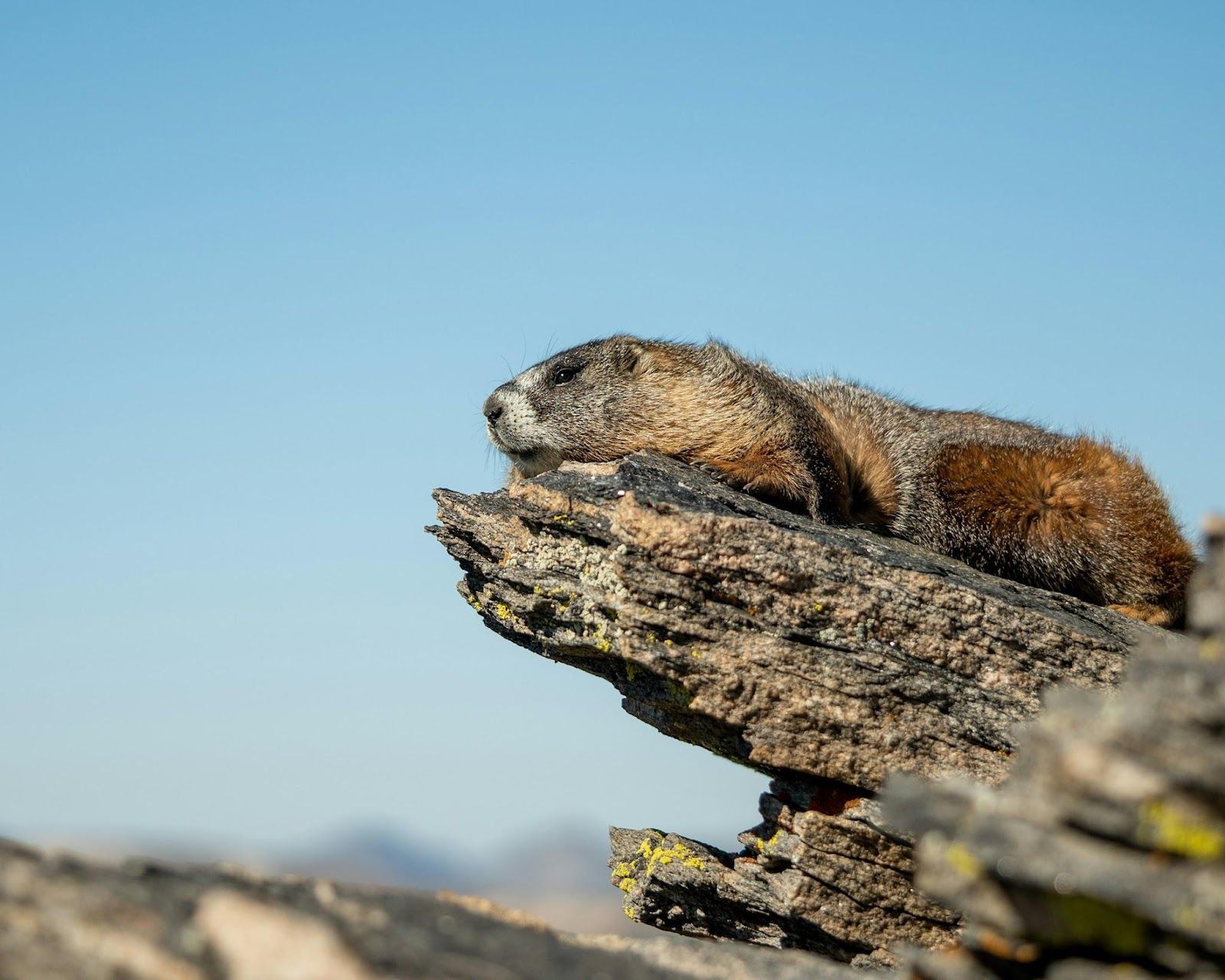
Groundhog

Image: Andy Sanchez

Sure, Beverly Hills might be the home of Hollywood’s royalty, but the borough of Punxsutawney, Pennsylvania, is home to one of America’s most famous stars. Since 1887, a groundhog by the name of Phil (Punxsutawney Phil, to be exact) has been the key figure in the town’s most famous tradition: "Groundhog Day," a celebration in which Phil predicts when will winter end.

While Punxsutawney Phil is perhaps America’s most famous groundhog, the truth is that these quirky rodents are one of America’s most recognizable animals. Interestingly, groundhogs are also known as "woodchucks," which is a rather baffling name, since these creatures are not known for chucking wood of any kind.

8
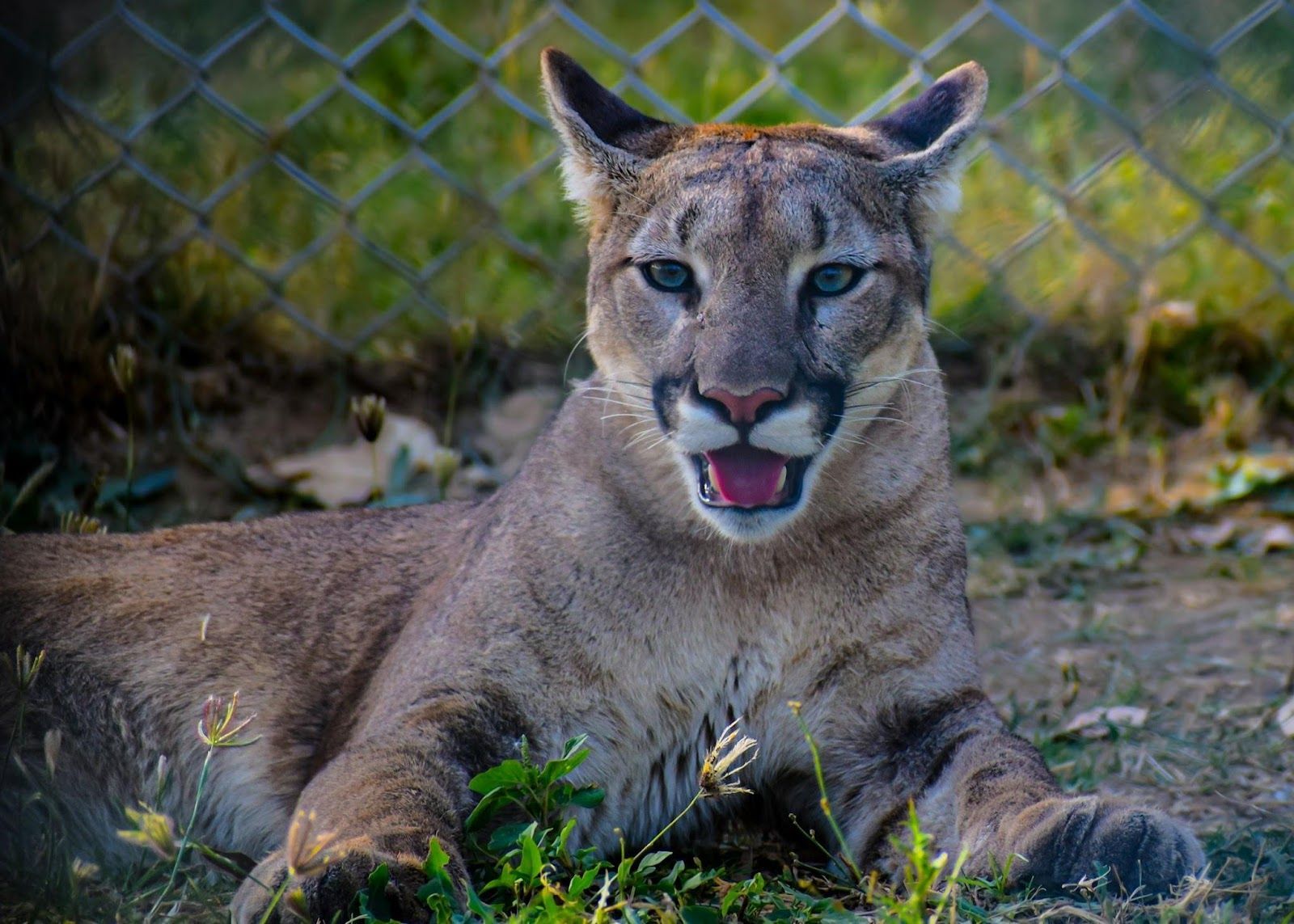
Florida panther

Image: Maheera Kulsoom

The alligator might be Florida’s most famous animal, but this large cat shouldn’t be overlooked. The Florida panther is the only cougar species living in the Eastern United States, with a worrying 200 individuals currently living in the Sunshine State.

This majestic cougar is a source of pride for many Floridians, and numerous conservation campaigns have been launched over the years to help protect its habitat. The Florida panther was named the state’s official animal in 1982, as well as being the namesake of the South Florida ice hockey team.

9
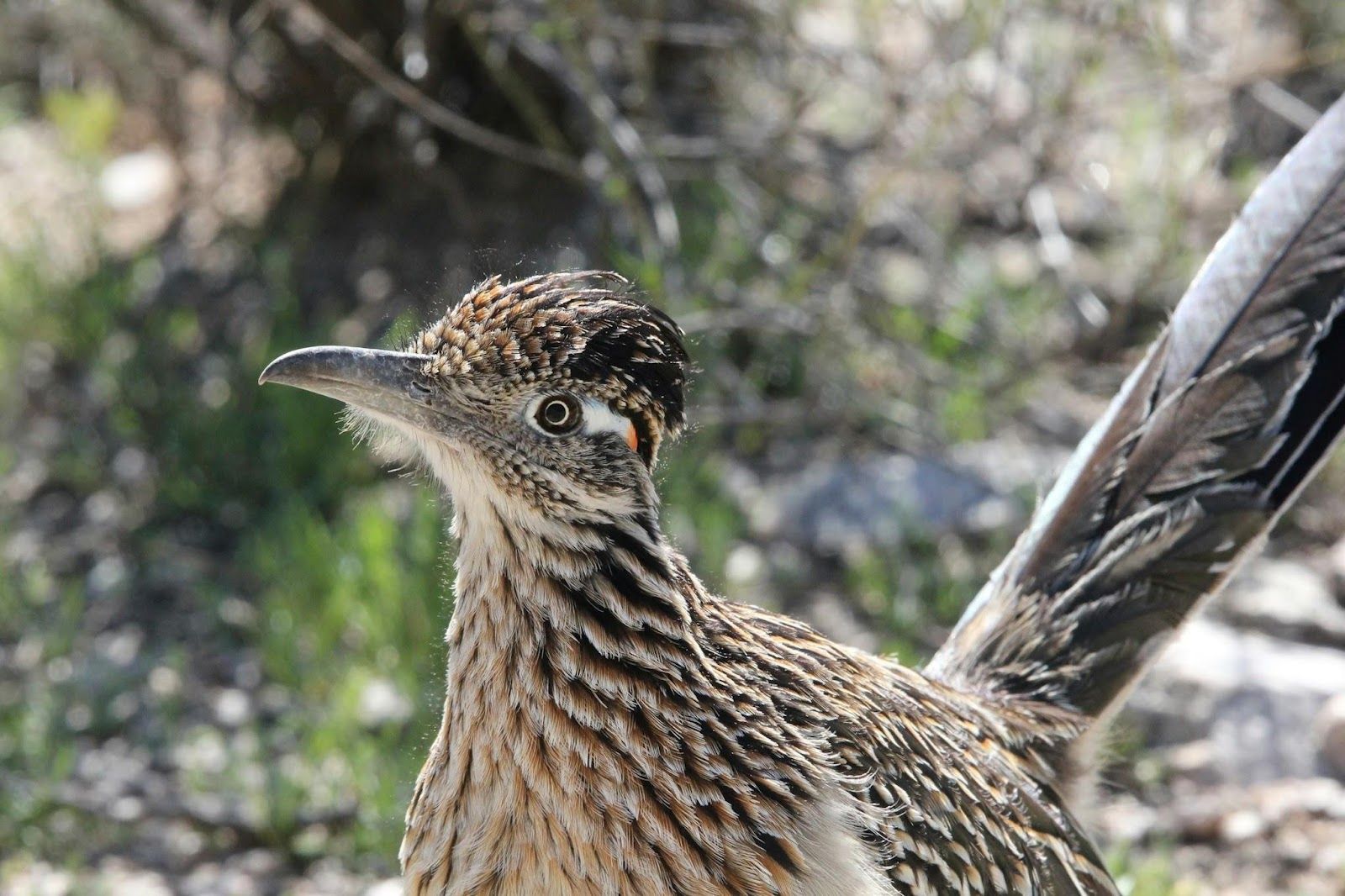
Roadrunner

Image: Anish Lakkapragada

Isn’t it strange not to see a coyote included in the title of this entry? We feel bad about separating this iconic pair, but we are sure you’ll agree that the roadrunner is an amazing bird in its own right, even becoming New Mexico’s official state bird in 1949.

Warner Bros. cartoons quickly capitalized on this bird’s most remarkable feature: its running speed. Roadrunners can reach speeds of up to 20 mph, which comes in great help for hunting and running away from predators (like a certain coyote).

10
Bald eagle

Image: Michael Jerrard

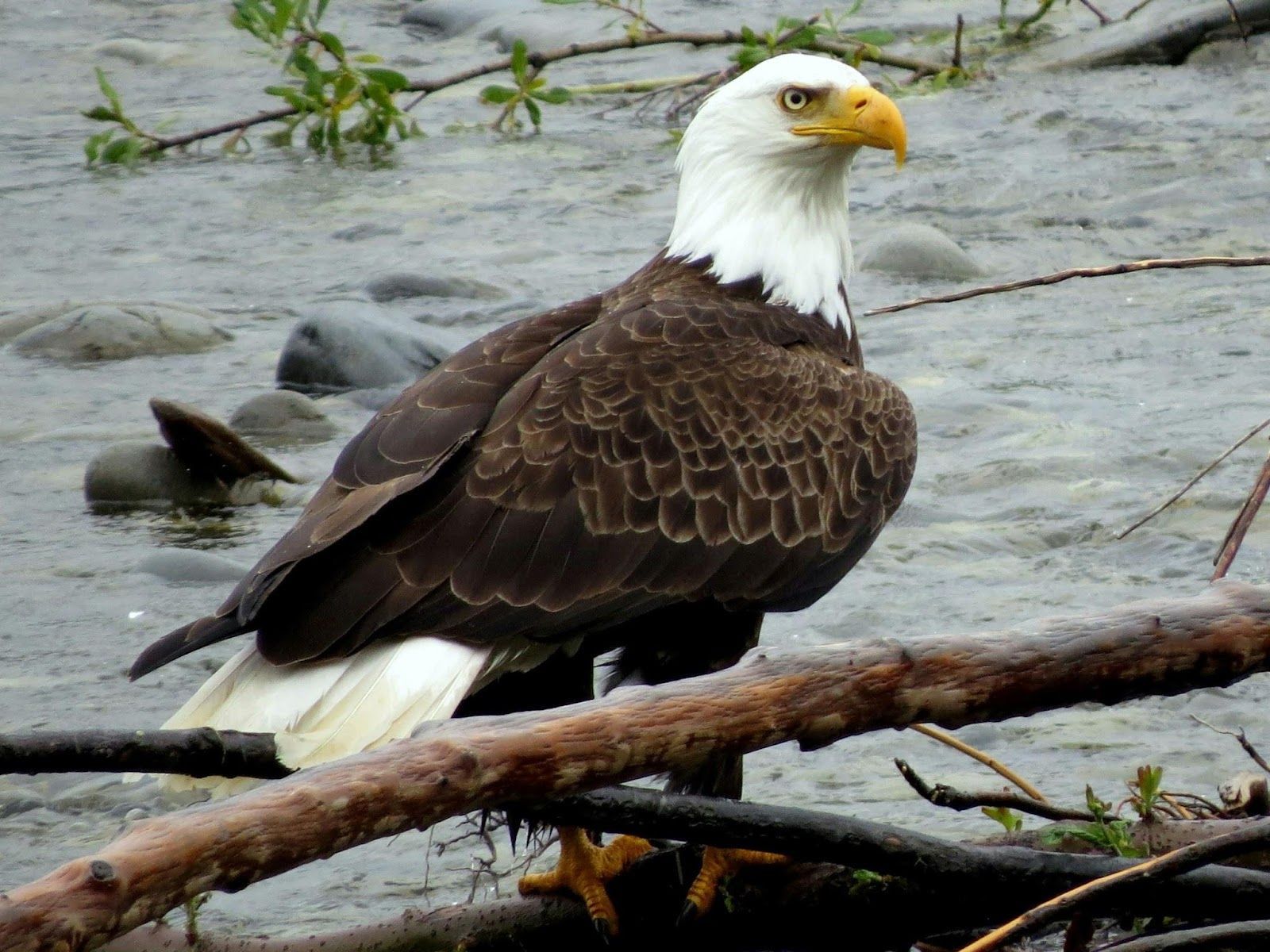
The bald eagle shares the title of "most instantly recognizable American symbol" with the American flag and Mount Rushmore. Its status sometimes makes us forget about the spectacular specimen hiding behind the American icon, so we thought it would be a good idea to close this article with a small tribute to our favorite bird of prey.

Let’s start with the obvious: the name "bald eagle" doesn’t come from any distinct lack of plumage, but rather from the old meaning of the word "bald," which used to stand for "white-headed." This distinction seems necessary because one of the most breathtaking aspects of this bird is the contrast of its feathers, which produces a stunning image when paired with its yellow beak. For a while, the status of the bald eagle was endangered until its population recovered thanks to conservation efforts.

Geography Geography 3 min read

10 American train stations that are a work of art

Image: Brady Hood

Many of America's train stations are much more than just transit hubs; they are authentic architectural marvels with distinct designs and rich histories. Built mostly in the first half of the 20th century, these spaces reflect the culture and confidence in the future of our nation. Would you like to know more? Join us as we go through 10 railway stations that make this country proud.

1
Union Station, Washington, D.C.

Image: Caleb Fisher

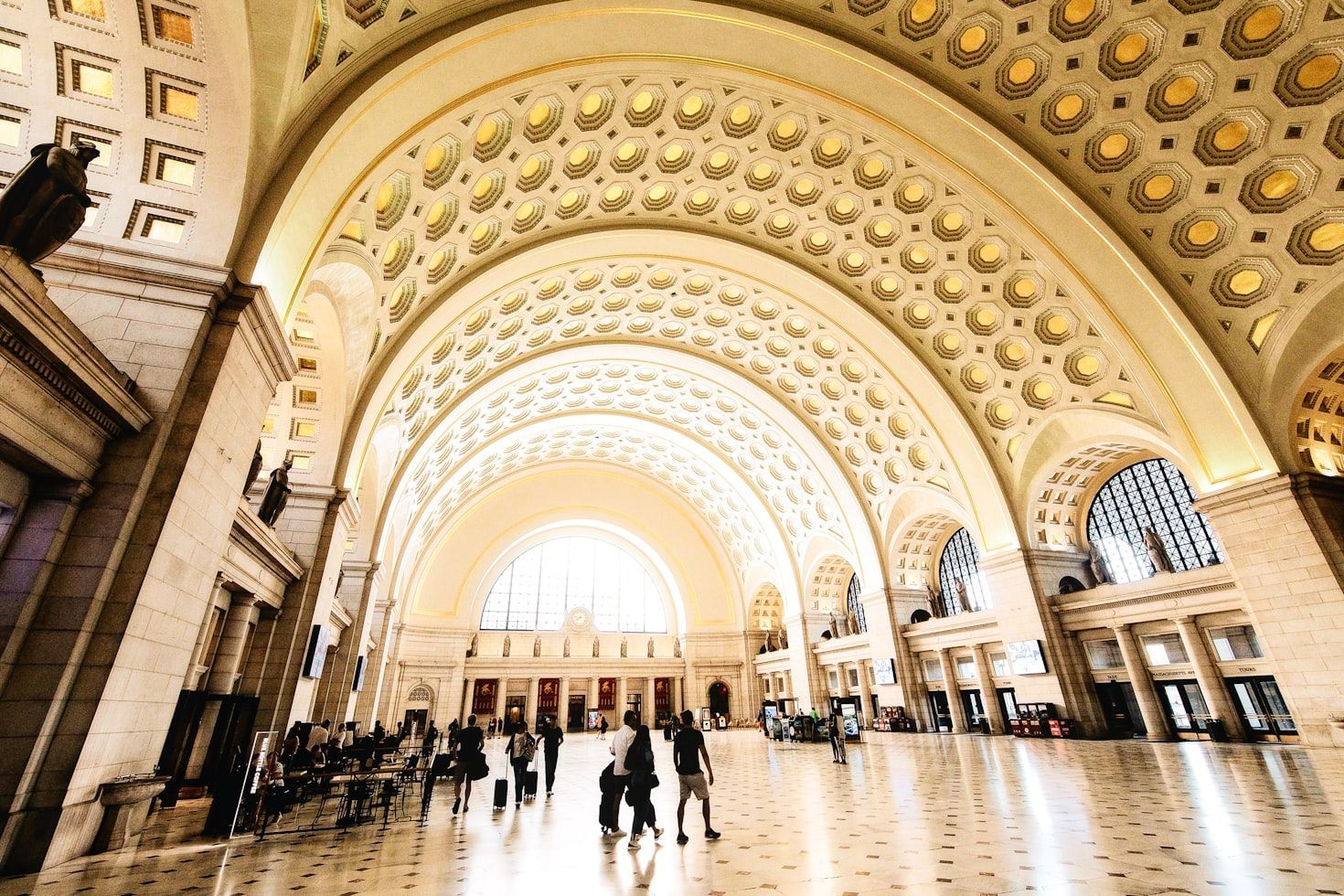
Washington Union Station, opened in 1907, is a fine example of Beaux-Arts architecture. Built to serve as one of the busiest transit hubs in the country, no expense was spared. The architect was inspired by ancient Roman baths. The main hall is guarded by rows of marble centurions, and the coffered ceiling is laced with gold leaf. If you want to contemplate marvellous architecture while having lunch alongside city workers and members of Congress, this is the place!

2
Penn Station, New York City

Image: c

Probably one of the world’s greatest railway stations was built in New York in 1910. And we are not talking about the famous Grand Central Terminal. The original Beaux-Arts building that was once home to Penn Station in Manhattan was an architectural masterpiece. It boasted grandiose interiors, huge waiting areas, and granite Doric columns. Unfortunately, in 1963, it was demolished to make room for Madison Square Garden, forcing the station to go underground.

3
Penn Station, Newark

Image: Pixabay

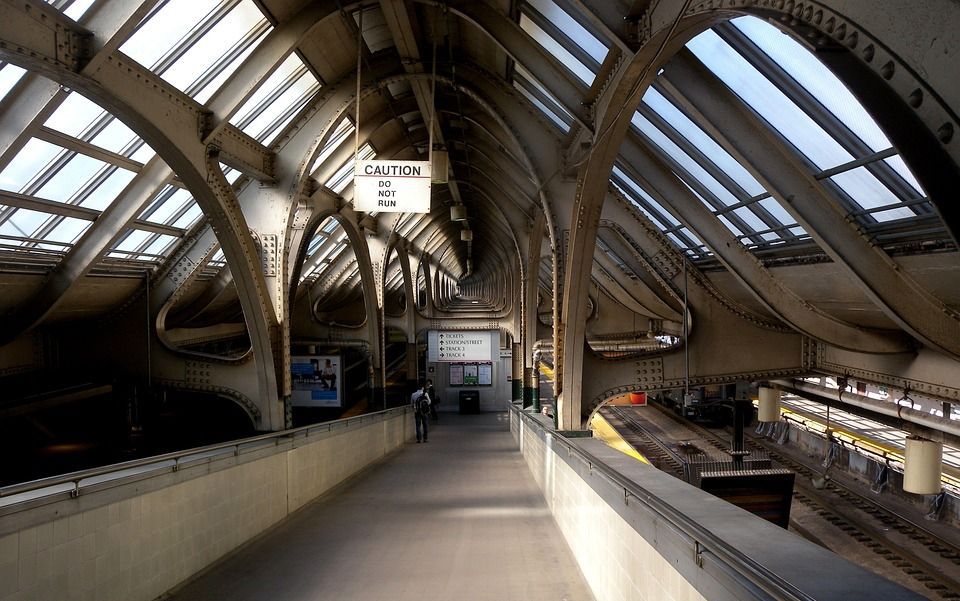
Penn Station in New York may not have survived, but a smaller-scale version still stands in Newark. New Jersey’s Neoclassical and Art Deco marvel was built in 1935 by the same architectural firm as the one in Manhattan. Featuring ornate archways, red terrazzo flooring, and green terracotta decorations, it may be less grandiose than its predecessor, but it still maintains much of its glamour.

4
30th Street Station, Philadelphia

Image: Nils Huenerfuerst

Completed in 1933, 30th Street Station in Philadelphia features a Neoclassical facade framed by 70-foot Corinthian columns. Inside, a spectacular Art Deco main concourse with a coffered ceiling adds to the station’s opulence. Fortunately, this terminal managed to preserve its former glory, and it is still in use today.

5
Main Street Station, Richmond

Image: Tangie Bodden

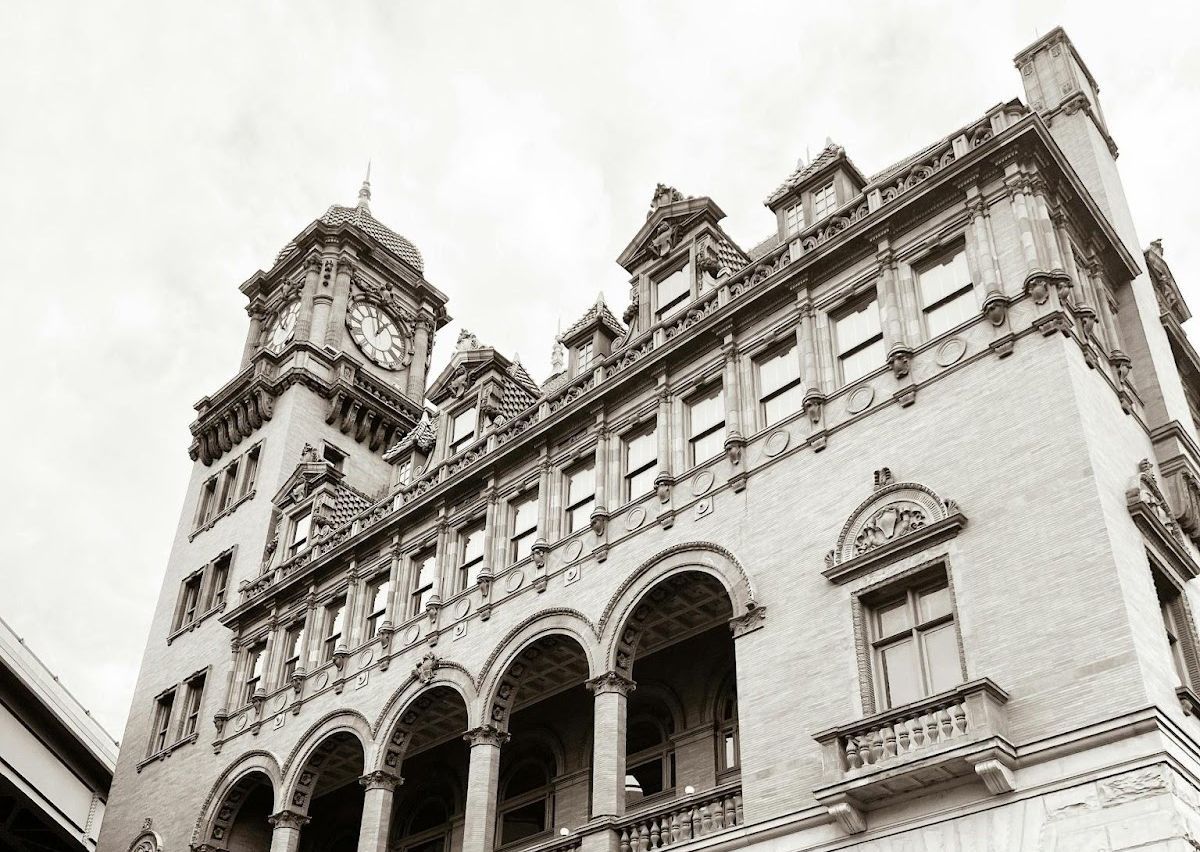
Main Street Station’s second Renaissance Revival architecture lights up the capital city of Virginia. Built at the turn of the century, it stands out mainly for its 110-foot brick clock tower. Past its glory days, it was neglected and suffered several damages, such as floods and fires. Fortunately, in 2003 it was restored, and today it is once again a major transit hub.

6
Birmingham Terminal Station

Image: Self-scanned, Public domain, via Wikimedia Commons

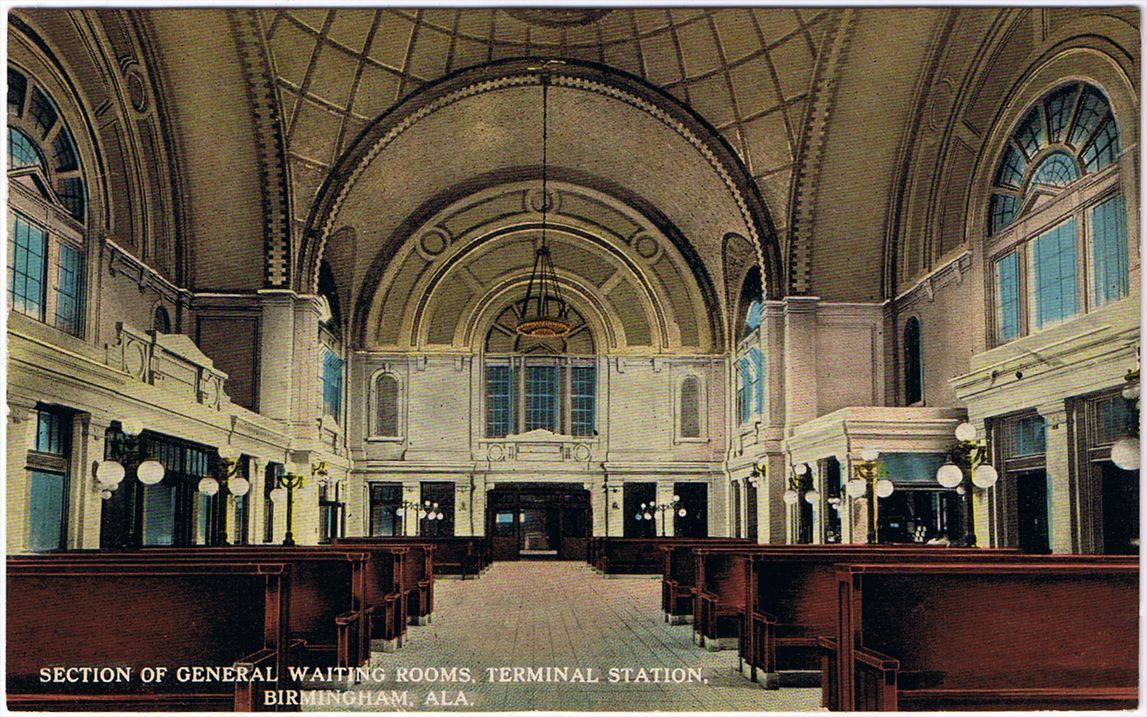
Meant to be travelers' first impression of the city, Birmingham Terminal Station once managed to astonish and amaze. Built in a Byzantine, Beaux-Arts style, it operated from 1909 to the 1950s. As automobile and air travel flourished, the station fell into disuse and was ultimately demolished in 1969 to make way for a new highway. A huge loss for the Magic City.

7
King Street Station, Seattle

Image: Zoshua Colah

King Street Station in Seattle was built at the beginning of the 20th century with a mix of architectural styles. Its main feature is a 242-foot tower modeled after the grand Campanile di San Marco in Venice. King Street Station also boasts intricate terrazzo and mosaic floors and ornamental plaster ceilings that were restored in 2010 to their former splendor.

8
Cincinnati Union Terminal

Image: Sean Foster

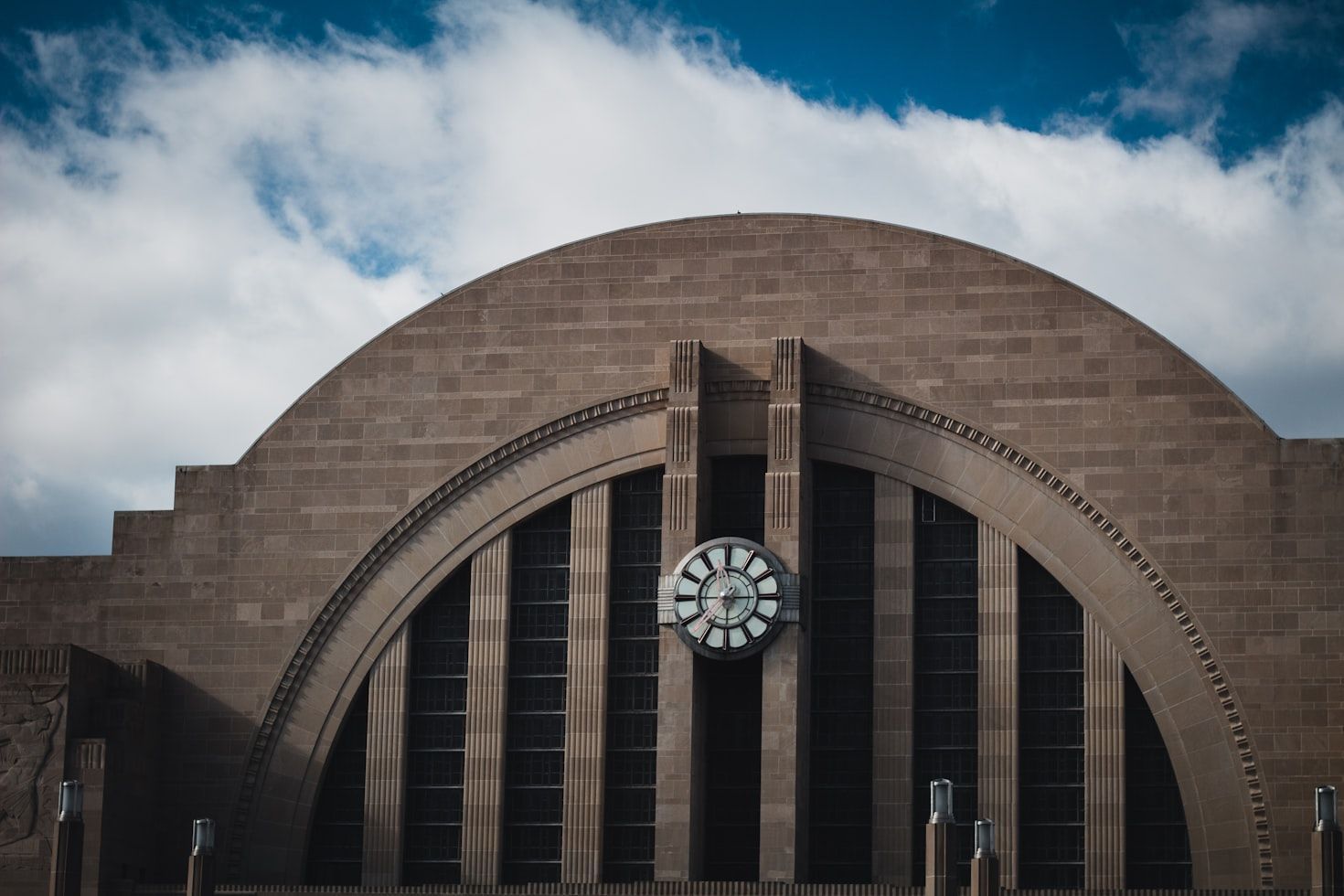
Cincinnati Union Terminal in Ohio is one of the boldest examples of Art Deco architecture in the United States. Its ten-story, half-domed entrance, green terrazzo, and the large rotunda decorated with industrial murals by Winold Reiss make this station a true architectural masterpiece. In fact, it is considered the greatest work of Alfred T. Fellheimer, who had previously designed Grand Central Terminal in New York City.

9
Union Station, Los Angeles

Image: Tichnor Brothers, Publisher, Public domain, via Wikimedia Commons

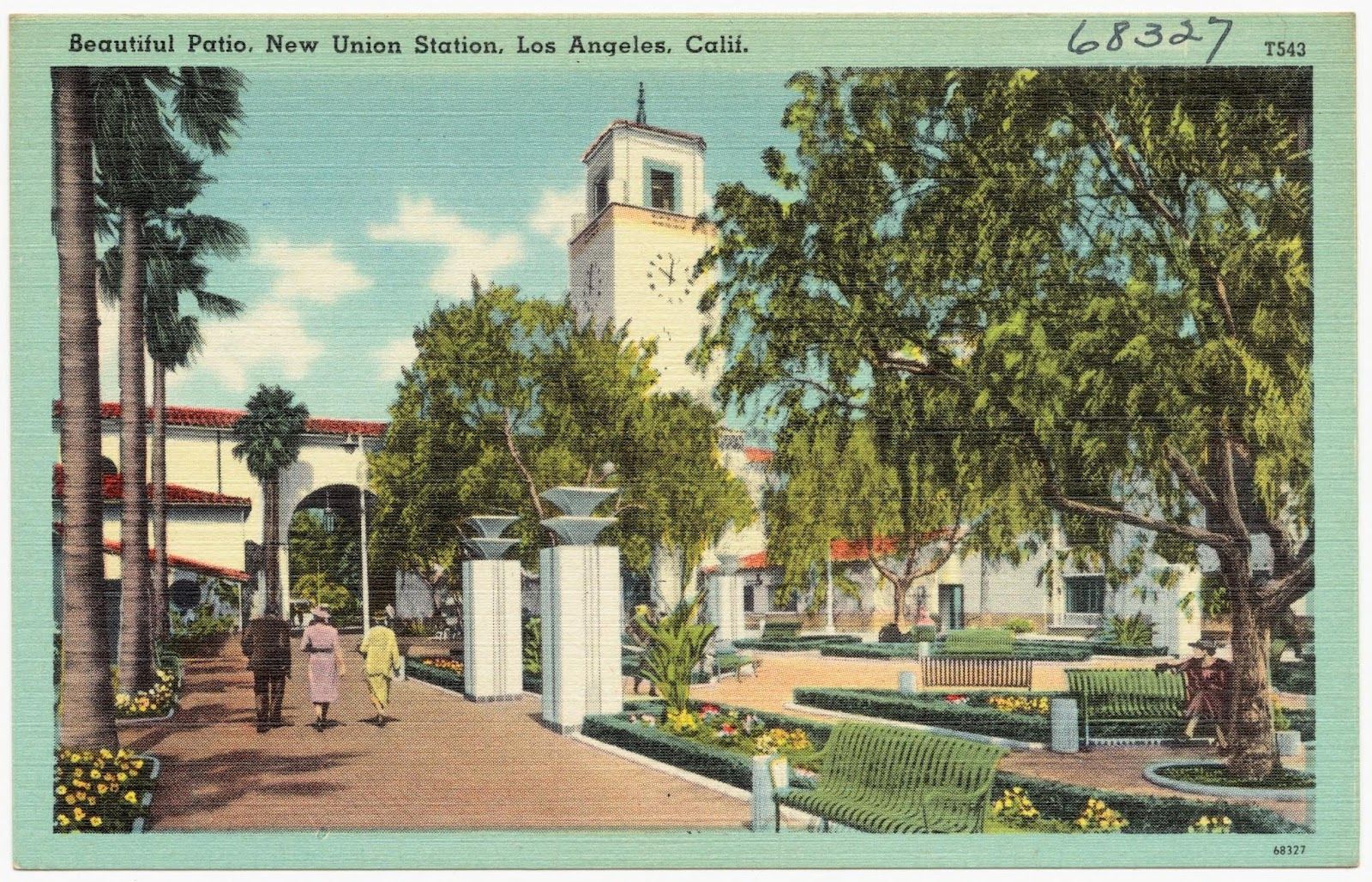
With a unique "Mission Moderne" style, Los Angeles’ main railroad station blends Spanish Colonial and Art Deco influences. Opened in 1939, it was built with a mix of terracotta and marble. It also features intricate tilework, beautiful courtyards, and a prominent 125-foot clock tower. Certainly a fine example of Southern California’s glamour.

10
Grand Central Terminal, New York City

Image: Robert Bye

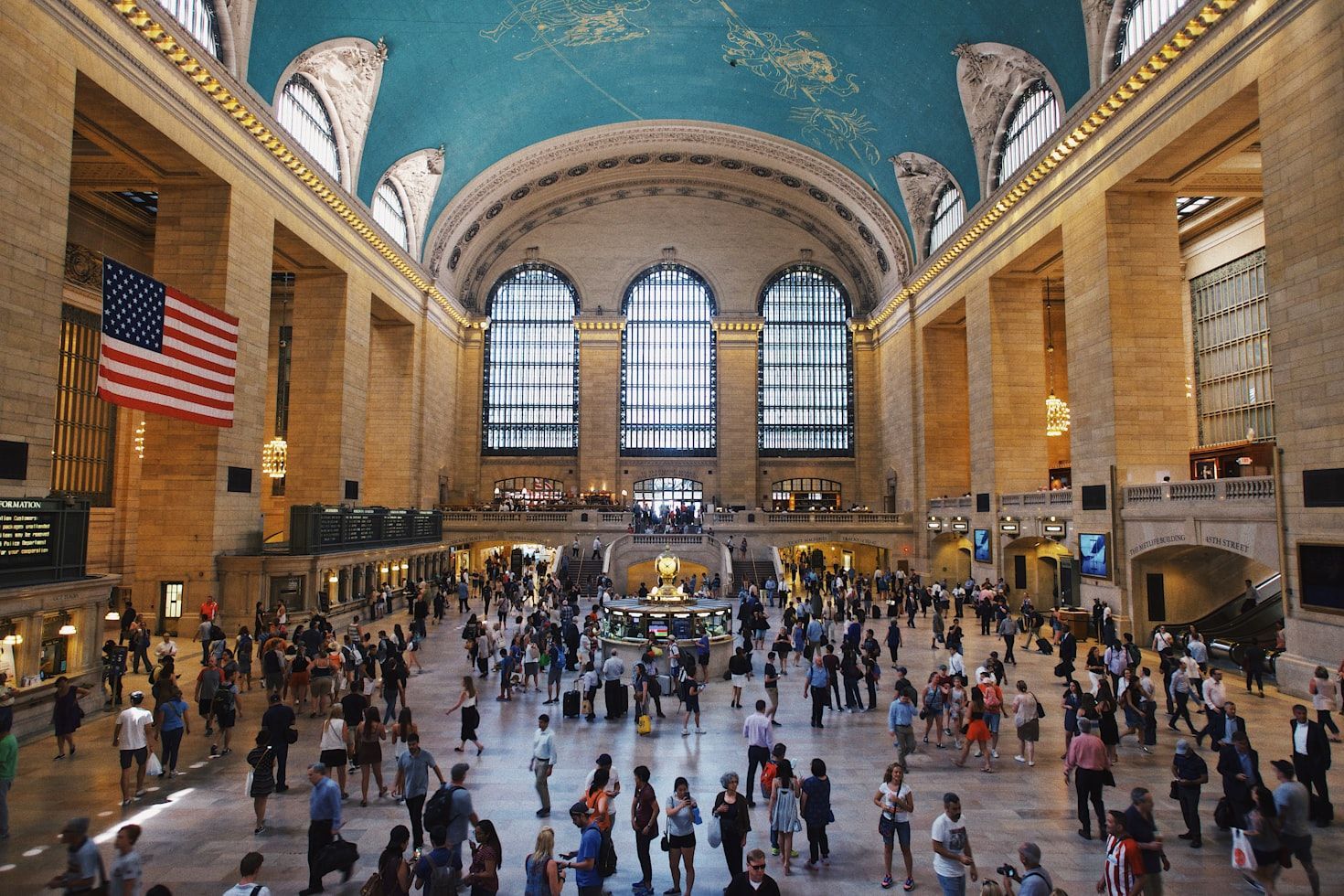
One of the nation’s busiest stations, New York City’s Grand Central, is famous for its magnificent Beaux-Arts style. The terminal, located in Midtown Manhattan, opened in 1913. It features a signature four-faced Tiffany clock and a celestial dome above the main concourse that draws the sighs of travelers from all over the world.

Explore more American facts

Choose your favorite category!

General
General

As American as apple pie—the very best America has to offer!

Culture
Culture

Delve into the astounding richness of American lore.

Geography
Geography

Hop in and explore vast and diverse American landscapes.

History
History

Discover the key moments that shaped the United States.