General General 3 min read

Thank God for sliced bread!

The entire world has adopted these 12 conveniences born in the U.S.
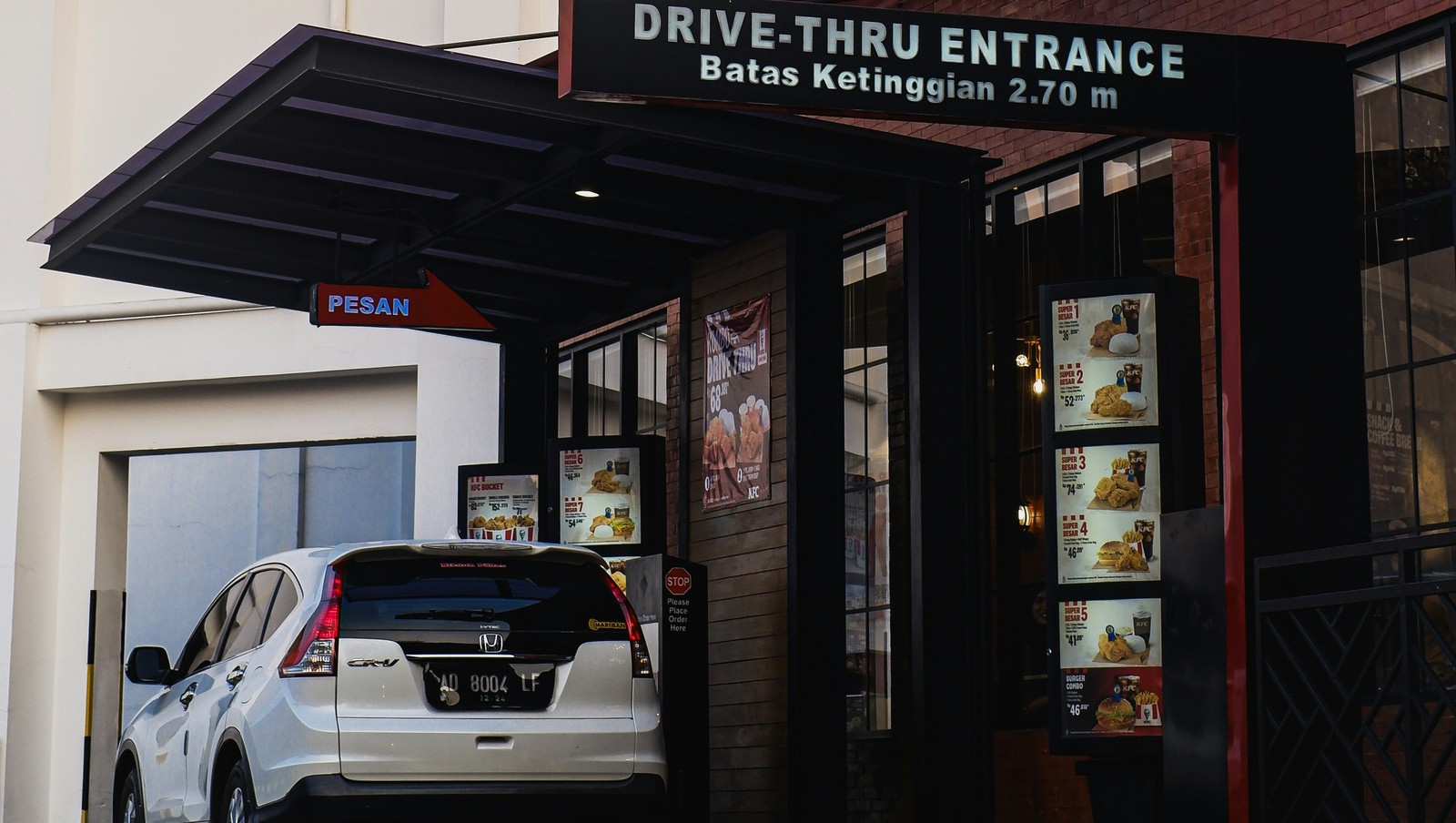
Image: Rifandi G

So many everyday comforts we now take for granted were first developed in the U.S. These innovations didn’t just change American life —they ultimately spread across the world and reshaped how people shop, eat, and move around.

1
Fast food chains
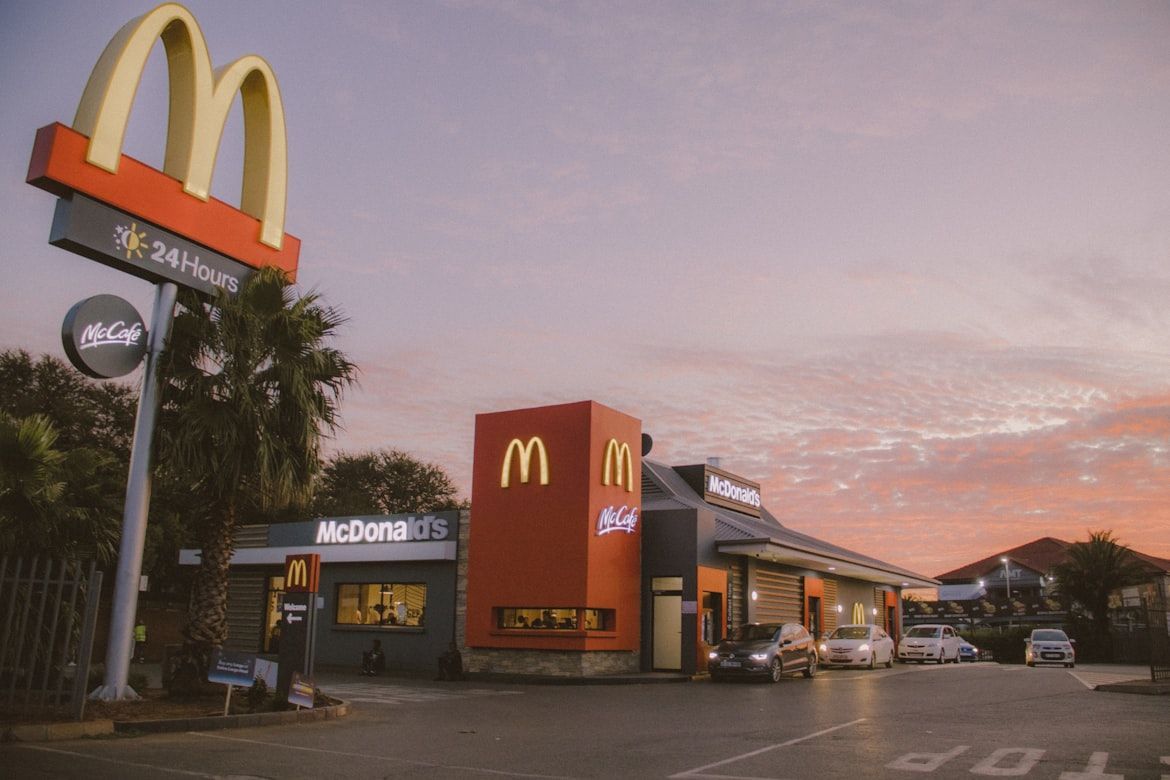
Image: Boshoku

The U.S. pioneered large-scale fast food chains like McDonald’s, Burger King, and Wendy’s, especially after World War II. These restaurants focused on speed, consistency, and low prices .

Their standardized menus and assembly-line kitchens made quick meals widely accessible. The model spread globally, shaping modern eating habits.

2
Drive-Thru restaurants

Image: Jonathan Cooper

The drive-thru concept took off in the U.S. in the 1940s, with chains like In-N-Out and later McDonald’s making it national. It allowed diners to order food without leaving their cars .

This idea dovetailed perfectly with a growing car culture and suburban life in the aftermath of WWII. Today, drive-thrus are common worldwide, but their roots lie in mid-century America.

3
Credit cards

Image: Avery Evans

While earlier charge systems existed, modern credit cards became widely used in the U.S. in the 1950s with Diners Club and BankAmericard (later Visa).

They allowed consumers to buy now and pay later , transforming spending habits. This system became a global standard, making everyday purchases faster and more flexible.

4
Online shopping
Image: Marques Thomas

Modern online shopping began in the U.S. during the 1990s, with now-ubiquitous companies like Amazon leading the way. Consumers could browse and buy products without visiting a store .

This shifted retail forever, offering convenience, home delivery, and endless variety. Today’s global e-commerce industry grew from these early American platforms.

5
Self-service gas stations

Image: Gene Gallin

Self-service gas stations became popular in the U.S. in the 1960s and 70s, allowing drivers to pump their own fuel instead of relying on attendants .

This reduced costs and sped up service, appealing to busy motorists. Over time, it became the standard in most parts of the world.

6
Supermarkets with one-stop shopping

Image: Peter Bond

The first true supermarkets appeared in the U.S. in the 1930s, offering a wide range of goods, from fresh meat and produce to dry goods to cleaning and personal care products, under one roof . King Kullen in New York is often cited as an early example of this.

These mega-stores replaced smaller specialty shops and made grocery shopping easier. The concept became a global standard for food retail.

7
Shopping malls
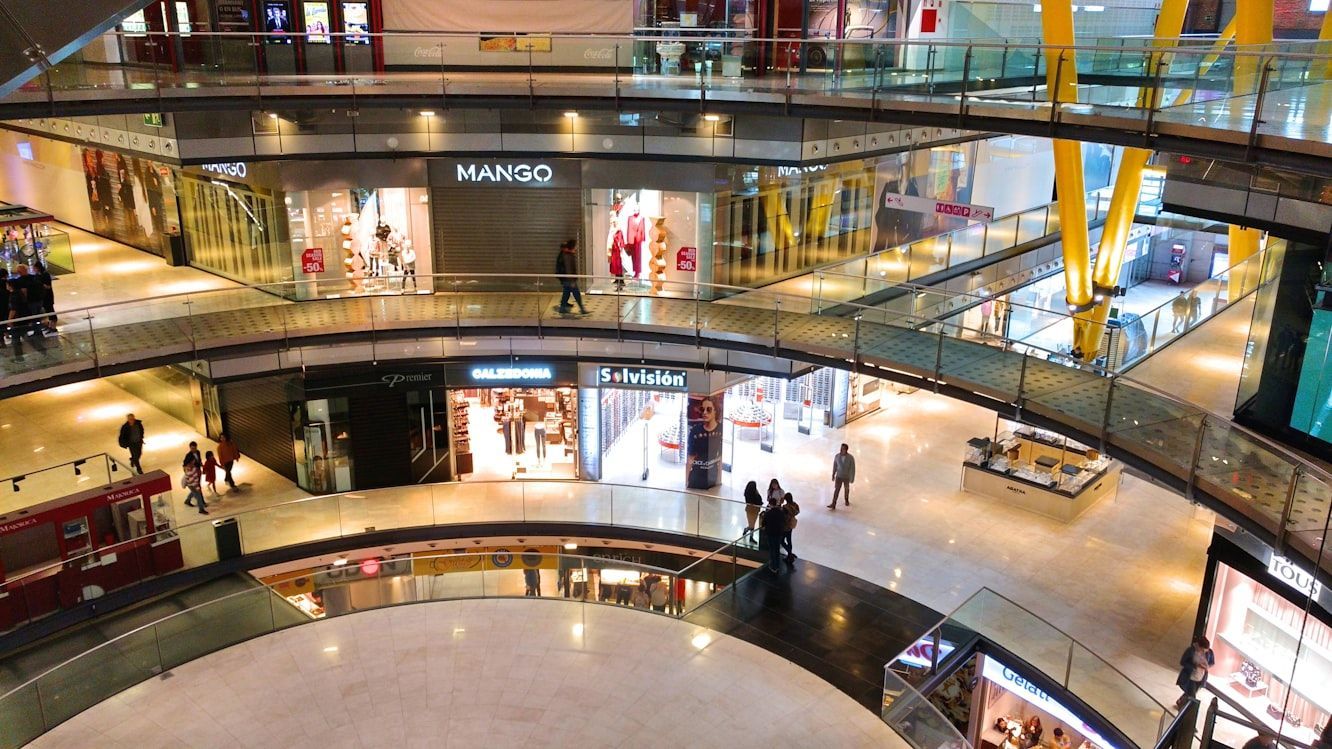
Image: WeLoveBarcelona.de

Indoor shopping malls emerged in the U.S. in the mid-20th century, designed as climate-controlled spaces with multiple stores in one location , beginning with Southdale Center, which opened in Edina, Minnesota, in 1956.

They became social hubs as well as retail centers. The mall concept spread worldwide, especially in suburban areas.

8
Frozen TV dinners

Image: Kouji Tsuru

TV dinners were introduced in the U.S. in the 1950s, notably by Swanson. These frozen meals were designed to be heated quickly and eaten while watching television, hence the term "TV dinner."

They reflected changing lifestyles in which convenience and entertainment overlapped. Frozen meals later became a global staple, especially with the advent of microwave ovens, which became increasingly popular in the 1970s and 80s.

9
Automatic dishwashers

Image: Ostbacher Stern

Dishwashers existed earlier, but automatic home models became widely adopted in the U.S. during the mid-20th century, making their way into American homes in the 1950s and 60s.

They saved time and reduced household labor, especially in busy families . Today, they are a common appliance in many parts of the world.

10
Sink garbage disposals

Image: Giorgio Trovato

The garbage disposal system was invented in the U.S. in the 1920s and became popular in American homes after World War II. It grinds food waste directly in the sink .

This innovation simplified kitchen cleanup and reduced trash volume. It remains especially common in U.S. households.

11
Vending machines
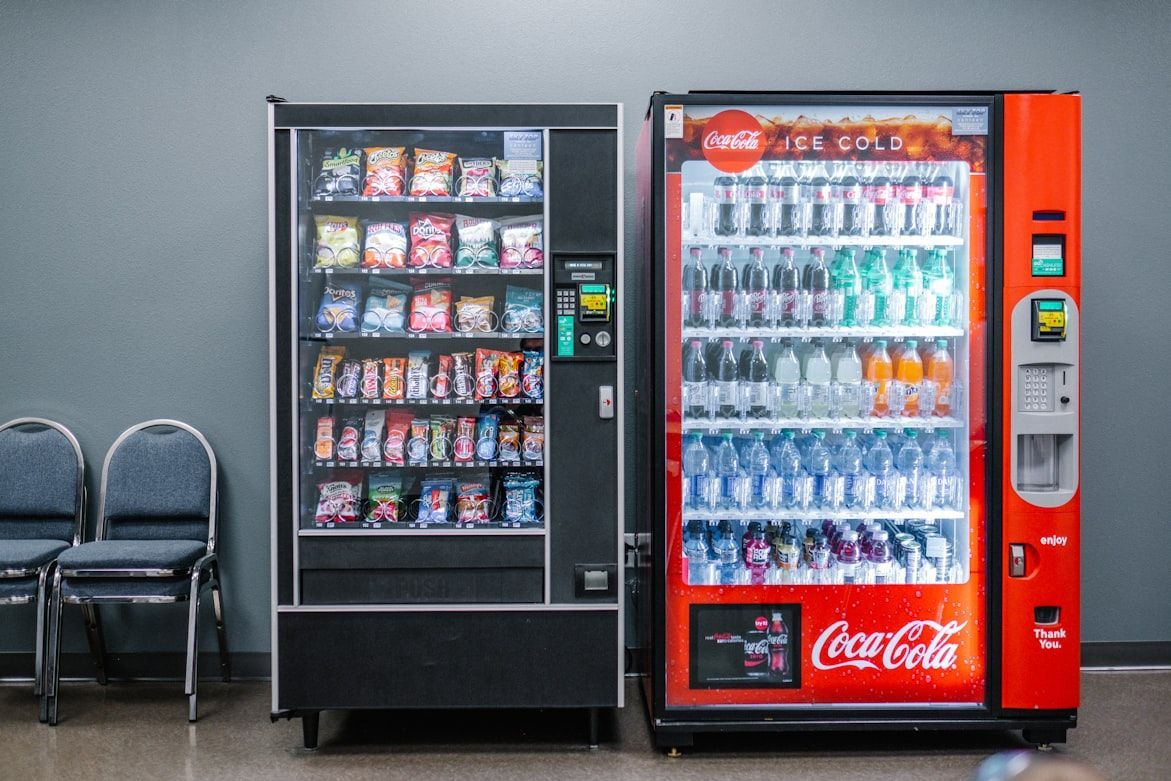
Image: Kenny Eliason

Modern vending machines became widespread in the U.S. during the 1950s and 60s, offering snacks and beverages in public places.

They provided quick, unattended service at any hour . While now global, their large-scale use and variety were strongly shaped by American consumer culture.

12
Ride-sharing apps
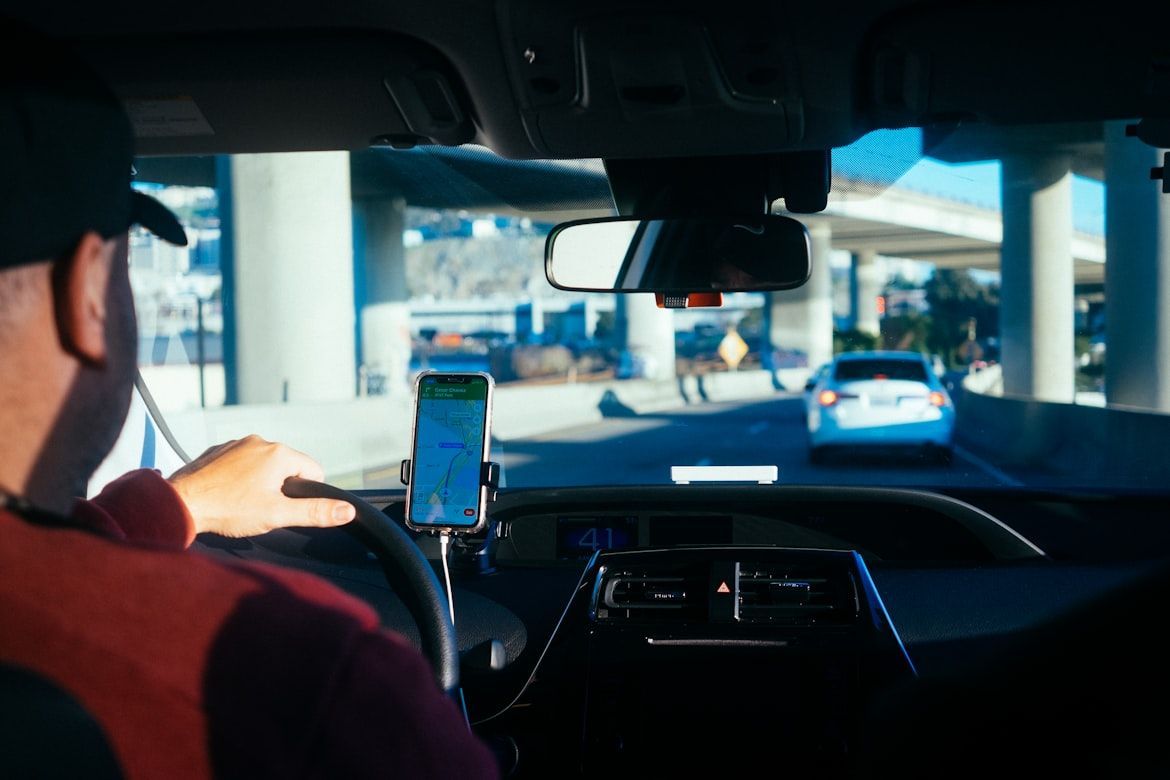
Image: Paul Hanaoka

Ride-sharing apps like Uber and Lyft began in the late 2000s, using smartphones to connect passengers with drivers instantly .

They transformed urban transportation, offering flexible alternatives to taxis. This model has since expanded to cities around the world.
General General 4 min read

Vertical ambitions

Bigger, taller, and better: 12 skyscrapers that make you look up!

Image: Denil Dominic

Have you ever stared up at a skyscraper and wondered, "How did they even build that?" Well, that makes at least two of us! Tall buildings are architectural marvels indeed, but they also represent ambition, innovation, and a little friendly competition between cities. For example, the tallest building in our country has held that title for only a decade. However, skyscrapers aren’t the only remarkable structures, and we’ve gathered 12 of them here for you to enjoy some sky-high fun. So, buckle up, and let’s take a vertical journey through the country’s highest achievements !

1
One World Trade Center

Image: David Vives

At a symbolic 1,776 feet, One World Trade Center proudly stands as America’s tallest building . Rising from the ashes of tragedy, this New York City landmark is a testament to resilience and unity.

Completed in 2014, it has been affectionately nicknamed the "Freedom Tower." Its sleek design features reflective glass that mirrors the sky, creating an ever-changing facade. The building houses offices, observation decks, and a museum dedicated to 9/11. Simply beautiful!

2
Central Park Tower

Image: Mason C

Central Park Tower, the world’s tallest residential building , reaches 1,550 feet into Manhattan’s skyline. Completed in 2020, it’s sometimes called the "Billionaires’ Row Tower" for its ultra-luxury apartments.

This architectural masterpiece offers jaw-dropping views of Central Park and beyond. It’s not just tall; it’s opulent, with a private club, pools, and even its own ballroom. If you’ve ever dreamed of living among the clouds, this is the place to do it (if you can afford it, of course).

3
Willis Tower

Image: Margo

Chicago’s Willis Tower, formerly known as the Sears Tower, was the world’s tallest building for 25 years (we did say there was some friendly competition going on!). Its 1,451-foot height dominates the skyline and has been a beacon of innovation since 1973.

The building’s unique design uses nine bundled tubes for extra stability against those famous Chicago winds. Visitors can step out onto The Ledge, a glass box extending from the 103rd floor, for a heart-pounding view. A true Midwestern marvel!

4
111 West 57th Street

Image: Parrish Freeman

Known as the "Steinway Tower," this ultra-skinny skyscraper is as much art as architecture. Rising 1,428 feet above Manhattan, it’s the thinnest skyscraper in the world and the fourth tallest in our country.

Its design nods to New York’s Jazz Age glamour, blending terracotta details with modern engineering. Completed in 2022, it houses luxury apartments that come with breathtaking views and equally jaw-dropping price tags.

5
One Vanderbilt

Image: Lukas Kyzur

Standing 1,401 feet tall, One Vanderbilt is a relatively new addition to New York City’s skyline. Completed in 2020, it’s located right next to Grand Central Terminal .

The building’s futuristic design is matched by its cutting-edge features, including Summit One Vanderbilt, an immersive observation experience. Its elevators take you to the top in a flash, and once you’re there, you’ll be treated to sweeping views of the city.

6
432 Park Avenue

Image: Miikka A.

At 1,396 feet, 432 Park Avenue is all about modern simplicity . Completed in 2015, it is one of the most recognizable buildings in the world.

ts grid-like windows give it a timeless look, but don’t be fooled—the apartments inside scream luxury. With amenities like private dining rooms and a spa, residents live the high life, pun intended! Love it or hate it, you can’t miss it.

7
Trump International Hotel and Tower

Image: Kenny Eliason

Chicago’s Trump Tower, standing 1,388 feet tall, is a gleaming addition to the city’s skyline . Completed in 2009, its reflective surface mirrors the surrounding beauty of the Chicago River.

This skyscraper combines luxury residences, a hotel, and fine dining. Its signature feature is the outdoor terrace, which offers stunning views of the Windy City.

8
30 Hudson Yards

Image: Frank Nürnberger

At 1,268 feet, 30 Hudson Yards is the centerpiece of New York’s futuristic Hudson Yards development.

Completed in 2019, it’s home to The Edge, the Western Hemisphere’s highest outdoor sky deck . The building boasts offices, dining, and even direct access to a luxury mall. Its sleek design symbolizes the city’s constant evolution. It has it all—just like the city itself!

9
Empire State Building

Image: Chris Barbalis

This may not be the tallest, but it certainly is one of the most iconic! The Empire State Building, at 1,250 feet, is a timeless symbol of New York City.

Completed in 1931 during the Great Depression , it was once the world’s tallest building. Its Art Deco design and iconic silhouette have graced countless movies and postcards. The city views it offers are simply unbeatable. No trip to New York is complete without a visit.

10
Bank of America Tower

Image: David Vives

Rising 1,200 feet in Midtown Manhattan, the Bank of America Tower is a green marvel. It was completed in 2010 and is one of the world’s most eco-friendly skyscrapers .

It uses innovative technology to reduce energy consumption and even collects rainwater. With its sharp, crystalline design, it looks as modern as its environmental features. This tower shows that sustainability and style can go hand in hand. Who knew going green could look so good?

11
St. Regis Chicago

Image: Andrew LaDeur

At 1,191 feet, the St. Regis Chicago adds a touch of elegance to the city’s skyline. Completed in 2020, its design is inspired by a flowing river , with undulating glass panels that shimmer in the sunlight. It’s a mix of hotel and residential spaces, with luxury oozing from every corner.

The building’s unique silhouette stands out in the architectural playground that is Chicago. If beauty were a competition, this skyscraper would be a top contender.

12
Aon Center

Image: Erol Ahmed

The Aon Center, at 1,136 feet, is a classic fixture in Chicago’s skyline. Built in 1973, it was originally clad in white marble, though granite replaced it later for durability. Its clean, rectangular design exudes timeless elegance.

Home to offices and observation areas , it’s a favorite among architecture lovers. You know how they are all about simplicity— the ultimate form of sophistication!

History History 6 min read

FROM CHEEKY TRADITIONS TO PROMINENT FIGURES

Top 10 American Universities: Amazing Facts You May Not Know About

Image: RUT MIIT

Every university has its own culture, folklore, customs, and pranks . Some even go back centuries. It may be a long time since you were last in school, but no one can deny college years are an unforgettable period in every person’s life that is forever imprinted on the memory.

For most of its history, the US university system has served the mission of economic and social progress, educating the world's greatest leaders and contributing to unprecedented scientific breakthroughs. In this article, we have gathered some of the most curious facts about the country's most prominent schools .

1
Yale

Image: Pixabay

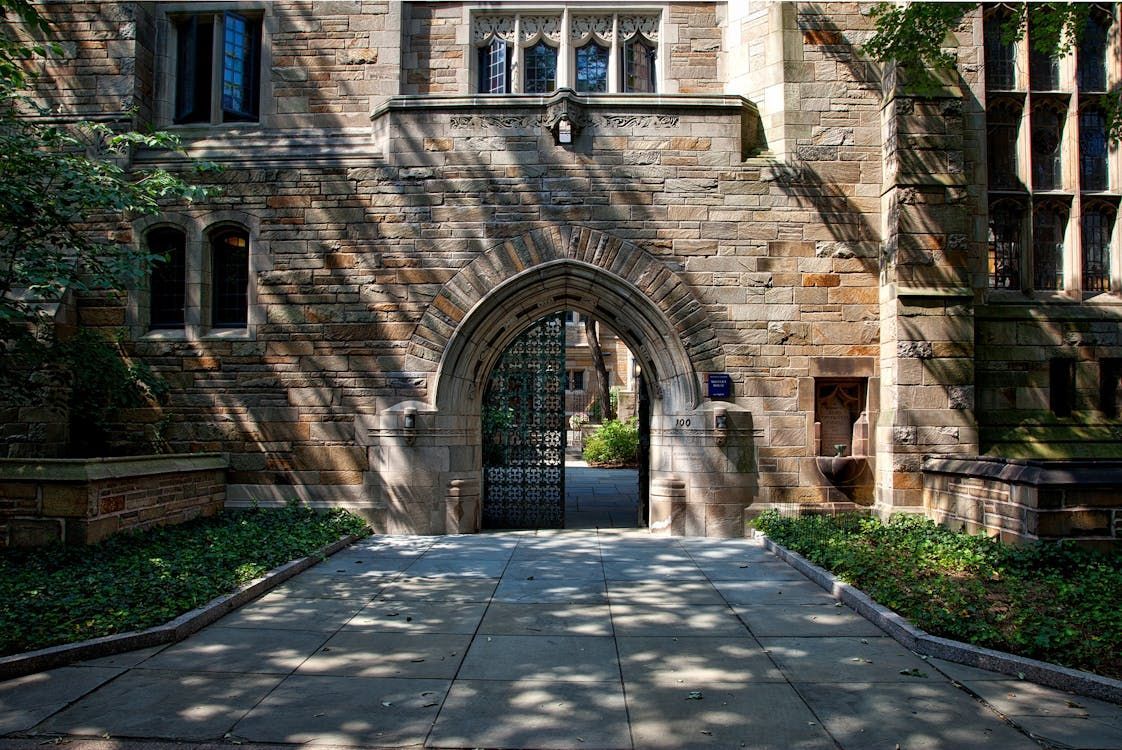
One of America’s most illustrious universities, Yale has been creating stories and forging traditions for more than three centuries. Being one of the oldest universities in the country means you can claim a couple of "oldest". For example, Yale is home to the earliest collegiate daily newspaper still in existence. The Yale Daily News has been around since 1878, reporting consistently five days a week. Also, the Whiffenpoofs, Yale’s oldest a capella group, has been singing every Monday night since 1909 .

Another fun fact? They may not teach magic at Yale, but theuniversity’s residential college system is very similar to the Hogwarts house system portrayed in the famous Harry Potter series . Each year, Yale freshmen are treated to a formal holiday banquet at one of the 17 extravagant Gothic dining halls on campus.

2
Stanford

Image: Jason Leung

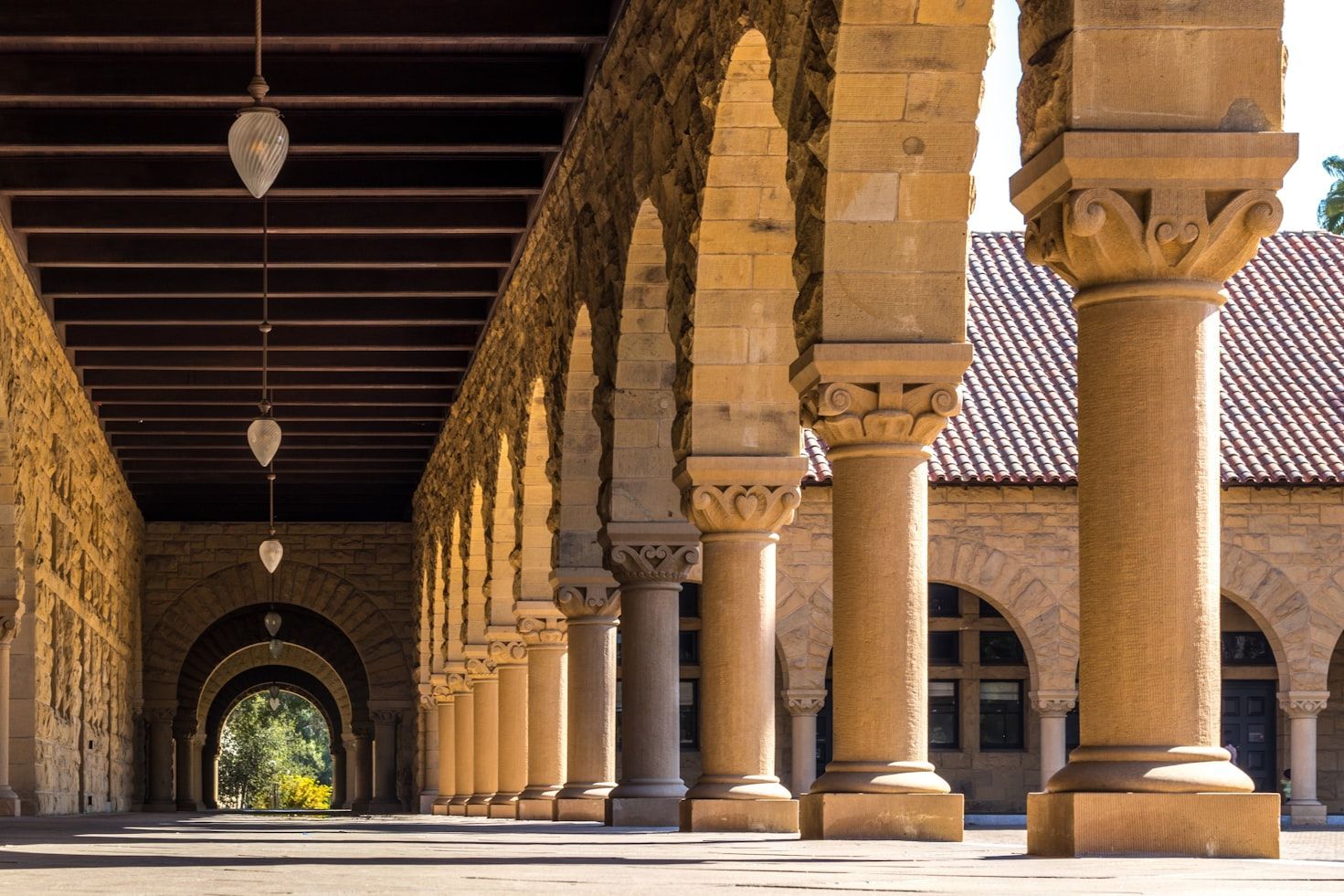
The campus of Stanford University spans 8,180 acres in the center of the San Francisco Peninsula. It includes 630 buildings, 49 miles of roads, 3 dams, more than 40,000 trees , 25 fountains, a biological preserve, and a historic equestrian barn, among many other special features. It’s so big that it even has its own special zip code!

Perhaps one of the most relevant facts about Stanford is that it is considered the birthplace of Silicon Valley . In the 1930s, the university's Dean of Engineering, Frederick Terman, encouraged his students to stay in the area to develop a high-tech hub. This is how Bill Hewlett and David Packard ended up creating Hewlett-Packard in a garage in Palo Alto not far from campus.

3
MIT

Image: Ana GG

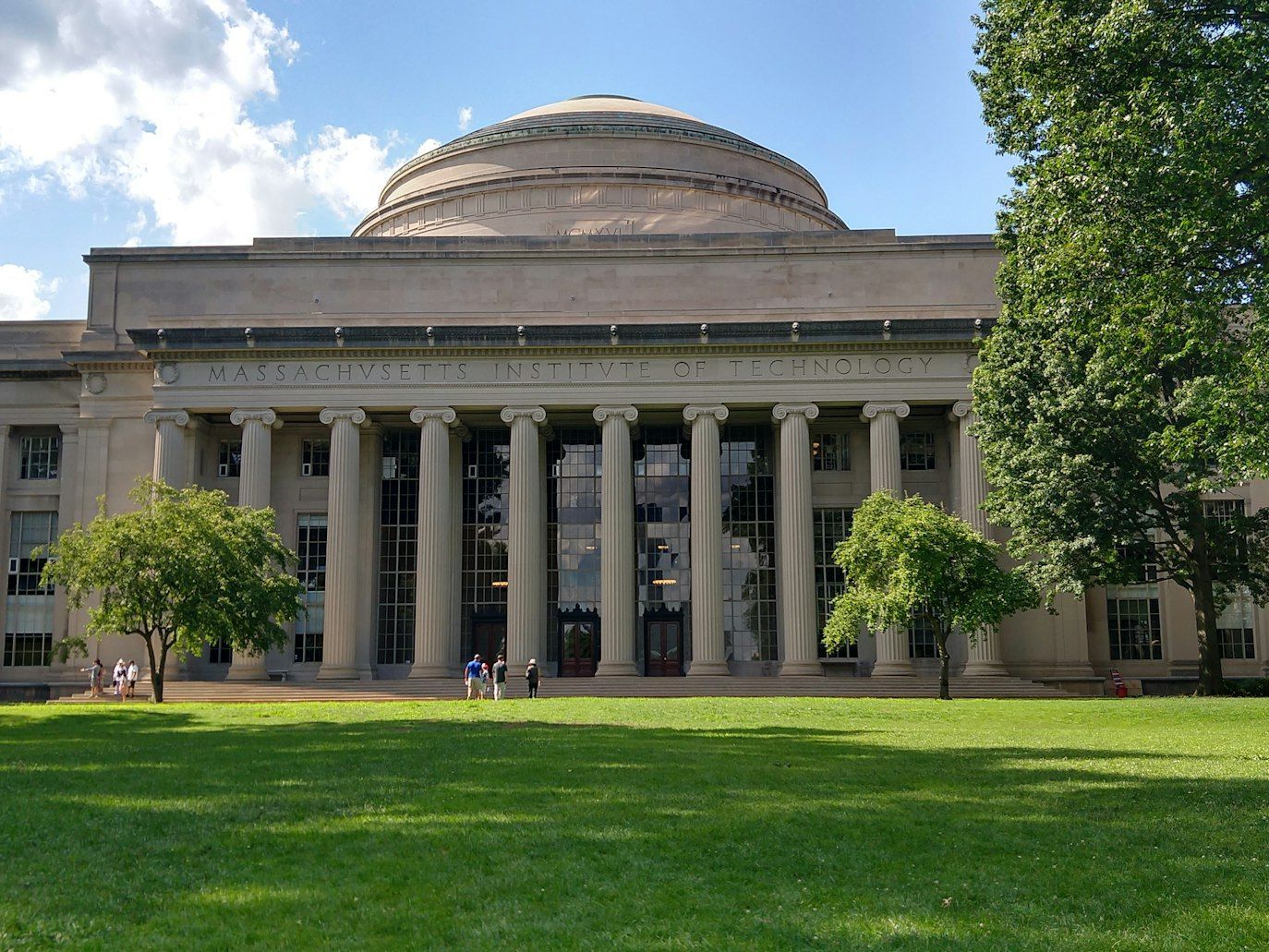
The Massachusetts Institute of Technology was founded on April 10, 1861, just two days before the start of the Civil War. MIT’s official colors are Cardinal Red and Silver Gray and, in 1914, the beaver was chosen as the university’s formal mascot due to its "engineering and mechanical skill and habits of industry."

This distinguished university currently counts 98 Nobel Laureates among its alumni, faculty, and staff. But the nerdy ways of the MIT crowd don't end there.Did you know that acceptance letters for undergraduates are sent out every March 14, in commemoration of Pi Day? Admissions are even delivered at exactly 6.28 pm, which is known as "Tau time" (πx2). No wonder MIT’s motto is mens et manus , Latin for "mind and hand".

4
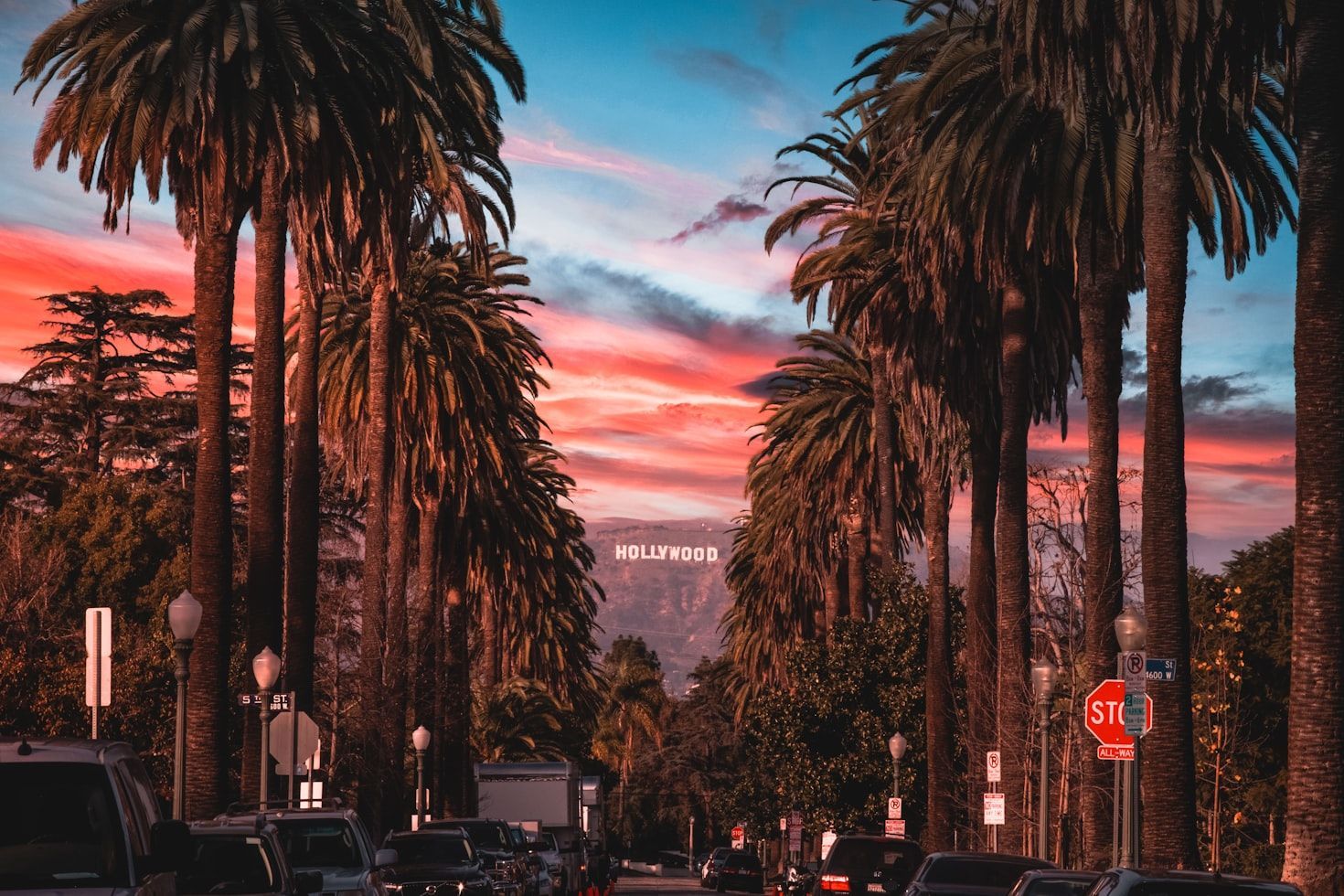
UCLA

Image: tommao wang

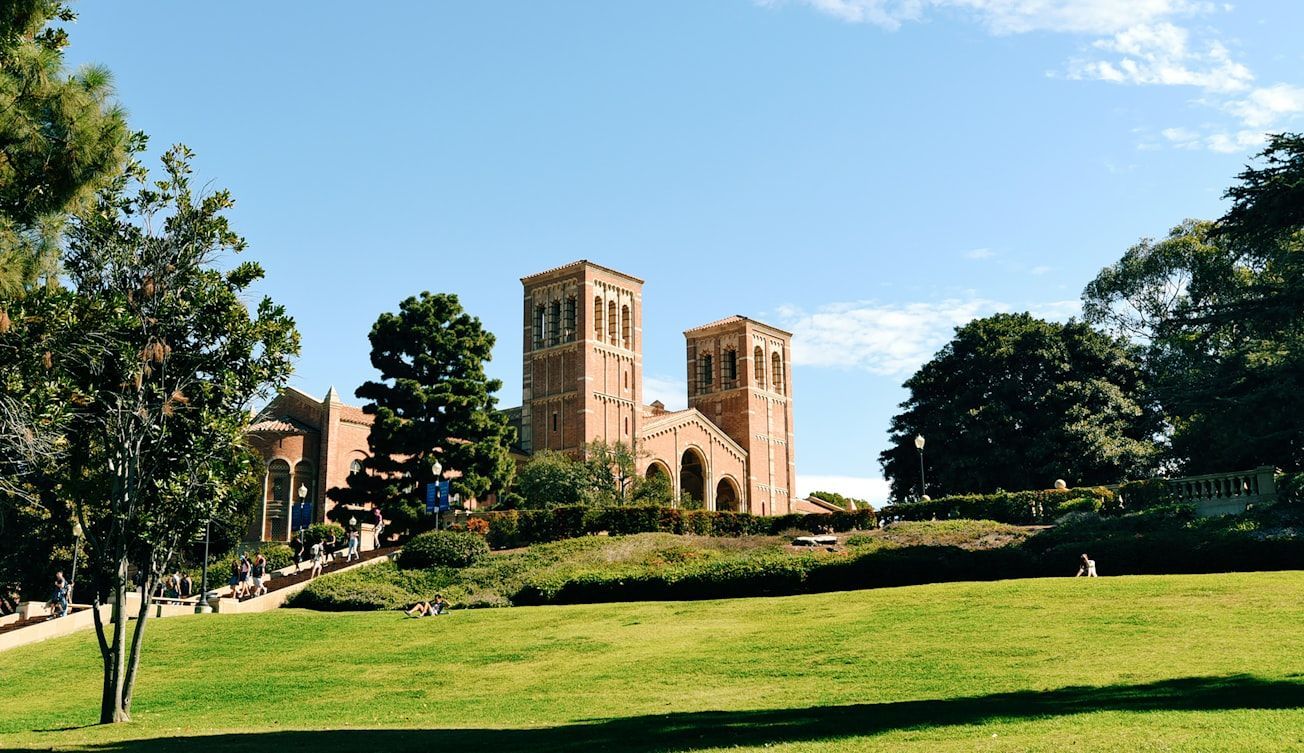
The University of California is synonymous with excellence and innovation, but there are a lot of tidbits about it that even graduates don’t know about. UCLA’s football team has had many nicknames over the years : they were known as the "Cubs", the "Grizzlies", and finally the "Bruins". A live bear even used to take the field at some games until it was banned!

UCLA was also home to some of America’s most prominent cultural icons : James Dean majored in drama, Francis Ford Coppola earned a Master of Fine Arts in Film, NASA astronaut and first mother in space, Anna Lee Fisher, graduated as a doctor and mastered in chemistry, and neuroscientist Dr. Mayim Bialik popularised this field of science with her character in the famous TV series The Big Bang Theory . Can you name any other stars who went to UCLA?

5
Brown

Image: Keming Tan

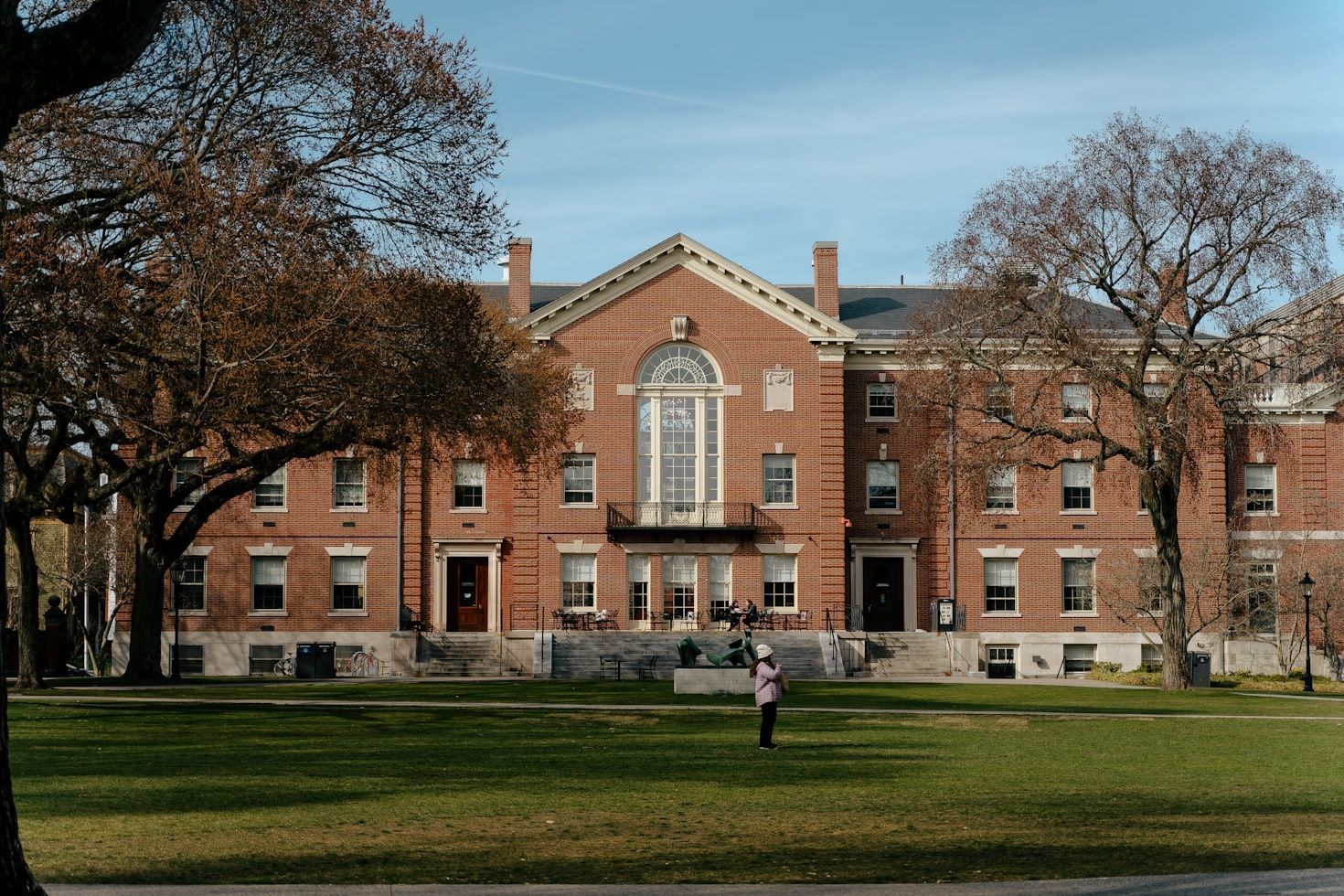
Founded in 1764, Brown is a leading American research university, the first Ivy League school to accept students from all religious affiliations . Located in Providence, Rhode Island, this school has a bear mascot named Bruno and a library with no windows that resembles a tomb —in fact, rumor has it, that Rush and Annmary Brown Hawkins are buried here. Another one of its libraries, The John Carter Brown Library, holds an invaluable treasure: seven 15th-century letters from Christopher Columbus proclaiming his "discovery" of the Americas.

But perhaps Brown’s most curious feature is Carberry Day. Every Friday the 13th, students celebrate Josiah S. Carberry, a legendary fictional professor of "psychoceramics" who was created as a joke in 1929. Since then, every Carberry Day all students and faculty spread the campus with brown jugs filled with change they donate to the professor and his ‘future late wife Laura’. Have you ever heard of this traditional Brunonian holiday?

6
Johns Hopkins

Image: Falkenpost

This university named after the 18th-century Quaker entrepreneur and philanthropist Johns Hopkins was the first research university established in the United States . Johns Hopkins has a long and fascinating history, including mutant rabbit-related mysteries and famous alums: President Woodrow Wilson, Wolf Blitzer, Mike Bloomberg, Tori Amos, and Wes Craven, just to name a few.

Johns Hopkins is also home to some important events in literary history . In 1932, Zelda Fitzgerald was admitted to the university’s hospital and treated for schizophrenia. Soon after, F. Scott Fitzgerald, moved across the street to be closer to his wife. While in Baltimore, they wrote two novels: Save Me the Waltz and Tender is the Night .

7
UPenn

Image: Dyana Wing So

"Here’s a toast to dear old Penn", sing students at the University of Pennsylvania during home football games. Originating in the prohibition years, this tradition of throwing pieces of toast on the field seems to have taken the expression rather literally. Another popular myth at UPenn indicates that freshmen should never cross the compass embedded into the center of Locust Walk if they don't want to risk failing their first exams.

But serious things also happen at this legendary Philadelphia university. For example, it was founded by none other than Benjamin Franklin , the first general-purpose electronic computer was created here in 1946, has 38 Nobel laureates, and many other prominent Americans attended the school, such as Noam Chomsky, Ezra Pound, Warren Buffett, Tory Burch, and John Legend.

8
Caltech

Image: LisetteBrodey

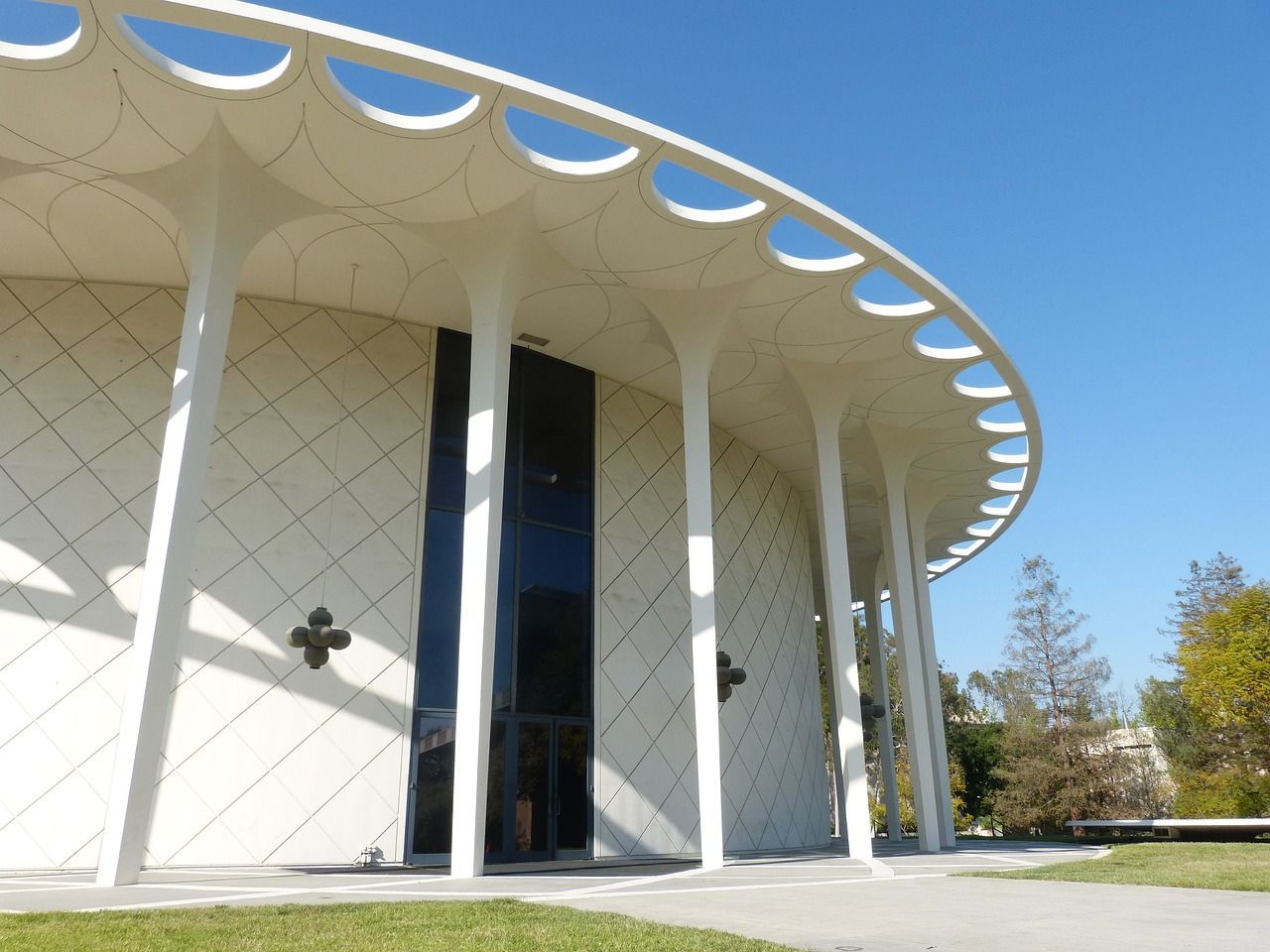
Since its founding in 1891, the California Institute Of Technology has made significant contributions in various scientific fields. It has produced 39 Nobel Laureates and operates the world’s largest optical telescope , located at the Palomar Observatory. Caltech’s most popular major is Computer Science and it also has numerous groundbreaking space-related discoveries under its belt —as a matter of fact, the campus is home to NASA’s Jet Propulsion Laboratory.

While academic excellence is what makes Caltech unique, they also have some quirky traditions. For example, pranks are common practice, often involving rivalries between student houses , especially during Halloween. And it's not all about using their brains, Caltech students put their bodies to work as well. Ditch Day, a celebration whose origins date back to 1921, is said to resemble, wait for it, The Amazing Race .

9
Princeton

Image: jplenio

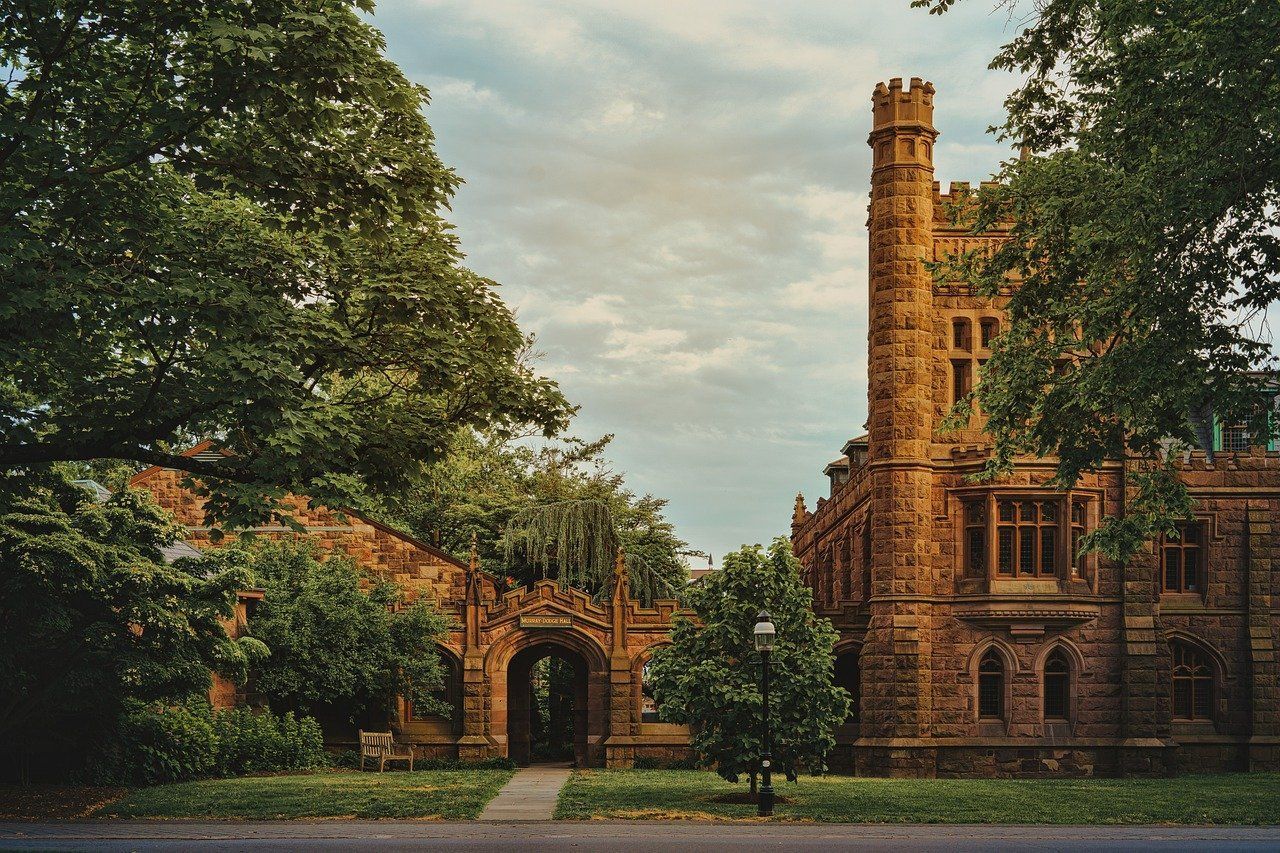
The Princeton campus is so picturesque that it has been used as a set for numerous Hollywood productions , including films like A Beautiful Mind and Across the Universe , among others. This renowned Ivy League university also houses the oldest college literary and debating club in the United States , whose graduates include two U.S. presidents, two U.S. vice presidents, and four U.S. Supreme Court justices.

There are more than 60,000 senior theses stored at the Seeley G. Mudd Manuscript Library, for example, those of Michelle Obama, Ethan Coen, Sonia Sotomayor, and Maria Ressa. Princeton University is not only famous on Earth but also in outer space . In November 1969, Charles "Pete" Conrad, a former student and the commander of the Apollo 12 mission, took a Princeton flag to the moon.

10
Harvard

Image: Tamás Mészáros

Harvard University was founded as early as 1636, which makes it the oldest institution of higher education in the United States . With almost 400 years of history, it is not surprising that this prestigious university houses several interesting stories and curious facts to discover. Named after John Harvard, who donated half of his estate and his library of more than 400 books, the school currently has 79 libraries holding about 20.4 million items in 150 miles worth of shelves.

But there’s more! Did you know that eight Harvard alumni signed the Declaration of Independence? Also, Harvard had the first native Chinese instructor to teach Chinese in America, former students won 110 Olympic medals —including 46 gold—, 51 of its affiliates are Nobel laureates, 48 hold a Pulitzer Prize, and 10 won Academy Awards. Not bad, huh?

Explore more American facts

Choose your favorite category!

General
General

As American as apple pie—the very best America has to offer!

Culture
Culture

Delve into the astounding richness of American lore.

Geography
Geography

Hop in and explore vast and diverse American landscapes.

History
History

Discover the key moments that shaped the United States.