Origin stories
10 state names with French and Spanish origins
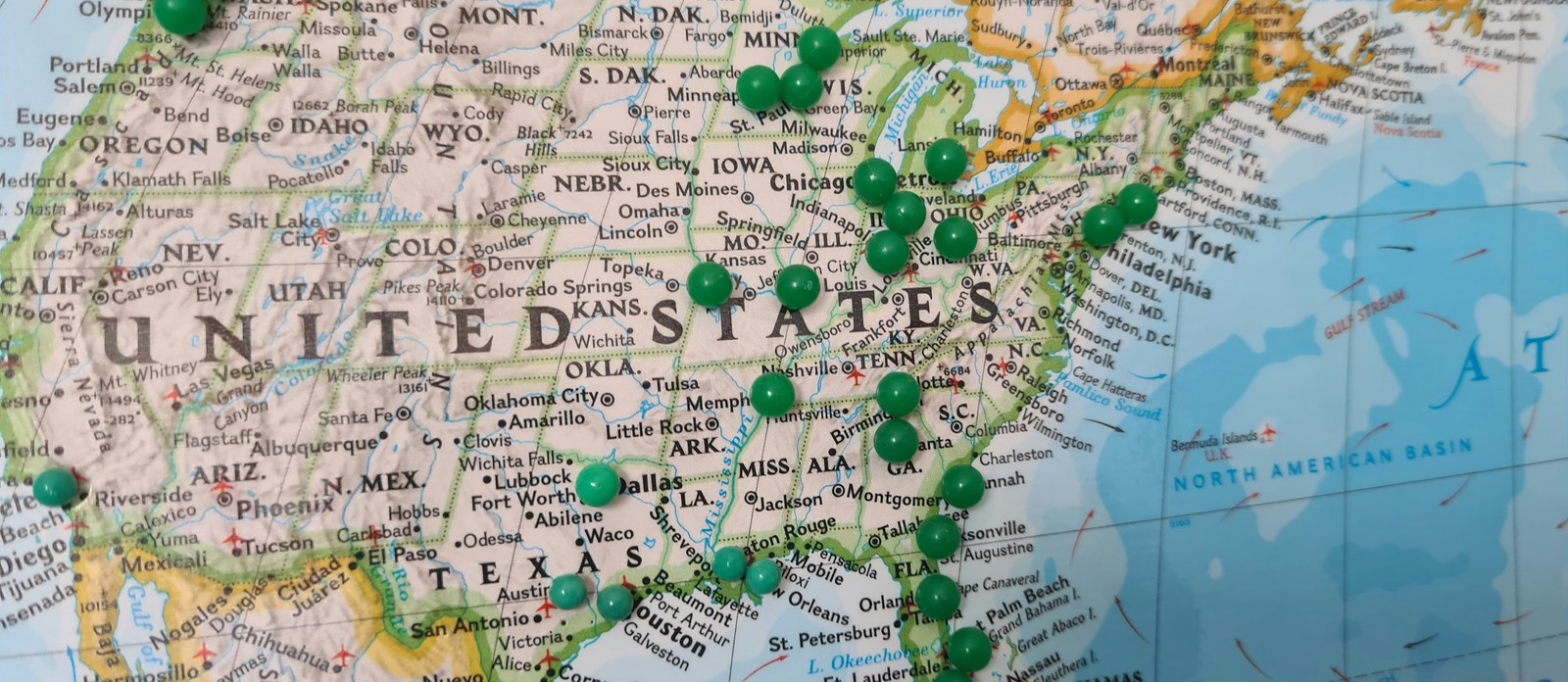
Image: Nico Smit
Twenty-six of our 50 states were once Spanish or French territory, or both. So it’s no wonder that Spanish and French culture permeates American traditions, food, customs — and state names, too. Here are 10 state names with French or Spanish origins.
1
California
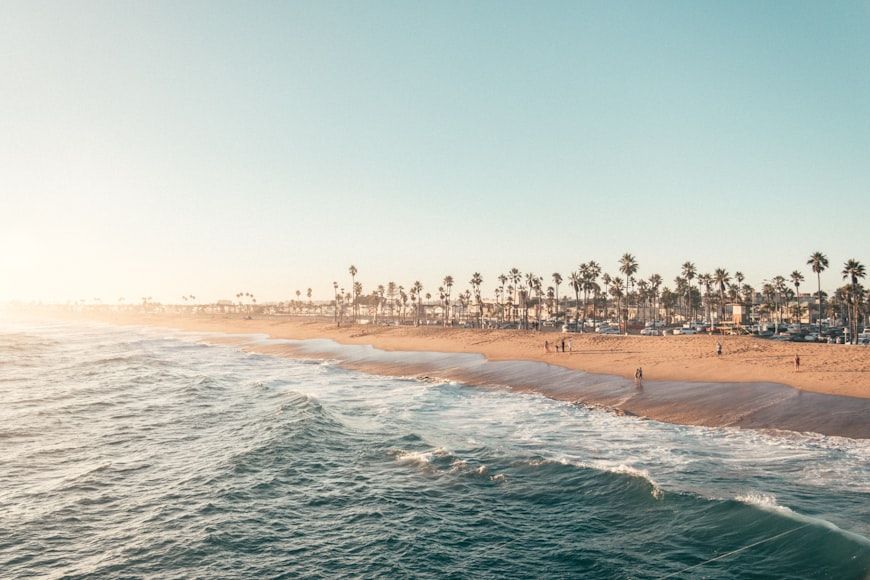
All across the Americas, we can find places named after fictional and mythical locations, a result of the arrival of European explorers on the unknown continents. In 1533, Hernán Cortés arrived in what is now Baja California, Mexico. Mistakenly believing that the peninsula was an island, coupled with the arid landscape and the rumor of abundant gold, he named it after an island from the book Las Sergas de Esplandián (The Adventures of Esplandián).
This novel, written by Garci Rodríguez de Montalvo in 1510, features the island of California , governed by the queen Calafia (a play on the Arab calipha , a title given to leaders and rulers). The fictional California is rich in gold and is described as a terrestrial paradise near the Indies, so, despite not being an island, the real California was aptly named.
2
Louisiana
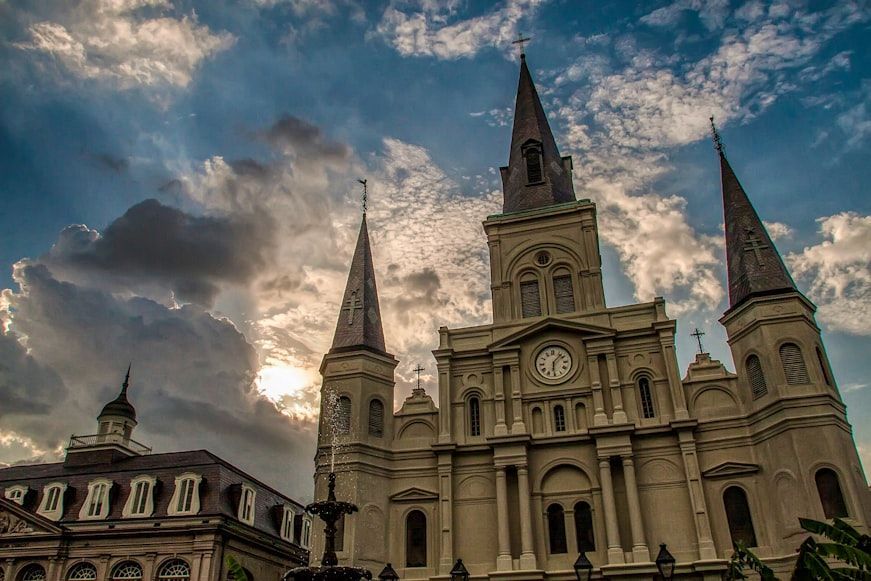
Before being the name of a state, Louisiana designated all the French territories west of the Mississippi River , covering either the whole or part of 15 current U.S. states, including Arkansas, Iowa, Nebraska, Oklahoma, and Missouri, among others. Originally named La Louisiane (‘the land of Louis’), the name was given to the Mississippi basin by the French explorer René-Robert Cavelier in 1682.
Who was Louis? Sixteen kings of France had the name Louis, but this territory was named after Louis XIV, also known as "The Sun King" . During his 72-year-long reign, still the longest of any monarch in history, France greatly expanded its colonial territories, among which was Louisiana. After the Louisiana Purchase in 1803, the anglicized name remained, but only for a much smaller portion of land, which gained statehood in 1812.
3
Florida
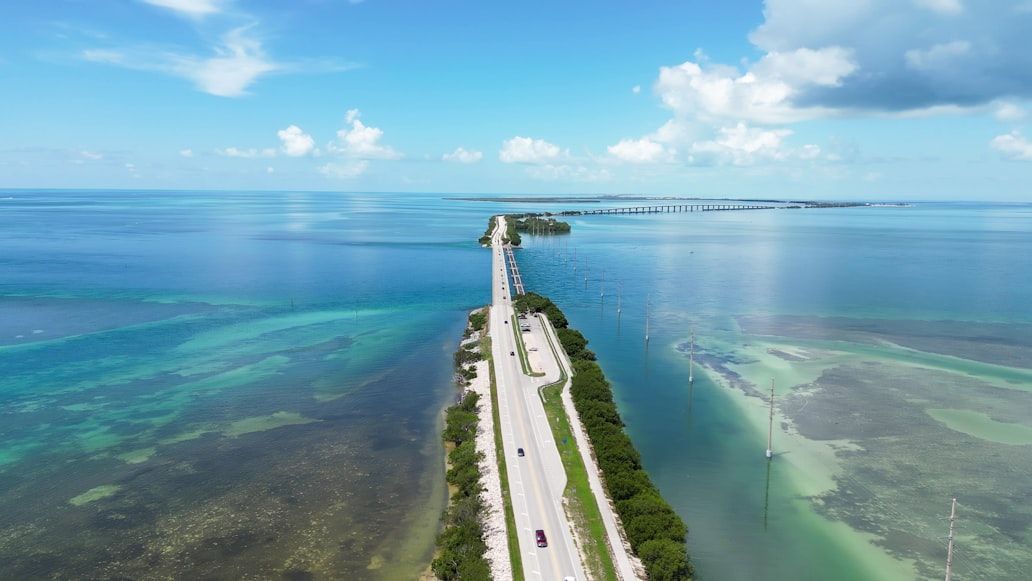
One of the European strategies for naming territories was to reference the day of arrival, a practice often used by the Spanish , and evidenced by the many places named after Catholic saints. Florida is an example of this custom.
Spanish explorer Juan Ponce de León arrived in the territory around the time of Easter while looking for the mythical fountain of youth. In Spanish, Easter is sometimes called La Pascua florida (‘the flowery Easter’) because it usually falls in spring, which led Ponce de León to name the territory La Florida .
4
Maine
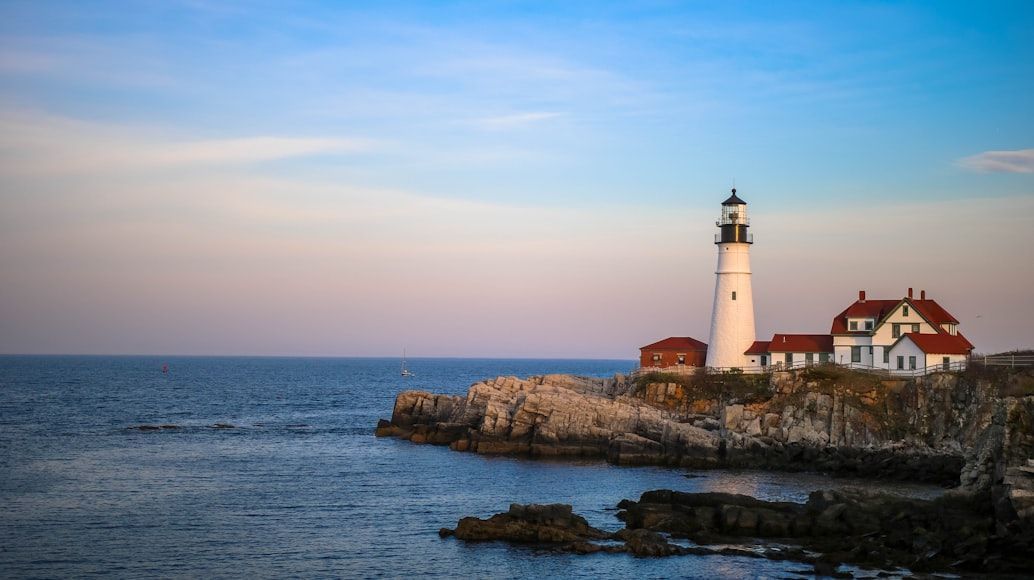
There is more than one theory for the origin of Maine, and there is no certain answer. While many claim that ‘Maine’ is derived from ‘main land’, there is another widely supported theory that makes a connection with a French province, and that is backed up by the enormous influence of Acadian French people in the state of Maine .
According to this theory, the Maine territory was named after a French province of the same name —nowadays the region of Sarthe and Mayenne— in turn named after the ancient Cenomani Gaulish tribe.
5
Vermont
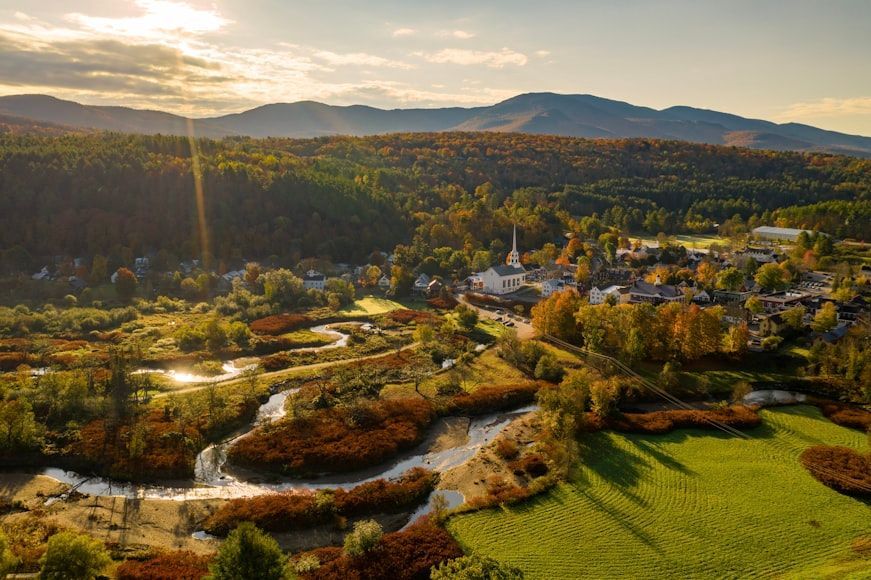
Although the Vermont territory was initially explored by the French, it might come as a surprise to know that its French name was given by an English-speaking American . In 1777, the territory declared independence from Britain and constituted a new republic. At first called ‘New Connecticut’, it adopted the name ‘Vermont’ by suggestion of physician and scholar Thomas Young.
Young came up with the name, meaning ‘green mountains’, inspired by a local militia known as ‘the Green Mountain Boys’. However, be it ignorance or poetry, the translation was made into a correct but archaic French. While Vermont does mean ‘green mountain’, the most accurate translation would have been montagne verte .
6
Colorado
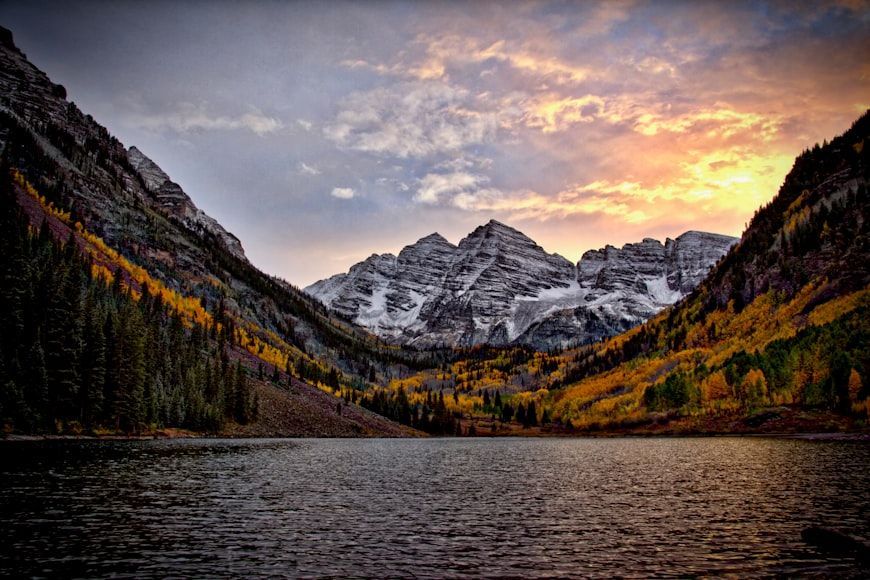
Originally, Colorado referred to the Colorado River, named by the Spanish during the 16th century. The area under that name was acquired by the U.S. in the Louisiana Purchase and through the Treaty of Guadalupe Hidalgo , with the Territory of Colorado officially established in 1861 and named after the river.
Why was the river named this way? In Spanish, colorado means ‘red colored’ or ‘ruddy colored’. During the spring thaw, the melted mountain snow would mix with reddish-brown silt , giving the river a red hue.
7
Montana
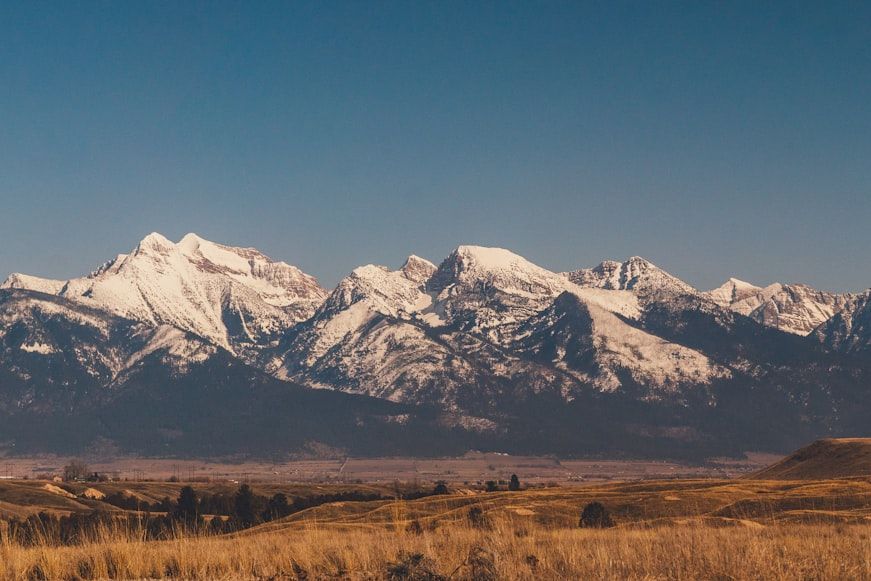
This one is another case of a name chosen by English speakers. The word ‘Montana’ is an anglicized version of the Spanish montaña, ‘mountain’. But while there certainly are mountains in Montana, part of the territory consists of plains. Why name it so, then?
The Spanish had named the western mountainous region Montaña del Norte (Northern Mountain). When the Montana Territory was created in 1864, the name was suggested as a tribute to the Rocky Mountains . Some complaints arose in defense of the plains, and the alternative name ‘Jefferson’ was proposed, but Montana won in the end.
8
Nevada
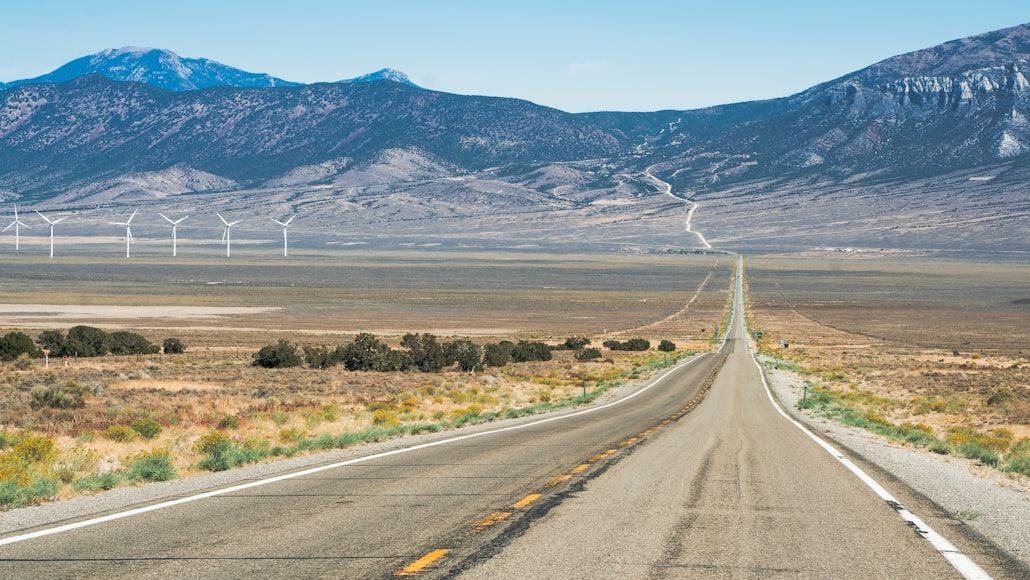
The majestic Sierra Nevada mountain range is one of the natural wonders of the Western United States, so it makes sense that a territory would be named in its honor. Named Sierra Nevada or ‘snowy peak’ by the Spanish, the first record of the name dates back to 1776 , and was most likely inspired by a Spanish range of the same name.
In 1861, the Territory of Nevada was officially established, and most sources agree that it was named after the mountain range. However, the main part of the Sierra Nevada range belongs to California, with only the Carson Range being in the Nevada territory.
9
Arizona
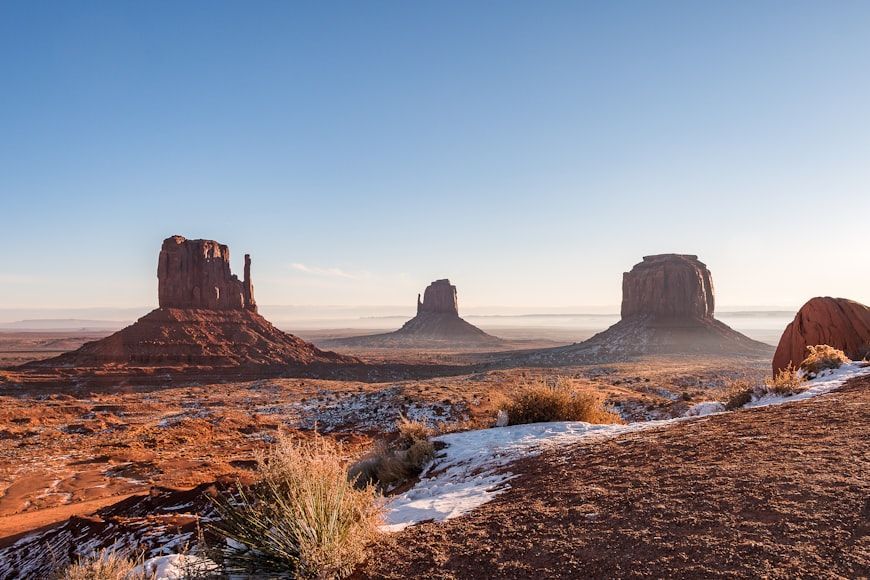
The origin of ‘Arizona’ is disputed, with theories pointing towards it being the Spanish version of a Native American name. However, other theories disagree, claiming that it is a Basque name, haritz ona , meaning ‘good oak, given by Spanish settlers who came from the Basque region.
There is a final theory which, although heavily disputed, is supported by popular stories. This theory claims that the original name was Árida zona (‘arid zone’) , a description of the desert climate.
10
Oregon
No one really knows what ‘Oregon’ means, but everyone has a theory. Although there are stories that link it to Native American names or spelling errors, the first record of the name is from a 1598 Spanish chronicle, which refers to the territory as ‘_Orejón_’ (‘big-eared’) . Whose ears were being described is unclear.
An alternate theory links the name to French instead of Spanish, based on a 1765 petition by a British explorer that calls the area ‘ Ouragon’, a possible corruption of the French ouragan , ‘hurricane ’, in reference to the turbulent waters of the Columbia River.