Culture Culture 5 min read

Relive the classics

How did these 10 TV lines become more famous than their shows?

Image: TopSphere Media

Some TV lines and catchphrases are so famous that even people who’ve never seen the show know them well. Though they were created decades ago, one thing is certain: just reading these quotes will bring back all those memories. From "What’chu talkin’ ’bout, Willis?" to "Here’s Johnny!", we’re revisiting 10 unforgettable TV lines that are part of pop culture history.

1
"Here’s Johnny!" - The Tonight Show Starring Johnny Carson
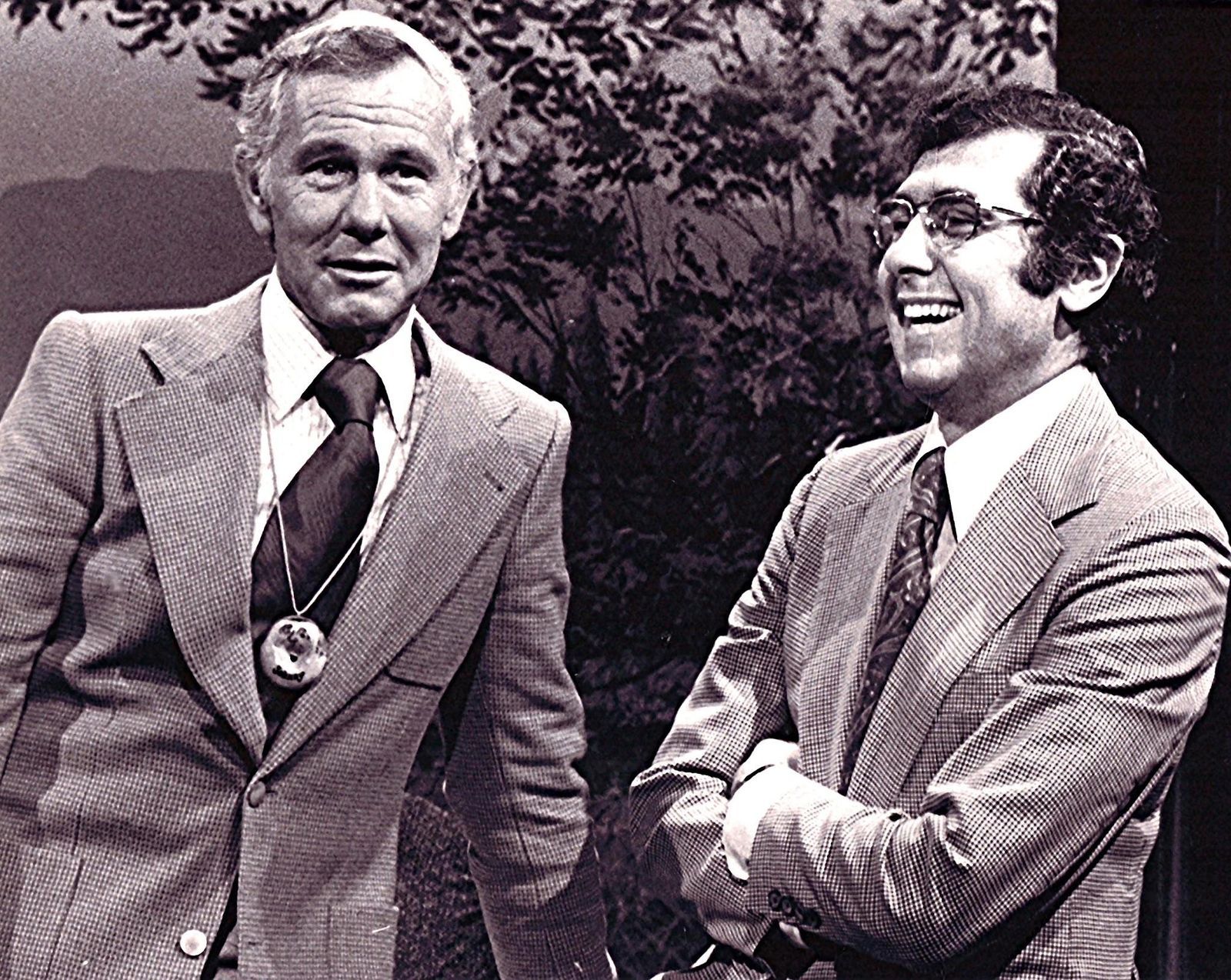
Image: Carl Lender, CC BY 2.0, via Wikimedia Commons

The Tonight Show is one of the longest-running and most influential programs in television history. The late-night show premiered in 1954, but Johnny Carson took over in 1962 and became the face of the show for three decades. It was Ed McMahon, Carson’s longtime sidekick and announcer, who gave birth to the iconic introduction: "Heeeeeere’s Johnny!" The phrase took hold so firmly in American culture that it was referenced endlessly across other shows and media, most famously parodied to terrifying effect by Jack Nicholson in Stanley Kubrick’s The Shining (1980).

2
"What’chu talkin’ ’bout, Willis?" - Diff’rent Strokes
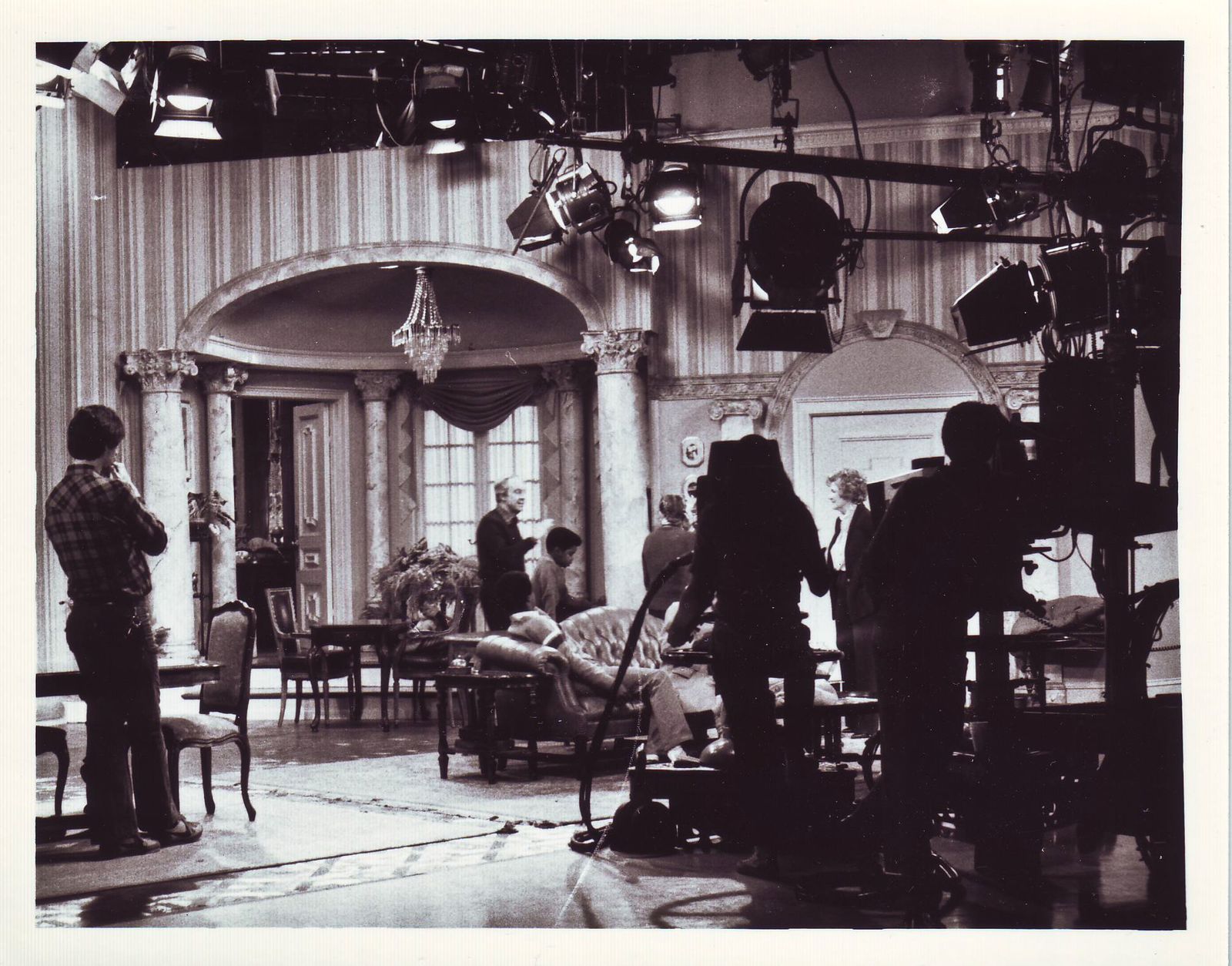
Image: Louise Palanker, CC BY-SA 2.0, via Wikimedia Commons

It’s impossible not to picture Gary Coleman’s face when you hear "What’chu talkin’ ’bout, Willis?" The line, uttered by Arnold (Coleman) to older brother Willis (Todd Bridges), became so famous that it’s still used today to express confusion, even by young people around the world who don’t know it comes from the NBC sitcom Diff’rent Strokes (1978–1985). The catchphrase helped catapult Coleman to international fame, but it was repeated so often that, by the later seasons, he admitted he sometimes refused to say it.

3
"Ayyyyyy!" - Happy Days
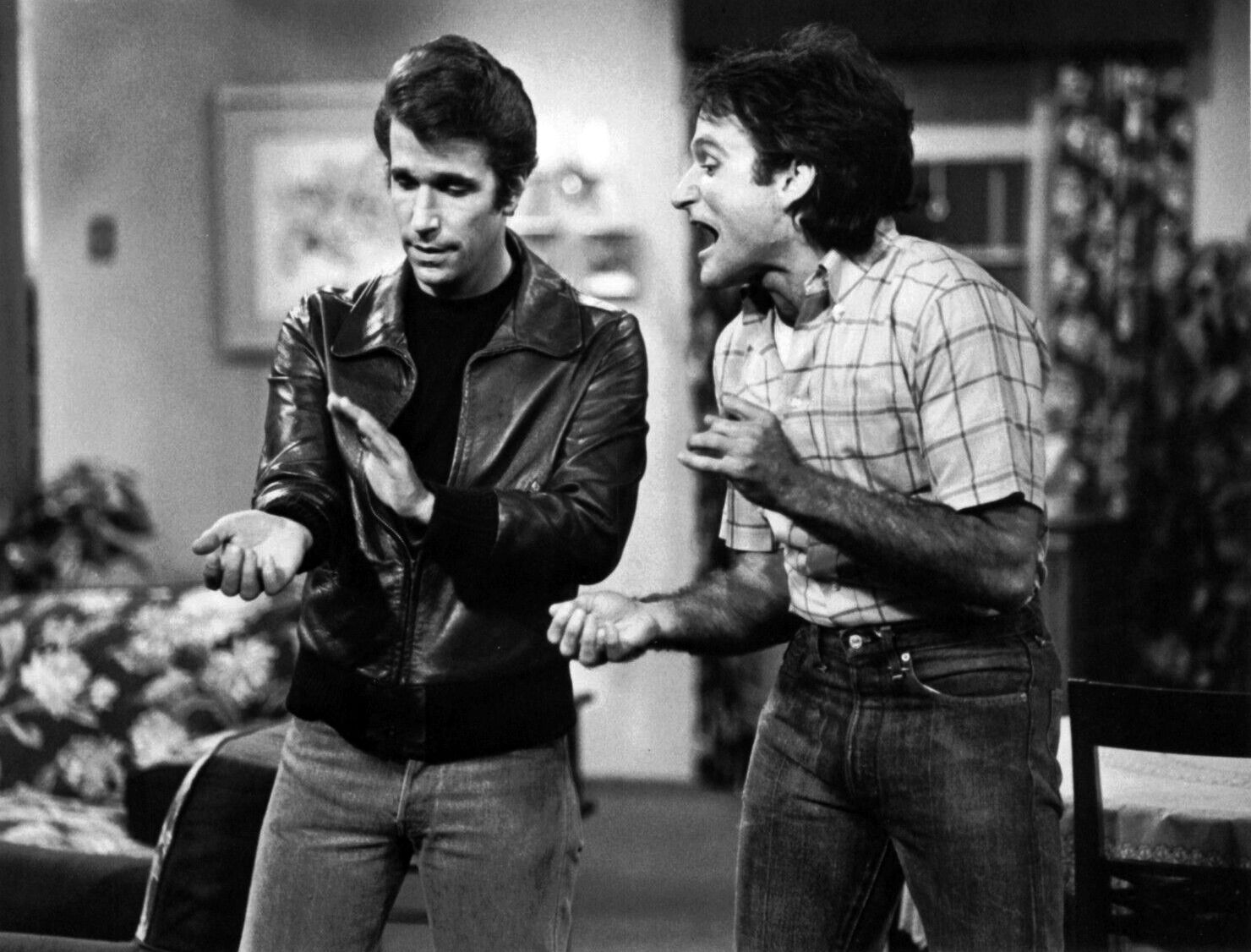
Image: ABC, Public domain, via Wikimedia Commons

Yes, the power of a catchphrase can be so strong that some of the most memorable ones are just one consonant-free syllable. A perfect example is the signature line of Arthur Fonzarelli, A.K.A. Fonzie, or "The Fonz," from Happy Days (1974–1984). Played by Henry Winkler, Fonzie was the coolest guy on TV, so all it took was a leather jacket, a thumbs-up, and an "Ayyyyy!" to make him immortal.

4
"Dy-no-mite!" - Good Times

Image: Aleks Dorohovich

Actor Jimmie Walker rose to fame playing J.J. Evans on the American sitcom Good Times (1974–1979). His clever and energetic character had a trademark: "Dy-no-mite!", his exclamation of excitement, approval, or surprise. The line became so famous that it appeared everywhere, from T-shirts to posters, and for many viewers, it’s the thing they most remember about the show.

Although the line was undeniably a hit, the actor admitted in later interviews that he wasn’t entirely sure it would take off. Who could have predicted what was coming?

5
"I love it when a plan comes together!"- The A-Team
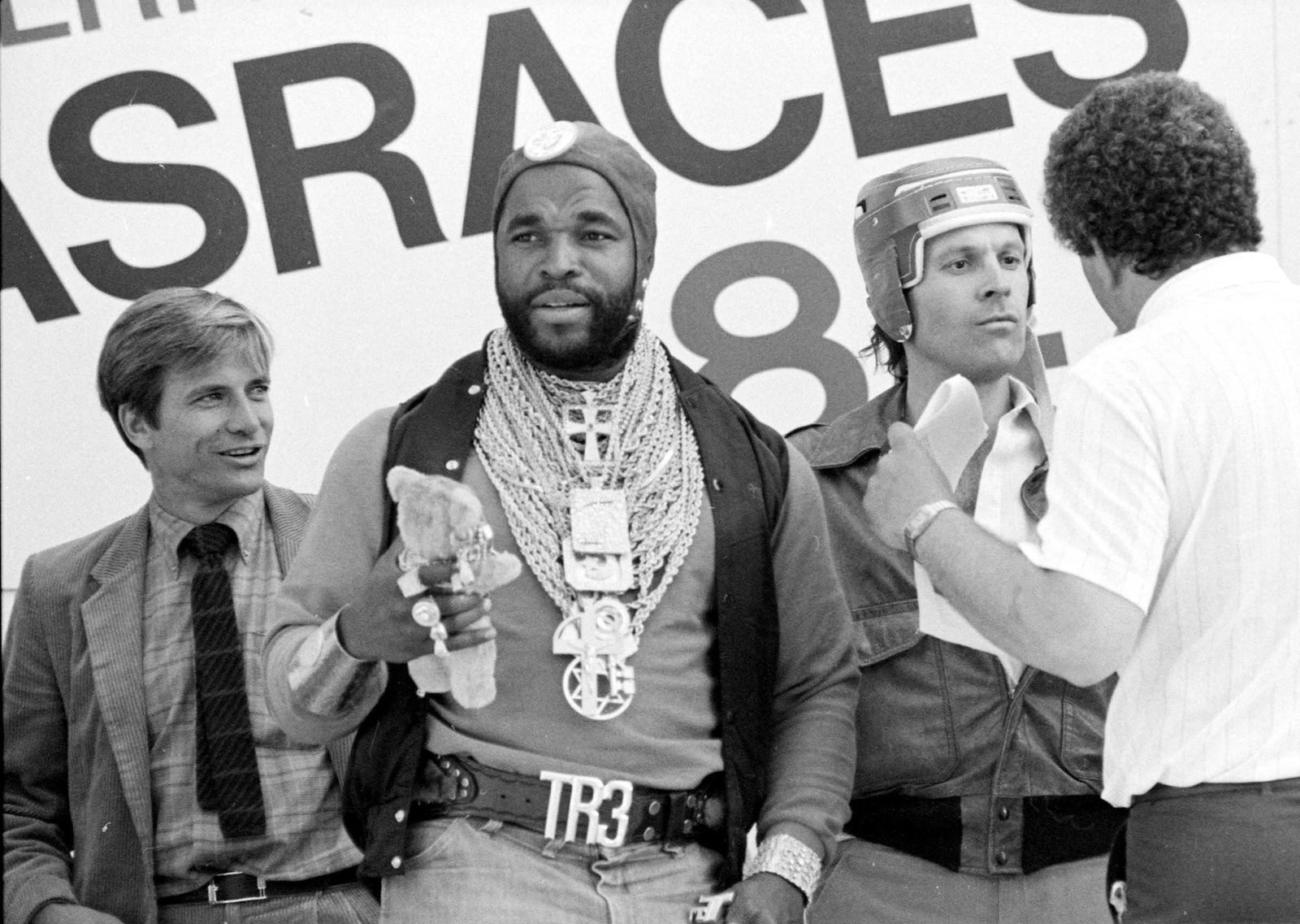
Image: Fotopersbureau De Boer, CC0, via Wikimedia Commons

"I love it when a plan comes together!" was the iconic catchphrase delivered by George Peppard’s character in The A-Team (1983–1987). At the end of many episodes of the action series, Lieutenant Colonel John "Hannibal" Smith would light or just hold his cigar as he delivered the line, signaling that his plans (usually elaborate, risky, and a little over the top) had worked out perfectly. Over time, the phrase became part of popular culture and is still used today whenever everything falls into place.

6
"Book 'em, Danno" - Hawaii Five-O
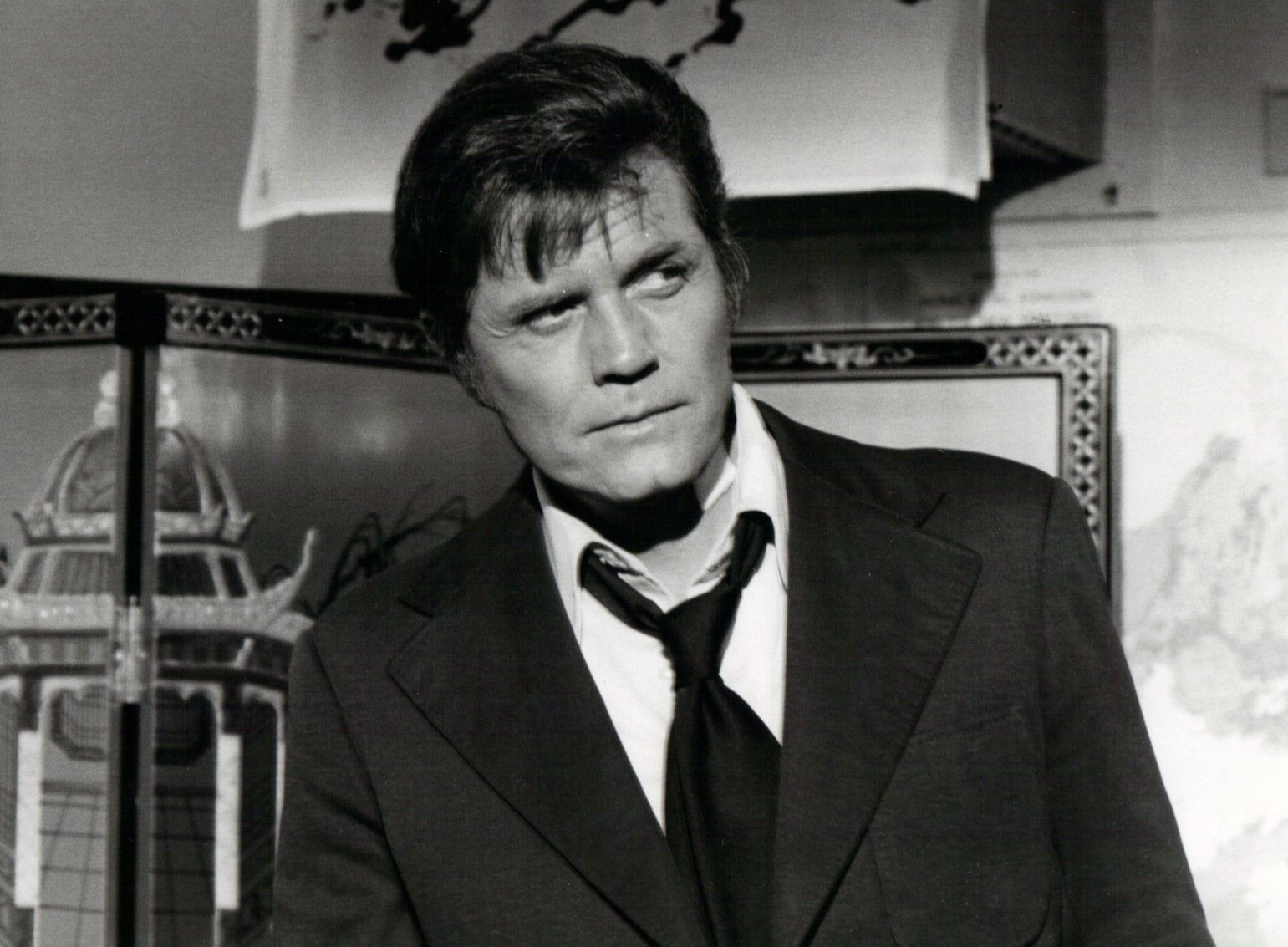
Image: CBS Television, Public domain, via Wikimedia Commons

"Book ’em, Danno" was the iconic line delivered by Jack Lord’s character, Detective Steve McGarrett, to his partner Danny "Danno" Williams (played by James MacArthur) on Hawaii Five-O (1968–1980). The utterance often came at the end of an episode when the bad guy had finally been caught. It became hugely popular and turned into a cultural shorthand for "case closed" in the 1970s.

7
"Lucy, you got some 'splaining to do!"- I Love Lucy
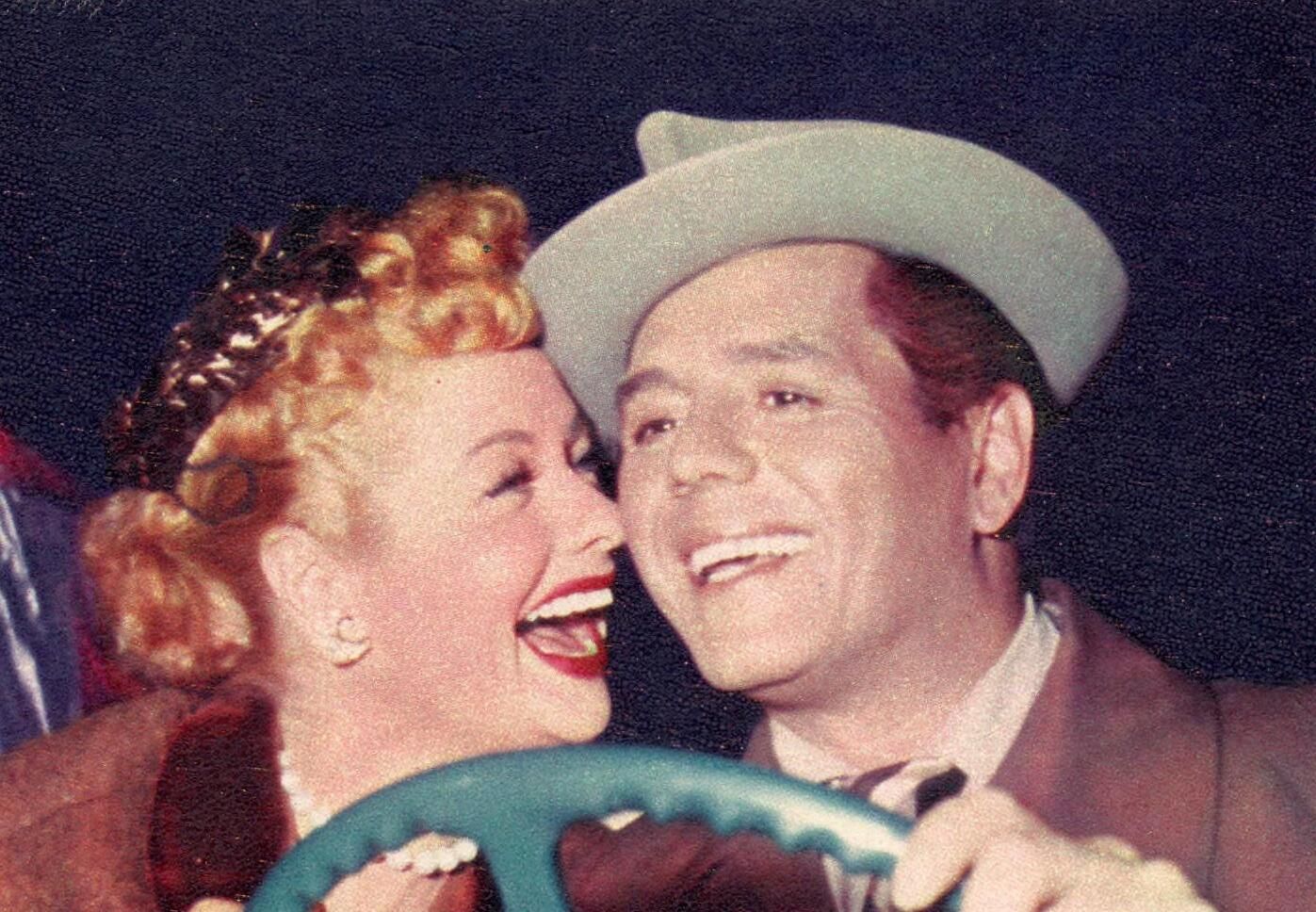
Image: TV Guide, Public domain, via Wikimedia Commons

Desi Arnaz and Lucille Ball played the ultimate sitcom couple, Ricky and Lucy Ricardo, on I Love Lucy (1951–1957). Whenever Lucy got caught up in one of her classic schemes or hilarious misunderstandings, Ricky would step in to deliver some version of "Lucy, you got some ‘splaining’ to do!"

Even though the line was never delivered exactly the same way, Ricky would always demand an explanation in similar terms, with variations like "Lucy, something needs ‘splaining’" or "What needs ’splainin’?"

8
"Is that your final answer?" - Who Wants to Be a Millionaire?

Image: Idea SV, CC BY-SA 3.0, via Wikimedia Commons

Maybe it’s just nostalgia, but it’s hard not to feel the tension when you hear "Is that your final answer?" That classic line from Who Wants to Be a Millionaire? originated with Chris Tarrant, the original host of the British version, which debuted in 1998. But it was Regis Philbin, host of the American version (which premiered in 1999), who helped the phrase achieve worldwide fame.

The question added a moment of suspense, often making contestants second-guess themselves. Over time, its impact went far beyond the game, becoming an indisputable part of the cultural lexicon

9
"Live long and prosper" - Star Trek
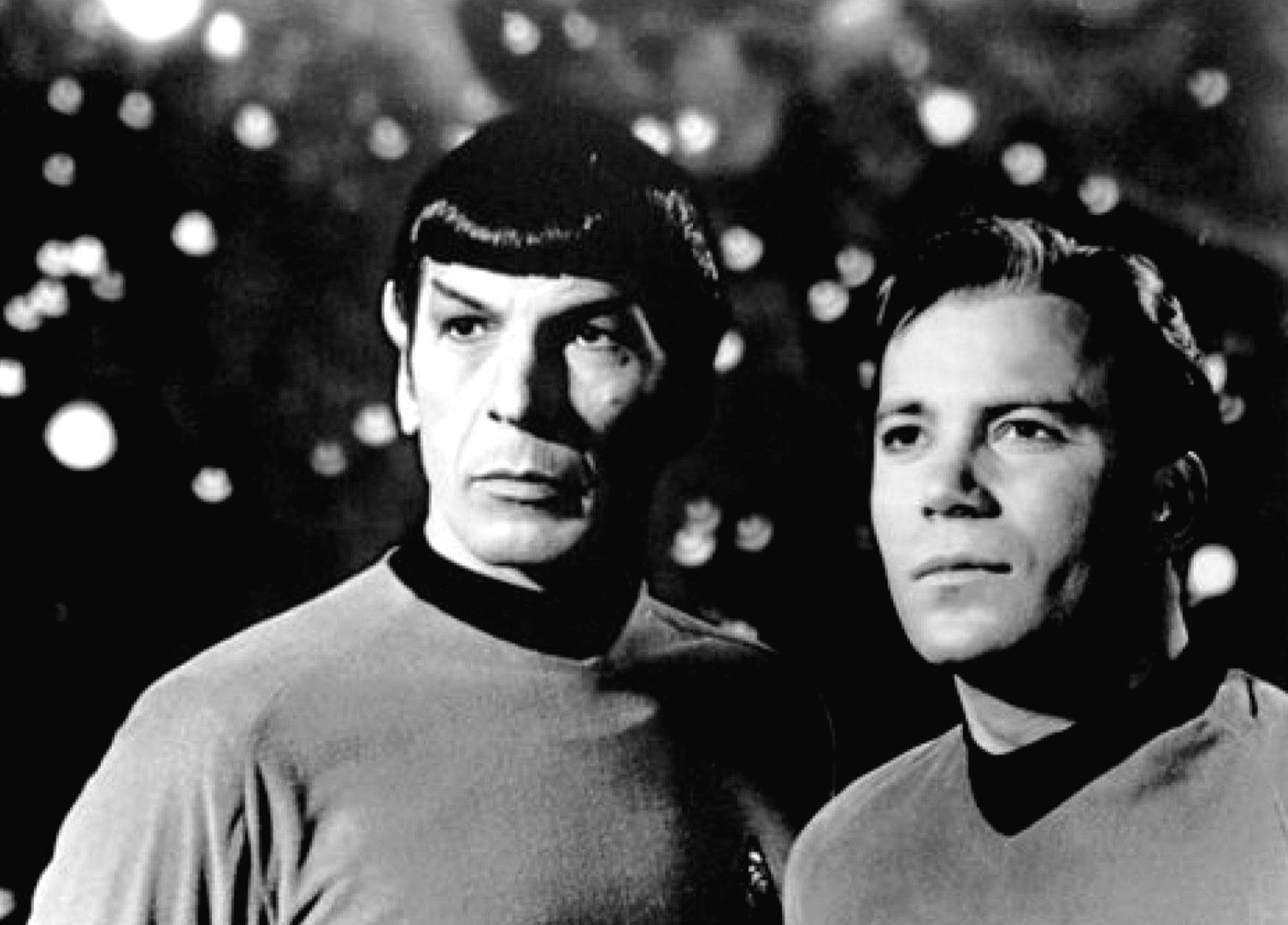
Image: NBC Television, Public domain, via Wikimedia Commons

You may remember Leonard Nimoy’s voice as Spock delivering his signature "Live long and prosper" in the original Star Trek (1966–1969). As a traditional Vulcan greeting, the line was often paired with the iconic hand gesture, where the fingers split to form a "V" shape. The phrase went on to transcend generations, which makes it even more surprising that it wasn’t part of the original script; it was Nimoy who came up with both the gesture and the phrase for the show.

10
"Norm!" - Cheers
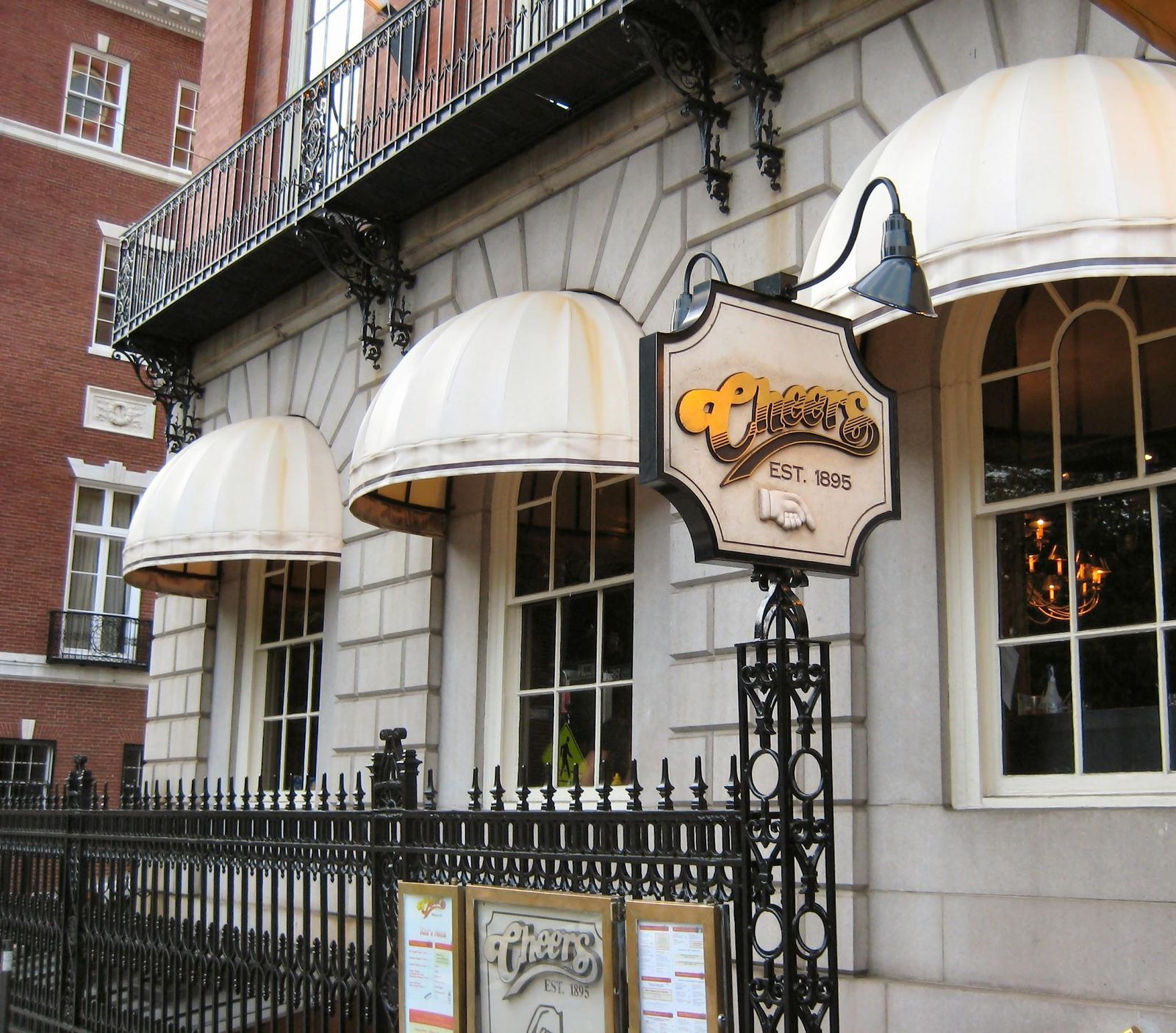
Cheers (1982–1993) is one of those shows that’s hard to forget, and anyone who’s seen it will instantly remember the shout of "Norm!" This was the familiar greeting from the bar’s staff and regulars every time Norm Peterson, played by George Wendt, walked through the door. Norm is one of the few characters to appear in all 275 episodes of the series, so that moment became a beloved and frequent (very frequent) ritual.
History History 4 min read

Weird America

Prepare to be shocked: these 10 American mysteries remain unsolved

Image: Susan Q Yin

Everyone loves a good mystery, and American history is teaming with fascinating examples. From vanished aviators to secret codes and missing treasures, these real stories have puzzled experts for decades. Some are dark, others simply strange, but all remain open chapters in our past. Take a look at the following 10 unsolved mysteries. Which ones did you already know?

1
The disappearance of Amelia Earhart (1937)

Image: Job Vermeulen

The first entry on our list is dedicated to a world-renowned flight pioneer, Amelia Earhart, who vanished while attempting to become the first woman to fly around the globe , leaving behind only fragments of her plane and endless speculation. Radio failure, poor visibility, and fuel issues are speculated to be contributing factors to her disappearance.

Even with modern technology and repeated searches, no one has ever found definitive proof of what happened to Amelia or her aircraft.

2
The D.B. Cooper hijacking (1971)

Image: Christine Trefalt

In 1971, Dan Cooper, a seemingly quiet man, boarded a plane in Portland, Oregon, which he promptly hijacked when the aircraft was in the air. He demanded $200,000 over the radio.

The plane landed in Seattle, where authorities met his demands. Cooper released all 36 passengers in exchange for the cash and parachutes. He then ordered the remaining crew to fly toward Mexico City at a low altitude and slow speed. Somewhere over southwest Washington, he lowered the aircraft's aft stairs and jumped into the freezing night, never to be seen again.

3
The disappearance of Jimmy Hoffa (1975)

Image: Pavel Inozemtsev

The powerful union leader left a Detroit restaurant in 1975 and simply vanished . Witnesses last saw him standing by his car in the restaurant’s parking lot, and investigators believe he was coaxed into a car by people he recognized, thinking the meeting location had changed. He was never seen again. Searches in fields, lakes, and construction sites turned up nothing. To this day, it remains one of the most famous unsolved mysteries in American history.

Rumors range from mob connections to government cover-ups, but none have been proven. Ever since then, Hoffa’s name has become shorthand for anything that disappears without a trace.

4
The Yuba County Five (1978)

Image: Sebastian Unrau

In what came to be known as "America’s Dyatlov Pass", five friends vanished after attending a basketball game in the town of Chico, California. Months later, the bodies of four members of the group were found in the mountains under mysterious conditions .

The remaining member of the original party was never located, and their strange route into deep snow remains unexplained.

5
The Sodder Children (1975)

Image: Marita Kavelashvili

A fire destroyed the Sodder family home in West Virginia, but five children were never found among the remains of the house. Because of physical inconsistencies at the scene and strange sightings afterward, the family always believed they survived.

Over the years, strange sightings and letters fueled hope and confusion alike, but no real evidence has ever been found. Because of these clues, the Sodders never held a funeral and instead famously erected a billboard on Route 16, offering a reward for information and keeping the case in the public eye for decades.

6
The Springfield Three (1992)

Image: David Holgerson

On a warm summer night in 1992, Sherrill Sherrill Levitt, her daughter Suzie, and Suzie's friend Stacy vanished from their home in Springfield, Missouri, leaving behind their cars, purses, and even the family dog .

Friends arriving the next morning found the house empty but unlocked. Despite thousands of leads, no evidence or remains have surfaced. The case remains one of the most talked-about disappearances in small-town America to this day.

7
The Gardner Museum Heist (1990)

Image: Dannie Jing

Back in 1990, two men dressed as police officers entered Boston’s Isabella Stewart Gardner Museum and stole 13 works of art worth over $500 million .

No piece has ever been recovered. Empty frames still hang on the museum walls, a quiet tribute to one of history’s most expensive thefts.

8
The Max Headroom broadcast hijack (1987)

Image: Rubenz Arizta

1980s television viewers might remember Max Headroom as a somewhat clumsy computer AI TV personality and ad spokesperson. In 1987, Chicago viewers were startled when a strange figure wearing a Max Headroom mask interrupted TV broadcasts with odd messages .

The stunt lasted only seconds, but no one was ever caught or identified. It remains one of the strangest unsolved moments in television history.

9
The Great Lakes ghost ships

Image: Kyle Larivee

Over the years, s everal ships have vanished or been found adrift on the Great Lakes , their crews gone without explanation. Cold weather, sudden storms, and superstition all play roles in the stories, but some cases defy logic. The vast inland seas are simply too big to be accessible with the current technology.

Among the most notable unsolved cases, we can mention Le Griffon, a ship that vanished during her maiden voyage in 1679, the SS Banockburn, known as the "Flying Dutchman of Lake Superior," disappeared during a storm in 1902, or the SS Chicora, a luxury steamer lost in a violent winter gale while carrying a cargo of flour, in 1895.

10
The Dulce Base Mystery

Image: Pict4life

Beginning in the 1970s, a constant array of strange lights, unmarked aircraft, and talk of secret tunnels near the town of Dulce has fueled decades of conspiracy theories in this otherwise quiet area to this day.

While skeptics blame radar tests or imagination, locals still report odd sightings in the desert skies.

History History 7 min read

The history before the history

What were the thirteen colonies named after?

Image: Aaron Burden

The thirteen original colonies are the birthplace of America as a free country, but their history started way before 1776 . Did you know that there were actually only twelve proper colonies? Or that not all colonies were originally settled by the British? How did they come to be? What is the origin of their names? Let’s explore all these questions and more!

1
Virginia (1607)

Image: Praswin Prakashan

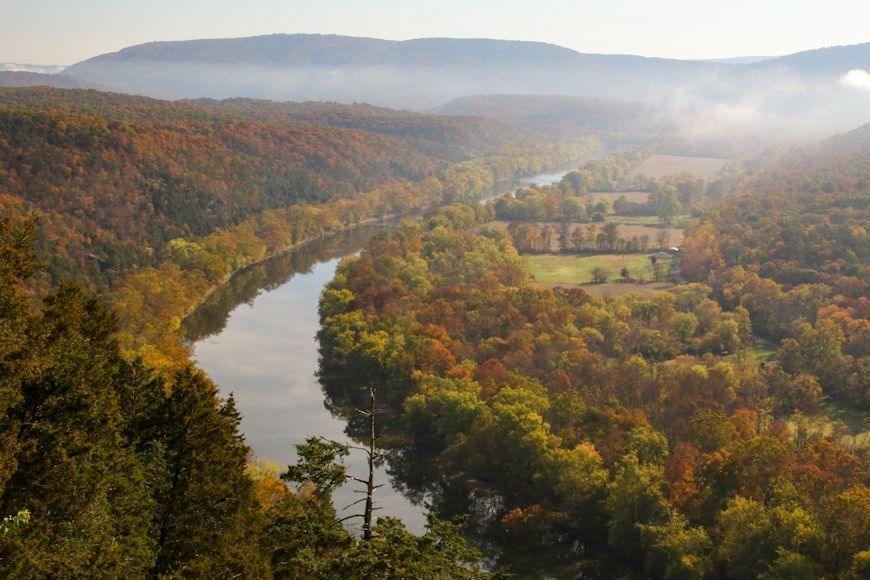
Before being an established colony, the entirety of England’s territories in North America was referred to as Virginia. While it is commonly accepted that Sir Walter Raleigh named it after Elizabeth I, the Virgin Queen , some historians have suggested that it is the European rendering of Wingina , the name of that region’s native ruler.

The first two English settlements (in modern-day Newfoundland and North Carolina) were not successful. The third one, Jamestown, was settled by the Virginia Company as a charter (a sovereign’s permission to establish a colony). Eventually returned to the crown’s authority, it was officially known as the Virginia Colony. After the English Civil War, Charles II conferred on it the title of "Old Dominion" as a token of gratitude, a name that survives as the state’s current nickname.

2
Massachusetts (1620)

Image: Pascal Bernardon

Also established by charter, the Massachusetts Bay Colony was not only created for trading purposes, like other settlements. It was also intended as a safe haven for English Puritans who desired to escape persecution . Its charter and name changed several times due to the Civil War and political unrest. Eventually, several colonies were merged into the Dominion of New England and later into the Province of Massachusetts Bay.

The name Massachusetts was taken from the indigenous population of the region, an Algonquian tribe called the Massachusett or Muhsachuweesut . It is believed that the name means ‘by the great hills’ or ' at the range of hills’, in reference to the Blue Hills.

3
New Hampshire (1623)

Image: Peter Lewis

The first settlements in New Hampshire were the result of land being granted to John Mason and Sir Ferdinando Gorges , neither of whom ever traveled to the region. Additional settlements in the area were established by colonists from Massachusetts Bay, who were unhappy with the strict Puritan rule of the colony.

Although John Mason had been born in Norfolk, he had ties to Hampshire County in South East England, after whom he decided to name his newly granted land . After Mason’s death, the region lacked a proper authority, and the settlers voted to be part of the Massachusetts Bay Colony. After the Civil War, the Province of New Hampshire was established by Charles II.

4
Maryland (1634)

Image: Liz Guertin

A similar situation to the Massachusetts colony, Maryland was also established as a refuge from religious persecution, this time for Roman Catholics . With this purpose in mind, George Calvert, 1st Baron Baltimore, secured a land grant from Charles I. Despite several religious conflicts, Maryland remained one of the most tolerant colonies.

Maryland was named after Charles I’s wife, Henrietta Maria , who was a devout Catholic. Lord Baltimore had initially intended to use the name Crescentia (or ‘the land of growth’), but he decided to let the King choose the name. Charles named it Terra Mariae (Maria’s land), although the English version quickly became more widely used.

5
Connecticut (1636)

Image: Rusty Watson

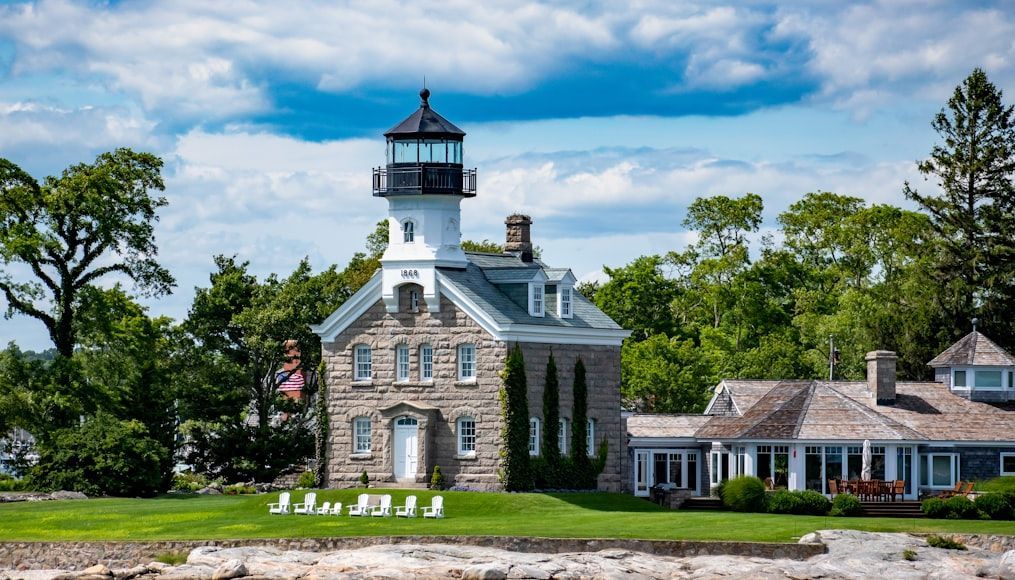
The first settlements in the area were established by Dutch explorers, but English settlers soon arrived from the Plymouth colony in Massachusetts. The colony took its name from the Connecticut River , a corrupted form of the native words quinetucket and kwinitekw , meaning ‘beside the long, tidal river’.

Connecticut's current nickname, ‘the Constitution State’, is a reference to the Colony’s constitution, the Fundamental Orders of Connecticut , one of the earliest constitutions in modern history.

6
Rhode Island (1636)

Image: Steve Anton

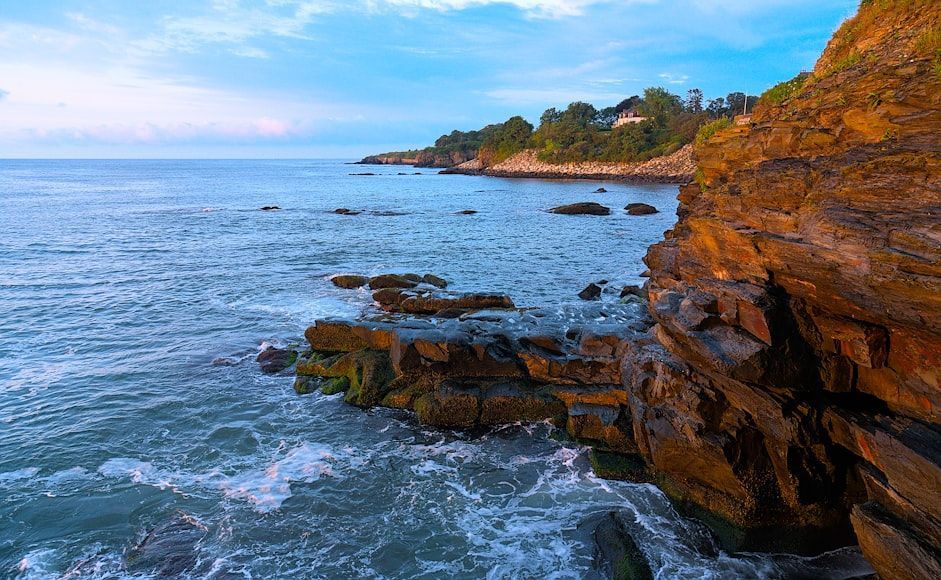
Founded by a Puritan minister who had been expelled from the Massachusetts Colony, Rhode Island was initially named Providence Plantations . Committed to ensuring religious freedom, it became a refuge for religious dissenters who found it difficult to live in the strict Puritan colonies. Later on, it merged with several other settlements —among them, Aquidneck Island, also known as Rhode Island— and took the name of the Colony of Rhode Island and Providence Plantations.

It’s uncertain where the name Rhode Island came from, but the two most likely theories cite either a connection with the Greek island of Rhodes or the Dutch phrase "een rodlich eylande" (‘a reddish island’) . All three names (Rhode Island, Island of Rhodes, and Red Island) are used in 17th-century documents.

7
North and South Carolina (1663)

Image: Clint Patterson

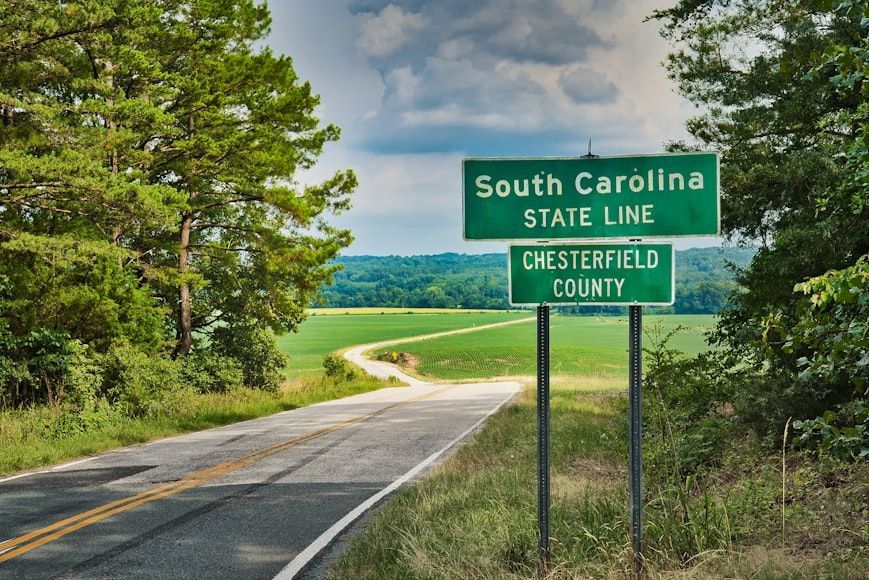
Before there was a North and a South Carolina, there was just Carolina . The land of both colonies had been granted to various nobles as a reward for their role in the restoration of the monarchy. The charter granting the lands —which included areas from present-day North Carolina, Tennessee, South Carolina, Georgia, Alabama, Mississippi, and Florida— named them Carolina (from the Latin Carolus ) after King Charles I .

The area covered by the province of Carolina was divided into two distinct parts, and communication and transportation between the two proved difficult. A deputy governor for the northern region was initially appointed, but the noble proprietors eventually decided to divide the province into two , North Carolina and South Carolina.

8
New York (1664)

Image: Matthias Kinsella

It is a widely known fact that modern-day New York was initially colonized by Dutch settlers under the name ‘New Netherland’, with ‘New Amsterdam’ as its capital city . In 1664, King Charles II and his brother, the Duke of York, gathered a fleet to seize the New Netherland territories, a conquest disputed by the Dutch West India Company, the colony administrator.

The Duke of York was made proprietor of the territory, now renamed ‘New York’. In the following decade, the ownership of the territory was disputed, and the Dutch made several attempts to recover it. Eventually, the Treaty of Westminster was signed in 1674, where the Dutch forfeited the New York territories in exchange for the Suriname colony in South America.

9
Delaware (1664)

Image: Gökhan Kara

The territory of Delaware was originally part of New Netherland, which made it part of the New York Province after British conquest, but it was never effectively controlled by the New York government. These counties had taken their name from the neighboring Delaware River , which in turn had been named after Thomas West, 3rd Baron De La Warr, governor of Virginia at the time the English gained control of that territory.

While they were never a colony of their own, the Delaware counties had an independent legislature and functioned as a de facto colony. Later included in the land granted to William Penn, they refused to merge with the Pennsylvania government and were eventually granted their own assembly. At the start of the Revolutionary War, the Delaware assembly voted for separation from Britain, thus creating the state of Delaware.

10
New Jersey (1665)

Image: R

Originally part of the New Netherland territory, half of the New Jersey territory was conferred by the Duke of York to Sir George Carteret as a reward, while the other half was sold to Lord Berkeley of Stratton. The territory was named after Carteret’s homeland, the island of Jersey .

A few years later, New Jersey was divided into two provinces, East and West Jersey , with their respective governors and constitutions, which were eventually incorporated into the New England Dominion, alongside the province of New York. However, the Dominion was dissolved after a few years, and the East and West Jersey territories were unified as the Province of New Jersey.

11
Pennsylvania (1681)

Image: Donnie Rosie

Pennsylvania, alongside Carolina, is one of the two major Restoration colonies, chartered by Charles II to reward loyal subjects after the war. In this case, it was conferred on William Penn, an influential Quaker thinker, to settle a debt owed to his father. Penn and his associates had already purchased most of the New Jersey territory to establish a Quaker haven, but religious tensions in England made him propose a mass emigration of Quakers to the King.

The king conferred Penn a large territory —which made him the largest private non-royal landowner— with almost absolute rights. While Penn intended to name the colony either ‘New Wales’ or ‘Sylvania’ (Latin for ‘forests’), the king named it Pennsylvania after Penn’s father . Penn personally travelled to the territory to establish the first settlements, signed treaties with the Lenape tribes of the area, and established a proto-constitution which guaranteed freedom of religion, elections, and trials by jury.

12
Georgia (1732)

Image: Jacob Mathers

The last colony to be established, Georgia was chartered to James Oglethorpe by King George II, after whom it was named . A social reformer, Oglethorpe, wanted to establish the territory as a haven for debtors and poor people, and implemented measures such as the banning of alcohol and slavery. He also disliked the large plantation system, favoring smallholdings.

The colony was also intended to be a ‘buffer’ between the British colonies and the Spanish territories in Florida. Despite Oglethorpe’s well-intentioned designs, the colony was difficult to manage, and it was returned to the crown two decades later. Upon becoming a royal colony, Oglethorpe’s measures against slavery and the plantation system were overturned.

Explore more American facts

Choose your favorite category!

General
General

As American as apple pie—the very best America has to offer!

Culture
Culture

Delve into the astounding richness of American lore.

Geography
Geography

Hop in and explore vast and diverse American landscapes.

History
History

Discover the key moments that shaped the United States.