History History 4 min read

U.S. presidents had odd habits that not many people know about
Image: Jane Simoes

The Oval Office has seen its share of dignified statesmen, but behind those serious portraits lie some seriously entertaining stories . Did you know Ronald Reagan kept his desk perpetually stocked with jelly beans, or that John Quincy Adams had a habit of stripping down for a morning swim in the Potomac? Something nobody can deny is that our commanders-in-chief have been refreshingly, hilariously human.

1
Ronald Reagan: The Jelly Bean Fanatic
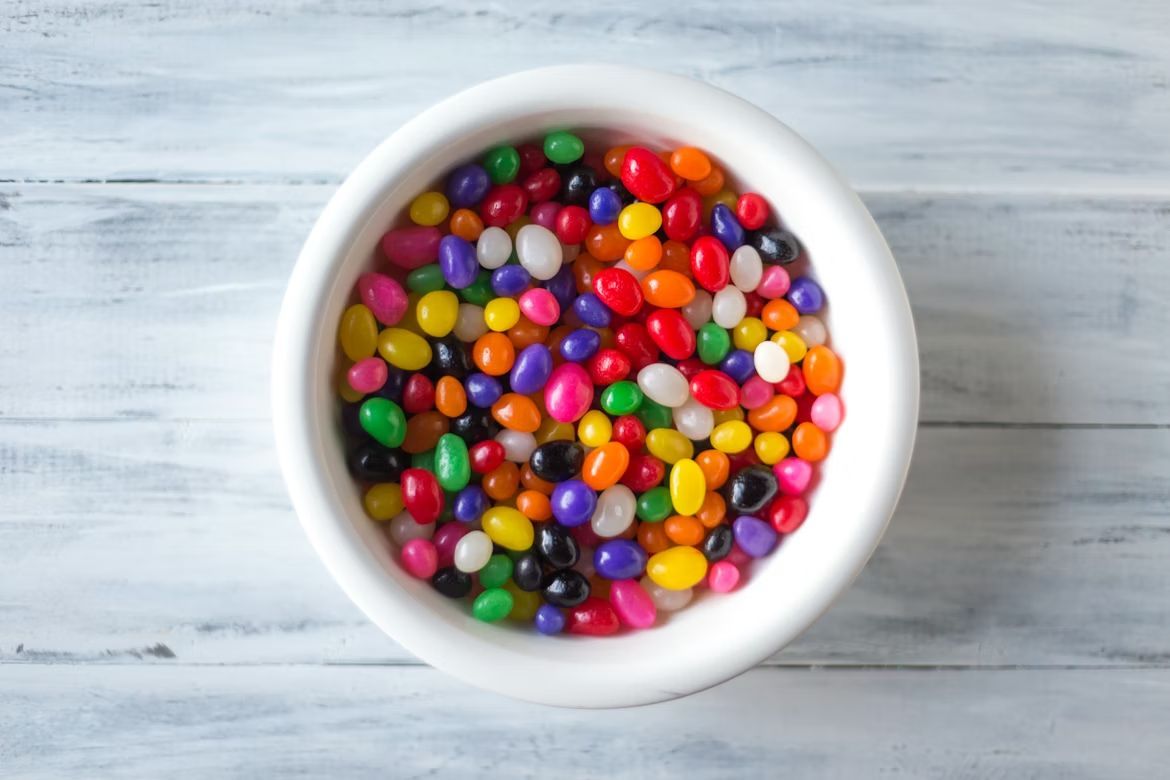
Image: Patrick Fore

Ronald Reagan kept a jar of jelly beans on his desk in the Oval Office and on Air Force One . Blueberry was his favorite flavor, and 3.5 tons of jelly beans were shipped to Washington for his 1981 inauguration.

The Jelly Belly company even created a special blueberry flavor just for Reagan's presidential inauguration. Cabinet meetings apparently featured bowls of the colorful candies, and Reagan would munch on them during crucial policy discussions.

2
John Quincy Adams: The Naked Swimmer
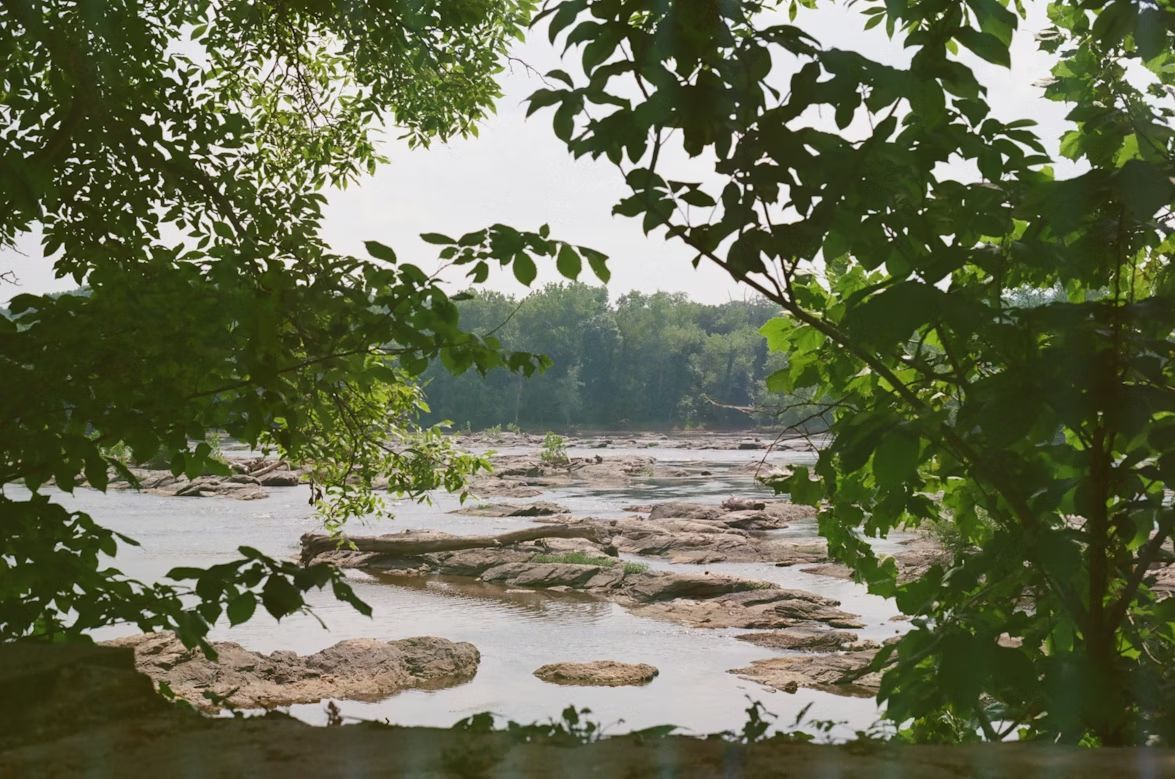
Image: Axel Korolkoff

John Quincy Adams had a rather unusual morning routine that would absolutely not fly today. The sixth president would wake up early, walk down to the Potomac River, strip off all his clothes, and go for a refreshing swim .

Legend has it that a female reporter once caught wind of this habit and sat on his clothes until he agreed to give her an interview. Adams apparently took it in stride, though one imagines the Secret Service would have a collective heart attack if any modern president tried this stunt.

3
Teddy Roosevelt: The One-Man Zoo
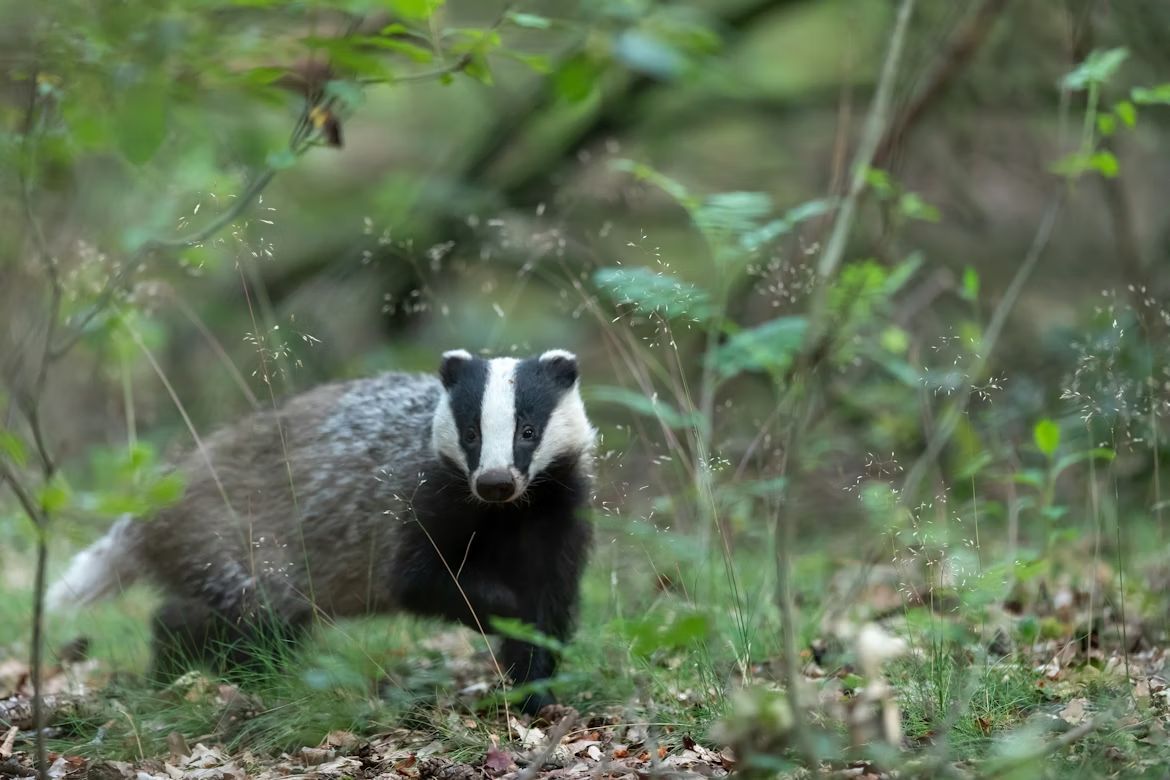
Image: Vincent van Zalinge

Theodore Roosevelt ran a wildlife sanctuary at the White House . His kids had a veritable menagerie that included a badger, guinea pigs, snakes, and even a one-legged rooster. There are also claims that he kept a bear and a hyena in the House. Oh, and let's not forget about the pony that his son Quentin once took up in the White House elevator.

When President Roosevelt's son Archie fell ill and was confined to bed, his brothers Kermit and Quentin decided to cheer him up by bringing their pony, Algonquin, up to his room via the White House elevator. The plan nearly backfired, though: Algonquin became so captivated by his own reflection in the elevator mirror that getting him out proved to be quite the ordeal.

4
Thomas Jefferson: Ice Cream Pioneer

Image: Brooke Lark

After his time in France, Jefferson returned with a fancy ice cream recipe and became one of the first Americans to popularize it . He reportedly had an 18-step process for making the stuff.

The Founding Father loved ice cream so much that he designed a special ice house at Monticello, though its purpose went beyond just frozen treats. The structure stored ice and snow harvested from the Rivanna River to refrigerate fresh dairy and meats throughout the year, with ice cream being just one of the delicacies it made possible.

5
Andrew Jackson: Profanity Parrot Owner
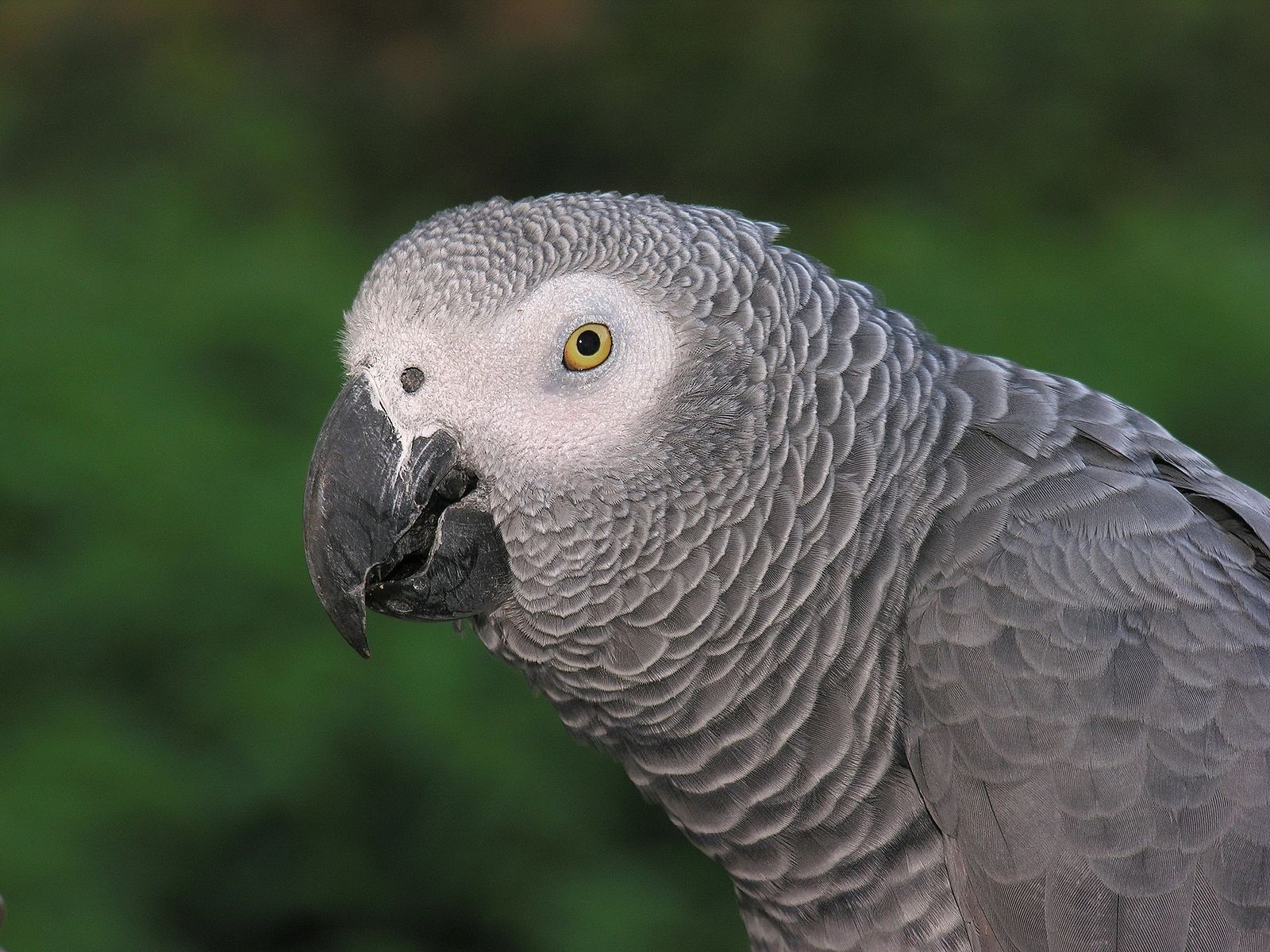
Andrew Jackson's pet parrot, Poll, learned a colorful vocabulary from Old Hickory himself. When Jackson died in 1845, the parrot attended his funeral. Unfortunately, as some witnesses declared, Poll had to be removed from the service because the bird wouldn't stop cursing loudly at the mourners.

You have to wonder what that scene was like—somber grieving interrupted by a parrot dropping f-bombs left and right. It's both mortifying and hilarious to imagine the reverend trying to continue the eulogy while this feathered menace squawks profanities from the corner.

6
Gerald Ford: The Model President
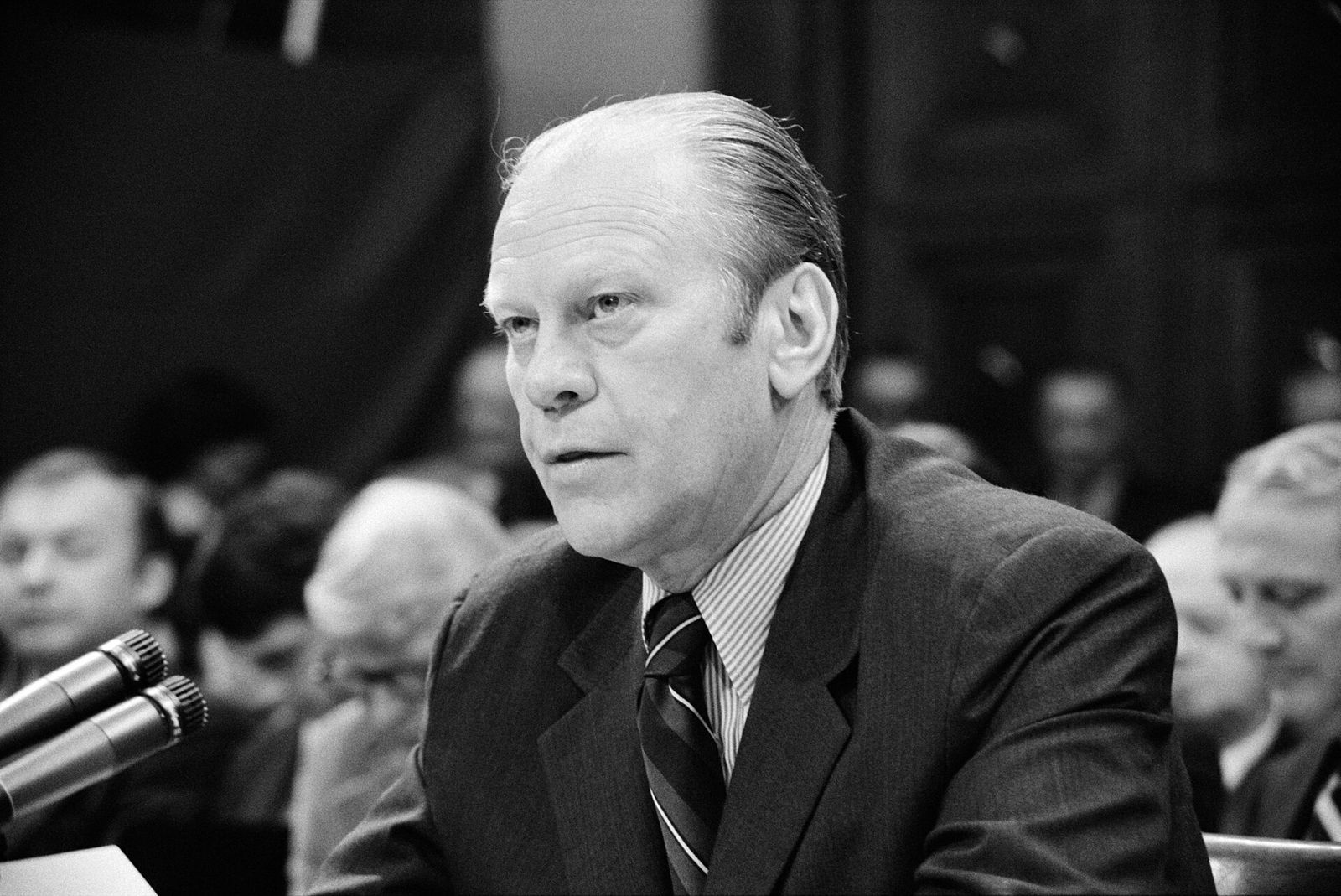
Image: Thomas J. O'Halloran, photographer, Public domain, via Wikimedia Commons

Before Gerald Ford became president, he was a legitimate male model . In the 1940s, the future president appeared on the cover of Cosmopolitan magazine.

Ford had been a star football player at the University of Michigan, and his athletic build and fame caught the attention of photographers. He modeled to make extra money, appearing in fashion spreads and looking quite dashing, we might add.

7
LBJ: The Presidential Prankster
Image: David Clode

Lyndon B. Johnson owned an amphibious car that could drive on both land and water. His favorite party trick was to drive guests around his Texas ranch and then pretend the brakes had failed as they headed straight toward a lake . People would scream in terror as the car splashed into the water.

Then, to everyone's shock and relief, the car would simply start floating. Johnson would burst into laughter while his passengers tried to recover from their near-death experience.

8
William Howard Taft: Bathtub Troubles
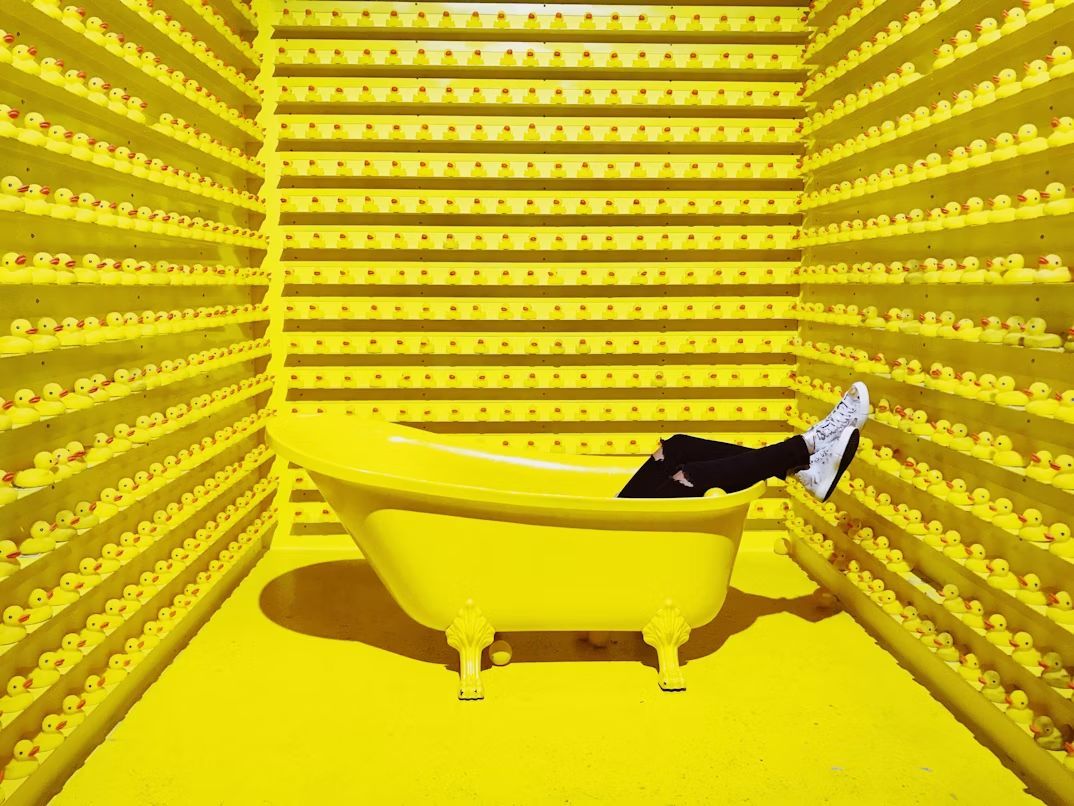
Image: Brandi Alexandra

William Howard Taft was America's heaviest president, weighing in at around 340 pounds. The most famous anecdote about him involves getting stuck in the White House bathtub , though historians debate whether this actually happened. What's definitely true is that he had a custom bathtub installed that could fit four normal-sized men.

9
Calvin Coolidge: The Prankster President
Image: Brian Lundquist

There are claims that Calvin Coolidge would sometimes press all the buttons on his desk to summon his staff, then hide to watch them run around confused, looking for him . Very mature, Mr. President.

Coolidge also had a pet raccoon named Rebecca, who walked on a leash around the White House grounds. Silent Cal might not have talked much, but his actions —and his choice in pets— spoke volumes about his quirky sense of humor.

10
Jimmy Carter: UFO Witness
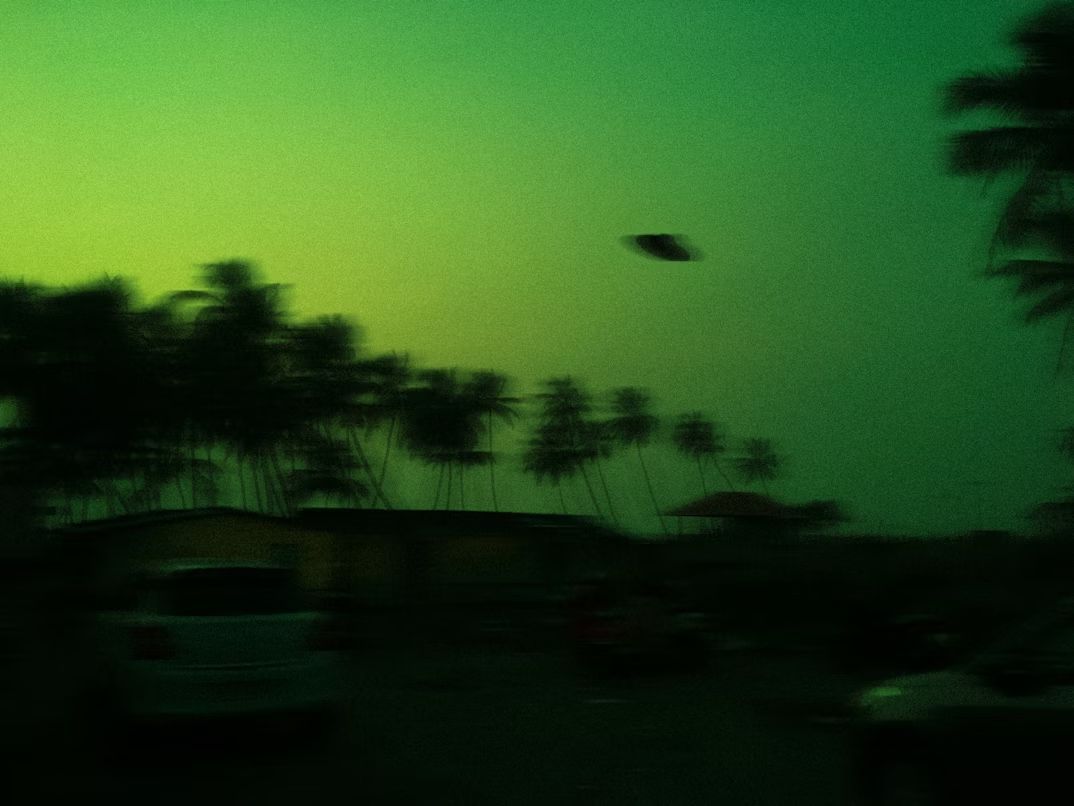
Image: Albert Antony

Jimmy Carter once filed an official report claiming he saw a UFO . In 1969, before becoming president, Carter and a group of people in Georgia witnessed a strange, bright light in the sky that changed colors and moved in unusual ways. He was so convinced of what he saw that he filed paperwork with the International UFO Bureau.

Carter promised during his campaign that if elected, he would release all government information about UFOs. Once in office, though, he was reportedly told some things were too classified even for the president.
General General 4 min read

The secrets of the greenback

Dollar bills are green for this reason

Image: Pepi Stojanovski

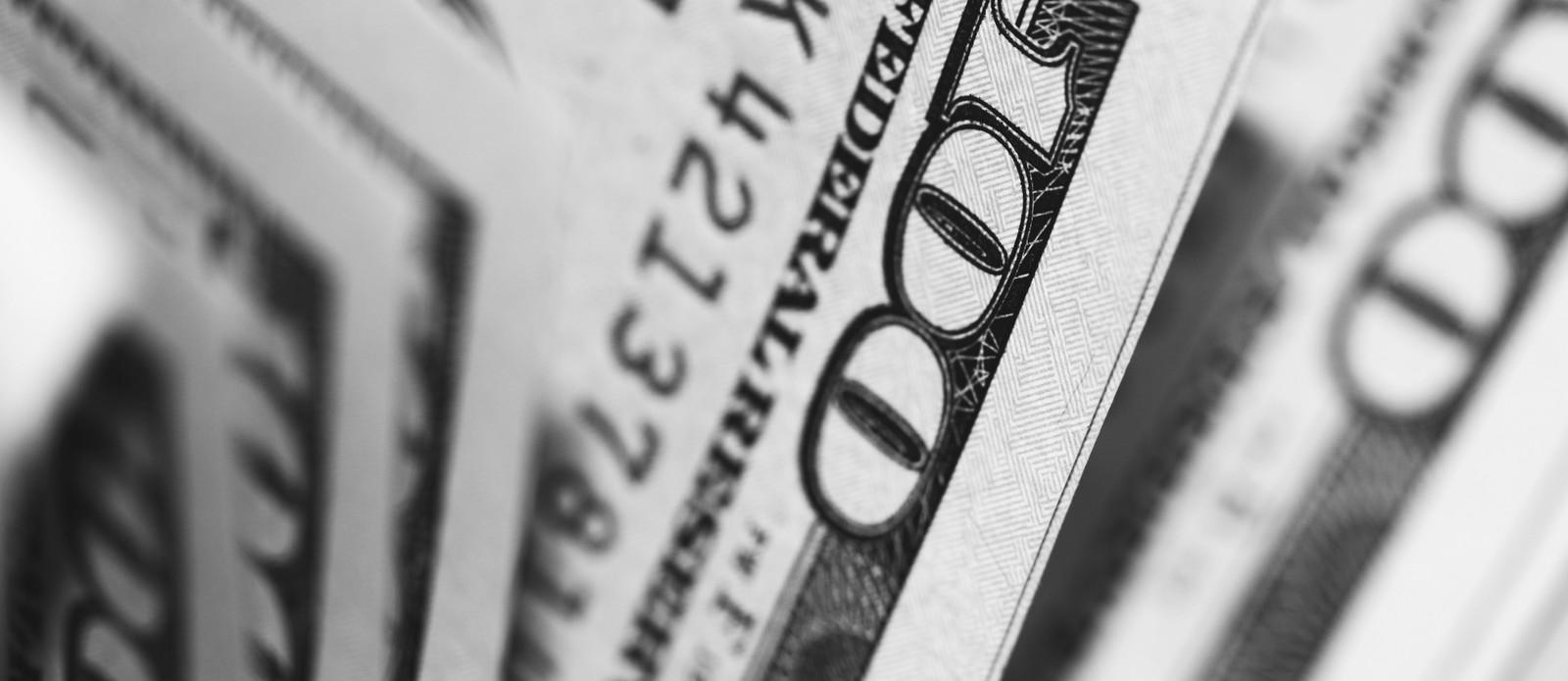
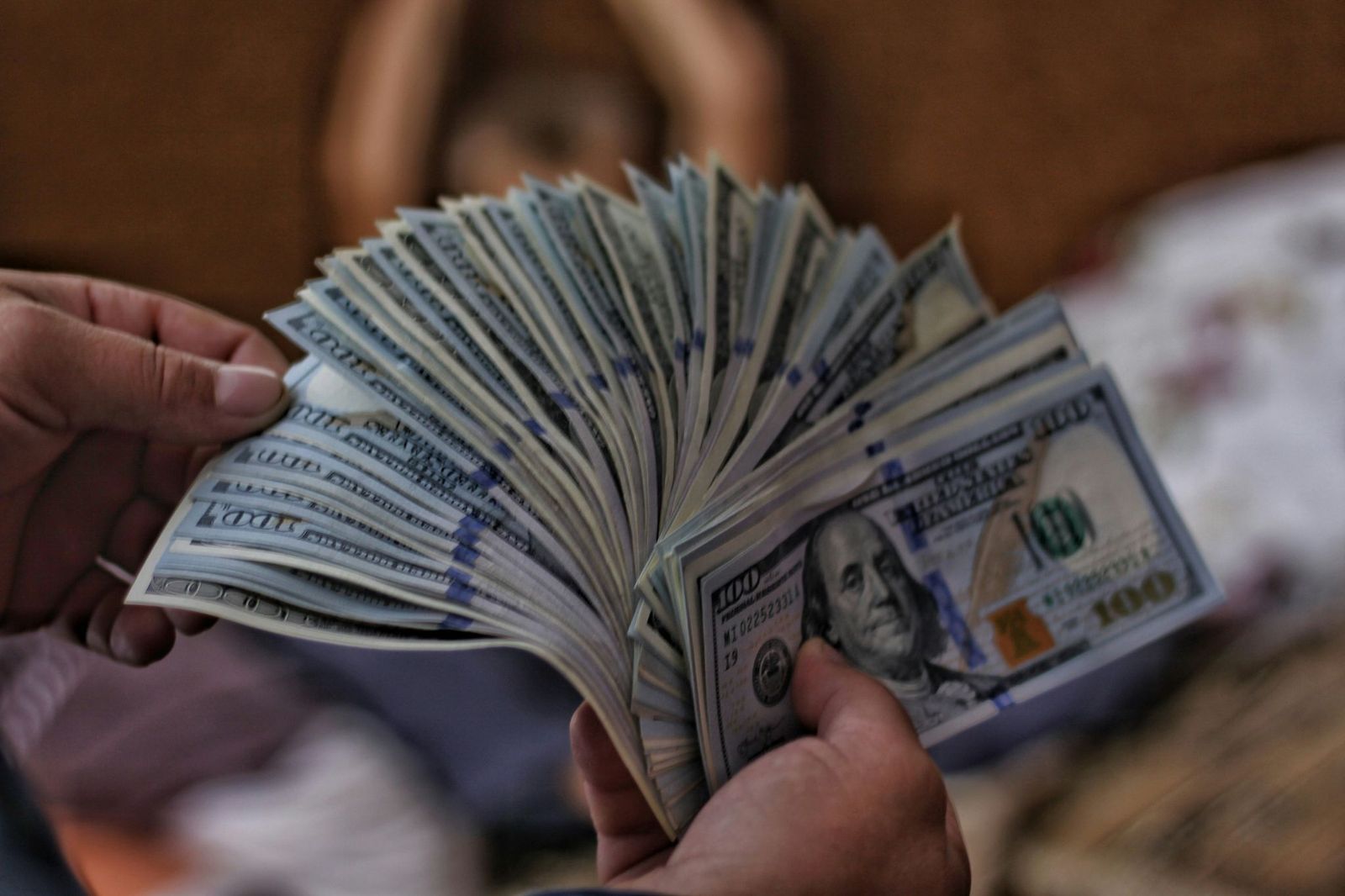
The U.S. dollar is one of the most powerful and recognizable currencies in the world, but its physical form is unique for many other reasons . From its composition to its symbols, dollar bills and coins are carefully designed to combine history, security, and convenience. Let’s explore our national currency!

1
What are bills made of?

Image: Viacheslav Bublyk

Unlike other currencies, dollar bills are not made of paper or plastic. U.S. dollar bills are made from a special fabric blend composed of 75% cotton and 25% linen. This mix makes the bills extremely durable and resistant, and they can be folded about 4000 times before tearing.

2
What bills are valid?

Image: U. S. Government, The Bureau of Engraving and Printing, Public domain, via Wikimedia Commons

Any U.S. dollar bill that was legally printed is valid, no matter how old, as American currency does not have an expiration date. While some bills might not be accepted by businesses of foreign exchange services due to their condition or if they are a discontinued version of the bill, the bills themselves are still valid, and American banks will accept them, though they might take them out of circulation.

3
American leaders

Image: Lukasz Radziejewski

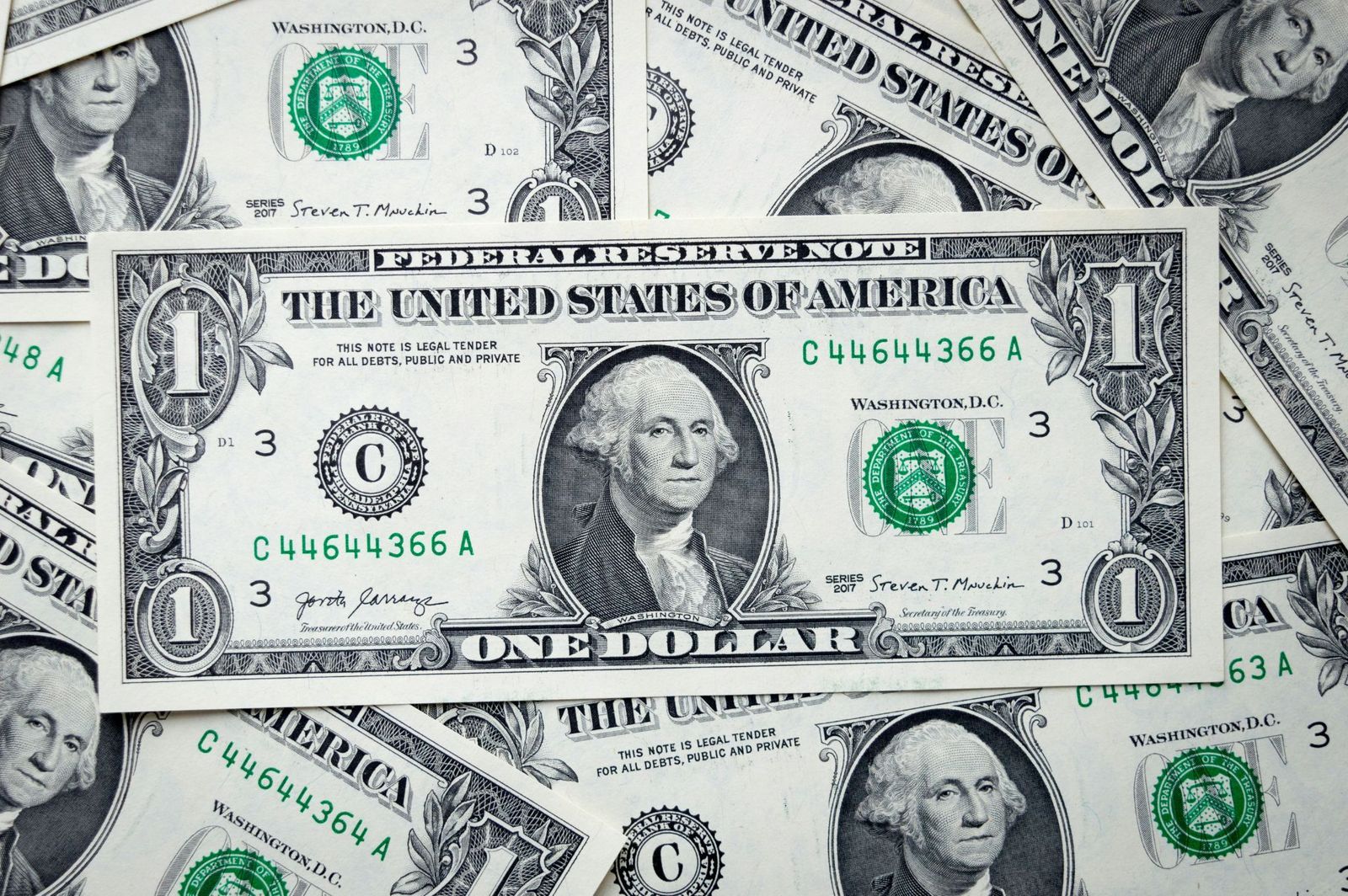
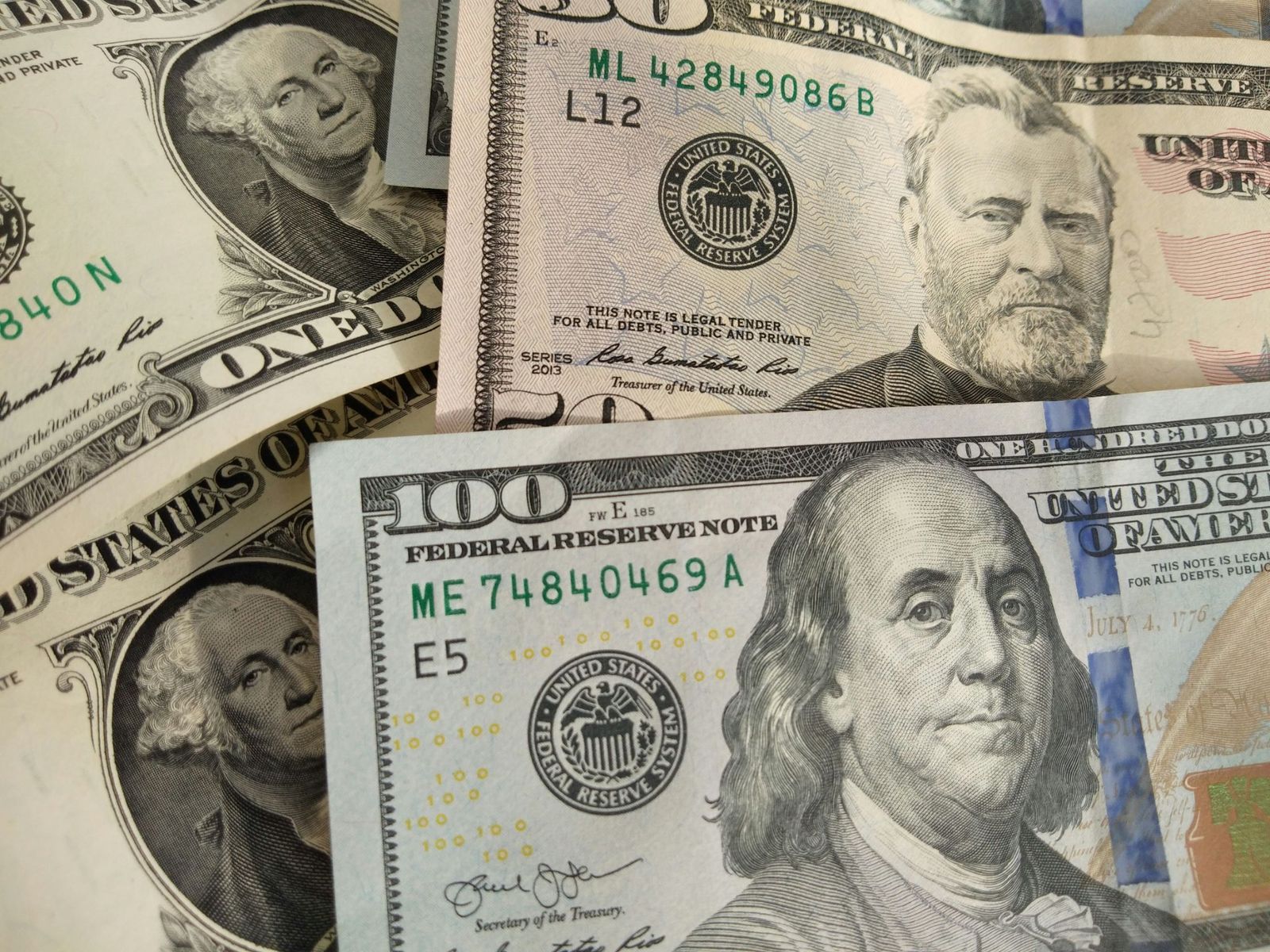
Five bills have a depiction of an American president. The exceptions are the $10 bill, with Alexander Hamilton on the front, and the $100 bill, with Benjamin Franklin. The $1 bill, depicting George Washington, is extremely symbolic: several elements are repeated 13 times as a nod to the thirteen colonies, and it showcases the Bald Eagle and the Eye of Providence as a sign of God watching over America.

4
A change in size

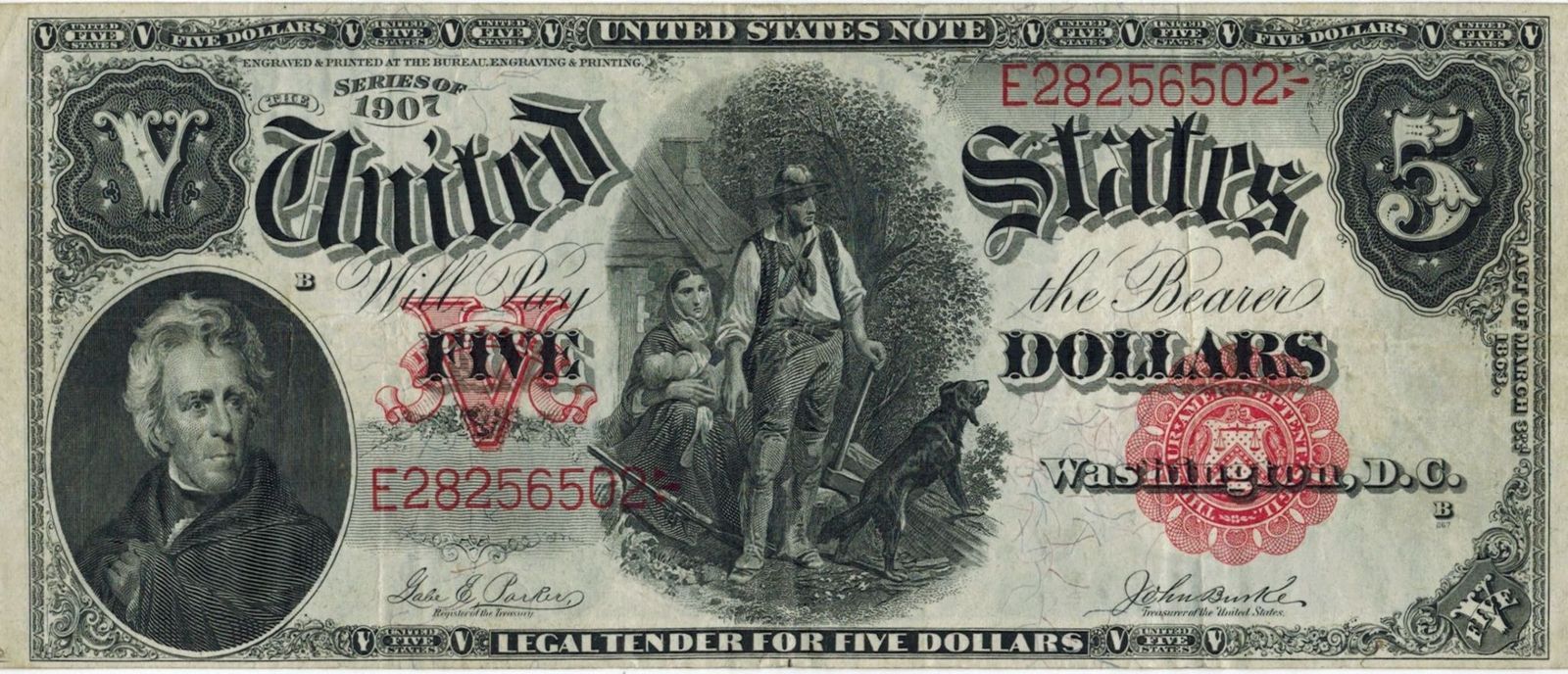
Did you know that dollar bills used to be so big that they were nicknamed "horse blankets"? Original dollar bills were 7.4 × 3.1 inches. In 1929, the Treasury Department reduced the size of bills to 6.14 × 2.61 inches to reduce production costs and materials. Old bills, though still valid, are worth much more as collector items.

5
Uniformity

Image: Avinash Kumar

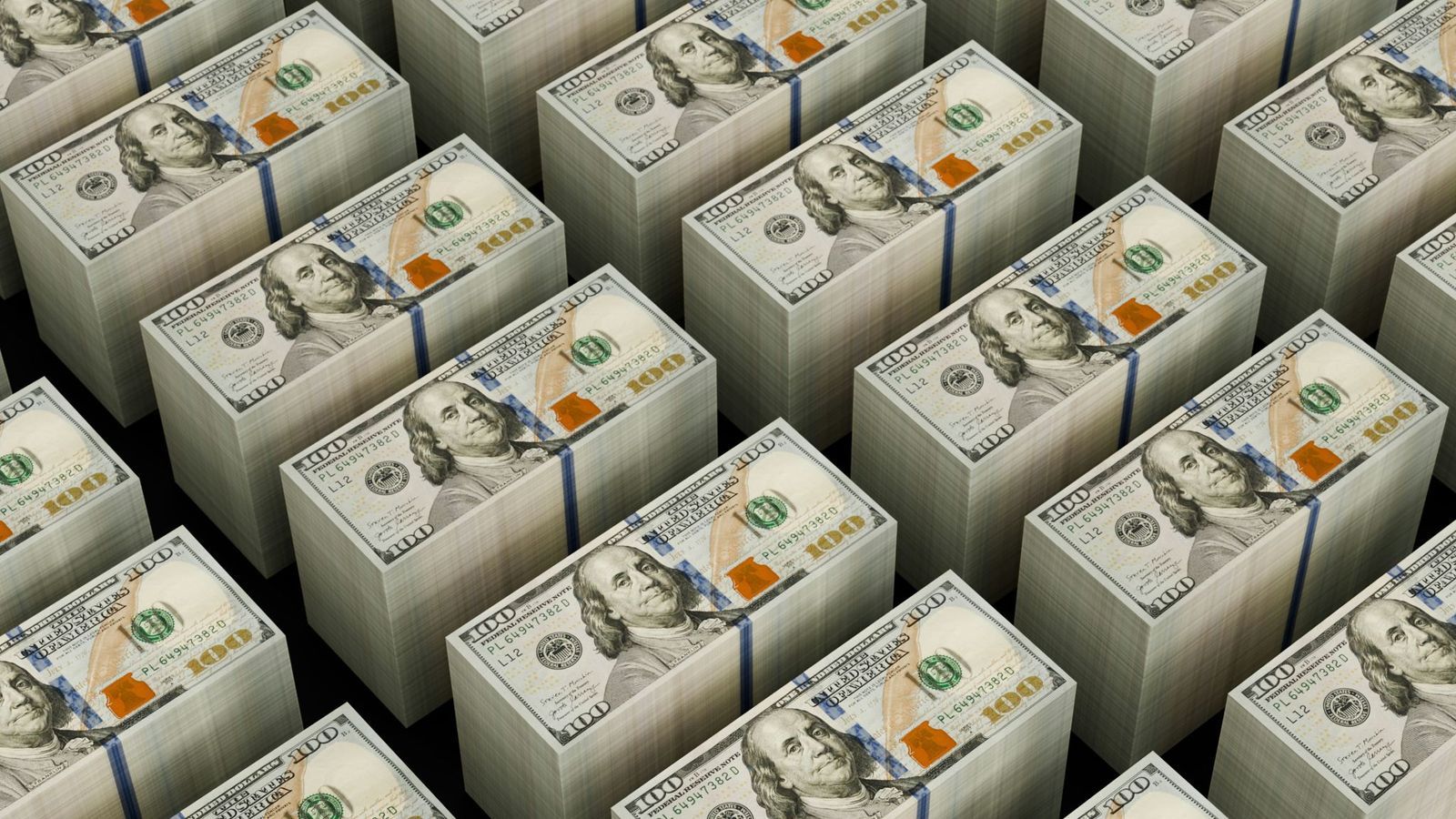
Besides their value and design, all dollar bills have the same size (6.14 × 2.61 inches), color, and weight (1 gram) , which sets American currency apart from other countries where bills of different values are differentiated by size, color, or both. Why doesn’t the U.S. implement differences among bills? The cost of adapting vending machines, bank drawers, and ATMs to new bill sizes would cost billions of dollars.

6
Hard to copy

Image: United States Treasury Department, Public domain, via Wikimedia Commons

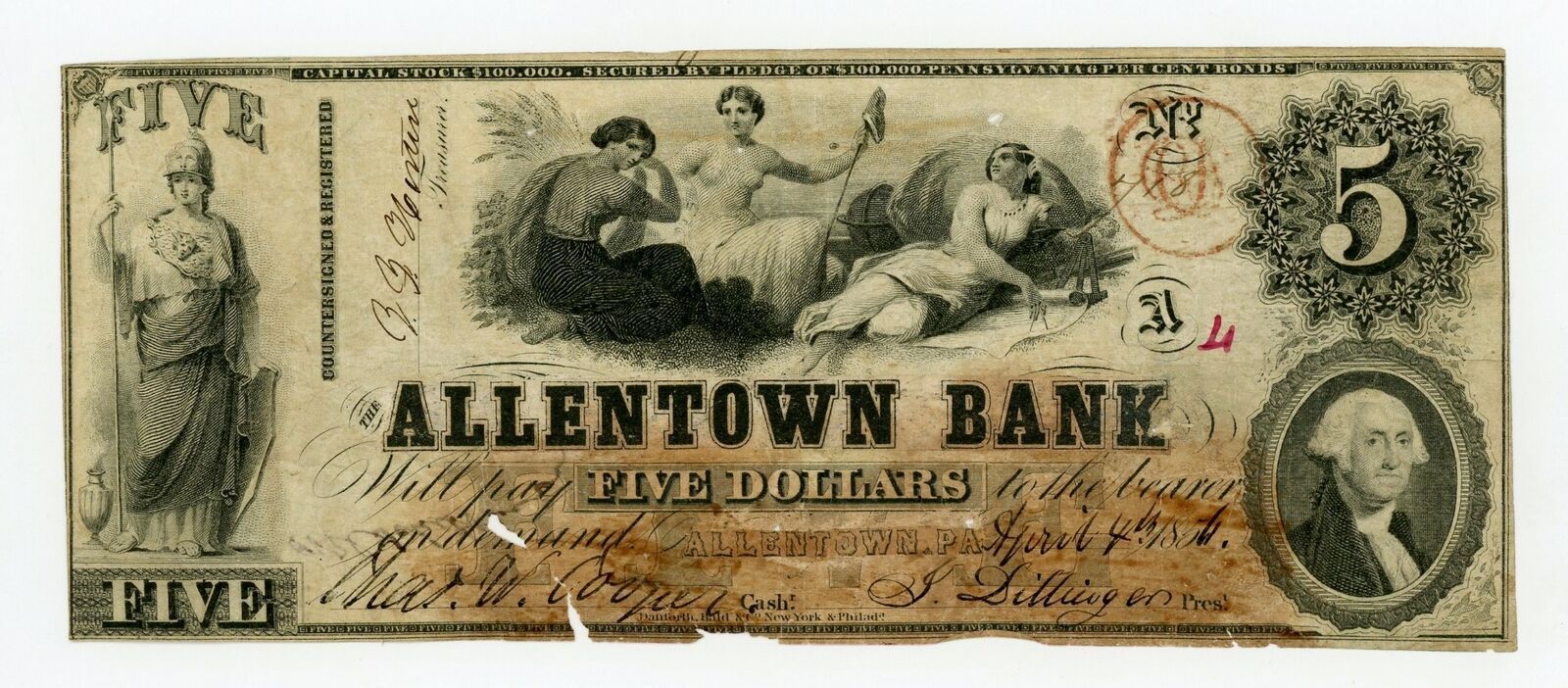
Originally, dollars were not green, but black. As time passed, green ink was favored, as it was cheap and did not fade as much as black. The new color also prevented people from using black-and-white cameras to create counterfeit money. Currently, dollar bills are predominantly green, but newer versions also include extra colors, such as pink, orange, or purple.

7
A $100,000 bill?

Image: The original uploader was Durova at English Wikipedia., Public domain, via Wikimedia Commons

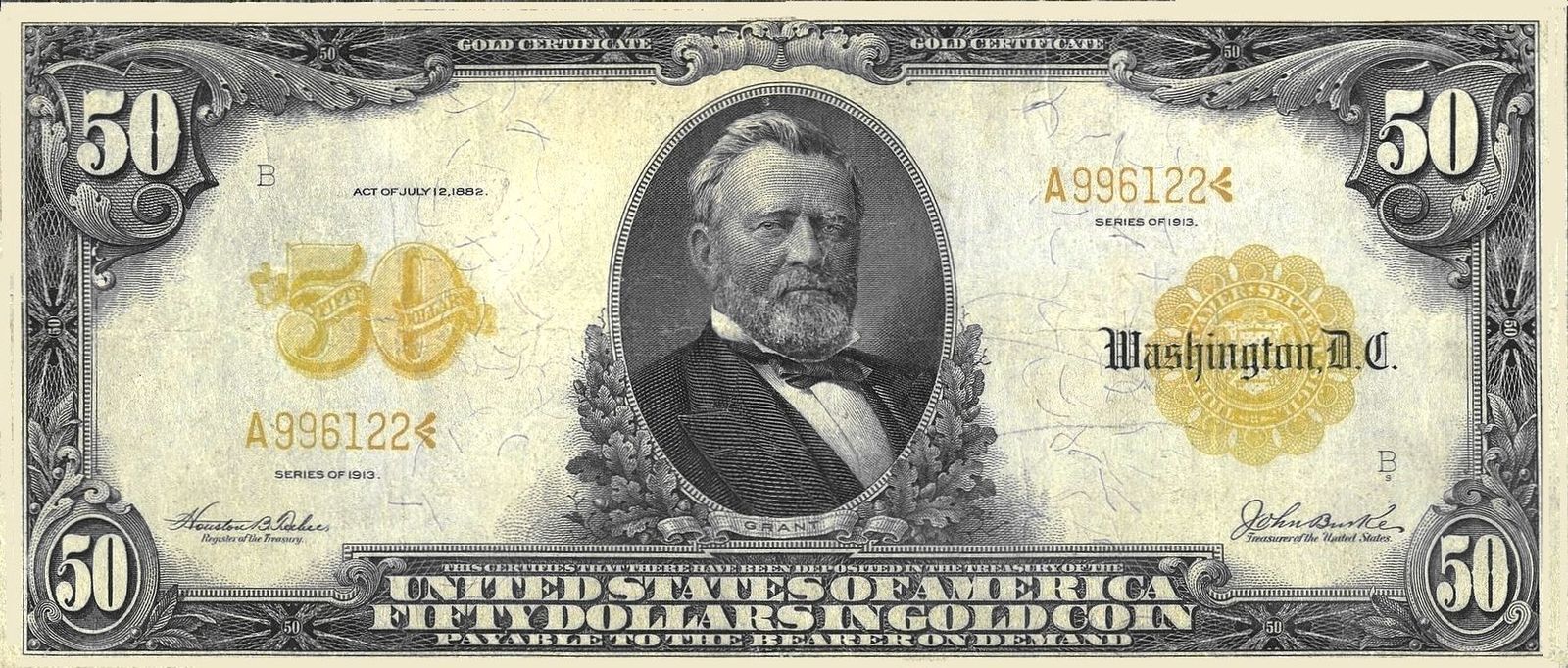
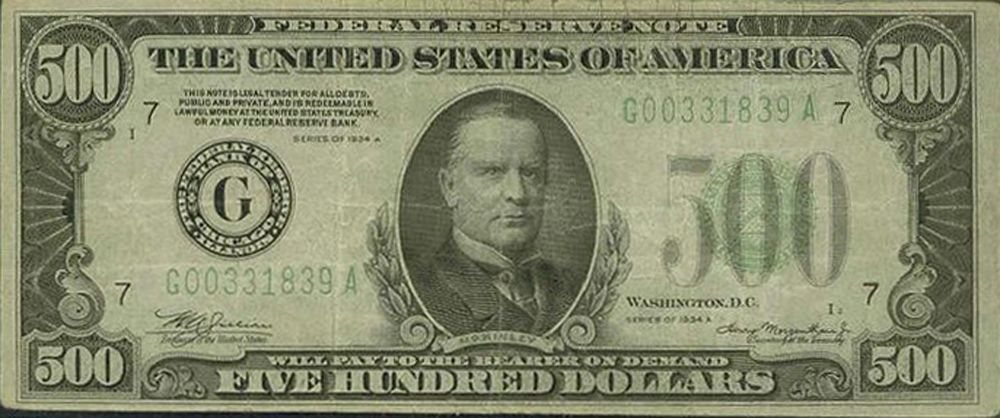
Have you ever seen a $500 or 1,000 dollar bill? What about a $100,000? Up until 1945, the U.S. Treasury printed $500, $1,000, $5,000, $10,000, and $100,000 notes , in addition to the values currently in use. These higher-value notes were mainly intended for bank and government use, but were sought by criminals as they made it easier to hide large amounts of money. Even though they were officially discontinued in 1969, these notes are still valid, though rare, and they have a high worth as collector's items.

8
No numbers

Image: Quilia

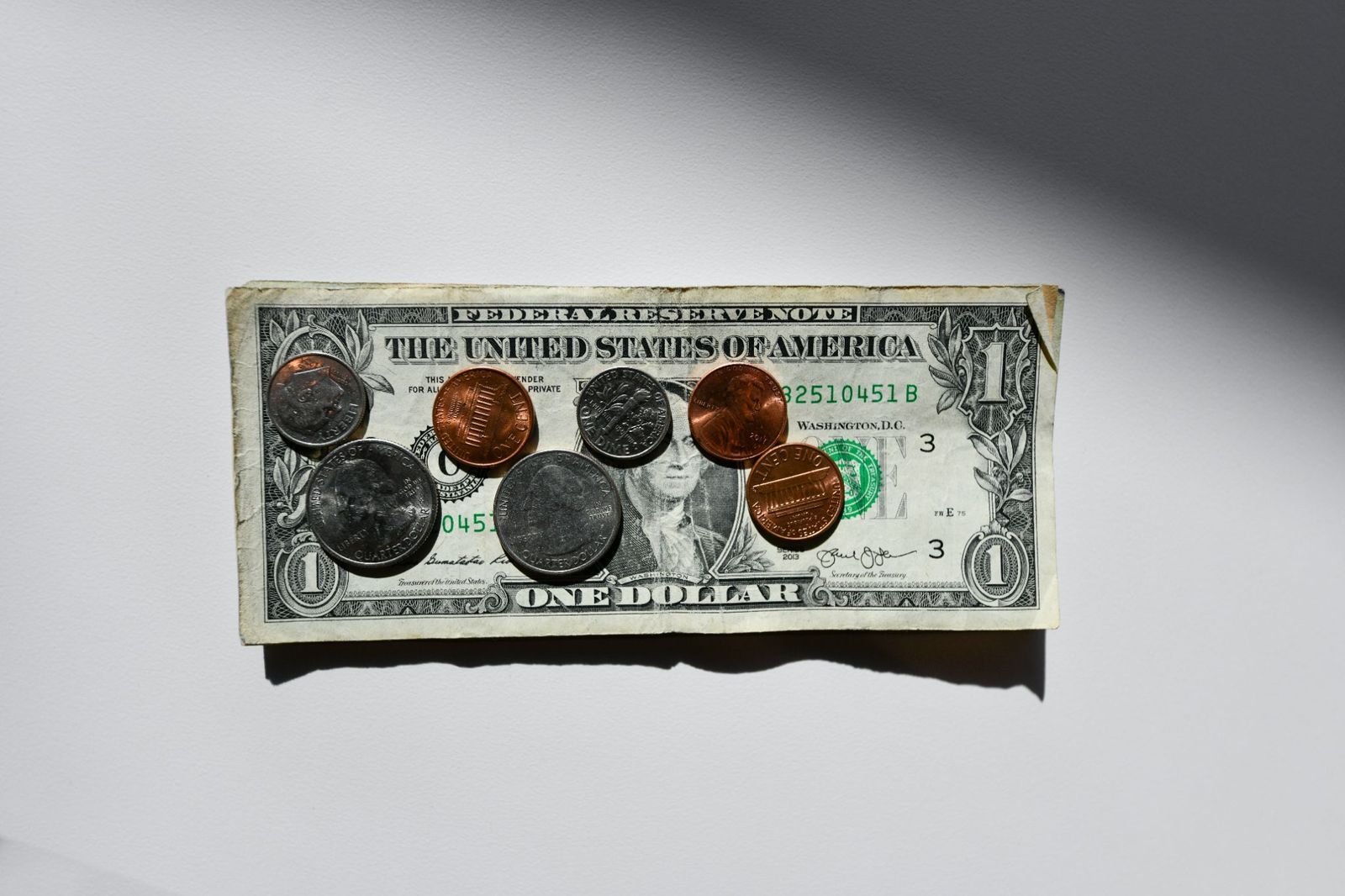
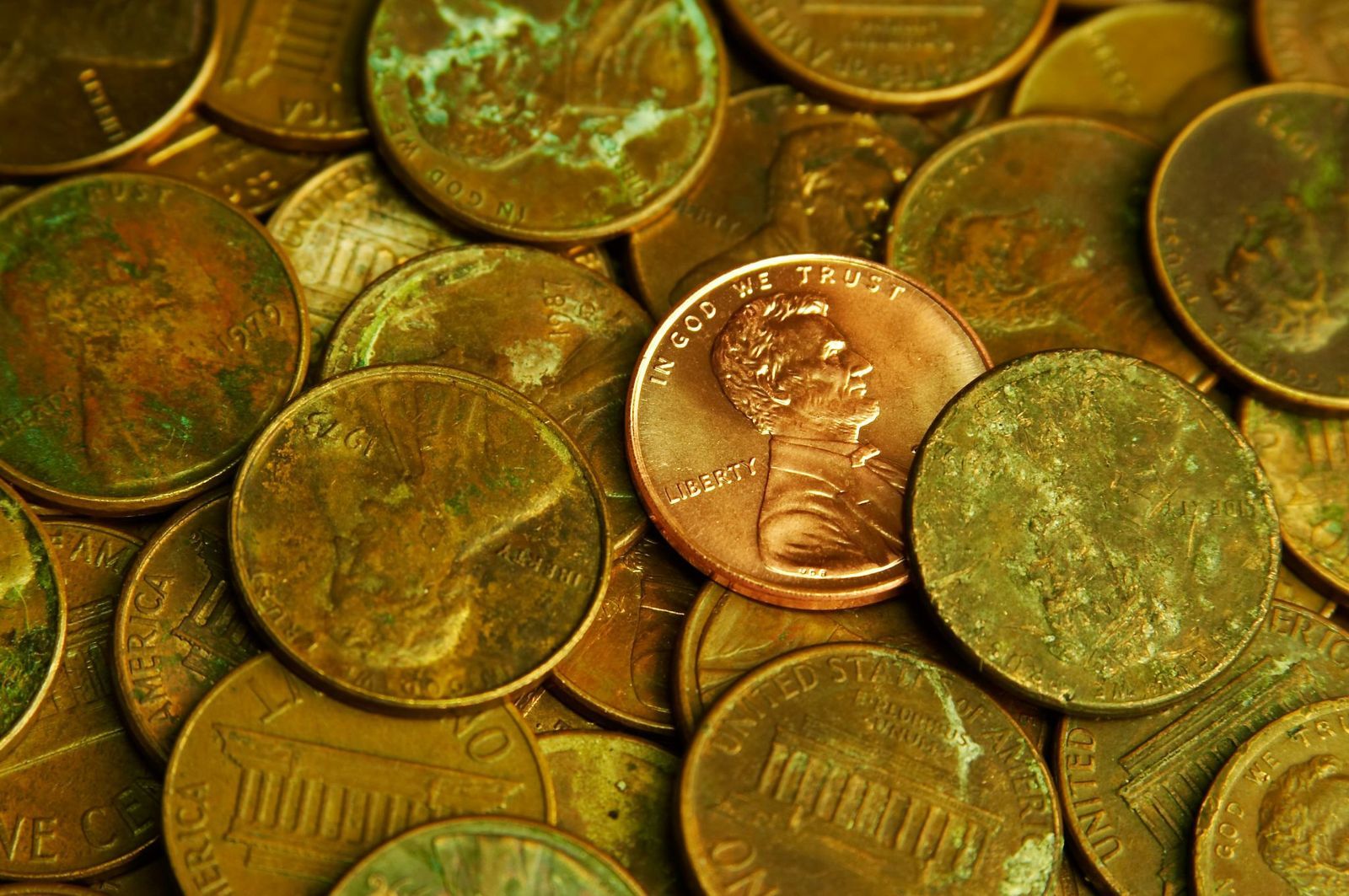
Unlike bills, American coins have different sizes and colors related to their value. Originally, gold, silver, and copper were used for coins, but modern coins are made of copper, zinc, or nickel. Besides their size and design, the value of each coin is printed in letters, not in numbers , alongside depictions of American presidents.

9
Liberty for all (the coins)

Image: Money Knack

By law, all American coins must include six specific details : the word ‘Liberty’, the name of our country, the national motto "In God We Trust", the oldest American motto "E Pluribus Unum", the value of the coin, and the year. Each coin also includes a mint mark that shows where it was made: "P" for Philadelphia, "D" for Denver, "S" for San Francisco, and "W" for West Point.

10
A global currency

Image: Logan Voss

The American dollar is one of the most powerful currencies in the world, acting as a backbone for international trade and finances. It is estimated that two-thirds of the physical dollars in circulation are outside American territory. Besides the U.S. and its territories, eight sovereign nations have the U.S. dollar as their official currency, with several more accepting it as legal tender.

Geography Geography 3 min read

American wonders

Awesome facts about Mt McKinley (Denali) that will leave you speechless

Image: John Feng

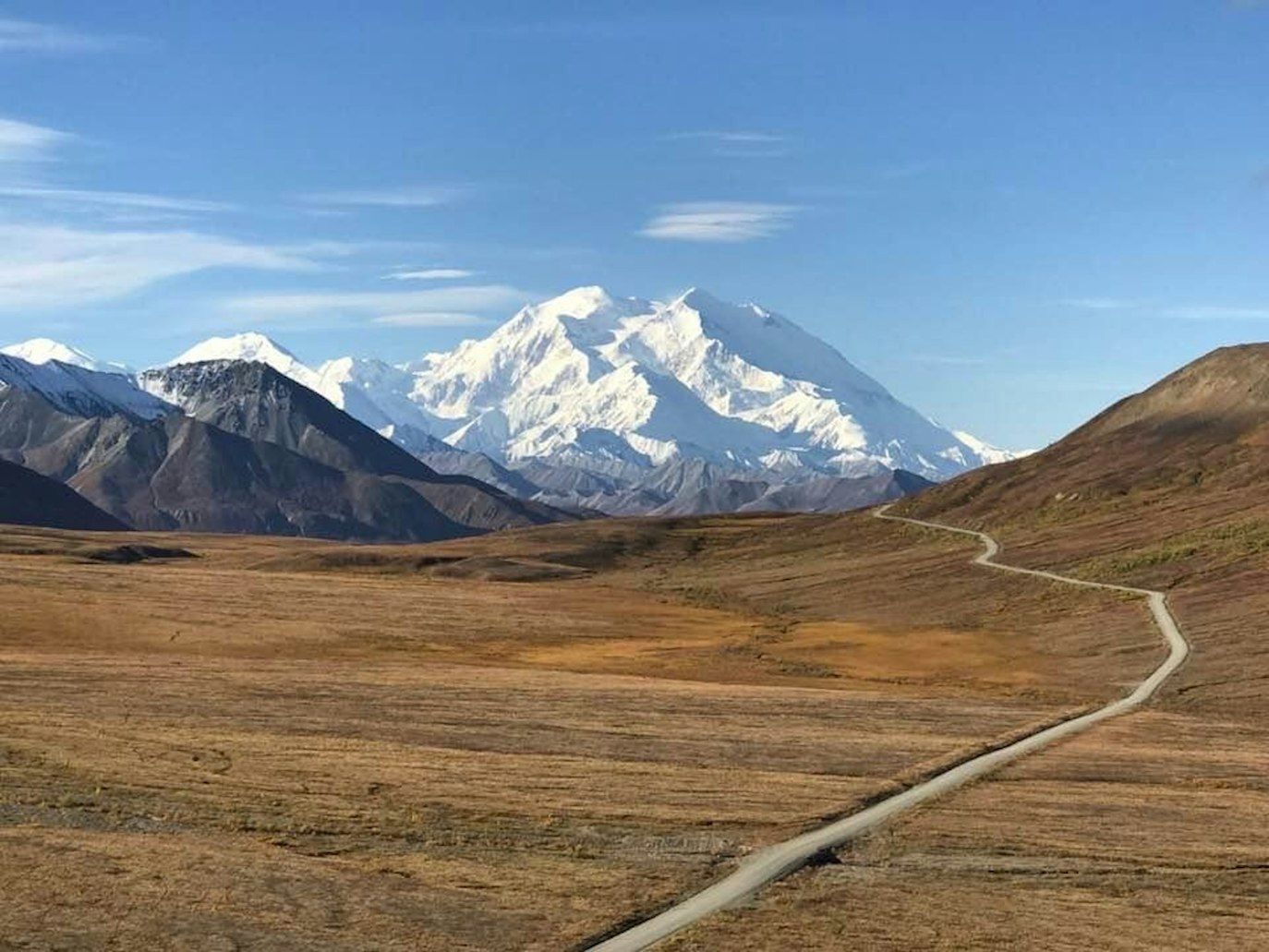
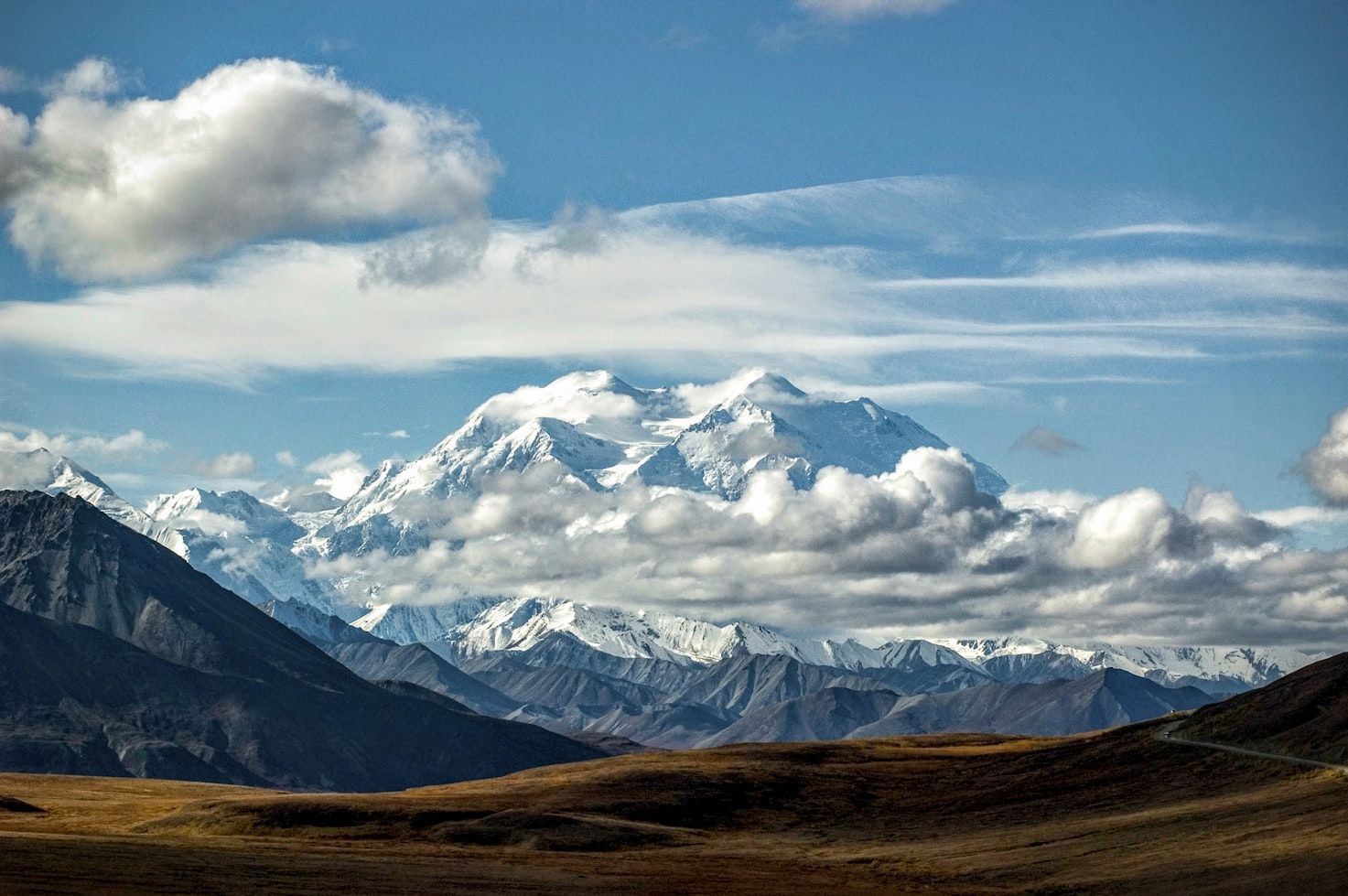
Alaska is a land of incredible natural wonders. Its lakes and mountains come together to form stunning landscapes that look almost otherworldly. But the true star is Mount McKinley, the tallest peak in the United States and all of North America. Join us as we explore 10 amazing facts about this mountain that you might not know.

1
Earthquakes

Image: Sue Henderson

As if the incredible altitude and extreme temperatures weren't enough, Mount McKinley faces another challenge: earthquakes. Due to tectonic plate activity, this type of natural disaster is common in the area, with an estimated 600 earthquakes of varying strength occurring there each year.

2
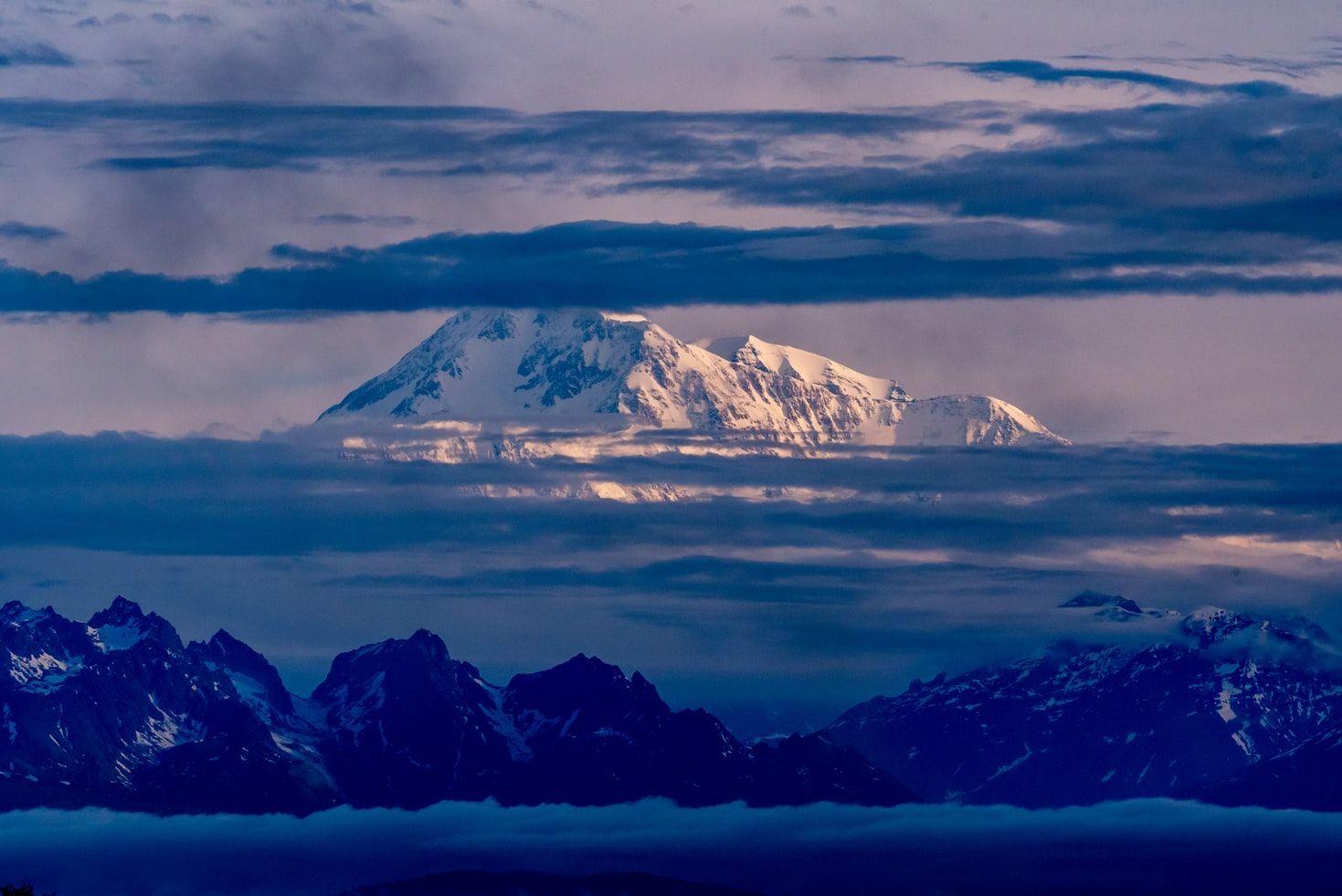
Always dressed in white

Image: Dillon Groves

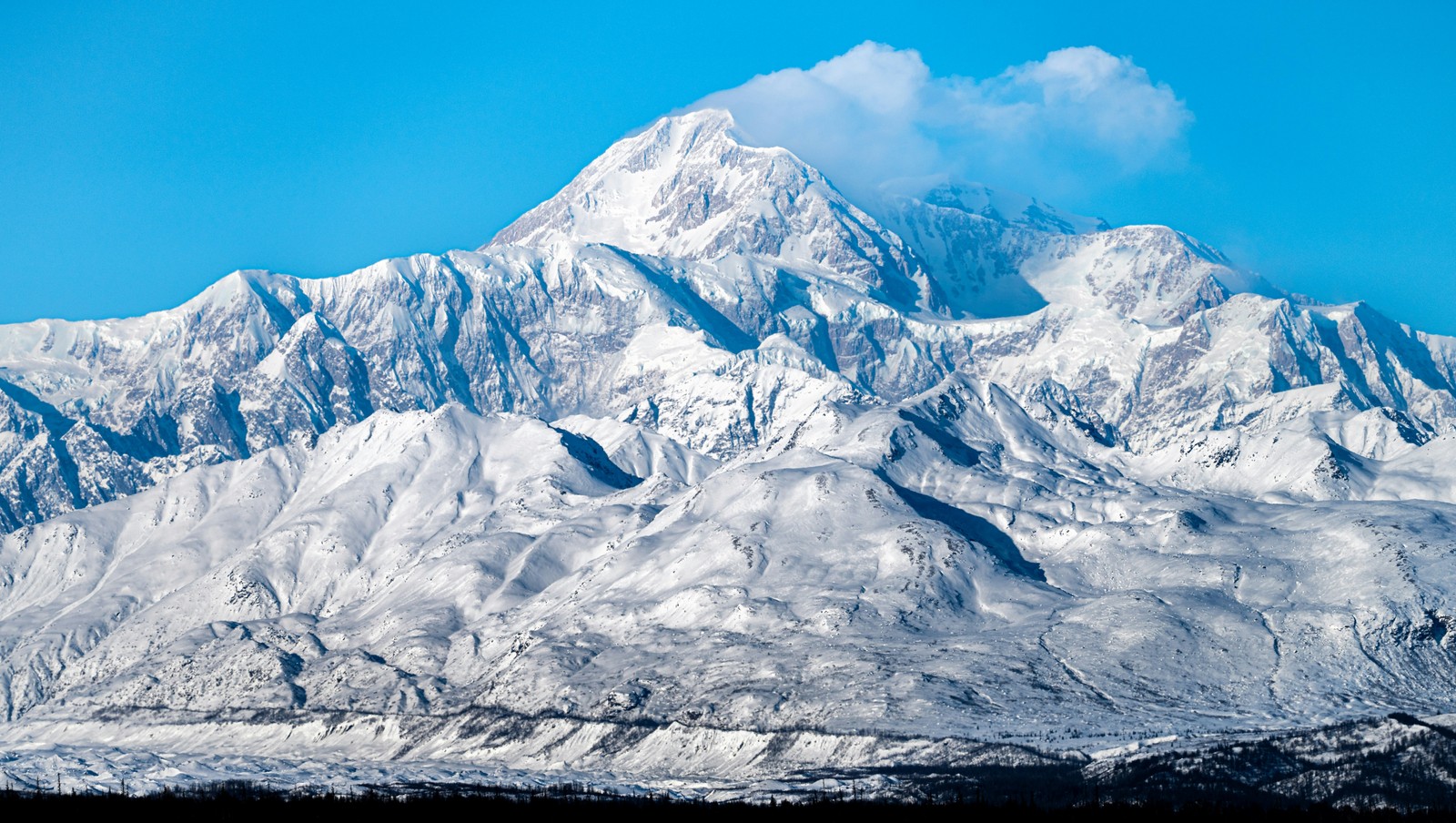
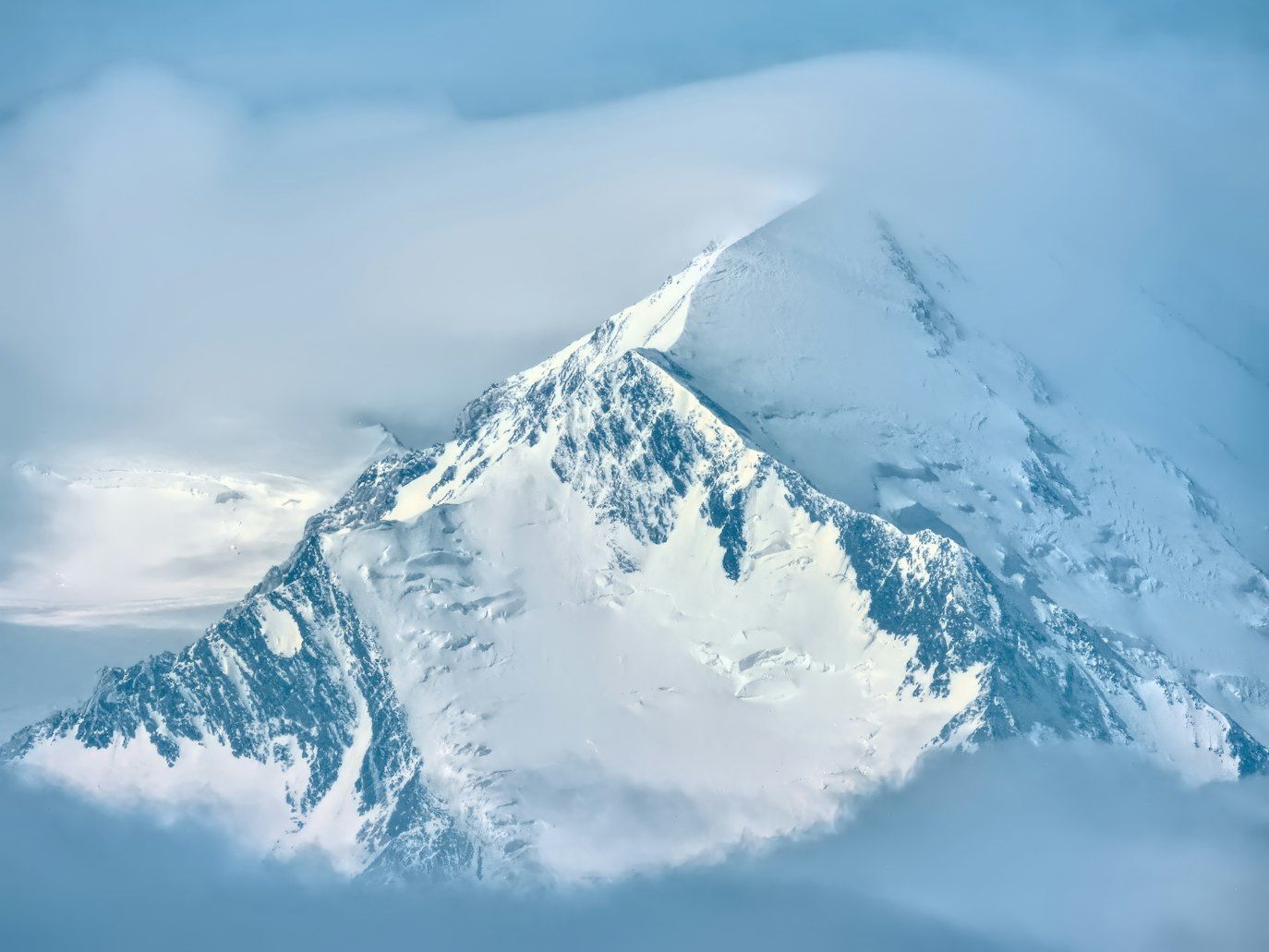
The summit of Mount McKinley is always painted white. Even during the warmer months, when grass and plants flourish in the surrounding park, the mountain's upper half remains permanently covered in snow and massive ice formations.

3
Life thrives

Image: Patrick Federi

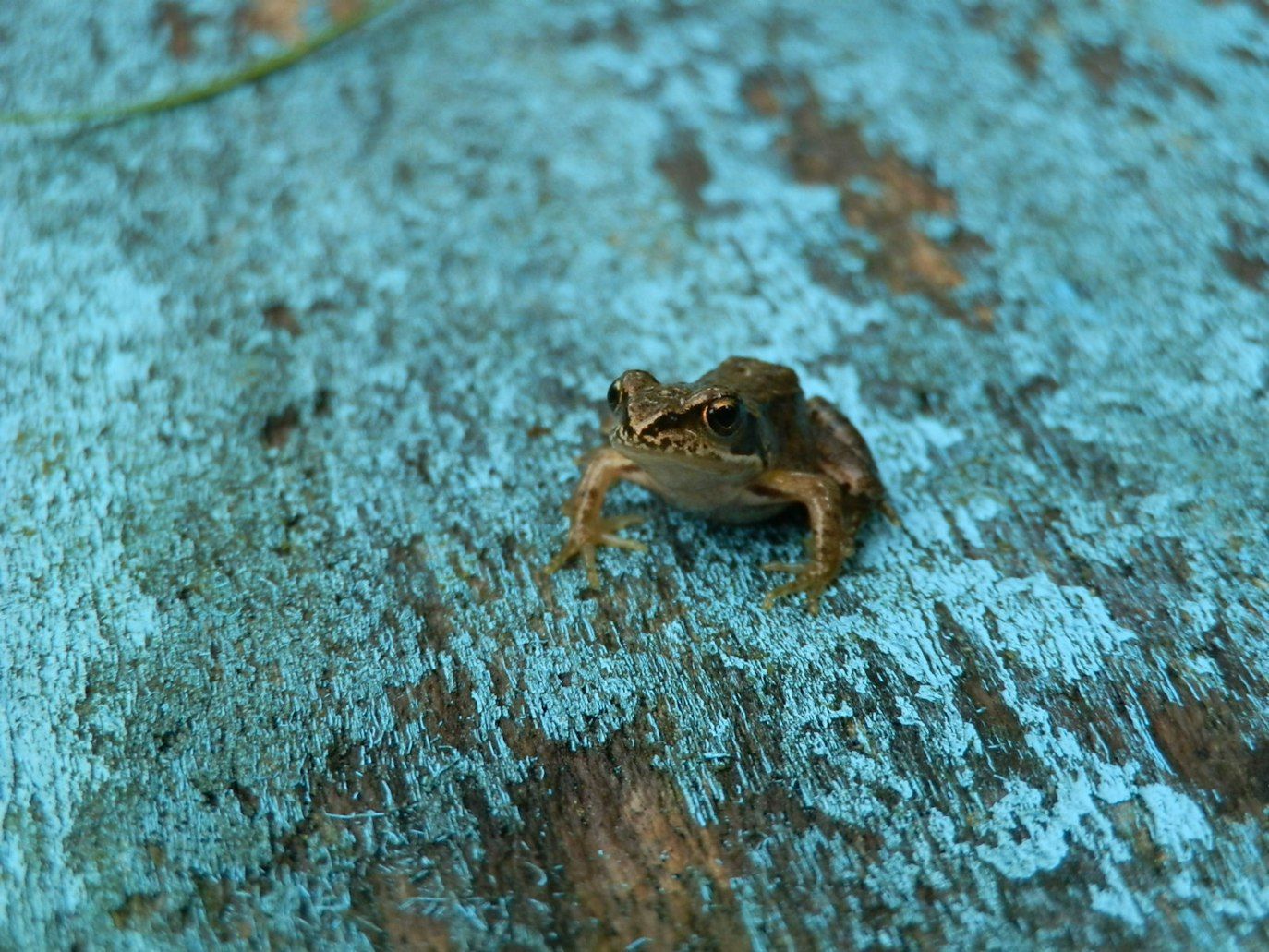
It's not just snow around Mt. McKinley. In the area, you'll find about 160 bird species, 39 types of mammals, 14 kinds of fish, and even one species of amphibian. That's a surprising amount of life for such a cold region.

4
Super frog

Image: Stanisław Krawczyk

If you're curious about this unique amphibian, here's the answer: it's the wood frog, a tiny species that can survive even the harshest winters. How? By almost freezing its entire body. While the frog's cells don't actually freeze, the fluids between them do. Its heart and lungs stop working until spring returns.

5
Millions of years ago

Image: Lisa Yount

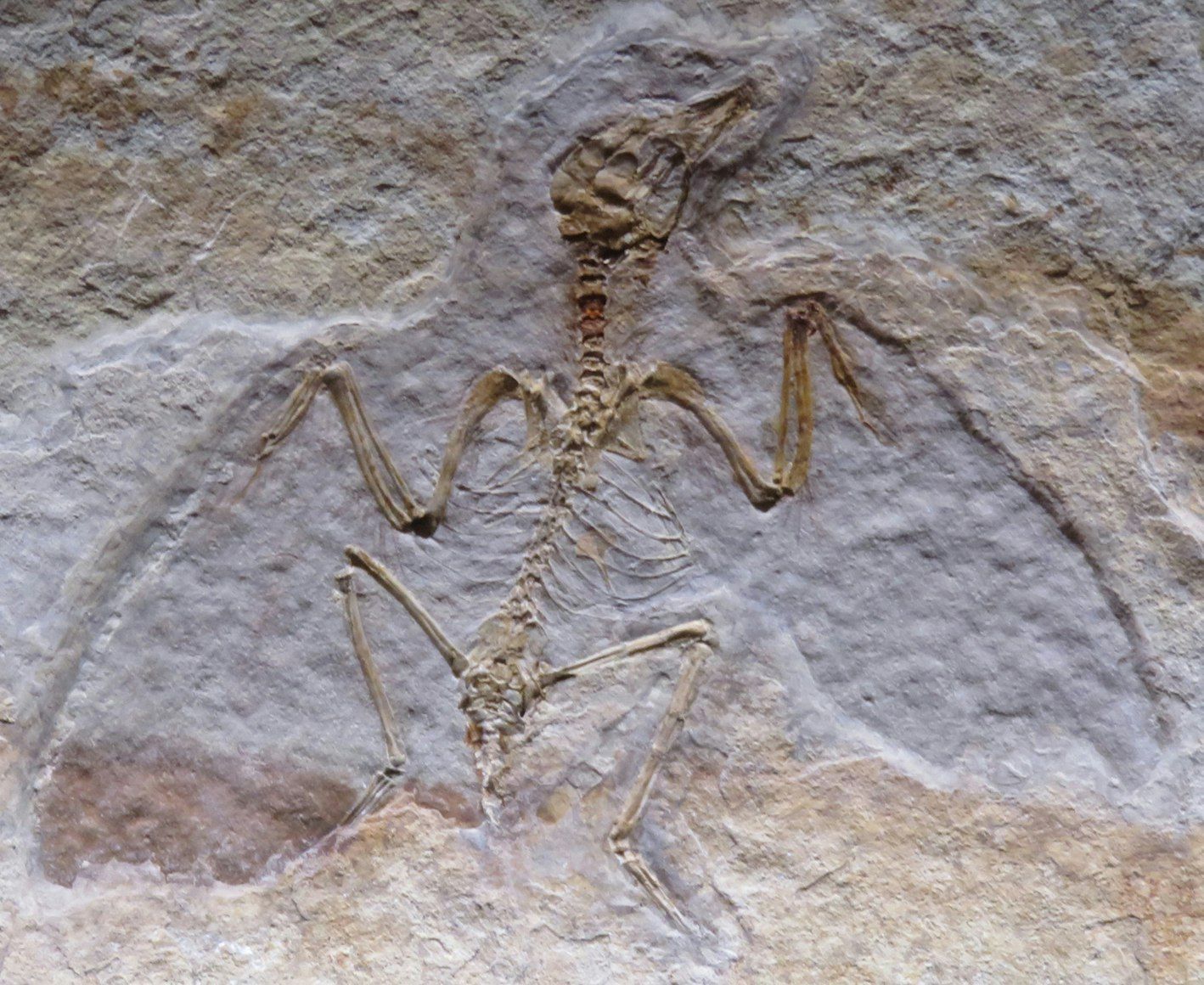
There was a time when giant reptiles roamed what is now the Mount McKinley area. In 2005, the first dinosaur footprints were discovered in the area, followed by fossil remains. The region was once home to three-toed theropods (carnivorous dinosaurs similar to Velociraptors) and winged pterosaurs that soared through the skies above.

6
Harsh weather

Image: John Peters

If you're a fan of summer, Mount McKinley might not be the best choice for you, as it's famous for its extreme cold. Temperatures at the summit can drop as low as -75.5°F, with wind chills plunging to -118.1°F.

7
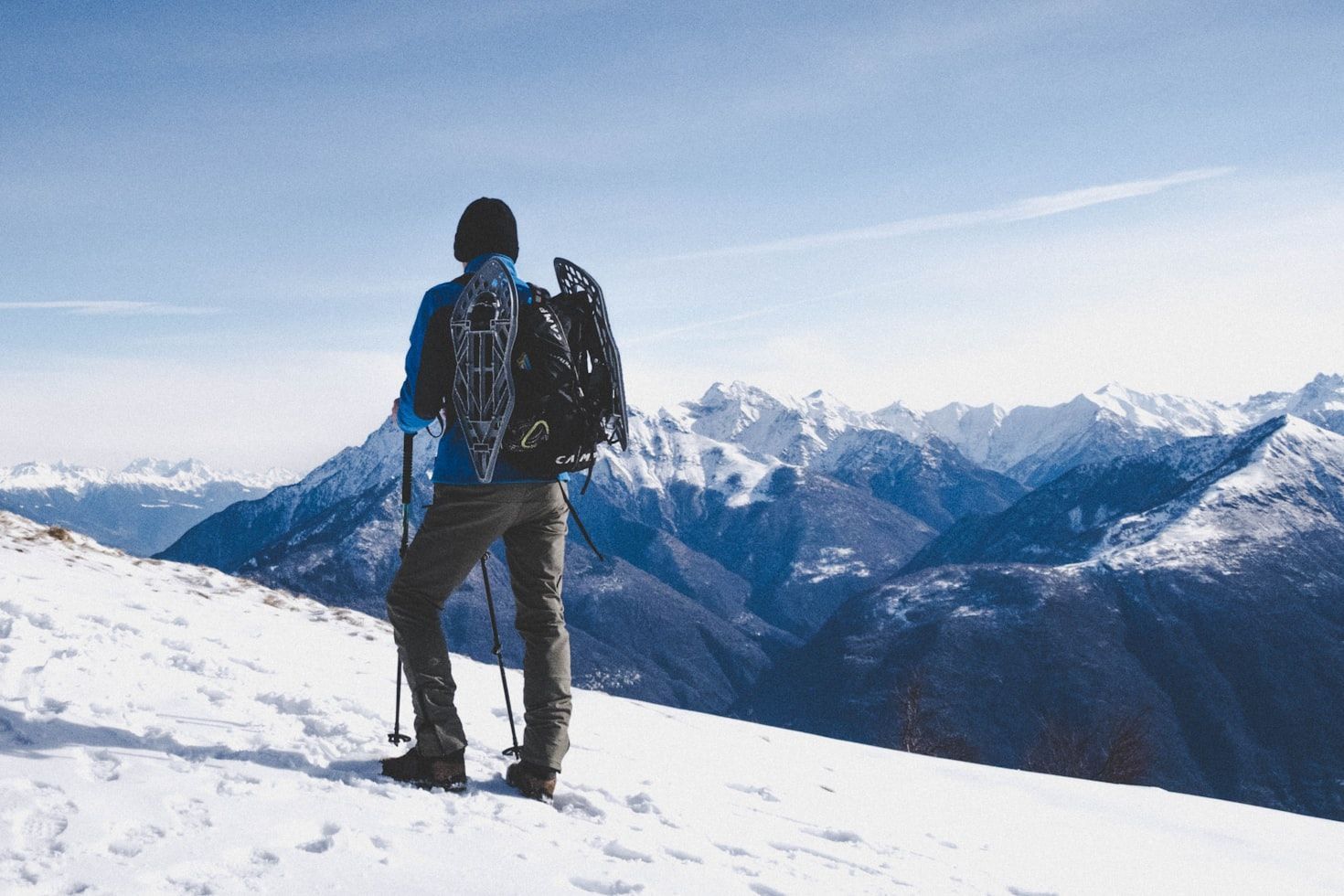
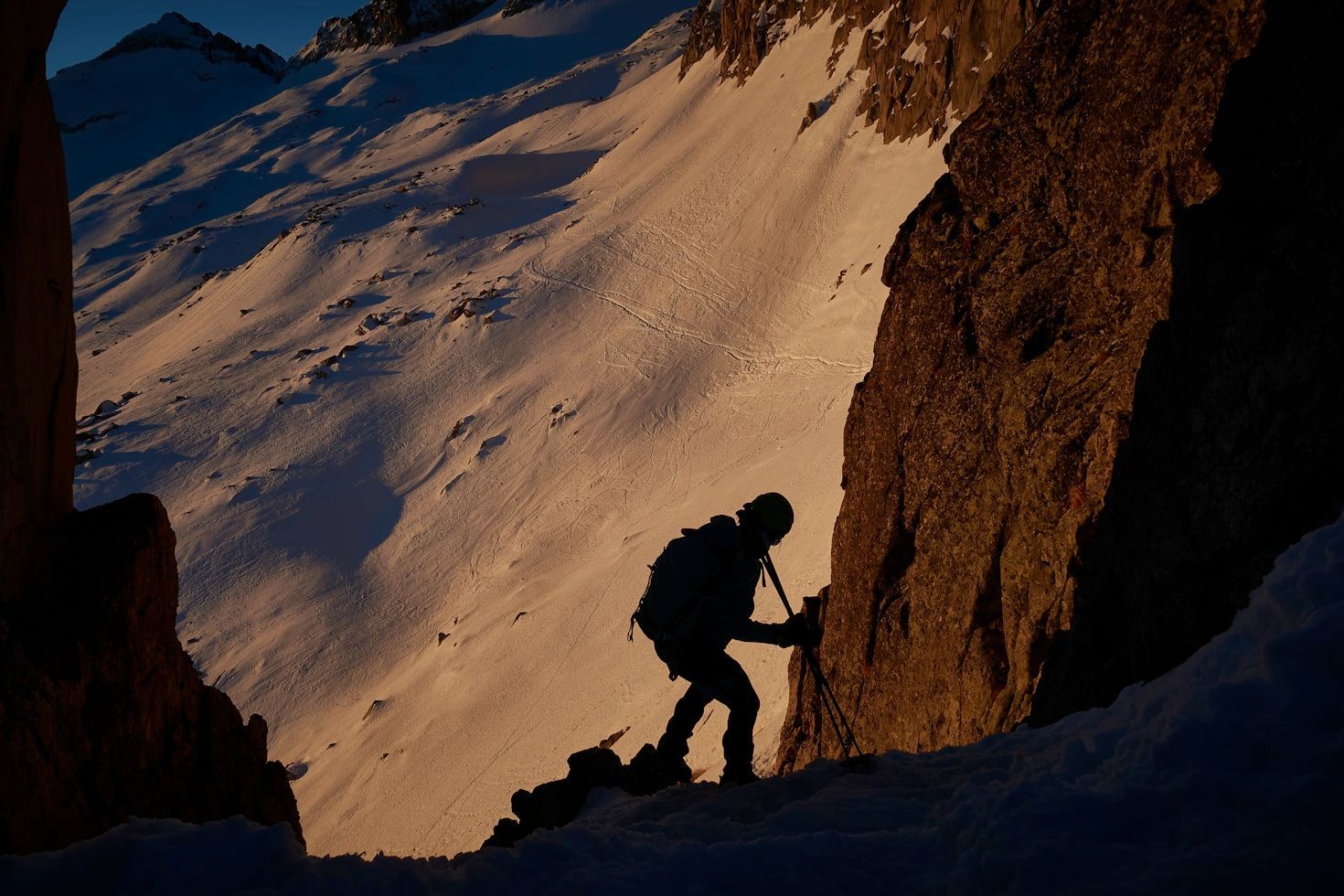
Not an easy task

Image: Fabrizio Conti

Climbing McKinley is not for everyone. In fact, it's considered extremely difficult and dangerous due to the harsh weather conditions. On average, only about half of those who attempt the climb succeed.

8
Alone

Image: Barth Bailey

Mount McKinley is lonely. While that may sound sad, it actually means it's one of the most topographically isolated peaks on Earth. In other words, it's far from any other mountain of similar height, which makes it even more striking and impressive.

9
The first

Image: Tim Oun

In 1913, Mount McKinley was successfully climbed for the first time. Walter Harper, a native Alaskan, is credited with the honor of being the first person in history to reach the summit of North America’s tallest peak. He was followed by his teammates: Harry Karstens, Hudson Stuck, and Robert Tatum.

10
America's "Big 5"

Image: Lesly Derksen

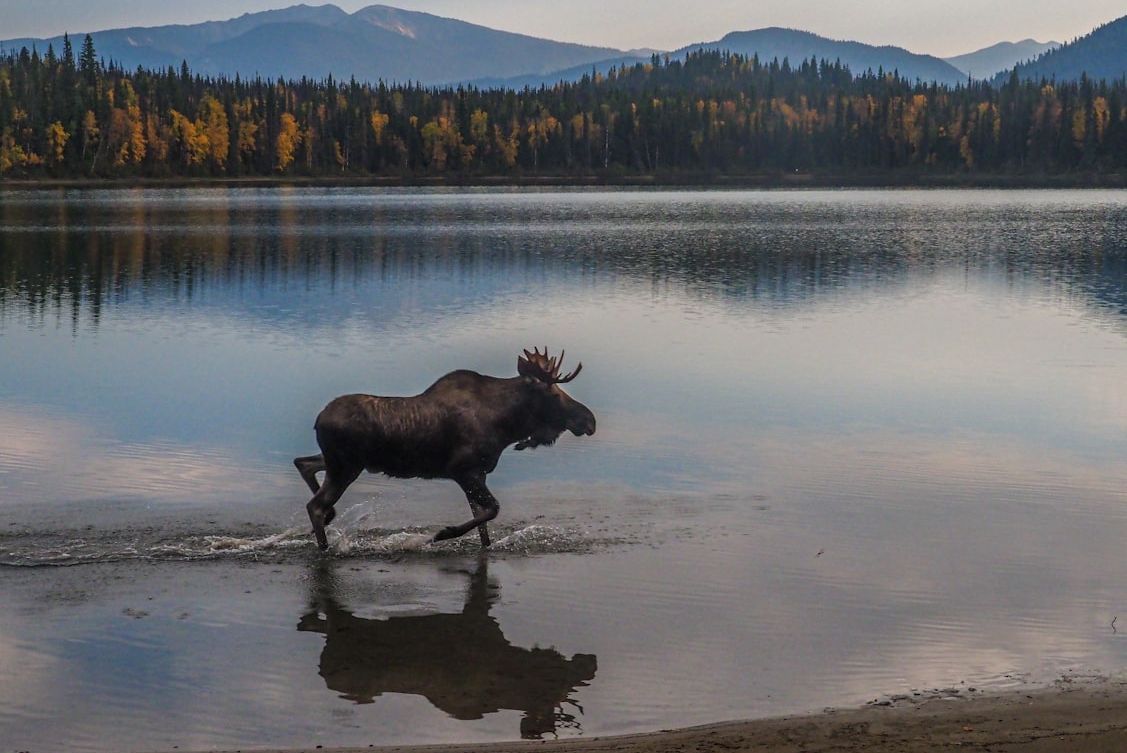
When it comes to mammals, Mount McKinley and its surrounding park are home to what's known as the "Big Five." These are the most powerful mammals in the region: moose, caribou, Dall sheep, grizzly bears, and wolves.

Explore more American facts

Choose your favorite category!

General
General

As American as apple pie—the very best America has to offer!

Culture
Culture

Delve into the astounding richness of American lore.

Geography
Geography

Hop in and explore vast and diverse American landscapes.

History
History

Discover the key moments that shaped the United States.