History History 3 min read

Inside museums

The coconut that saved JFK's life is now in a museum—and you can see it!
Image: Milada Vigerova

Many US presidents are remembered for their service and sacrifices, some even giving their lives for the nation. But sometimes, we forget they were also ordinary people, with lives full of both extraordinary moments and everyday routines, just like the rest of us. And part of that story lives on in these 10 personal items that belonged to presidents and are still on display in museums today.

1
John F. Kennedy’s PT-109 coconut
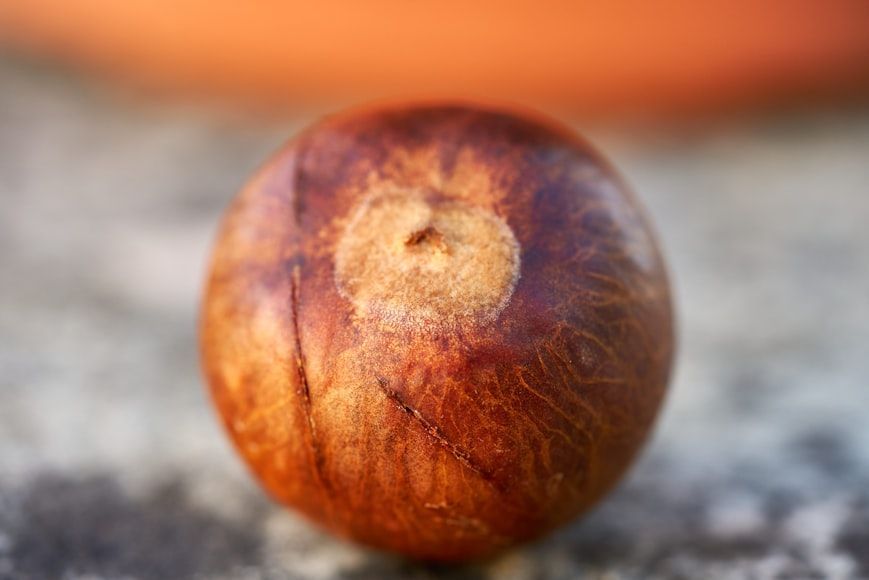
Image: 🇻🇪 Jose G. Ortega Castro 🇲🇽

In 1943, John F. Kennedy commanded the PT-109, a torpedo boat, in the Solomon Islands during World War II . When a Japanese destroyer sank his boat, JFK carved a rescue message on a coconut, which local islanders delivered to Allied forces, saving him and his crew. 18 years later, Kennedy became the US president and kept the coconut as a paperweight in his office. Today, it’s preserved at the John F. Kennedy Presidential Library and Museum in Boston.

2
George Washington's dentures
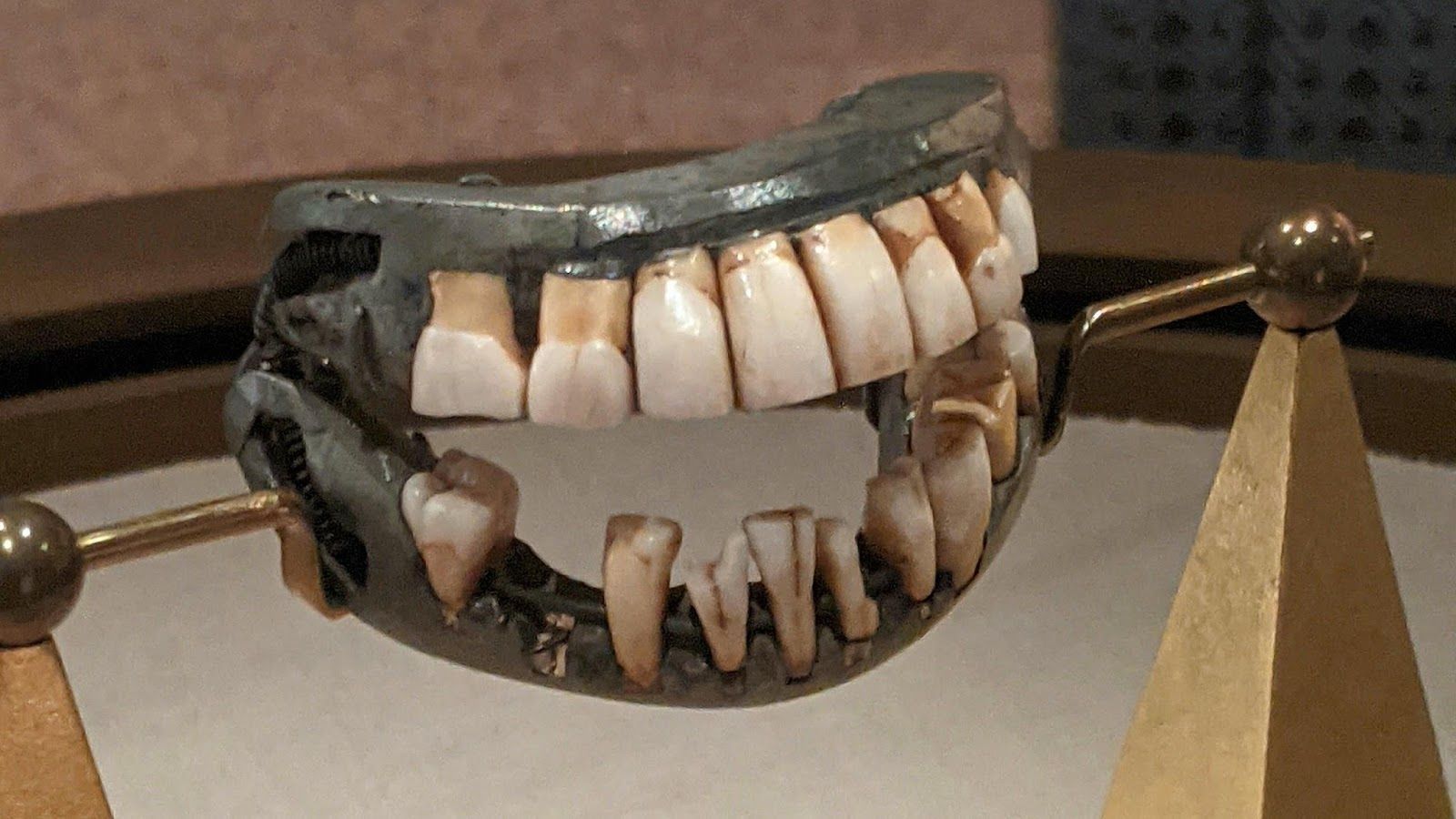
Image: BakedintheHole, via Wikimedia Commons

Everyone knows George Washington struggled with dental problems throughout his life. And while the old myth about his wooden teeth isn’t true, our first president did wear dentures made from different materials. One of his most complete sets has been carefully preserved and is now on display at George Washington's Mount Vernon estate and museum.

3
Abraham Lincoln’s top hat
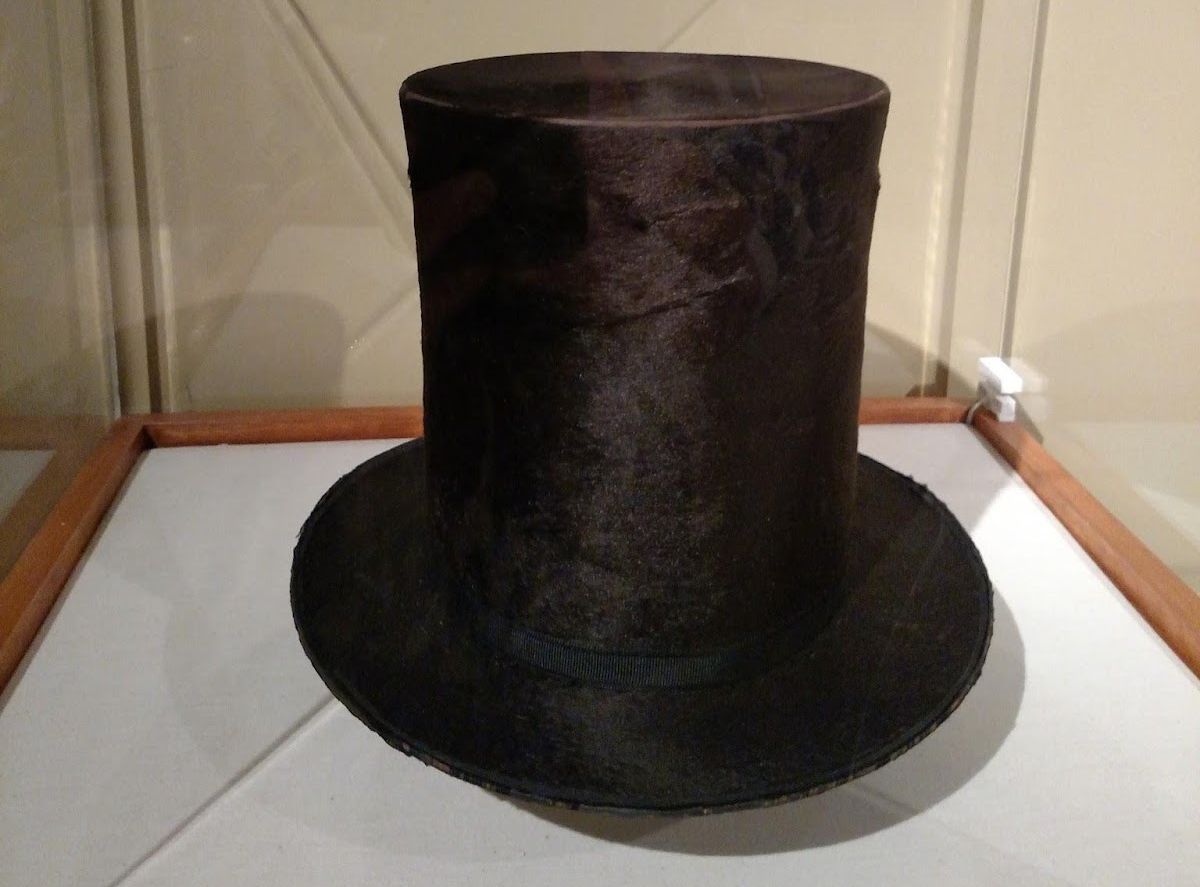
Image: Brewbooks from near Seattle, USA, via Wikimedia Commons

It’s easy to picture Abraham Lincoln with his signature top hat. To get a little closer to Honest Abe, you can visit the National Museum of American History in Washington, D.C., where the very hat he wore the night he was fatally shot is on display.

4
The contents of Lincoln's pockets
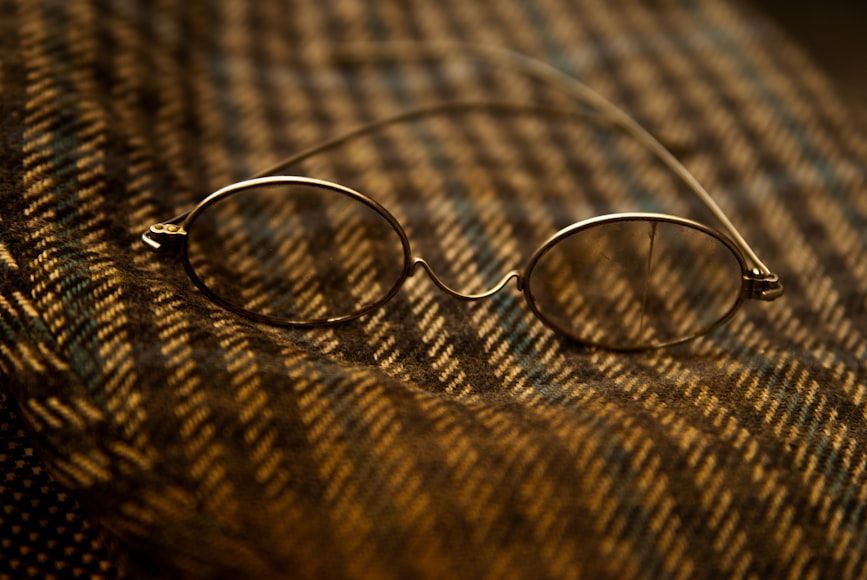
Image: Jorien Loman

The hat isn’t the only relic that remained from that tragic night. Everything Abraham Lincoln had in his pockets —two pairs of glasses, a pocketknife, a Confederate $5 bill, a linen handkerchief, and a gold pocket watch—is preserved and on display at the Library of Congress in Washington, D.C.

5
Thomas Jefferson’s inkwell
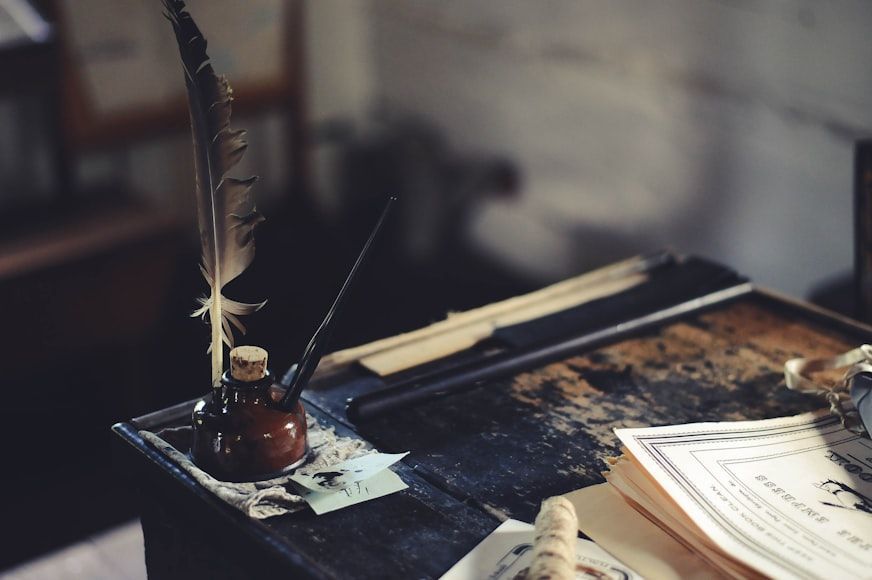
Image: Clark Young

Fortunately, you can still see with your own eyes two of the inkwells that belonged to the man who penned nothing less than the Declaration of Independence. That’s right! The first, a ceramic inkwell shaped like Enlightenment philosopher Voltaire’s head, is housed at the Thomas Jefferson Foundation at Monticello. The second, made of bronze and engraved with "T. Jefferson, 1804," is part of the White House Collection.

6
Theodore Roosevelt's pince-nez glasses
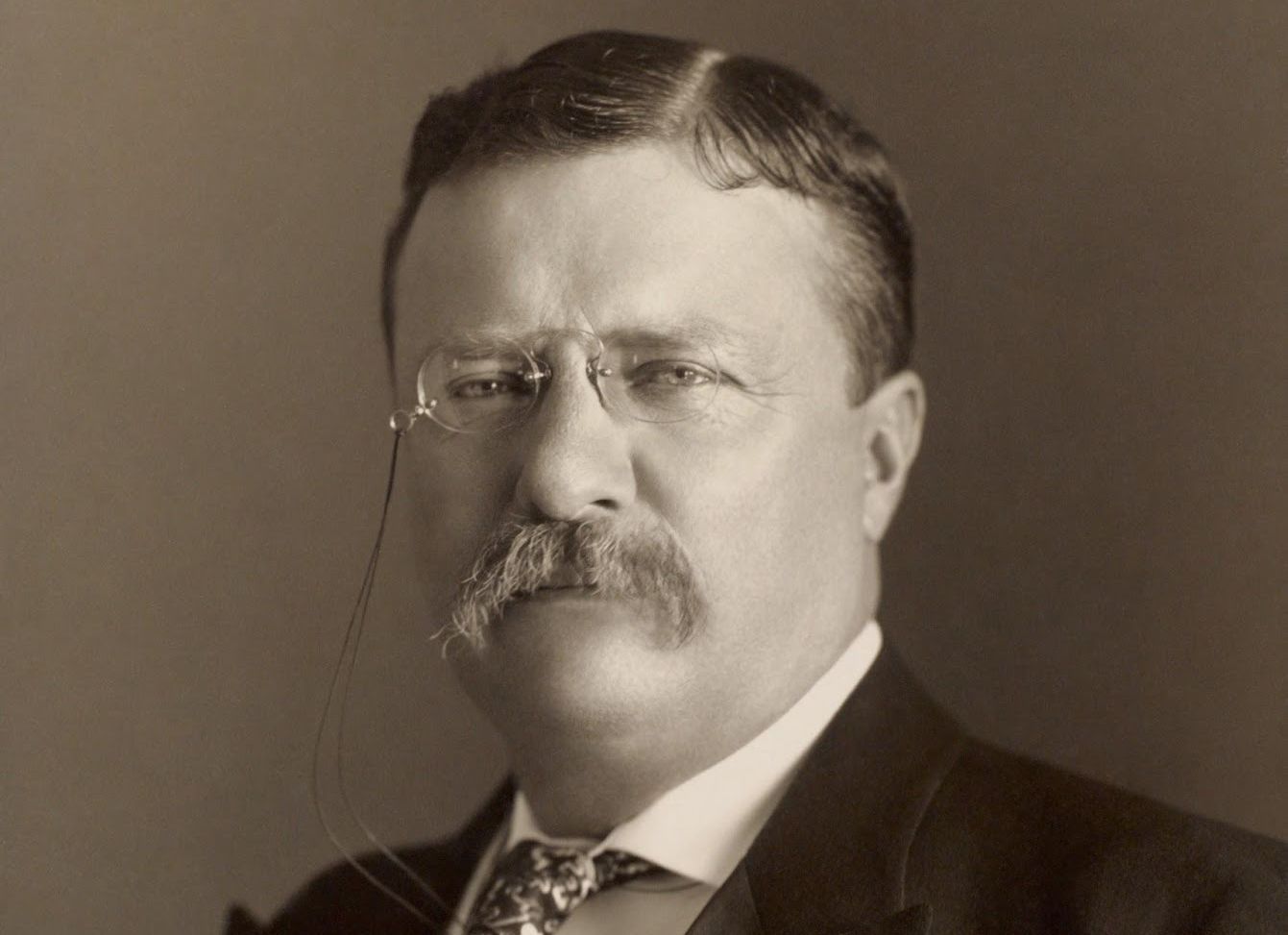
Image: via Wikimedia Commons

Teddy Roosevelt is practically synonymous with his pince-nez glasses; even the giant sculpture of his face on Mount Rushmore shows him wearing them. But did you know they once saved his life? In 1912, while campaigning, Roosevelt was shot, but the bullet struck the steel case holding his glasses and didn’t penetrate it. Today, both the case and the 50-page manuscript he carried in the same pocket are on display at the Theodore Roosevelt Birthplace National Historic Site in New York City.

7
John F. Kennedy's rocking chair
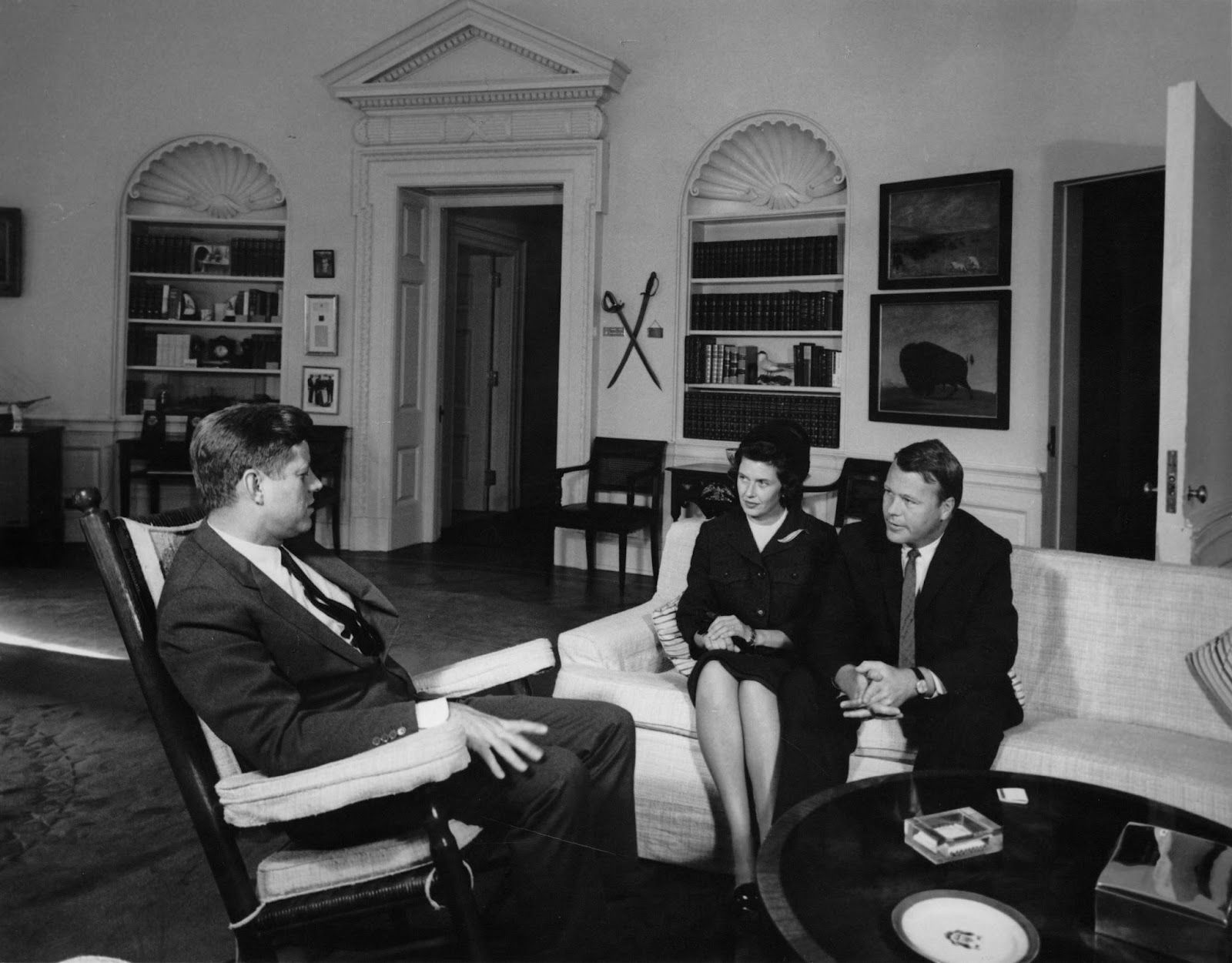
Image: Abbie Rowe. White House Photographs. John F. Kennedy Presidential Library and Museum, Boston, Public domain, via Wikimedia Commons

President Kennedy’s rocking chair appeared in many photos of him with important visitors in the White House. Recommended by his doctor to ease his back pain, the iconic chair is now part of the collection at the John F. Kennedy Presidential Library and Museum.

8
George Washington’s Revolutionary War bedstead
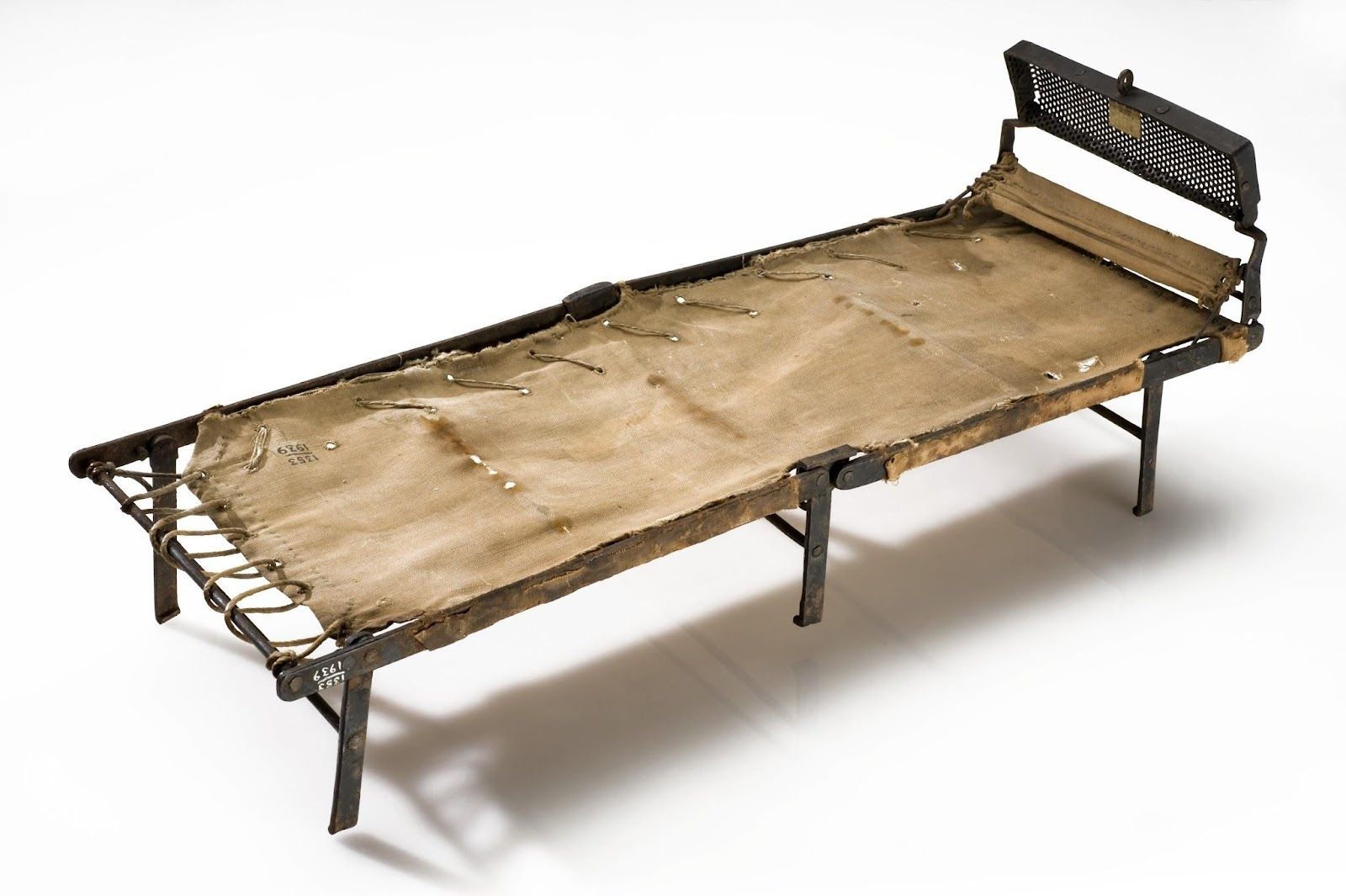
Image: Wikimedia Commons

If you thought this list was just about small objects, think again. Two of George Washington’s folding field beds from the Revolutionary War have also been preserved. One is displayed at the Henry Ford Museum in Michigan, and the other can be seen at the Mount Vernon Museum in Virginia.

9
Franklin D. Roosevelt’s stamp collection
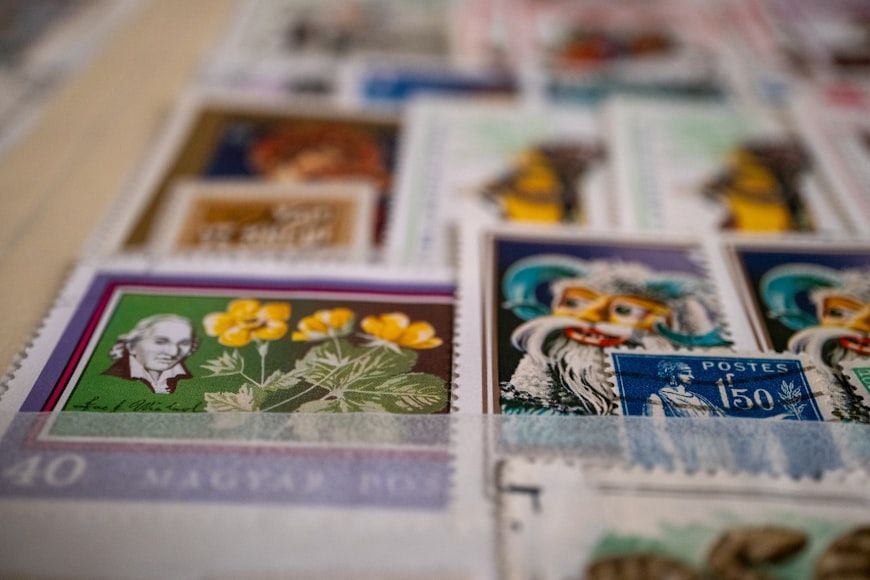
Image: Tolga deniz Aran

F. D. Roosevelt was an avid stamp collector, amassing a collection of over 1.2 million stamps. After his death, his family sold most of them, but some—especially those he received officially from foreign governments—are preserved at the Franklin D. Roosevelt Presidential Library and Museum in Hyde Park, New York. The museum also houses items related to his hobby, including a magnifying glass, a perforation gauge for measuring stamps, and his portable wooden stamp box.

10
George Washington’s dress sword
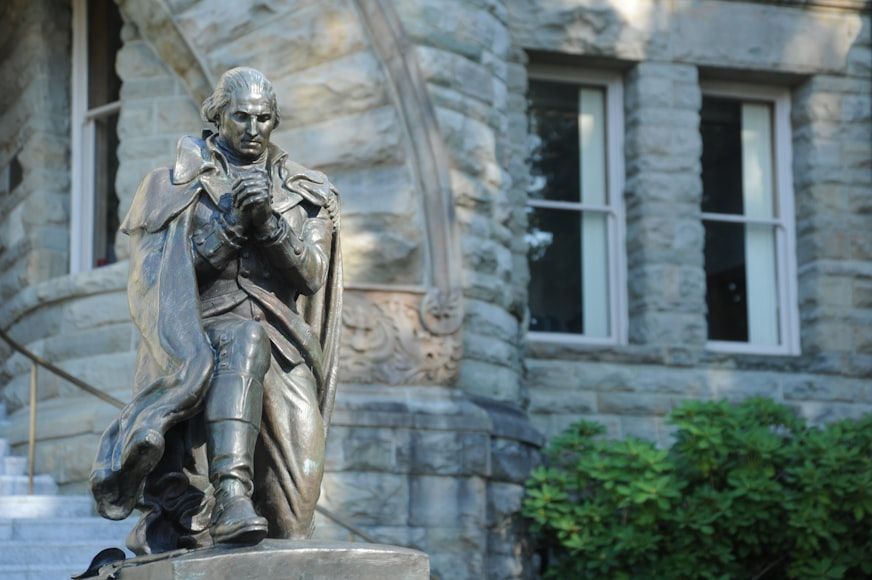
Image: Wonderlane

In addition to his dentures, Mount Vernon preserves many other personal items that belonged to George Washington. Among them are several of his swords, and it is believed that one of them may be the very dress sword he wore at his inauguration as the first American president in 1789!

General General 3 min read

Absurd laws still on the books

You’re probably breaking these laws and you don’t even know it!

Image: Tingey Injury Law Firm

Yes, we know that laws are meant to keep society running smoothly, but some of them are really puzzling. Across the US, you’ll find laws that ban everything from dancing on Sundays to stealing crawfish. Even if many of these laws are outdated , quirky, or just bizarre, they’re still technically on the books. So, if you’re planning a road trip, you might want to brush up on these strange state laws, just in case!

1
Georgia: No eating fried chicken with utensils

Image: Shourav Sheikh

In Gainesville, Georgia, it’s i llegal to eat fried chicken with a fork . This law, passed in 1961, was meant as a publicity stunt to promote the city’s status as the "poultry capital of the world."

While no one’s actually getting arrested for improper chicken consumption, a tourist was once jokingly "arrested" for breaking this law in 2009. If you visit Gainesville, just remember, fingers only!

2
Alabama: No stink bombs or confetti

Image: Damiano Lingauri

If you love a good prank or enjoy tossing confetti at celebrations, Mobile, Alabama, is not the place for you. The city has made it illegal to possess or use stink bombs , "funk balls," and anything designed to create unpleasant odors.

That’s not all, confetti and spray string are also outlawed, so don’t plan any glittery parades. Mobile prefers its air fresh and its sidewalks clean. We cannot blame them!

3
Arizona: No spitting in public

Image: Pete F

In Goodyear, Arizona, it’s not just bad manners to spit in public, it’s illegal. The law specifically bans spitting on sidewalks, roads, parks, and public buildings, and if you’re caught doing it, you could face a $2,500 fine or even six months in jail.

So, if you have a bad habit of spitting on the sidewalk , you might want to think twice before visiting Goodyear. Besides, it’s just gross!

4
Louisiana: No crawfish theft

Image: Rasmus Gundorff Sæderup

Think stealing crawfish is a minor offense? Not in Louisiana! Swiping someone’s crawfish , especially if the value exceeds $1,500, is taken so seriously that it can lead to a $3,000 fine or up to ten years in prison.

So, next time you’re enjoying a seafood boil in the Bayou State, make sure you’re not swiping from someone else’s plate!

5
Massachusetts: No dancing to the National Anthem

Image: Jeffrey F Lin

Patriotism is important, but nobody gets it like Massachusetts! In this state, a 1917 law makes it illegal to dance to the national anthem , though enforcing it would likely be a First Amendment nightmare.

It’s unclear why lawmakers felt the need to crack down on patriotic grooves, but to be safe, keep your hand over your heart and save the dancing for later!

6
South Carolina: No working (or dancing!) on Sundays

Image: Jess Bailey

Did you know that in South Carolina, you may technically have an excuse to skip work on Sundays?

An old law still on the books prohibits working on Sundays , though it’s rarely enforced. Strangely enough, dancing is also banned on Sundays. If you were hoping for a weekend filled with productivity and footloose fun, you might have to sit this one out!

7
North Dakota: No late-night fireworks

Image: Ray Hennessy

In Devil’s Lake, North Dakota, you can buy fireworks between December 26th and January 1st, but you can’t set them off after 11 p.m. What?

Let us explain: This law was originally passed for the millennium celebrations in 1999, but it’s still on the books today. Are you planning to ring in the New Year with a bang? Make sure you light those fireworks early or risk breaking the law!

8
Montana: No "folf" allowed

Image: Oskar Kadaksoo

Montana’s wide-open spaces might seem perfect for throwing a Frisbee, but in Helena, playing Frisbee golf (also known as "folf") outside of designated areas is illegal.

If you get caught, you could face a $500 fine or even six months in jail. Where are all these weird laws coming from, anyway?

9
Indiana: Black cats must wear bells on Friday the 13th

Image: Andreea Popa

Are you superstitious? You’ll love this one. In French Lick Springs, located in Indiana, black cats must wear bells around their necks on Friday the 13th.

This law was introduced in 1939 as a "war measure" to reduce stress among the public. While it’s unlikely anyone enforces this rule today, it’s still an amusing nod to old-school superstitions!

10
Hawaii: No billboards allowed

Image: Dennis Maliepaard

Ever notice that Hawaii’s landscapes are free of massive billboards ? That’s because billboards are banned statewide! The law, dating back to 1927, is part of an effort to preserve the state’s natural beauty.

Hawaii is one of the few places in the US where advertisements don’t compete with breathtaking ocean views. Now, that’s a law we can all enjoy!

General General 5 min read

WHEN WAS YOUR LAST VISIT TO THE MALL?

Did You Know These 10 Huge Malls Are Closed Or Closing Its Doors?

Image: Christian Wiediger

There is no "Too big to fail" in the world of retail. Even big businesses, with access to deep pockets, market research, and countless advisors, can bite the dust just like your local corner store. Or, perhaps, not in exactly the same way, but with very similar results.

The huge malls built in the 70s, 80s, and 90s have been enduring traffic decline for a couple of decades now, due to the rise of online shopping which, along with the rising price of property taxes, costs, rent, and vacancy, the COVID-19 pandemic and a few other factors, these commercial behemoths have been forced to close their doors. Take a look at ten of these once-bustling buildings and see if you ever frequented one of them.

1
Randall Park Mall, Ohio

Image: Carl Raw

Randall Park Mall opened in 1976 when huge retail complexes were designed to be at the heart of their communities. It was one of the largest indoor malls in the country, with more than 200 shops. However by 2009, following years of declining business and the more immediate impact of the Great Recession, Randall Park Mall closed its doors.

Encompassing nearly 2.2 million square feet of space and reportedly costing $175 million to build, Randall Park Mall was deemed such a colossal miscalculation that it closed after only 33 years in operation and was demolished before reaching forty years.

2
Circle Centre Mall, Indiana

Image: Michael Weidemann

Circle Centre opened to the public on September 8, 1995, incorporating existing downtown structures such as the former L. S. Ayres flagship store. Real efforts were made in its design to incorporate historic elements, such as the retention of the facades of buildings that had previously existed on the site.

Most malls rely on their department and anchor stores to survive, but, with the closure of Nordstrom in 2011 and of Carson's on April 29, 2018, the mall has been left without any department stores. In response to the changing retail conditions, the mall has explored non-traditional uses; for example, in 2014 The Indianapolis Star moved its offices into part of the space vacated by Nordstrom.

3
East Hills Shopping Center, Missouri

Image: Alexander Kovacs

East Hills Shopping Center is an enclosed shopping mall that opened in 1965, as one of the first malls in the Midwestern U.S. After enjoying several decades of success during the early days of malls, East Hills lost many tenants throughout the 1990s.

The COVID-19 pandemic brought many businesses to a close. On August 27, 2022, Dillard's permanently closed its doors followed by Party City in April 2023. The mall currently features JCPenney as its only anchor tenant.

4
Exton Square Mall, Pennsylvania

Image: mostafa meraji

The Exton Square Mall opened its doors in March 1973. Among its earlier memories, it holds the distinction of hosting the first Chick-fil-A restaurant on its premises.

In recent years, the mall has experienced an increase in vacancy rates, due to declining mall traffic and ongoing competition from the larger King of Prussia mall located 14 miles away. Many of the remaining stores are non-traditional tenants such as medical offices, a chess club, an art studio and gallery, and a chamber of commerce office.

5
Pittsburgh Mills Galleria, Pennsylvania

Image: Alexander Kovacs

Pittsburgh Mills Galleria is a dead mall that opened to much fanfare on July 14, 2005, but it never achieved the success its owners had hoped for. Only a year after opening, Lucky Strike Lanes closed and was eventually replaced with two restaurants and a banquet hall.

As of February 2023, there are only about 20 stores left, including 6 major chain stores. The food court, which once housed two full-service restaurants, a Starbucks, 10 counter restaurants, and several push-cart vendors, is now completely vacant.

6
Midway Mall, Ohio

Image: Pascal Bernardon

Midway Mall originally opened on September 22, 1966. Its anchor stores were Higbees, JCPenney, and Sears but over the years, brands changed and eventually left. As of 2023, with former anchor Dunham's Sports closing its branch there, it is considered a dead mall.

In 2023, the Lorain County Port Authority voted to buy and develop the mall site but, on May 1, 2024, the port authority sold the property to Industrial Commercial Properties, which intends to turn the mall into an industrial park.

7
Signal Hill Mall, North Carolina

Image: Ervan Sugiana

Signal Hill Mall was a regional enclosed shopping mall that opened in 1973 with more than 40 stores. The mall experienced a great deal of decline since the 2010s, losing most of its major stores throughout the decade and receiving significant media attention as an example of what is popularly known as a dead mall.

As of 2022, the mall has continued to decline, and despite discussions about the possibility of the mall being repurposed for non-retail use, nothing has been done. The mall is occasionally used as a space for community and recreational events by Statesville residents but that is all the activity on its premises.

8
Century III Mall, Pennsylvania

Image: Raymond Kotewicz

The eighth entry on this list hailing from Pennsylvania is an already abandoned mall. Century III Mall was built on a former slag dump and it operated from 1979 to 2019 - almost 40 years, which is not a bad number for a mall. It was the third-largest shopping mall in the world when it opened, but it has since been surpassed by much larger malls.

Following a similar route to the ones we have seen before, its occupancy rate fell from 40 percent in January 2016 to 10 percent by December 2017. Demolition of the mall began on March 26, 2024, starting with the attached external parking garage structure, but it will take a year until the entire structure is gone.

9
Gwinnett Place Mall, Georgia

Image: Casey Lovegrove

Stranger Things fans might recognize this building as the "Starcourt Mall" featured in the third season of the series. Once the leading mall in the region, Gwinnett Place Mall is now largely vacant.

It was challenged by the openings of the Mall of Georgia in 1999 and Sugarloaf Mills in 2001 and lost a large part of its customer base. It also failed to attract any new anchor stores for several years. In 2008, Gwinnett Technical College opened an International Education Center in the mall, where students take foreign language classes. Not much of a mall anymore.

10
Hawthorne Plaza Shopping Center, California

Image: David Valentine

Let us close the list with Hawthorne Plaza , an abandoned enclosed shopping mall with 134 stores that opened in February 1977. It included an indoor mall with three anchor stores and freestanding stores. Despite its initial popularity, the mall went into decline in the 1980s and 1990s.

The number of occupied stores declined from 130 in the late 1980s to around 70 in 1998. The mall's final anchor, JCPenney, closed in 1998 and the mall itself closed in 1999. The southern section of the mall across from the parking structure was demolished in 1998 and rebuilt as a strip mall. It currently includes a supermarket, a pharmacy, and some small restaurants.

Explore more American facts

Choose your favorite category!

General
General

As American as apple pie—the very best America has to offer!

Culture
Culture

Delve into the astounding richness of American lore.

Geography
Geography

Hop in and explore vast and diverse American landscapes.

History
History

Discover the key moments that shaped the United States.