History History 7 min read

Like you've never seen it before

Why did Lincoln keep a Confederate bill? 10 shocking Civil War facts
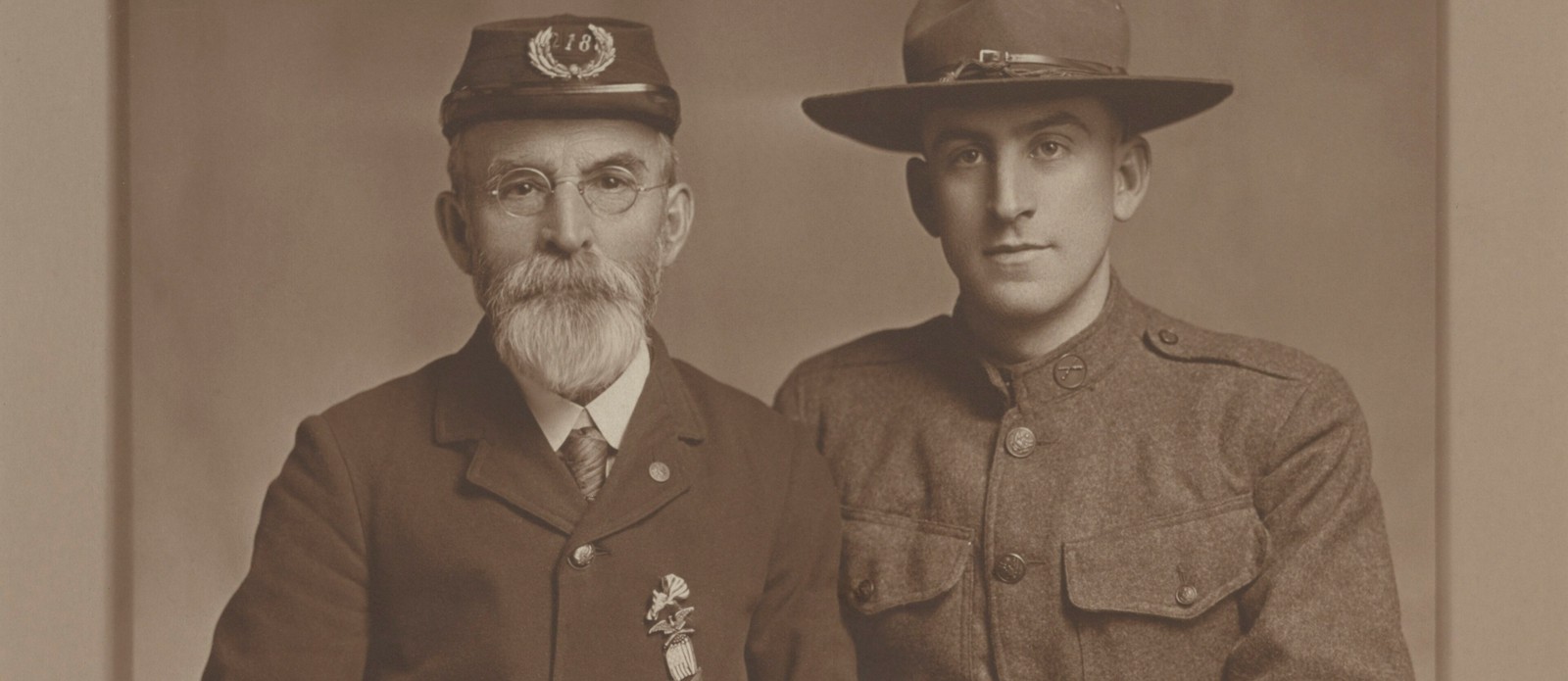
Image: Schriever, James B., photographer, Public domain, via Wikimedia Commons

The Civil War is one of the most studied chapters in American history. We've learned about its battles, generals, and figures in school, books, movies, and documentaries. But beyond the famous stories lies a fascinating world of little-known facts that changed the country forever. From the nation's first official paper money to the surprising origins of everyday conveniences, here are 10 incredible Civil War stories that will make you see this defining chapter of American history in a whole new way.

1
The Wilmer McLean paradox
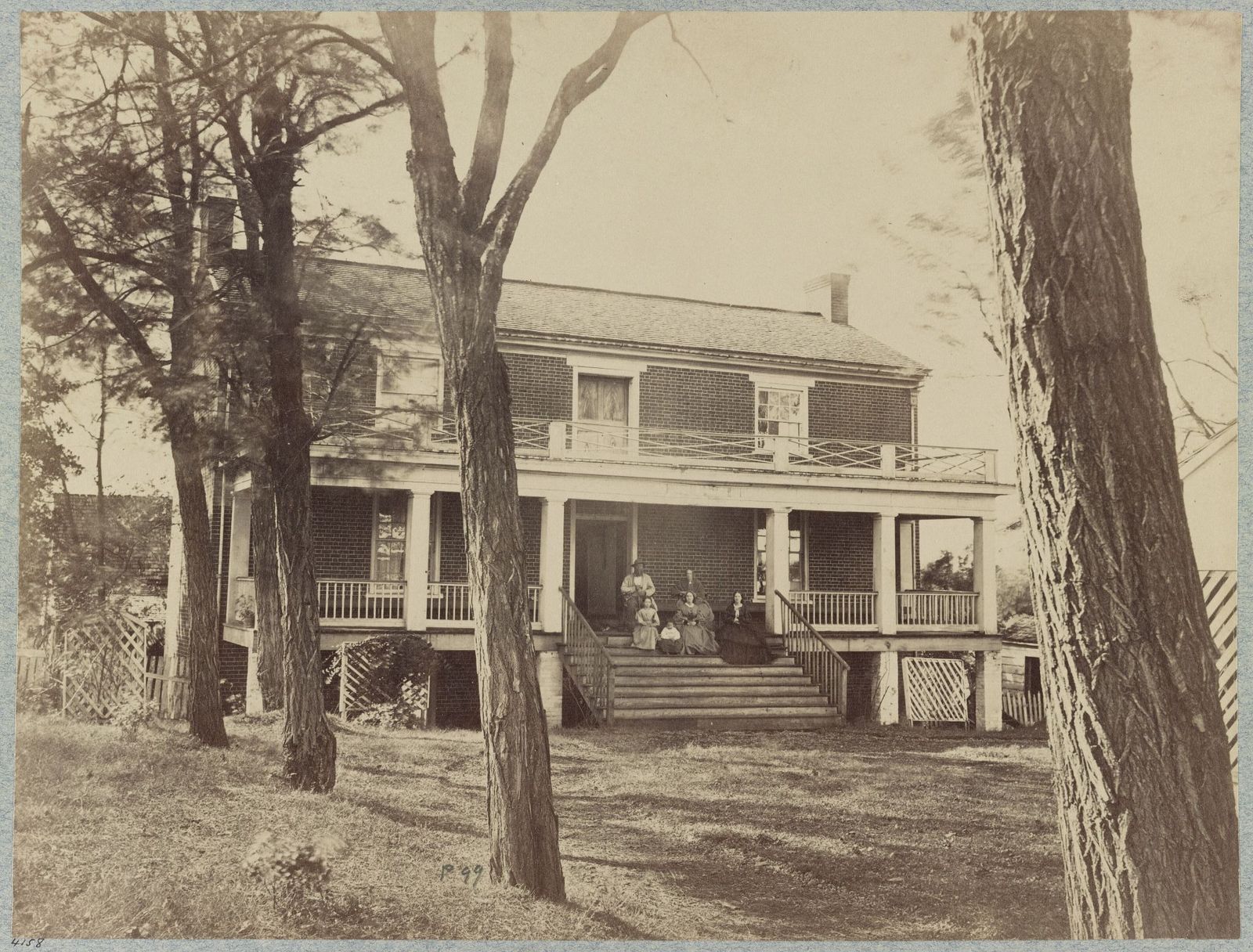
Image: Civil War Glass Negatives, Public domain, via Wikimedia Commons

Do you believe in fate? If not, maybe this story will change your mind.

When the Civil War began, Wilmer McLean was an ordinary 47-year-old man living with his family in Manassas, Virginia. But during the First Battle of Bull Run on July 21, 1861, his house was taken over and used as Confederate headquarters. Hoping to escape the war, McLean moved his family 120 miles away to the quiet village of Appomattox Court House. It seemed like the perfect decision, until history caught up with him. Four years later, the war ended exactly where McLean thought he had found peace. On April 9, 1865, General Robert E. Lee surrendered to Ulysses S. Grant, just in the parlor of McLean's new home. As McLean later joked, "The war began in my front yard and ended in my front parlor."

2
Lincoln's Confederate bill
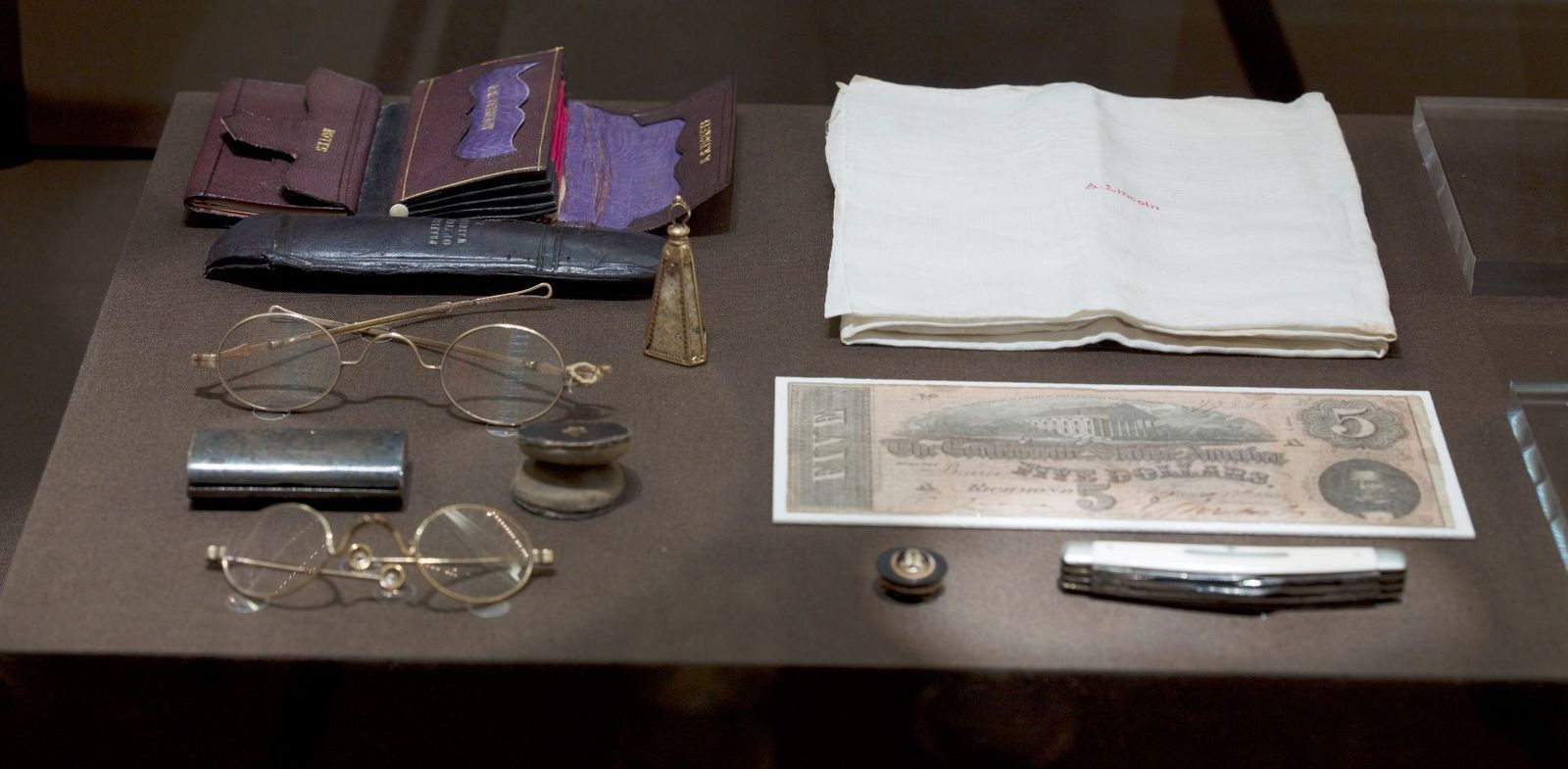
Image: Carol M. Highsmith, Public domain, via Wikimedia Commons

On April 14, 1865, just five days after Confederate General Robert E. Lee surrendered to Union General Ulysses S. Grant, President Abraham Lincoln was shot by actor and Confederate sympathizer John Wilkes Booth during a performance of Our American Cousin at Ford's Theatre in Washington, D.C.

When authorities searched Lincoln's pockets that night, they found the everyday items you'd expect: spectacles, a pocketknife, a handkerchief embroidered with his initials, a watch fob, a sleeve button, and a leather wallet. But one discovery stunned them. Inside the wallet was a Confederate five-dollar bill, the only currency Lincoln was carrying. Historians believe he picked it up as a souvenir during his recent visit to Richmond, the former Confederate capital.

3
Women disguised themselves to fight
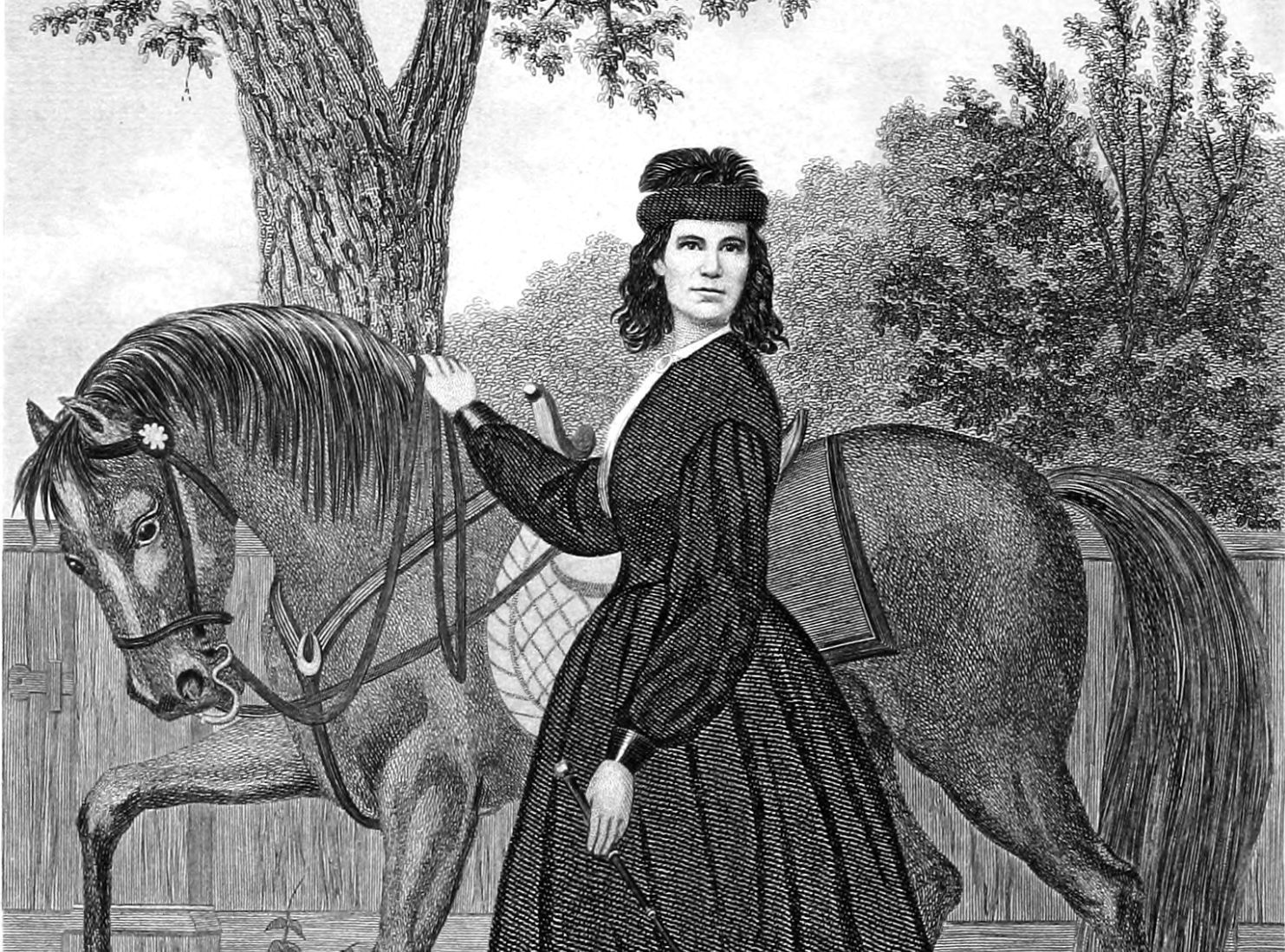
Image: Sarah Emma Evelyn Edmonds, Public domain, via Wikimedia Commons

It's well known that women played a vital role in the US Civil War, serving as nurses, spies, and organizers. Clara Barton, a famous example, brought supplies to wounded soldiers on the battlefield and later founded the American Red Cross. But there's another interesting female role that many people have never heard of.

We’re talking about the thousands of women who disguised themselves as men so they could fight. One of the best-documented was Sarah Emma Edmonds, who enlisted in the Union Army under the name Franklin Thompson. Serving as a soldier, nurse, and spy, she fought in major campaigns, including the First Battle of Bull Run and the Peninsular Campaign. After contracting malaria in 1863, she left her unit rather than risk being exposed in a military hospital and was charged with desertion. Years later, her fellow soldiers testified on her behalf, and in 1884, Congress granted her an honorable discharge and a military pension.

4
Brothers on opposite sides
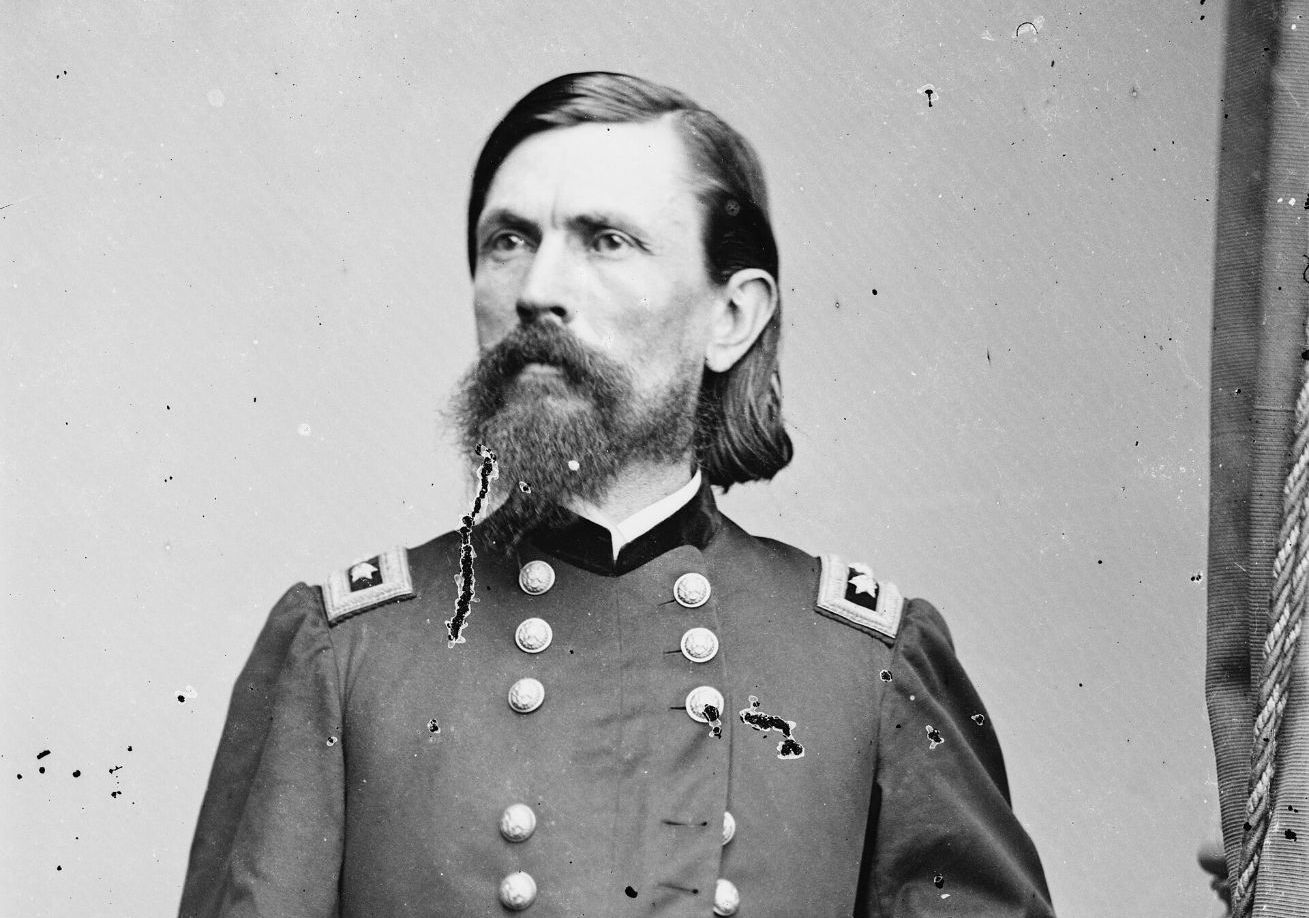
Image: Mathew Benjamin Brady, Public domain, via Wikimedia Commons

The Civil War didn't just divide the nation; it tore families apart. Few stories capture that tragedy better than this one.

The sons of prominent Kentucky Senator and passionate Unionist John J. Crittenden, brothers Thomas Leonidas Crittenden and George Bibb Crittenden, both became generals… but fought on opposite sides of the war. George served as a Confederate major general, commanding troops at the Battle of Mill Springs, while Thomas became a Union major general, fighting in major campaigns including Shiloh, Stones River, and Chickamauga. While they never directly faced each other on the battlefield, their choices caused immense emotional and social fractures within their family. Both survived the war, and today, they are buried in the same Frankfort State Cemetery, finally reunited in the soil of their home state.

5
Standardized clothing sizes
Image: Valentin Ivantsov

When was the last time you had a suit or dress made just for you? Today, we simply walk into a store and buy the size that fits, but before the Civil War, that wasn't how Americans bought clothes.

Before the 1860s, most clothing was custom-made by tailors or sewn at home. But that became a major problem when the war began, and the Union suddenly had to outfit more than a million soldiers. Measuring and tailoring every uniform by hand was impossible. Instead, military officials collected thousands of body measurements, identified common size patterns, and created one of the first standardized sizing systems: Small, Medium, and Large. After the war, clothing manufacturers adopted the same templates for civilian garments, helping give birth to America's modern ready-to-wear clothing industry.

6
Postal home delivery system
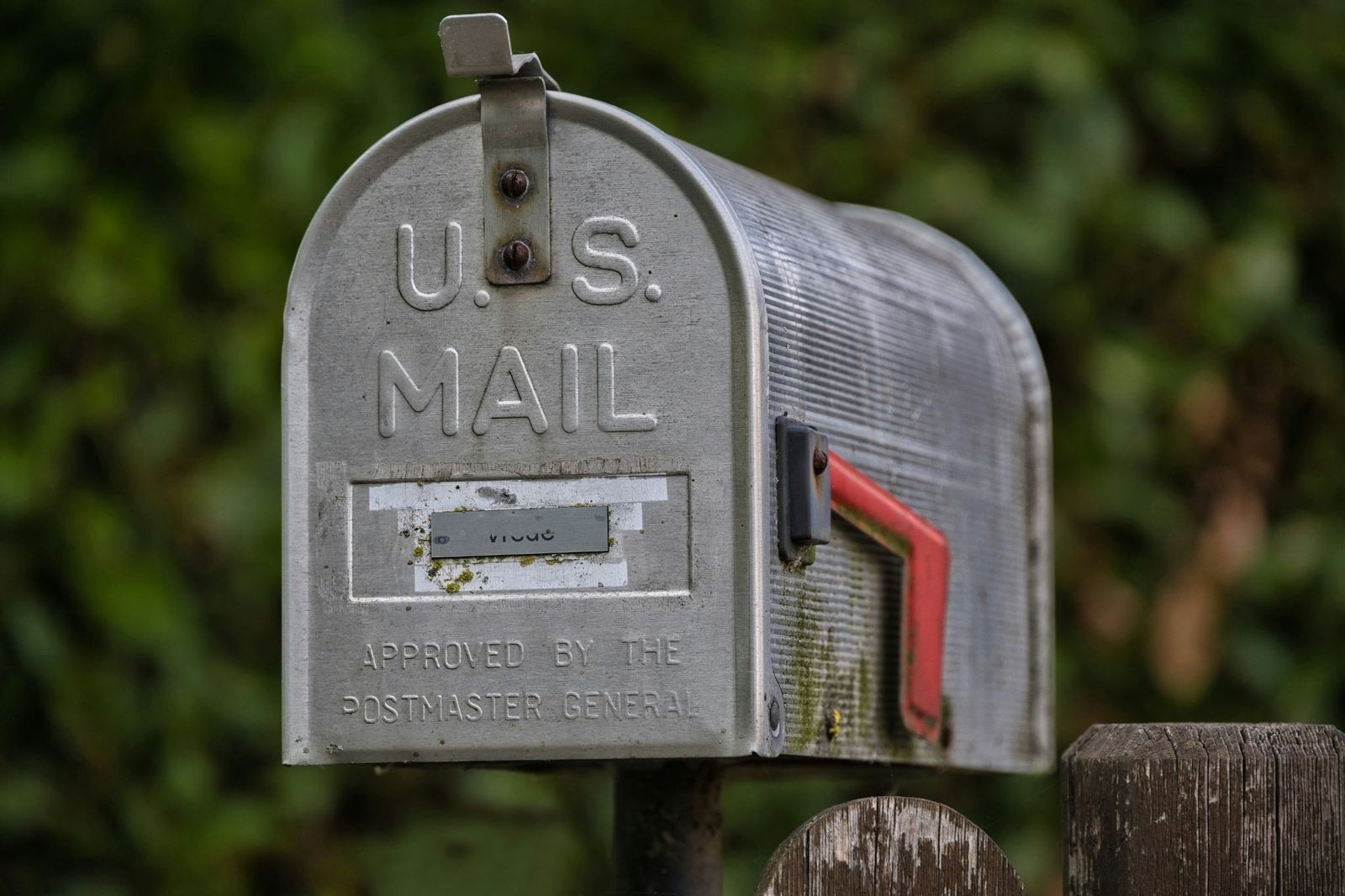
Image: Wolfgang Vrede

Today, having letters and packages delivered right to your front door is so routine that we rarely stop to think about it. But for many years of American history, that convenience didn't exist.

Before the Civil War, Americans had to pick up their mail at the local post office. When the war began, families desperate for news of sons, husbands, and fathers crowded into post offices, often waiting for hours. Seeing the heartbreaking scenes, Cleveland postal clerk Joseph Briggs began delivering letters directly to people's homes, sparing families long waits and needless anguish. His neighborhood deliveries were such a success that they inspired Postmaster General Montgomery Blair and Congress to create the nationwide Free City Delivery Service on July 1, 1863.

7
The US first official paper money
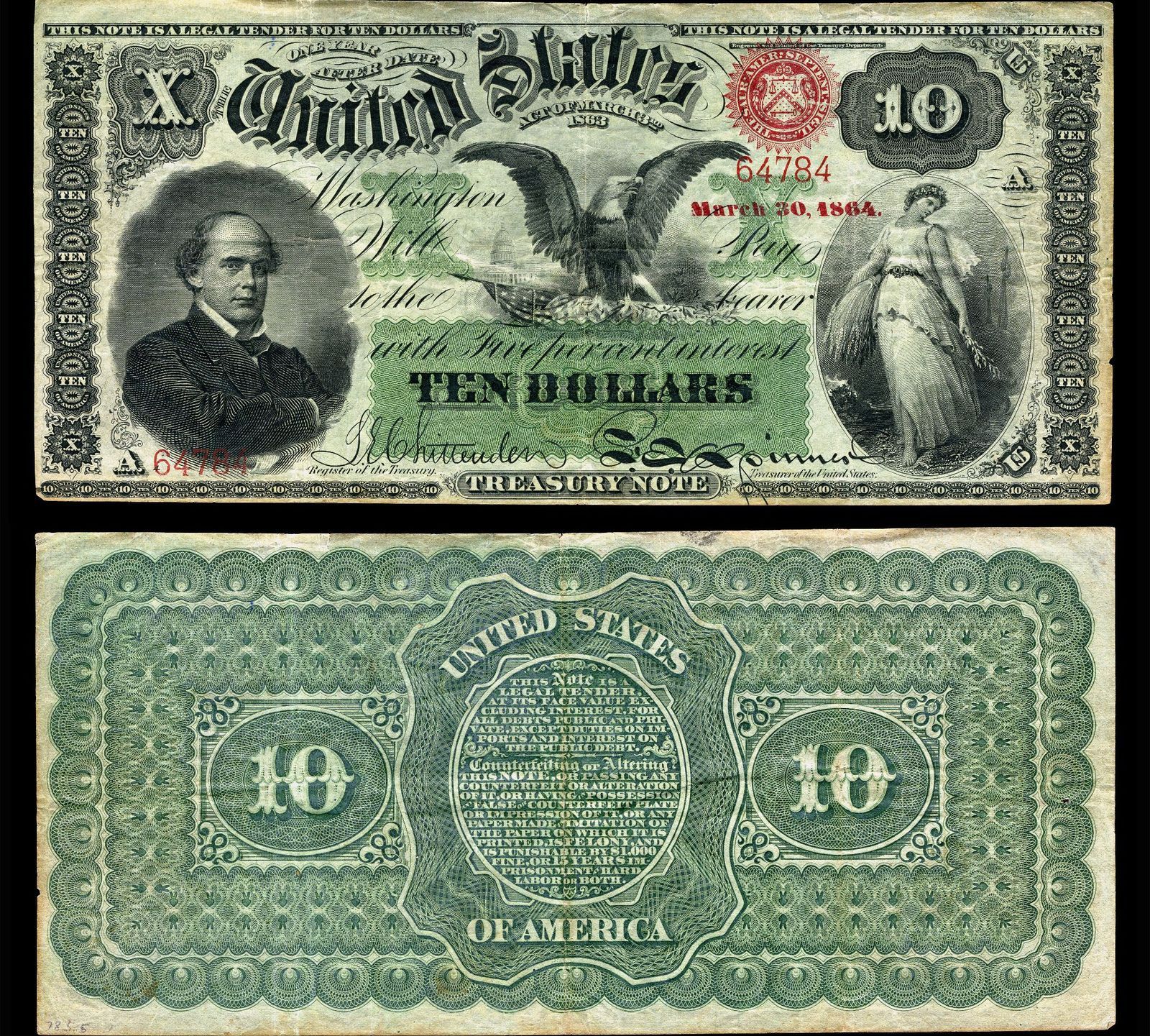
Image: National Museum of American History, Public domain, via Wikimedia Commons

Today, most of our money exists in a digital form. However, when we picture money, we still think of dollar bills and coins. They've been part of our lives for so long that it's hard to imagine a time when the US government didn't print paper money at all. But that time did exist.

Before the Civil War , the federal government issued no standardized national paper currency. It minted gold, silver, and copper coins, while Americans relied on thousands of different banknotes printed by private, state-chartered banks, many of them unreliable and prone to failure. Everything changed in 1861 , when the Union needed money to finance the war. Congress authorized the first federal paper currency, known as Demand Notes, followed by Legal Tender Notes in 1862. Americans soon nicknamed them "greenbacks" because of their green ink, a name that has survived ever since.

8
A town changing hands 10 times
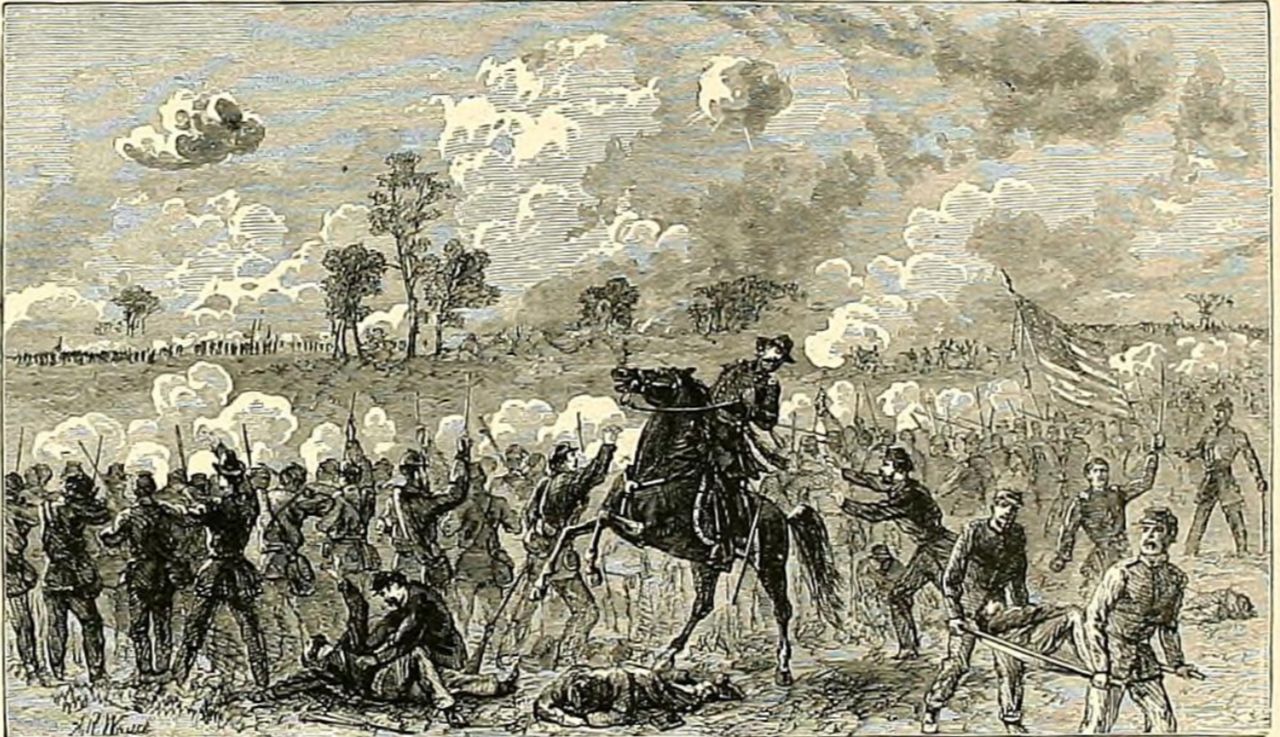
Today, US Route 50 follows much of the old Northwestern Turnpike, a historic road linking Winchester, Virginia, with Parkersburg on the Ohio River. But during the Civil War, living along that route was anything but convenient.

Because the turnpike provided access to the Shenandoah Valley, the Baltimore & Ohio Railroad, and key mountain passes, the town of Romney (now in West Virginia) became a strategic prize for both the Union and the Confederacy. As armies pushed forward and fell back, each side repeatedly captured and abandoned the town. While most cities and regions remained firmly on the same side for the entire war, historians generally agree that Romney changed hands at least 10 times, making it one of the most frequently occupied towns of the Civil War.

9
The war with the most Medals of Honor
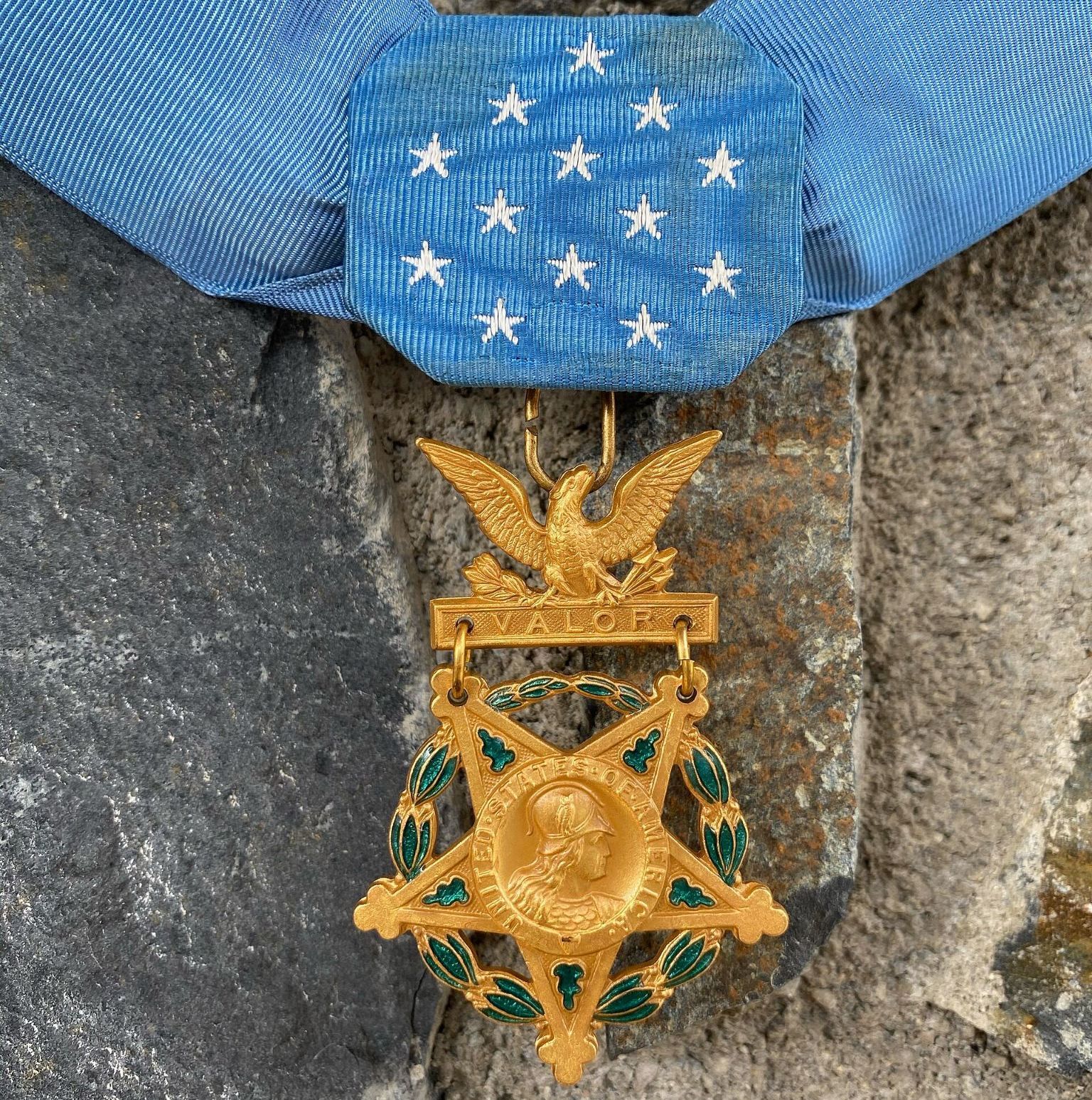
Image: Alexeinikolayevichromanov, CC BY-SA 4.0, via Wikimedia Commons

The Medal of Honor is the nation's highest military award for valor. During the Civil War, about 1,525 service members received it. That may not sound extraordinary… until you compare it with every major American war that followed.

The numbers are striking: 126 Medals of Honor were awarded in World War I, 464 in World War II, and 266 during the Vietnam War. A total of 856 combined, far fewer than in the Civil War alone. But there’s a reason for that. The Medal of Honor was created during the Civil War; at the time, it was the only US military decoration for valor. With no other awards recognizing battlefield heroism, it was presented under standards that were far broader than those adopted in later wars.

10
Can openers
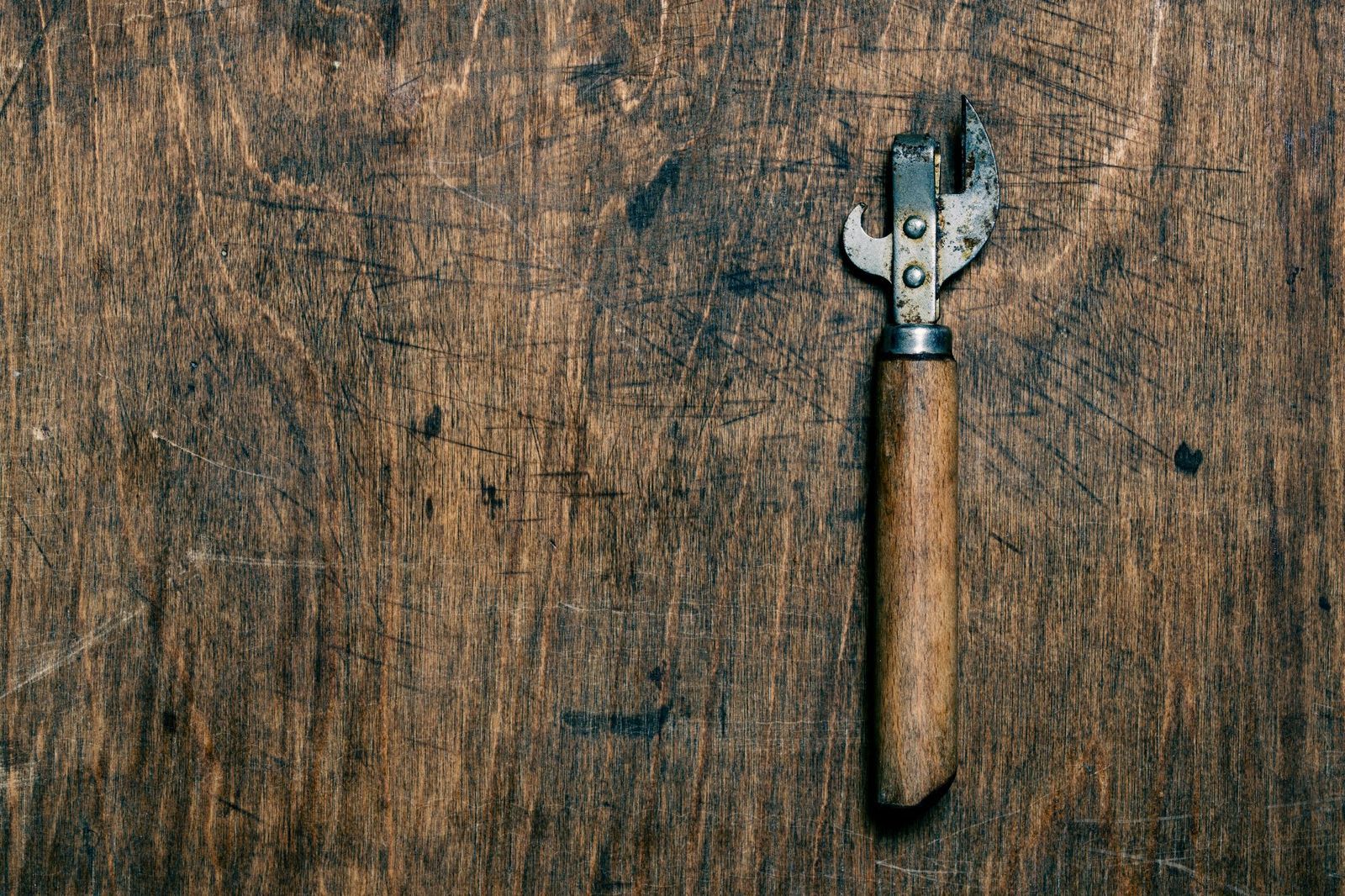
Image: OlegD

It's hard to imagine a kitchen without a can opener. But surprisingly, canned food existed for decades before anyone invented it.

Although canned food had been around since the early 1800s, people often had to open cans with a hammer and chisel. That finally changed when American inventor Ezra J. Warner patented the first practical can opener in 1858. Even then, it remained a curiosity until the Civil War, when the huge demand for canned rations, including Gail Borden's condensed milk for Union troops, made it indispensable. The war turned the can opener from a strange invention into an everyday tool, paving the way for the handheld versions we still use today.


General General 4 min read

Do you know how to sew a button?

How prepared are you?

Image: Mariah Hewines

In a world where most of us have specialized knowledge about certain things, we often neglect to learn about other basic areas that can also affect us greatly. Knowing how to use a compass, cook some basic recipes, knowing how to sew a button, light a fire, stay fit, and keep a budget are all things that everybody should know about because they can either make your life a bit easier or, if disaster strikes, can save your life. Check out these 12 useful skills. Which ones do you already have?

1
Basic computer skills

Image: Christin Hume

An increasingly larger chunk of our world requires at least some basic form of digital literacy to interact with it. Knowing your way around a computer, your smartphone, and the Internet makes everything a little bit easier .

You don’t need to be a hacker or anything like that; just knowing the very basics allows us to access most of the advantages that modern technology provides.

2
Housekeeping skills

Image: Slaapwijsheid.nl

Living in a clean and comfortable environment is something that almost everyone can achieve with just a little bit of effort. Learn to use a vacuum cleaner, your washing machine, and the dishwasher, if you have it ; learn how to iron your clothes, make a bed, and clean your home.

3
Navigation skills

Image: Tabea Schimpf

The aforementioned basic computer and smartphone skills are a great aid in this department. But even if you have those incorporated, it is always a good idea to learn how to use a map and a compass. Ask for directions and memorize them . Just in case technology fails.

4
Survival skills

Image: Courtnie Tosana

Learn how to make a fire. Learn how to perform CPR and a Heimlich maneuver on adults, children, and infants. Learn to use a portable electricity generator. Learn a few basic knots. All of these abilities are very rarely used. But whenever you need them, you'd better know how to perform them correctly . Your life or someone else’s might depend on it.

5
Time management

Image: kylefromthenorth™️

The best way to make time is to manage it correctly. Learn to set daily and weekly goals , prioritize your tasks and responsibilities, create to-do lists, and review your schedule periodically.

6
Financial education

Image: Sasun Bughdaryan

Track your money. Learn to check, build, and repair, if necessary, your credit score . Learn how to apply for a loan or a credit card. And hire or at least consult with a tax professional to make sure that you are doing your taxes correctly.

7
Social skills

Image: Chris Liverani

While it is true that some people are born with social skills, these can be learned by anyone . The ability to accept criticism in good spirit, the ability to have a productive conversation, patience, knowing how to speak clearly and succinctly, and knowing how to negotiate are all things that can be learned and add significant benefits to whoever acquires these skills.

8
Fitness

Image: Emma Simpson

Your body is your vessel. And it is the only one you are going to get for your life. Therefore, make sure to keep it as fit as possible . Strengthen your muscles and bones with activities that suit you. Learn how to stretch properly, learn bodyweight exercises, and look for ways to stay active at any age. A fit body will always get you farther.

9
Healthy cooking

Image: Alyson McPhee

This one goes hand in hand with the previous item. Healthy cooking involves preparing nutritious and balanced meals. This is essential for maintaining good health and can be a fun and creative activity.

Learn some basic recipes that you can make at home, quickly, with a few ingredients, and you will never go hungry again.

10
Learn to keep a budget

Image: Mediamodifier

This one is related to the previous item regarding financial education, but on a more basic level. Keeping a good track of the money you earn and the money you spend helps you make ends meet and save more at the end of the month.

Create a spreadsheet and write down your expenses and your income, or use an app to help you do the same thing on your phone.

11
Sew on a button

Image: Merve Sehirli Nasir

The constantly decreasing quality of clothing makes this simple skill all the more important as time goes by. Learn how to sew on a button. It is not difficult, and it will save you a trip to the tailor or having to ask somebody else for a very easy task.

12
Change a tire

Image: Wade Lambert

If you drive a car, you should know how to change a tire. Yes, maybe you have an insurance service that can aid you, and maybe there is always someone around who can help until there is no service available and you are all alone.

Changing a tire is very simple, and there are techniques to do so with very little physical effort . Learn how to perform this simple task, and you will be much safer when driving a car.

General General 5 min read

Dusting off some old memories

Playground love: 12 outdoor games everyone played as a child

Image: cottonbro studio

Playing outdoors is one of the most enjoyable and memorable experiences of childhood. Our childhoods didn’t require modern technology to feel complete or entertaining. We could spend hours at the park or during school breaks playing tag, jumping rope, or hiding for our friends to find us. Do you remember these games? If you’d like to jog your memory, read on to revisit the games you played most as a kid!

1
Hopscotch

Image: MOHAMMADREZA Kr

When we were kids, before computer games and smartphones, we didn’t need much to keep us entertained in the afternoons. Playing hopscotch, for example, required only a piece of chalk and a large enough asphalt area to draw on and jump around.

There are numerous variations, but children have played hopscotch for centuries . The basic principle remains the same: a series of numbered rectangles is outlined on the ground, and the player tosses a pebble into each one in turn. The player then hops through the course without touching the lines, picking up the pebble along the way, and returns—still hopping—to the starting point.

2
Tag

Image: Aleksandar Andreev

Tag is undoubtedly the most famous chasing and catching game of all time. It also serves as the foundation for many other games. This is no coincidence—tag has existed since ancient times, with different versions in civilizations as dissimilar as Greece and India.

In the simplest form of tag, one player tries to tap another player; the tagged player then becomes "it —a.k.a. "the chaser"—and it all starts all over again. Which version was your favorite? Ours was freeze tag!

3
Jump-rope and Double Dutch

Image: cottonbro studio

Jumping rope was another childhood favorite, whether on street corners or in school playgrounds. Whether alone or in a group, it kept us entertained for hours. Among the countless variations, Double Dutch—a version in which one or more players jump between two long ropes turning in opposite directions—was probably the most fun and most challenging of all.

The origin of Double Dutch is not entirely clear. Some claim Dutch settlers brought it to America, while others argue it was invented in the early 1900s in the U.S. What is certain is that this game, which combines motor skill training and physical exercise , became so popular that it evolved into a competitive sport with worldwide tournaments.

4
Simon says

Image: Arthur Krijgsman

"Simon says… touch your nose!" Remember these commands? As kids, we could spend hours playing this game, where one player took on the role of "Simon" and gave instructions that the rest of us had to follow to the letter.

Records of this game’s existence in the United States date back to the mid-19th century ; however, its origins may be traced back to ancient Rome. Some historians suggest that the name Simon comes from Simon de Montfort, a 13th-century French-English nobleman who was known for his ability to command authority over his subjects.

5
Hide-and-seek

Image: Annie Spratt

Hide-and-seek is one of the simplest games but, at the same time, one of the most fun when we were children. In this game, one player would close their eyes and count to a certain number while the others searched for a place to hide. The challenge was to find as many hidden players as possible before they reached "home base."

Hide-and-seek, which has different variants worldwide, has been played since ancient times. In fact, historians have discovered a strikingly similar game in ancient Greece called apodidraskinda , which followed rules much like the ones we know today.

6
Hula Hoop contest

Image: Annie Spratt

The hula hoop became popular in the late 1950s when the American toy company Wham-O introduced a plastic version to the market. However, hula hoops have been used by children since ancient times. Over the centuries, they have been made from a variety of materials, including willow, grapevines, rattan, stiff grasses, wood, and metal.

Growing up, most schools had hula hoops available during PE classes. It was the ideal game for young children to have fun and get fit at the same time. Teachers often organized contests in which players twirled the hula hoop around their waist for as long as possible. The winner was the one who kept the hoop spinning the longest before it dropped to the floor.

7
Marco Polo

Image: Library of Congress

This game, which shares its name with the 13th-century Italian explorer, was a summer-exclusive tradition we eagerly anticipated all year long. Many of us still vividly remember our friends, siblings, and cousins shouting "Marco!" and responding "Polo!" as kids.

Played in a swimming pool, Marco Polo is a location-based game in which players must find each other using auditory clues. It became popular in America in the 1960s and is now played worldwide with various adaptations.

8
Musical statues

Image: Robert Collins

Musical Statues, also known as Freeze Dance, is a variation of Musical Chairs that can be played outdoors. It was a popular game at birthday parties and involved running around while music played. When the music stopped, players had to freeze in place. Anyone who moved was instantly out, and the last one remaining won the game.

Musical Statues originated in the United Kingdom, likely in the mid-1950s , when music players became more common in people's homes.

9
Tug of war

Image: RDNE Stock project

Did you know that before the 19th century, the game we now call tug of war was known as French and English ? Tug of war—or rope pulling—is an ancient game , with different versions found in Egypt, Greece, India, China, and Cambodia.

In tug of war, two teams compete in a test of strength and strategy, pulling a rope in opposite directions. Though this game is popular at school events for its mix of teamwork, exercise, and friendly competition, it was once an official sport . In fact, from 1900 to 1920, tug of war was part of the Olympic Games.

10
Dodgeball

Image: Wan San Yip

Dodgeball is another game we used to play in school that is now also considered a sport . In this game, the objective is to eliminate all members of the opposing team by hitting them with thrown balls.

Though it’s now a fun and friendly game, that wasn’t always the case. Dodgeball originated in Africa approximately two hundred years ago. Back then, it was much more dangerous and violent. Instead of using soft balls, participants threw rocks found in nature. Fortunately, in the mid-19th century, an English missionary saw the game and transformed it into a more enjoyable, non-life-threatening activity.

11
Duck, duck, goose!

Image: Kampus Production

You probably haven’t played this game since preschool or kindergarten, and you might have even forgotten about it completely. However, it was one of the most popular games on the playground .

In this traditional children's game, participants sit in a circle, and one is chosen to touch the heads of the others. The player who is "it" goes around saying "duck" until they choose someone and say "goose." Then the chase begins!

12
Scavenger hunt

Image: Nellie Adamyan

This was a more complex game that required much more development and preparation time. But perhaps because of that, it was so appealing to us. Scavenger hunts were so much fun that we still play them as adults, and they remain a popular activity at some universities , for example.

This game, which involves finding specific items from a list, evolved from ancient folk games. The modern version we play today, however, was popularized by American gossip columnist and socialite Elsa Maxwell in New York City during the 1930s .

Explore more American facts

Choose your favorite category!

General
General

As American as apple pie—the very best America has to offer!

Culture
Culture

Delve into the astounding richness of American lore.

Geography
Geography

Hop in and explore vast and diverse American landscapes.

History
History

Discover the key moments that shaped the United States.