Why didn’t the British burn Monticello during the Revolutionary War?
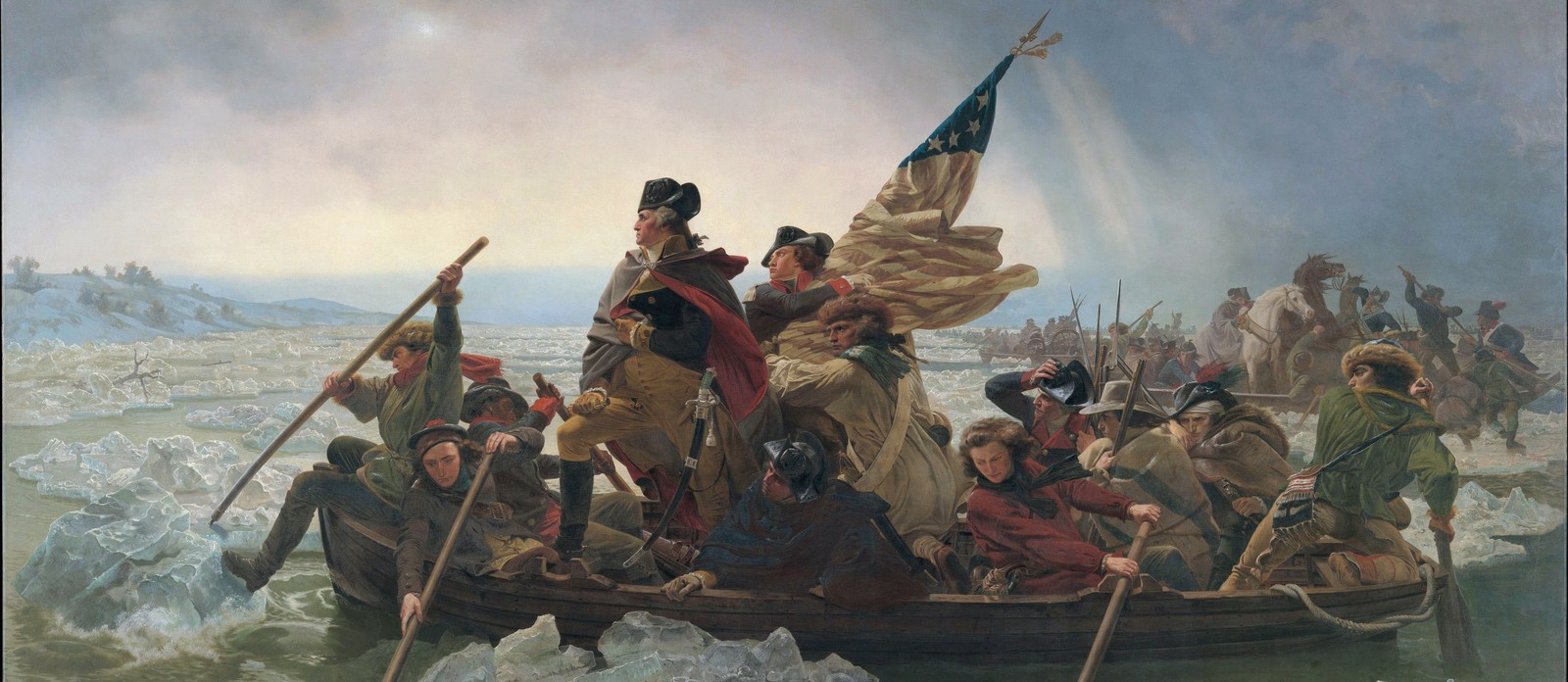
Image: Emanuel Leutze, CC0, via Wikimedia Commons
Our history textbooks do a great job narrating the major battles and political triumphs of the American Revolution, but they often avoid the nitty-gritty details. The truth is, the fight for independence was a messy conflict fought by spies, double agents, and players with opaque motives. Even after 250 years, historians are still trying to solve some of the war’s deepest enigmas. Here are ten of the most fascinating unsolved mysteries from the American Revolution.
1
Who fired the shot heard ‘round the world?
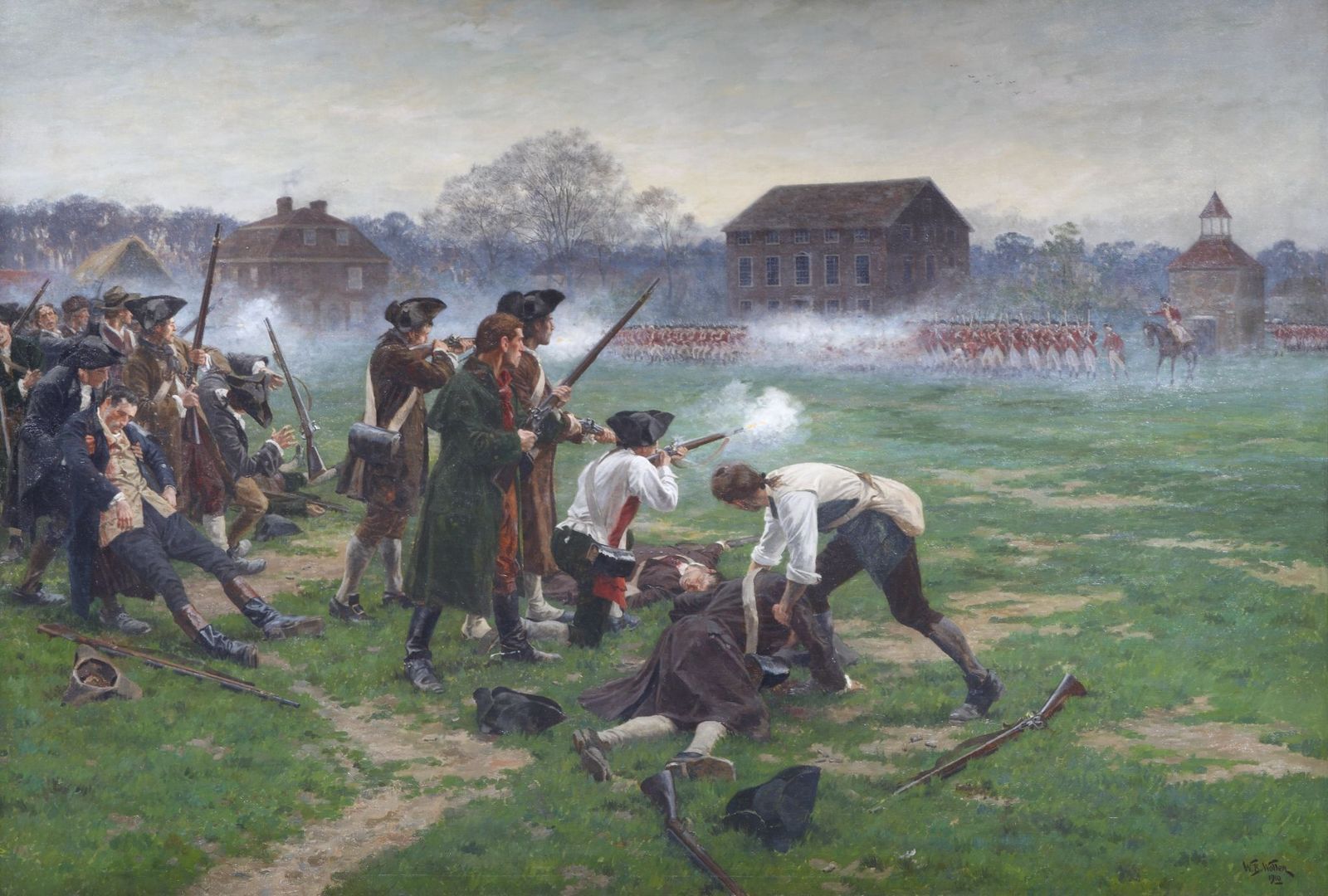
The war began on the morning of April 19, 1775, when a small group of local militia faced a column of British Redcoats. The American commander, Colonel John Parker, ordered his men to disperse. The British commander, Major John Pitcairn, ordered his troops to hold their fire. Both sides wanted to avoid a bloodbath.
Suddenly, a shot of gunfire was heard through the air. In the confusion, British soldiers charged with bayonets. Who pulled that first trigger? Some accounts suggest a gunman fired from behind a nearby wall. Others claim a fleeing prisoner sparked the chaos. Because both sides swore under oath that they didn’t shoot first, the catalyst of the war remains a mystery.
2
Who betrayed Nathan Hale?
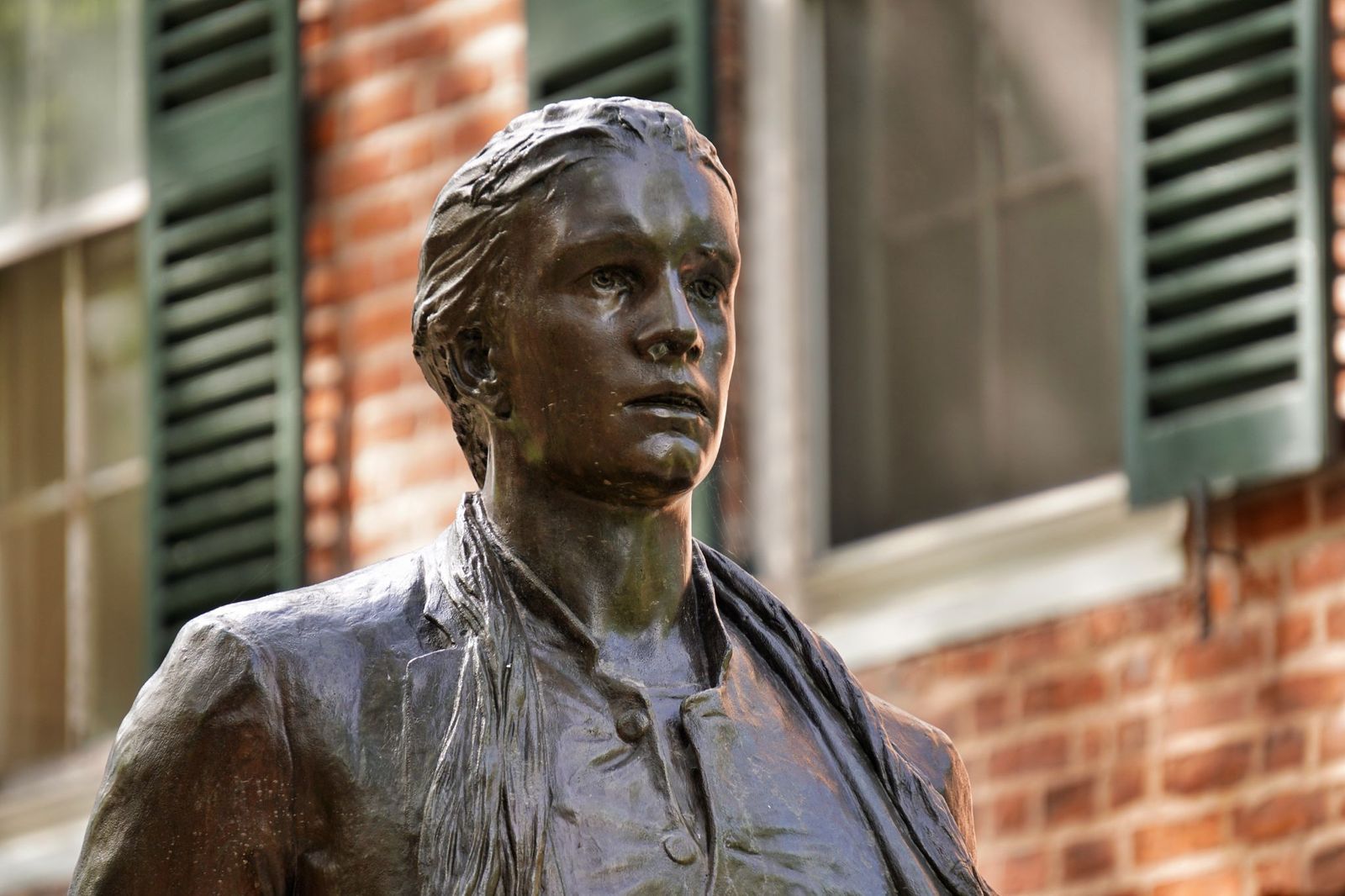
Nathan Hale is considered one of America’s first tragic heroes. A young Connecticut schoolteacher turned army captain, Hale volunteered to infiltrate British-occupied New York City to gather intelligence. He was an amateur spy, and it didn’t take long for the enemy to catch him with compromising notes hidden in his shoes. He was hanged the next morning, at age 21.
The mystery lies in exactly how he was caught. One theory points to his own cousin, Samuel Hale, a Loyalist who allegedly spotted Nathan in a tavern and reported it to British authorities. Another theory suggests he was tricked by Major Robert Rogers, a legendary British counter-insurgency commander who supposedly suspected Hale and got him to confess his mission over drinks.
3
Who burned New York City in 1776?
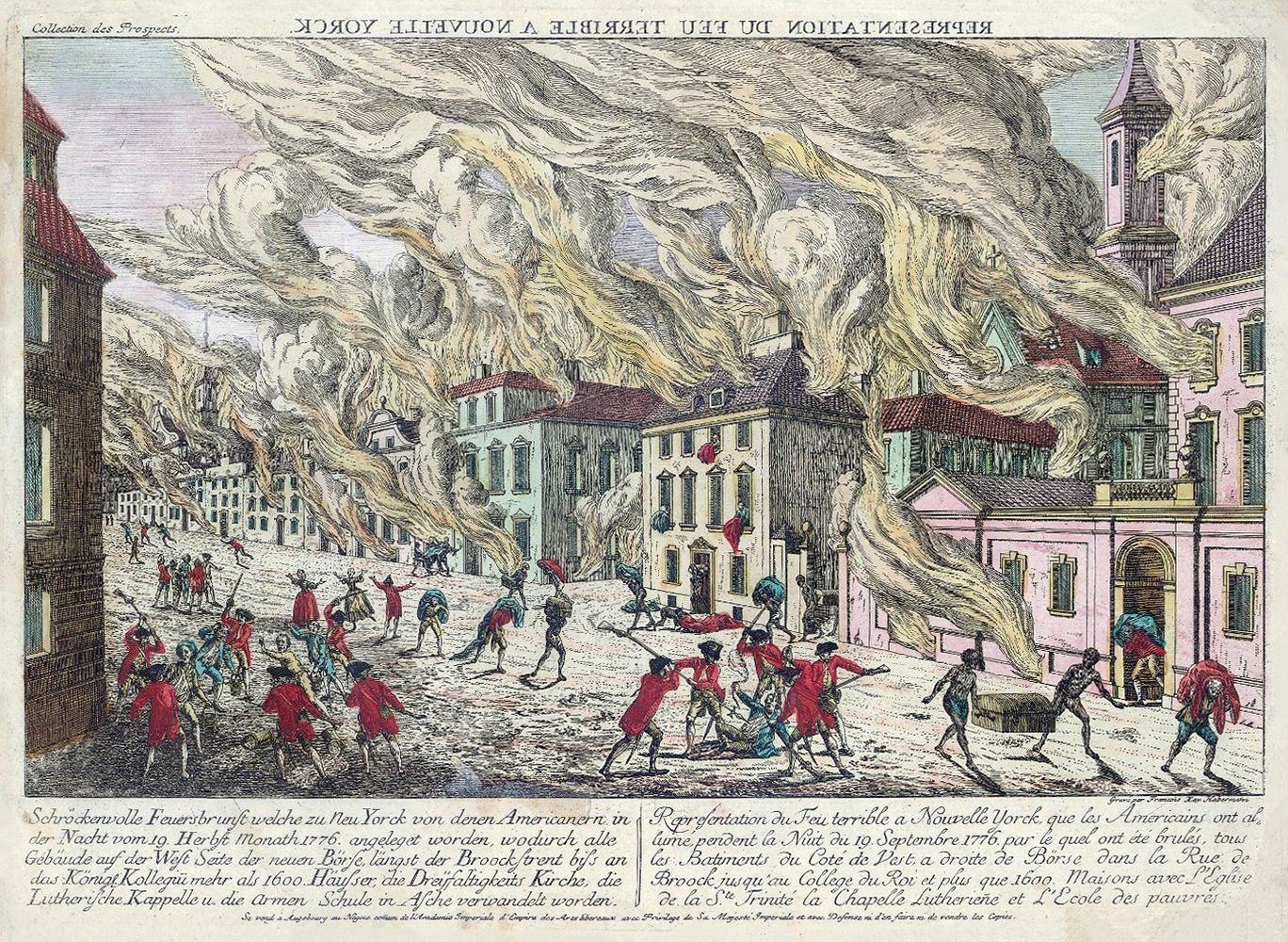
On September 21, 1776, just days after Nathan Hale’s execution, a fire broke out in the middle of the night. The Great Fire consumed a third of New York City, destroying hundreds of buildings and critical port facilities just when the British military was going to start using the city as their winter base.
The British blamed American arsonists and arrested over 200 people, but no one was ever convicted. Interestingly, George Washington and his collaborators previously debated burning the city, though the Continental Congress ultimately forbade it. Washington publicly denied any involvement, although he privately confessed that the fire was a stroke of luck. Was it a genuine accident, or did radical Patriots take matters into their own hands?
4
Who was Agent 355?

George Washington’s most successful intelligence network was the Culper Spy Ring, which operated in New York. The ring used an intricate system of invisible ink, hidden drop boxes, and complex ciphers. In their master codebook, the number 355 stood simply for "lady."
Agent 355 was a brilliant female operative who provided vital intelligence. Because her identity was protected by the ring’s leaders, her true name was never written down. Scholars have spent centuries debating whether she was a prominent Loyalist society woman secretly sympathetic to the Patriots, a member of the prominent Floyd family, or a composite character representing multiple female informants.
5
The mystery of Silas Deane
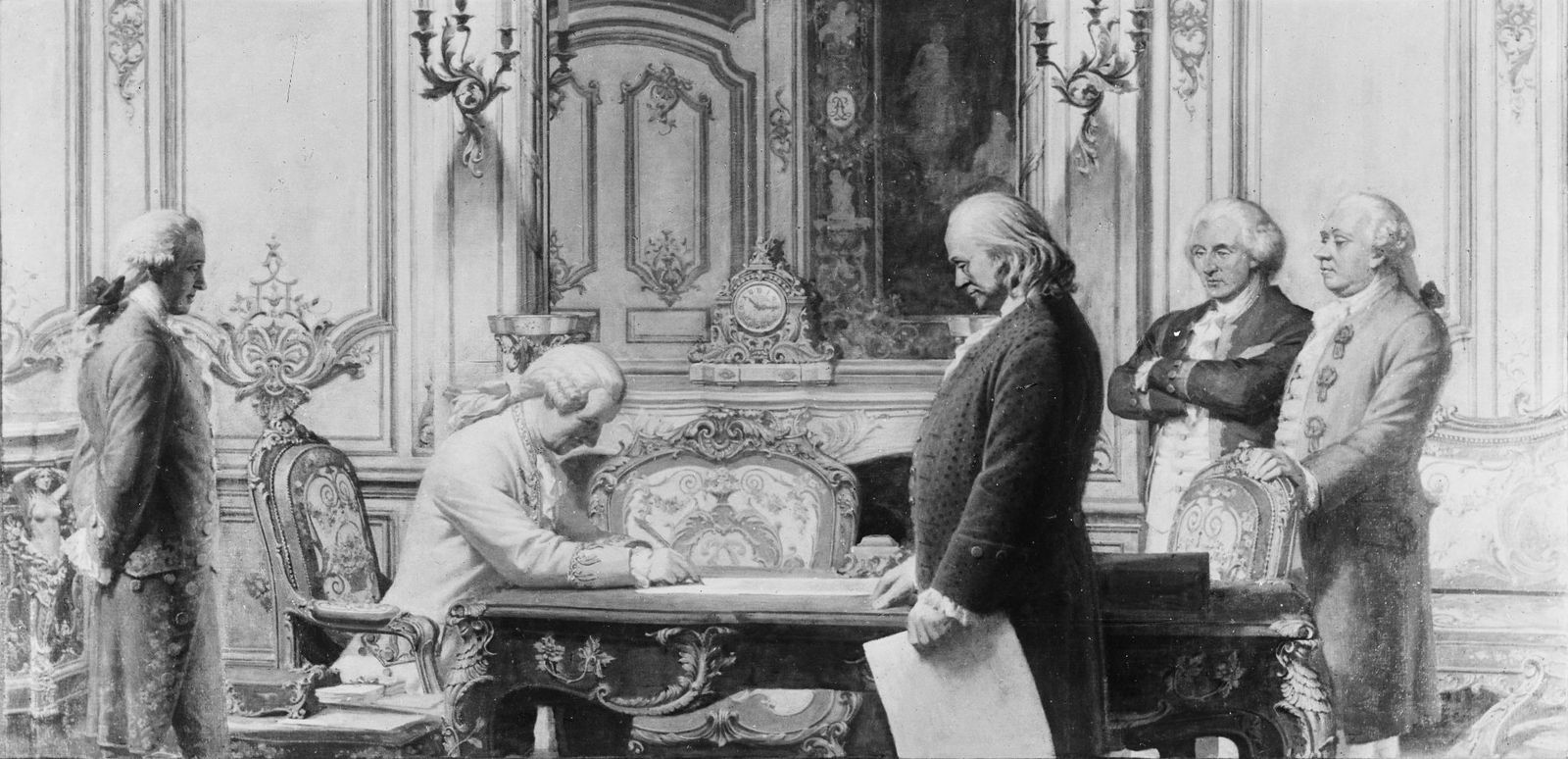
Silas Deane was a Connecticut merchant sent by Congress to France in 1776 as America’s first secret diplomat. He performed well at first, successfully securing shipments of French arms and recruiting foreign officers such as the Marquis de Lafayette. However, he fell into a bitter political dispute with fellow diplomat Arthur Lee, who accused Deane of financial fraud.
Totally in disgrace, a ruined Deane spent years in European exile trying to clear his name. In 1789, when he was 51, he boarded a ship to return to the United States for a congressional hearing. Hours into the voyage, he became ill and died. According to rumors, he had been poisoned. Modern historians suspect his close friend and assistant, Edward Bancroft—a British double agent—murdered Deane to keep him from exposing his wartime espionage.
6
Who told the Patriots in Boston that the British were coming?
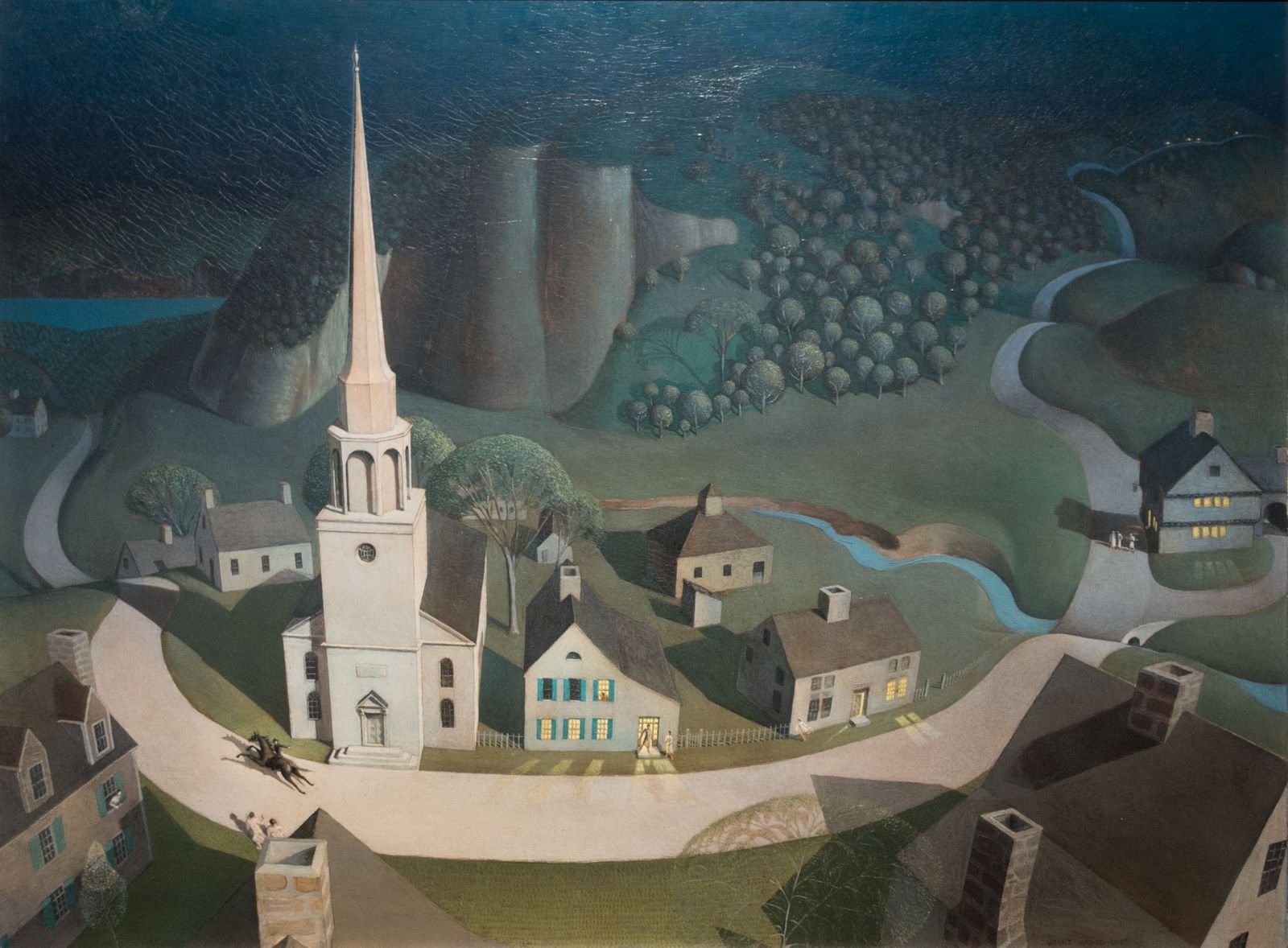
Before Paul Revere could take his historic midnight ride, someone had to give the Patriots the warning. On the night of April 18, 1775, Dr. Joseph Warren received precise intelligence that British troops were preparing to march on Lexington and Concord to arrest rebel leaders.
Who leaked this military plan? History has pointed at Margaret Kemble Gage, the American-born wife of the British Commander-in-Chief, General Thomas Gage. Margaret was torn between her love for her husband and her devotion to the land. While her involvement has never been proven, General Gage notably sent his wife away to England shortly after the leak.
7
Was Charles Lee a traitor?
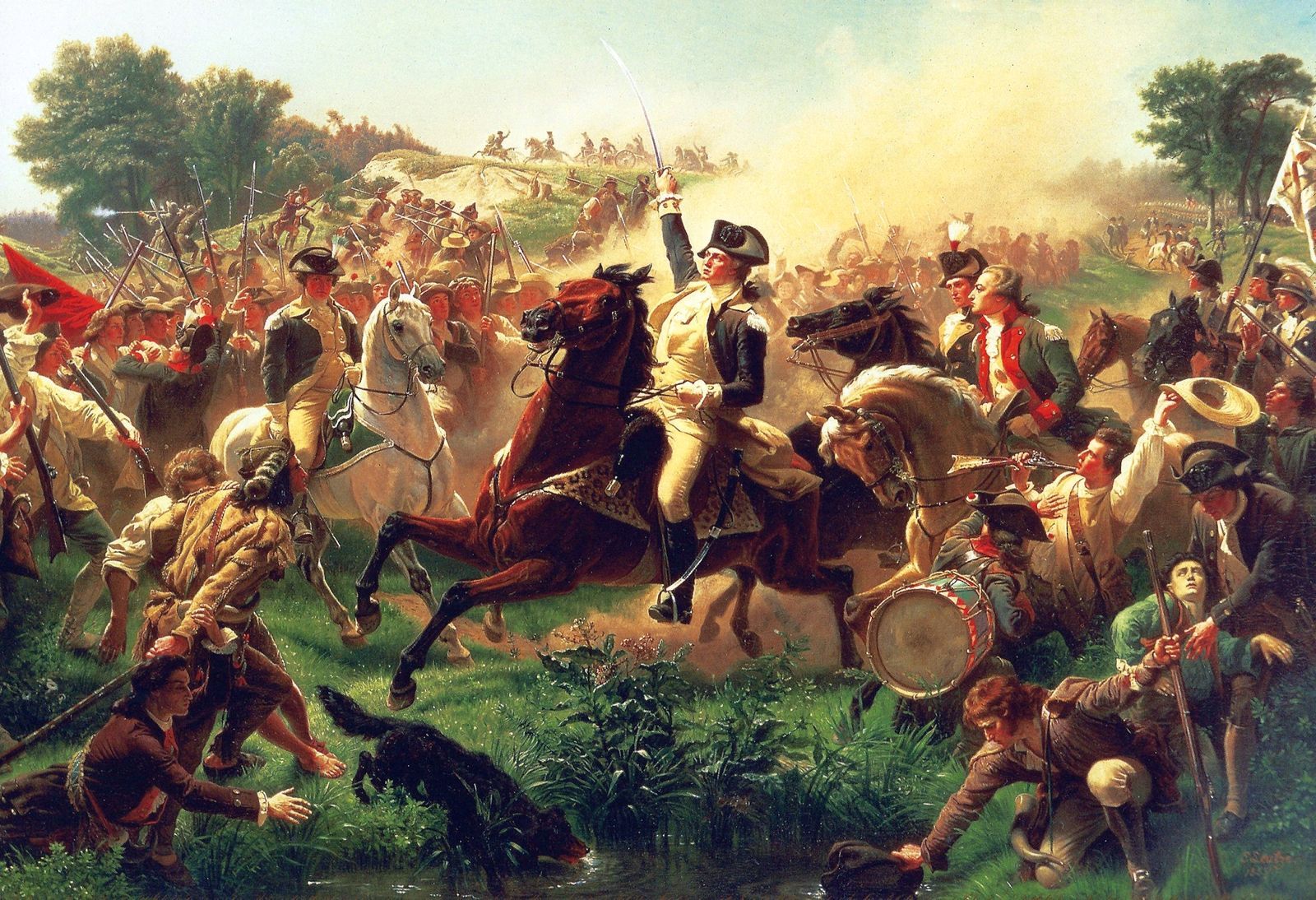
General Charles Lee was George Washington’s second-in-command and an experienced military officer. He was also arrogant and frequently criticized Washington’s leadership. In late 1776, Lee was captured by the British in a New Jersey tavern while writing a letter complaining about Washington's deficiencies.
He was exchanged back to the Americans a year later, but his career ended after he disobeyed Washington’s orders at the Battle of Monmouth in 1778. The mystery arose 80 years later, when a lost document surfaced. The document, written in Lee’s own handwriting, outlined a detailed military strategy for the British to defeat the Continental Army. Was Lee a traitor, or was it a strategy to manipulate his captors?
8
Why didn’t the British burn Monticello?
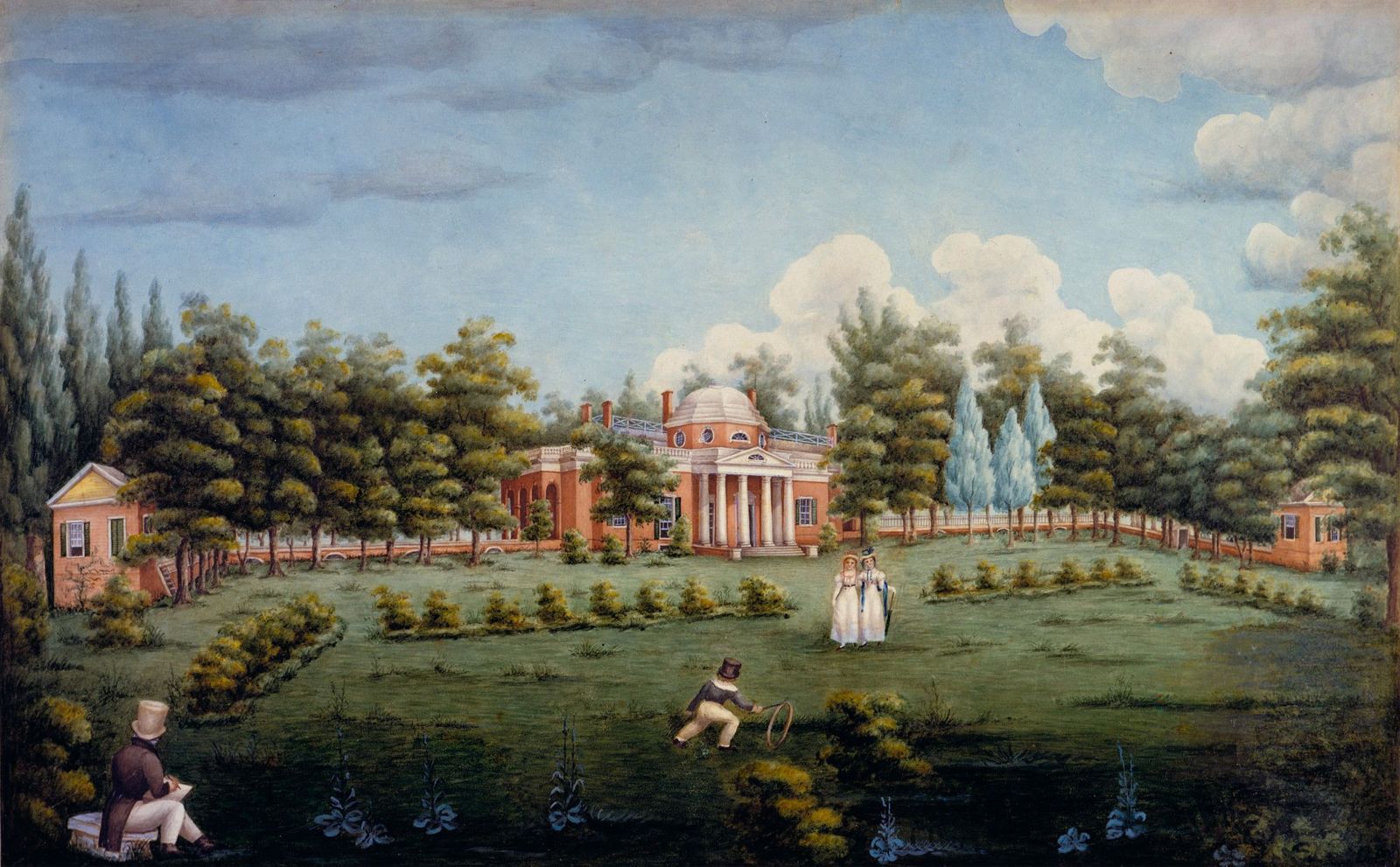
In June 1781, the British cavalry leader Banastre Tarleton—called by Americans "Bloody Tarleton" for his brutal tactics—led a raid on Charlottesville, Virginia. His main objective was to capture Thomas Jefferson, the author of the Declaration of Independence and the state’s governor.
Jefferson managed to escape Monticello, and when Tarleton’s troops occupied his famous estate, they left it entirely untouched. Given that the British often burned the properties of prominent leaders, sparing Monticello was very unusual.
9
Who was Jane McCrea?
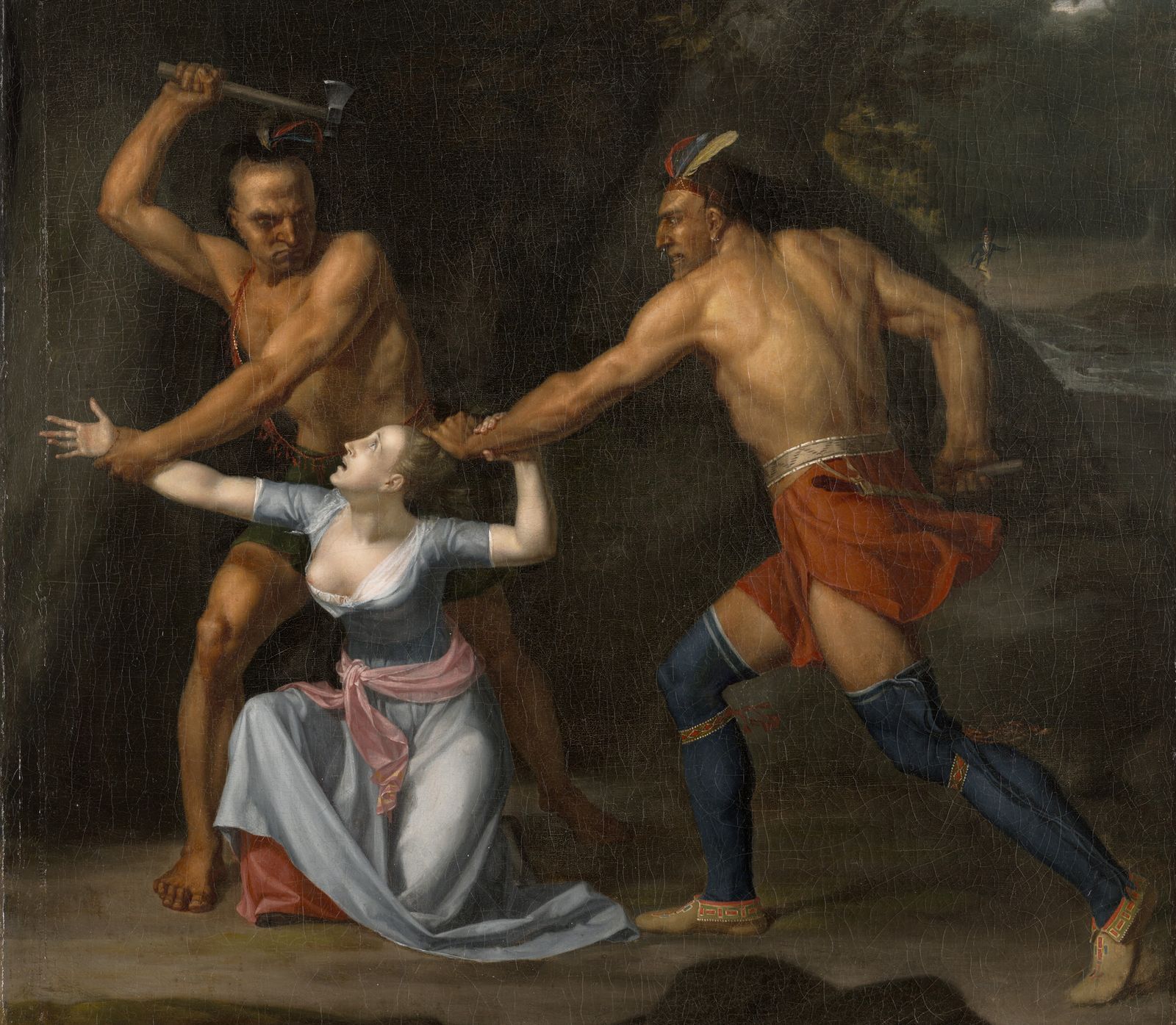
Jane McCrea was a young woman from a Loyalist family who was engaged to a lieutenant in the British army. In the summer of 1777, she was taken by Native American warriors allied with British General John Burgoyne's advancing army. Shortly after, she was found dead and scalped.
The Patriots turned her death into a propagandistic victory, using the story to terrify frontier colonists into joining the militia. But who actually killed Jane? The native scouts claimed she was accidentally shot by stray bullets fired by pursuing American soldiers. Other accounts insisted she was murdered during an argument between two native factions. The truth remains buried in the fog of war.
10
What happened to Benjamin Church?
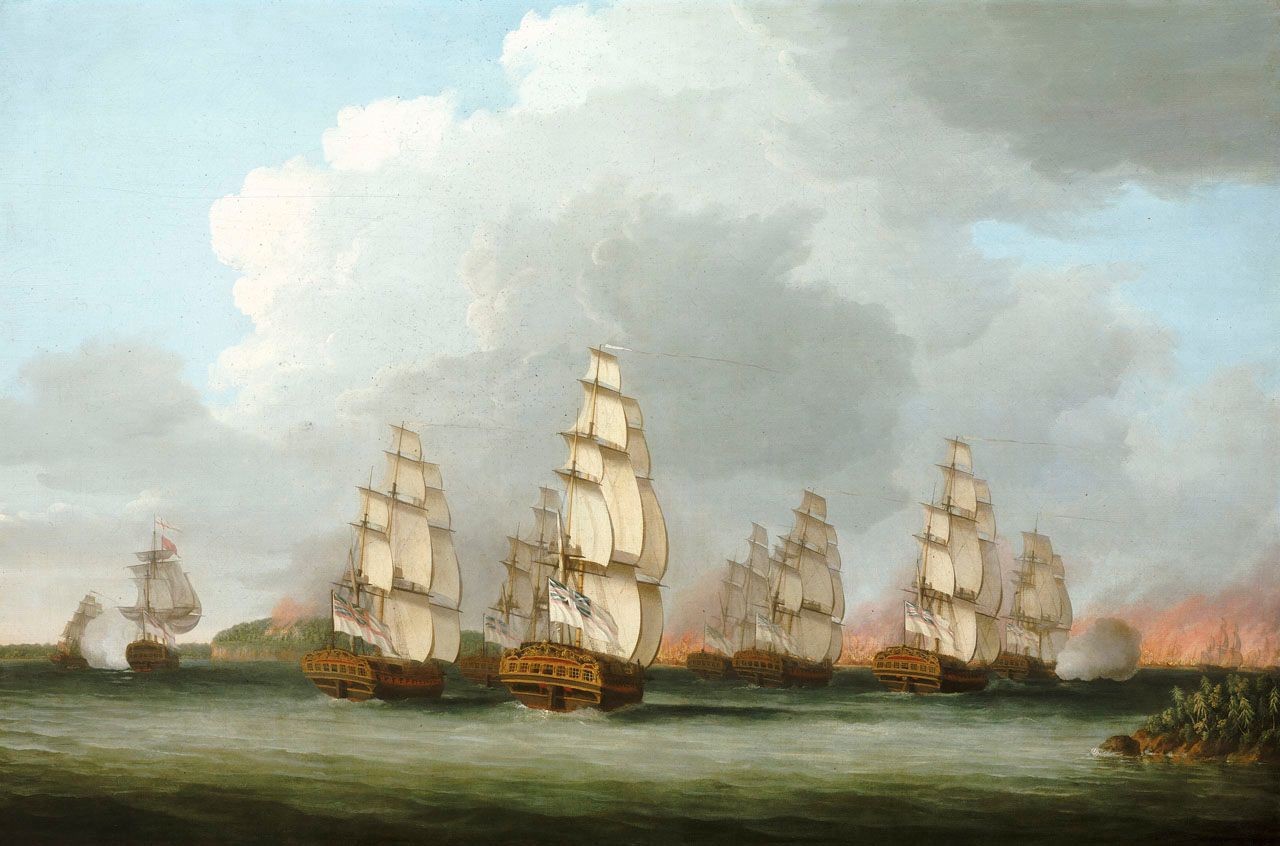
Dr. Benjamin Church was a prominent member of the Boston Sons of Liberty and served as the first Surgeon General of the Continental Army. He was also a traitor. In 1775, Washington’s intelligence team intercepted a coded letter written by Church containing vital information about American troop numbers.
Church was arrested, tried, and sentenced to confinement. In 1778, because of his poor health, he was banished from Massachusetts and boarded a merchant ship bound for the West Indies. The ship sailed into the Atlantic and was never seen again. Did the vessel sink, or did Church use his British connections to stage his disappearance and flee to Europe?