Hidden gems worth the drive

America's 10 most underrated national parks
Image: Qingqing Cai
Sure, everyone and their Instagram-obsessed nephew has been to Yellowstone or the Grand Canyon. But America’s national parks are like that box of chocolates Forrest Gump was always going on about—there are some surprises in there that'll knock your socks off. While the famous parks are dealing with traffic jams that'd make rush hour in LA look like a breeze, these underrated beauties are waiting for you with open arms and actual parking spaces .

1
Great Basin National Park, Nevada
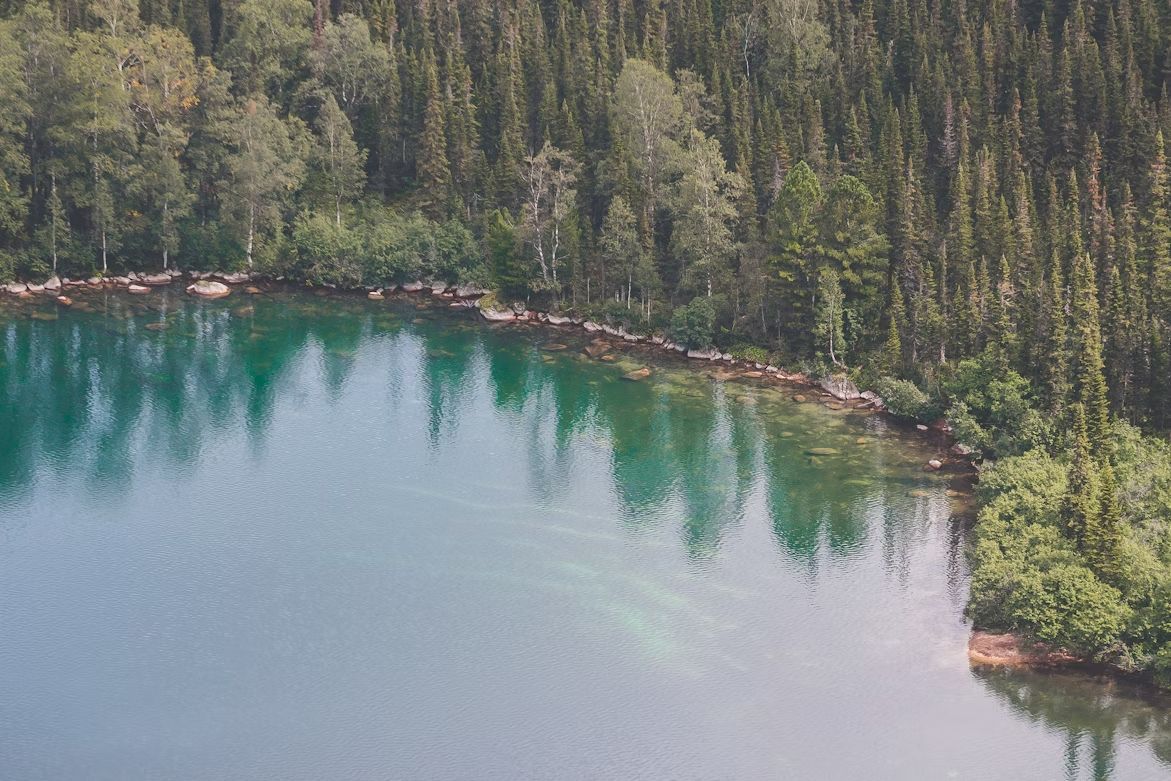
Image: Yura Lytkin

Tucked away in eastern Nevada, Great Basin is the park that time forgot—in the best way possible. You can hike to a glacier, explore underground caverns, and camp under skies so dark you’ll see stars you didn’t even know existed , all without waiting in line or fighting for a decent photo spot.

2
Congaree National Park, South Carolina
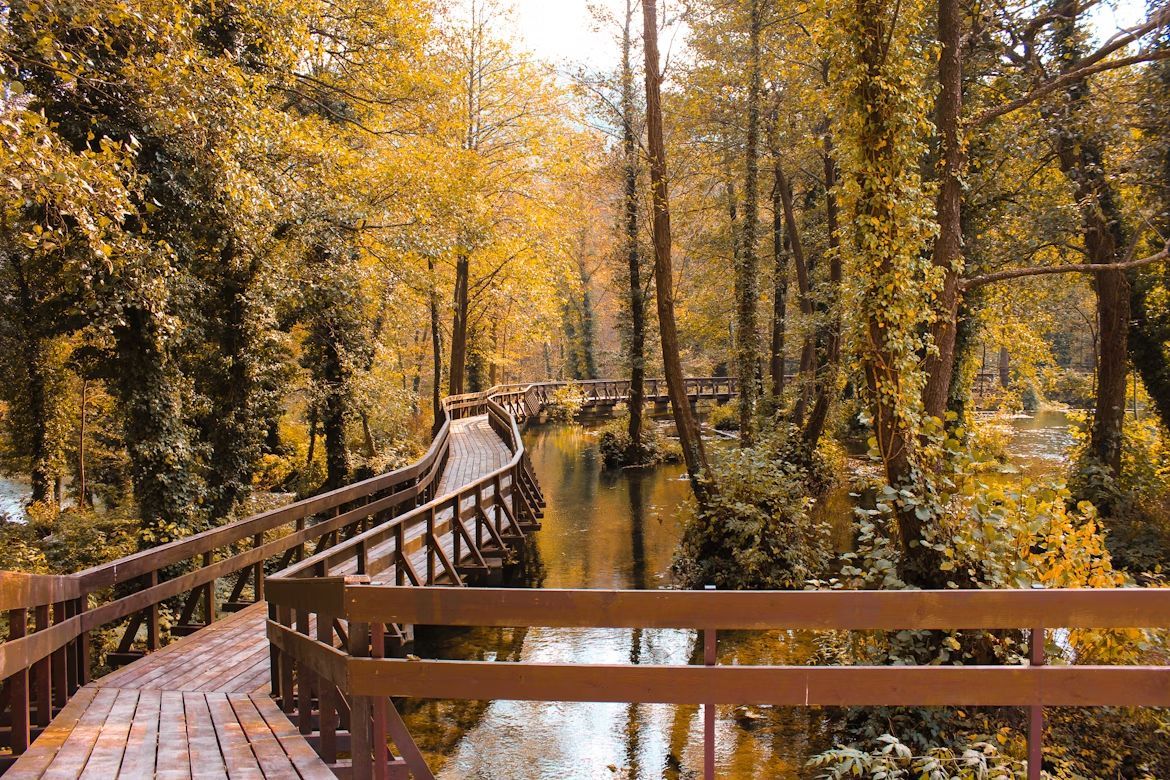
Image: Selma Rizvić

This park protects one of the largest remaining expanses of old-growth bottomland hardwood forest in the United States, which is a fancy way of saying it's got trees so tall and old they make you feel like an ant at a giant's picnic. The real magic happens at night, when the fireflies put on a light show that'll make you forget all about mosquito bites. Plus, you can rent a canoe and paddle through what feels like the set of a Southern Gothic novel—Spanish moss and all.

3
North Cascades National Park, Washington
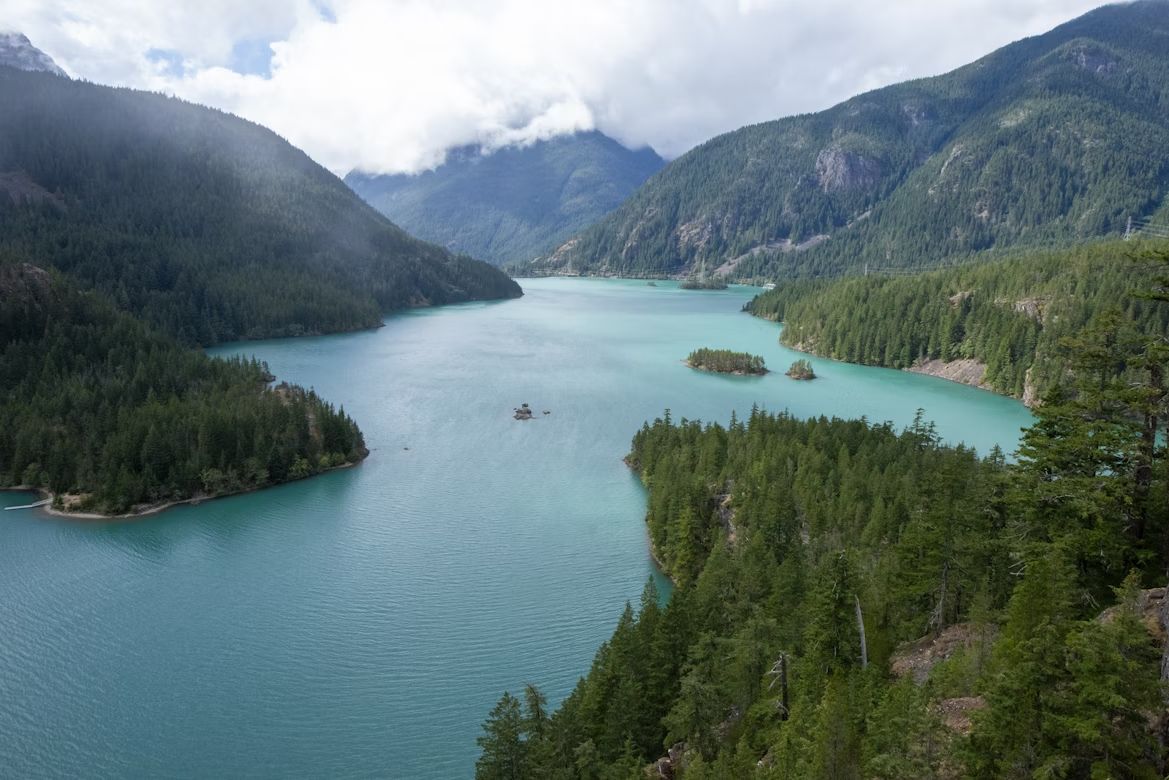
Image: Pete Alexopoulos

With jagged mountain peaks and more than 300 glaciers, this park offers scenery that’ll make your camera work overtime . The hiking ranges from "pleasant afternoon stroll" to "why did I think this was a good idea?" so there's something for everyone, assuming everyone likes being surrounded by absurdly gorgeous wilderness.

The best part? While everyone's fighting over hotel rooms near Mount Rainier, North Cascades sits there looking spectacular with hardly anyone around. The park sees fewer visitors in an entire year than Yellowstone does on a busy weekend.

4
Dry Tortugas National Park, Florida
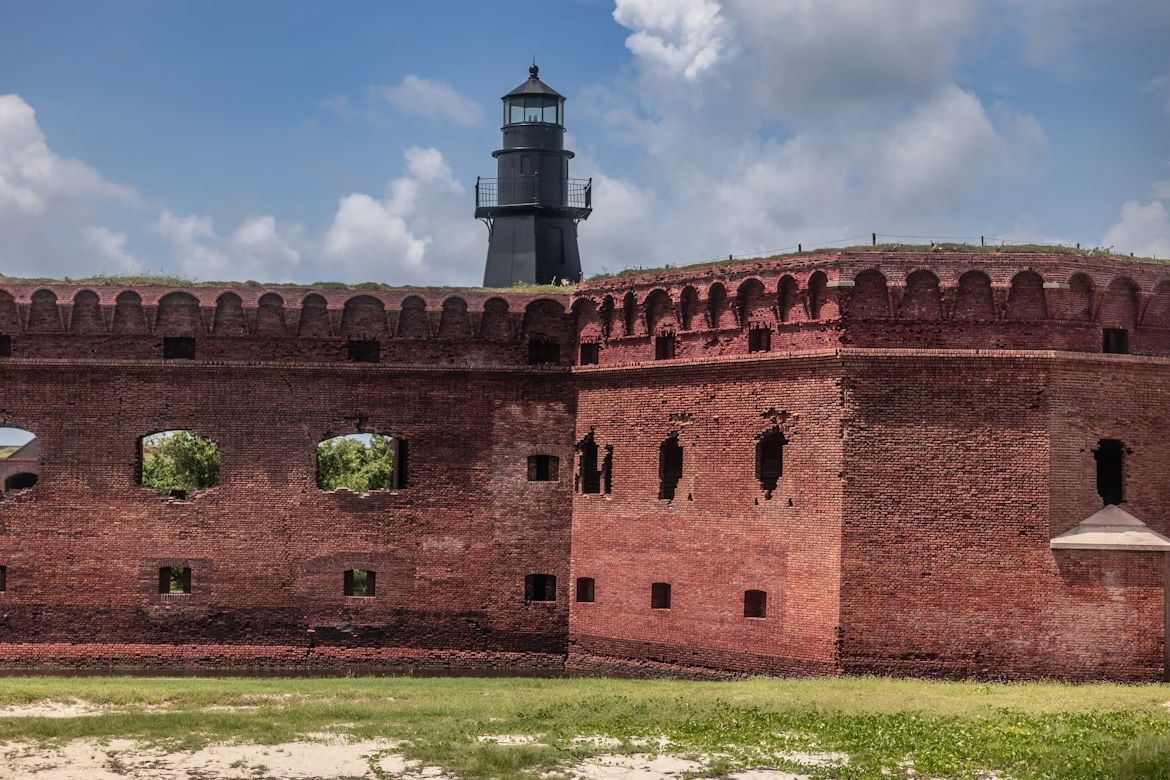
Image: Nick Rickert

Located 70 miles off the coast of Key West, Dry Tortugas takes "off the beaten path" to a whole new level: you literally need a boat or seaplane to get there. The turquoise waters are so clear you could see fish judging your swimming technique from 30 feet away . Plus, there's Fort Jefferson, a massive 19th-century fort that feels like someone plopped a Civil War–era fortress in the middle of paradise and said, "Sure, that works."

Just remember: there’s no fresh water (hence the "Dry" part), no food service, and no shade except what you bring yourself. It’s like camping, but surrounded by the kind of blue water that makes you understand why people write songs about the ocean.

5
Guadalupe Mountains National Park, Texas

Image: Ryuta F.

Home to the highest peak in Texas (Guadalupe Peak at 8,749 feet), this park offers hiking that'll remind your knees they're not as young as they used to be, but in a rewarding way. The fall foliage in McKittrick Canyon is legitimately stunning , which surprises people who assume Texas is all tumbleweeds and barbecue joints.

The park sits on an ancient fossil reef from when this whole area was underwater, mind-blowing, if you think about it for more than two seconds. There’s no cell service, limited facilities, and the nearest town is about an hour away, which may sound like a complaint, but it actually forces you to unplug and take in the amazing place around you.

6
Voyageurs National Park, Minnesota
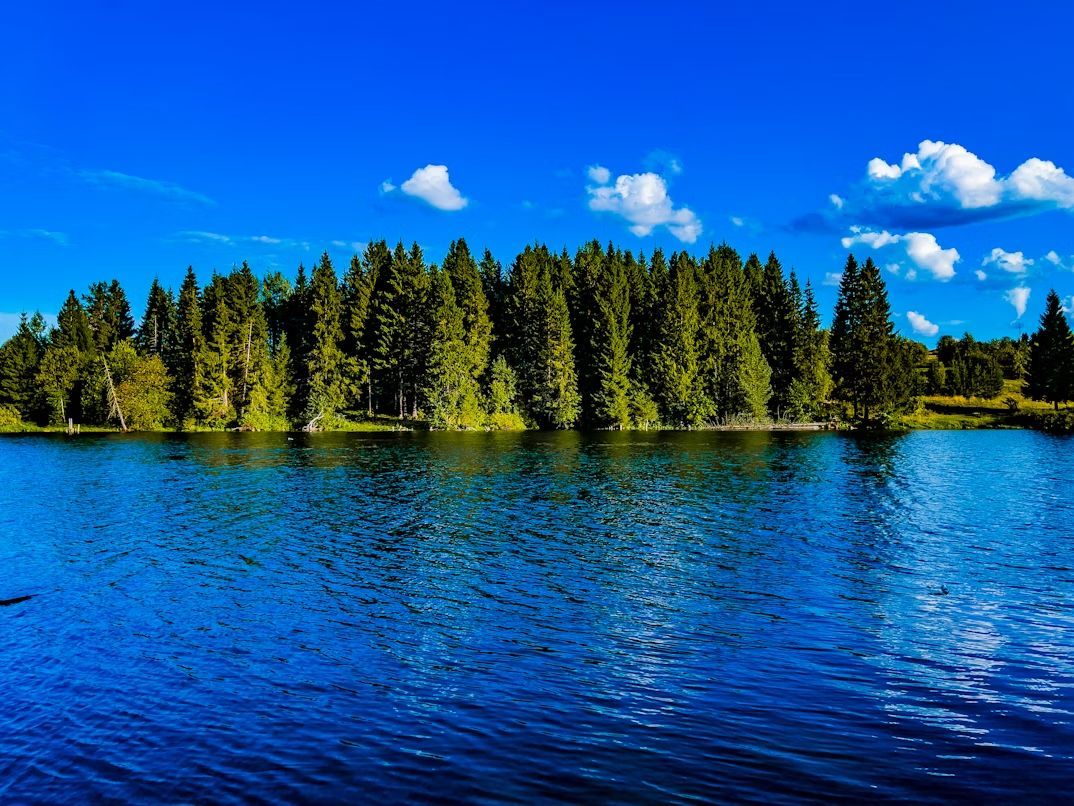
Image: Vyacheslav Makushin

Voyageurs is a water-based park that’s basically a summer camp for adults who can legally drink beer. With over 200,000 acres—about 40% of it water—houseboating is the way to experience it.

The fishing here is legendary, the northern lights make regular appearances, and in winter, the frozen lakes become highways for snowmobiles and cross-country skiers . It's remote enough that you feel like an explorer, but accessible enough that you won't actually die if you forget your matches.

7
Black Canyon of the Gunnison National Park, Colorado
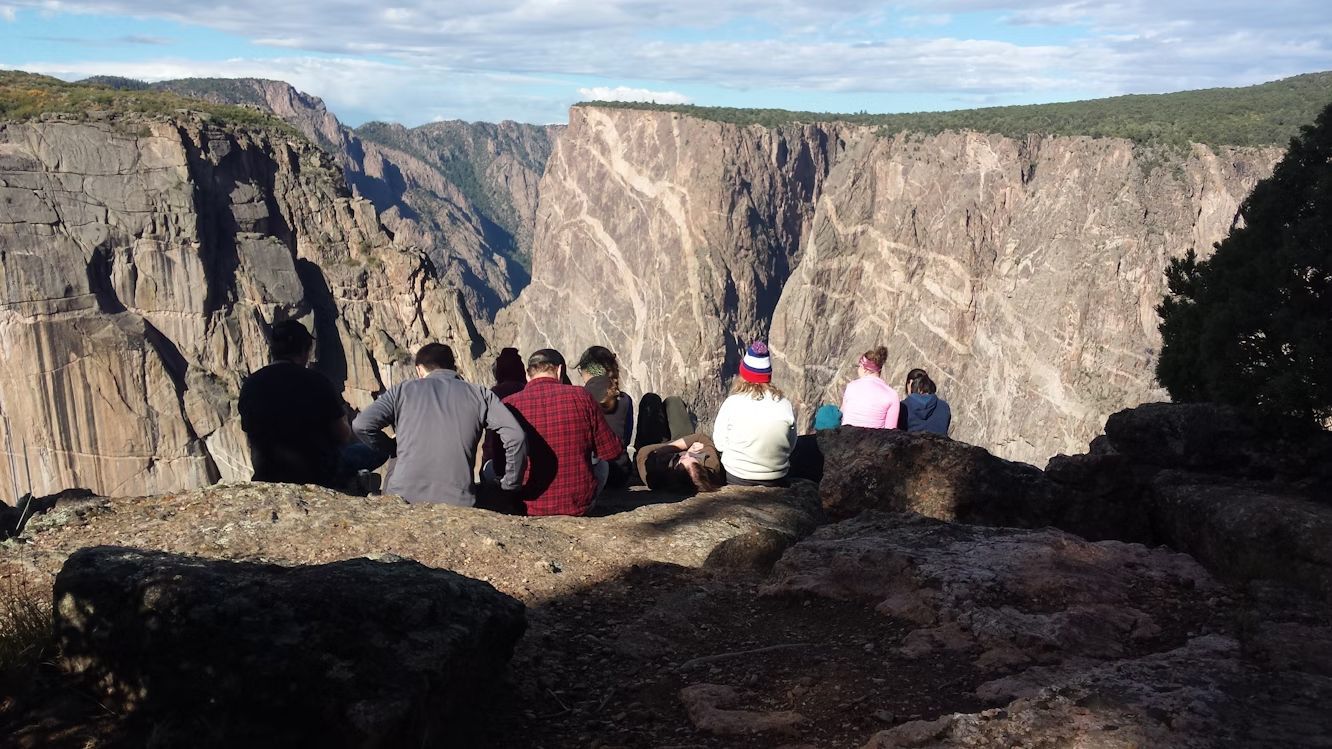
Image: Dustin Weist

Colorado has so many stunning places that Black Canyon somehow gets overlooked. This canyon is deep, narrow, and so dramatically steep that parts of it only get 33 minutes of sunlight a day . The Gunnison River carved through 2 billion years of rock to create towering walls that make you feel appropriately insignificant, which is good for the soul occasionally.

8
Isle Royale National Park, Michigan
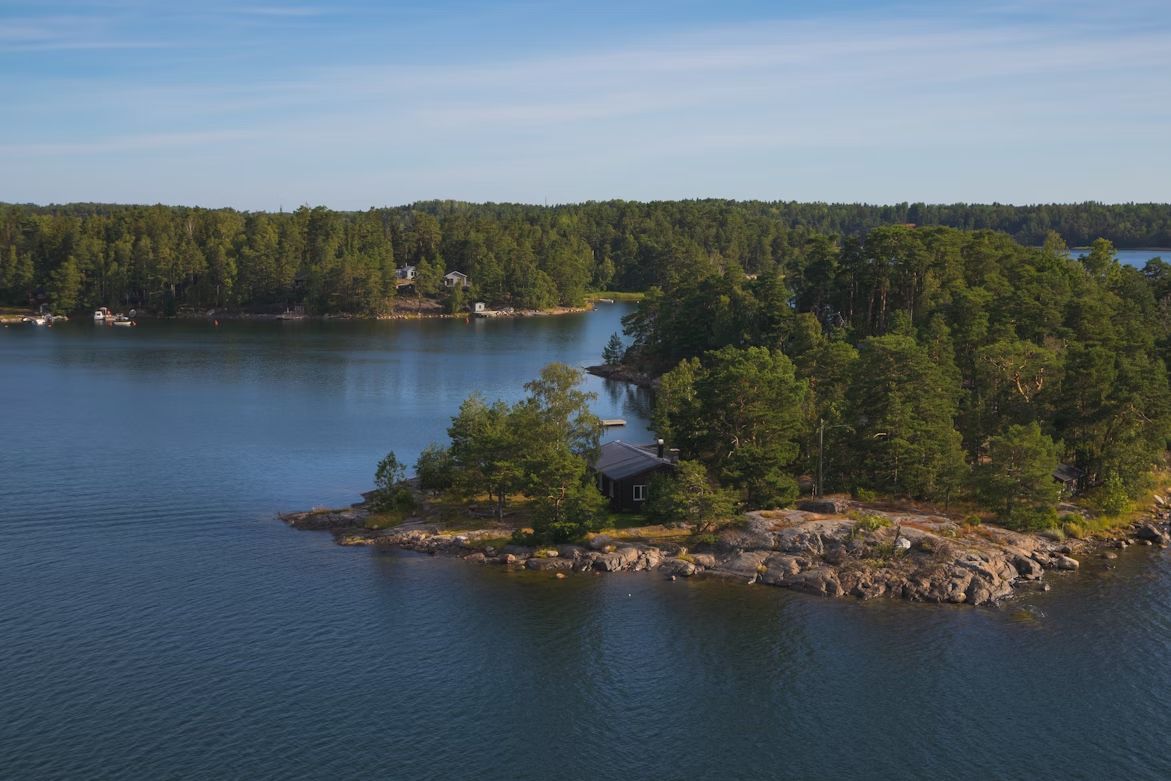
Image: Ivan Vashchenko

If you want to really get away from it all, Isle Royale is your jam: an island in Lake Superior that requires either a ferry ride or a seaplane to reach. Once you’re there, you’re committed; same-day visits aren’t really a thing. The park is car-free, crowd-free, and home to a fascinating wolf-and-moose study that’s been running since 1958.

The hiking trails crisscross the island through forests and along rocky shorelines where the lake looks more like an ocean . Backcountry camping is the main event here, and the solitude is so profound you'll hear sounds you forgot existed—like actual silence.

9
Pinnacles National Park, California
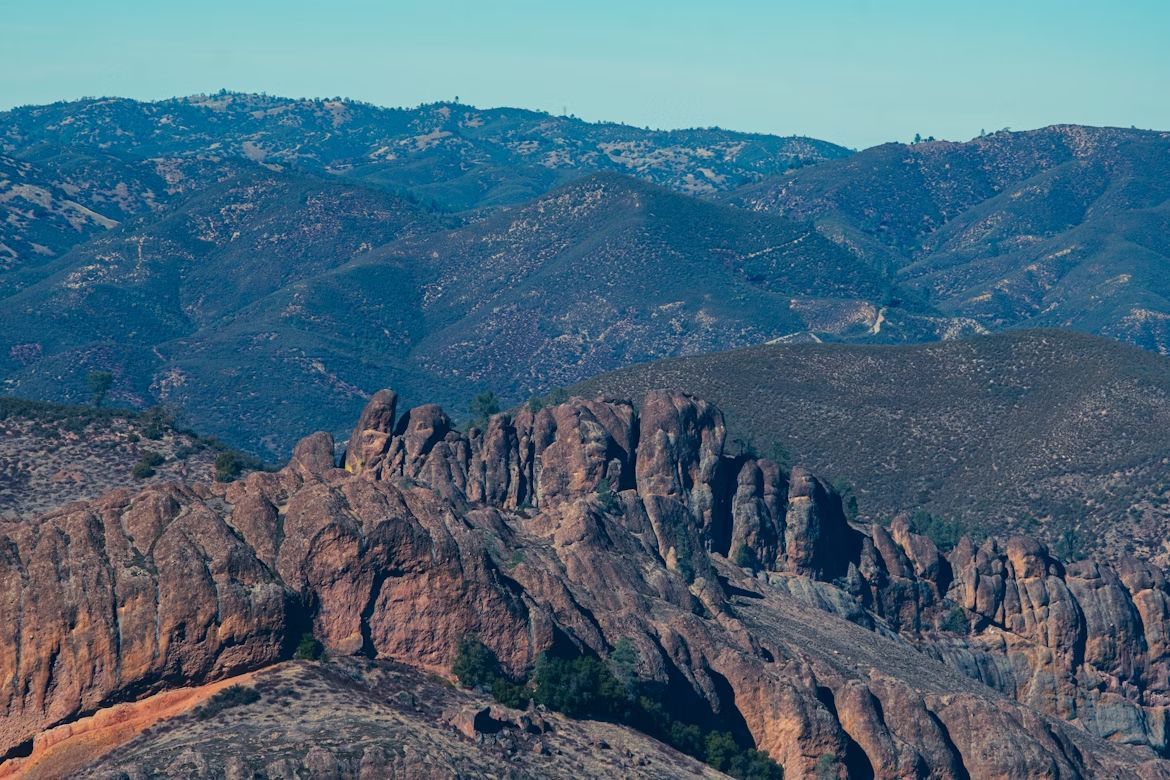
Image: Cyrus Crossan

California's newest national park is a playground of volcanic spires, talus caves, and rock formations that look like a giant was playing with clay and just walked away mid-project . The rock climbing here is world-class, and the cave exploration doesn't require any special gear—just a flashlight and a willingness to squeeze through some tight spaces.

The spring wildflower displays are spectacular, and the park is one of the best places to see the endangered California condor, which has a wingspan that makes eagles look modest. It gets hot in summer—and by hot, I mean "surface of the sun" hot—so plan accordingly.

10
Lassen Volcanic National Park, California
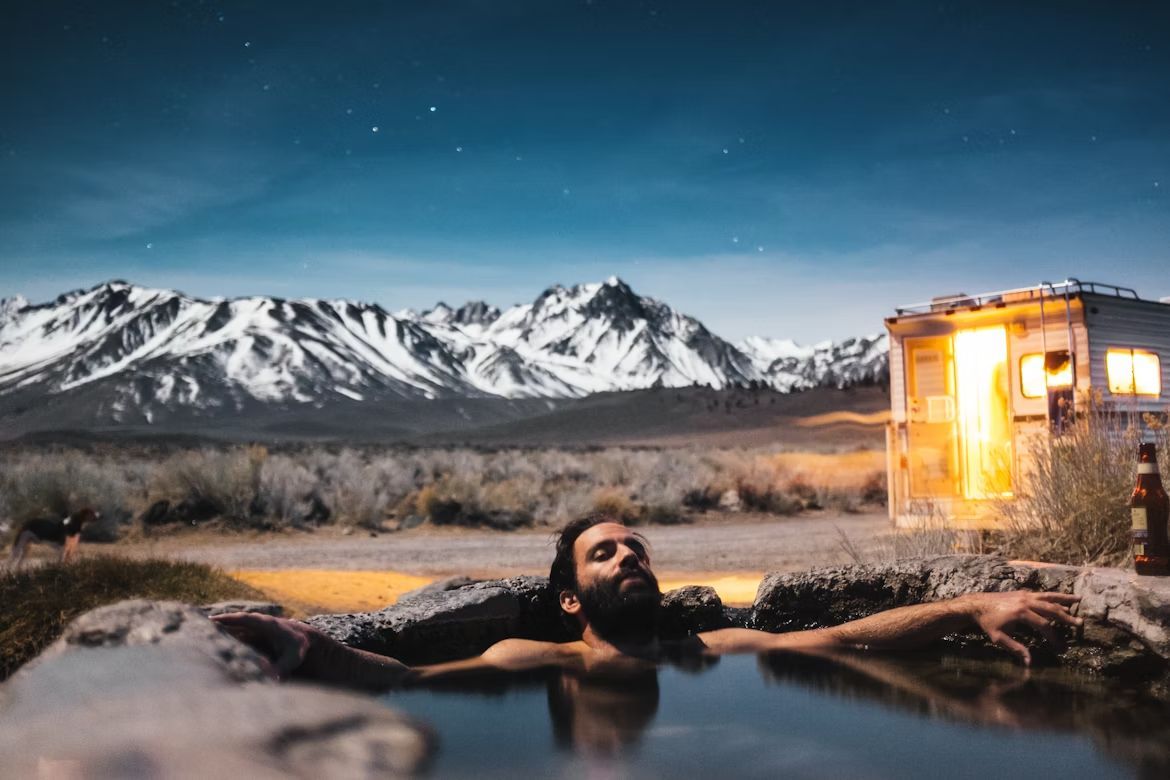
Image: Robson Hatsukami Morgan

This park sits on top of one of the world’s largest plug-dome volcanoes—and yes, it could erupt again—Lassen Peak last blew in 1915, which in geological time is basically yesterday. But don't let that stop you from enjoying the bubbling mud pots, steaming fumaroles, and hot springs that make you feel like you're walking on another planet .

The hiking is fantastic, with everything from easy boardwalk strolls through geothermal features to challenging climbs up Lassen Peak itself. Add in alpine lakes, wildflower-filled meadows, and a fraction of Yosemite’s crowds (despite being just a few hours south), and you’ve got a spectacular California secret.
Banned in the USA

Would you ban velvet Elvis paintings? These towns really did it

Image: Dmitry Alexandrovich

The Land of the Free has had its fair share of strange bans over the years, and not all of them make sense today. From quirky laws to outright odd restrictions, plenty of everyday things have been outlawed at one point or another. Here are 12 unusual things that, believe it or not, were once banned in the U.S.

1
Sliced bread

Image: Laura Ockel

Not even the best of inventions are safe from odd bans. In 1943, the U.S. government temporarily banned pre-sliced bread as part of wartime resource conservation .

Thankfully, the ban only lasted a few months. Housewives, bakeries, and even newspapers complained, arguing that sliced bread was a necessity. The ban was lifted quickly due to public backlash.

2
Pinball machines

Image: Louie Castro-Garcia

Believe it or not, from the 1940s until the mid-1970s, pinball machines were outlawed in several major cities, including New York and Chicago. Officials claimed the machines promoted gambling and corruption .

Machines were confiscated and destroyed. The ban finally ended when it was proven that pinball was more skill-based than luck, leading to its revival as a popular arcade game.

3
Yo-Yos

Image: Eric Prouzet

During the 1930s, some U.S. towns banned yo-yos, believing they caused bad luck and distracted children from schoolwork . The fad was seen as both frivolous and superstitious.

Though short-lived, the bans show how something as harmless as a toy could spark moral panic and strange local laws.

4
Christmas

Image: Erwan Hesry

In the 1600s, the Puritans of Massachusetts Bay Colony banned Christmas , claiming it was rooted in pagan traditions and encouraged rowdy behavior .

Anyone caught celebrating risked punishment or fines. It wasn’t until the mid-1800s that Christmas gained widespread acceptance in the U.S.

5
Dancing after midnight

Image: Scott Broome

At different occasions during the 20th century, some cities enforced laws that restricted or outright banned late-night dancing . New York City’s "Cabaret Law" limited dancing to licensed venues only.

Authorities argued it was about maintaining order, but many saw it as cultural repression. By the 1990s, these laws faced strong opposition, and most have since been repealed, allowing nightlife to thrive.

6
Comic books

Image: Waldemar

Comic books have been a scapegoat for different things in different periods. For example, in the 1950s, they came under fire, accused of corrupting America’s youth . Parents, educators, and politicians believed violent and horror-themed comics encouraged delinquency.

Entire towns banned sales, and even public book burnings took place in different corners of the country.

7
Yellow margarine

Image: Marine Le Gac

Being a substitute for butter, margarine was heavily lobbied against by dairy farmers in the late 1800s. Several states passed laws banning margarine dyed yellow to resemble butter .

As a result, margarine was sold plain white, or consumers had to mix in dye packets themselves. These odd restrictions lasted well into the mid-1900s before finally being repealed.

8
Men’s long hair

Image: Siri louis

During the 1960s and 70s, schools across the U.S. cracked down on boys with long hair . Beatles-inspired styles were viewed as rebellious, unclean, and disruptive.

Some students were suspended or expelled over hair length. These policies reflected the cultural clashes of the era.

9
Left-handed writing

Image: Anna Savina

For much of the 19th and early 20th centuries, left-handed students were forced to switch hands . Teachers tied their left arms or punished them until they wrote with their right hand.

This practice was based on superstition and prejudice, with left-handedness considered "wrong" or even sinister.

10
Bathing suits above the knee

Image: Brett Jordan

In the early 1900s, strict laws dictated swimwear modesty at public beaches . Bathing suits that rose above the knee could result in fines or even arrest by "beach police."

Photographs from the time show officers measuring swimsuit lengths with rulers. The bans slowly disappeared as fashion and social norms shifted.

11
Coffee

Image: Jakub Dziubak

In the late 1600s, in Boston, coffee was briefly banned for being considered dangerous and unproductive . Authorities feared it encouraged idleness and vagrancy.

Coffeehouses were seen as gathering places for gossip and dissent. The ban didn’t last long, and coffee soon became a staple of American culture, eventually surpassing tea in popularity.

12
Velvet Elvis paintings

Image: Susan Mohr

In the 1970s and 80s, velvet Elvis paintings became a kitschy art craze. Some towns, embarrassed by the trend, tried banning their sale, calling them indecent or tacky .

Though the bans were rarely enforced, they reflected how taste and morality sometimes crossed into law.

Multifaceted heroes

The King of Rock 'n' Roll himself? Celebrities who served in the military

Image: pasja1000

Did you know that Jimi Hendrix performed 26 parachute jumps or that Bea Arthur was a pioneer woman in the Marine Corps? The award-studded careers of these celebrities made some of us forget that they served in the U.S. military before becoming international stars. Let's explore their feats!

1
Elvis Presley

Image: Clem Onojeghuo

Yes, the King of Rock 'n' Roll, who revolutionized music with hits like "Hound Dog," was drafted into the U.S. Army. Presley was offered to serve in the Special Services entertaining troops but chose to serve as a regular soldier.

The most well-known name in entertainment at the time, he was stationed in Germany and earned the rank of Sergeant. There, he met his future wife , Priscilla Beaulieu.

2
Morgan Freeman

Image: Harald Müller

Morgan Freeman, the legendary actor revered for his deep, resonant voice and commanding presence, served as a radar technician in the U.S. Air Force before his acting career took off.

There, he harbored dreams of becoming a fighter pilot. Eventually, though, his time in the cockpit revealed that flying was not his true passion.

3
Humphrey Bogart

Image: Tomas Martinez

The iconic star of Casablanca served in the U.S. Navy during World War I. He worked as a coxswain aboard the USS Leviathan , transporting troops to Europe.

Some versions attribute his signature lip scar —and, by extension, his unique speech—to an injury during his service, though some claim it was from a brawl or childhood incident.

4
Jimi Hendrix

Image: Aditya Wardhana

Jimi Hendrix is widely regarded as one of the greatest guitarists in history. What’s less known about him is that he served as a paratrooper with the 101st Airborne Division back in the 60s.

Even less known is that he enlisted in the Army at age 19 as part of a deal to avoid jail time after being caught joyriding stolen cars. He completed 26 parachute jumps before being honorably discharged a year later due to injuries.

5
Bea Arthur

Image: Ajeet Mestry

Yes, Bea Arthur, one of the beloved Golden Girls , was also a trailblazer as one of the first women to serve in the U.S. Marine Corps during WWII.

Her sharp wit and memorable roles like Dorothy Zbornak earned her multiple awards and the hearts of many Americans. But before acting, she had worked as a typist and truck driver for the Marine Corps, eventually reaching the rank of Staff Sergeant.

6
Bob Ross

Image: https://images.unsplash.com/photo-1662796246357-36ffa59acbca?

Can you believe that the cherished, gentle-voiced host of The Joy of Painting served in the U.S. Air Force for 20 years?

Bob Ross, the soothing icon of creativity and positivity who taught millions how to paint in the famous PBS series, was once a Master Sergeant. He worked as a medical records technician stationed in Alaska. It is said that he once vowed never to yell again after retiring.

7
Mr. T

Image: Skitterphoto

Mr. T, born Laurence Tureaud, is recognized for his role in Rocky III and the hit television series The A-Team. Before his rise to fame, though, he was a military police officer in the 1970s.

There, he stood out in basic training, so much so that he was named the top trainee out of 6,000 recruits. An anecdote retells that he was ordered by his sergeant to chop trees down as a punishment. After one hour, he had chopped down 70 trees and was told to stop.

8
Adam Driver

Image: Venti Views

Actor Adam Driver is known for his roles in films like Marriage Story and the Star Wars trilogy . Few know that he enlisted in the U.S. Marine Corps after 2001 and served for nearly three years before being discharged for a mountain biking injury.

Driver served as a mortar in the 1st Battalion, 1st Marines. After being discharged, he co-founded Arts in the Armed Forces , a nonprofit that brought art programs to military personnel and families.

9
Chuck Norris

Image: Andrea De Santis

Chuck Norris, the action star legend, was once an Air Policeman in the U.S. Air Force. It was there, in fact, where he first began his training in martial arts.

A pop culture icon for his tough-guy image and humorously exaggerated abilities, he was deployed to an air base in South Korea in the late 50s. There, he earned black belts for multiple disciplines in martial arts , including Tang Soo Do and Taekwondo.

10
Johnny Cash

Image: Markus Spiske

Here's another musician who had a career in the military. Johnny Cash, the legendary country singer, was a radio operator in the U.S. Air Force.

The "Man in Black" was a Morse Code listener intercepting Soviet transmissions in West Germany during the Korean War. Allegedly, it was during this time that he bought his first guitar and began writing songs.

11
Paul Newman

Image: Keanu K

The blue-eyed actor from Butch Cassidy and the Sundance Kid also served as a radioman and gunner during World War II. He trained as a pilot but was reassigned as an operator and rear gunner due to colorblindness.

In fact, he avoided flying in the Okinawa campaign due to an ear infection his pilot had. This saved both their lives, and Newman lived on to become a Hollywood legend and philanthropist.

12
Clint Eastwood

Image: Brice Cooper

Clint Eastwood, the iconic actor and filmmaker, was drafted into the U.S. Army during the Korean War. He worked as a swimming instructor for the 35th Infantry Regiment.

He even survived the crash landing of a Navy torpedo bomber with engine problems. He and his pilot had to swim two miles to shore near Point Reyes, California.

13
James Earl Jones

Image: Piotr Makowski

Before lending his iconic voice to Darth Vader and Mufasa, James Earl Jones trained as an Army Ranger and served as a second lieutenant in the Korean War.

After graduating from college in the 50s, he was assigned to the Army's 2nd Infantry Division in Korea. He received an honorable discharge as a first lieutenant in 1955 and went on to pursue the same career his father had: acting.

Explore more American facts

Choose your favorite category!

General
General

As American as apple pie—the very best America has to offer!

Culture
Culture

Delve into the astounding richness of American lore.

Geography
Geography

Hop in and explore vast and diverse American landscapes.

History
History

Discover the key moments that shaped the United States.