General General 3 min read

Eat your greens!

Meat or vegetables? 12 common myths about healthy eating debunked

Image: Anh Nguyen

Dieting is not a perfect science with ideal outcomes or easily traceable numbers. As such, it is prone to false claims, myths, and fads that have been repeated enough to be deemed as right by many people. Take a look at these 12 myths about healthy eating and dieting. Which ones have you heard?

1
Give up your favorite food to lose weight

Image: amirali mirhashemian

Small amounts of your favorite high-calorie foods can be included in a weight-loss plan . Just remember to keep track of your total calorie intake. To lose weight, you must burn more calories than you consume.

2
Avoid bread, pasta, and rice

Image: Eaters Collective

Grains themselves aren’t necessarily bad or unhealthy. Consuming whole grains—such as brown rice, whole-wheat bread, cereal, and pasta—as part of a healthy eating plan is a good idea because whole grains provide iron, fiber, and other important nutrients .

3
Choose gluten-free foods

Image: mohamed hassouna

Gluten-free foods are not necessarily healthier if you don’t have celiac disease or a gluten sensitivity. Gluten is a protein found in wheat, barley, and rye grains. If you don’t have these health issues but avoid gluten anyway, you may miss out on important vitamins, fiber, and minerals.

4
Avoid all fats

Image: Kelly Sikkema

Despite all the bad press, not all fats are bad. Fat provides essential nutrients and should be an important part of a healthy eating plan. However, because fats have more calories per gram than protein or carbohydrates (or "carbs"), it is important to limit fat intake to avoid consuming extra calories.

5
Avoid dairy products

Image: Kenny Eliason

Dairy products are an important food group because they provide proteins needed to build muscles and support organ function , as well as calcium to strengthen bones.

Most dairy products, such as milk and some yogurts, have added vitamin D to help the body absorb calcium, since many Americans don’t get enough of these nutrients.

6
Go vegetarian to lose weight

Image: Anna Pelzer

Embracing a fully vegetarian diet only leads to weight loss if you reduce your total calorie intake . As often happens, some vegetarians may make food choices that could lead to weight gain, such as eating large amounts of foods high in sugar, fat, and calories.

Eating small amounts of lean meats can also be part of a healthy plan to lose or maintain weight.

7
Don’t snack between meals
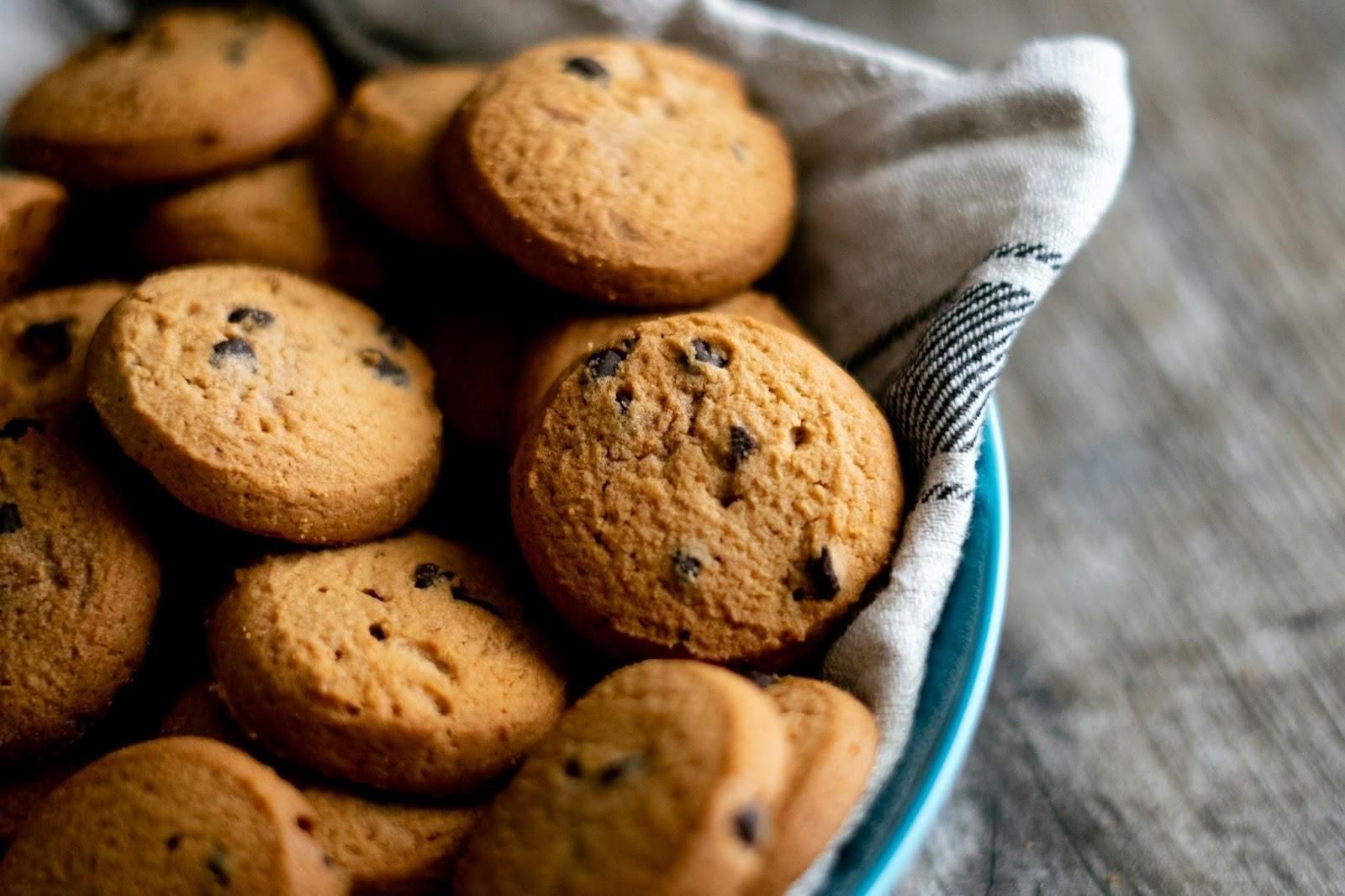
Image: Shreyak Singh

There is nothing wrong with snacking. It can help prevent overeating at meals , provided the snacks are healthy —like apples, peanut butter, low-fat cheese, or whole-grain crackers.

8
Healthy eating is expensive

Image: Louis Hansel

Healthy eating can be expensive, but it doesn’t have to be. With a little planning and smart shopping , you can enjoy a much healthier diet on a budget . Many people think produce is too costly, but there are plenty of examples that prove otherwise. For instance, a large bag of lettuce is affordable and lasts a long time.

9
Avoid late-night snacks

Image: nrd

Late snacking isn’t inherently a problem. The real issue is when your late-night snacks are unhealthy . The time of day is not as important as what you eat. If you’re eating ice cream or chips and dip, you’ll gain weight—no matter what time it is.

10
Diet soda is better than regular soda
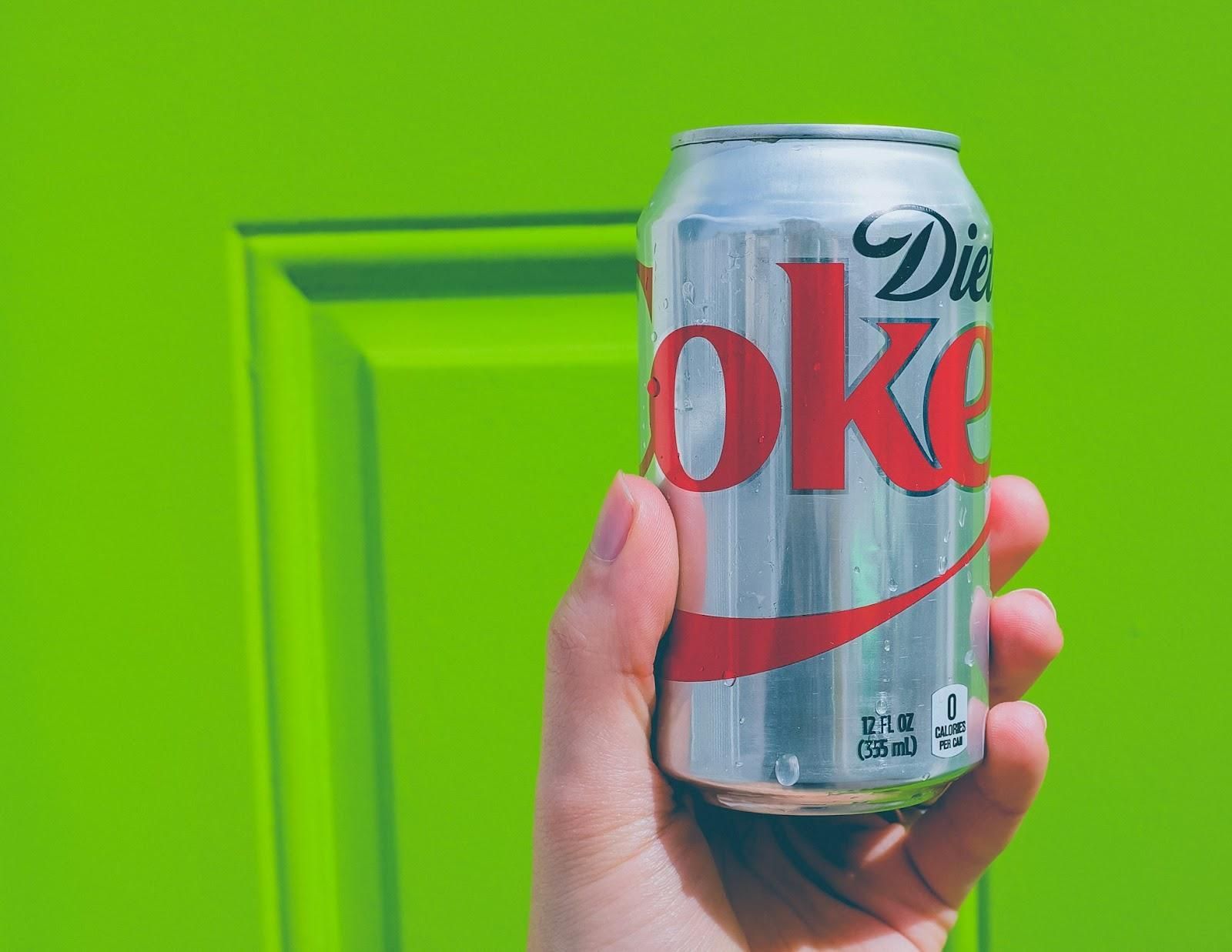
Image: Kenny Eliason

Multiple studies have linked diet soda to an increased risk of diabetes , metabolic syndrome, and obesity, though causation is still debated. Nonetheless, if you’re looking for a healthier soda alternative, try flavored water, sparkling water, or unsweetened tea.

11
Non-nutritive sweeteners are healthy

Image: Towfiqu barbhuiya

The increasing demand for low-calorie, low-carb, sugar-free foods has led to a larger portion of products containing non-nutritive sweeteners (NNS).

While it’s clear that a diet high in added sugar increases disease risk, intake of NNS may also raise the risk of type 2 diabetes by causing negative changes in gut bacteria and promoting blood sugar dysregulation.

12
White potatoes are unhealthy
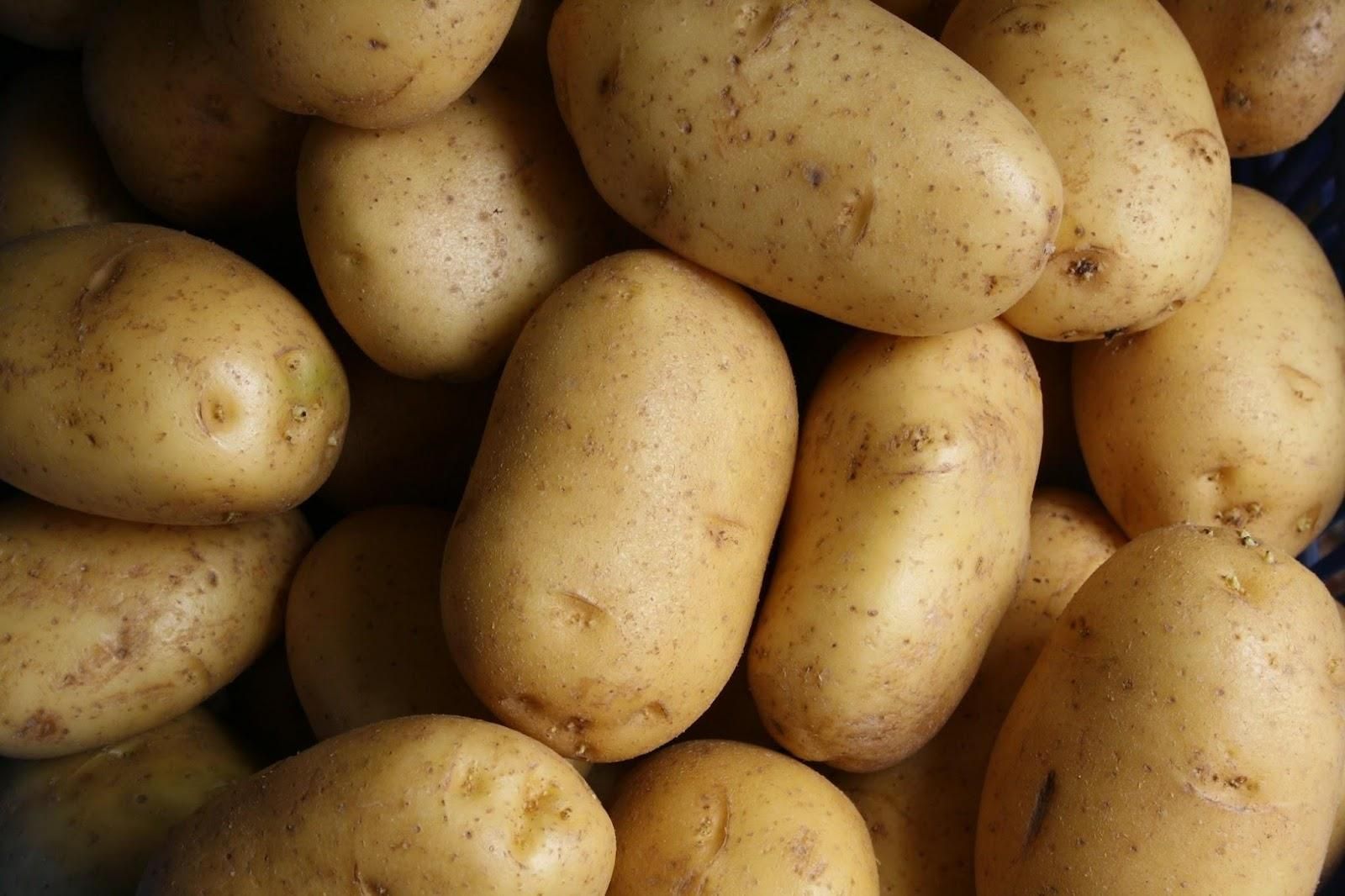
Image: Lars Blankers

Delicious potatoes are often labeled as "unhealthy" because they are frequently eaten in unhealthy ways. However, these starchy vegetables are highly nutritious , providing potassium, vitamin C, and fiber , and can be included as part of a healthy diet. The key is to cook or bake potatoes, but never fry them.
Geography Geography 5 min read

Extraordinary secrets about the capitals of the United States

The only state capital without a McDonald's and 11 other fun facts

Image: AmericanBenchCraft

Can you guess which is the only U.S. capital built on top of an extinct volcano? What about which is the oldest state capital, the least populated, or the one with the coldest temperature? If you're dying to know the answers to these questions, read on to discover 12 fun facts about our state capitals that you probably didn't know!

1
Jackson, Mississippi

Image: Engineers' office, department of Tennessee, Public domain, via Wikimedia Commons

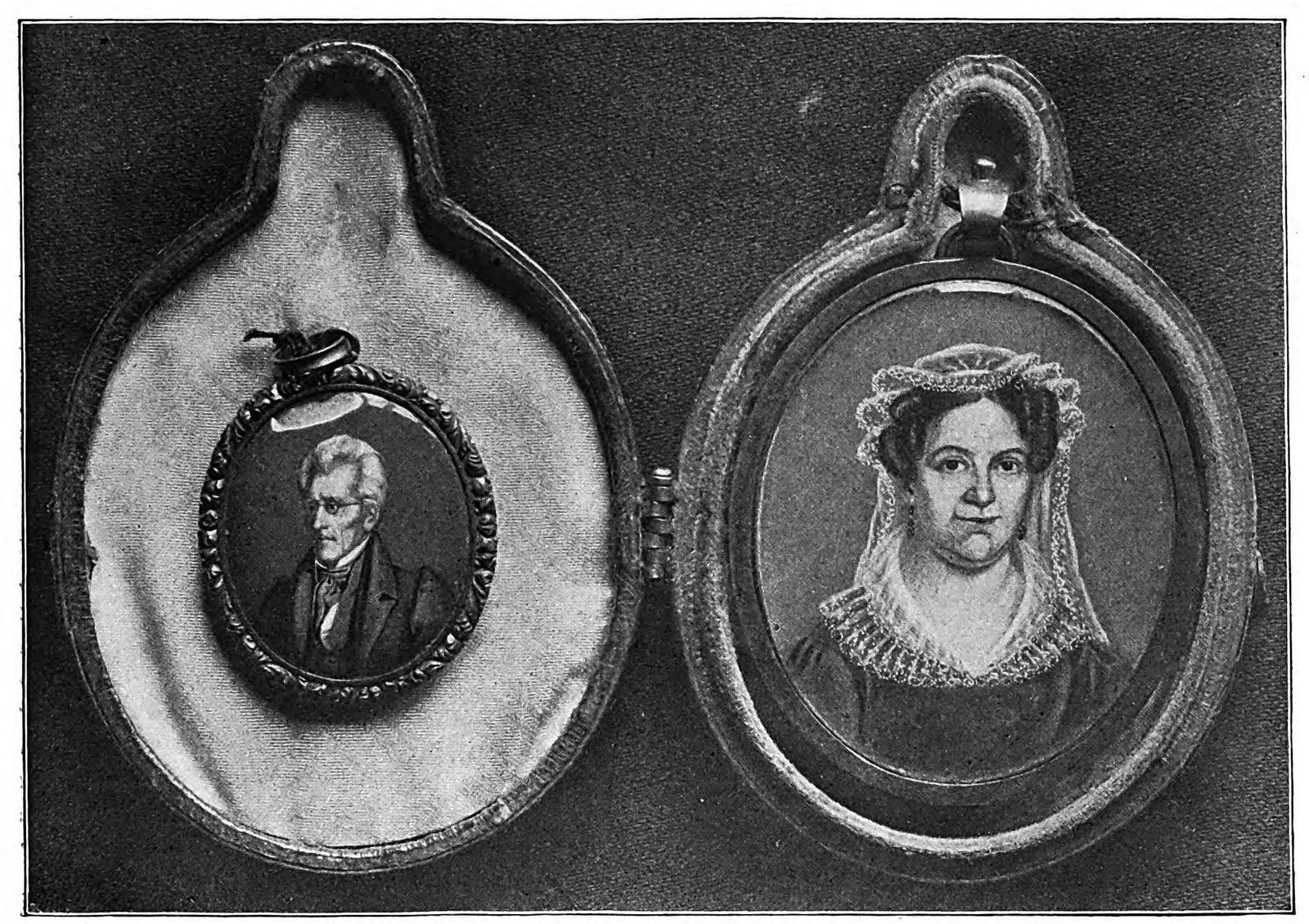
Did you know Jackson, Mississippi, is named after the 7th U.S. President, Andrew Jackson? It is one of the four state capitals named after American presidents —the other three are Jefferson City (Missouri), Lincoln (Nebraska), and Madison (Wisconsin).

Jackson is the only U.S. capital built on top of an extinct volcano. Interestingly, during the Civil War, the city was burned by Union troops, giving it the nickname "Chimneyville". In addition, Jackson is best known for being the center of the civil rights movement during the 1950s and 1960s.

2
Santa Fe, New Mexico

Image: Wendy Shervington

In 1610, Spanish settlers established Santa Fe as the capital of New Mexico, making it the oldest state capital in the country. But that's not the only peculiarity of this quaint city with a temperate climate and a unique historical and cultural richness. At 7,000 feet above sea level, Santa Fe is also the highest U.S. capital.

3
Honolulu, Hawaii

Image: Daniel Lee

Known for its spectacular beaches and rich cultural heritage, Honolulu is the only state capital not on the North American mainland. Considered the birthplace of modern surfing, it also has the highest average annual temperature of any U.S. state capital.

But those aren't the only interesting facts about Hawaii's capital. Here are a few equally (or more) crazy ones: it hosts the only royal palace in the United States (Iolani Palace), the island is made up of volcanic soil, and it houses the world's largest open-air shopping mall (Ala Moana Center).

4
Annapolis, Maryland

Image: Terry Granger

Annapolis is a historic city on the shores of the Chesapeake Bay, known for its colonial architecture, nautical tradition, and academic value. But did you know it is also the smallest U.S. capital by land size? Just 6.7 square miles!

Annapolis was also one of the nine capitals the United States has had throughout its history. For nine months during the Revolutionary War, Maryland's current state capital served as the seat of the Confederation Congress.

5
Bismarck, North Dakota

Image: NASA Astronaut, Public domain, via Wikimedia Commons

If you thought Juneau, Alaska, had the lowest average winter temperature of all state capitals, think again! It's actually Bismarck, North Dakota, where the coldest temperature ever recorded was -45°F. Imagine that!

Bismarck was founded in 1872 on the banks of the Missouri River. The city was named after Otto von Bismarck, the chancellor of Germany, to attract German investors. Another fun fact? In 1930, Bismarck and Fargo had a dispute, known as the "Capitol Tower War," over which city should be the state capital.

6
Charleston, West Virginia

Image: Carol M. Highsmith, Public domain, via Wikimedia Commons

Did you know that the original name of West Virginia's capital was Charles Town in honor of the father of Colonel George Clendenin, one of the first settlers?

Charleston is best known for offering a unique combination of history, culture, and outdoor adventure.

7
Hartford, Connecticut

Image: Balazs Busznyak

Founded in 1635, Connecticut's capital is one of the oldest cities in the U.S. Hartford is known for being a key cultural center in New England. It was the home of writer Mark Twain and is home to historic sites such as the State Capitol, the Harriet Beecher Stowe House, and Bushnell Park, the oldest public park in the country.

Hartford is also called the "insurance capital of the world" due to the presence of major insurance companies. But the city's most curious fact is that it was where Teddy Roosevelt, aboard the Columbia Electric Victoria Phaeton, took the first presidential automobile ride in history!

8
Harrisburg, Pennsylvania

Image: Katherine McAdoo

Pennsylvania's capital city is best known for its role in the Civil War and the Underground Railroad. Located on the banks of the Susquehanna River, Harrisburg has been an important center of transportation and commerce. Today, it is known for its historic architecture, museums, and special events.

Harrisburg is also home to the longest stone arch bridge in the world, the Rockville Bridge, built in 1902. Oh, and in 1979, it came close to a nuclear disaster due to the accident at the Three Mile Island plant, the worst in U.S. history —but that's a longer story for another article!

9
Olympia, Washington

Image: Peter Robbins

Located at the southern tip of Puget Bay, Washington's state capital is known for its natural beauty and vibrant culture. But did you know Olympia is the northernmost state capital in the contiguous U.S.?

Oh, and it's also a great place to try some of the best craft beer in the country!

10
Salt Lake City, Utah

Image: Cong Wang

Utah's state capital is popular for being one of the best places to ski in the United States. But that's not all! Salt Lake City is also the only state capital with three words in its name. Have you ever thought about that?

It has the largest Mormon population in the country and is the world headquarters of the Church of Jesus Christ of Latter-day Saints. Another fun fact? Salt Lake City is home to more plastic surgeons per capita than any other state capital!

11
Montpelier, Vermont

Image: John Holm

Named after the French city of the same name, Montpelier is the least populated state capital, with a population of just 7,900. Probably for that reason, Vermont's capital prides itself on its small local businesses: it is the only state capital that doesn't have a McDonald's or a Starbucks. Could you live without these fast food chains? It doesn't have a Walmart store either!

12
Topeka, Kansas

Image: Nils Huenerfuerst

Topeka, Kansas’s state capital, has several interesting tidbits. For example, did you know its name, of Native American origin, means "a good place to dig potatoes"? Interesting, don’t you think?

In 2010, Topeka temporarily changed its name to "Google, Kansas" to attract the attention of the internet giant and become the capital city of fiber optics. Frivolous facts aside, Topeka was also very important in the history of the civil rights movement.

Geography Geography 4 min read

Discovering America

What's the easternmost point of the US? If you say Maine, think again!

Image: Jon Sailer

We’ve all picked up "facts" about the fifty states somewhere along the way, but not all of them hold up. Some are half-truths passed around for generations , others are just plain wrong. So, in an attempt to set the record straight once and for all, we’ve gathered some fun truths that clear up the biggest mix-ups about our states.

1
Arizona skips Daylight Saving Time

Image: Christoph von Gellhorn

This is partly true because most of the state doesn’t bother with Daylight Saving Time . They stopped changing the clocks back in 1967. The exception is the Navajo Nation, which stretches into Utah and New Mexico and keeps DST so all its communities stay on the same schedule. Now, as for the smaller Hopi reservation, inside the Navajo Nation, it sticks with Arizona time… Yes, quite confusing if you’re not a local.

2
Georgia isn’t really the Peach State

Image: Jessica Furtney

Georgia loves its peaches, sure, but the state’s top fruit money-maker is actually blueberries . In recent years, blueberries have brought in several times more cash for farmers than peaches. Meanwhile, California grows far more peaches than Georgia ever has. The nickname stuck from the old days when Georgia peaches were famous for their flavor, not their volume. So while the pride is real, the peaches aren’t quite the powerhouse people may think.

3
Nevada didn’t record the hottest US temperature

Image: tommao wang

You probably think of Nevada’s desert heat as unmatched, but the all-time record belongs to California’s Death Valley . In July 1913, it hit a mind-melting 134 degrees Fahrenheit, the hottest temperature not only in America but the hottest ever recorded on Earth!

4
Minnesota doesn’t have the most lakes

Image: Tom Conway

Minnesota proudly calls itself the "Land of 10,000 Lakes," but that’s selling itself short… The real number is closer to 12,000. However, Alaska wins this battle . The state has more than 3 million lakes over five acres in size. In fact, Alaska contains over 40 percent of the nation’s surface water. If you love fishing, kayaking, or just staring at a quiet stretch of water, the true lake capital of America is far up north.

5
Pineapples aren’t native to Hawaii

Image: Christian Joudrey

Pineapples are everywhere in Hawaiian imagery, but the plant actually comes from South America , mainly Paraguay and southern Brazil. Spanish explorers likely brought them to Hawaii in the 1500s after spreading them across the Pacific to places like the Philippines and Guam. Hawaii’s climate turned out to be perfect for growing them and by the 1900s, the islands were producing so many pineapples that the fruit became a symbol of Hawaii itself.

6
Maine isn’t the country’s easternmost point

Image: Chris Henry

If you’re a Geography geek, you’ll love this one. You might picture Maine’s rocky coast as the eastern tip of America, but the actual easternmost point is thousands of miles away, on Alaska’s Semisopochnoi Island in the Aleutians. How is that possible? Well, that’s because it crosses the 180th meridian, putting it in the Eastern Hemisphere. That means part of Alaska technically sits farther east than anywhere in Maine.

7
The biggest US earthquake didn’t happen in California

Image: Lala Miklós

California has suffered some big earthquakes in its history, but the most powerful earthquake in America struck Alaska in 1964 . It hit Prince William Sound with a magnitude of 9.2. It was so strong it shook the ground for four and a half minutes and triggered massive tsunamis. In today’s dollars, the damage would total more than $2 billion. Alaska sits on a collision zone of tectonic plates, making it one of the world’s most seismically active regions.

8
The Everglades isn’t America’s biggest swamp

Image: Joshua J. Cotten

A lot of people picture the Florida Everglades when they think of swamps, but technically, the Everglades isn’t a swamp at all. The real title of the largest swamp in the United States goes to Louisiana’s Atchafalaya Basin , which spans about 1.4 million acres. This swamp has a vast mix of cypress forests, bayous, and marshes, and it’s more than twice as productive as the Everglades when it comes to wildlife and plant life.

9
Big cities aren’t always capitals

Image: Mackenzie Cruz

It surprises people how often the biggest city isn’t the state capital . New York City? Not the capital… Albany is. Chicago? Nope, that honor goes to Springfield. Pennsylvania’s capital isn’t Philly or Pittsburgh, it’s Harrisburg. Even California’s capital isn’t L.A. or San Francisco, it’s actually Sacramento. Out of fifty states, only seventeen have their most populous city as the capital.

10
Alaska isn’t divided into counties

Image: Rod Long

Alaska likes to do things its own way. Instead of counties, it’s split into boroughs , and a massive area known as the Unorganized Borough has no local government at all. People out there don’t pay property taxes, but that freedom comes with challenges, limited services, fewer job options, and tough living conditions.

Explore more American facts

Choose your favorite category!

General
General

As American as apple pie—the very best America has to offer!

Culture
Culture

Delve into the astounding richness of American lore.

Geography
Geography

Hop in and explore vast and diverse American landscapes.

History
History

Discover the key moments that shaped the United States.