National wildlife

Animals made in the USA: Did you know these 10 incredible creatures?
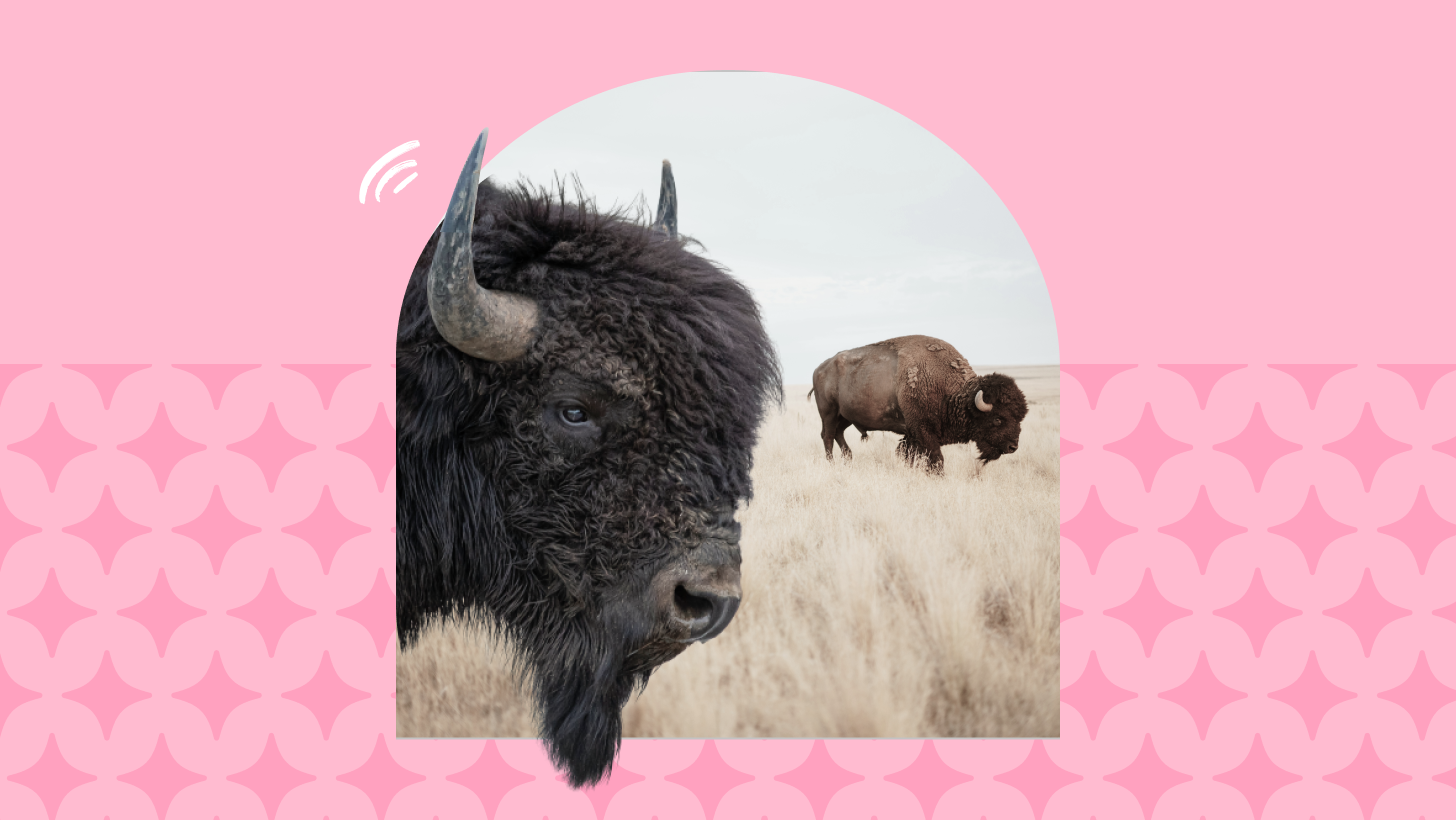
Image: Mathew Schwartz

It should go without saying that we are not the only inhabitants of this wonderful country of ours. "America the Beautiful" is also home to an amazing variety of wildlife. Our fauna is as fascinating as it is beautiful, ranging from the majestic bird chosen as our national symbol to the large ground squirrels believed to have the ability to predict the weather. In that regard, we have selected 10 of the most iconic animals that can be found across all corners of our country. Enjoy!

1
Bison
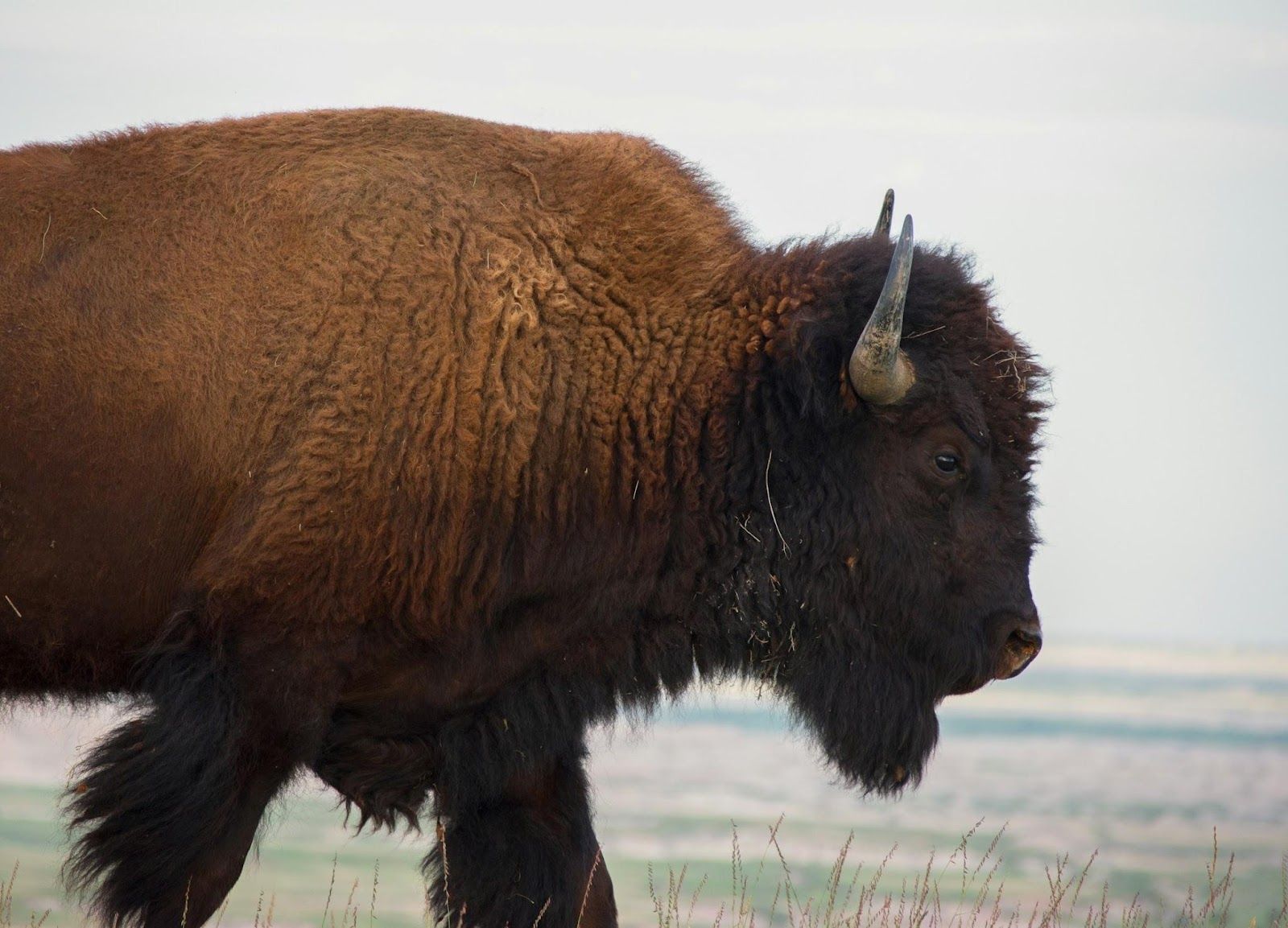
Image: Alex Moliski

We’ll begin with the national mammal of the United States. Actually, that might be a bit reductive: the bison is not just a national symbol, but it has also been chosen as representative by a plethora of institutions, including the U.S. Department of the Interior, the University of Colorado, and several Great Plains states.

Since the end of the 19th century, indiscriminate hunting made the bison an extremely endangered species: By 1884, only 325 bison remained in the country. Luckily, thanks to the hard work of several conservation agencies, that number has gradually increased over the years, reaching a population of 500,000 bison by 2017.

2
Prairie dog
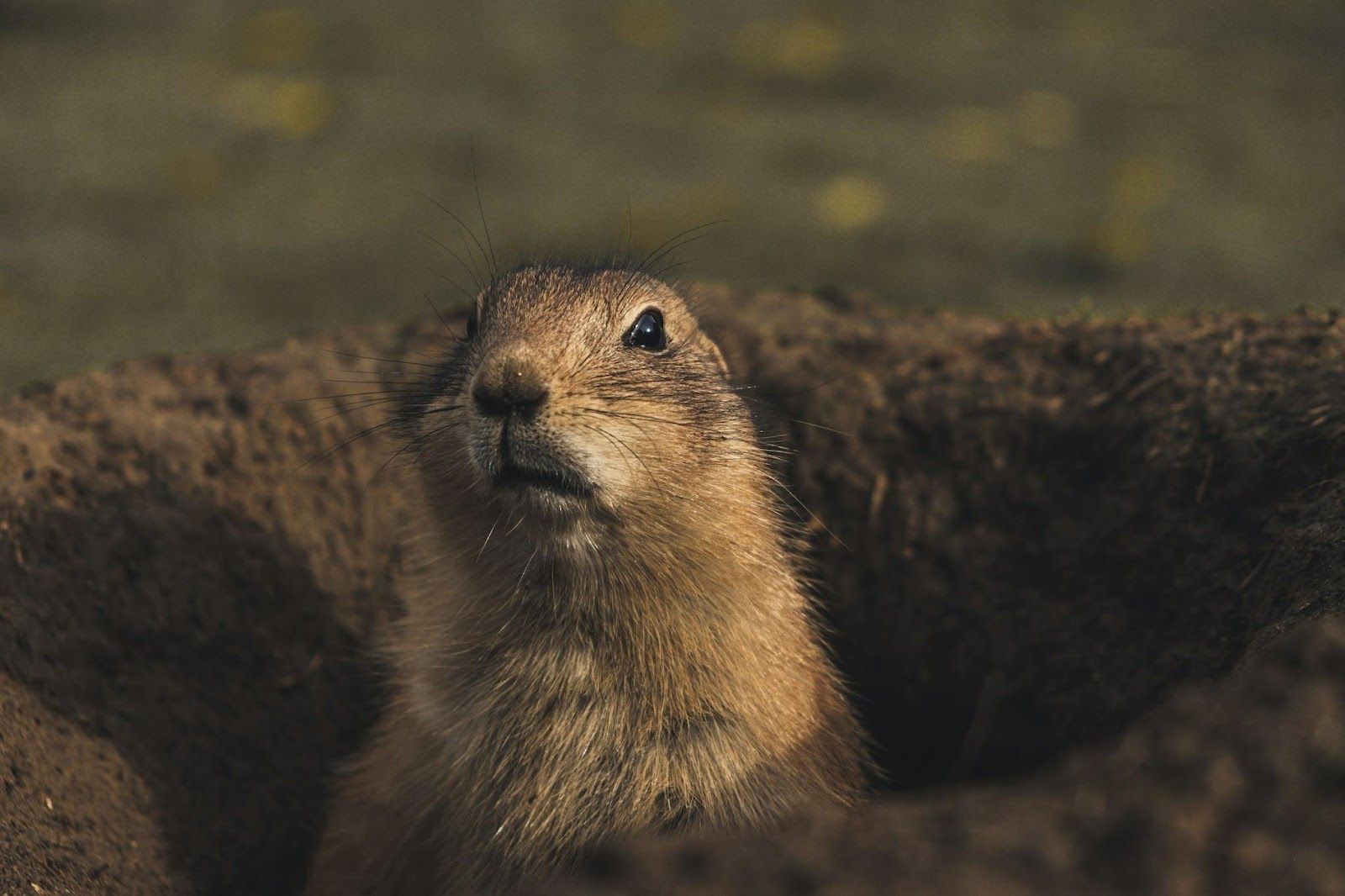
Image: Moritz Kindler

Here’s a question for any biologist reading this article: Why, pray tell, are prairie dogs not called "prairie squirrels"? While these mammals possess little to no dog-like features, they are definitely a close relative of squirrels. In fact, they belong to the same family. Food for thought, right?

In any case, prairie dogs are proof that an animal doesn’t have to be big to be important. All five species are considered keystone species to their environments, as their burrowing and mound-building help renew and revitalize the soil of their habitats. Not only that, they are extremely important components of the food chain, since they provide sustenance to many predators.

3
Alligator
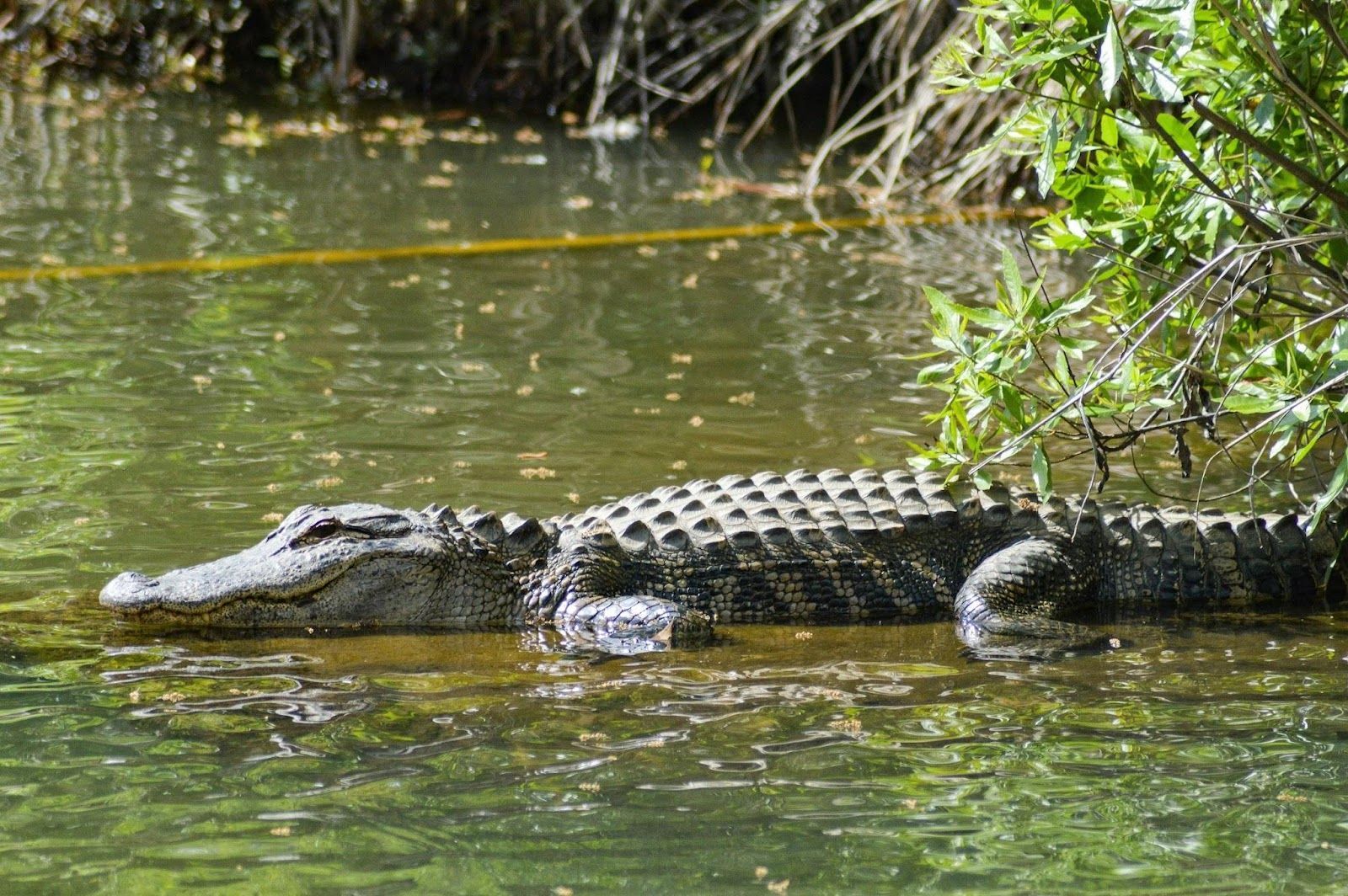
Image: Matthew Essman

From the warm weather of the American South comes the only reptile on this list. Alligators are truly fascinating creatures: not only do they date back to the age of dinosaurs, but they can also only be found in 2 countries in the entire world—China and, of course, the United States.

While they are certainly deadly predators, don’t let their ferocity fool you: they rarely attack humans, and only when disturbed. Moreover, alligators are key species in maintaining their habitats, not just through population control, but also by encouraging plant diversity through the construction of alligator holes.

4
Grizzly bear
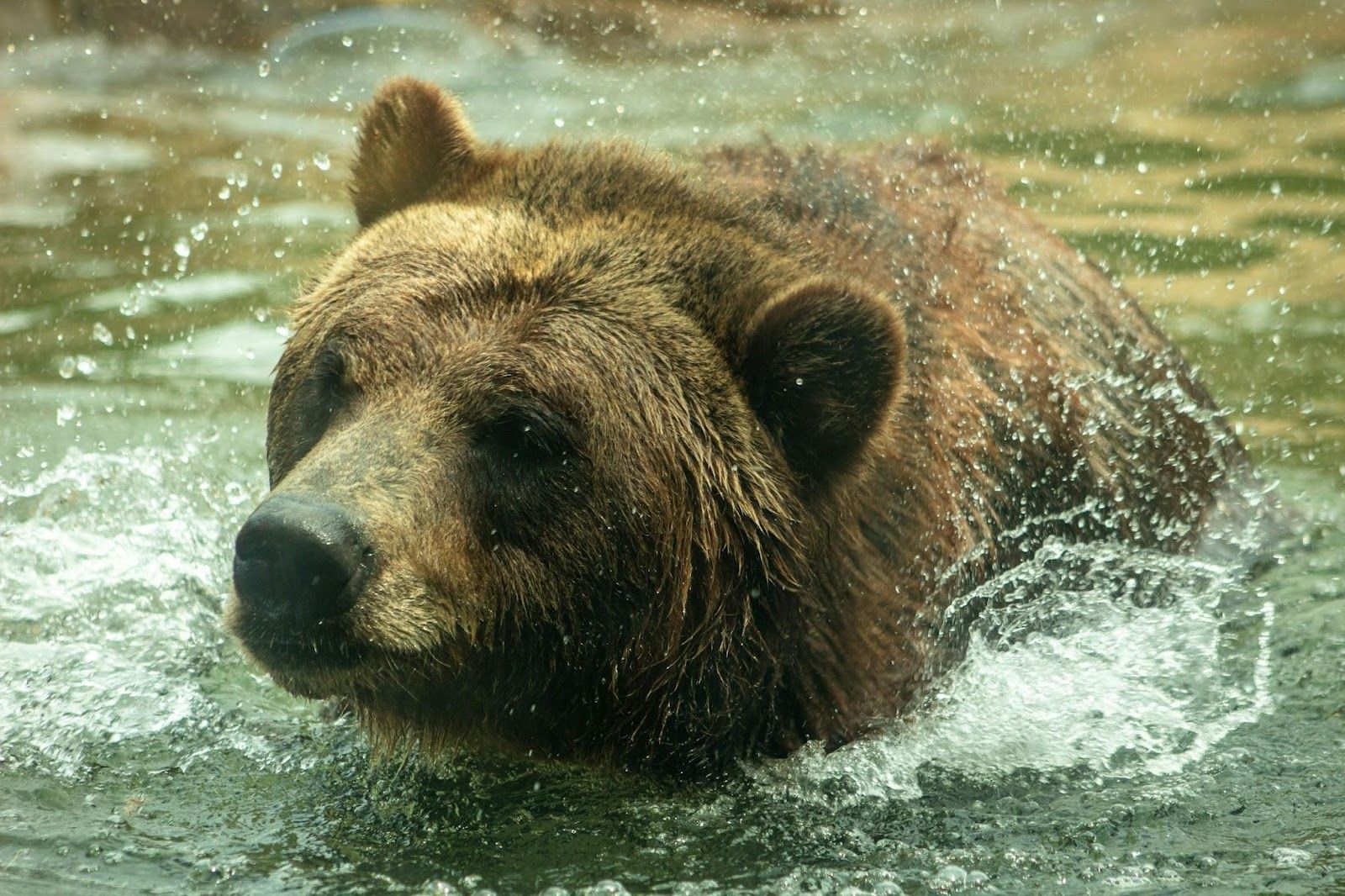
Image: Joshua J. Cotten

Anyone who has looked at a picture of a bear has probably thought in disbelief, "How can something that looks this adorable be so dangerous?" While this philosophical conundrum might be the reason that Teddy bears are so popular, the truth is that the grizzly bear is a perfect representative of the duality found in most of these large mammals: a combination of extreme cuteness with dangerous ferocity.

In that sense, we only need to take a look at the etymology of the grizzly bear to find the feral nature of this seemingly adorable creature. When Lewis and Clark first encountered these bears, they recorded their name as "grisley," which many believe comes from a Middle English word for "gruesome."

5
Gray wolf
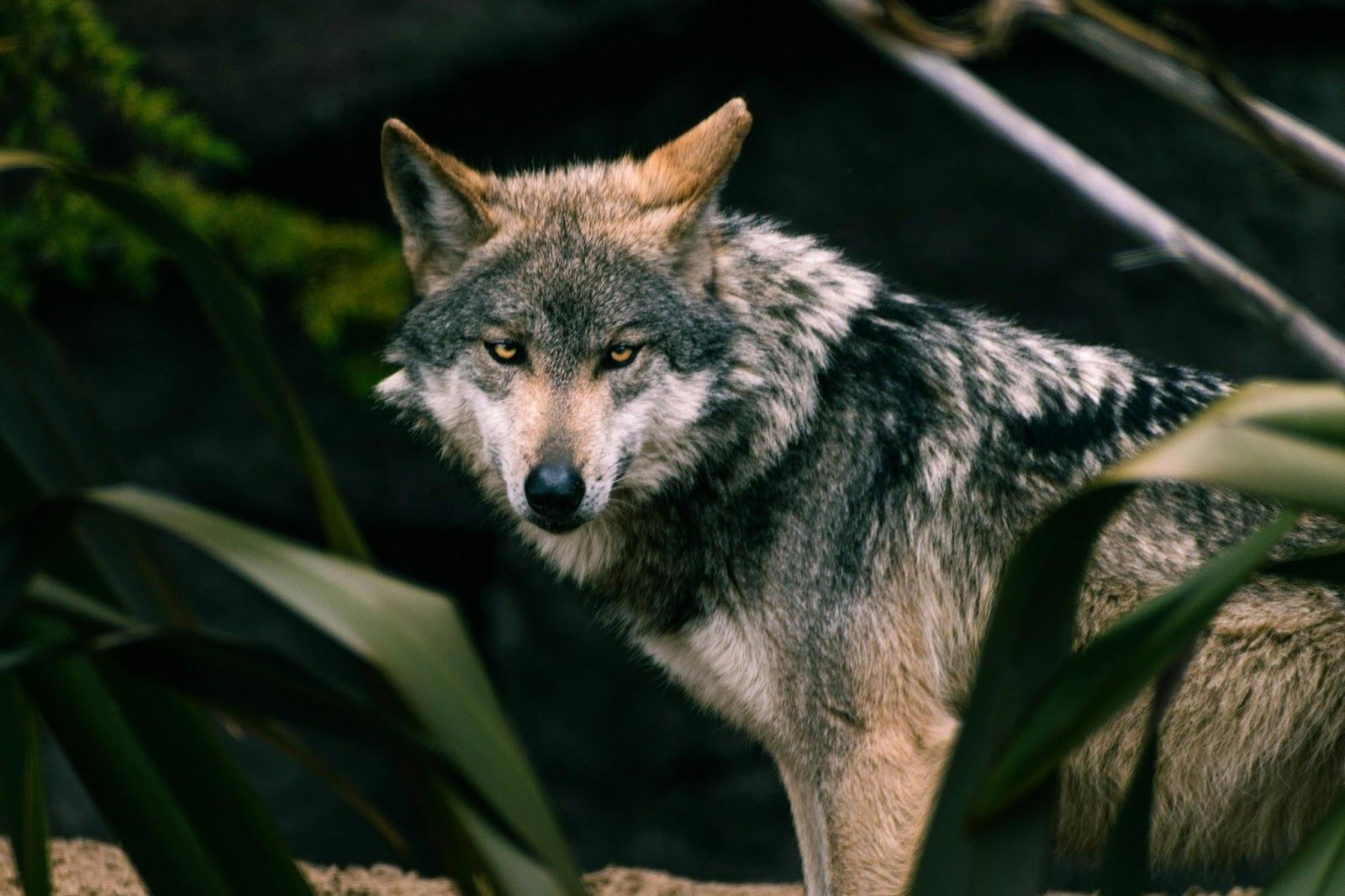
Image: Anthony Sebbo

Many biologists consider the gray wolf the unsung hero of American wildlife. This majestic hunter is a keystone species in Yellowstone National Park, helping to maintain the elk and deer populations. And while it has notably appeared in many blankets and t-shirts, the gray wolf, sadly, has not been recognized as any state’s official mammal.

Originally, grey wolves’ range covered approximately two-thirds of America, but they can currently be found in the northern part of the country. Most notably, Alaska houses the largest wolf population in the country, with a number between 7,000 and 11,000 wolves roaming the state.

6
Turkey
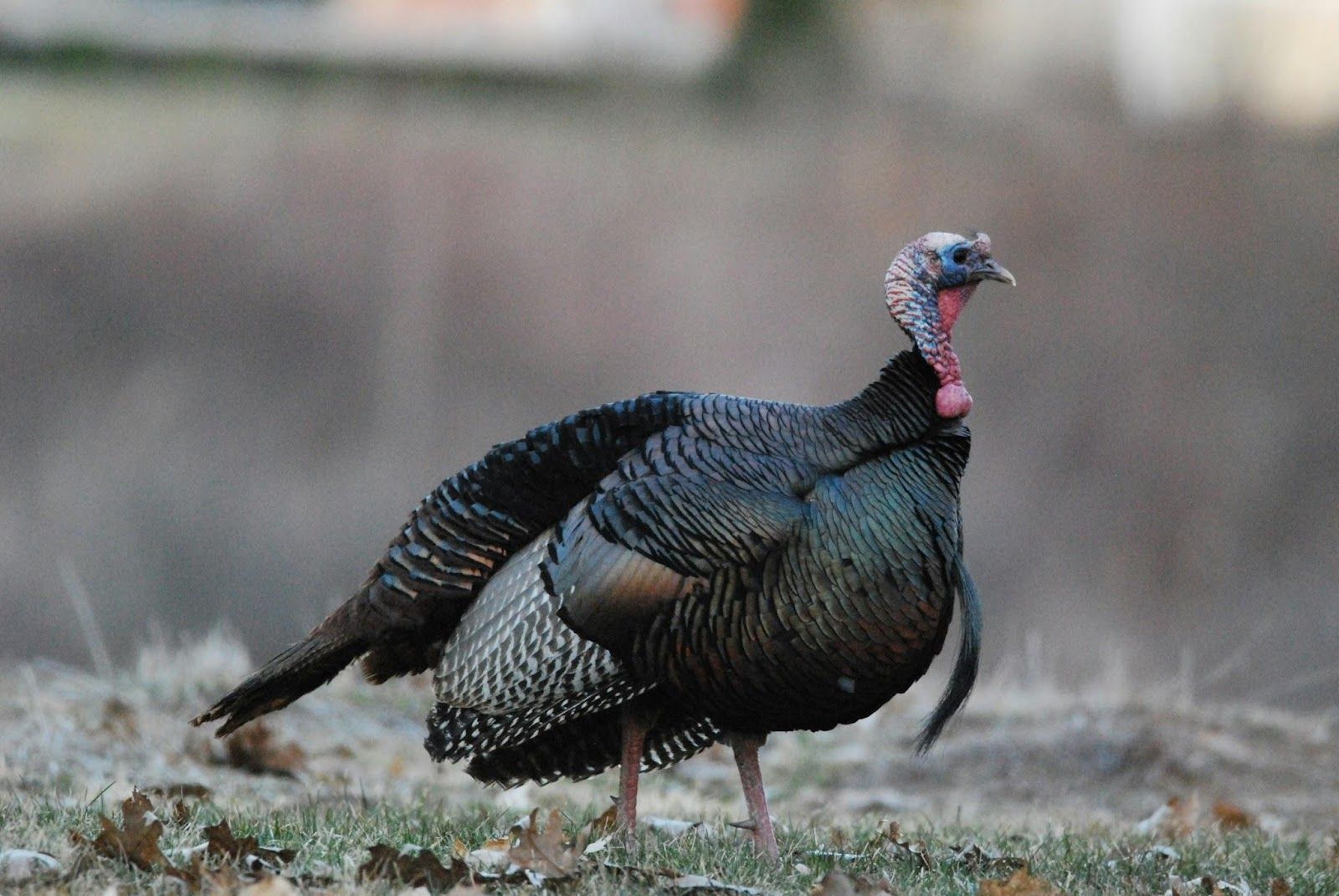
Image: Tyler Jamieson Moulton

There’s an urban legend that states that Benjamin Franklin proposed the turkey to be our national symbol. If the stories are true, there might very well be a universe in which this odd-looking bird represents Americans everywhere. And although we’ll take the bald eagle as a symbol any day of the week, there’s something to be said about the nobility of this game bird.

Unlike their domesticated counterparts, wild turkeys are more adept at flying. Although we may never see a majestic turkey soar through the skies, they are able to fly short distances of up to a quarter mile. What’s perhaps most impressive about these birds is their wide range of vocalizations, which may sound like a simple "gobble, gobble" to us, but convey numerous meanings to other turkeys.

7
Groundhog
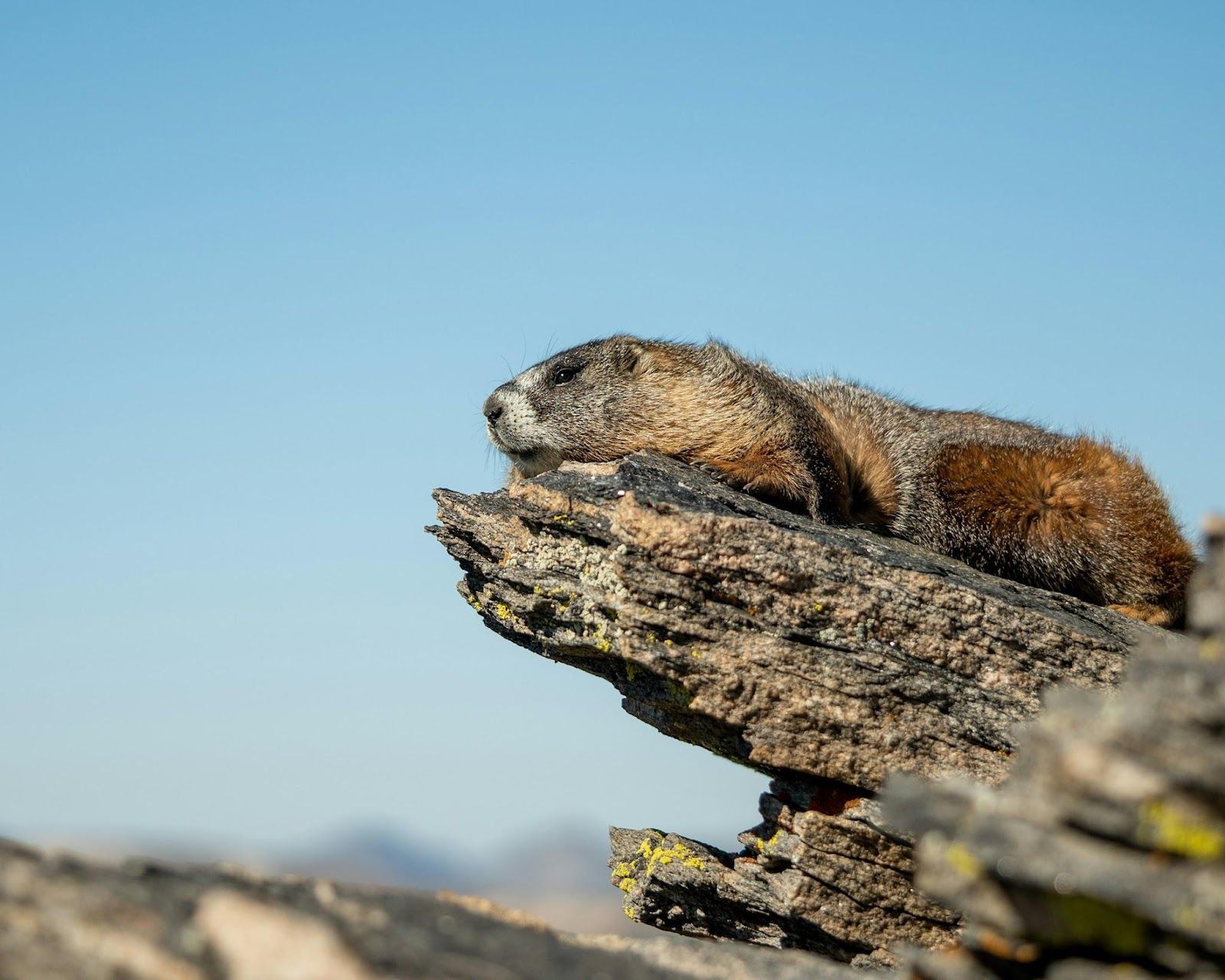
Image: Andy Sanchez

Sure, Beverly Hills might be the home of Hollywood’s royalty, but the borough of Punxsutawney, Pennsylvania, is home to one of America’s most famous stars. Since 1887, a groundhog by the name of Phil (Punxsutawney Phil, to be exact) has been the key figure in the town’s most famous tradition: "Groundhog Day," a celebration in which Phil predicts when will winter end.

While Punxsutawney Phil is perhaps America’s most famous groundhog, the truth is that these quirky rodents are one of America’s most recognizable animals. Interestingly, groundhogs are also known as "woodchucks," which is a rather baffling name, since these creatures are not known for chucking wood of any kind.

8
Florida panther
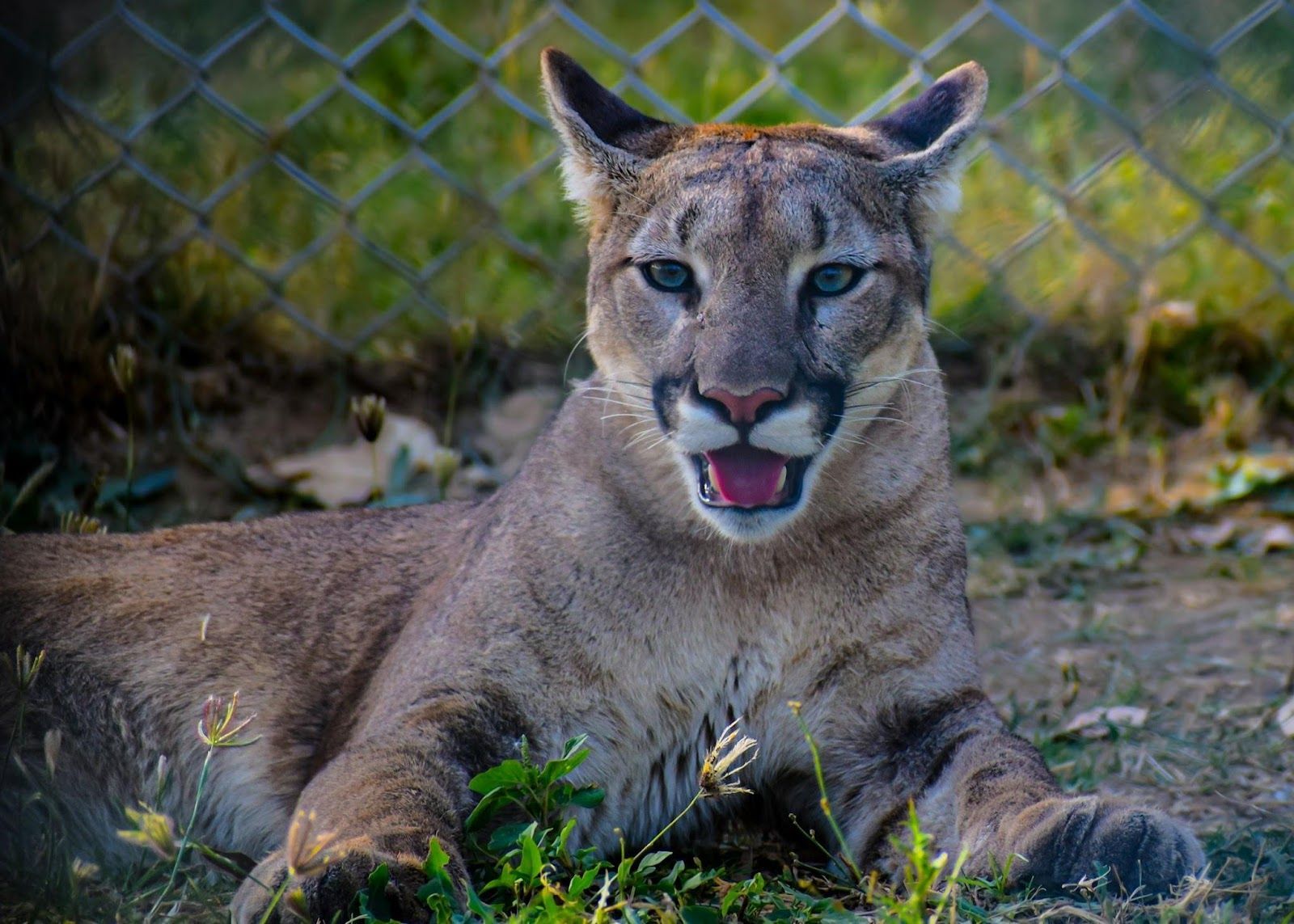
Image: Maheera Kulsoom

The alligator might be Florida’s most famous animal, but this large cat shouldn’t be overlooked. The Florida panther is the only cougar species living in the Eastern United States, with a worrying 200 individuals currently living in the Sunshine State.

This majestic cougar is a source of pride for many Floridians, and numerous conservation campaigns have been launched over the years to help protect its habitat. The Florida panther was named the state’s official animal in 1982, as well as being the namesake of the South Florida ice hockey team.

9
Roadrunner
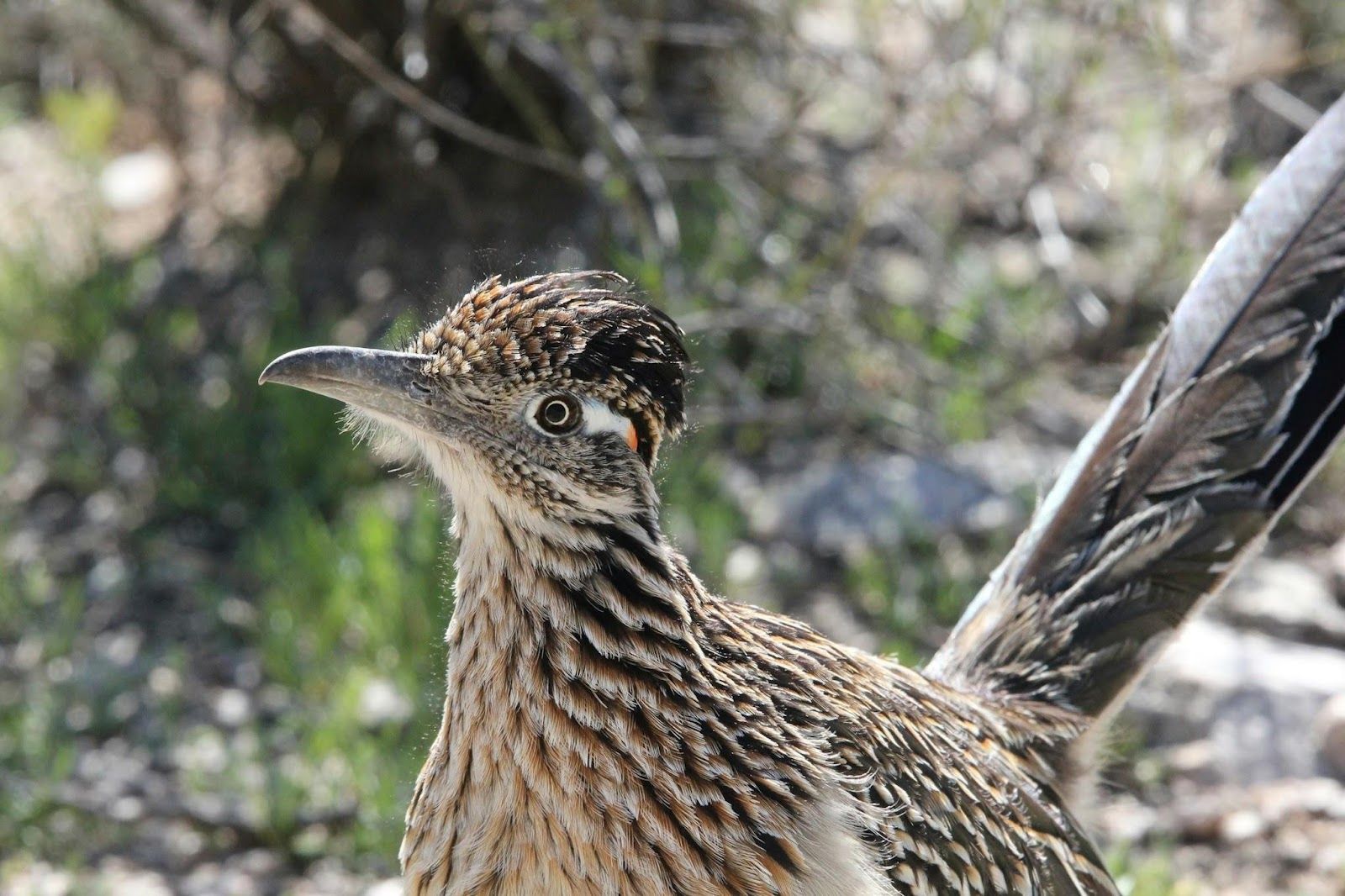
Image: Anish Lakkapragada

Isn’t it strange not to see a coyote included in the title of this entry? We feel bad about separating this iconic pair, but we are sure you’ll agree that the roadrunner is an amazing bird in its own right, even becoming New Mexico’s official state bird in 1949.

Warner Bros. cartoons quickly capitalized on this bird’s most remarkable feature: its running speed. Roadrunners can reach speeds of up to 20 mph, which comes in great help for hunting and running away from predators (like a certain coyote).

10
Bald eagle
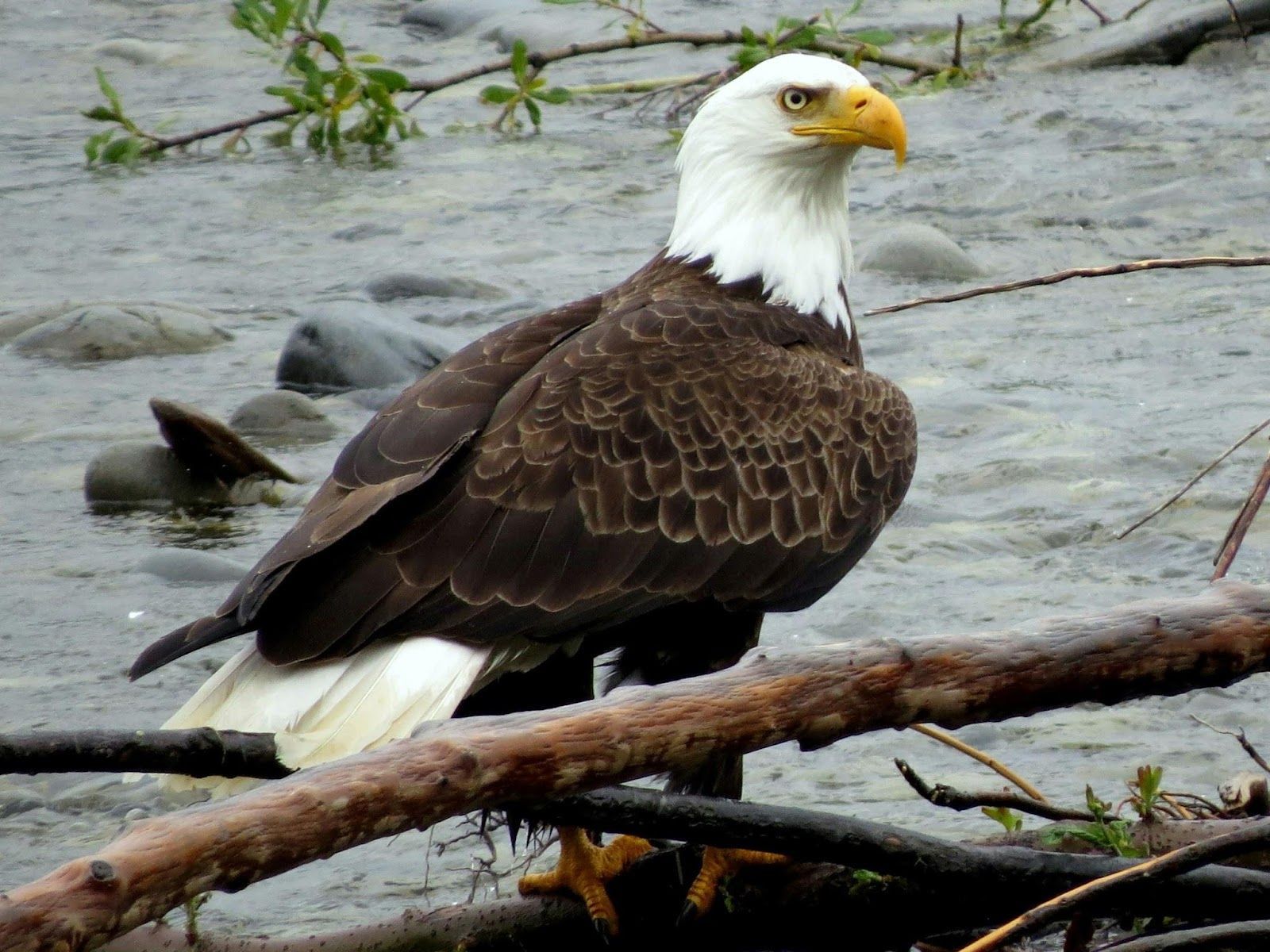
Image: Michael Jerrard

The bald eagle shares the title of "most instantly recognizable American symbol" with the American flag and Mount Rushmore. Its status sometimes makes us forget about the spectacular specimen hiding behind the American icon, so we thought it would be a good idea to close this article with a small tribute to our favorite bird of prey.

Let’s start with the obvious: the name "bald eagle" doesn’t come from any distinct lack of plumage, but rather from the old meaning of the word "bald," which used to stand for "white-headed." This distinction seems necessary because one of the most breathtaking aspects of this bird is the contrast of its feathers, which produces a stunning image when paired with its yellow beak. For a while, the status of the bald eagle was endangered until its population recovered thanks to conservation efforts.


The language of today

Could you make a "GRWM"? Here's modern slang you need to know!

Image: Cup Of Couple

If you scroll through social media for even a few minutes, you'll likely come across terms like "bussin'" or "amped" and unusual abbreviations like "GRWM" or "IYKYK." Do you know what they mean? If you want to stay up to date with these and other trending slang terms, don't miss this article!

1
Extra

Image: Obie Fernandez

Some people are reserved and discreet, while others are just "extra." This slang term describes someone who is exaggerated, overly dramatic , or excessive—does anyone come to mind?

If a friend shows up to a casual hangout in an extravagant outfit or makes a big deal out of something insignificant, you can call them "extra."

2
GRWM

Image: Alexander Shatov

A popular abbreviation on TikTok is "GRWM." It's so well-known that you've probably heard it before.

Since fashion influencers often share videos about their outfits or ask for clothing advice, "GRWM" stands for "Get Ready With Me." With this phrase, video creators make viewers feel like part of their daily lives and invite them to join their digital adventures.

3
Bussin'

Image: Jackson Sophat

When it comes to flattery, "bussin'" is the term you need to speak today’s language. Something described as "bussin'" is exceptionally good, impressive, or exquisite. While it's most commonly used to describe food—like in "That Burger was just bussin'"—it can also be used to compliment other things or actions.

4
Mid

Image: Eran Menashri

Contrary to the previous term, "mid" is used to describe something as average or unimpressive. While it isn’t necessarily negative, it implies that a performance, dish, or speech wasn’t exactly the best you’ve seen.

"Mid" comes from the word "middle," suggesting that what you're referring to is neither good nor bad—it's just somewhere in the middle.

5
Spill the tea

Image: Manki Kim

If someone asks you to spill the tea, they’re not asking you to make a mess on the snack table—they want something much more interesting.

"Spill the tea" is a slang expression used to ask someone to share juicy gossip . If you love drama or want to stay up to date with the latest news and scandals, this phrase will come in handy. As for its origin, some suggest that "spill the tea" may have evolved from an earlier phrase with a similar meaning: "spill the beans."

6
IYKYK

Image: Melissa Askew

While it may look like a word from a strange, distant language, "IYKYK" is actually an abbreviation for "If you know, you know." It's great for those inside jokes you share with your friends or recalling moments that only a select group was part of. You know, something intimate, secret, or exclusive.

7
GOAT

Image: Nandhu Kumar

What do Michael Jordan, Aretha Franklin, Babe Ruth, Frank Sinatra, Anthony Hopkins, and Serena Williams have in common? Well, they're all GOATs! But what does that mean?

"GOAT" doesn’t refer to the adorable animal—it stands for "Greatest of All Time." That's right! This term is used to describe those who truly stand out as the best in their field, discipline, or art.

8
No Cap/Cap

Image: Jakob Owens

It seems that saying "true" or "false" has gone out of fashion. The new trend is to say "no cap" or its opposite, "cap." As you might guess, these terms relate to truthfulness, honesty, and authenticity .

If a friend says, "The show was incredible, no cap," they’re assuring you they’re telling the truth. But if someone hears a suspicious story and calls out "cap," they’re likely calling it a lie.

9
Amped

Image: Austin Schmid

Have you been on Cloud Nine lately? If so, there's a perfect slang term for you: "amped." This adjective describes someone who’s excited about something or simply feeling really, really happy .

The term originated in the 1980s as a shortened form of "amplified," originally referring to someone highly charged with energy. Over time, it became associated with excitement and joy and has recently made a comeback, especially on social media.

10
Bet

Image: Ursula Castillo

If you're talking with a group of teens and you want to express your agreement with something, just say, "Bet." This short word is commonly used today to mean "Yes," "Exactly," "That’s it," or "Let’s do it."

As you might have guessed, it was born in the gambling world and is tied to that feeling of confidence or certainty needed when placing a bet.

Life finds a way

From raccoons to foxes: take a look at 12 types of "urban wildlife"

Image: jennifer uppendahl

For many Americans, seeing a black bear scratching its back on a pole in a city street is not that strange. Many mammals, birds, reptiles, and insects that eat a wide variety of foods are moving in and changing their behaviors as they learn urban survival skills.

1
Coyotes

Image: Ray Hennessy

Coyotes have a natural talent for survival, and they are built to thrive in any environment, including cities where food is readily available everywhere.

As it has been noticed multiple times, coyotes have deciphered how semaphors work and wait for the red light to cross the street.

2
Black bears

Image: Bruce Warrington

Studies have shown that female black bears living in urban areas aged one to one and a half years weighed nearly twice as much as their country counterparts. Some of those urban female bears produced cubs, while none of the rural bears of the same age reproduced.

Curiously, bears seem to know when it is trash day and will scavenge for food in trash cans on those dates specifically.

3
Raccoons

Image: Ralf Volkmer

Raccoons that live in urban environments are more exploratory than their country cousins, taking more time to investigate the squares. Some raccoons even figure out how to yank bungee cords off of trash cans .

These city animals are also more social, traveling in pairs more often than their rural relatives.

4
Bald eagles

Image: Alexas_Fotos

Believe it or not, in the 1960s, the bald eagle was on the verge of extinction due to the use of pesticides. But since those pesticides have been banned, their population has rebounded, and they're no longer on the list of endangered species.

City eagles need only a place to nest and a clean source of food, which can even be a trashcan, and they’ve figured out how to use city infrastructure like cellphone towers, bridges, and cranes along waterways .

5
Pigeons

Image: Dawood Javed

Possibly the most urban animal on the list, aside from rats, pigeons are uniquely suited to urban life. They can recognize human faces , so they know which people have fed them before.

These creatures have an incredible ability to distribute themselves, so there are never more pigeons than available food. A park with twice as much food as another park will also have twice as many pigeons.

6
Booklice

Image: Brett Jordan

Whether we see it or not, our homes are filled with insect life. One of them, booklice, has found that the starch in book bindings makes an ideal food source.

Booklice have adapted to suck the moisture directly out of the air and can live off that vapour for three weeks, avoiding dehydration.

7
Squirrels

Image: Mark Brennan

Squirrels and urban environments have gotten along for a long time now. There’s ample food and shelter, and few natural predators. They’ve learned to live in much greater densities in cities than they do in other environments, and they can tell which humans will feed them .

8
Sparrows

Image: Carlos Quintero

The sparrows that live in New York City have become night owls, staying out later to feed because the bright lights around buildings draw plenty of insects .

9
Rats

Image: Joshua J. Cotten

Almost no one would call a rat clean, but contrary to popular belief, city rats tend to carry fewer diseases and parasites than rural ones because they have less contact with livestock excrement from farms, and their human neighbors don’t harbor many parasites.

10
Ospreys

Image: KaroGraphix Photography

Ospreys have seen their numbers grow in North America partially because they have forsaken trees in favor of building their 250-pound nests on power poles, cell phone towers, channel markers , and other human-made structures.

11
Crows

Image: Veronica Dudarev

Crows are very smart creatures, and they have learned to use the city infrastructure to their advantage. These birds drop nuts and bones from great heights to crack the hard outer shells so that they can reach the food inside. City crows simply drop the previously impenetrable food into the street and let the cars crack it open .

12
Tomcods

Image: John Werner

Nature can adapt to almost anything, and tomcods are living proof of this. A very polluted segment of the Hudson River is home to these humble fish, who have adapted to its contaminated waters through genetic variations that allow them to thrive in such conditions.

Explore more American facts

Choose your favorite category!

General
General

As American as apple pie—the very best America has to offer!

Culture
Culture

Delve into the astounding richness of American lore.

Geography
Geography

Hop in and explore vast and diverse American landscapes.

History
History

Discover the key moments that shaped the United States.