History History 3 min read

The many faces of the flag

Our flag has changed 27 times: Explore its evolution

Image: Joshua Hoehne

The Stars and Stripes are now recognized around the world, but the US flag didn’t always look the way it does today. While the red, white, and blue colors have been there from the beginning, the design has changed about 27 times! And so have the rules for handling it. If you want to see what our flag looked like in the past, or learn more about the protocols and traditions surrounding it, keep reading!

1
1776
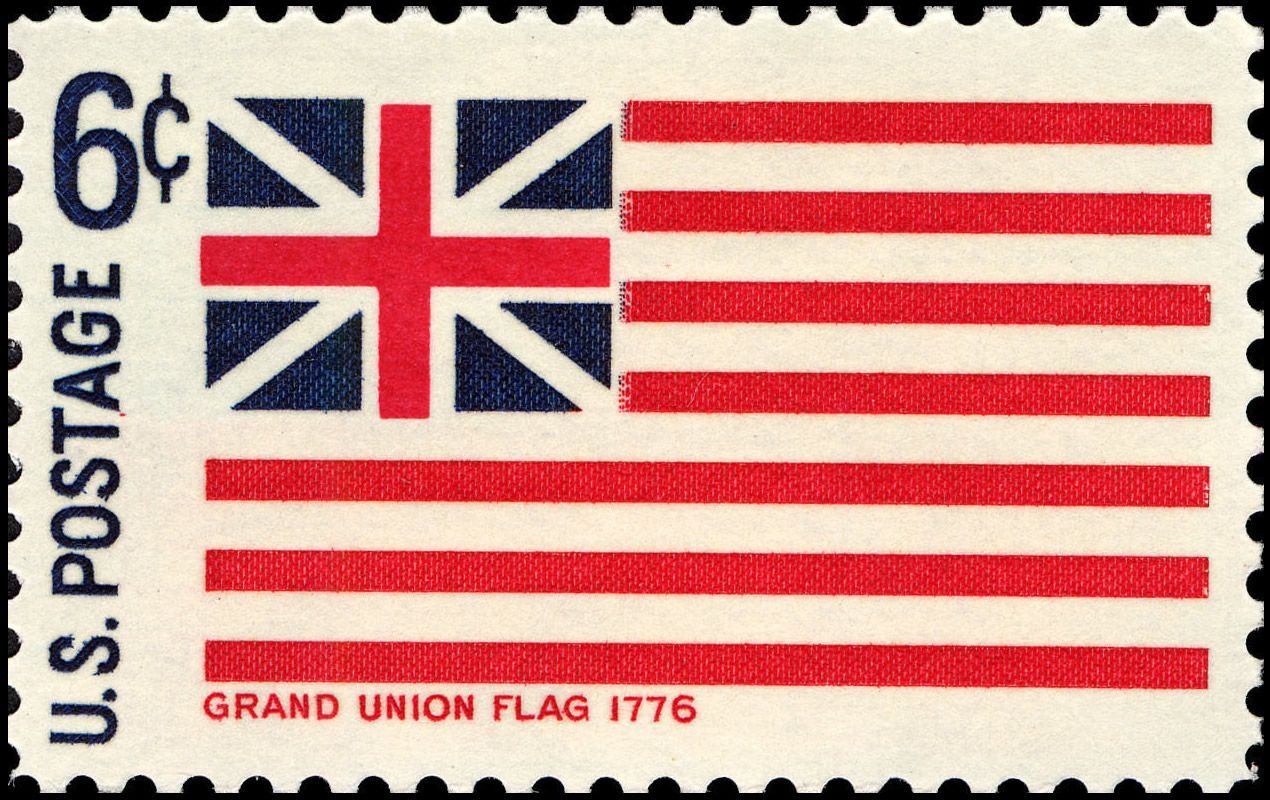
Image: Bureau of Engraving and Printing., Public domain, via Wikimedia Commons

During the American Revolution, the Grand Union Flag, also called the Continental Colors, was created to represent the colonies. It featured 13 alternating red and white stripes (symbolizing the original colonies), but instead of stars in the upper left corner like we see today, it displayed the Union Jack.

2
1777
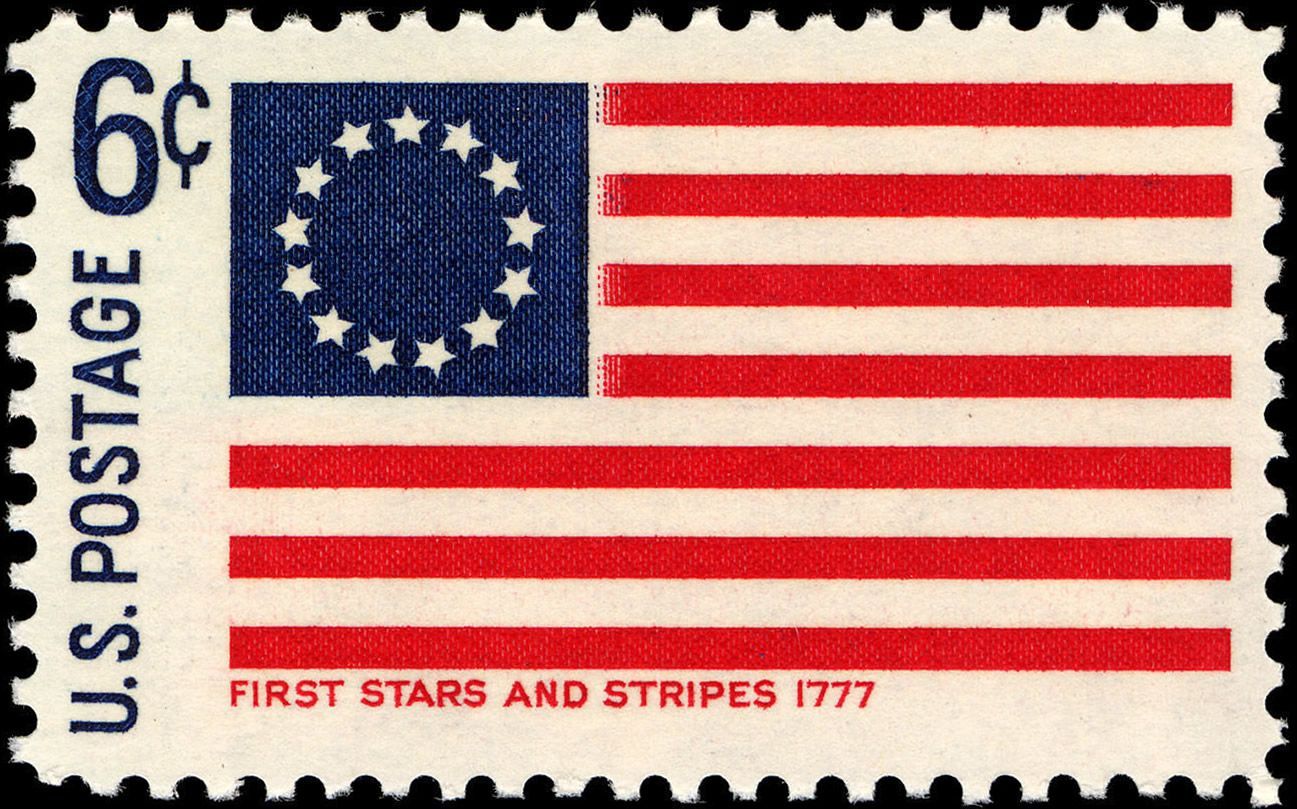
Image: Bureau of Engraving and Printing., Public domain, via Wikimedia Commons

In 1777, following the Declaration of Independence, the Continental Congress adopted the first official flag of the United States. It featured 13 alternating red and white stripes, which still honor the original colonies today. Replacing the Union Jack, it introduced a new element that would be key for the rest of its history: 13 white stars set in a blue field, or canton, arranged in a circle to symbolize equality and unity among the states.

3
1795
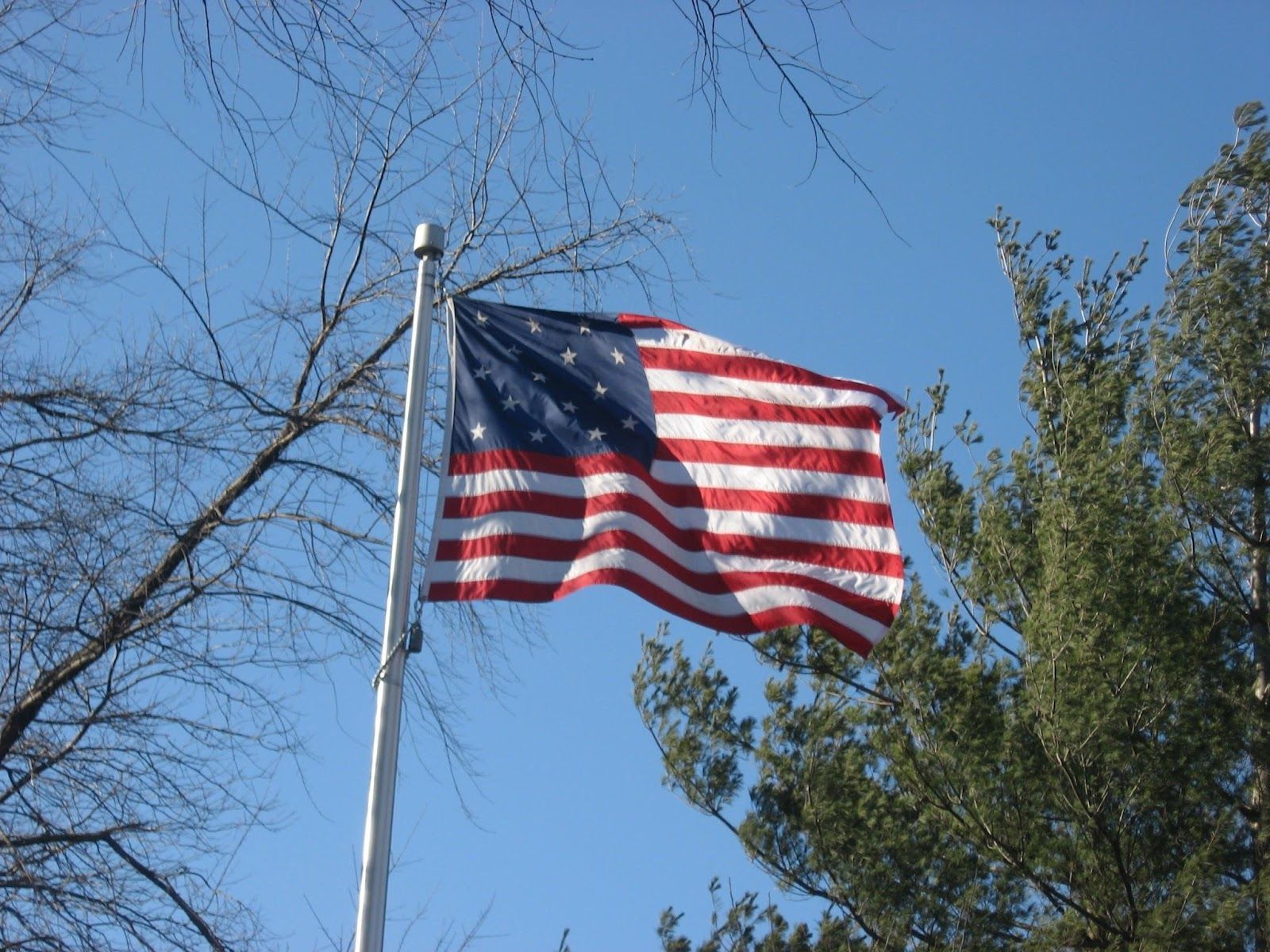
Image: Nyttend, Public domain, via Wikimedia Commons

It wasn’t until 1795 that the flag changed again, when two more stars and two additional stripes were added to represent the recently admitted states of Vermont (1791) and Kentucky (1792). This version was the only US flag to feature more than 13 stripes and later became known as "The Star-Spangled Banner", since it was the very flag that inspired Francis Scott Key to write the poem that would later be the lyrics of the national anthem.

4
1818
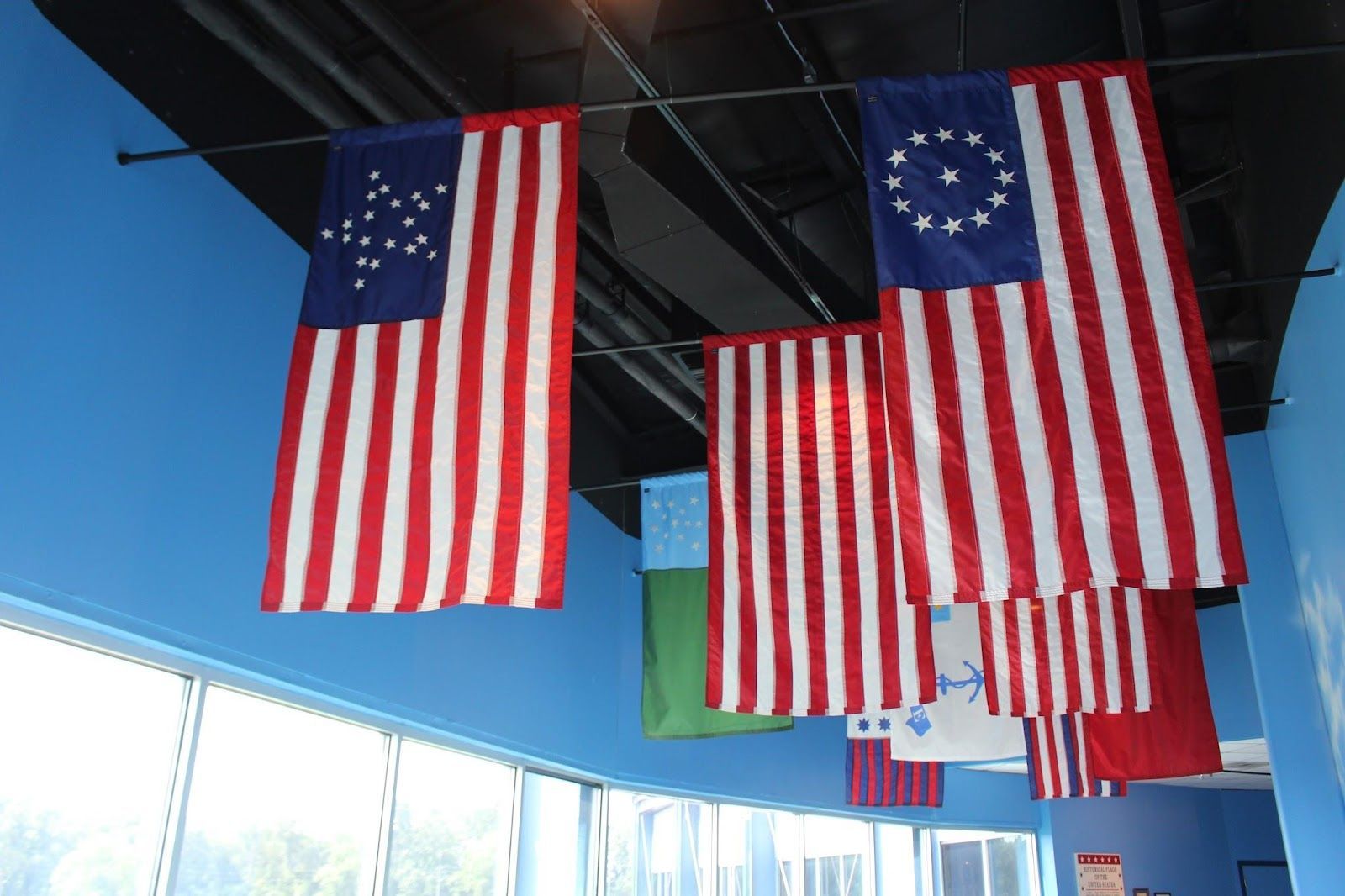
Image: Michael Rivera, CC BY-SA 4.0 <https://creativecommons.org/licenses/by-sa/4.0>, via Wikimedia Commons

In 1818, the flag’s design changed once again. The 15 stripes were reduced back to 13 to permanently honor the original colonies. Five new states had joined the Union, bringing the total number of stars to 20. These stars were sometimes arranged in straight rows and other times in the shape of a large star, which earned this version the nickname "The Great Star Flag."

5
1912

Image: This image is a work by Wikipedia and Wikimedia Commons user Aktron.When reusing, please credit me as: Aktron / Wikimedia Commons. I would appreciate being notified if you use my work outside Wikimedia.More of my work can be found in my personal gallery.csen+/−csenmkplsr+/−, CC BY-SA 3.0 <https://creativecommons.org/licenses/by-sa/3.0>, via Wikimedia Commons

Each new state joining the Union meant one more star on the flag. In 1912, when New Mexico and Arizona were added, the number of states reached 48, so their stars also took their place. That year, President Taft issued an executive order setting the official proportions of the flag and specifying that the stars should be arranged in six horizontal rows of eight.

6
1960
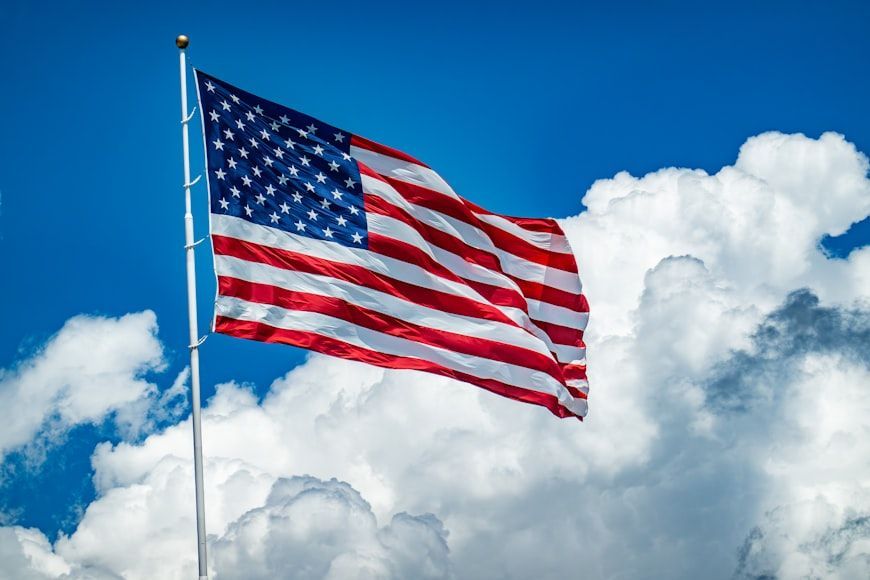
Image: chris robert

The most recent design change came in 1960. After Alaska and Hawaii joined the Union in 1959, two more stars were added, bringing the total to 50. They were arranged in nine alternating rows of six and five stars, like the official flags you see displayed across the country today.

7
Flag time
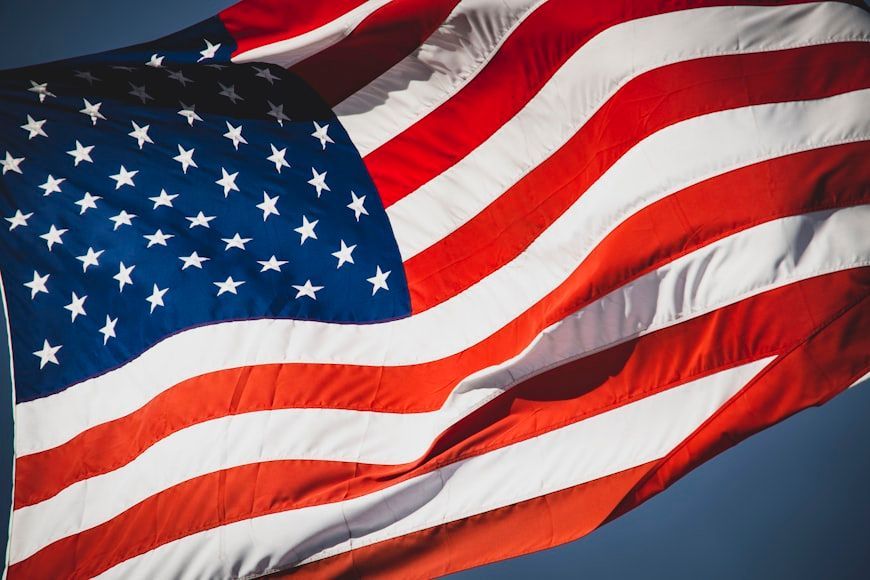
Image: Jon Sailer

Beyond its official design, the US flag follows a set of protocols established over the years. One key rule specifies the time to display it: generally, the flag should be flown from sunrise to sunset. If displayed at night, it must be properly illuminated.

8
Weather conditions
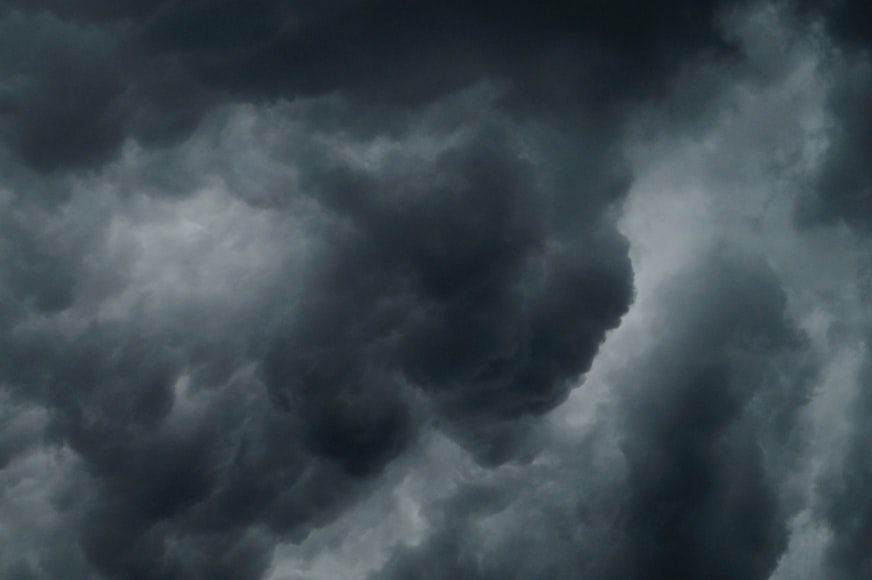
Image: Anandu Vinod

The flag code doesn’t just set the time of day; it also indicates the proper weather conditions for display. According to the protocol, the flag should not be flown in bad weather, such as rain, snow, or storms, unless it’s an all-weather flag designed for such conditions.

9
Position
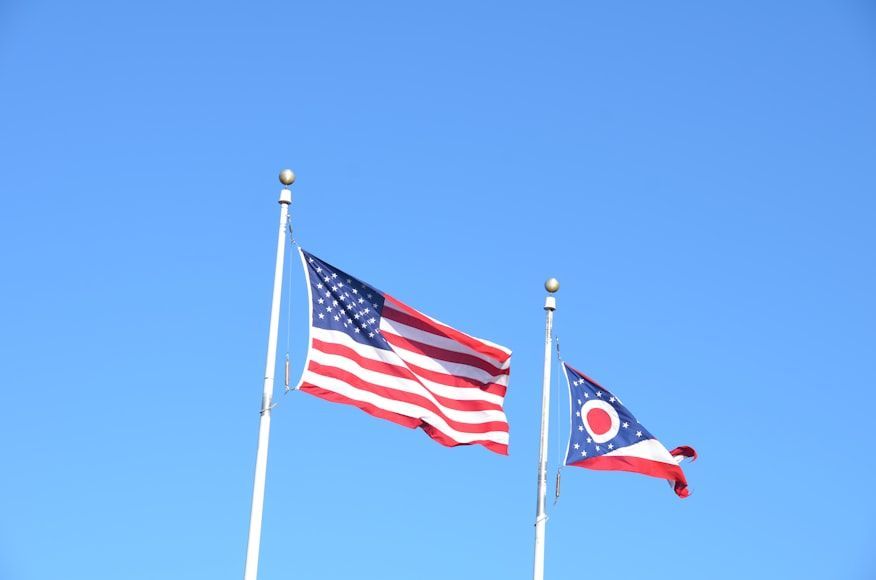
Image: Roger Starnes Sr

Of course, the flag must always have the blue canton in the upper left corner. But there are more rules for its position. When flown with other symbols, such as state flags, the national flag must be in the center and slightly higher. Additionally, if it needs to be lowered from the flagpole, the flag must never touch the ground.

10
Don'ts
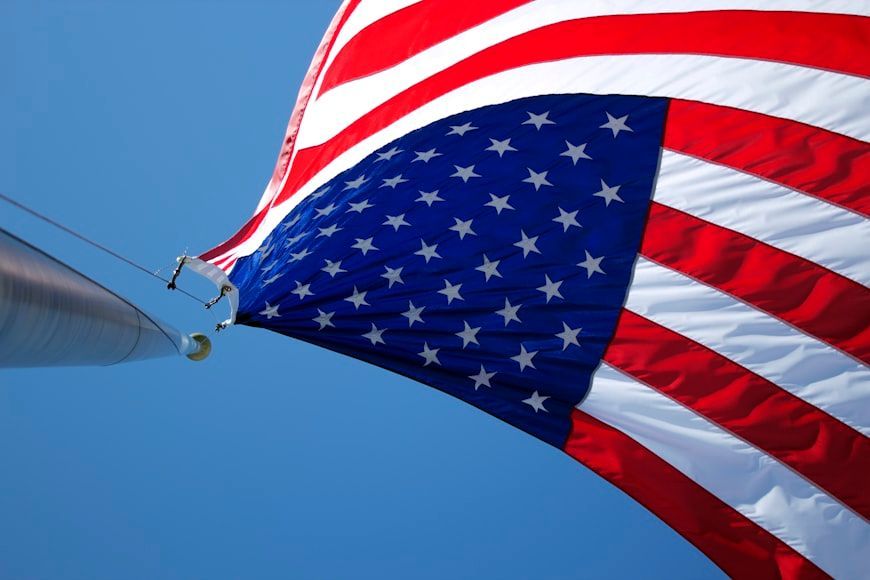
Image: Alex Martinez

If you need to handle the flag, it’s important to know the proper way. But it's also crucial to know what not to do. Some of the key "don'ts" include never letting it touch the ground, avoiding creasing it, not writing or drawing on it, and one that might surprise many: don’t use it as clothing or decoration.

Culture Culture 6 min read

From pages to heart

Jay Gatsby or Tom Sawyer? 10 unforgettable American literary characters!

Image: Chris Lawton

Whether you're a book lover or not, there are certain books that everyone has read, and they've touched the hearts of many Americans. Between meticulous descriptions, unique stories, and unforgettable dialogues, these books have something that particularly stands out: their characters . From classics like Huckleberry Finn and Tom Sawyer to iconic names such as Jay Gatsby and Atticus Finch, these literary characters have become a fundamental part of American culture , and for excellent reason. Today, we're celebrating 10 beloved characters from American literature!

1
Huckleberry Finn

Image: Pedro Forester Da Silva

Mark Twain has given us some of the most iconic characters in our country's literature, and Huckleberry Finn is one of them.

He stole our hearts as the main character of The Adventures of Huckleberry Finn (1884), where his experiences and charm made him unforgettable. Adventurous, independent, rebellious (rightly so), and very smart, "Huck," as he is called in the novel, surprises us with reflections and critiques on the society of his time.

Huck not only escapes an abusive home but also makes an incredible journey down the Mississippi River in search of freedom. Along the way, he forms deep connections with those he meets, making it impossible not to feel attached to him.

2
Atticus Finch

Image: Scott Graham

When discussing classics of American literature, it is impossible not to include in the list the Pulitzer Prize-winning novel To Kill a Mockingbird (1960) by Harper Lee.

And if there's one thing this novel has to offer, it's some unforgettable characters. At the center of it all is none other than Atticus Finch. Atticus is described as an honorable lawyer with a profound commitment to justice and equality, serving as a moral beacon in a society defined by its lack of both. He always stands up for his principles , even when they go against the dominant norms.

One of his most iconic lines in the novel is a phrase that defines him very well: "The one thing that doesn't abide by majority rule is a person's conscience."

3
Holden Caulfield

Image: Hiroyoshi Urushima

J.D. Salinger's novel The Catcher in the Rye (1951) is undoubtedly a landmark of American literature. And one name that has stayed with us forever is Holden Caulfield, the novel's unforgettable protagonist.

With his characteristic red hat , Holden Caulfield is the definitive teenager: rebellious, curious, somewhat cynical , selfish, and mischievous. As he roams New York City after being expelled from several prep schools, we are witnesses of his intense and often smartly critical thoughts and experiences. However, despite his disillusionment with the world, Holden demonstrates a deep sensitivity .

4
Jay Gatsby

Image: Hardini Lestari

Published almost 100 years ago, F. Scott Fitzgerald's The Great Gatsby (1925) has become one of our classics , portraying life during the Roaring Twenties and inspiring many film adaptations. Jay Gatsby, with his ambition, idealism, and charisma, gets all the attention in this novel as an enigmatic character who is proof of the majesty of its author.

Much like Dante's Beatrice, the character of Daisy Buchanan inspires in Jay Gatsby an almost obsessive love that drives him to make key decisions and take powerful actions throughout the novel. It is this passion that fuels his rise to wealth and eventually leads to his downfall.

5
Tom Sawyer

Image: Lawrence Chismorie

Endlessly reproduced in other art forms, Tom Sawyer by Mark Twain is one of the most representative characters of American literature.

The first and most famous book featuring the Missouri boy is, of course, The Adventures of Tom Sawyer (1876), but we also see him in the sequel named after his friend, a character we have already talked about: The Adventures of Huckleberry Finn (1884).

Despite his mischievous nature and penchant for getting into trouble with his tricks and pranks, Tom is a clever and independent boy who constantly seeks out new adventures.

6
Scarlett O'Hara

Image: Lizelle De Wit

Gone with the Wind (1936) by Margaret Mitchell is a title everyone has heard of, whether you've read the book or not. Its characters have also become famous beyond the pages of this iconic novel.

One of them is none other than Scarlett O'Hara, the central character of this story. The novel portrays the American South during and after the Civil War , where Scarlett O'Hara, shaped by her circumstances, appears as a self-centered and spoiled character. However, as the story progresses, Scarlett evolves, showcasing her tenacity , determination, and protective spirit when she sets her mind to something. You probably remember the iconic line, "Tomorrow is another day."

7
Dean Moriarty

Image: Rémi Jacquaint

A fundamental member of the so-called Beat Generation , Jack Kerouac gifted us with one of the most famous novels in American literature: On the Road , published in 1957.

One of his most remembered characters is Dean Moriarty, who was based on a real person , Neal Cassady, a close friend of the author. Moriarty embodies some of the most outstanding characteristics of the Beat Generation, portraying an enthusiastic, adventurous, free-spirited, energetic, and charismatic character. With such a personality, it's no surprise that Dean Moriarty creates unforgettable moments and becomes an important figure in the story.

8
Hester Prynne

Image: Chris LaBarge

Hester Prynne, from Nathaniel Hawthorne's acclaimed novel The Scarlet Letter (1850), is undeniably one of the earliest and most significant female characters in our country's literature.

Hester defies the norms of her time by having an illegitimate child, making her a target of dramatic criticism and punishment from her contemporaries. Set in 17th-century Puritan Massachusetts, the story unfolds in a society defined by strict rules and oppression. In this context, Hester Prynne appears as a strong woman who endures the severe judgment of her time with courage.

Despite her harsh circumstances, Hester Prynne is described as a powerful, dignified, and empathetic character with extraordinary sensitivity.

9
Santiago

Image: Anastasiya Chervinska

Another undisputed classic is Ernest Hemingway's The Old Man and the Sea , published in 1952.

Santiago is the central character in this novel, which explores various aspects of the human condition in depth. Santiago, the old man of the title, is a fisherman who has gone many days without catching a single fish. Faced with diverse challenges and, above all, his own physical limitations , Santiago is described as a strong character of great constancy , dignity, and resilience who has a strong bond with the sea and its mysteries.

The character's perseverance shines through in his battle with the giant marlin , which stands as one of the most important moments in this story.

10
Ishmael

Image: Richard Sagredo

Continuing our journey along the sea, let's talk about one of the most iconic narrators in American literature: Ishmael. His name is perpetuated in the very first line of Herman Melville's great novel, Moby-Dick (1851). Who could forget the iconic opening: "Call me Ishmael" ?

Ishmael serves as the first-person narrator of one of the most memorable tales in literature, a sailor distinguished by his profound, analytical, and reflective personality.

Though he shares few details about his background or appearance, Ishmael masterfully narrates the events aboard Captain Ahab's whaling ship , giving us a unique perspective on the events.

General General 3 min read

Who doesn’t like board games?

These 12 criminally forgotten board games deserve a comeback

Image: Crookoo

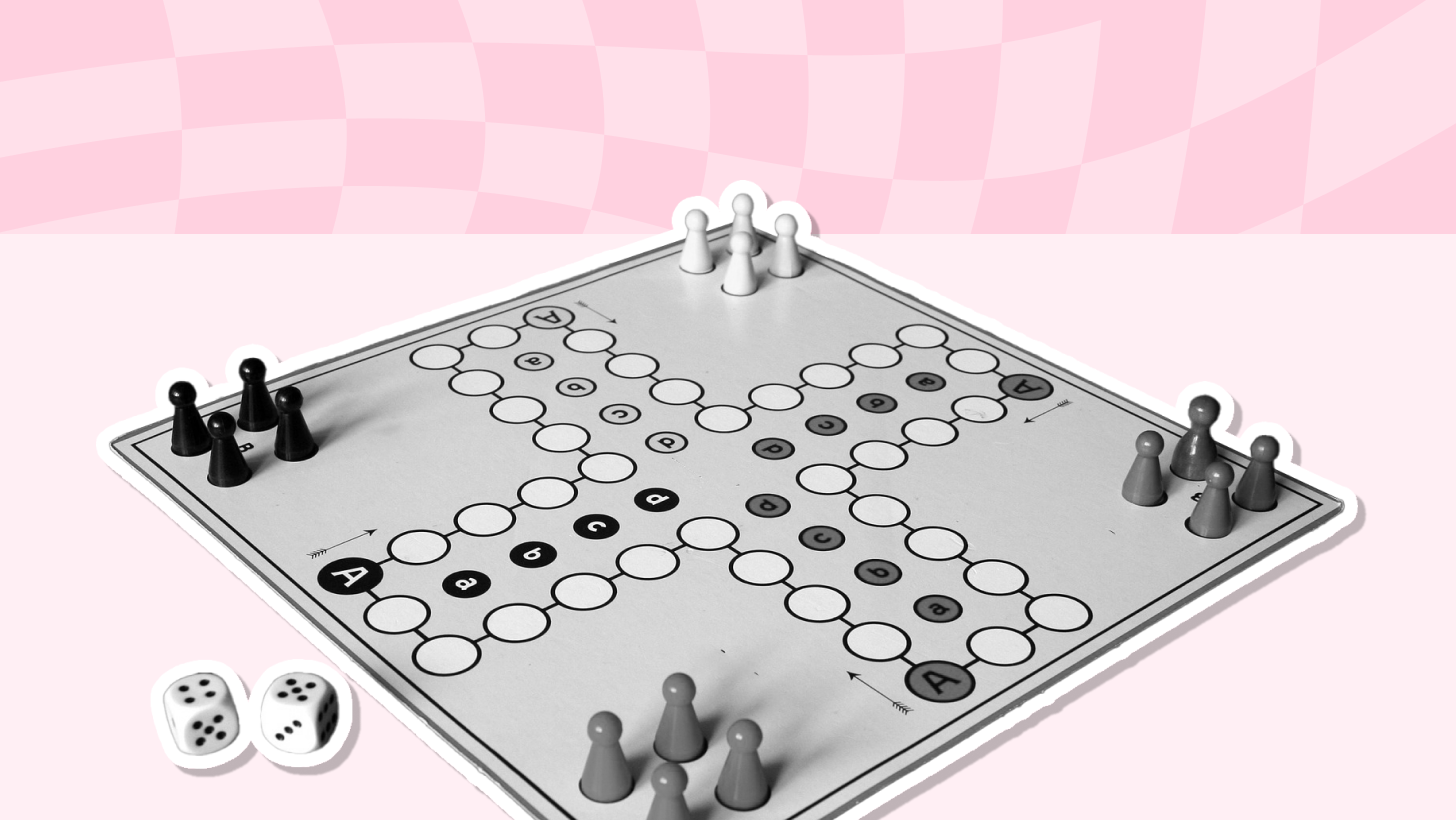
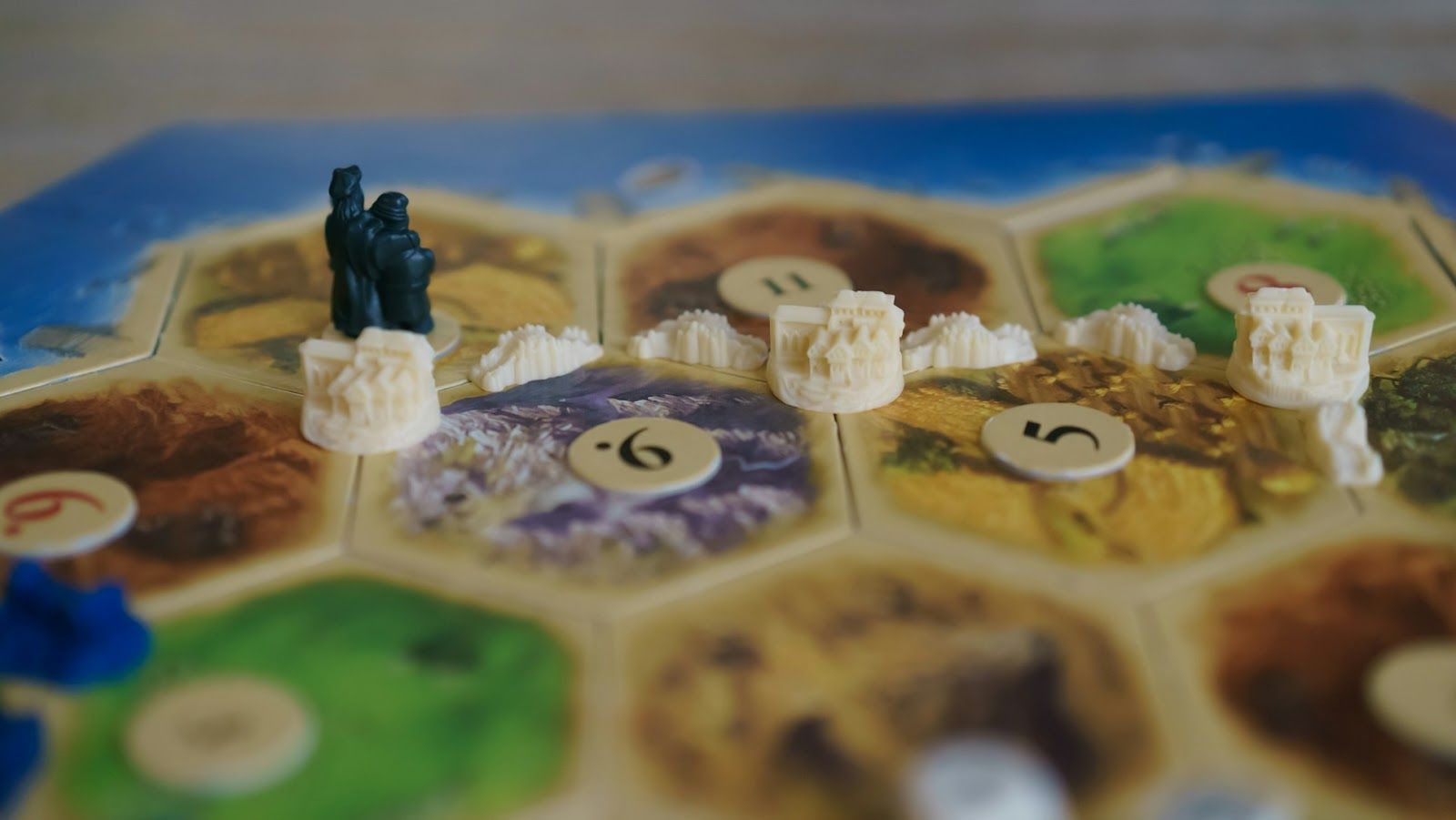
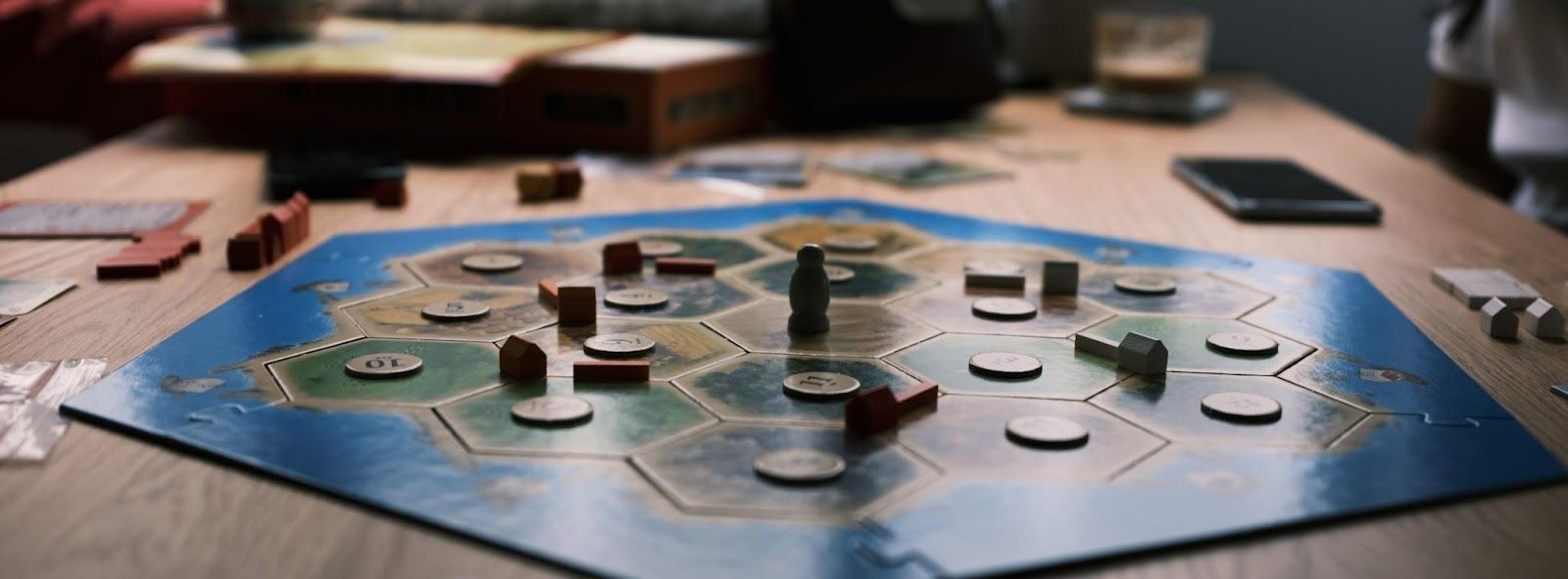
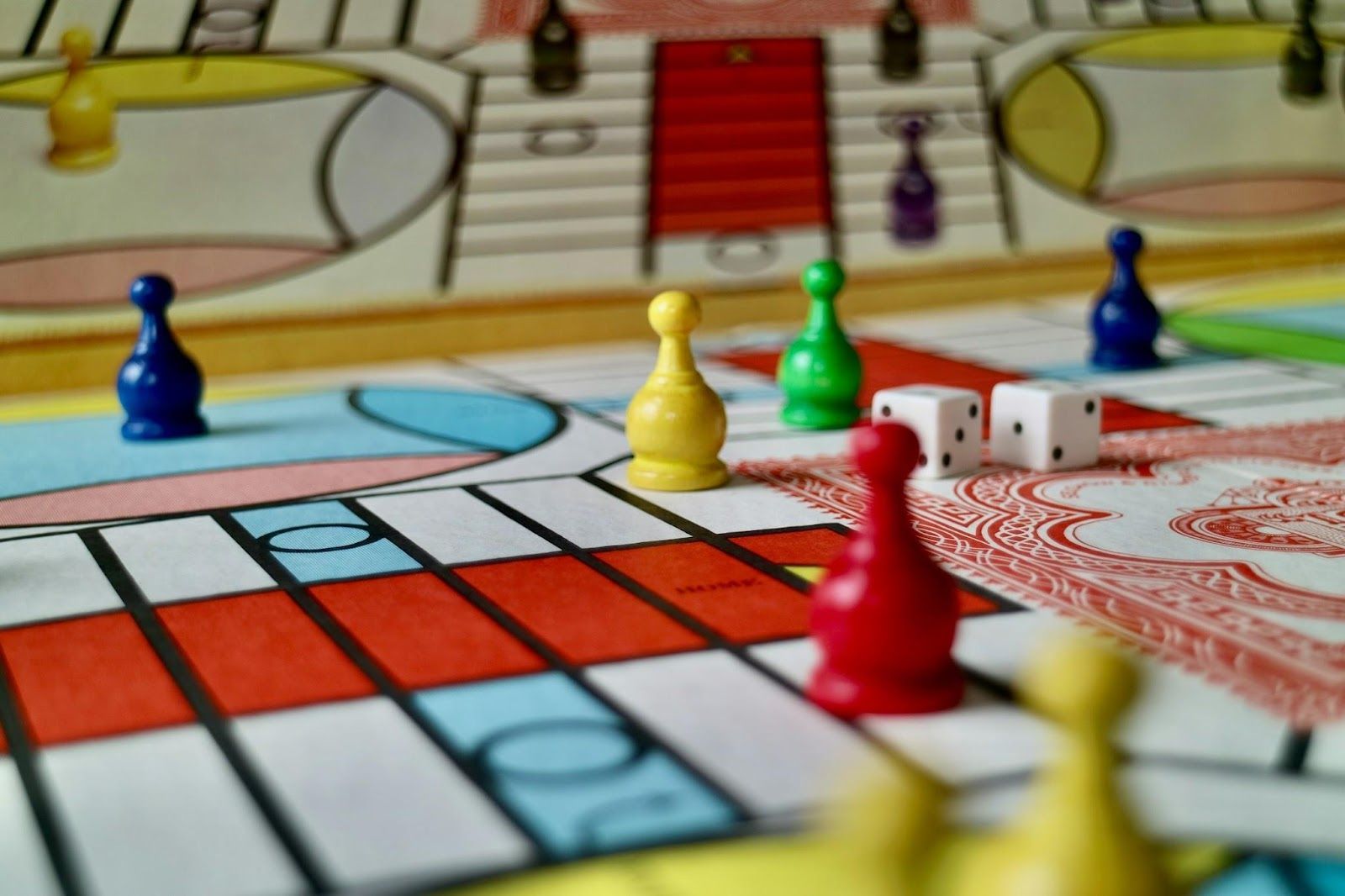
There’s something comforting about entertaining ourselves with a real board game—one with physical pieces we can touch and feel, rather than being immersed in our screens all the time. The world of board games is filled with classics, from chess to Monopoly to Trivial Pursuit and beyond. But many other games have fallen into obscurity along the way. Do you remember any of these 12?

1
The Sinking of the Titanic

Image: K. Mitch Hodge

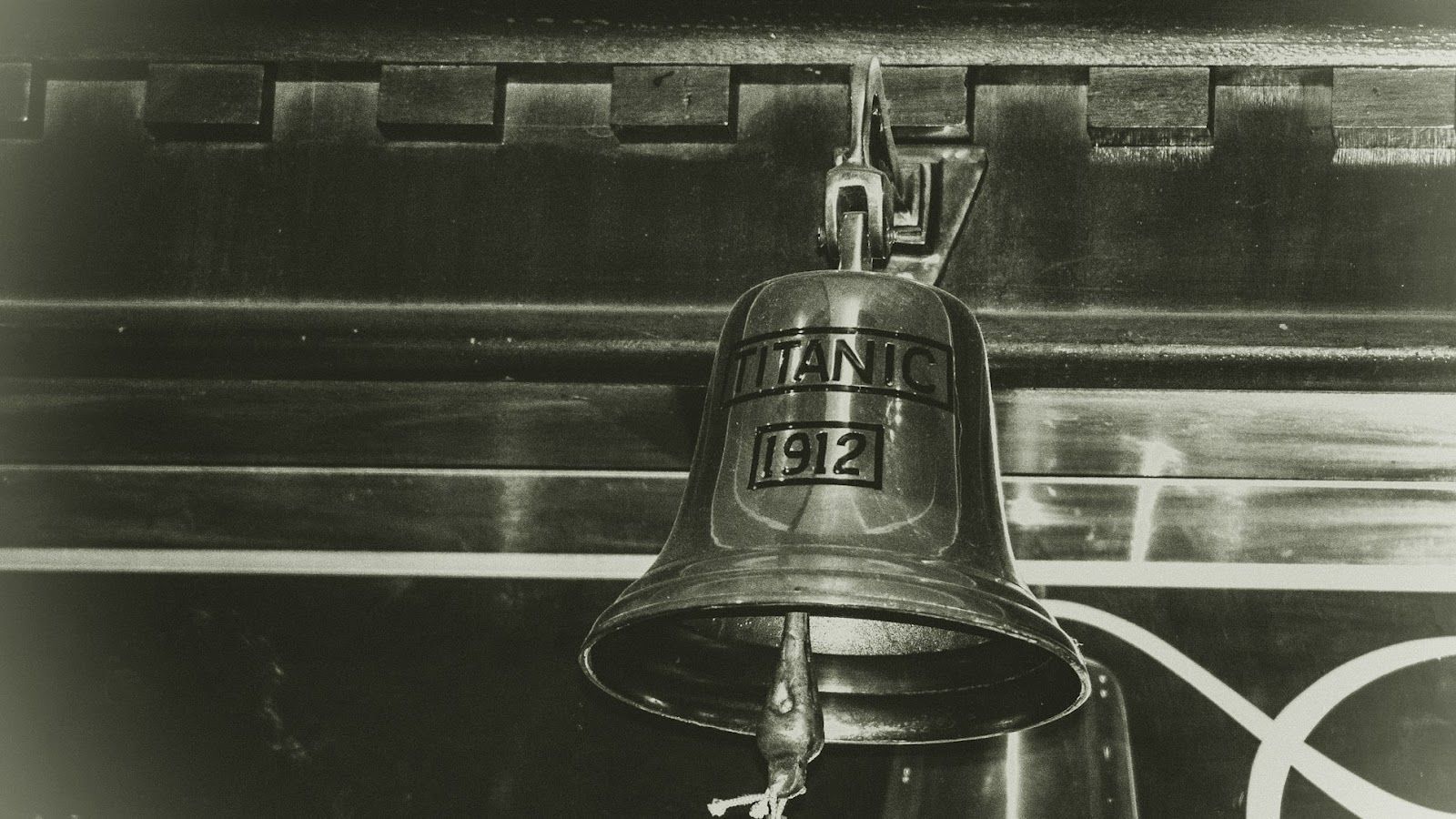
Even serious events—like the most devastating shipwreck in history—have been used as subjects for board games, and the Titanic is no exception. In this game, players find themselves aboard the ill-fated vessel , gathering supplies and trying to secure a spot on a lifeboat.

2
Public Assistance

Image: Aksel Fristrup

If you thought the previous game was controversial, this one pushes the envelope even further. In Public Assistance , players could choose to be either "workers" or "welfare recipients." The latter aim to live off the system, while the former struggle to earn a living—an intentionally provocative setup that sparked criticism.

3
The Game of Jaws

Image: Gerald Schömbs

Perhaps less controversial than the previous two games—but just as nerve-wracking—this game featured a plastic shark from which players had to remove items using a hook . The concept was similar to the classic Operation , but with added suspense and a theme that terrified many young players.

4
Salta

Image: Galen Crout

This game from the early 20th century was quite popular in its day, enjoyed by royalty, theater stars, and famous artists . It was produced in various editions, ranging from extraordinarily expensive sets to more affordable ones. However, it eventually faded into obscurity.

5
Lexicon

Image: Nik Korba

This word game, somewhat similar to Scrabble, allowed players to exchange letters from other players' words to form their own. For example, if someone had the word pig and you needed the "p" for your word pair , you could swap it with one of your letters, such as a "w"—to change pig into wig and complete your own word.

6
Gorey Games

Image: Christopher Paul High

Based on the works of Edward Gorey, this game invited players to move through eerie settings and experience a darkly whimsical adventure . While it was adored by niche audiences, it never reached the popularity of other horror-themed board games.

7
The Vanishing Game

Image: Andrey Metelev

This mystery game invites players to solve a disappearance using a mix of deduction and strategic board movement . What made it truly unusual was its real-life element: players were encouraged to mail clues to the publisher in order to unlock additional secrets.

8
Mystery Mansion

Image: Ryan Wallace

If you like the idea of building a new house but making it look old, dirty, and creepy , then this game is for you. First released in the early 1980s, it featured a modular board where players revealed new rooms while searching for treasure. In any case, whoever came up with the Scooby-Doo edition of this game clearly knew their target audience.

9
Careers

Image: Tim Foster

This vintage board game invited players to customize their own goals for fame, happiness, and money, eschewing the one-size-fits-all mindset in favor of pursuing something more personal. Its blend of strategy and "real meaning" made this game stand out back in the day.

10
Stay Alive

Image: Simon Hurry

If strategy games with marbles are your thing, then this game would be a favorite. Players try to keep their marbles from falling through a shifting grid . Its thrilling nature and tactile challenge made it a popular choice for both adults and kids alike.

11
Shenanigans

Image: Jaciel Melnik

Based on the TV game show of the same name, this board game was a big hit back in the day. Combining trivia questions with physical challenges , it provided entertainment for people of all ages.

12
The Mad Magazine Game

Image: Christopher Paul High

MAD Magazine was an important cultural icon a few decades ago, and their parody version of Monopoly was filled with the irreverent humor that characterized the magazine. The game encouraged players to lose all their money instead of earning more, unlike the original Monopoly.

Explore more American facts

Choose your favorite category!

General
General

As American as apple pie—the very best America has to offer!

Culture
Culture

Delve into the astounding richness of American lore.

Geography
Geography

Hop in and explore vast and diverse American landscapes.

History
History

Discover the key moments that shaped the United States.