Saddle up, partner
Do you know what cowboy life was like? These 11 facts might surprise you
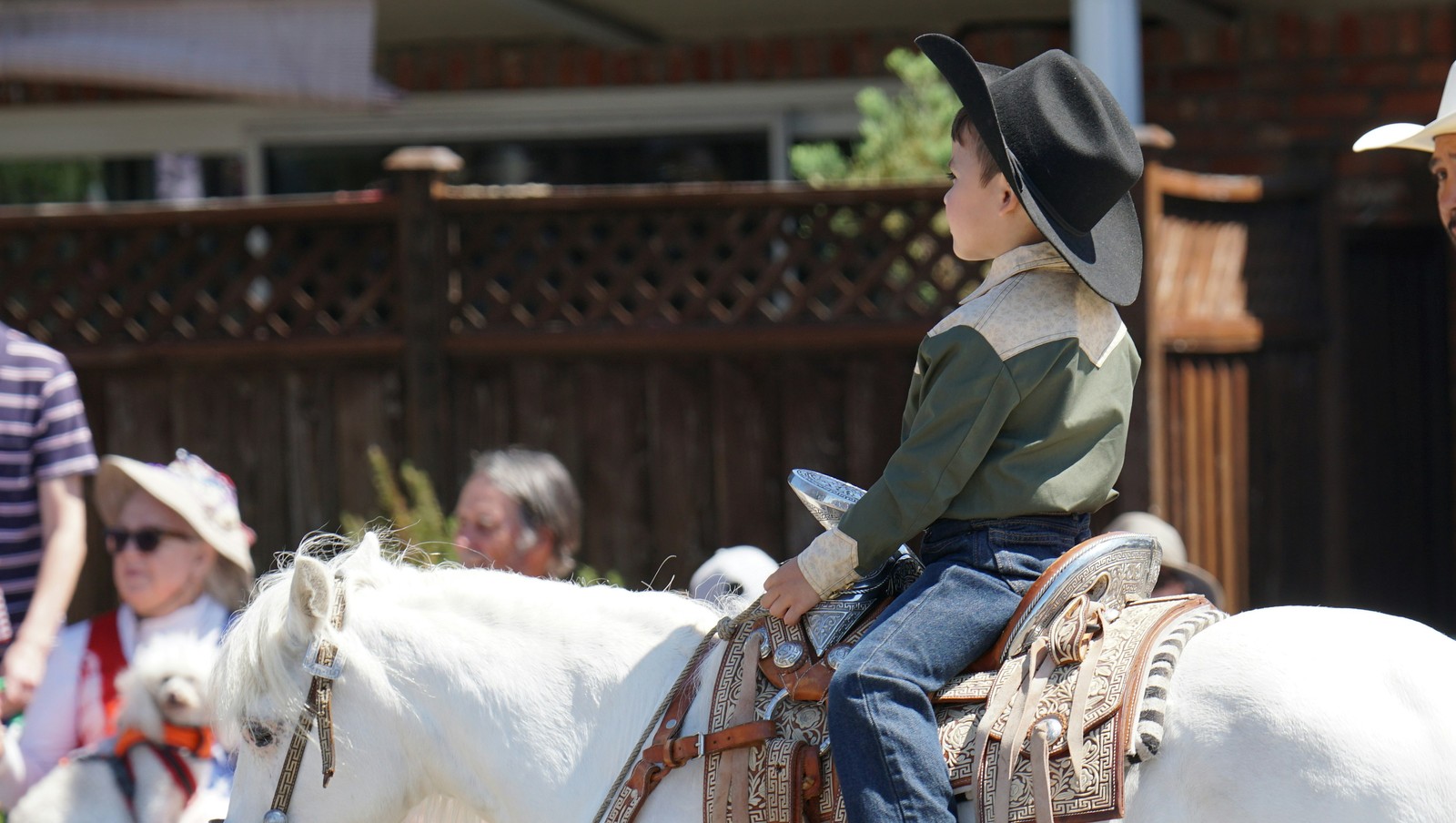
Image: Jordan Crawford
"Oh, give me a home where the buffalo roam,
Where the deer and antelope play,
Where never is heard a discouraging word
And the sky is not clouded all day."
Home on the range - Traditional
If you grew up **dreaming of "being a cowboy and loving the cowboy ways"**—just like the great Willie Nelson sang—maybe that’s the life for you! But not everything is rosy in a cowboy’s life. Behind the romanticized image of wide-open ranges and carefree cattle drives lies one of the toughest jobs ever known. From brutal weather to dangerous animals—and lawless characters of all kinds —those who took this path had their strength, endurance, and grit tested daily. Here are 11 facts that reveal just how grueling life was for these iconic figures of America’s West.
1
Relentless weather
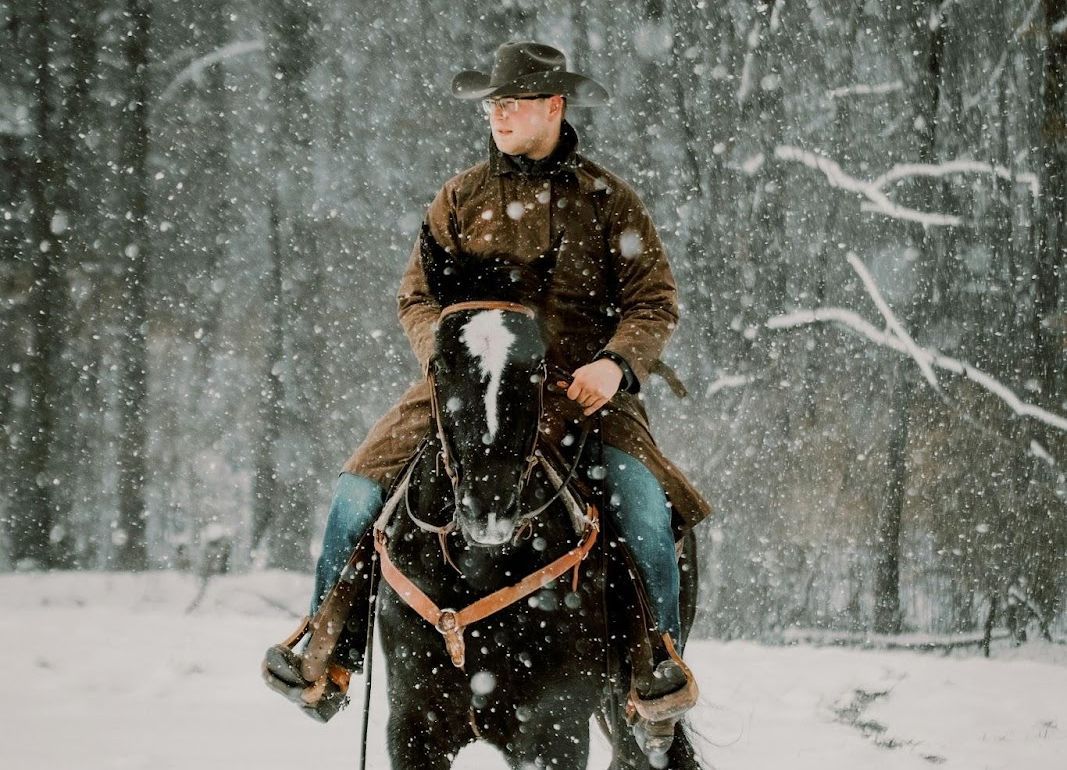
Image: Donnie Rosie
"There's a blizzard coming on, how I'm wishing I was home
For my pony's lame, and he can't hardly stand.
Listen to that norther sigh, if we don't get home we'll die.
But it's only seven miles to Mary Ann's"
The Blizzard - Jim Reeves
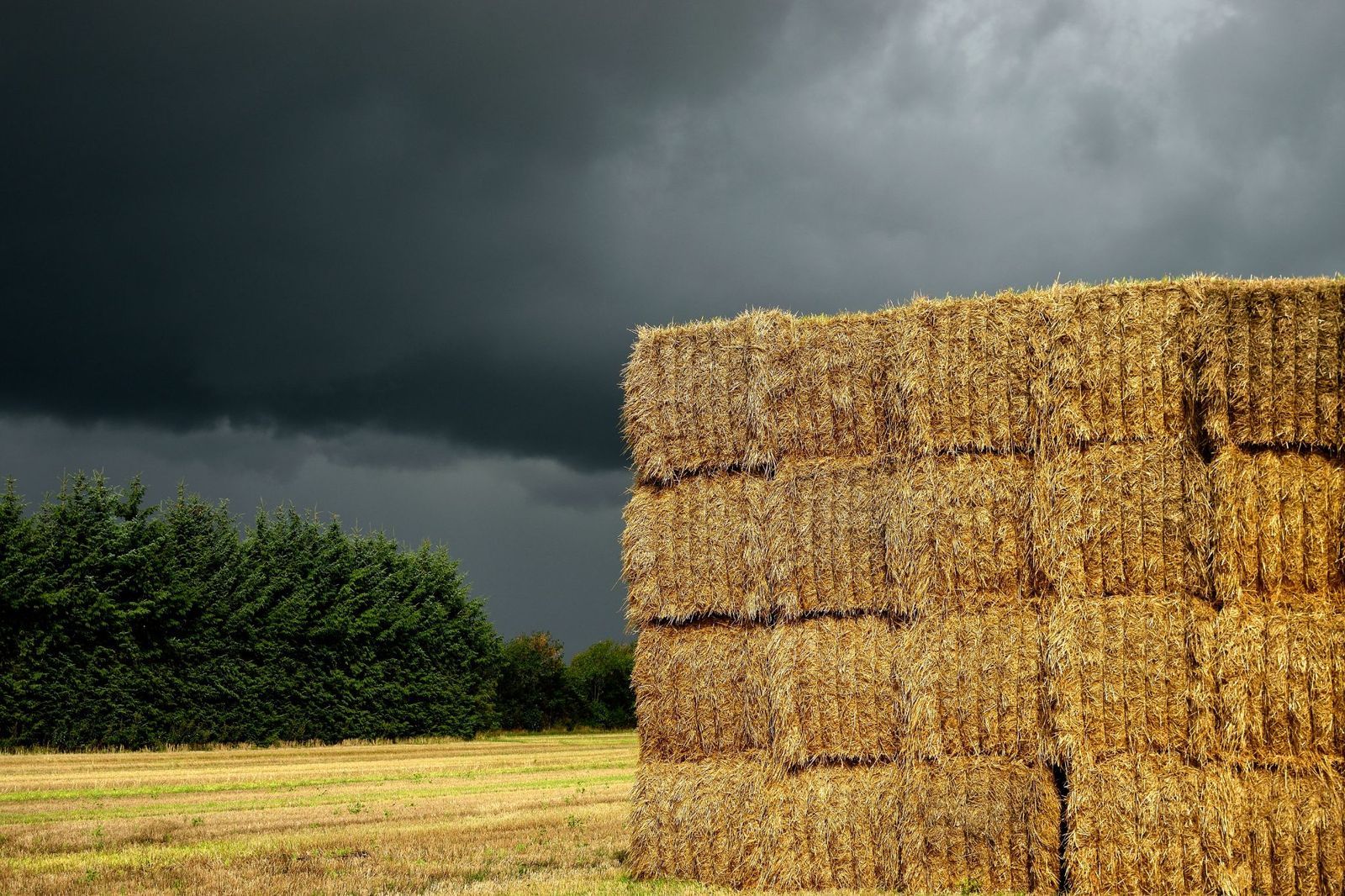
Across the plains from Texas to Montana, cowboys faced everything nature could throw at them —from scorching sun to freezing snowstorms and deadly tornadoes. The elements were a constant, unforgiving adversary in this rugged way of life.
Cowboys had to fear not only for their own lives but also for the lives of their cattle —and reining in a panicked herd during a lightning storm was certainly no walk in the park. Even today, with modern gear and technology, those who still drive cattle must rely on their instincts and skill to survive in the wilderness.
2
Dangerous animals
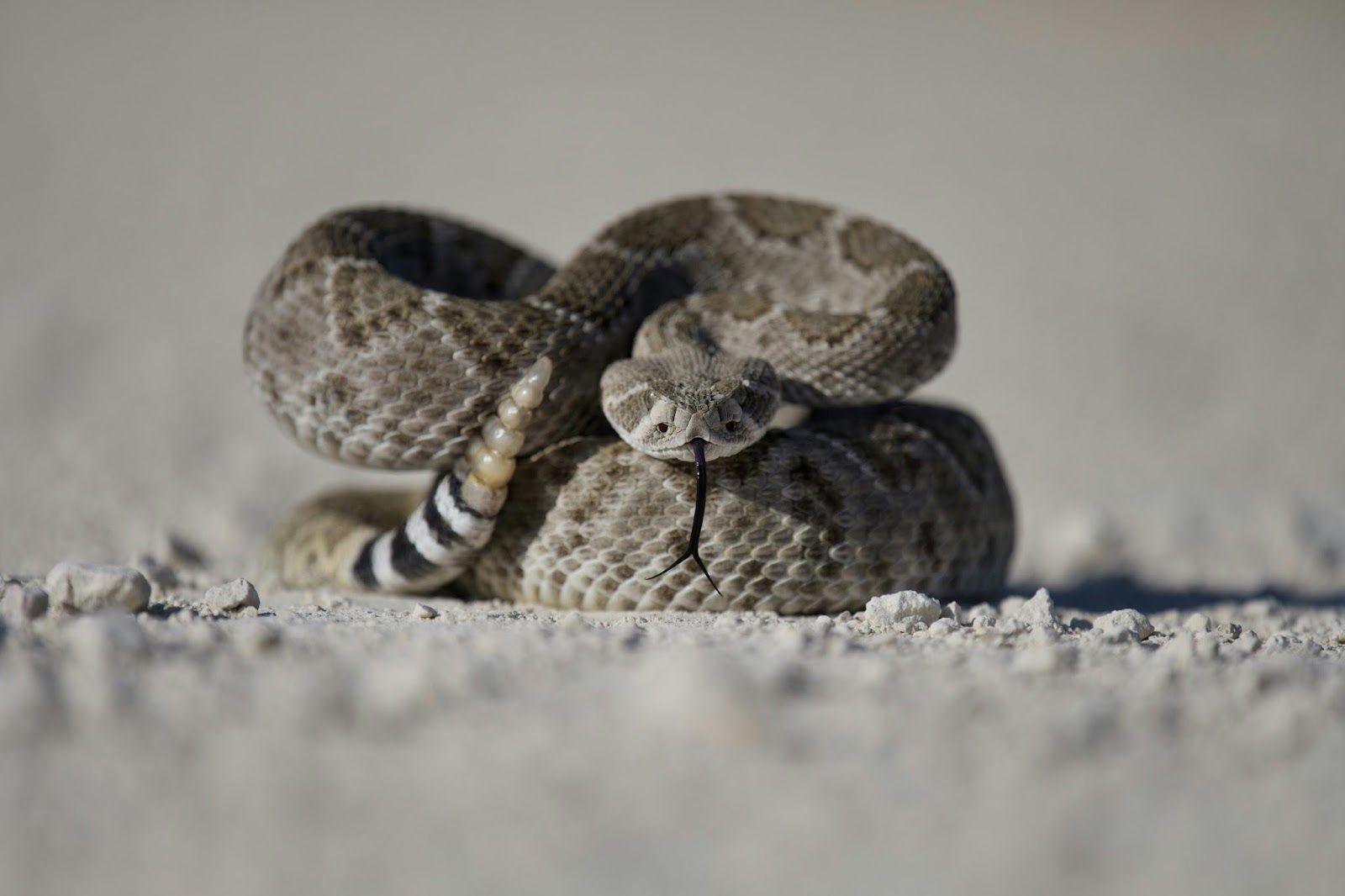
Image: Duncan Sanchez
"Lightning a flashin' everywhere
Thunder a rollin' through the air
Wind and rain, cattle look insane
This herd might stampede tonight"
Stampede - Sons of the Pioneers
Just as the weather tested their endurance, managing both wild and domesticated animals was no easy task. From wild predators to angry bulls, nervous bucks, and rattlesnakes hiding in the tall grass, the cowboy’s world was full of lethal threats.
Stampedes could scatter thousands of cattle in seconds, leaving riders vulnerable to trampling or injury. Even on the relative safety of the ranch, one wrong move could quickly end in tragedy.
3
Limited medical care
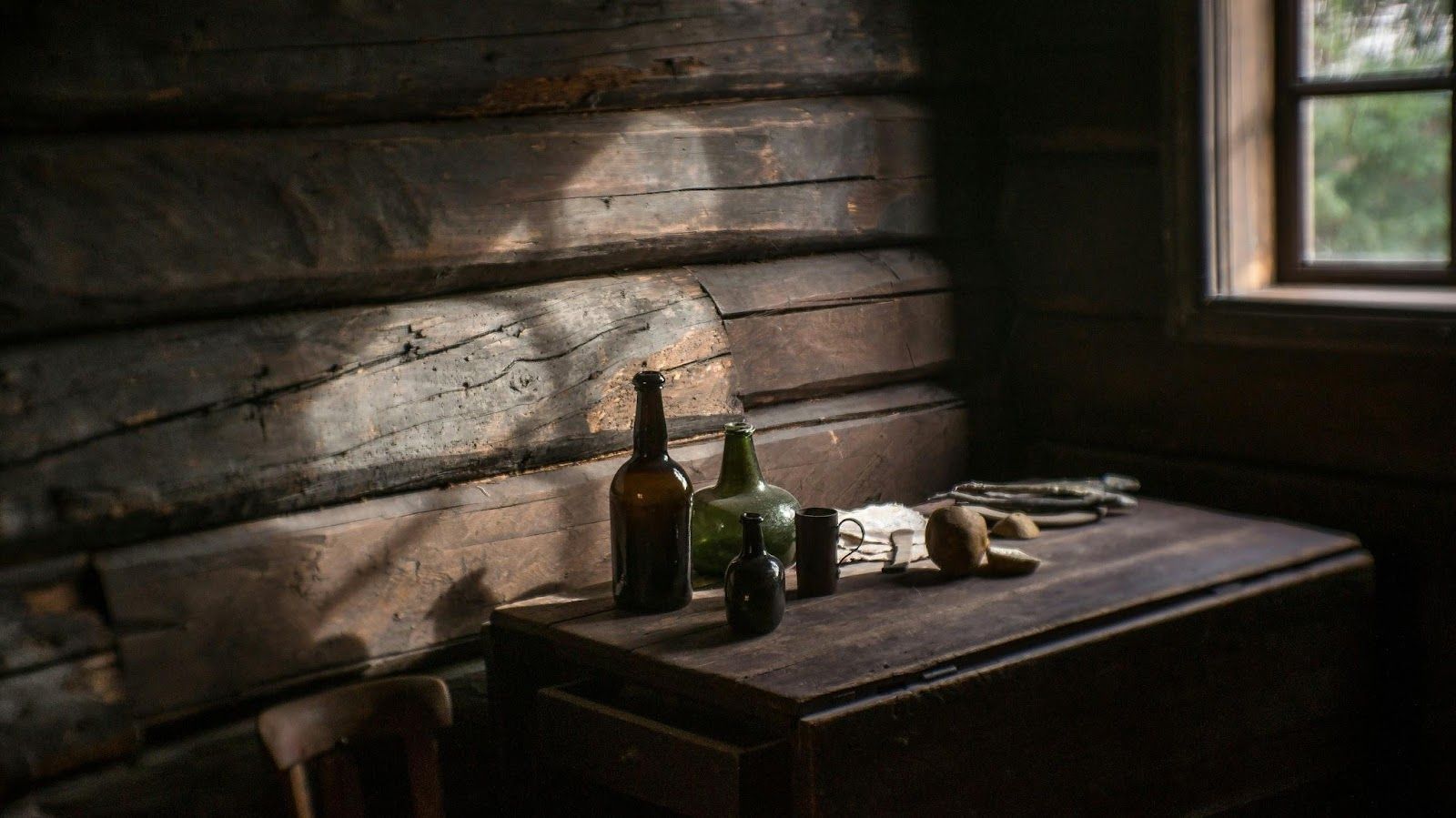
Image: Mathieu Stern
"Far away from his New England,
'Neath the southern sultry skies,
On the banks of a little river
They lay him down to die"
The Dying Cowboy - Traditional
An inherently dangerous job, cowboy life inevitably meant that injury was part of the work. Falling from a horse or taking a kick could incapacitate a cowboy for days or weeks, and with no formal workers’ compensation, many had to keep working despite the pain.
Cuts, broken bones, and infections could quickly turn deadly without proper treatment. Many cowboys learned rudimentary medical skills themselves or relied on frontier doctors with minimal supplies. Even today, those working in remote areas are hours away from medical help.
4
Grueling work hours
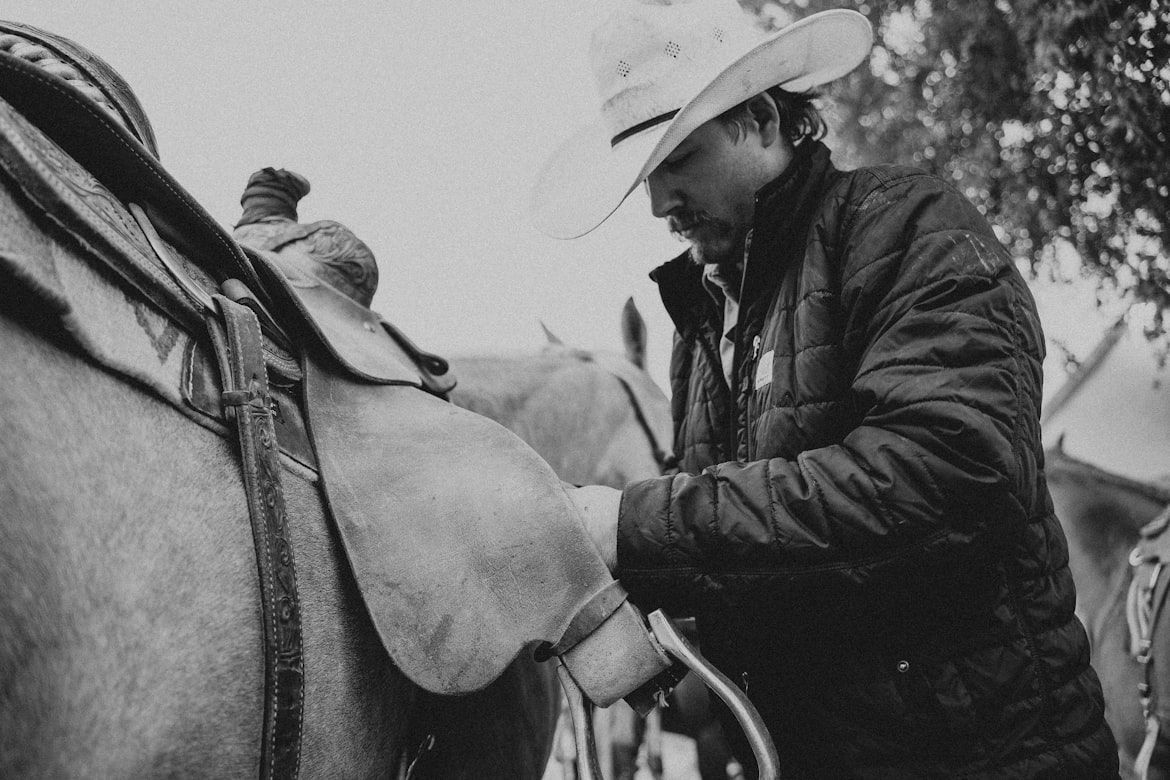
Image: Bailey Alexander
"Oh say, little dogies, why don't you lay down? [...]
My horse is leg-weary and I'm awful tired
But if I let you get away, I'm sure to get fired
Bunch up, little dogies, bunch up"
Night Herding Song - Harry Stephens
Cattle drives demanded 14 to 18-hour days with barely any rest. Cowboys often worked dawn till dusk, and sometimes even through the night.
The long days involved walking alongside thousands of cattle, breaking trail, and maintaining herd order. Sleep was often just a few hours, squeezed in wherever possible on the open range or near a campfire.
5
Horseback riding
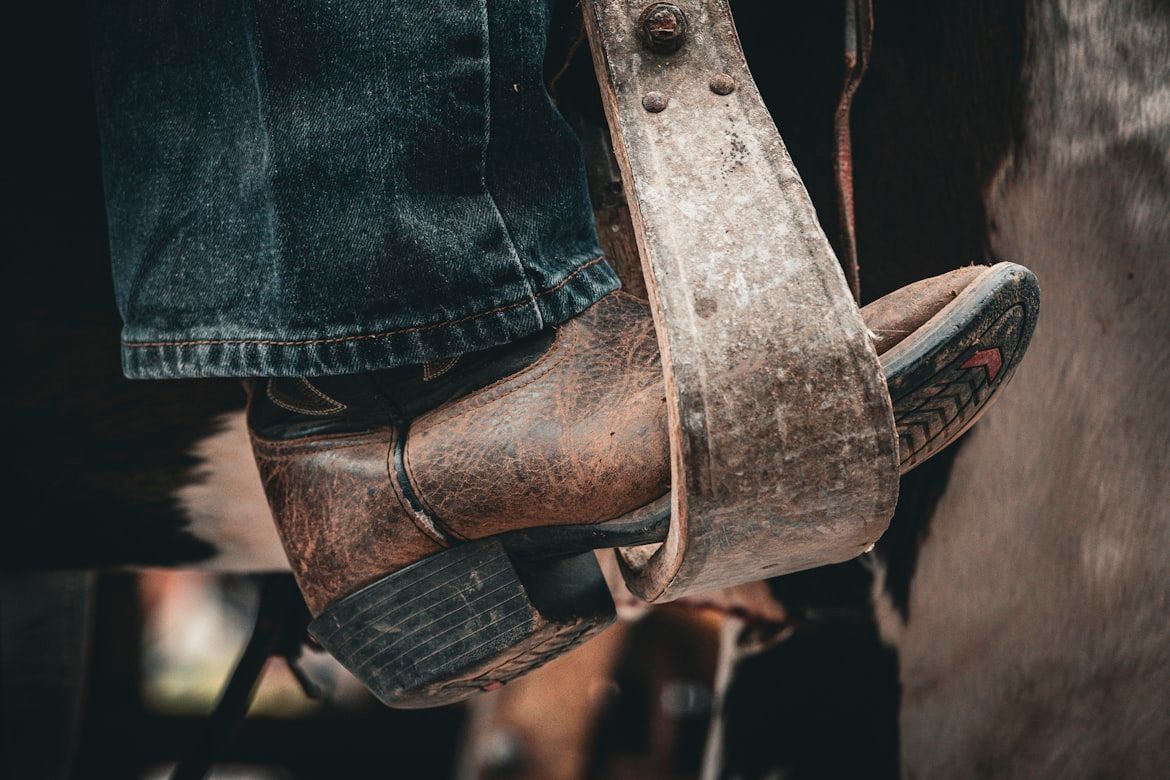
Image: Jon Sailer
"He started his long ride in Prescott
The sun was a hundred or more
On down he rode at full gallop
Into the flat desert floor"
Ride, Cowboy, Ride - Marty Robbins
That brings us to the next point… all of that had to be done on horseback, and let me tell you, riding a horse for hours on end is much harder than it looks! Expert riders may make it seem effortless, but it’s far from easy.
Cowboys needed strong legs, resilient backs, and excellent balance. Horses could become tired or lame, but the cowboy had to press on regardless, often swapping mounts to keep the drive moving.
6
Limited food options
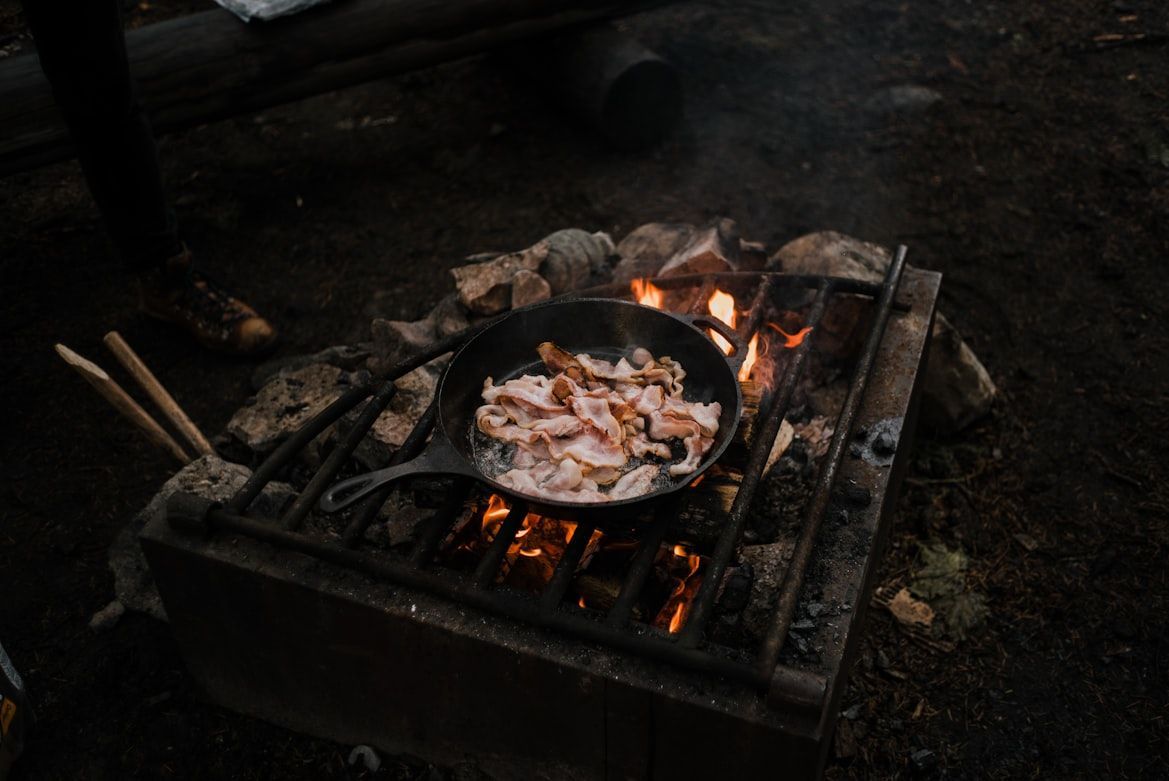
Image: Blake Carpenter
"Bacon and beans most every day
Soon to be eating that prairie hay"
Chisholm Trail - Traditional
Meals were often sparse and repetitive, mostly beans, salted meat, and hardtack. Cooking was done over open fires, with limited tools, and fresh food was a luxury rarely available.
Preserving meat through salting or smoking was essential for long drives. Still, fresh produce was so scarce that vitamin deficiencies—and even scurvy—could develop in some cases.
7
Water scarcity
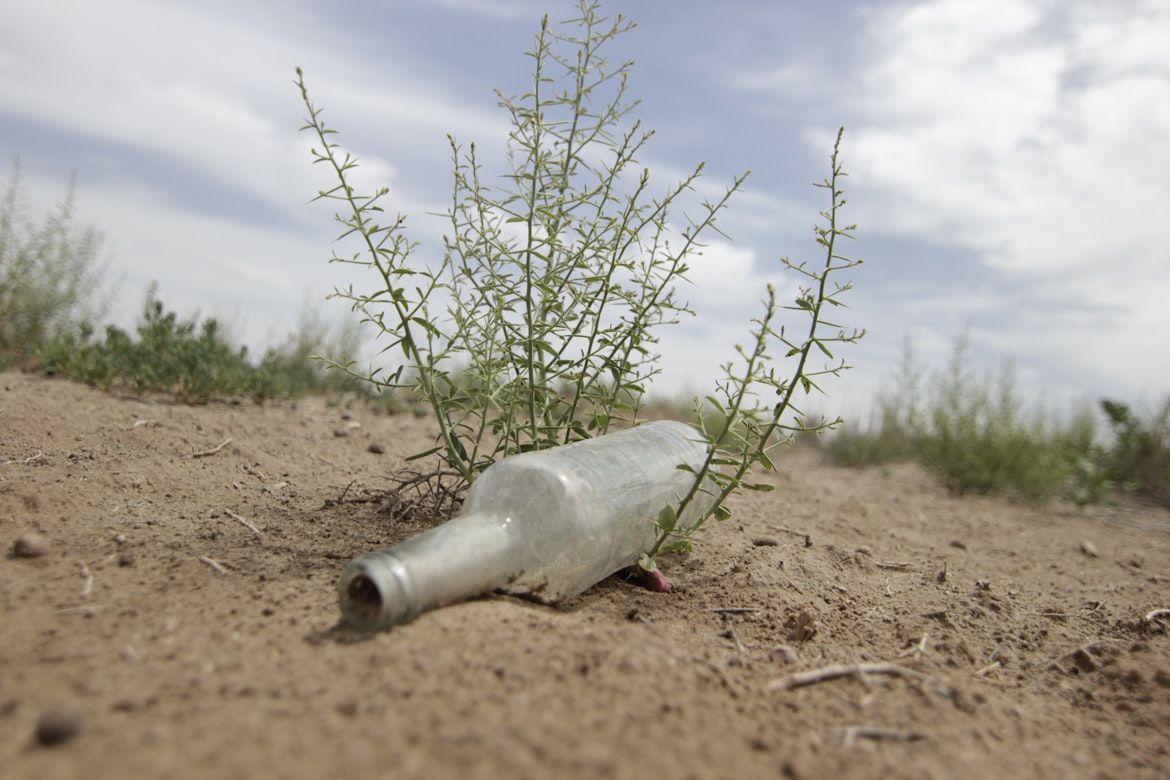
Image: Jonathan Greenaway
"All day I've faced a barren waste
Without the taste of water
Cool water
Old Dan and I with throats burned dry"
Cool Water - Bob Nolan
Particularly in the arid southern regions of the West, finding clean water was a daily struggle for both cowboys and cattle—a dry creek could mean the difference between reaching the next stop or falling behind entirely.
While most cowboys were savvy navigators of their regions and often knew where to find drinking water, water holes could still be miles apart, forcing long detours or risky stops. Drinking from stagnant sources carried serious risks, including dysentery, cholera, and other waterborne diseases that could quickly incapacitate both men and animals.
8
Long, dusty trails
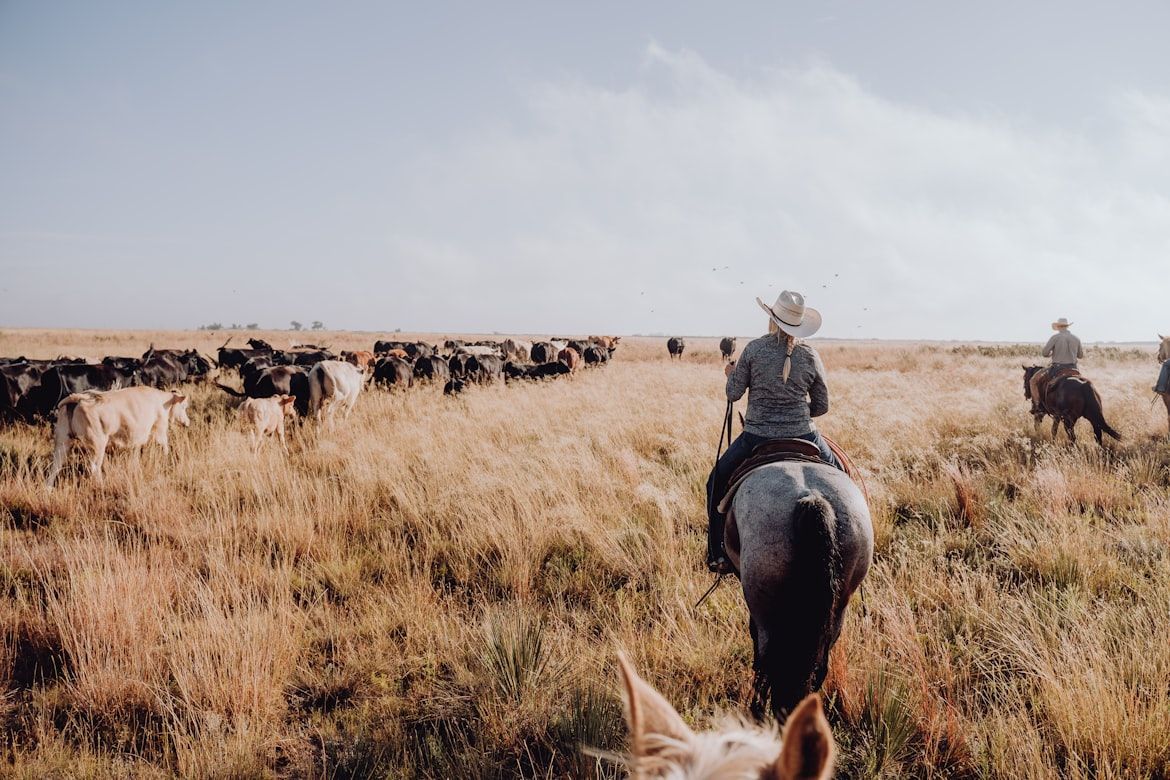
Image: Bailey Alexander
"The blue skies have failed so we're on our last trail
Underneath these dusty skies
These ain't tears in my eyes
Just sand from these dusty skies"
Dusty Skies - Bob Wills
Cattle drives could stretch over 1,000 miles, with cowboys and their herds enduring endless dust and scorching heat along the trail.
Prolonged exposure to dust caused respiratory problems and irritated eyes, which is why many cowboys tried to limit their exposure using bandanas or makeshift rags to cover their faces. The same cloth also provided protection from the unforgiving sun and drying wind.
9
Lawlessness and violence
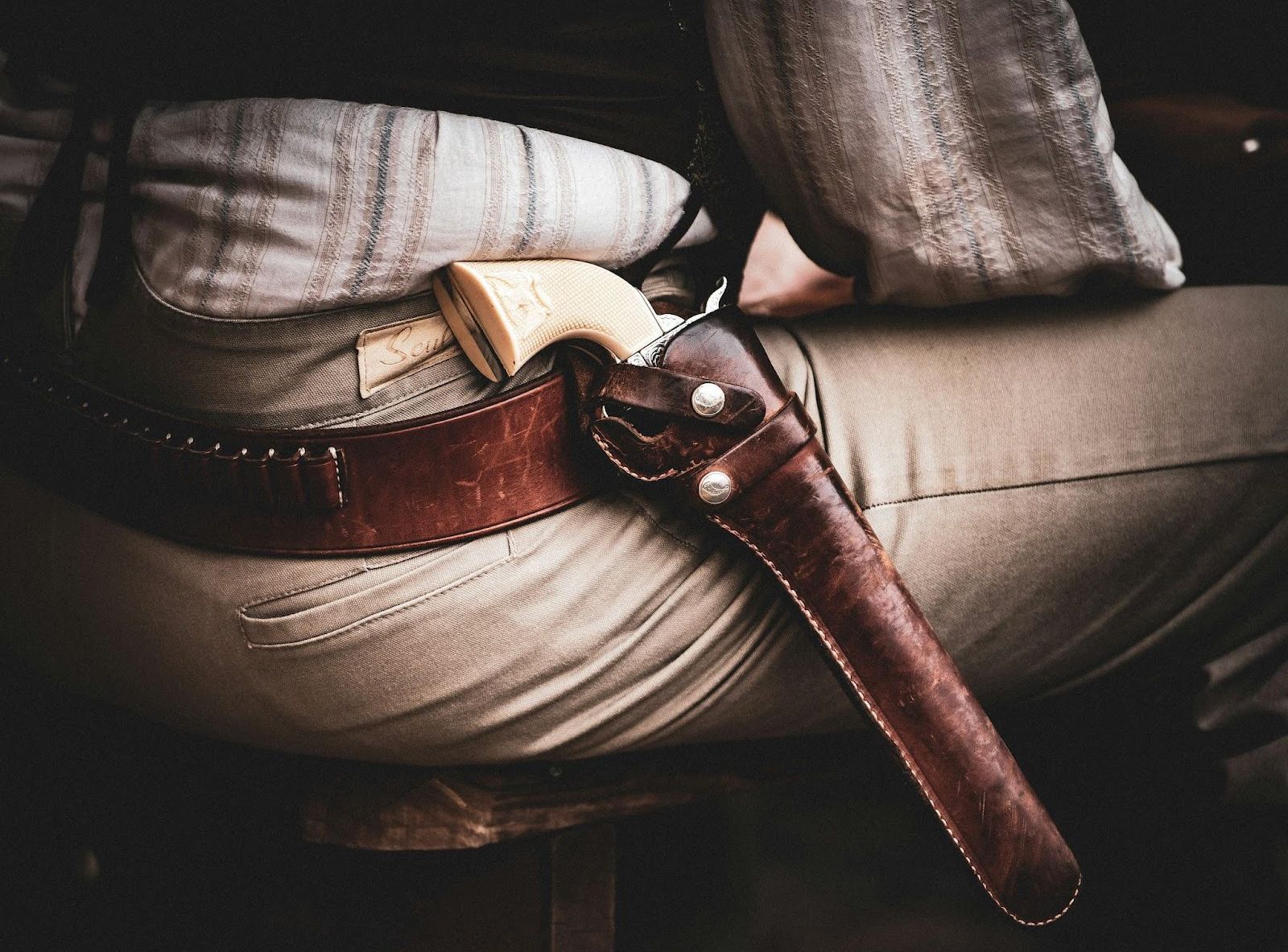
Image: Jon Sailer
"Texas Red had not cleared leather
When a bullet fairly ripped
And the ranger's aim was deadly,
with the big iron on his hip"
Big Iron - Marty Robbins
As beautiful and serene as the open range was, the West was also full of danger—outlaws, land disputes, and conflicts over cattle and water were common. Far from the comforts of civilization, the strong arm of the law was often hours or days away, making gunfights, rustling, and revenge killings part of everyday reality.
Cowboys frequently carried firearms for protection, relying on their own skills and the support of their fellow riders to maintain some measure of security on the frontier.
10
Working for dust and pennies
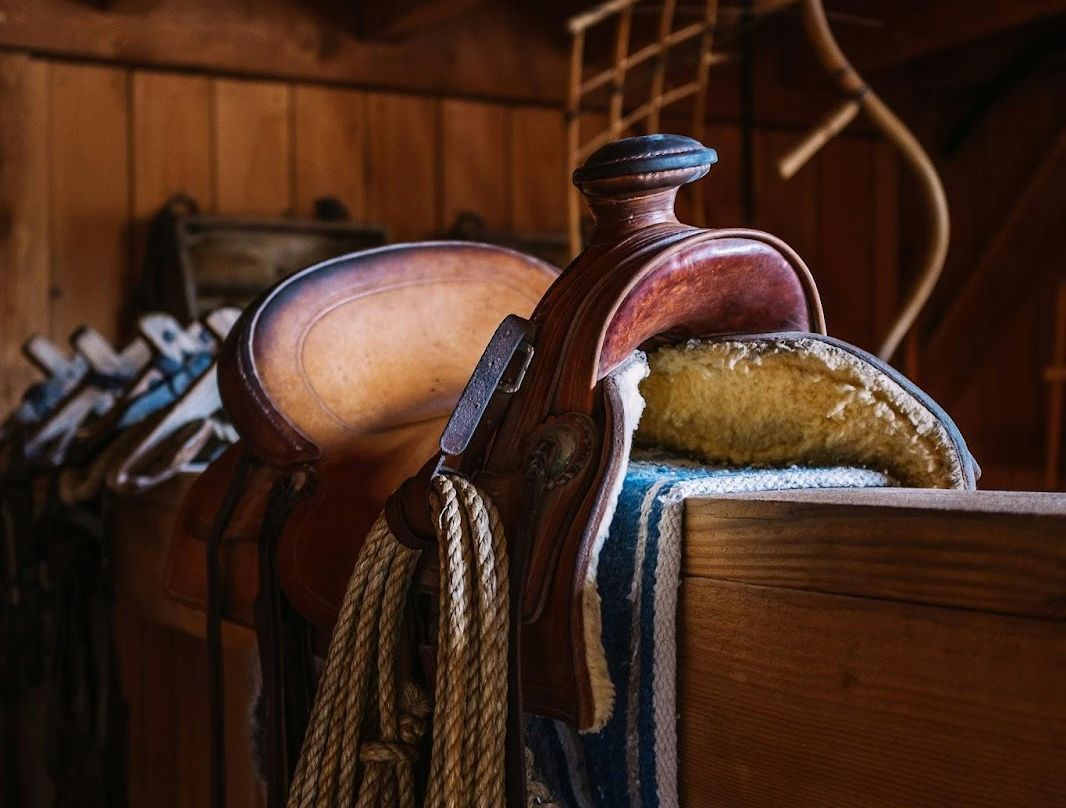
Image: Ashim D’Silva
"And I nearly starved to death, boys
He did mistreat me so
And I never saved a dollar
In the pay of Diamond Joe"
Diamond Joe - Traditional
Despite the danger and hard work, cowboys earned little—sometimes as low as $25 a month, and that was when the boss was being somewhat fair!
The job was seasonal and unstable, with no benefits or retirement plans, so many worked well into old age. Some took on multiple jobs or moved frequently just to get by. Far from lucrative, the cowboy lifestyle was often endured only by those who loved the work or had nowhere else to turn.
11
Isolation and loneliness

Image: Luke Schlanderer
"Cowboys are special with their own brand of misery
From bein' alone too long
You can die from the cold in the arms of a night, man
Knowin' well that your best days are gone"
My Heroes Have Always Been Cowboys - Willie Nelson
While the near-mythological image of the cowboy paints him as a lone, self-reliant hero, the reality is that cowboys depended heavily on one another. Even so, the work could be deeply isolating. Weeks could pass without seeing a town, friends, or family, as they roamed vast, empty landscapes.
This constant solitude often weighed on their mental health, but many fought the loneliness of the trail with campfire songs shared among fellow cowhands or by writing letters to their loved ones.