Culture Culture 6 min read

Bad blood

Did you know these celebrities were declared rivals?
Image: Thea Hdc

Hollywood is not just about glitz and glamour. Sometimes, behind the cameras, famous stars clash in ways that are mysterious, amusing, or simply unforgettable. From bitter arguments on set to long-lasting rivalries, these legendary feuds tend to leave a mark on pop culture history. Here are 12 famous celebrity disputes fans can’t stop talking about.

1
Robert De Niro vs Mickey Rourke
Image: Vitruvian Badr

At first glance, it was the typical 1980s film set. But when Robert De Niro and Mickey Rourke worked together in Angel Heart , their differences in style weren’t just noticeable; they were combustible. De Niro, famous for disappearing into his roles with a strict Method approach, didn’t always mesh well with Rourke’s more unpredictable, improvisational take.

According to lore, all hell broke loose when Rourke decided to ignore De Niro’s suggestions for a scene. What was supposed to be a straightforward shoot turned into multiple takes, frustrating not just the two stars but the entire crew. The altercation quickly became Hollywood gossip, with insiders saying it was a classic case of two strong personalities refusing to give in.

2
David Letterman vs Jay Leno

Image: John-Mark Smith

Who deserved the late-night crown , Letterman or Leno? For years, Americans were unable to settle the debate. On screen, both comedians exchanged polite words and even jokes, but behind the curtain, the situation was a little more complicated.

Reporters loved to stir the pot, writing headline after headline about which funnyman truly deserved the throne. Viewers, meanwhile, treated it almost like a sporting match, tuning in to see who would come out on top. In truth, much of the "feud" was blown out of proportion, yet the friendly jabs and constant comparisons managed to keep audiences entertained.

3
Dean Martin vs Jerry Lewis
Image: anncapictures

On stage, there were only gags, music, and applause. But behind the scenes, Dean Martin and Jerry Lewis were falling apart. Martin often felt stuck playing the calm, serious foil while Lewis stole all the laughs with his wild, over-the-top routines.

Over time, that imbalance created real tension. After starring in 16 hit films together, the famous duo finally called it quits. Their split was so final that they didn’t exchange a word for two full decades. Fans were stunned when they eventually patched things up later in life, a reminder that even the biggest comedy legends aren’t immune to bruised egos and long silences.

4
Olivia de Havilland vs Joan Fontaine
Image: cottonbro studio

Few family feuds reached the heights of Olivia de Havilland and Joan Fontaine’s legendary rivalry. The sisters were competitive long before the bright lights of Hollywood, each vying for their mother’s attention. Once both became movie stars, the bad blood only grew stronger.

In 1942, the two actresses were even nominated for Academy Awards in the same category. Fontaine ended up winning and later claimed her older sister pulled her hair during the ceremony. That incident became one of Hollywood’s most talked-about snubs. Their quarrel stretched on for decades, marked by jealousy, pride, and the kind of family drama that the public can’t get enough of.

5
Elton John vs Madonna

Image: HubertPhotographer

It may sound like sensational news, but Elton John once declared Madonna’s Bond theme "the worst ever." From that point on, the two megastars exchanged sharp words through the press, with Elton poking fun at her performances and Madonna brushing off the criticism with icy charm.

Reporters loved every jab, turning their spat into tabloid gold. Though they occasionally patched things up, the rivalry lingered. Even music royalty can squabble just like the rest of us!

6
Marilyn Monroe vs Jayne Mansfield
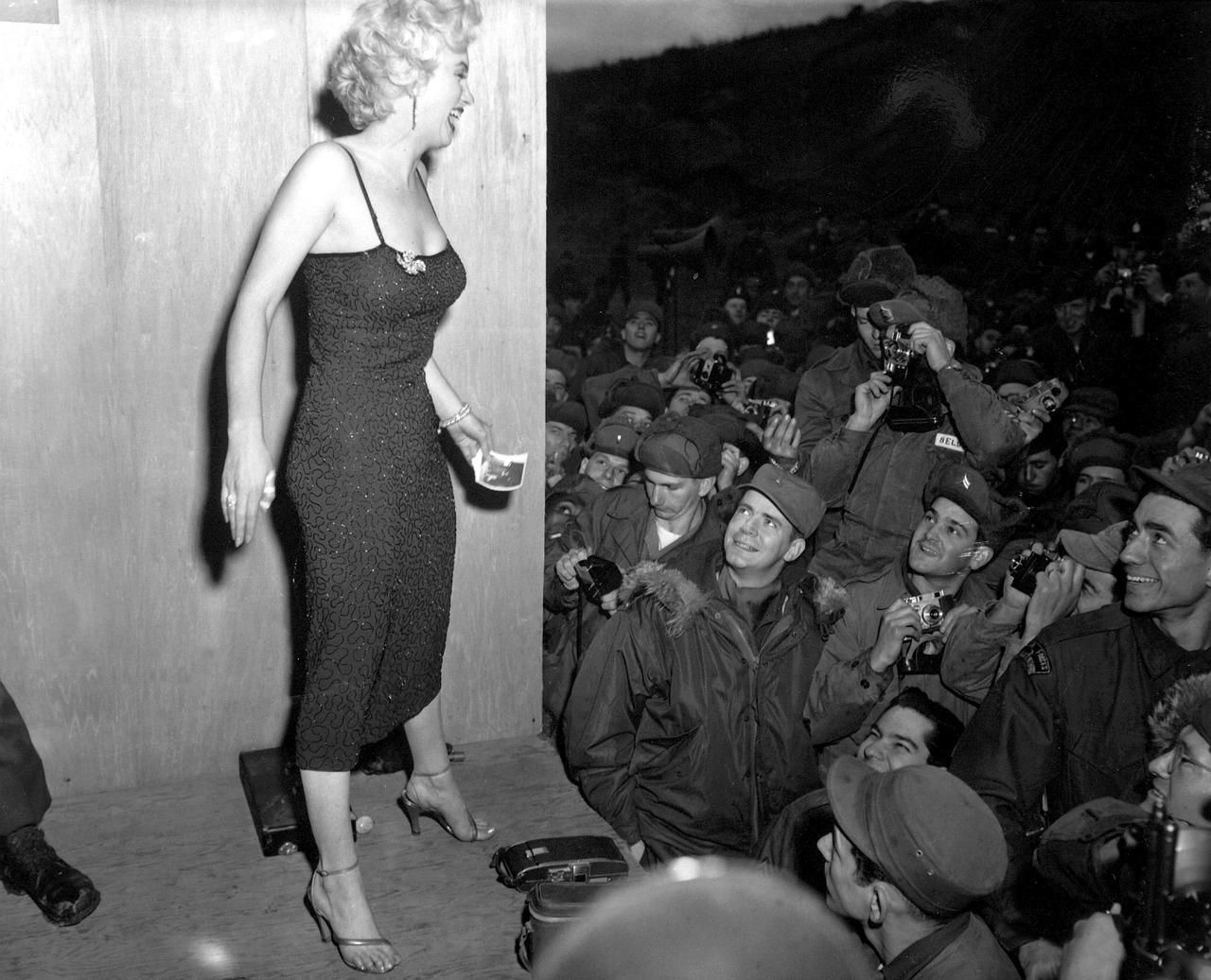
Image: WikiImages

In the 1950s, Hollywood had room for only so many platinum blondes, and Marilyn Monroe was already the reigning queen. When Jayne Mansfield came to light with her hourglass figure and playful charm, the press quickly dubbed her "the next Monroe."

Marilyn, who guarded her image carefully, bristled at the idea of a copycat stealing her thunder. Meanwhile, Mansfield leaned into the comparisons, showing up at events in daring outfits and orchestrating photo ops that guaranteed headlines. The result was a highly public rivalry that fascinated fans, turning every red carpet into a showdown.

7
Johnny Carson vs Joan Rivers
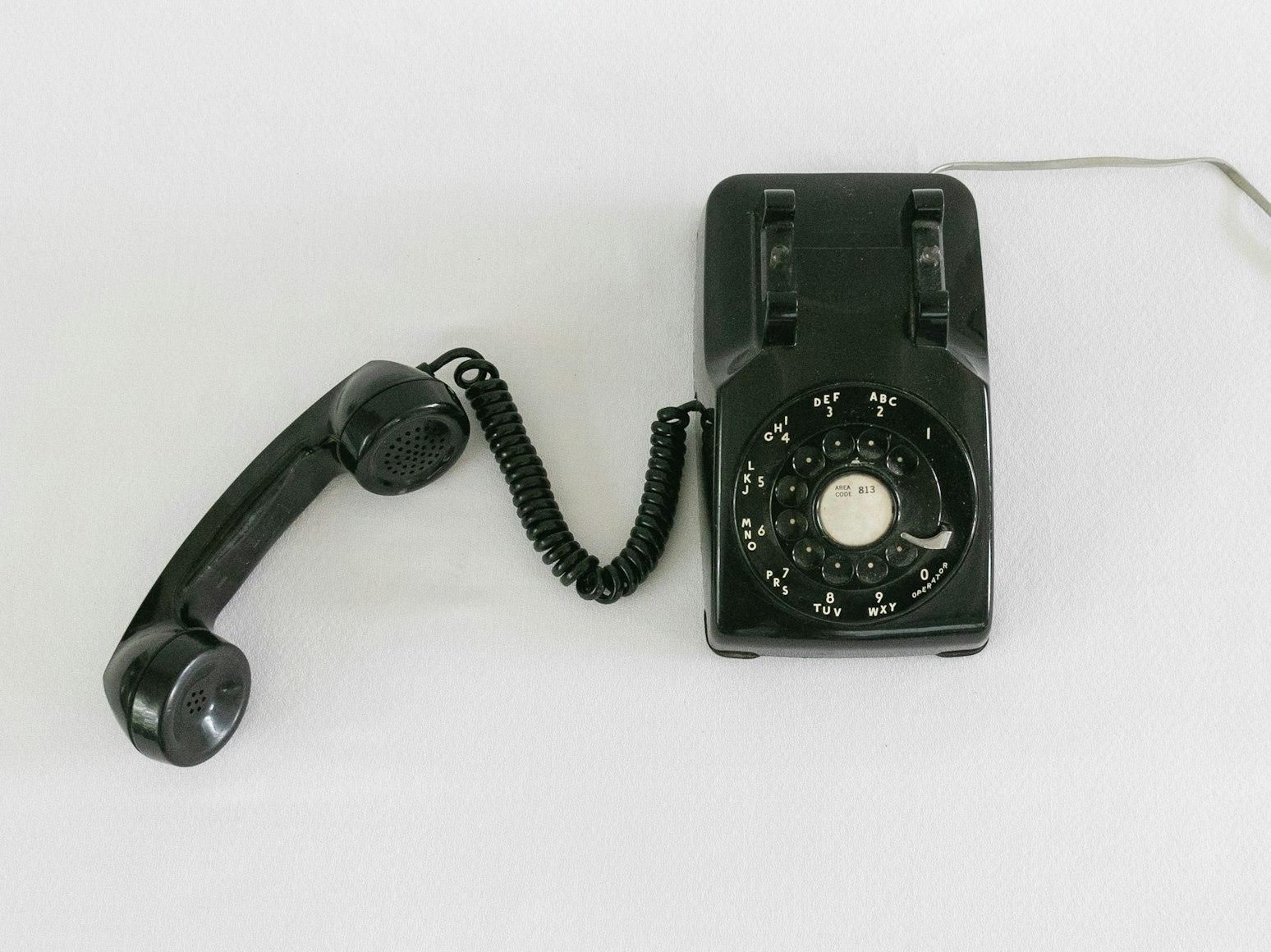
Image: Debby Hudson

One phone call never answered, one friendship lost forever. Joan Rivers owed much of her early success to Johnny Carson, who gave her a career-changing boost as a regular guest on The Tonight Show . For years, she was seen as his comic protégé, someone he personally championed. But when Rivers accepted an offer to host her own late-night program, Carson viewed it as a betrayal.

He cut off contact immediately, refusing to take her calls, and the friendship that once seemed unbreakable collapsed overnight. Fans were stunned to see the bitter end of what had appeared to be a classic mentor-and-student bond. The silence lasted all their lives.

8
Debbie Reynolds vs Gene Kelly
Image: Kazuo ota

When Debbie Reynolds starred in Singin’ in the Rain , she was a 19-year-old performer stepping into a major role for the first time. Gene Kelly, already an established star, demanded flawless performances and wasn’t known for his patience. Reynolds later recalled long hours of grueling rehearsals, where Kelly frequently criticized her every move, reducing her to tears.

Though their discord was rooted more in his high standards than personal dislike, the experience marked a harsh introduction to Hollywood for the young actress. Today, their behind-the-scenes tension is remembered as both a glimpse into Kelly’s tough reputation and a reminder of the enormous pressures that came with working alongside legends.

9
Orson Welles vs William Randolph Hearst

Image: William Warby

When Citizen Kane hit the screens, it wasn’t just a film debut; it was the spark of one of Hollywood’s fiercest battles. William Randolph Hearst, the media tycoon who saw too much of himself in the story, launched an all-out war against Orson Welles.

He tried to bury the film before it could reach audiences, banning ads in his papers and fueling smear campaigns. What began as a clash of egos grew into a cultural showdown, forever linking their names to both scandal and cinematic history.

10
Frank Sinatra vs Marlon Brando
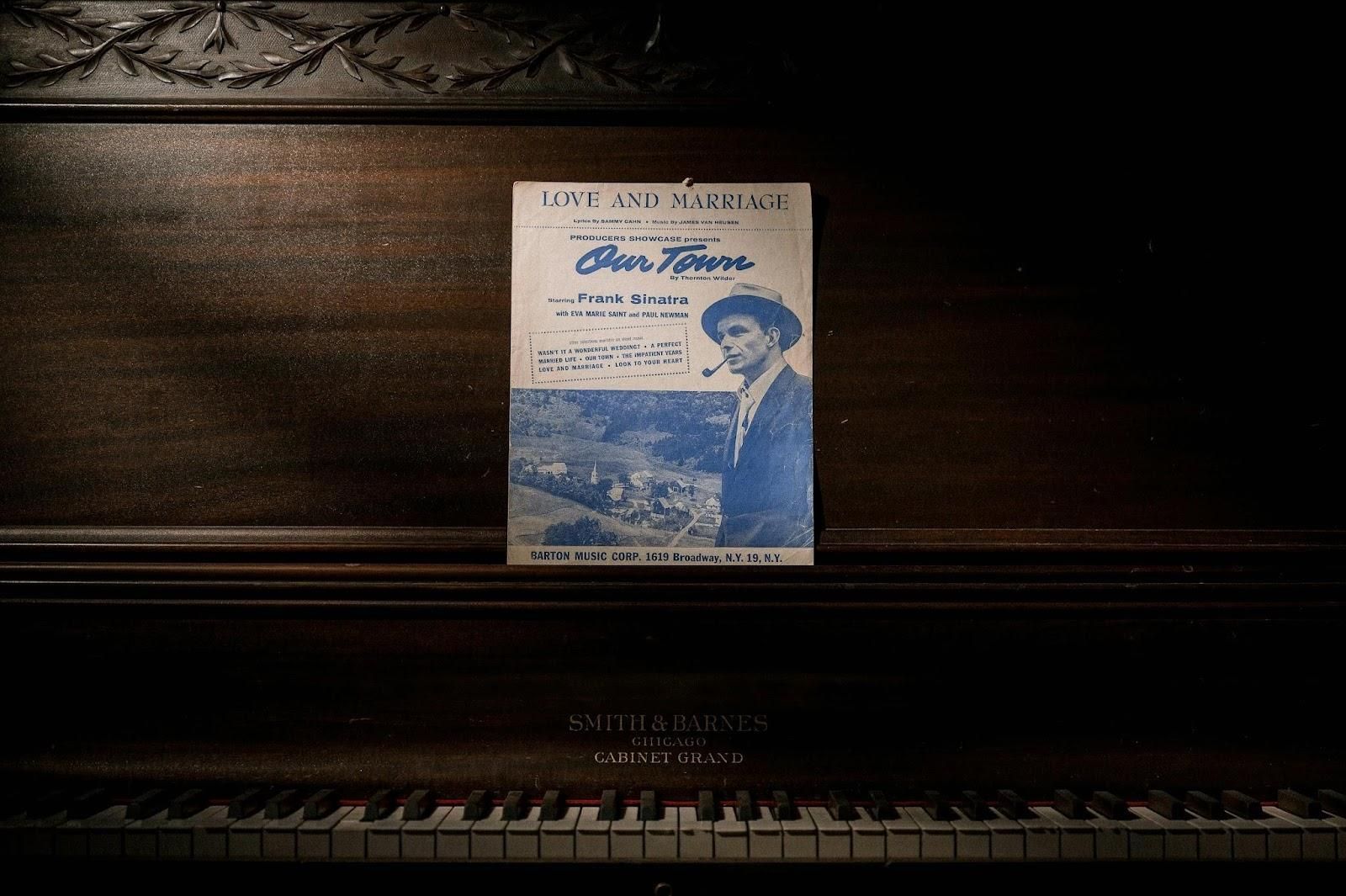
Image: Brett Sayles

If you watch Guys and Dolls today, all you’ll see is glamour. In reality, the shooting was pretty stressful: Sinatra craved efficiency, Brando thrived on slow-burning performance. Brando’s Method acting tested Sinatra’s patience, as Ol’ Blue Eyes favored efficiency and clean, polished takes.

Rumors of heated exchanges and icy silences hit the media, and by the final days of filming, the pair were barely speaking. What should have been a classy production became notorious for its behind-the-scenes tension, adding an extra layer of drama to the musical classic.

11
Bette Davis vs Joan Crawford
Image: Nathan DeFiesta

So iconic was their hatred that it later inspired documentaries and TV series. Davis and Crawford didn’t just feud; they redefined what a Hollywood rivalry is. For decades, the two icons sparred over leading roles, critical acclaim, and public adoration.

Gossip included backhanded insults, stolen lovers, and outright sabotage during productions. When they finally shared the screen in 1962’s What Ever Happened to Baby Jane? , the film’s unsettling tension was magnified by their very real animosity.

12
Chevy Chase vs Bill Murray

Image: Aleks Dorohovich

In the early days of Saturday Night Live , Chevy Chase and Bill Murray were usually at each other’s throats. Chase’s sharp, polished delivery often clashed with Murray’s more offbeat, improvisational style, and the tension spilled offstage.

Reports of heated arguments (and even a near brawl backstage) turned their working relationship into one of the show’s most notorious conflicts. Though both later moved on, their rocky career start stands as a reminder of how fragile chemistry can be in comedy’s spotlight.

General General 6 min read

Curious keepsakes

America’s Quirkiest Artifacts Hidden in the Library of Congress

Image: Iñaki del Olmo

History has seen all kinds of objects come and go—some more fascinating than others, of course. Some were worth saving and preserving. The Library of Congress is home to some of the most fascinating historical artifacts from across time. Among the millions of items housed within its walls are treasures that range from quirky to iconic. From antique board games to century-old maps, each artifact tells its own story and connects both locals and visitors to specific moments in history. Today, we’ll take a lighthearted look at 10 of the most interesting finds . Sit back and let’s dive into history!

1
Movie etiquette slides: The "don’ts" of early cinema

Image: Alex Litvin

Long before "silence your phones" became a common phrase, the audience was advised to mind their manners with whimsical "movie etiquette" slides. These slides, from the early 1900s, reminded theatergoers to behave properly while in the establishment. Suggestions like "Applaud with hands only" were a gentle nudge to stay courteous—after all, what else would one applaud with, right?

Another classic recommendation: "If annoyed when here, please tell the management," a precursor to modern customer service advice.

2
America’s birth certificate: The map that named a continent

Image: Chris Lawton

Does America have a birth certificate? Not exactly, but something like that—hear this out. It’s actually a map that holds the unique honor of using the name "America" for the very first time . Created by Martin Waldseemüller in 1507, it has a lengthy Latin title and shows an emerging understanding of the globe, especially the newly discovered Western Hemisphere and Pacific Ocean.

For the first time, a cartographer separated the Americas from Europe and Asia, recognizing them as distinct continents. The Library of Congress acquired the map in 2003 and is often referred to as America’s "birth certificate."

3
A Monopoly prequel: The Office Boy

Image: Jaciel Melnik

Before Monopoly was monopolizing (pun intended) family game nights, Parker Brothers tested the waters with a lesser-known board game called "The Office Boy." Released in 1889, this early game was all about climbing the corporate ladder , reflecting the "American Dream" narrative popular at the time.

Players began as humble stock boys and had to work their way up to the head of the firm, with virtues like integrity and promptness helping them along, while carelessness could set them back. Pretty much like real life, huh?

Although "The Office Boy" never reached the same iconic status, it’s a fascinating precursor to Monopoly and you can take a look at it at the Library of Congress.

4
Locks of famous hair: A snip of history

Image: Taylor Smith

It might sound strange today, but saving locks of hair from notable figures was a common practice in the past. The Library of Congress holds strands from historical figures like Thomas Jefferson, Walt Whitman, and James Madison.

Along with the locks, you can also learn some interesting facts. For example, Jefferson’s hair was cut at his deathbed by his family, while Whitman’s came courtesy of his housekeeper, who took the liberty of snipping a few strands. These tiny, personal (maybe too personal) belongings have lost their shine over the years, but they still connect visitors to some of the most influential figures in history.

5
Bizarre health labels: Fat-Ten-U tablets, anyone?

Image: Jenelle

We might find it hard to believe at times, but societies do change. Want to see how? Take a look at advertisements from a certain era, and you’ll notice the early 20th century had its fair share of questionable health products—some of them can be found at the Library of Congress.

For example, one product you can take a look at is "Loring’s Fat-Ten-U Food Tablets," which promised to help skinny folks gain weight quickly . The accompanying ads featured dramatic before-and-after illustrations of people plumping up into "rosy" health with these tablets.

Compare that with today, and you’ll see that marketing, fads, and science have certainly come a long way, don’t you think?

6
The first road map: Paving the way for American travelers

Image: LouisMoto

We’ve mentioned the first map to name America as a continent, but have you ever wondered who the first person to draw a roadmap of the US was? Well, you can learn about that at the Library of Congress.

Back in 1789, when George Washington became president, Christopher Colles published what is now considered the first road map of the United States . His guide, titled A Survey of the Roads of the United States of America , helped travelers navigate the relatively new nation. Rather than displaying large swathes of territory, each page zoomed in on short stretches of road, making it much easier to navigate.

Of course, if you look at it today, it is outdated, but back then, it made traveling around the country a lot easier!

7
Culinary advice for motorists: Gourmet on the go

Image: Debby Hudson

One doesn’t usually—or immediately—place a motorist in a kitchen, right? But we guess this is here to prove us wrong!

When early motorists hit the road, there weren’t fast-food chains or convenience stores on every corner. This posed a problem, but the solution came around rather quickly: The Motorist’s Luncheon Book by May Southworth, published in 1923, provided travelers with the advice they needed to plan their meals on the go. The book suggested packing emergency supplies like sardines, canned frankfurters, and even "bacon in jars" and some recipes to cook on the road.

If you’re ever out of ideas in the kitchen, you might want to get a quick look at this book!

8
Jefferson’s vanilla ice cream recipe: Founding Father of desserts

Image: Hidden

Wait, Jefferson—as in the Founding Father? That’s right. Thomas Jefferson may have helped write the Declaration of Independence, but he also knew how to make a mean vanilla ice cream.

Among his vast collection of papers at the Library of Congress is his personal recipe for the classic dessert . The recipe is as simple as it gets: just "good cream," egg yolks, sugar, and vanilla. Jefferson, known for his love of French cuisine, likely picked up this ice cream-making skill while serving as a diplomat in Paris. While the recipe is quite detailed, it’s a reminder that even the most powerful figures in history had a sweet tooth. You could honor him by making this for your loved ones tonight!

9
The first known book printed in America: The Bay Psalm Book

Image: Aaron Burden

We all know what the first printed book in the world was, right? But what about the first printed book in America? Here’s what you need to know about it.

North America’s first printed book, The Whole Booke of Psalmes , also known as The Bay Psalm Book , dates back to 1640, just two decades after the Mayflower landed. This hymnal was created in the Massachusetts Bay Colony and contains psalms translated from Hebrew into English—but with a twist: the spelling and grammar were, well… creative by modern standards.

The book has no music notes, just the lyrics for worshippers to follow along with. Though simple in appearance, it pretty much marks a milestone in American printing and religious history.

10
Helen Keller’s plea to Alexander Bell: A message of hope

Image: Anne Nygård

As you probably already know, Hellen Keller was both deaf and blind. But that was never an obstacle to her journey of self-improvement and activism for the rights of the disabled. She is, still today, one of the most influential figures in history.

Now, concerning this article, here’s the fascinating artifact’s history: In 1907, Helen Keller sent a telegram to Alexander Graham Bell, the inventor of the telephone and an advocate for the deaf. In it, Keller, who was both deaf and blind, asked Bell to join her in delivering a speech , hoping he would repeat her words aloud for the audience. This small but powerful telegram is now part of the Library of Congress’s collection and you can take a look at it to learn about the deep bonds formed between two icons of American history.

Culture Culture 5 min read

SILVER SCREEN LEGENDS

The Golden Era: 10 classic American films that helped shape Hollywood

Image: Nathan DeFiesta

The Golden Age of Hollywood, spanning from the early 1930s to the late 1950s, marked a period when American cinema reached new heights, setting the future standards for storytelling, innovation, and star culture. During this era, visionary filmmakers and legendary actors crafted films that became integral to America's cultural identity. Join us as we explore 10 iconic classics that not only defined this golden era but also solidified Hollywood's status as the global beacon of cinematic excellence it remains today.

1
Gone with the Wind

Image: Adam Kring

Released in 1939, Gone with the Wind stands as one of the most iconic films in American cinema. Adapted from Margaret Mitchell's 1936 novel of the same name, the film is set against the backdrop of the Civil War and follows the life of Scarlett O'Hara (played by Vivien Leigh), the strong-willed daughter of a Georgia plantation owner.

Featuring legendary performances by Clark Gable and Leslie Howard, the film captivated audiences around the globe. It not only became the highest-grossing film of its time but also held that record for over 25 years, cementing its place in cinematic history.

2
Casablanca

Image: Craig Whitehead

Casablanca is often hailed as the quintessential American film. Both filmed and set against the tumultuous backdrop of World War II, it weaves a poignant tale of romance and sacrifice in a world on the brink of chaos. The film's unforgettable characters, brought vividly to life by the stellar performances of Humphrey Bogart and Ingrid Bergman, have become emblematic of American cinema.

Its most iconic line, "Here’s looking at you, kid," has etched itself into the collective memory of millions. Over the years, Casablanca has only solidified its legendary status, with its characters, famous lines, and theme song becoming a part of popular culture. It consistently ranks near the top of lists of the greatest films in history.

3
Citizen Kane

Image: Daria Kraplak

Citizen Kane (1941) is frequently acclaimed as the greatest film ever made, offering a profoundly intelligent exploration of the life of Charles Foster Kane, a fictional media mogul inspired by real-life figures like William Randolph Hearst and Joseph Pulitzer.

The brainchild of the visionary Orson Welles, who served as the film’s actor, director, and producer, Citizen Kane delves into themes of wealth, power, and democracy with such depth that it remains relevant to this day. The film caused a stir upon its release, prompting Hearst to ban any mention of it in his newspapers. It was also lauded for its groundbreaking cinematography, introducing innovative techniques that set new creative standards for the industry.

4
The Wizard of Oz

Image: Mateusz Raczynski

A beloved piece of Americana, the 1939 film release of The Wizard of Oz is the most iconic adaptation of L. Frank Baum's 1900 children's fantasy novel of the same name. Dorothy’s journey to the Emerald City has captivated audiences for generations and has brought the original story to worldwide audiences.

The film's groundbreaking use of Technicolor and special effects marked a new era in American cinema. Recognized by the U.S. Library of Congress as the most-watched film in history, The Wizard of Oz remains a timeless classic, with its impact on popular culture enduring to this day.

5
It’s a Wonderful Life

Image: Johannes Roth

Frank Capra’s It’s a Wonderful Life (1946) has become an essential Christmas classic. Starring James Stewart as George Bailey, the film tells the heartwarming story of a man who, facing financial ruin and despair, is shown by his guardian angel what life would have been like if he had never existed.

Loosely based on a 1943 short story that echoes Charles Dickens’ all-time classic A Christmas Carol , the film’s messages of hope and redemption resonated deeply with audiences. Despite an initially lukewarm reception, It’s a Wonderful Life gained popularity through television broadcasts and is now regarded as a timeless holiday favorite.

6
Singin' in the Rain

Image: Ricky Turner

Widely celebrated as one of the greatest musicals in American cinema, Singin' in the Rain (1952) offers a nostalgic look at Hollywood’s transition from silent films to "talkies." Directed by Stanley Donen and Gene Kelly, who also stars in the film, it became famous for its iconic musical numbers, particularly Kelly’s unforgettable dance in the rain, which has since become one of the most iconic scenes in movie history.

The film’s vibrant choreography, catchy songs, and clever commentary on the film industry have solidified its place in American film culture. As a delightful homage to Hollywood’s Golden Age, it immortalizes both the magic and the many challenges of filmmaking.

7
North by Northwest

Image: Blake Harbison

Directed by the master of suspense, Alfred Hitchcock, North by Northwest is one of the most iconic American thrillers. Starring Cary Grant as the charming protagonist Roger Thornhill, the film follows his harrowing journey as he’s mistaken for a government agent and pursued across the country by both law enforcement and international spies.

Iconic scenes like the crop duster chase and the climactic showdown on Mount Rushmore are etched in cinematic history. The film’s influence is still evident in modern thrillers, and it is celebrated to this day for its gripping narrative and stylish execution.

8
The Grapes of Wrath

Image: Sonder Quest

Based on John Steinbeck’s Pulitzer Prize-winning novel, The Grapes of Wrath (1940) is a powerful and poignant portrayal of the struggles faced by American families during the Great Depression. Directed by John Ford and starring Henry Fonda as Tom Joad, the film follows the Joad family as they journey from Oklahoma to California in search of a better life, only to encounter hardship and injustice along the way.

The Grapes of Wrath is lauded for its smart adaptation of Steinbeck’s novel and its brutally honest depiction of the social issues of the time. The film’s carefully crafted cinematography focuses on the Joad family as a unit, its visual style providing a stark contrast to the themes of suffering and perseverance that define the story.

9
The Searchers

Image: Jon Toney

John Ford’s The Searchers (1956) is considered one of the greatest Westerns ever made. Starring John Wayne in one of his most iconic roles, the film tells the story of Ethan Edwards, a hardened Civil War veteran who embarks on a relentless quest to find his niece, who has been kidnapped by Comanche Indians.

The film is both a thrilling adventure and a complex exploration of themes such as racism, obsession, and the American frontier. The movie is also praised for its stunning cinematography, particularly its use of Monument Valley’s vast landscapes, which have become synonymous with the genre.

10
Some Like It Hot

Image: Stephanie Valencia

Some Like It Hot (1959) is a comedy classic that pushed boundaries during the waning years of Hollywood’s golden era. Directed by Billy Wilder, the film stars Tony Curtis and Jack Lemmon as two musicians who witness a mob hit and disguise themselves as women to evade the gangsters pursuing them.

Marilyn Monroe co-stars as Sugar Kane, an endearing singer who unwittingly becomes entangled in their criminal scheme. The film’s sharp wit, impeccable comedic timing, and brilliant performances have made it a staple of American cinema, and it remains as fresh and funny today as it was upon its release.

Explore more American facts

Choose your favorite category!

General
General

As American as apple pie—the very best America has to offer!

Culture
Culture

Delve into the astounding richness of American lore.

Geography
Geography

Hop in and explore vast and diverse American landscapes.

History
History

Discover the key moments that shaped the United States.