Historical misconceptions
No, George Washington did not have wooden teeth: Debunking American myths

Image: EricThriller
Did you really imagine George Washington with wooden teeth? Or Betsy Ross drawing the Star-Spangled Banner in a scrapbook? Some longstanding stories associated with US history are, after all, more myth than reality. Let’s explore what is fact and what is fiction about stories we have probably all heard!
1
George Washington had wooden teeth
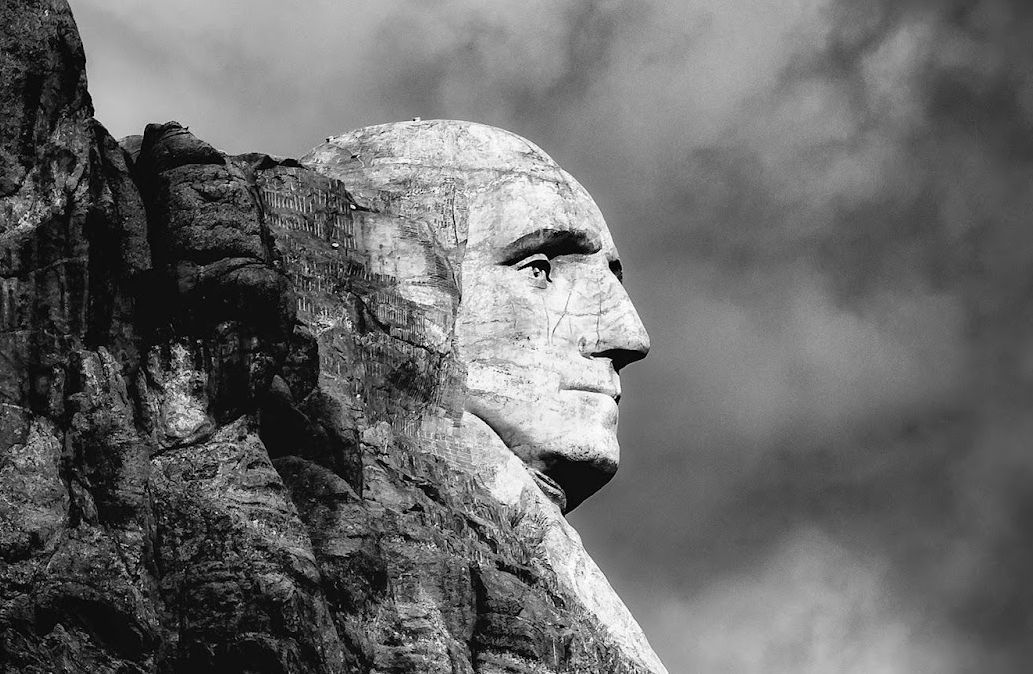
Image: Todd Trapani
Washington suffered from dental problems throughout his adult life and did wear several sets of false teeth. However, he did not wear wooden ones.
They were made from materials like ivory, metal, and springs . The "wood" myth probably comes from the staining of ivory and from 19th-century caricatures.
2
Salem witches were burned at the stake

Image: Sofia Holmberg
We hold the long-standing belief that the accused Salem "witches" were burned like European witch victims.
However, in the Salem (and colonial New England) trials of 1692–1693, convicted witches were almost always executed by hanging ; burning at the stake was not the legal penalty under English law in the colonies.
3
Paul Revere rode and shouted, "The British are coming!" alone
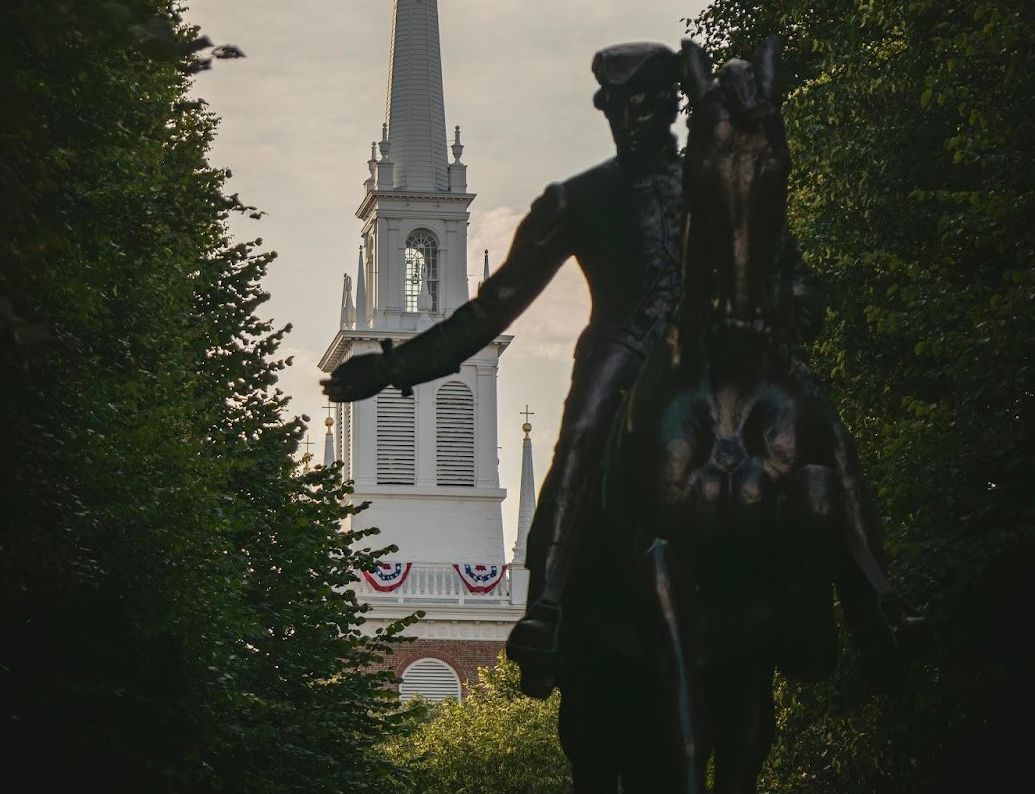
Image: Mikhaël Noury
He may be riding alone in the Boston statue that represents the dramatic midnight ride in which he warned of the British troop movements.
But in reality, Revere was one of several riders who spread word of the British troop movements; Longfellow’s 1860 poem amplified and simplified the story, including the shouted line, which would have been unlikely among colonists.
4
Betsy Ross designed the first American flag

Image: Heather Newsom
We have heard again and again the myth that Betsy Ross stitched the first Stars and Stripes after being asked by George Washington. In reality, this tale grew from a family tradition promoted more than a century after 1776. Historians have found no contemporary documentation proving that she designed the first official flag.
The flag’s creation was likely more complex and collective. Ross has always remained a folk symbol, but there is no proof that she was the sole designer.
5
Mrs. O’Leary’s cow started the Great Chicago Fire
Image: raquel raq
The myth: a cow kicked over a lantern in Catherine O’Leary’s barn and caused the 1871 conflagration. The cow story originated in sensational newspaper reporting and later became part of folklore.
Investigations have never produced conclusive proof, and modern historians treat the O’Leary–cow tale as an unfair scapegoating and probably apocryphal. The fire’s precise origin remains a mystery.
6
"Molly Pitcher" was a famous woman who operated a cannon at Monmouth

Image: Foysal Razu
The story of Molly Pitcher, a single heroic woman who supposedly took over a cannon when her husband fell, may have been created to represent several women . The best documented candidate is Mary Ludwig Hays, but the legend also reflects the broader contributions of women who supported troops during the Revolutionary War, with or without having been widowed.
7
Davy Crockett died fighting to the last at the Alamo
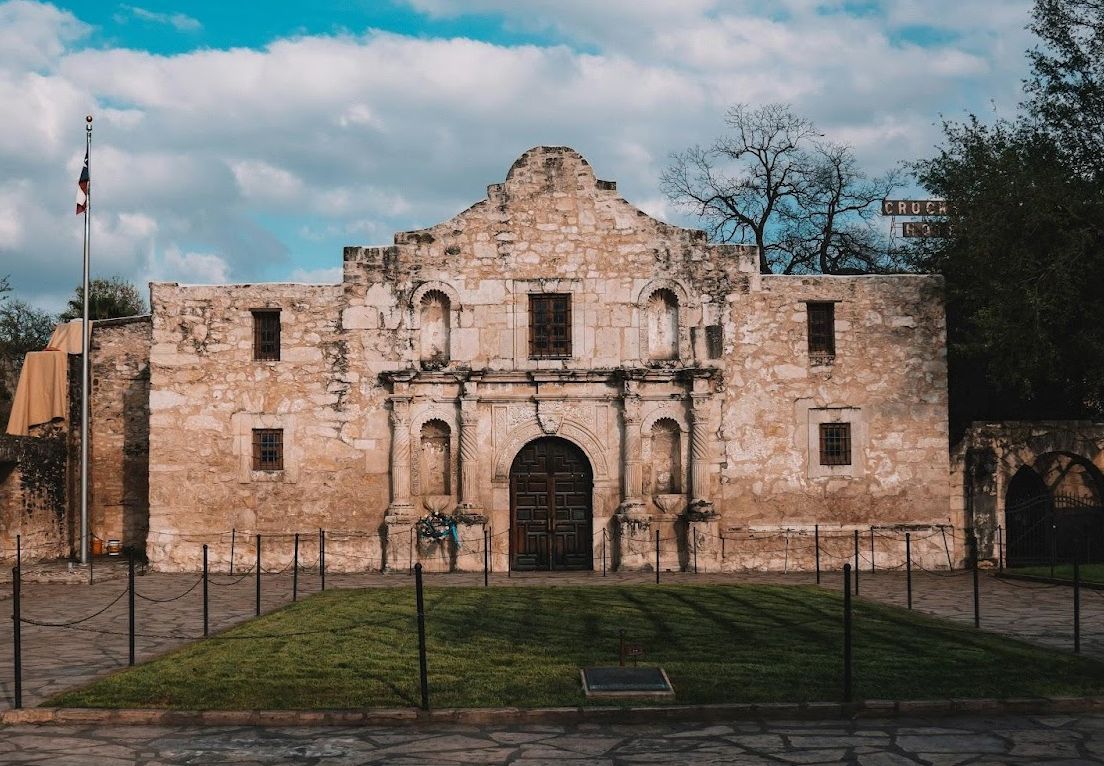
Image: Eric Francis
Did Crockett heroically fight to the death amid hand-to-hand combat at the Alamo? Well, that was indeed the location of his death, but sources conflict about the manner.
Some eyewitness accounts and Mexican records suggest he may have been captured and executed; other accounts describe him dying in combat. The neat heroic portrait was shaped by 19th-century myth-making.
8
The Declaration of Independence was signed on July 4, 1776
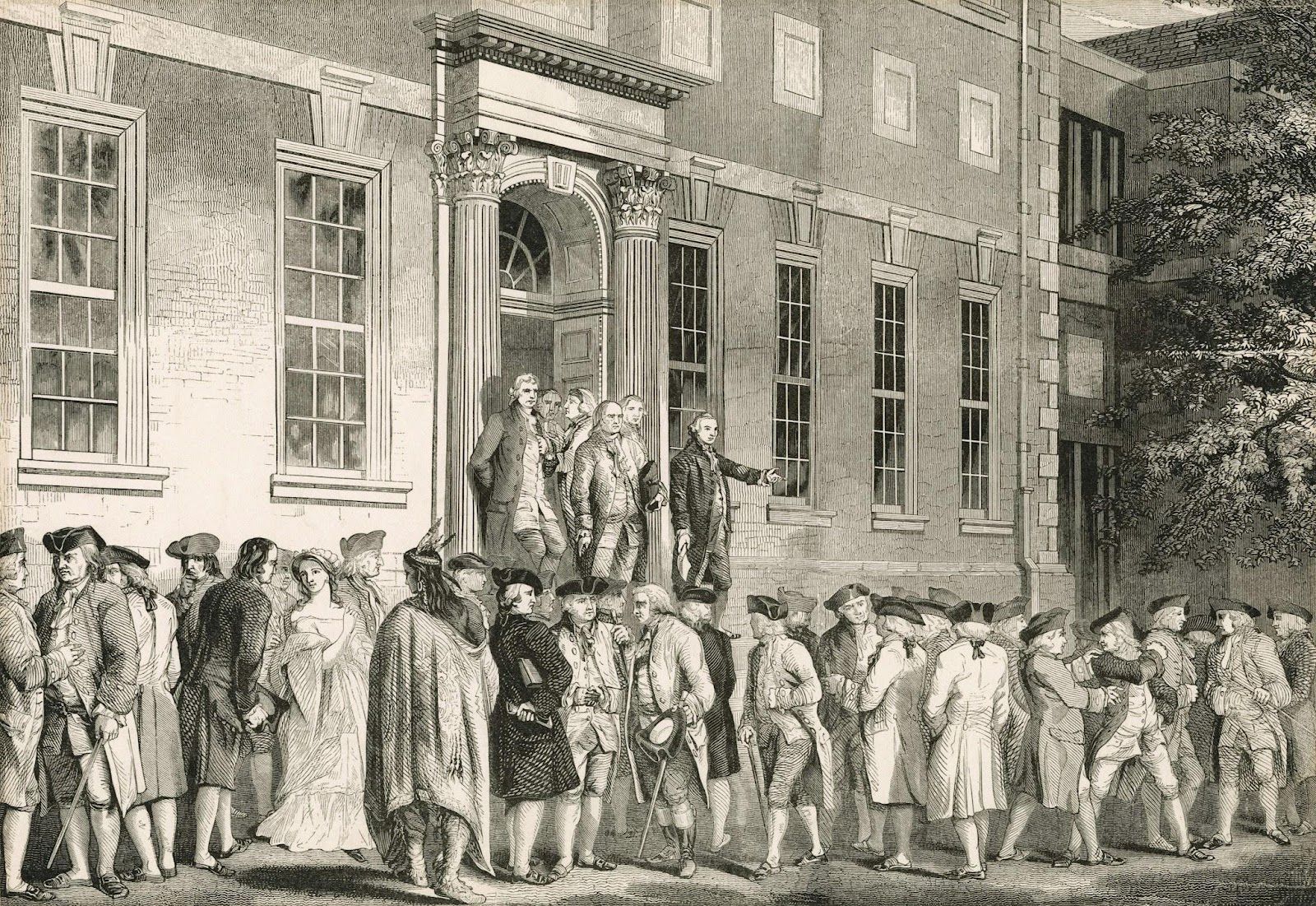
Image: The New York Public Library
It is widely believed that all signers of the Declaration of Independence scribbled their names on it on July 4, which is why we celebrate that date.
Congress adopted the Declaration on July 4, but most delegates did not sign the parchment copy until August 2 of that year (and a few added their names even later). July 4 became the commemorative date for adoption and celebration, not the universal signing day.
9
The Pilgrims’ "First Thanksgiving" centered on a big roast turkey, like today
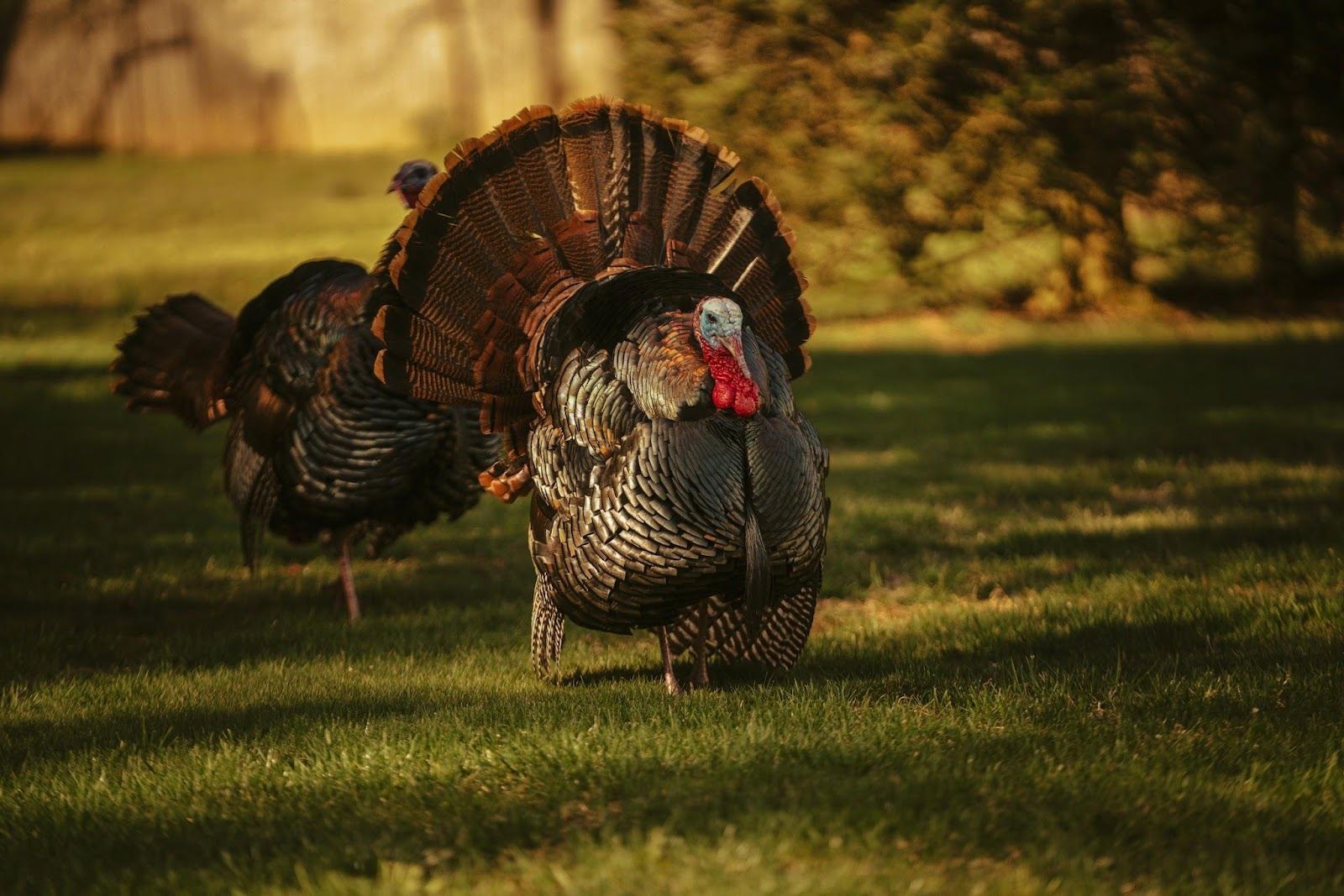
Image: Tyler Donaghy
No, the 1621 harvest meal at Plymouth did not feature the same turkey-centered feast we picture now.
Accounts mention venison and wildfowl, but the menu and ritual context were very different from modern Thanksgiving dinners. The idea of an annualized, turkey-centered national holiday developed much later (19th century onward).
10
Thomas Edison single-handedly invented the light bulb
Image: Tamas Pap
Many believe that Edison alone invented the incandescent light bulb out of whole cloth. But electric light was the product of decades of work by many inventors (from Humphry Davy to Swan and others).
Edison’s contribution was significant improvements and the critical development of a commercially viable, manufacturable system, but he did not "invent" electric light in isolation.
11
Pocahontas dramatically saved John Smith from execution
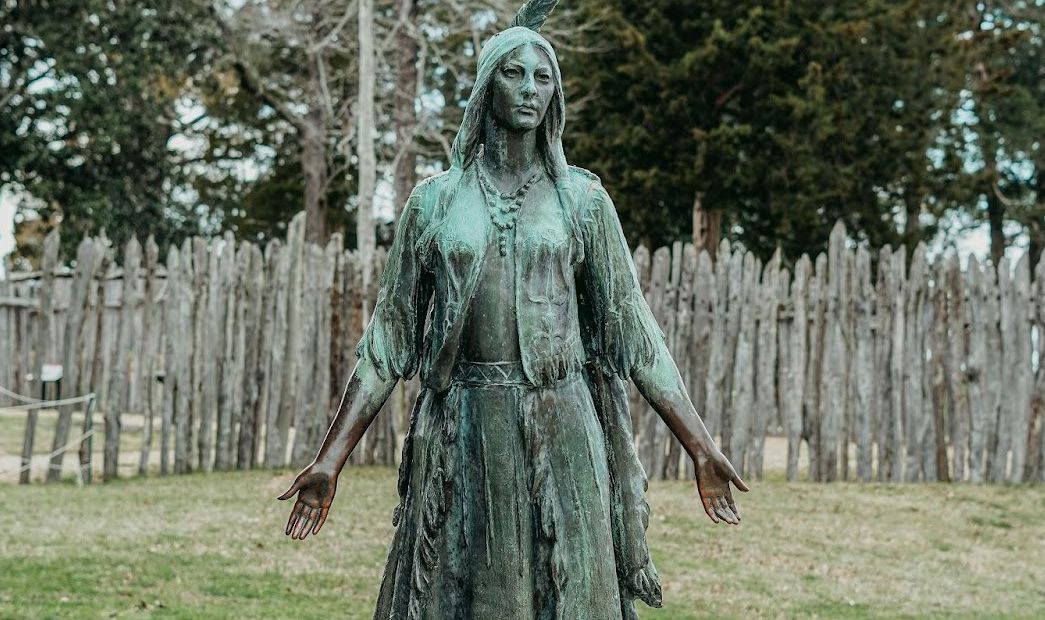
Image: EricThriller
The myth holds that Pocahontas heroically rescued Captain John Smith by throwing herself over him at the moment of execution.
Disney may have amplified the romantic and dramatic aspects of this story. John Smith’s account of a dramatic rescue appears in later writings and is debated by historians. Many scholars now interpret the scene as a ritual adoption or a ceremonial act rather than a literal rescue, or they suspect Smith embellished the story.