No Empire State on this list

It is hard to believe, but these architectural gems are often overlooked
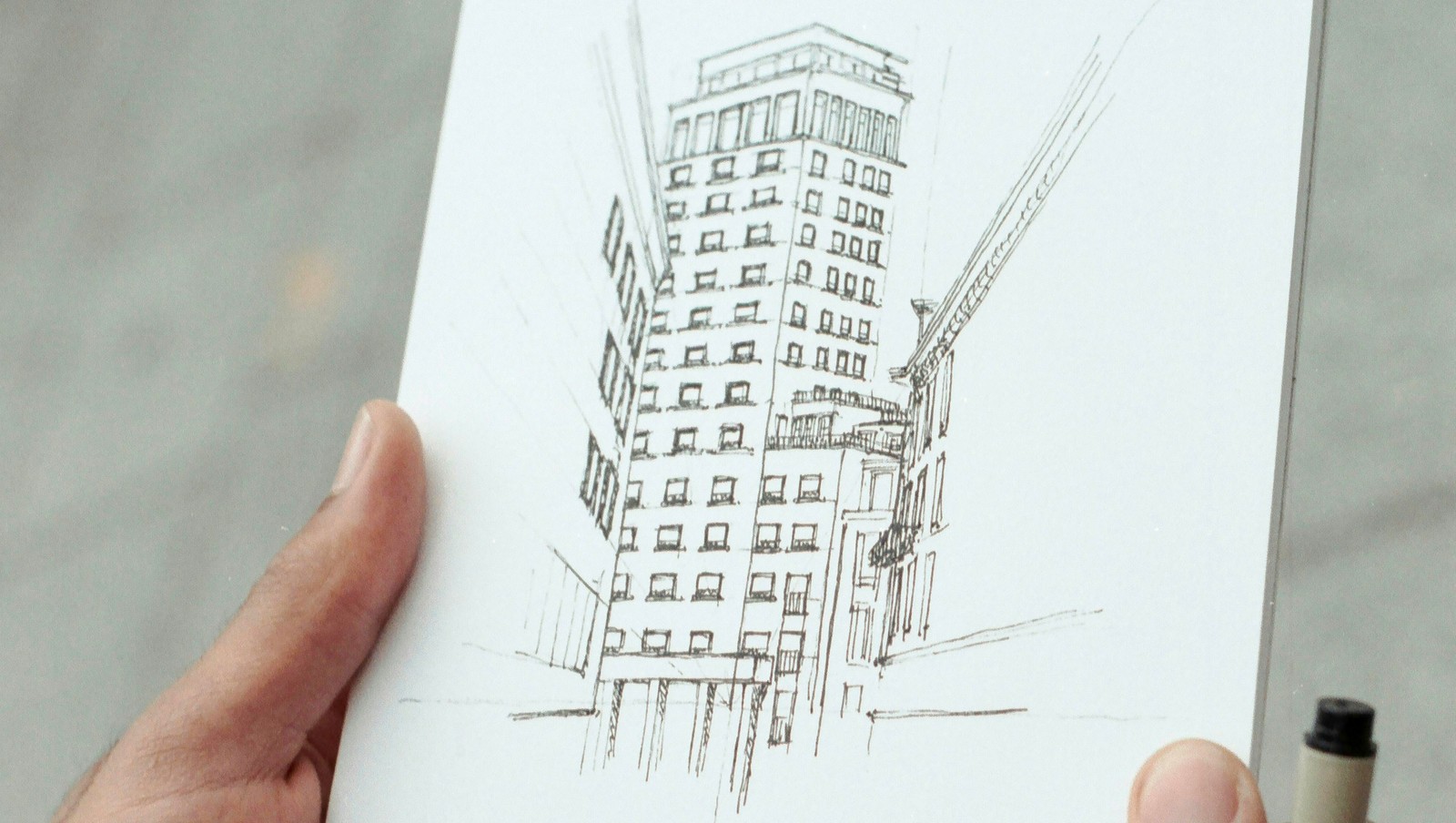
Image: Kyoshi Reyes

When most people think of American architecture, famous structures like the Chrysler Building or the Golden Gate usually come to mind. But tucked away in quiet towns and unexpected corners are some truly stunning, lesser-known architectural gems. Let’s take a tour of 11 of these under-the-radar buildings that deserve a second look.

1
Forestiere Underground Gardens
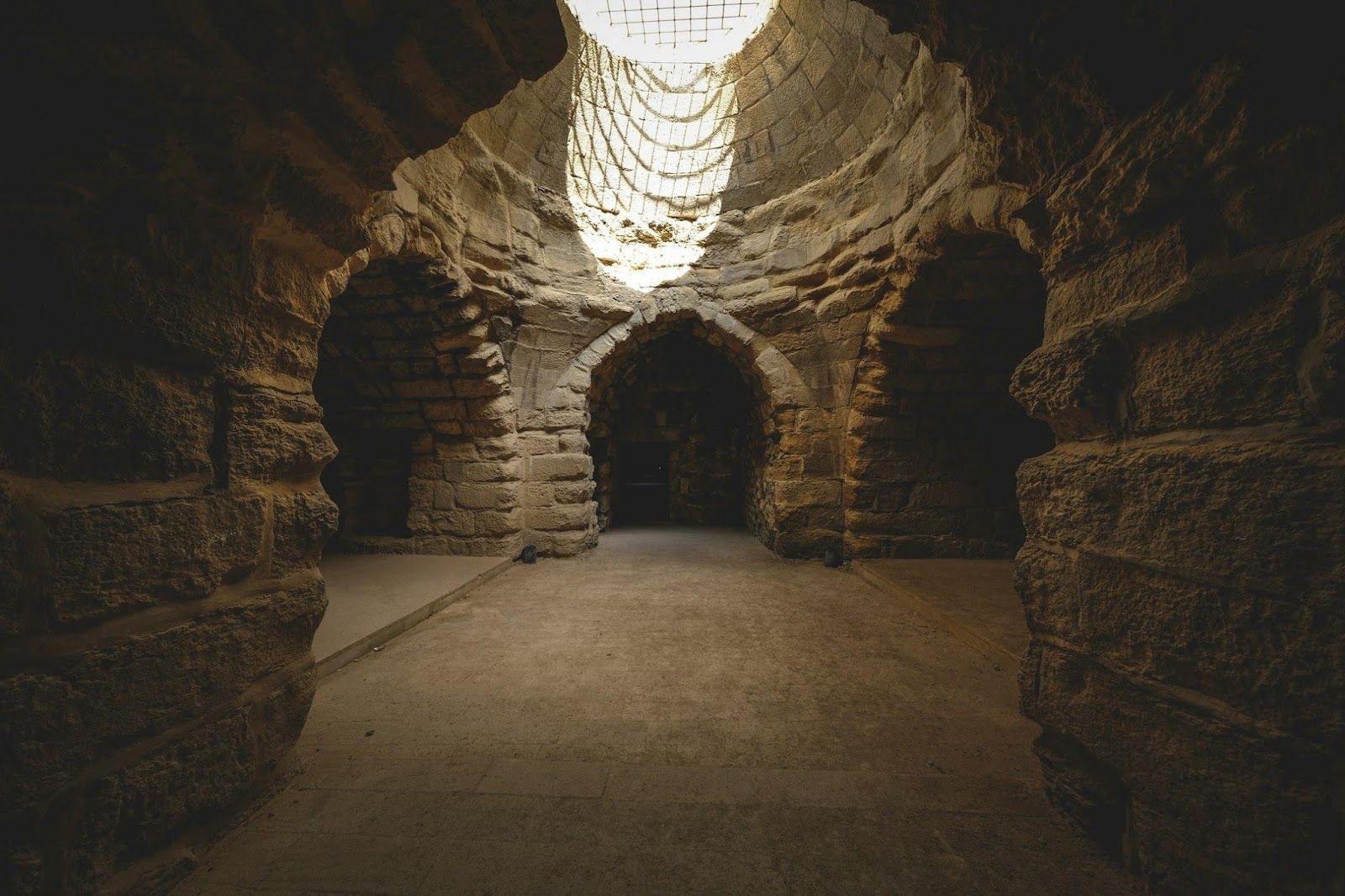
Image: Francesco Ungaro

Baldassare Forestiere, a Scicilan immigrant built a series of subterranean structures over a period of 40 years in Fresno, California.

Initially created as a small cellar to escape the summer heat, Baldassare carved a series of attached rooms, with underground trees , creating an incredible structure that can be visited today.

2
Swaminarayan Akshardham
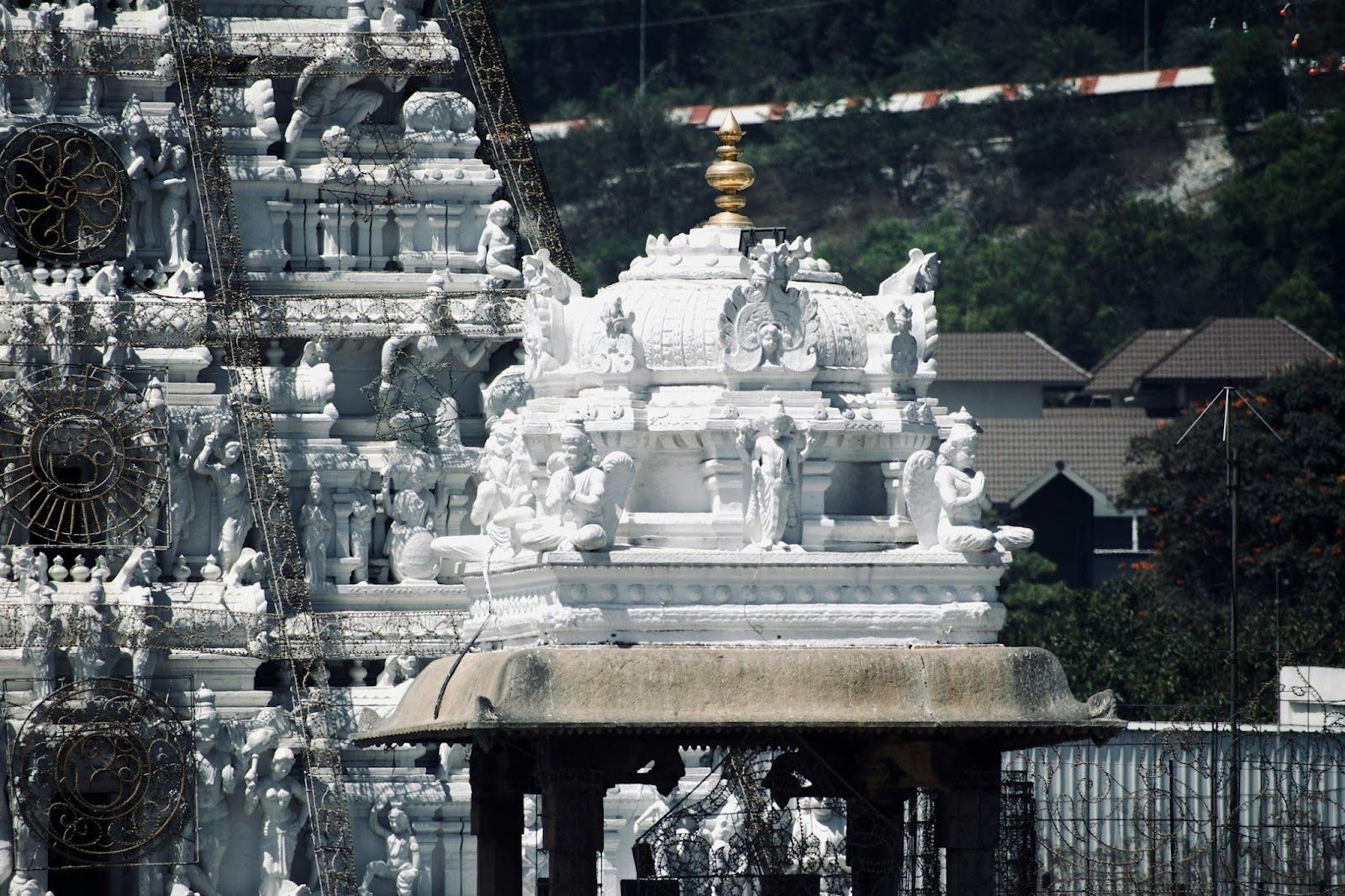
Image: Usha Kiran

A structure that most people would associate with a very different part of the world was built between 2015 and 2023 in Robbinsville, New Jersey: a large Hindu temple . It is the largest building of this kind in the United States and the second largest in the world.

3
Cathedral of Learning

Image: henry perks

A 42-story skyscraper that looks like an Art Deco cathedral, the Cathedral of Learning is part of the University of Pittsburgh’s main campus in Pittsburgh, Pennsylvania.

Standing at 535 feet, this Late Gothic Revival structure is the tallest educational building in the Western Hemisphere and the second-tallest university building in the world. It is also the second-tallest gothic-style building in the world, after the Woolworth Building in Manhattan.

4
Hammond Castle
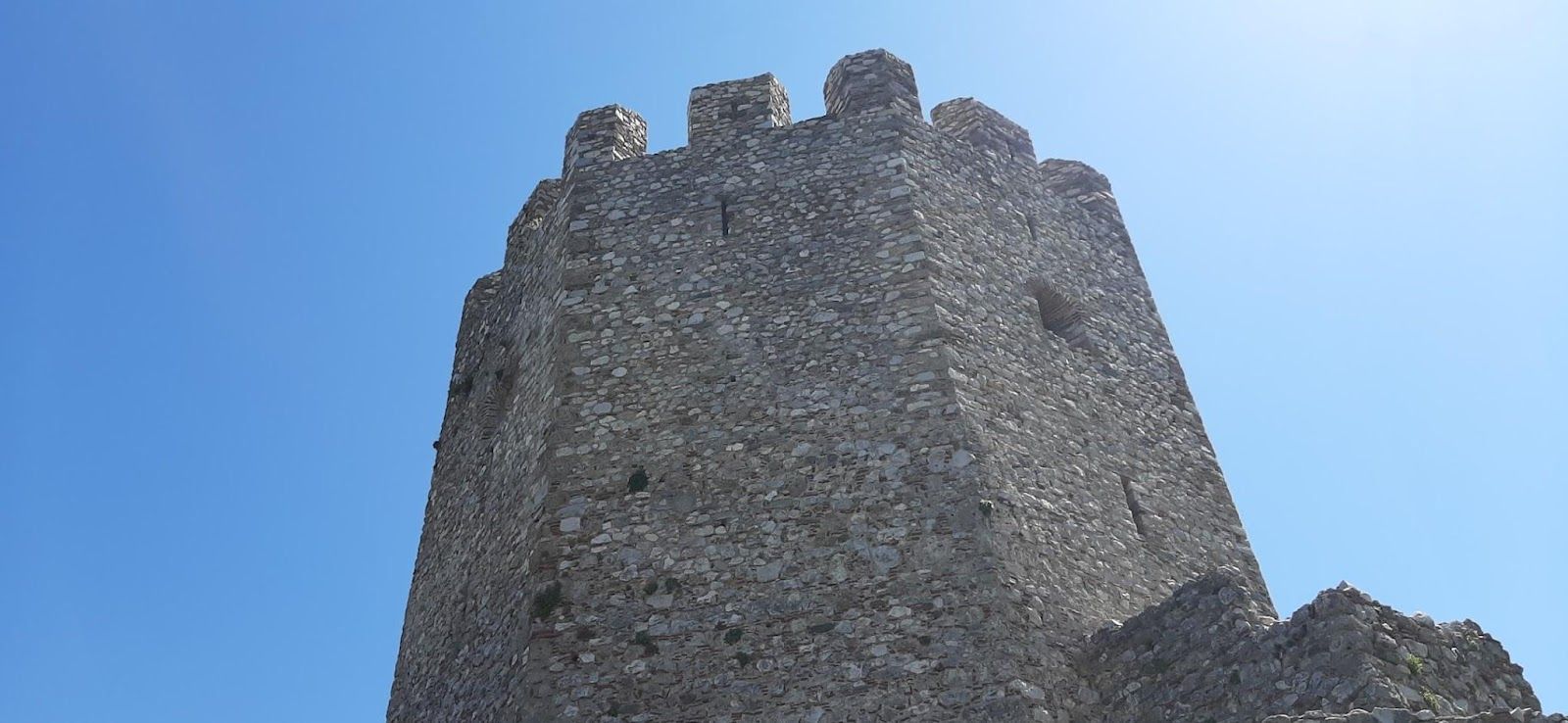
Image: Ted Gracz

An impressive feature of the Atlantic coast in the Magnolia area of Gloucester, Massachusetts, the Hammond Castle was the home, laboratory, and museum of John Hays Hammond Jr., an inventor and pioneer in the study of remote control .

The building is composed of modern and 15th-, 16th-, and 18th-century architectural elements, and operates as the Hammond Castle Museum, displaying Hammond's collection of Roman, medieval, and Renaissance artifacts as well as exhibits about his life and inventions.

5
San Antonio Japanese Tea Garden
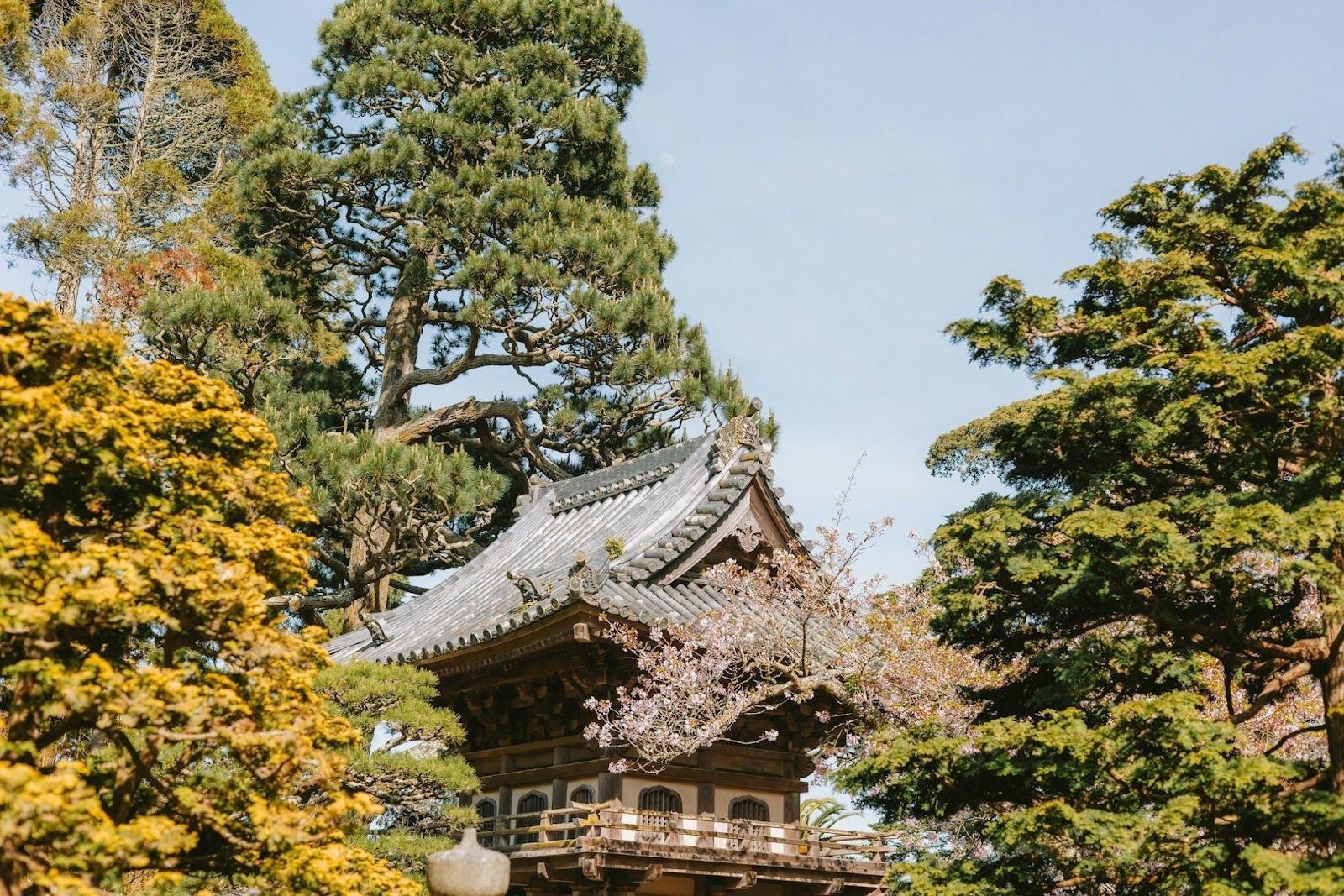
Image: Annie Spratt

Imagine a Japanese Tea Garden set in an abandoned limestone rock quarry, and you will be picturing the San Antonio Japanese Tea Garden, or Sunken Gardens in Brackenridge Park, San Antonio, Texas.

After several years working as a quarry, the area was redeveloped as the tea garden that it is today, with walkways, stone arch bridges, an island, a Japanese pagoda, and, of course, a tea room .

6
Ashbel Smith Building
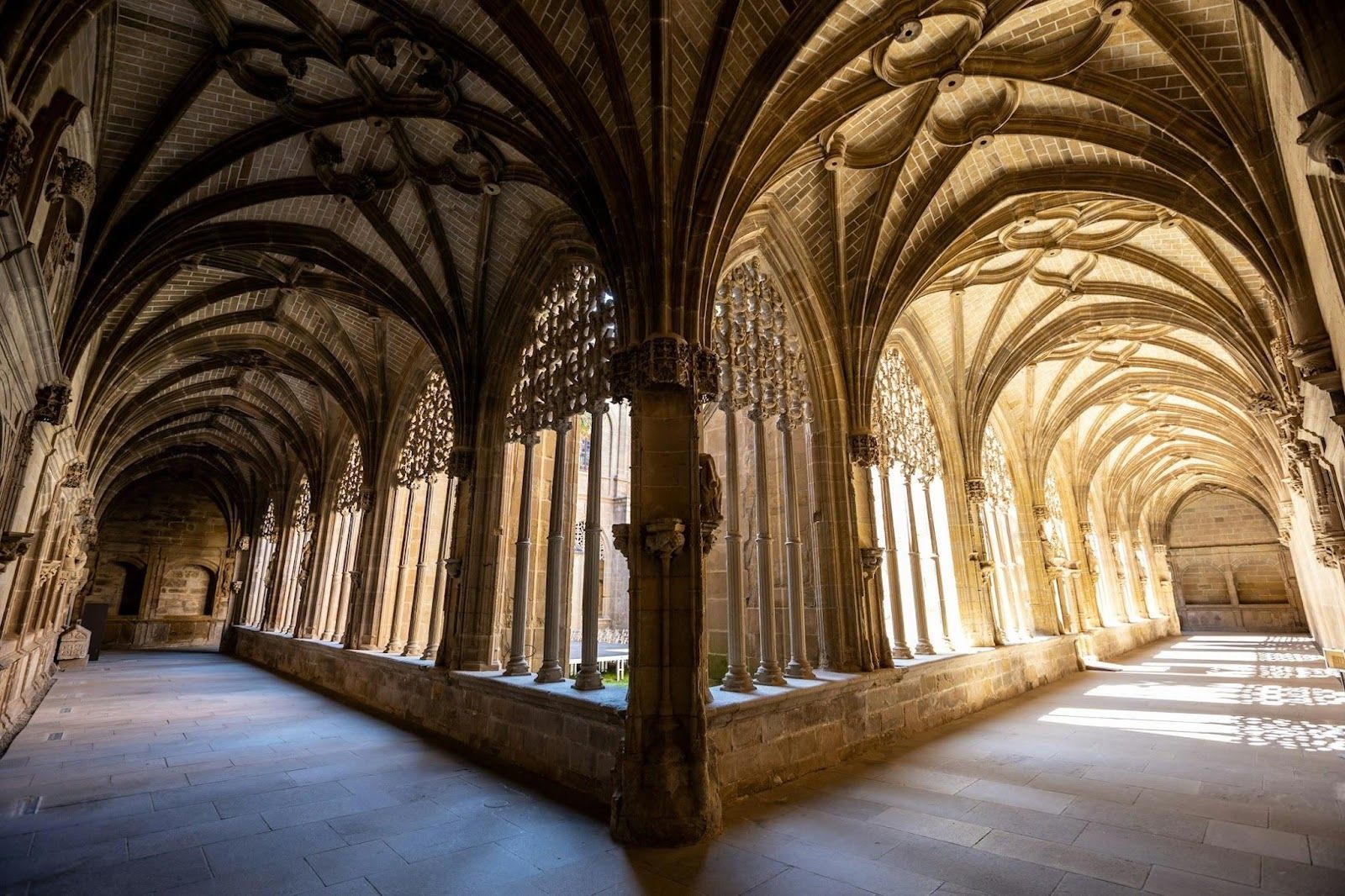
Image: Mario La Pergola

The huge Romanesque Revival building in Galveston, Texas, familiarly known as Old Red, was built in 1891 with red brick and sandstone . The Ashbel Smith Building, as it is officially named, was the first University of Texas Medical Branch edifice.

7
Mission San Xavier del Bac
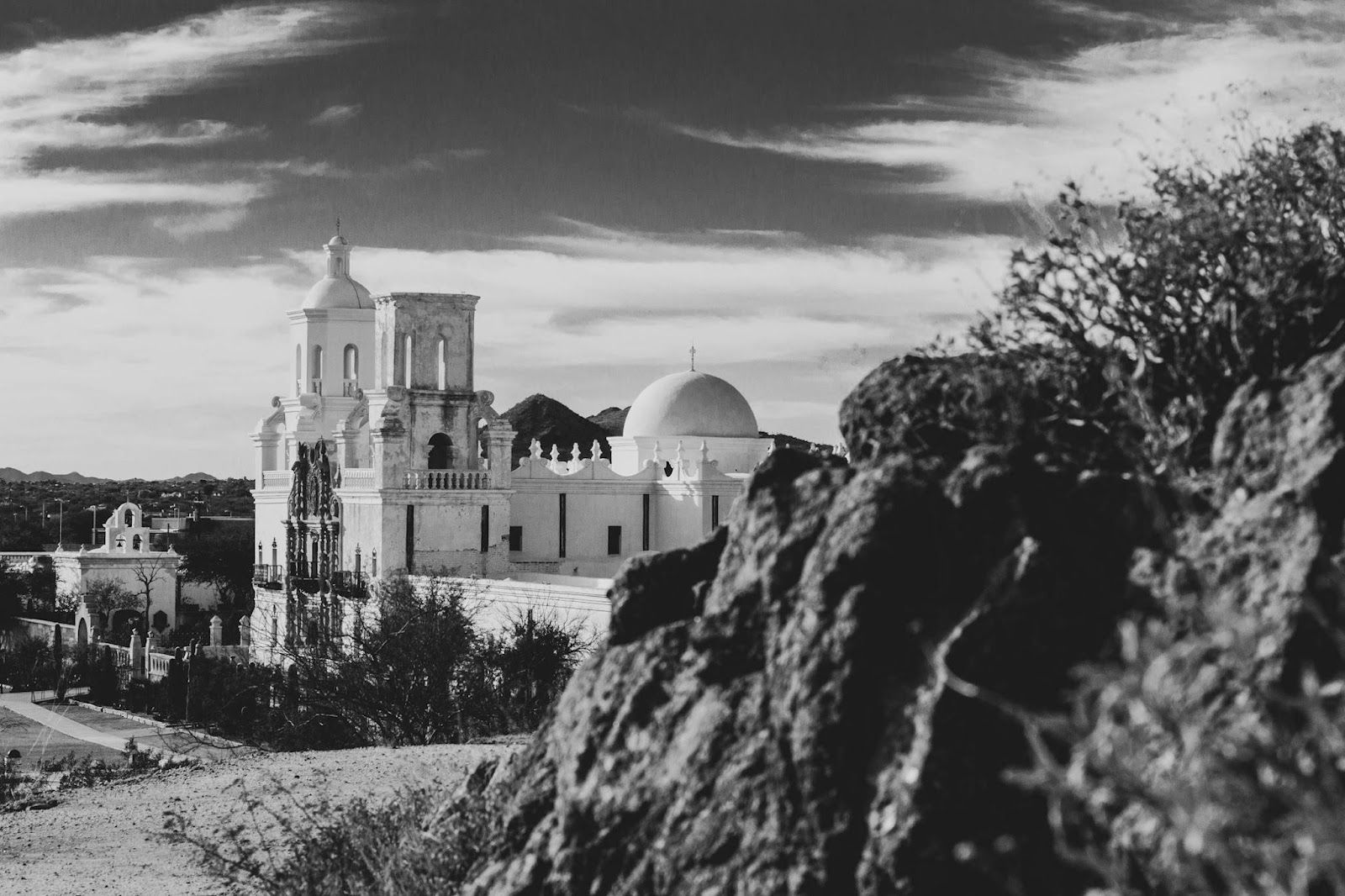
Image: Sean Benesh

The oldest European structure in Arizona is the Mission San Xavier del Balc. This historical Spanish Catholic mission is 10 miles south of Tucson and was founded in 1692. It is an outstanding example of Spanish Colonial architecture in the United States and it is a well-known pilgrimage site, with thousands visiting each year on foot and on horseback, some among ceremonial cavalcades or cabalgatas.

8
New River Gorge Bridge
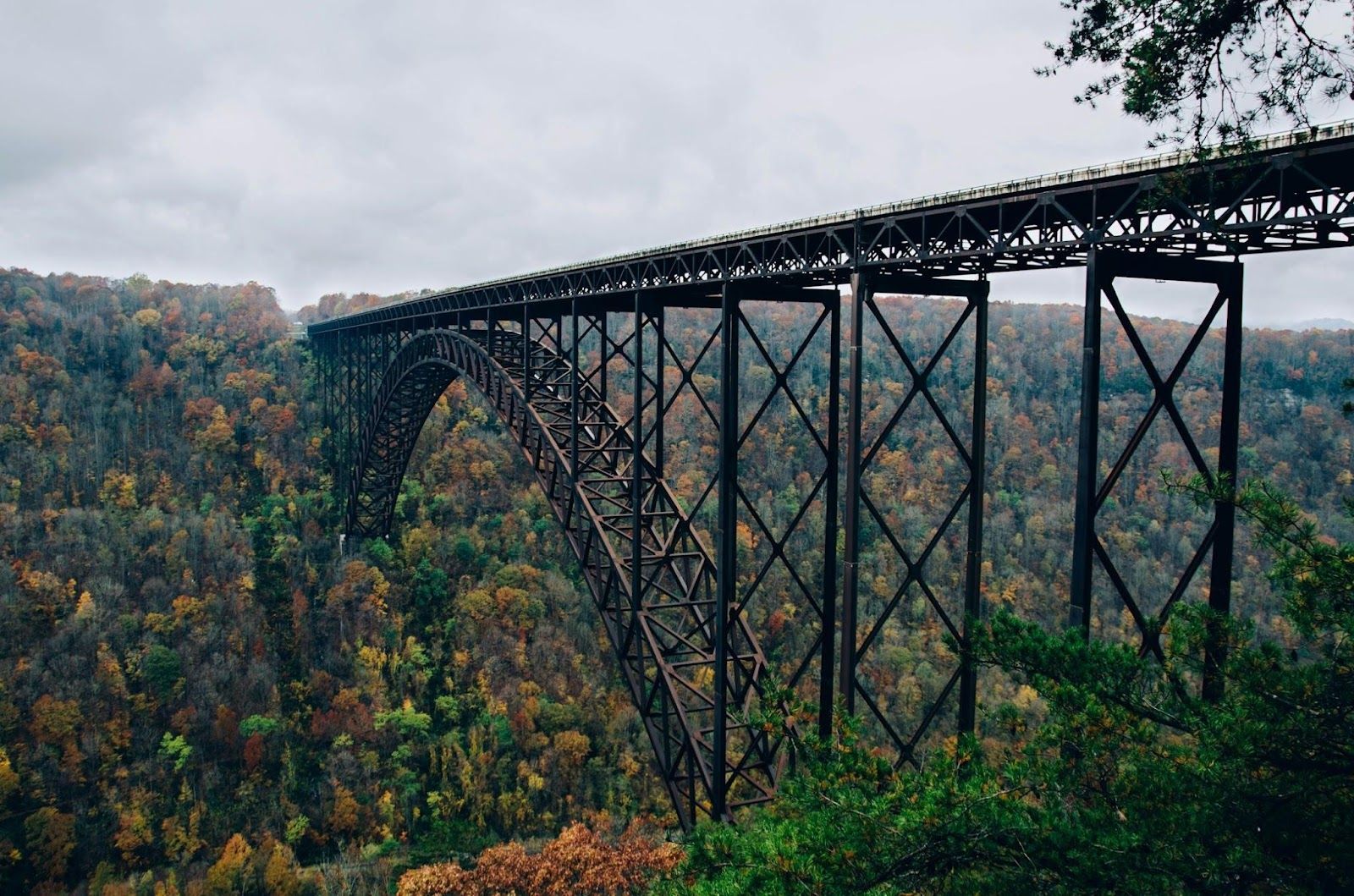
Image: Ashley Knedler

The New River Gorge Bridge is a steel arch bridge 3,030 feet long over the New River Gorge near Fayetteville, West Virginia, in the Appalachian Mountains. With an arch 1,700 feet long, the New River Gorge Bridge was t he world's longest single-span arch bridge when completed in 1977.

9
National Park Seminary
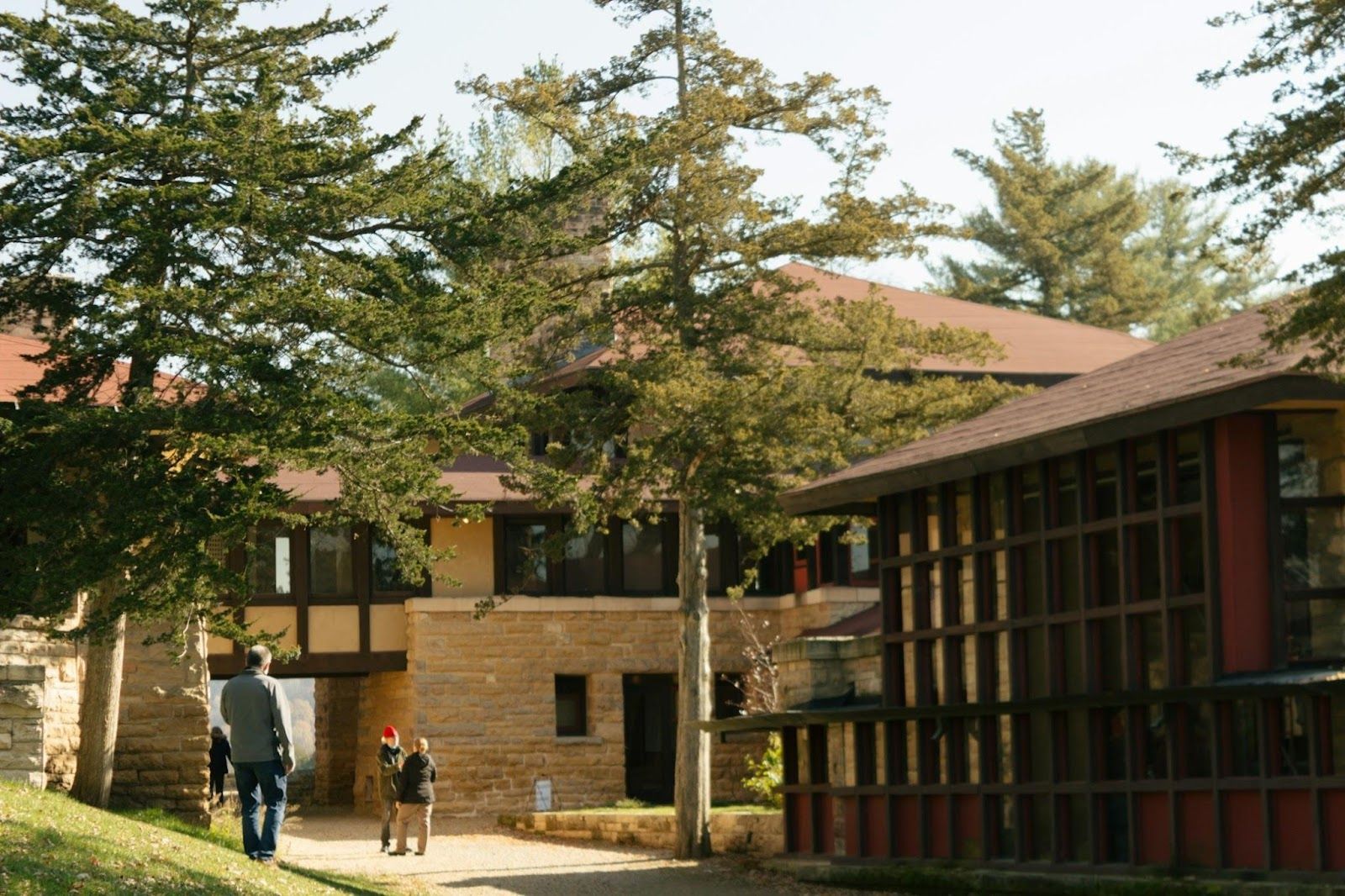
Image: Charles Marleau

National Park Seminary was a private girls' school open from 1894 to 1942 , located in Forest Glen Park, Maryland. Its name refers to the nearby Rock Creek Park. The historic campus boasts a massive building dating from the late 1800s.

10
Mercer Museum
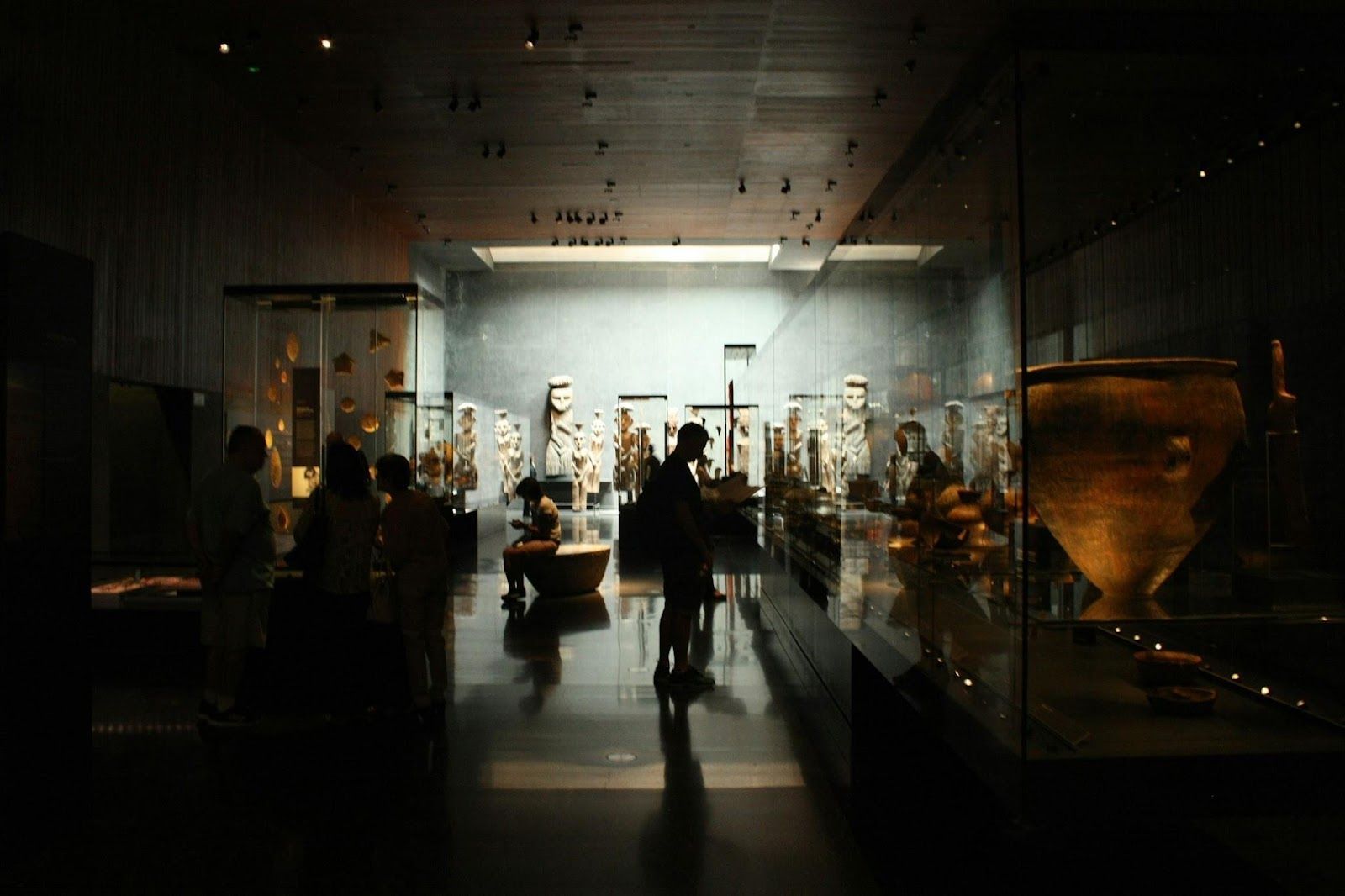
Image: Camila Credidio

The incredible Mercer Museum is a poured-in-place concrete structure built by the museum's founder, archeologist Henry Chapman Mercer, originally meant as his private residence. It is located in Doylestown, Pennsylvania.

11
Annunciation Greek Orthodox Church
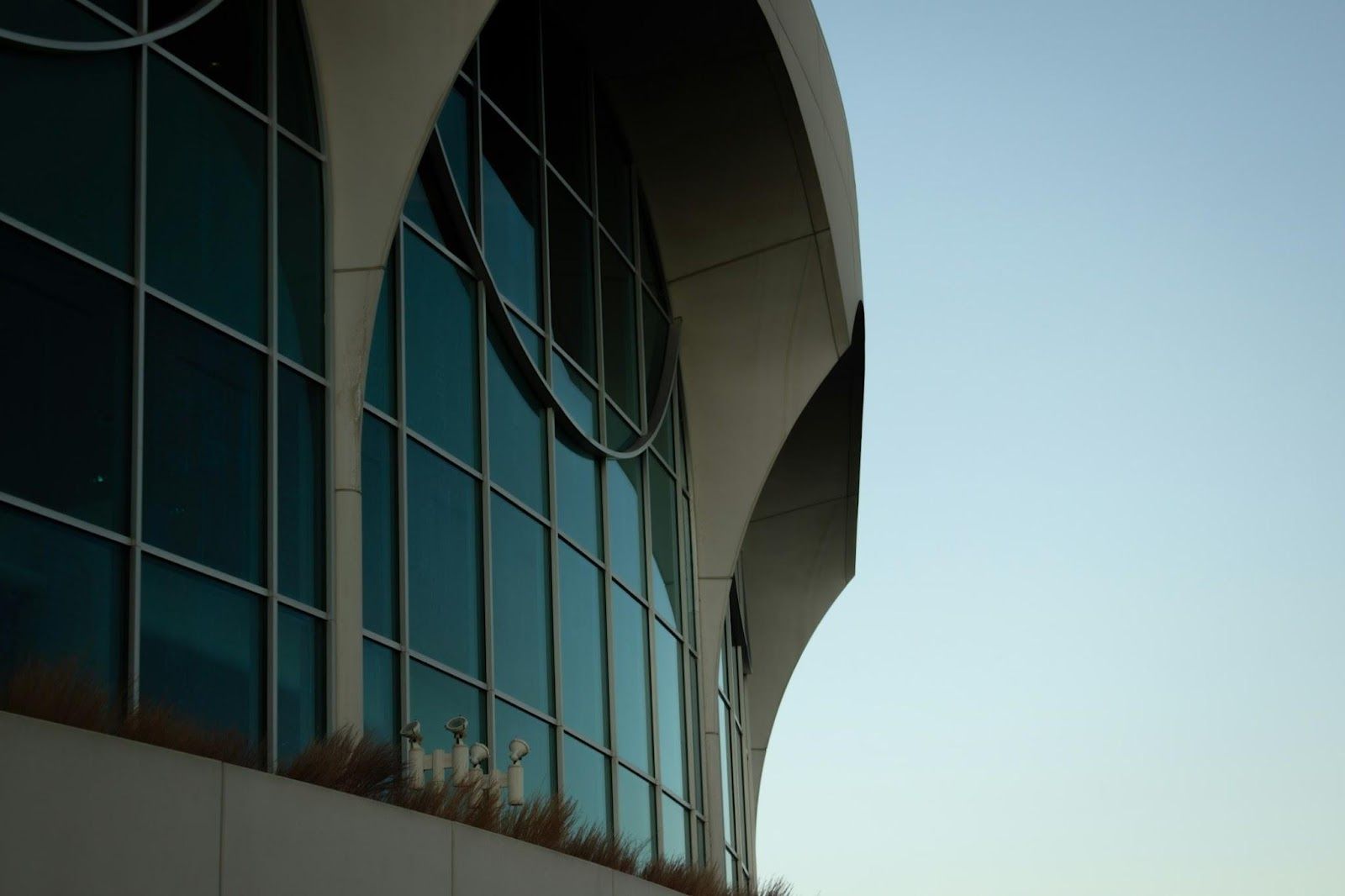
Image: Charles Marleau

The Annunciation Greek Orthodox Church in Wauwatosa, Wisconsin, United States, was designed by architect Frank Lloyd Wright in 1956, and completed in 1961.

Created according to traditional Byzantine architectural forms , but reinterpreted by Wright to suit the modern context, this building offers a striking view to its visitors.

America through songs

10 songs that preserve America’s greatest stories

Image: Anmol Arora / Chris Robert

Music has always been a way for Americans to reflect on their shared history, both struggles and victories. From heartfelt anthems about our most beautiful landscapes to bittersweet reflections on failed dreams, there is no shortage of melodies that place America at their center. Hum along with us through these 10 unforgettable songs that blend art and history, making us reflect on what was gained and lost along the way.

1
"Born in the U.S.A." – Bruce Springsteen

Image: Jose Antonio Gallego Vázquez

This 1984 anthem by "The Boss" captures the struggles of Vietnam veterans returning to a country that seems to have forgotten them. While often mistaken as a patriotic rally cry, its verses lament economic hardship and societal neglect.

Springsteen's raw vocals and gritty lyrics juxtapose against its rousing melody, making it one of America’s most misunderstood yet powerful songs. The album was a commercial success, solidifying its place in rock history.

2
"American Pie" – Don McLean

Image: Priscilla Du Preez

Released in 1971, McLean’s eight-minute epic recounts America’s loss of innocence following Buddy Holly’s death in 1959. The song’s nostalgic tone and layered storytelling made it an instant classic, with its complex lyrics referencing a myriad of cultural and political events of the 1960s.

While the song is known for its deep, almost cryptic lyrics, McLean chose not to explain its meaning for many years, allowing listeners to interpret it as they saw fit. When asked about the song’s significance, McLean humorously responded, "It means I never have to work again."

3
"We Didn’t Start the Fire" – Billy Joel

Image: Matt C

Another hit song known for its rapid-fire, name-dropping lyrics, "We Didn’t Start the Fire" chronicles major American events and figures from 1949 to 1989—a true history lesson packed into a pop hit.

According to Joel, the idea came from a conversation with a younger friend, who suggested that no era could have been more chaotic than the one they were living in. This prompted Joel to write a song demonstrating that every era has its own share of turmoil, showing that there’s nothing new under the sun.

4
"Take Me Home, Country Roads" – John Denver

Image: Mario Scheibl

This 1971 ode to West Virginia celebrates the beauty of rural America. Denver’s tender vocals and vivid imagery perfectly capture the essence of small-town life and evoke a sense of nostalgia for simpler times.

In the chorus, Denver depicts the roads to West Virginia as a guiding force, leading him back to a place where he truly belongs, affectionately calling the state "Mountain Mama." The song has since become a symbol of Appalachian pride, performed at countless events, and even adopted as an official state anthem.

5
"Paradise" – John Prine

Image: Albert Hyseni

Prine’s 1971 bittersweet ballad tells the story of a small Kentucky town destroyed by coal mining. Although Prine was from Chicago, his family hailed from the Appalachian region, specifically the town of Paradise, Kentucky.

Large-scale strip mining from the 1950s to the 1970s wiped Paradise off the map, as thousands of acres were stripped. During that time, regulation of strip mining was minimal at best, and even today, the environmental and societal scars of this practice are still visible.

6
"Casey Jones" – Mississippi John Hurt

Image: Tim Wildsmith

"The Ballad of Casey Jones," also known as simply "Casey Jones," is a traditional American folk song about railroad engineer Casey Jones and his death while driving the train he was operating.

Although Mississippi John Hurt isn’t the only artist to cover this subject, his version neatly and beautifully sums up the story of this almost forgotten American hero — a heroic railroad engineer who sacrificed his life to save passengers during a train crash in 1900.

7
"Pancho and Lefty" – Townes Van Zandt

Image: Cemrecan Yurtman

Though originally written by Van Zandt, Willie Nelson and Merle Haggard’s 1983 rendition made this tale of two outlaws iconic. It tells the mysterious story of Pancho, a legendary gunslinger betrayed by his partner Lefty.

One reason the song remains so enduring may be its open-ended lyrics, which invite listeners to imagine the untold parts of the story. Plus, who doesn’t love a song about outlaws on the run in the good old days?

8
"The Night They Drove Old Dixie Down" – The Band

Image: Rick Lobs

This 1969 song tells the story of a Confederate soldier reflecting on the fall of the South during the Civil War. Its deeply human perspective makes it stand out, resonating with empathy on the subjects of war and its aftermath.

One of the group's most successful songs, its carefully crafted lyrics bring an overwhelming human sense of history, reminding us of the suffering of those who were quickly forgotten after the war.

9
"Pastures of Plenty" – Woody Guthrie

Image: Samantha Sheppard

This 1941 song tells the story of Dust Bowl migrants seeking work in California. Guthrie's soulful lyrics seek to capture their resilience amid poverty and displacement.

Written as a tribute to these migrant workers, the song evokes the world described in John Steinbeck’s The Grapes of Wrath . Curiously, the tune is based on the ballad "Pretty Polly," a traditional folk song from the British Isles that was also popular in the Appalachians.

10
"Wabash Cannonball" – Roy Acuff

Image: Paul Arky

An anthem of railroad culture, "Wabash Cannonball" follows the predicaments of a mythical train of the same name. There are many theories about the origin of "The Wabash Cannonball." Some believe it originated in American hobo culture, serving as a "death coach" that appeared at the death of a hobo to carry his soul to its reward.

Another theory suggests the song is based on a popular tall tale about Cal S. Bunyan, Paul Bunyan's brother, who supposedly constructed a railroad so the train could travel so fast it arrived at its destination before it even departed.

A LESSON IN CULTURE HISTORY

Travel back in time to the fads and movements that defined America!

Image: Florida Memory

Do you remember the fads from your childhood and teenage years? Think back on those toys, objects, and clothing items that were once so dear to you: They might seem tacky or downright ridiculous now, but they surely hold a special place in our memories. America has gone through some rather spectacular fads and movements in the past century, so we have selected 10 of the most era-defying fads in our country’s history. We hope they bring back some good memories! Enjoy!

1
The Roaring Twenties

Image: Carrie Borden

We’ll begin with one of the first fads invented right here in America. The 1920s in America were characterized by a period of prosperity and well-being that resulted in a dynamic and distinct cultural rise in major American metropolises. There’s a reason why this period was known as "The Roaring 20s": It signified an upheaval in American music, arts, and fashion.

The 20s saw the birth of avant-garde art forms like jazz music, as well as groundbreaking novels by authors like F. Scott Fitzgerald and Ernest Hemingway. This era is also remembered for the surge of the "Flapper" subculture: Modern, young women with a more carefree attitude toward entertainment.

2
Pin-up models

Image: Florida Memory

Who do you think about whenever you think of the word "pin-up model"? Chances are your answer is Marilyn Monroe or Betty Grable : After all, they both got their start as pin-up models, portrayed in thousands of mass-produced photographs. However, these actresses helped cement the notion of what defines a pin-up model, now considered to be an essential icon in American pop culture history.

Pin-ups defined the aesthetic of an entire period, present in everything from movies to advertisements. Not only that, pin-up models were often depicted on the side of American fighter planes during World War 2, helping raise the morale of our troops.

3
Greasers

Image: Sümeyye Candan

Although the word "greaser" definitively got its start as a derogatory term for this subculture, it ended up being the name of one of America’s most beloved periods. The 1950s are still revered as a golden age by millions of Americans, particularly because of the surge of many icons that make our country so wonderful: Things like Cadillacs, Rock N’ Roll music, and soda fountains were all born in this era.

In that sense, the "Greaser" look was heavily influenced by musicians and actors like Elvis Presley and James Dean . Greasers would showcase their fast motorcycles, stylish hairstyles, and leather jackets wherever they went. By the 1970s, this style was so well-known that it provided the basis of one of America’s favorite TV characters: Fonzie, perhaps now considered the quintessential greaser.

4
The Hippie movement

Image: Jamie Street

The Hippie movement is synonymous with 1960s America: This subculture influenced almost every art form during this period, from music to television, film, and literature. While it is nowadays mostly looked at as an aesthetic or cultural movement, the influence of hippies in American politics and society shouldn’t be overlooked.

Perhaps the biggest representatives of the hippie movement are those groundbreaking bands and musicians aligned with this movement, like Jimi Hendrix, Janis Joplin, or Jefferson Airplane. Hippies were also characterized by their groundbreaking fashion, which featured bell-bottom jeans, sunglasses, and colorful shirts.

5
Beatnik movement

Image: Pereanu Sebastian

Speaking of hippies, let’s take a little detour and focus on an American artistic movement that laid the foundation from which the hippie movement emerged. Much like with "greaser," the term "beatnik" was first coined as an insult, aimed at followers of the "Beat Generation," a literary movement that included names like Jack Kerouac or William S. Burroughs.

The beatnik subculture had a defining image, often exaggerated by detractors: Think about the caricature of a modern poet, complete with a black turtleneck, beret, and bongos, and you’ll be thinking about a stereotypical beatnik. Regardless, historians believe that the term "hippie" comes from "hipsters," which is a term first used to describe the beatnik subculture.

6
The 80s

Image: Eric Nopanen

Fashion during the 1980s can be best summed up by this phrase from Charles Dickens's "A Tale of Two Cities": "It was the best of times, it was the worst of times." While it can’t be denied that this decade brought forward groundbreaking styles to music, films, and culture, it should also be noted that some of these changes were extreme, to say the least. At the end of the day, whether the 80s were good or bad will ultimately depend on who you are asking.

Personally, we would like to focus on those 80s things that we absolutely love: Things like synthesizer music, mullet hairstyles, and neon-bright clothing. This decade was also the birthplace of several subcultures, including the post-punk, preppy, and new-wave movements.

7
The 90s

Image: Panos Sakalakis

If the 70s and 80s were characterized by their loud and flamboyant styles, the 90s were defined by a more minimalist approach: Bands like Nirvana or Pearl Jam helped promote the "grunge" aesthetic, which featured simple items of clothing like jeans, flannel shirts or hoodies.

Although definitively minimalist, the 90s were also the birthplace of subcultures like the goth movement. During this era, numerous extreme sports like skateboarding gained popularity, in line with this decade’s alternative outlook on culture.

8
Disco

Image: Dustin Tramel

Ready to dance "The Hustle"? The late 60s and early 70s were determined by the emergence of one of America’s most remembered subcultures. While disco music first appeared in New York City and Philadelphia, it quickly swept over the nation: Think of a tornado filled with disco balls, roller skates, and nightclubs, and you might be able to paint a picture of how influential this subculture was.

Although disco got its start in iconic nightclubs like Studio 54, it soon expanded to other mediums like movies and television. Most notably, shows like "Soul Train" helped promote this genre’s appeal, while films like "Saturday Night Fever" cemented the ultimate aesthetic of the disco subculture.

9
Digital age

Image: Xiong Yan

We have now arrived at our modern times ! The advent of the internet represented such a groundbreaking innovation in our everyday lives that it stands to reason that the digital age also influenced many of our fads and movements. The late 2000s and early 2010s were determined by this new massive access to information, which completely changed the way we consume culture and entertainment.

In that sense, this new, instant way to share information immediately meant that culture was now not only limited to geographical locations: Your favorite band or fashion icon could easily live on the other side of the world. This cultural exchange resulted in a rich and diverse movement, which is still developing to this very day.

10
All those wonderful memories…

Image: COSMOH LOVE

We have reserved the final entry on this list for the many objects that defined each of these decades. It is sometimes easier to picture an era through a specific item: Think about the 50s and their timeless jukeboxes, or the 90s and the above-mentioned flannel shirts.

In that sense, we have selected a few of our top picks. Some, like the Hula Hoop or the Frisbee, have truly transcended time: Although they were created decades ago, they are still thoroughly enjoyed by children and adults alike. Time hasn’t been that kind with others, though, like with the now practically extinct Tamagotchi. This digital pet was all the rage during the late 90s and early 2000s, but it ultimately fell into obscurity thanks to other digital mediums.

Explore more American facts

Choose your favorite category!

General
General

As American as apple pie—the very best America has to offer!

Culture
Culture

Delve into the astounding richness of American lore.

Geography
Geography

Hop in and explore vast and diverse American landscapes.

History
History

Discover the key moments that shaped the United States.