Secret cascades worth the trek
Forget Niagara Falls: These hidden American waterfalls are worth the trek
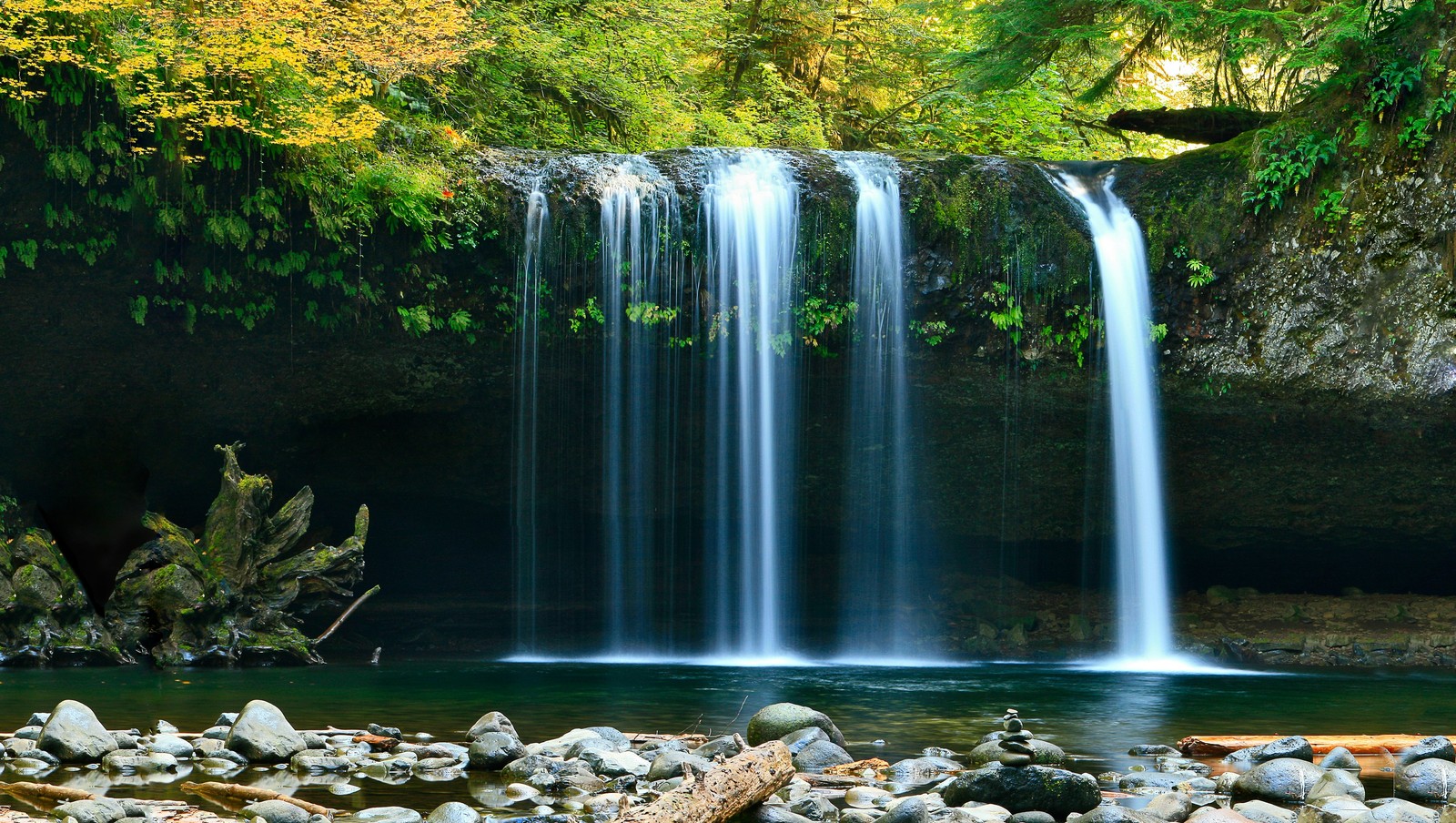
Image: Jeffrey Workman
Forget Niagara Falls and Yosemite's tourist crowds. The real magic happens at waterfalls that most people drive right past without a second thought . These hidden gems don't have gift shops or paved walkways, but that's exactly what makes them special. Grab your hiking boots and a sense of adventure: we're going waterfall hunting.
1
Havasu Falls, Arizona
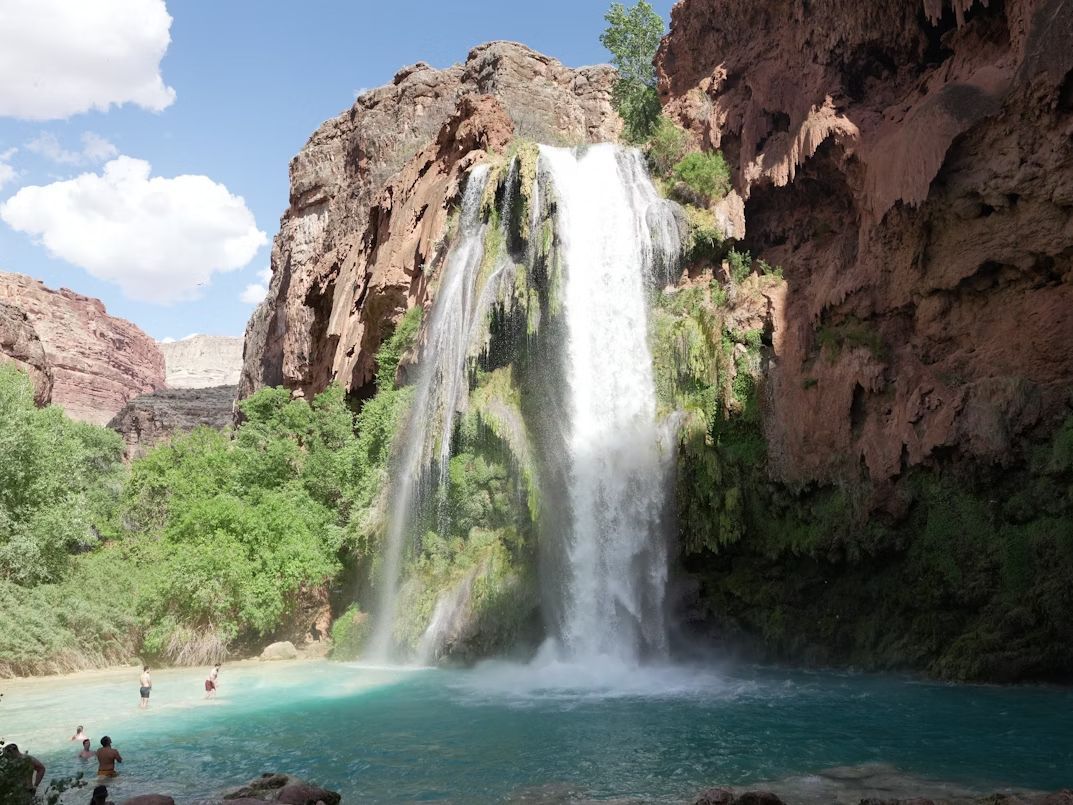
Image: Yacov B
Yes, technically, people know about Havasu Falls, but getting there requires permits, careful planning, and a ten-mile hike into the Grand Canyon that'll have your knees filing for divorce. The turquoise water looks Photoshopped, but it isn't—it's caused by calcium carbonate and magnesium that create that otherworldly blue-green glow. Most tourists snap their Grand Canyon photos from the rim and call it a day, completely unaware that this paradise exists below.
2
Linville Falls, North Carolina
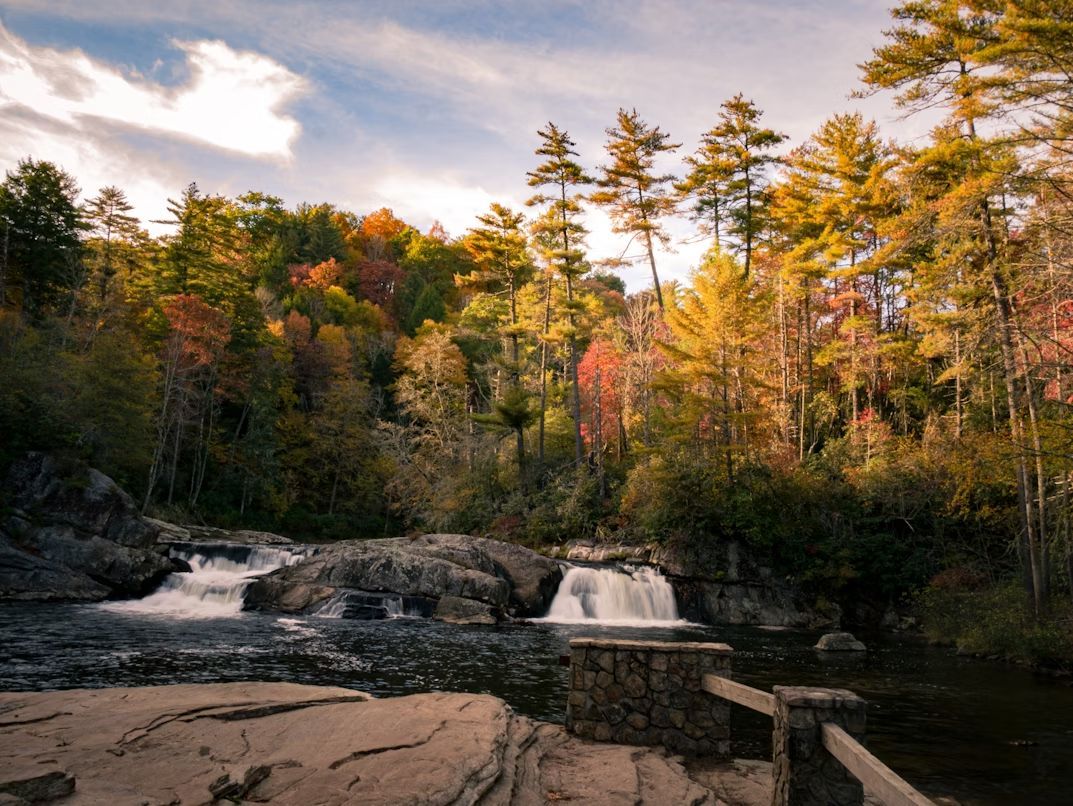
Image: Jeff Miller
Tucked in the Blue Ridge Mountains, this waterfall drops in multiple tiers through Linville Gorge , nicknamed the "Grand Canyon of the East." The upper falls plunge 12 feet, followed by the lower section, which drops another 90 feet into the gorge below.
Multiple trail options mean you can customize your effort level, from an easy quarter-mile stroll to more challenging overlooks. The best view? Probably Chimney View, which gives you the full dramatic drop and a sweeping view of the gorge beyond.
3
Potato River Falls, Wisconsin
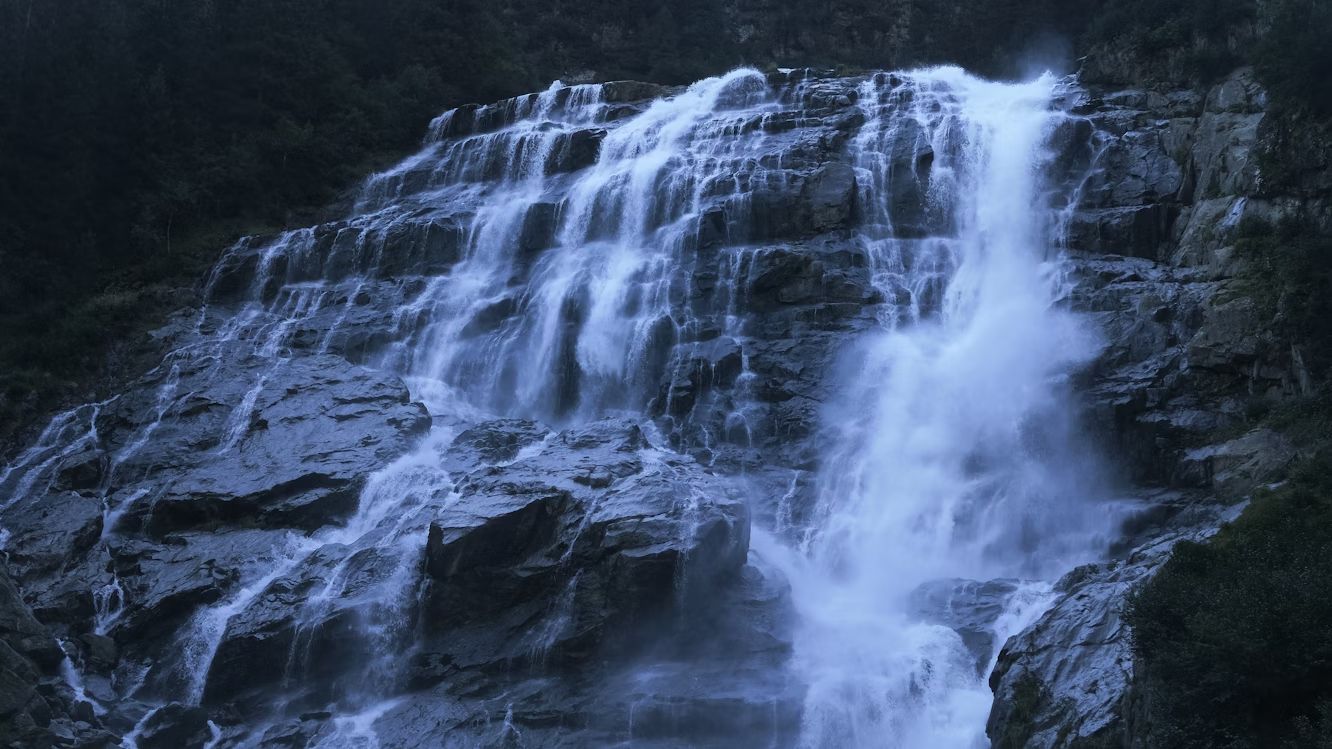
Image: Paul Pastourmatzis
Potato River Falls sits near the Michigan border in the Northwoods, where many visitors are too distracted by fishing and Friday fish fries to notice the waterfall itself. The falls drop about 90 feet in cascading sections, with observation platforms that make viewing easy —no mountain-goat skills required. The surrounding forest feels wonderfully remote, even though you're only a short walk from the parking area.
4
Natural Falls, Oklahoma
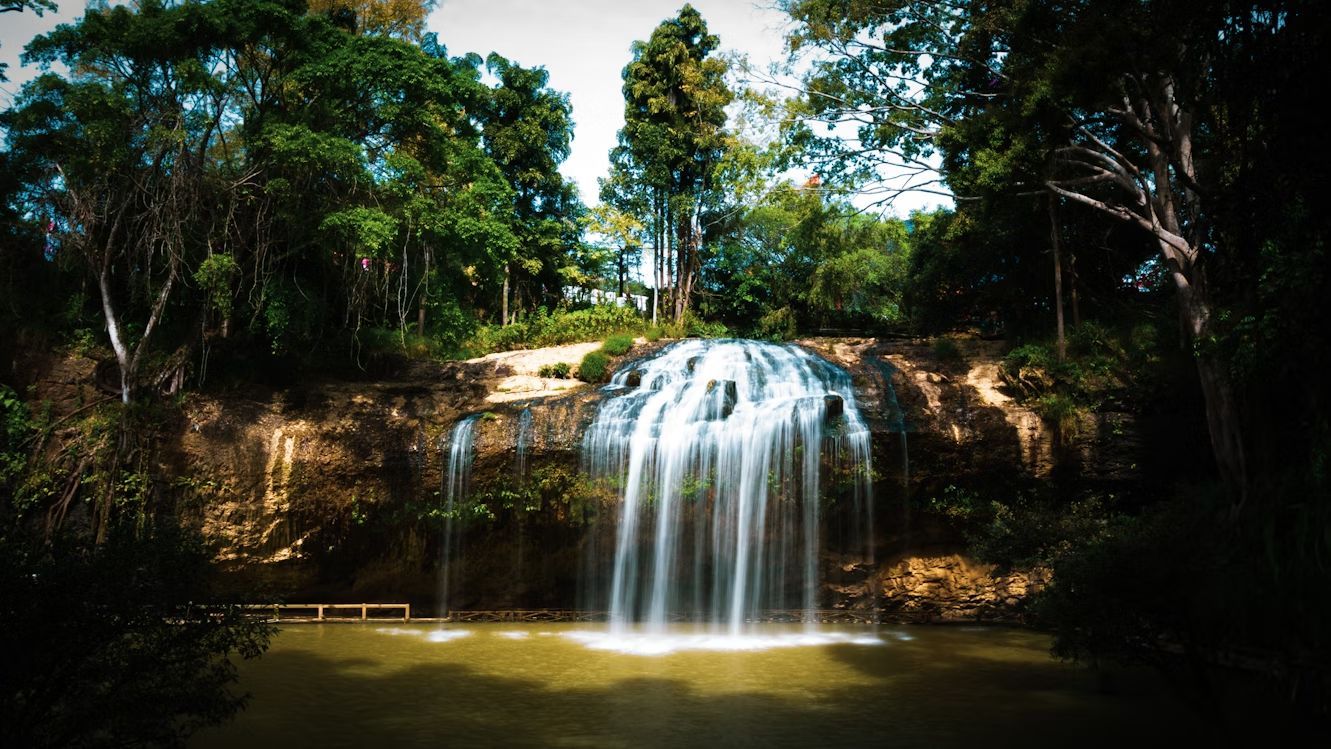
Image: Tien Vu Ngoc
Yes, Oklahoma has waterfalls, and Natural Falls State Park proves it, dropping 77 feet into a surprisingly lush canyon . The trail to the viewing platform takes about ten minutes, making this possibly one of the best effort-to-reward ratios on this list.
The falls flow year-round thanks to a spring-fed creek, though spring brings the most dramatic water volume. A large amphitheater-like alcove behind the falls provided the backdrop for parts of the 1974 movie Where the Red Fern Grows , if you're into vintage cinema trivia. Visit early in the morning to have the place to yourself and contemplate the geographical surprises America still holds.
5
Fall Creek Falls, Tennessee
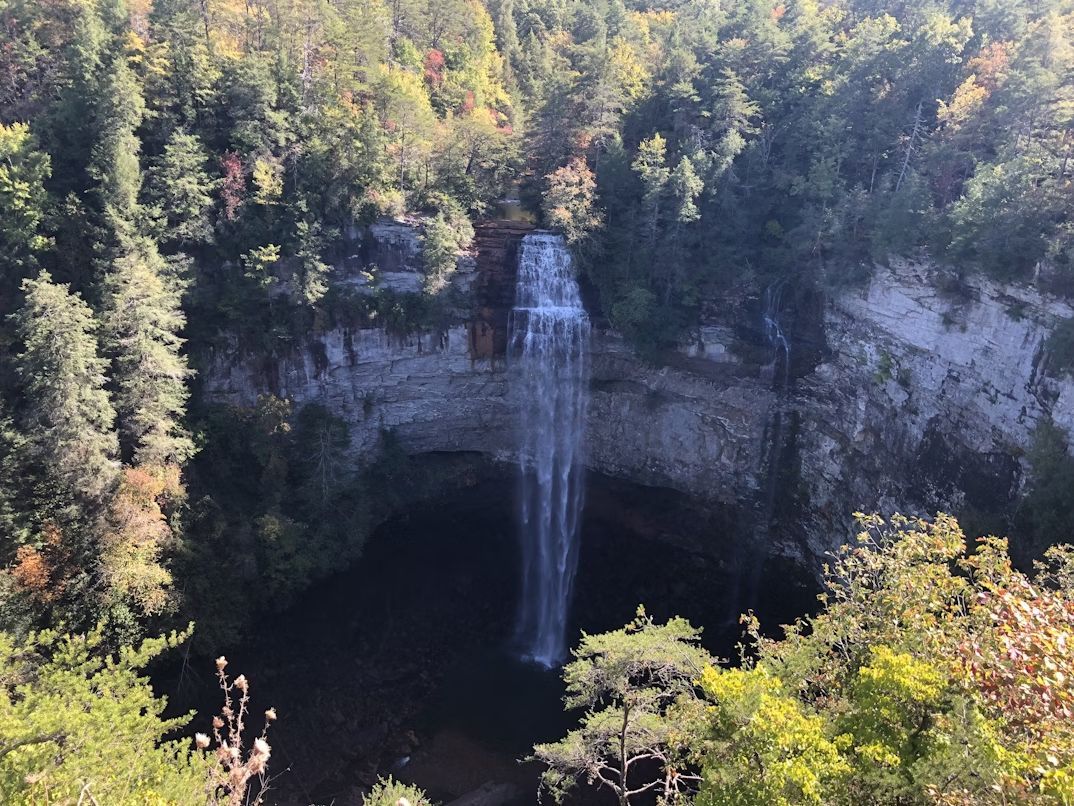
Image: Joshua Woods
At 256 feet, Fall Creek Falls is one of the tallest waterfalls east of the Mississippi , yet somehow remains less famous than Graceland. Located in a state park of the same name, it's the crown jewel among several waterfalls in the area, meaning you can actually hit multiple cascades in one day if you're feeling ambitious. The main overlook requires minimal effort, but trails wind down to the base if you want the full experience and don't mind plenty of stairs.
6
Alamere Falls, California
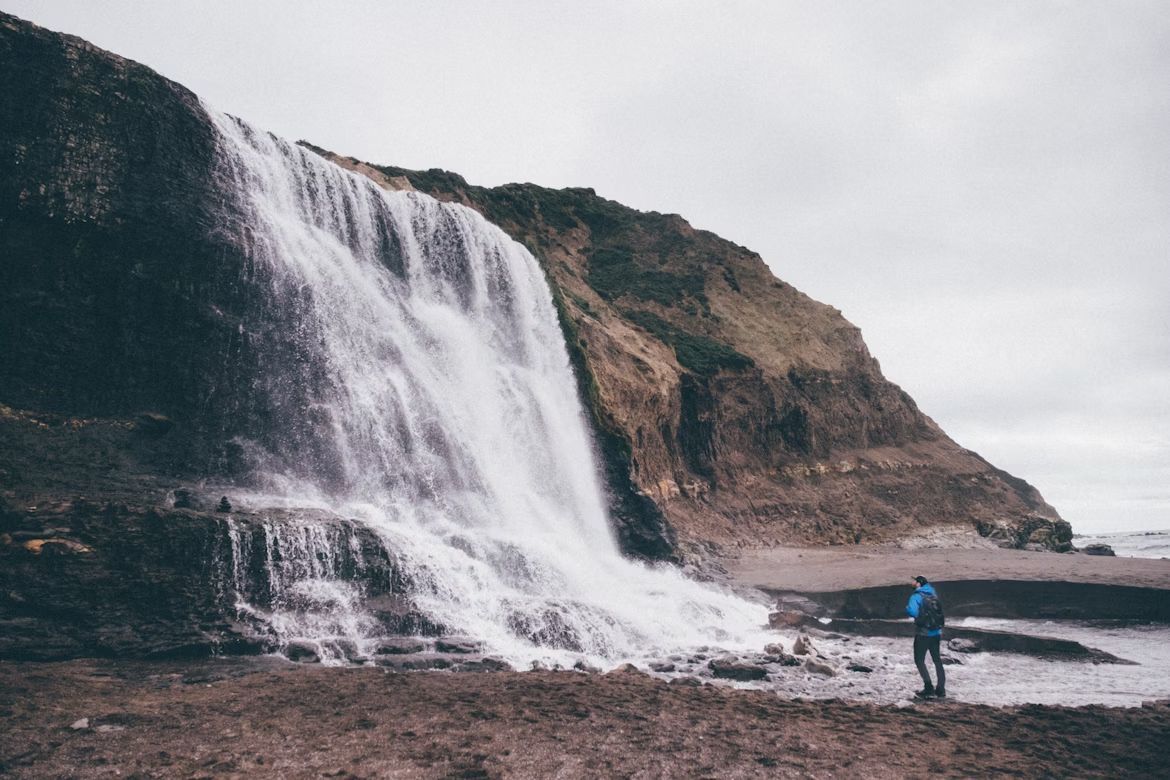
Image: Matt Bennett
California has no shortage of waterfalls, but Alamere Falls does something truly special: it drops directly onto the beach . This rare "tidefall" spills over cliffs at Point Reyes National Seashore, creating a scene that looks like a screensaver come to life. Getting there requires an 8-mile round-trip hike that's moderately strenuous but manageable for anyone in reasonable shape. The trail winds through coastal forest before emerging onto wind-swept beaches.
The falls flow strongest in winter and spring when California actually gets rain, becoming a mere trickle by late summer. Time your visit right, and you can stand on the beach while 40-foot waterfalls crash onto sand beside tide pools and sea stacks.
7
Kaaterskill Falls, New York
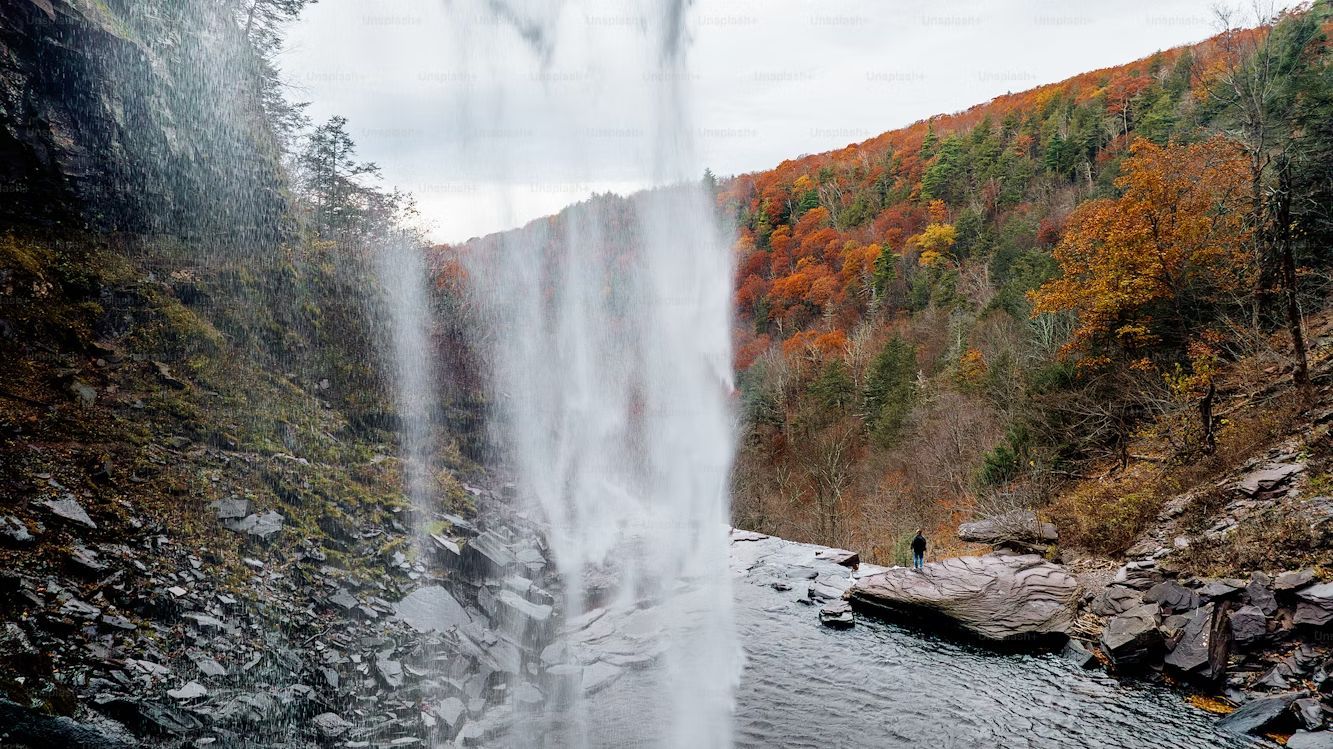
Image: Joshua Earle
The Catskill Mountains hide New York's tallest waterfall, a two-tiered, 260-foot cascade that inspired Hudson River School painters back when America was young, and landscape painting was the closest thing to Instagram. Kaaterskill Falls sits just off Route 23A, and the short trail to the base viewpoint feels properly wild. Adventurous types sometimes scramble between the tiers, though this requires caution and a complete disregard for your mother's warnings about safety.
Winter transforms the falls into a frozen sculpture, attracting ice climbers who've made interesting life choices. The surrounding forest looks like something from a fairy tale, all moss and ferns and filtered light.
8
Bridal Veil Falls, Colorado
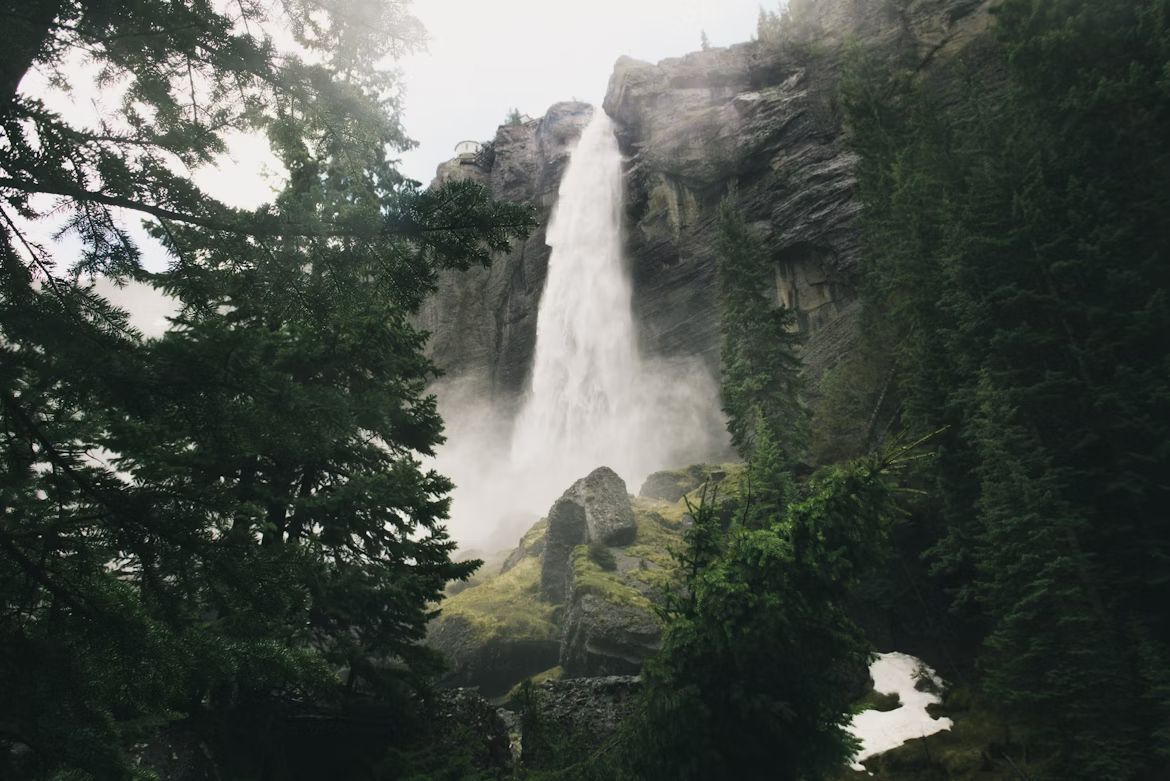
Image: Chad Madden
Bridal Veil Falls near Telluride claims the title of the state's tallest free-falling waterfall at 365 feet . The waterfall cascades like a lace curtain—hence the name—from a hanging valley, and at the top sits a power plant that's somehow still photogenic. The hike up is steep and challenging, gaining about 1,800 feet over roughly two miles, which sounds reasonable until you remember you're doing this at high altitude.
9
Cloudland Canyon Falls, Georgia
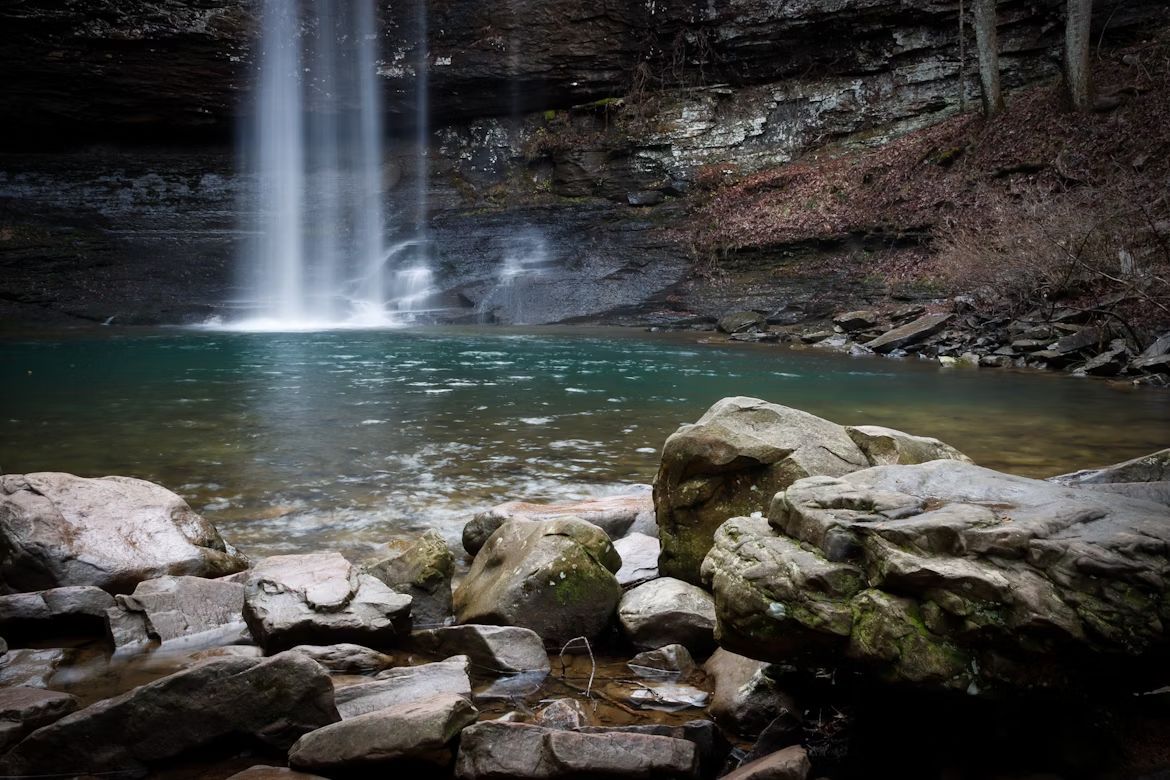
Image: Alla Kemelmakher
Georgia surprises people with its waterfalls, and Cloudland Canyon State Park delivers two beauties: Cherokee Falls and Hemlock Falls , accessible via a moderately strenuous trail system. The park sits on the western edge of Lookout Mountain, where the canyon cuts deep into the plateau. Cherokee Falls drops about 60 feet, while Hemlock Falls offers a 95-foot cascade. Both require descending (and later climbing back up) hundreds of stairs, so consider this your ultimate leg-day workout.
10
Fairy Falls, Wyoming
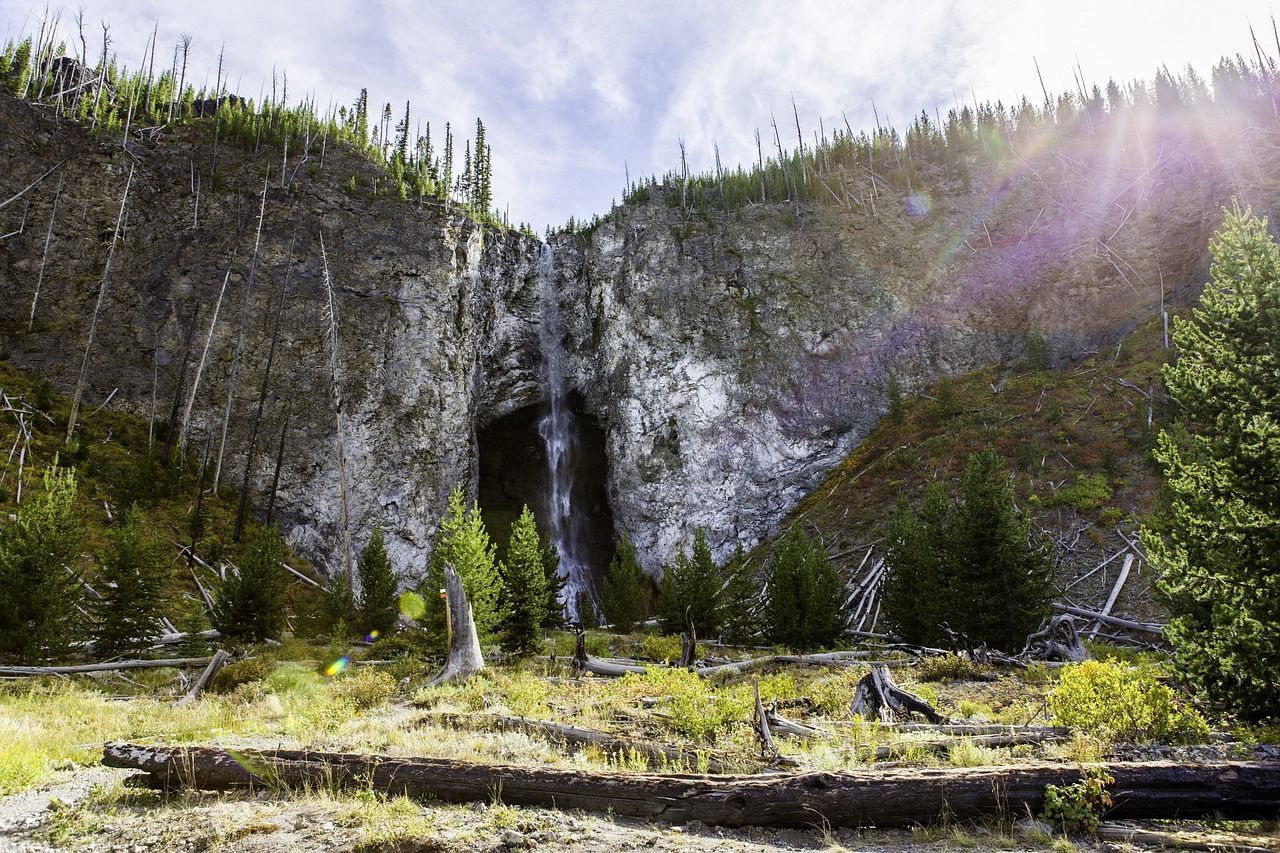
Image: Veenvorm
Yellowstone gets all the geothermal glory, but Fairy Falls offers a quieter experience just a few miles from the madness of Old Faithful. At 200 feet, this ribbon of water drops from the Madison Plateau into a peaceful forest clearing . The trail is about five miles round-trip along old fire roads, flat and easy enough for most fitness levels.
Most Yellowstone visitors stick to the main loop, which means Fairy Falls sees only a fraction of the park's three million annual tourists. The falls flow strongest during spring snowmelt, becoming more modest by late summer.