History History 3 min read

Say what?!

Believe it or not, these foods were once marketed as health remedies

Image: Barnabas Davoti

For much of American history, grocery staples didn’t just promise flavor, they also claimed to heal. Yes, you read that right: before strict regulations, inventors, pharmacists, health reformers, and plain snake oil salesmen pushed new products as cures for nerves, digestion, or things as abstract as "vitality". Take a look at 11 everyday food items that were once considered medicinal.

1
Coca-Cola

Image: Artem Beliaikin

The first item in our list is one of the most famous examples. Created in 1886 by a pharmacist named John Pemberton, Coca-Cola was introduced as a nerve tonic meant to calm headaches and boost energy . Early ads called it a "brain elixir," and it was sold from pharmacy counters.

Over time, the drink’s medicinal claims faded as its sweet and refreshing flavor alone won over the public.

2
Grape-Nuts
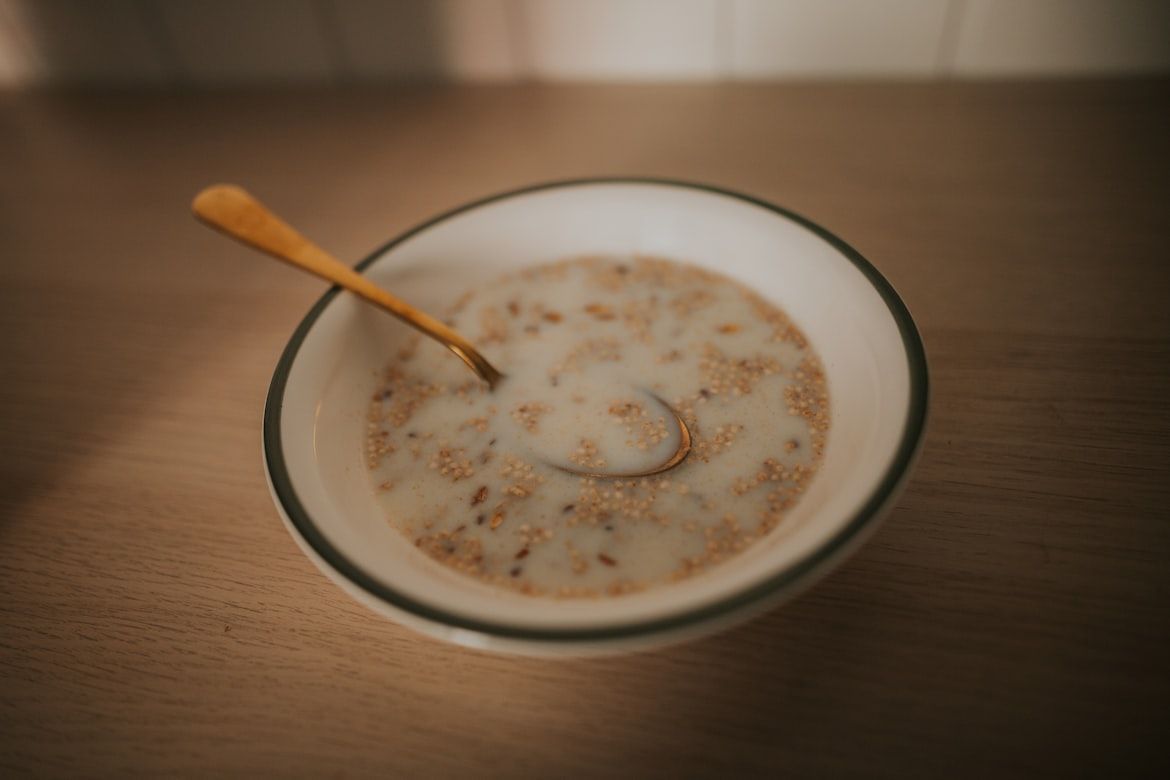
Image: Mona Bernhardsen

Grape-Nuts arrived in 1897 with big promises about health benefits, including digestion and even appendicitis . Ads insisted on its remarkable healing power.

As science advanced, the claims faded, but the cereal stayed popular. Its crisp texture and hearty flavor became the true selling point once the medicinal hype fell through.

3
Corn flakes
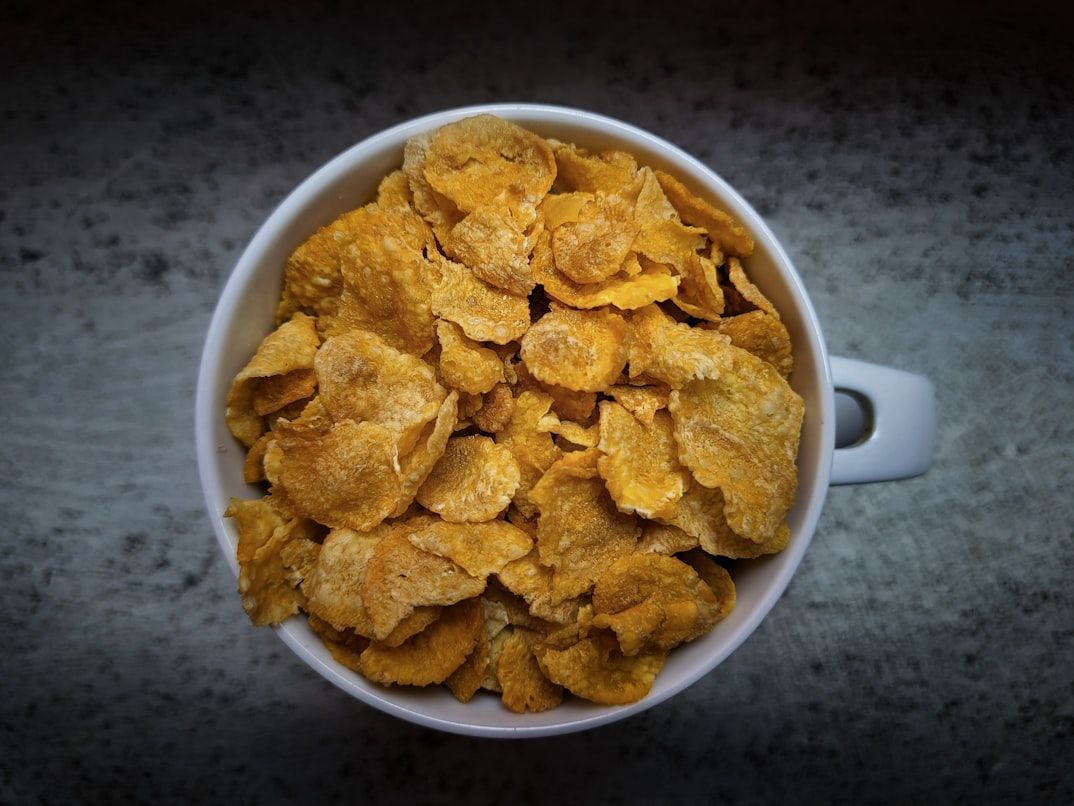
Image: Deepak N

Developed at the Battle Creek Sanitarium, Kellogg’s Corn Flakes were created as a bland, calming food meant to improve digestion and overall health . They were part of a larger awareness movement.

The cereal’s simple crunch won broad appeal, and the medical message softened. It ultimately became the breakfast staple that we know today.

4
Ovaltine

Image: pariwat pannium

Introduced in the early 1900s, Ovaltine claimed to boost strength, improve sleep, and support children’s growth . It was marketed as a malt-based health enhancer.

As breakfast habits changed, Ovaltine’s tine softened, but its cozy appeal endured. It became more of a nostalgic treat than a serious health product.

5
7-Up

Image: Shawn Powar

This one had some backing to its claims. When 7-Up was launched in 1929, it contained lithium citrate, an ingredient used in mood-stabilizing treatments . Early advertising pitched it as a mood-lifting, calming tonic.

As formulas changed and regulations grew, the lithium disappeared, and 7-Up’s identity shifted. It ultimately took its place as a crisp lemon-lime soda with no therapeutic claims.

6
Jell-O
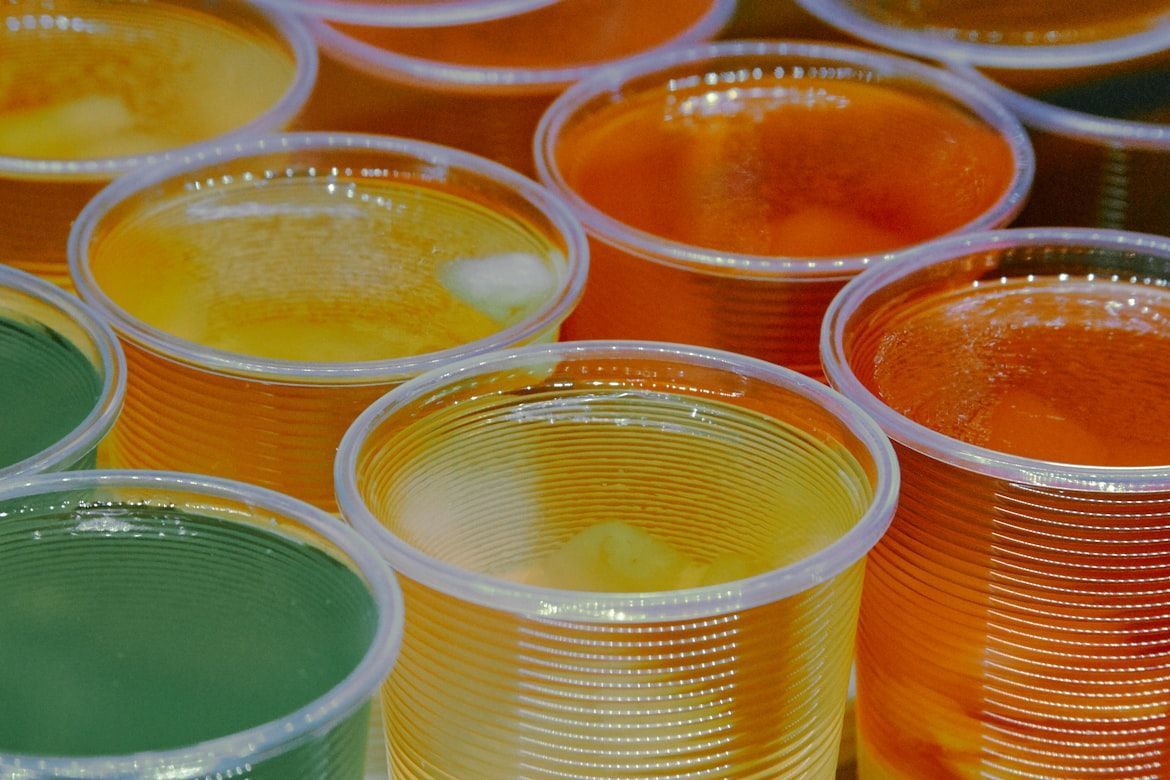
Image: Girl with red hat

When Jell-O debuted, it was pitched as a pure, digestible food for children and invalids . Doctors were encouraged to recommend it as a gentle nourishment.

Its colorful aspect soon eclipsed any medicinal sales angle. Today, Jell-O is tied to family gatherings, not medicinal prescriptions.

7
Fig Newtons

Image: Armando Brenlha

Early ads promoted Fig Newtons as a digestive biscuit thanks to their fruit filling . They were considered easy to assimilate and helpful for regularity issues.

Modern marketing focuses on wholesome snacking rather than health claims. Their soft, chewy texture is their lasting appeal.

8
Marshmallow candy
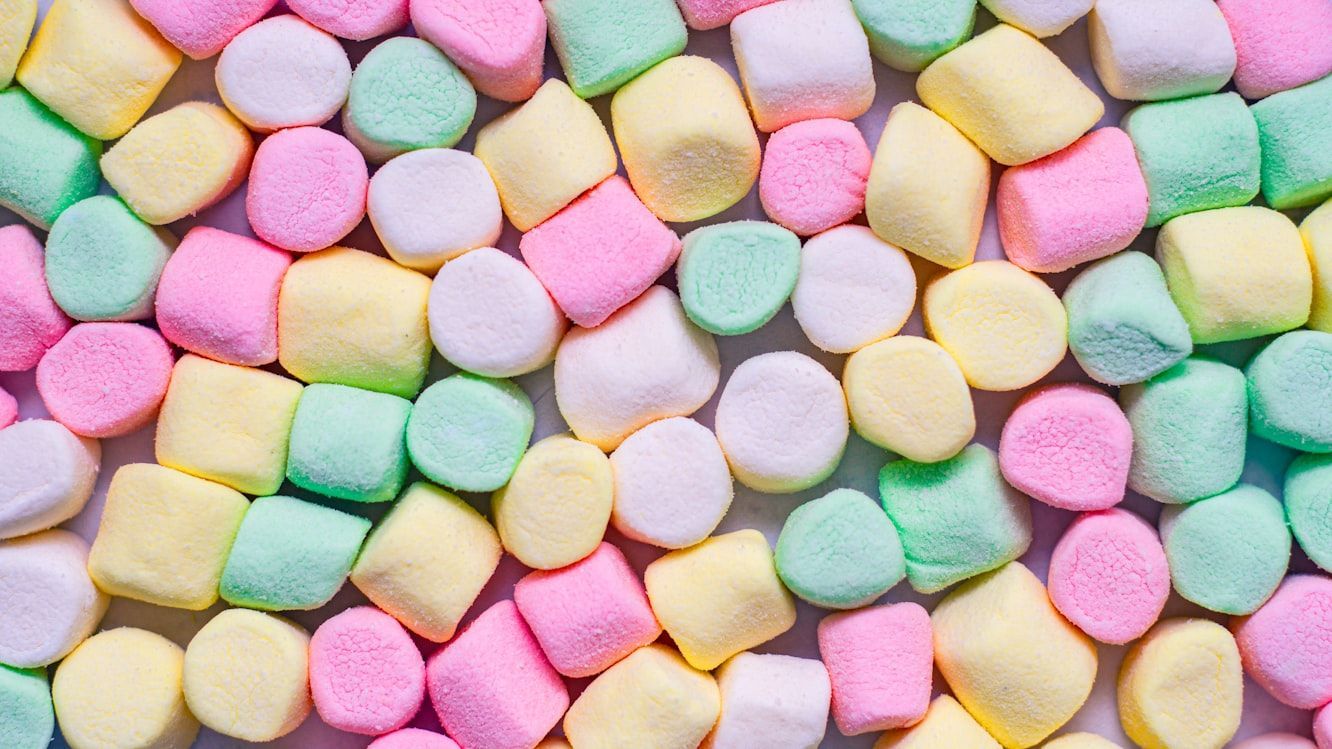
Image: Ricardo Loaiza

Before becoming modern candy, marshmallow confections were sold in pharmacies as throat soothers made from marshmallow root. They were considered medicinal lozenges.

As recipes changed, and gelatin replaced the plant extract, their purpose shifted entirely. Today, they’re tied to desserts and campfires.

9
Peanut butter
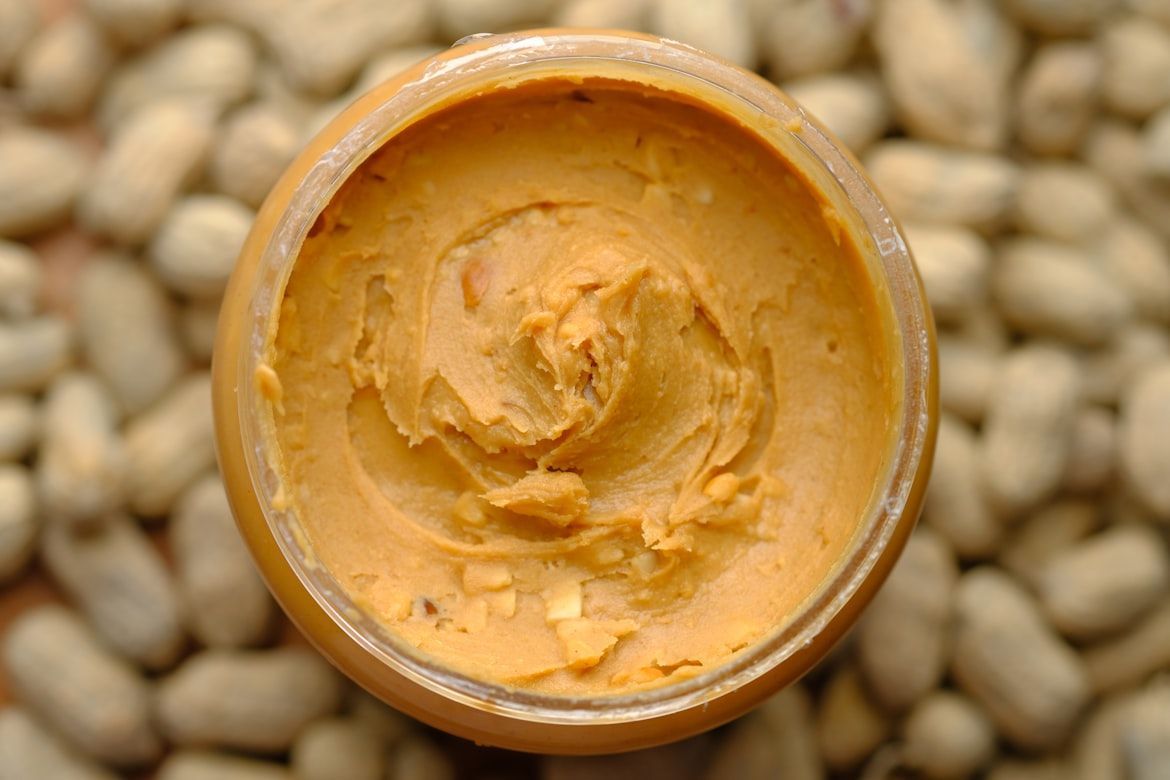
Image: Towfiqu barbhuiya

Health reformers promoted peanut butter as a protein-rich substitute for meat , ideal for the ill or elderly who struggled with chewing. It was part of a therapeutic diet.

Soon, its versatility outshone its medicinal beginnings. Peanut butter became beloved for sandwiches and snacks rather than health regimens.

10
Ginger Ale

Image: Nancy Hughes

Ginger Ale entered the market positioned as a stomach soother . Ginger’s long-standing reputation as a digestive remedy made the drink appealing to pharmacies.

Over time, ginger ale settled into its role as a refreshing mixer and comfort beverage. Its gentle reputation lingers, though it’s no longer pitched as a medical aid.

11
Welch’s Grape Juice

Image: Callum Hill

Welch’s promoted grape juice as a pure, healthful alternative to alcohol . Early ads suggested it supported vitality and overall well-being.

Its wholesome image stuck, though the medical claims did not. Today, Welch’s is associated more with family and wholesome habits than with old health ideals.


General General 4 min read

America’s favorite

Is your dog on this list? America's 10 favorite breeds

Image: Joel J. Martínez

According to recent statistics, about 66% of American homes have a pet, and dogs are the clear favorite. How popular are they? It turns out that 65 million US households own at least one dog. So which breeds top the list? Which ones claim the crown as the most chosen in American homes? Join us to see if your favorite breed makes the ranking.

1
French Bulldog

Image: Karsten Winegeart

The French Bulldog has held the title of the most popular dog breed in the US since 2022. Their friendly and adaptable nature, combined with their small size, makes them perfect companions for people living in apartments or smaller homes. They may snore a little when they sleep, but that only makes them even cuter.

Just be cautious around water. Despite their bold personalities, French Bulldogs are not strong swimmers. So it’s important to supervise them closely near pools, fountains, or any other body of water.

2
Labrador Retriever

Image: Grant Durr

In second place, we have the beloved Labrador Retrievers, who were surpassed by French Bulldogs only in 2022. For more than three decades, the sweet Labrador was America’s favorite dog, and for good reason.

Known for their outgoing and gentle temperament, they get along wonderfully with adults, children, and even other animals. Their intelligence and sensitivity also help them stand out not only as loyal family pets and hunting companions, but also as therapy and service dogs.

3
Golden Retriever

Image: Taylor Sondgeroth

Right behind Labradors are Golden Retrievers, the good guys of the neighborhood. With their warm temperament and endless energy, they’ve earned the number three spot among the most popular breeds. Often described as "people pleasers," Goldens are more than just obedient; they’re quick learners who are always eager to join you on any adventure.

4
German Shepherd

Image: Steve Smith

Fourth on the list are German Shepherds, elegant, impressive dogs renowned for their loyalty, intelligence, and ability to learn quickly. Unlike Labradors and Golden Retrievers, however, they often have a more serious image, largely because they’re commonly associated with police work, search and rescue, and service roles. Naturally protective, they tend to be reserved at first but become affectionate with those they trust.

Do you remember Rin Tin Tin? He was a great example of the breed and helped bring German Shepherds to worldwide fame.

5
Poodle

Image: Steven Van Elk

It’s hard to write a paragraph about Poodles, not because we don’t have anything to say, but because it’s easy to be distracted by all that cuteness. Ranked fifth among the most popular breeds, Poodles also rank among the most intelligent dogs in the world. Their extraordinary smarts and enthusiasm to learn come from their history as skilled hunting dogs and even circus performers. Thanks to their obedience, agility, and strong bond with people, they continue to hold a top spot among America’s favorite breeds.

6
Dachshund

Image: Christopher Cassidy

In sixth place are the adorable Dachshunds. Famous for their long bodies, short legs, and big personalities, these dogs weren’t in the top rankings a decade ago. Many believe their surge in popularity has been fueled in part by viral internet videos showcasing their charm and humor. But don’t let their small size fool you: Dachshunds may be small, but their deep, bold bark makes them sound much bigger than they really are.

7
Beagle

Image: Marcus Wallis

Beagles come in seventh place, though if there were a contest for best ears, they’d surely take first. They’re loved not only for their adorable looks but also for their intelligence and, above all, their extraordinary sense of smell. Originally bred as rabbit-hunting hounds, Beagles have a highly efficient nose and a powerful tracking instinct.

8
Rottweiler

Image: Joash Viriah

With their striking appearance and muscled bodies, Rottweilers naturally command respect. Known for their loyalty and strong protective instincts, Rottweilers are a favorite among families who have enough space for these large, energetic dogs.

Did you know they’re considered one of the oldest surviving dog breeds? It’s true! Their ancestors are believed to have accompanied the legions of the ancient Roman Empire, where they were used to herd and guard livestock.

9
Bulldog

Image: Sébastien Lavalaye

They may have a grumpy look, but Bulldogs are incredibly sweet and calm. Ranked number nine on the list, this lovable breed is a great choice for anyone looking for a dog that easily adapts to their home and lifestyle. While they’re not exactly lazy, Bulldogs do enjoy taking plenty of breaks and conserving their energy, often choosing a cozy spot on the couch over a run around the block. Plus, with those funny faces, you’ll never run out of excellent pictures.

10
German Shorthaired Pointer

Image: Marie-Pier Fillion

Last on this list, but still among the most popular breeds in the country, the German Shorthaired Pointer is admired for its elegance and presence. Originally bred in Germany as versatile hunting dogs, this breed excels at pointing, retrieving, and tracking. With their boundless energy, German Shorthaired Pointers are best suited to homes with plenty of outdoor space, as their athletic build and enthusiasm also help them shine in a wide range of dog sports.

General General 4 min read

Embracing our multilingual nation

Do you know what is the second most spoken language in the United States?

Image: Houcine Ncib

In the United States, the number of people who speak a language other than English at home has nearly tripled over the last three decades, increasing from 23.1 million to 67.8 million. According to the 2019 American Community Survey by the Census Bureau, more than 350 languages are spoken across the country , making it one of the world's most linguistically diverse nations. In this article, we’ll explore the 12 most spoken languages in the United States. Can you guess how the rankings go?

1
12. Portuguese

Image: Etienne Girardet

Today, there are over 845,000 Portuguese speakers in the United States, making it the 12th most spoken language after English.

The Portuguese-speaking community is composed of immigrants from both Portugal and Brazil. Since the 1960s, many Portuguese immigrants have settled along the coast of Massachusetts, where they could continue their traditional fishing activities. Besides Massachusetts, Portuguese is most commonly spoken in Connecticut, Rhode Island, and Utah.

2
11. Hindi

Image: Rohan Solankurkar

Hindi is the most widely spoken Indian language in the United States, with more than 890,000 people speaking it . Hindi belongs to the Indo-European language family and has been included on the U.S. State Department's list of critical languages due to strategic commercial interests in South Asia.

Hindi-speaking Indians began immigrating to North America in the early 19th century. The community has primarily settled in large cities such as New York City, Washington D.C., San Francisco, Los Angeles, and Chicago.

3
10. Russian

Image: Tessakay

There are currently almost 950,000 Russian speakers in the United States. Did you know that Russian is one of the two official languages aboard the International Space Station? NASA astronauts typically take Russian language courses to communicate with their Russian counterparts.

Another well-known Russian-speaking community is in New York's Brighton Beach neighborhood, often referred to as "Little Odessa." Cultural events, festivals, and markets featuring traditional Russian foods, music, and crafts are common sights here. Los Angeles is another city where Russian is regularly used.

4
9. Korean

Image: 昆 阿

Over the past few decades, the number of Korean speakers in the United States has grown significantly, with nearly 1,100,000 people now speaking Korean .

Los Angeles is home to the largest Koreatown in the country, and many residents in other major cities speak Korean at home, helping to maintain and promote the heritage of this Asian culture in the United States.

5
8. Arabic

Image: Rawan Yasser

With more than 1.2 million speakers, Arabic is the eighth most spoken language in our country.

Arabic is spoken in immigrant communities from countries such as Egypt, Lebanon, Syria, Iraq, and Yemen. These communities are most prominent in states like California, New York, and Michigan, where Arabic is commonly heard in homes and community centers.

6
7. German

Image: FotosFuerBlogger

German is widely spoken in states with high populations of German ancestry, such as Pennsylvania, Wisconsin, and Texas. When including Yiddish, Pennsylvania Dutch, and other West Germanic languages, there are over 1,450,000 German speakers in the United States.

Cities like Fredericksburg and New Braunfels, Texas, were founded by German immigrants and continue to celebrate their heritage with festivals such as Oktoberfest. In Pennsylvania, a large number of Pennsylvania Dutch speakers—predominantly among the Amish and Mennonite communities—speak this German dialect, which is not, as one might expect, Dutch.

7
6. Vietnamese

Image: Huynh Van

The number of Vietnamese speakers in the United States is similar to that of the previous language on this list, with more than 1.5 million people speaking the language of this Southeast Asian country.

In recent decades, the number of Vietnamese immigrants has been increasing exponentially. Most have settled in California, followed by Texas, Florida, Washington, and Georgia.

8
5. Tagalog

Image: Emmanuel Nicolas Jr.

Despite being the fifth most spoken language in the United States, Tagalog is often overlooked. For those who have never heard of it, Tagalog is one of the official languages of the Philippines.

A significant number of Filipino immigrants have settled in the United States since the early 19th century. According to the U.S. Census Bureau, there are currently more than 1.7 million Tagalog speakers . Thirty-eight percent of Filipinos in the United States live in California, with relatively large concentrations also in Hawaii and Texas.

9
4. French

Image: Erik Mclean

If we include Patois, Cajun, Haitian, and Louisiana Creole—a hybrid of French and various African languages—French is the fourth most widely spoken language in the United States.

The French influence, which dates back to the 17th century, is evident in a wide variety of American English words and phrases. Today, there are nearly 2.1 million French speakers in the country.

10
3. Chinese

Image: 五玄土 ORIENTO

The Chinese language, including its different variants such as Mandarin, Cantonese, and Hokkien, contributes significantly to the cultural diversity of the United States. Although the gap between the second and third most spoken languages in the country is considerable, the number of people who speak Chinese is still representative.

With approximately 3.5 million Chinese speakers across the country, the greatest influence of this culture can be found in states with the highest concentrations of Chinese immigrants, such as New York and California.

11
2. Spanish

Image: Leeloo The First

Spanish is the second most spoken language in the United States and one of the fastest-growing languages in the country. This is no surprise, as approximately 19% of the total population is of Hispanic origin.

According to the U.S. Census Bureau, more than 40 million people speak Spanish in addition to English in the United States. Hispanic communities are found throughout the nation, with the largest concentrations in California, Texas, Florida, and New York.

12
1. English

Image: Wilhelm Gunkel

Although it is not surprising that English is the most widely spoken language in the United States, it is still not recognized as an official language. However, more than half of the 50 states have passed laws granting it official language status.

English speakers make up a large percentage of the U.S. population, with approximately 78 percent speaking only English . American English is also incredibly rich, composed of dozens of regional dialects with distinct grammar, vocabulary, and pronunciation.

Explore more American facts

Choose your favorite category!

General
General

As American as apple pie—the very best America has to offer!

Culture
Culture

Delve into the astounding richness of American lore.

Geography
Geography

Hop in and explore vast and diverse American landscapes.

History
History

Discover the key moments that shaped the United States.