History History 4 min read

Weird America

Prepare to be shocked: these 10 American mysteries remain unsolved
Image: Susan Q Yin

Everyone loves a good mystery, and American history is teaming with fascinating examples. From vanished aviators to secret codes and missing treasures, these real stories have puzzled experts for decades. Some are dark, others simply strange, but all remain open chapters in our past. Take a look at the following 10 unsolved mysteries. Which ones did you already know?

1
The disappearance of Amelia Earhart (1937)
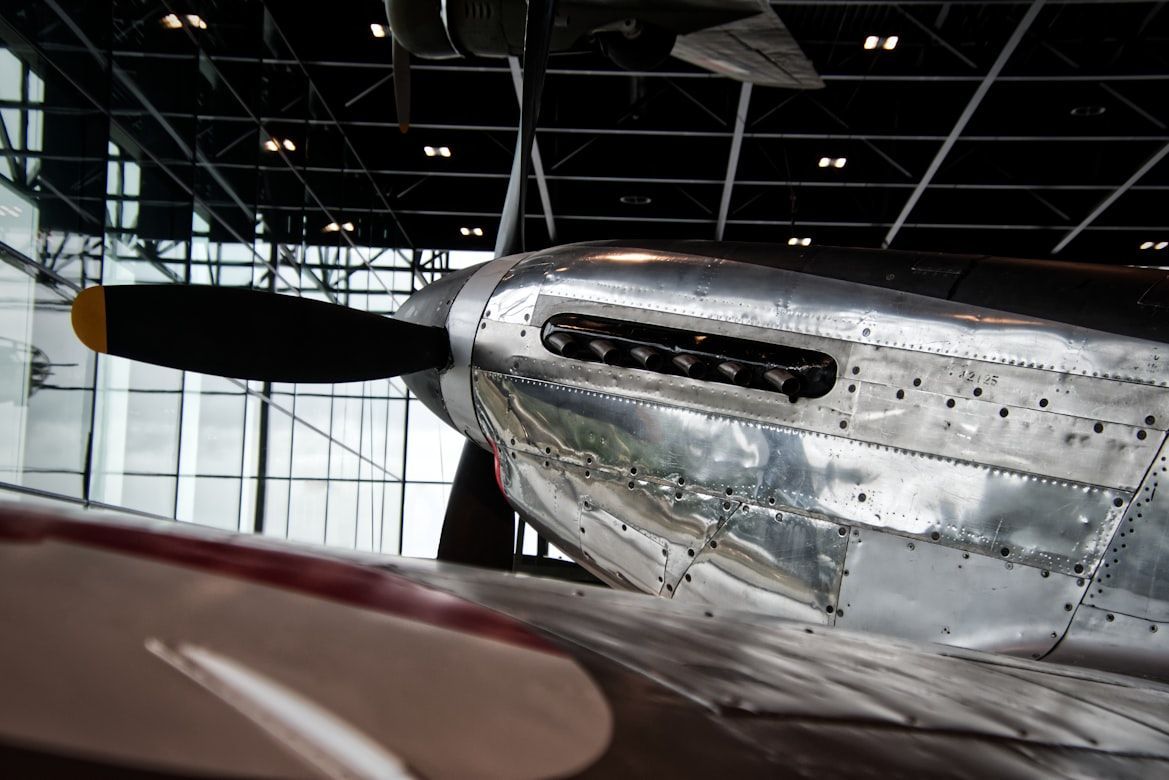
Image: Job Vermeulen

The first entry on our list is dedicated to a world-renowned flight pioneer, Amelia Earhart, who vanished while attempting to become the first woman to fly around the globe , leaving behind only fragments of her plane and endless speculation. Radio failure, poor visibility, and fuel issues are speculated to be contributing factors to her disappearance.

Even with modern technology and repeated searches, no one has ever found definitive proof of what happened to Amelia or her aircraft.

2
The D.B. Cooper hijacking (1971)
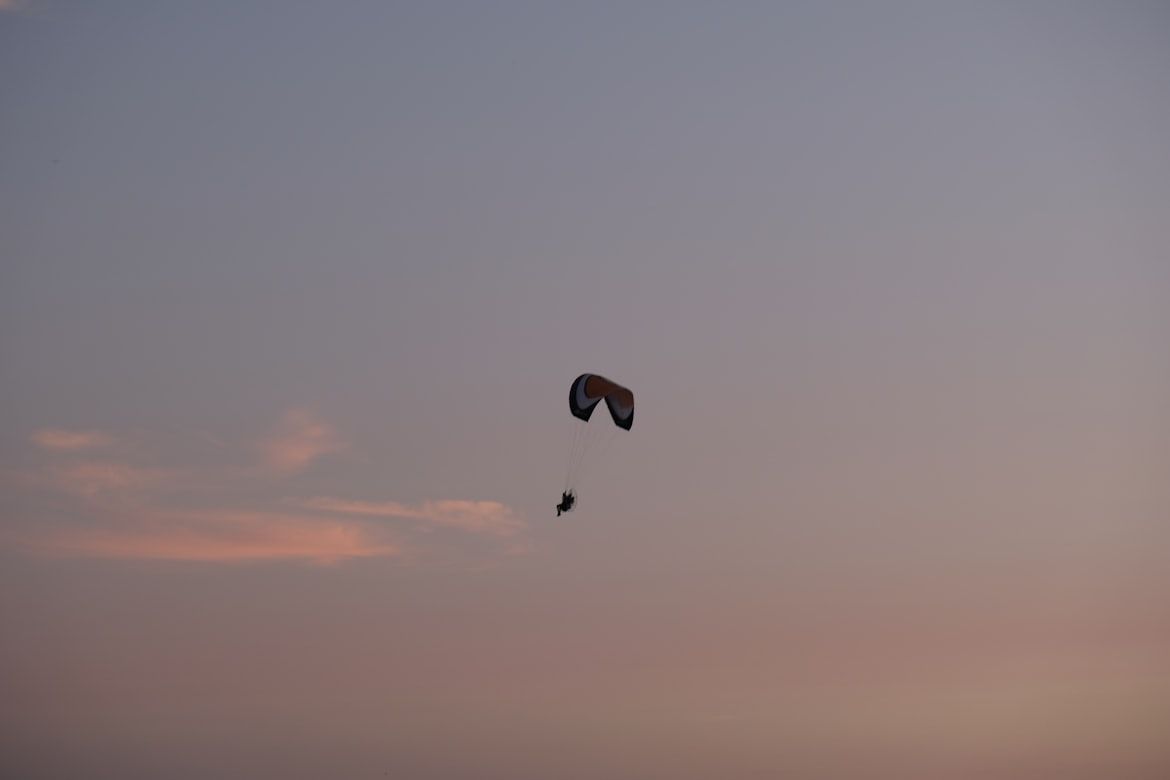
Image: Christine Trefalt

In 1971, Dan Cooper, a seemingly quiet man, boarded a plane in Portland, Oregon, which he promptly hijacked when the aircraft was in the air. He demanded $200,000 over the radio.

The plane landed in Seattle, where authorities met his demands. Cooper released all 36 passengers in exchange for the cash and parachutes. He then ordered the remaining crew to fly toward Mexico City at a low altitude and slow speed. Somewhere over southwest Washington, he lowered the aircraft's aft stairs and jumped into the freezing night, never to be seen again.

3
The disappearance of Jimmy Hoffa (1975)
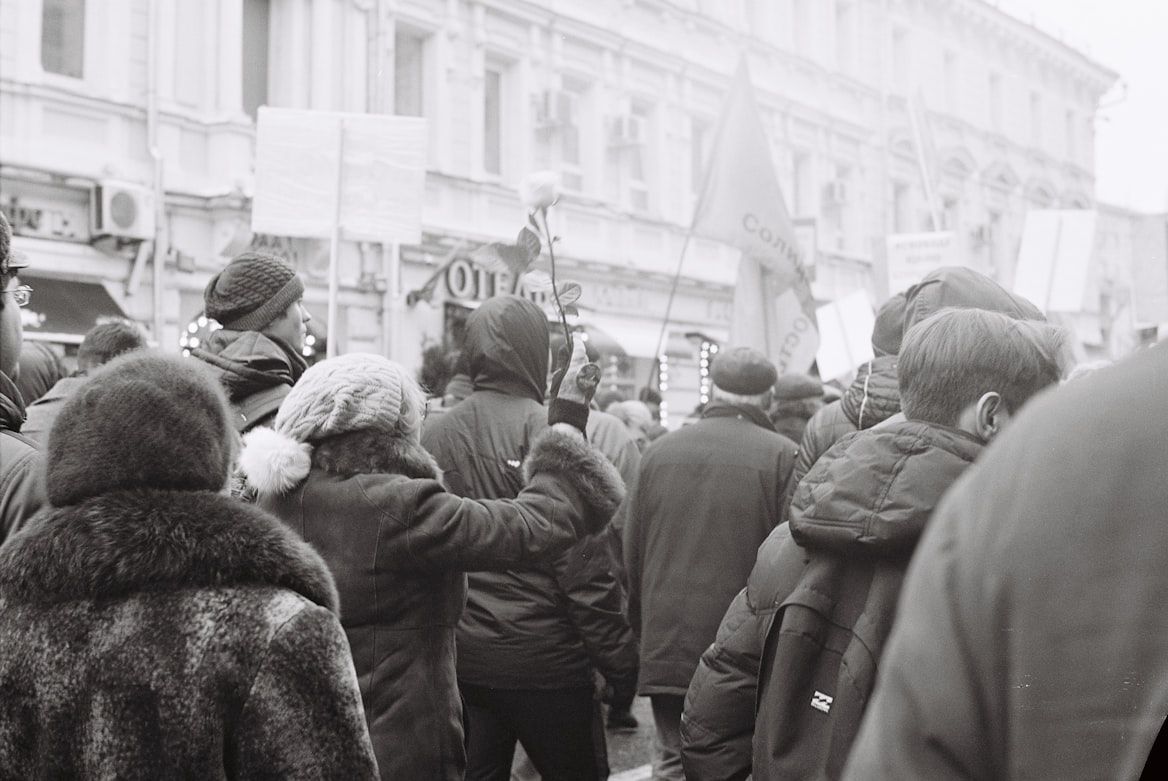
Image: Pavel Inozemtsev

The powerful union leader left a Detroit restaurant in 1975 and simply vanished . Witnesses last saw him standing by his car in the restaurant’s parking lot, and investigators believe he was coaxed into a car by people he recognized, thinking the meeting location had changed. He was never seen again. Searches in fields, lakes, and construction sites turned up nothing. To this day, it remains one of the most famous unsolved mysteries in American history.

Rumors range from mob connections to government cover-ups, but none have been proven. Ever since then, Hoffa’s name has become shorthand for anything that disappears without a trace.

4
The Yuba County Five (1978)
Image: Sebastian Unrau

In what came to be known as "America’s Dyatlov Pass", five friends vanished after attending a basketball game in the town of Chico, California. Months later, the bodies of four members of the group were found in the mountains under mysterious conditions .

The remaining member of the original party was never located, and their strange route into deep snow remains unexplained.

5
The Sodder Children (1975)
Image: Marita Kavelashvili

A fire destroyed the Sodder family home in West Virginia, but five children were never found among the remains of the house. Because of physical inconsistencies at the scene and strange sightings afterward, the family always believed they survived.

Over the years, strange sightings and letters fueled hope and confusion alike, but no real evidence has ever been found. Because of these clues, the Sodders never held a funeral and instead famously erected a billboard on Route 16, offering a reward for information and keeping the case in the public eye for decades.

6
The Springfield Three (1992)
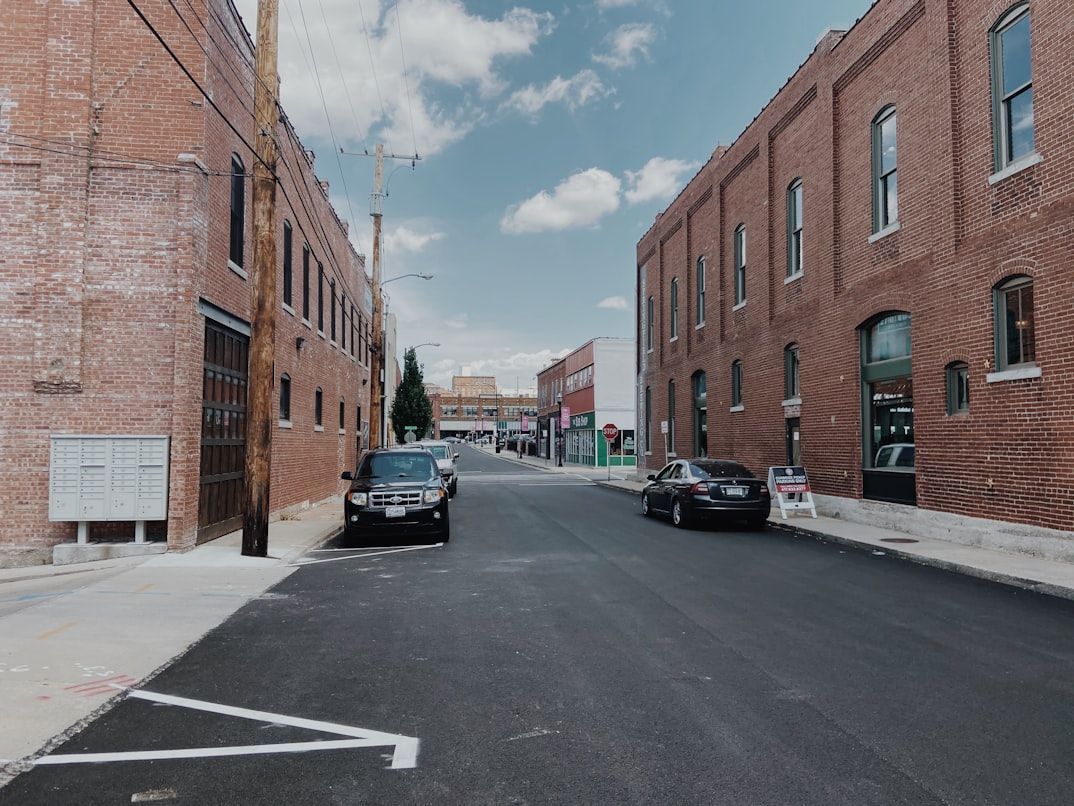
Image: David Holgerson

On a warm summer night in 1992, Sherrill Sherrill Levitt, her daughter Suzie, and Suzie's friend Stacy vanished from their home in Springfield, Missouri, leaving behind their cars, purses, and even the family dog .

Friends arriving the next morning found the house empty but unlocked. Despite thousands of leads, no evidence or remains have surfaced. The case remains one of the most talked-about disappearances in small-town America to this day.

7
The Gardner Museum Heist (1990)
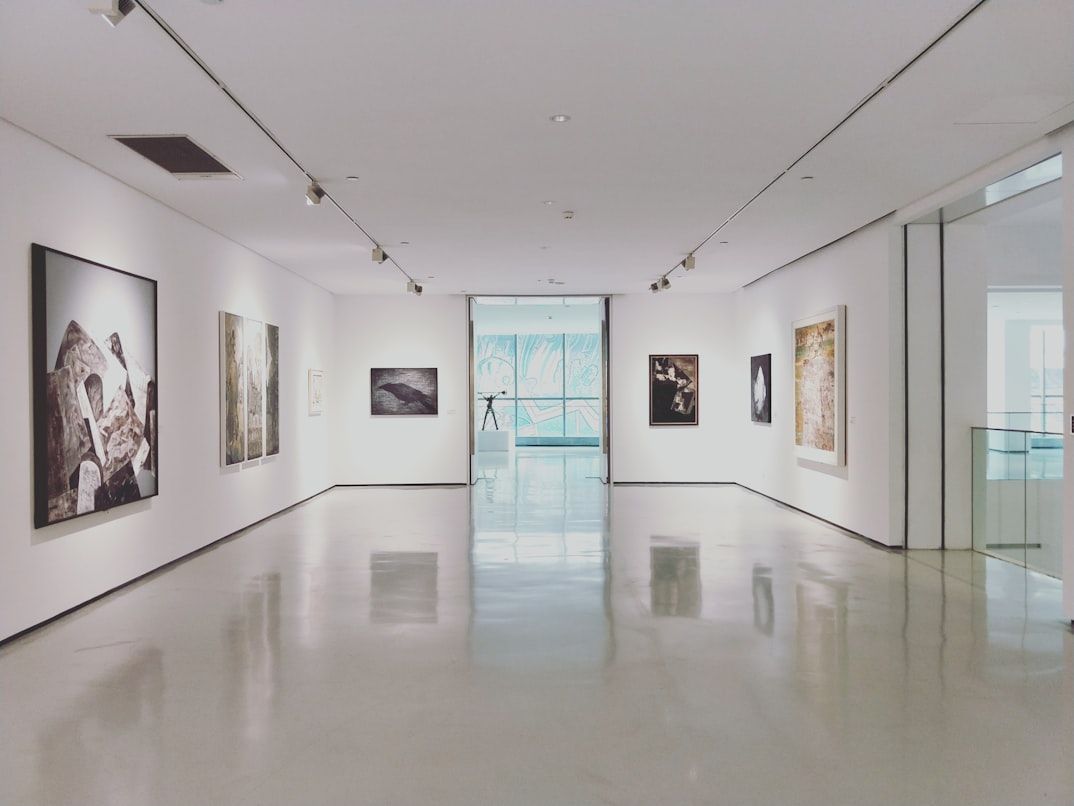
Image: Dannie Jing

Back in 1990, two men dressed as police officers entered Boston’s Isabella Stewart Gardner Museum and stole 13 works of art worth over $500 million .

No piece has ever been recovered. Empty frames still hang on the museum walls, a quiet tribute to one of history’s most expensive thefts.

8
The Max Headroom broadcast hijack (1987)
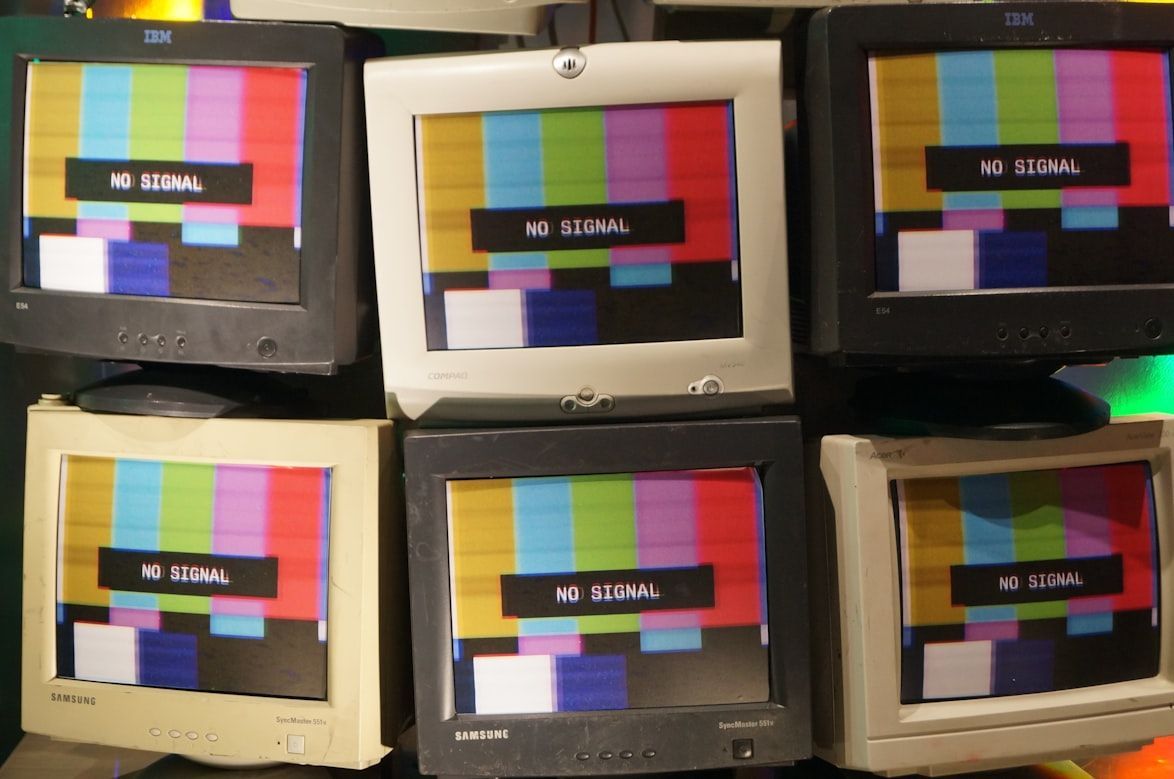
Image: Rubenz Arizta

1980s television viewers might remember Max Headroom as a somewhat clumsy computer AI TV personality and ad spokesperson. In 1987, Chicago viewers were startled when a strange figure wearing a Max Headroom mask interrupted TV broadcasts with odd messages .

The stunt lasted only seconds, but no one was ever caught or identified. It remains one of the strangest unsolved moments in television history.

9
The Great Lakes ghost ships
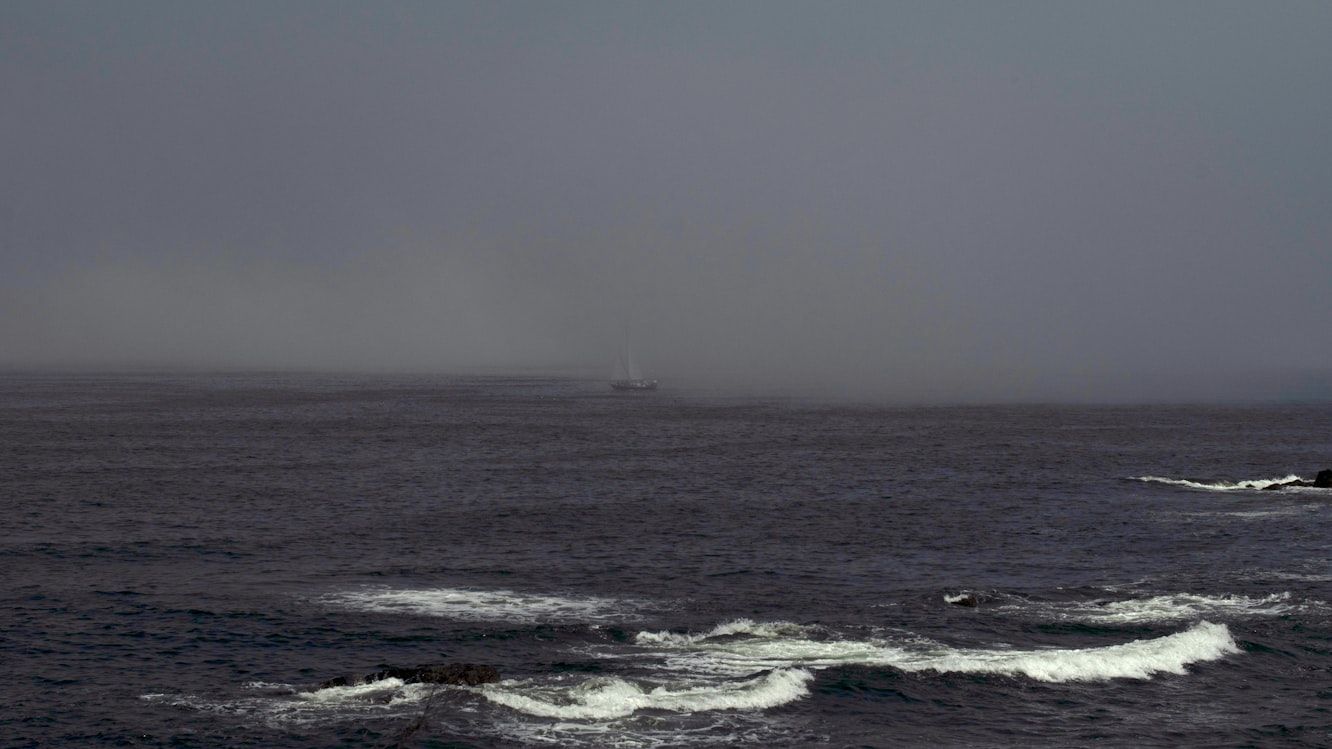
Image: Kyle Larivee

Over the years, s everal ships have vanished or been found adrift on the Great Lakes , their crews gone without explanation. Cold weather, sudden storms, and superstition all play roles in the stories, but some cases defy logic. The vast inland seas are simply too big to be accessible with the current technology.

Among the most notable unsolved cases, we can mention Le Griffon, a ship that vanished during her maiden voyage in 1679, the SS Banockburn, known as the "Flying Dutchman of Lake Superior," disappeared during a storm in 1902, or the SS Chicora, a luxury steamer lost in a violent winter gale while carrying a cargo of flour, in 1895.

10
The Dulce Base Mystery
Image: Pict4life

Beginning in the 1970s, a constant array of strange lights, unmarked aircraft, and talk of secret tunnels near the town of Dulce has fueled decades of conspiracy theories in this otherwise quiet area to this day.

While skeptics blame radar tests or imagination, locals still report odd sightings in the desert skies.
Culture Culture 4 min read

Serendipity at its finest

12 classic foods invented by accident. Which is your favorite?

Image: Peter Boccia

Some of our most well-known foods and snacks weren’t planned at all; they were what we call serendipity: happy accidents born from spills, mix-ups, or kitchen improvisations. Can you imagine a world without potato chips? Or Coca-Cola? From small-town diners to curious labs, these 12 inventions have managed to survive to this day.

1
Potato chips

Image: Jeff Siepman

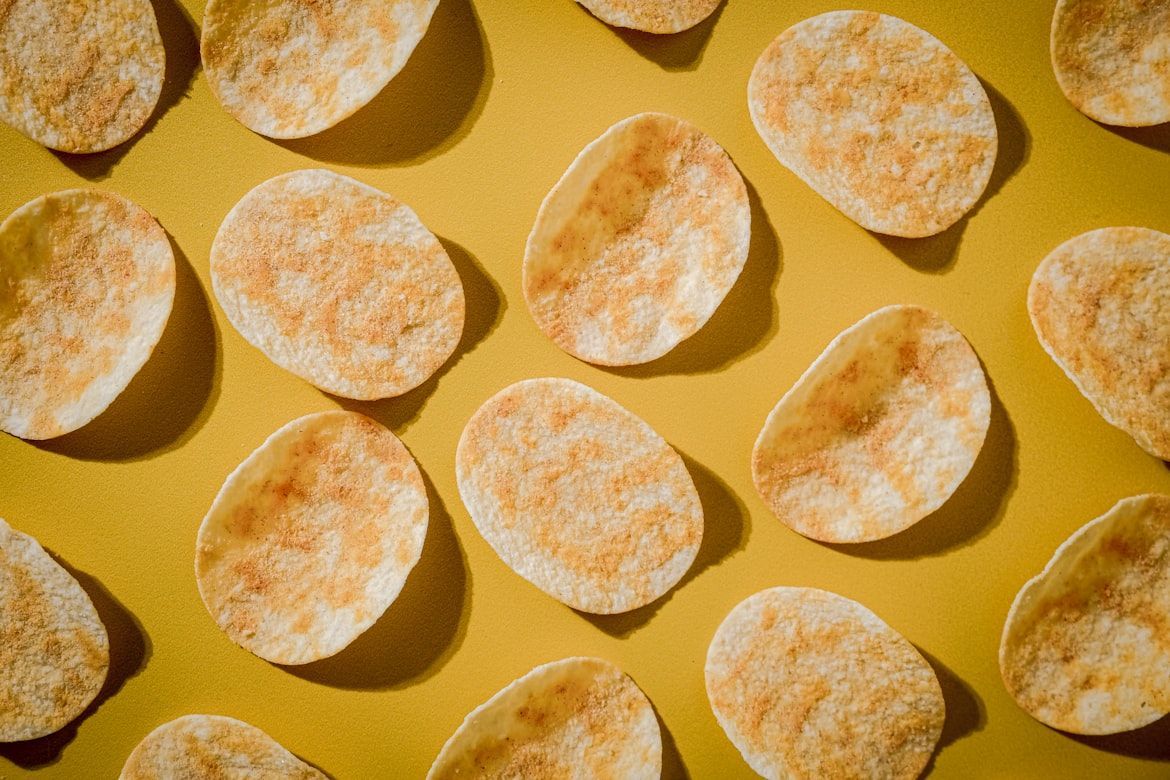
Back in 1853, a cranky diner in Saratoga Springs, New York, complained that his fries were too thick . Irritated, Chef George Crum sliced them paper-thin and fried them crisp to prove a point . To everyone’s surprise, the customer loved them.

What began as a moment of frustration turned into America’s favorite salty snack, inspiring an entire industry of chips and flavors.

2
Popsicles

Image: Taylor Heery

In 1905, 11-year-old San Francisco native Frank Epperson accidentally left a cup of soda powder and water outside overnight, with a stick still in it. The next morning, it had frozen solid in the chilly air .

Epperson dubbed it the "Epsicle," which was later renamed the Popsicle. That childhood experiment became one of the most enduring summer treats.

3
Chocolate chip cookies

Image: Ben Lei

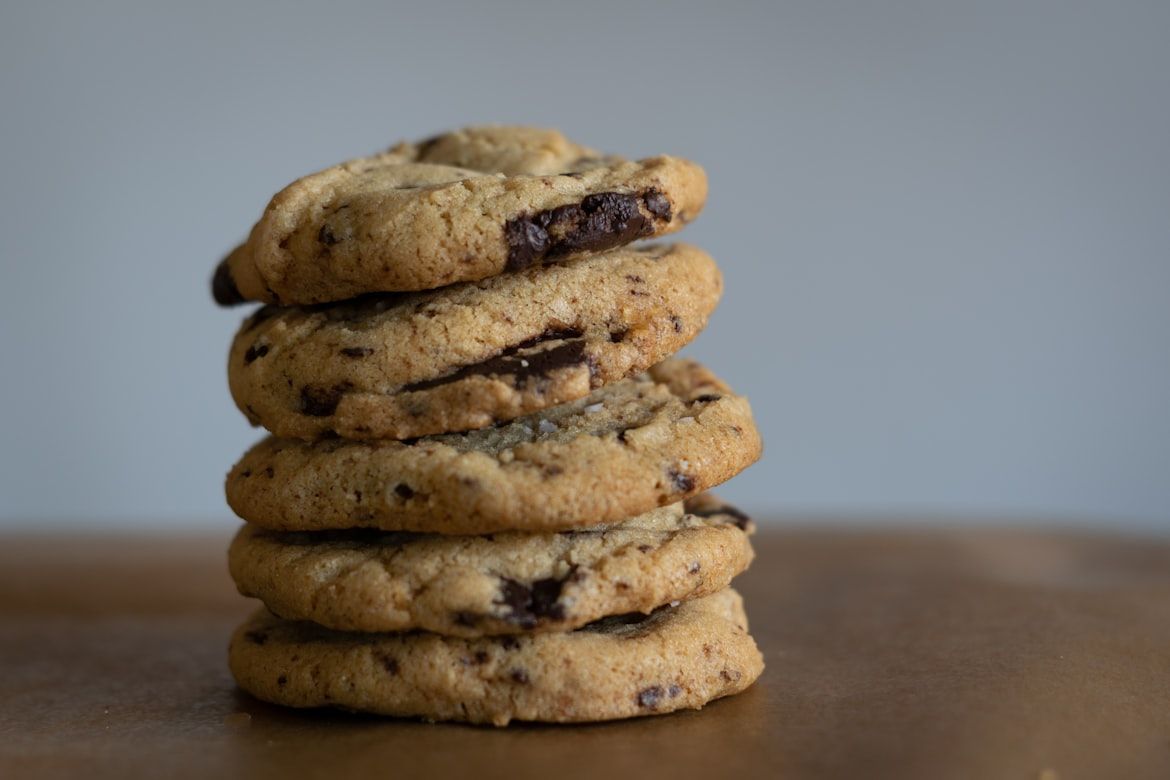
Ruth Wakefield ran out of baker’s chocolate when she was making traditional chocolate cookies at her Massachusetts inn, the Toll House, in the 1930s. She chopped up Nestlé chocolate snack bars instead . She expected them to melt evenly into the dough, but they stayed in chunks.

The warm, gooey results became an instant hit with her guests. Nestlé soon partnered with her to print the recipe on chocolate bar wrappers, and the rest is history!

4
Corn flakes

Image: Deepak N

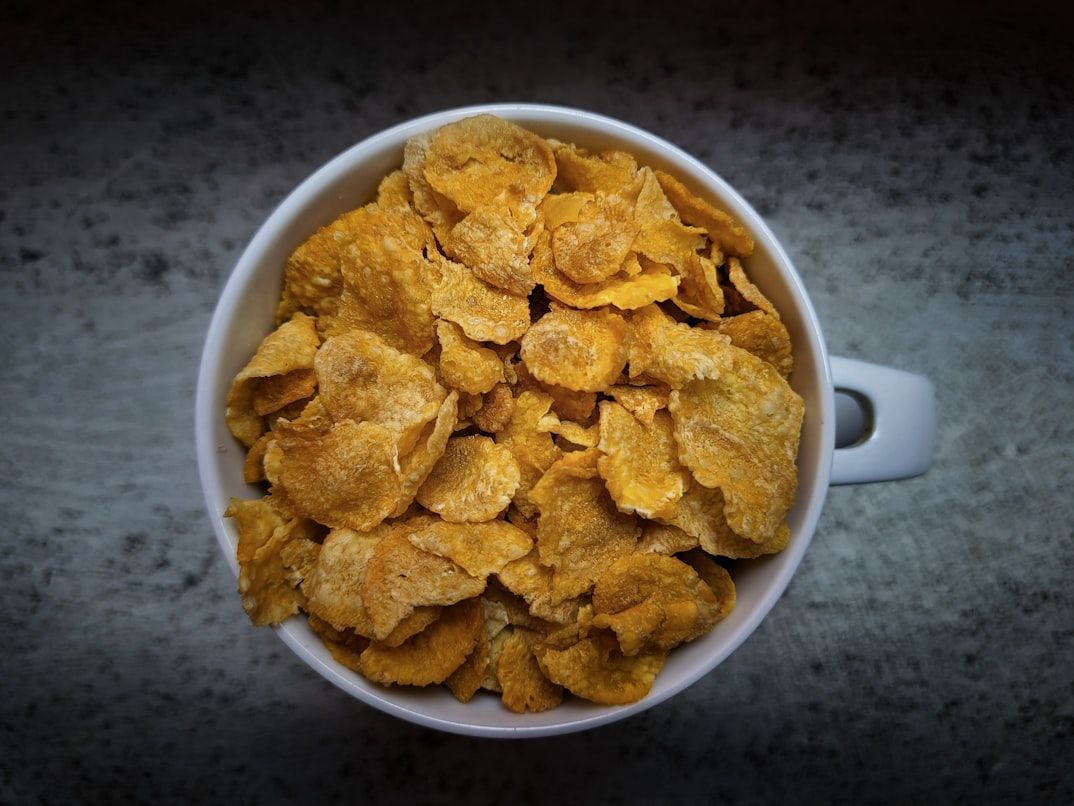
In 1898, the Kellogg brothers accidentally left cooked wheat, unprocessed wheat kernels simmered until tender, sitting out overnight at their Michigan sanitarium, where they promoted a healthy living based on vegetarianism, exercise, sunlight, and strict hygiene. By morning, it had gone stale, but when they rolled and baked it, the flakes came out crisp and tasty .

That happy mistake inspired a new breakfast idea: simple, wholesome, and ready to pour.

5
Coca-Cola

Image: Artem Beliaikin

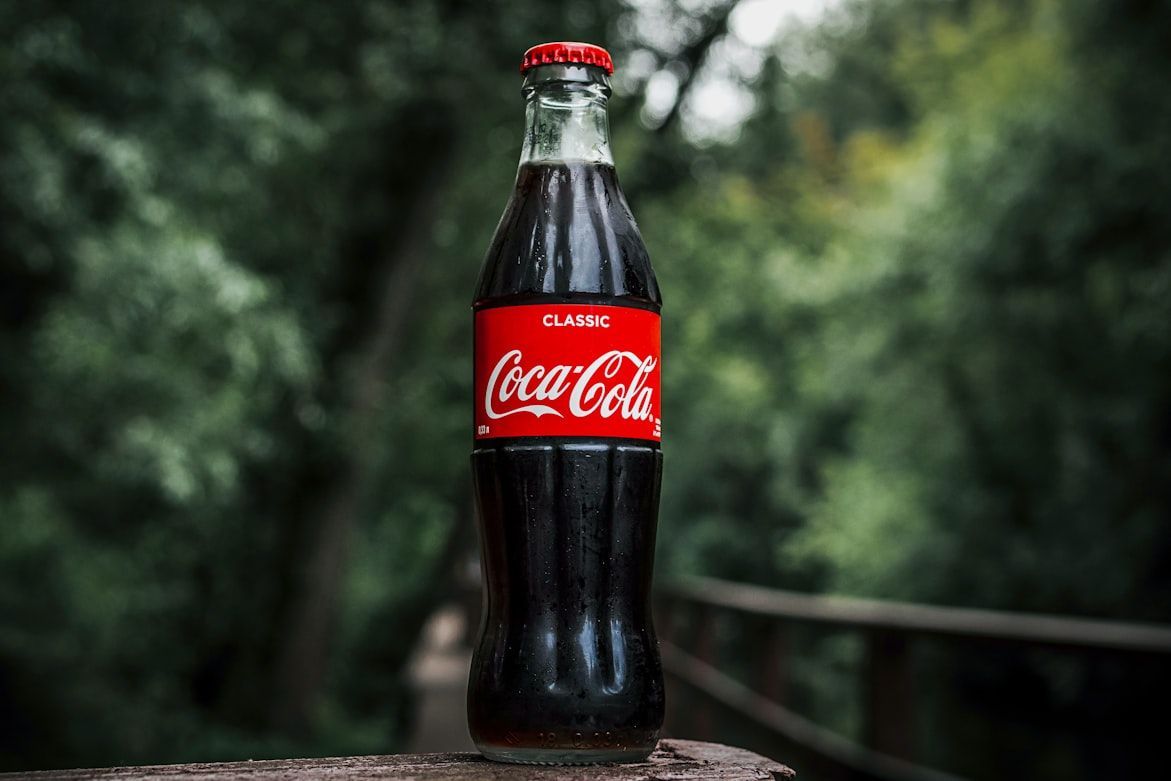
In one of the most profitable blunders of all time, Atlanta pharmacist John Pemberton was mixing a headache tonic in 1886 when he mistakenly blended his syrup with carbonated water instead of plain water .

Finding the result quite tasty, Pemberton opened a local soda fountain and found immediate success.

6
Cheeseburgers

Image: amirali mirhashemian

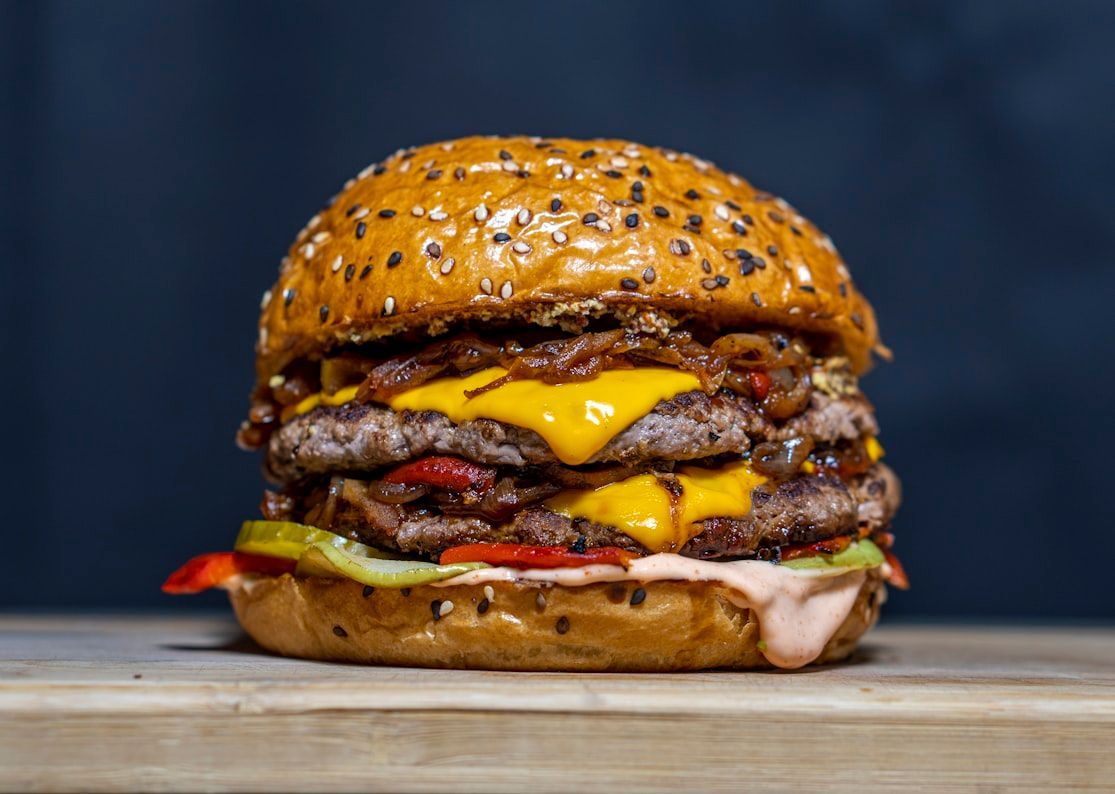
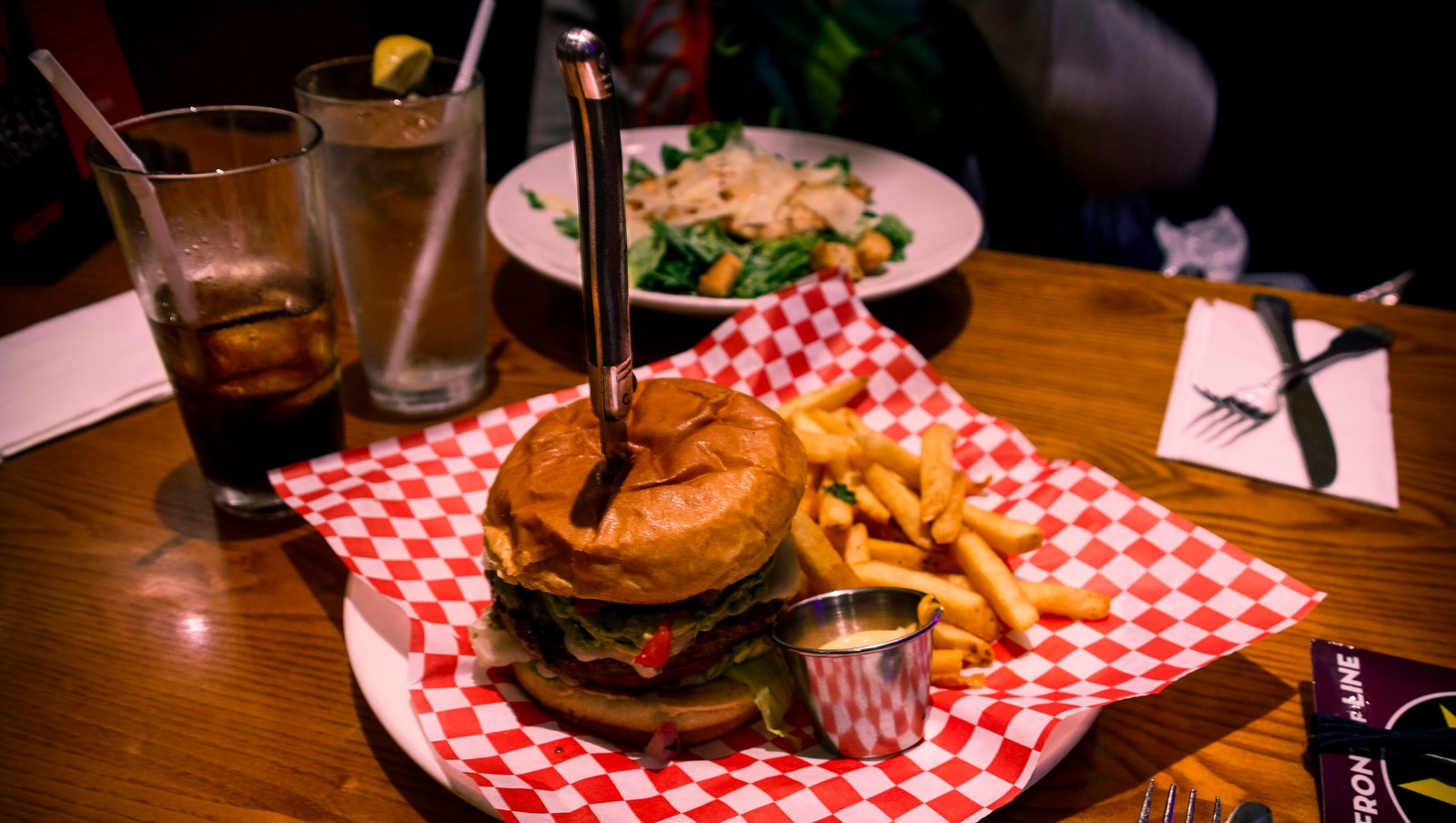
In the 1920s, a teenage cook in Pasadena accidentally dropped a slice of cheese onto a sizzling hamburger . Instead of tossing it out, he served it to the customer.

The melted topping added a rich, savory twist that caught on fast. Soon, diners across America began adding cheese to burgers, helping to spread this classic.

7
Hard pretzels

Image: Pierre Gui

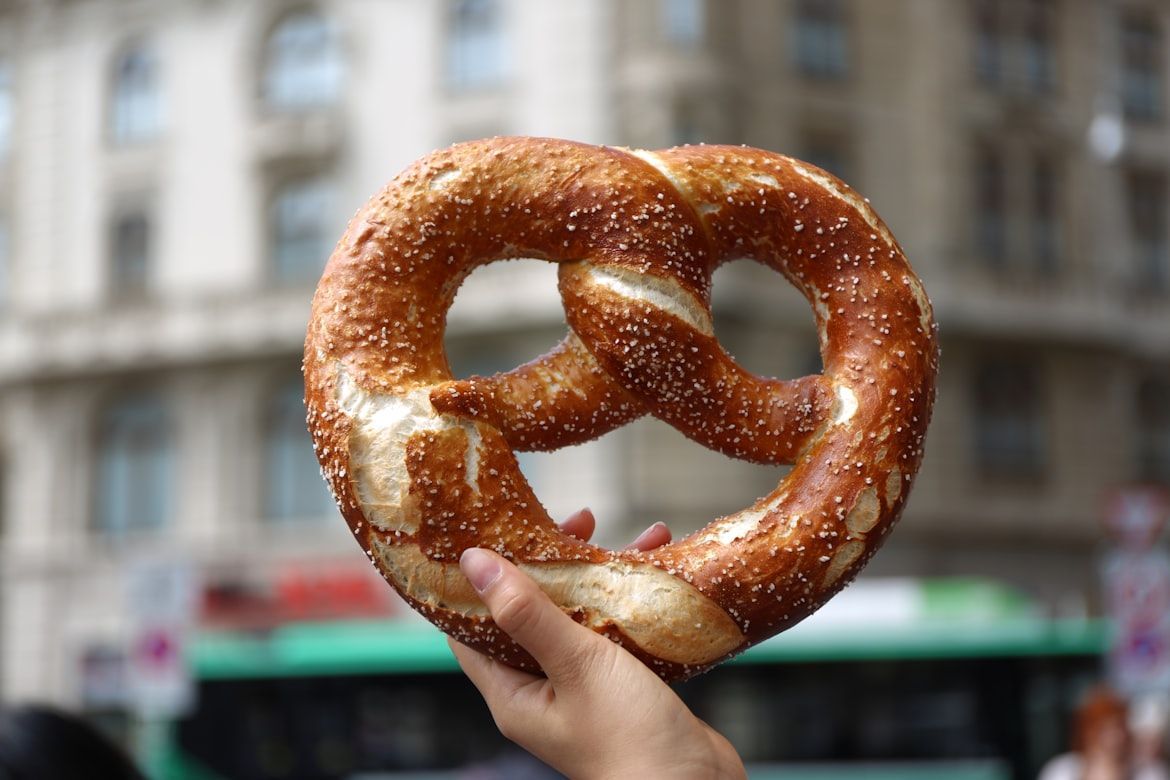
One Pennsylvania baker in the 1800s left his soft pretzels in the oven too long, burning them to a deep brown . Expecting a disaster, he tried one and loved the unexpected crunch.

That overbaked batch became the first hard pretzel. The crispy, salty snack soon gained fans nationwide.

8
Slurpees

Image: Greg Rosenke

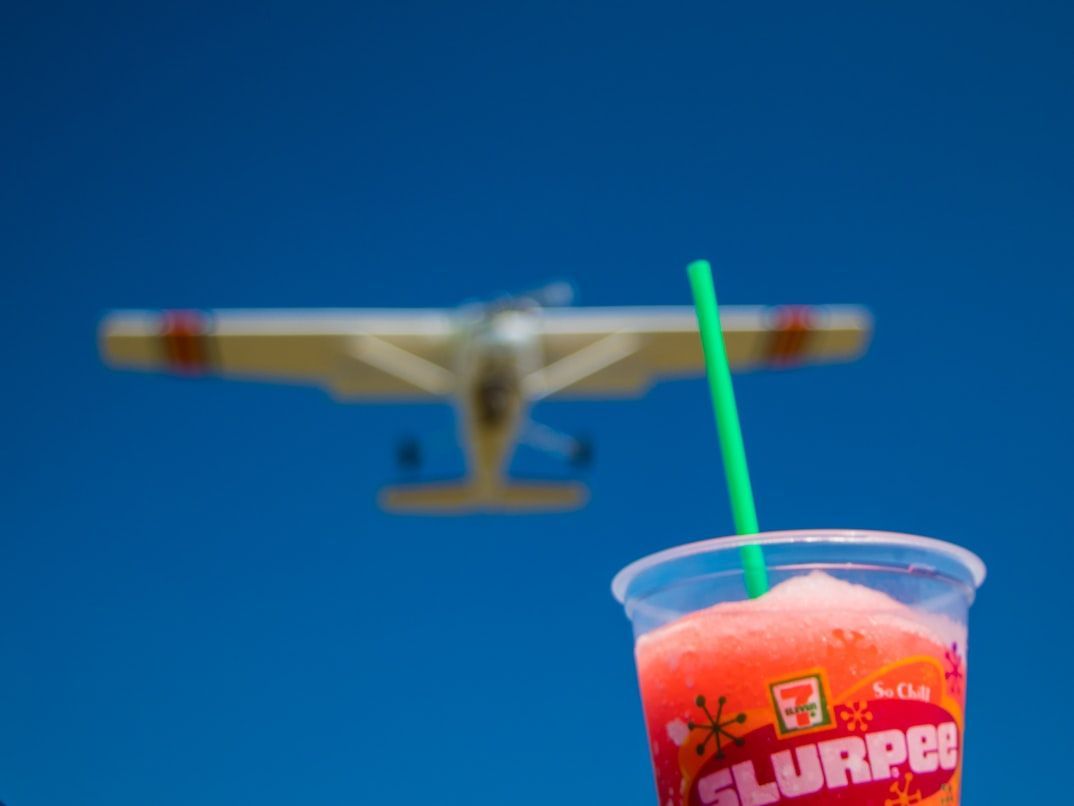
In the 1950s, a Kansas soda shop’s cooler broke down, freezing its drinks halfway . Instead of throwing them out, the owner sold the icy concoctions to curious customers.

They loved the slushy texture so much that he built a machine to reproduce it. The Icee — and later the Slurpee — turned an equipment failure into an omnipresent machine at every 7-Eleven.

9
Tortilla chips

Image: Markus Winkler

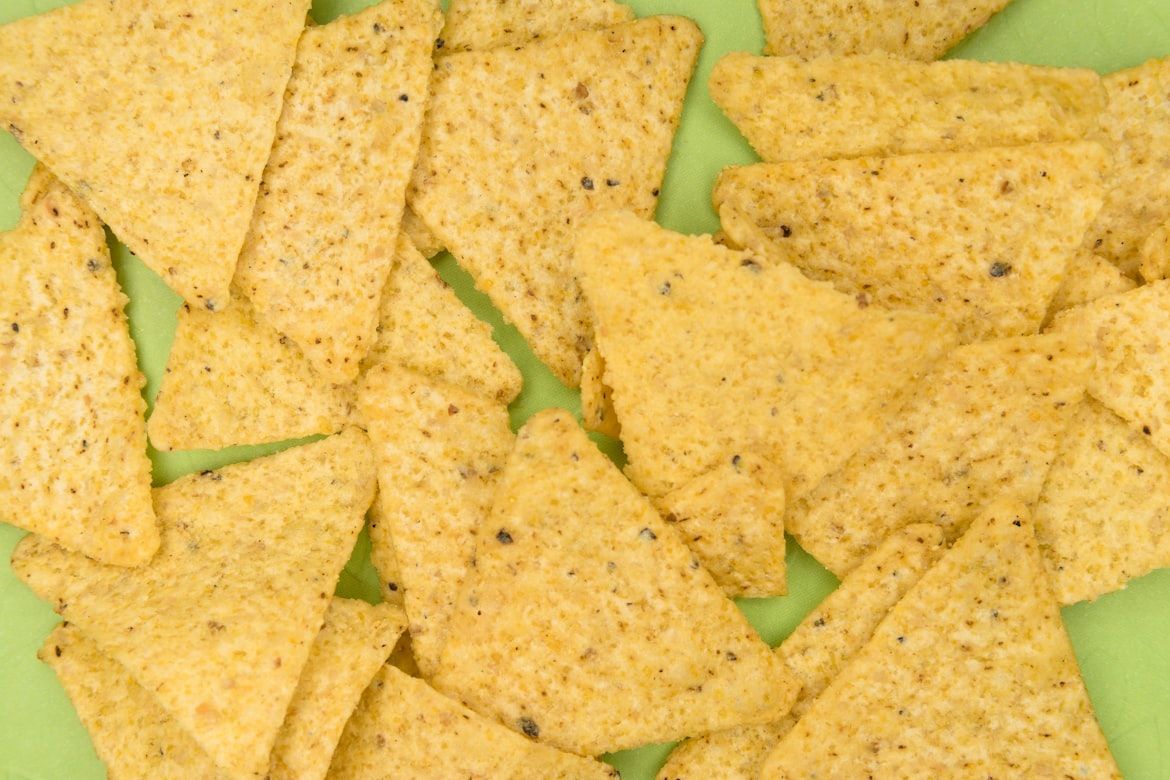
In 1940s Los Angeles, a tortilla factory ended up with piles of leftover tortillas. Rather than waste them, workers cut them into triangles and fried them up .

The crunchy bites were a surprise hit. What started as a practical way to use scraps soon became a nationwide snack.

10
Tootsie Rolls

Image: WikimediaImages

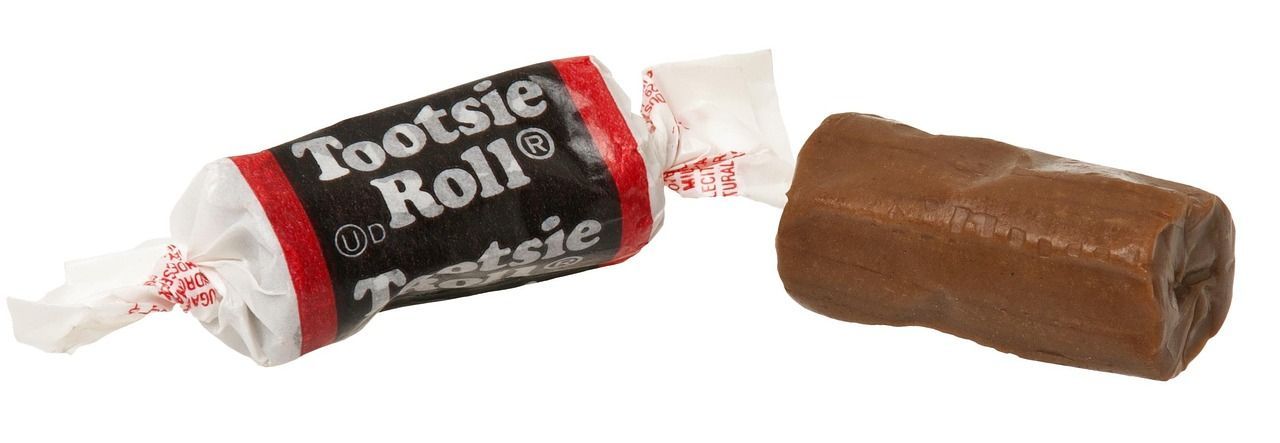
Crafty candy maker Leo Hirschfeld wanted to stretch his chocolate supply in 1896, so he experimented by blending in other ingredients such as sugar, corn syrup, and condensed skim milk . The texture turned chewy instead of smooth, but the flavor was rich and lasting.

He named it after his daughter’s nickname, "Tootsie." His thrift-born invention became a candy classic.

11
Reese’s Peanut Butter Cups

Image: Towfiqu barbhuiya

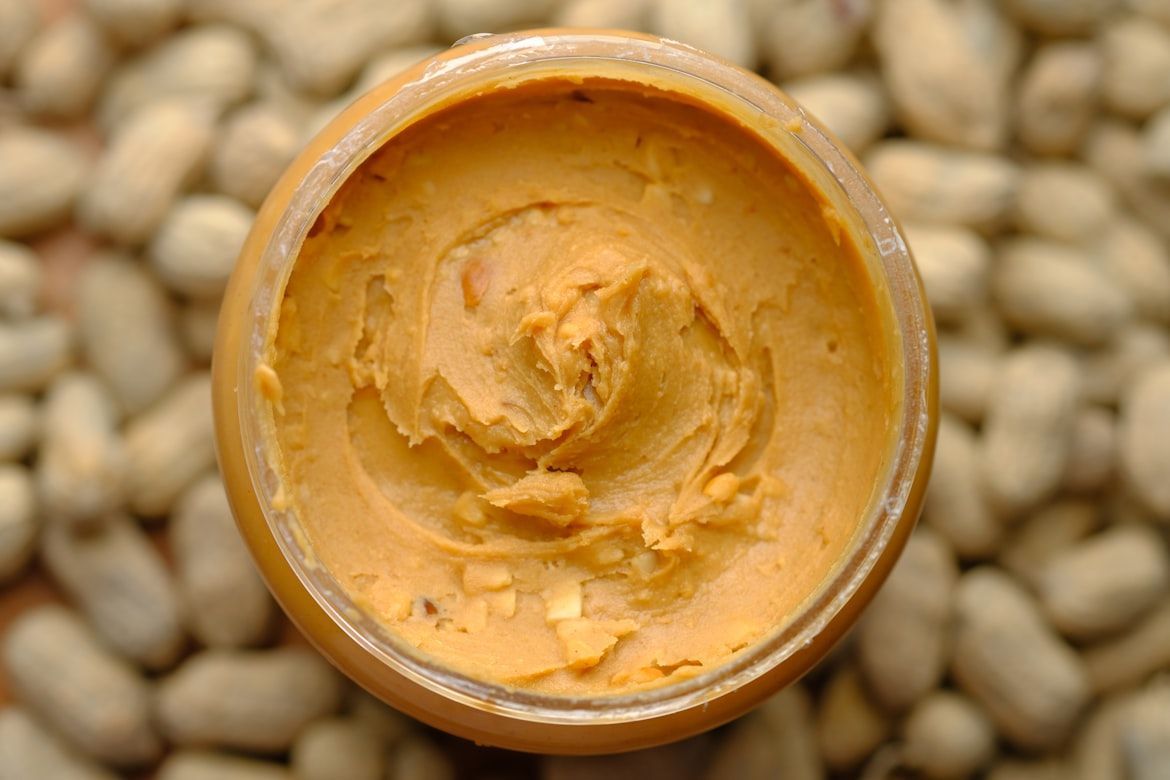
Back in 1928, a former Hershey employee, H.B. Reese, was tinkering with leftover chocolate at home when he combined it with sweetened peanut butter . The unexpected pairing turned out to be a great-tasting treat.

His homemade experiment evolved into a small business, and later became a candy legend when Hershey acquired the brand.

12
Fudge

Image: American Heritage Chocolate

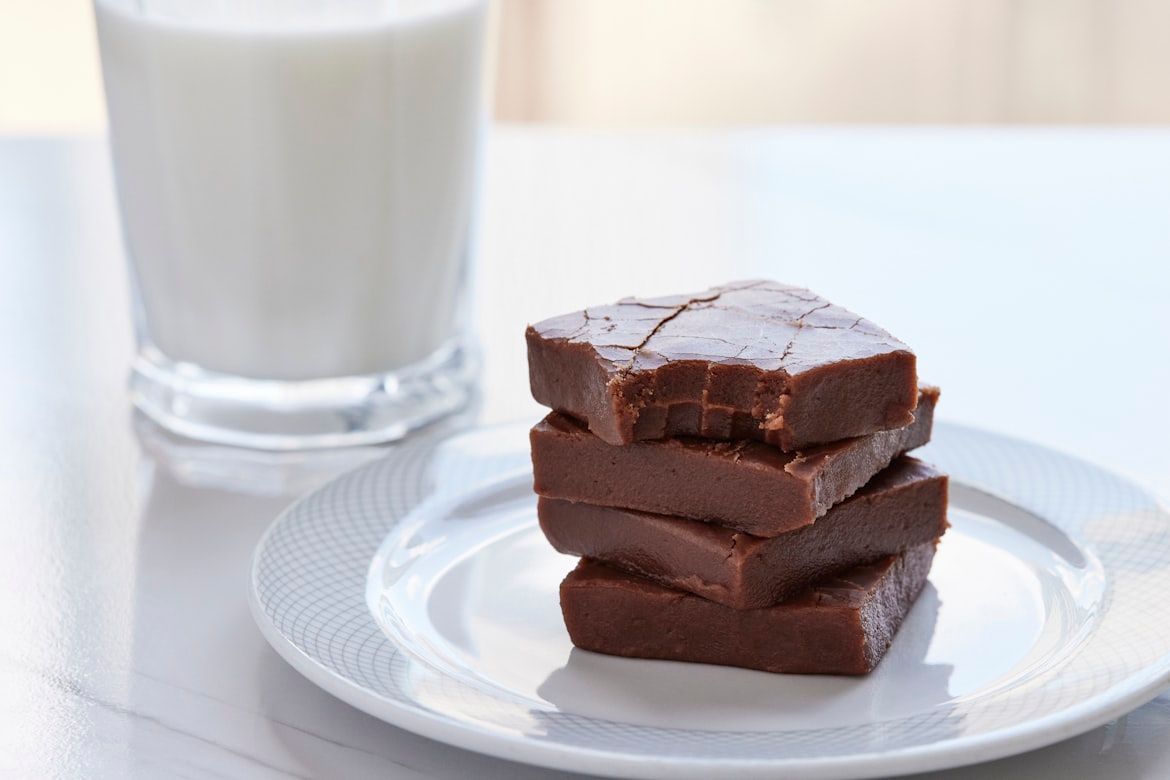
According to the popular story, a batch of caramel didn’t heat properly one night , and the cook sighed that it had been "fudged." The softer texture, however, turned out wonderfully creamy.

That tasty error spread quickly through American kitchens and college towns, becoming the classic dessert that it is today.

Geography Geography 5 min read

Extraordinary secrets about the capitals of the United States

The only state capital without a McDonald's and 11 other fun facts

Image: AmericanBenchCraft

Can you guess which is the only U.S. capital built on top of an extinct volcano? What about which is the oldest state capital, the least populated, or the one with the coldest temperature? If you're dying to know the answers to these questions, read on to discover 12 fun facts about our state capitals that you probably didn't know!

1
Jackson, Mississippi

Image: Engineers' office, department of Tennessee, Public domain, via Wikimedia Commons

Did you know Jackson, Mississippi, is named after the 7th U.S. President, Andrew Jackson? It is one of the four state capitals named after American presidents —the other three are Jefferson City (Missouri), Lincoln (Nebraska), and Madison (Wisconsin).

Jackson is the only U.S. capital built on top of an extinct volcano. Interestingly, during the Civil War, the city was burned by Union troops, giving it the nickname "Chimneyville". In addition, Jackson is best known for being the center of the civil rights movement during the 1950s and 1960s.

2
Santa Fe, New Mexico

Image: Wendy Shervington

Founded by Spanish colonists in 1610 as the capital of the colony of New Mexico, Santa Fe is the oldest U.S. city that still functions as a state capital today.

But that's not the only peculiarity of this quaint city with a temperate climate and a unique historical and cultural richness. At 7,000 feet above sea level, Santa Fe is also the highest U.S. capital.

3
Honolulu, Hawaii

Image: Daniel Lee

Known for its spectacular beaches and rich cultural heritage, Honolulu is the only state capital not on the North American mainland. Considered the birthplace of modern surfing, it also has the highest average annual temperature of any U.S. state capital.

But those aren't the only interesting facts about Hawaii's capital. Here are a few equally (or more) crazy ones: it hosts the only royal palace in the United States (Iolani Palace), the island is made up of volcanic soil, and it houses the world's largest open-air shopping mall (Ala Moana Center).

4
Annapolis, Maryland

Image: Terry Granger

Annapolis is a historic city on the shores of the Chesapeake Bay, known for its colonial architecture, nautical tradition, and academic value. But did you know it is also the smallest U.S. capital by land area? Just 6.7 square miles!

Annapolis was also one of the nine capitals the United States has had throughout its history. For nine months during the Revolutionary War, Maryland's current state capital served as the seat of the Confederation Congress.

5
Bismarck, North Dakota

Image: NASA Astronaut, Public domain, via Wikimedia Commons

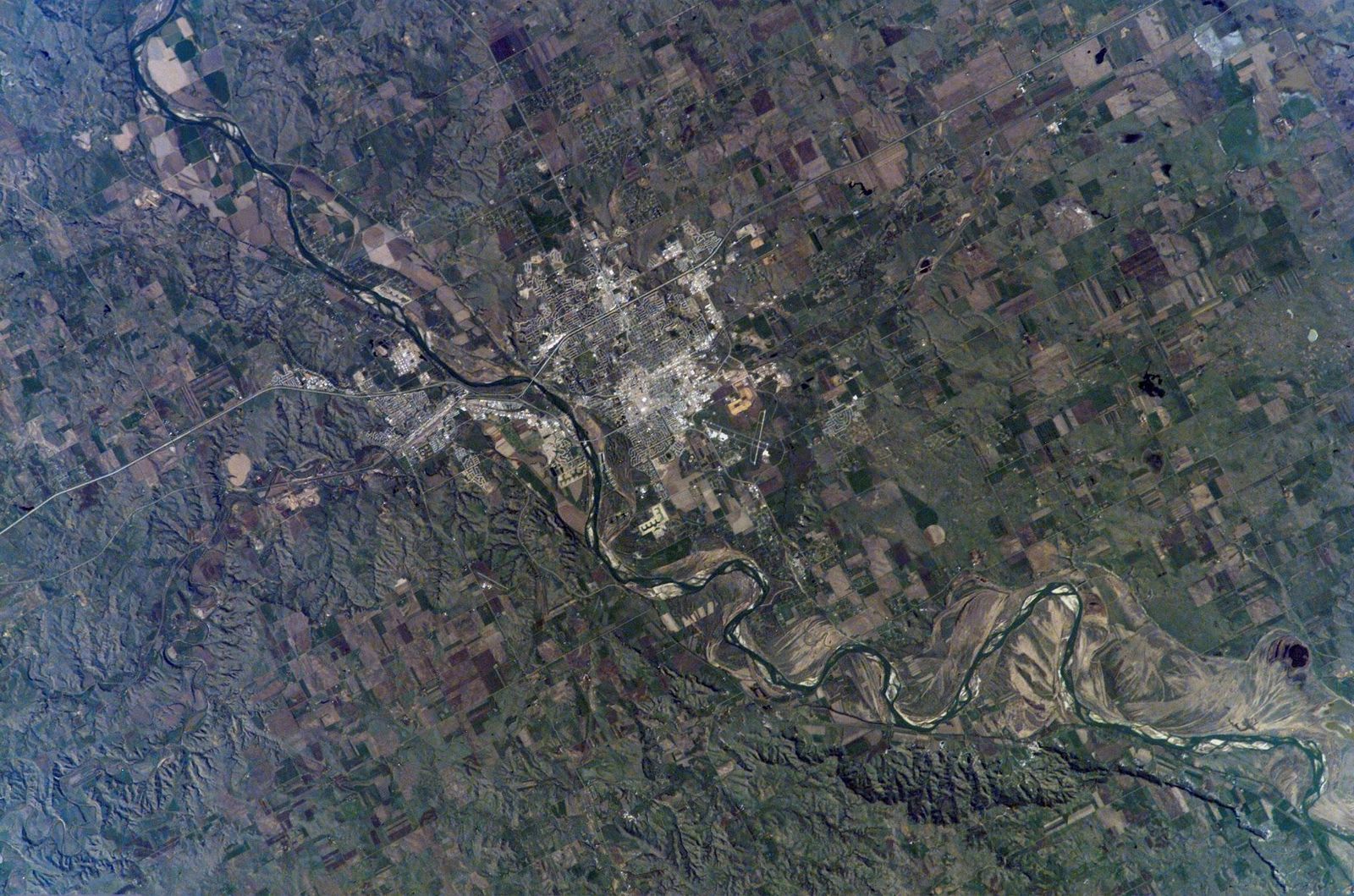
If you thought Juneau, Alaska, had the lowest average winter temperature of all state capitals, think again! It's actually Bismarck, North Dakota, where the coldest temperature ever recorded was -45°F. Imagine that!

Bismarck was founded in 1872 on the banks of the Missouri River. The city was named after Otto von Bismarck, the chancellor of Germany, to attract German investors. Another fun fact? In 1930, Bismarck and Fargo had a dispute, known as the "Capitol Tower War," over which city should be the state capital.

6
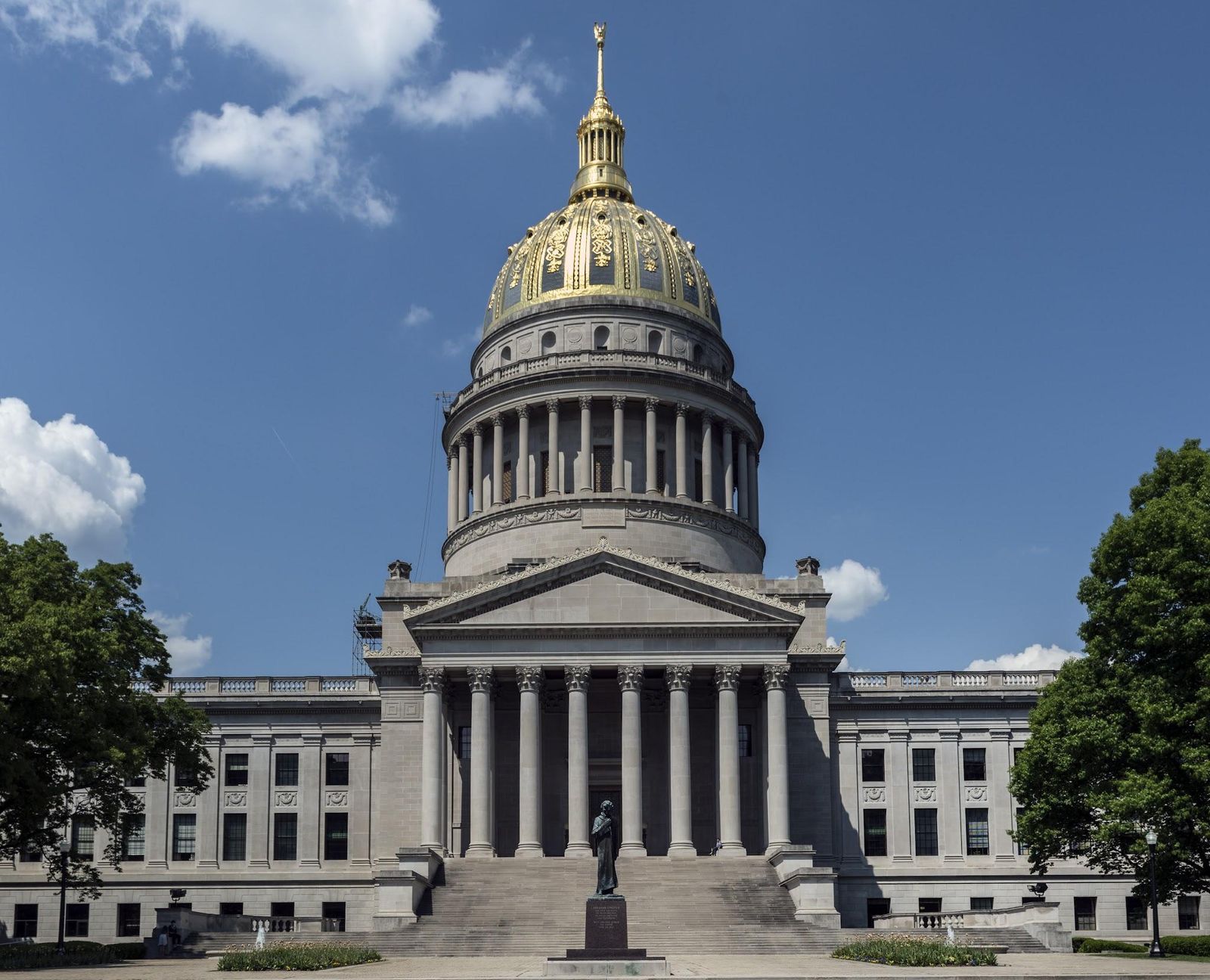
Charleston, West Virginia

Image: Carol M. Highsmith, Public domain, via Wikimedia Commons

Did you know that the original name of West Virginia's capital was Charles Town in honor of the father of Colonel George Clendenin, one of the first settlers?

Charleston is best known for offering a unique combination of history, culture, and outdoor adventure.

7
Hartford, Connecticut

Image: Balazs Busznyak

Founded in 1635, Connecticut's capital is one of the oldest cities in the U.S. Hartford is known for being a key cultural center in New England. It was the home of writer Mark Twain and is home to historic sites such as the State Capitol, the Harriet Beecher Stowe House, and Bushnell Park, the oldest public park in the country.

Hartford is also called the "insurance capital of the world" due to the presence of major insurance companies. But the city's most curious fact is that it was where Teddy Roosevelt, aboard the Columbia Electric Victoria Phaeton, took the first presidential automobile ride in history!

8
Harrisburg, Pennsylvania

Image: Katherine McAdoo

Pennsylvania's capital city is best known for its role in the Civil War and the Underground Railroad. Located on the banks of the Susquehanna River, Harrisburg has been an important center of transportation and commerce. Today, it is known for its historic architecture, museums, and special events.

Harrisburg is also home to the longest stone arch bridge in the world, the Rockville Bridge, built in 1902. Oh, and in 1979, it came close to a nuclear disaster due to the accident at the Three Mile Island plant, the worst in U.S. history —but that's a longer story for another article!

9
Olympia, Washington

Image: Peter Robbins

Located at the southern tip of Puget Sound, Washington's state capital is known for its natural beauty and vibrant culture. But did you know Olympia is the northernmost state capital in the contiguous U.S.?

Oh, and it's also a great place to try some of the best craft beer in the country.

10
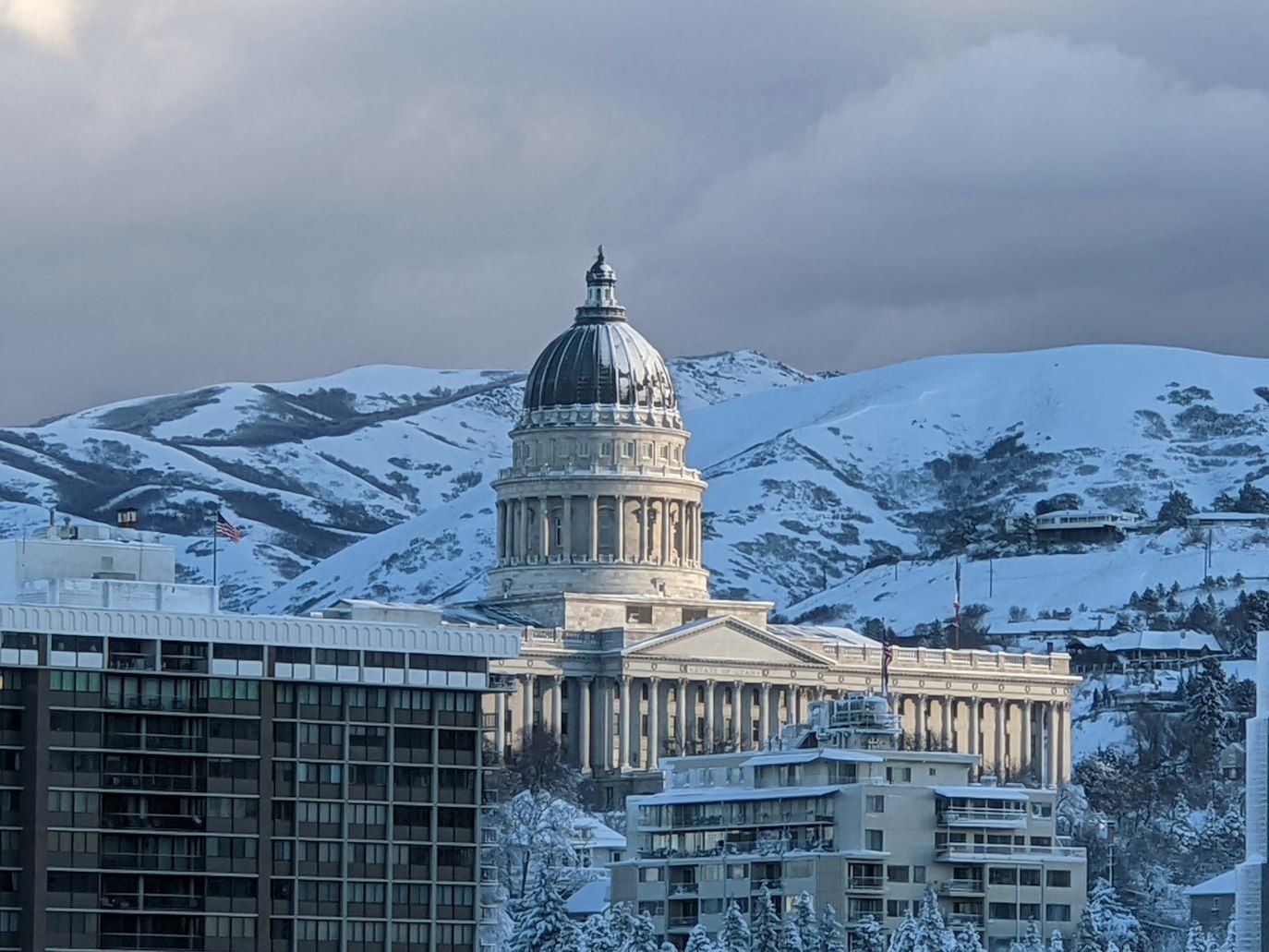
Salt Lake City, Utah

Image: Cong Wang

Utah's state capital is popular for being one of the best places to ski in the United States. But that's not all! Salt Lake City is also the only state capital with three words in its name. Have you ever thought about that?

It has the largest Mormon population in the country and is the world headquarters of the Church of Jesus Christ of Latter-day Saints. Another fun fact? Salt Lake City is home to more plastic surgeons per capita than any other state capital!

11
Montpelier, Vermont

Image: John Holm

Named after the French city of the same name, Montpelier is the least populated state capital, with a population of just 7,900. Probably for that reason, Vermont's capital prides itself on its small local businesses: it is the only state capital that doesn't have a McDonald's or a Starbucks. Could you live without these fast food chains? It doesn't have a Walmart store either!

12
Topeka, Kansas

Image: Nils Huenerfuerst

Topeka, Kansas’s state capital, has several interesting tidbits. For example, did you know its name, of Native American origin, means "a good place to dig potatoes"? Interesting, don’t you think?

In 2010, Topeka temporarily changed its name to "Google, Kansas" to attract the attention of the internet giant and become the capital city of fiber optics. Frivolous facts aside, Topeka was also very important in the history of the civil rights movement.

Explore more American facts

Choose your favorite category!

General
General

As American as apple pie—the very best America has to offer!

Culture
Culture

Delve into the astounding richness of American lore.

Geography
Geography

Hop in and explore vast and diverse American landscapes.

History
History

Discover the key moments that shaped the United States.