History’s hard lessons
Did you know about these 12 disasters that shook America?
Image: Silvan Schuppisser
Our country has faced its fair share of setbacks of all kinds, and many of them ended up changing the way the nation builds, plans, and protects itself. These events weren’t just dramatic moments; they sparked new laws, better engineering, and stronger safety standards all around the world. As serious as they are, these circumstances are also stories of resilience and rebuilding. Take a moment to learn about the following 12 situations that America has gone through.
1
The Great Chicago Fire (1871)
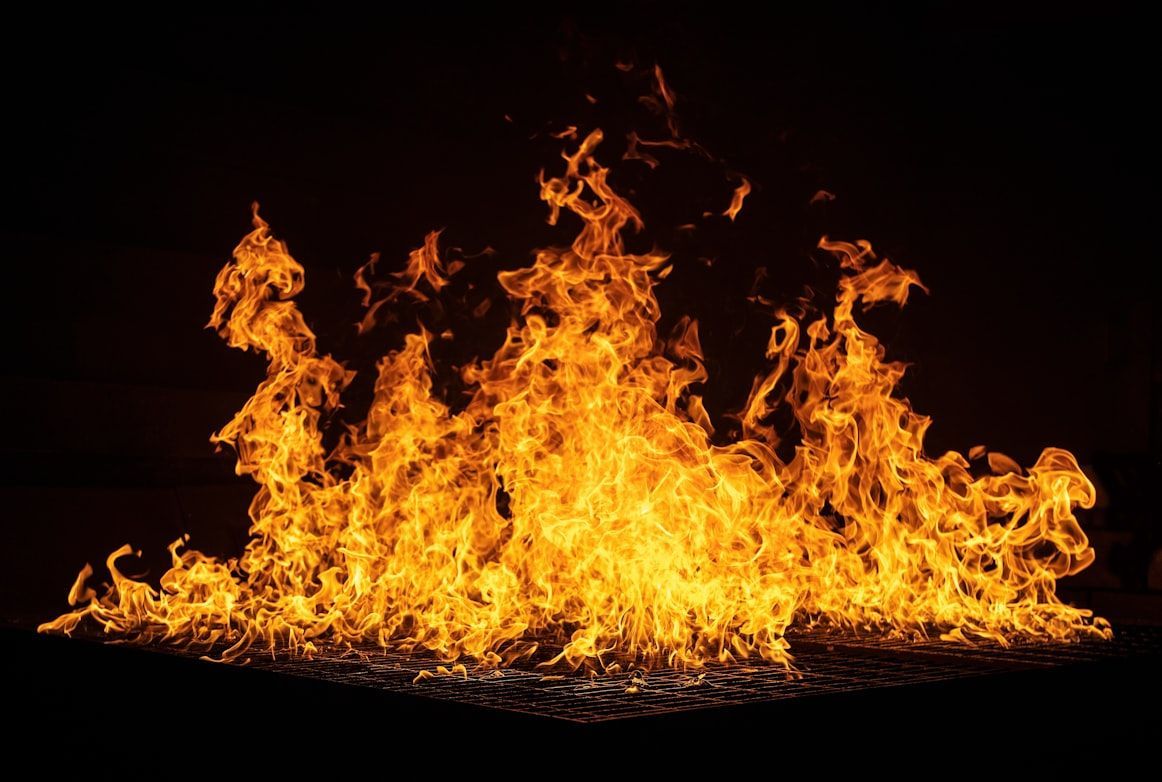
Image: Ricardo Gomez Angel
The Great Chicago Fire burned for almost two days in October 1871, destroying thousands of buildings and leaving the city in ruins . Sparks, dry conditions, and wooden construction helped the flames race through entire neighbourhoods.
It was a painful turning point, but it launched a huge rebuilding effort. Chicago adopted tougher building codes, better water systems, and more specialized fire departments, becoming a model city for urban planning.
2
The Johnstown Flood (1889)
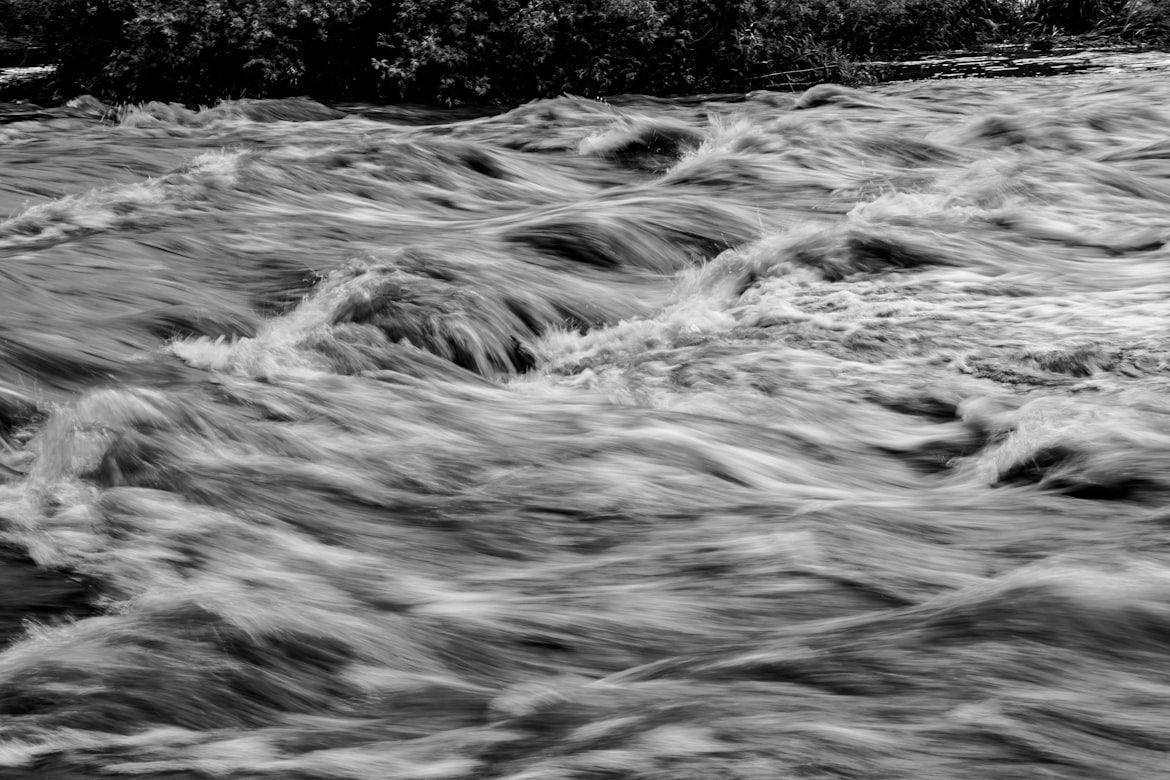
Image: Lukas Hron
In 1889, the failure of the South Fork Dam sent a massive wall of water toward the town of Johnston, Pennsylvania . The flood wiped out entire homes, bridges, and rail lines in a matter of minutes.
The Johnstown Flood drew attention to private dam ownership and safety inspections of such constructions. Engineers and lawmakers used its lessons to plan for better maintenance and more accountability for these large-scale structures.
3
The San Francisco Earthquake (1906)
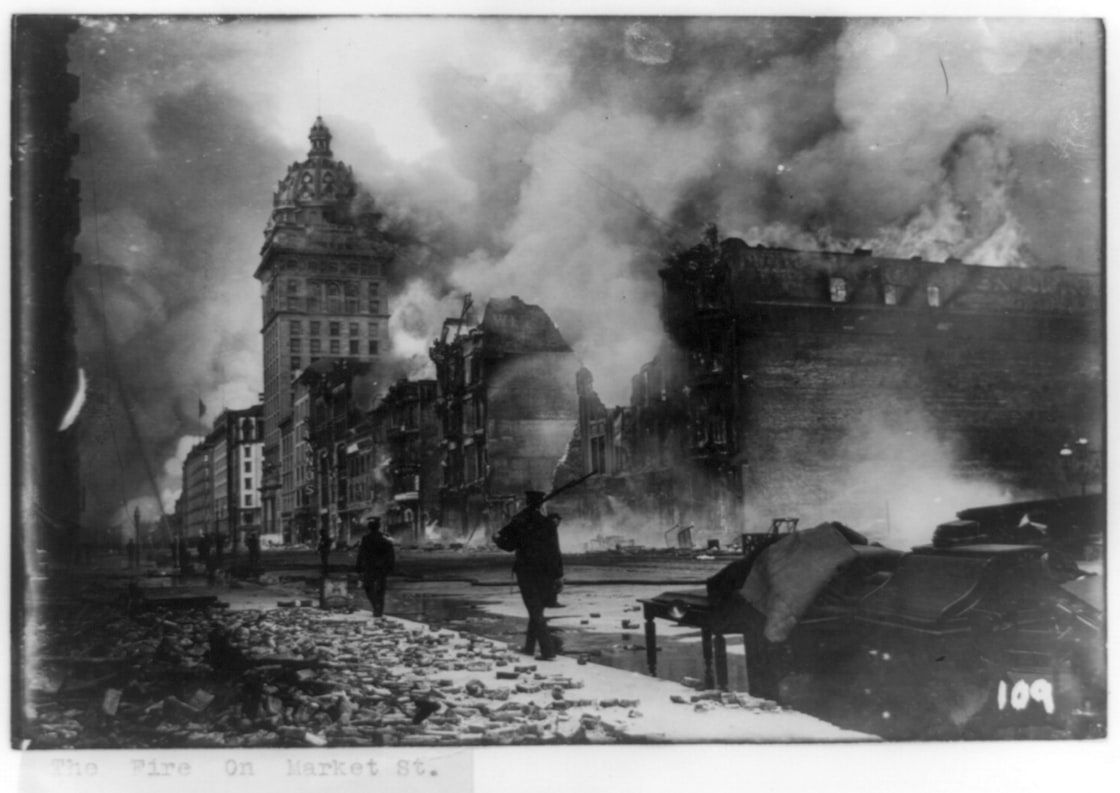
Image: Library of Congress
The 1906 San Francisco earthquake struck before dawn, violently shaking the city and the surrounding areas . Broken gas lines and toppled chimneys sparked fires that raged for days , destroying block after block of homes and businesses alike.
Rebuilding was hard but transformative, as the city adopted stricter building codes, stronger materials, and better street layouts.
4
Triangle Shirtwaist Factory Fire (1911)
Image: Pukima
The Triangle Shirtwaist Factory Fire of 1911 began on the upper floors of a New York City garment factory packed with workers. Locked exit doors, narrow stairways, and crowded conditions turned what would have been a relatively small blaze into a historic tragedy.
Public outrage was immediate and intense. The fire led to tough new safety laws, regular inspections, and rules for unlocked exits and fire escapes.
5
The Hindenburg Disaster (1937)
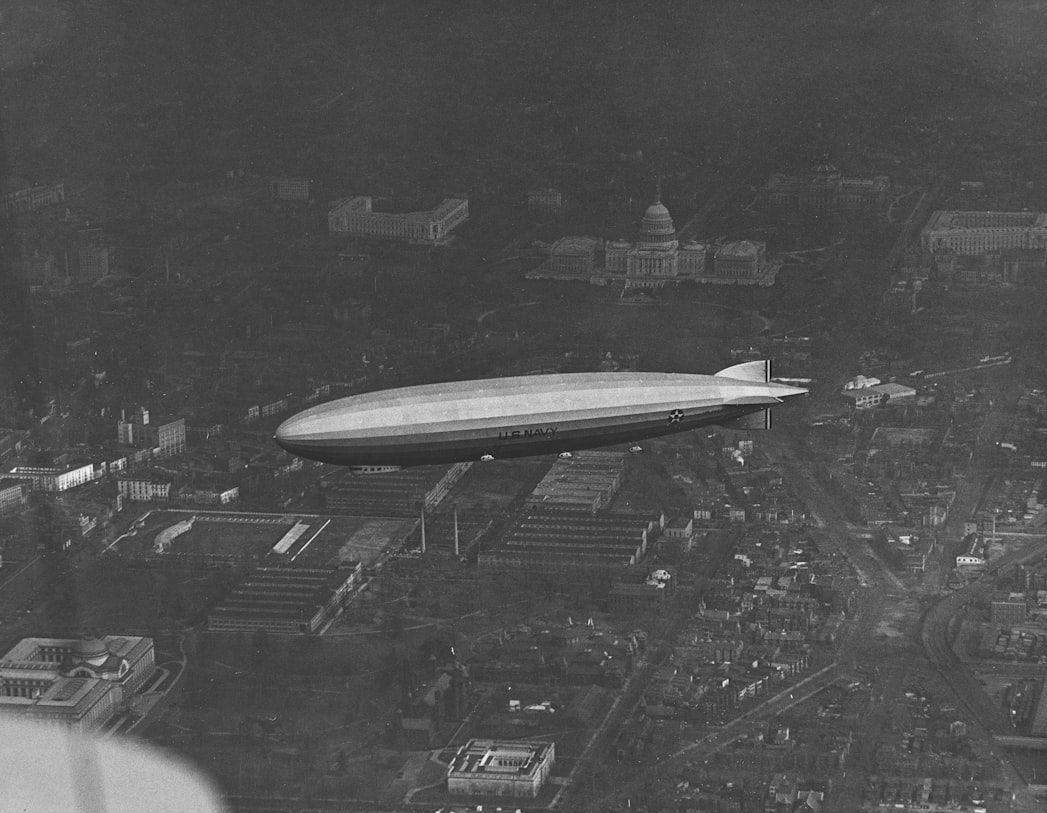
Image: Library of Congress
In 1937, the German airship Hindenburg approached its mooring mast in Lakehurst, New Jersey, after a transatlantic flight. Suddenly, it burst into flames and fell to the ground in front of cameras and radio reporters who witnessed the tragedy.
The disaster shocked the world and quickly ended the age of passenger airships. Public trust shifted toward airplanes, and the whole airship industry faded into obscurity almost completely.
6
The Texas City Disaster (1947)
Image: Ash Edmonds
The Texas City Disaster of 1947 began when a ship carrying ammonium nitrate caught fire in the bustling Texas City harbor . As crowds watched from the waterfront, the cargo exploded in a blast so powerful it shattered windows miles away.
The incident prompted sweeping changes in how hazardous materials are stored, transported, and labeled. It led to improved emergency planning, better first-responder training, and regulations aimed at preventing industrial catastrophes.
7
The Silver Bridge Collapse (1967)
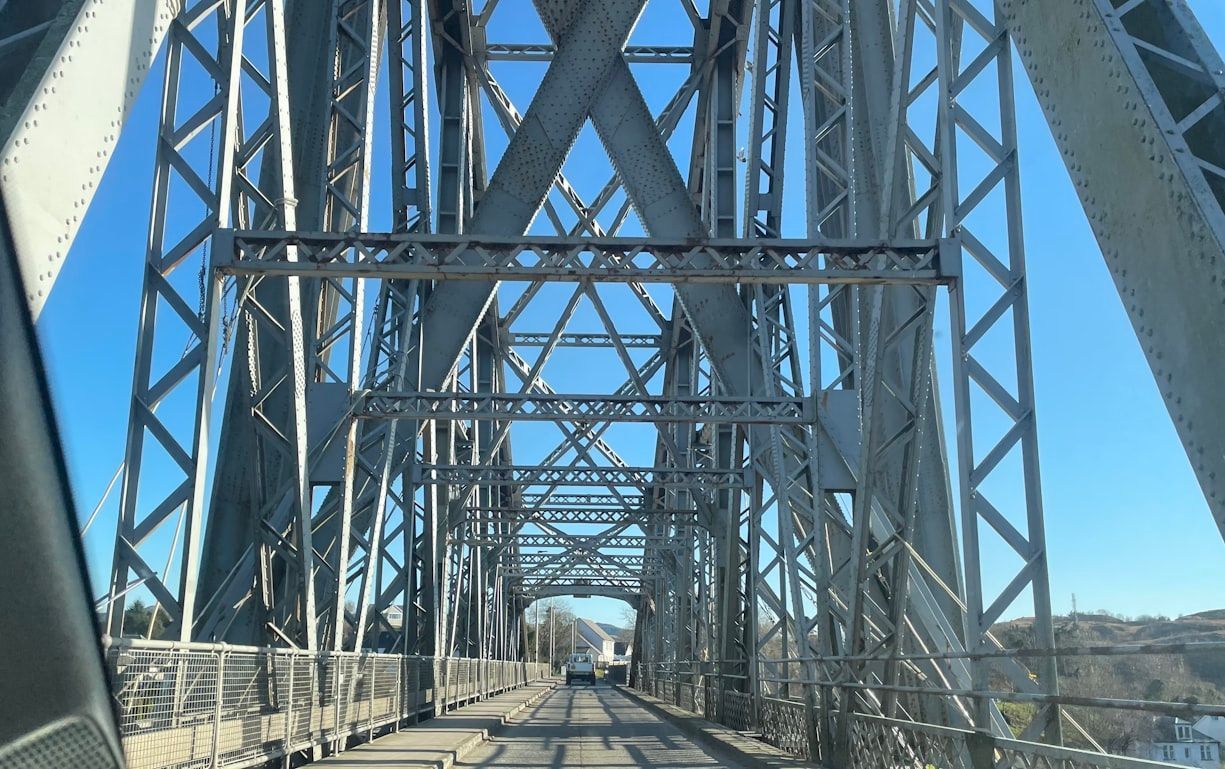
Image: Suzanne Anderson
On a 1967 December day, the Silver Bridge that connected Point Pleasant in West Virginia to Gallipolis, Ohio, collapsed into the river below . Dozens of vehicles were on the bridge and fell into the water.
The collapse spurred nationwide inspections of older bridges and stricter design standards. It introduced new rules for maintenance, record keeping, and modern safety ratings.
8
Buffalo Creek Flood (1972)
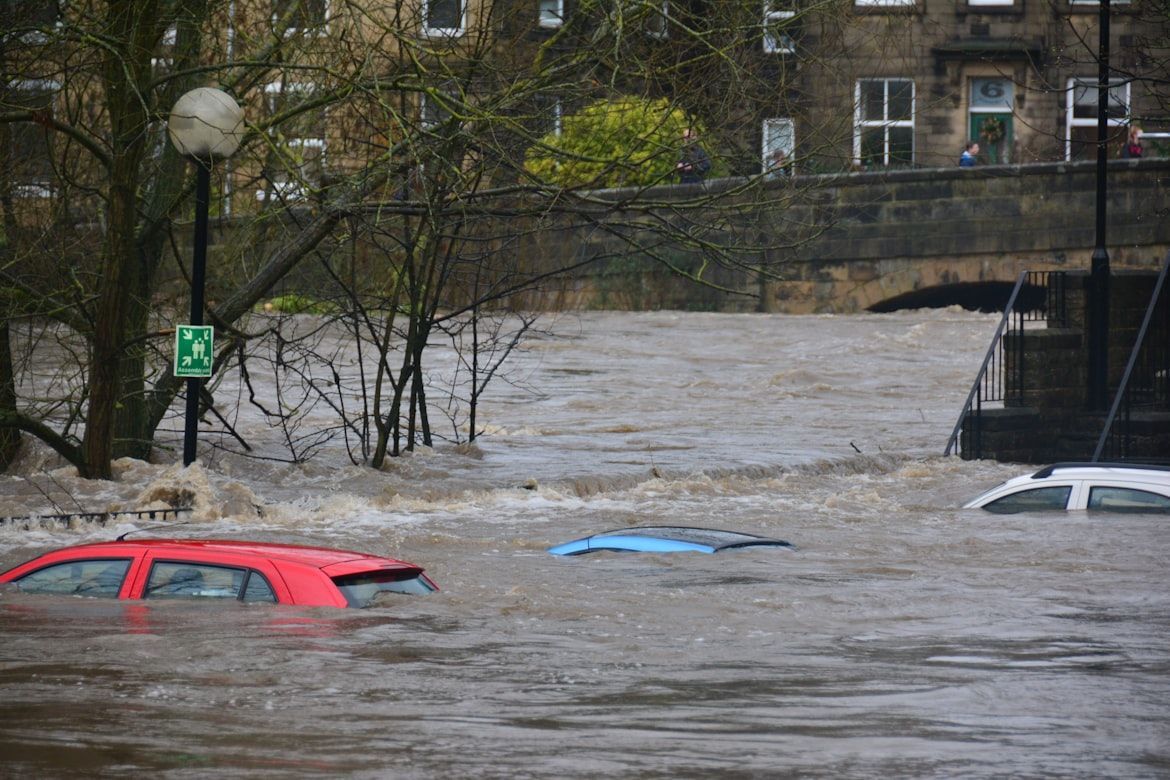
Image: Chris Gallagher
In 1972, after days of heavy rain, a coal-waste dam above Buffalo Creek, West Virginia, gave way . A torrent of water and slurry rushed down the narrow valley, wiping out homes, roads, and small communities in its path.
The Buffalo Creek Flood drew national attention to the dangers of poorly regulated waste dams, and it helped push stricter environmental laws across the country.
9
Three Mile Island (1979)
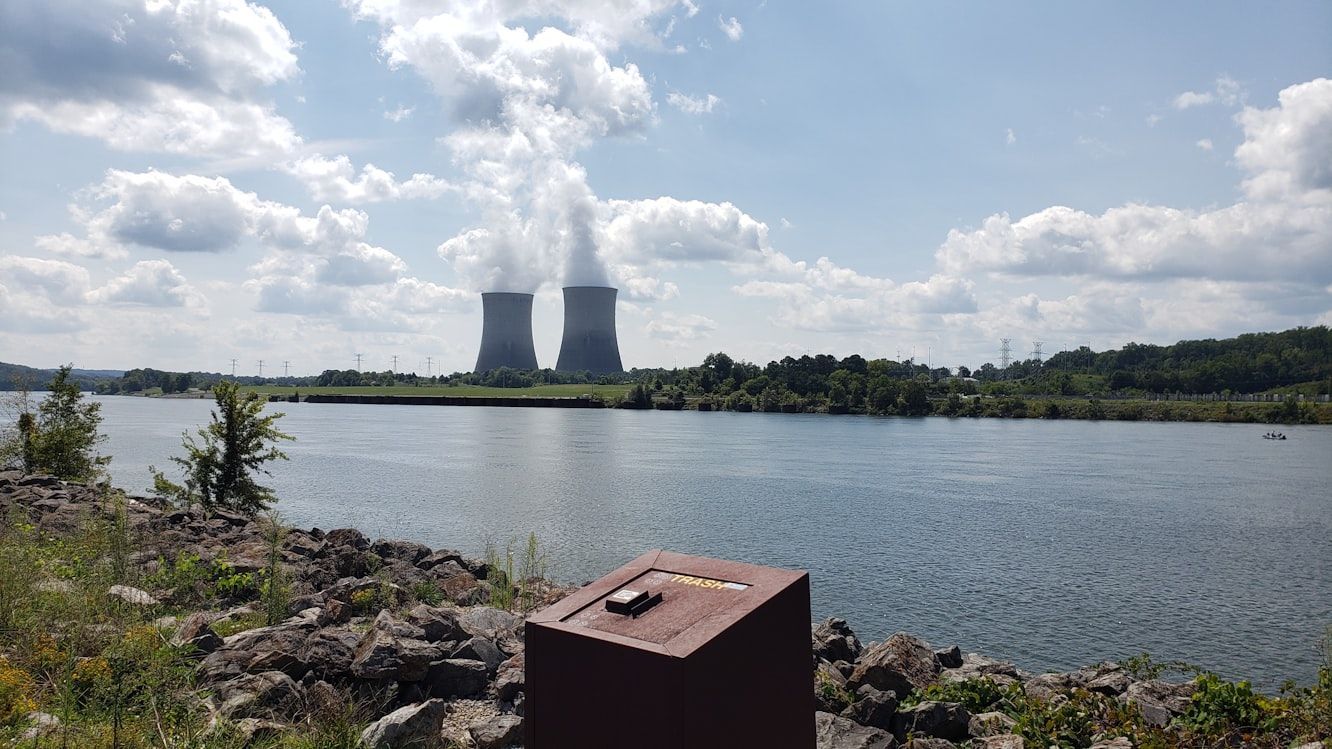
Image: Lee Lawson
The Three Mile Island accident of 1979 began with equipment failures followed by human mistakes inside a nuclear power plant . Cooling problems led to a partial meltdown of the reactor core, alarming nearby residents and the entire country.
Even though it was contained, the incident reshaped nuclear energy in America. Regulators tightened training, communication, and emergency procedures.
10
Hyatt Regency Walkway Collapse (1981)
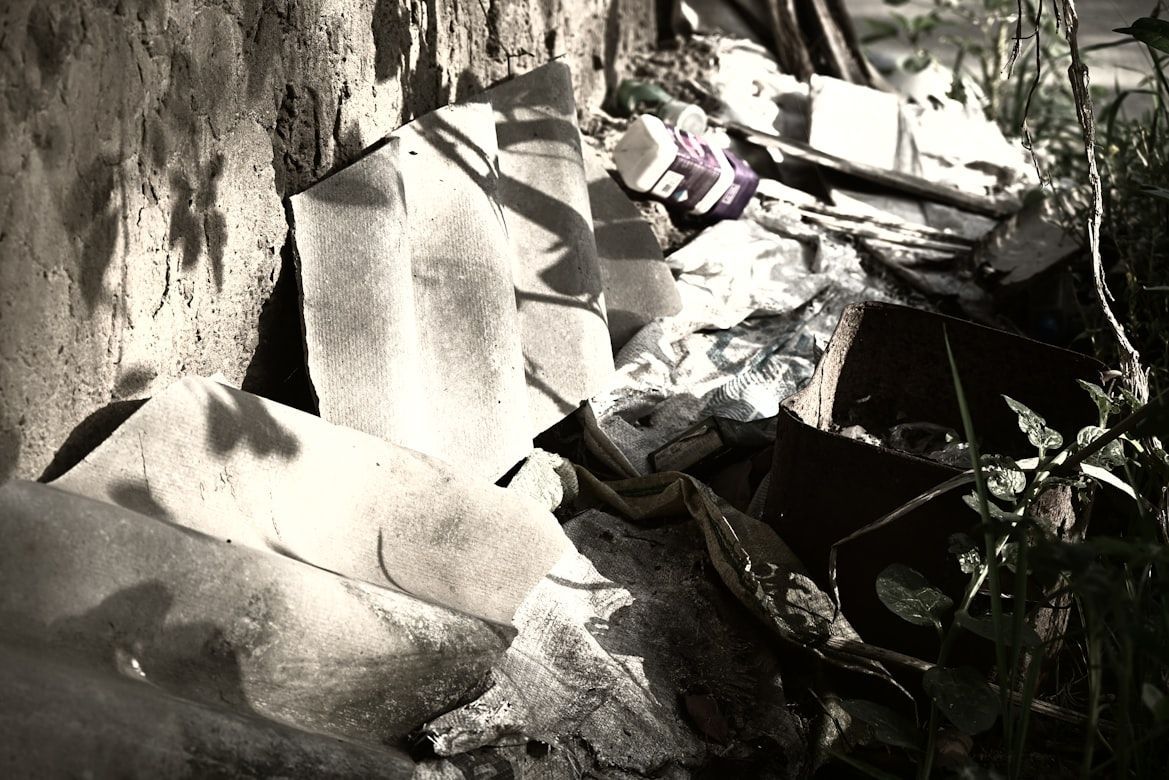
Image: AJOY DAS
The Hyatt Regency walkway collapse in Kansas City happened during a popular social dance event in 1981. Two suspended walkways above the hotel lobby suddenly gave way, crashing onto the crowded area below .
Investigations exposed serious flaws in the design and in the approval process itself. The disaster led to stricter engineering reviews, clearer responsibilities, and tougher building codes.
11
Exxon Valdez oil spill (1989)
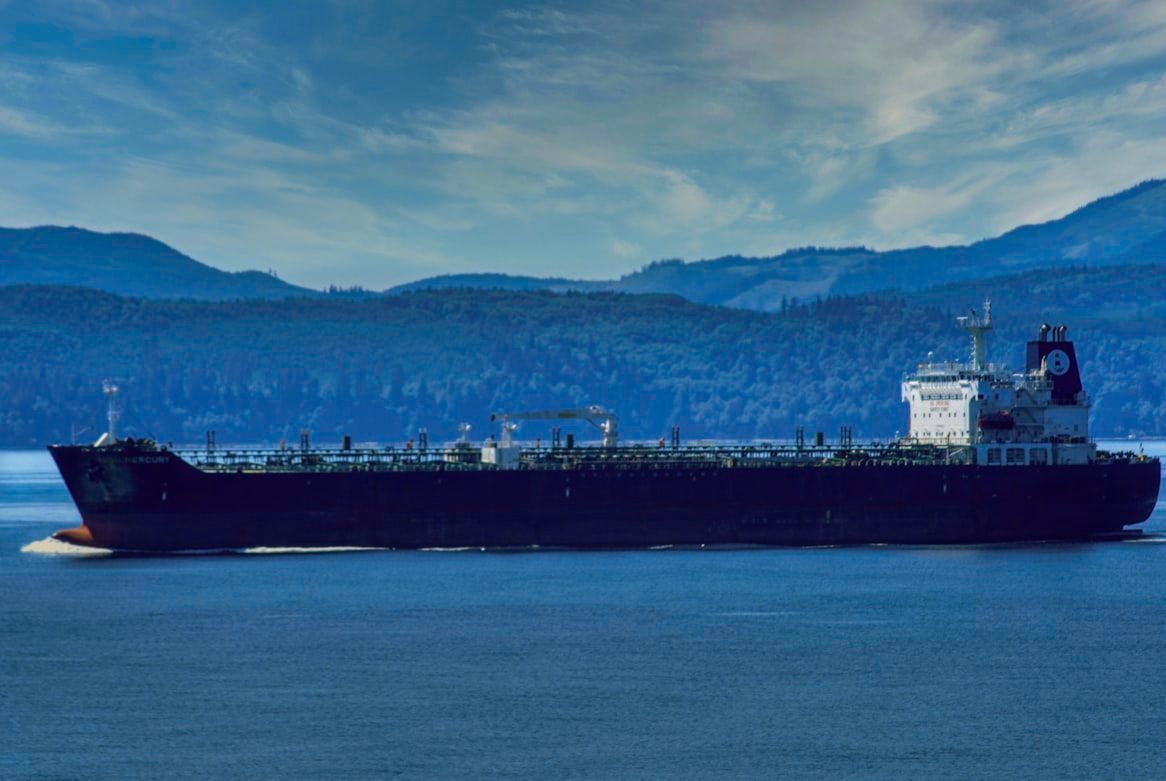
Image: Yuval Zukerman
The Exxon Valdez tanker struck Bligh Reef in Alaska’s Prince William Sound in 1989, tearing open its hull. Crude oil spilled into the cold waters , drifting onto beaches, shorelines, and wildlife habitats in the surrounding area.
The spill led to new rules for double-hulled tankers, improved navigation systems, and better emergency response plans. It also inspired major environmental legislation and long-term monitoring to reduce the impact of future shipping incidents.
12
Deepwater Horizon (2010)
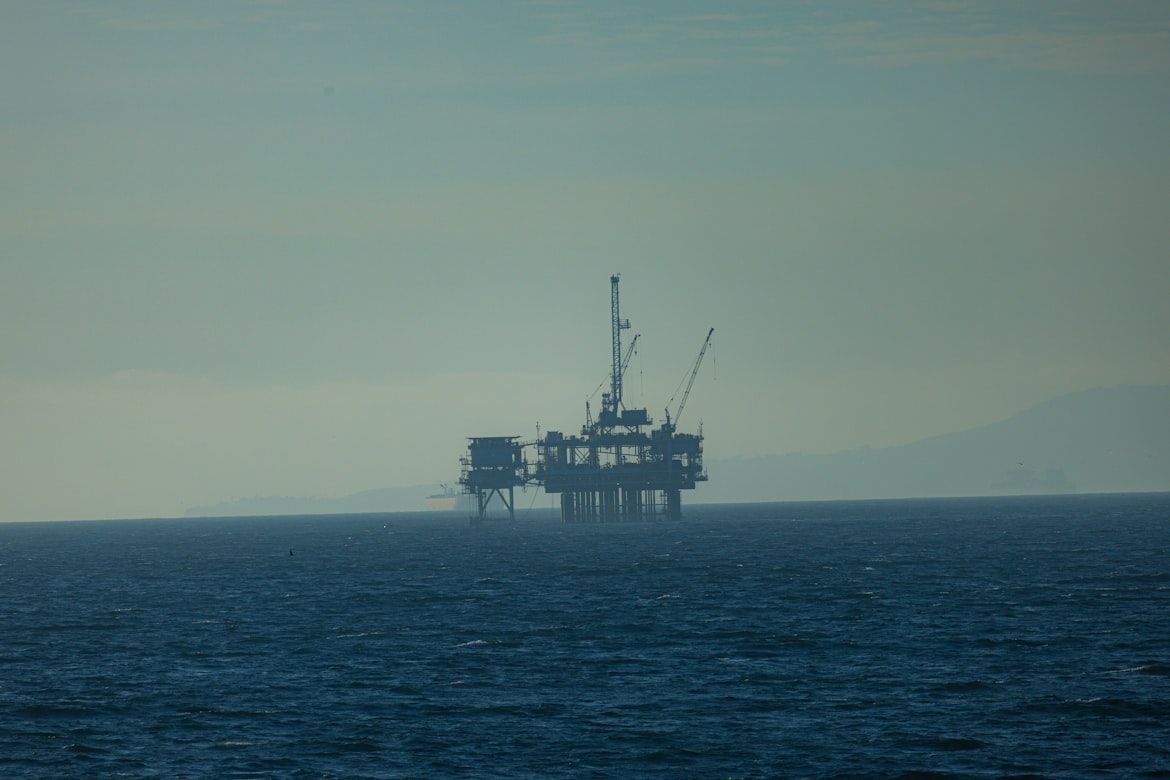
Image: Jonathan Gong
In April 2010, the Deepwater Horizon drilling rig experienced a blowout during exploratory drilling . A series of failures led to an explosion and a major well leak far below the ocean’s surface, drawing worldwide attention.
The disaster sparked new offshore drilling rules, better blowout preventers, and stricter inspection routines. It also sparked debates about energy policies and environmental protection.